In the summer of 2022, my uncle, sister, and I embarked on an epic road trip through six Eastern European countries: Bulgaria, Romania, Serbia, Kosovo, North Macedonia, and Albania. Over the course of 12 days, we experienced the diverse landscapes, cultures, and histories of these fascinating places. We took in all that these countries had to offer, like the rich interesting history, unique cuisine and breathtaking underrated monuments that make this region a fascinating one to explore.
Itinerary
Day 1 : Sofia
Day 2 : Sofia
Day 3 : Seven Rila Lakes →Rila Monastry →Skopje
Day 4 : Skopje
Day 5 : Skopje → Prizren → Tirana
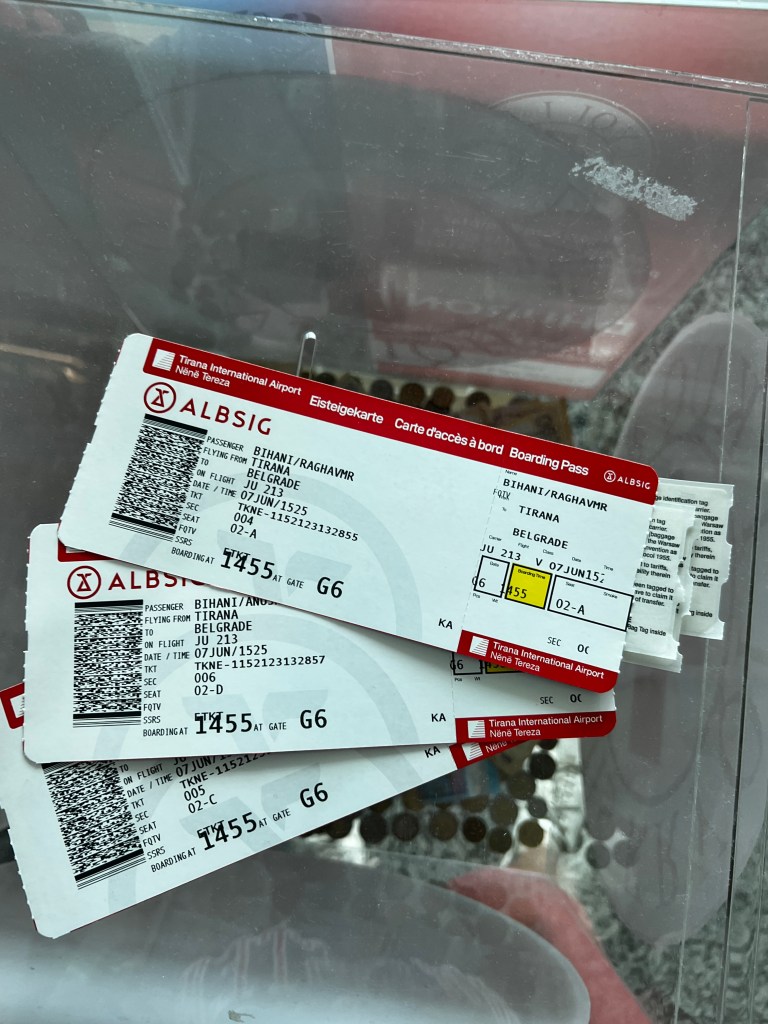
Day 6 : Flight to Belgrade
Part II
Day 7 : Belgrade
Day 8 : Belgrade → Novi Sad → Sibiu
Day 9 : Sibiu → Sighisoara → Brasov
Day 10 : Brasov → Bran → Peles → Bucharest
Day 11 : Bucharest
Day 12 : Departure
Bulgaria
Bulgaria, located at the crossroads of Asia and Europe, is a modern country still following tradition. It is a land of breath taking beauty and endless adventure. Bulgaria’s history stretches back to ancient times and has been shaped by a variety of cultures including Thracian, Roman, Byzantine, and Ottoman. From its delicious food and world-class wines to its stunning architecture and warm, hospitable people, Bulgaria is a place that will captivate your senses.
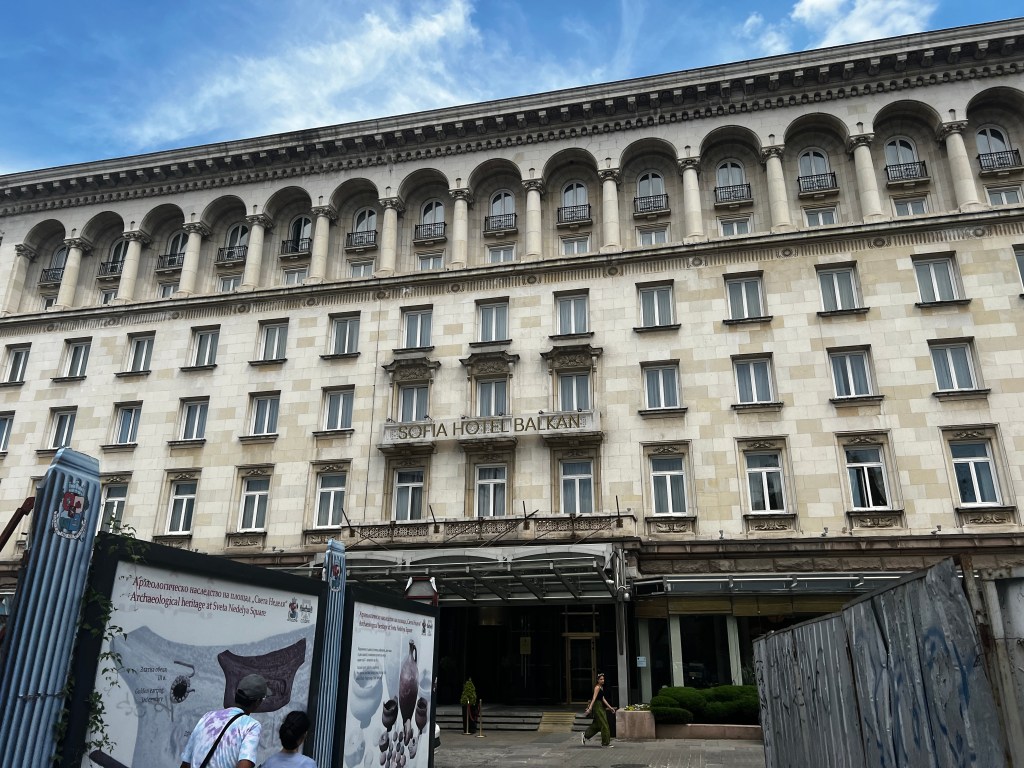
Just after a 15-minute drive from the airport in Sofia, in awe of the cobbled streets and architecture, we reached our accommodation Sofia Hotel Balkan, which is a part of the Luxury Collection by Marriott. The hotel is historic and monumental and it is part of the President’s Palace complex. Beneath its foundations lies a historical Roman fortress, the remains of which can be seen all around the hotel. The hotel building also houses a casino, several shops and the church of St. George Rotunda. The rooms are small and the service is average and many facilities are outdated, but the location is amazing.
After relaxing a bit, we went out to the Main Street of Sofia which is Vitosha street. The street stretches over 2-3 kilometres and has many famous coffee shops, restaurants, stores and ice cream parlours. It’s a thoroughly pleasant place to spend a couple of hours; the cafes along the pedestrian street have outdoor seating, there are a variety of local shops around, and the crowd makes the place very happening. While walking, we picked up some pizza and ice-cream for a quick snack.
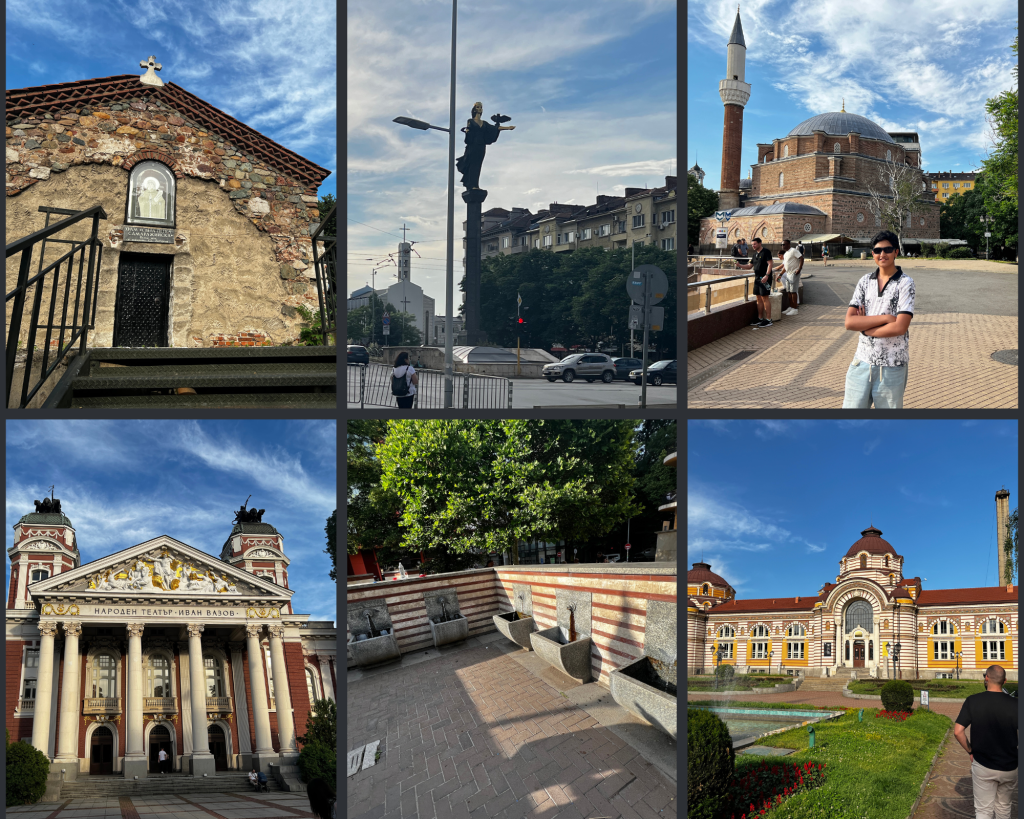
Then we were off for a walking tour of Sofia, organized by Sofia Walking Tours, which began at the Palace of Justice. It was completely free, making it a great value for travellers on a budget. Our knowledgeable guide led us through the city’s bustling streets, taking us to some of the most historic and culturally significant sites. First, we stopped at the Sofia statue, a tribute to the city’s patron saint. From there, we visited the Banya Bashi Mosque, a beautiful example of Ottoman architecture, and the synagogue, a testament to the diverse religious heritage. We also stopped at the mineral waters; be sure to bring an empty water bottle with you, as you can try the fresh, mineral water for yourself! Next was the Ivan Vazov National Theatre, a stunning neo-classical building. Another highlight was the Russian Church, with golden domes that tower over the city. Finally, we ended our tour at the St. Alexander Nevsky Cathedral, a grandiose cathedral that is one of the symbols of the city. The cathedral is also a popular spot for photography, with its stunning architecture and beautiful stained glass windows. The walking tour was a great way to explore the city and understand its rich culture and history; whether you’re interested in history, culture, or just want to see some beautiful architecture, a walking tour of Sofia is recommended.
Another unique thing in Sofia are the yellow paved street which are a unique feature of the city’s architecture and history. These streets, made of yellow-colored concrete, were built in the 1980s as part of a project to renovate and preserve the city’s historic centre. The yellow color was chosen to mimic the appearance of the original cobblestones, which were often made from a type of sandstone that had a yellowish hue. They are now a popular tourist destination and a recognizable aspect of Sofia’s identity.
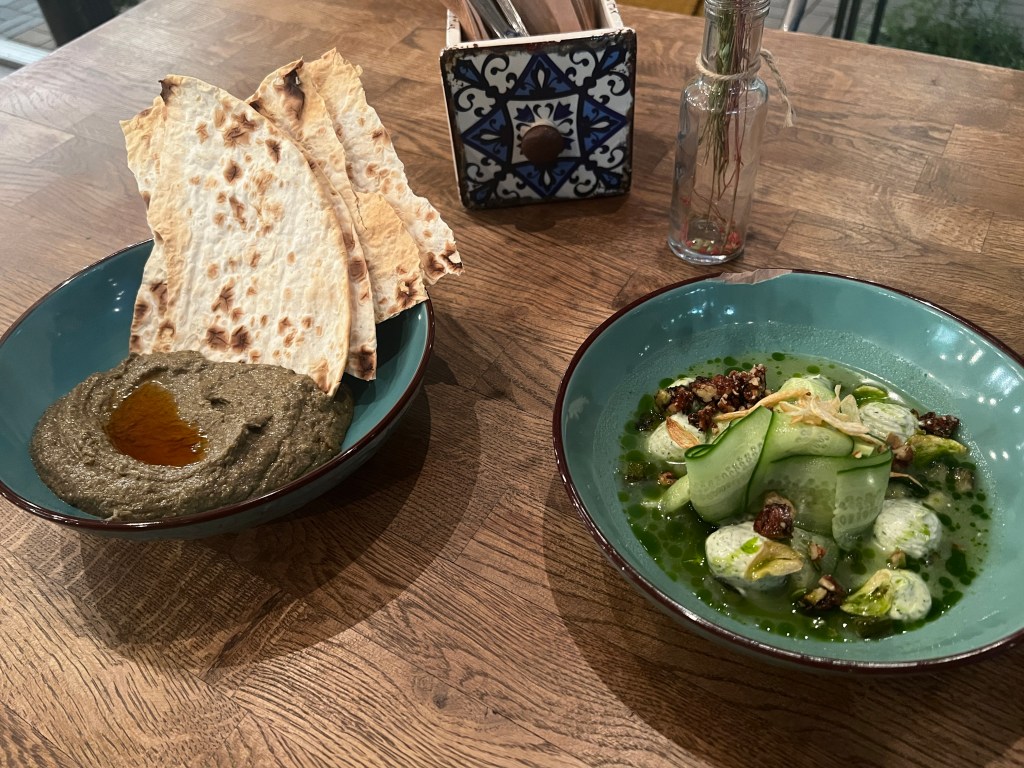
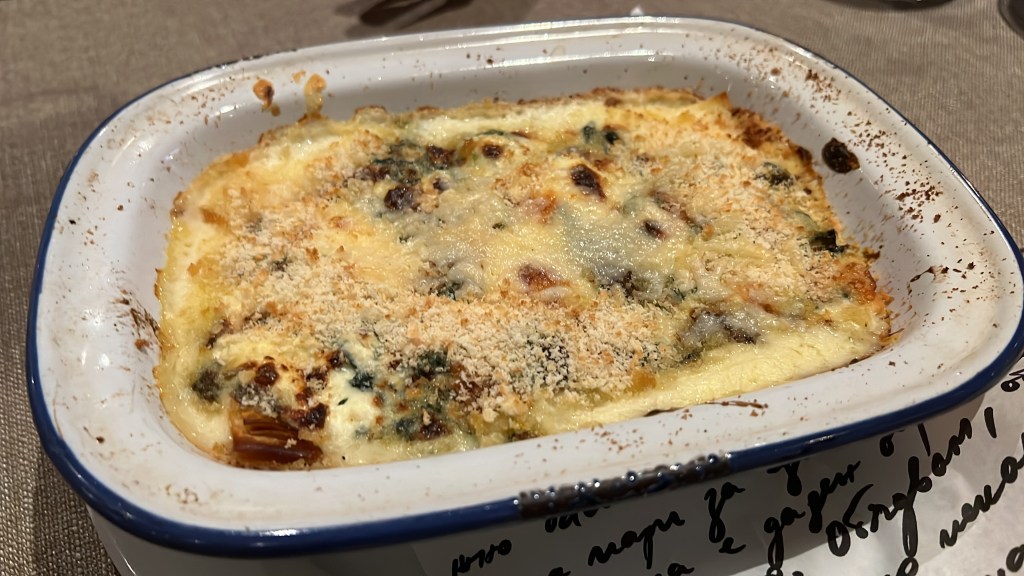
After an informative but tiring two-and-a-half-hour walk, we went for dinner at Tables on Vitosha street ( Which is now sadly closed ). It is a modern place with nice dishes. We ordered the Black Sesame Hummus and the Taratar with cucumber broth. From there, we went to another restaurant Stratshavelica whose ambience and food is the polar opposite of tables due to its old east European charm. It is a historic type place with seating for up to 250-300 people but still, it is hard to find a seat. The menu is also very extensive and very well thought out. We sampled 3 dishes – the guacamole mousse, the Quattro Formaggi Lasagna and the Aubergine Caprese. Both the restaurants are very nice and are located on Vitosha Street and have outdoor seating.

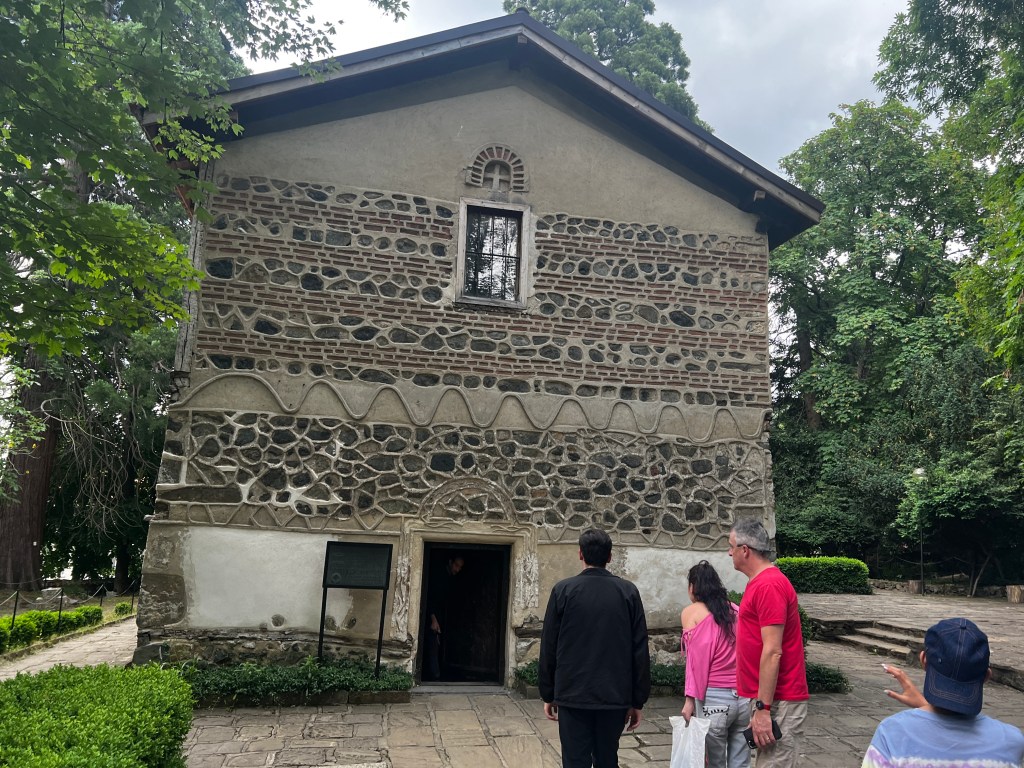
The next morning, we took a taxi and went to Boyana Church, which is located on the outskirts of the city, about 30 minutes away. It is beautifully decorated with frescos all over and is beautifully preserved from the Byzantine age. From there, we caught a taxi to take us to a Mexican restaurant Takoteka. We ordered the enchiladas and the padron peppers which were both delicious and authentic. Right next to Takoteka is a burger place called Skapto which also served amazing food. Being a Sunday, at around 4 pm we saw an entire parade coming out from Vitosha street. Costumed people on stilts, jugglers, and dancers were all participating in a parade for an advertisement by Aperol Spirits, which made the place livelier than ever. After the parade, we picked up some ice-cream and some fresh juice from Vitamin C and headed back to the hotel for a short rest before heading out again for dinner.
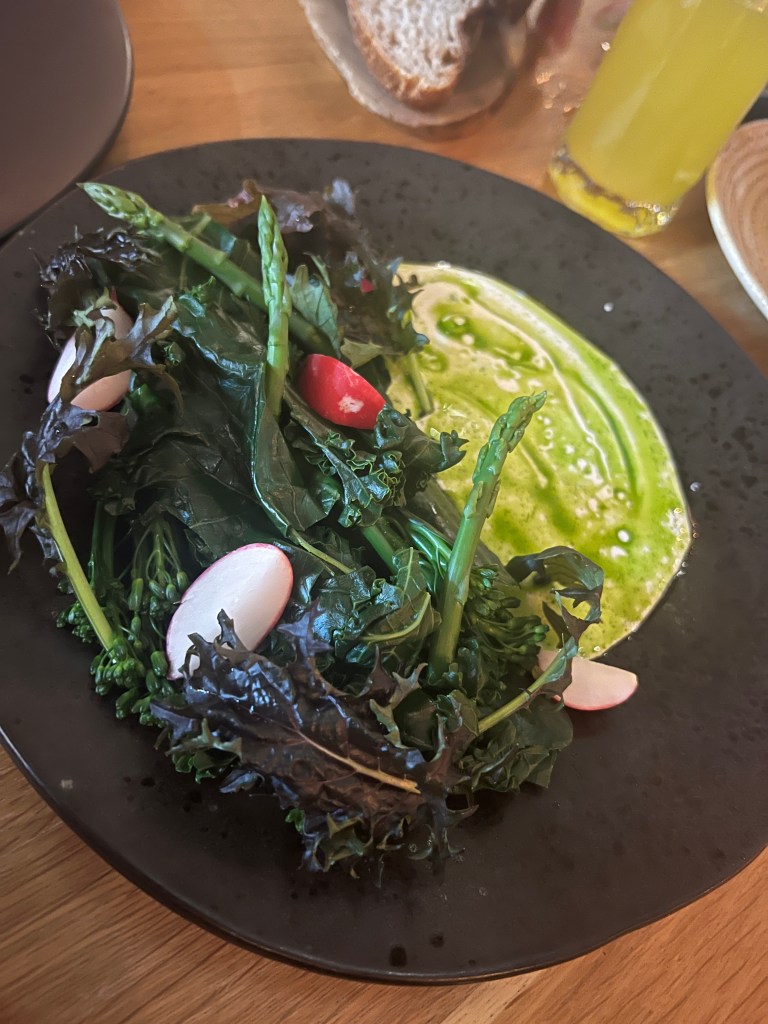
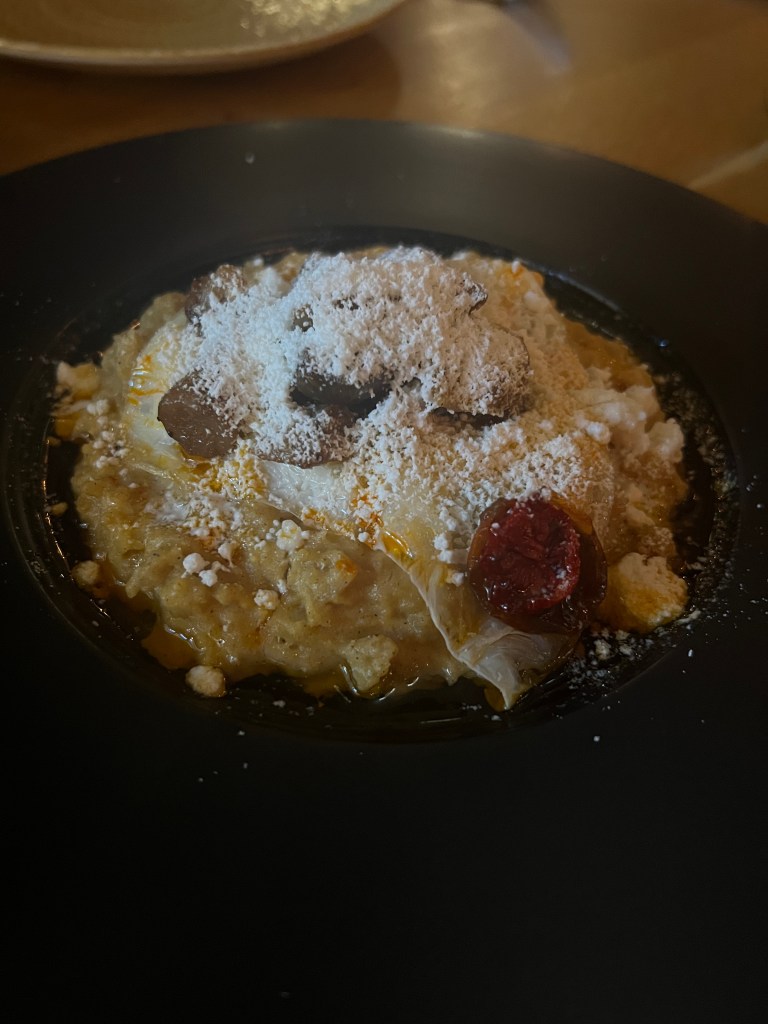
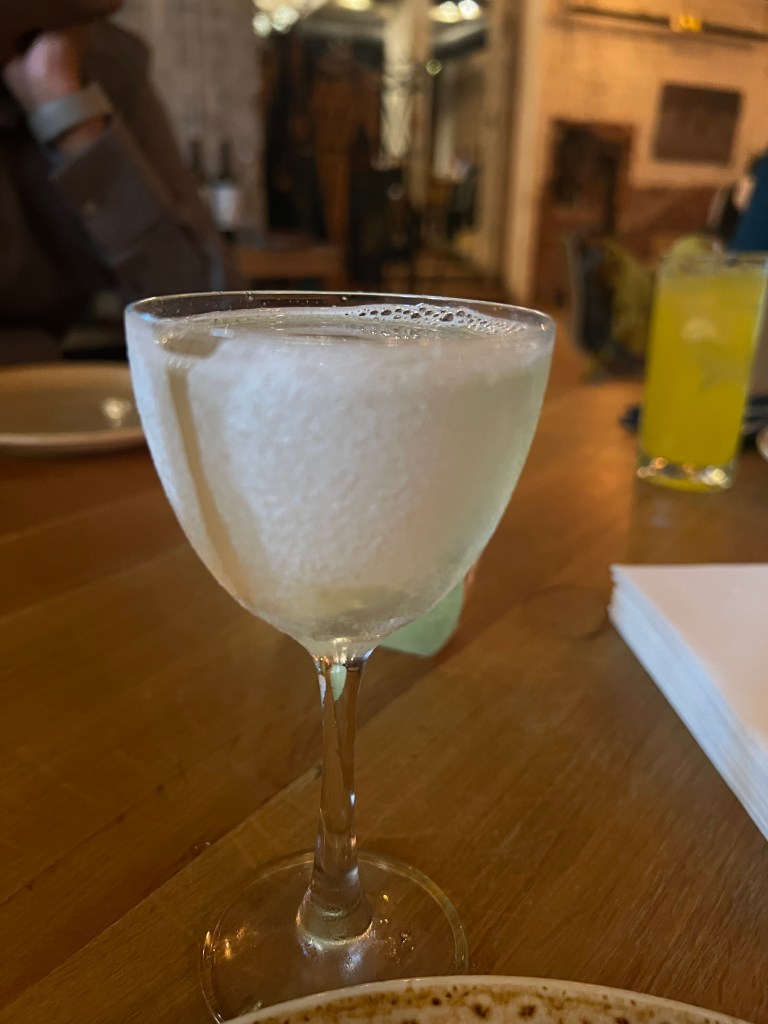
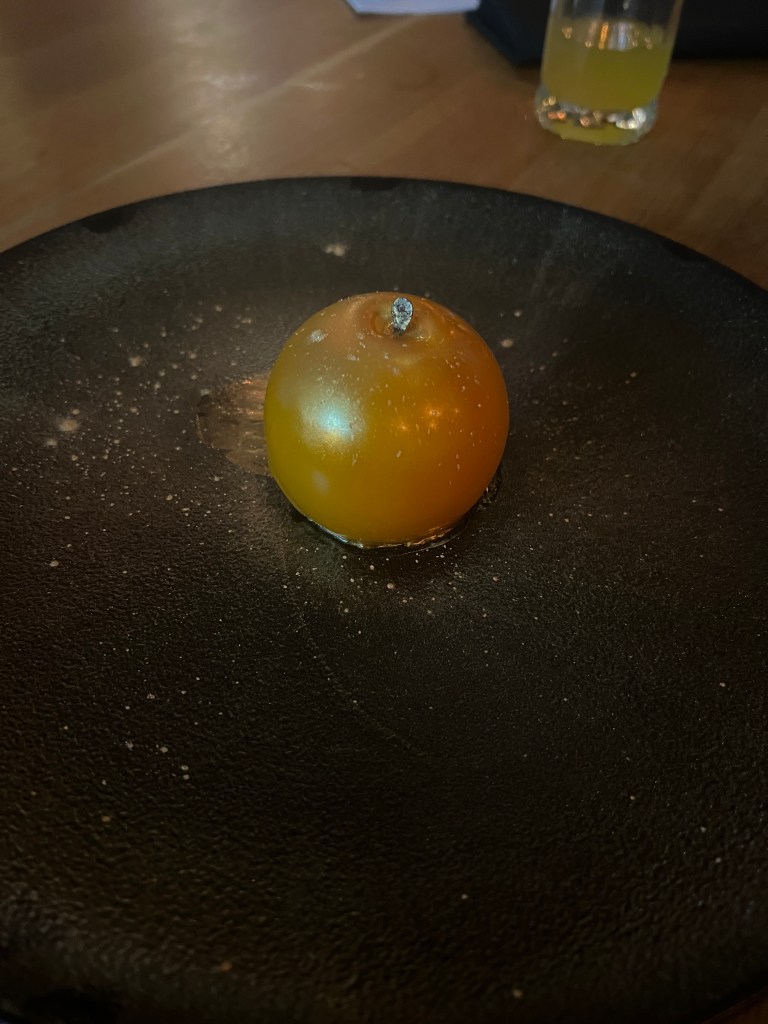
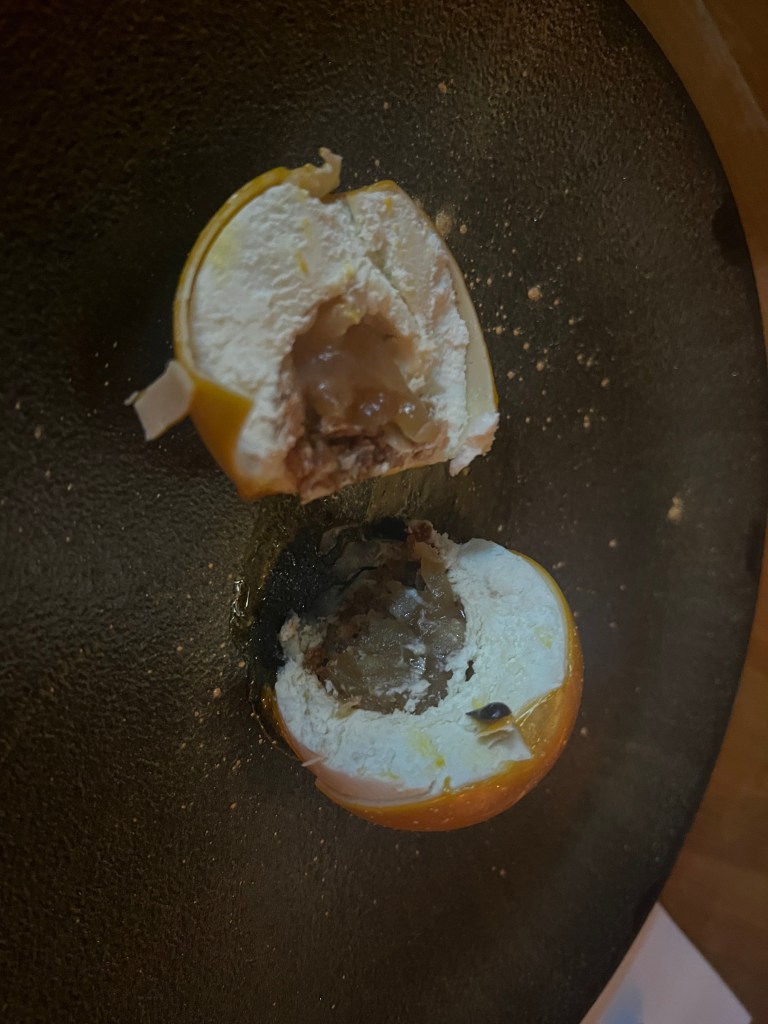
For dinner, we decided upon Cosmos, which is a modern gastronomical restaurant serving local authentic dishes with a twist. The drinks and food are well thought out and served. We ordered the Garden salad, the Spring salad, Bulgarian Kachamak ( smoked corn from Yagodina Village, brown butter, milk skin, aged goat cheese from Kozle farm ) and an apple dessert which looked like an apple and tasted even better. A unique dining experience to say the least!
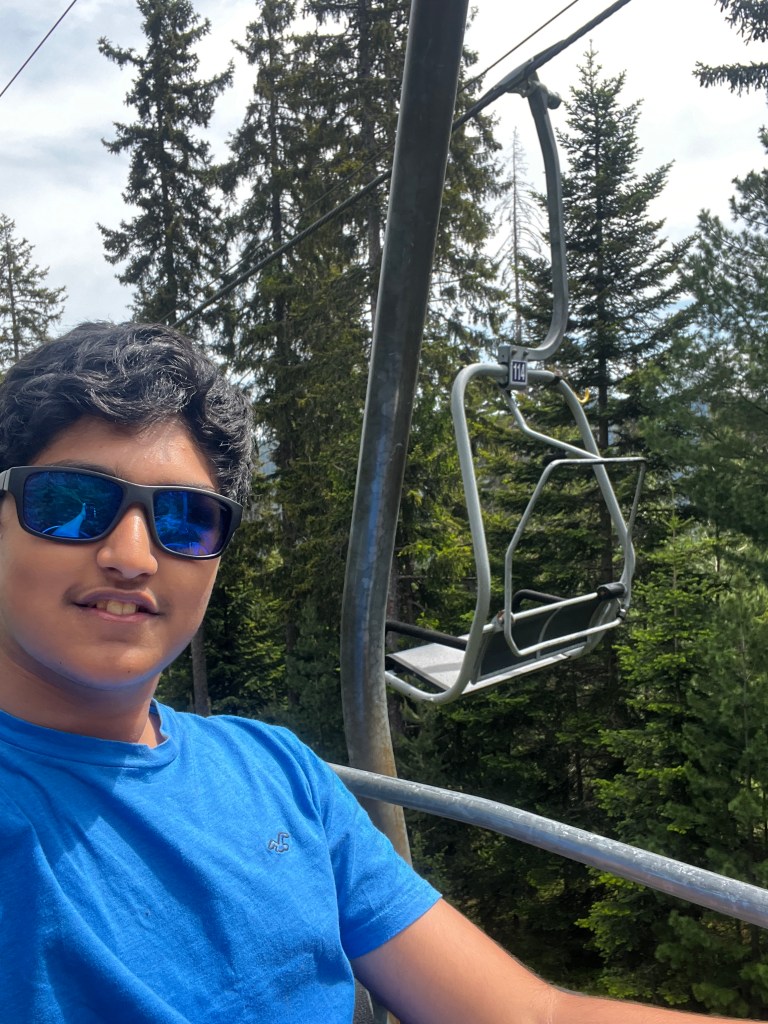
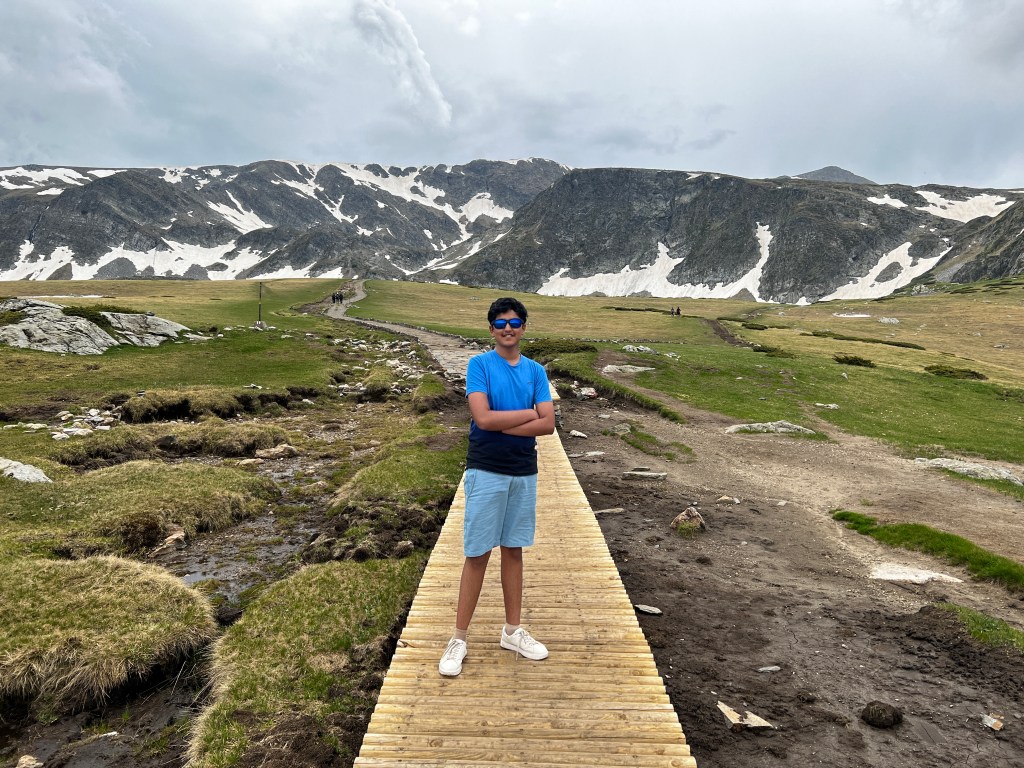
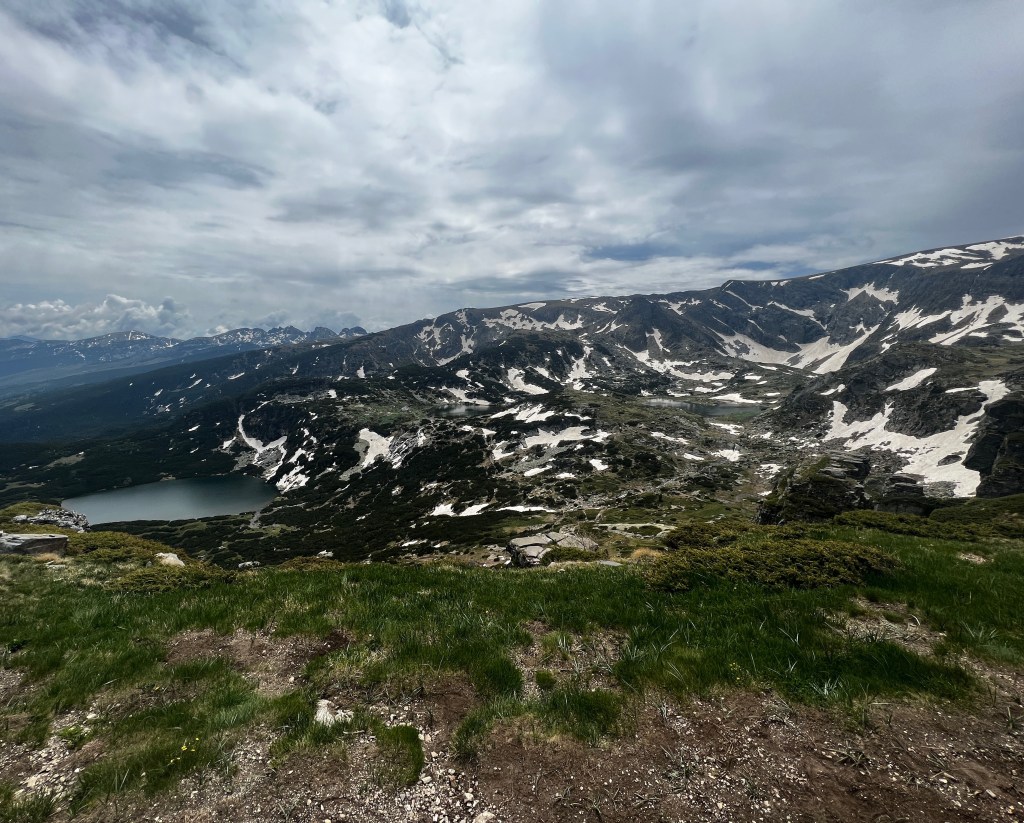
The Seven Rila Lakes are a group of glacial lakes located in the Rila mountain range, between 2,100 and 2,500 meters above sea level, which can be reached by a 1.5 hour drive from Sofia. All seven lakes have unique names reflecting their shape or characteristics and as one hikes from one lake to another, you pass by each one of them from the lowest to the highest one. This gradual progression makes the hike unique. While we hiked to four lakes, we also made friends with a person named Chris who was flying a drone, and he kindly shared some of the images captured by the drone with us. We weren’t expecting snow and the lakes were much larger than anticipated. On the fourth lake, we had a picnic and enjoyed the beautiful surroundings. The hike is highly recommended as the views are spectacular, and the natural beauty of the lakes is worth the effort, although a chairlift will soon be built, making it more accessible to people.

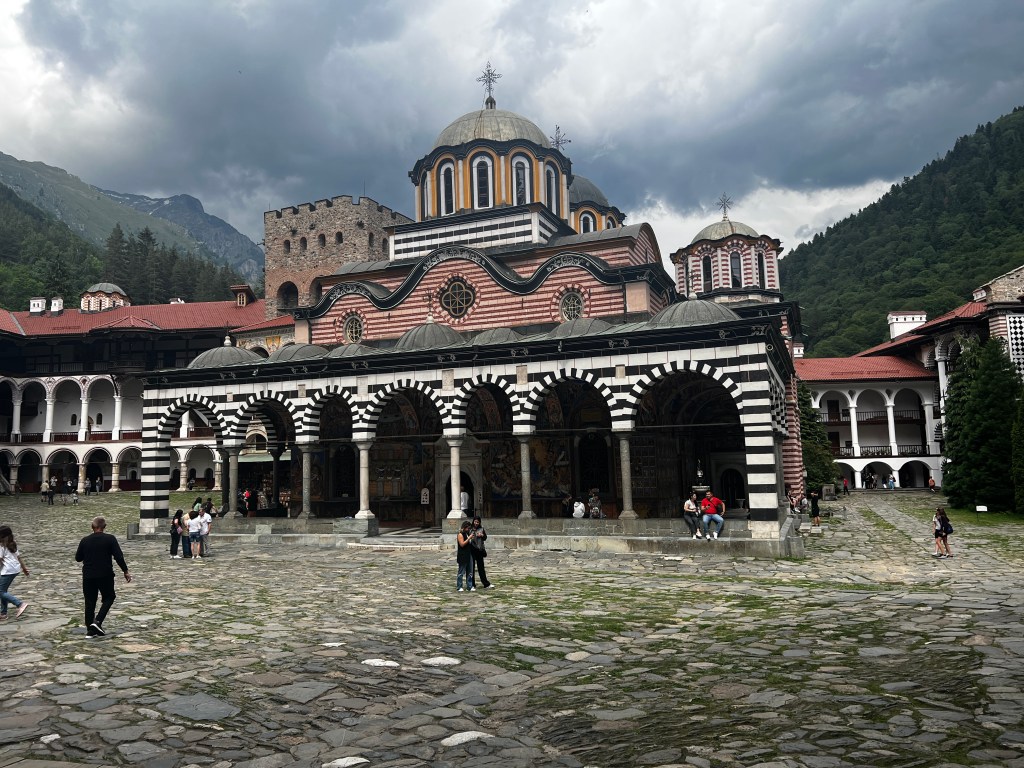
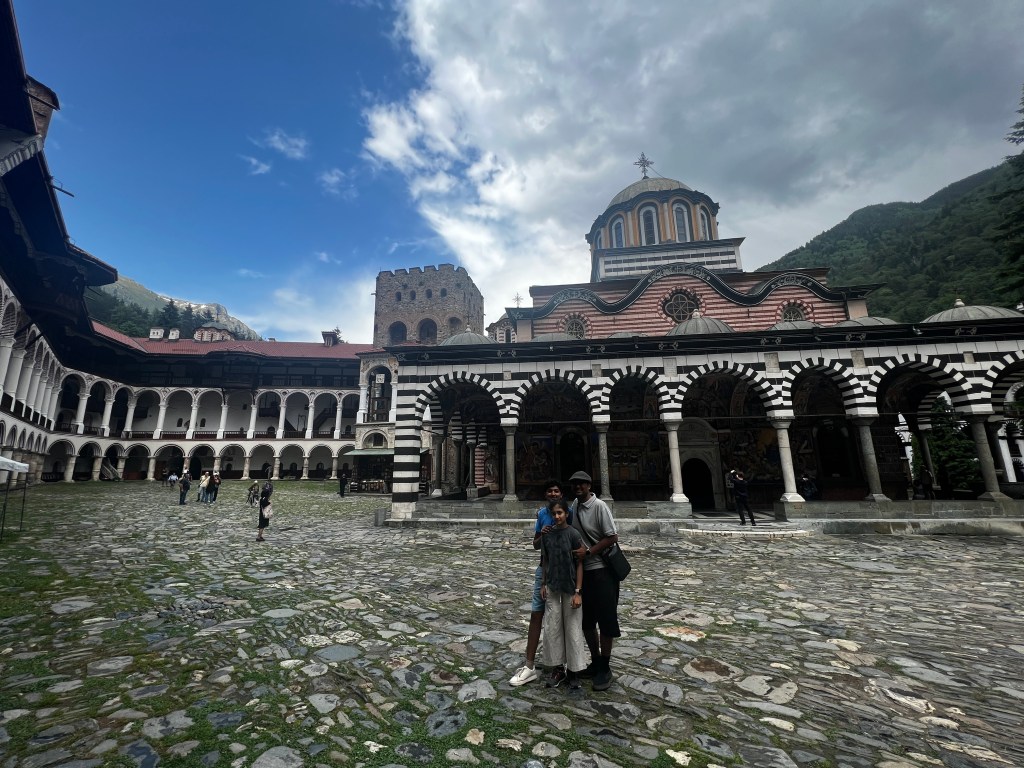
After the hike, we visited Rila Monastery, a UNESCO World Heritage Site known for its painted Church of Rozhdestvo Bogorodichno, arch-laden residential buildings, and museums. The church’s frescoes and yellow domes, the courtyard, and surrounding mountain scenery are must-sees. The Monastery is a great representation of Bulgaria’s history, culture, and architecture.

North Macedonia
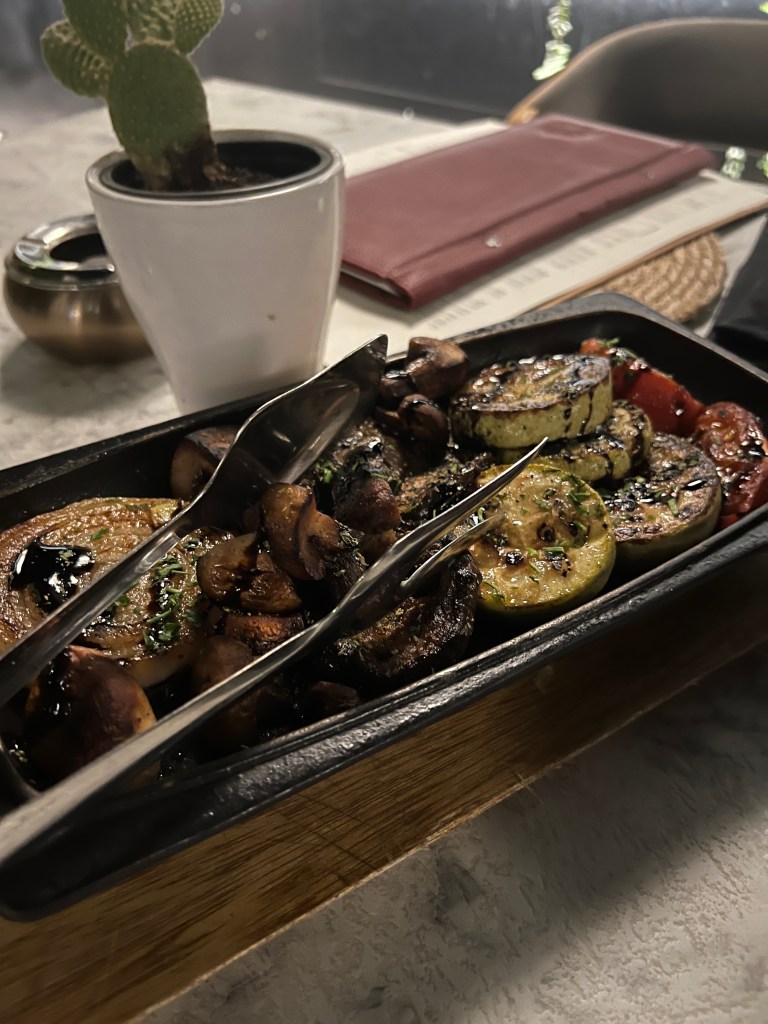
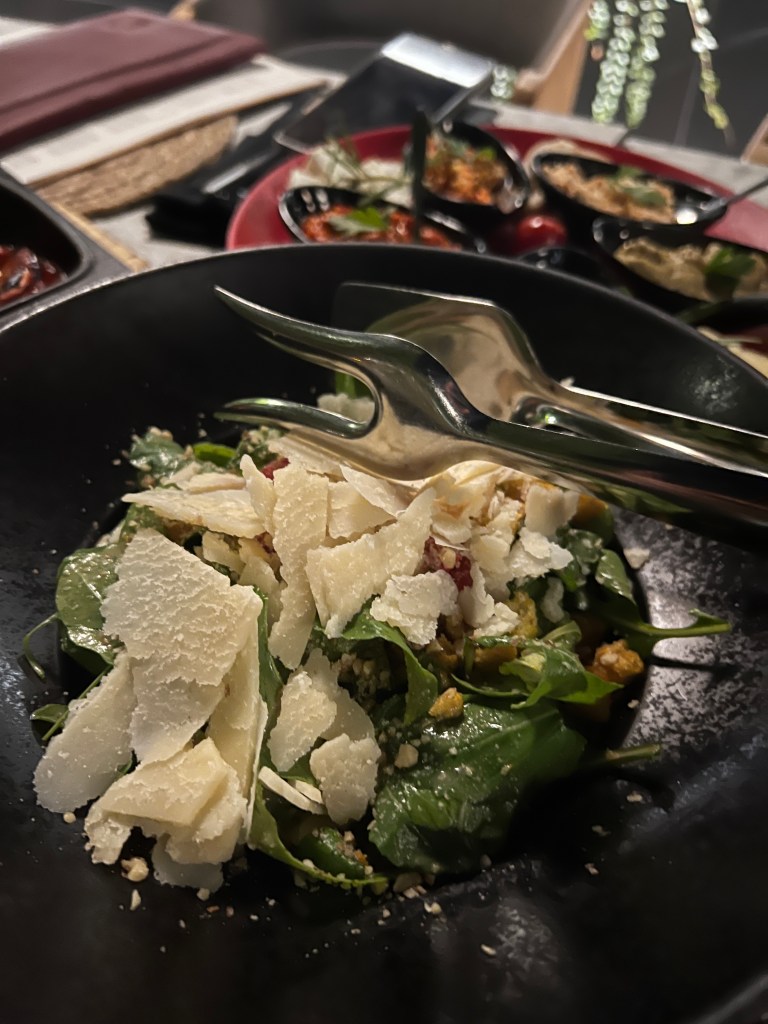
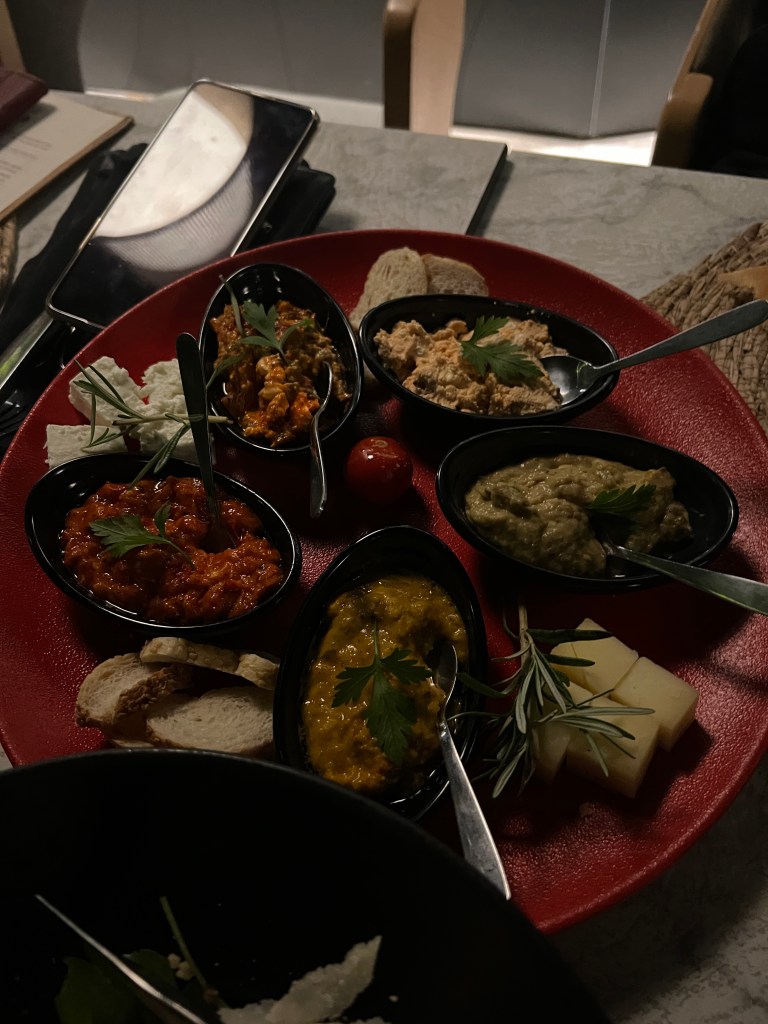
Just another 1-hour drive away we drove to Skopje, which is the Capital of North Macedonia. As I woke up in the car, I reached our hotel – Skopje Marriot. The hotel was fabulous, the rooms were huge, the food was amazing and the location was unbeatable. It is located right in the square. The Spa area with the pool, steam and sauna was also very well designed. The best hotel in the city by far. After relaxing in the hotel only for a while, we went for dinner at FOUR in the Park Hotel. The restaurant has a massive open space with a live singer performing on weekends. The ambience was very nice and the food didn’t disappoint. We ordered carrot and ginger soup, a fresh salad, a traditional platter of Macedonian dips and grilled vegetables. All the dishes were very nice and the open space with live music was perfect for such an evening. In the night we just took a stroll around the square before going to bed.

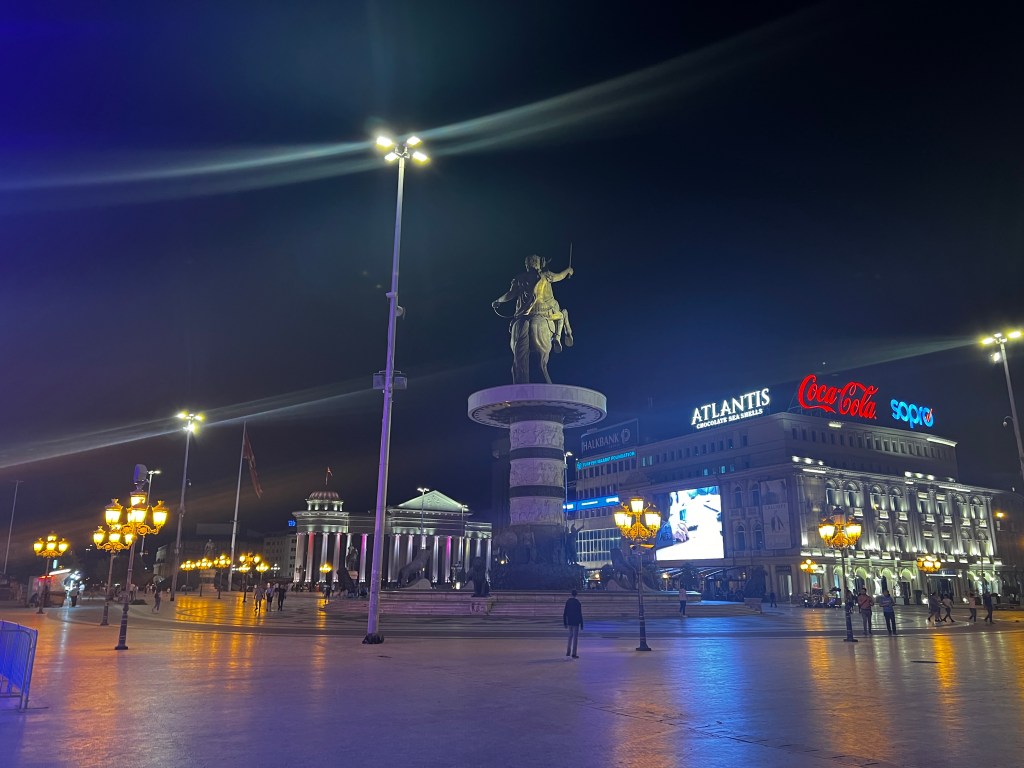
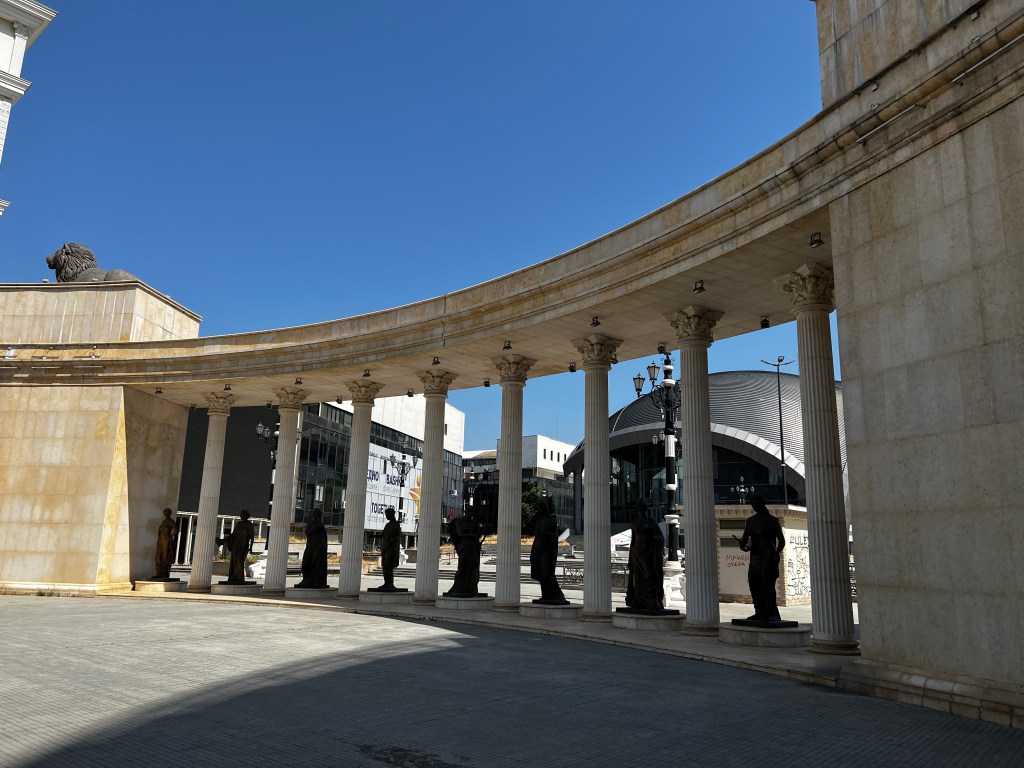
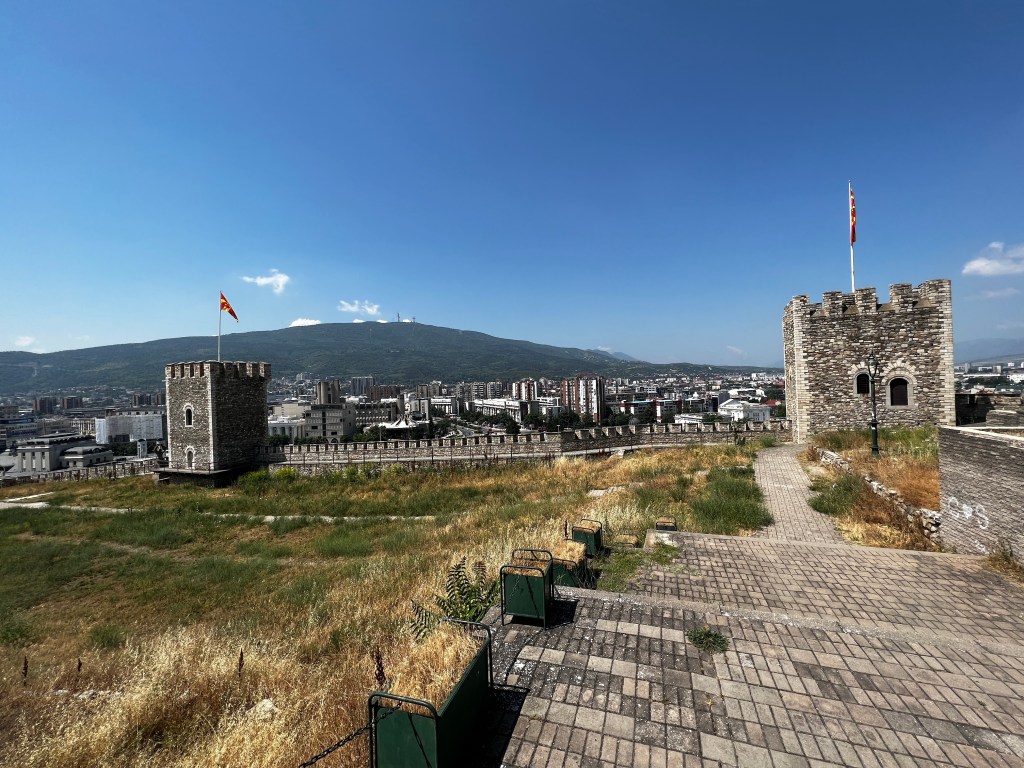
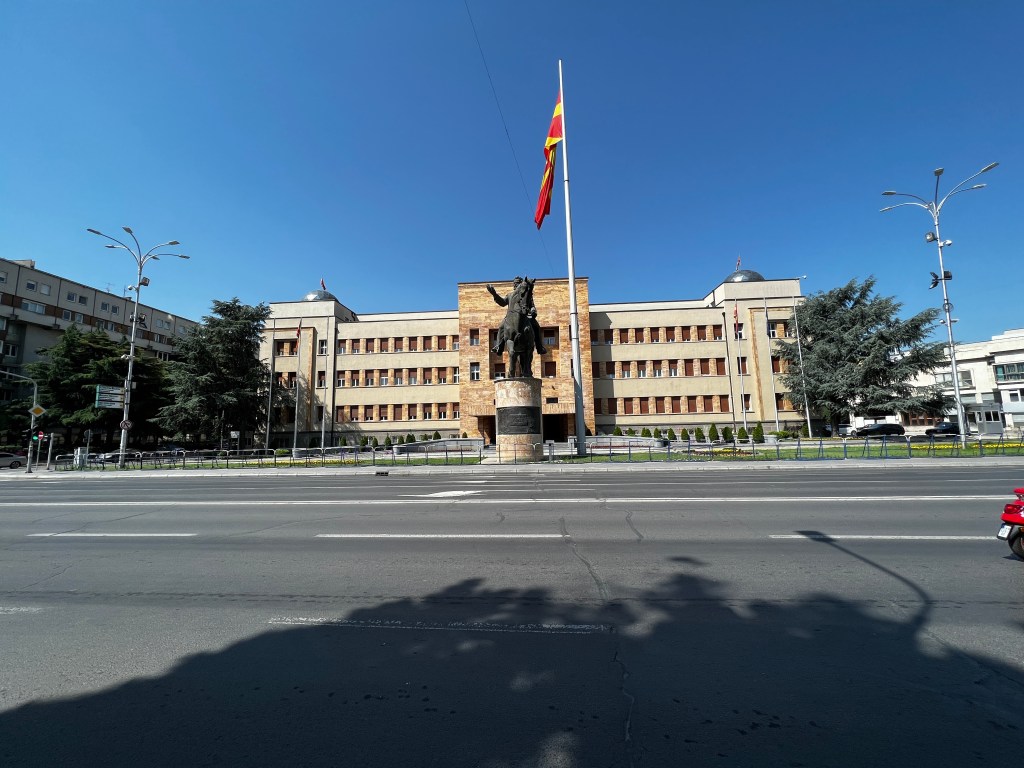
The next morning, we set out to explore the city of Skopje. A private walking tour in Skopje is a great way to experience the city’s rich history and culture. The tour began at Alexander the Great Statue. [ Fun fact : Skopje is the city with the most number of statues in the world ]. It continued to the Memorial House of Mother Teresa, which is dedicated to the life and work of the famous Albanian Catholic nun who was born in Skopje. The Old Bazaar, the Old Railway Station, and the Skopje Fortress are all excellent examples of the city’s rich architectural heritage, with their intricate designs and stunningly beautiful details. The Monument Honoring Macedonian Fallen is a poignant tribute to the country’s fallen soldiers, and the Stone Bridge is one of the most iconic landmarks in the city. The tour ended at the Macedonia Square, which is a stunningly beautiful public space that serves as the heart of the city. Towards the end of the tour, we bought postcards and sent it back home to update our friends and family on our tour and also show them the culture of this place with the forgone yet traditional medium of postcards. Throughout the tour, the guide was amazing, providing insightful information and making the tour way more interesting for us.
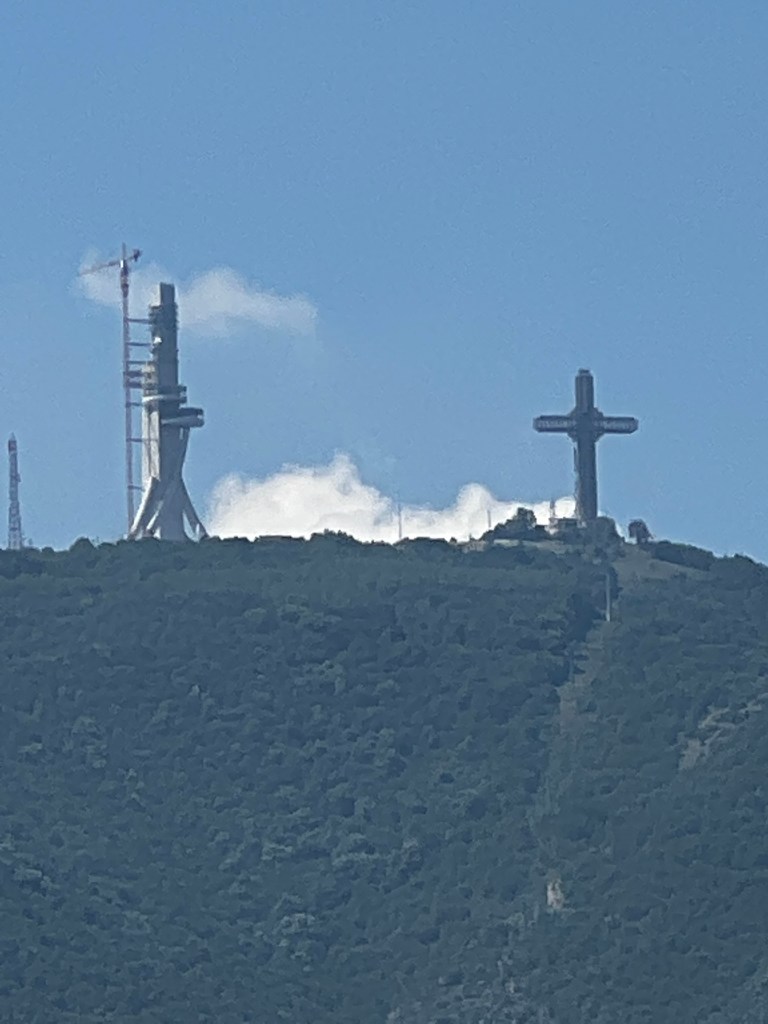
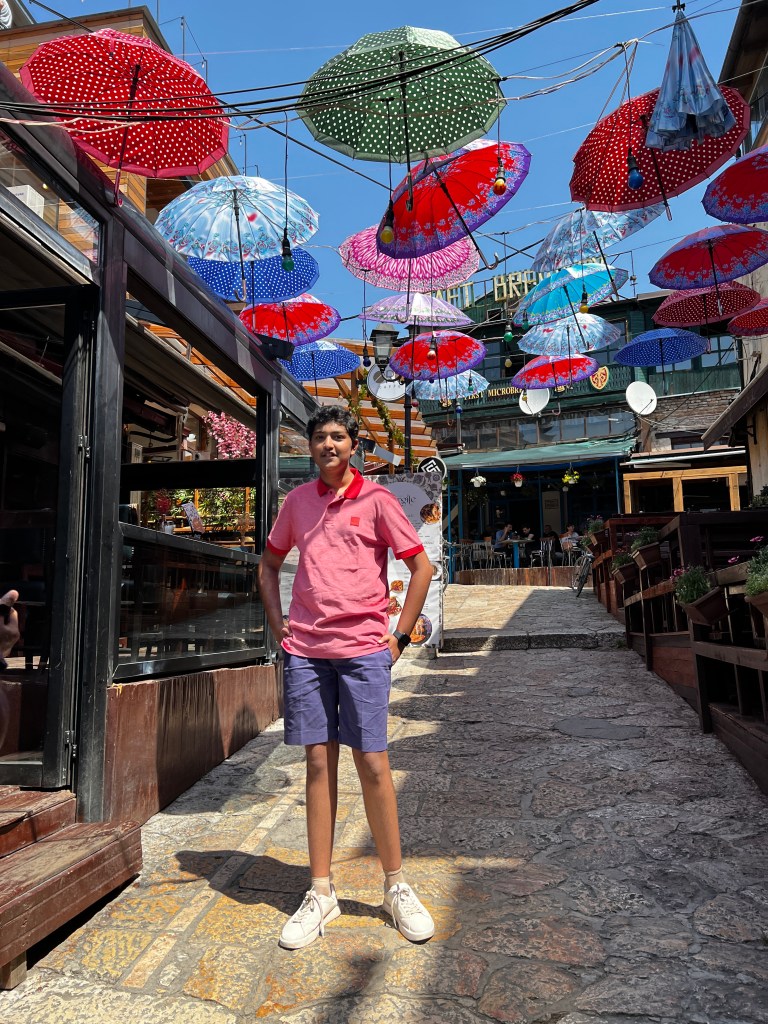
After the walking tour in Skopje, we headed to Matka Canyon for a boat ride into the many caves. The boat ride takes about an hour, and the caves are lit up to reveal the stunning beauty of their intricate rock formations. It was a great way to spend time, and would be highly recommended to anyone visiting the area if time permits. The trip to Matka Canyon took about 30 minutes from Skopje by car. Alternatively, you could also visit the Millennium Cross on top of Vodno Mountain which is the largest cross in the world and offers beautiful views over the city, or take a hike in the Vodno mountain range for scenic views and nature experience.
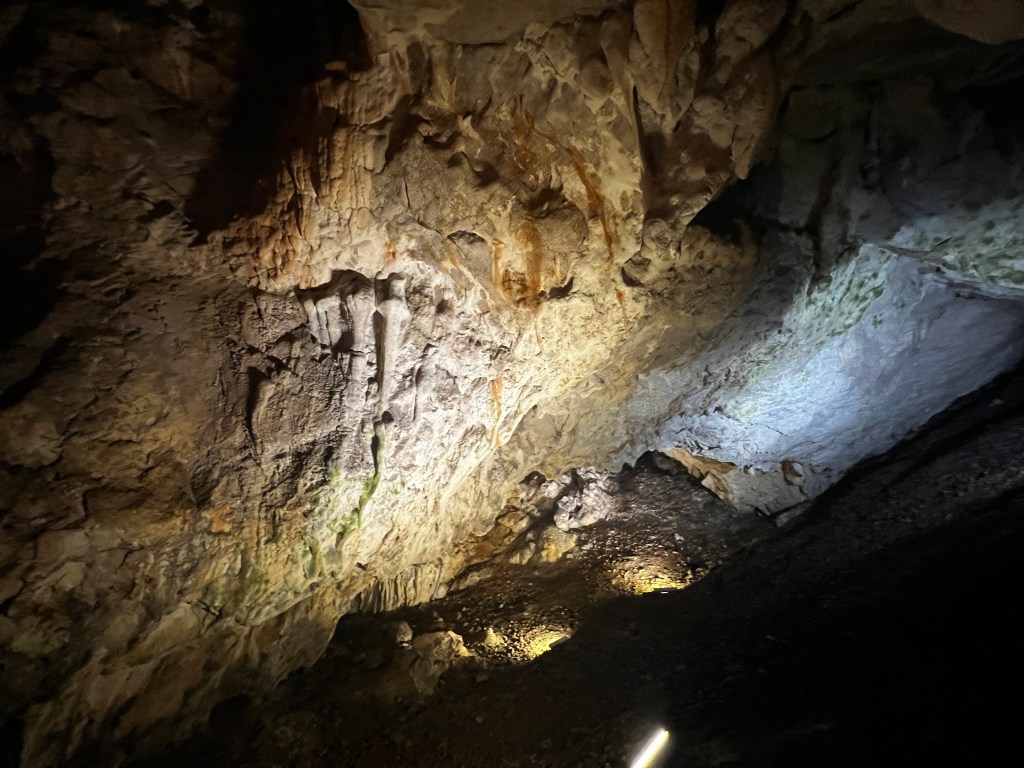

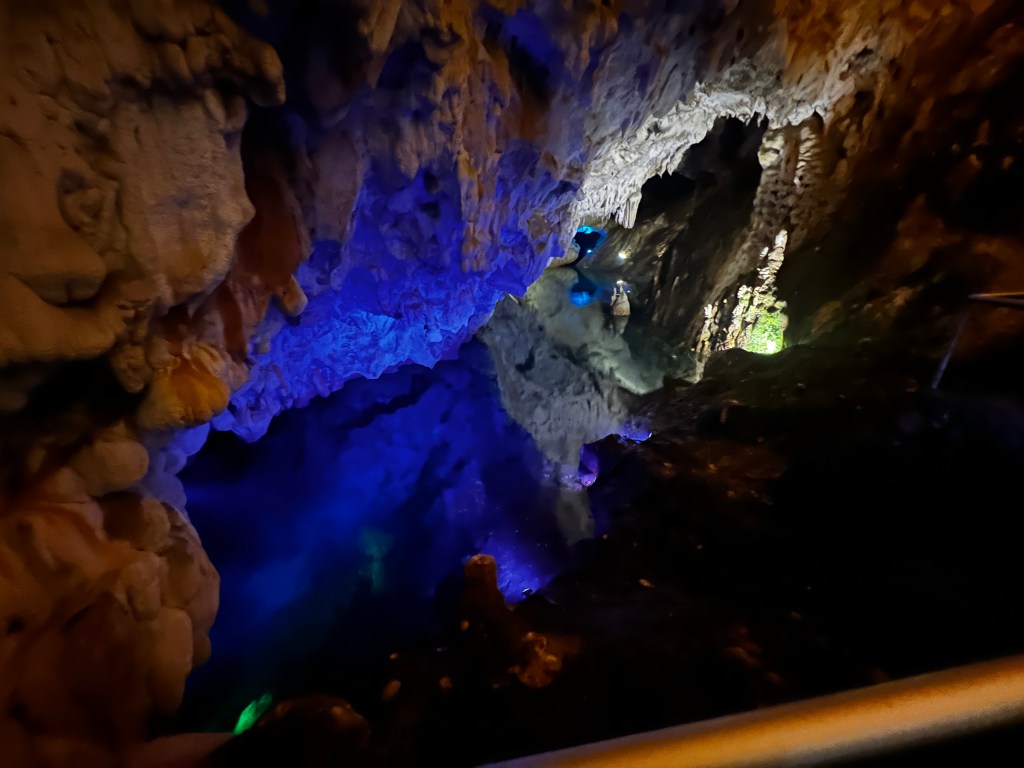


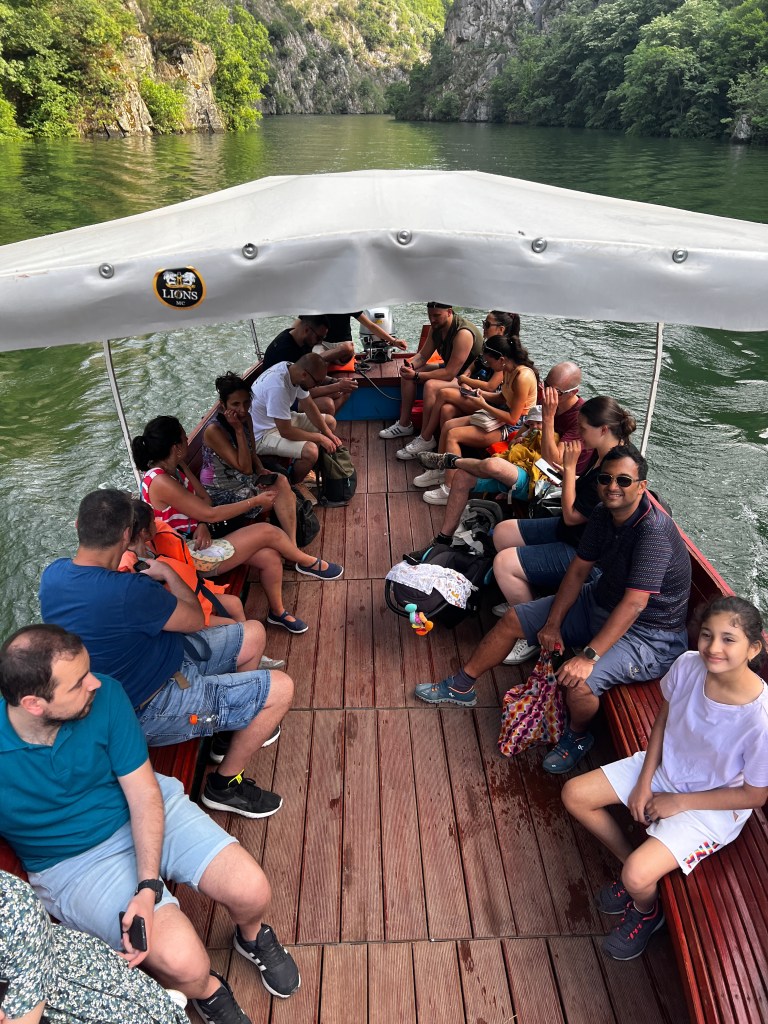
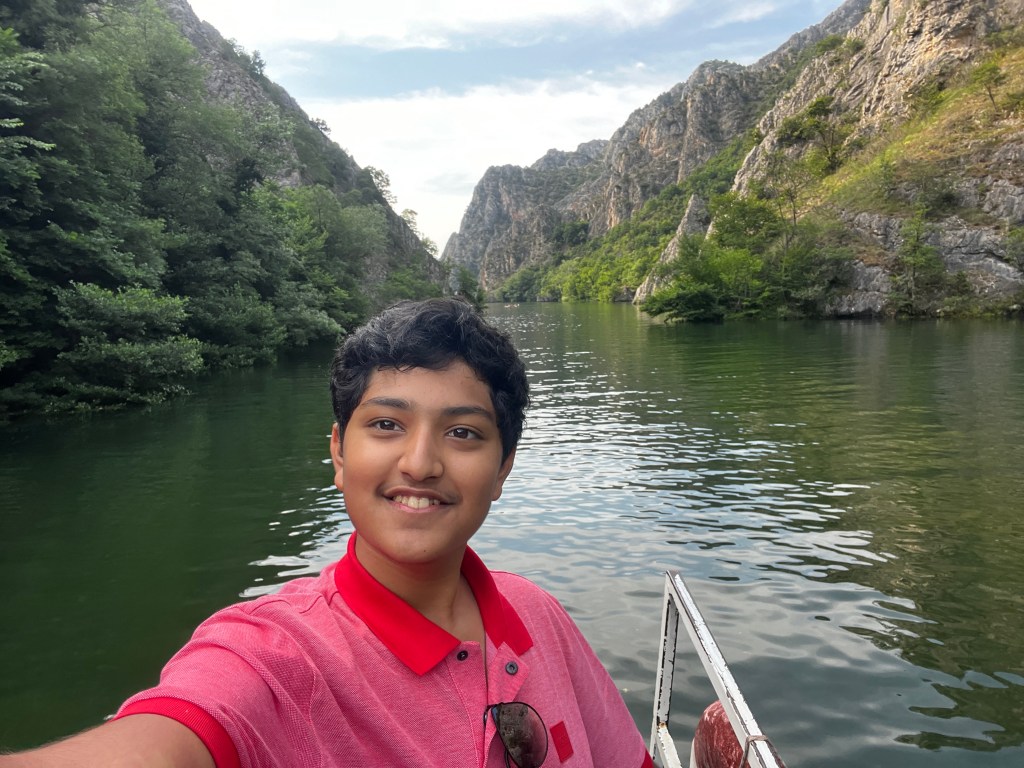
After the boat ride in Matka Canyon, we ended our day with a delicious dinner at Forza, an Italian restaurant in Skopje. The restaurant serves fresh and tasty Italian food, it also has a nice outdoor park for children to play, adding a special atmosphere for families. Other great dining options in Skopje are Amigos for Mexican food, Gostilina Dukat for traditional Macedonian food, and Vodernica Mulino for a unique dining.
The next day, we started off with a delicious breakfast at Distrikt, a restaurant in our hotel. We pre-ordered some harissa carrots, avocado gazpacho, and hummus, which were all delicious. After breakfast, we swam and enjoyed the hotel’s facilities before leaving for Tirana.
Kosovo
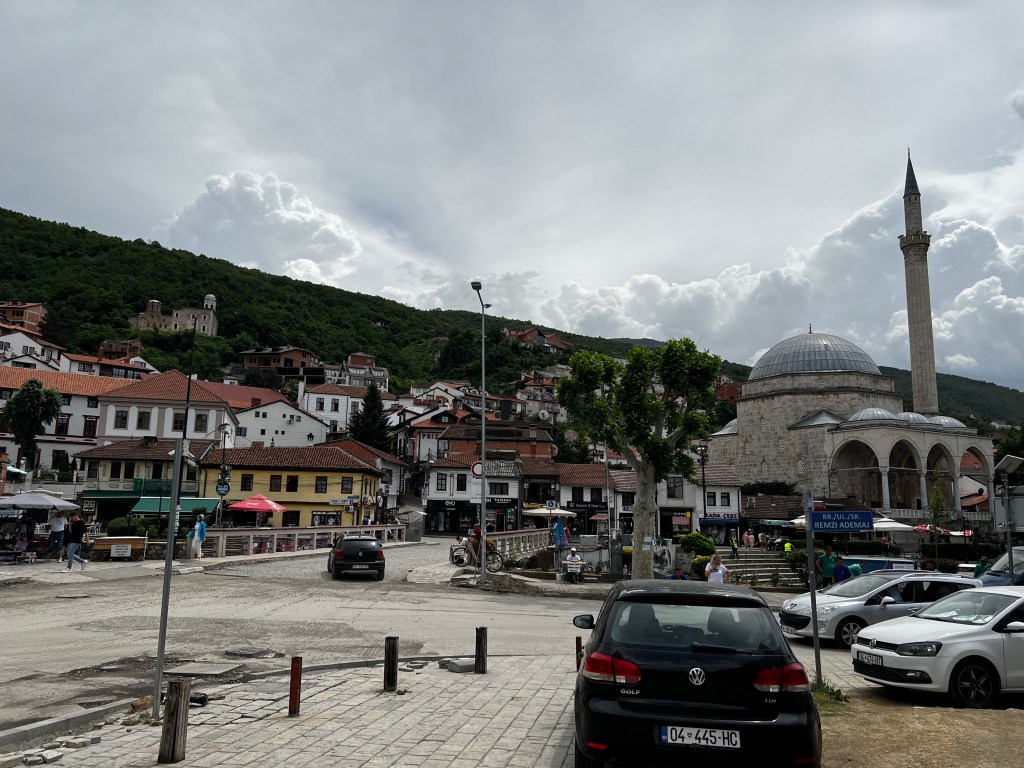
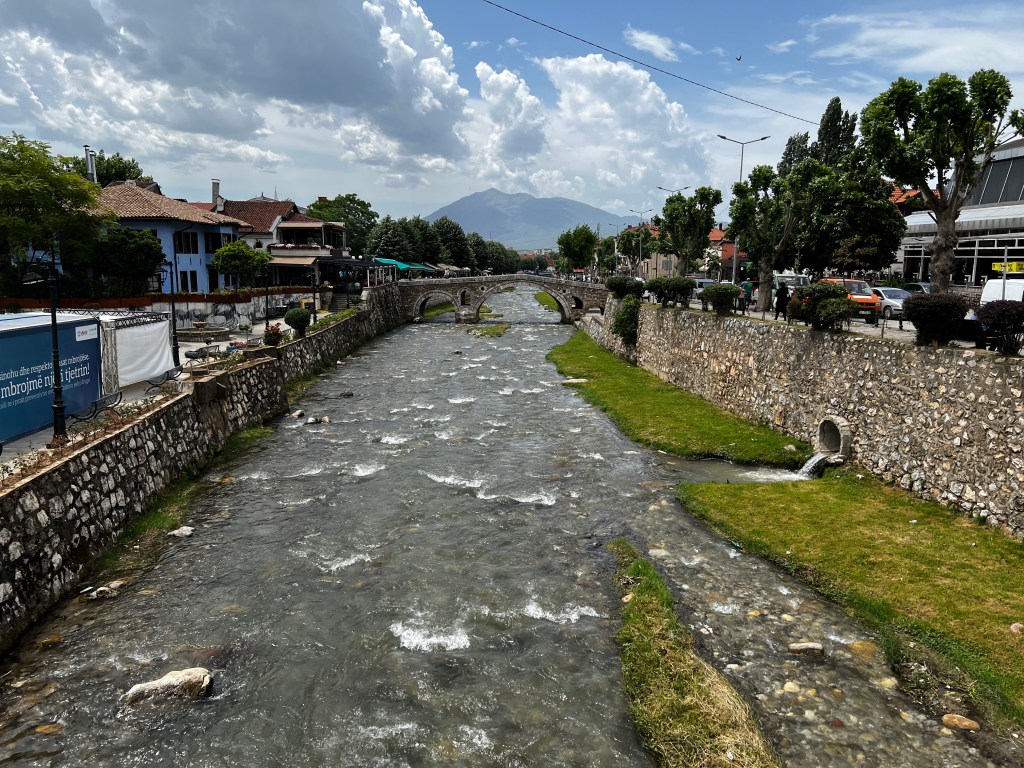
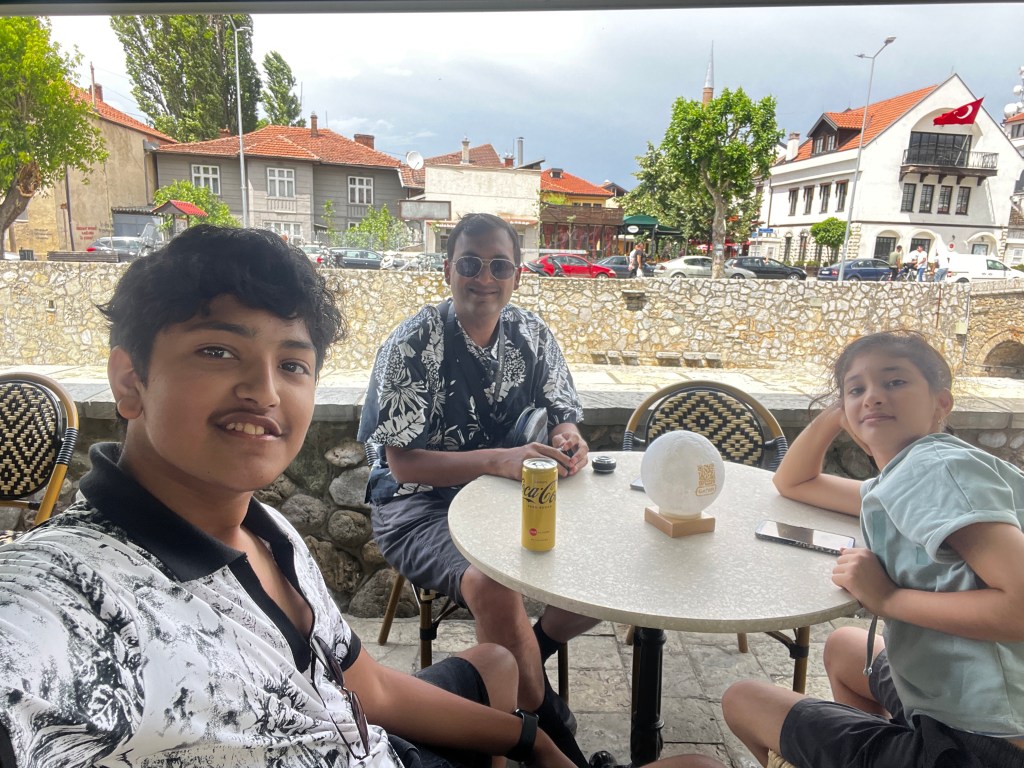
En route to Tirana, we stopped in Prizren, a city in Kosovo, where we saw the main sites such as the Sinan Pasha Mosque which is one of the main sites in Prizren. Built in the 16th century during the Ottoman era, it is known for its intricate tilework and calligraphy decoration and it was built by a renowned military leader and statesman under Suleiman. Other places you could visit are the Prizren Castle and The Holy Trinity Cathedral. Then we had a light lunch of pizza and salads on the river, enjoyed the great view and had some ice-cream before going on our way to Tirana. The entire journey was by car.
Albania
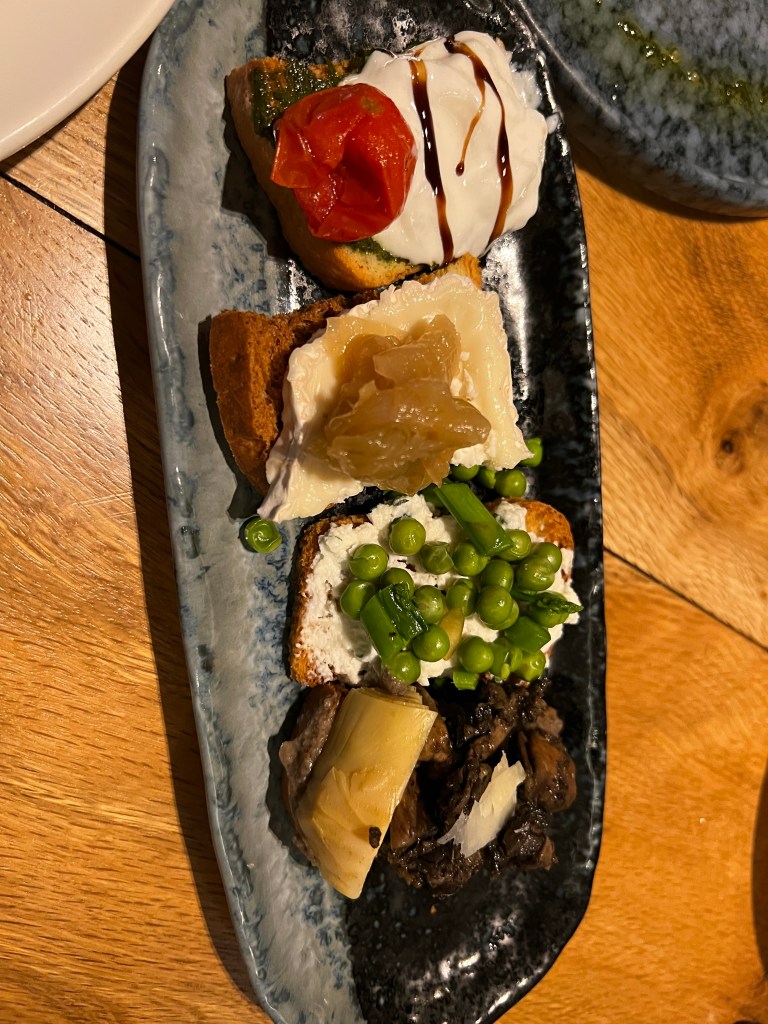
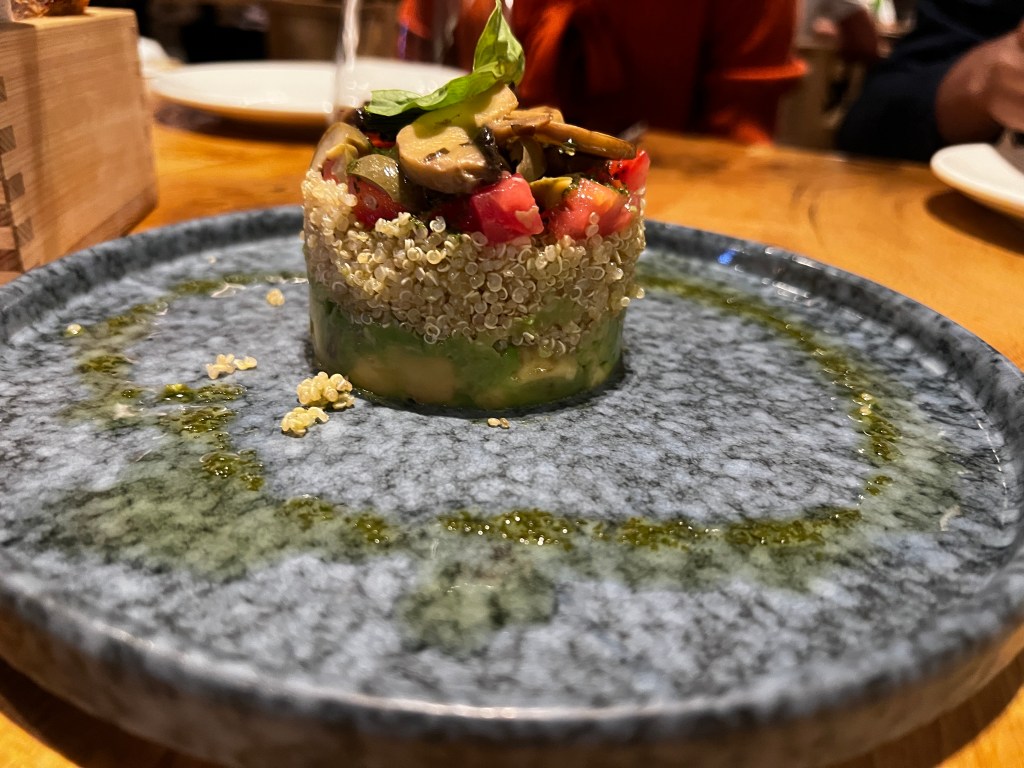
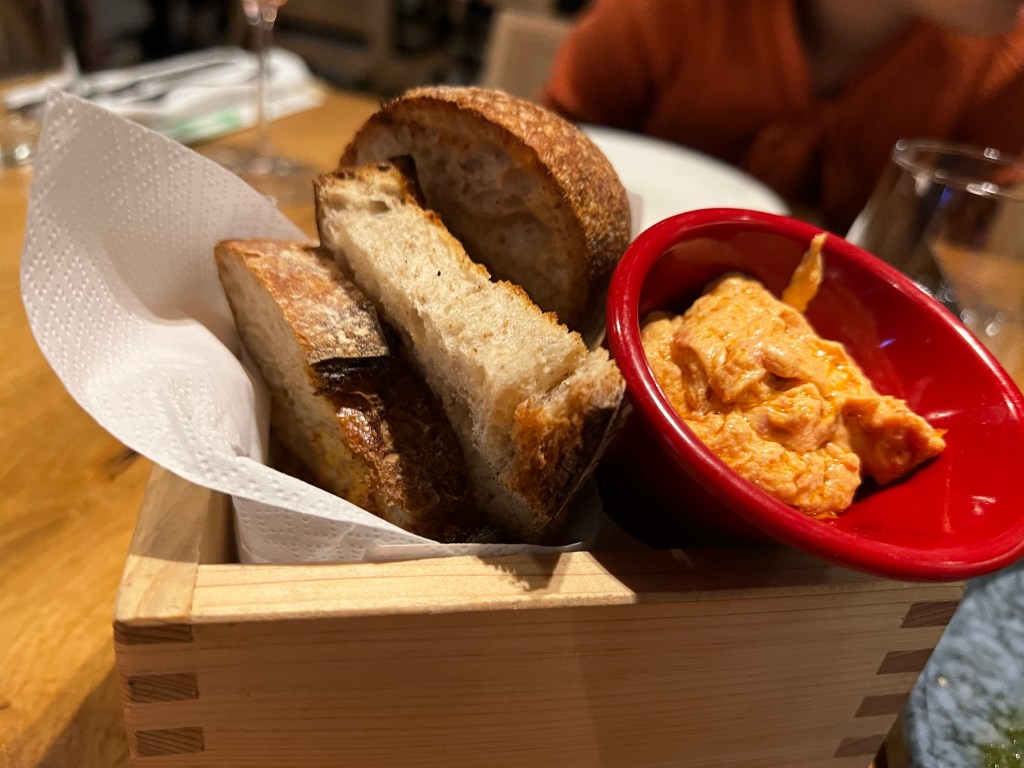
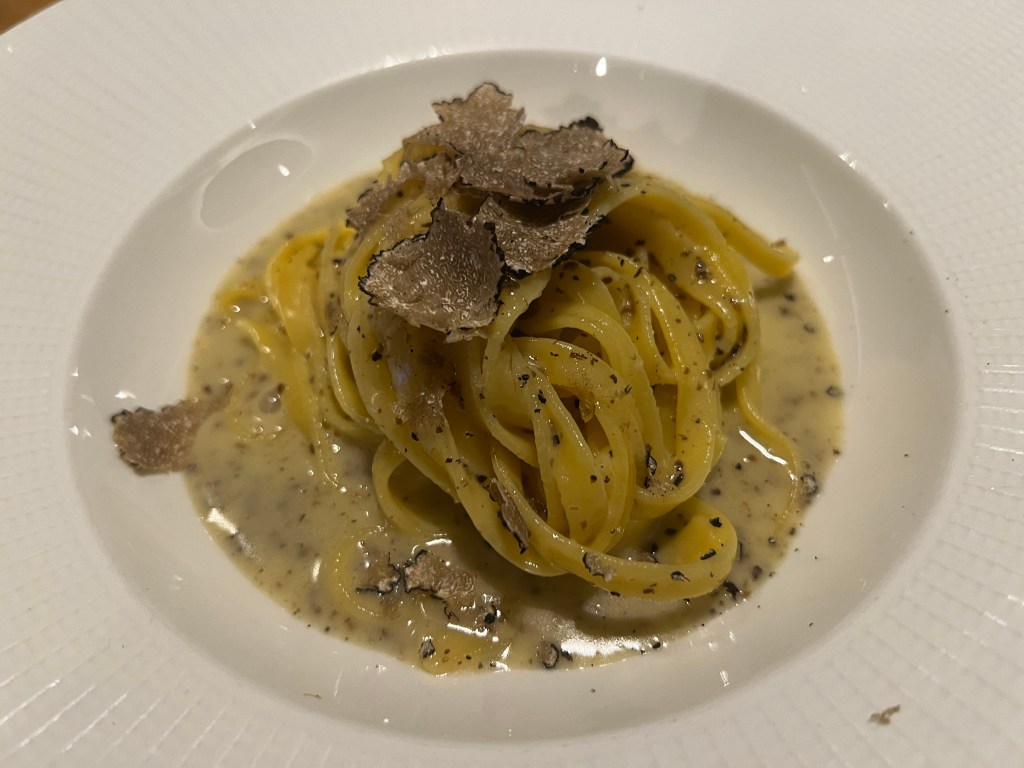
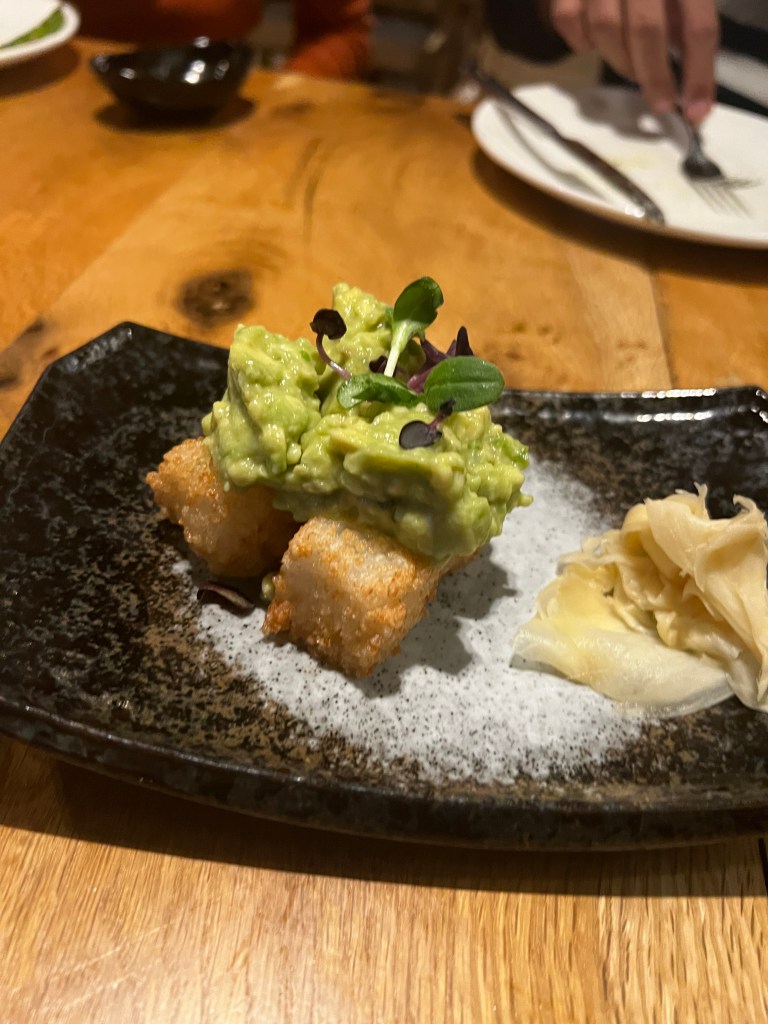
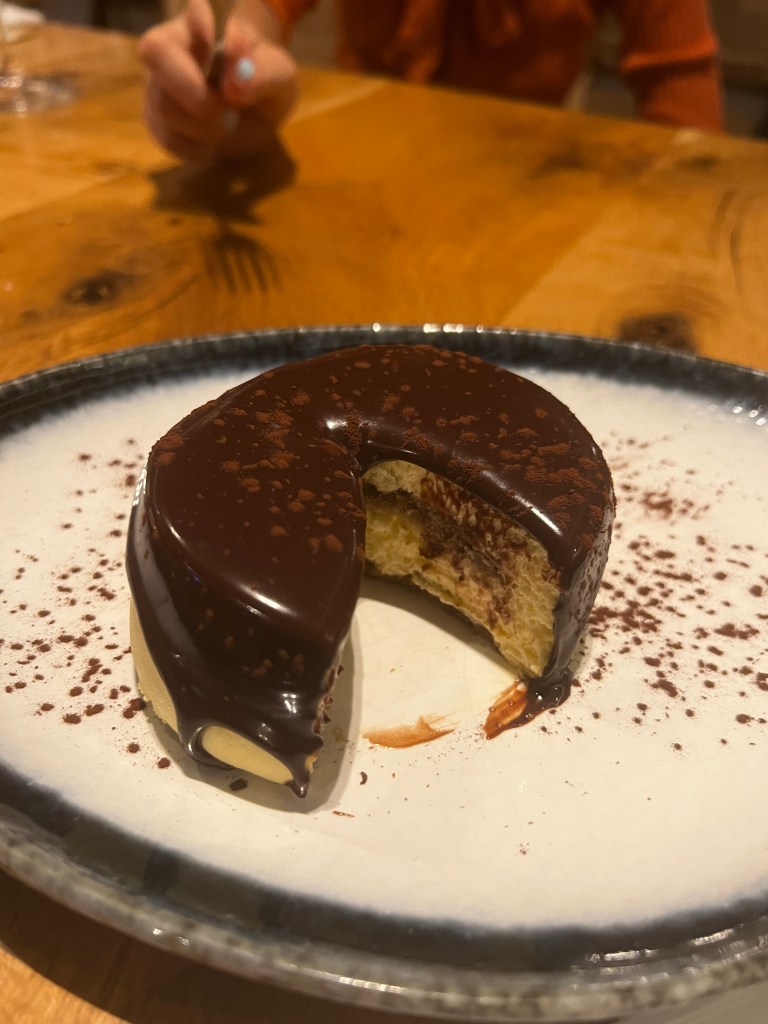
Upon entering Tirana, my initial impression was one of surprise, as the city was much more modern and vibrant than I had expected, with its mix of Art Deco and Soviet-era architecture, bustling streets and vibrant energy. We checked into the Rogner Hotel, which was a good hotel with an outdoor pool, nice location and good rooms. We roamed around the city center a bit, did some shopping and decided to have lunch in a restaurant called SALT REST. We sampled many dishes, including crostini, sushi, avocado tartare, truffle pasta, and their chocolate tiramisu which was especially amazing. All the food was outstanding, and the service and ambience were awesome as well.
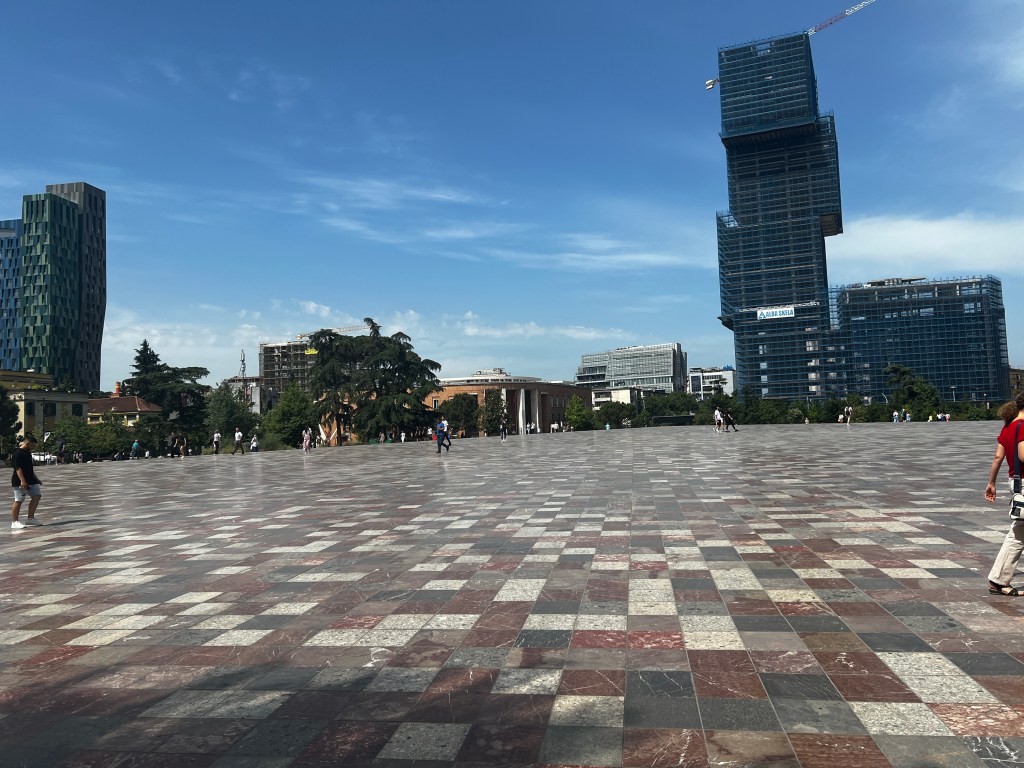
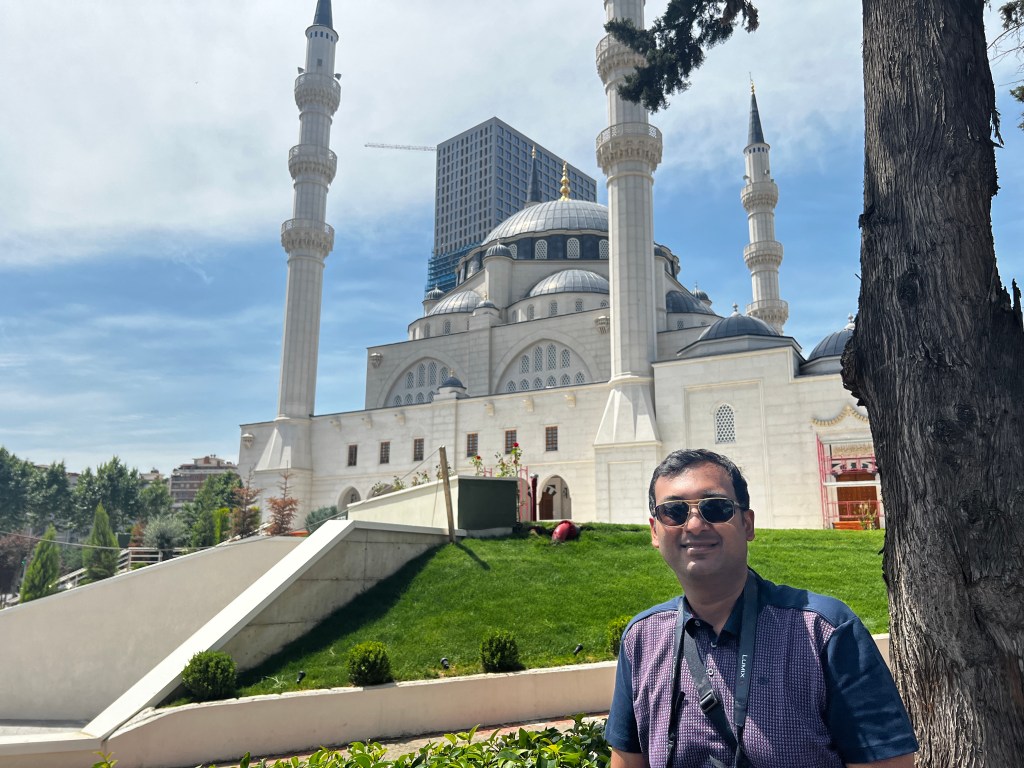
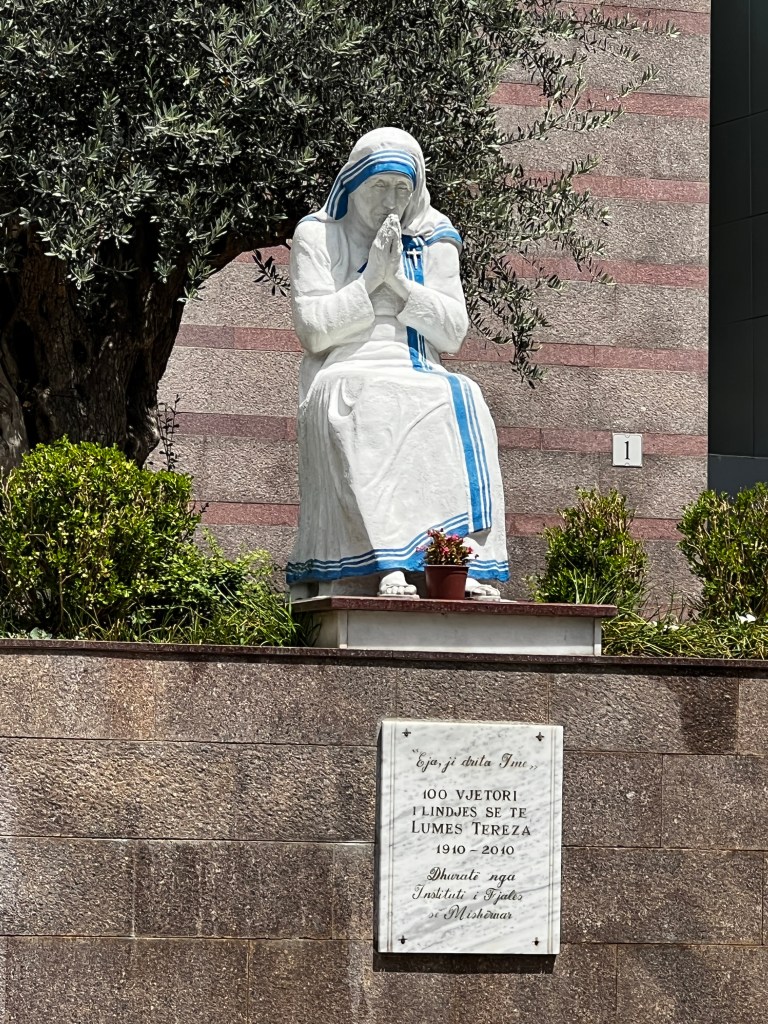
Unfortunately, we had only one day in Albania as we had to catch a flight to Belgrade to continue our journey. But, before our departure we made sure to tour some of the popular sights of Albania, which included the Skanderbeg Square which is an important square in the city center. Opposite this is the Et’hem Bey Mosque, one of the most beautiful examples of Ottoman-era architecture in the city and one of the oldest mosque in the city, with its ornate tilework and intricate calligraphy. Moving on, we saw the Cloud, a striking modern sculpture that represents the city’s dynamic energy and spirit, and the The National History Museum which offers a comprehensive overview of Albania’s history. The Piramida also, a landmark building of Tirana, a pyramid-shaped building, was originally built as an encyclopaedic museum during the communist era, but now serves as a cultural centre.


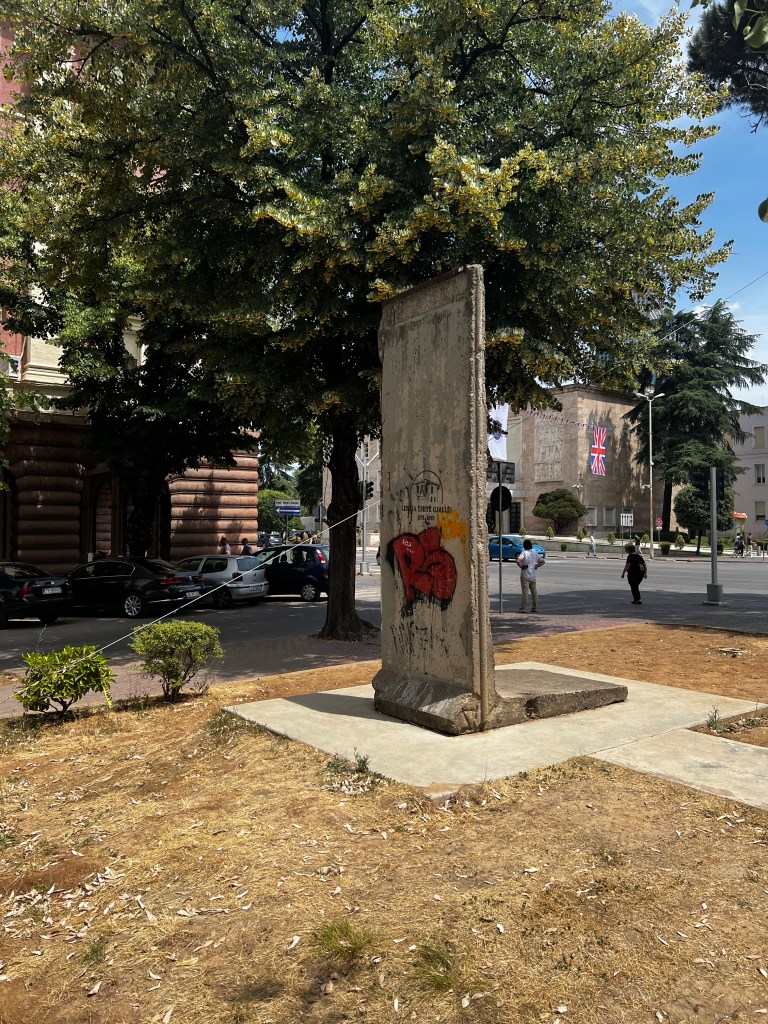
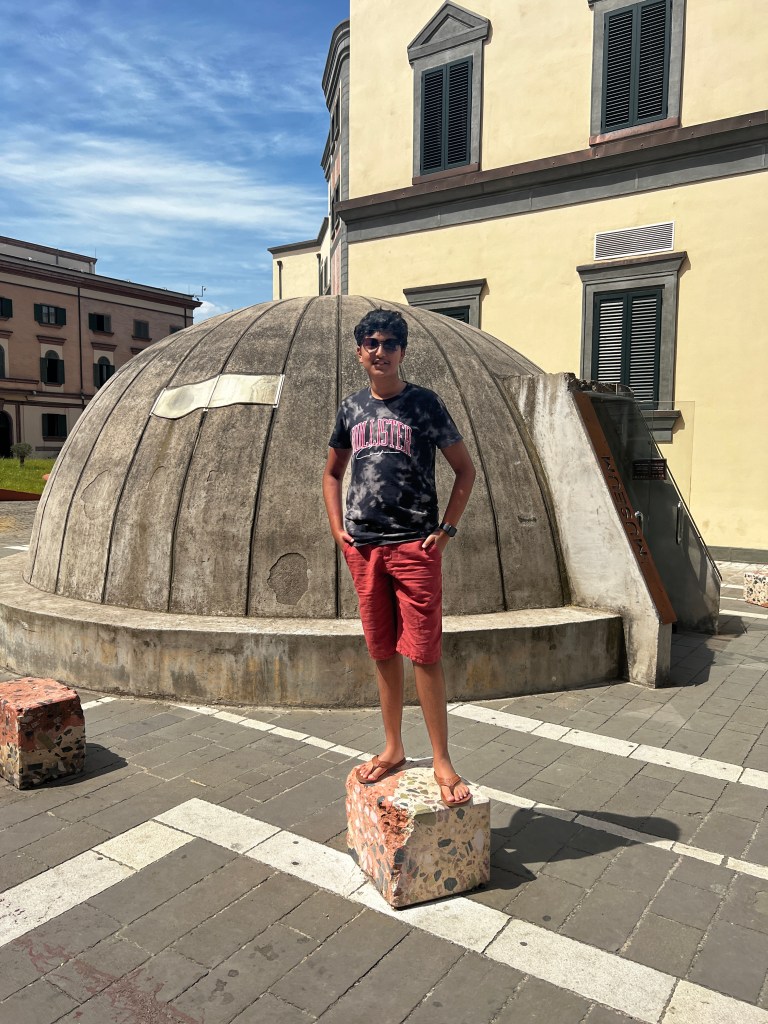
The Bunkers in Albania, 700,000 in number, were built during the Communist era as part of the government’s program of national defence, now many of them have been rSepurposed and turned into street art, and repurposed as small museums, souvenir shops, and even coffee shops, thus turning them into a tourist attraction. They are a reminder of the city’s past and provide a unique perspective on the city’s history. We also saw a piece of the Berlin wall near a bunker as well. If you’re planning a trip to Albania, be prepared to see remnants of the dictatorship of Enver Hoxha, who ruled the country from 1944 to 1985. Concrete bunkers, landmarks and buildings from that era are still standing, and many people still struggle with this period of history. It’s an important part of Albania’s identity and culture, and a must-see for history buffs. Overall, Albania is a unique country with a rich culture and history, offering a range of historical, architectural, natural and cultural attractions for visitors, from Ottoman-era architecture to communist-era bunkers.
Serbia
After catching our Air Serbia flight to Belgrade, we arrived at our hotel, the Metropol Hotel. The hotel was impressive, with its massive pool, spacious rooms and a convenient location that was not too far away from the city center. The hotel also offered a range of amenities, including a restaurant, a fitness center and a business center, providing everything we needed for a comfortable stay.
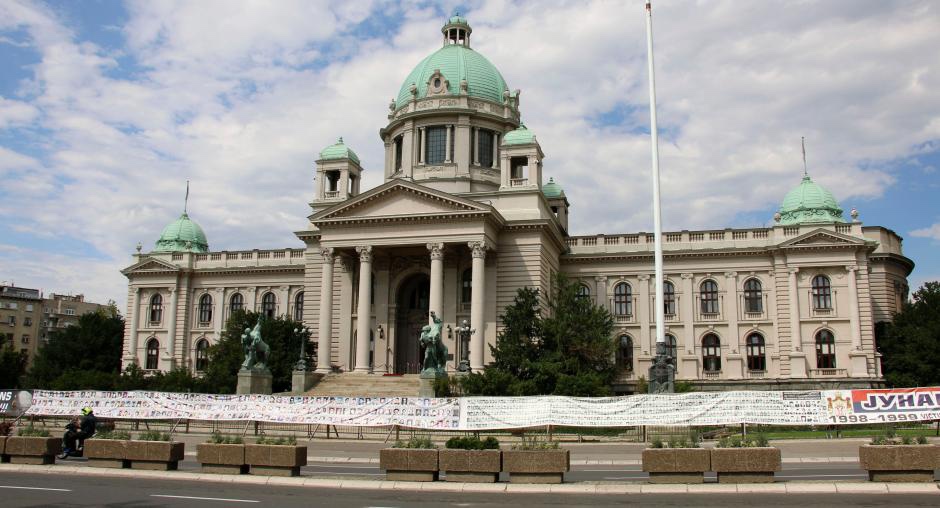
In the evening, we went for a walk to explore the city, starting with a walk to the Parliament building. Along the way, we stumbled upon the impressive statue of Prince Mihailo, a symbol of the city, riding on the back of two horses. The statue is located outside the Parliament building and is considered as an iconic landmark of the city. The horses are depicted as rearing up on their hind legs, representing the city’s power and strength. Opposite to it was a beautiful park, where locals and tourists alike were enjoying the green space and the peaceful atmosphere, making it a great place to relax and take a break from the hustle and bustle of the city
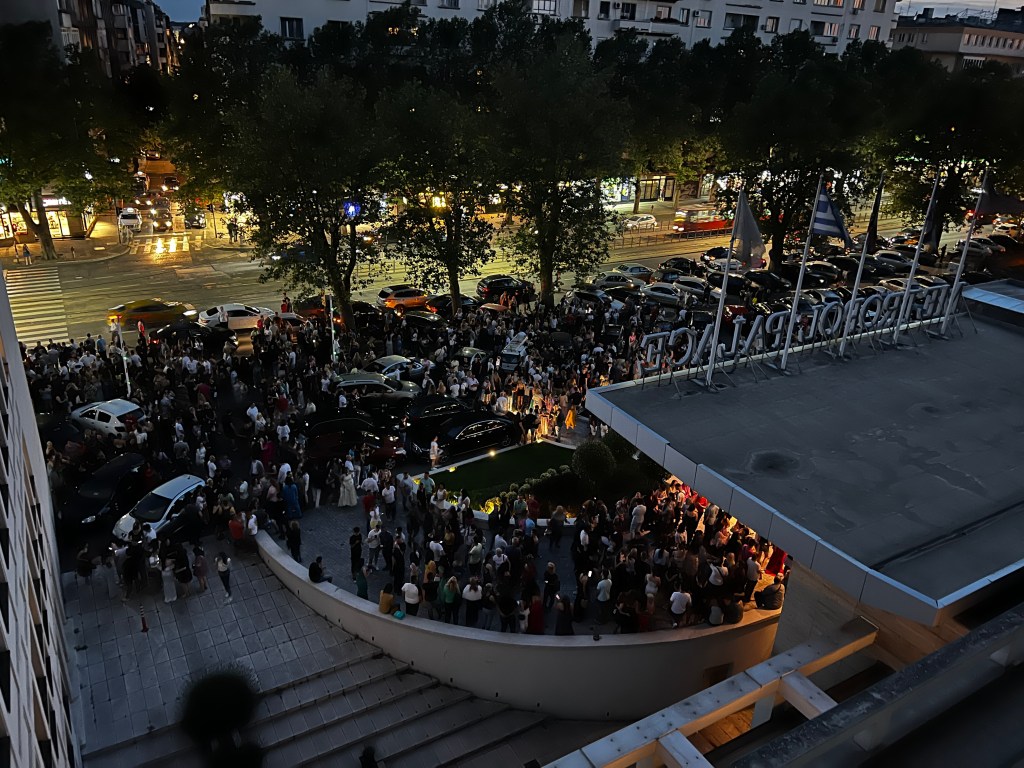
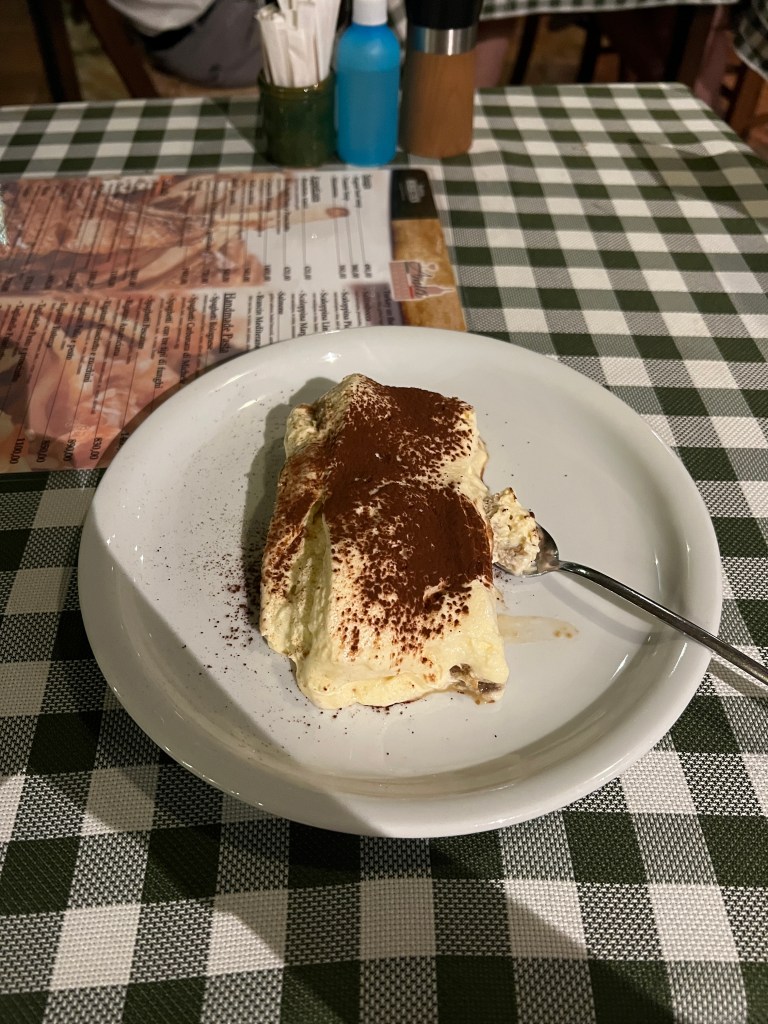
As we were leaving for dinner, we stumbled upon a huge prom night in our hotel, with many people dressed up for the event. It was a unique sight to see, and we couldn’t help but feel a sense of joy and energy in the air among the hundreds of people. For dinner, we went to an Indian restaurant in recall of our homeland; later, we went to Amici to have Tiramisu, which is said to be the best tiramisu in Belgrade and it did not disappoint. The tiramisu was delicious and it was a perfect way to end the day.
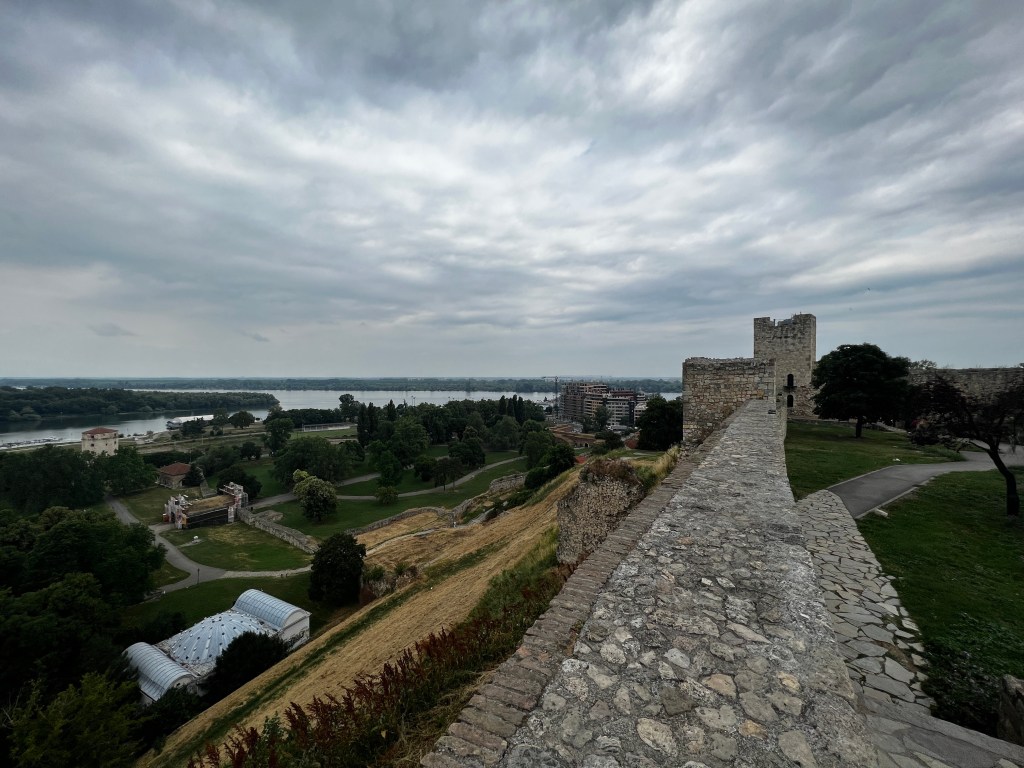
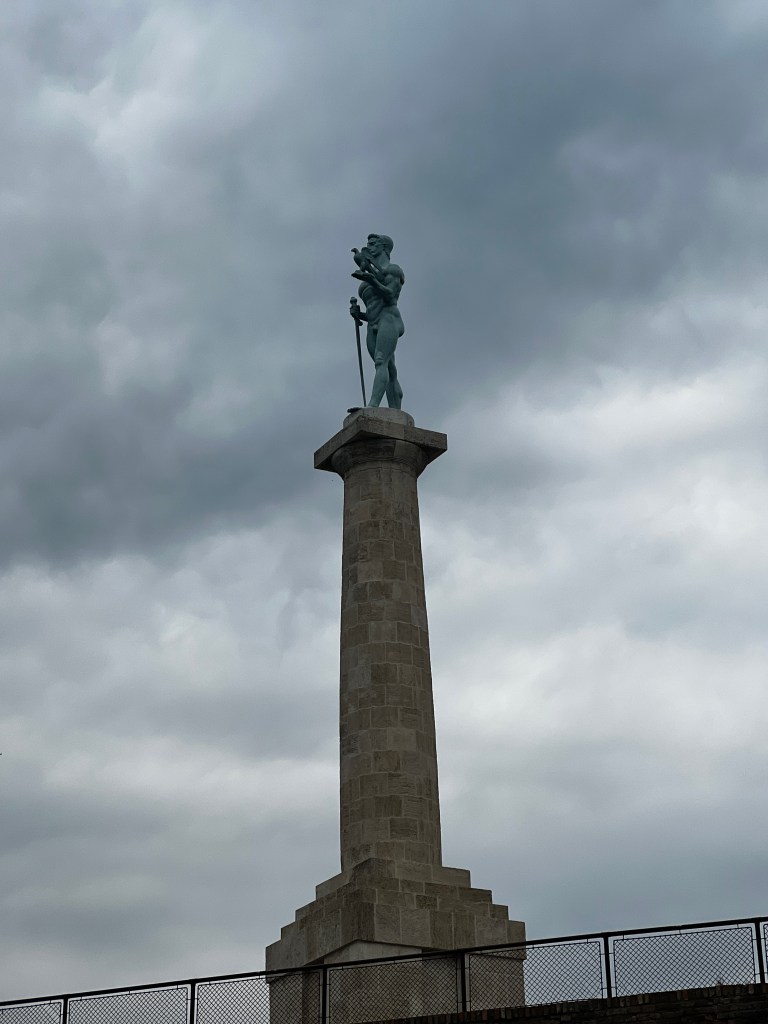
The next day was a tiring but fun day. We kicked off the day with some sightseeing. We visited the Old Town, where we came across the Belgrade Fortress, an ancient fortress overlooking the city and the confluence of the Sava and Danube rivers. It has a rich history dating back to ancient times, and offers great views of the city. Inside the fortress, there are several sites to visit such as the Kalemegdan Park, where we saw the Roman Well and the Military Museum, which showcases the history of the fortress and its role in the defence of Belgrade.

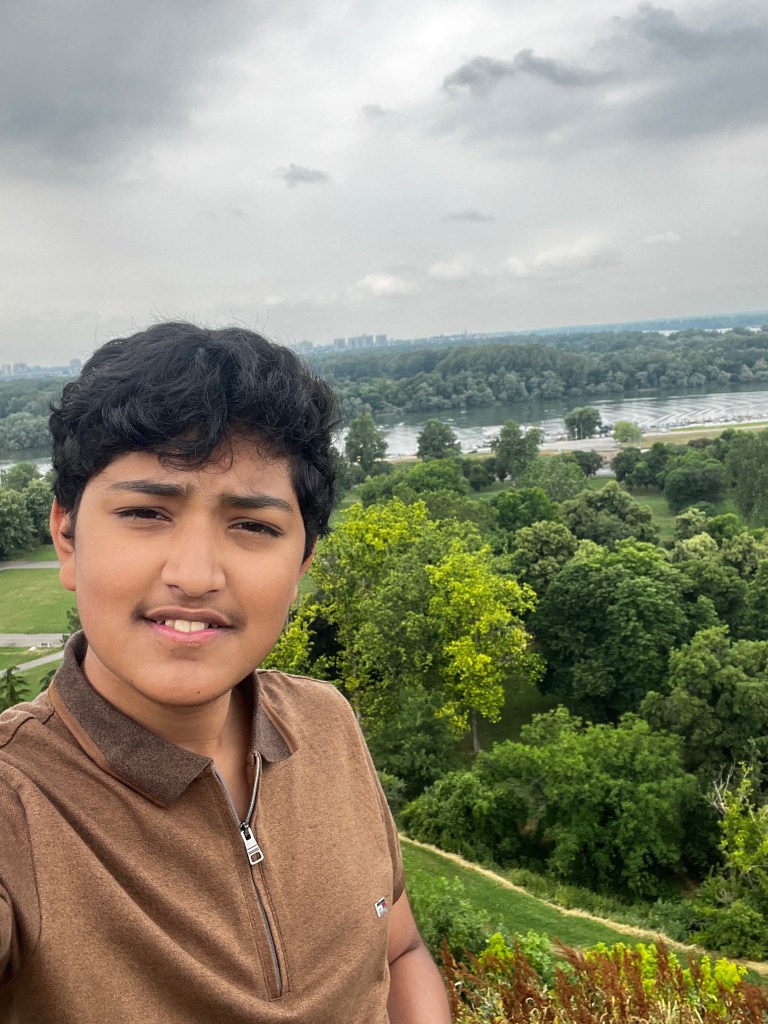
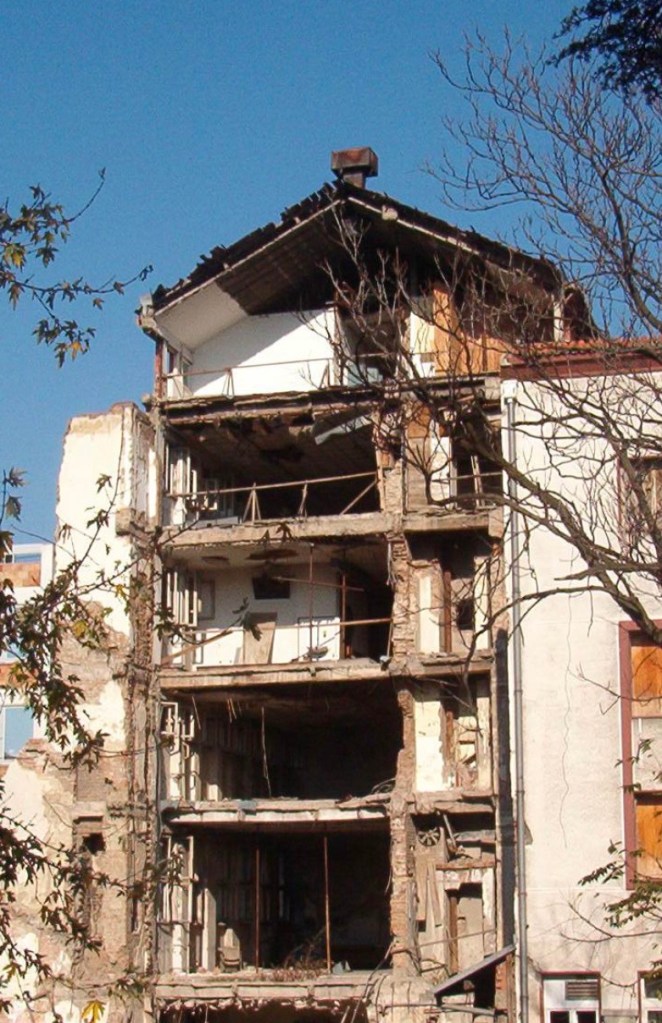
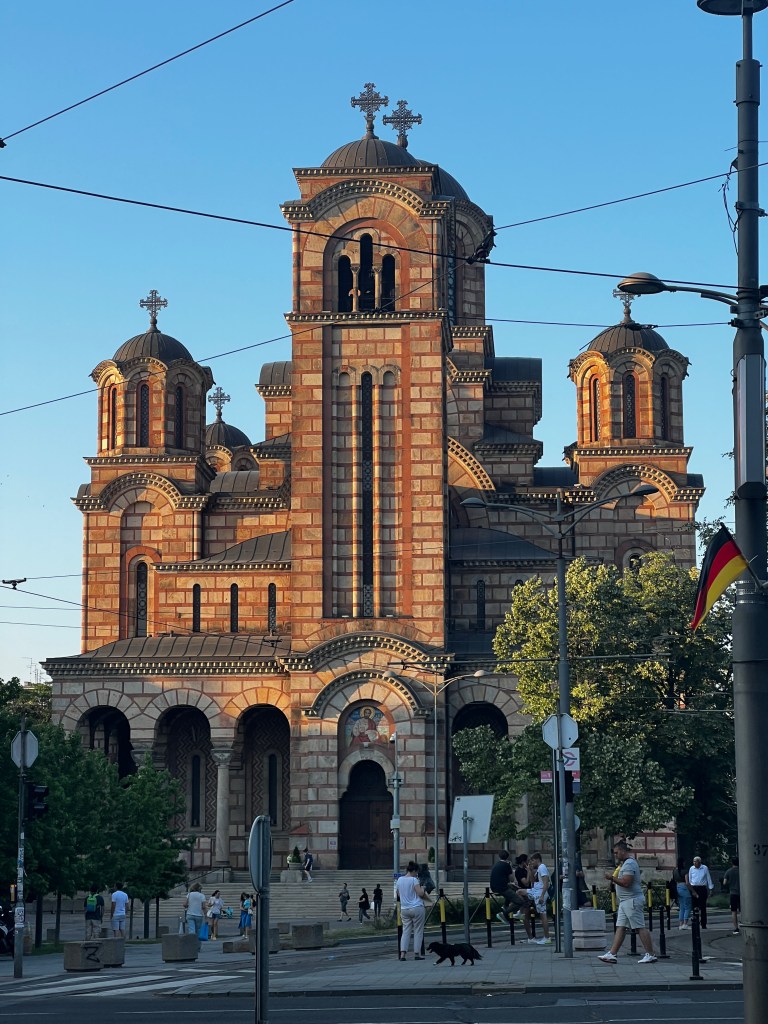
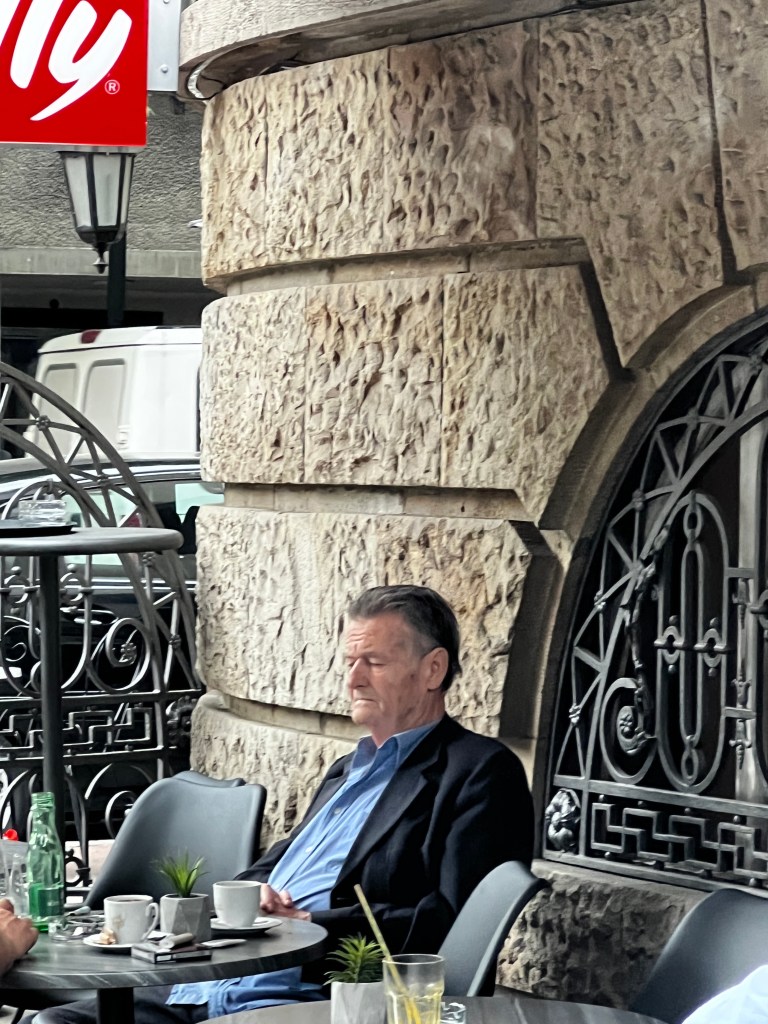
We also visited the new town and saw some important sites and places, including the St. Sava Temple, one of the largest Orthodox churches in the world, a beautiful example of Byzantine architecture with its grand dome and intricate details. If you’re in Belgrade, don’t miss the opportunity to visit the Bombed TV tower. This towering concrete structure was damaged during the 1999 NATO bombing campaign and still stands as a testament to the city’s history. Another interesting stop was the Republic Square, home to many key government buildings and an important hub of the city. The St. Mark Church, built in the Morava architectural style which houses many of the country’s royal and national treasures, was a striking example of traditional Serbian and Byzantine architecture. Additionally and coincidentally on the tour, we stumbled upon the grandson of Josip Tito, the former leader of Yugoslavia, which was unique and delightful.
For lunch, we proceeded on to a café in the shopping area of Belgrade, where we shopped as well and strolled to kill some time. After that, we went back to the hotel to freshen up and swim. Later on, we went to a Michelin-starred restaurant called Mezeštoran Dvoriste, which served homley Mediterranean food. The food was really tasty and reminded me of home-cooked meals. It was a nice end to our visit, and I highly recommend it to anyone visiting Belgrade.

Overall, while Belgrade has a wealth of historical, architectural and cultural attractions for visitors to explore, it may not have met all of my personal expectations. My personal opinion is that it is not as worth visiting as the other cities in the region. But of course, this is all subjective, and others may have had a different experience.
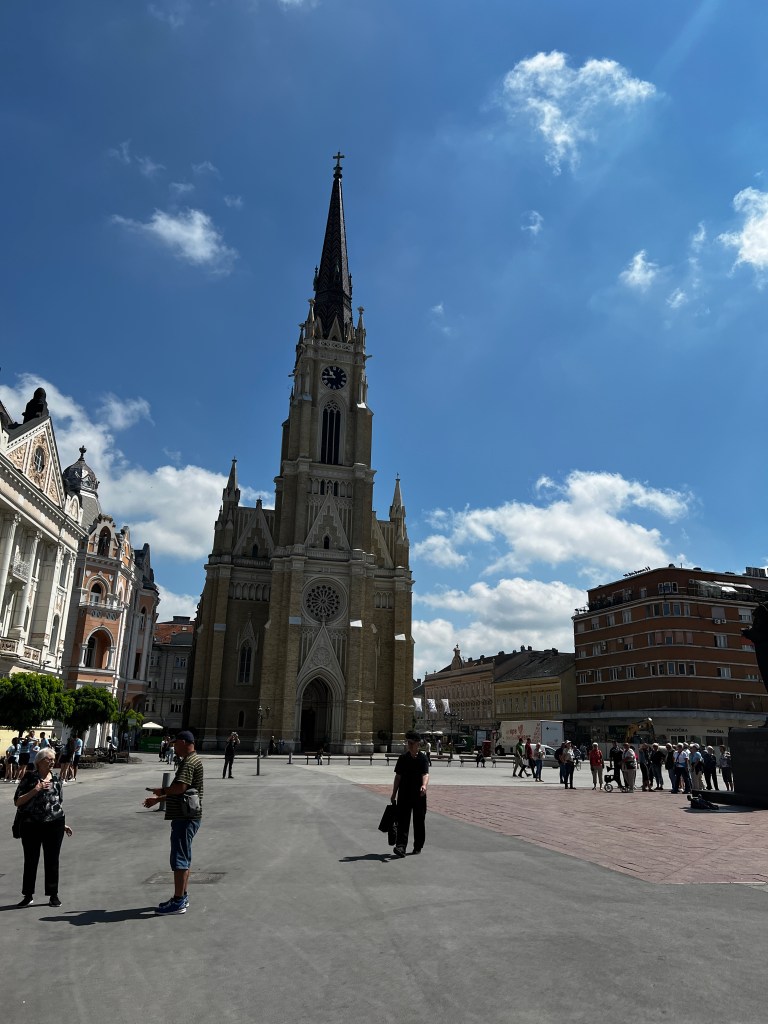
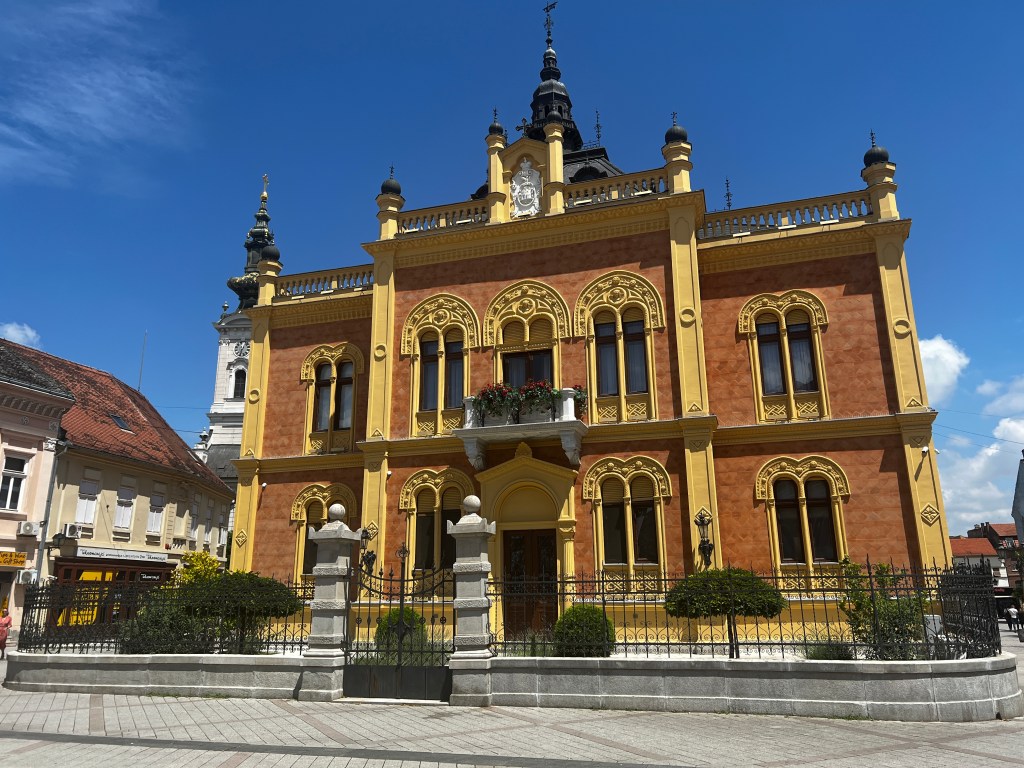
The next day we had an early start and proceeded on to Sibiu, in Romania via Novi-Sad. Novi-Sad is the second largest city in Serbia and a vibrant cultural center known for its colonial architecture, open spaces, and charming old buildings. We saw a few monuments like the Palais épiscopal de l’éparchie de Bačka, a beautiful 18th-century palace that houses the Museum of Vojvodina, and the Name of Mary Church, a beautiful baroque church. We also roamed in the huge main square and had breakfast at Loft Downtown Coffee & Food Bar where we enjoyed delicious sandwiches, coffee and tea. Despite being smaller than Belgrade, I preferred the more authentic, charming and vibrant atmosphere of Novi-Sad.
Romania
From Novi Sad, we reached Sibiu, a picturesque town in Romania known for its well-preserved medieval old town, charming cobbled streets and well-maintained historical buildings. We stayed at the Boutique Hotel Imparatul Romalinor, which had average rooms, but the location was fantastic. The hotel had a very old town Romanian feel to it and was located near the main square.
We spent the day visiting some of the famous sights in the old town like the Bridge of Lies, a bridge built in 1859, known for the legend of the “Liars Bridge” where couples swear their love and promises, The Cathedral of St. Mary, a stunning gothic-style church and the Council Tower, a 14th-century tower that offers great views of the old town. We also visited some of the squares like the Grand Square and the Little Square which are surrounded by colourful, well-preserved medieval buildings.
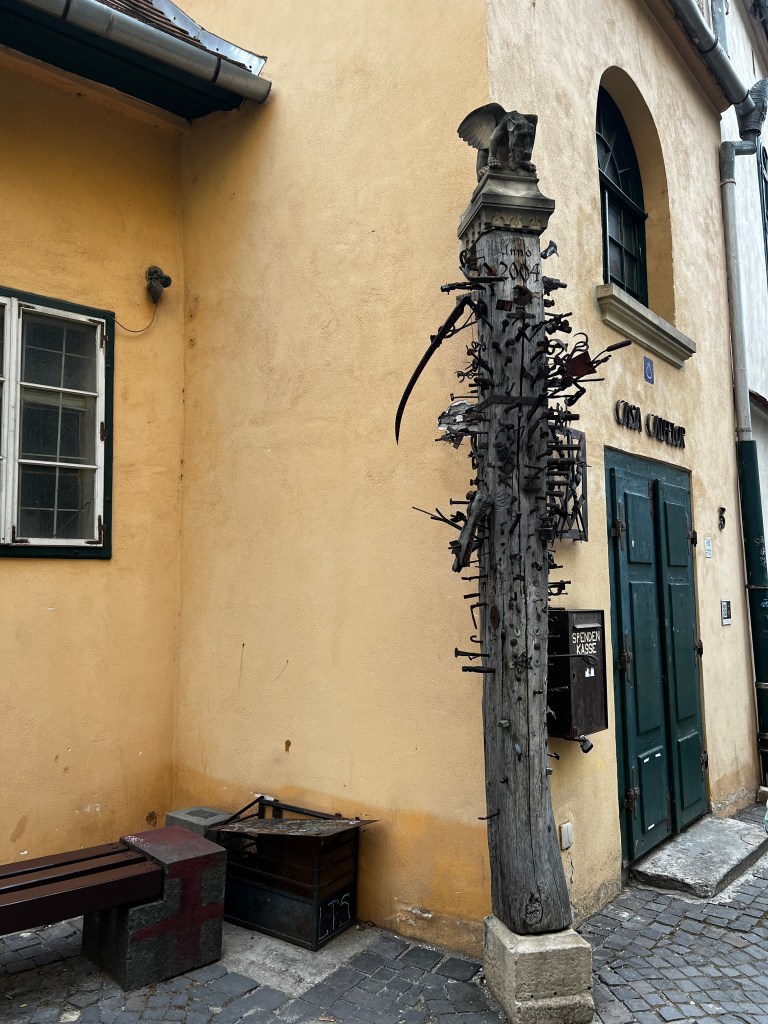
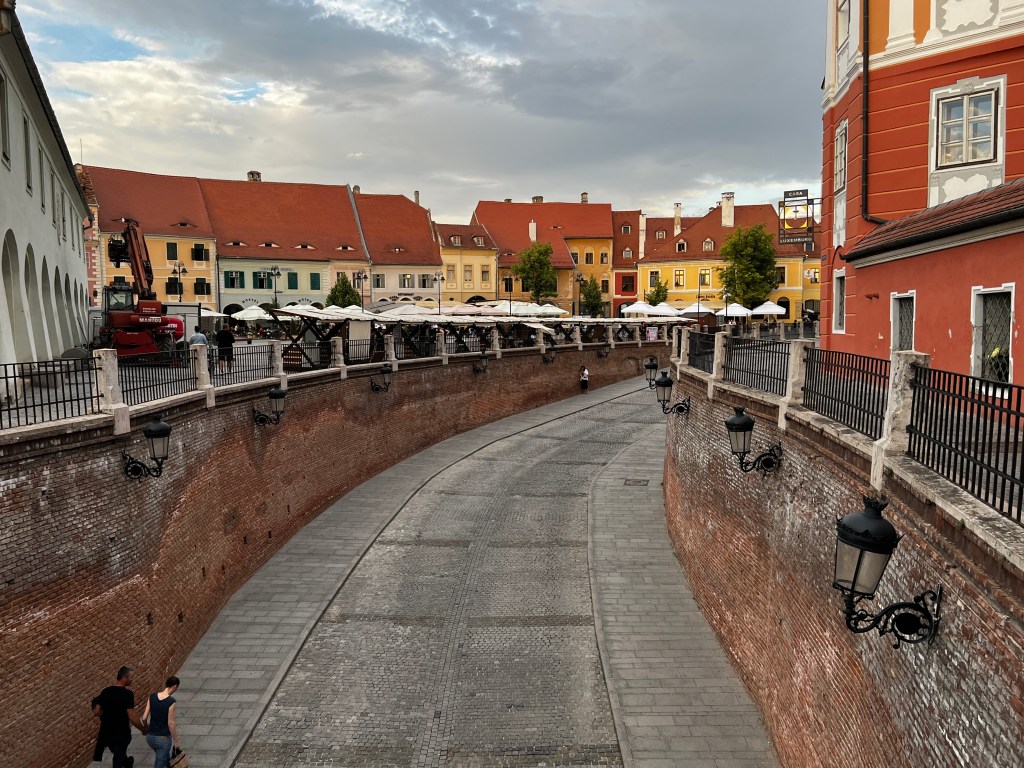
Sibiu was very lively with lights and tourists, making it a nice place to spend time in. For dinner, we went to the Max restaurant which served a variety of soups, pastas, and Romanian dishes, in a homely yet sophisticated ambience with outdoor seating.
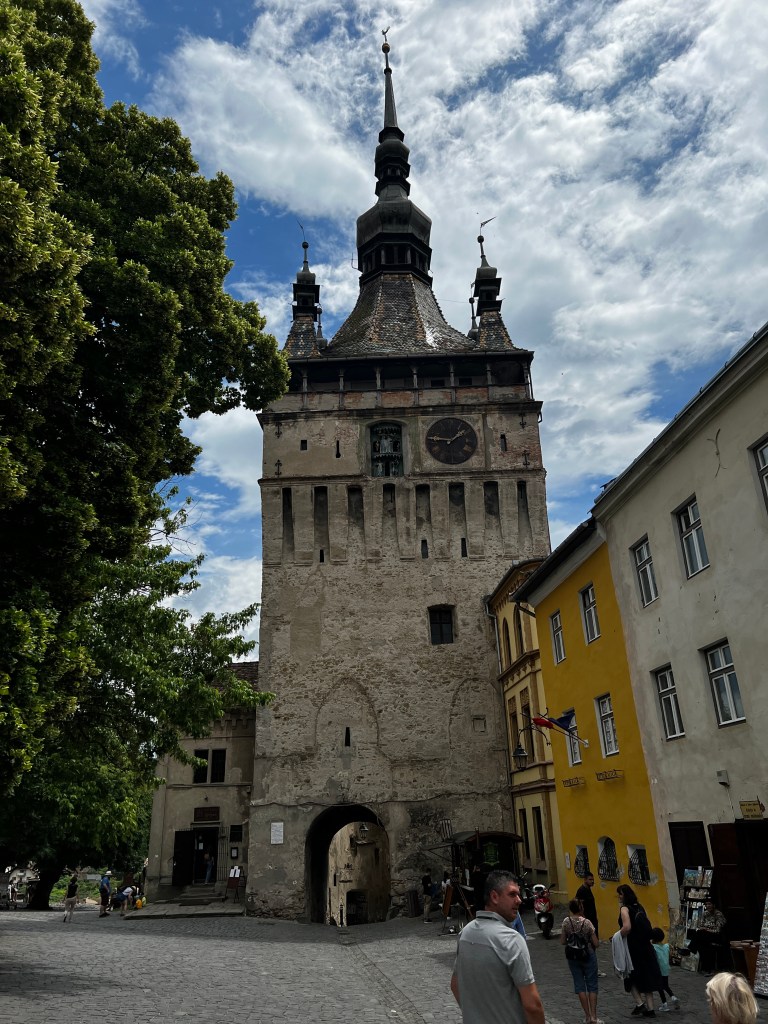
The next day we went to Sighisoara, a small, charming city located in Transylvania, Romania. It’s the birthplace of Vlad Dracula, and the inspiration for Bram Stoker’s Dracula. The city is a well-preserved medieval citadel, and it is home to several notable sights such as the Clock Tower, the Church on the Hill, and the Vlad Dracul House. Visitors to Sighisoara can also take a tour of the citadel’s walls, climb to the top of the Clock Tower for panoramic views of the city, or visit the Museum of Medieval Weaponry. We took a tram ride throughout the citadel. Honestly speaking, its not worth the hype.
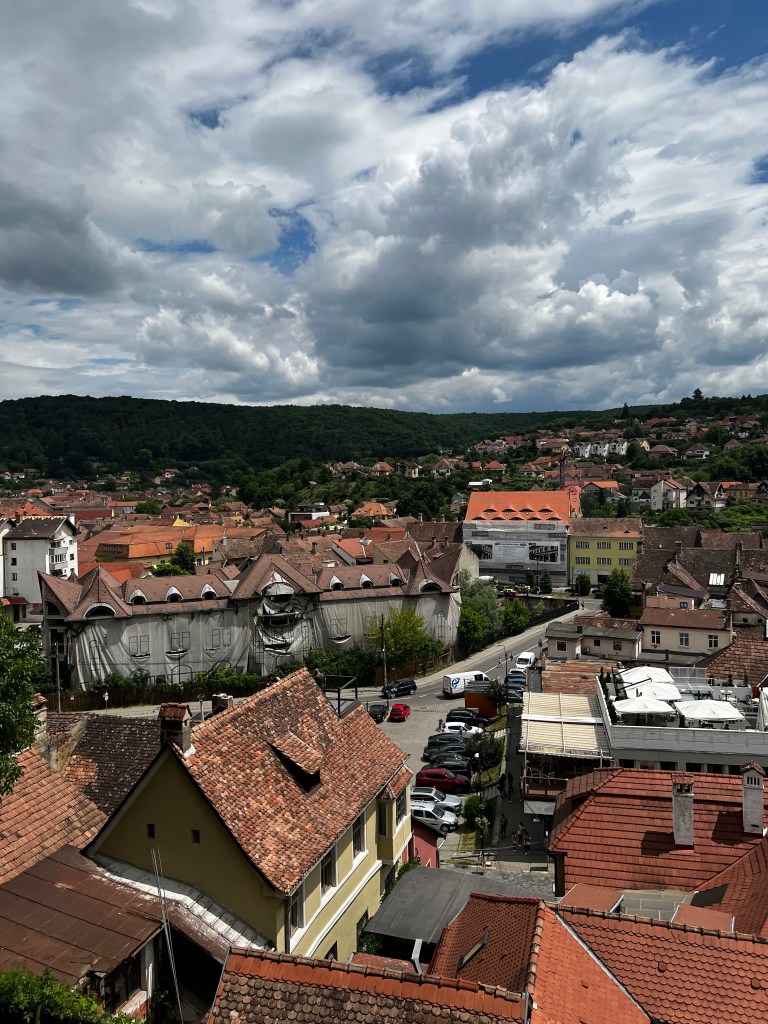
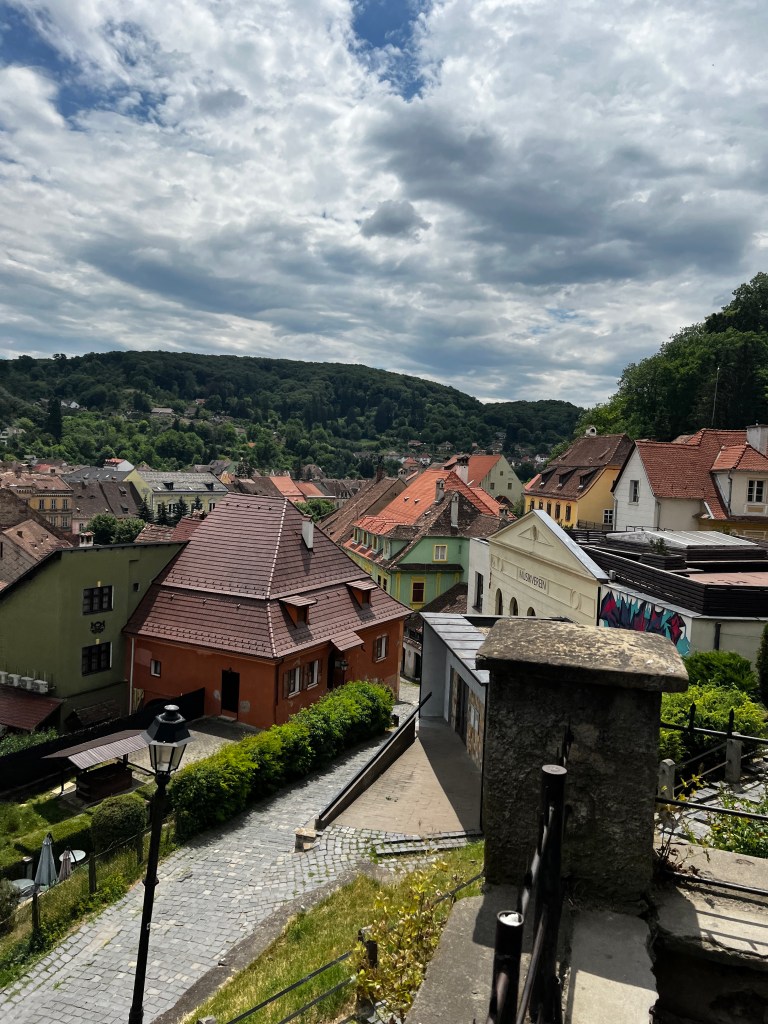
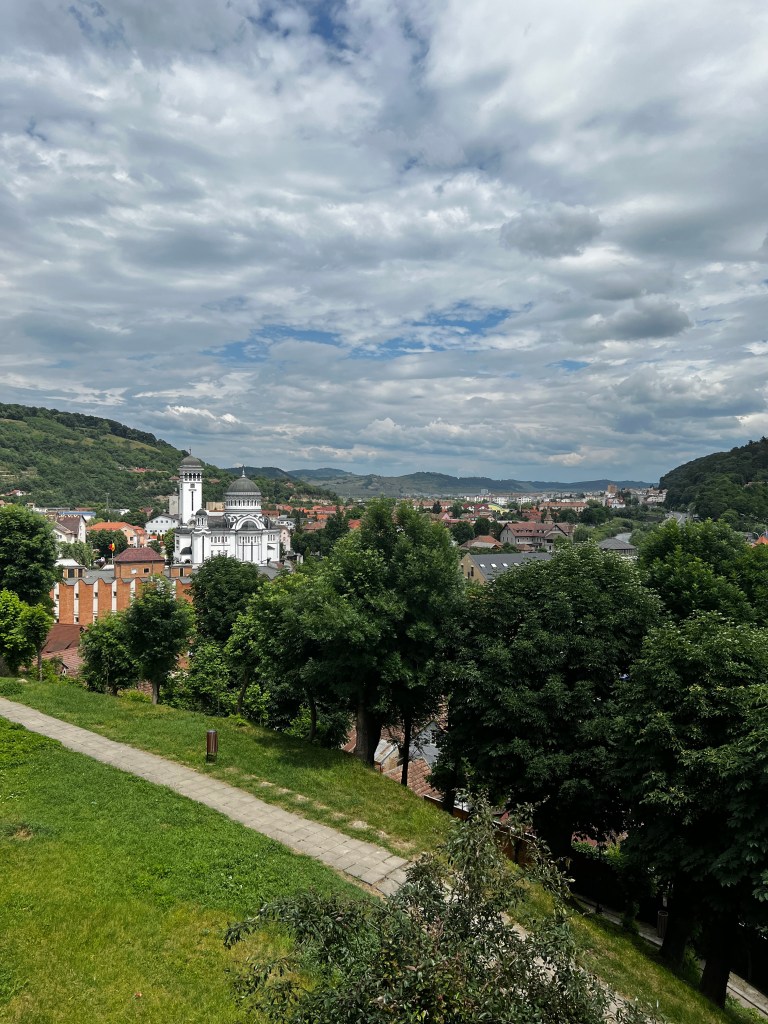

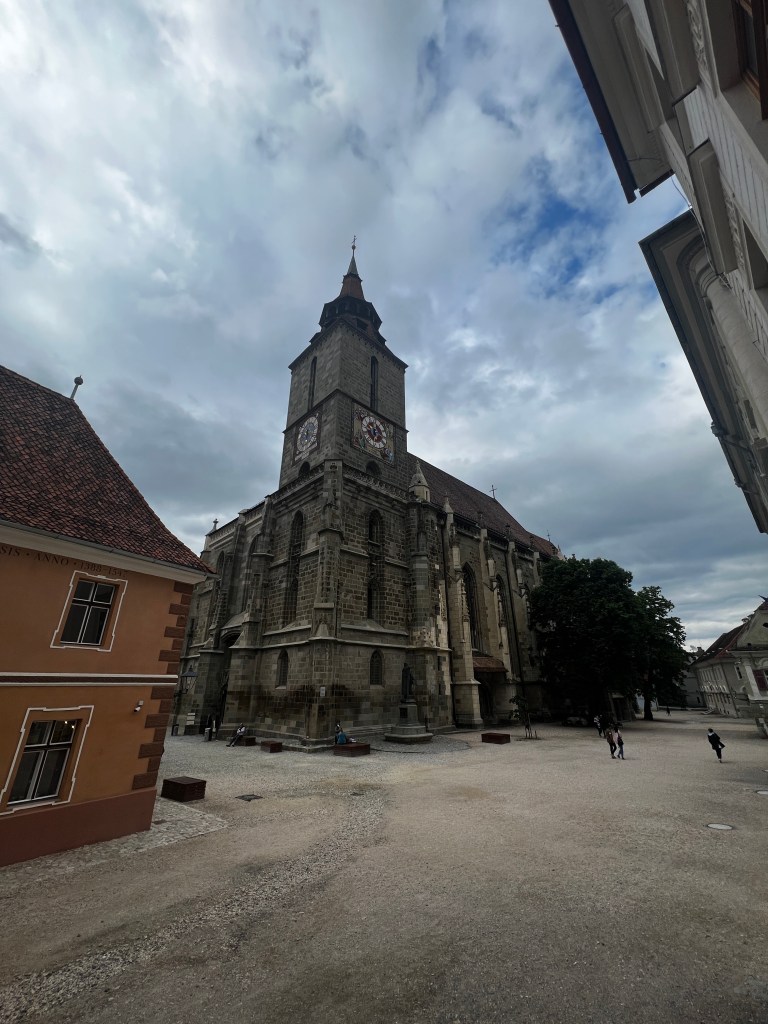
From Sighisoara, we drove to the city of Brasov, which is located in the heart of the Carpathian Mountains. The city is known for its well-preserved medieval architecture and vibrant cultural scene. The old town of Brasov is surrounded by walls and towers, and it’s home to several notable sights such as the Black Church, the Council Square, and the White Tower. We took a stroll along the charming streets, explore the city’s many sights and buildings. We visited the Black Church which is a Gothic masterpiece built in the 14th century. It got its name after being blackened by a fire in 1689. It is also known for its impressive collection of Ottoman carpets.
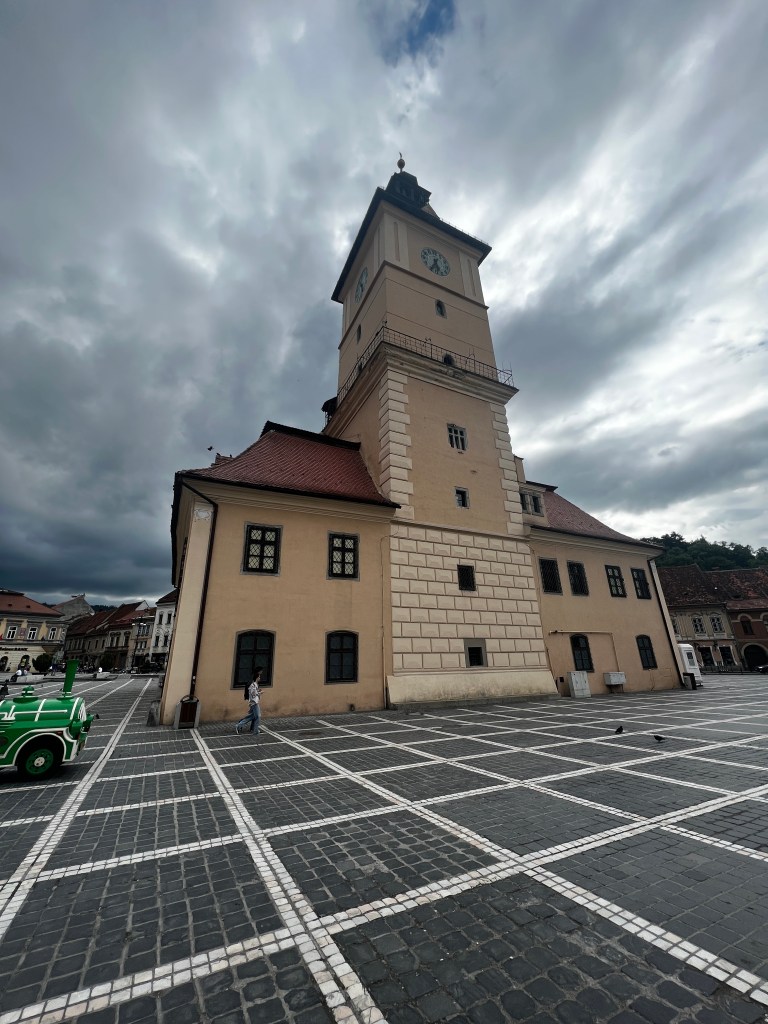
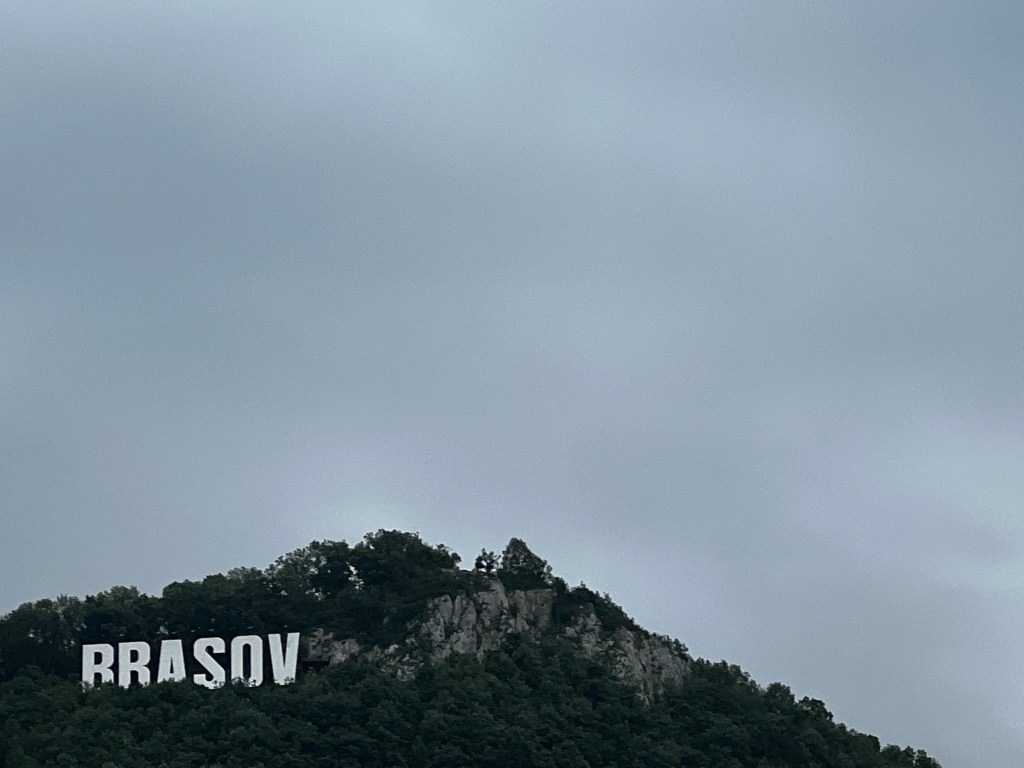
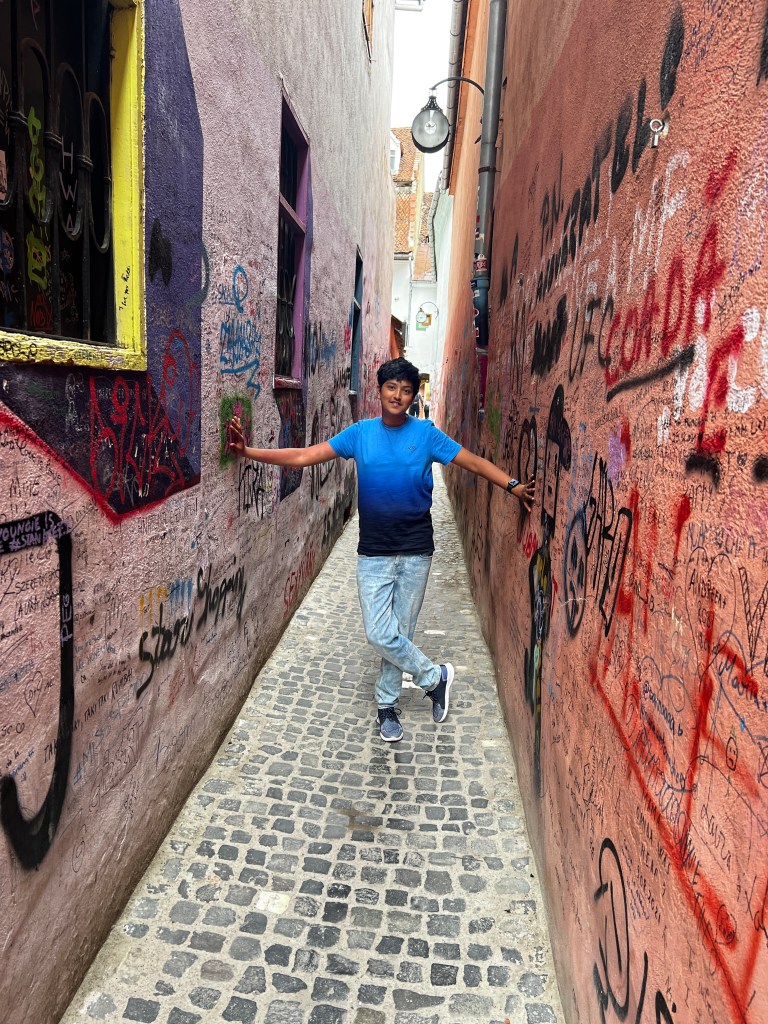
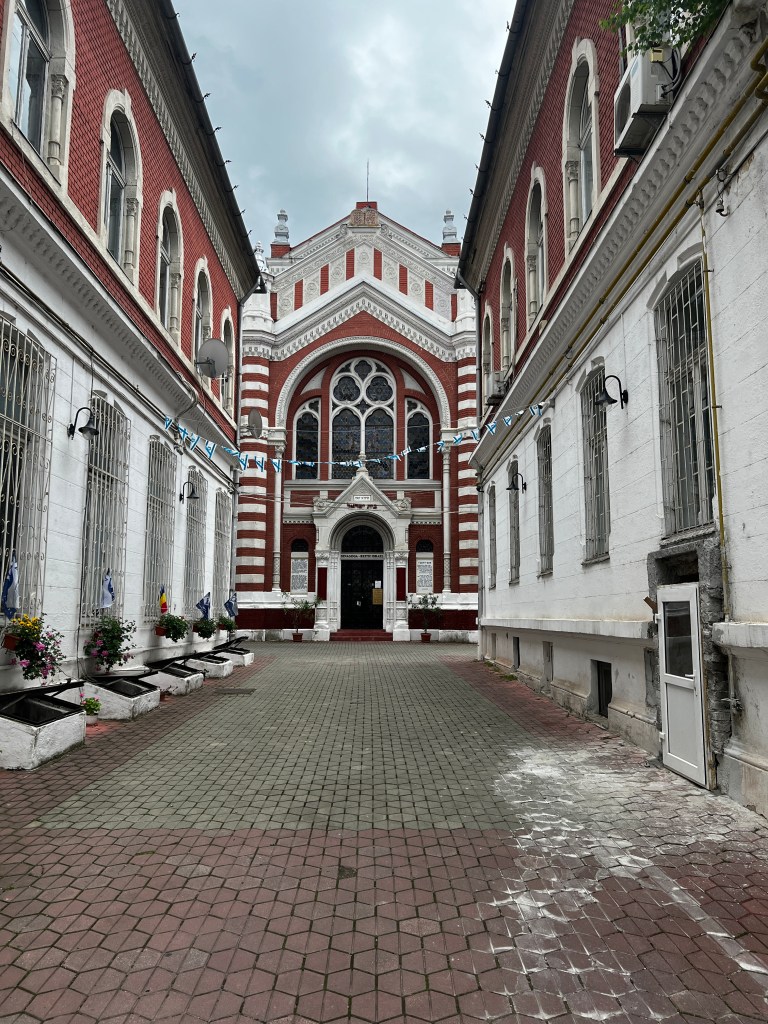
We stayed in a hotel called Casa Wagner, which was located in the heart of the old town. The rooms were spacious and we could lookout over the entire old square. The highlight of our stay was renting Lime scooters and touring Brasov on them; navigating through the nooks and corners of the city was thrilling and fun!
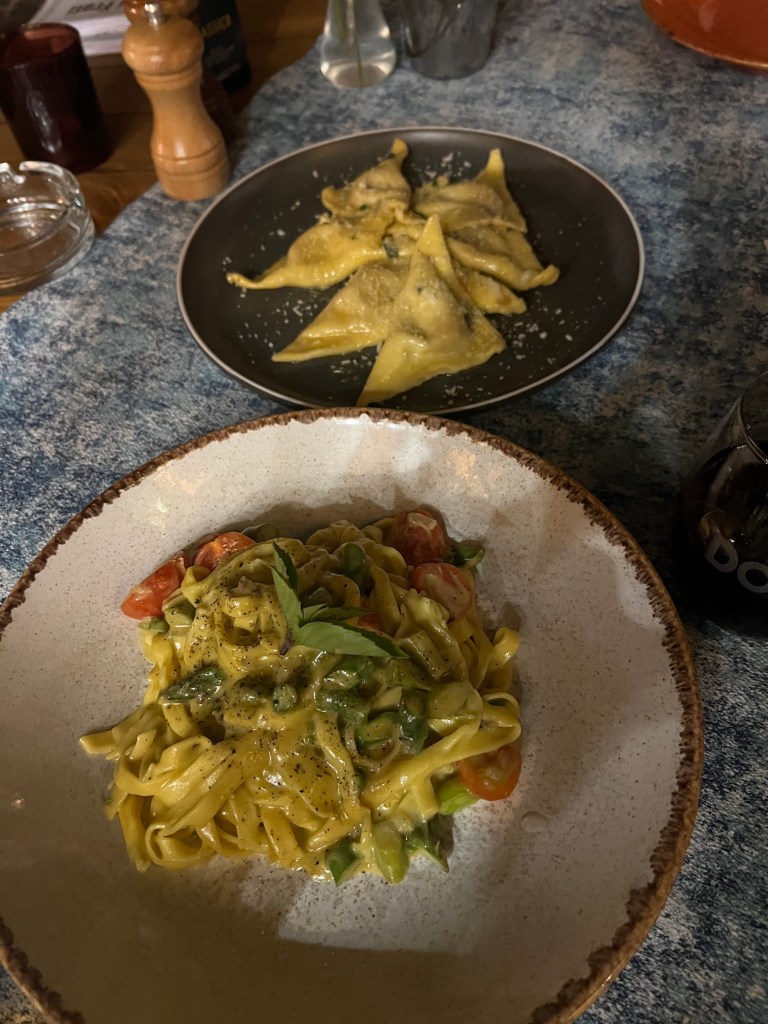
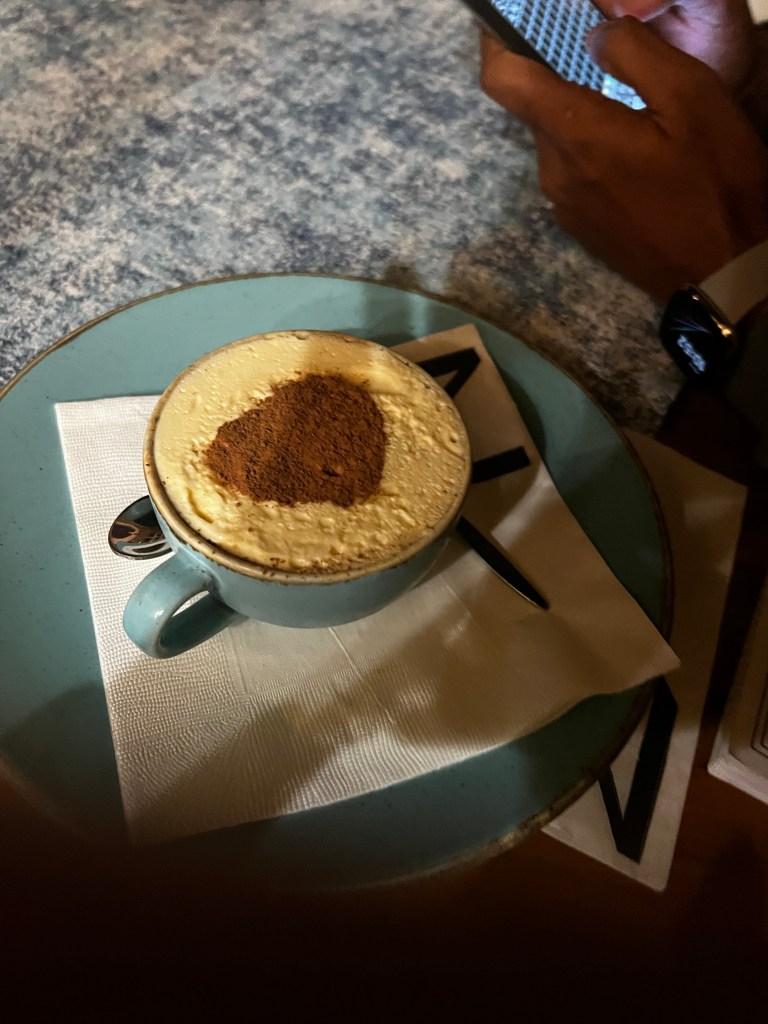
For dinner, we settled on a fancy Italian restaurant called Dei Frati. We had some delicious ravioli, Tagliatelle, and rigatoni in fancy sauces. To end the meal, we had a delicious tiramisu. All in all, it was a fantastic experience, and I highly recommend visiting Sighisoara and Brasov to anyone interested in history and culture.

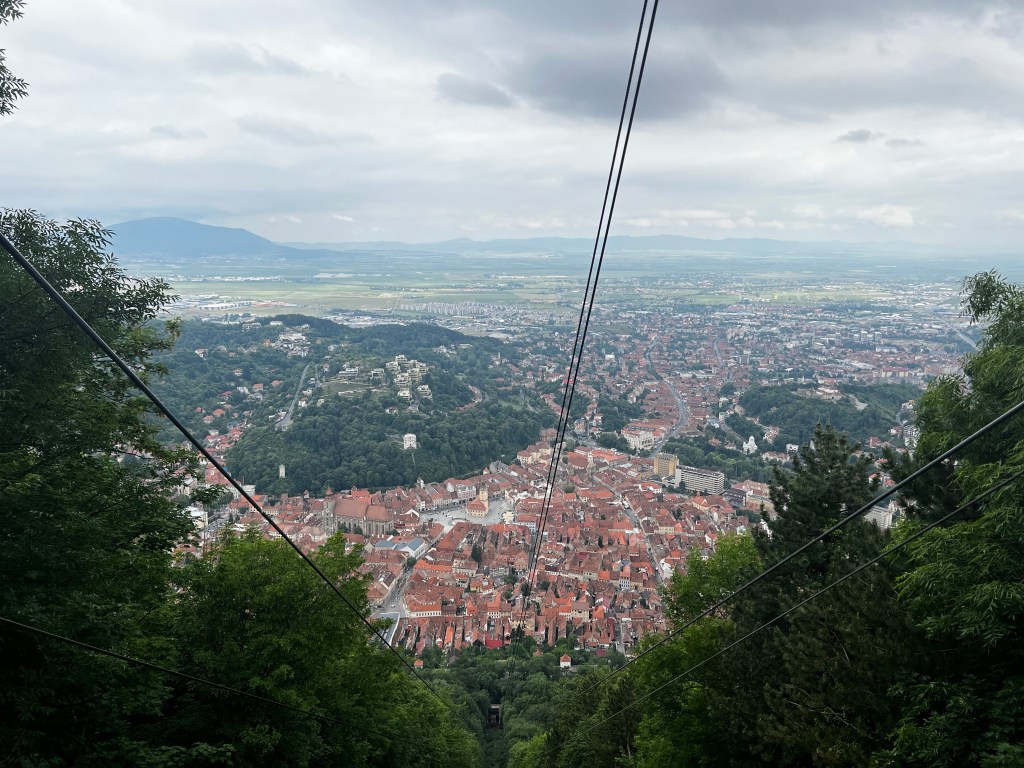
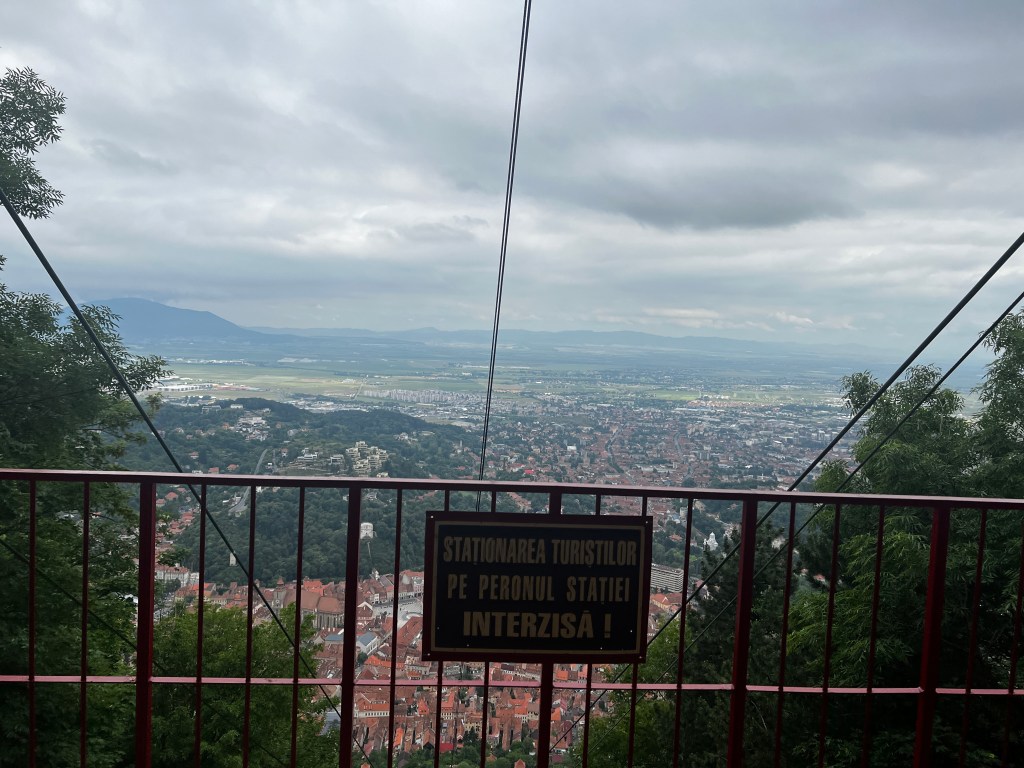
The next day we started by taking the cable car up to Mount Tampa, which offered beautiful views of the city. The cable car ride was quite an experience, as we were able to take in the stunning landscapes that surrounded Brasov. Once we reached the top of the mountain, we spent some time taking in the sights and enjoying the fresh air.
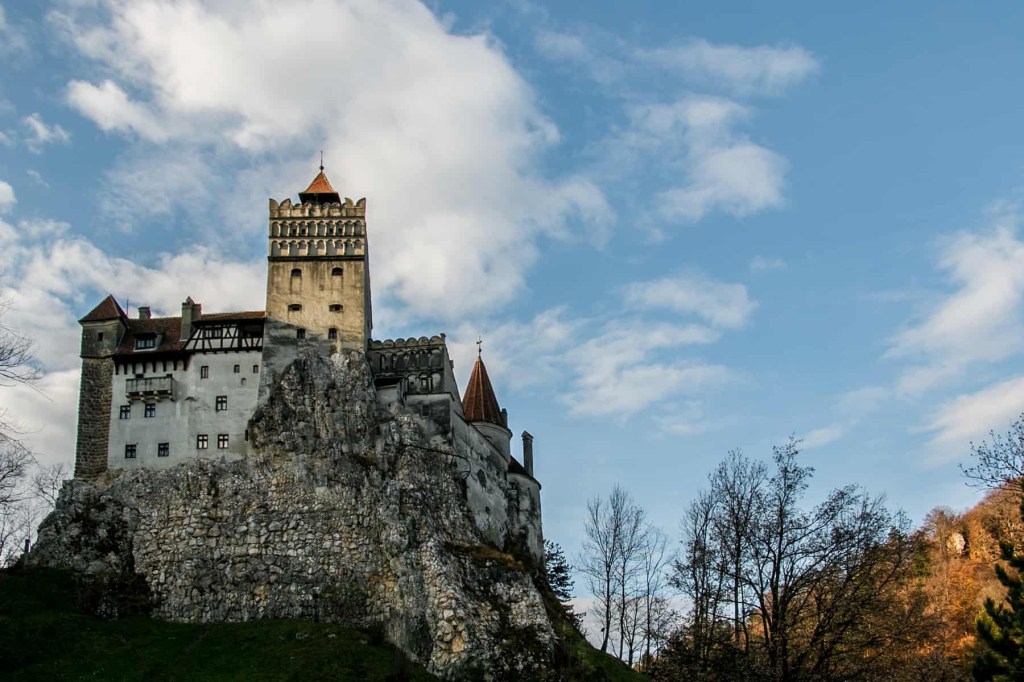
After that, we drove off to Bran, where we could not visit the famous castle because of a long waiting time, but we managed to catch a glimpse of the exterior. Despite not being able to visit the castle from inside, the drive itself was lovely as the countryside is so picturesque. We then visited a local market where we had the opportunity to try some local fudge and candies, which were delicious.
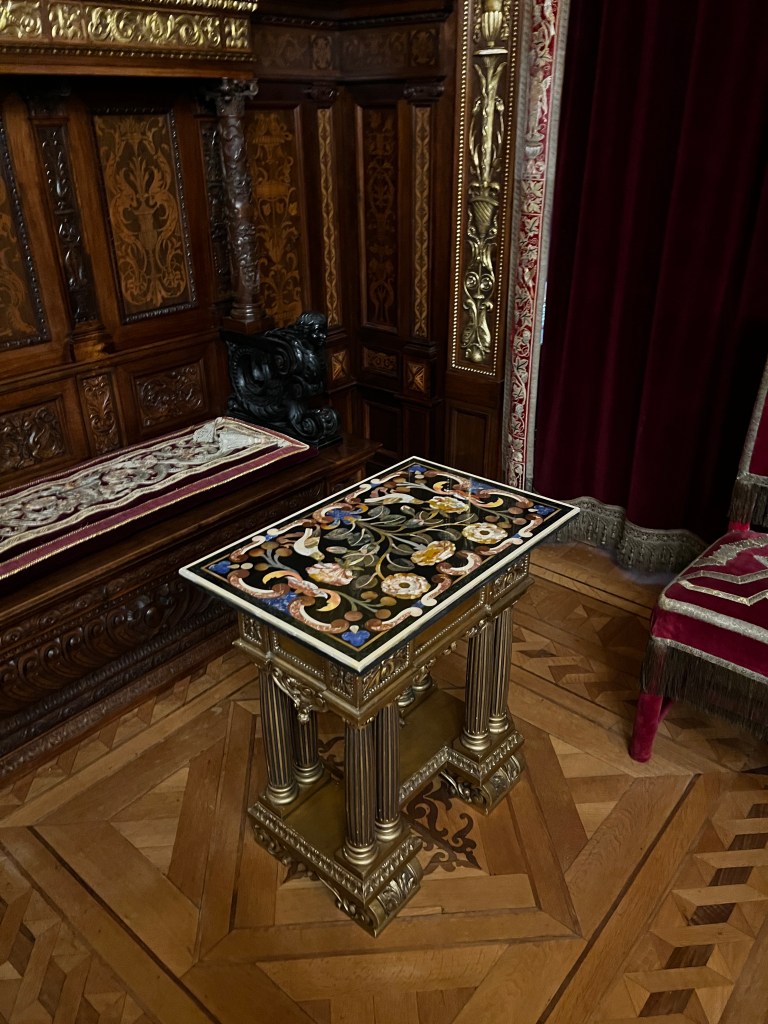
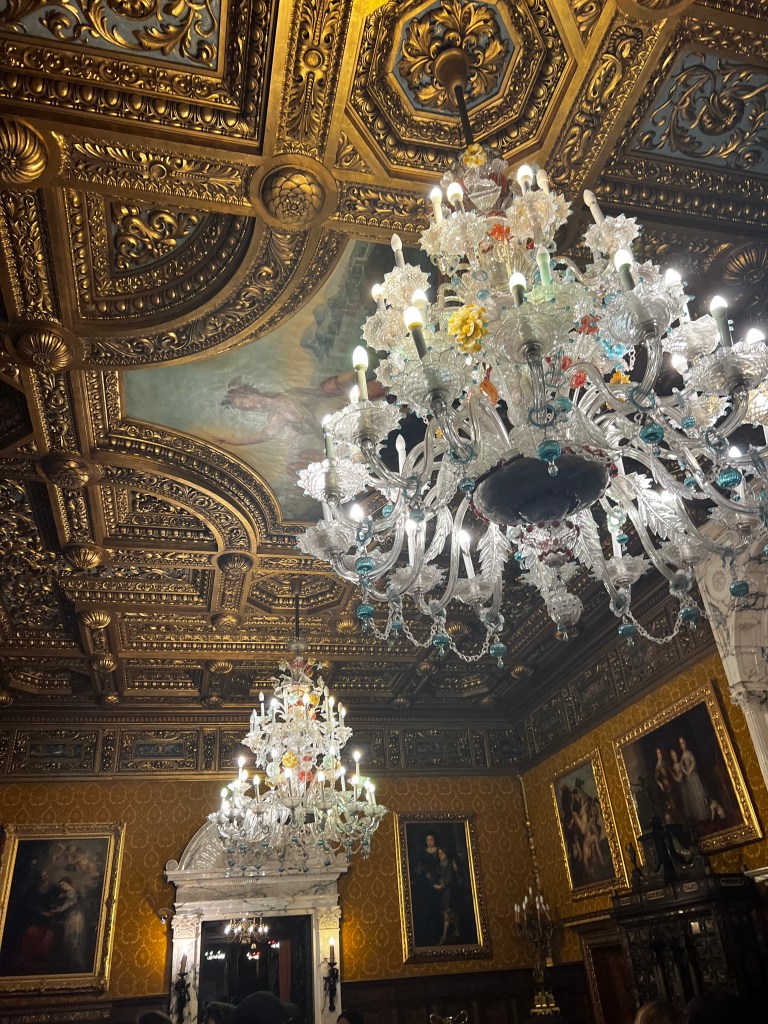
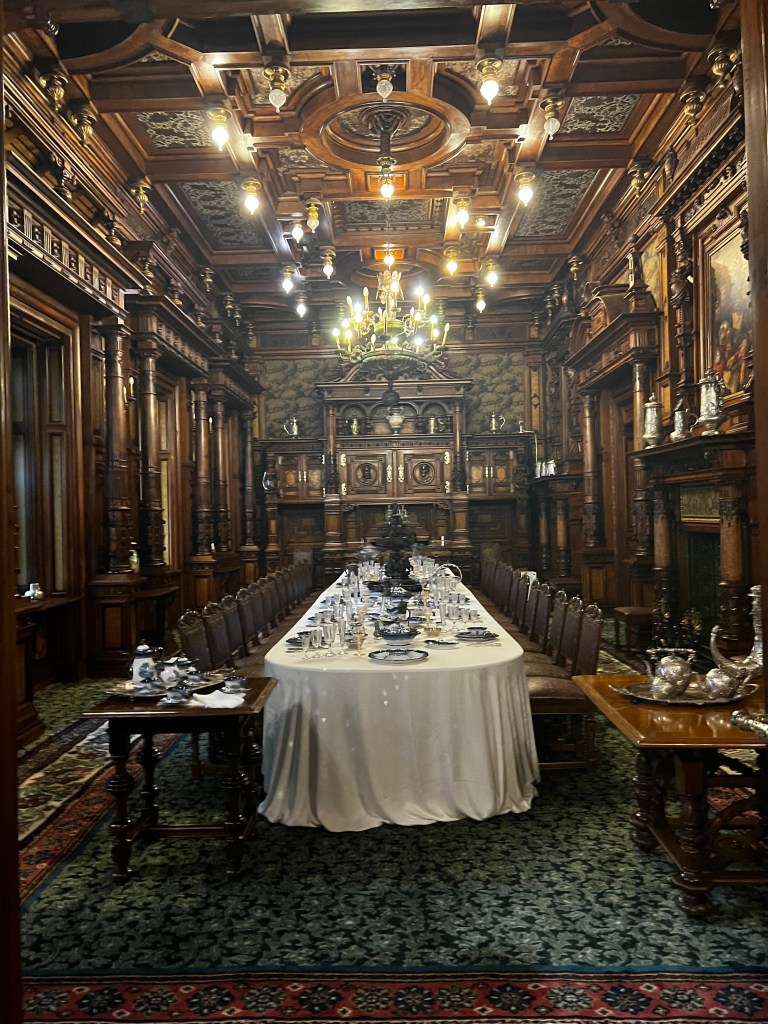
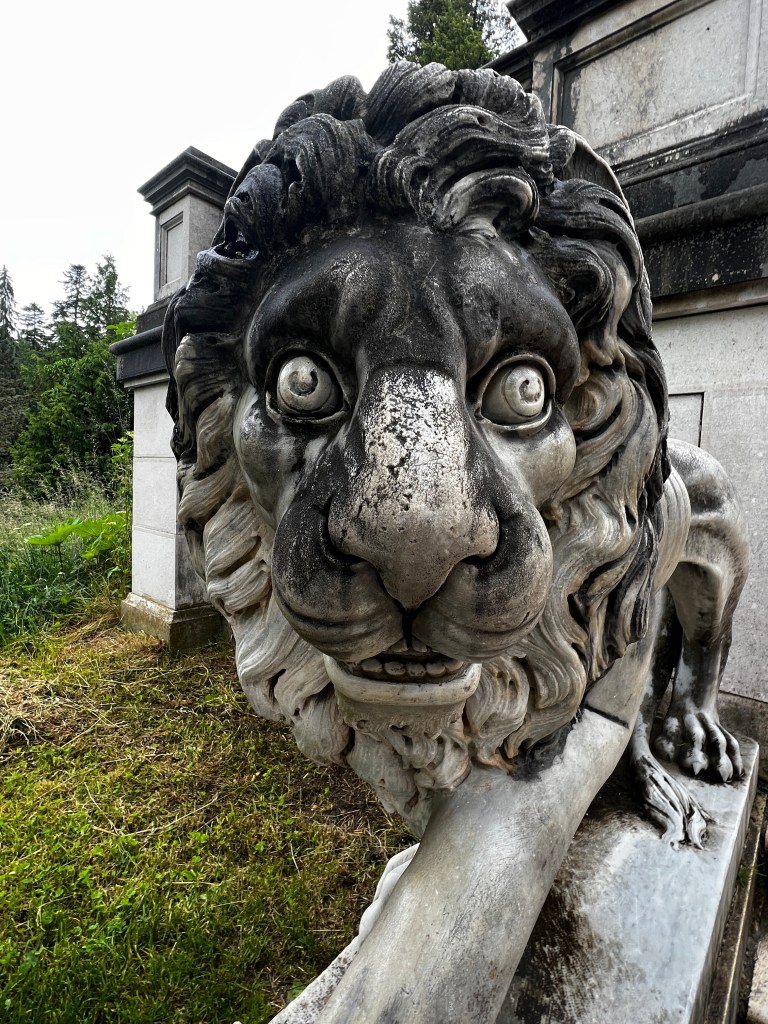
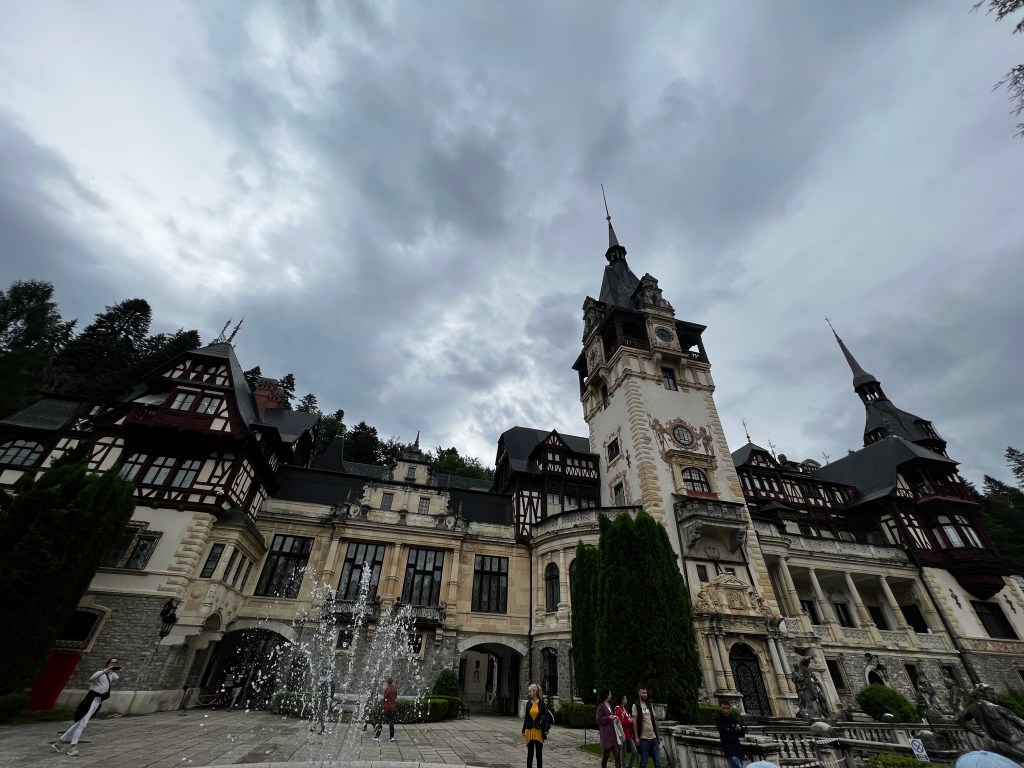
Next on our itinerary was visiting Peles Castle. The Castle was quite an experience, with the exterior being a mix of German Neo-Renaissance and Byzantine styles. The interior was also so fascinating, with ancient artefacts, lovely paintings and mesmerising interior design. The Castle is very photogenic and is honestly a lovely piece of architechture.


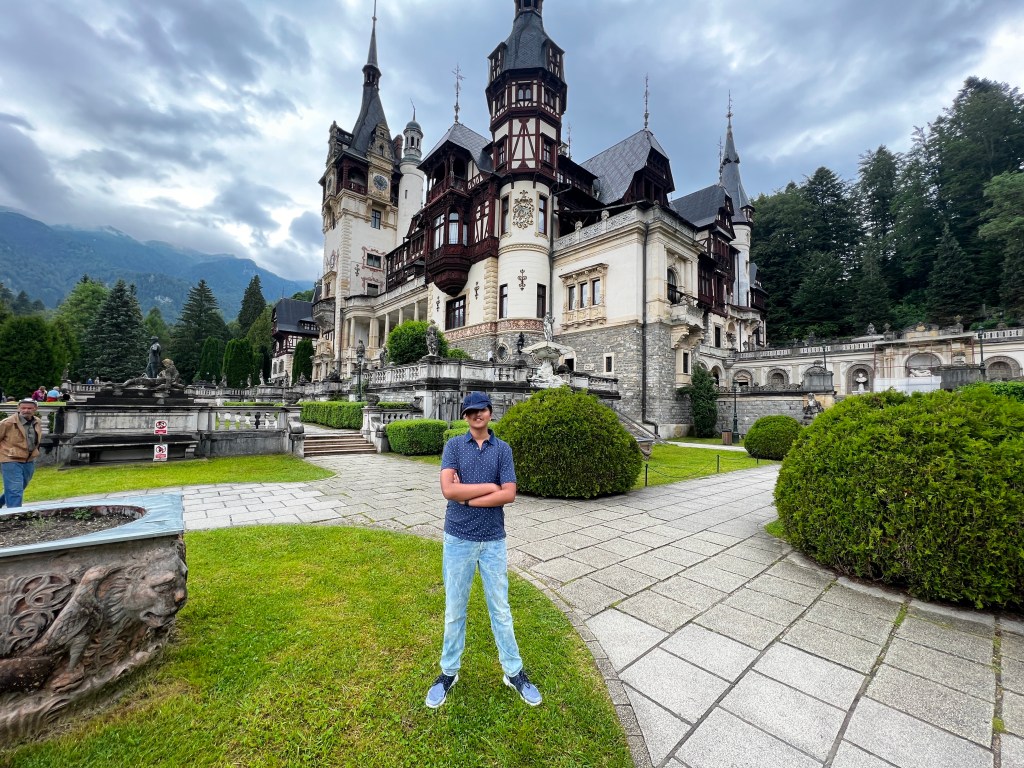

After exploring the castle, we were quite hungry and decided to grab some pizza and desserts from a nearby cafe. Then, we headed towards Bucharest, where we were staying at Marmorosh hotel. It was a modern hotel, in a nice location, and had good facilities.
To end the day, we went to Savart, a classic French restaurant. The food was delicious, the atmosphere was cozy, and the service was great. I highly recommend Savart for anyone visiting Bucharest and looking for a fine dining experience. Overall, it was a packed and exciting day, filled with lots of new sights and experiences.
The next morning, we toured around the Romanian Athenaeum, which is a cultural centre, the Stavropoleos Church, which is a small but beautiful Orthodox Church, and Revolution Square. Each of these places had its own unique charm – the Athenaeum for its history and culture, Stavropoleos for its intricate architecture, and Revolution square for its significance in Romania’s history.
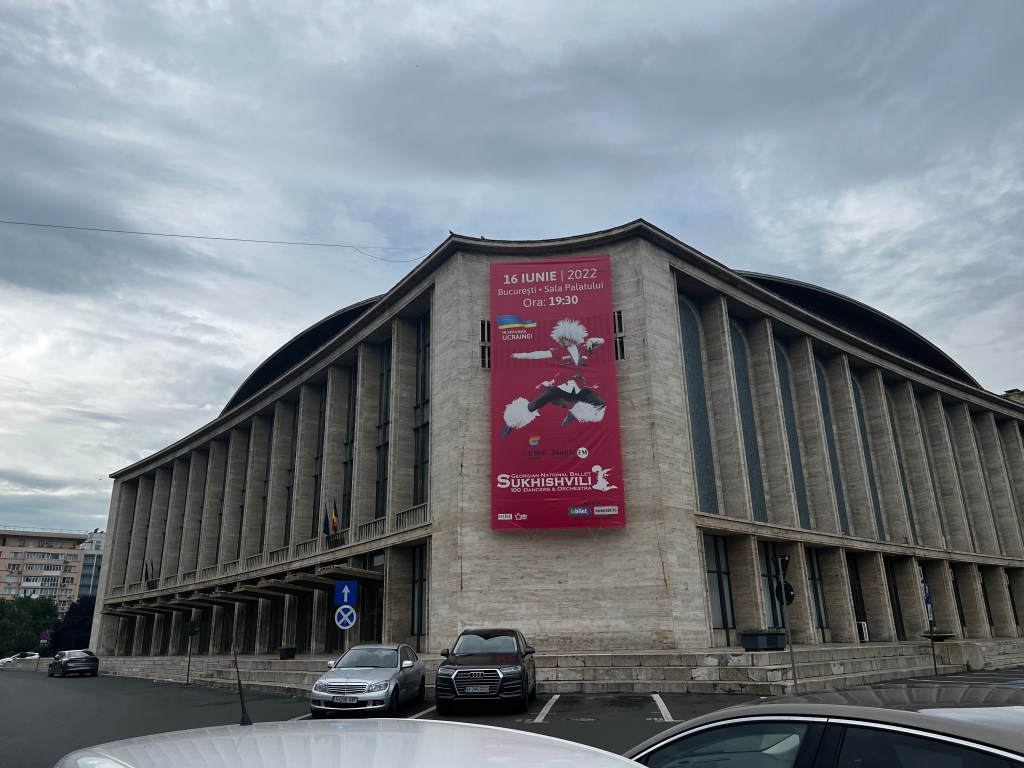
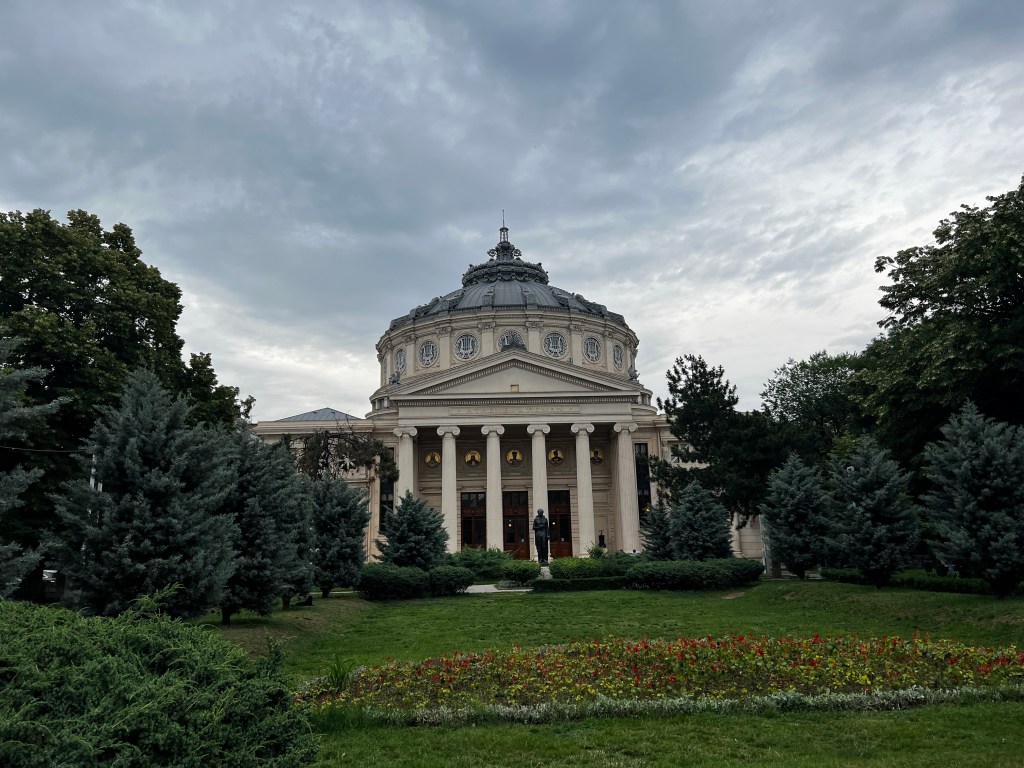
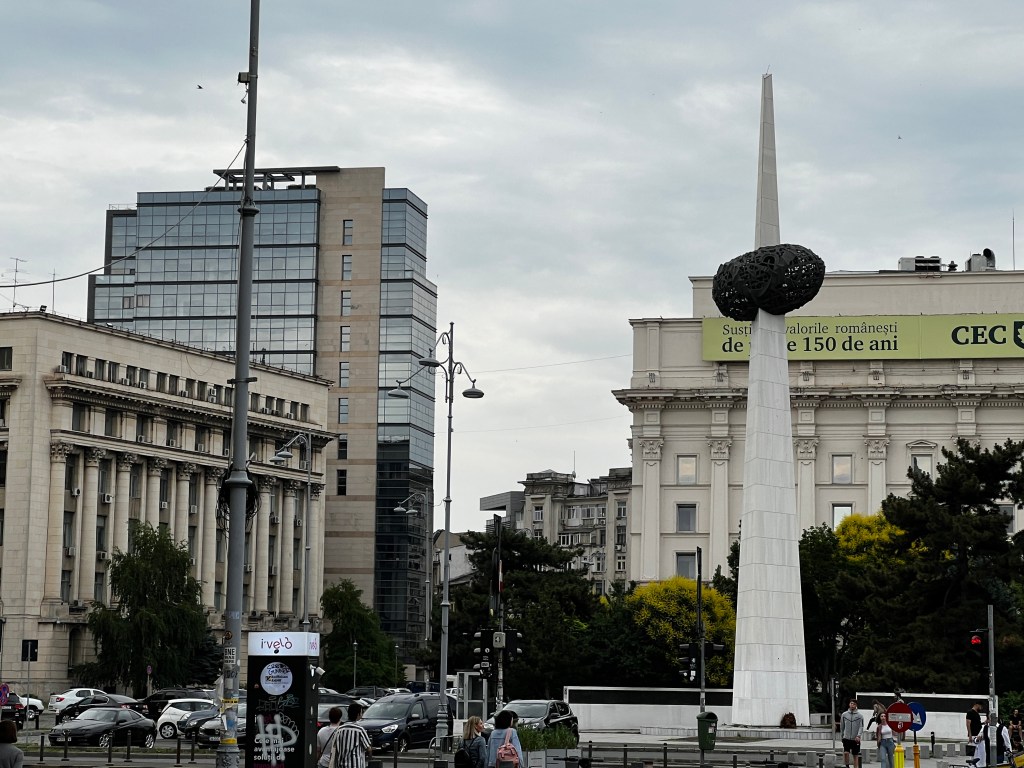
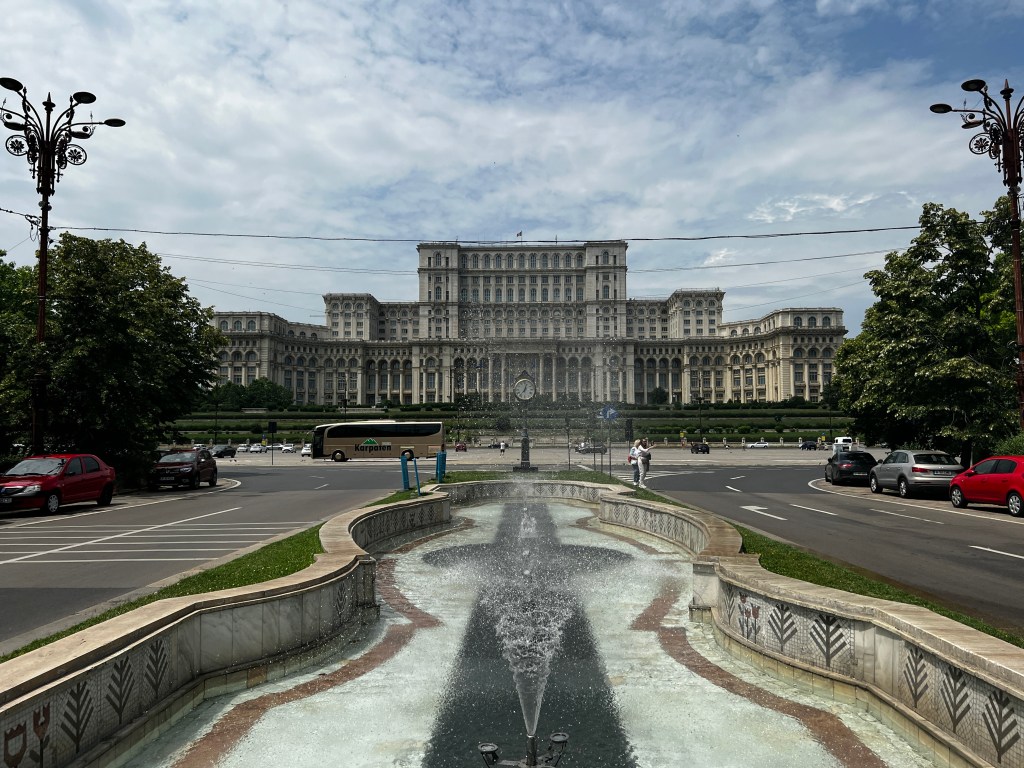
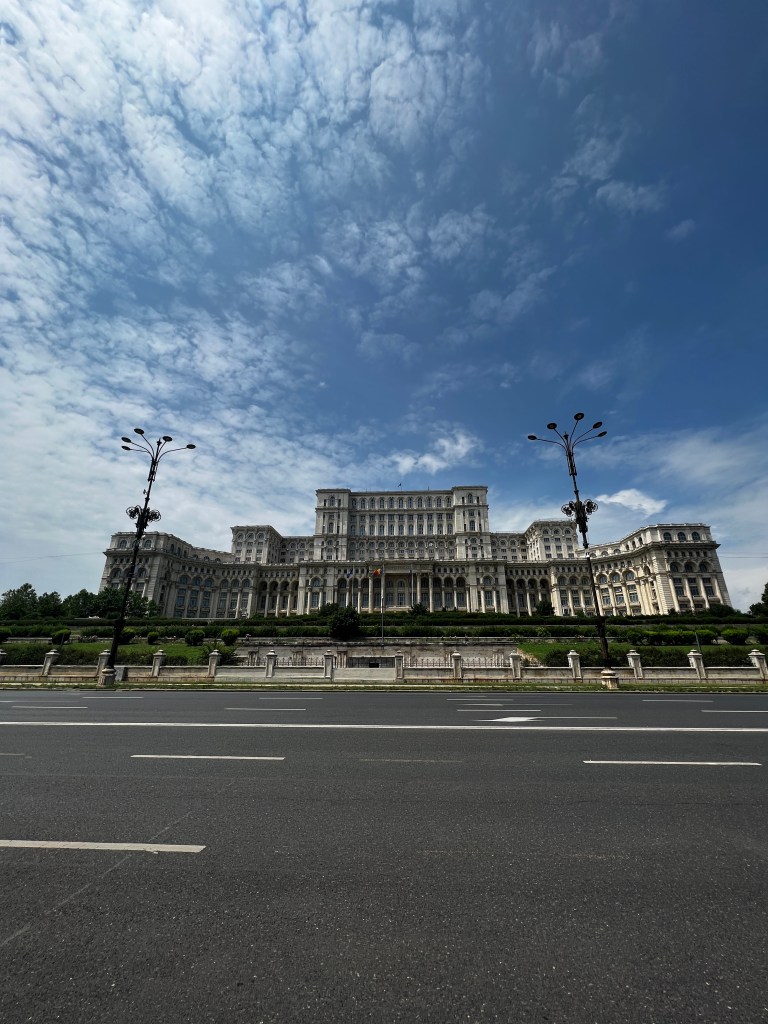
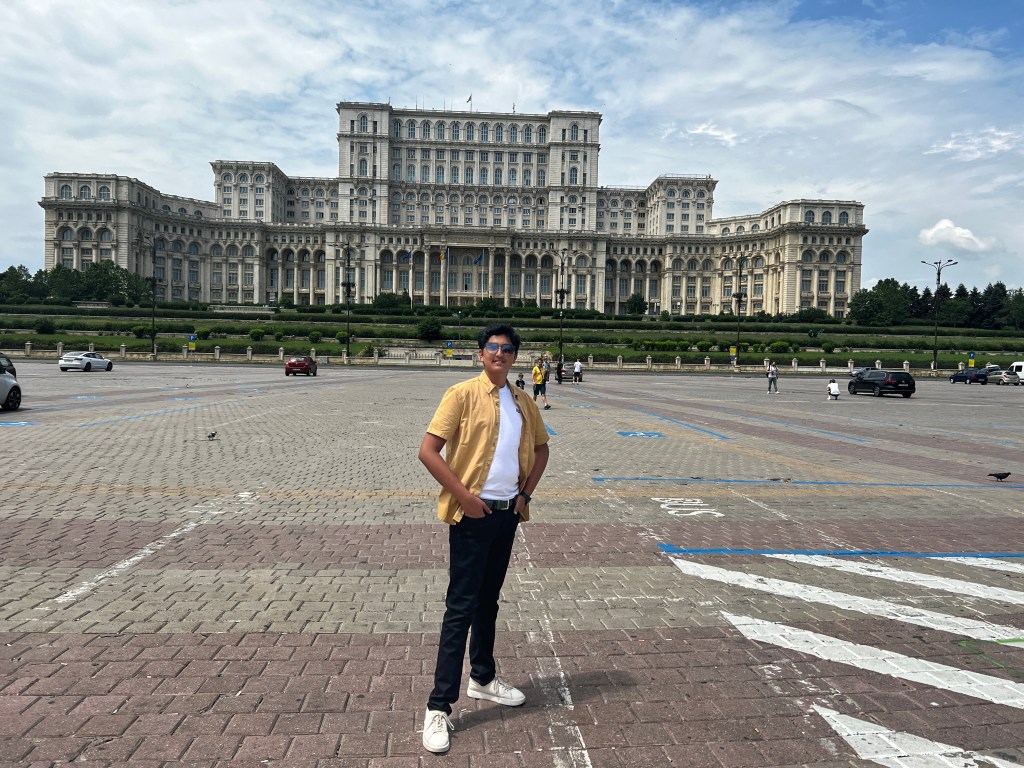
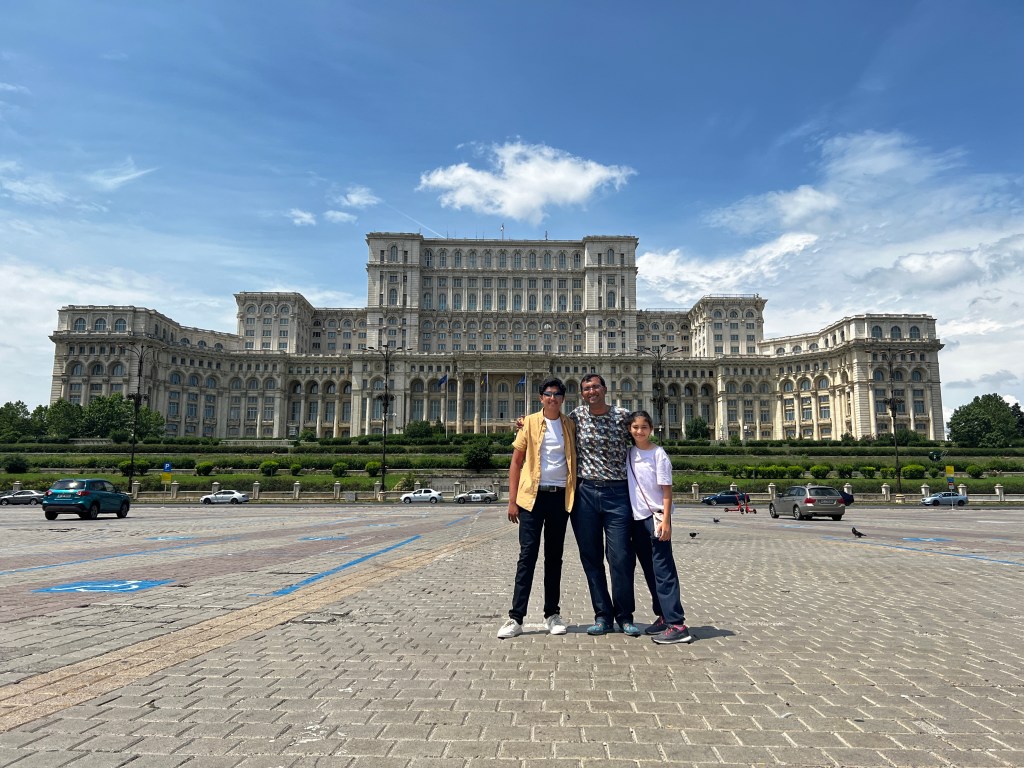
Then we moved on to the Palace of Parliament. The palace is an architectural marvel and the second-largest administrative building in the world after the Pentagon. The palace is an imposing structure with 12 stories and over 1,100 rooms. The palace is an example of a combination of the neo-classical and modern architectural style. Another interesting aspect of the palace is its size; it is so huge that it takes a while to explore and it is a perfect opportunity to capture some photos of the palace from different angles.
After the visit to the palace, we took a cab to Blue Margarita, a Mexican restaurant, where we had some hearty Mexican dishes with delicious beverages. The food was really well prepared, and was a great change of pace after sightseeing all morning.
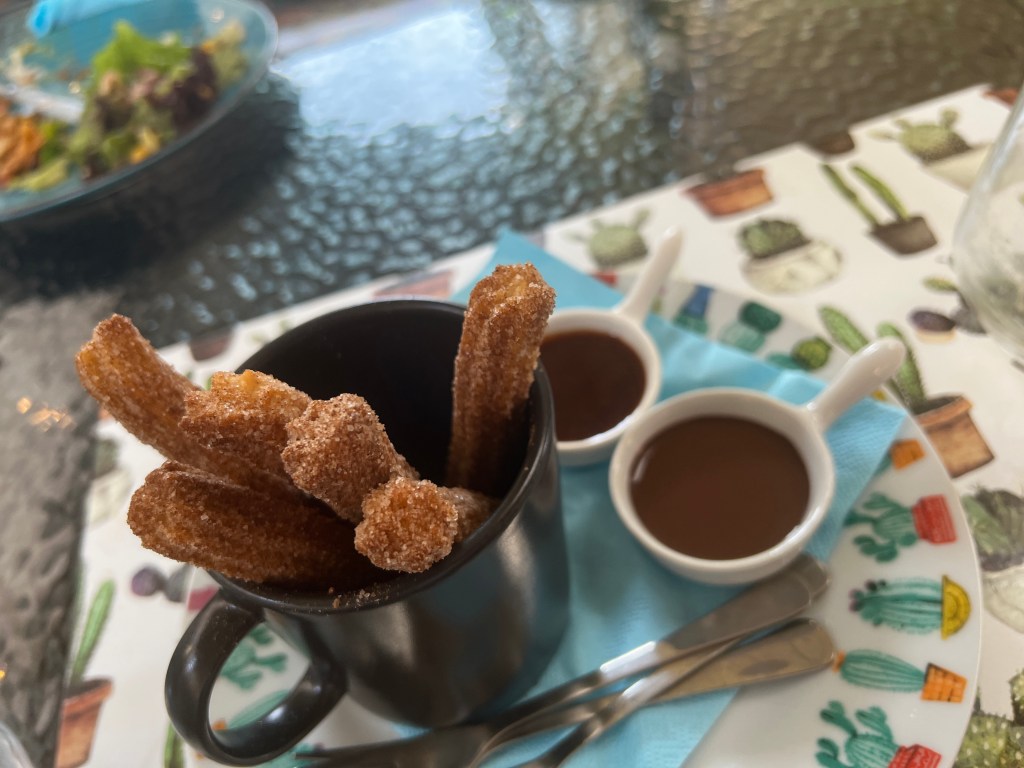
In the evening, we went to Bucharest’s parks, where we did some boating. It was a lovely way to spend a warm summer evening. After boating, we walked around the park and enjoyed the serene atmosphere of the park, which was surrounded by lush greenery. The park also had several monuments and statues.
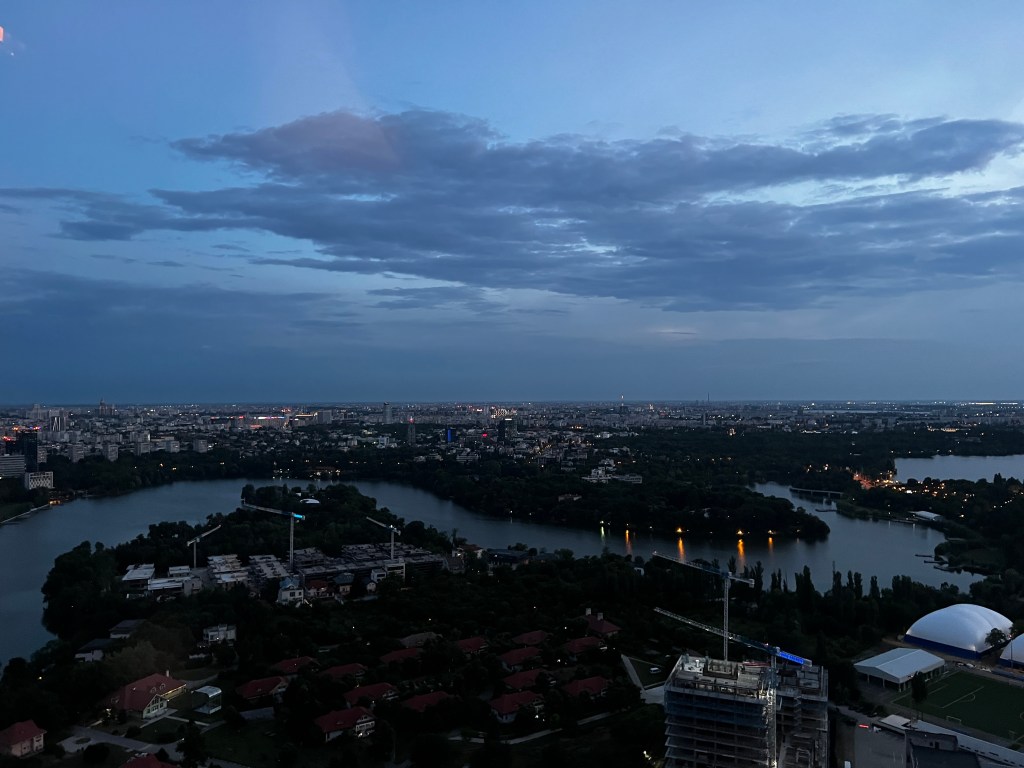
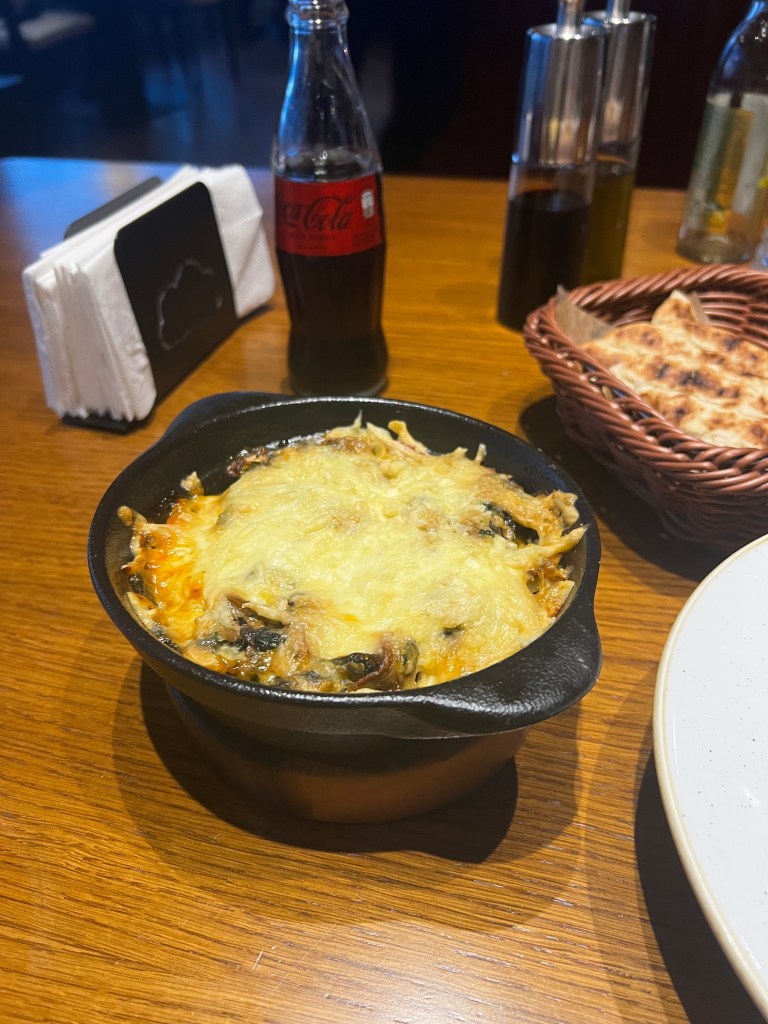
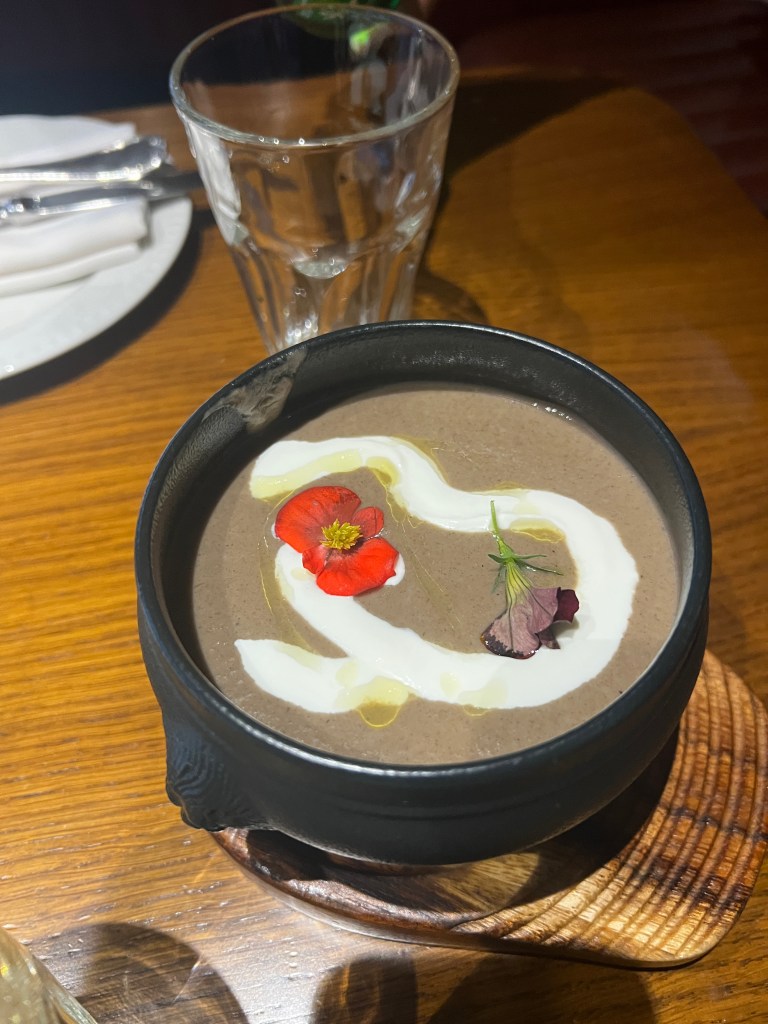
To end the trip on a high note, we had dinner at a restaurant called Nor. It’s located on the top floor of a skyscraper and offered breathtaking 360-degree views of the city. The food was delicious and the restaurant had a pleasant atmosphere, perfect to end our trip. The service was friendly, and the food was well prepared with a good balance of flavours.
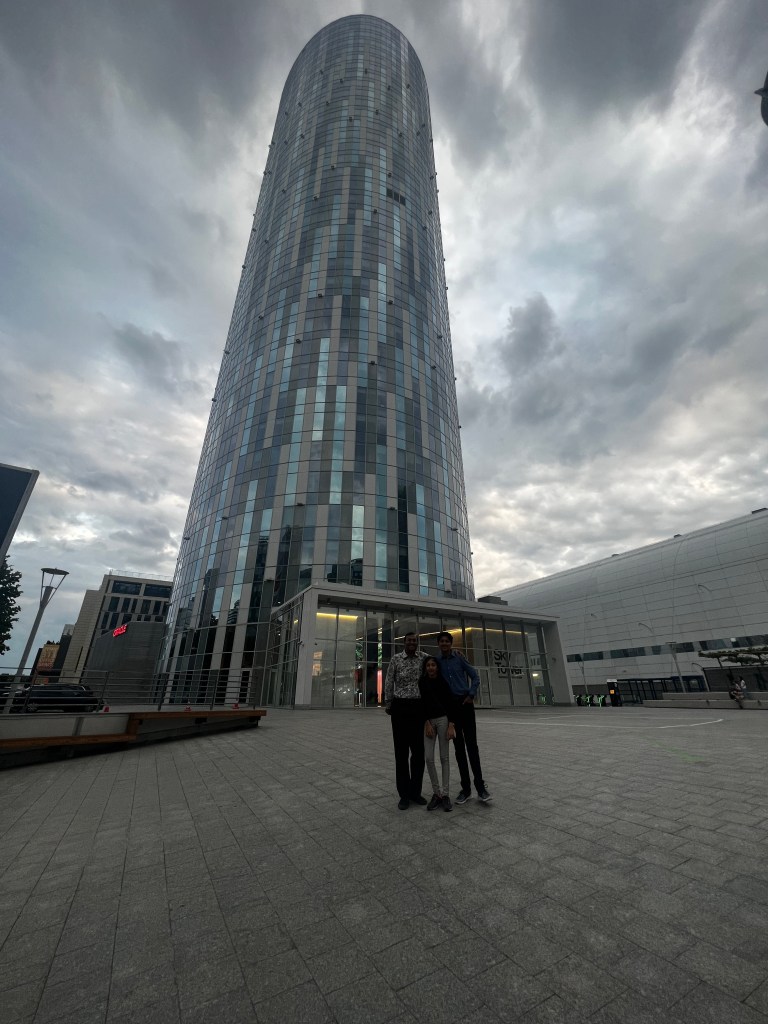
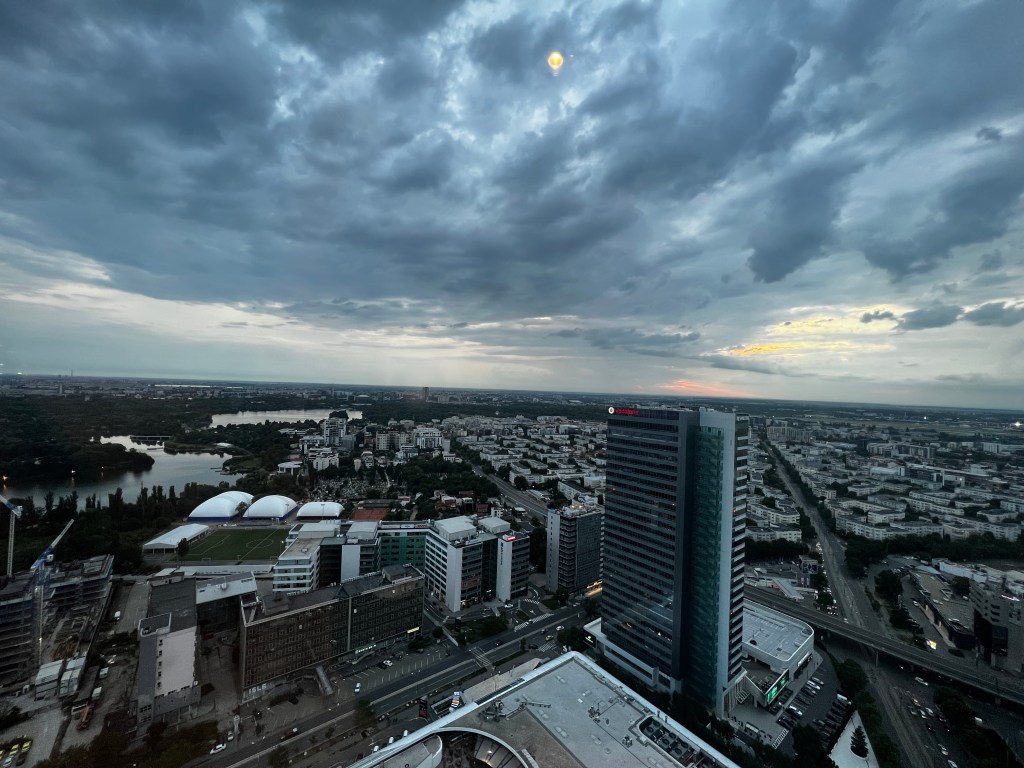
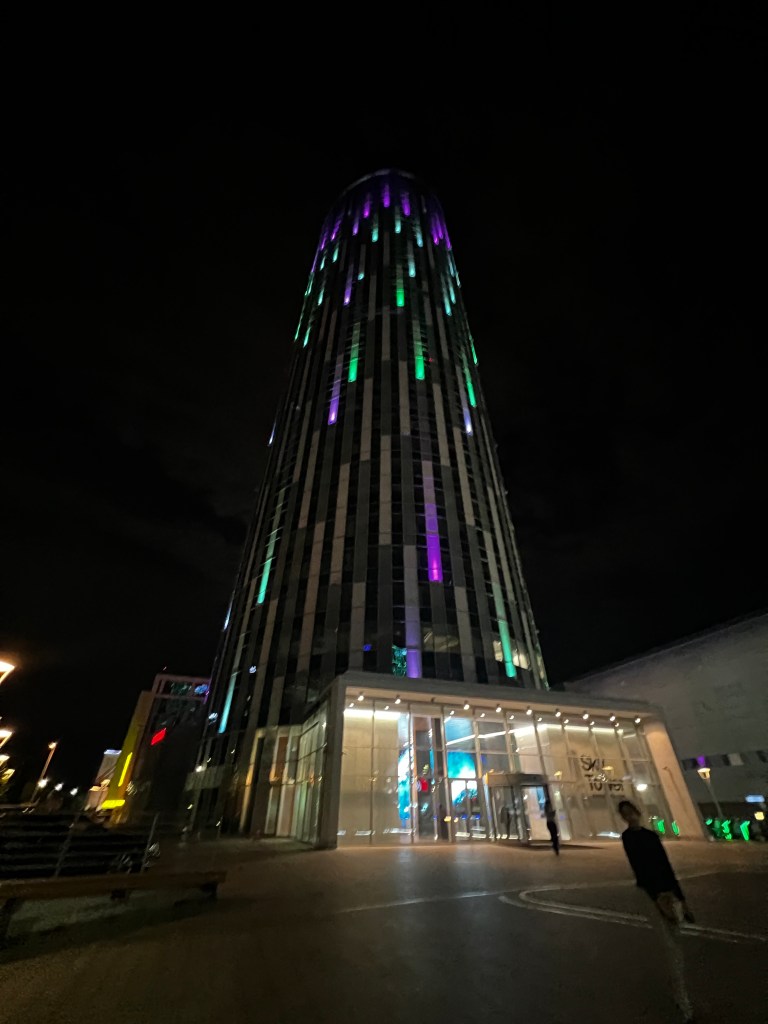

In conclusion, a journey through the Eastern Europe countries of Bulgaria, North Macedonia, Kosovo, Albania, Serbia and Romania is a unique and rewarding experience. Each country offers a different perspective on the region’s rich history, vibrant culture, and stunning natural beauty. The local people are warm and friendly, with rich traditions, and delicious food to try. Whether you’re interested in history, architecture, or outdoor adventures, this region has something for everyone. I highly recommend visiting these countries and experiencing these hidden gems that need to be discovered.

 Travel Footprints