Our journey began in my hometown city of Kolkata, where we boarded a Vistara flight to Delhi. Upon landing, we checked into the Novotel in Delhi for a much-needed power nap. The hotel was a sanctuary of calm amidst the city’s hustle and bustle, and we woke up refreshed and ready for the next leg of our journey.
Our Finnair flight to Helsinki was a treat in itself as the brand new sustainable and eco friendly A350 aircraft was fresh and inviting. The seats were plush and comfortable, perfect for the 9-hour journey ahead. The in-flight entertainment system was impressive, with a wide array of movies and shows to choose from. The catering was exceptional, which offered us delicious appetizers along with exceptional mains and desserts. The cheese with their local jam was a treat. The flight attendants were attentive and courteous, making the journey even more enjoyable.
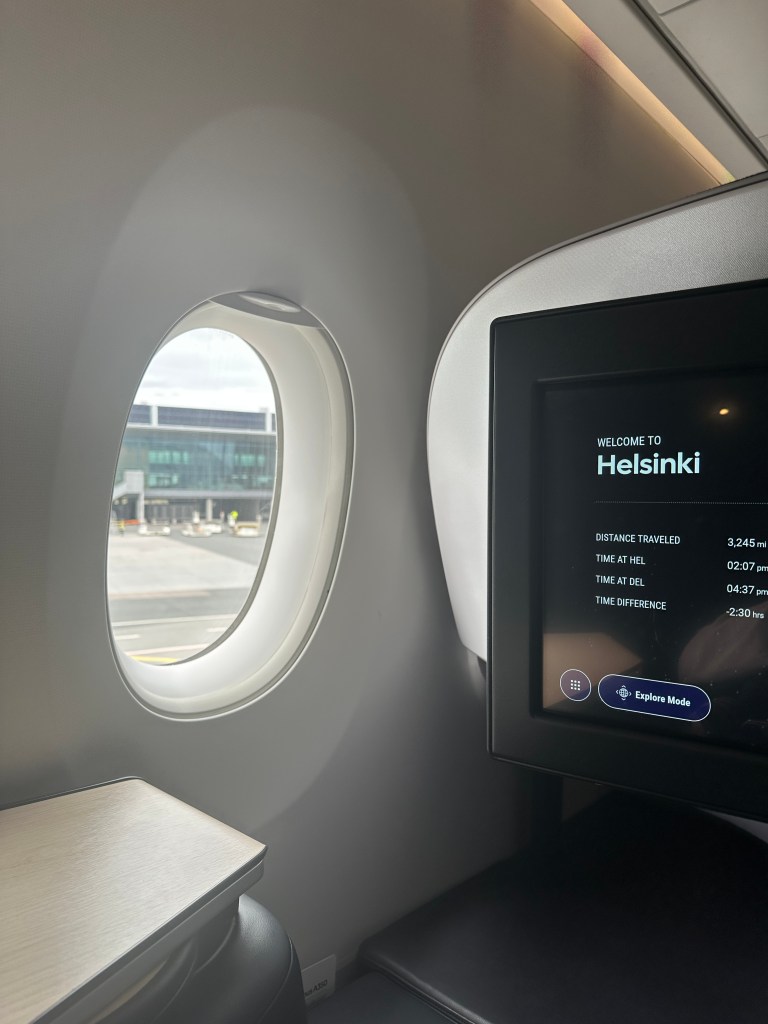
Upon landing in Helsinki, we were greeted by a modern, minimalist airport filled with local shops. The lounge was a haven of tranquility, with comfortable seating and a variety of vegetarian options such as salads like lemon roasted fennel and a beetroot salad. A much needed coffee which was strong and invigorating, was the perfect pick-me-up after a long flight.
Our next flight was a shorter one to Krakow, again with Finnair on a smaller Airbus A320. The service was consistent, and we were served a hot, delicious meal which was a Thai curry with chilli rice during the flight. The meal was a delightful surprise, with flavours that were both familiar and exotic.
Kraków, a city steeped in history and culture, is a gem in the heart of Poland. Its medieval charm, vibrant festivals, and rich academic heritage make it a must-visit destination. The city’s old-world charm was evident in its cobblestone streets and historic buildings. We checked into the H15 Francuski Hotel, a boutique establishment located in the heart of the city. The hotel was a blend of old and new, with antique furnishings and modern amenities. The rooms were spacious and comfortable, and the staff was welcoming and attentive.
Our first meal in Krakow was at Dolabella Due, a quaint café tucked away in a narrow lane in the old town. The food was delightful, with the pistachio gnocchi and mango panna cotta being the highlights. The Mamabella pizza with artichokes and sun dried tomatoes was prepared in a wood fired oven and also tasted authentic. However, the service left something to be desired. Despite this, the flavours of the food left a lasting impression, and we found ourselves reminiscing about the meal long after we had left the café.
Furthermore, we explored the city square, a vibrant hub of activity. The square was bustling with locals and tourists alike, making it a great place for people-watching. We indulged in some gelato and a White Kit Kat McFlurry from McDonald’s on our way back to the hotel. The gelato was creamy and delicious, a perfect treat for a warm summer day.

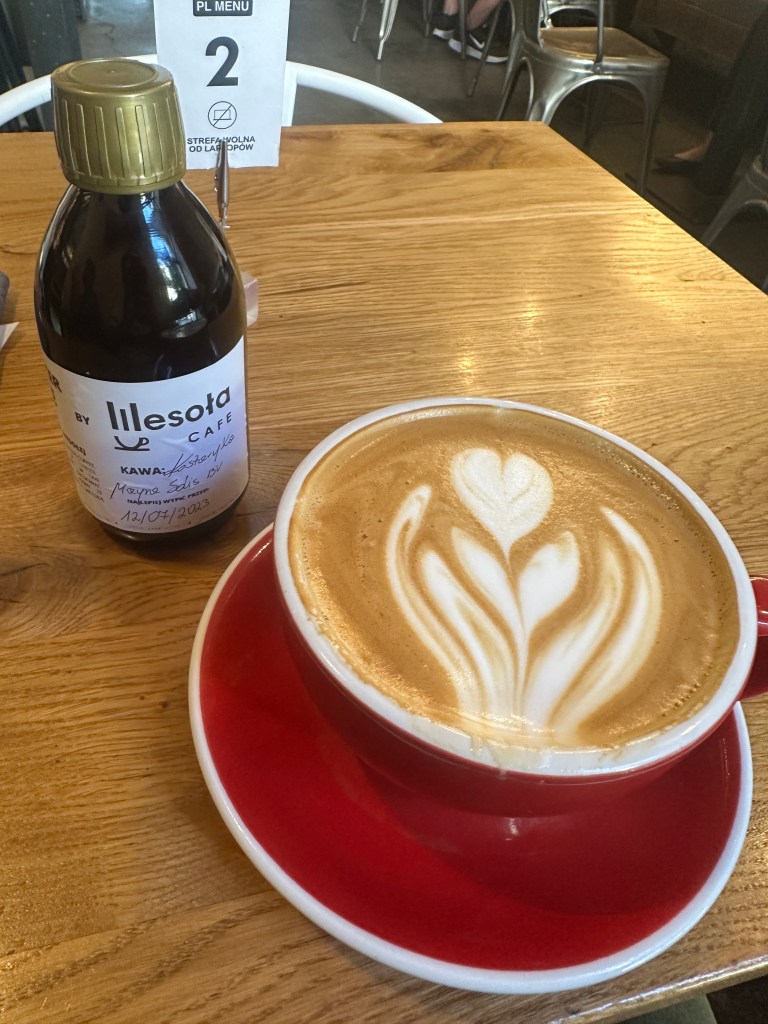
I started my next day with a walk to L’isola Café, located 1.5 km away, for a cup of coffee. Krakow’s layout requires a fair bit of navigation, with numerous underpasses and crosswalks. On our way back, we rented a Lime scooter, a fun and efficient way to explore the city. These rentable scooters are a fun and efficient way to explore the city. They’re available at many spots in the city, and with speeds ranging from 5-20 km/h, they offer a unique and enjoyable way to take in the sights. At Lilsola, I enjoyed a cappuccino and avocado toast, and took a cold brew for the road. The coffee was rich and flavorful, the perfect start to my day.
Our next stop was Zakopane, a charming town nestled in the foothills of the Tatra Mountains. En route, we stopped at Chocholow, a quaint village known for its traditional wooden huts. The huts were a sight to behold, with their intricate carvings and rustic charm.
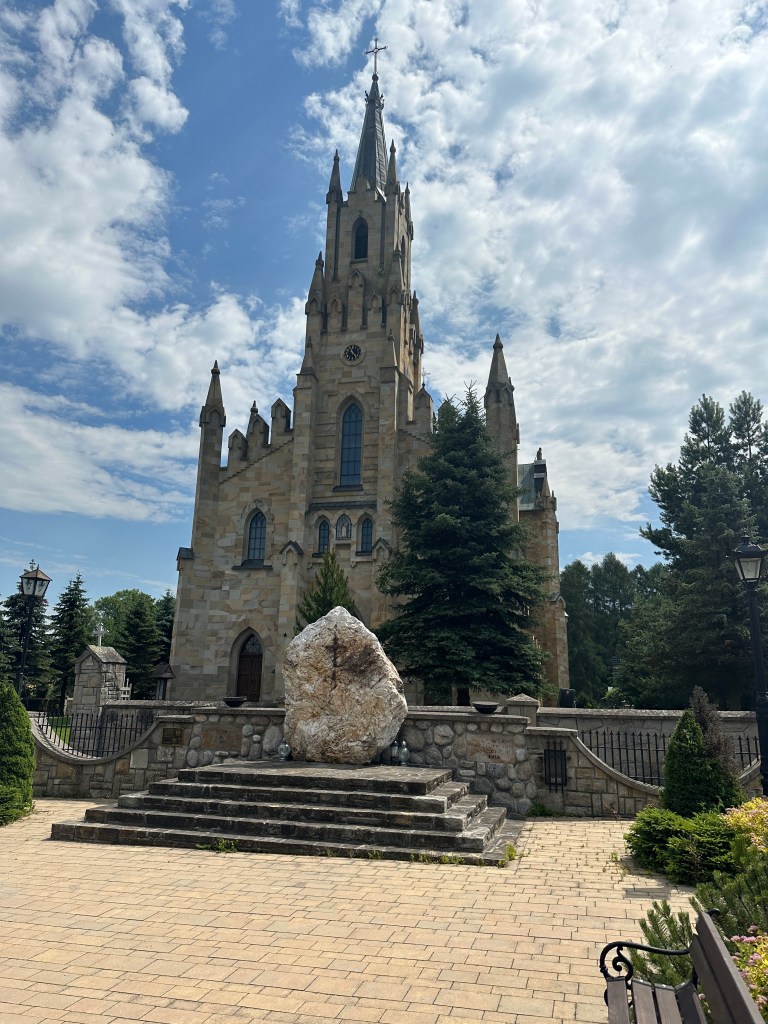
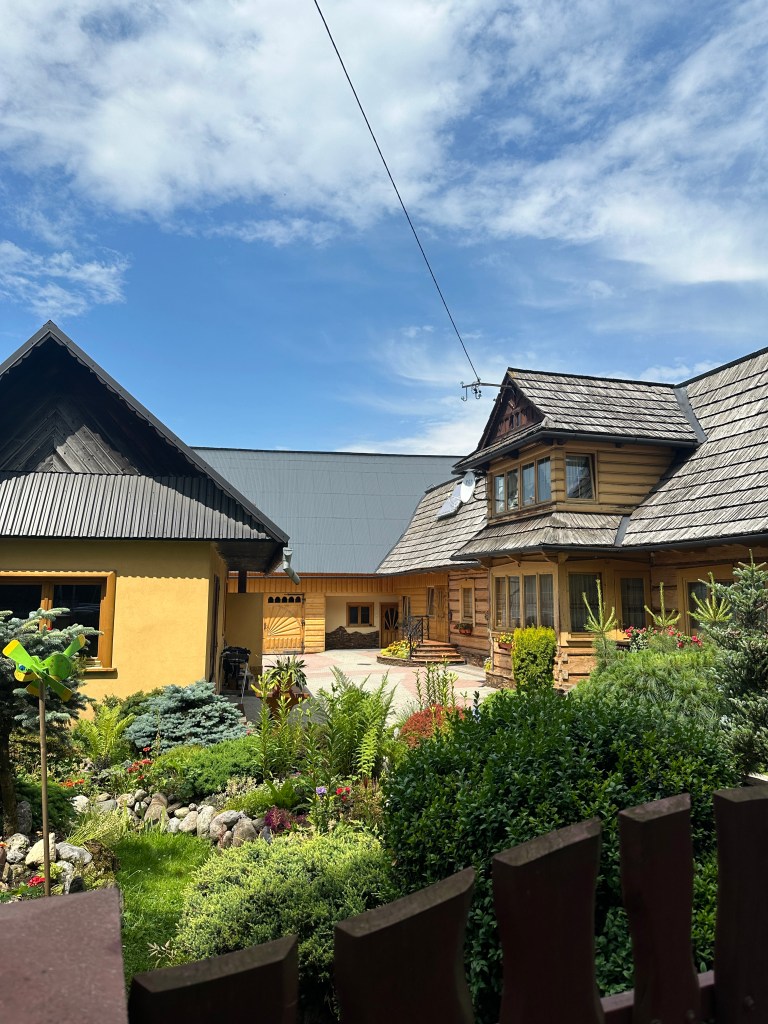
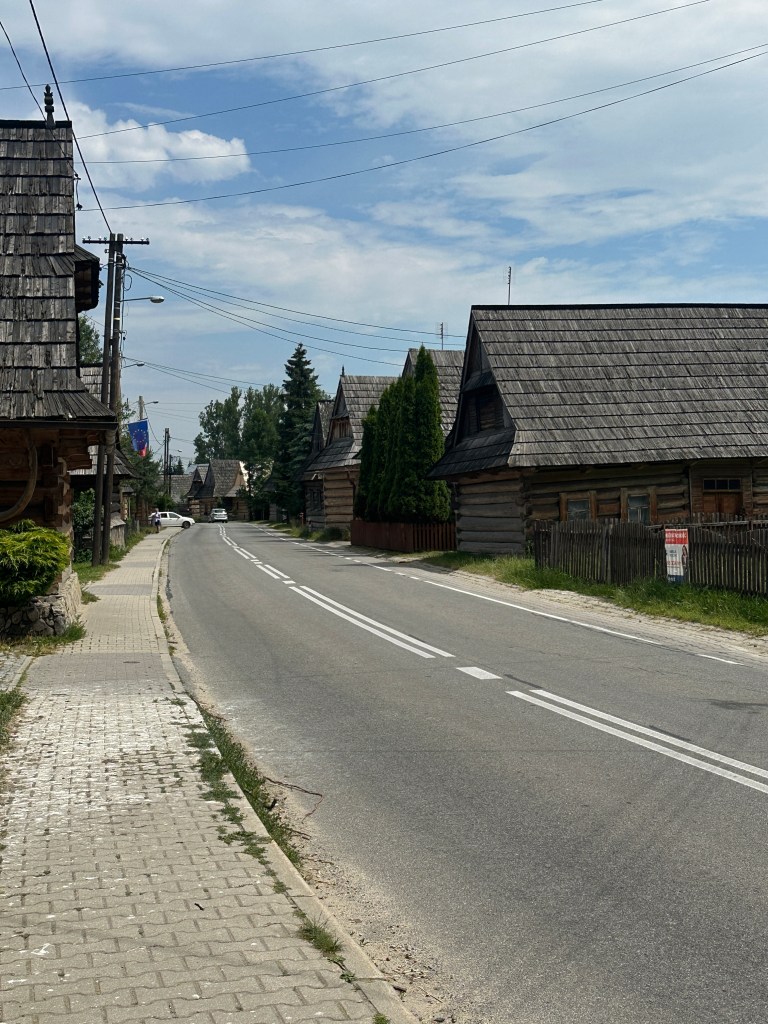
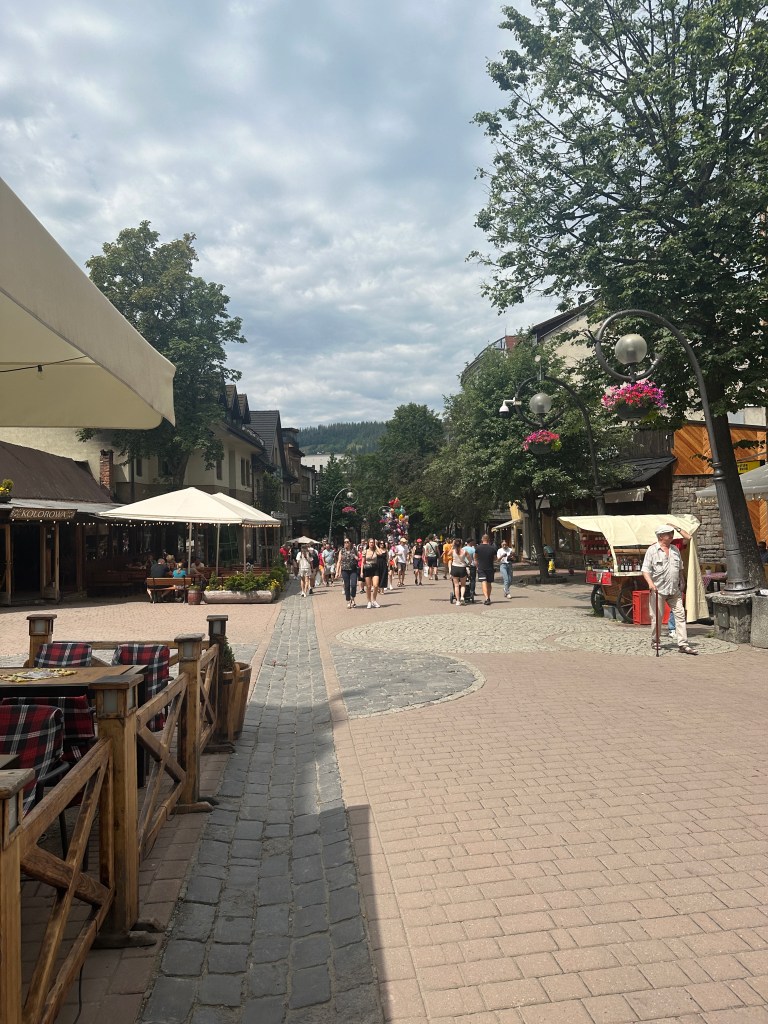
Zakopane itself was a bustling town, with a vibrant main street filled with shops and eateries. Trying the local cheese with cranberries was a culinary adventure, with the tartness of the cranberries perfectly complementing the creaminess of the cheese.
For lunch we went to a swiss restaurant on the end of the main street in Zakopane called Mała Szwajcaria. The servers did not speak English and the food was mediocre at best. The raclette with potato nest and the salad was the only dish that we enjoyed. The fondue’s texture was completely off and the bread was stale, the pierogi dumplings were thick and chewy, and the roesti was unseasoned. I’m not happy to say it, but it was not a very satisfactory meal.
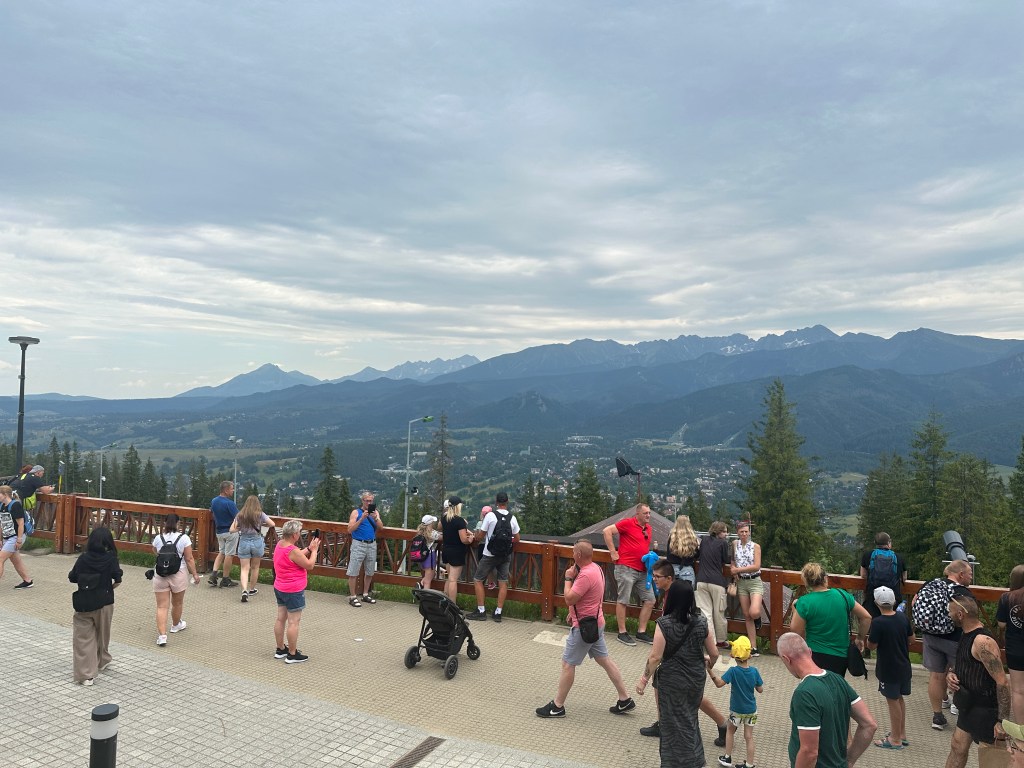
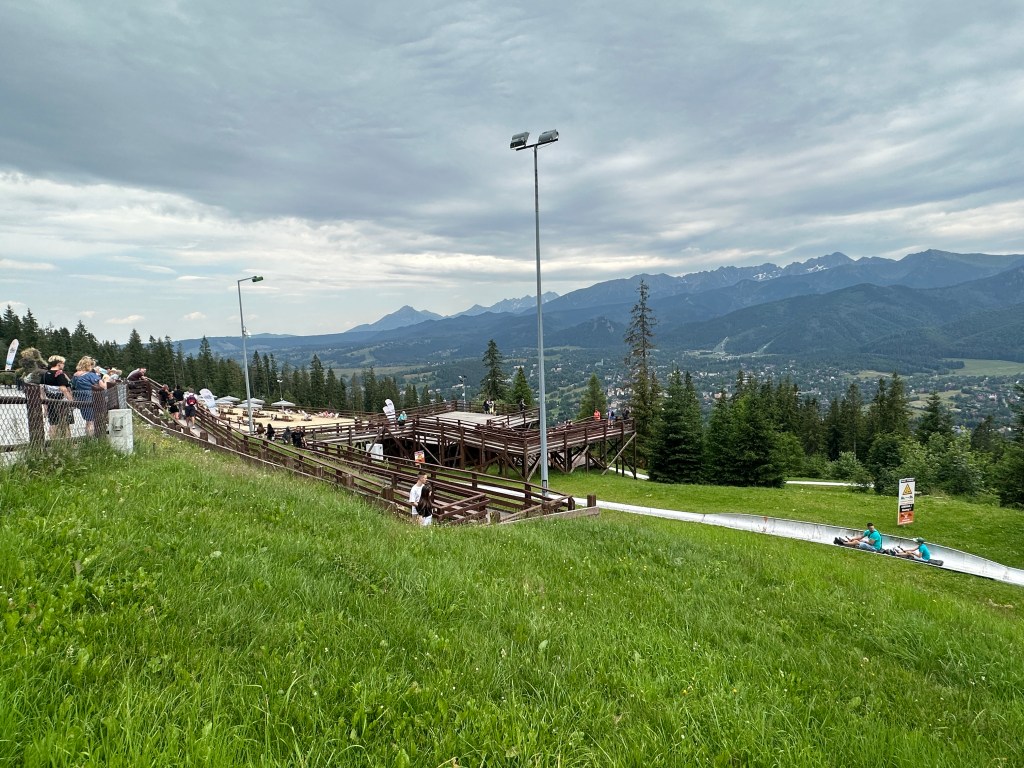
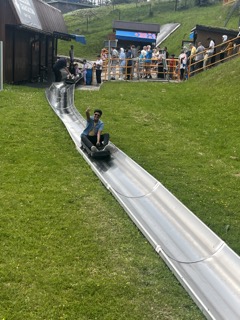
Next, we took a funicular ride to the top of Gubalowka Hill. The view from the top was breathtaking, with panoramic views of the Tatra Mountains. One could easily spend a couple of hours at the top, enjoying the view, the food, and the gravity slide, a thrilling ride down the hill.
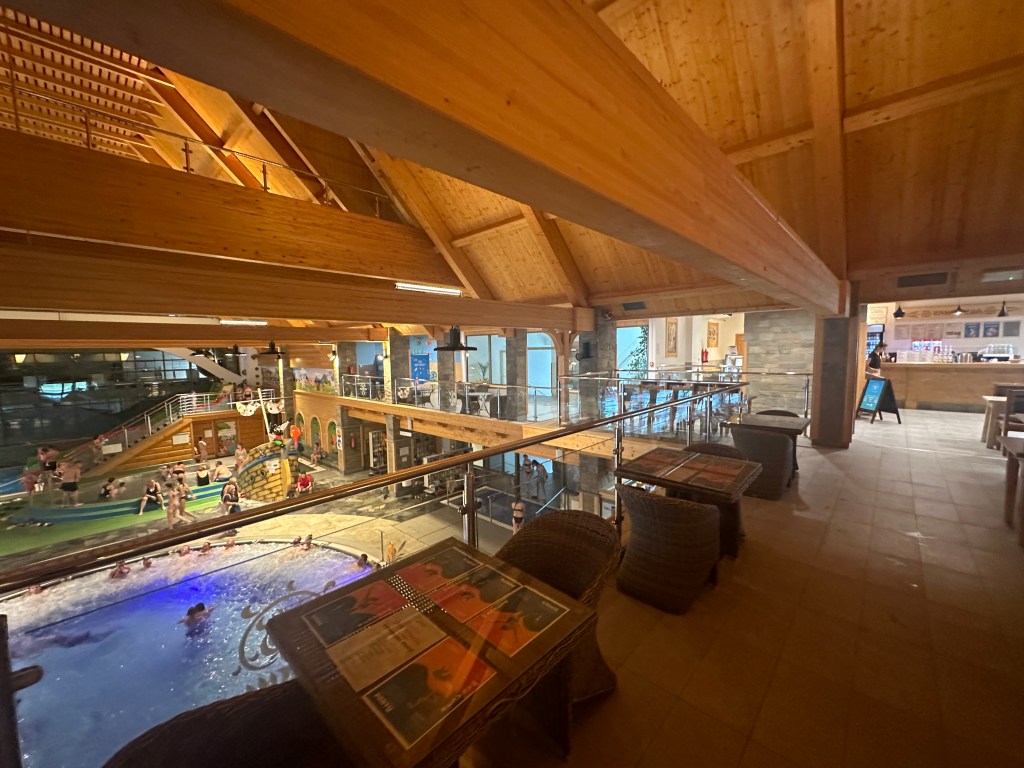
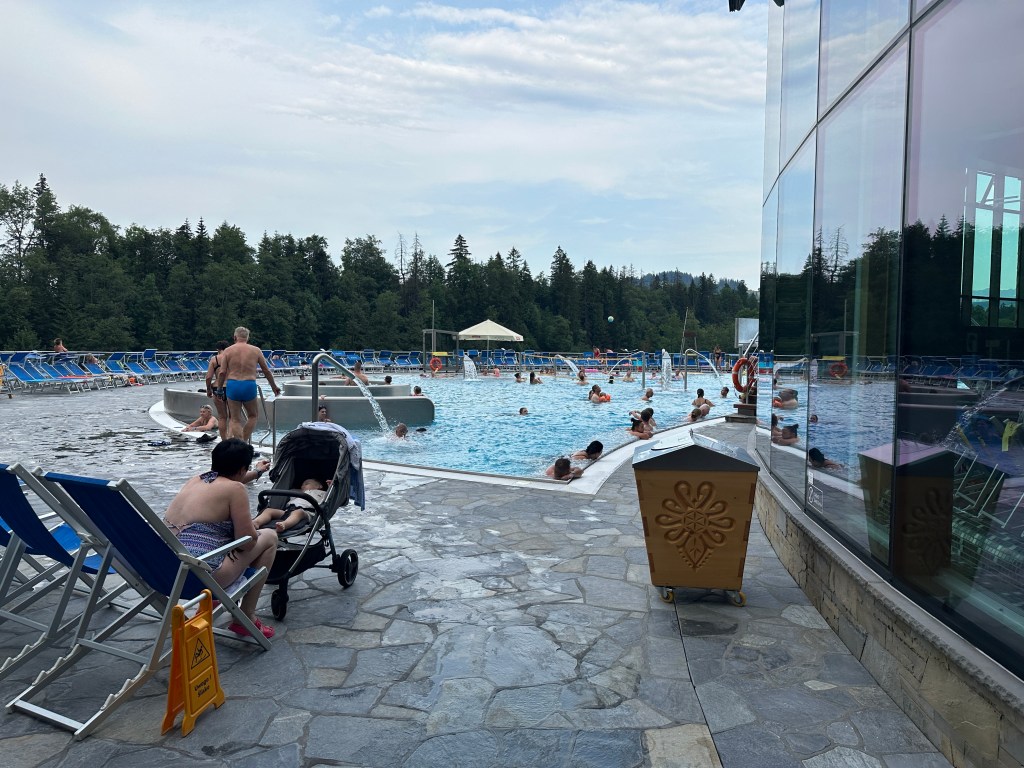
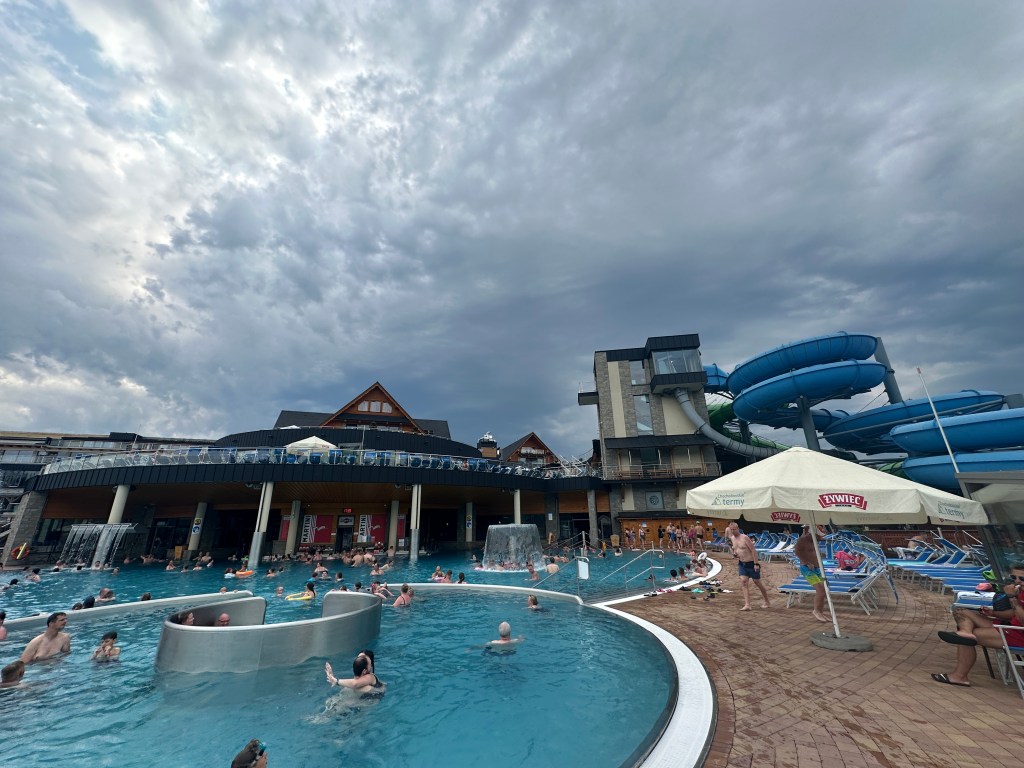
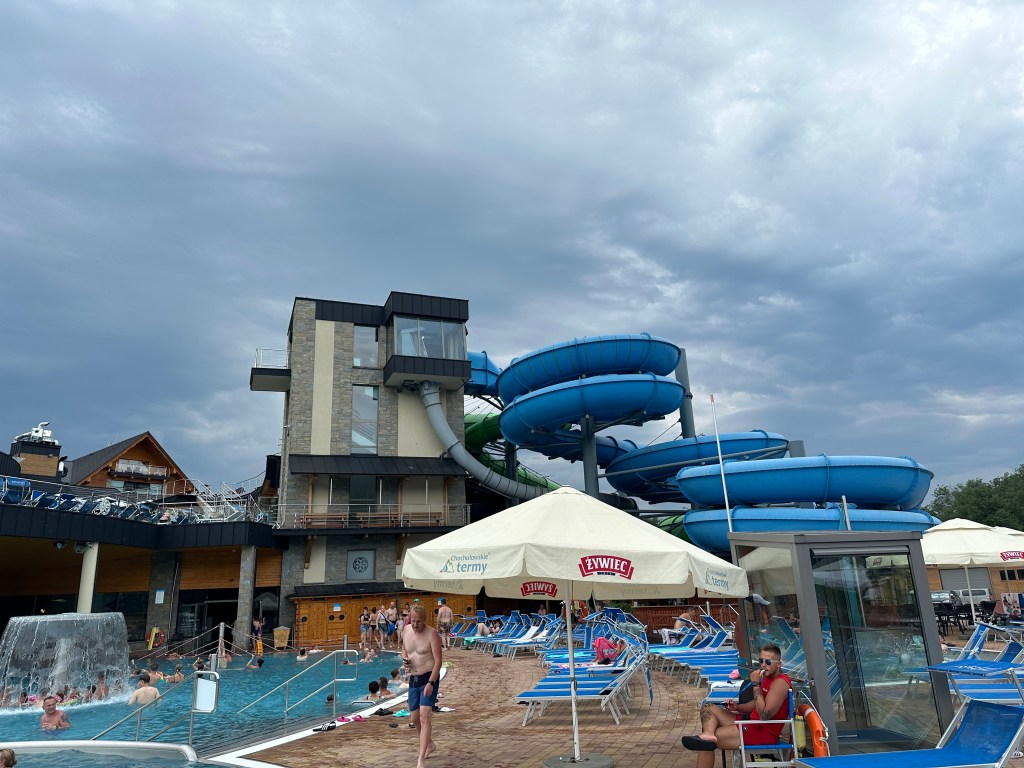
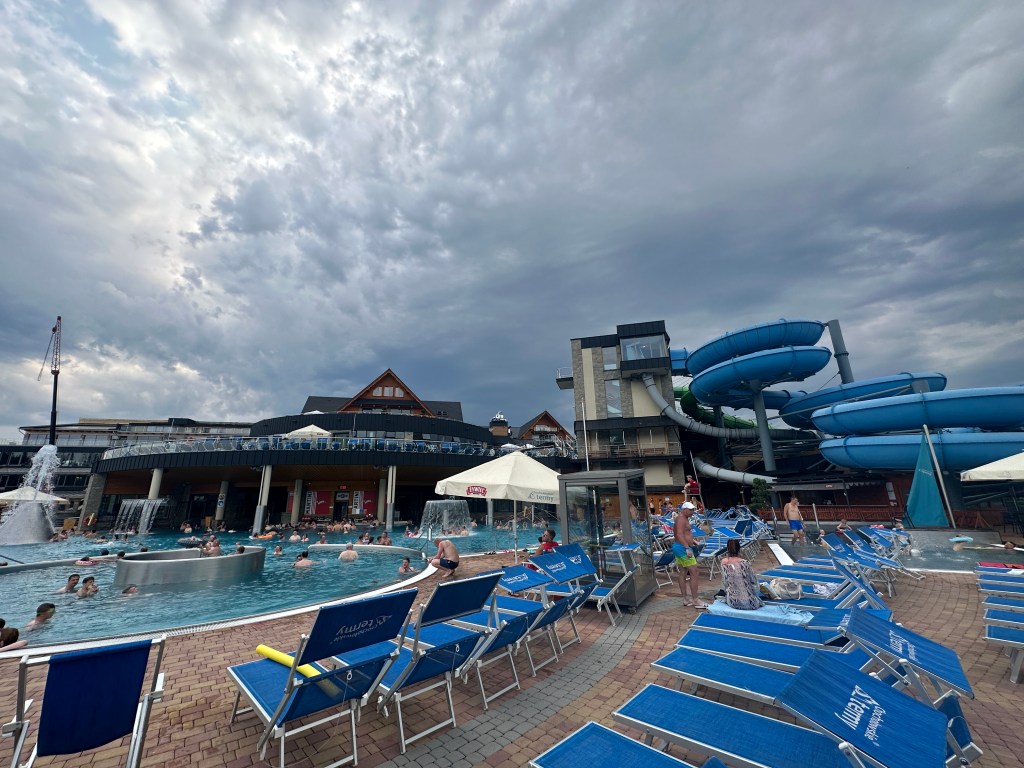
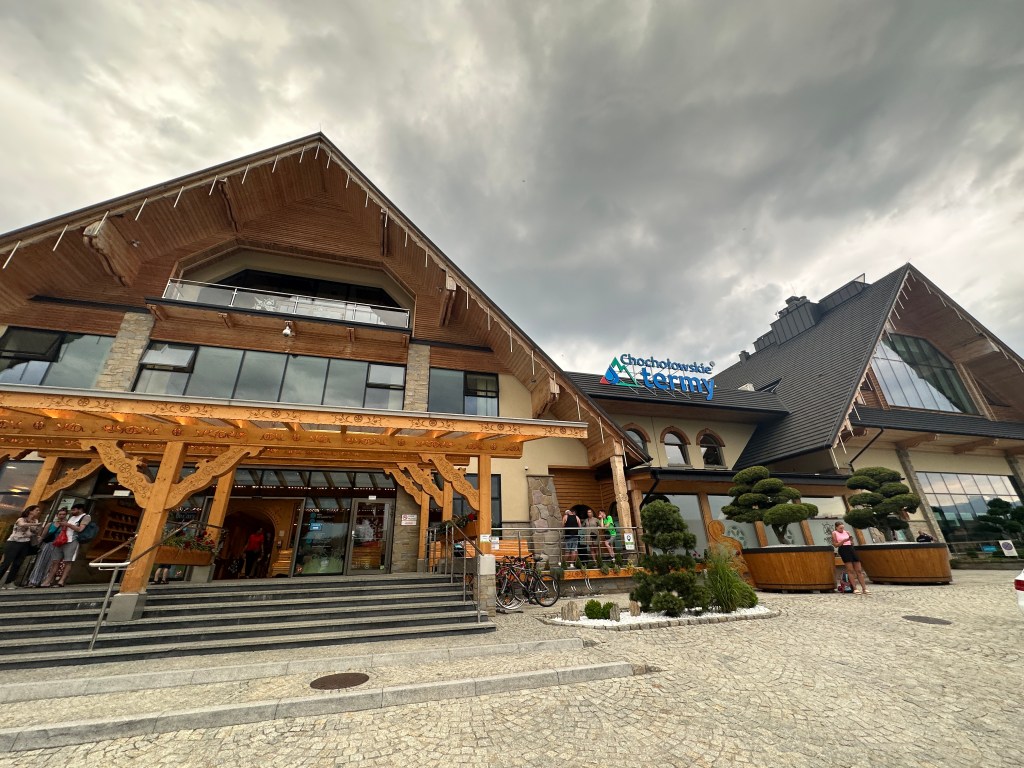
The thermal spas in Chocholow were a world in themselves. Spread across three floors, each level was a new realm of relaxation. The salt rooms offered a unique detoxifying experience, while the saunas helped us unwind and let go of all our stress. The variety of jacuzzis, each set at a different temperature, allowed us to find our perfect comfort zone. The artificial beach added a touch of whimsy to the experience. Along with these there are aroma rooms, water slides, pool bars, pool activities and much much more. It is impossible to explore the whole area in 3 hours. The spa was more than just a place to relax; it was a place to rejuvenate our mind, body, and soul. Undoubtedly, the highlight of the day.

The next morning, we hopped on our Lime scooters and headed to Veganic for a healthy breakfast. The smoothies, juices, and coffees were refreshing, but the food was the real star. The smoked tofu scramble on sourdough and ful medames with chili oil and pita bread were outstanding.

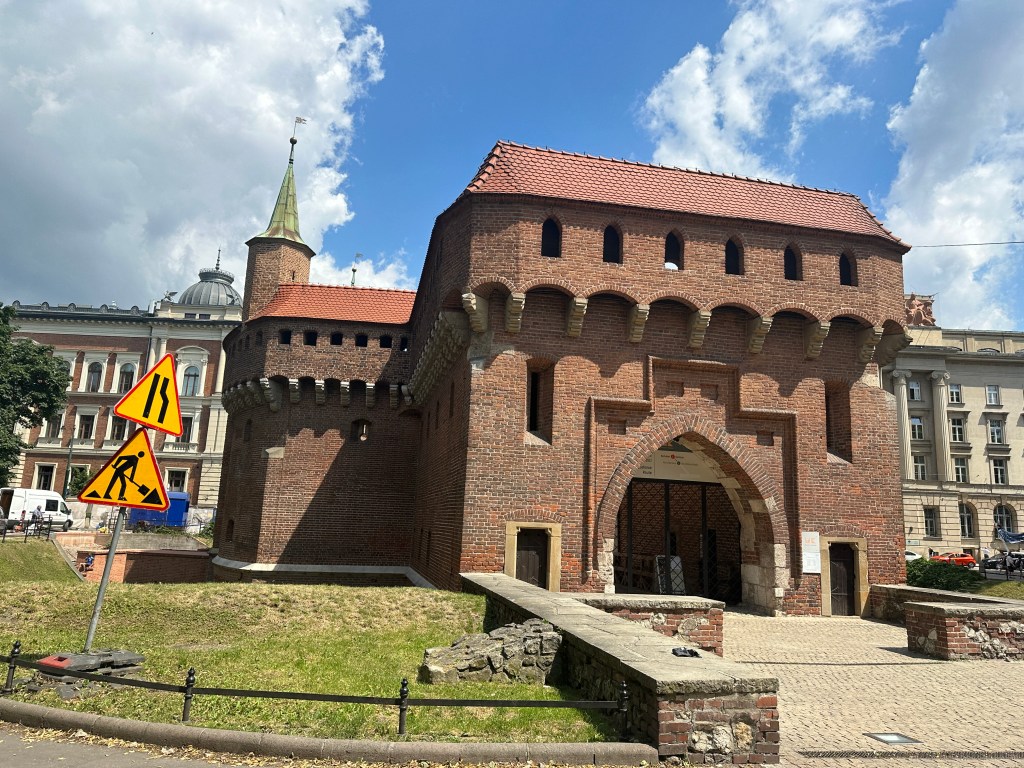
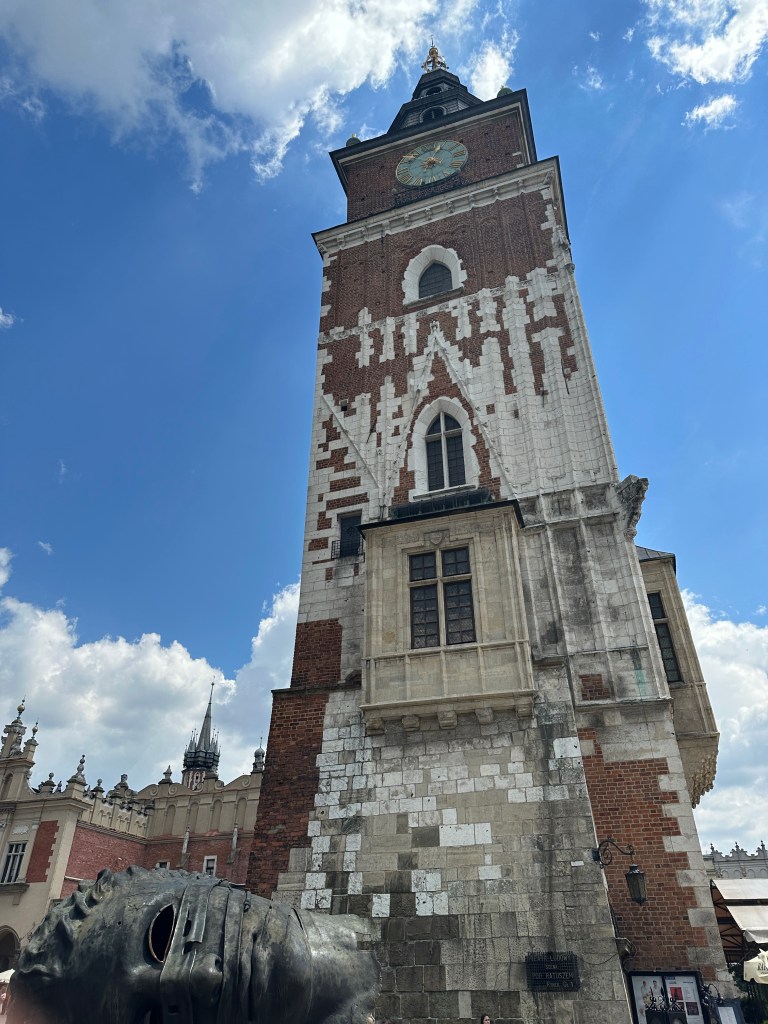
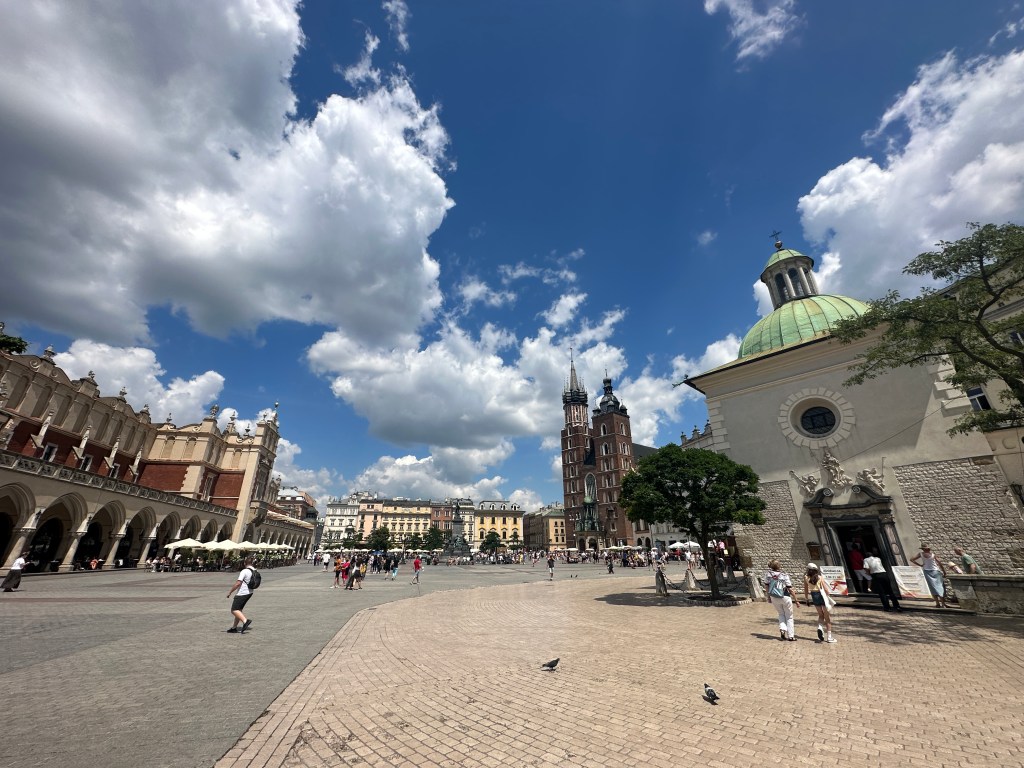
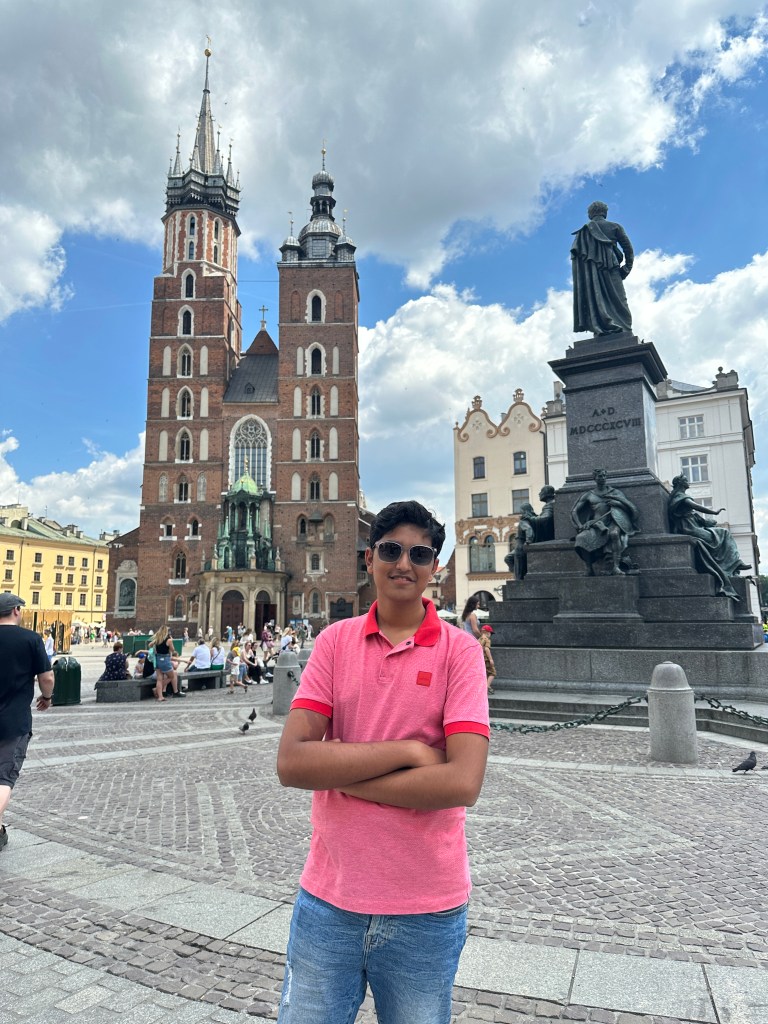
At 11:30, I downloaded an app called Krakow Tours and embarked on a self-guided tour of the city’s main sights. The Barbican, a fortified outpost once connected to the city walls, is a testament to Krakow’s medieval past. Its circular structure and numerous watchtowers offered a fascinating glimpse into the city’s history. St. Florian’s Gates, the only remaining part of the old city walls, was a majestic sight. The gate, adorned with a baroque roof and a statue of St. Florian, was a symbol of the city’s resilience. The sight of St. Mary’s Basilica, with its two uneven towers and stunning facade, was breathtaking. The interior was even more impressive, with its ornate altarpiece and beautiful stained glass windows.
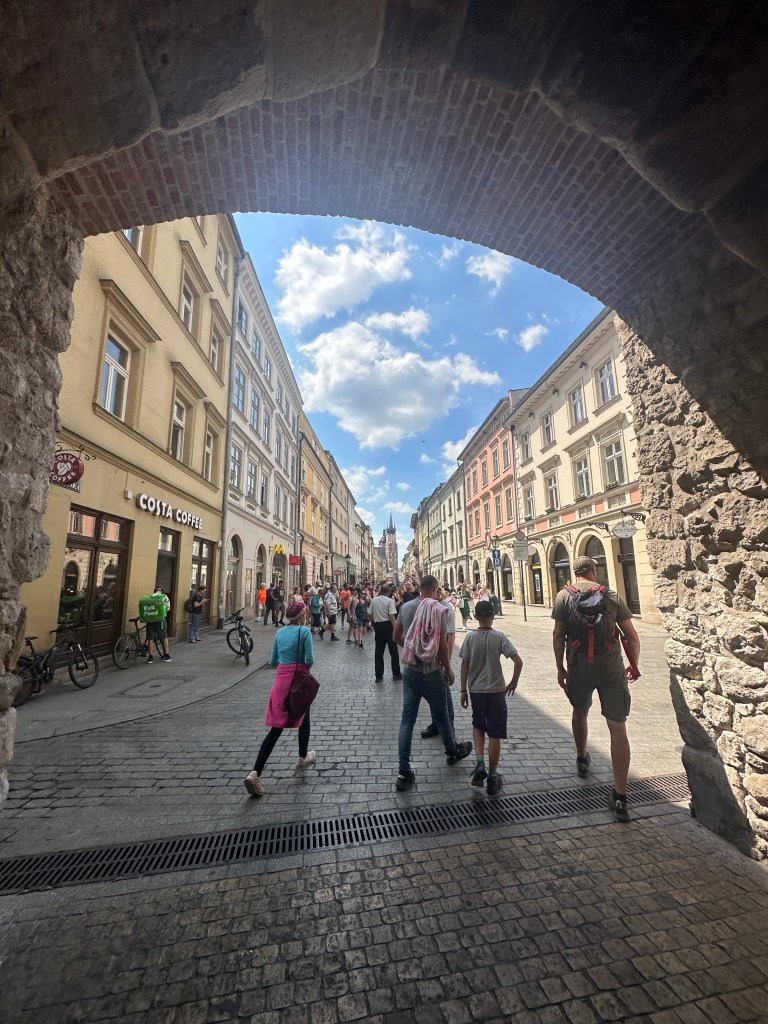
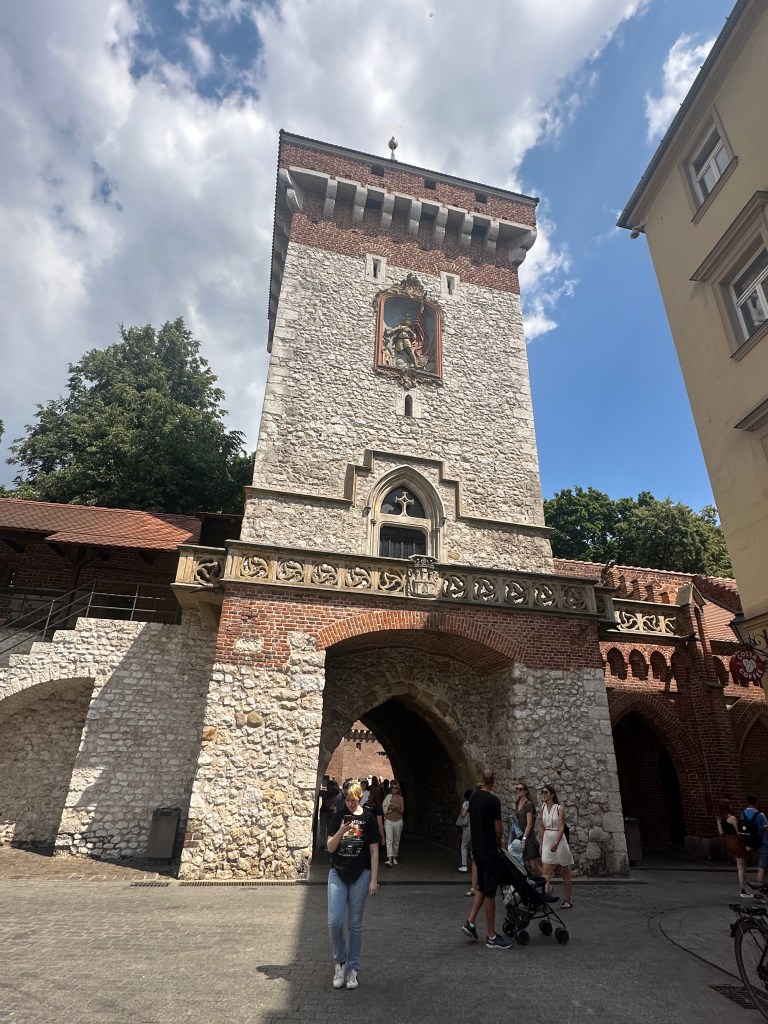
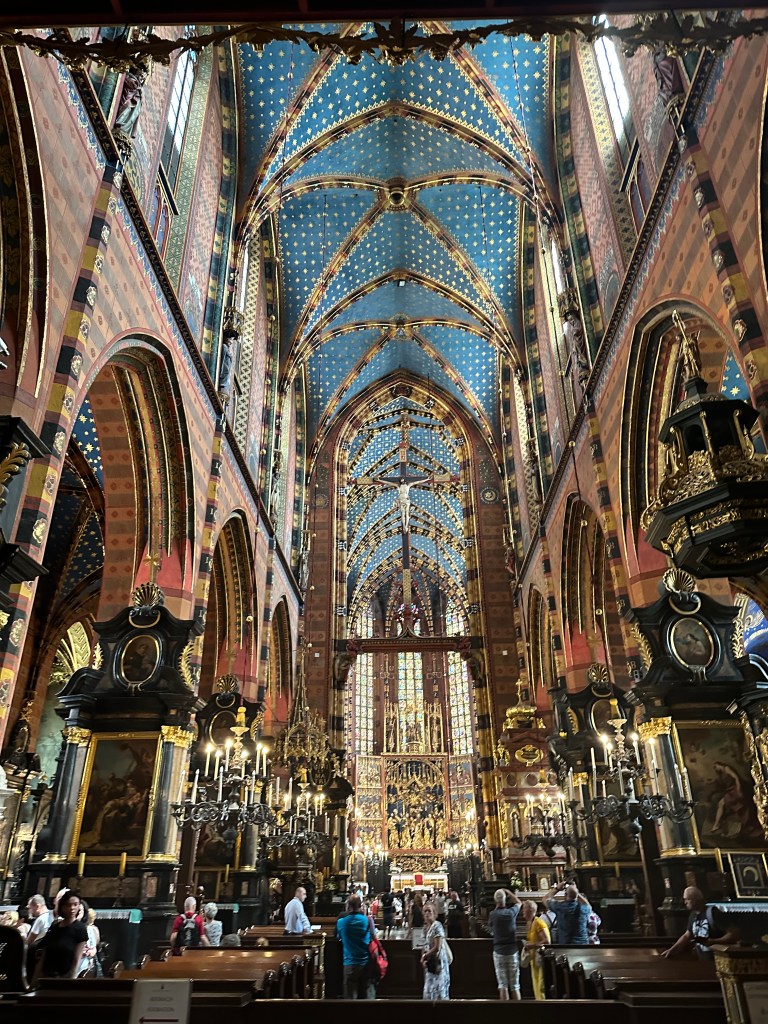
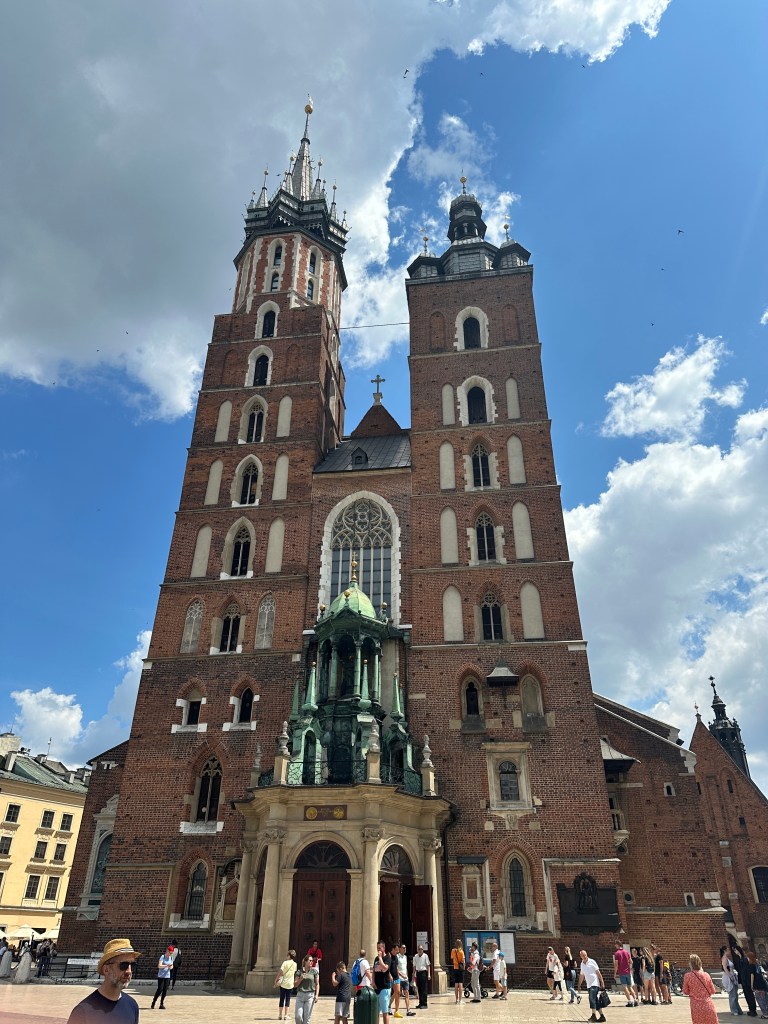
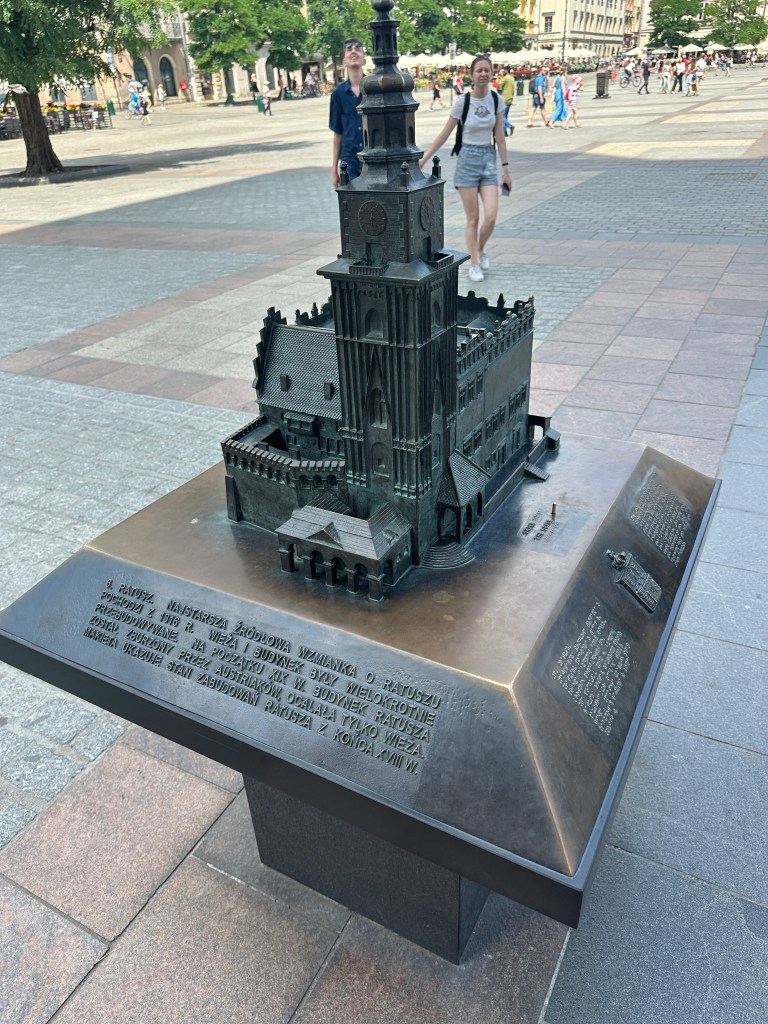
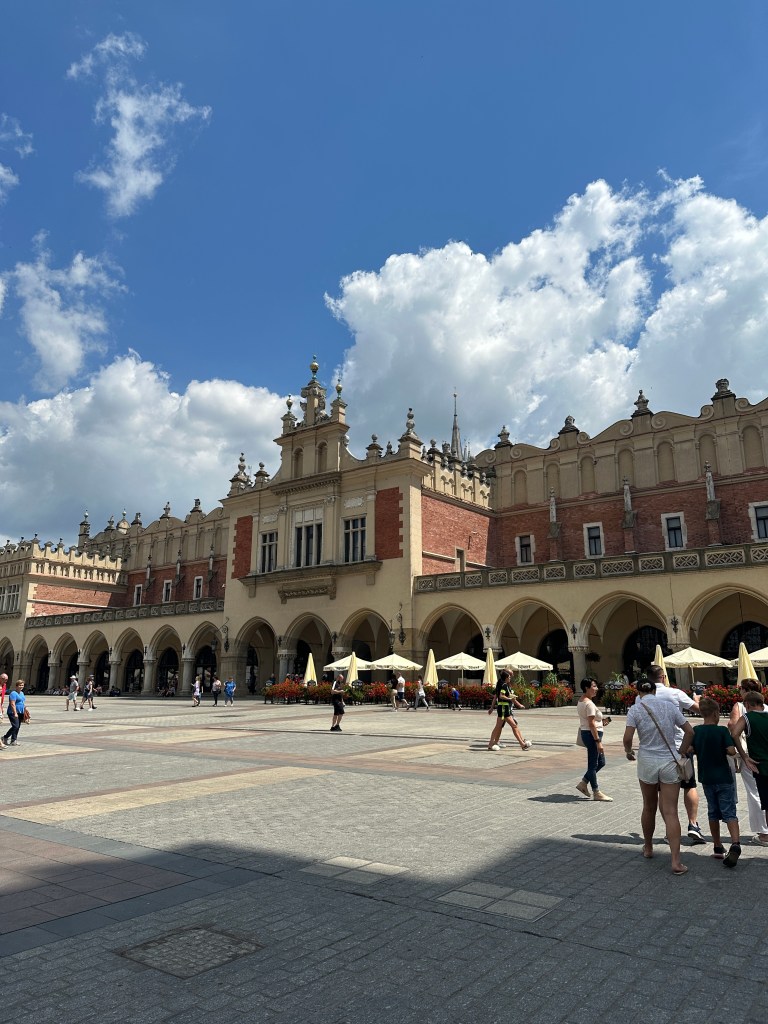
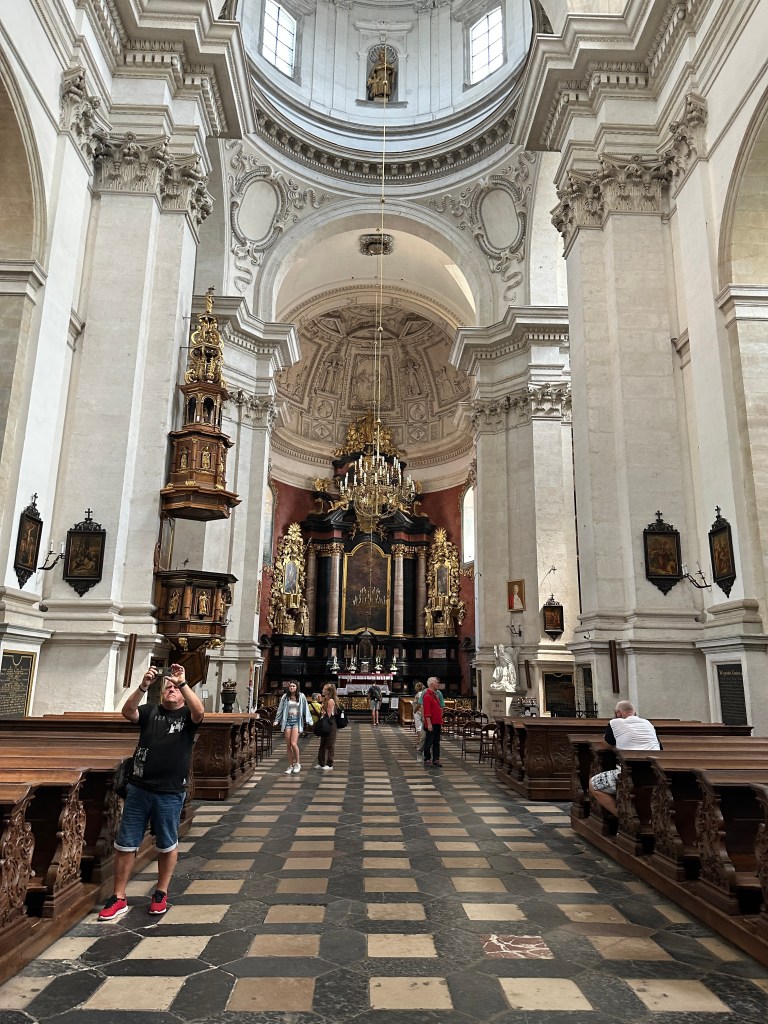
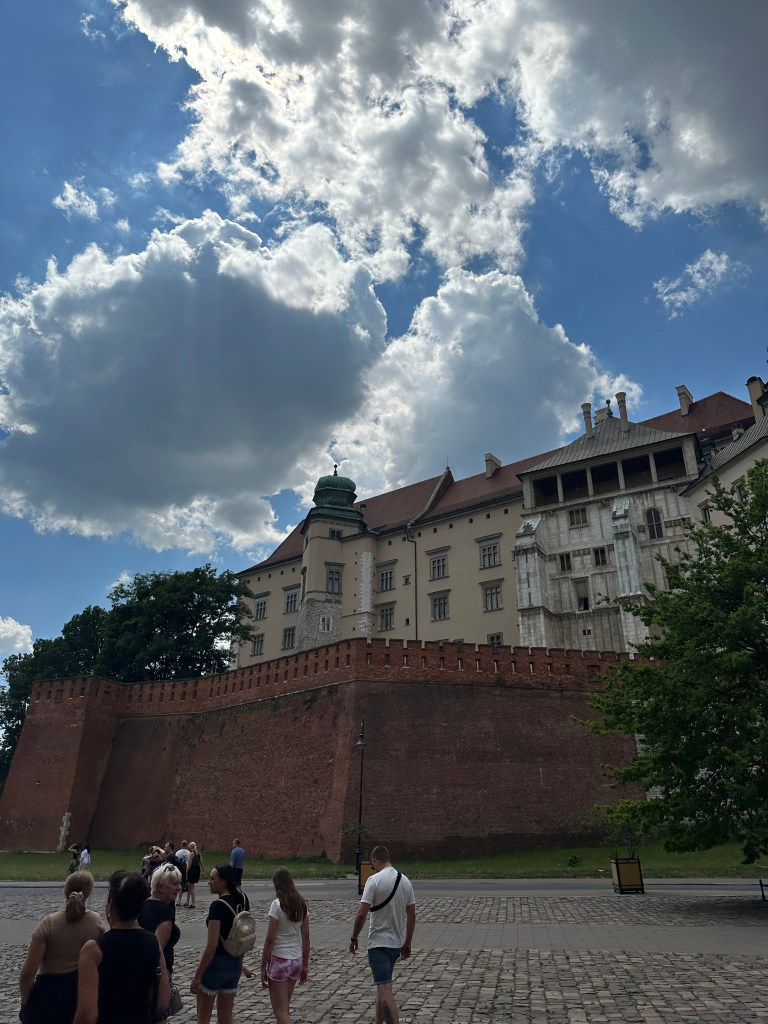
The Cloth Hall, located in the center of the main square, was a hub of activity. The hall, once a major center of international trade, is now home to numerous stalls selling souvenirs and local crafts. I bought over there a lava stone bracelet and also a souvenir. The Church of St. Adalbert’s and the Jesuit Church stood in all their glory as well. The Wawel Cathedral, located on Wawel Hill, was a symbol of the nation’s identity.
The Wieliczka Salt Mine, Excavated from the 13th century, produced table salt continuously until 2007, making it one of the world’s oldest operating salt mines. The mine reaches a depth of 327 meters and extends via horizontal passages and chambers for over 287 kilometers. The mine is now an official Polish Historic Monument and a UNESCO World Heritage Site.
One of the most enchanting aspects of the mine is the legend about Princess Kinga, who is said to have thrown her engagement ring into one of the mine shafts in Hungary before leaving for Poland. On arriving in Kraków, she asked the miners to dig a deep pit until they come upon a rock. The people found a lump of salt in there and when they split it in two, discovered the princess’s ring. Kinga had thus become the patron saint of salt miners in and around the Polish capital. This is illustrated by the video attached below.
Visiting the Wieliczka Salt Mine was an unforgettable experience. The intricate carvings, the vast underground chambers, the sense of history and human endeavor, all combined to create an atmosphere of awe and wonder. The mine’s unique microclimate, rich in minerals and with a constant temperature of around 15-16 degrees Celsius, added to the sense of being in a different world, deep beneath the surface of the earth.
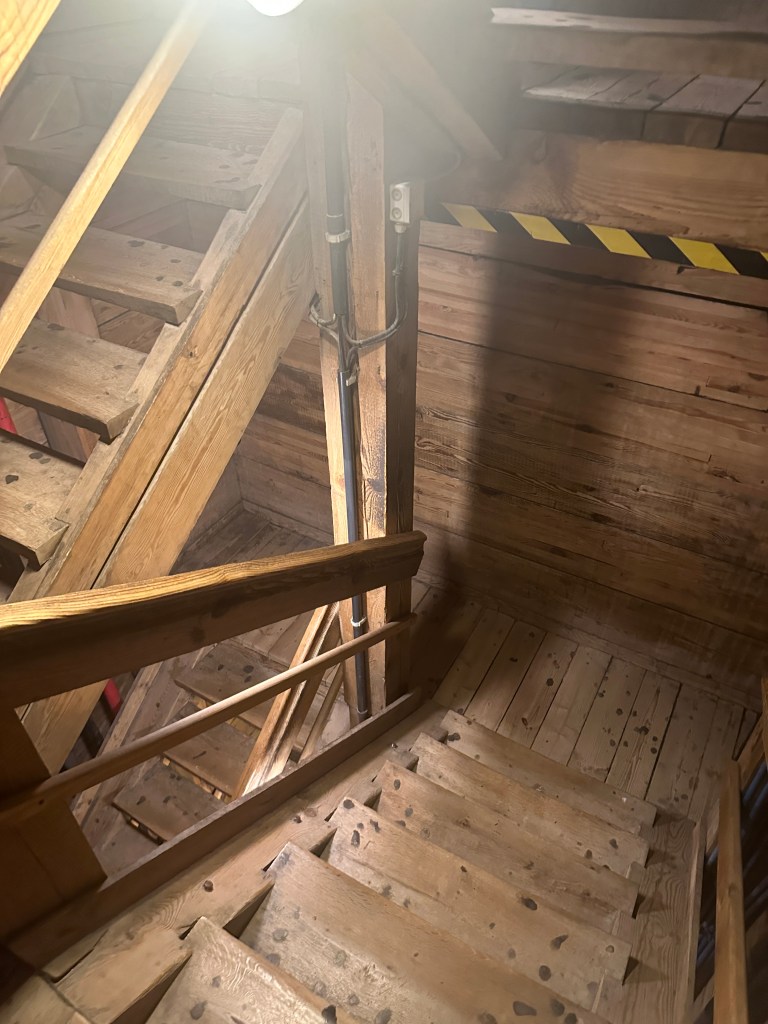
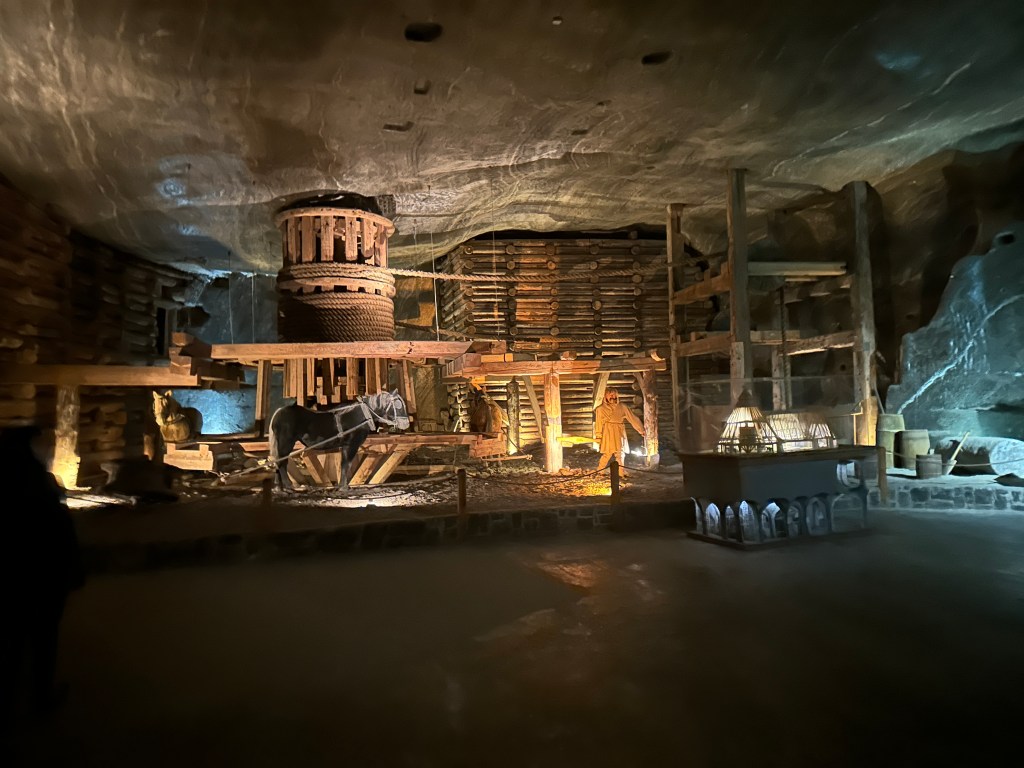
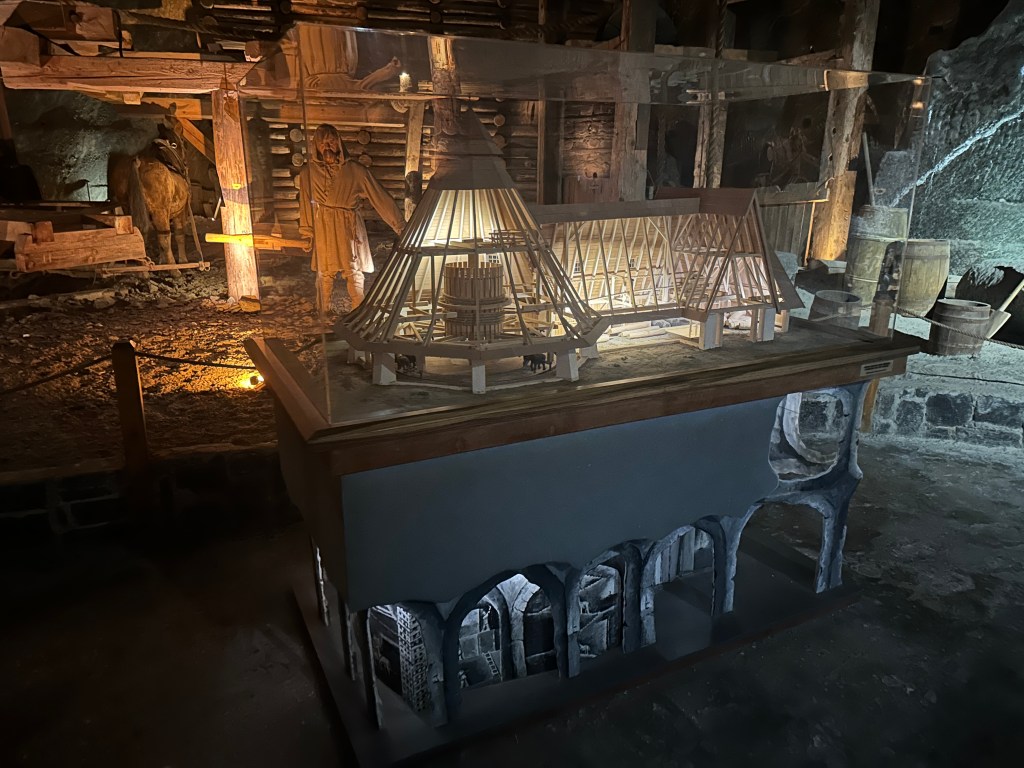
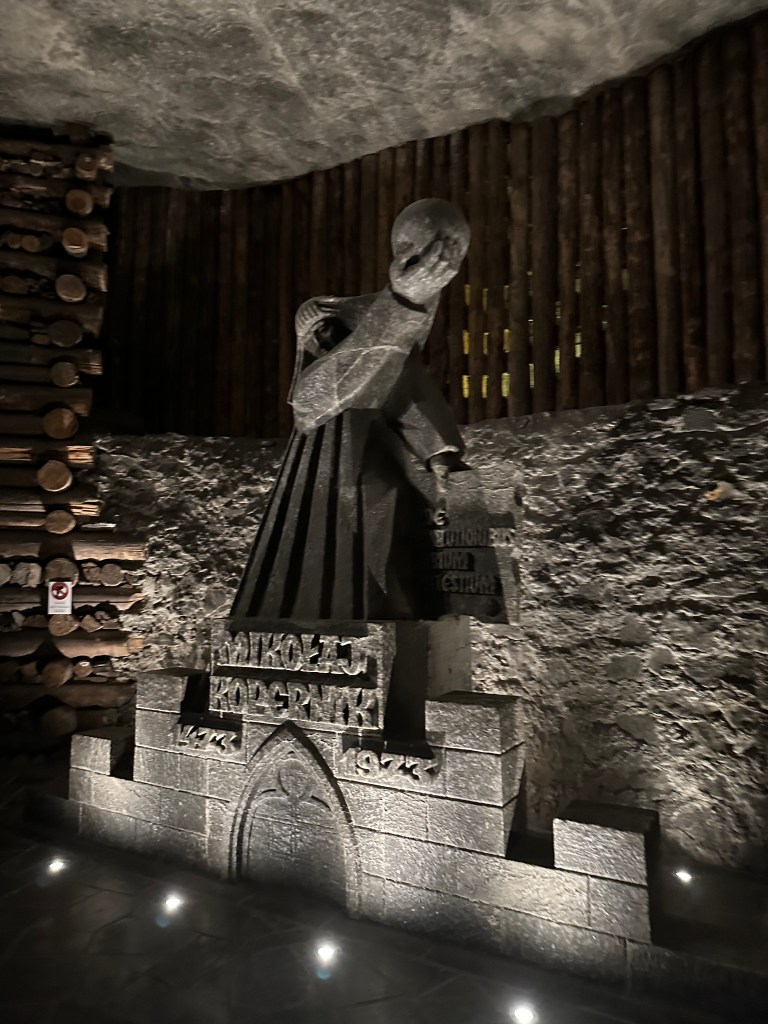
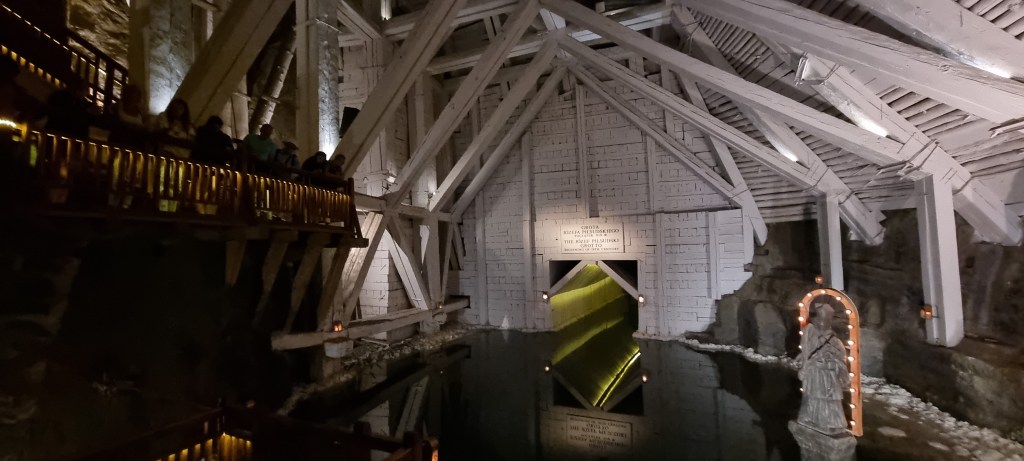
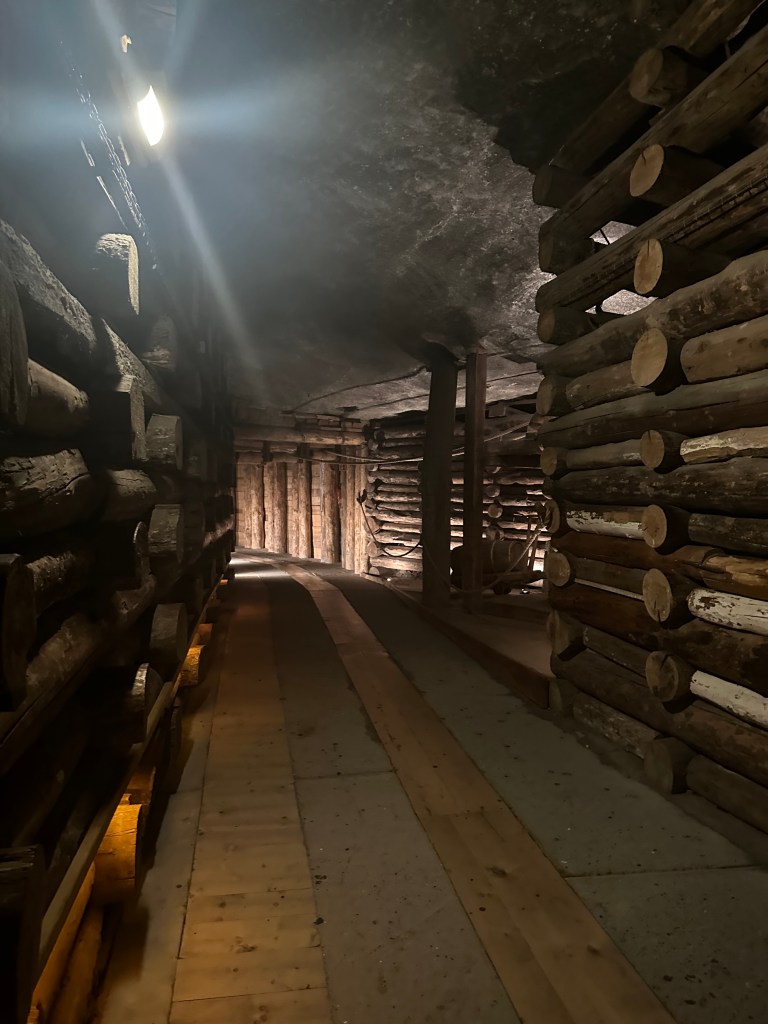
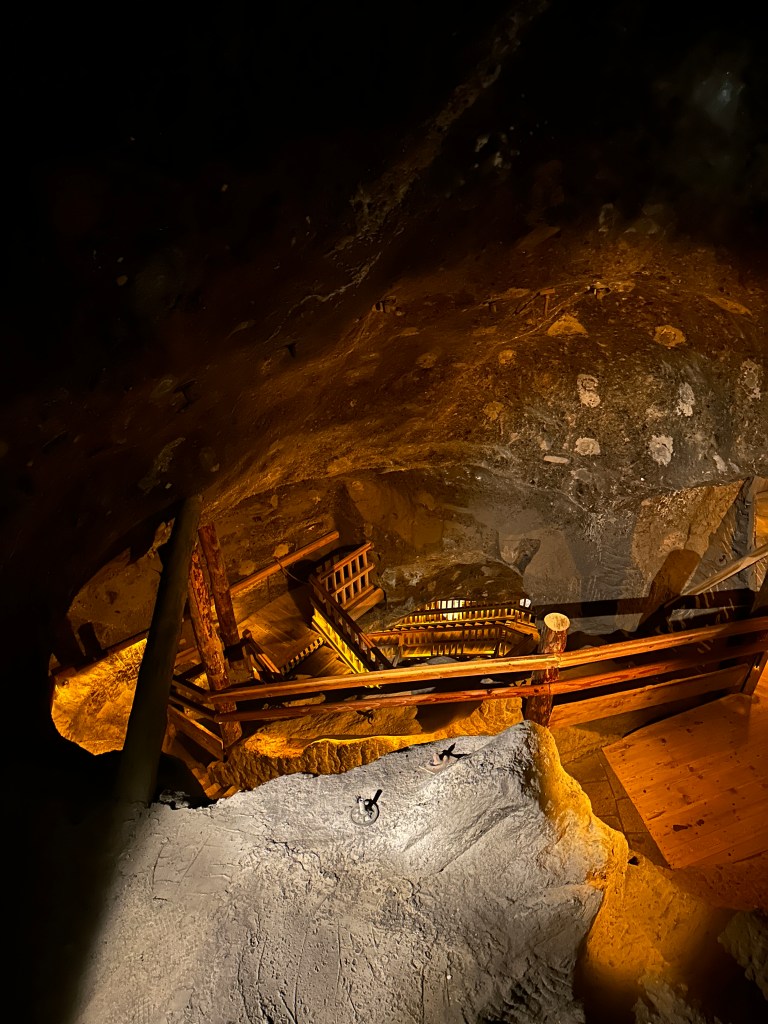
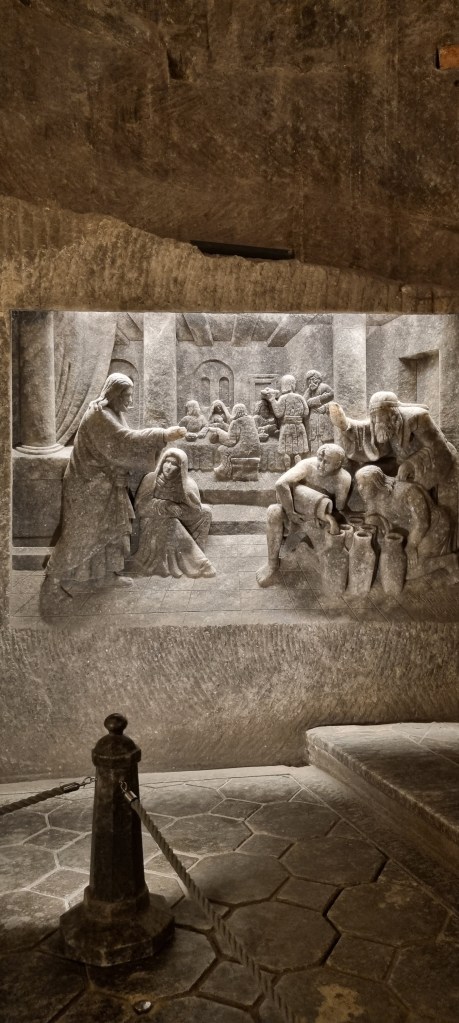

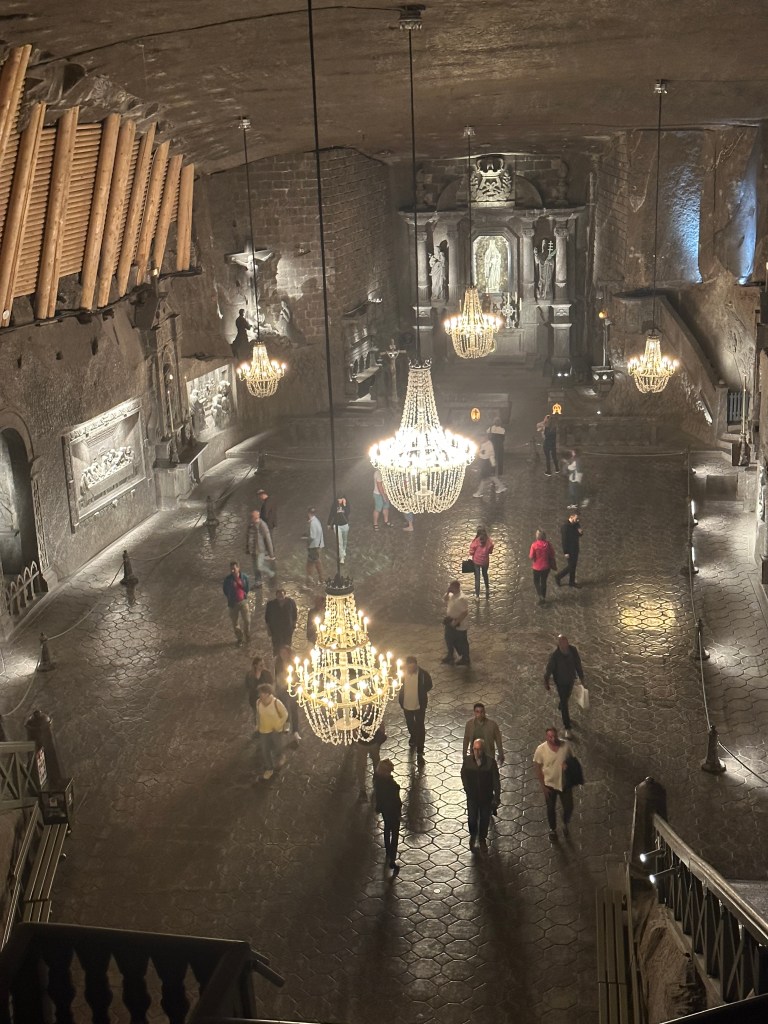
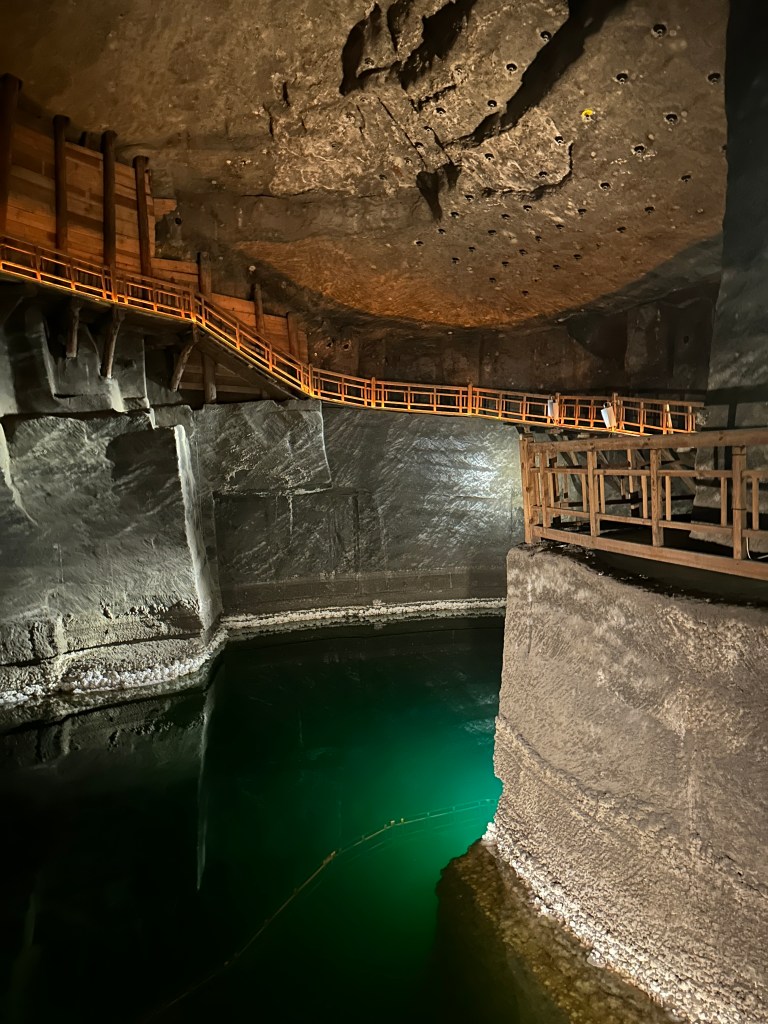
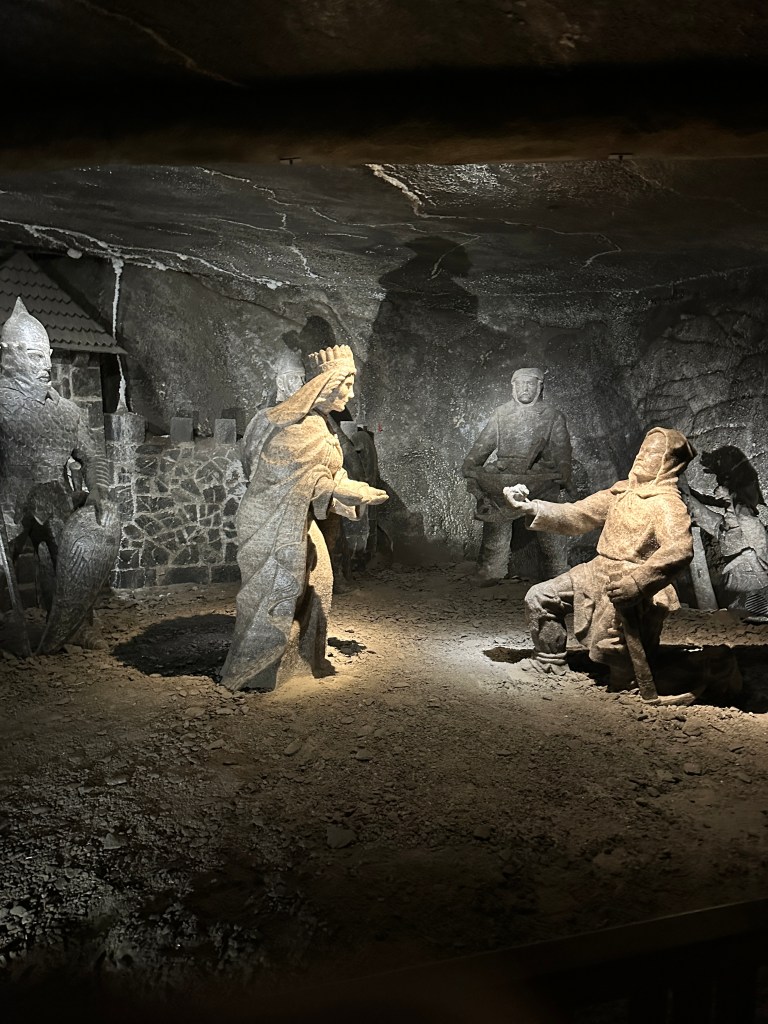


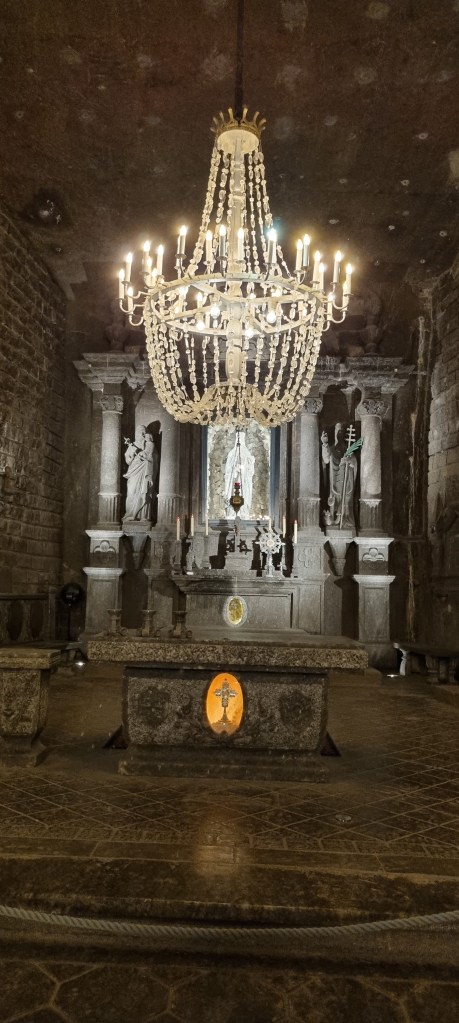
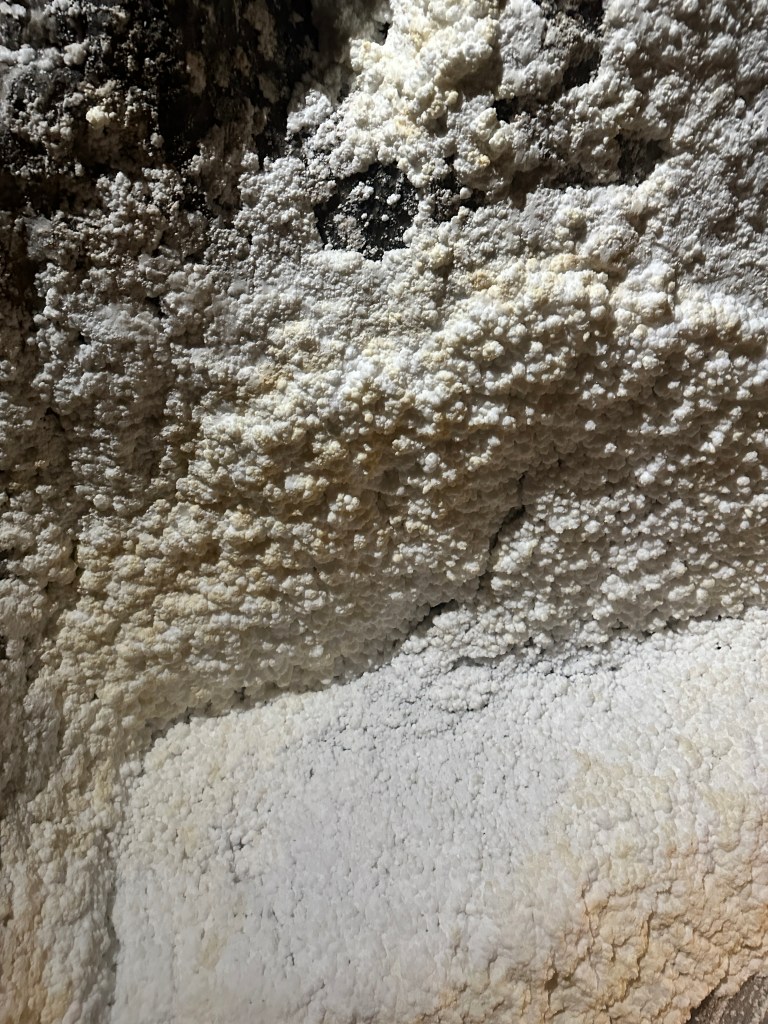
The guided tour of the mine was both informative and entertaining. The guide’s stories brought the history of the mine to life, and the various displays of salt-mining technology provided a fascinating insight into the challenges and ingenuity of the miners. The highlight of the tour was undoubtedly the visit to the underground chapel, with its stunning salt carvings and chandeliers. The sense of peace and tranquility in the chapel, deep beneath the earth’s surface, was truly remarkable. It is a place where history, culture, and natural beauty come together to create an experience that is both educational and deeply moving. It is a must-visit for anyone traveling to Poland.
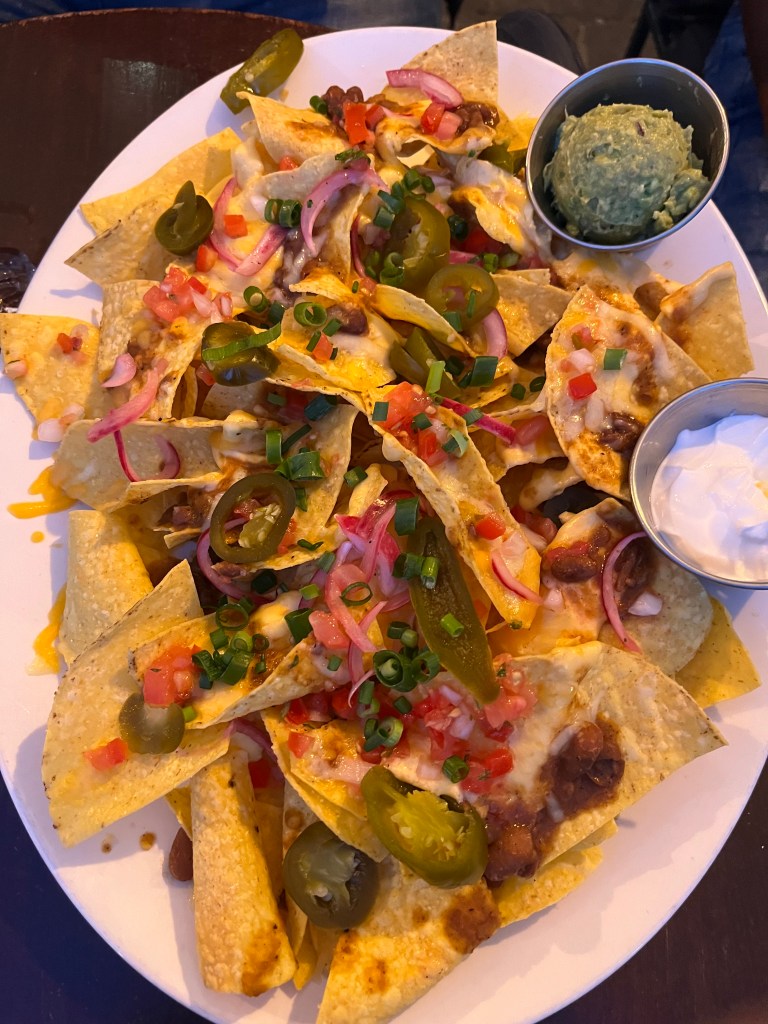
For dinner, we went to the Hard Rock Cafe. Before dinner, we did some shopping at Zara, where the stock was impressive. At Hard Rock, we indulged in their signature cocktails, nachos, and mac and cheese. The baked apple crumble was the perfect end to our meal and our time in Krakow.

The next morning, we embarked on a journey that would prove to be one of the most poignant and heart-wrenching experiences of our lives. We had an early start, leaving at 7:30 am for a tour of Auschwitz and Birkenau, scheduled to begin at 9 am.
Auschwitz-Birkenau, the largest Nazi concentration and extermination camp, is a chilling reminder of the horrifying crimes committed during the Holocaust. It’s a place that leaves an indelible mark on your soul, a stark testament to the depths of human cruelty and the resilience of the human spirit.
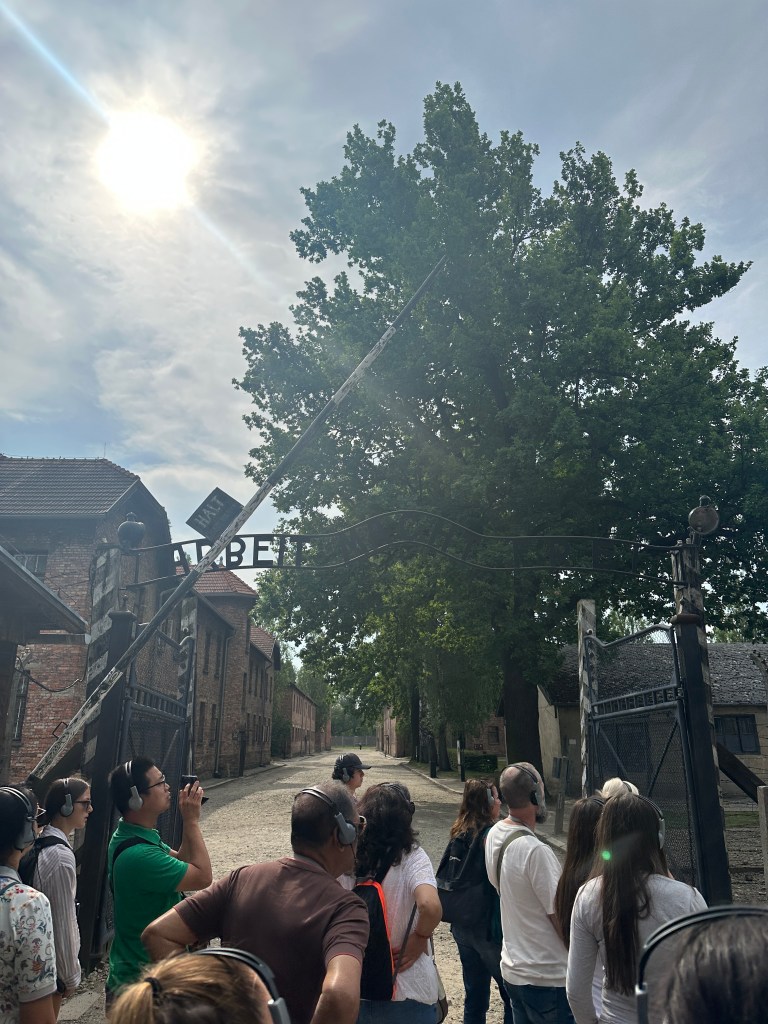
Our tour began at Auschwitz I, the original camp. Walking through the gates bearing the cruelly ironic sign, ‘Arbeit Macht Frei’ (‘Work Sets You Free’), we were immediately confronted with the grim reality of the atrocities committed here.
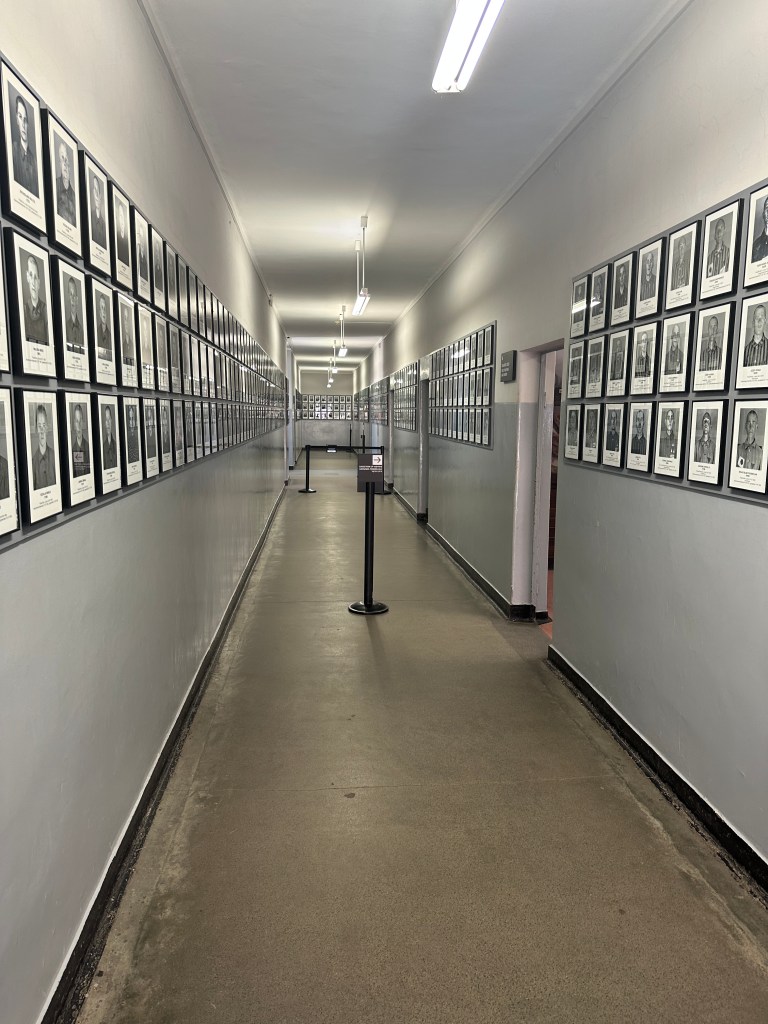
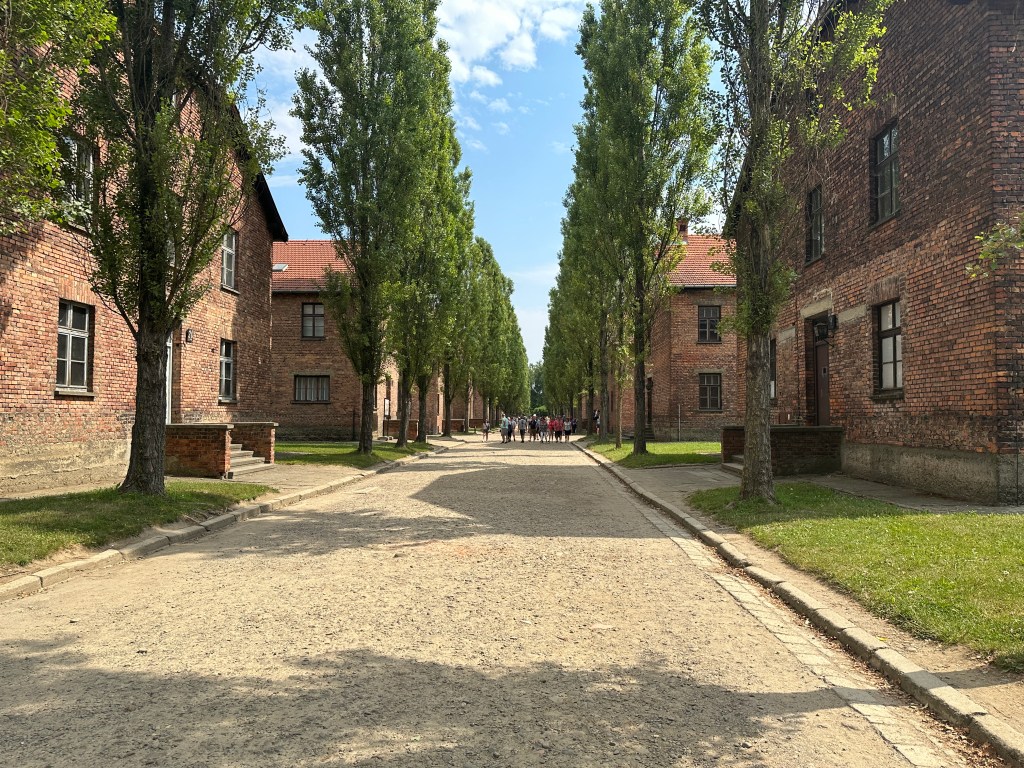
We toured several of the brick barracks buildings, learning about the cruel practices of the guards and witnessing heartbreaking exhibits. One that particularly struck me was a collection of confiscated shoes, a stark reminder of the individuals who once wore them, each with their own story, dreams, and hopes, brutally stripped away. We saw the Wall of Death, where thousands of prisoners were executed, and the horrific living conditions of the inmates.

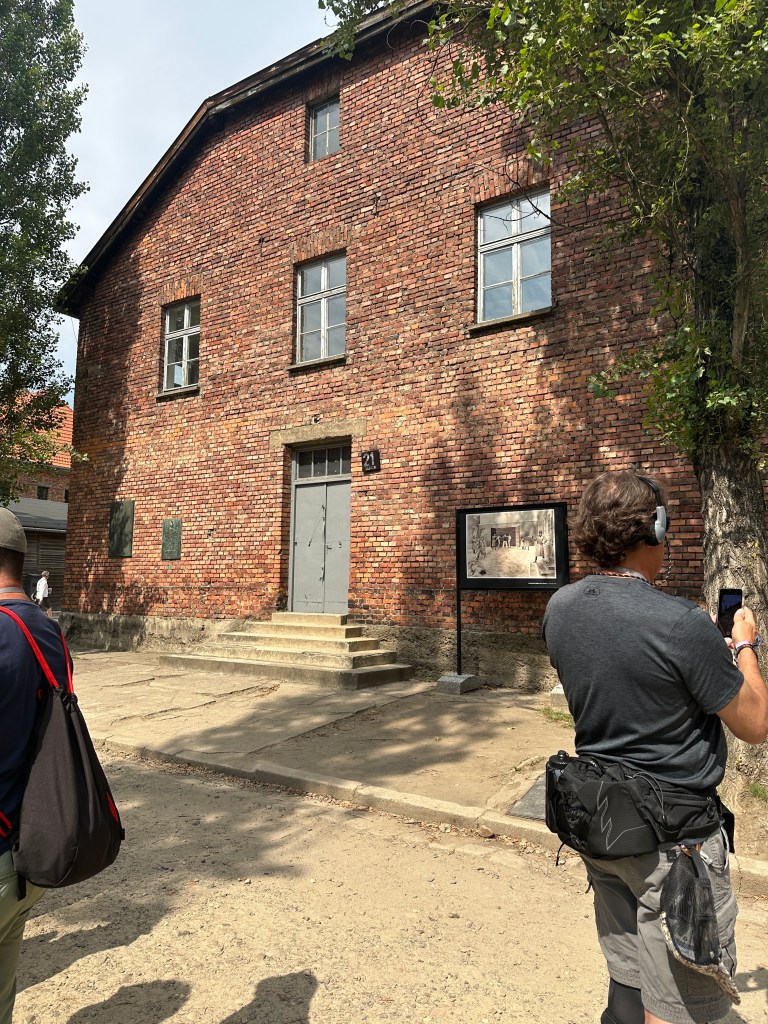

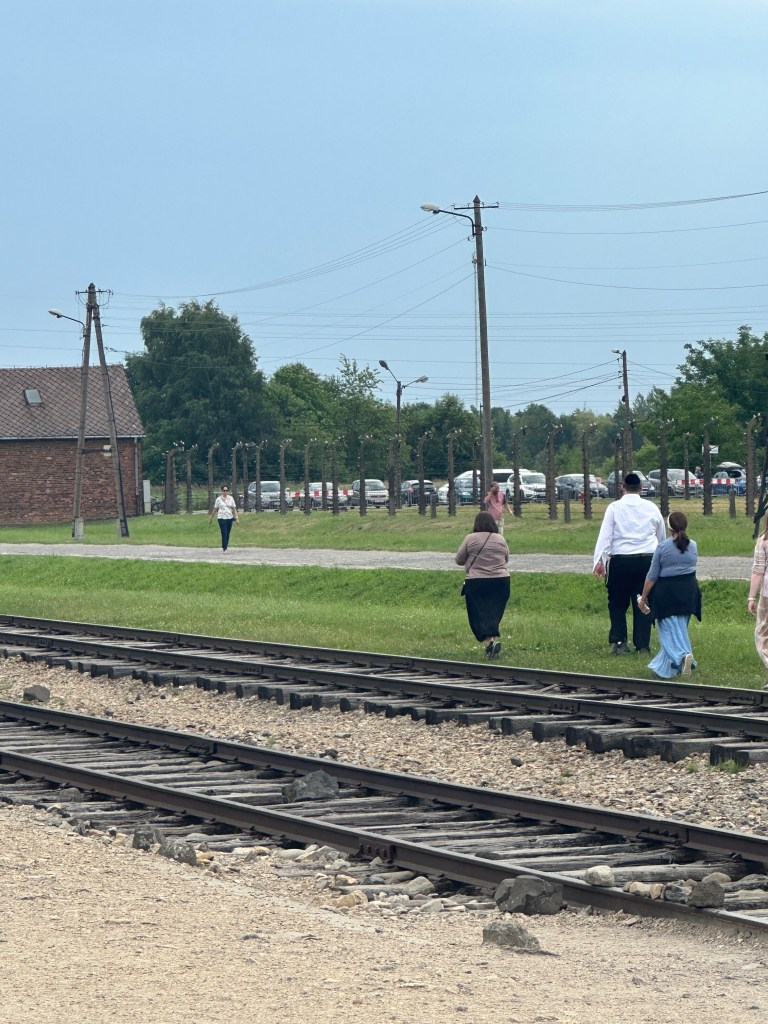
From Auschwitz I, we moved on to Auschwitz II, also known as Birkenau, the largest of the Auschwitz camps. Here, the scale of the extermination process reached its horrifying peak. The sight of the freight trains that brought victims to be ‘selected’ upon arrival was chilling. Those who seemed strong enough were selected to stay and work, while the rest were sent to gas chambers immediately.
We saw the remains of the gas chambers and crematoria, which were blown up by the Nazis in an attempt to hide their crimes. The sheer scale of Birkenau, the electric fences, the ominous guard towers, and the terrible living conditions in the barracks were a stark reminder of the inhumanity that occurred here.
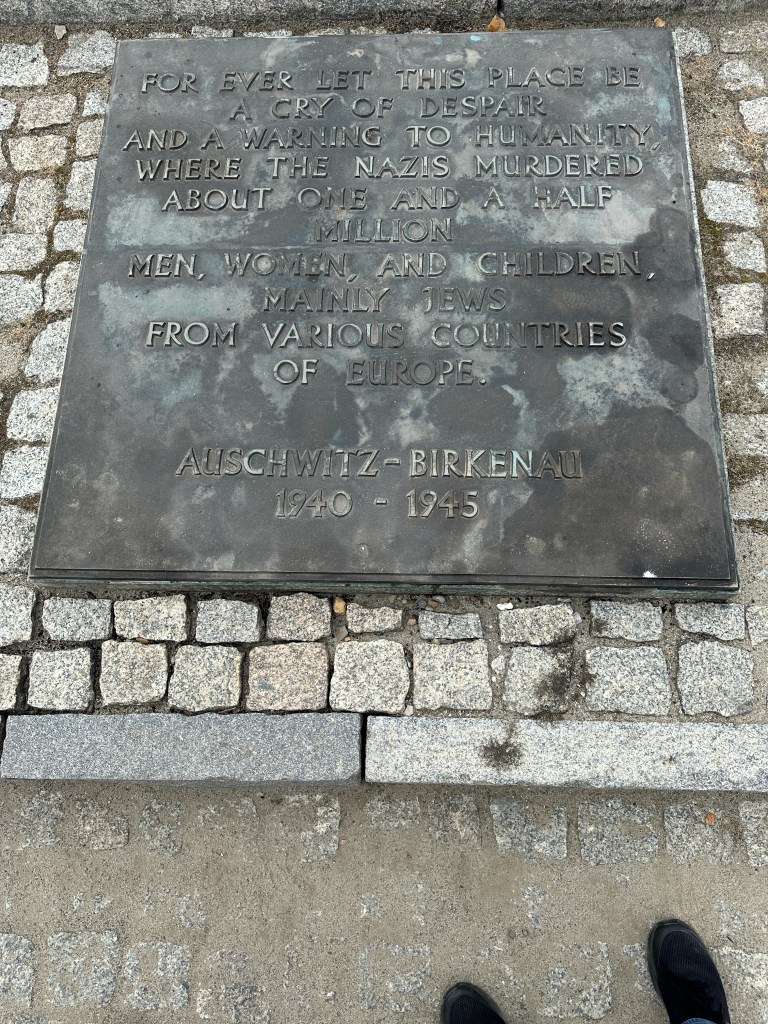
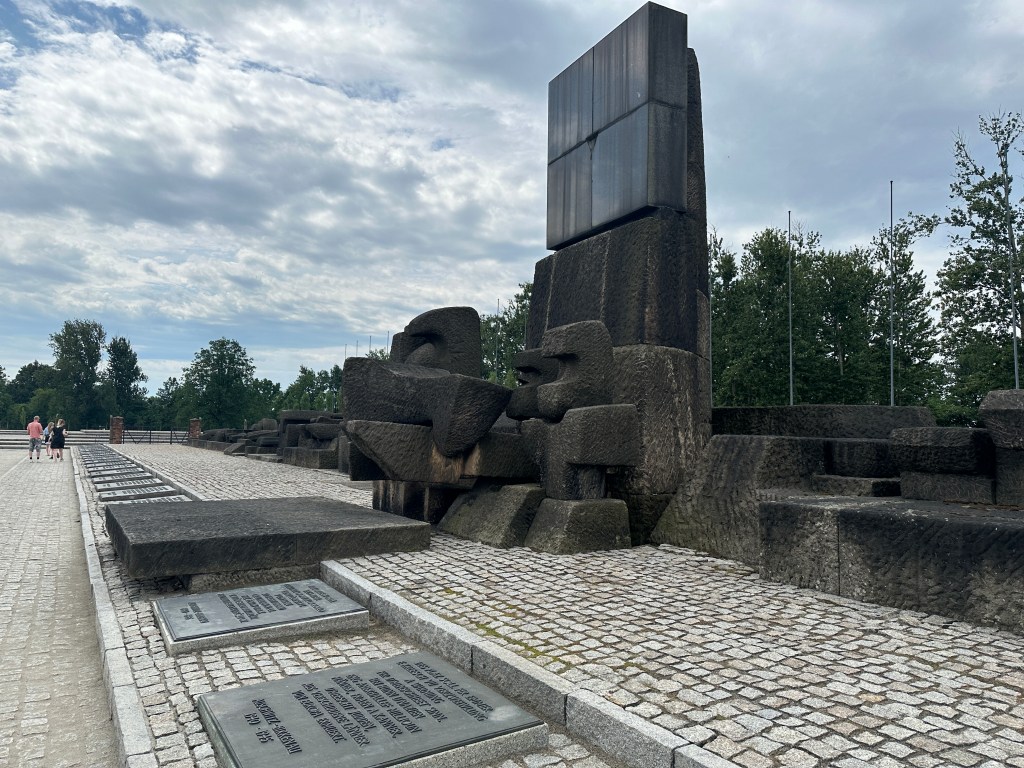
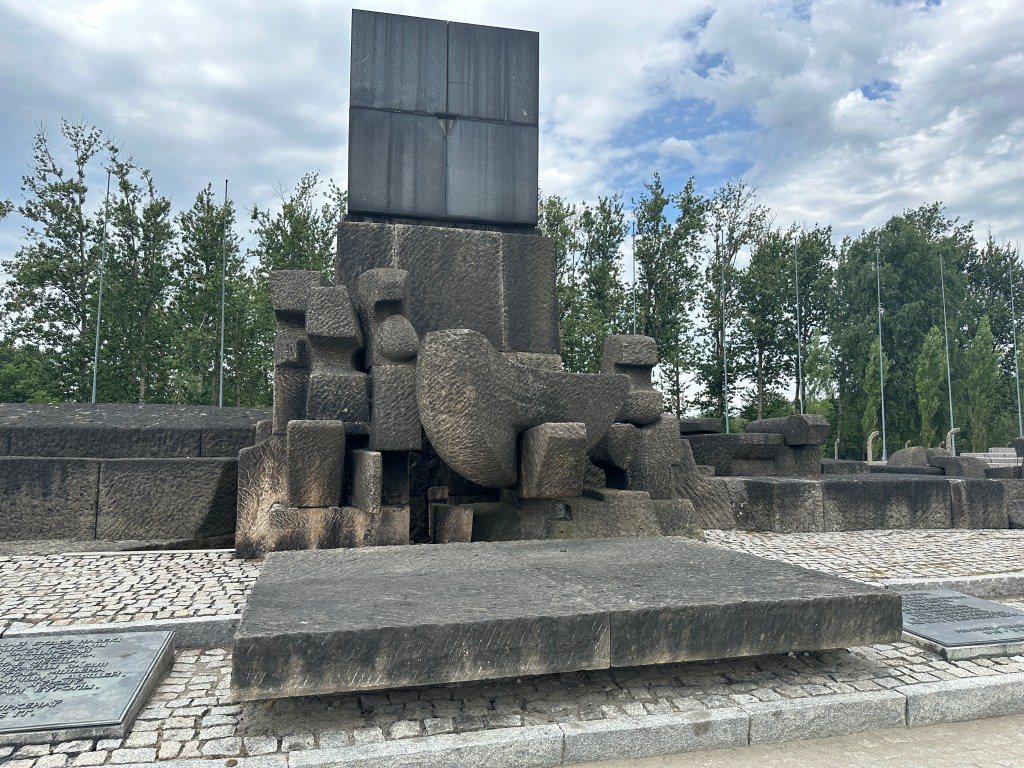
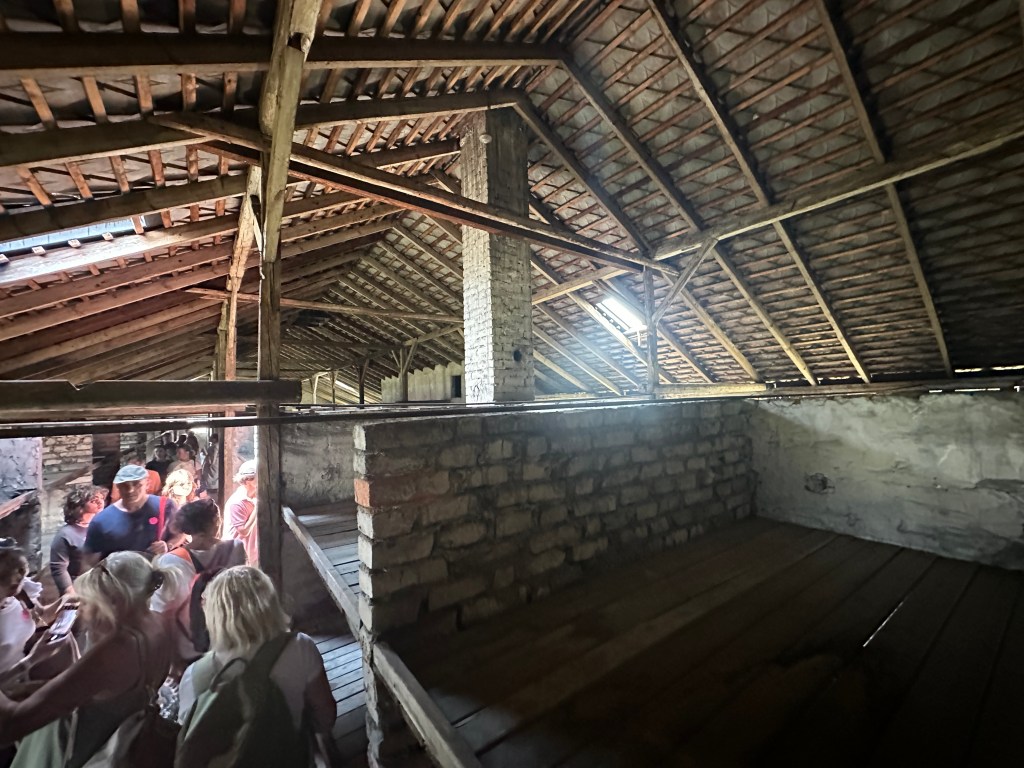
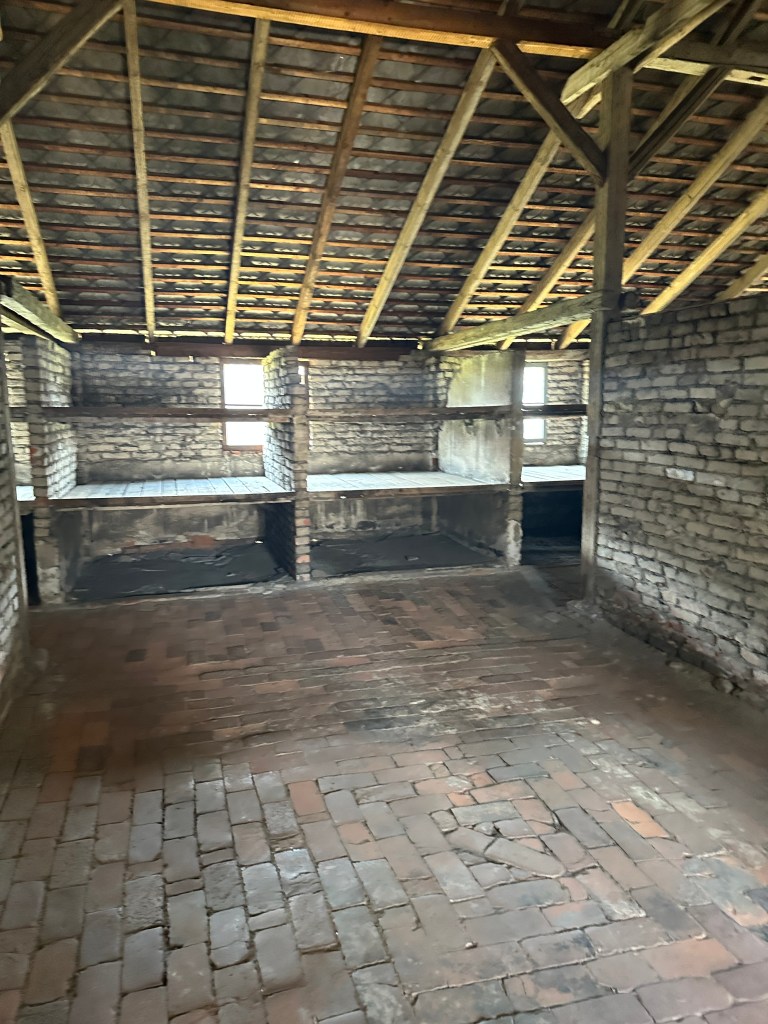
Visiting Auschwitz-Birkenau was an emotionally draining experience. The weight of the atrocities committed here lingered long after the tour ended. It was a solemn reminder of one of the darkest chapters in human history, a place of immense suffering and loss. Yet, it also served as a testament to the resilience of the human spirit, a call to remember and honor the victims, and a stark warning to never let such horrors happen again.
After the tour, we had lunch at an Italian boutique restaurant in Jasna Gora called U Braci. The food was a welcome distraction, with delicious tomato soup, a fresh salad, goat cheese and caramelized onion bruschetta, pizza, and gnocchi. The meal was a comforting respite after the intense morning.
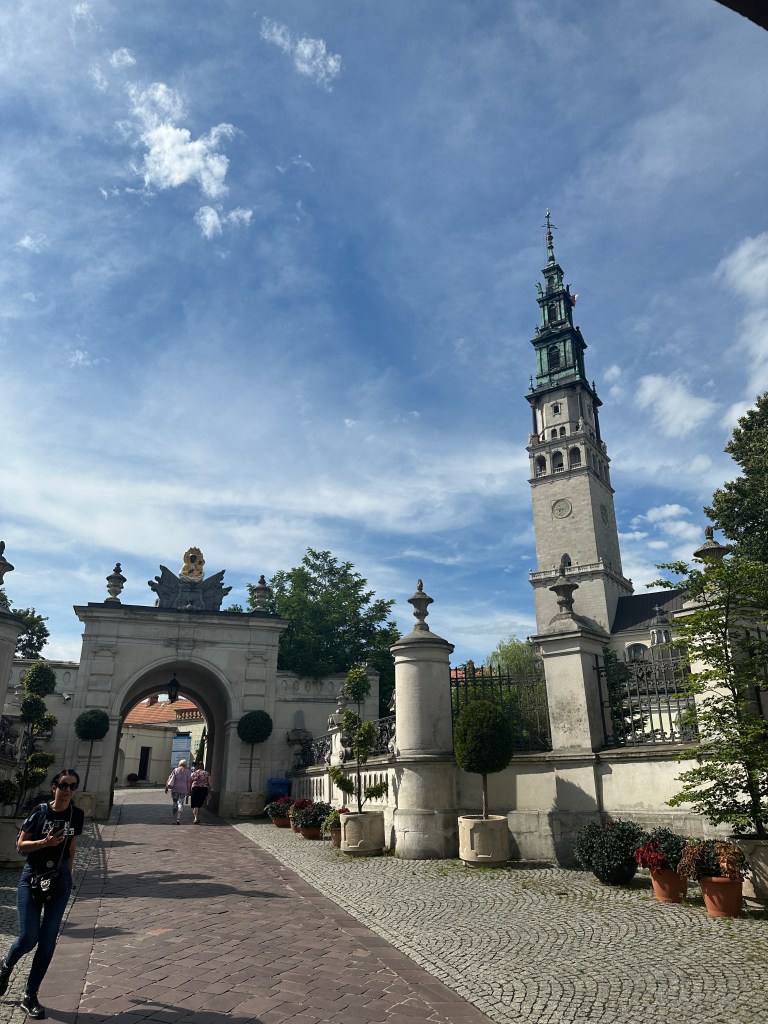
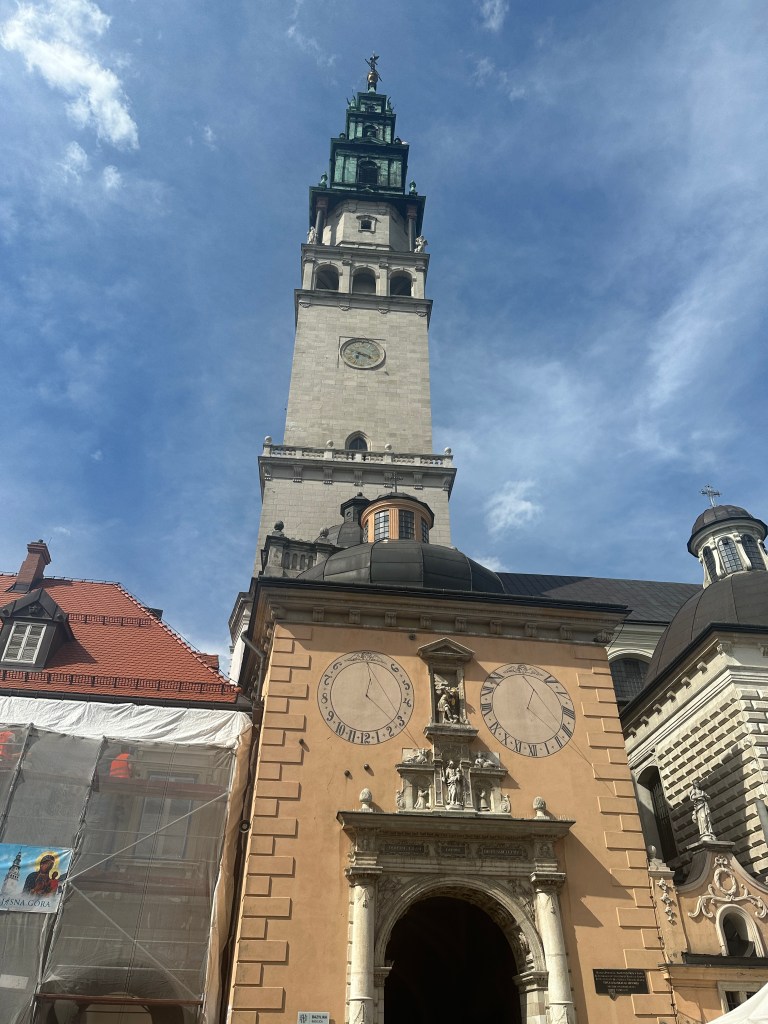
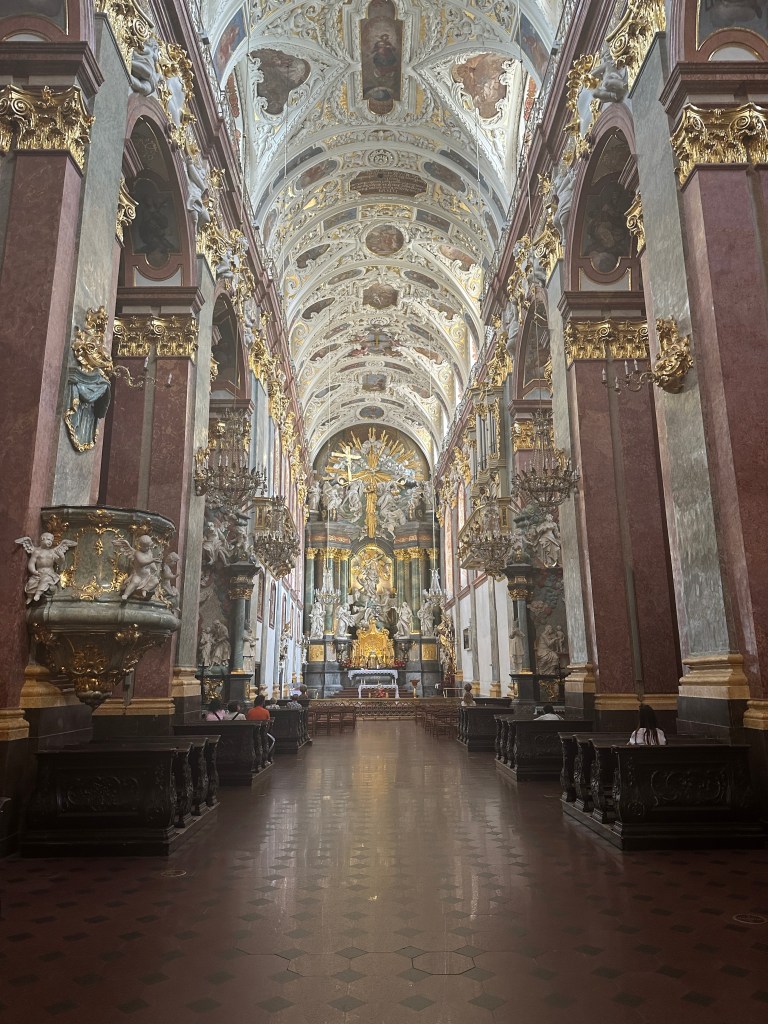
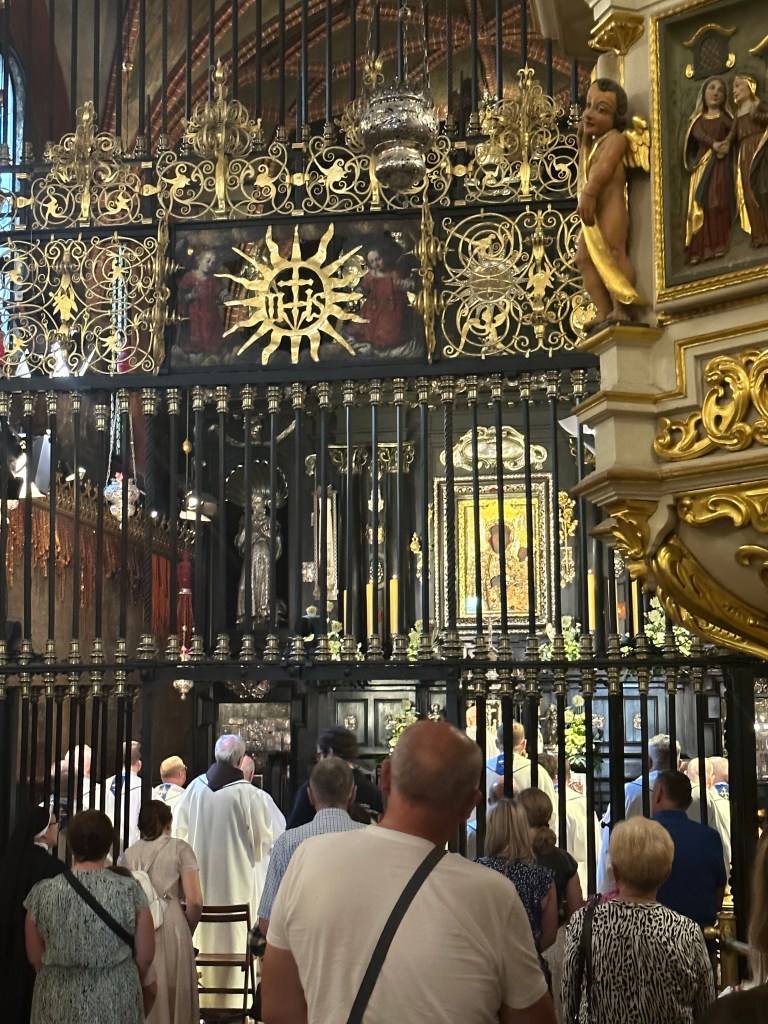
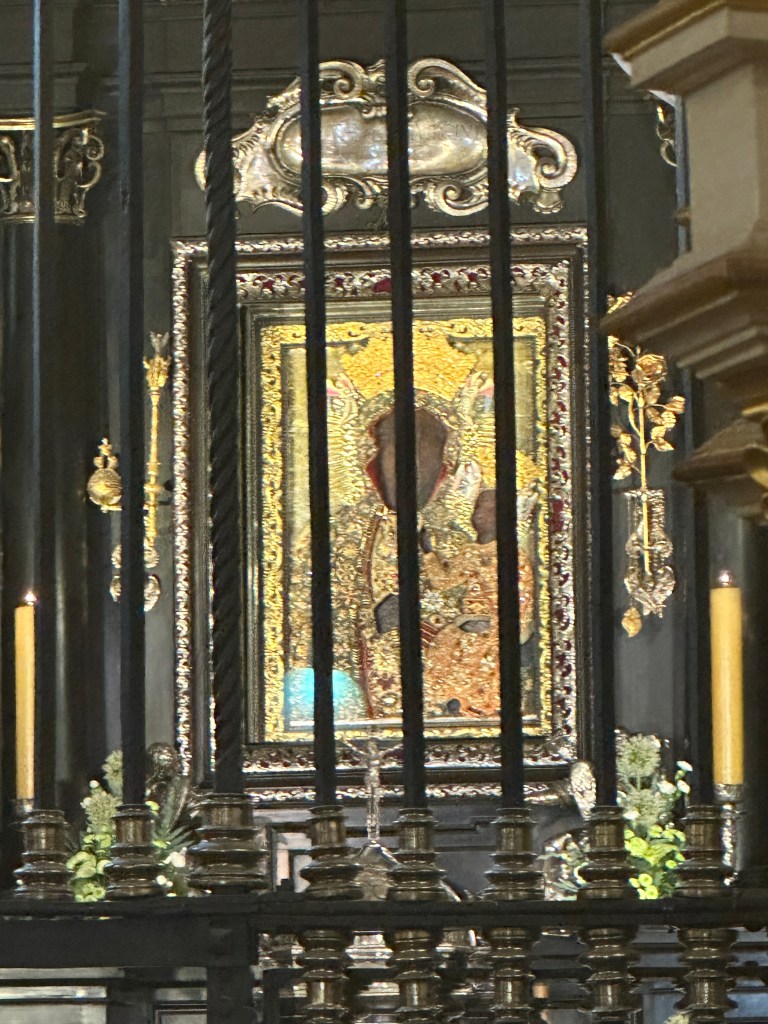
We then proceeded to Jasna Gora, a stop on our journey to Warsaw. Here, we saw the Black Madonna and the monuments around it. The Black Madonna, a revered icon of the Virgin Mary, is a symbol of hope and resilience, a stark contrast to the horrors we had witnessed earlier in the day.
Our day ended in Warsaw, the capital of Poland, is a city where history and modernity coalesce. Rebuilt from the ruins of World War II, it’s now a thriving metropolis, boasting a blend of architectural styles, vibrant arts, and a burgeoning culinary scene. From the historical charm of the Old Town to the contemporary buzz of its urban landscape, Warsaw offers a multifaceted experience that captivates and inspires. It’s a city that invites exploration, promising a rich tapestry of culture, tradition, and innovation.
As we reached we were checked into our apartments, the Mondreal, a luxury apartment in the square. The spacious rooms with modern amenities and extra perks like Chopard amenities, Netflix, and built-in Apple TV were a welcome comfort after a long and emotionally draining day.

For dinner, we headed to Maharani, where we enjoyed paneer, yellow dal, dal makhani, and chana. Except for the dal makhani, everything was superb, a fitting end to a day filled with intense emotions and experiences.
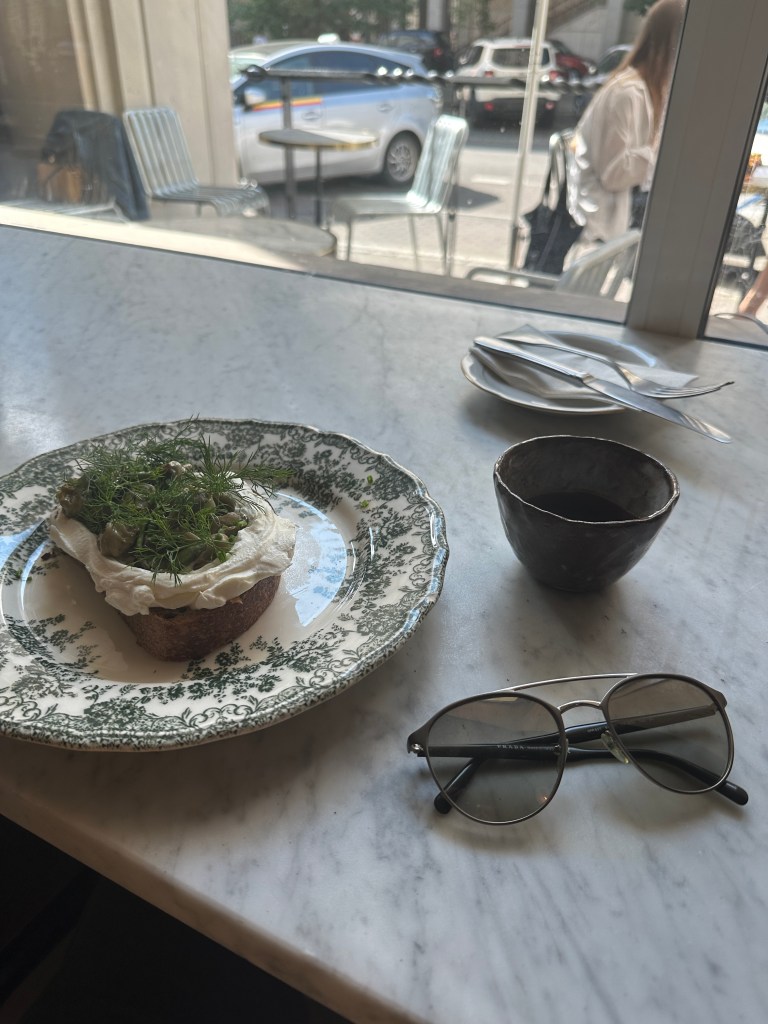
My morning in Warsaw began with the thrill of a long Lime scooter ride through the urban landscape of this dynamic city. The wind in my hair, the buzz of the city waking up, and the iconic sights like The Palace of Culture and Science and the POLIN Museum whizzing by, made for an exhilarating start to the day. My destination was Baken, a breakfast place renowned for its toasts and coffee. I indulged in their batch brew, a perfect blend of flavors, and their bread with whipped ricotta and fava beans, a delightful combination that set the tone for the day. The ride back to the hotel was equally enjoyable, with the city now fully awake and bustling.
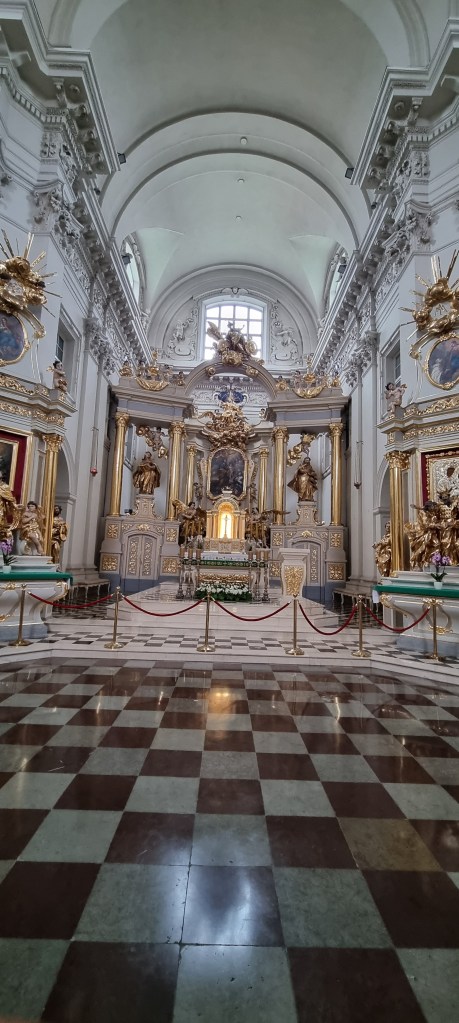
After freshening up, our sightseeing adventure began with a visit to St. John’s Cathedral, a Gothic church with a rich history. Its stunning architecture and the serene atmosphere inside were a stark contrast to the busy city outside. Outside the cathedral, we treated ourselves to Trubochki, a local pastry that consists of a crisp waffle outside filled with whipped cream, that added a sweet touch to our historical exploration.
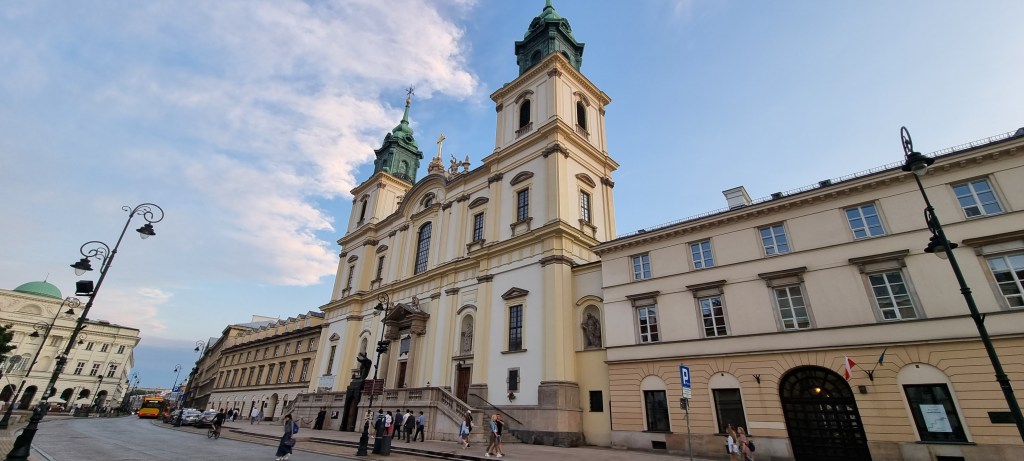

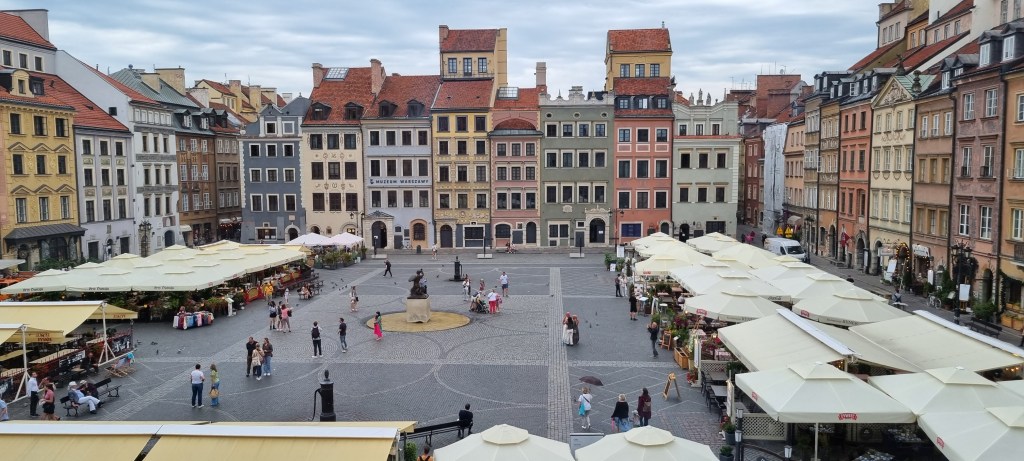
Then, we headed to the main square, a lively hub filled with cafes, shops, and street performers. We took a moment to admire the square’s beauty and enjoyed a refreshing lemonade, soaking in the local vibe.
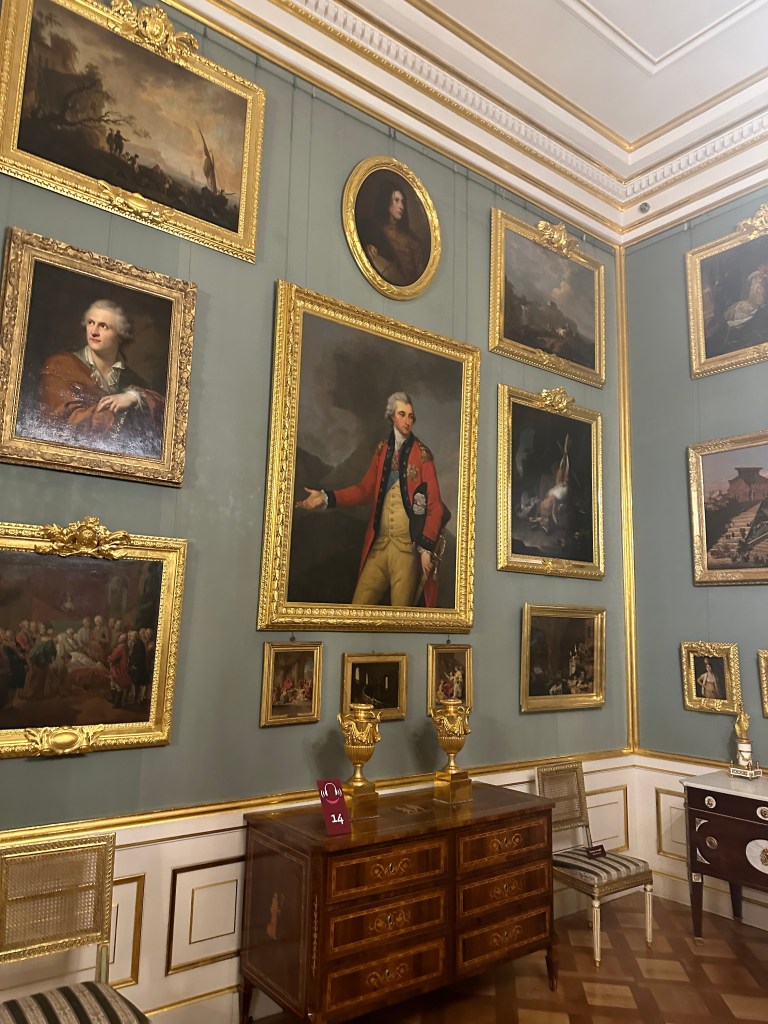
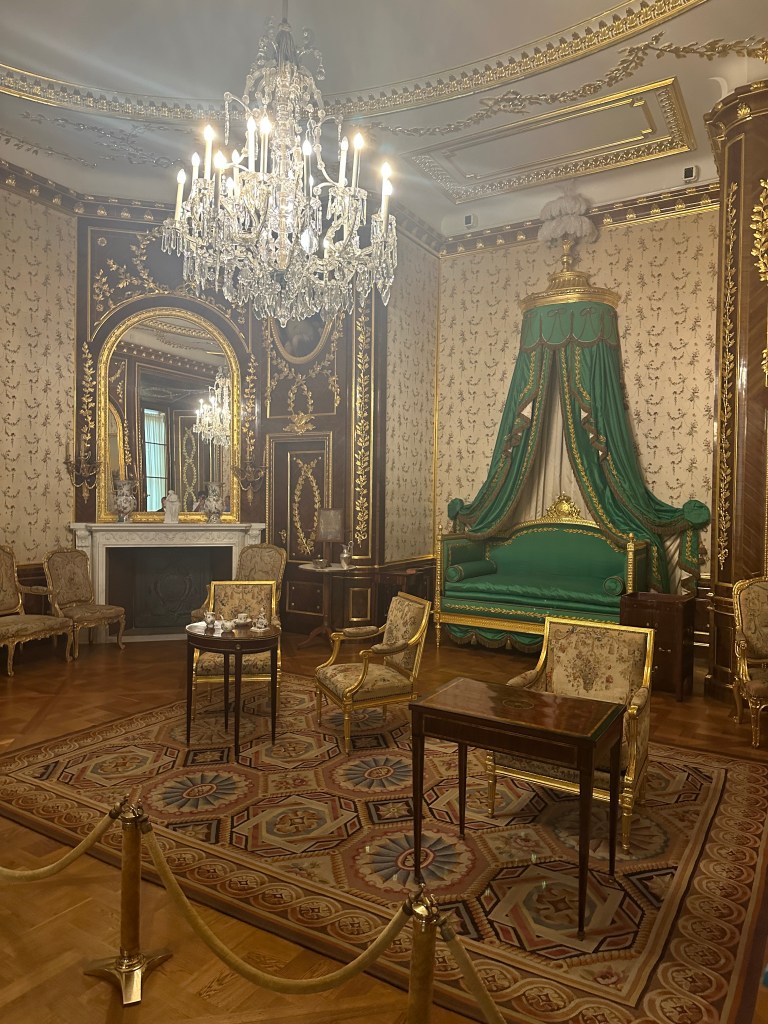
Our next stop was the Royal Castle, a majestic structure that has played a significant role in Poland’s history. Inside, the castle’s opulent rooms, adorned with art and historical artifacts, told stories of Poland’s past. The Throne Room, with its golden decor and grandeur, was particularly impressive. The castle’s blend of architectural styles, from Gothic to Baroque, added to its charm. The Royal Apartments, filled with period furniture and art, offered a glimpse into the lives of Polish royalty. The castle’s history, architecture, and the stories it held within its walls were a fascinating insight into Warsaw’s heritage.

Lunch was at Literatka, a charming restaurant known for its fusion of traditional Polish cuisine with modern culinary techniques. We savoured cold beetroot soup, crispy potato pancakes, grilled veggies with pesto, and delicious pasta.
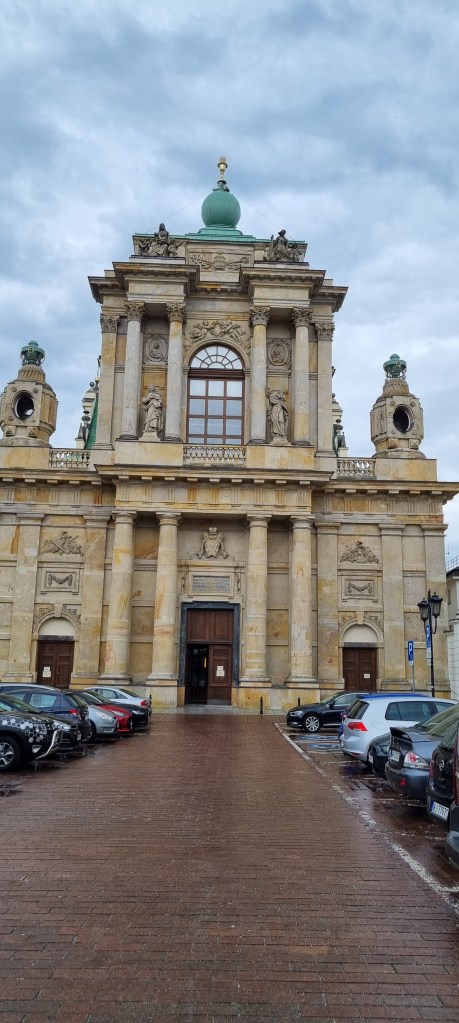
Post lunch, we continued our sightseeing, catching a glimpse of the Presidential Palace’s elegant facade and strolling down the main street, absorbing the city’s energy. Our exploration led us to the Barbican, a historical gateway leading into the old town. Its red-brick walls and medieval architecture were a reminder of Warsaw’s past. The Barbican, built in 1540, served as a fortification and is one of the few remaining relics of the complex network of historic fortifications that once encircled Warsaw. Walking through its archway, I felt transported back in time, imagining the soldiers who once guarded the city.

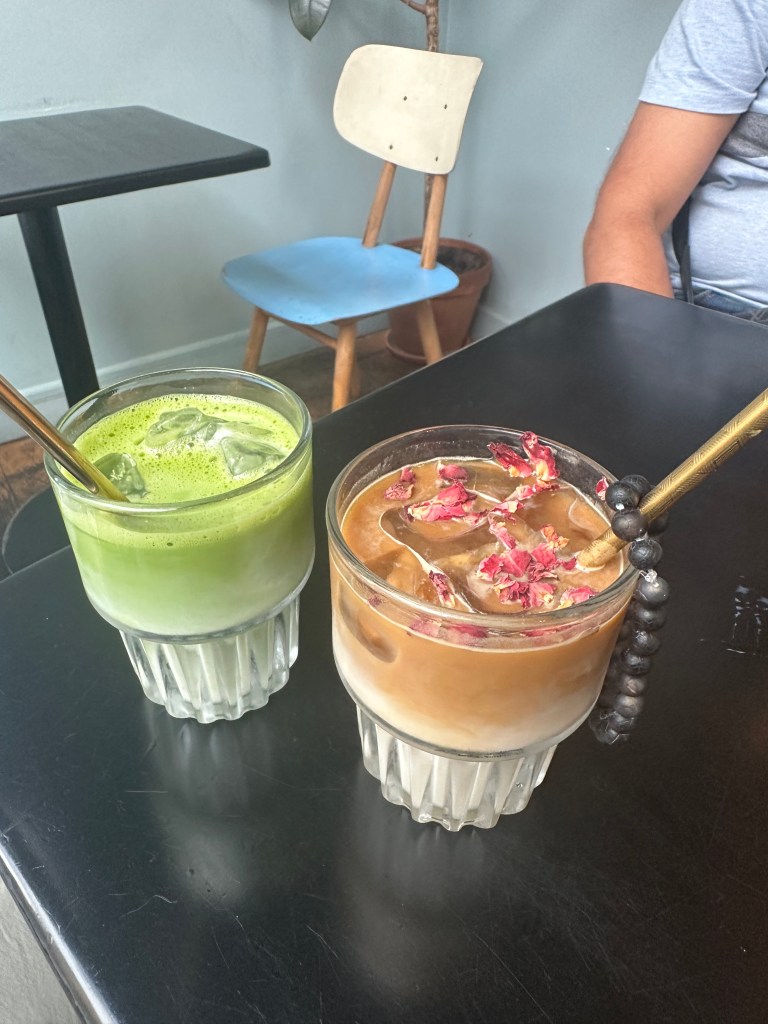
I then went Lime scootering across the city again to STOR, a coffee shop known for its unique offerings. The rose and Matcha Latte were indeed unique, a delightful twist to the usual coffee experience.
Pre-dinner drinks and snacks at U Barassa on the Main square were enjoyable, with crispy fries and refreshing drinks. Dinner at Frida on restaurant street was a culinary delight, with great nachos, stuffed avocados, corn on the cob, eggplants, tacos, and quesadillas. However, the experience was marred by an arrogant waiter who mishandled my grandfather’s phone and was rude and had a very unwelcoming attitude. Thankfully, our server was changed, and the new server was kind and sweet, salvaging the evening.
Post dinner, we indulged in ice cream, a sweet end to a day filled with exploration, flavors, and emotions. Warsaw, with its blend of history, modernity, culinary delights, and vibrant street life, had etched itself into my heart. It’s a city that offers a rich tapestry of experiences, making it a must-visit destination for any traveler.

 Travel Footprints