Latvia, my favorite Baltic country, welcomed us with open arms as we crossed the border at noon. A land of rich history, diverse geography, and cultural significance, Latvia’s blend of ancient traditions and modern sensibilities offers a unique experience for every traveler.
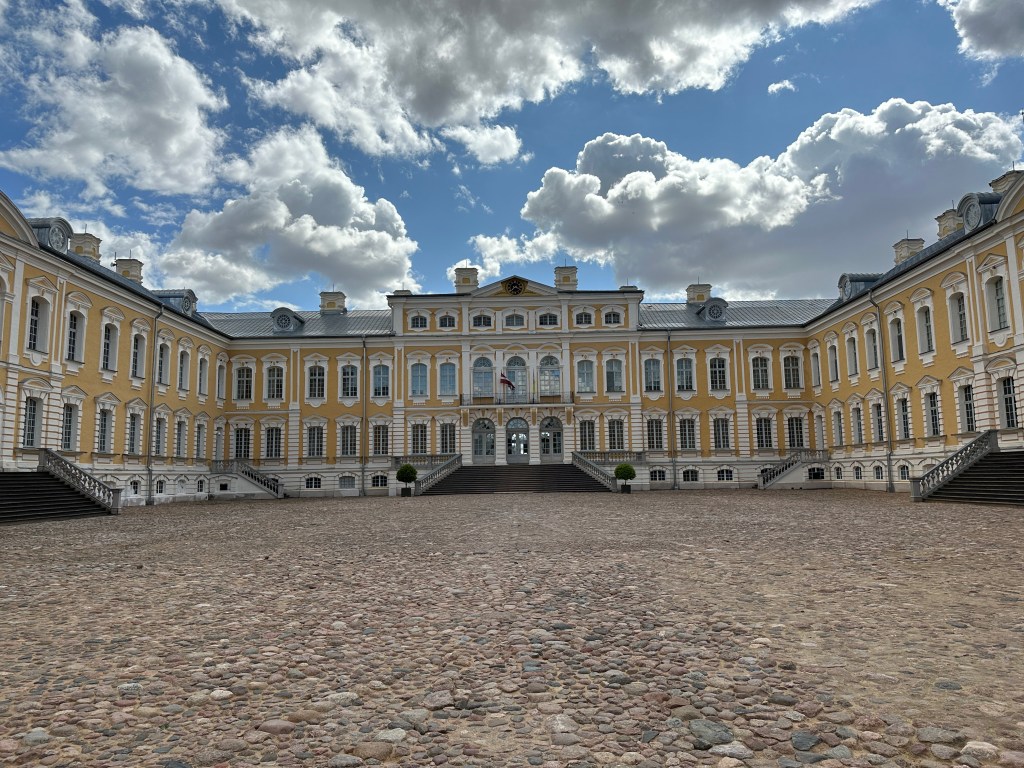
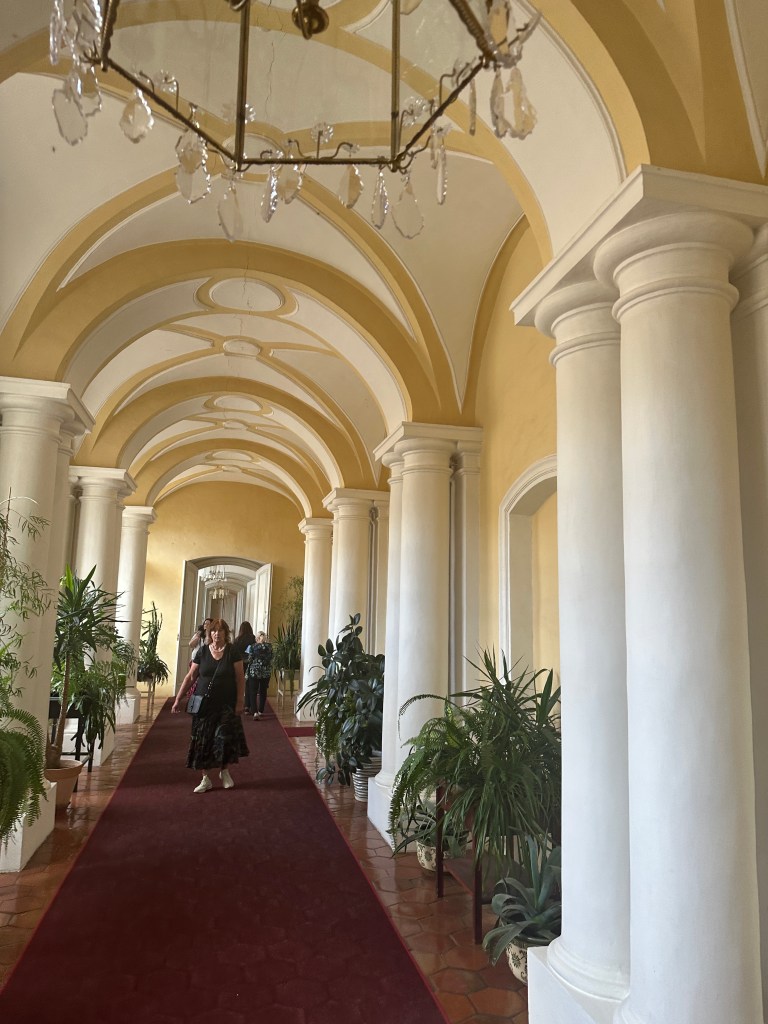
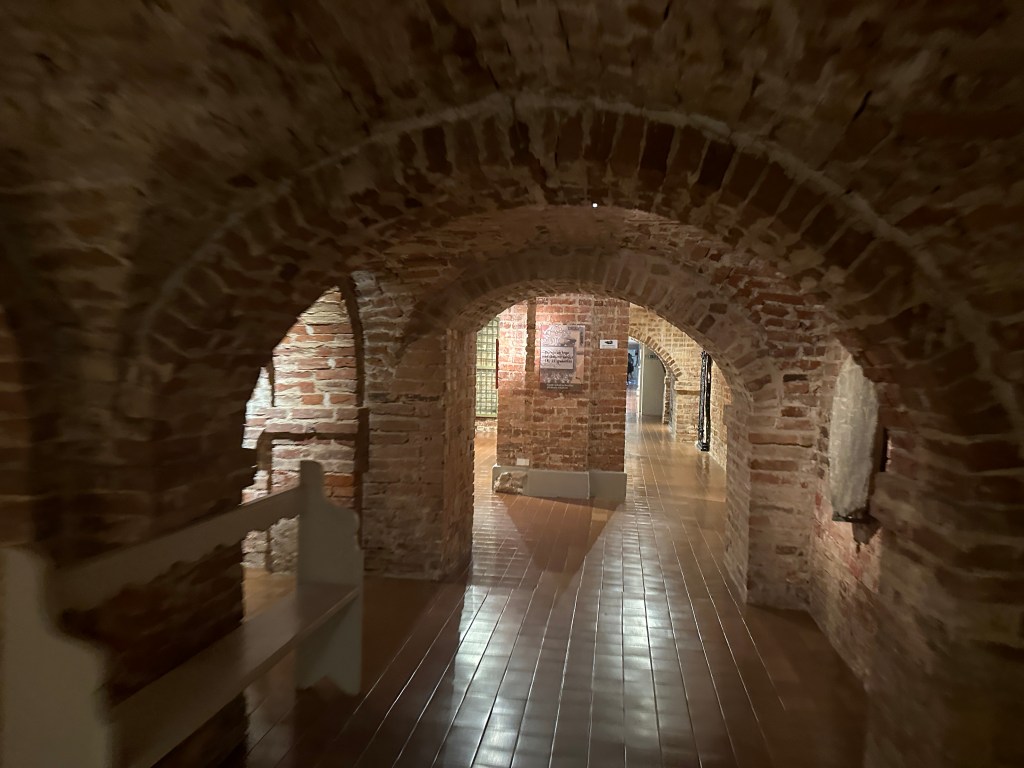
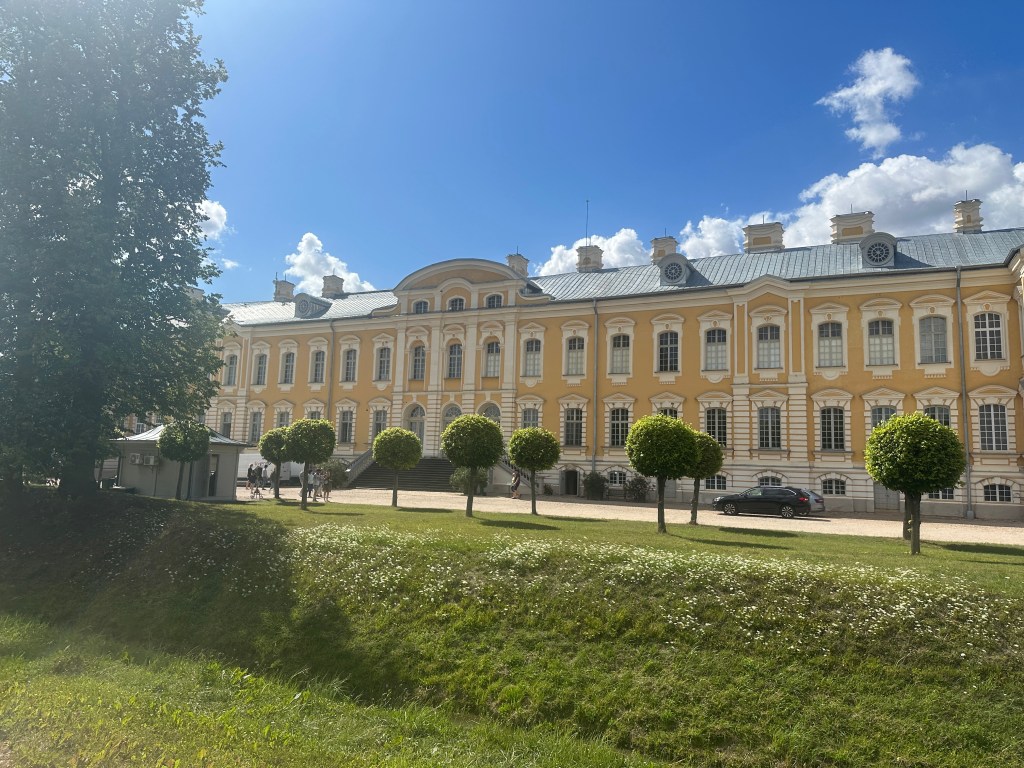
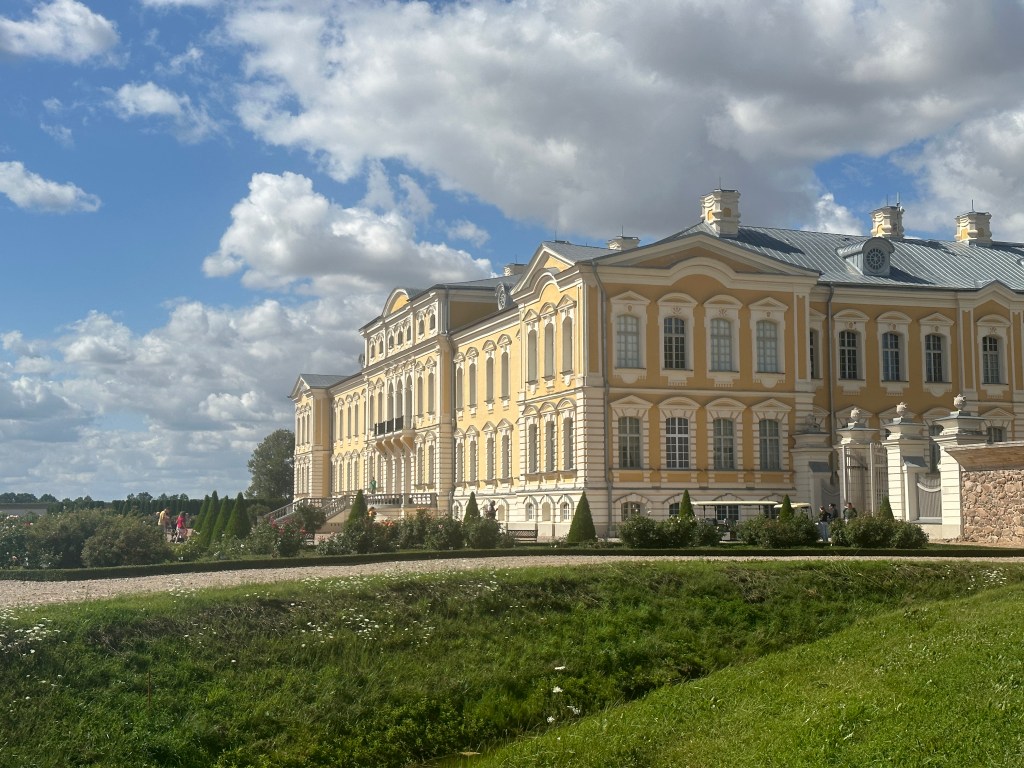
Our first stop was Rundale Palace, a Baroque masterpiece that stands as a symbol of Latvia’s grandeur. Known as the Versailles of East Europe, the museum, filled with art and artifacts, offered a glimpse into the country’s royal past. We strolled through its garden and the courtyard, making us marvel at the intricate flowers and amazing maintenance. Lunch at a nearby restaurant was a delightful affair, with pasta, tomato soup, and salad that tasted delicious.
Next, we ventured to Riga which is a UNESCO heritage site in itself, the capital city known for its Art Nouveau architecture and charming old town. The city’s canals, historic monuments, and lively cultural scene make it a must-visit. We checked into the Grand Poet Hotel, a luxurious abode with amazing facilities like steam, sauna, pool, and spacious rooms facing a park. The welcoming staff added to our comfort, making us feel like honored guests.
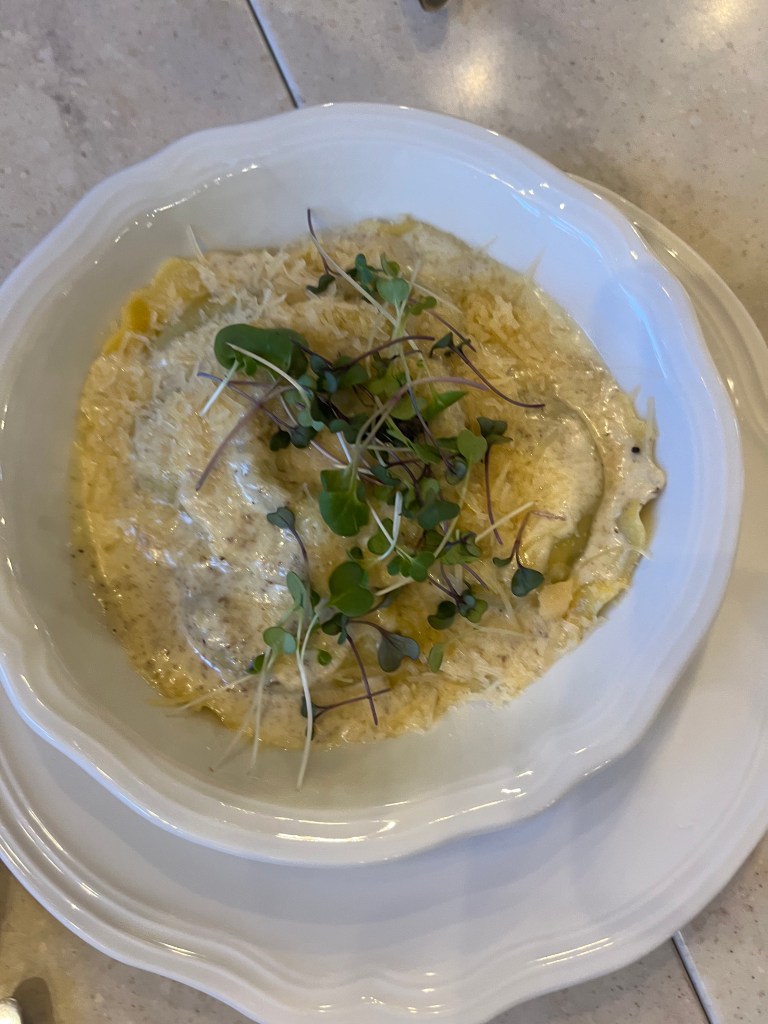
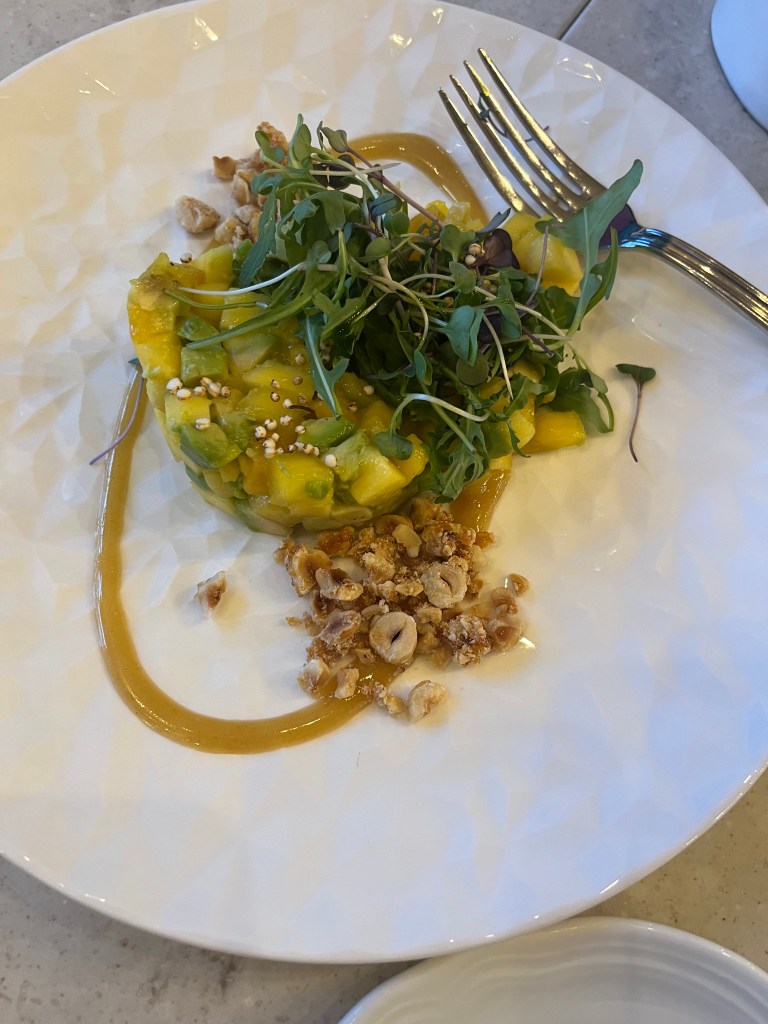
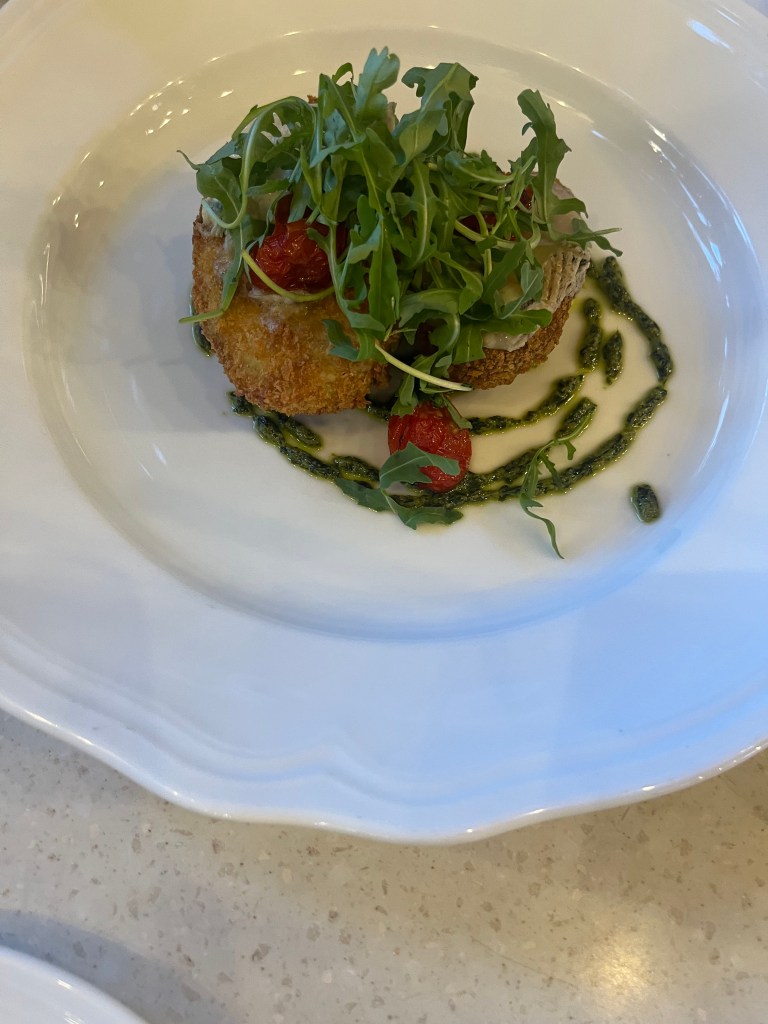
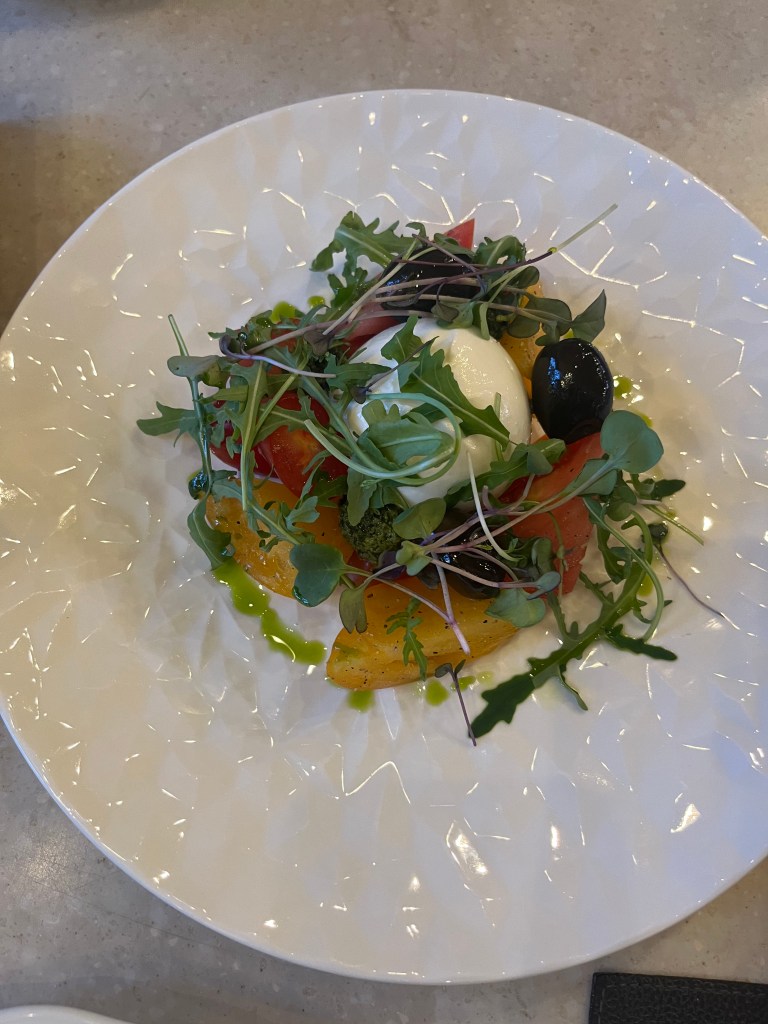
Our evening began with a short walk around the main square, absorbing the old town’s charm. The picturesque bridges, the laughter of locals, and the soft glow of street lamps created a magical atmosphere. We also saw the Freedom Monument en route. Dinner at Kolonade was a culinary journey, featuring dishes like goat cheese in a crispy herb cover, burrata cheese with colorful tomatoes, avocado-mango tartare, porcini ravioli, and bitter chocolate fondant along with creme brulee. The ambiance was cozy, but the service was marred by racial bias, leaving a bittersweet taste.
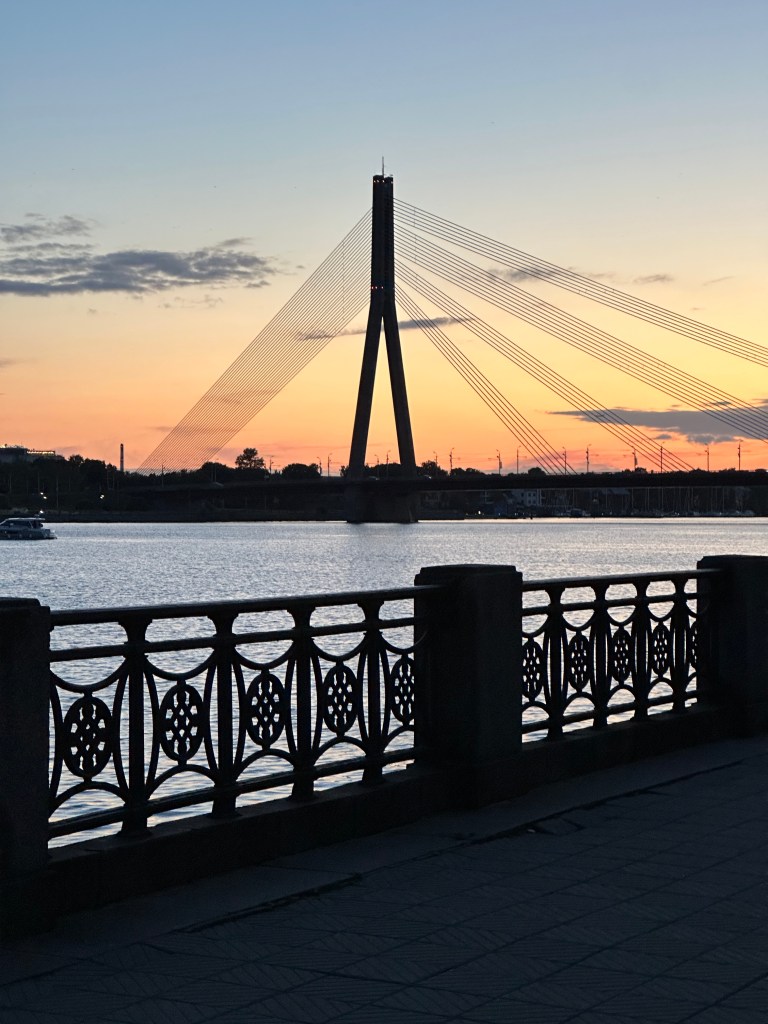
However, the sunset along the Gulf of Riga washed away the day’s troubles, painting the sky with shades of gold and pink.
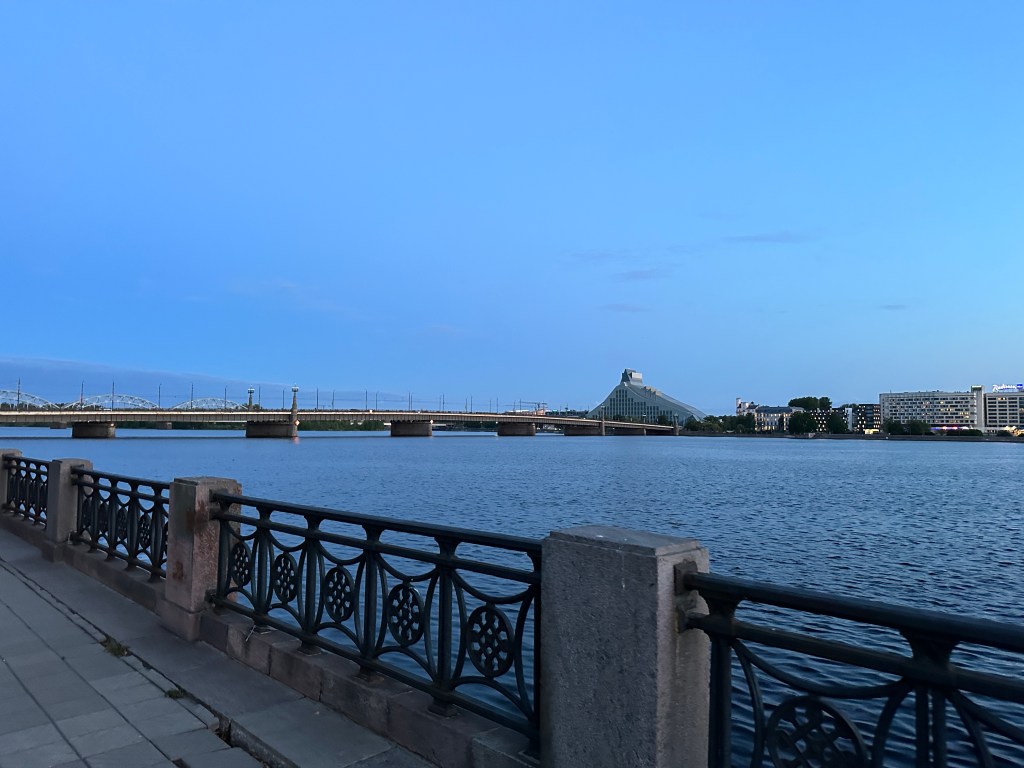
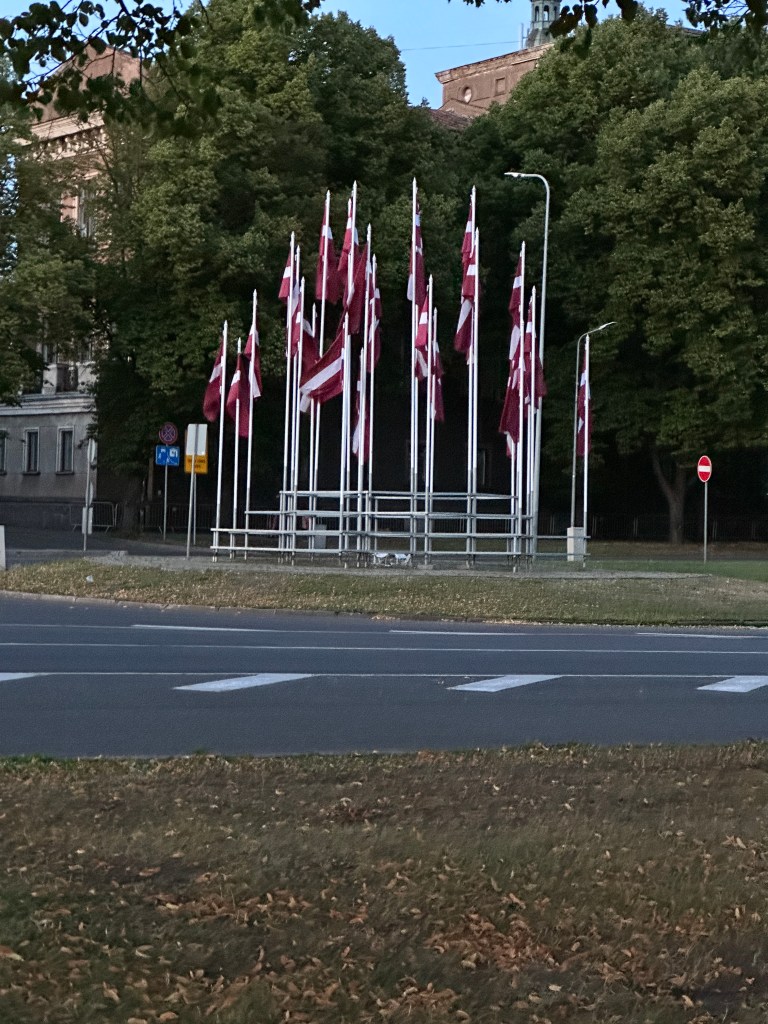

The next morning’s walking tour was an exploration of Riga’s heart and soul:
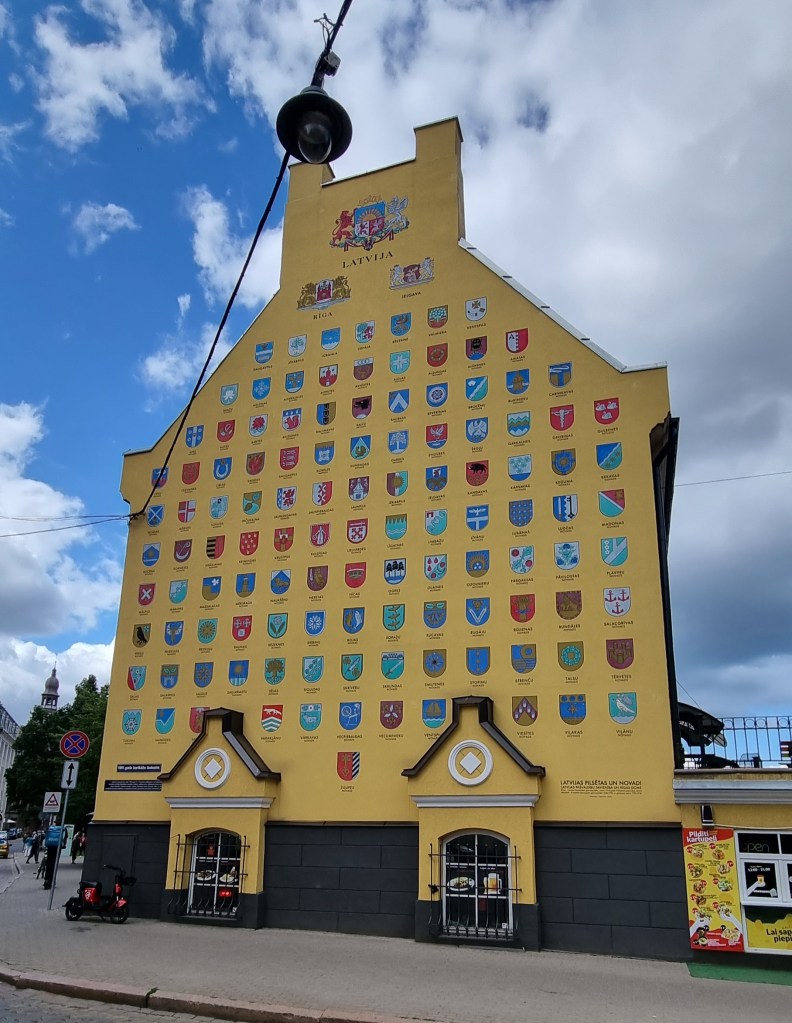
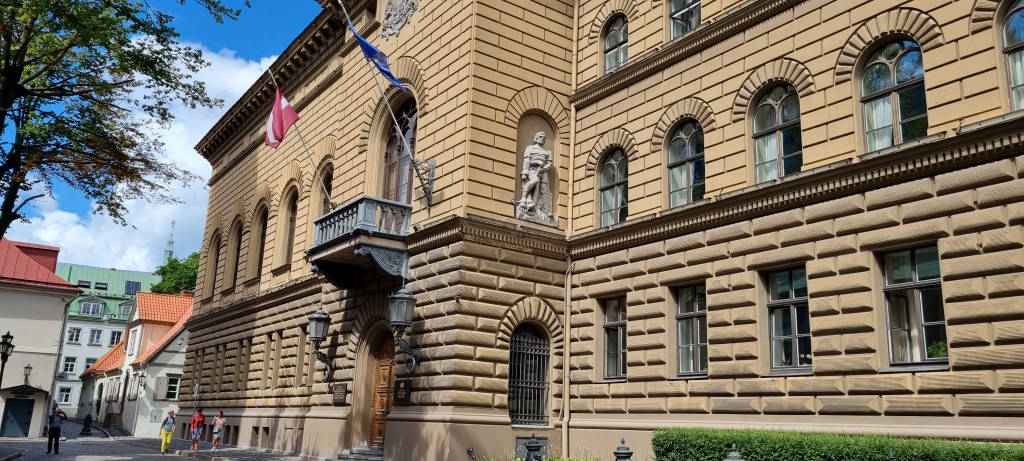
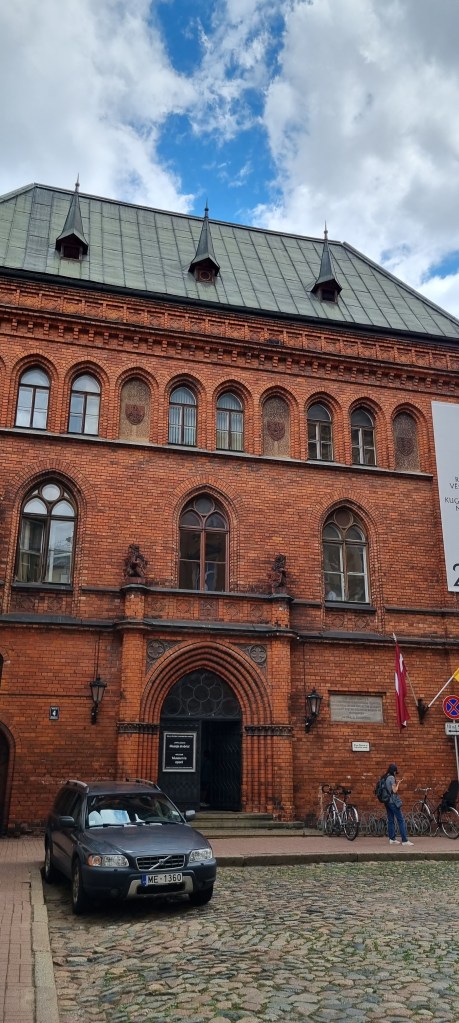
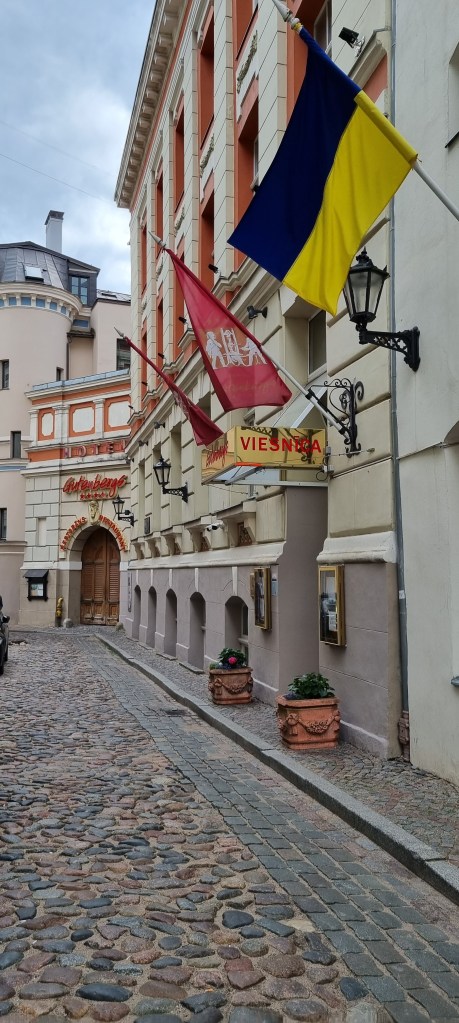
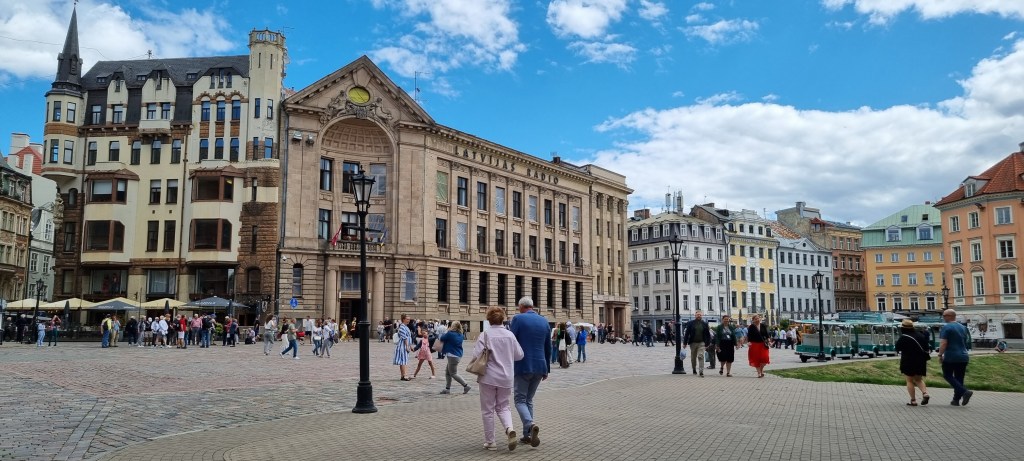
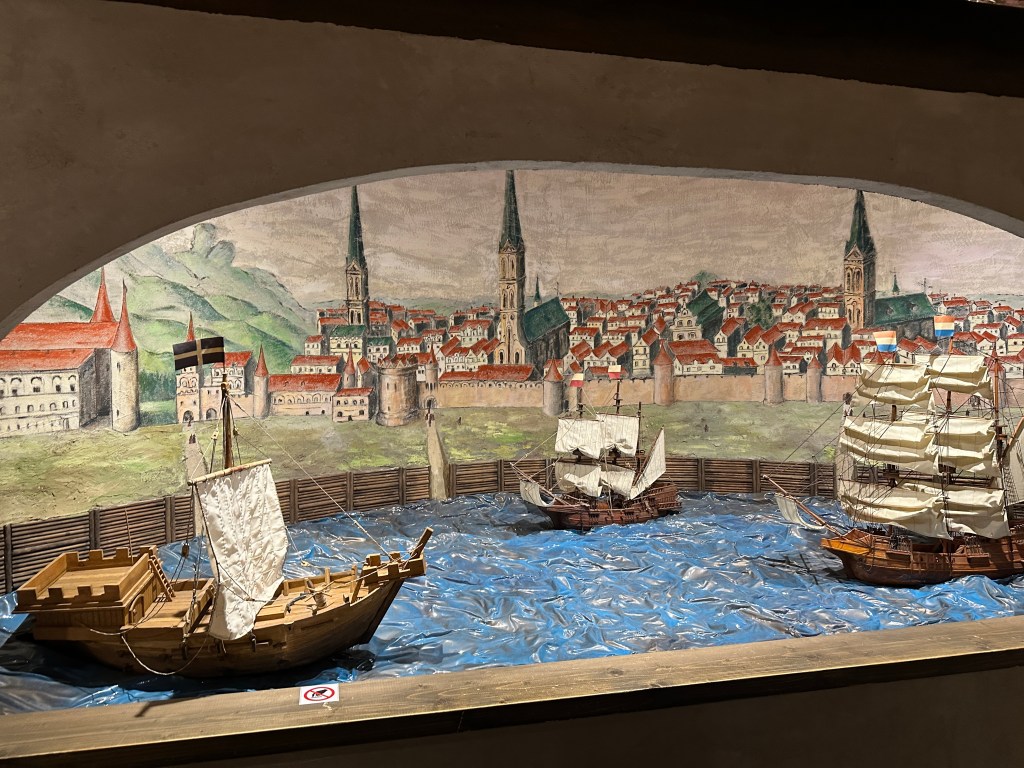
- Old Town: Riga’s Old Town is a delightful maze of history and beauty, with cobblestone streets that whisper tales of the past. Quaint shops, hidden courtyards, and friendly locals add to its timeless charm. Every corner seems to hold a secret, waiting to be discovered. Some glimpses and moments from the Old town have been added below in a slideshow.


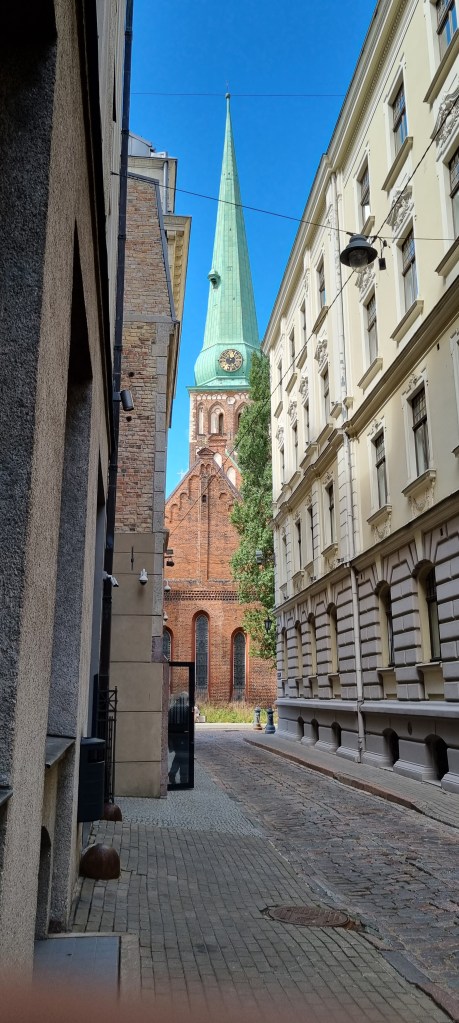

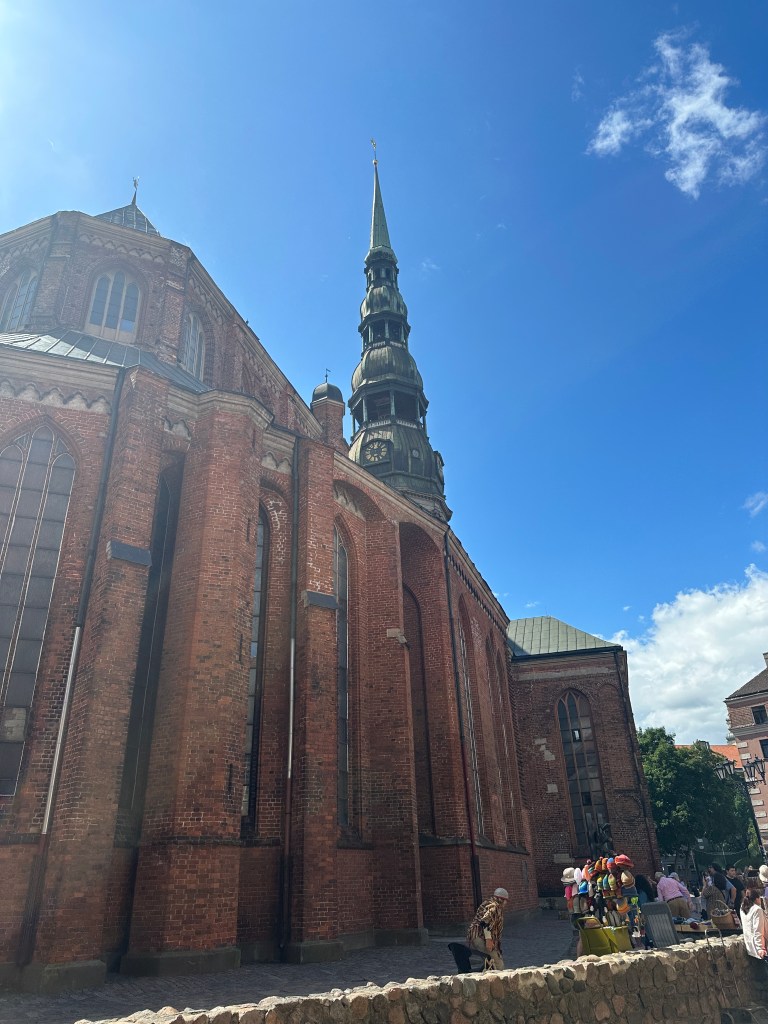
- St. Peter’s Church: This Gothic masterpiece offers a panoramic view from its tower that’s simply awe-inspiring. Inside, the silence is a peaceful contrast to the bustling streets below, and the church’s history as a place of worship since the 13th century resonates in its walls.
- The “Town Musicians of Bremen” sculpture nearby is a nod to the Brothers Grimm fairytale. Gifted by Bremen in 1990, it symbolizes four aging animals who run away to become musicians. The monument also carries political undertones and is considered a symbol of luck, with many visitors touching the animals’ faces in order.

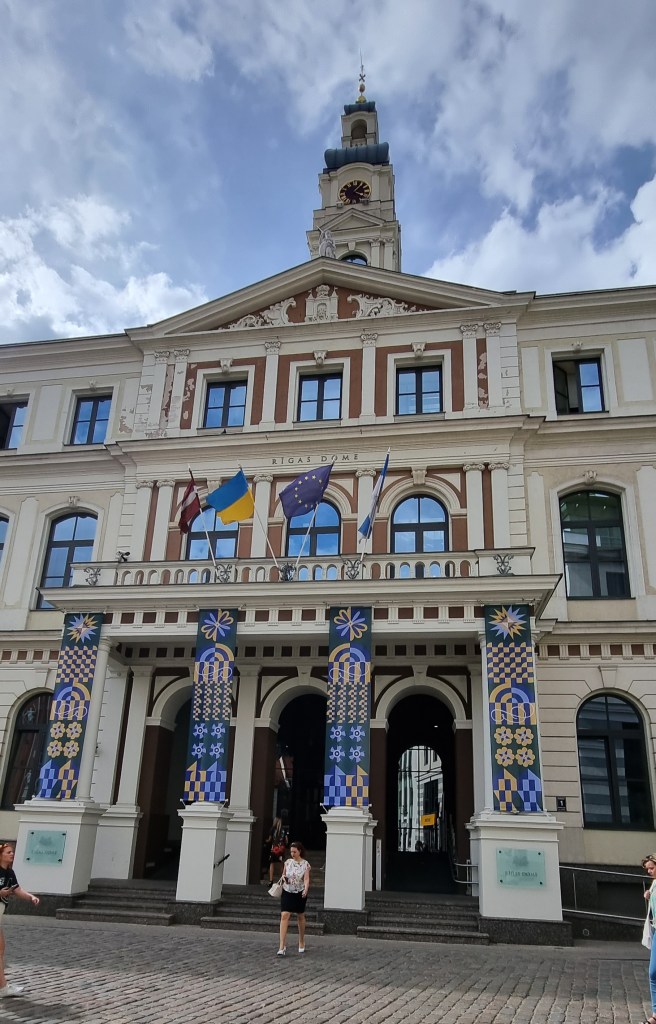
- Town Hall: Standing tall since the 13th century, the Town Hall’s blend of Gothic and Baroque styles speaks of Riga’s civic pride. Its grandeur and intricate details are a testament to the city’s rich architectural heritage.
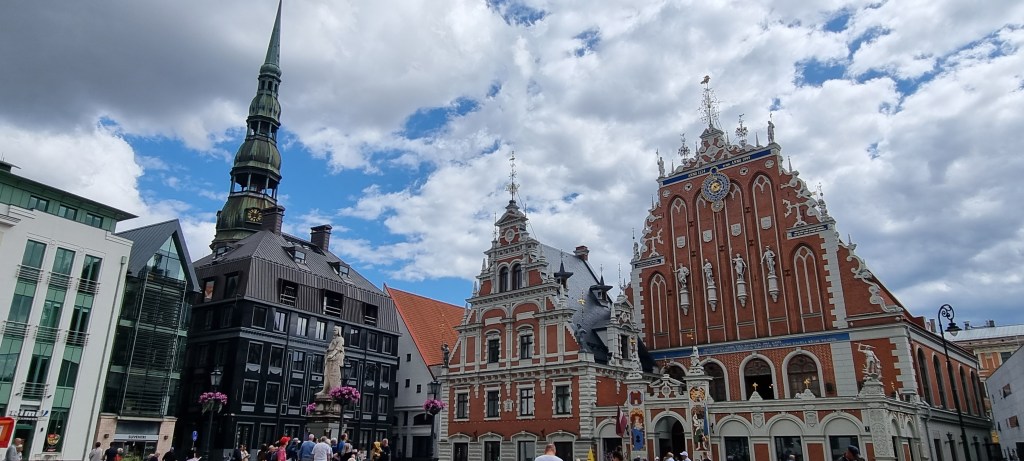
- House of Blackheads: A stunning building with a rich history, originally built for a guild of unmarried merchants. Its intricate facade is a photographer’s dream, and the reconstructed interiors showcase the opulence of a bygone era.
- Dome Cathedral: Home to one of the world’s largest organs, the melodies within the Dome Cathedral resonate with the soul. The stained glass windows, Gothic arches, and the blend of architectural styles create an ethereal beauty that’s both inspiring and calming.
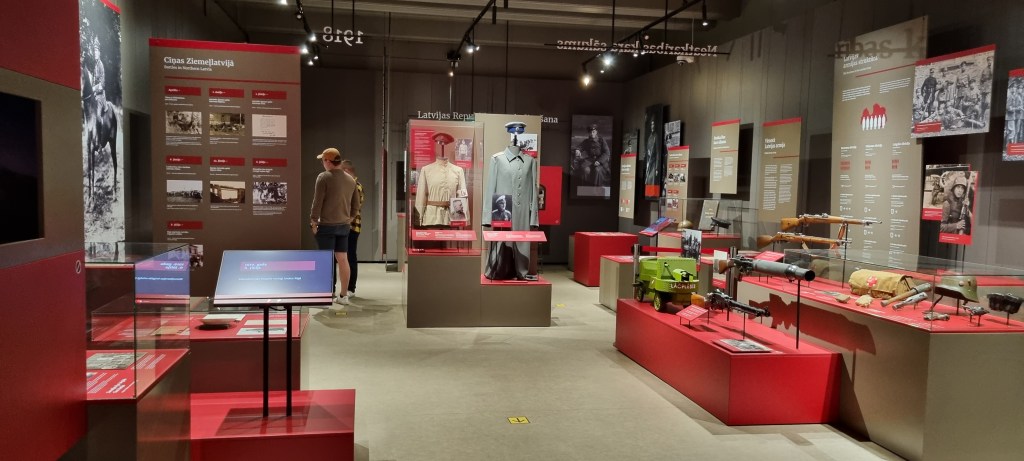
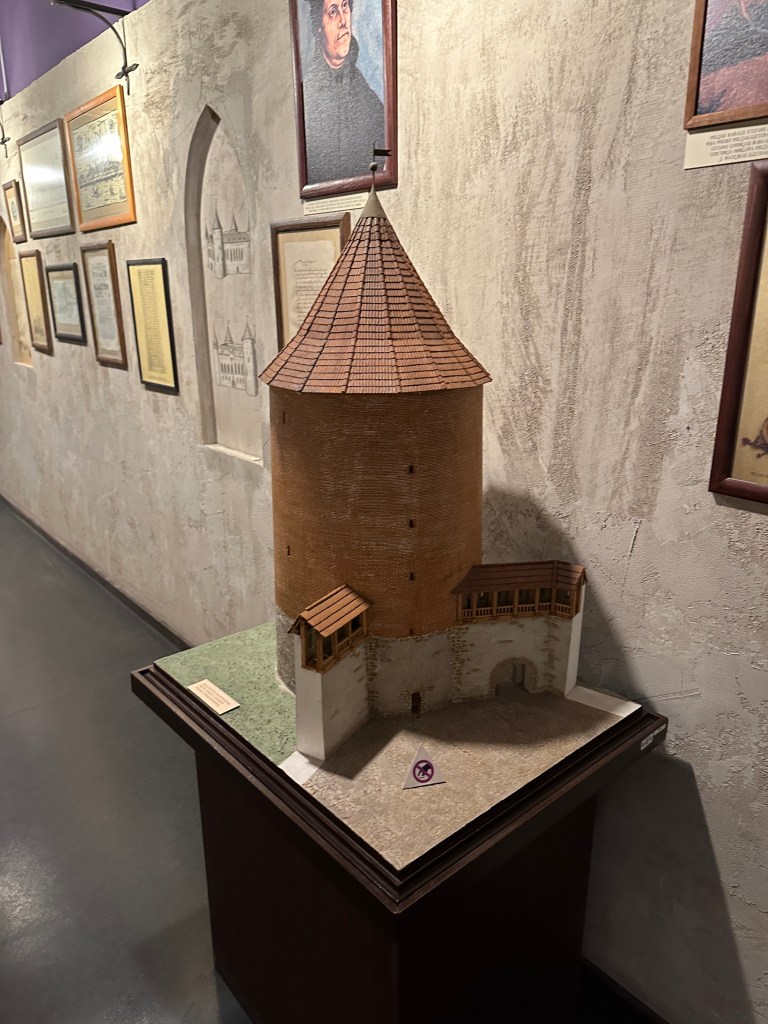
- Powder Tower: A medieval reminder of Riga’s past, now housing the Latvian War Museum. Its thick walls hold secrets of wars and victories. The exhibitions on each floor are impressively maintained, offering a journey through Latvia’s military history.

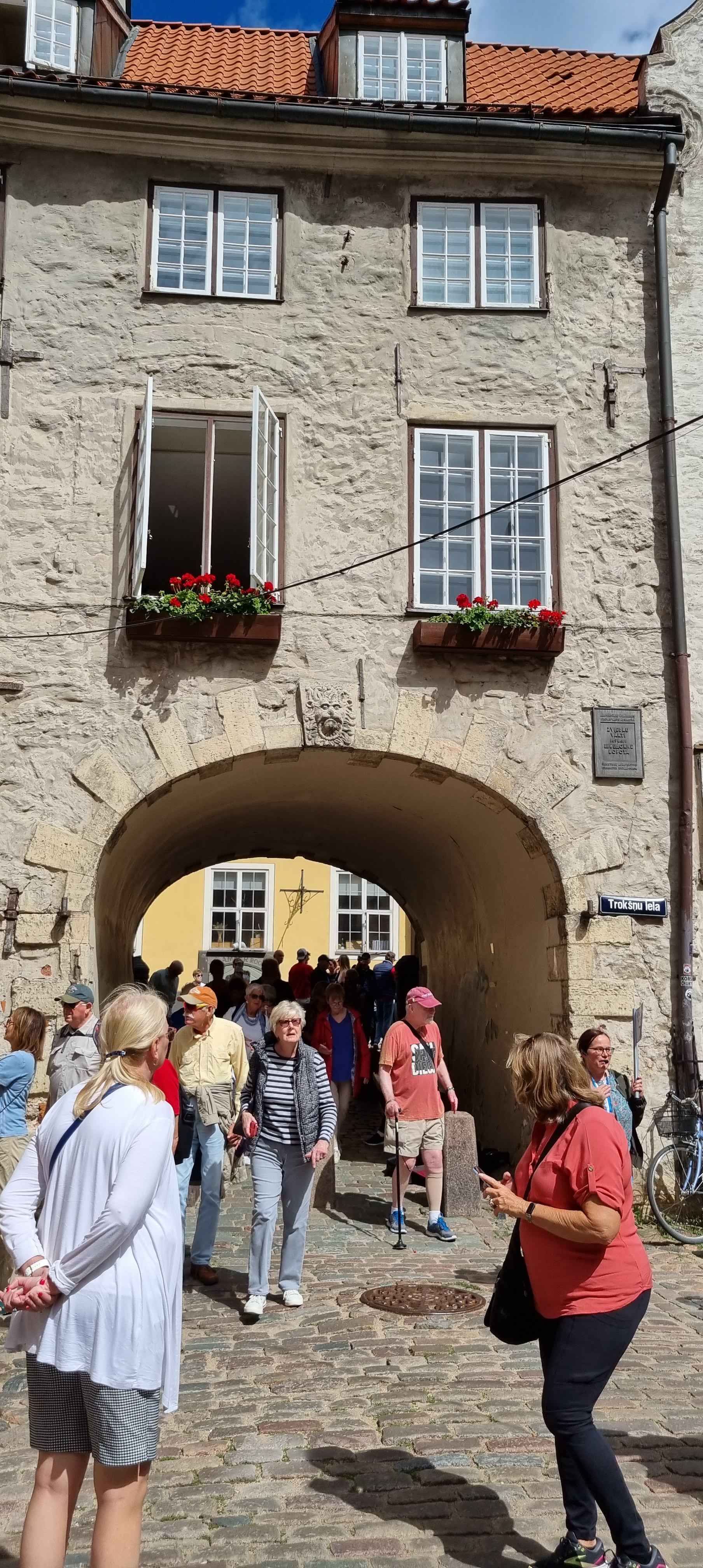
- Swedish Gate: Built in 1698, this gate is a silent witness to Riga’s history. Walking through its arch, adorned with amazing architecture, feels like stepping back in time. The weathered stones and historical inscriptions add to its mystique.
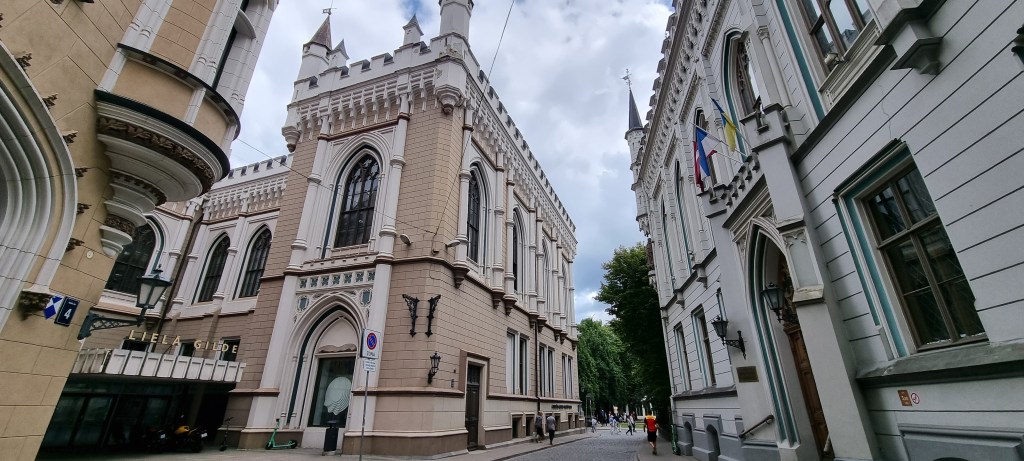
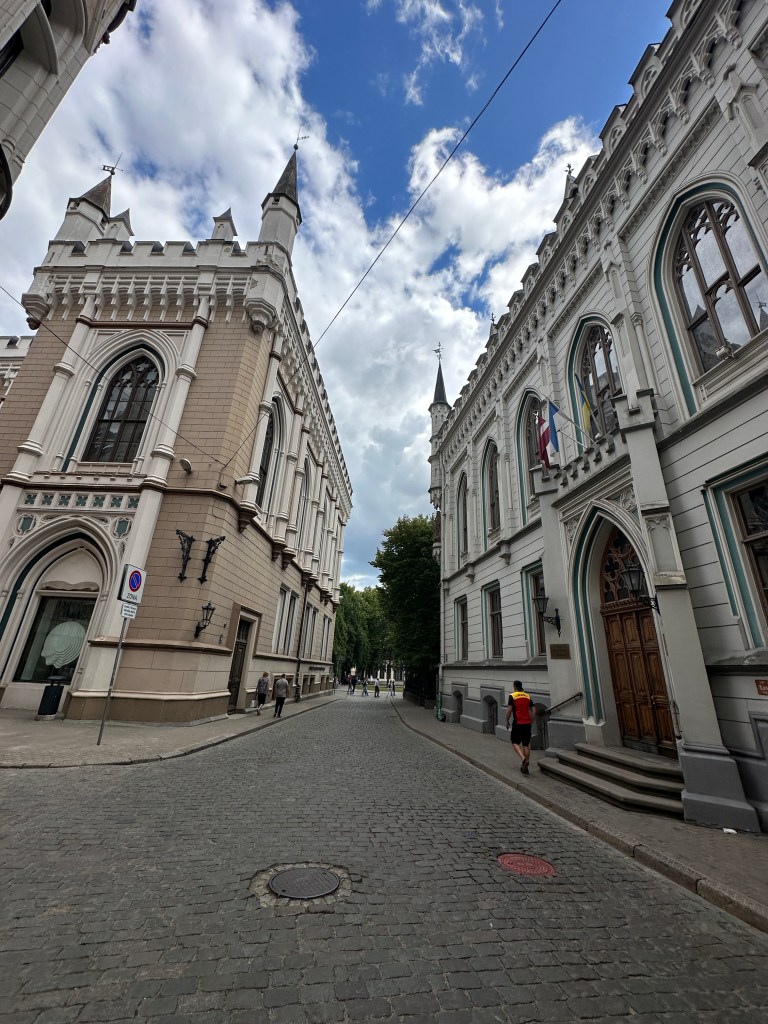
- Small & Large Guild: These buildings, with their intricate designs, speak of Riga’s merchant past. The blend of architectural styles, from Gothic to Renaissance, is a visual treat, reflecting the city’s commercial heritage.
- Three Brothers: A unique ensemble of houses from different centuries, showcasing architectural evolution. Each house has its unique character and story. Trying to capture all three buildings in one frame is a fun challenge for photographers, symbolizing the unity in diversity.
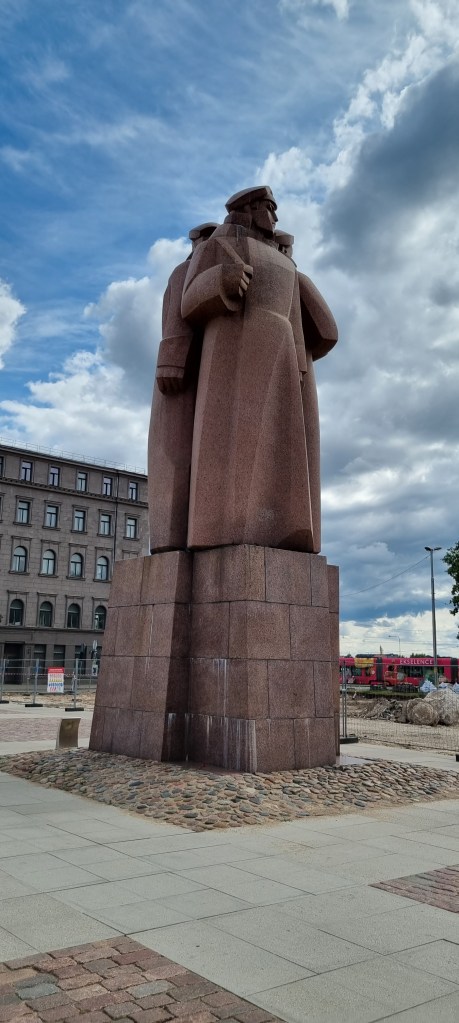
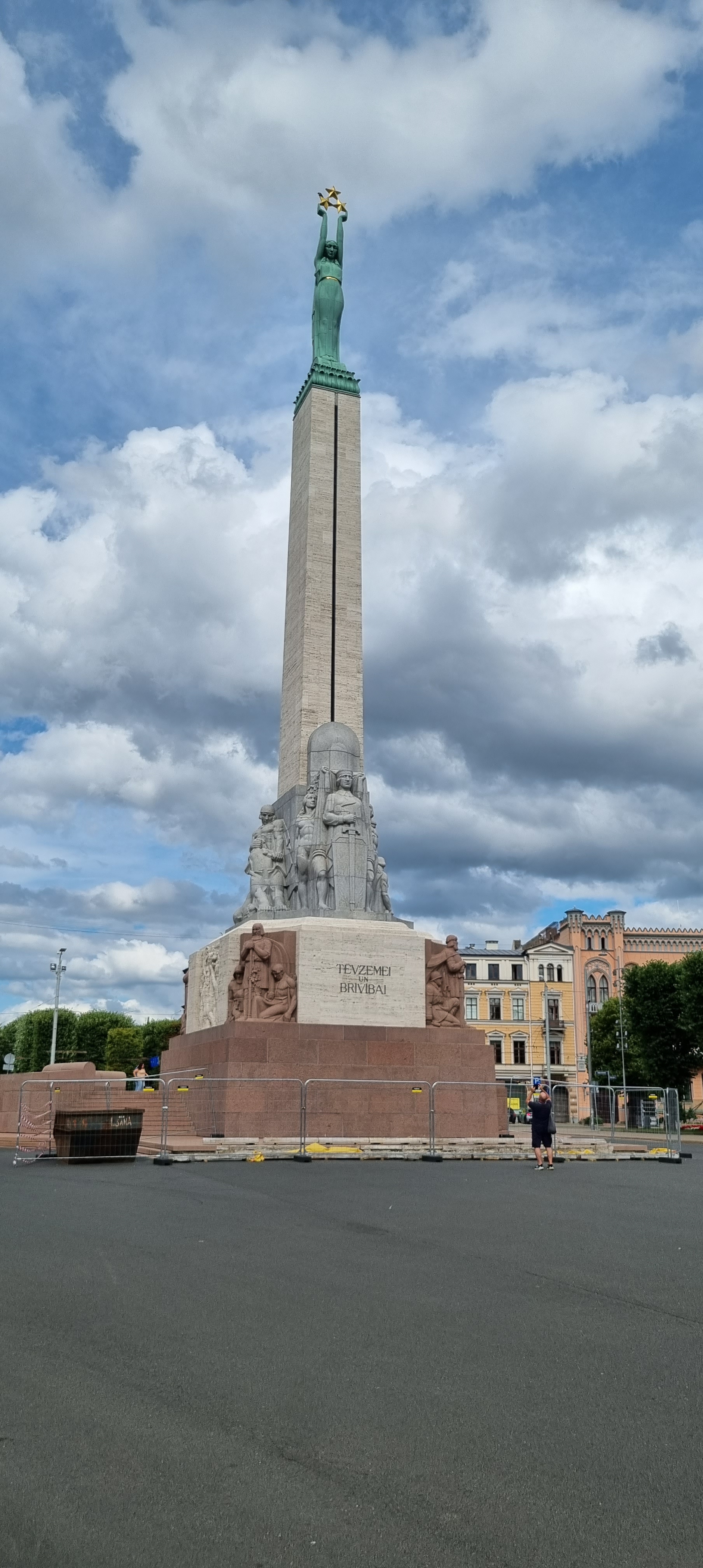
- Freedom Monument: A 42-meter tall symbol of Latvia’s freedom and pride. Standing near the Brivibas Boulevard, it’s not just a monument but a rallying point for national pride. The sculptures and bas-reliefs depict Latvian culture and history.
Lunch at Piazza Italiana was a feast for the senses. The aroma of freshly baked bread, the lively chatter of fellow diners, and the taste of amazing pizzas, fresh spaghetti with shaved truffles, risotto, antipasti, and burrata created an unforgettable Italian experience right in the heart of Riga.
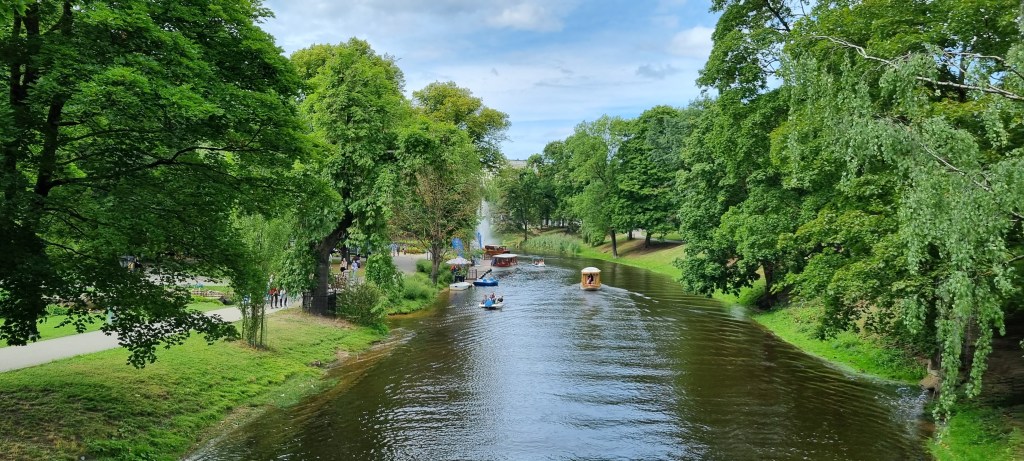
Our afternoon boat ride in the canals was a serene journey that started and ended at Bastejkalns Park, right in front of our hotel. The gentle lapping of the water, the reflections of historic buildings, and the soft breeze made it a memorable ride. The park’s lush greenery and tranquil ponds added to the beauty of the experience.
Dinner at Riviera was a Mediterranean delight. The asparagus, beet carpaccio, gazpacho, olives, bread, and other delicacies were crafted to perfection. The staff’s warmth, the antique ambiance, and the amazing desserts made it a must-visit experience. The complimentary dessert for my parents’ anniversary was a sweet touch, reflecting the restaurant’s attention to detail and personalized service.
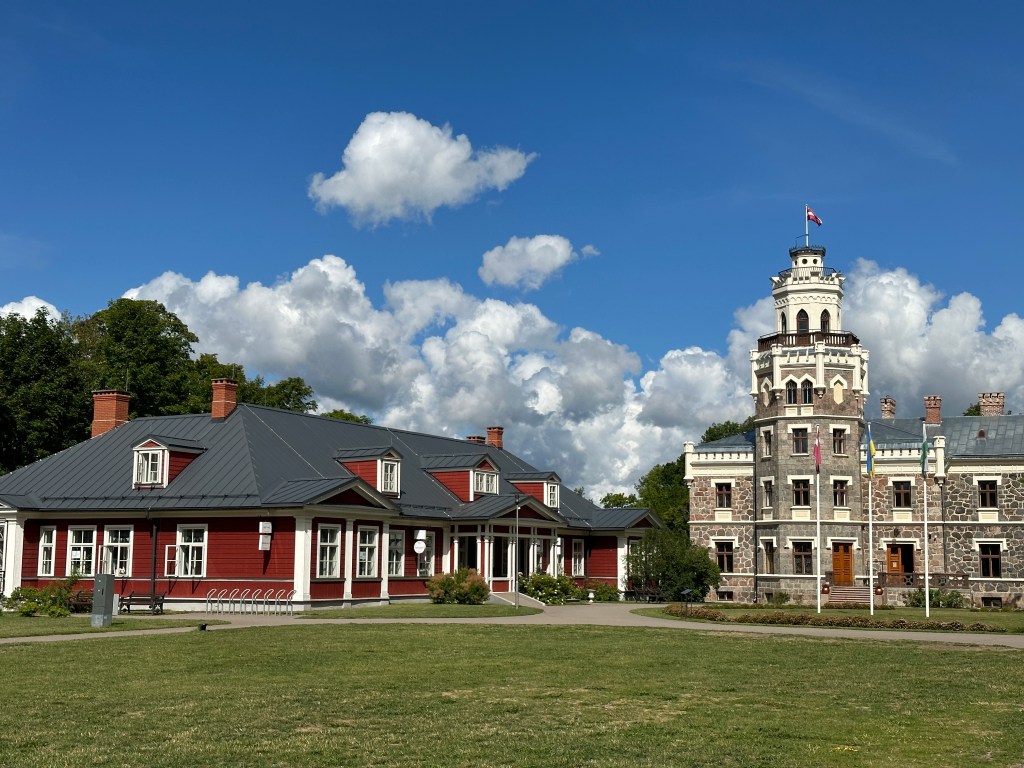
The next day, our journey took us to the enchanting Sigulda Castle. The architecture with brown and white ornate carpentry, with its blend of styles, spoke of different epochs, and the serenity of the place was palpable. We were the only tourists there, and the calmness was almost surreal. We had the whole place to ourselves, allowing us to explore at our leisure, absorbing the history and tranquility. Sigulda Castle’s location, amidst lush forests and near the river, added to its mystical charm.
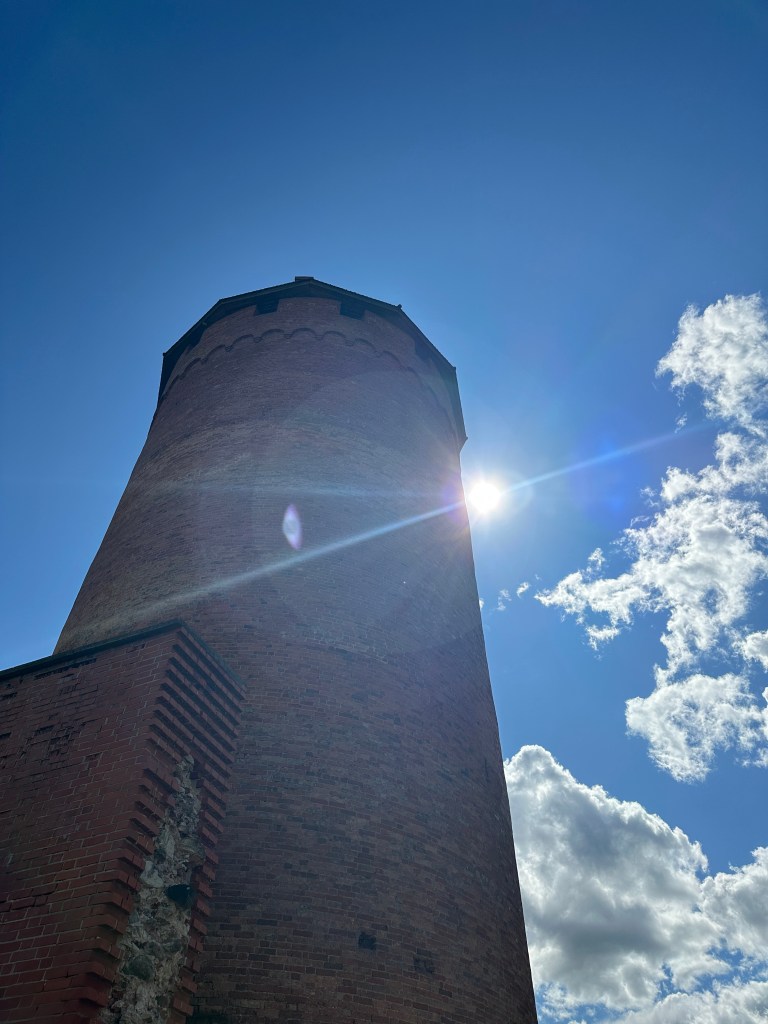
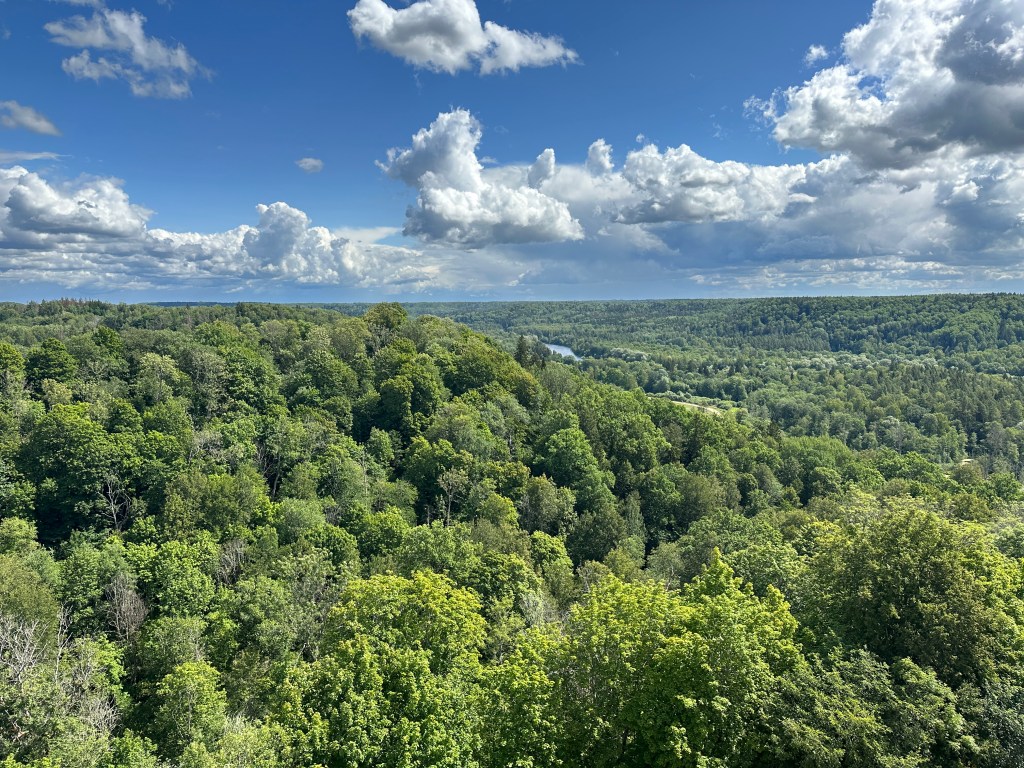
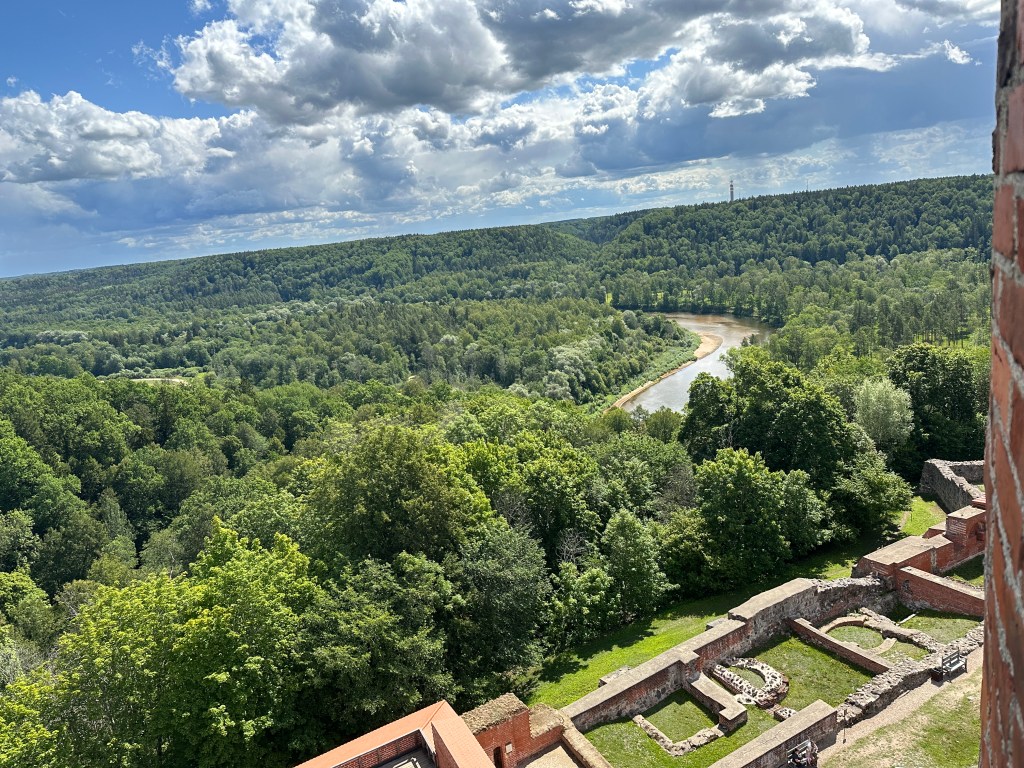
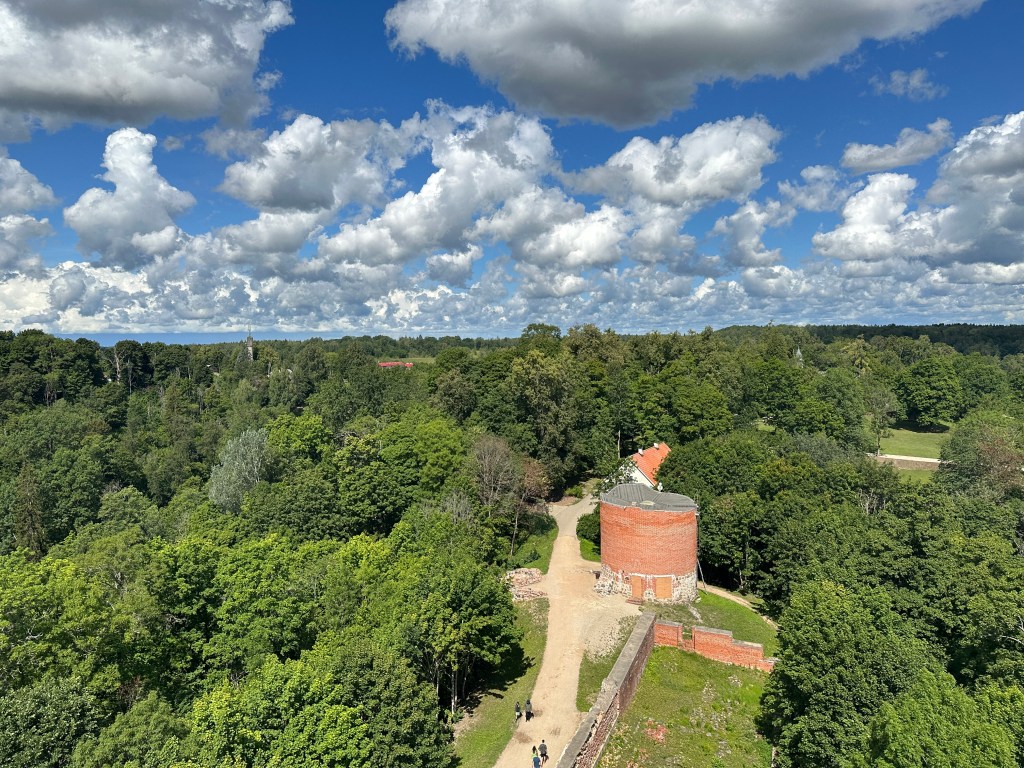
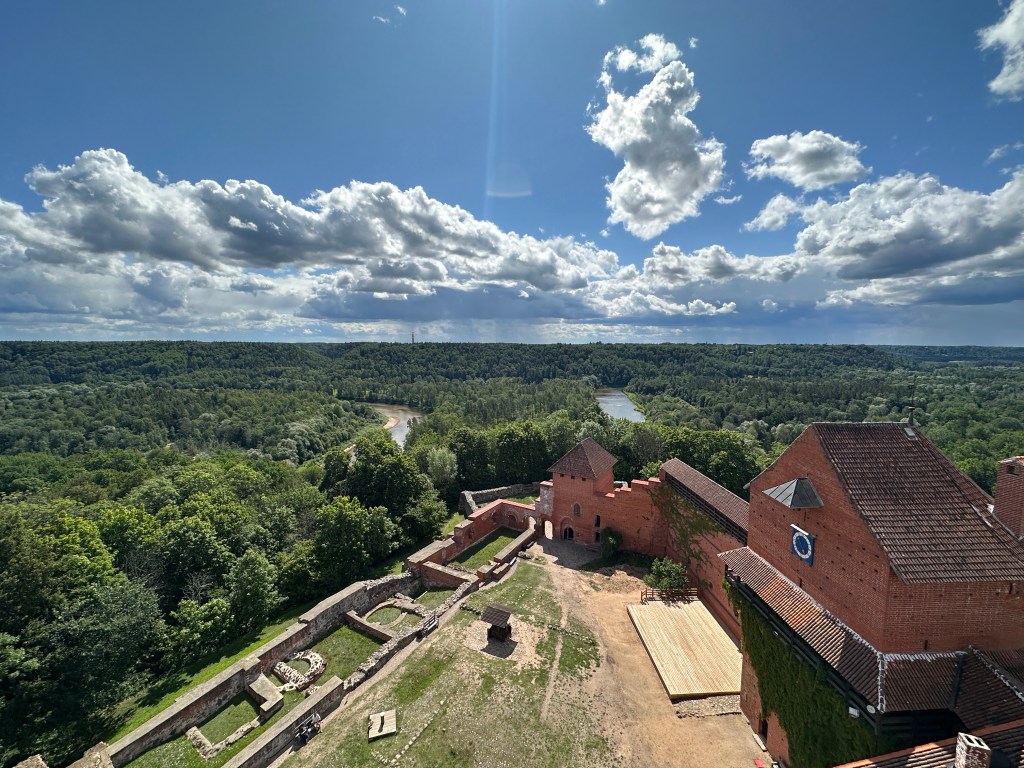
Turaida Castle, a red-brick fortress, stood as a majestic testament to Latvia’s moniker as the “Land of Castles.” The beautiful gardens surrounding the castle were a journey back in time, and the local legends, especially the tale of the Rose of Turaida, added a touch of romance. We explored the museum, walking through the ancient halls that showcased the castle’s history. The view from the top of Turaida was awe-inspiring, with the Gauja River winding through the valley below. Like Sigulda, we had Turaida to ourselves, allowing us to immerse ourselves in its calmness and beauty. The architecture, with its defensive walls and ornate details, was a fascinating blend of practicality and artistry.
From the vibrant streets of Riga to the serene landscapes of Sigulda and Turaida, each moment was a discovery. The blend of architectural marvels, culinary delights, and the warmth of the people left an indelible mark on our hearts. As we headed to Estonia, we carried with us not just memories but a piece of Latvia’s soul, a land that charmed us with its simplicity and richness.

 Travel Footprints