The Amalfi Coast, a stretch of rugged coastline in southern Italy, is dotted with colorful towns that cascade down cliffs overlooking a stunning, deep blue sea. With its dramatic geography—where mountains literally meet the Mediterranean—it’s no wonder the Amalfi Coast is on everyone’s Instagram feed. Honestly, it was one of the main reasons I decided to make Italy my next destination in October 2024. But let me tell you, my motivation wasn’t just for the views. I’m not ashamed to admit that pasta had a big role in it too.
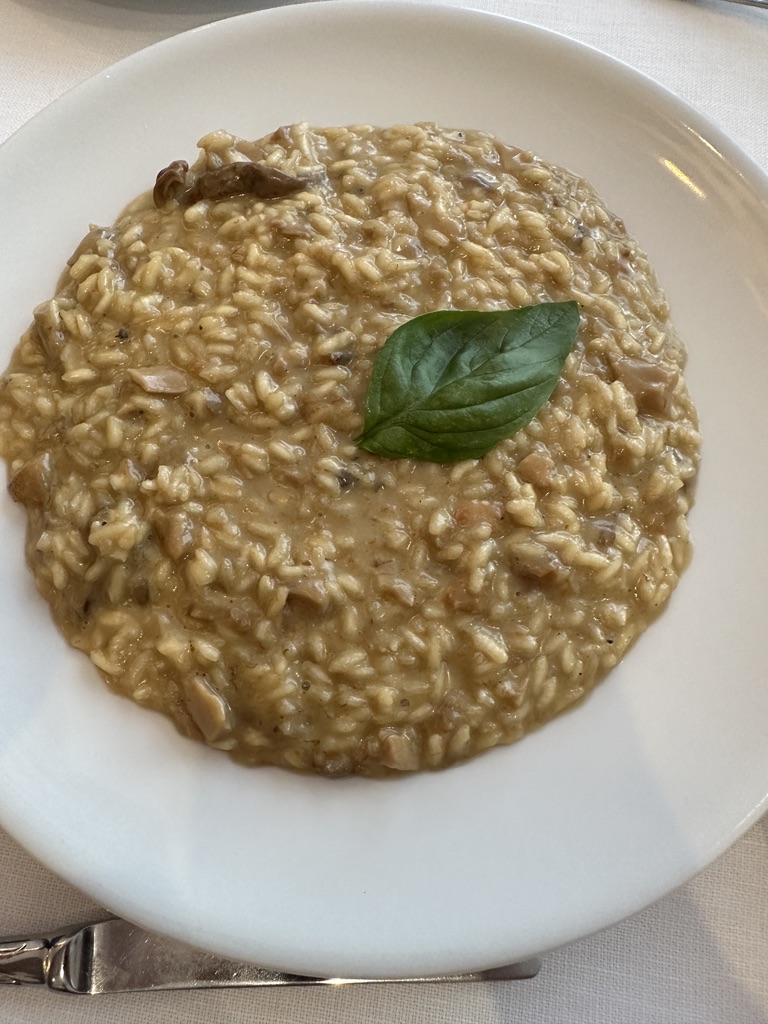
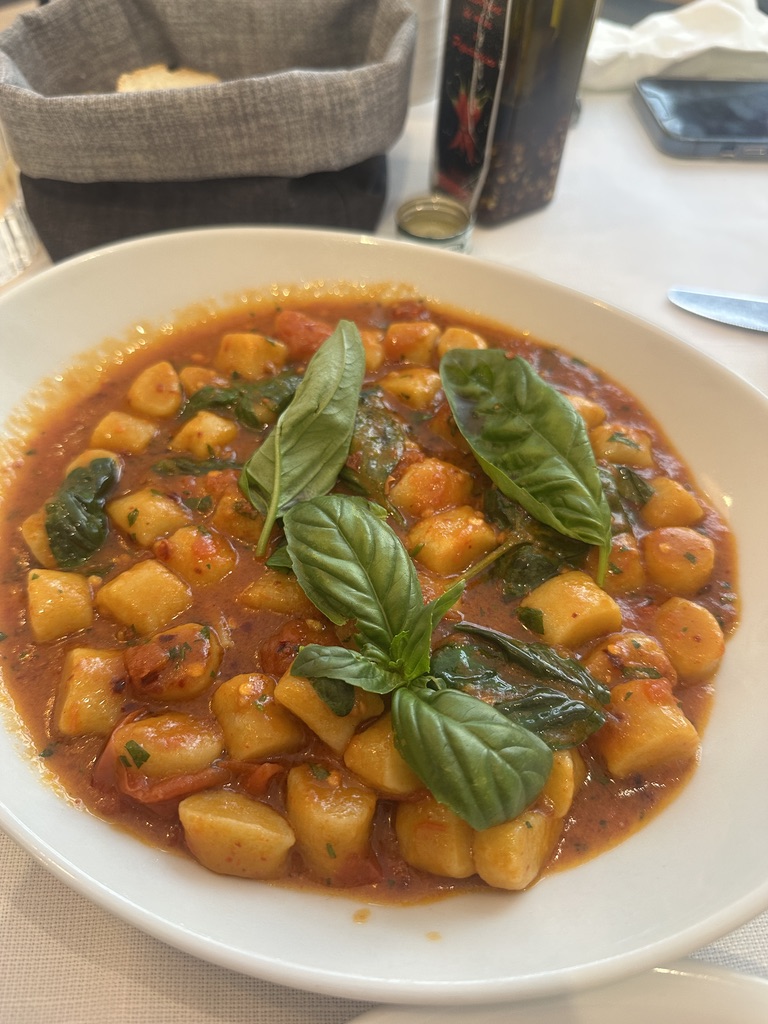
A lemon pasta at a spot called Forma in Singapore completely inspired this greatly. I didn’t know pasta could taste like that. It was the best pasta dish I’d ever had, and I became obsessed with visiting its birthplace. This journey led me to the Amalfi Coast, where the lemons are as huge as a size of a head. But hey, if your idea of a vacation includes jaw-dropping views, endless pasta, and trying to not spill your gelato while navigating what feels like a never-ending staircase, you’re in for a treat. Let’s dive into what makes this place so ridiculously irresistible.

Our Amalfi Coast itinerary was simple but sweet:
- Day 1: Capri
- Day 2: Positano
- Day 3: Day trip to Amalfi/Ravello
- Day 4: Positano
I’ll also talk about Sorrento and some other notable spots. But first, how to get to the Amalfi Coast. While you could drive from Rome, it’s neither budget-friendly nor particularly stress-free. Instead, I recommend taking the train from Rome to Naples and then hopping on a ferry to your destination. Capri, being an island, requires a ferry ride regardless, and ferry tickets are affordable and easy to grab right before departure. Just don’t forget to check the ferry schedules unless you fancy some downtime by the docks.
Now, a disclaimer—I was down with a fever, cough, and cold during this part of the trip, which meant we took things a little slower than planned. But I’ll share what I managed to see, as well as what I missed, so you don’t miss out on the essentials. This part of our trip was intentionally more relaxed—less about packing in sights and more about soaking up the atmosphere, p.s. and a lot of limoncello.
Our adventure began with a quick ferry ride from Naples to Capri. Though we only stayed a day, I’d recommend spending 2-3 days here to really appreciate Capri’s charm and exclusivity. From the marina, we took a taxi to Malafemmena Guest House on Via Roma, Capri Town’s main street. The location was perfect, offering incredible views and proximity to the island’s best spots. Hungry after our journey, we wandered over to Gran Caffè R. Vuotto, just two minutes from the hotel, where the burrata and eggplant parmigiana were nothing short of spectacular. Capri may be known for its luxury, but it knows how to do comfort food right.
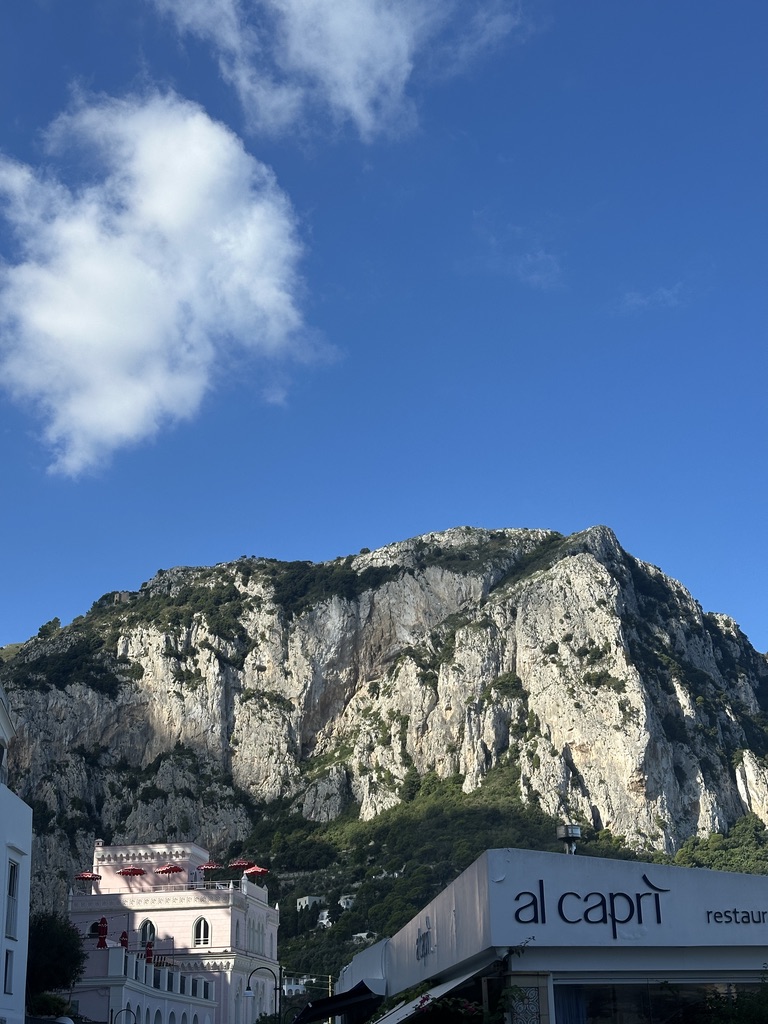
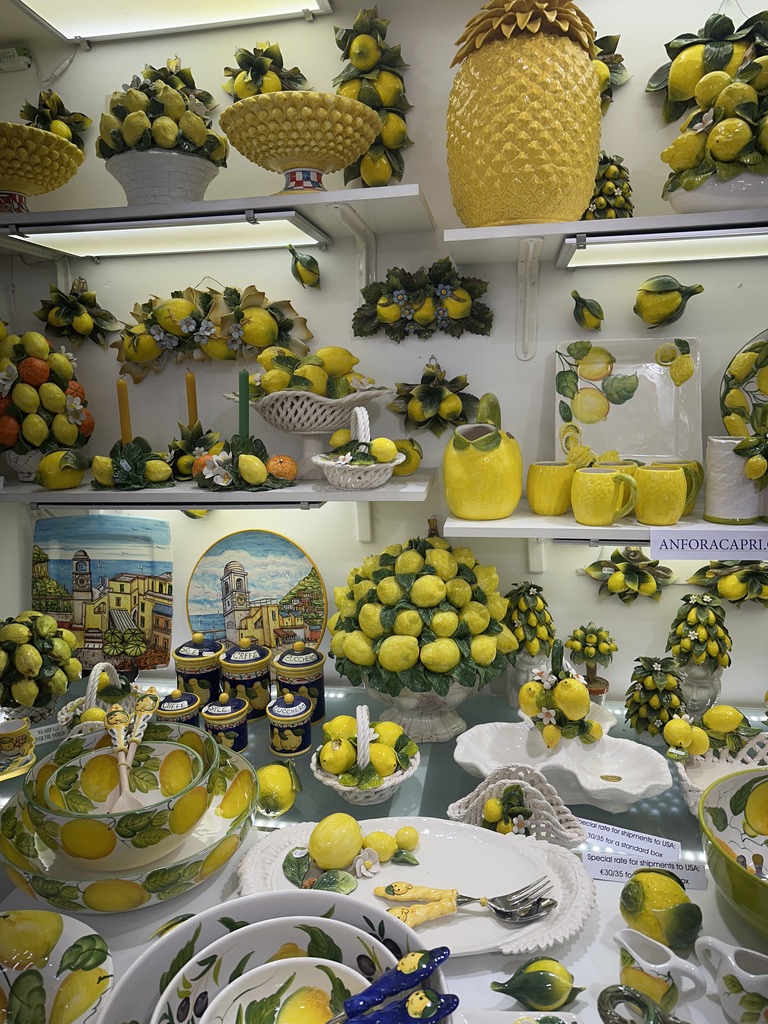

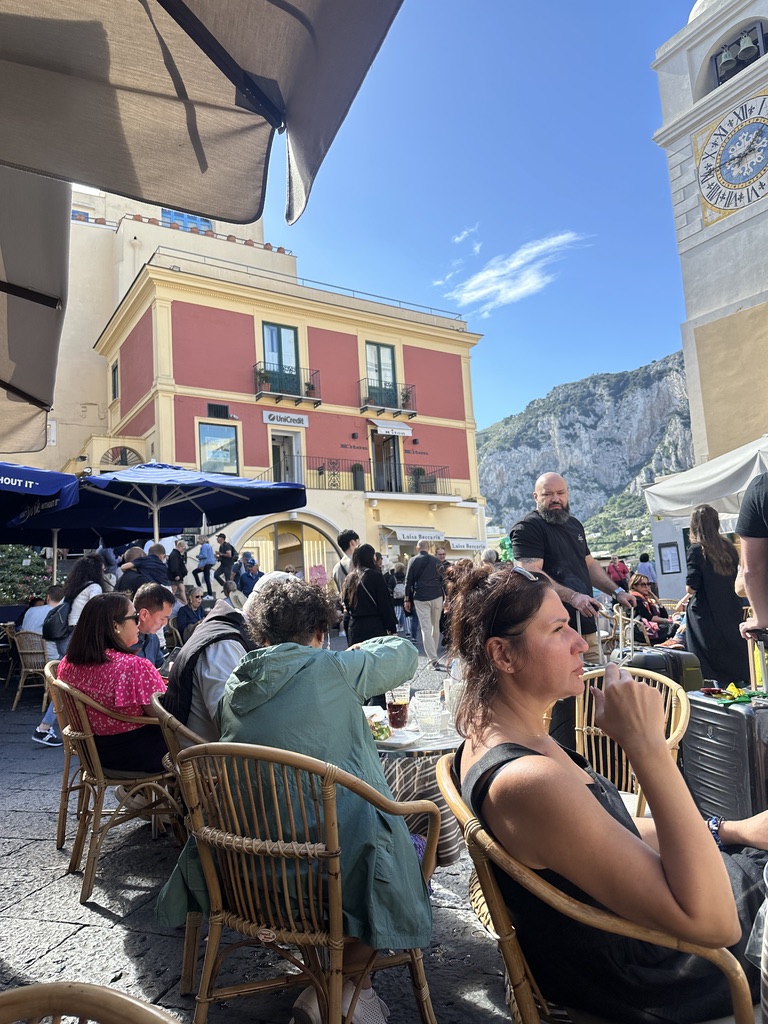
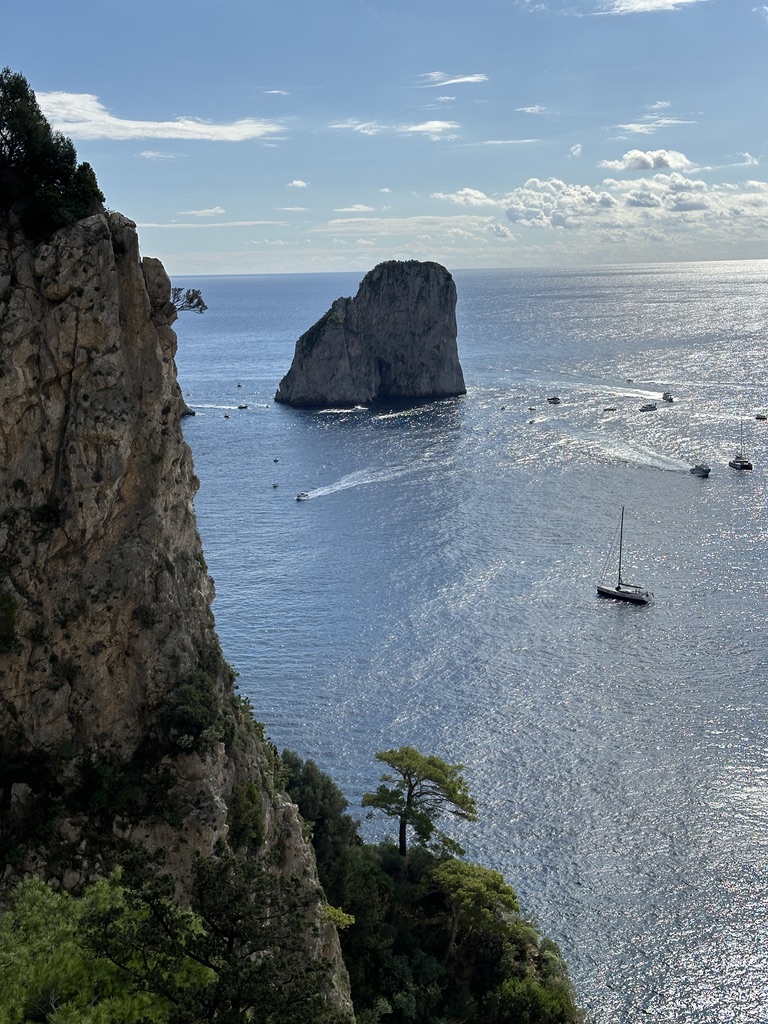
Though Via Roma is on the pricier side, it’s worth a stroll for its mix of high-end shops and local brands. The street also offers some of the best views on the island, making it a must-see. Unfortunately, I wasn’t feeling great, so after lunch, I retreated to the hotel for some rest. But if you’re in better health, Giardini di Augusto is just a short walk away, offering spectacular views of the Faraglioni rock formations and the dramatic Via Krupp.
Another spot I had on my list but couldn’t visit due to the flu was Anacapri, a quieter, more local town on the other side of Monte Solaro. It’s known for its laid-back vibe and charming restaurants, which I’m sure would have been a nice contrast to the more bustling Capri Town.
If you have time, don’t miss Villa San Michele. The villa is home to an impressive collection of ancient artifacts, including sarcophagi fragments and a granite sphinx, all set against stunning views of Capri. It’s one of those places that blends history with beauty in a way only Italy seems to master.
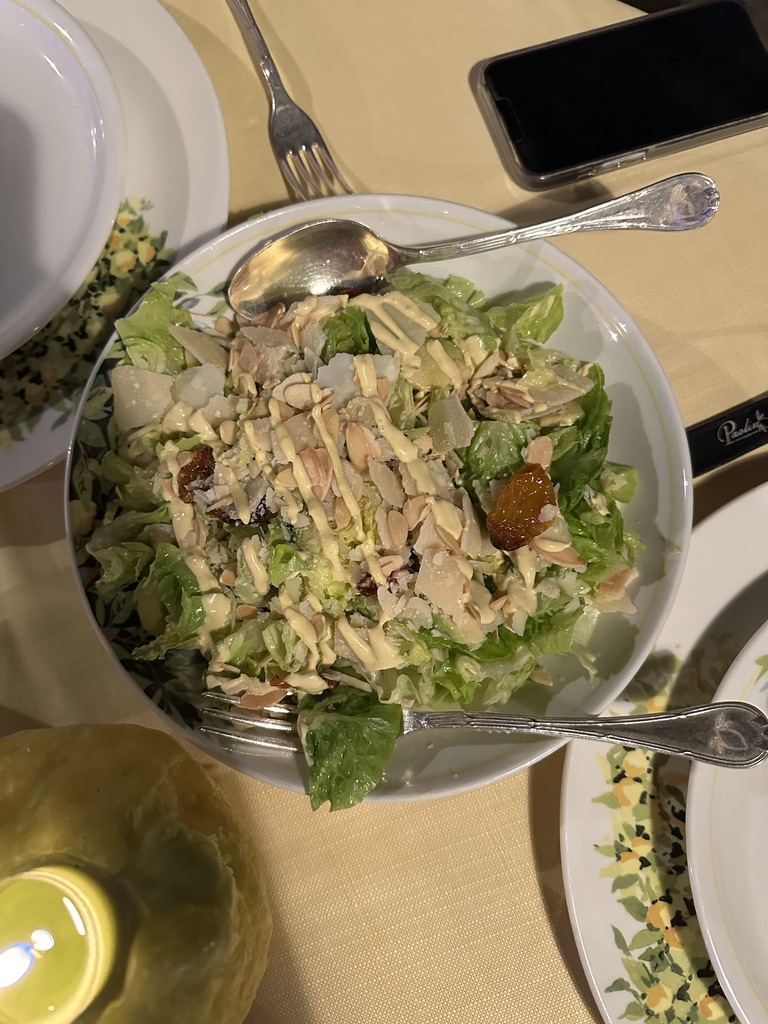
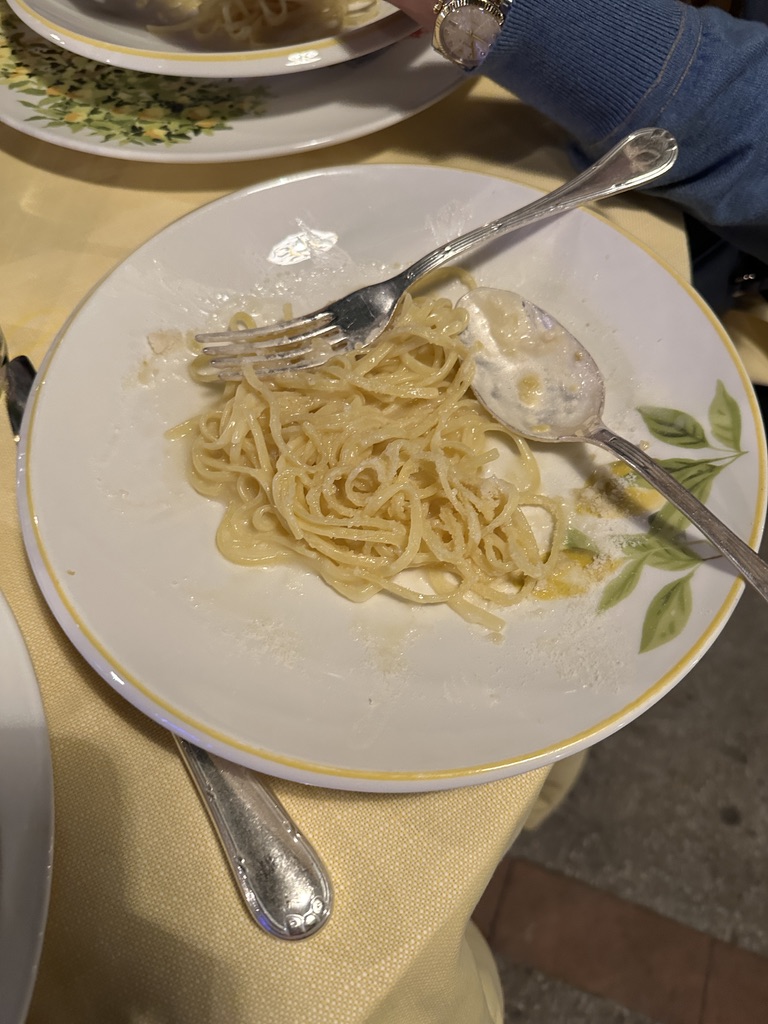
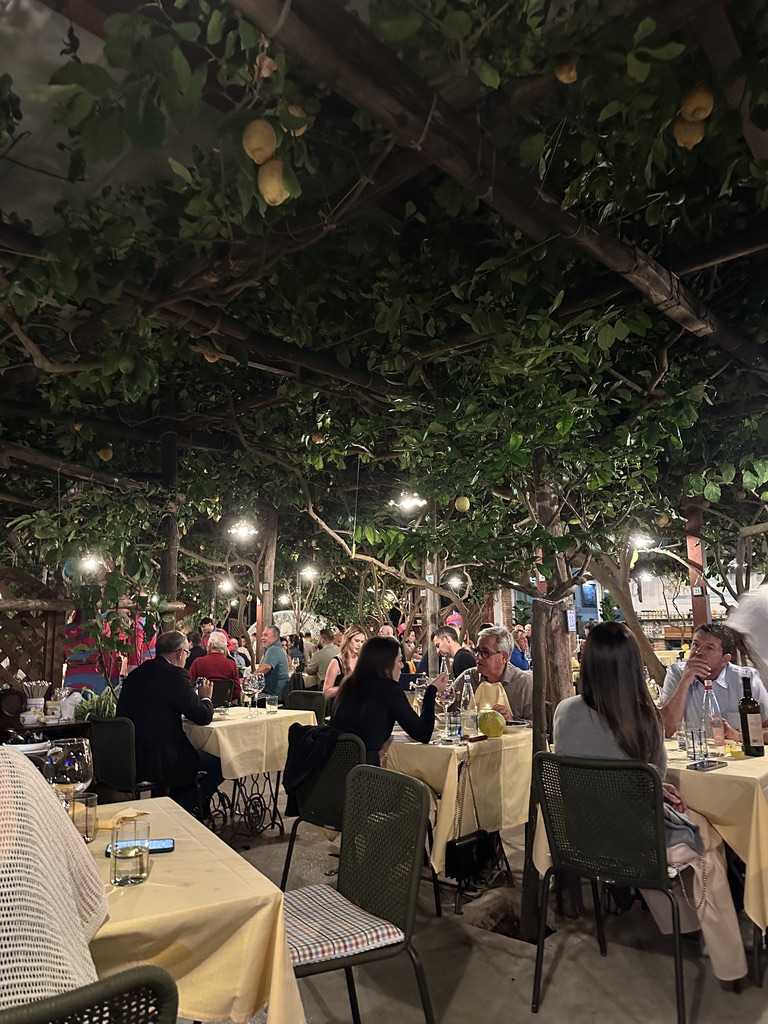
For dinner, we made a reservation at the famous Da Paolino restaurant, a must-visit if you’re in Capri. The restaurant is set in a lemon grove, and many of the dishes pay homage to Capri’s signature citrus. We indulged in grilled mozzarella, lemon tagliolini, and a few other delights, but it was the atmosphere that really made the meal unforgettable.
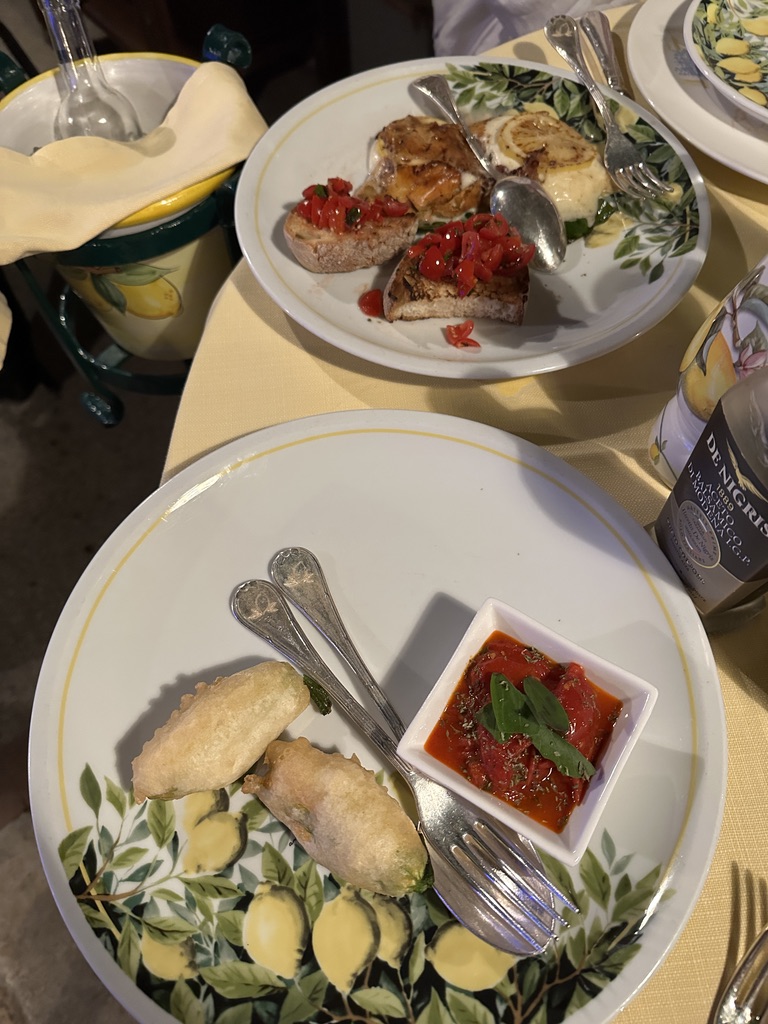
The next morning, we started the day with a quick walk around town and some obligatory gelato. We had planned a boat tour to see Capri’s famous grottos, including the Blue Grotto, but had to skip it due to my illness. If you’re in good health, this tour is highly recommended. Instead, we spent our remaining time in Capri soaking in the views and picking up a few local souvenirs before heading back to the mainland.
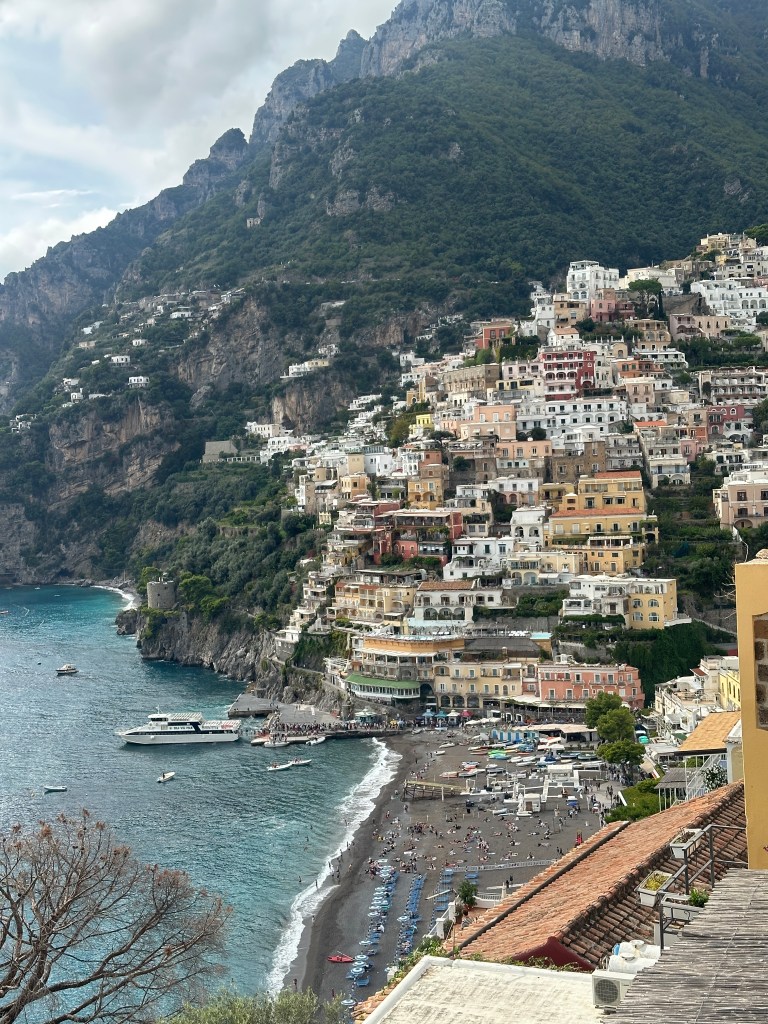
Our next stop was Positano, a place I’d been dreaming of visiting ever since I first saw a picture of it. Every other place in Italy I’d visited had left me in awe, and I had a strong feeling Positano would be no different. Spoiler alert: it wasn’t. Picture a cliffside town with pastel-colored buildings stacked one on top of the other, overlooking the shimmering blue sea—Positano is Italy at its most picturesque, where every view feels like it’s out of a postcard. But like all good things, getting here isn’t exactly straightforward. Positano is tucked away along the Amalfi Coast, without direct access to airports or train stations. It’s a bit of a challenge, but worth every effort. Once you’re there, you quickly realize why it’s one of the most iconic spots on the coast, and trust me, the struggle to arrive becomes part of the charm.
- Naples to Positano: 1h 15m by car
- Sorrento to Positano: 45m by car, 45m by ferry
- Amalfi to Positano: 40m by car, 20m by ferry
- Capri to Positano: 50m by ferry
If you’re planning to drive, I recommend hiring a private driver over renting a car. The roads are narrow and winding, making the drive a bit stressful for the uninitiated. However, if you’re after that quintessential Amalfi Coast experience, consider renting a vintage Fiat or Vespa for a day to cruise along the famous coastal roads—it’s straight out of an Italian dream.
When we finally arrived—after climbing about 500 steps and handing over €50, which is a hefty fee, to porters to ensure our luggage reached the hotel—we were welcomed by Villa Nettuno, a small, charming hotel just minutes from the beach. The views? Unbelievable. I could have easily spent the entire trip on that balcony and called it a success. Positano is the kind of place where simply existing feels like an event. Even just sitting and watching the sun dip below the horizon makes you feel like you’re part of something special.
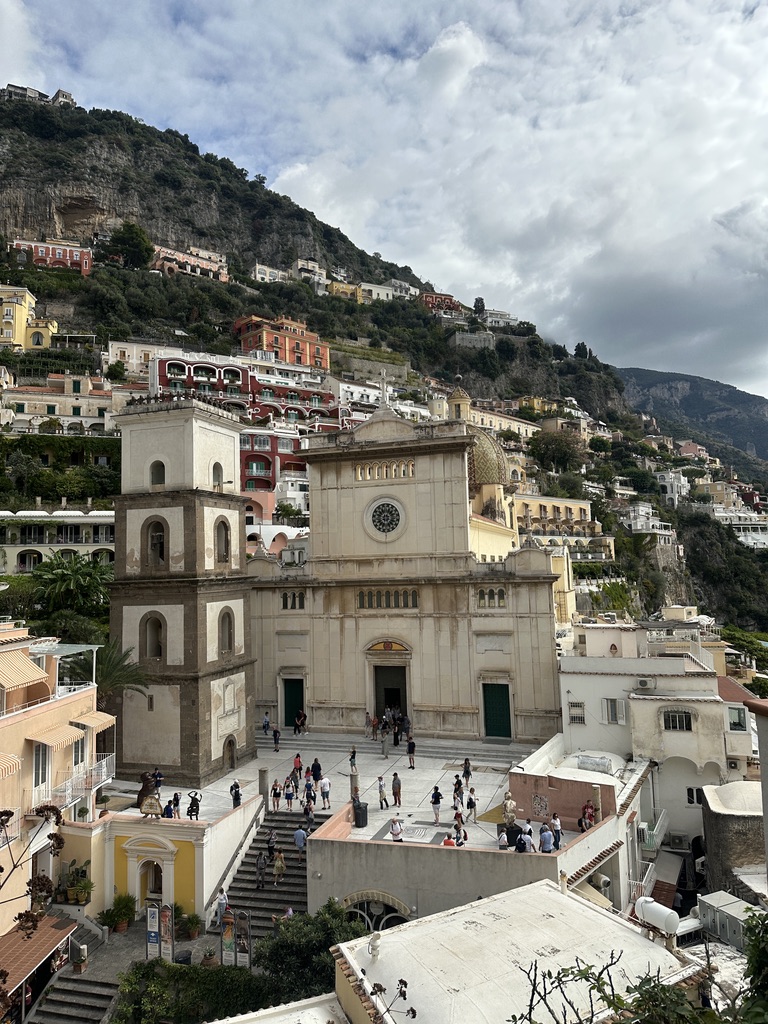
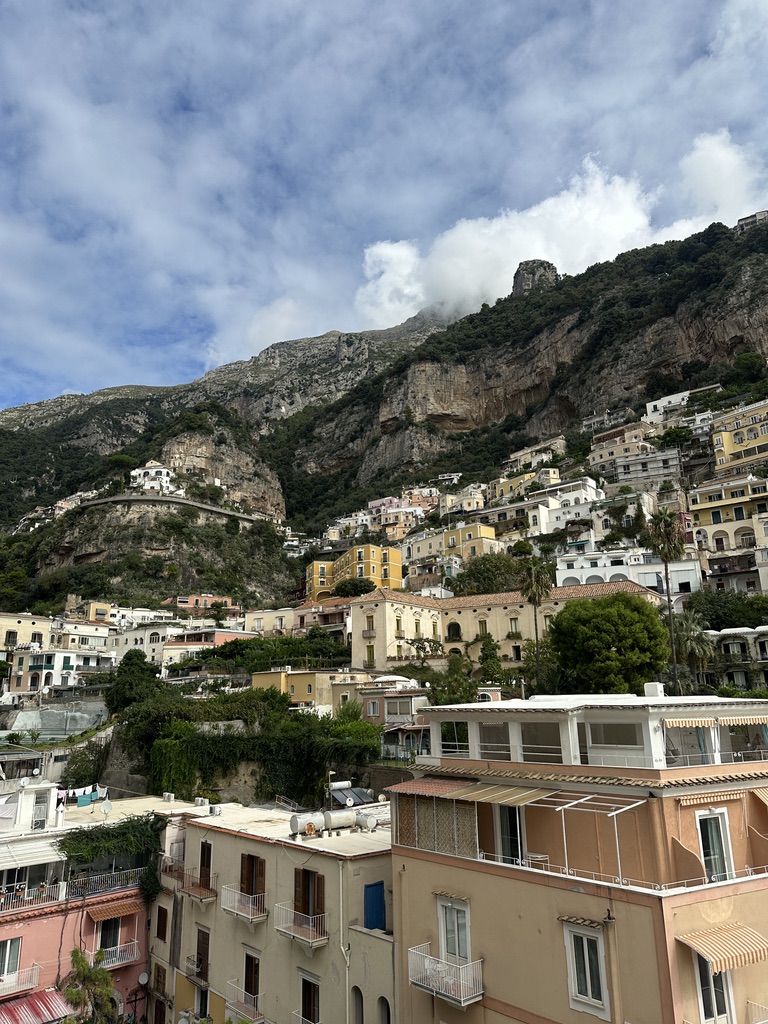
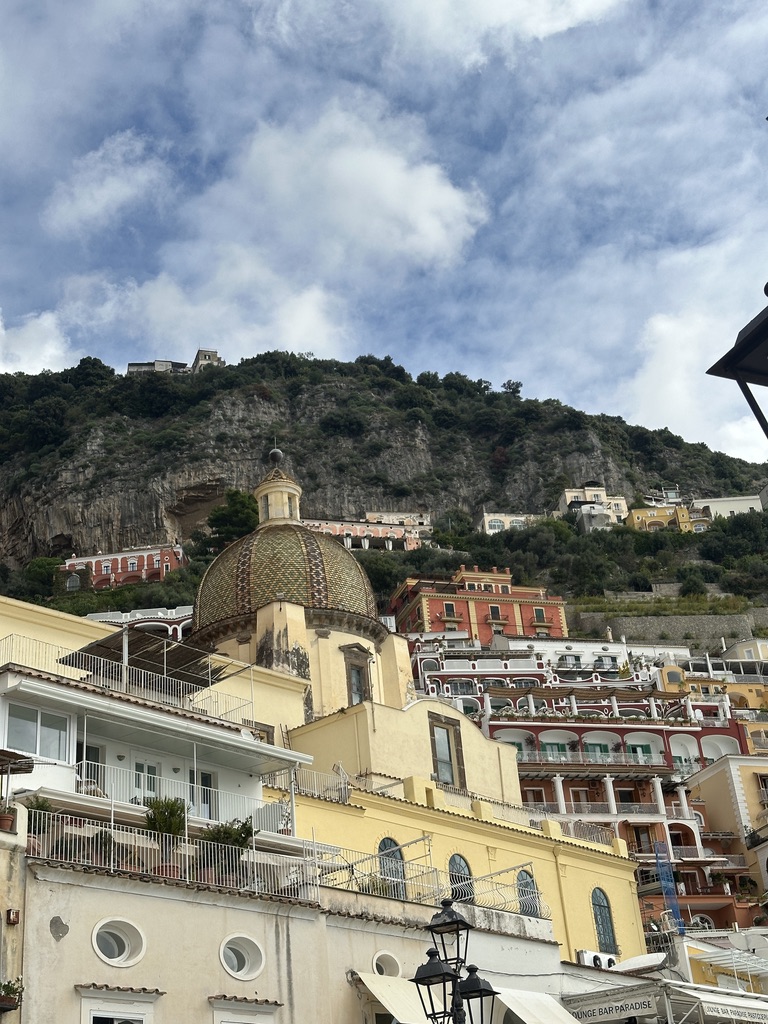
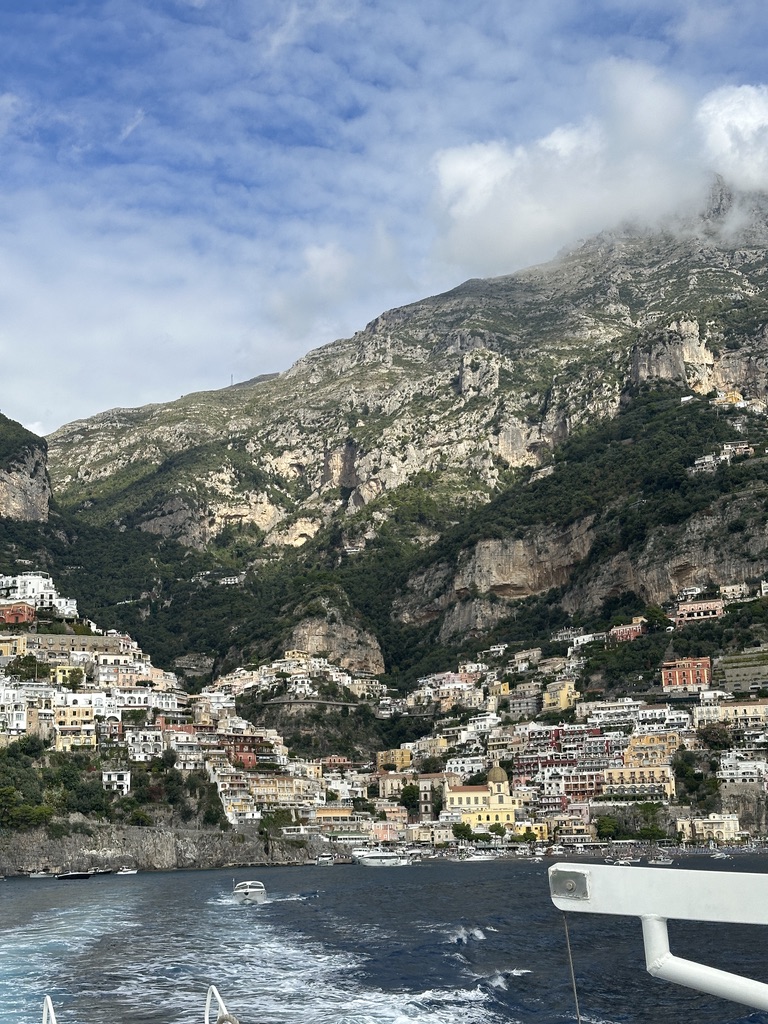
For those seeking other accommodations, Le Sirenuse is the epitome of luxury, while Hotel Poseidon and Il San Pietro di Positano offer excellent alternatives. Hotel Pupetto is ideal if you want to be right on the beach. Honestly, though, Positano is so compact that no matter where you stay, you’re guaranteed incredible views. Our hotel was cozy and run by two brothers who were exceptionally knowledgeable about the area. Their restaurant recommendations? Spot on.
That first evening, we took a stroll along the main street, which runs parallel to the steep stairs we’d just battled. The streets of Positano are lined with boutiques and cafés, each more charming than the last. For dinner, we opted for a café where we indulged in seasonal dishes like eggplant parmigiana and spaghetti alla Nerano, a zucchini-based pasta that is a local favorite. We ended the meal with a perfect tiramisu before calling it a night.
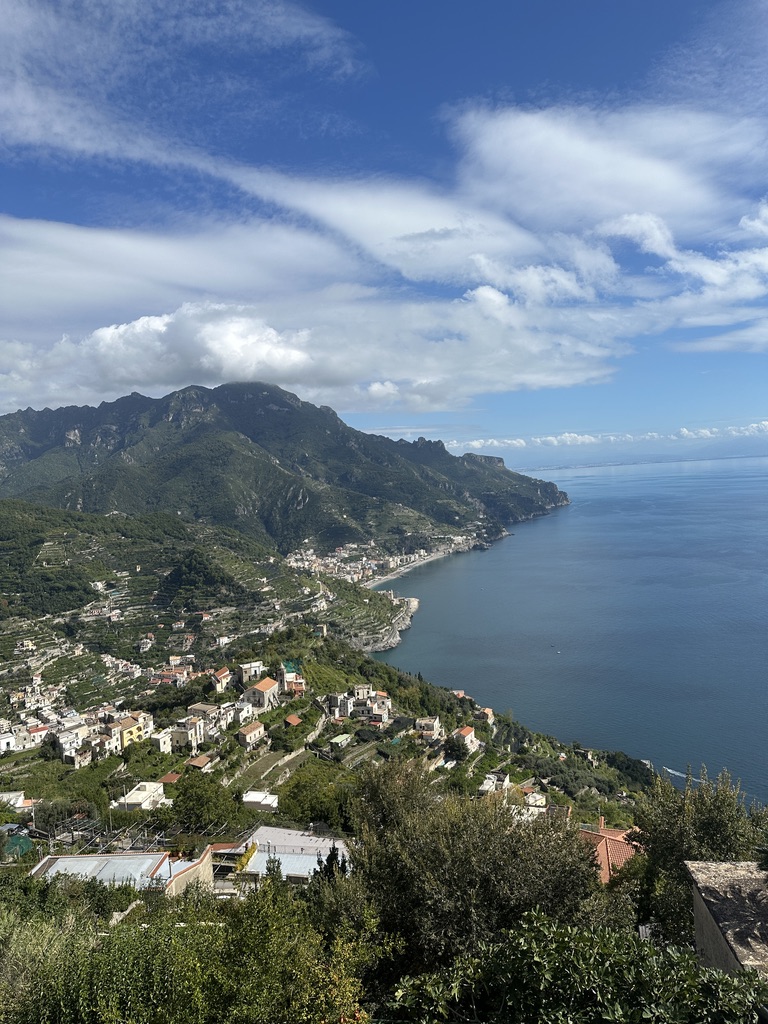
The next day, we ventured out for a day trip to Ravello and Amalfi. Ravello is perched high above the coast and is often described as the hidden jewel of the Amalfi Coast, offering peace and panoramic views unlike any other. Villa Cimbrone, with its famed Infinity Terrace, is a must-visit. The view from this terrace is often considered one of the best in the entire region, making it a highlight of any trip. Villa Rufolo is another historic gem in the town center, offering both history and charm. If you’re having lunch in Ravello, I recommend Villa Maria for its stunning views, though the food, in our case, didn’t fully match the scenery. Ravello has its admirers, and while it’s certainly beautiful, I personally found Amalfi to have more character and vibrancy.
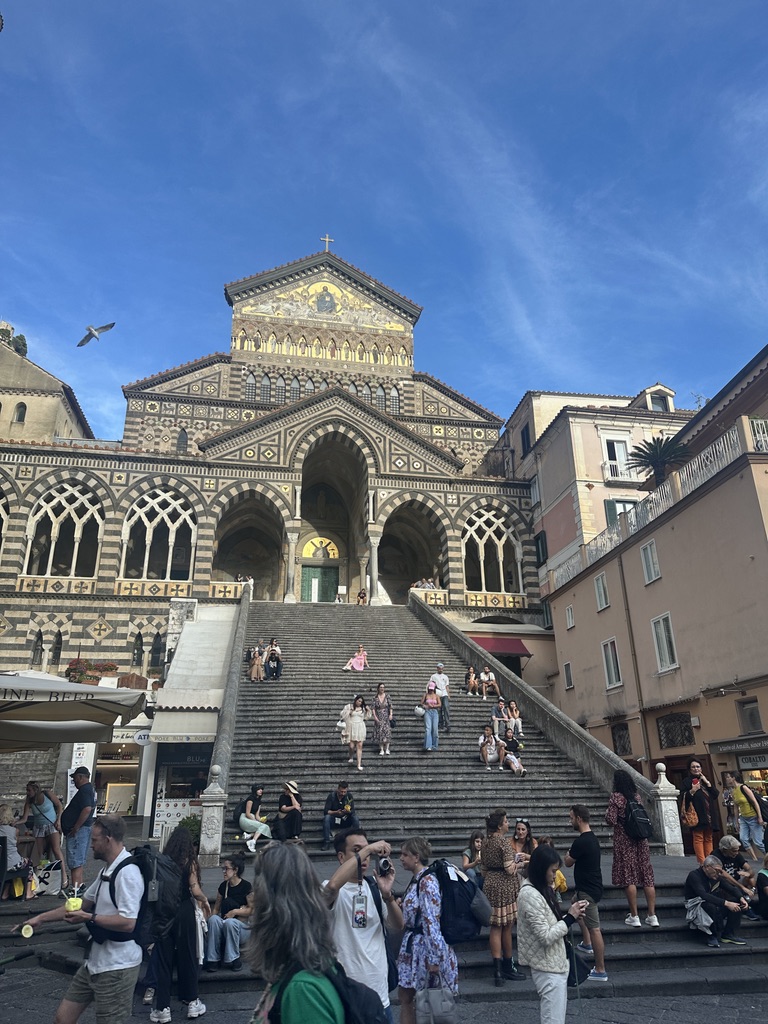
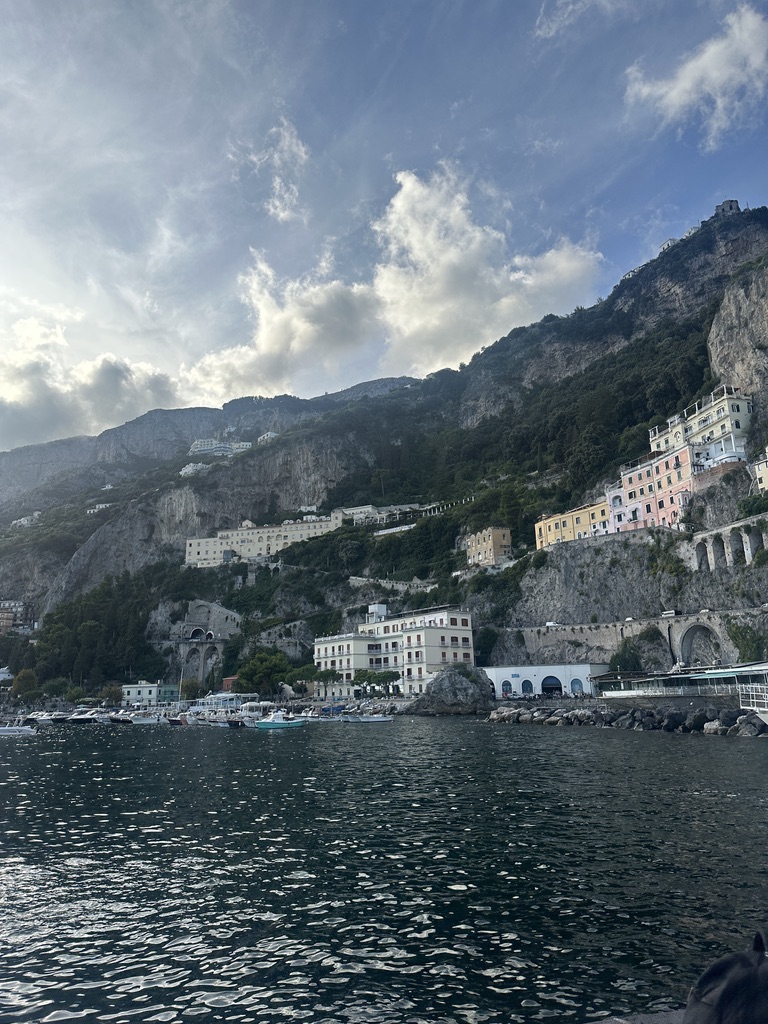
Amalfi, on the other hand, offers a more energetic experience with its bustling streets, vibrant piazzas, and of course, its historic Duomo di Sant’Andrea. The town, once a powerful maritime republic, retains a lively atmosphere with plenty of places to explore. After wandering through the town and visiting the Duomo, we treated ourselves to affogato and coffee at Cioccolato Andrea Pansa, one of the oldest pastry shops in the region. Everything they serve here is a delight, and it’s a perfect spot to recharge during your day of exploring. Amalfi’s charm is irresistible, and its coastal vibe makes it an easy favorite for visitors.
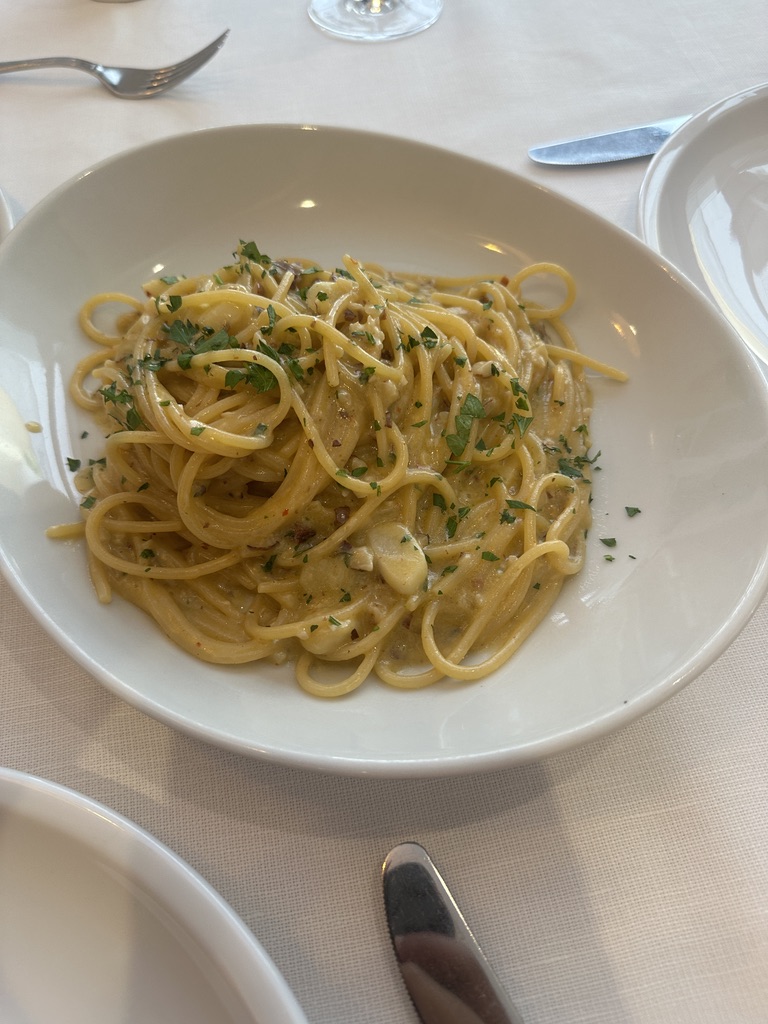
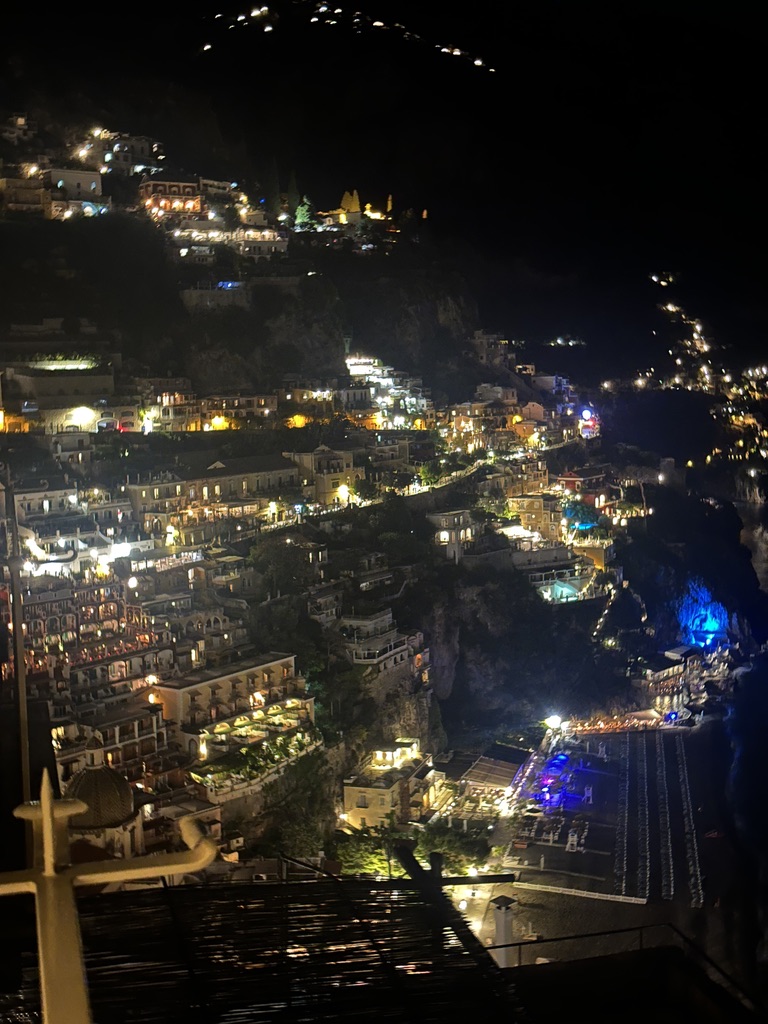
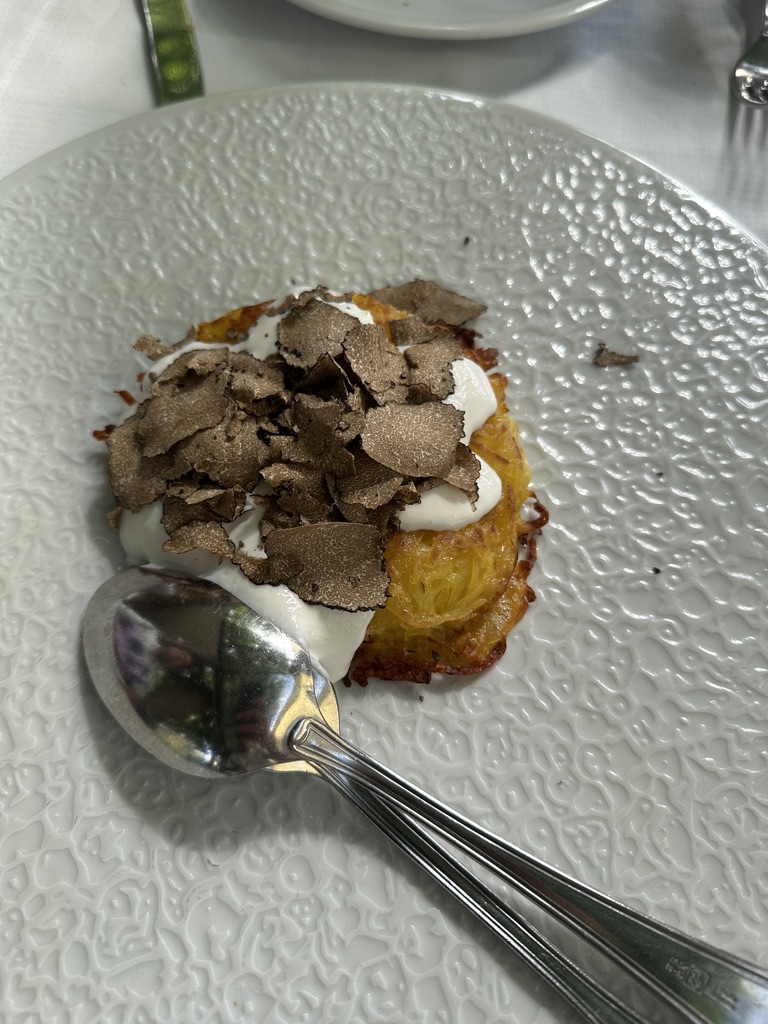
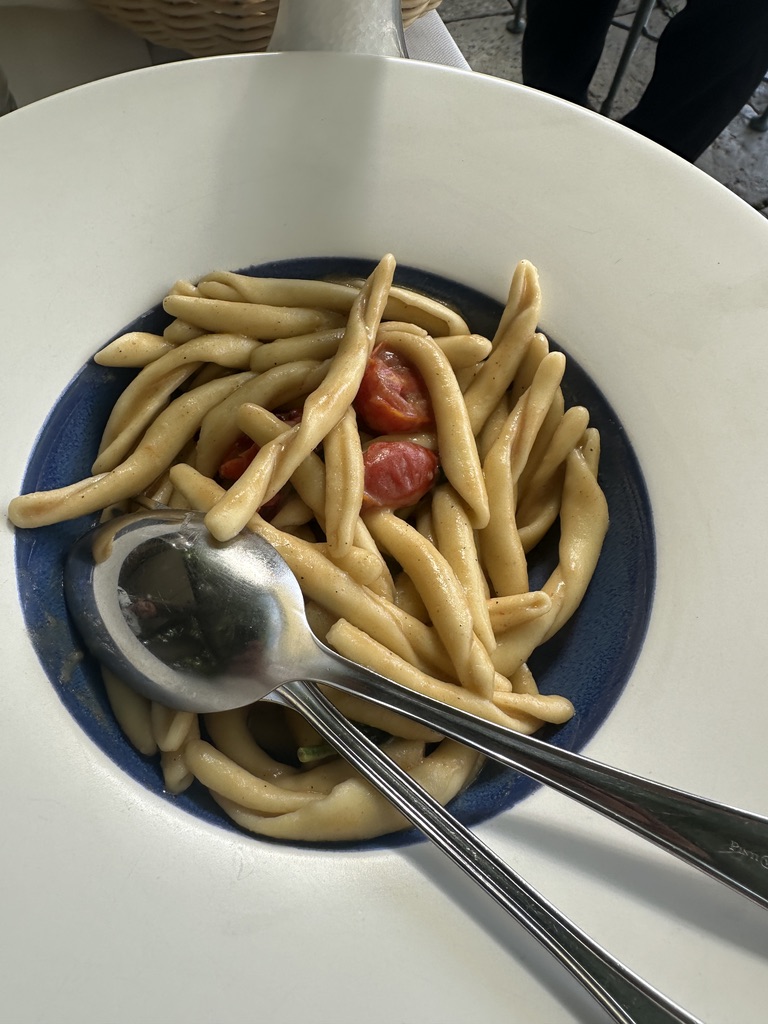
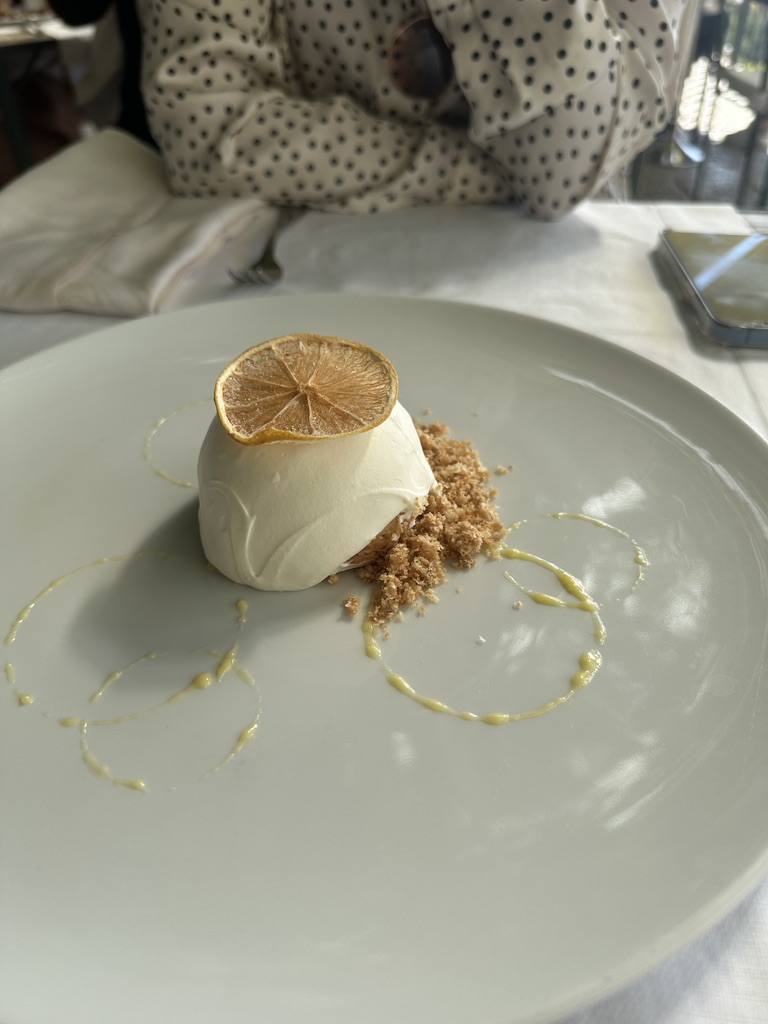
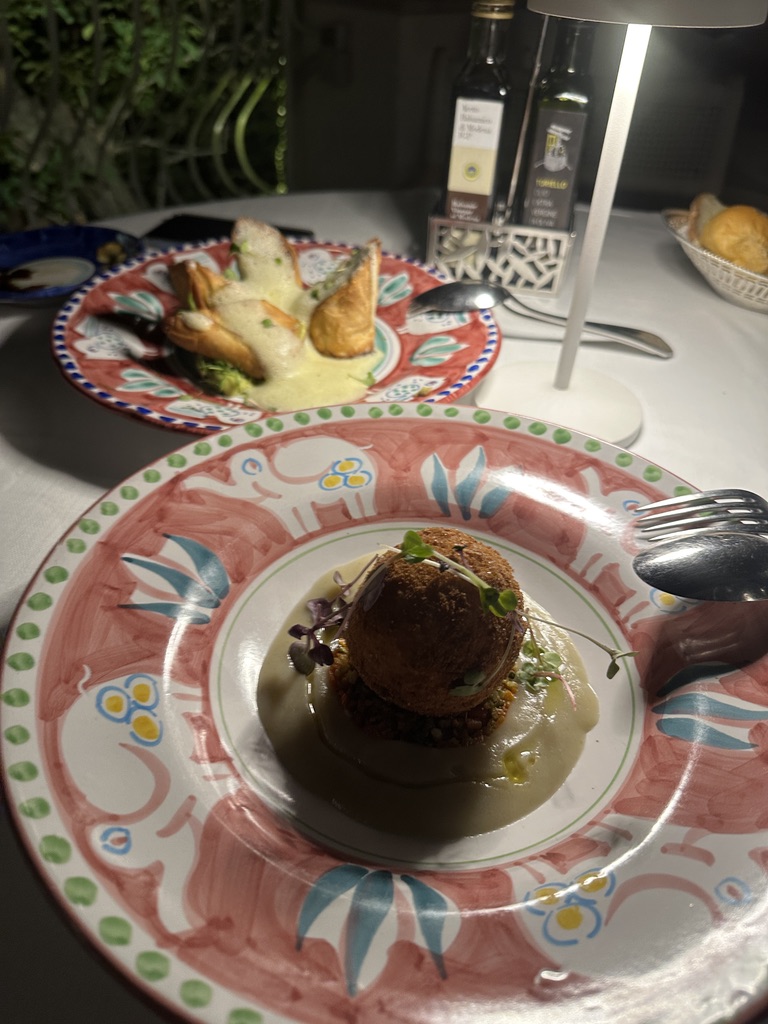
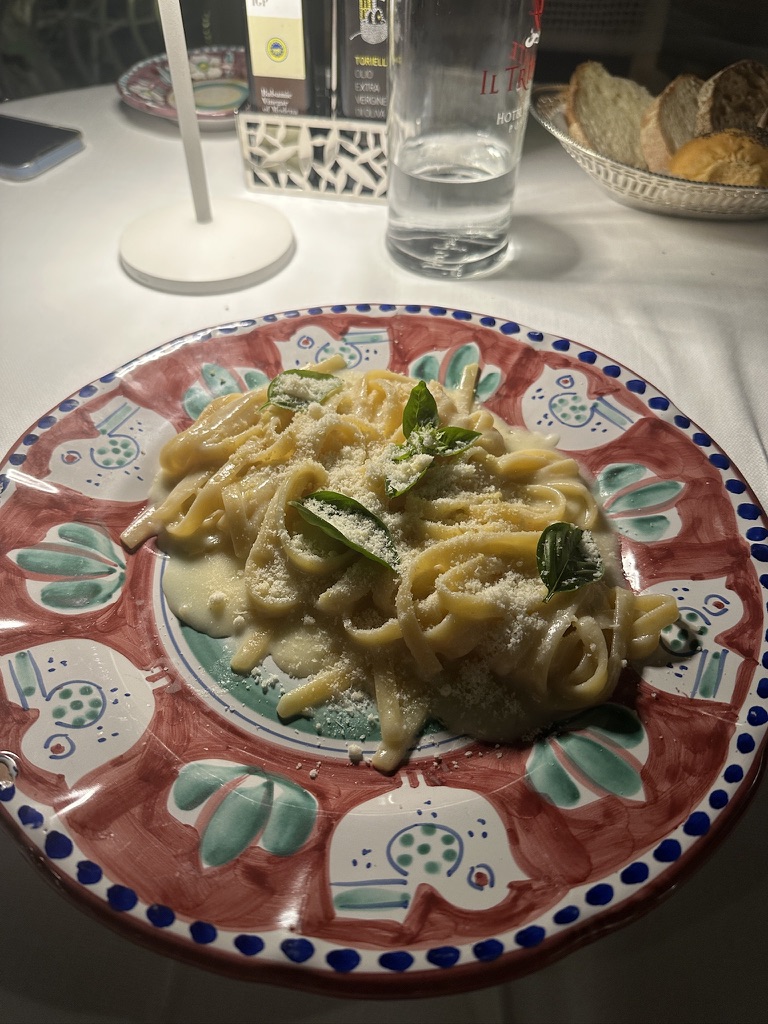
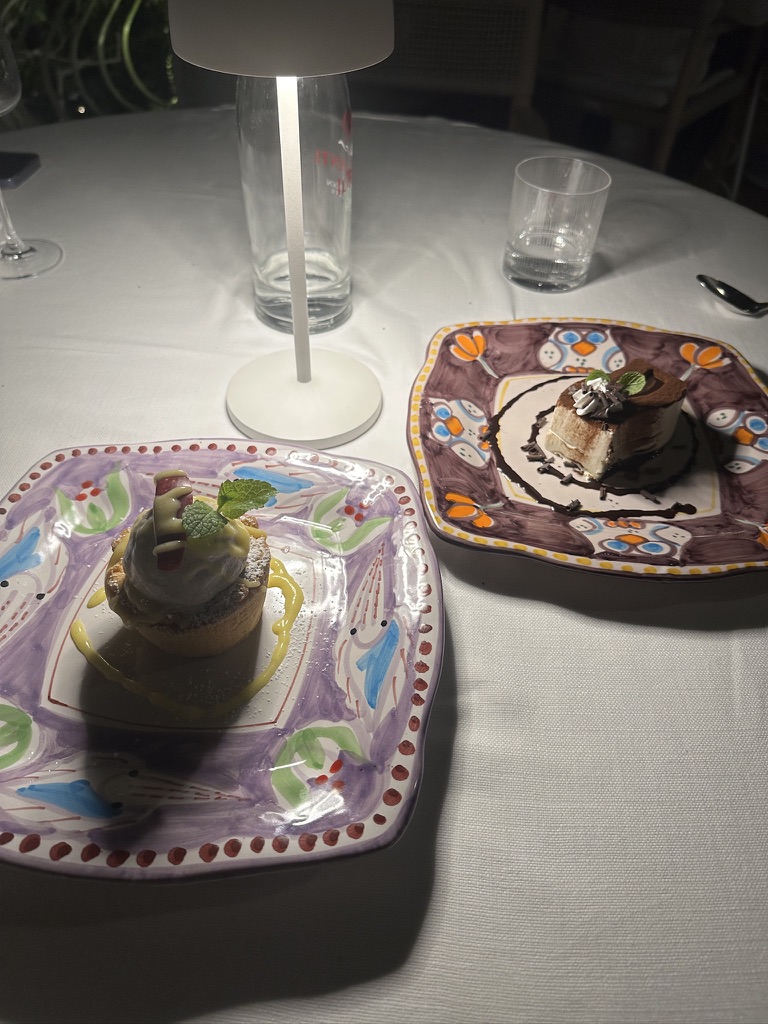
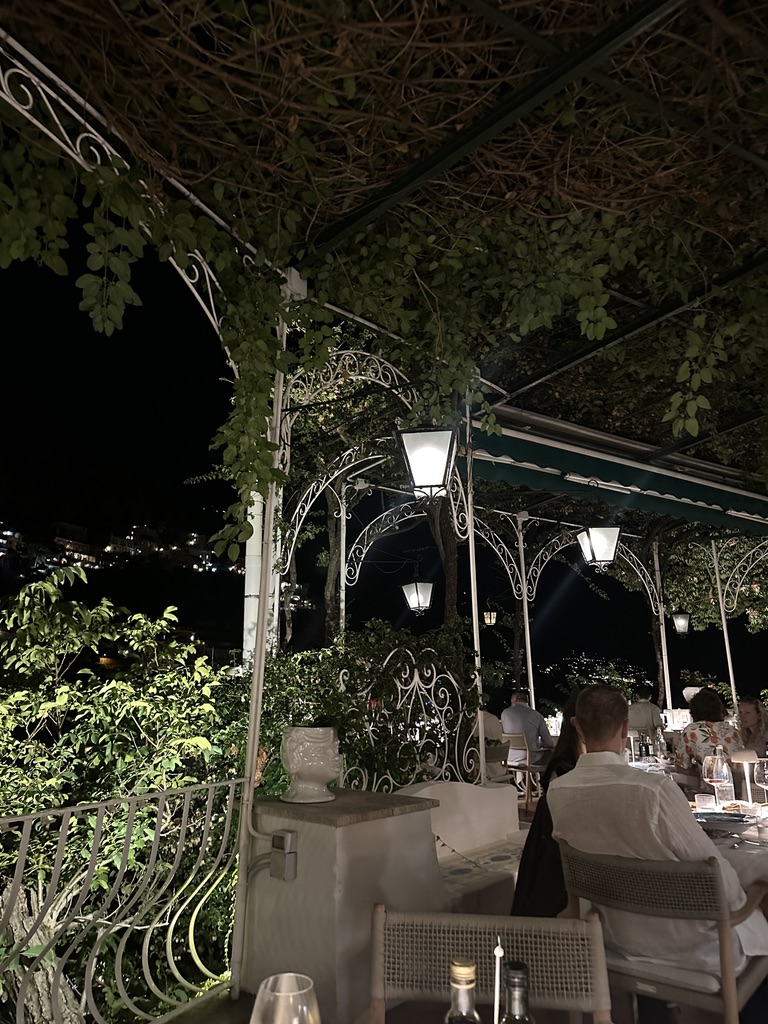
That evening, we dined at Il Tridente at Hotel Poseidon, which was hands down the best meal of our trip. The food had a modern twist, the pasta was beyond delicious, and Positano lit up at night created an unforgettable ambience. The service was impeccable, the wine selection was perfect, and the tiramisu was just the cherry on top. This meal was easily the highlight of our dining experiences, and it set the standard impossibly high.
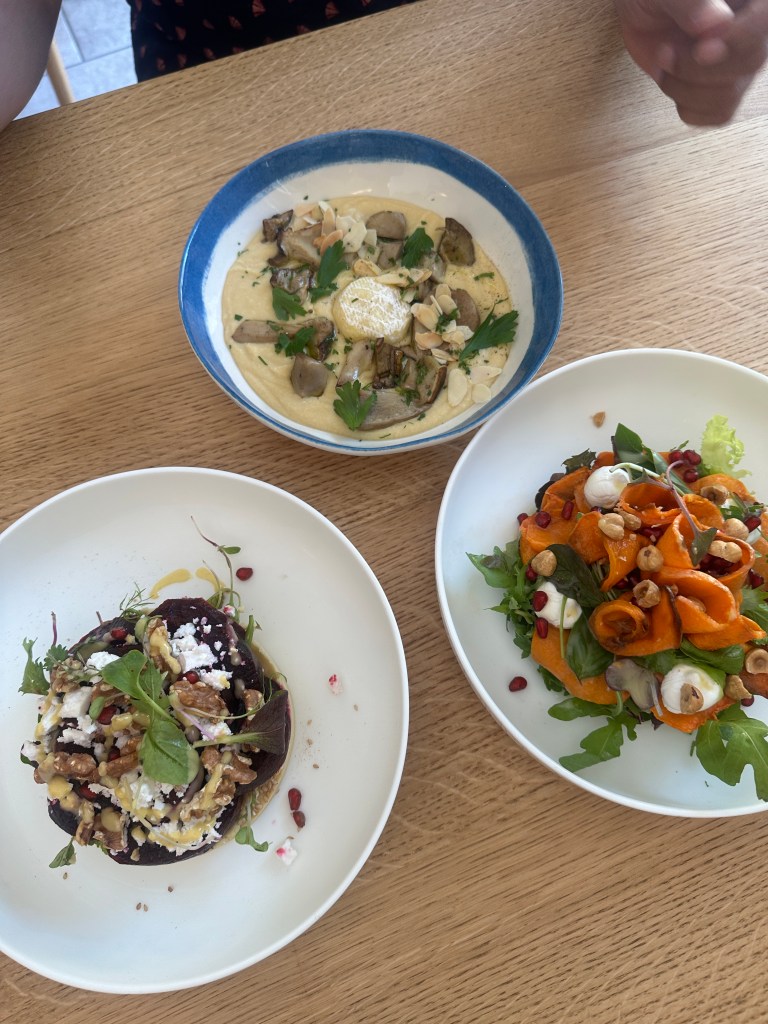
The next day, we took it slow and stayed in Positano to fully absorb the town’s beauty. We slept in and had brunch at Casa e Bottega, a charming café offering fresh, light dishes made from local produce. The menu is vegan- and vegetarian-friendly, which was a welcome change from the heavy Italian classics. It’s a perfect spot for a relaxed meal, with no reservations required.

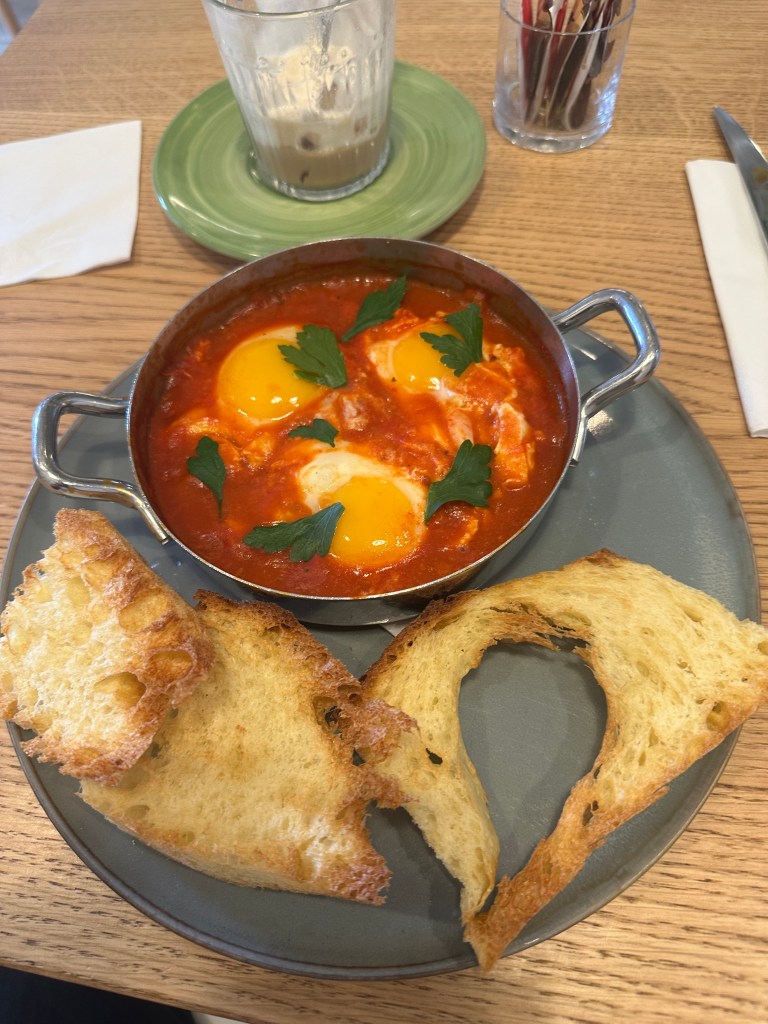
After brunch, we spent the day strolling the main street, shopping, and soaking in the views from every angle. We took a walk down to the beach, stopping for pastries from a nearby bakery on the way back to the hotel. Dinner that night was at Da Vincenzo, which, while good, didn’t quite live up to its hype. The potatoes and artichokes were excellent, but the pasta didn’t fully hit the mark for me. Still, it was a lovely meal with a great atmosphere.

Other restaurant recommendations for Positano: Rada Beach Restaurant, Da Gabrisa, Next2, La Sponda, and Ristorante Max are all solid choices. The food here is consistently excellent, and sampling local specialties along the way is part of the charm.
The next morning, we wrapped up our time in Positano with one last breakfast at Casa e Bottega—because it really was that good—and took a private transfer back to Naples, followed by a train to Rome.
We had planned to visit Sorrento during our trip, but with limited time (and my lingering cold), we had to skip it and head to Amalfi and Ravello instead. Sorrento, perched on cliffs overlooking the Bay of Naples, is a fantastic base for exploring the Amalfi Coast, especially if you prefer a flatter town compared to Positano’s steep stairs. It’s also famous for its lemon groves and limoncello—don’t miss trying the real thing while you’re there!
Sorrento has plenty to offer, from the lively Piazza Tasso to the charming Marina Grande, perfect for a relaxing day by the water. Be sure to visit Villa Comunale for sweeping views of Mount Vesuvius and the Bay, and Museo Correale for a glimpse into the area’s history and art. The Cloister of San Francesco is another must-see, known for its peaceful atmosphere and beautiful architecture. Sorrento’s laid-back vibe, combined with its scenic beauty and delicious food, makes it a great alternative to Positano—perfect for those looking for a more relaxed yet equally stunning stay.
Though we didn’t have time to visit every corner of the Amalfi Coast, there were a few towns that piqued our interest and deserve a mention. These lesser-known gems offer a different, quieter side of the region and are well worth considering if you have more time or want to avoid the bigger crowds.
- Atrani – A tiny village near Amalfi, known for its medieval charm and quiet piazzas. It’s ideal for a peaceful retreat, just a short walk or bus ride from Amalfi.
- Praiano – A serene alternative to Positano, with stunning sunsets and the Path of the Gods hike. It’s perfect for a laid-back vibe, reachable by bus from Positano or Amalfi.
- Salerno – A larger, less touristy town at the gateway to the coast, offering historic landmarks like Salerno Cathedral. Easily accessible by train or ferry, it’s a good base for exploring.
- Furore – Famous for its dramatic Fiordo di Furore and hidden beach. Ideal for adventure seekers, it’s a peaceful escape accessible by bus or car.
Each town offers something special, making them great alternatives or additions to your Amalfi Coast itinerary.
In the end, the Amalfi Coast was everything I hoped for—and more. Despite missing out on Sorrento and some adventures due to time and a lingering cold, the beauty of places like Positano, Capri, and Amalfi made it all worth it. Whether it was the unbeatable views, delicious lemon pasta, or simply sitting on a balcony watching the sunset, every moment felt special. The Amalfi Coast has this way of making you feel like you’re part of something timeless and serene. I may not have seen everything, but what I did experience was unforgettable. And I know, without a doubt, I’ll be back one day—hopefully in better health, ready for even more adventure and, of course, more pasta.

 Travel Footprints
Very well written.
Reading it is like reliving the experience!
LikeLike