This blog explores Rome, Naples, and Pompeii. Between Naples and Rome, we spent 4 nights on the Amalfi Coast (click here). Now, let’s dive into the more metropolitan side of the trip. But, a quick disclaimer: I was a bit under the weather, so I couldn’t dive into every detail as much as I’d like. Plus, this trip was more about food and leisure, so forgive me if I skim over some iconic sights. Ok, now back to the blog!
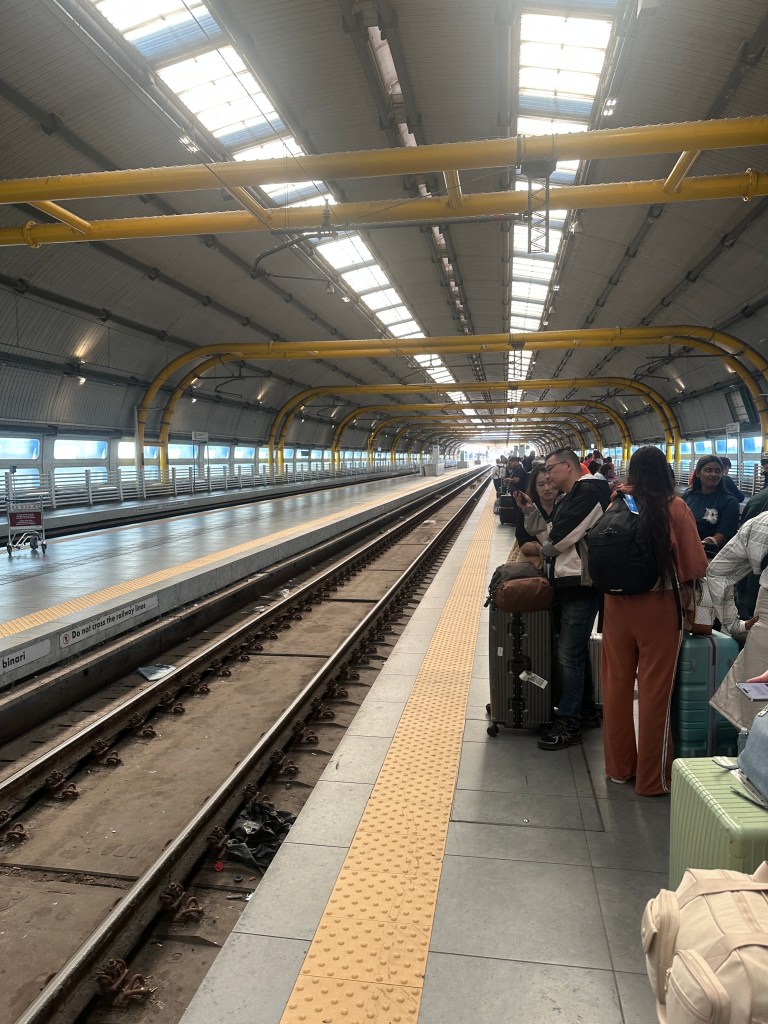
Our trip to Italy kicked off with our arrival in Rome, though the welcome wasn’t exactly five stars. After navigating immigration lines that stretched out for nearly an hour, we found the airport wasn’t the best either. We hurried over to catch a train to Rome Termini, only to be met with yet another line—this time for tickets. With the service queue looking like something out of a marathon, we ditched the wait and grabbed tickets on an app called Omio (seriously, do yourself a favor and download the app). Even with all that hustle, our train still departed 30 minutes late because let’s just say Italy is known for not being on time unlike Japan or Switzerland.
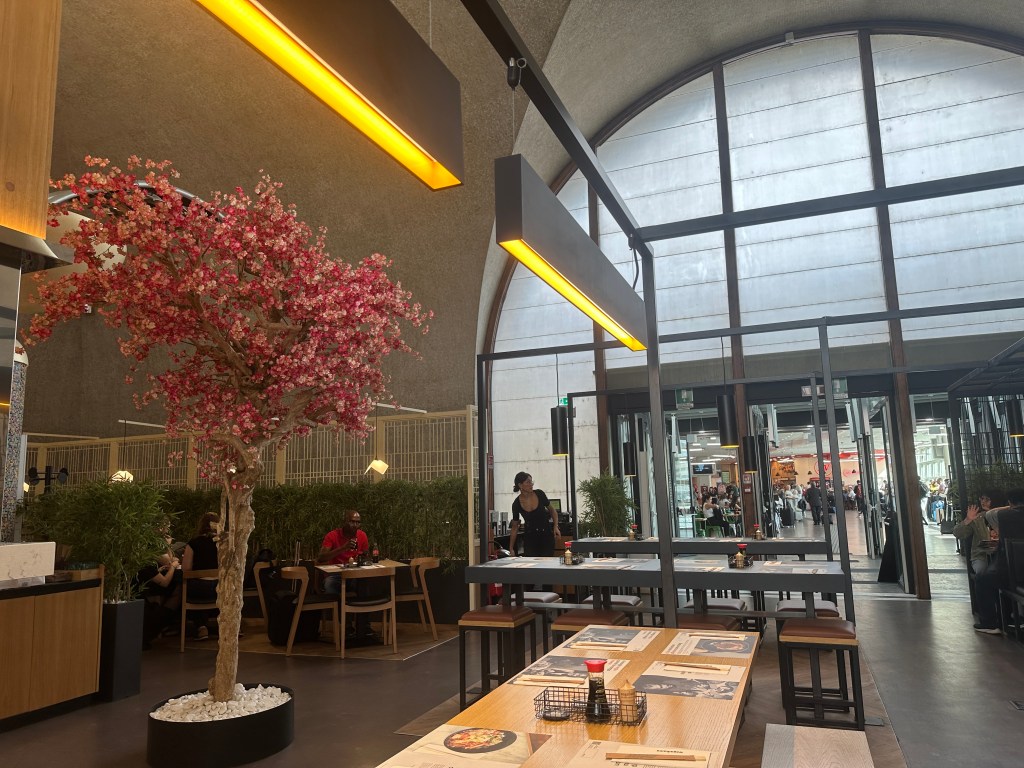
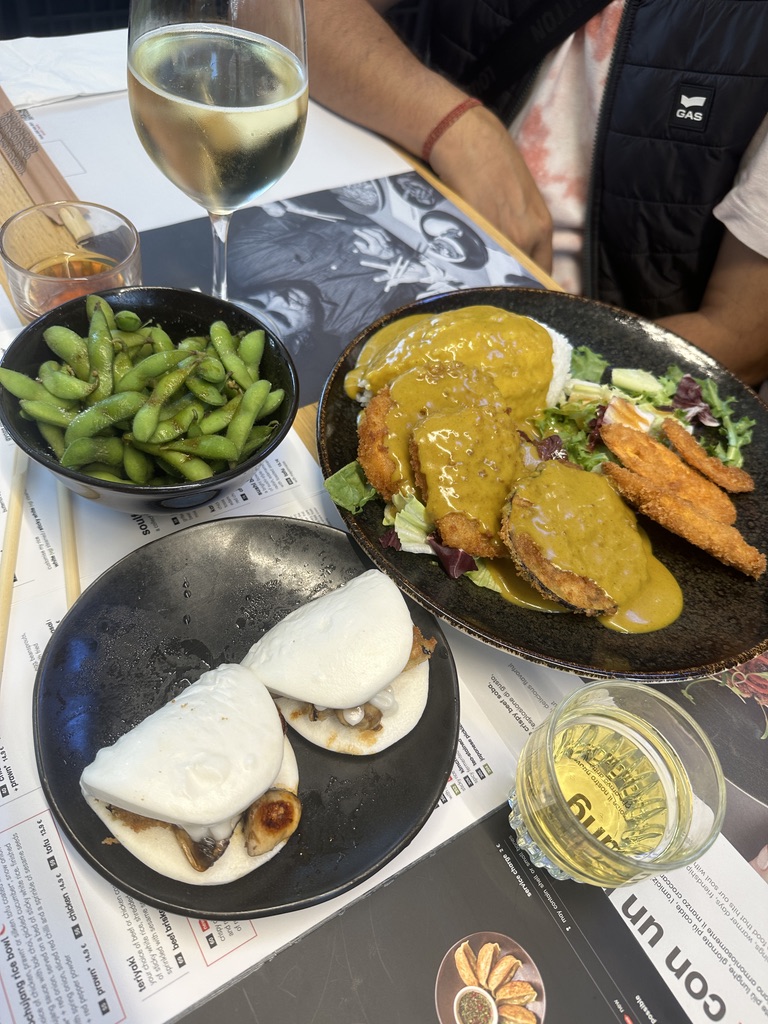
At Rome Termini, where we had a lunch that reduced the travel fatigue by quite a bit. Lunch at the popular joint Wagamama included the katsu curry, gyozas, and edamame were exactly what we needed to refuel—washed down with some refreshing drinks, of course. Feeling more refreshed, we headed back to the station for our 12:30 train, only to find it delayed by two hours. At that point, it felt like all of Rome had hit pause, with trains seemingly going nowhere. All trains were delayed, some even for 5 hours. Even once we boarded our .Italo train, uncertainty lingered, but when it finally got moving, it was all smooth sailing at 300 km/h. We reached Naples in just an hour.
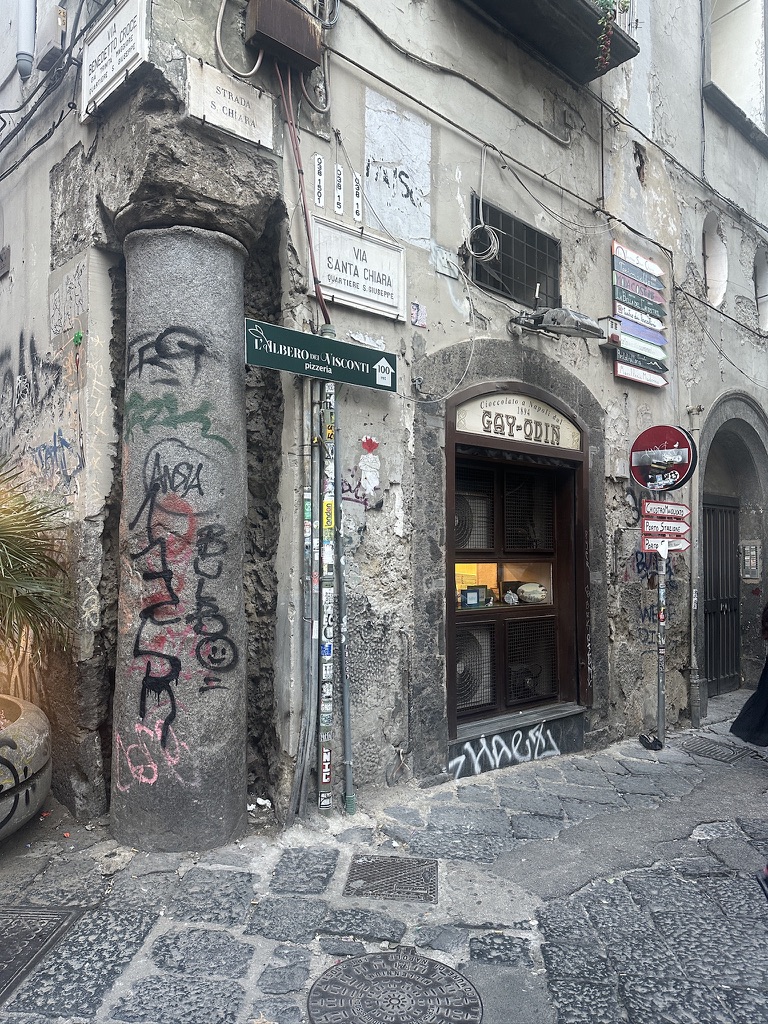
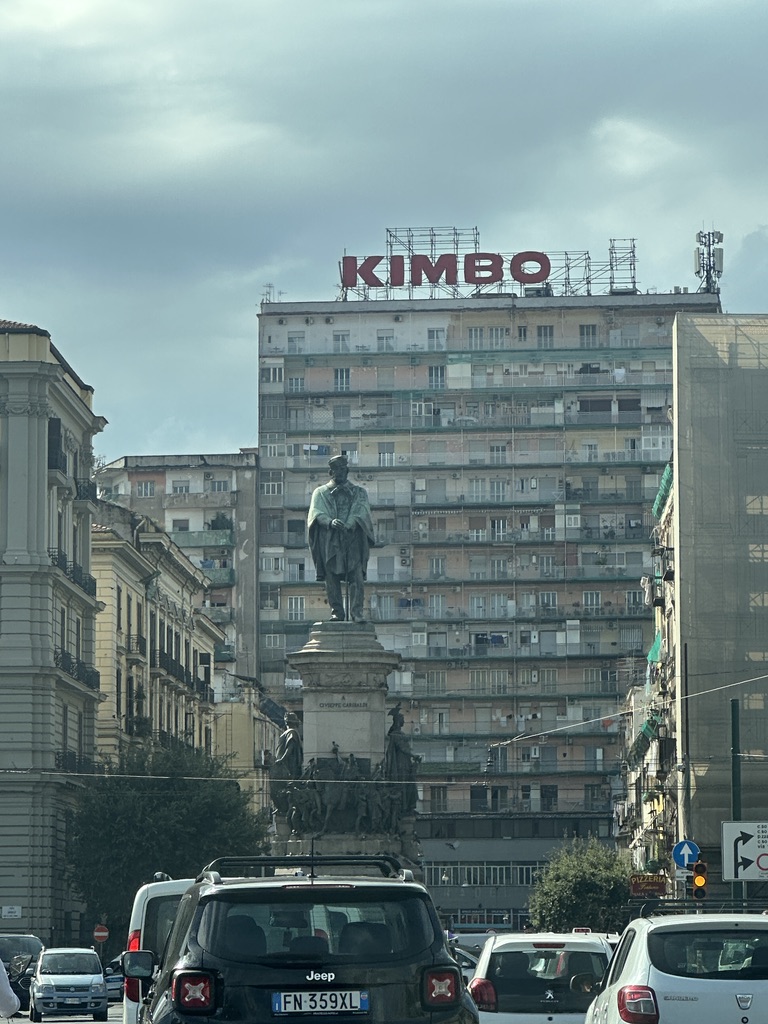
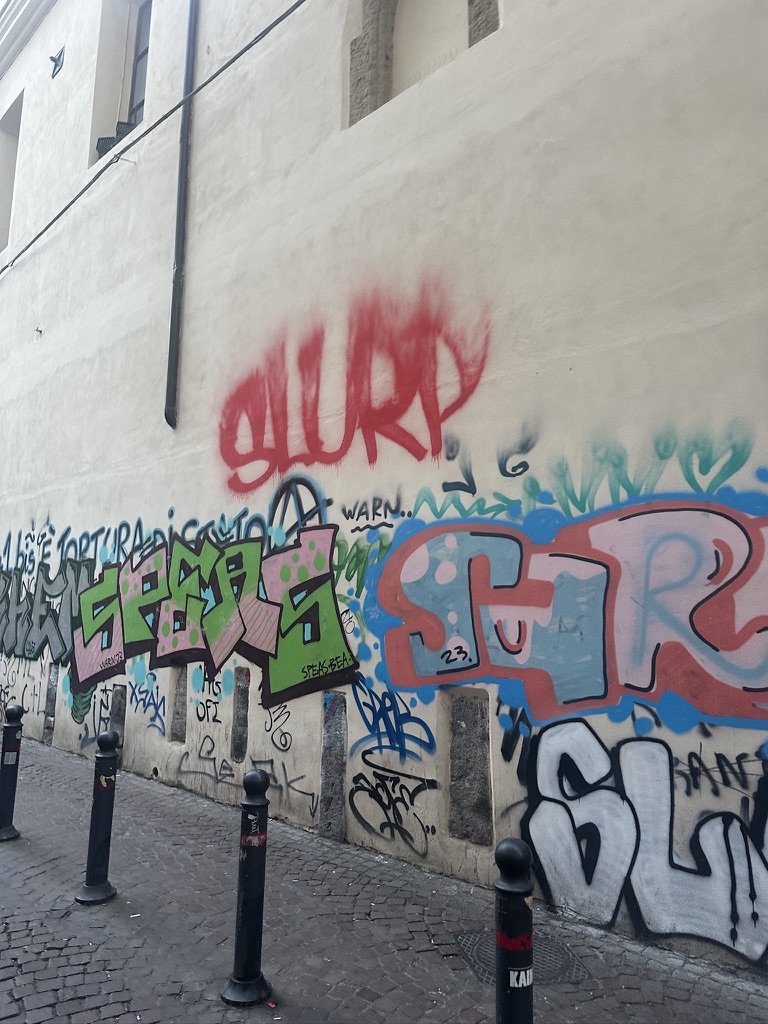
Upon arriving in Naples, we hopped into a 15-euro taxi that took us to our accommodation, Its Room, located in Centro Storico, the old town heart of the city. The place was surprisingly spacious for its price, and the location? Absolutely perfect—a solid 10/10. Naples is a city that takes time to grow on you. It’s not the cleanest or most pristine place, especially when compared to other European cities. The streets are narrow, the buildings show their age, and there’s a sense of organized chaos that’s always in motion. But if you give it a chance, Naples reveals its real gems and charm in unexpected ways.
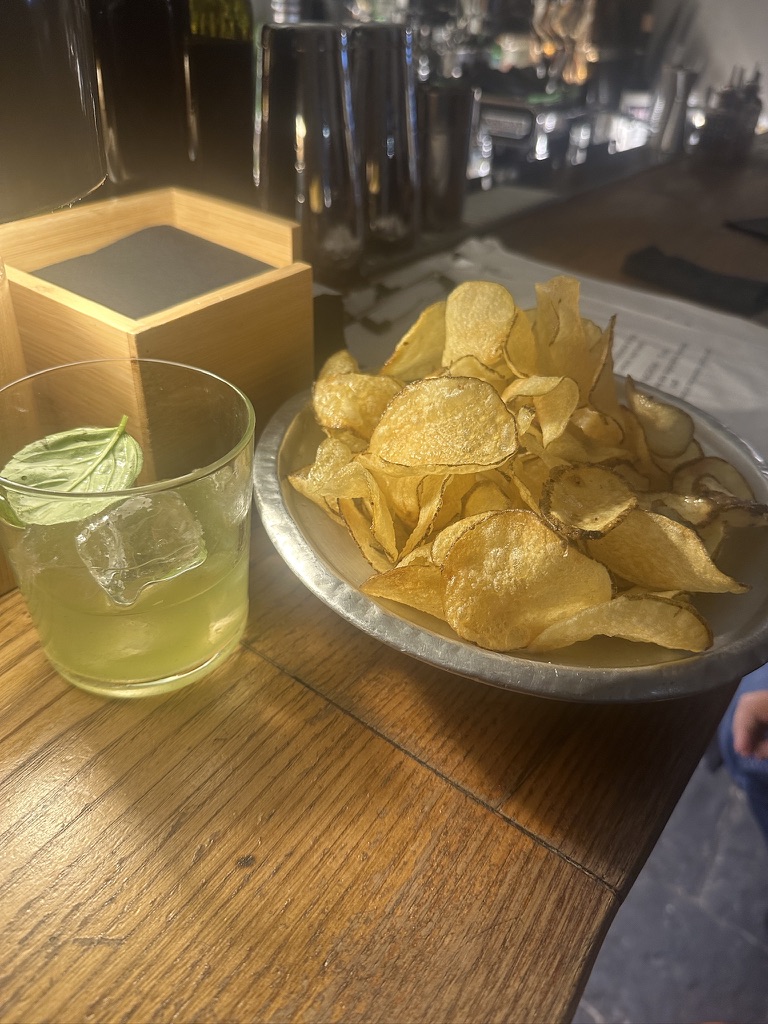
Our first stop was Museum Café, where we were greeted by a lively, energetic vibe that made us feel right at home. The staff was warm and welcoming, and the drinks were a delight. We tried the classic Aperol Spritz, and thanks to a perfectly chosen prosecco, it stood out as one of the best we’ve had. The real star, though, was a drink made with basil and caper jam. It was like sipping liquid pesto, and I mean that in the best way possible—completely unexpected but absolutely delicious.
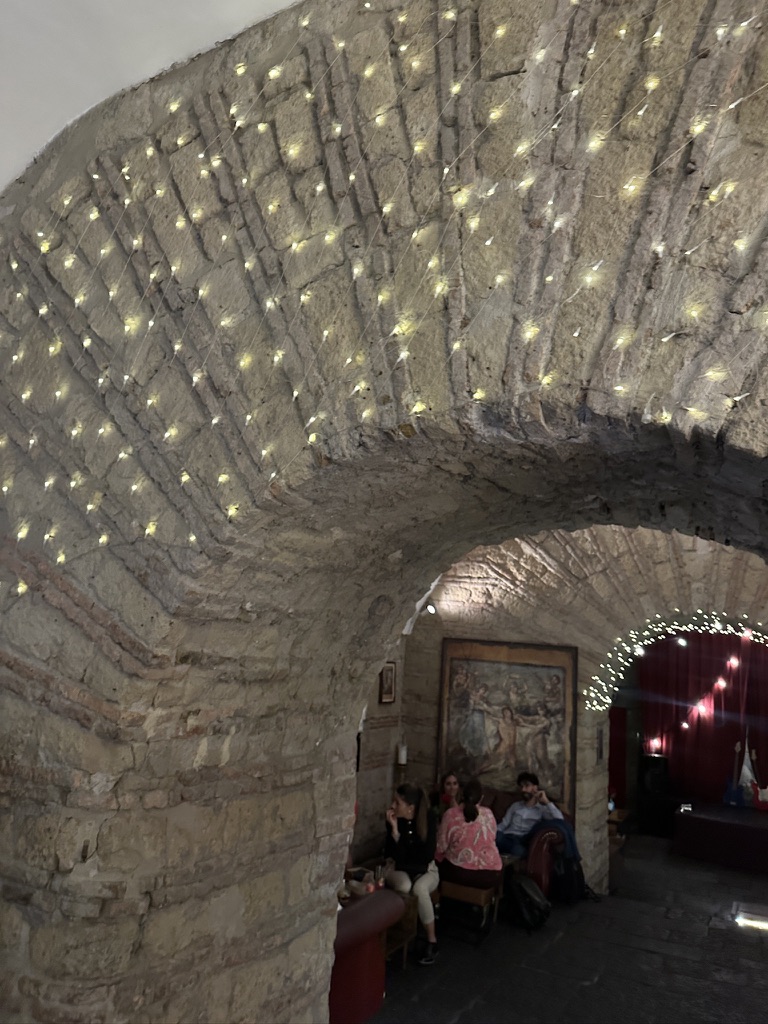
From there, we made our way to the Sansevero Chapel Museum, a masterpiece where art and architecture blend together. The sculptures here are so intricate, they seem to blend into the walls, giving the space a life of its own. A short walk later, we arrived at the Santa Chiara Church, an ancient structure dating back to 1340. While its medieval architecture stands out in a city as bustling as Naples, the interior left us feeling a bit underwhelmed. The peaceful cloisters offer a nice respite from the bustling streets, but compared to other churches we’d visit, this one didn’t leave as much of an impression. It’s worth seeing for its history, but don’t expect it to wow you.
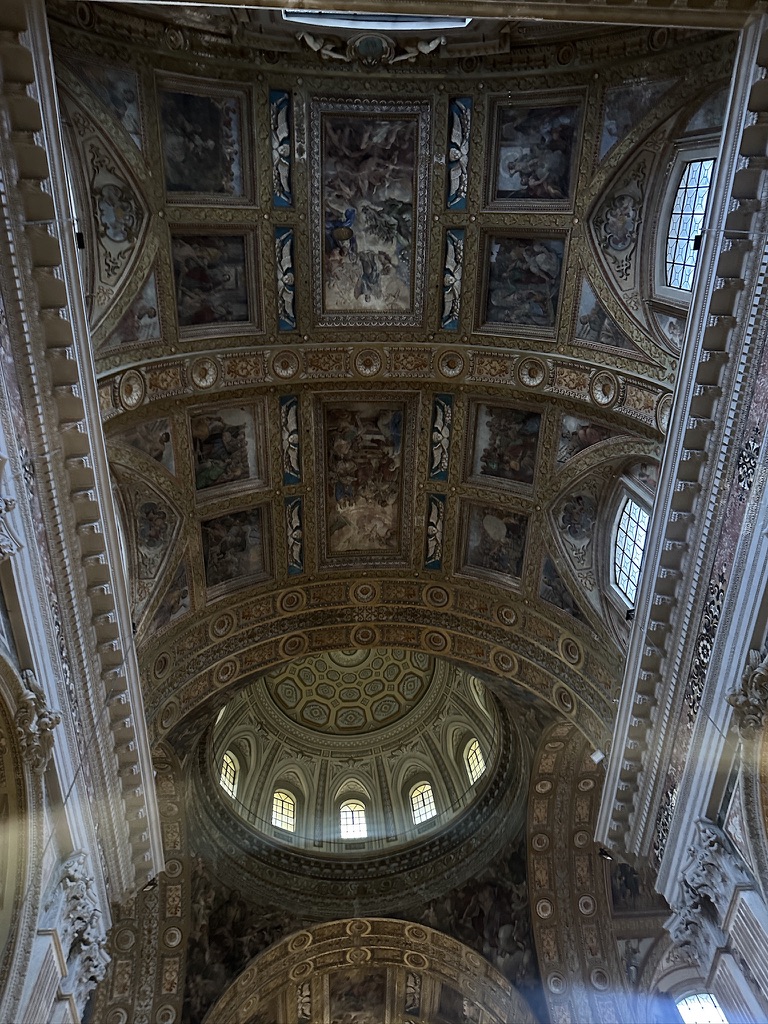
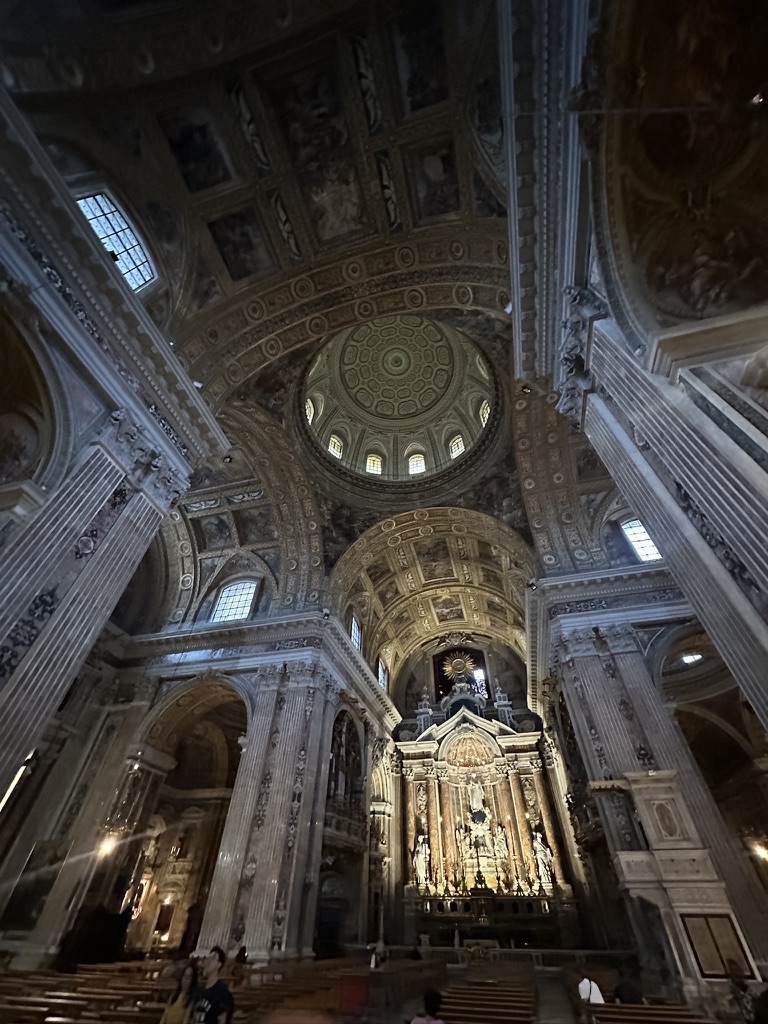
Across the square, the Chiesa del Gesù Nuovo didn’t make much of an impression from the outside, but once you step inside, it’s a whole other story. The facade may have been recently deciphered as musical notes, but it’s the baroque interior that stuns. There are massive, intricate paintings by Francesco Solimena, and you’re left wondering where to even begin exploring its beauty.
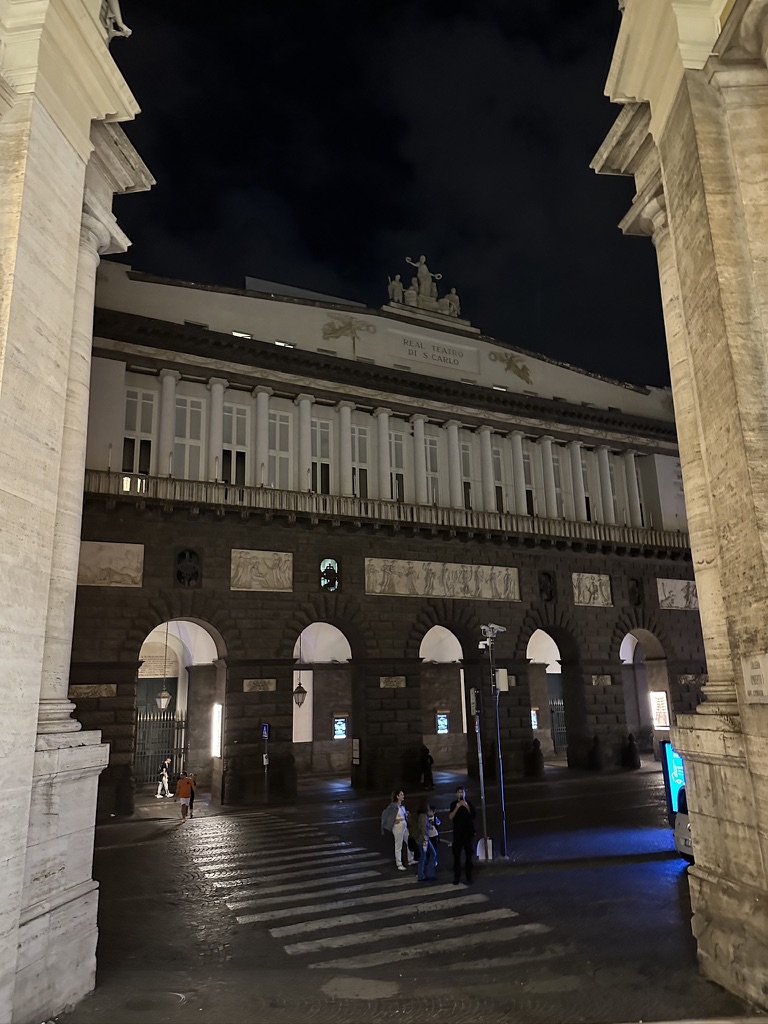
After a brief look at the grand exterior of San Carlo Theatre, we wandered through Galleria Umberto I, a cross-shaped, Art Nouveau-style shopping gallery with a stunning glass dome. The gallery’s murals, sculptures, and mosaic floors made it more than just a shopping destination; it was a visual treat. We ended our walking tour of the city at Piazza del Plebiscito, one of the largest squares in the Campania region, where the expanse of over 27,000 square feet made it feel even grander, though by the time we arrived, the square had settled into nighttime silence.

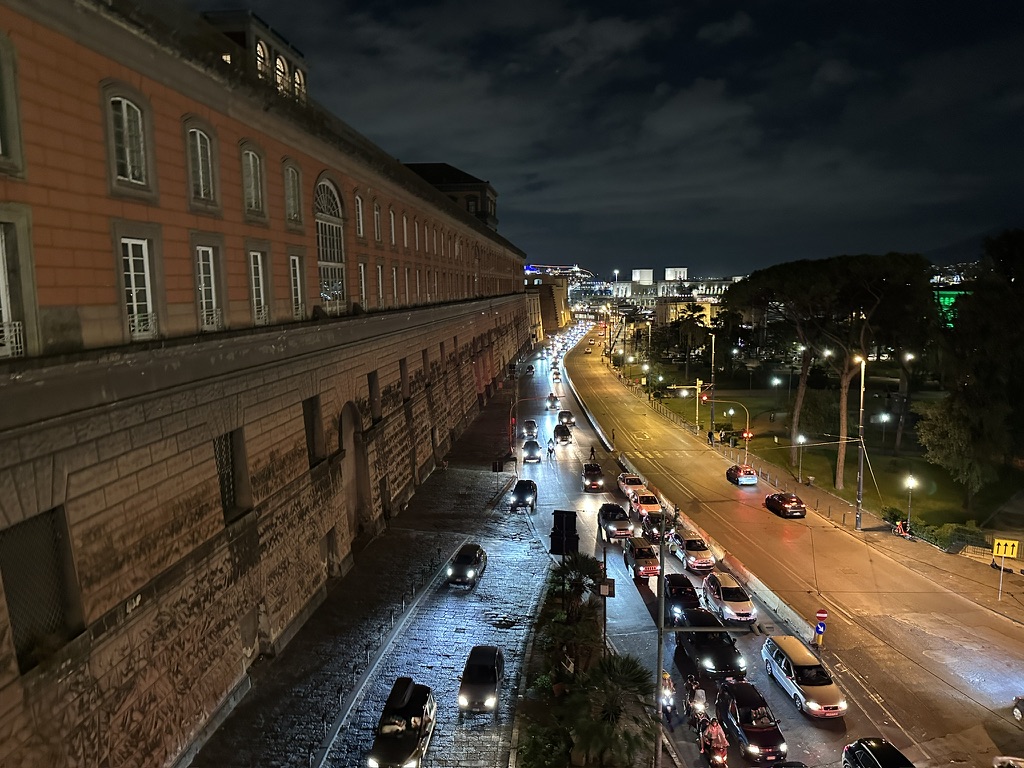
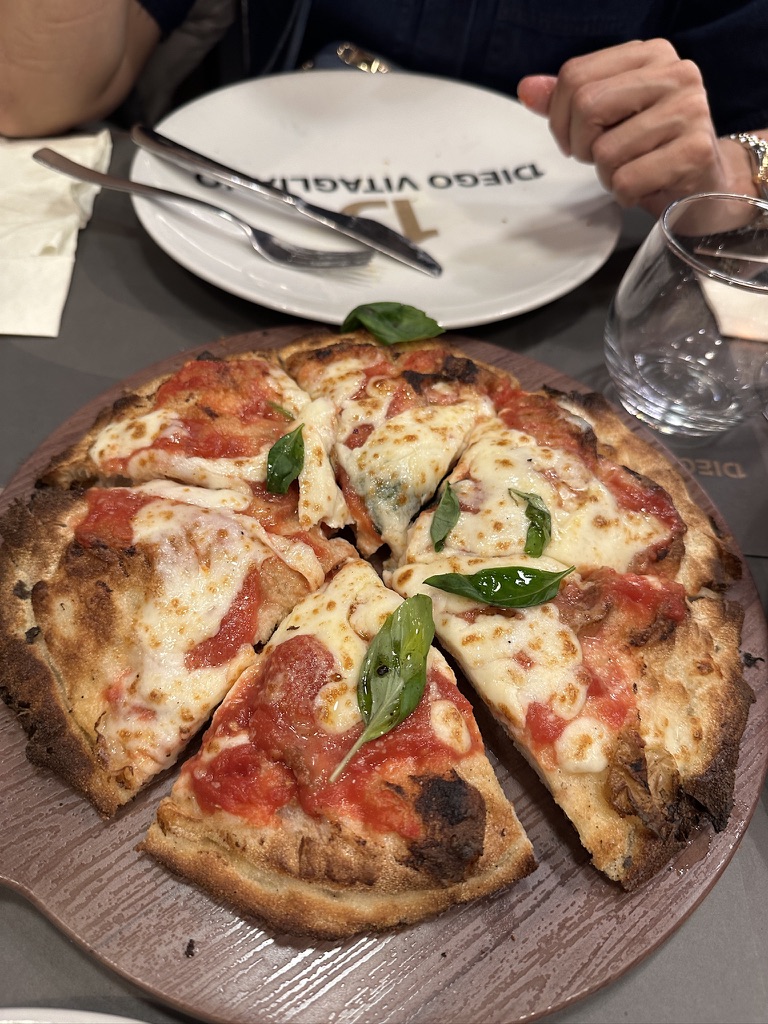
By now, our walk had brought us to the coast, where we strolled along the beachfront before heading to Diego Vitagliano for dinner. This place came highly recommended, and it didn’t disappoint. The pizza was hands-down the best of the trip. A crispy crust, perfect sauce, and melted cheese that hit all the right notes. While the Aperol left something to be desired, the pizza more than made up for it.
The next morning, we had a leisurely start with breakfast at All’Antico Vinaio, the famous sandwich spot. While the sandwich itself was good, the mix of hot and cold ingredients threw off the experience a bit. The contrasting temperatures didn’t quite blend well, and I would have much preferred if the whole sandwich had been served at a uniform temperature. The bread, however, was exceptional. After breakfast, we headed to Via Toledo, the main shopping street of Naples. This city has long been known for its master tailors, who have perfected the art of crafting high-quality suits at unbeatable prices. I stumbled upon historic stores offering a beautifully crafted suit for just €150—something hard to resist.
I wasn’t feeling too well, so I took a short rest back at our accommodation before we headed out for lunch at Re Larzonne, where we enjoyed a feast of pasta and eggplant parmigiana, alongside other delicious dishes. The service was top-notch, and the atmosphere was just right. I also recommend Volta, which was my second choice and another excellent spot for great pasta. We didn’t go inside the Archaeological Museum, but the building itself, viewed from the outside, is grand and imposing.
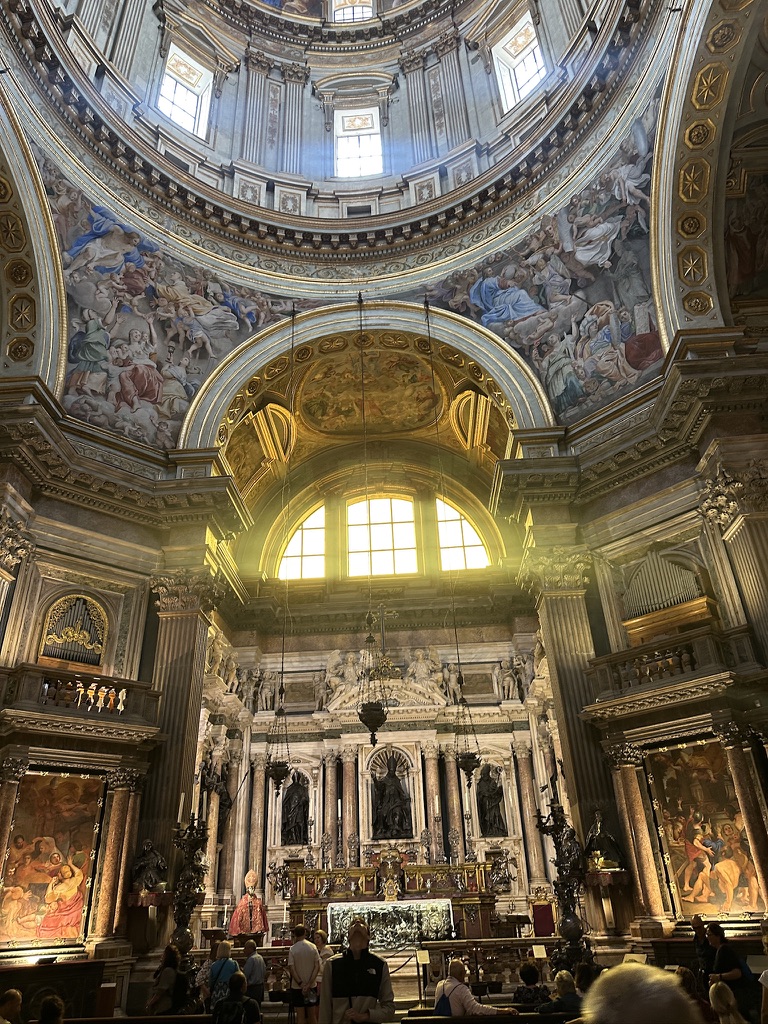
We spent part of the afternoon exploring Spaccanapoli, the narrow street that cuts straight through Naples in half. It’s alive with the chaos of the city and captures the very essence of what Naples is all about. Our last stop was the Naples Duomo, a magnificent Gothic cathedral that left a lasting impression. The intricate details, soaring arches, and rich history make it a place you can’t skip. Inside, the frescoes and chapels are awe-inspiring, with every inch of the cathedral steeped in grandeur.
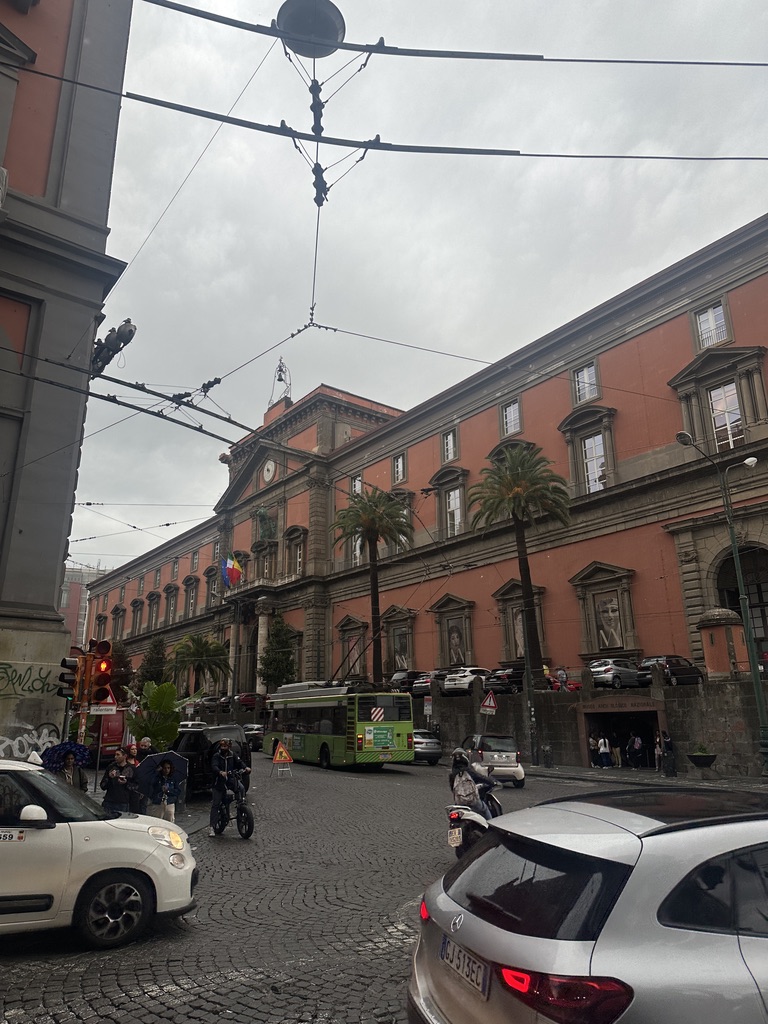
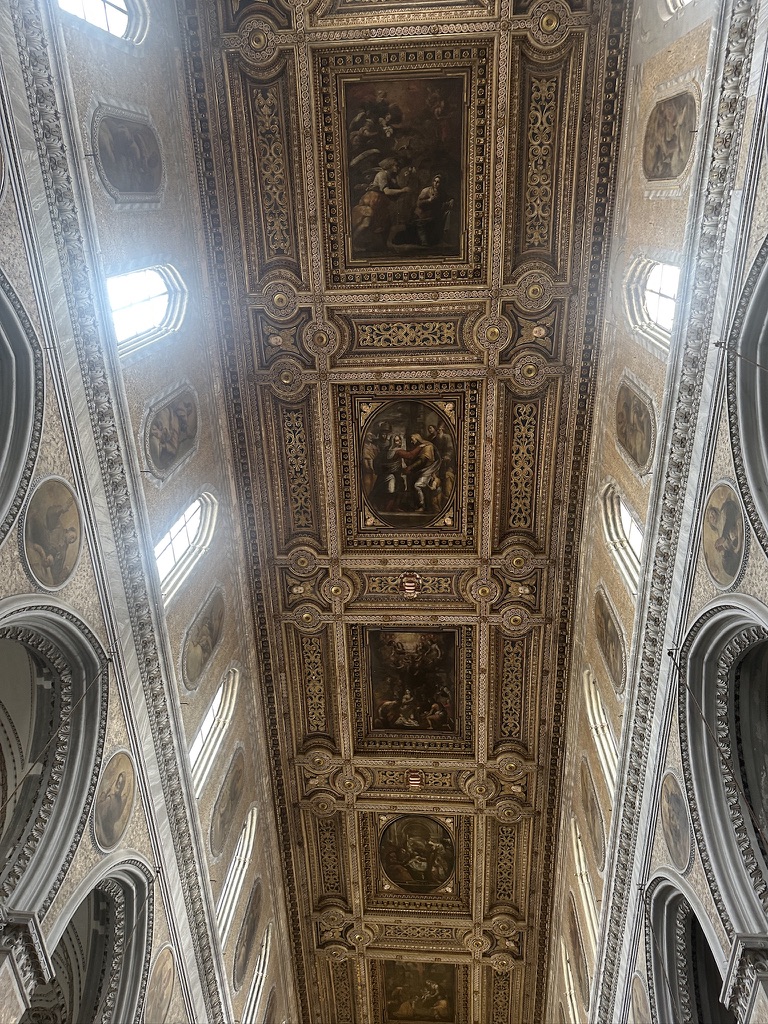

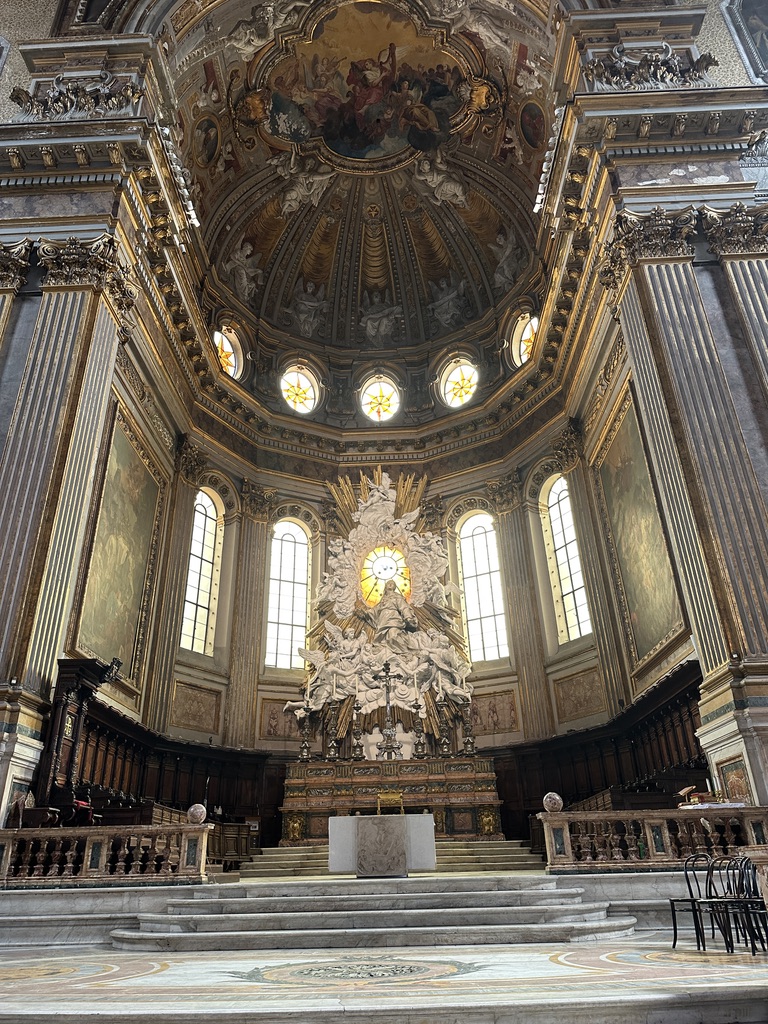
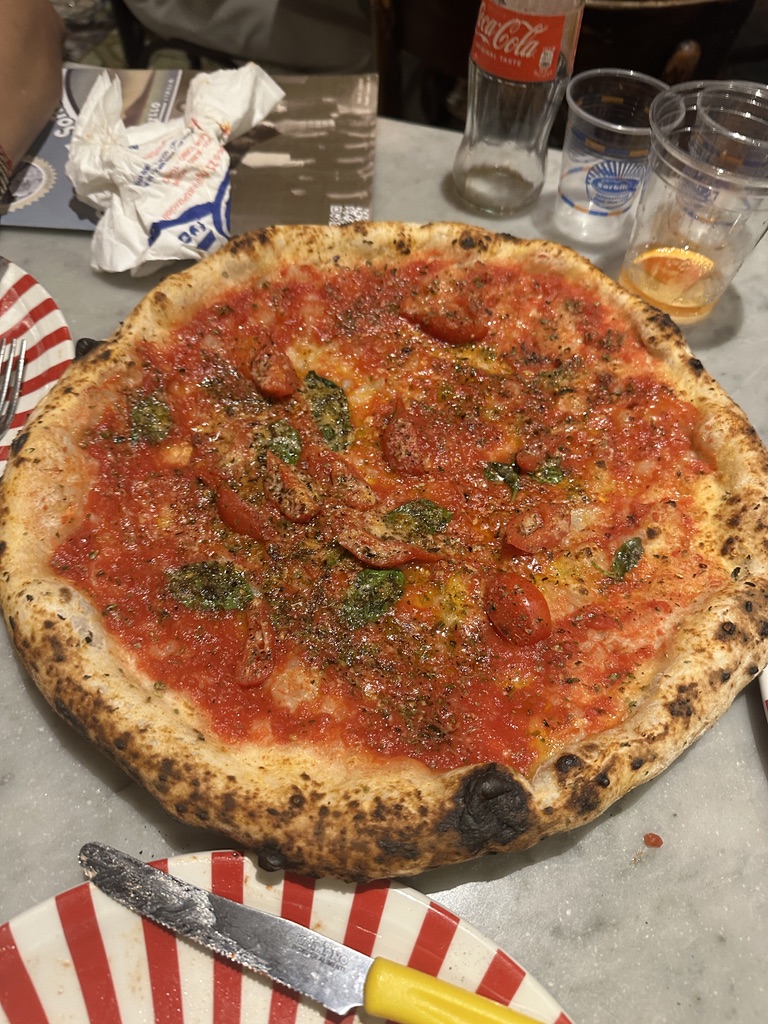
Feeling recharged, we went back to Museum Café—yes, it was that good—for another round of drinks before our final culinary adventure of the day: Sorbillo. Gino Sorbillo is said to be one of the best pizza makers in the world, and this place lived up to its reputation. We waited about 30 minutes before finally being seated, but the piping hot Neapolitan pizzas arrived within 15 minutes. While the pizza was classic, pillowy and flavorful, I found myself preferring the crispy style from Diego Vitagliano. However, Sorbillo is definitely a must-visit. Another iconic spot we didn’t get to try was Da Michele, famous for its margarita pizzas. Though my health didn’t allow for another pizza adventure, the locals swear by it, so I’d recommend adding it to your list.

The next morning, a €85 Uber took us straight to Pompeii—a must-visit when Mount Vesuvius is a constant presence in the distance. Pompeii, famously buried by ash after Vesuvius erupted in 79 AD, lets you step back in time and walk the streets as they were the day before the eruption. Without any plans or tours, we arrived, saw the long ticket line, and quickly bought tickets online—a real time-saver. As we wandered through the vast ruins, the sheer scale and history were overwhelming, leaving us in awe of the ancient world. The site also offers incredible photo opportunities, with the ruins and Mount Vesuvius as a dramatic backdrop. While we didn’t dive deep into its history, the scale and grandeur of the ruins were breathtaking, reminding me of sites in Turkey and Morocco. Divided into districts with houses, amphitheaters, and more, Pompeii is easy to get lost in, but we enjoyed going with the flow, soaking in the grandeur of it all.

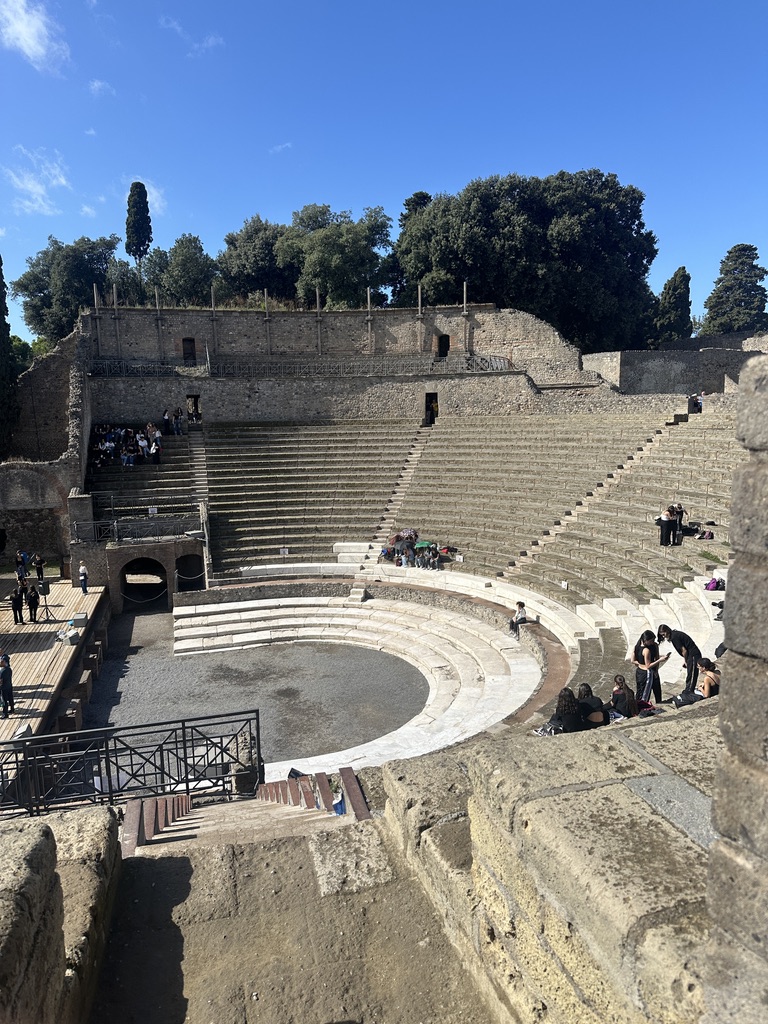

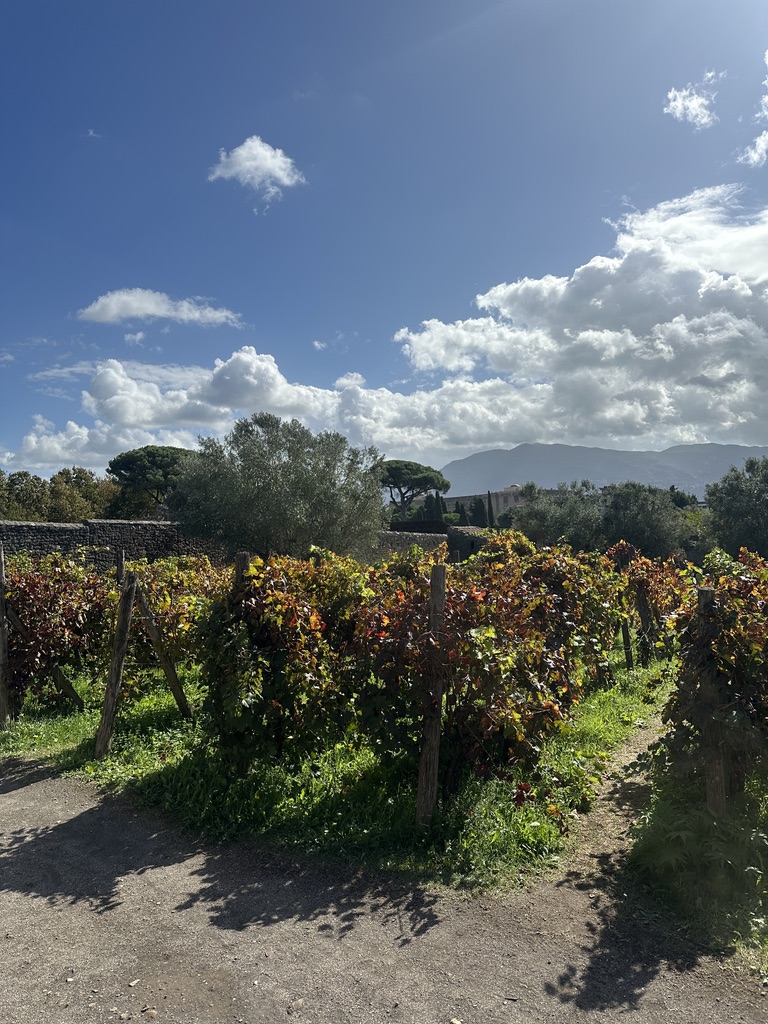

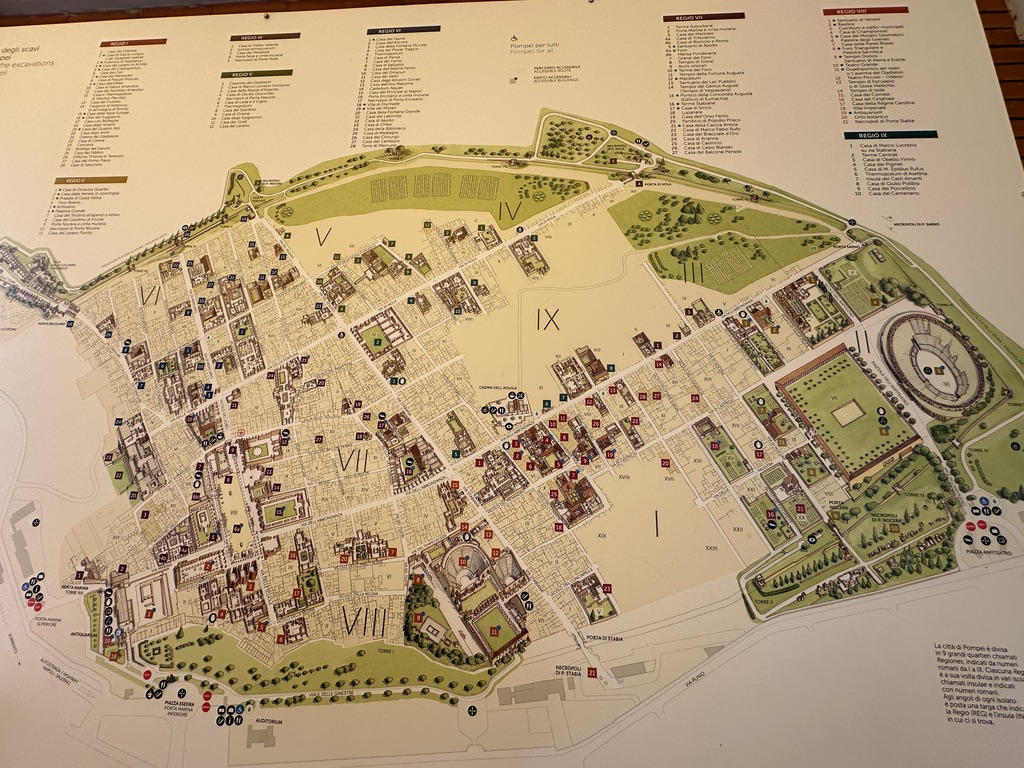
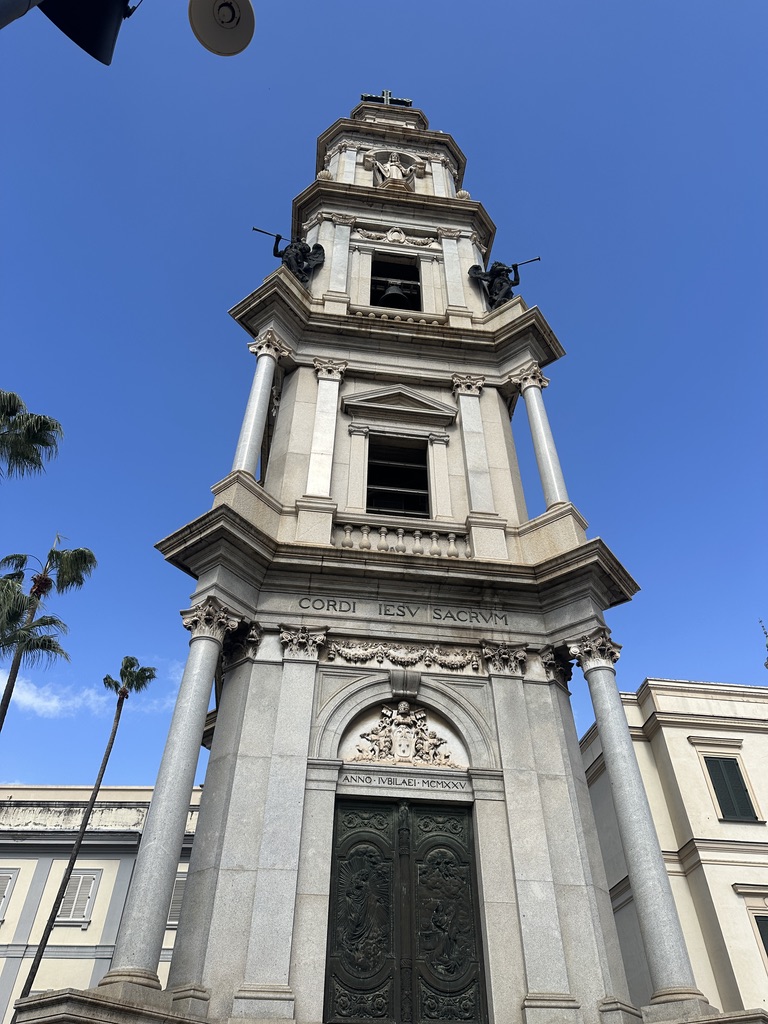
Exiting Pompeii, we strolled around the town and visited the main church, which, to be honest, had a calm and laid-back vibe. It’s neat, clean, and feels like a charming small town. For lunch, we landed at Cosmo, a fine dining spot also featured in the Michelin Guide. Not your typical trattoria, but a welcome shift. We indulged in unique dishes paired with wine and a highlight: cheeses served with six different jams. Mixing and matching the cheeses with the jams made for an exciting, flavorful experience. Definitely a spot worth visiting. After some gelato, finding a cab back to Naples proved challenging, so we hopped on a bus instead.

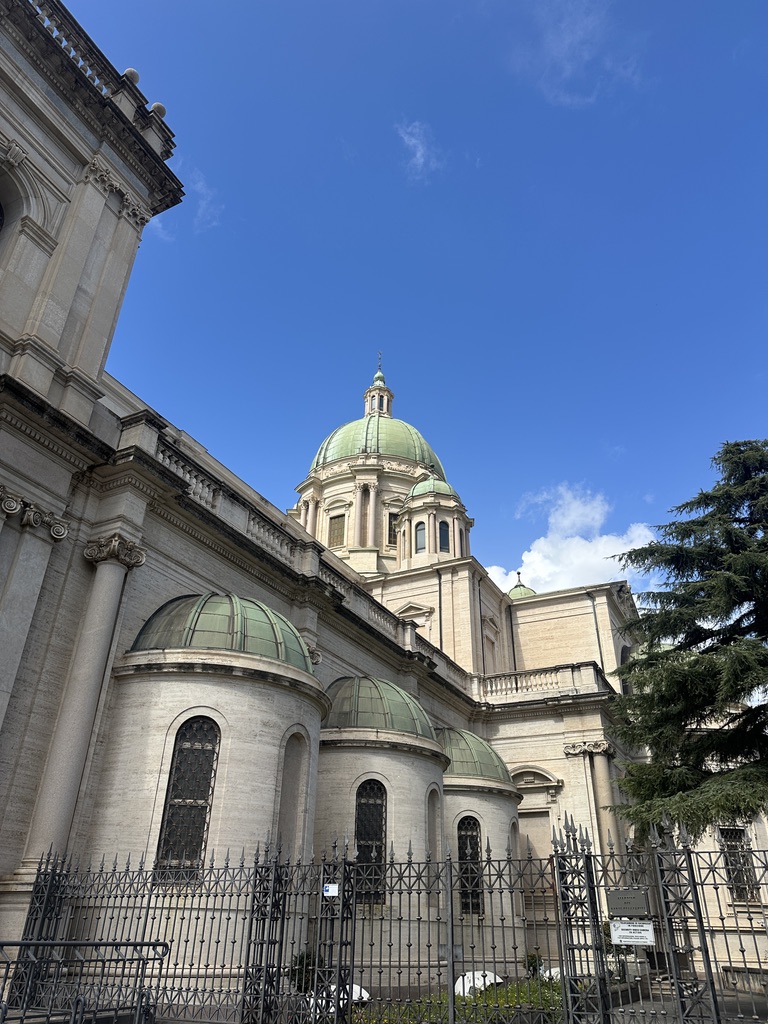
Once back in Naples, we aimed to get from Central Station to Via Toledo for some shopping. Thinking the metro would be quick, we were sorely mistaken. The metro lines were disorganized, the station filthy, and we waited a solid 15 minutes before one finally arrived. Nearly an hour later, we reached our destination—walking might’ve been faster!
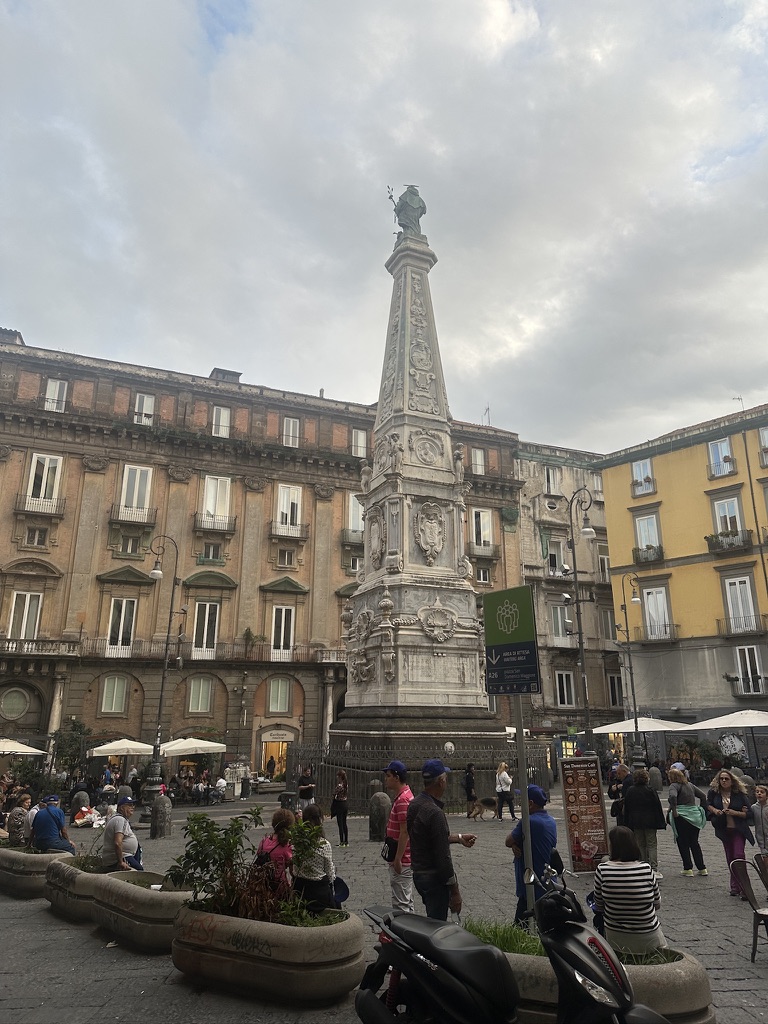
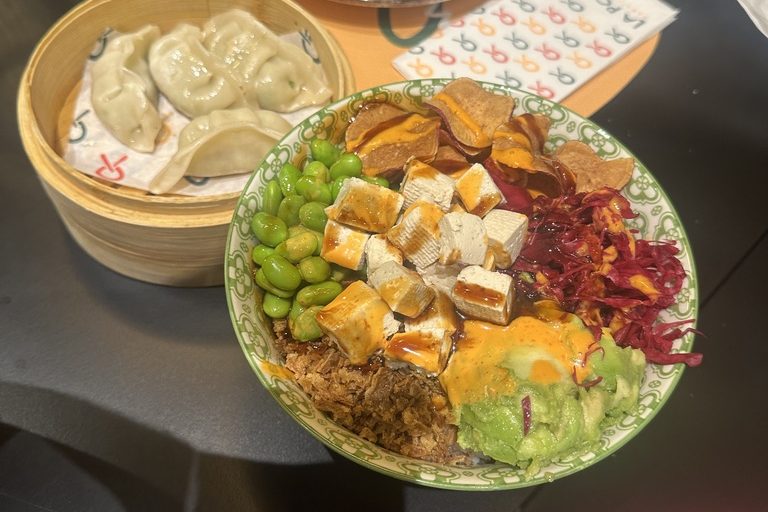
After some shopping and exploring, we returned to the hotel, but couldn’t resist venturing out again. We stumbled upon Shanti Art, a lively spot for drinks, where the cocktails hit just right. For dinner, we opted for Jamon, a tapas spot on Piazza San Domenico. The bread, salad with stracciatella, and the vibrant atmosphere, facing the Obelisk, made it unforgettable. Still a bit hungry, we hopped over to La Pokeria for a make-your-own poke bowl. The food was fantastic, with a modern vibe that matched the meal perfectly. Highly recommended!
The next day, we made our way to the Amalfi Coast—which I’ve written about in another post. From there, we caught a transfer to naples and a train from Naples back to Rome, which was thankfully on time. Rome—a city of legends, history, and countless stories. As a first-time visitor, I was beyond excited to explore every corner, having only ever read about its grandeur and seen glimpses in movies. The energy in Rome is palpable, with its cobblestone streets alive with the buzz of life, ancient ruins standing proudly alongside bustling cafes, and the perfect mix of chaos and charm that makes it so uniquely unforgettable.
We were staying in the Campo de’ Fiori area of Rome—a great spot since the city is spread out, with major sites on both sides of the Tiber River. Staying here meant we were perfectly in the middle, with everything just a short walk or metro ride away. Our accommodation, SuityRhome, was spacious and comfortable—lucky, since many of the good places were sold out. After all, Rome is one of the most visited cities in the world. We visited in 2024, which, in hindsight, wasn’t the best year for a trip. With 2025 being a Jubilee Year where millions of pilgrims flood rome, there were barricades and scaffolding at many major sites as they prepared for the grand event.
Our first stop: the Pantheon, one of Rome’s best-preserved ancient monuments. Walking inside, you’re instantly struck by its massive dome—the largest unsupported dome in the world. The oculus at the top lets in natural light, creating a magical atmosphere. It’s impossible not to feel the history and grandeur of the place.Tip: buy tickets in advance, or you’ll spend a good chunk of time in line.
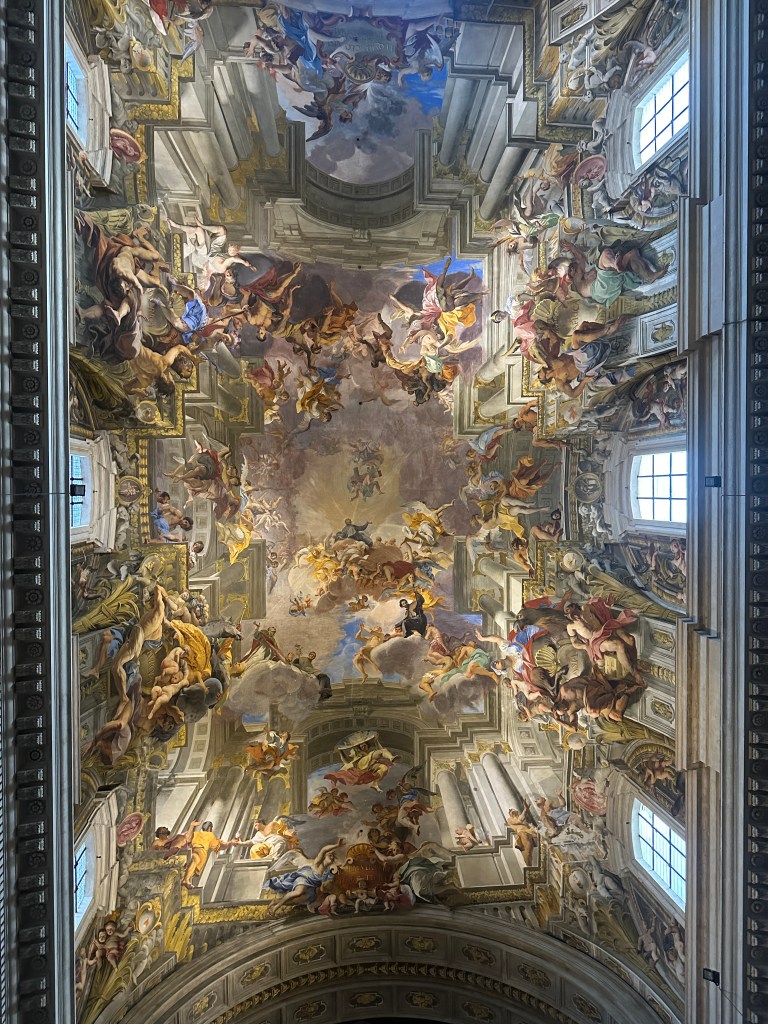
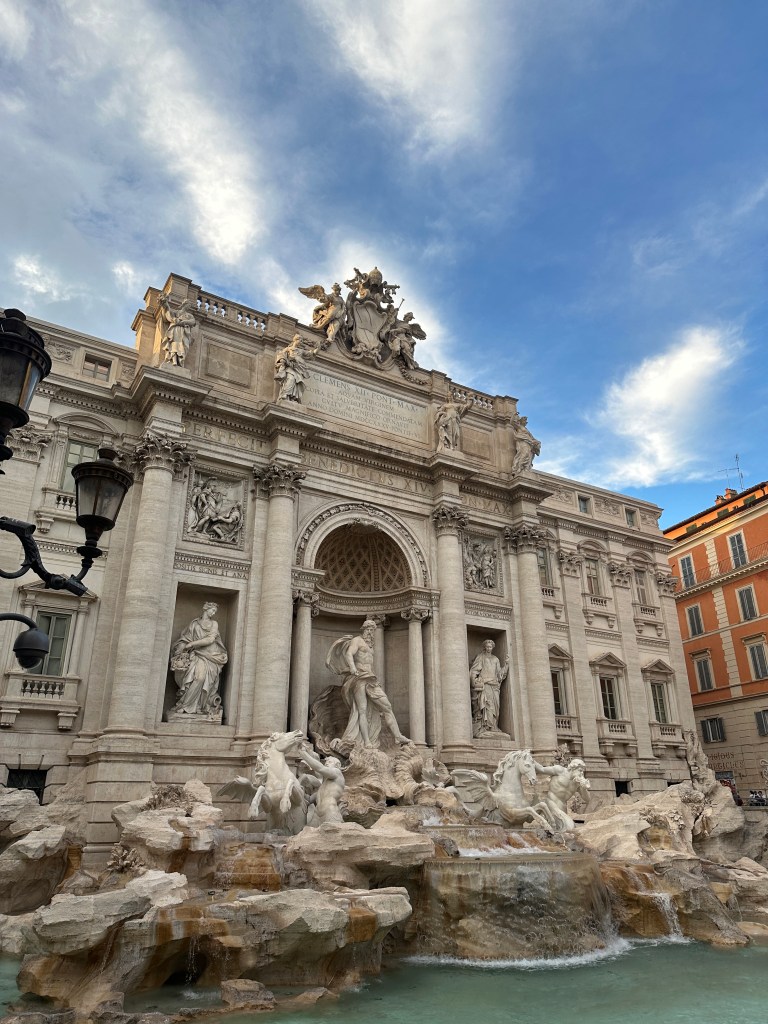
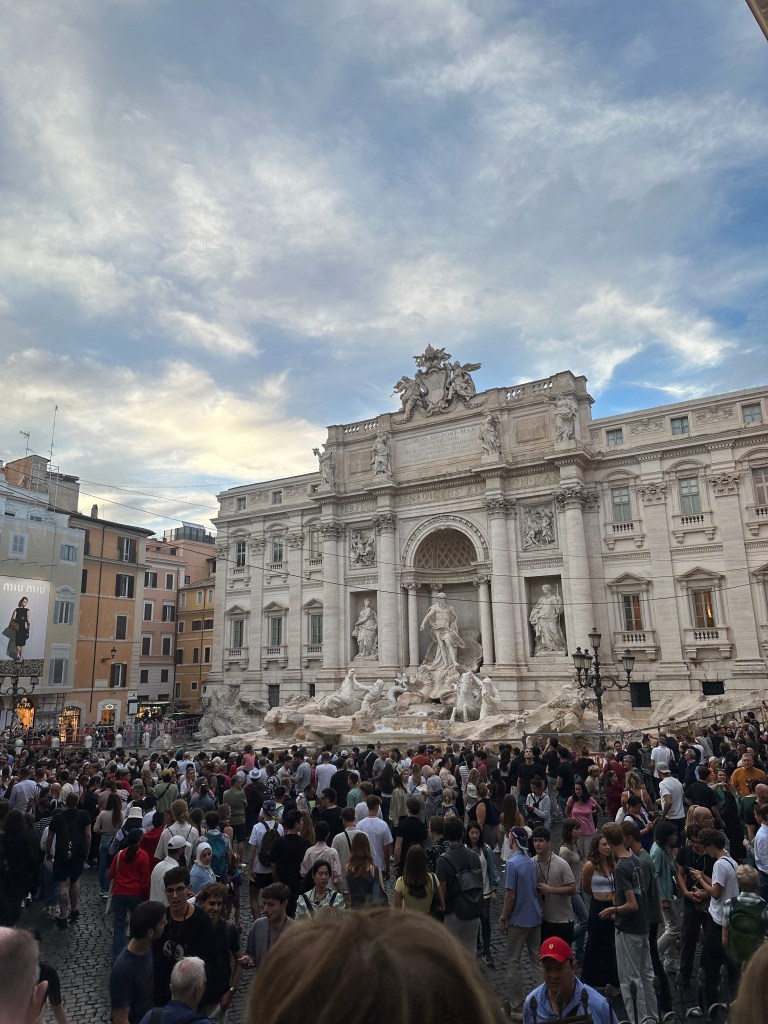
Next, we made our way to the famous Trevi Fountain, a masterpiece of Baroque art and arguably the most beautiful fountain in the world. It’s said that if you throw a coin over your left shoulder into the fountain, you’re destined to return to Rome—naturally, we couldn’t resist. The fountain was as stunning as expected, but the crowds were another story. It’s hard to appreciate its beauty when you’re sharing it with half the city. Oh, and keep an eye out for scammers. But the highlight for us? Grabbing gelatos from Venchi, just around the corner from the fountain. Hands down, the best gelato of our entire trip—don’t miss it! Next up, we headed to the Chiesa di Sant’Ignazio di Loyola, known for its stunning ceiling. There’s usually a long line for the famous mirror photo, but honestly, waiting an hour isn’t worth it. A selfie works just as well—sometimes even better!
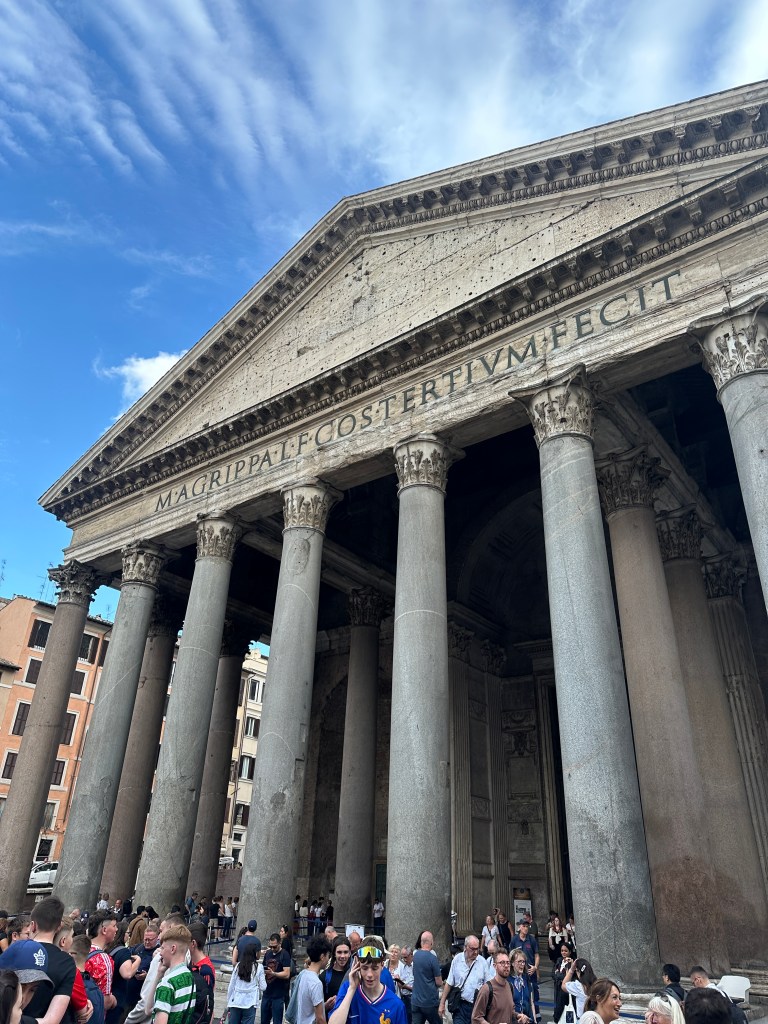

We continued our self-guided tour with a stop at Largo di Torre Argentina which are some ruins in the middle of the city where the juxtaposition of history and modern life here is fascinating. Our final stop of the day was Piazza Navona, one of Rome’s most famous squares. Surrounded by baroque architecture, fountains, and lively street performers, it was the perfect spot to soak in the vibrant atmosphere.
My mother wasn’t feeling well, and the craving for Indian food hit hard, so I headed to Jaipur in Trastevere for some takeout. The food did not disappoint—we licked our plates clean, the flavors hitting the spot perfectly.
Pro tip for getting around Rome: taxis are outrageously expensive, and the city is huge. Instead, use electric scooters. They’re cheap, efficient, and easy to use—just download apps like Bird or Lime, pay a few euros, and you’re off. Just make sure you’re 18 or older to ride.
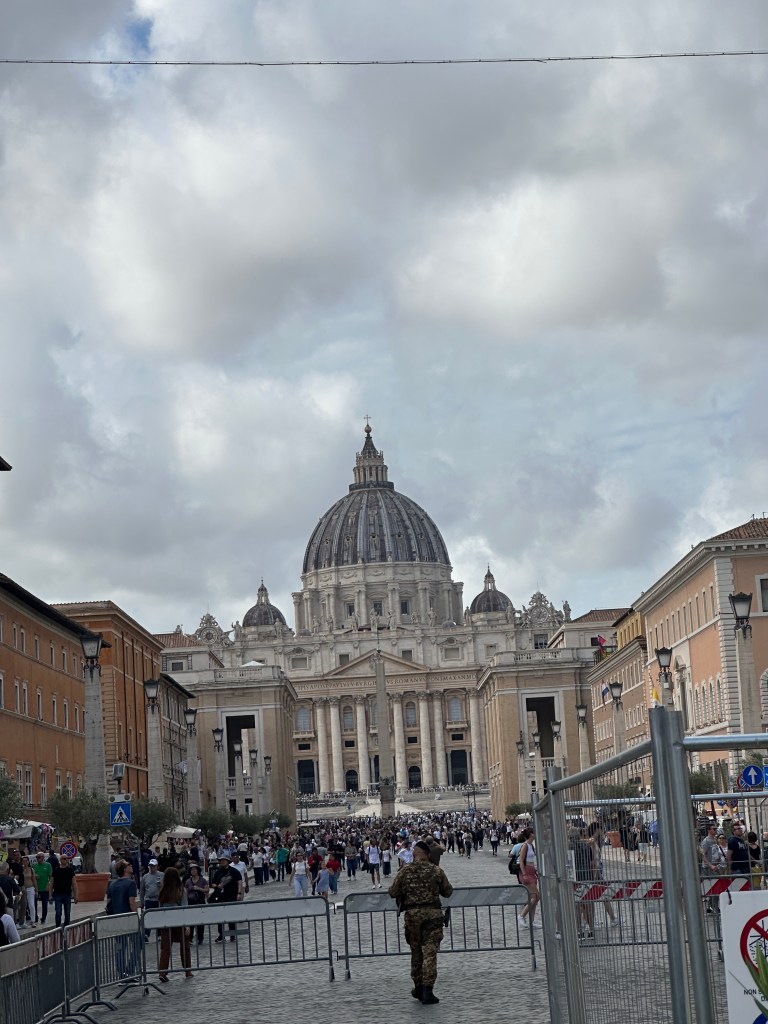
The next morning, at 8:30 AM, I hopped on a scooter and made my way 3 km to Vatican City, the smallest country in the world and home to some of the most important religious and artistic treasures on the planet. I had booked a guided tour with skip-the-line access, and at sharp 10 AM, we breezed in—no fuss, no long wait. The first stop was the Vatican Museums, an enormous collection of art and artifacts that spans thousands of years. From ancient sculptures to Renaissance masterpieces, it’s a place where history and art collide in the most spectacular way. The sheer size of the museums is mind-blowing, and you could easily spend days there. However, it was also packed—trust me when I say, it was super crowded, so navigating the crowds was part of the adventure.
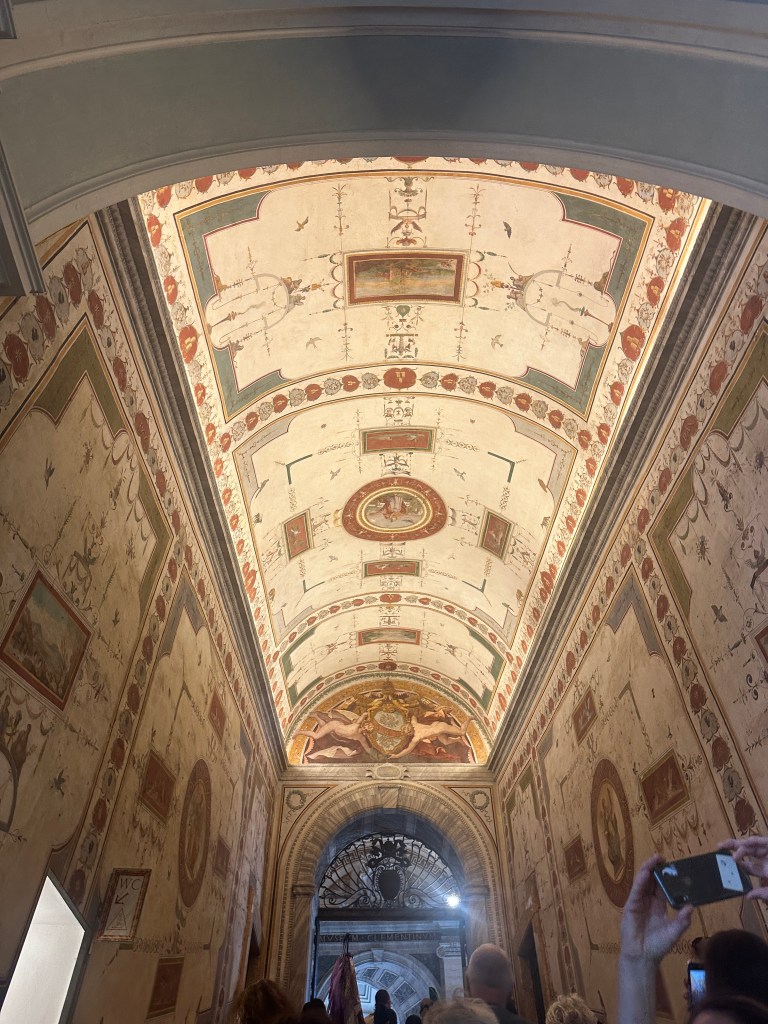
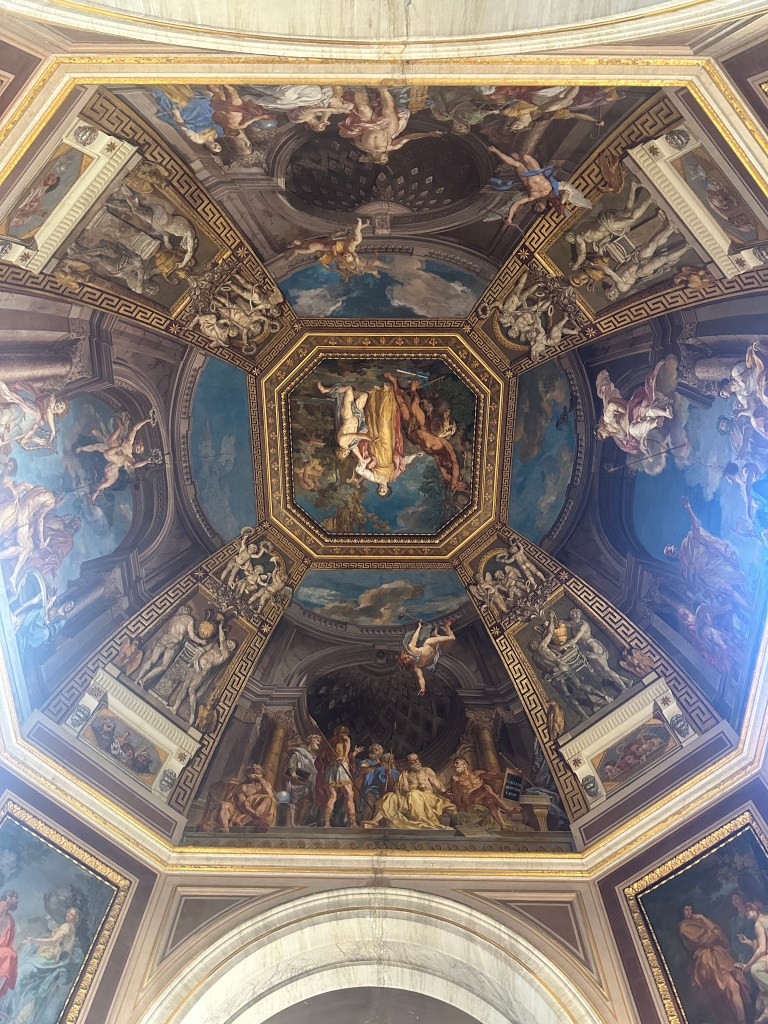
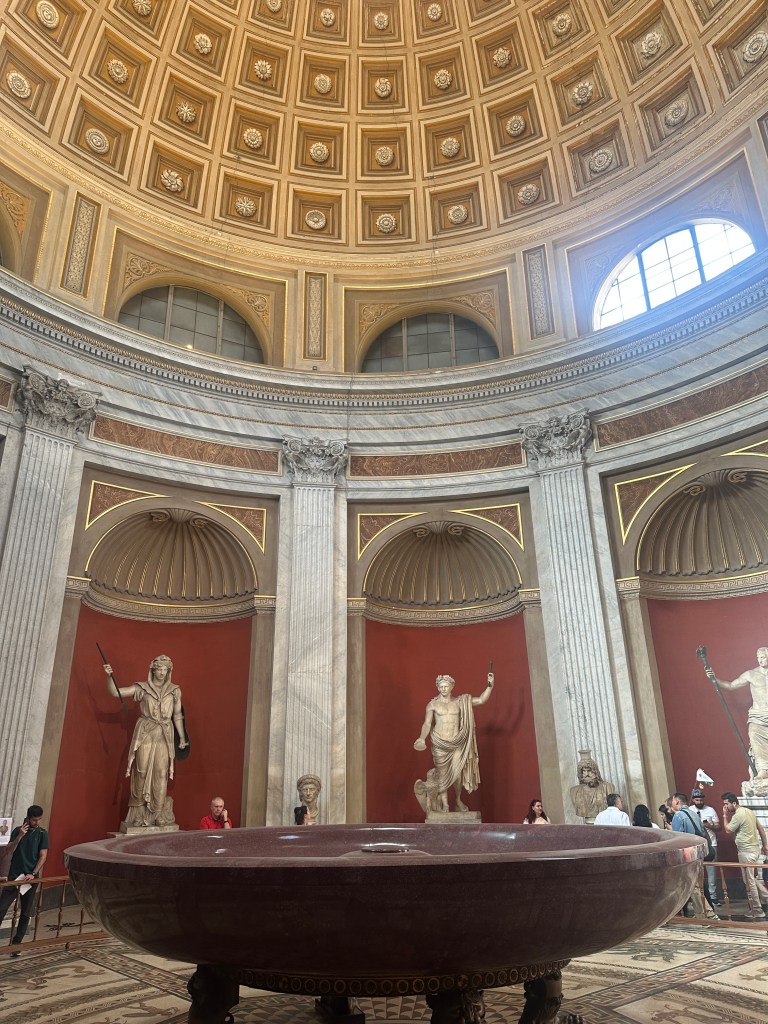
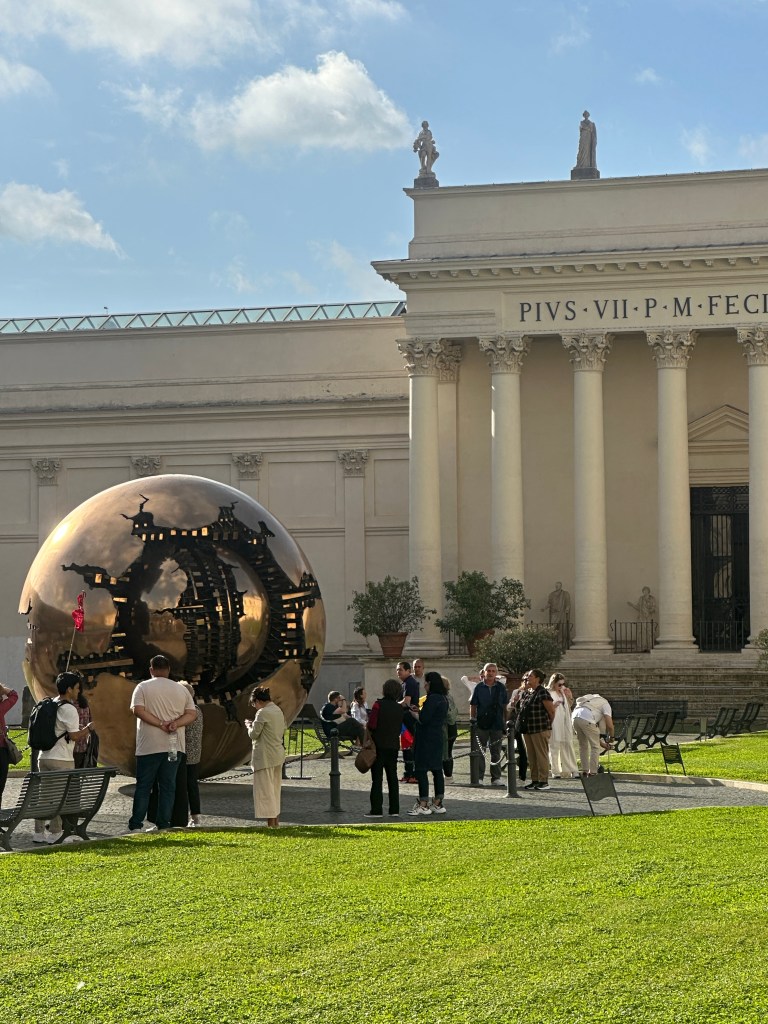
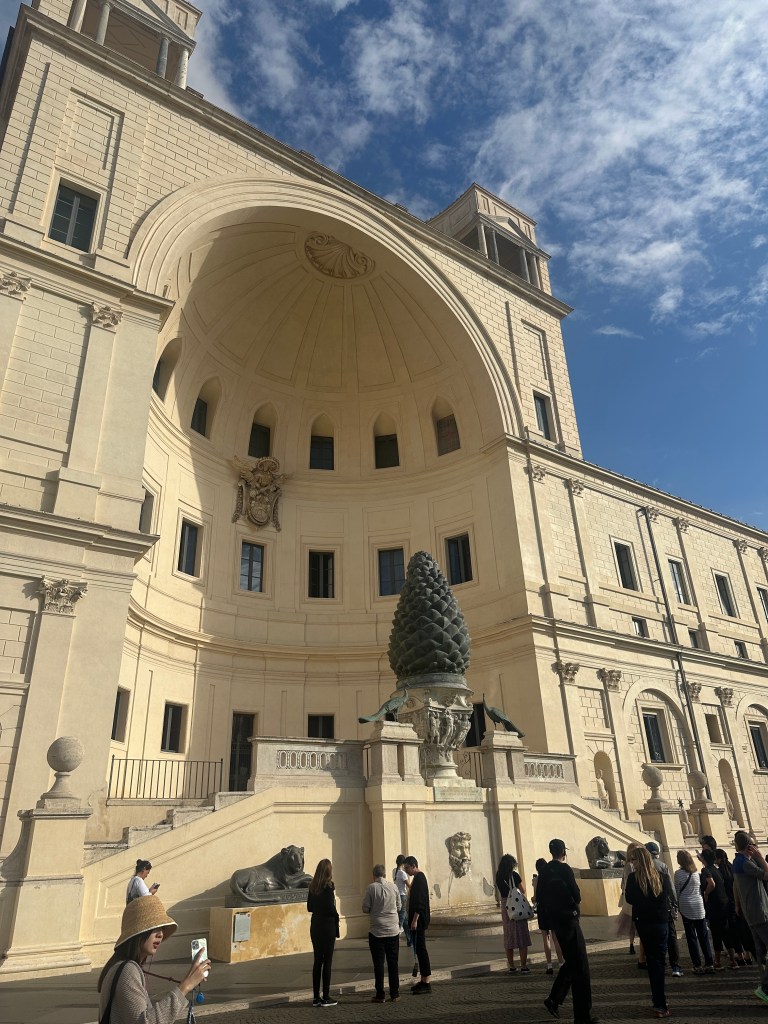
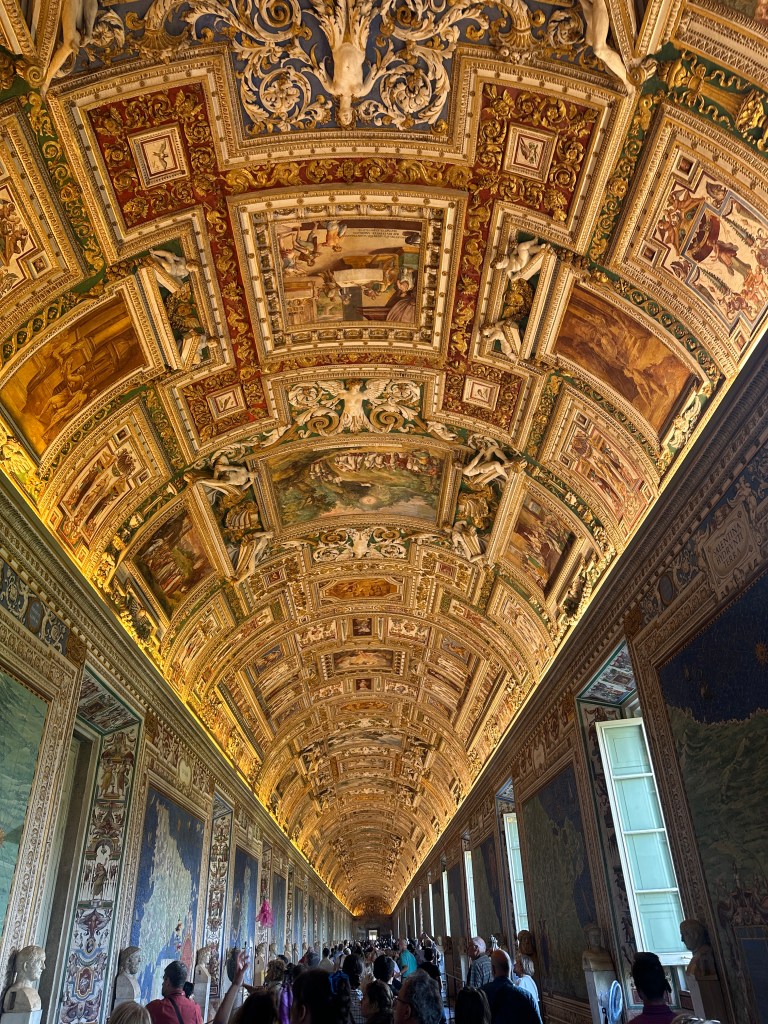
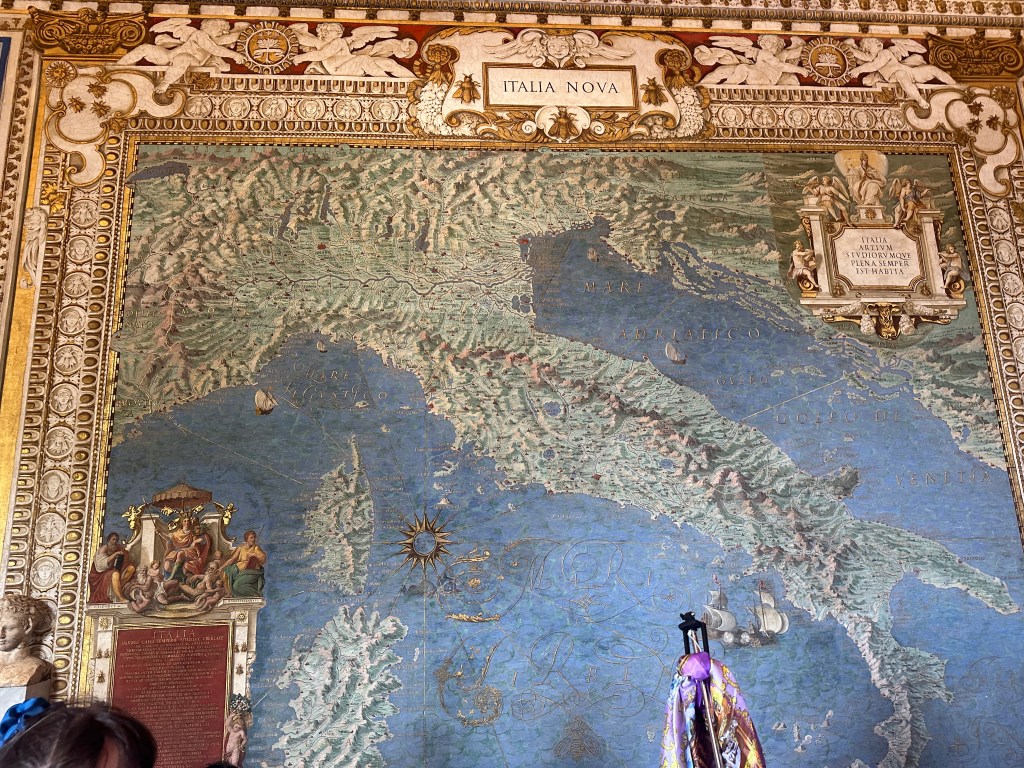
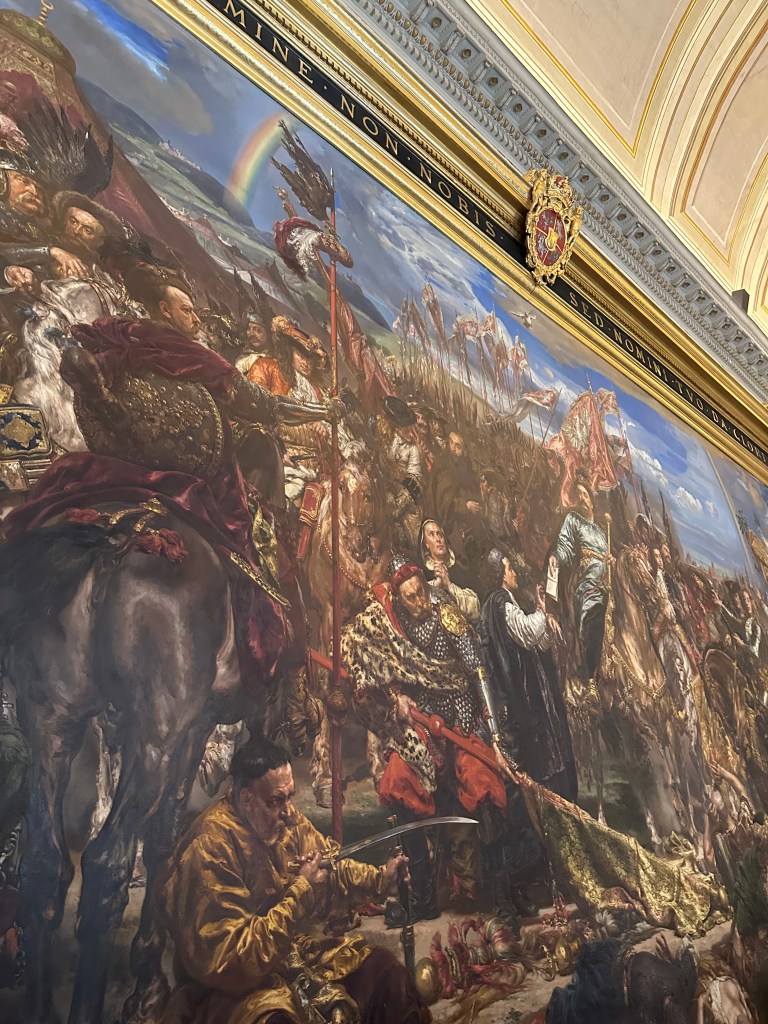
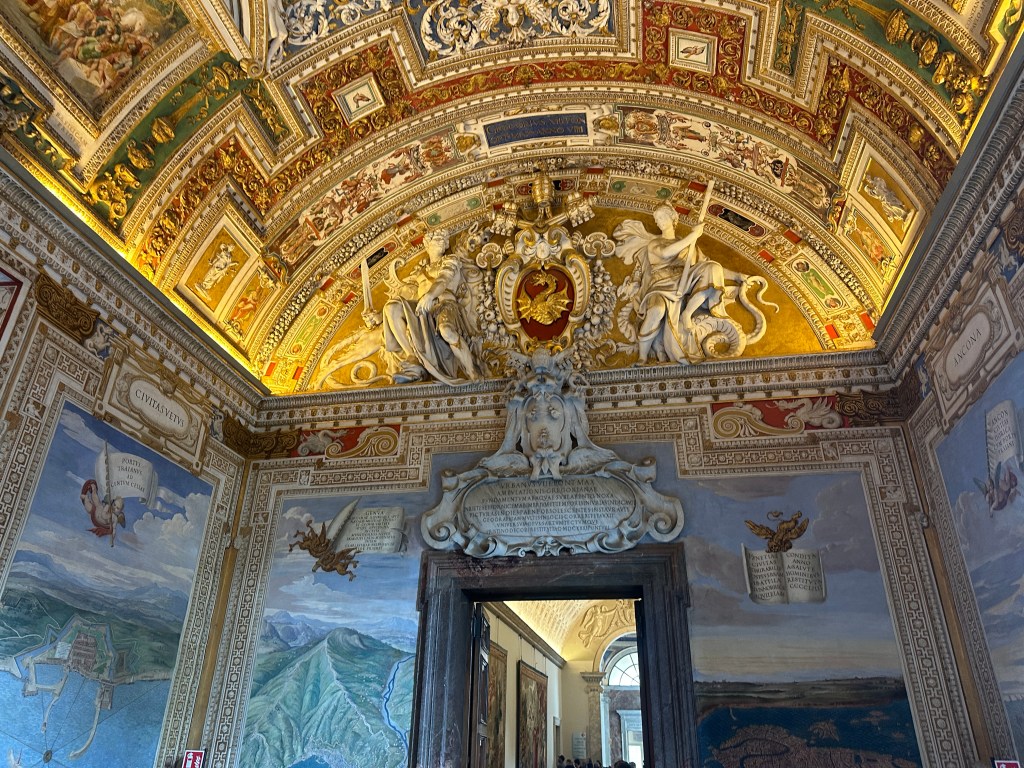

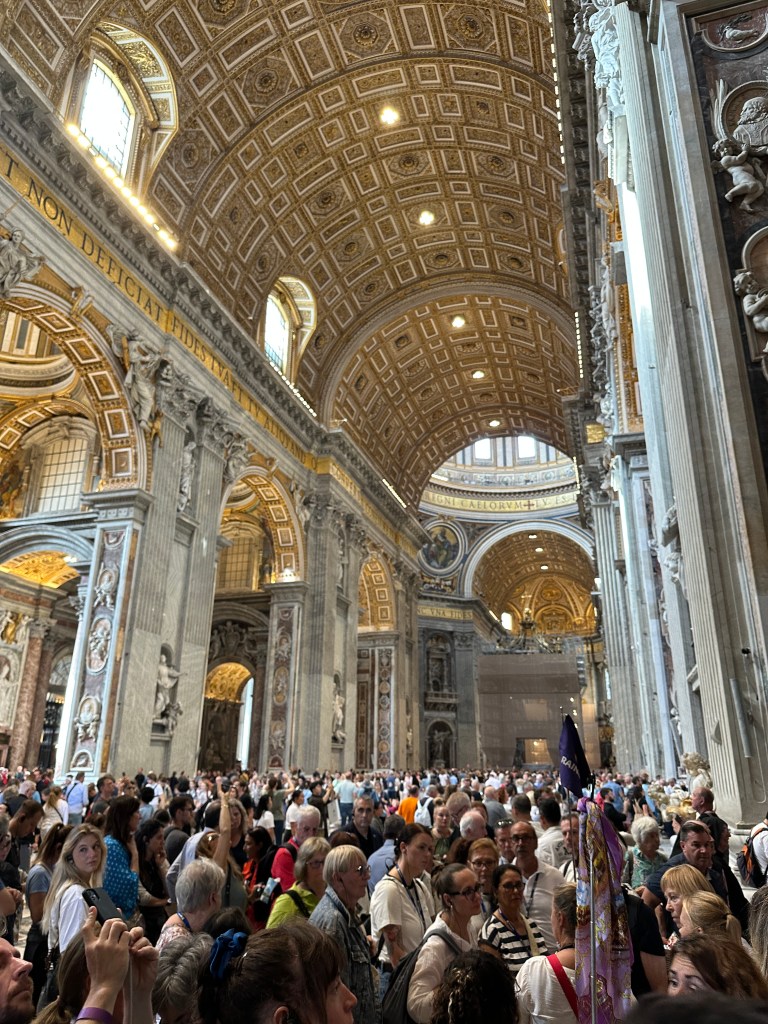
The highlight, of course, was the Sistine Chapel, where Michelangelo’s famous frescoes adorn the ceiling. Seeing The Creation of Adam in person was nothing short of awe-inspiring—no photos are allowed, but the memory of that stunning artwork stays with you. From there, we moved on to St. Peter’s Basilica, the largest Catholic church in the world. Even with parts of it under renovation for the upcoming Jubilee Year, the scale and beauty of the basilica were breathtaking. Walking inside, the grand dome and intricate sculptures felt larger than life. It’s a place that commands awe and reverence, no matter your faith.
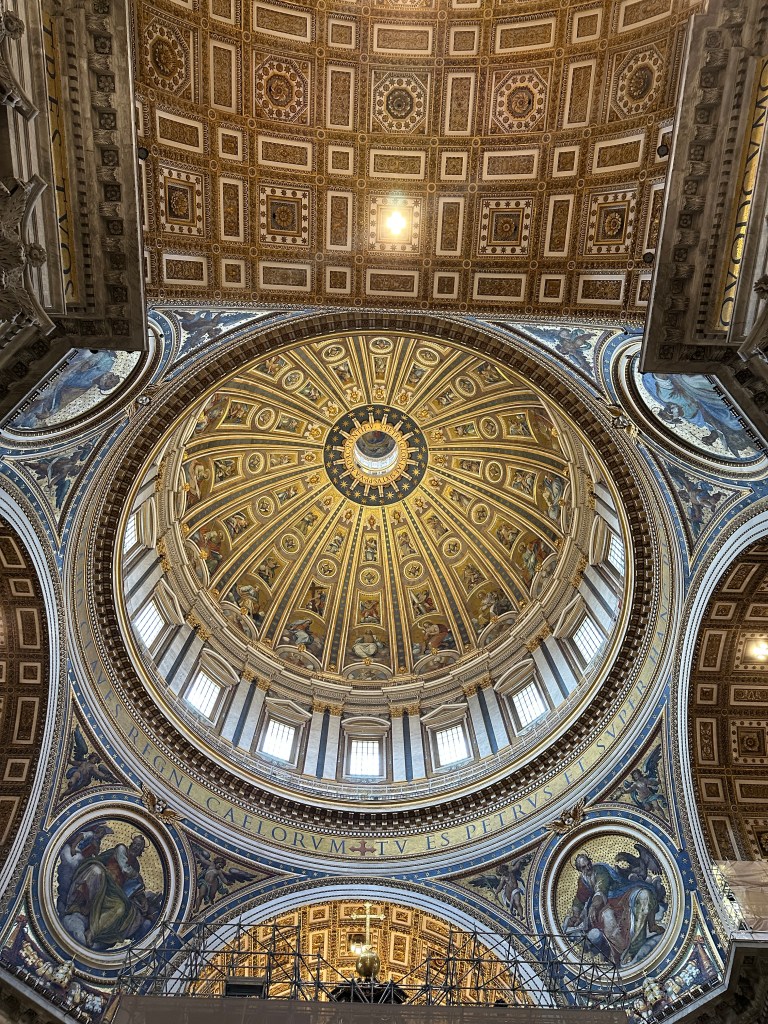
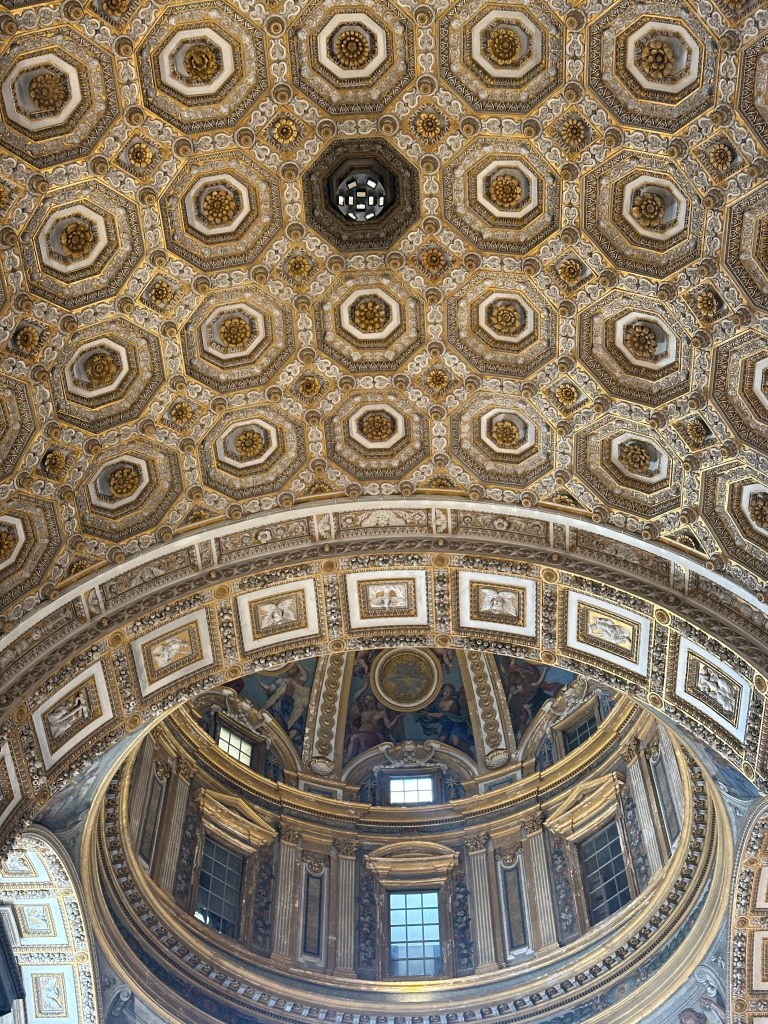


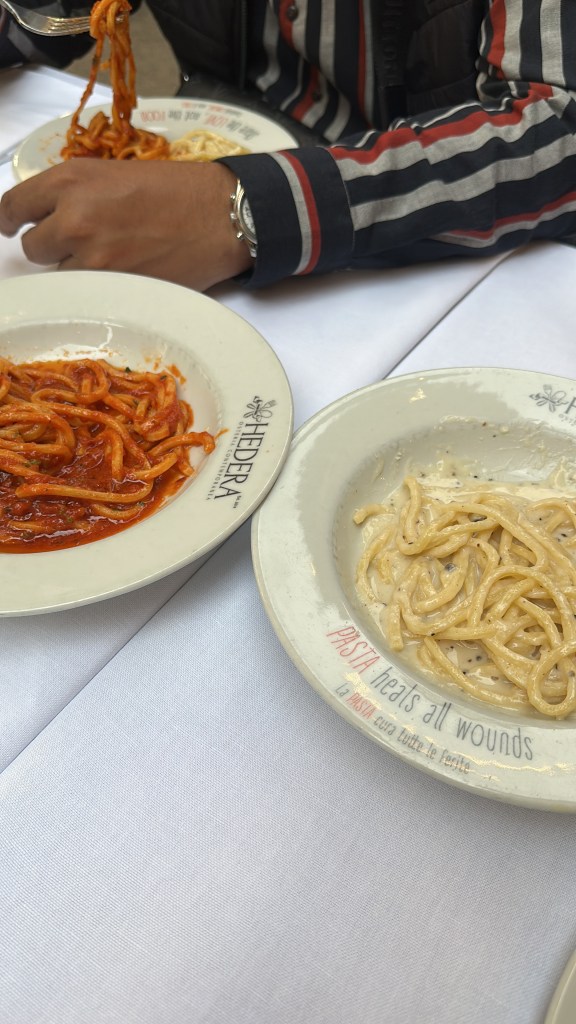
Later that day, we headed to Via del Corso, Rome’s bustling shopping street, to do some shopping and rack up our daily steps. By 5 PM, hunger hit hard, so we stopped for an early dinner—because when in Italy, why not? We tucked into some delicious spaghetti arrabbiata and tonnarelli cacio e pepe, two iconic Roman dishes that were just what we needed.
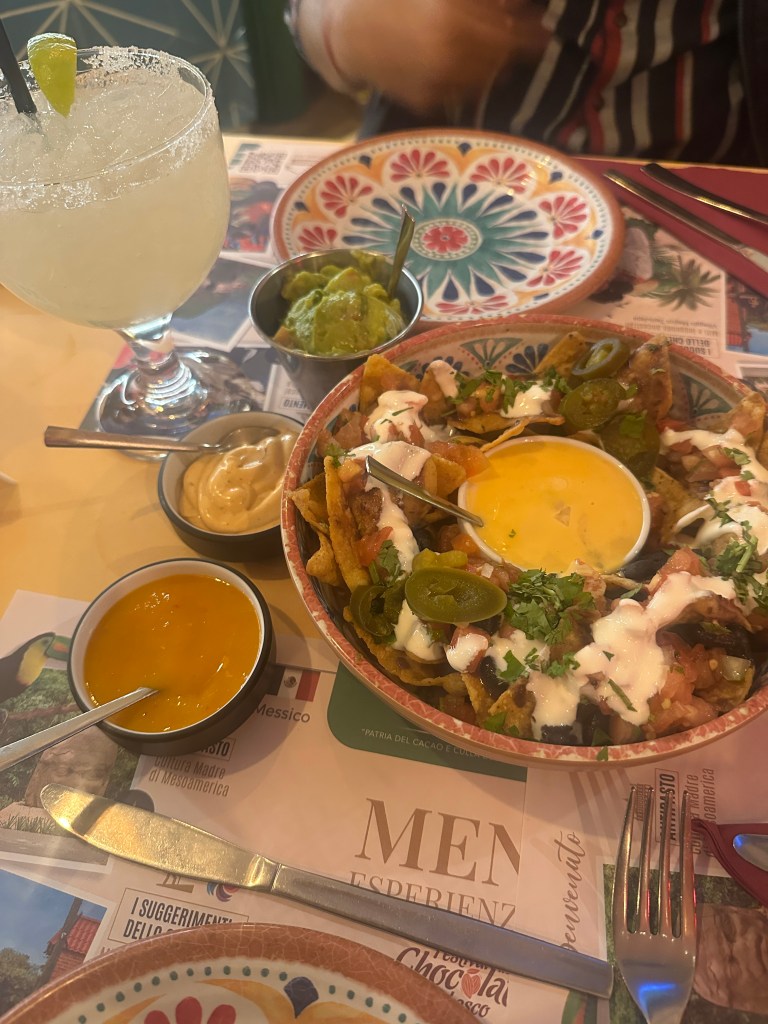
That evening, we crossed the river into Trastevere, a lively, bohemian neighborhood with narrow cobblestone streets and an energy that’s infectious. This area is the heart of Rome’s nightlife, with buzzing piazzas, street performers, and packed restaurants spilling onto the streets. We opted for Mexican food at Pico’s Taqueria, where the food was great, the margaritas even better, and the atmosphere electric. Trastevere is the kind of place where you can lose track of time, caught up in the vibrant, fun-filled vibe of the neighborhood—it’s a must for anyone looking to experience Rome’s nightlife.
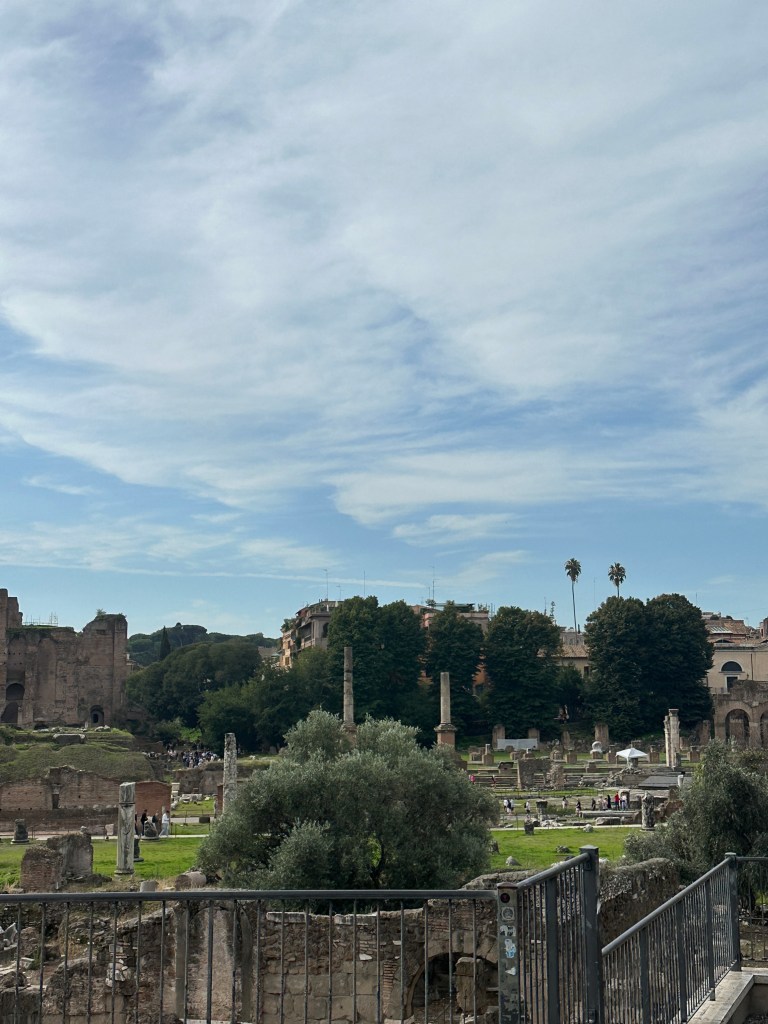
The last day in Rome was a banger, and we made sure to go out with a bang. We kicked things off with a visit to the Roman Forum, the ancient heart of the Roman Empire. Walking through this sprawling archaeological site, you can almost feel the history beneath your feet. Right next door is the iconic Colosseum, a massive amphitheater that once hosted gladiator fights and grand spectacles. Standing in front of it, the sheer size and history of the place are humbling. You can’t help but imagine the roaring crowds and epic battles that once took place within its walls.

After our dose of ancient history, we did some last-minute shopping for food items to take back home—balsamic, cheese, and spices were at the top of the list. Then, we stopped at Wok to Walk for a custom stir-fry, which hit the spot. After a short break, we made our way to Roscioli Salumeria con Cucina, a deli-restaurant combo known for its incredible pasta and fresh veggies. When in Rome, don’t miss the artichokes—they’re a must-try and absolutely delicious.
After some rest, we took a quick detour to see the iconic Spanish Steps, where the view from the top was as breathtaking as expected. We also made a stop at the grand Monument to Victor Emmanuel II, an imposing structure dedicated to Italy’s first king. It was a perfect little sightseeing break before heading back to Via del Corso for one final shopping spree.
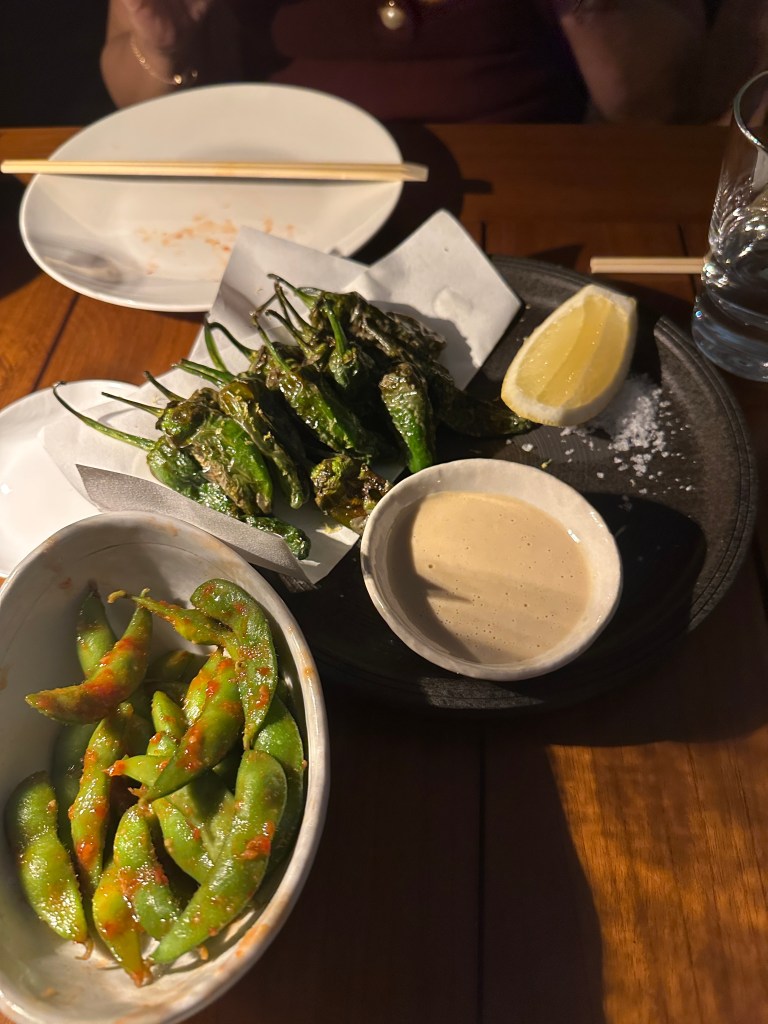
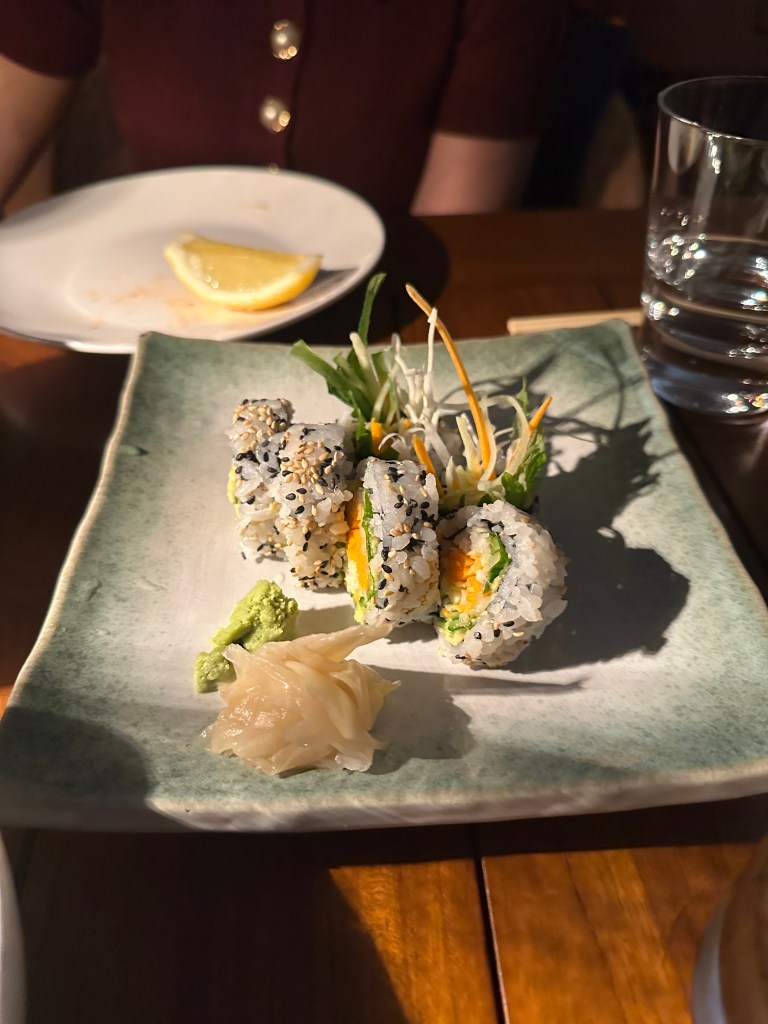
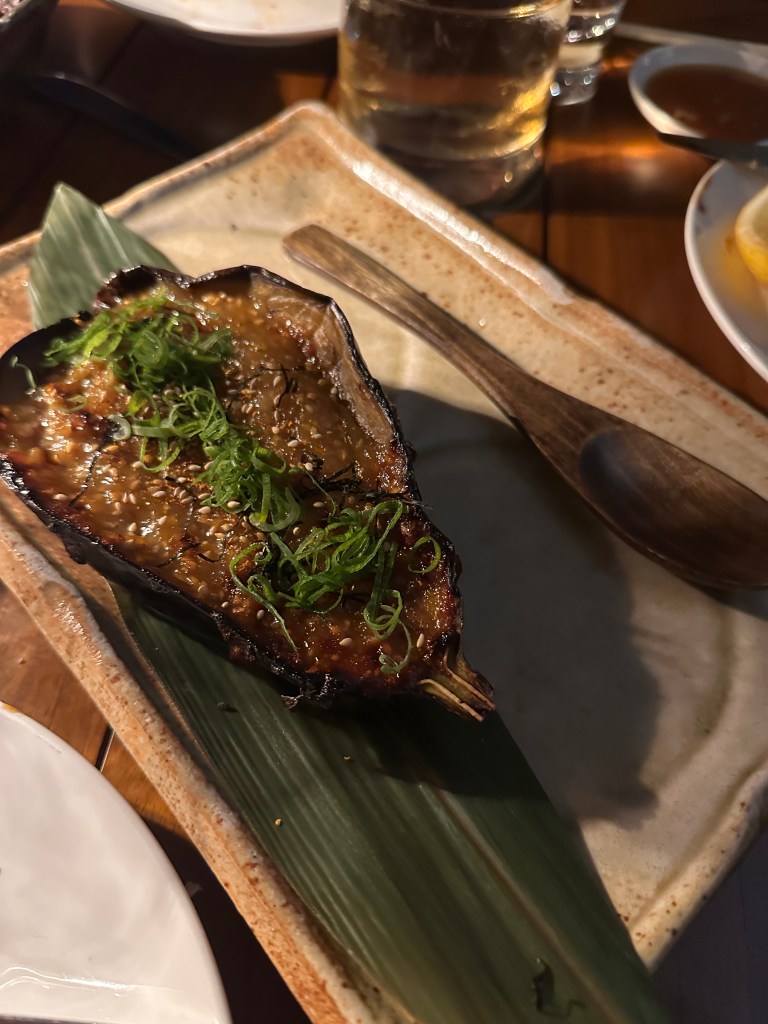
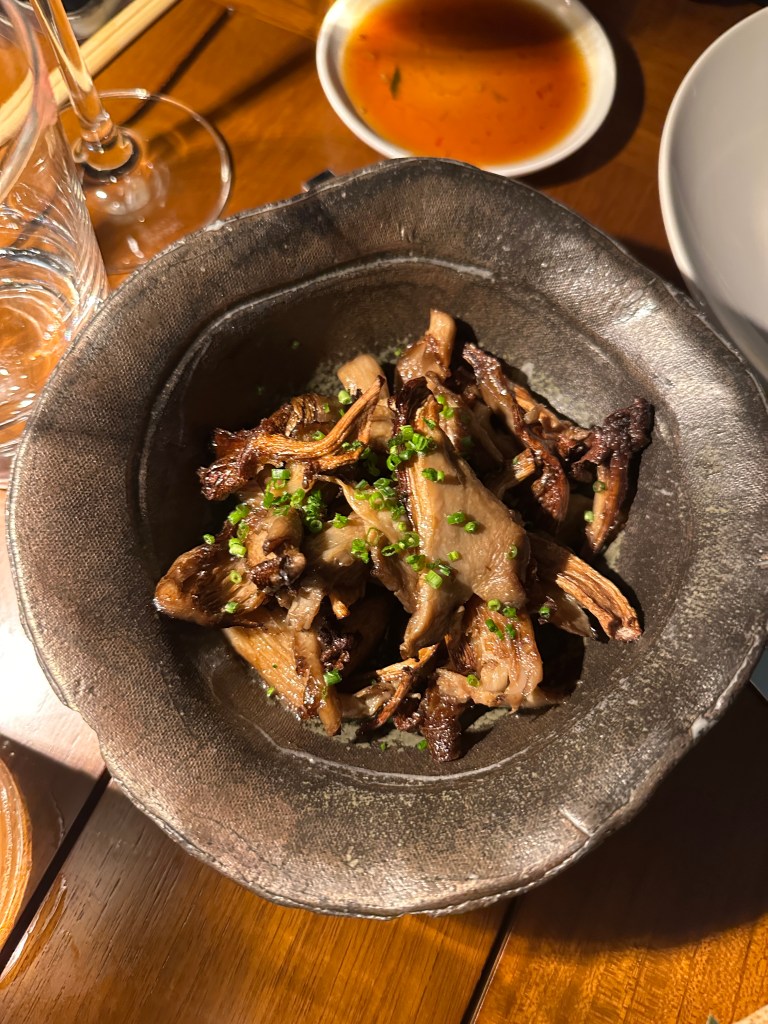
Later, we wrapped up the trip with dinner at Zuma, my absolute favorite restaurant in the world. I’ve been to Zuma in Maldives, Bangkok, Dubai, Istanbul, Miami, London, and more, and it never disappoints. The robata grills were perfection, the salad and starters were unbelievable, and the drinks were top-notch. The service was personal, and the vibe? Let’s just say the crowd looked like the top 1% of the top 1%. The decadent Zuma chocolate dessert was the perfect finale to our Italy adventure.



Although we managed to see a lot, there were still some key places in Rome that we missed. We didn’t make it to the Villa Borghese Gardens, a beautiful public park, or the Galleria Borghese, which houses incredible Renaissance and Baroque art. We also missed out on Castel Sant’Angelo, known for its panoramic views of the city, the Capitoline Museums, and the historic Palatine Hill. The Catacombs of Rome were another notable miss, as well as a more in-depth visit to the Villa Borghese Gardens. On the food side, we didn’t have the chance to stop at Tonnarello or Osteria da Fortunata, both highly recommended for classic Roman dishes.
As our trip came to a close, Italy left us with unforgettable memories of breathtaking sights and incredible meals where every day was filled with something special. We left knowing we’d only scratched the surface of this beautiful country, eager to return someday.

 Travel Footprints