There are places that dazzle on arrival, and places that grow on you. Japan does both. It’s a country built on contrast—silent shrines and neon streets, centuries-old rituals and vending machines that serve hot coffee at midnight. Everything works. Everything runs on time. And nothing feels accidental.
This was a solo trip. Just me, a backpack, a Suica card, and far too many convenience store snacks. I split it into four parts—Tokyo, Fuji, Kyoto, and Osaka—each city with its own pace, personality, and perspective. Some days were food-heavy. Some were coffee-fuelled. Some were made for walking aimlessly. And somehow, Japan was perfect for all of them.
What follows isn’t a guidebook—it’s a personal curation.
Disclaimer: This is a long one—about 5,000 words—and deeply detailed. Feel free to skim through, hop between cities, or read it in parts. I have bookmarked the 4 sections I have divided this blog into. I’ve also scattered several tips throughout the post to make your Japan trip smoother—so read between the lines.
Tokyo
Tokyo doesn’t unfold all at once—it reveals itself in layers. There’s speed, sure. But underneath the tempo, there’s structure, subtlety, and a kind of order that never announces itself. It’s the sort of city that’s easy to get lost in, and somehow even easier to navigate. It makes no promises and yet overdelivers.
I landed at Narita Airport at 7 AM, ignored the flat-rate ¥22,000 ($140 USD) taxi, and hopped on the Skyliner to Ueno—fast, efficient, and everything you’d expect Japan’s transport to be. I picked up a Suica card, caught a metro to Shimbashi, and walked a few minutes to my hotel in Ginza.
Tip: Google Maps is freakishly accurate in Japan. Trains, platforms, exits, walking paths—you don’t need anything else.
Tip: Get a Suica or Pasmo card at the airport. It’ll work on metros, buses, and even vending machines. You’ll spend about ¥1,500–2,000 a day on transport.
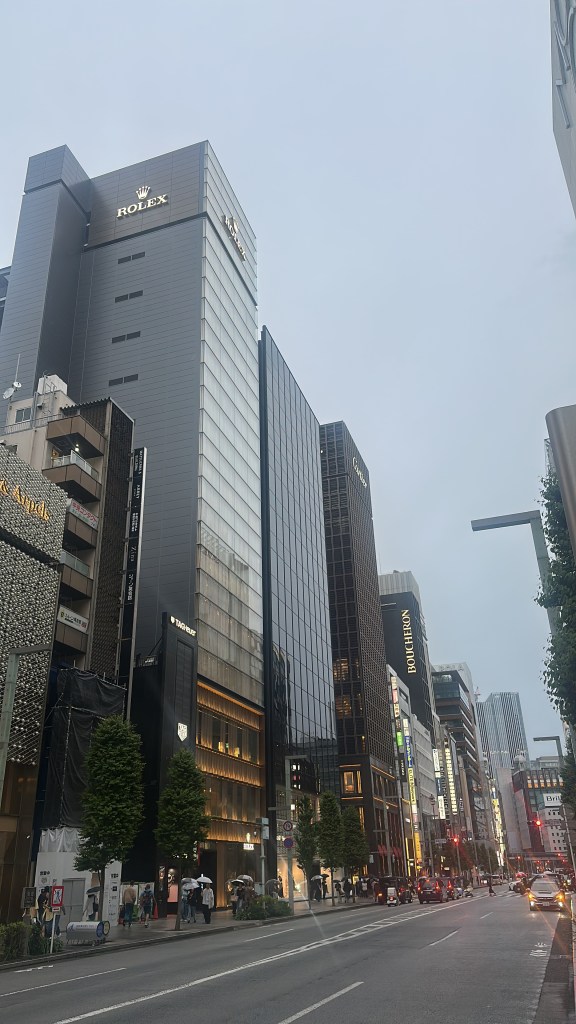
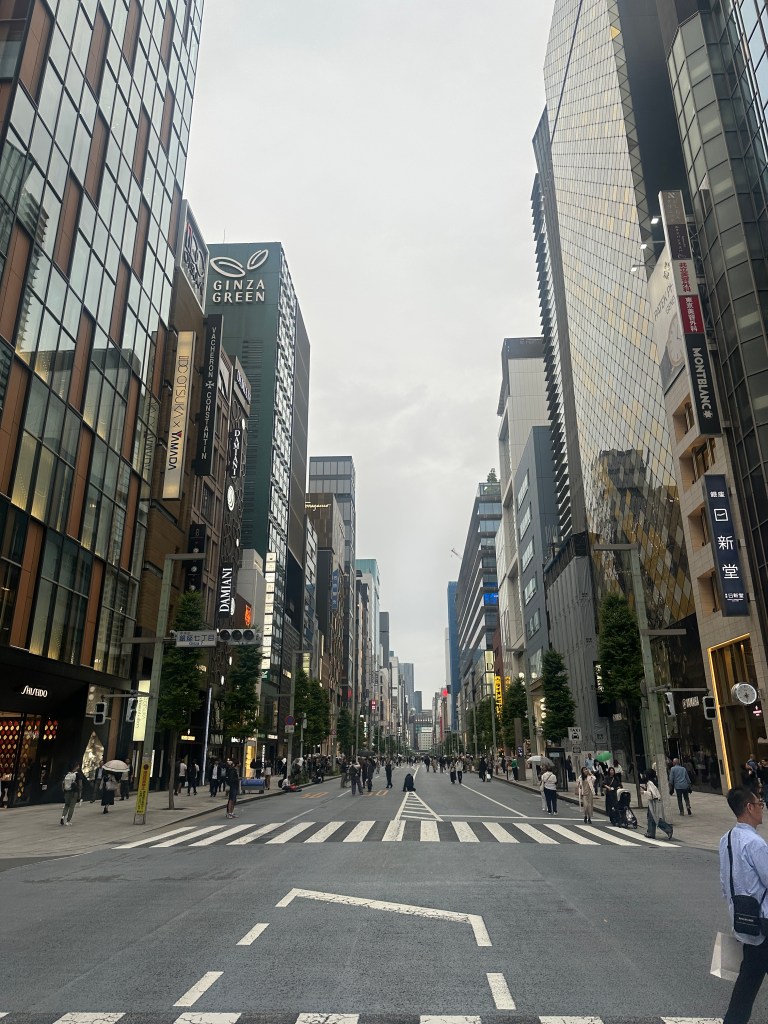
I was staying at Yotel Ginza, a sleek, minimal hotel with compact rooms, automated check-in, and everything I needed—nothing I didn’t. Ginza, by the way, is Tokyo’s upscale core. Think polished streets, flagship stores, and buildings that look like Apple designed them.
Around 10 AM, I met a local friend, and we walked to Oniyami, a no-frills udon joint tucked away in a side alley. I had cold udon topped with fried tofu, served with the kind of clean broth that doesn’t need explanation—it just works. Simple. Balanced. Excellent. The kind of place you’d never find unless someone took you.

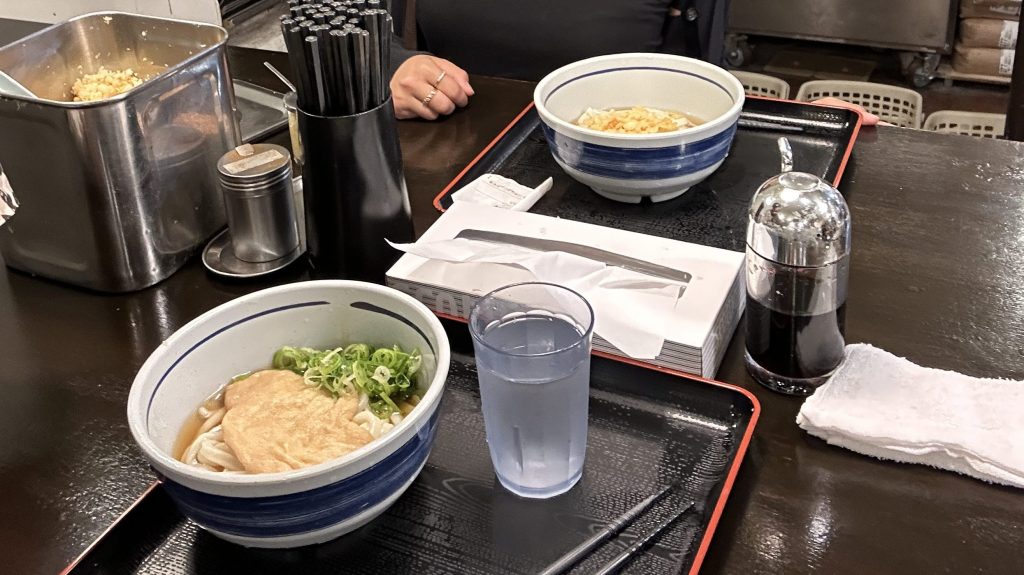
Tip: Use Tabelog for food. It’s what locals use, and anything above 3.0 is genuinely good. Don’t bother with Google or TripAdvisor.
From there, we took the Ginza Line to Shibuya—a quick 22-minute ride into Tokyo’s loudest, busiest self.
Shibuya is like flipping the contrast switch. It’s all oversized screens, Gen Z fashion stores, thumping music, and people moving in perfect chaos. I stood in front of the famous Shibuya Crossing, waited for the signal, and stepped into the blur, along with what felt like half the city. I had tickets for Shibuya Sky at 11:20, but I skipped it to stay in the moment. No regrets.
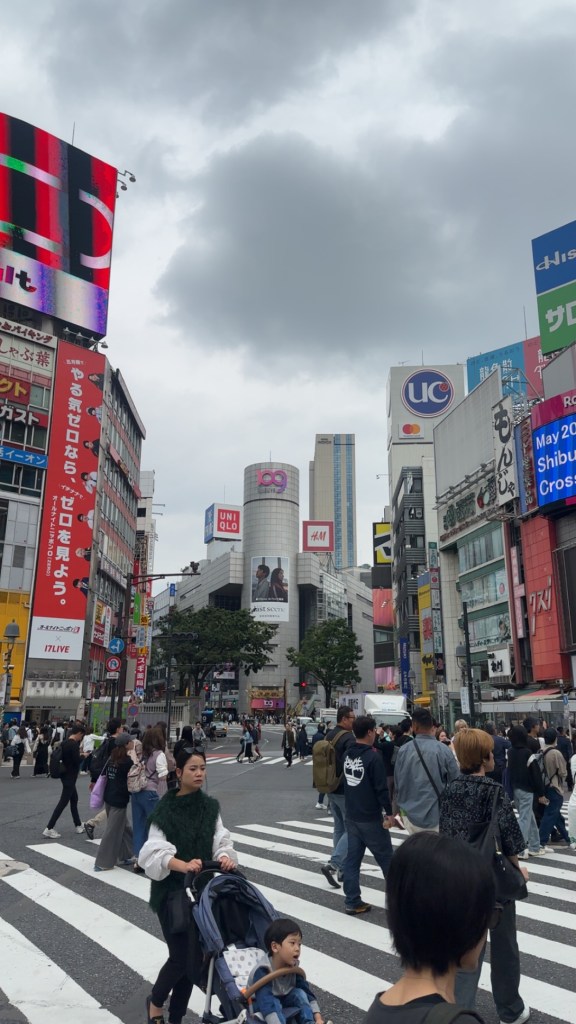
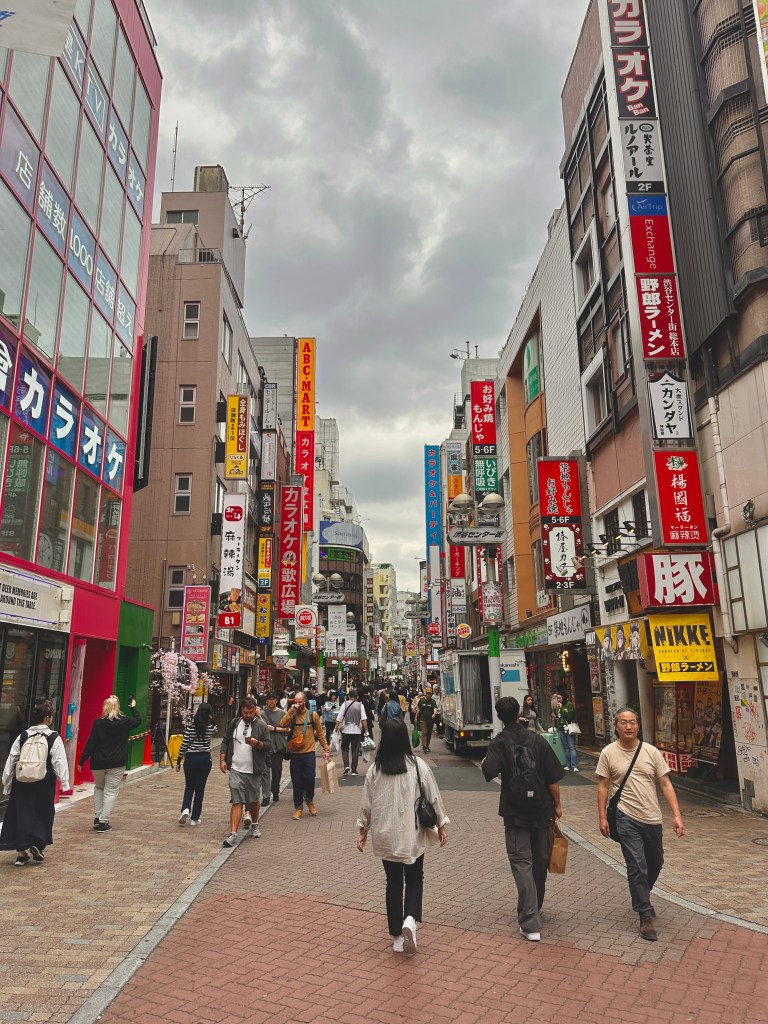
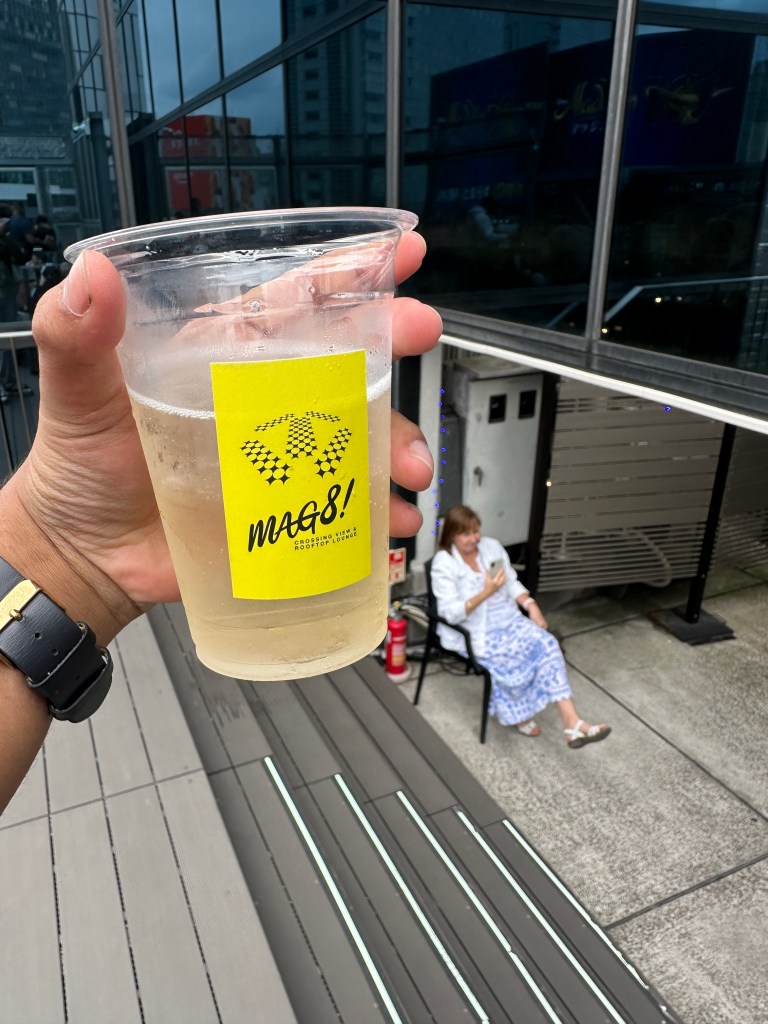
Tip: For a great view of the crossing, head to the MAGNET building and take the elevator to the 10th floor. ¥1,600 gets you access and a drink, without the madness of Shibuya Sky.
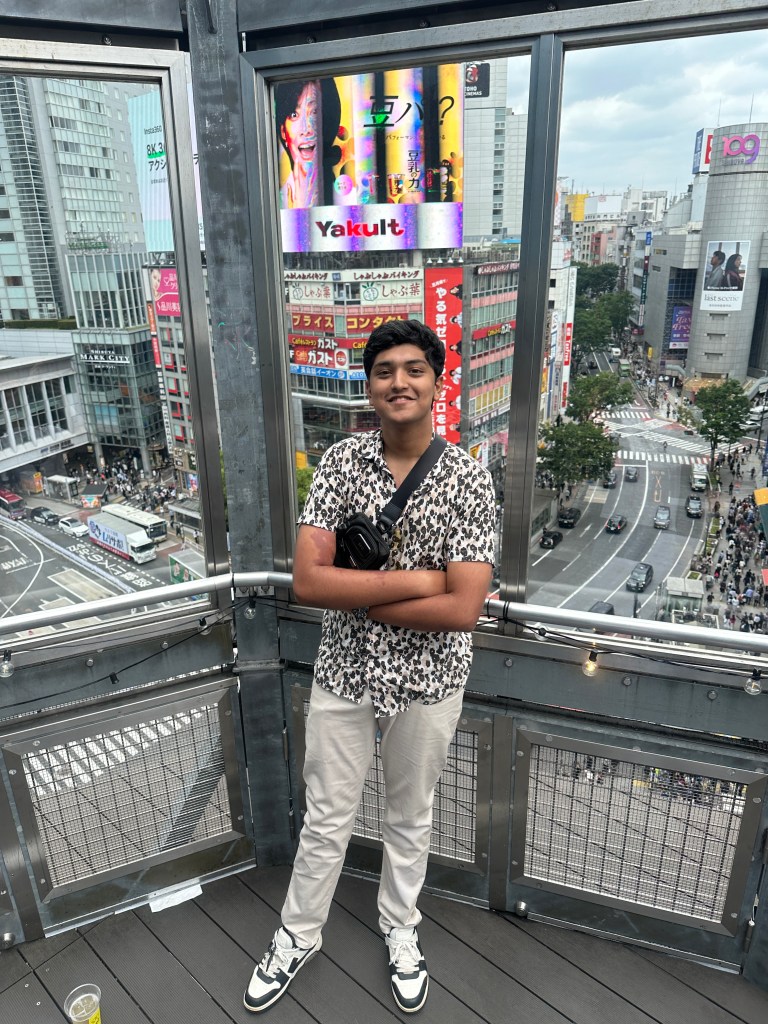
We explored the lanes around Shibuya, and that’s where I stumbled into Torahebi Coffee. I ordered an iced pour-over brewed with sake barrel-aged beans—a little wild, a little fruity, and totally worth trying once. Light, clean, with a soft fermented edge that made it feel more like an experience than a drink.
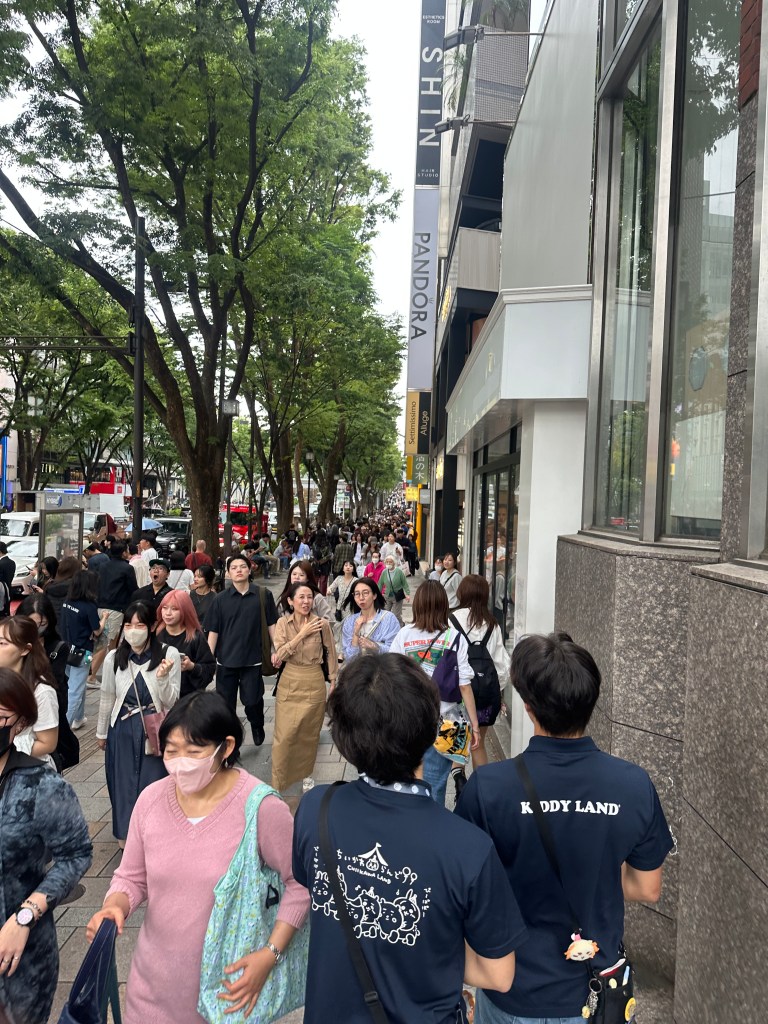
After that, we split up, and I walked my way through Omotesando and Harajuku, which are fantastic for boutique shopping. Japan’s retail scene is in a league of its own—the attention to detail, the quality of stitching, the presentation—flawless. Even the paper bags feel high-end.
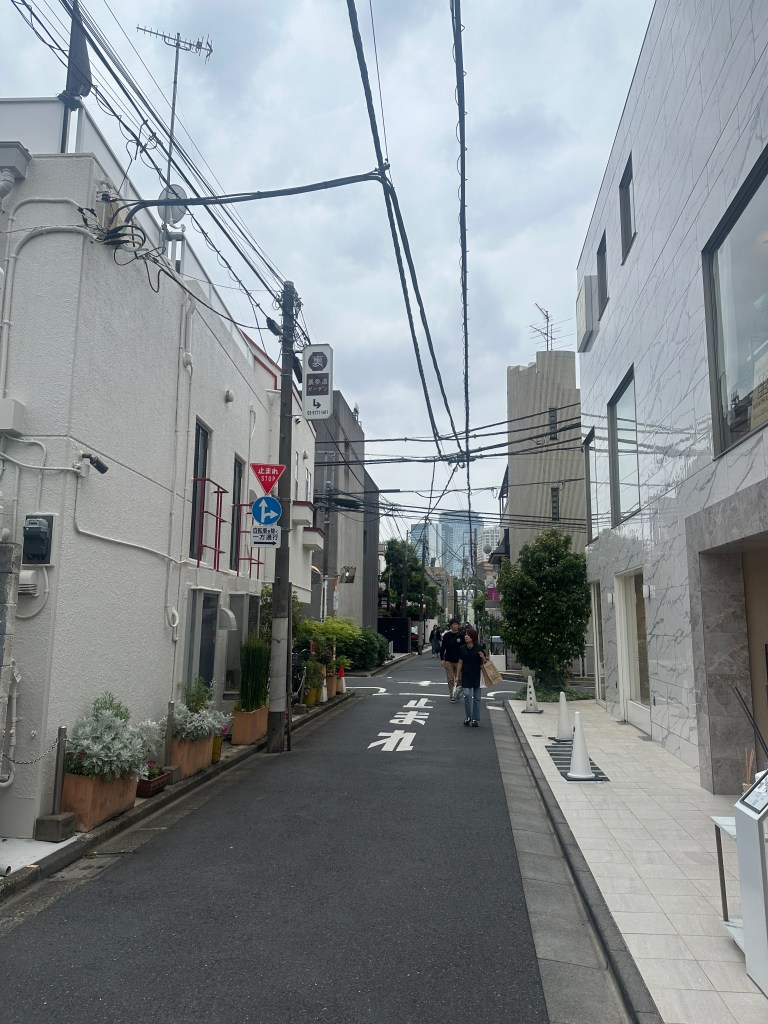
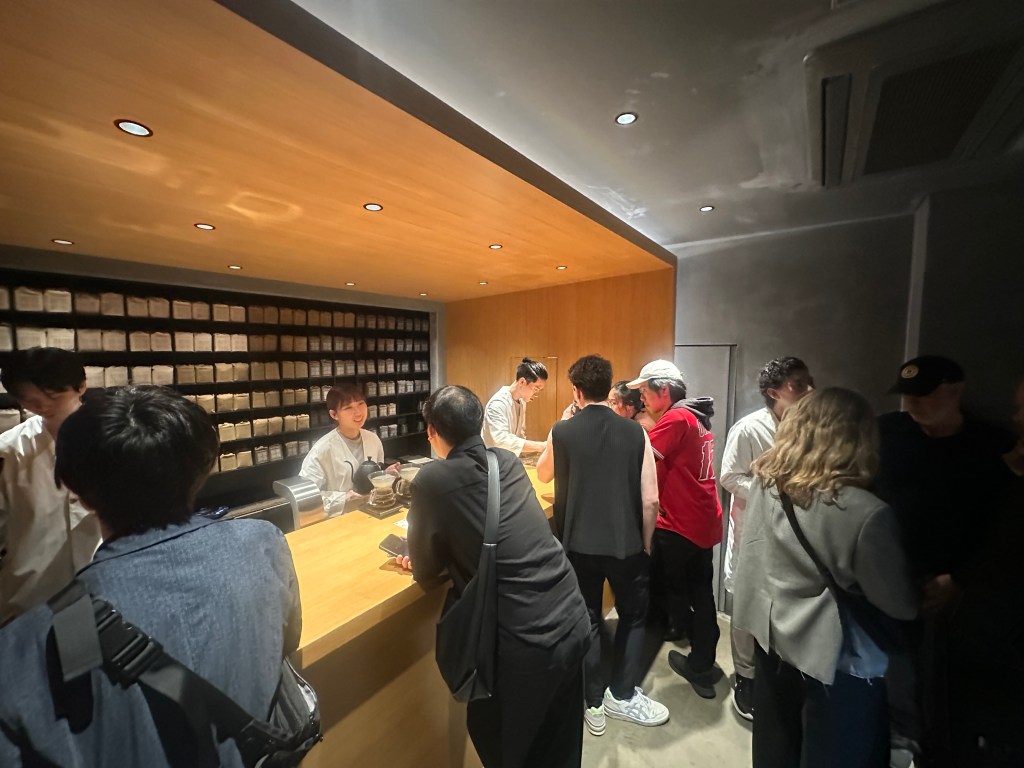
Eventually, I made it to Koffee Mameya, a hidden coffee shrine tucked into a quiet alley, recommended by my houseparent in Singapore. It’s not a café—it’s a concept. No seating, no signs, just a wooden cube with a team of baristas who take their coffee very seriously. Before you order, they ask what kind of coffee you like, talk you through different beans, and then help you pick the right brew. While I was waiting in line, I struck up a conversation with a group ahead of me. Twenty minutes of chatting later, they ended up buying me both cups of coffee. No reason, no expectation. Just kindness.
The coffee? Immaculate. Precise, bright, perfectly extracted. It spoiled every cup I’d have after it.
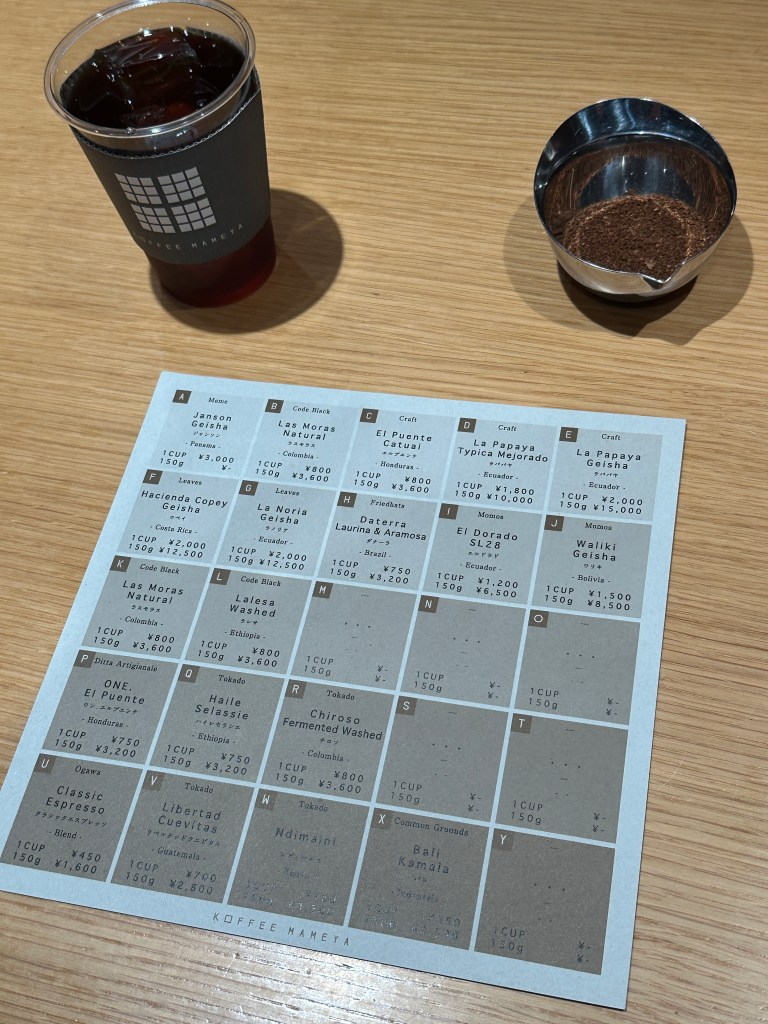
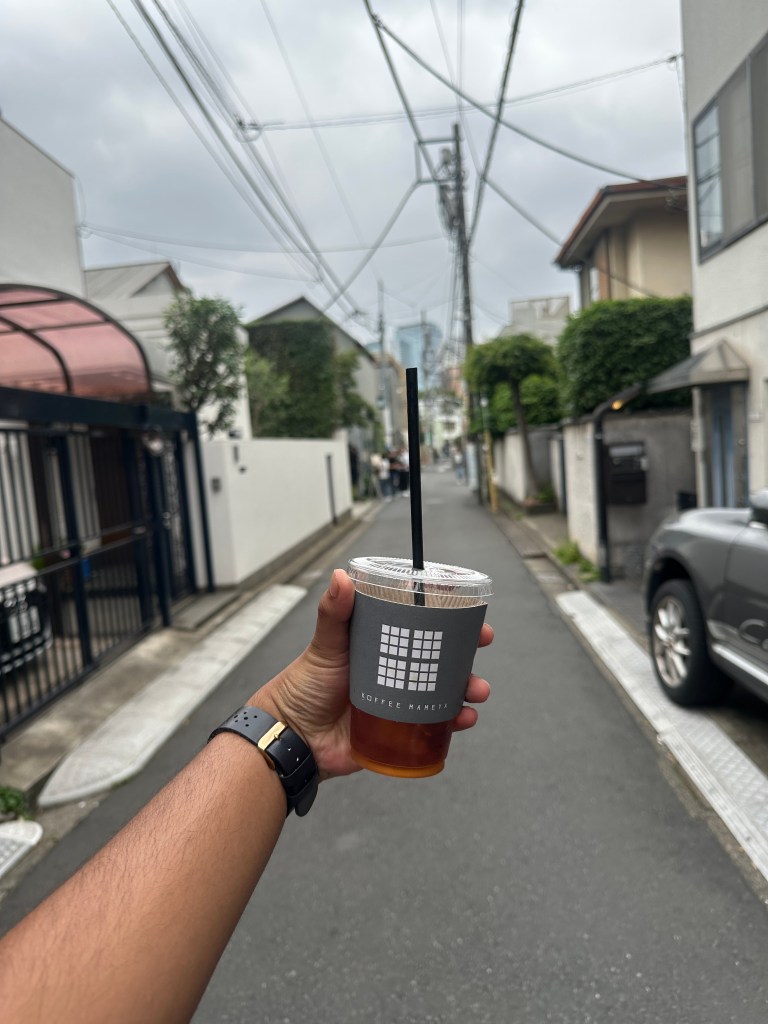
By now it was around 3:30 PM, and I was starving. I headed to Brown Rice, a vegan café hidden behind a small garden near Omotesando. I ordered a set meal with seasonal vegetables and Japanese curry, which was elegant and quietly comforting. The space was tranquil, the food minimal but deeply satisfying.
Tip: If you’re vegetarian, always ask if the dashi is fish-free. Bonito flakes are the default, and most places won’t consider it “non-vegetarian” unless you ask.
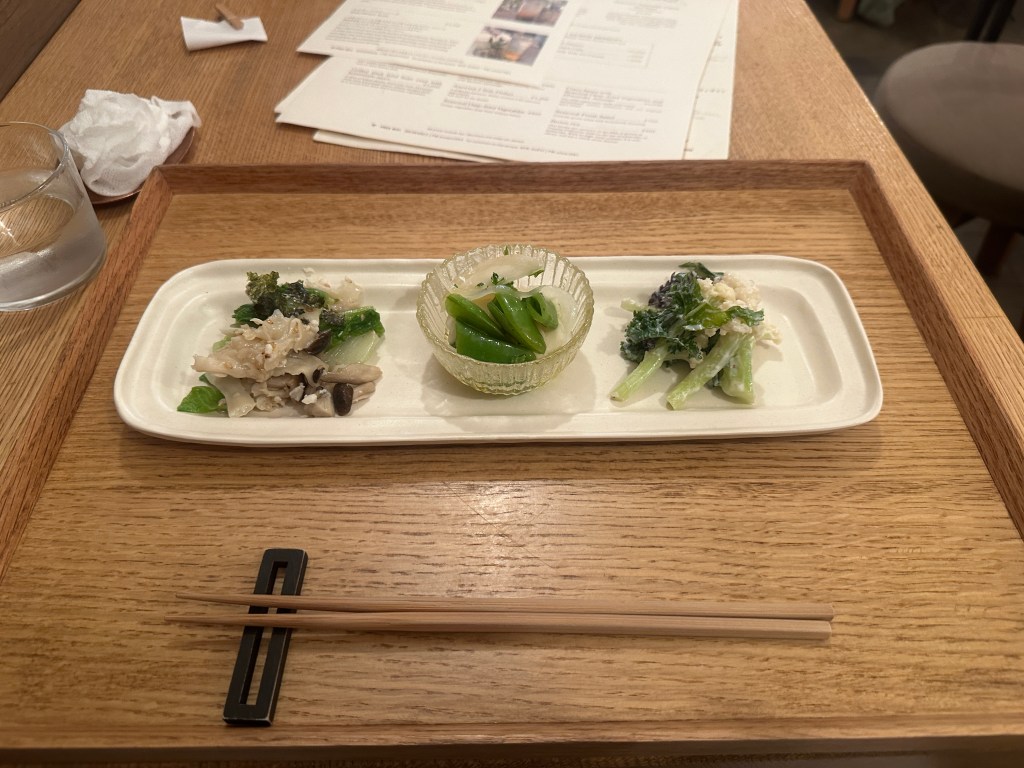

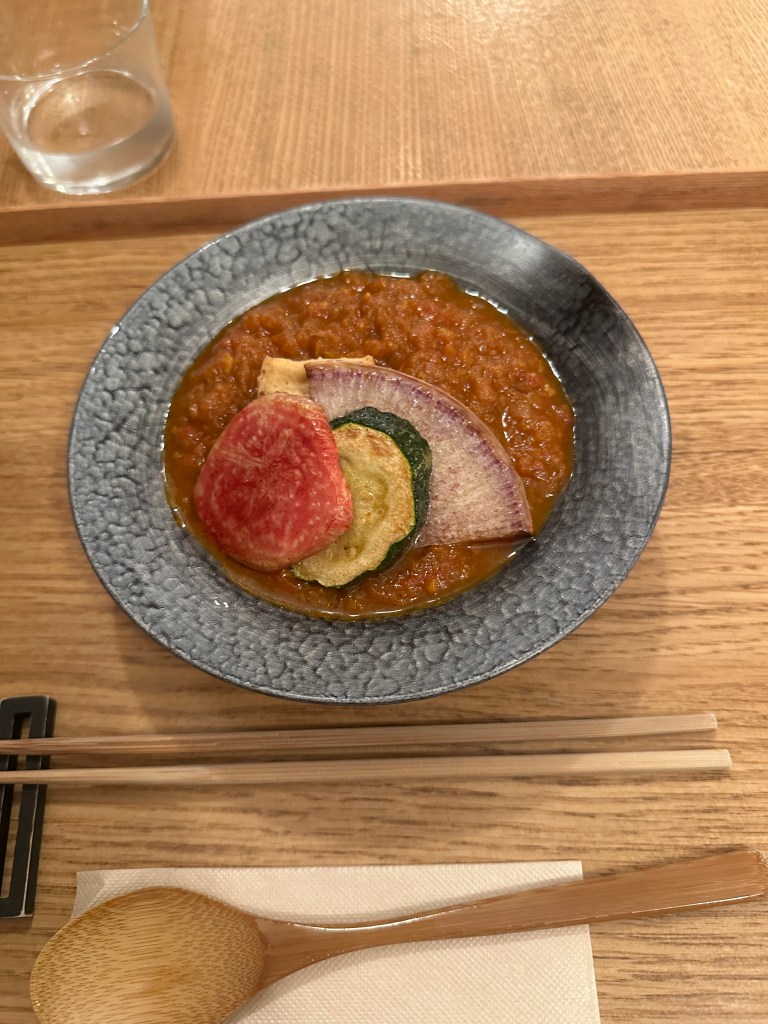
After a quick stop at the hotel to freshen up, I headed back out by 5 PM to explore Ginza at night. And it’s a spectacle. Stores aren’t just stores—they’re statements. Ten floors high, lit like galleries. I visited the 12-storey Uniqlo, the iconic Itoya stationery store with its seven floors of paper and pens, and browsed a local souvenir shop called Loft where everything felt like a perfect gift. I also picked up a bottle of Japanese whiskey from a premium whiskey only store for my dad.
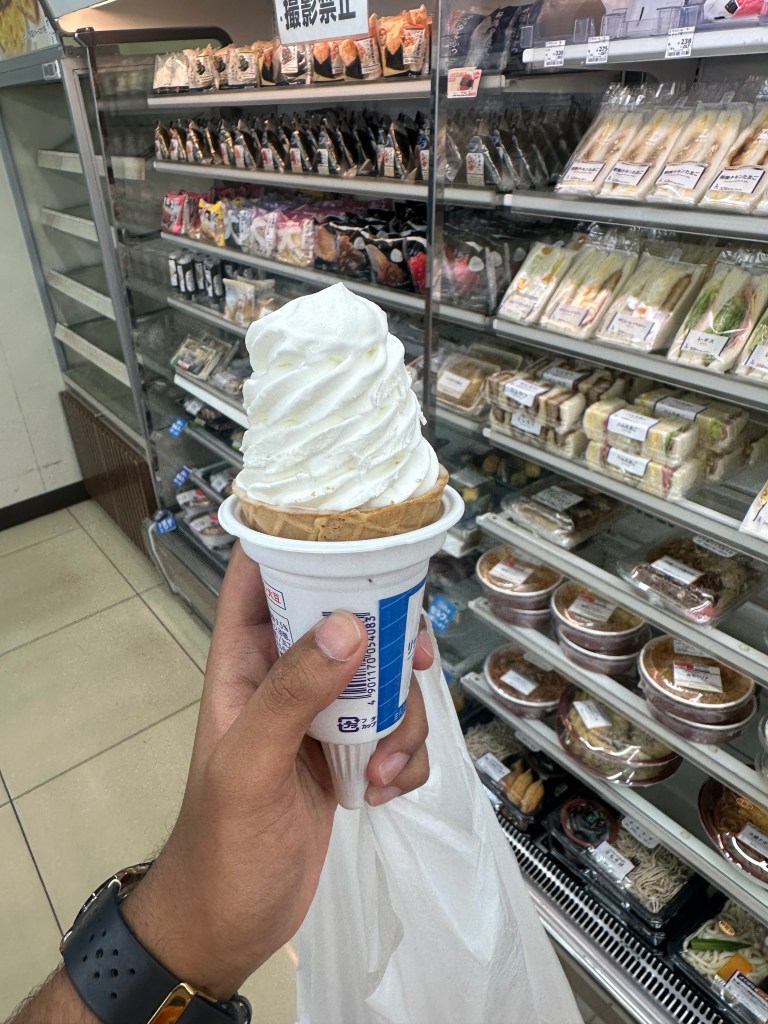
Tip: Convenience stores in Japan are next level. 7-Eleven, Family Mart, Lawson—they have everything. Power banks, matcha custards, hot coffee, toothpaste, stationery, even SIM cards. They’re open early, late, and sometimes all night.
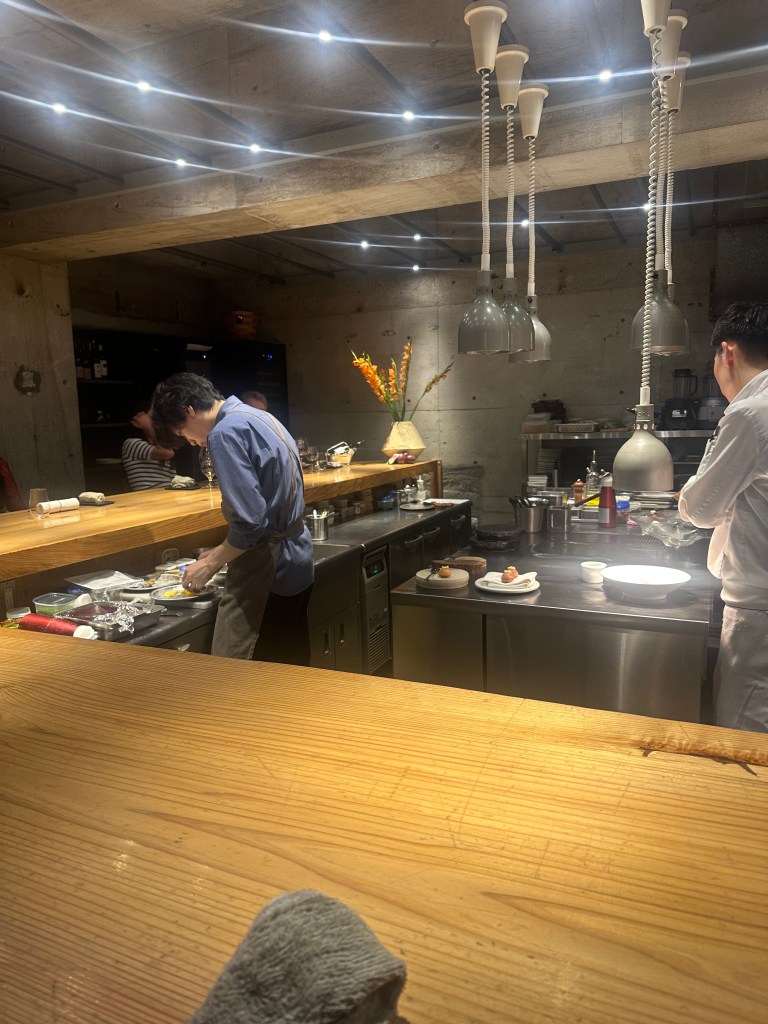
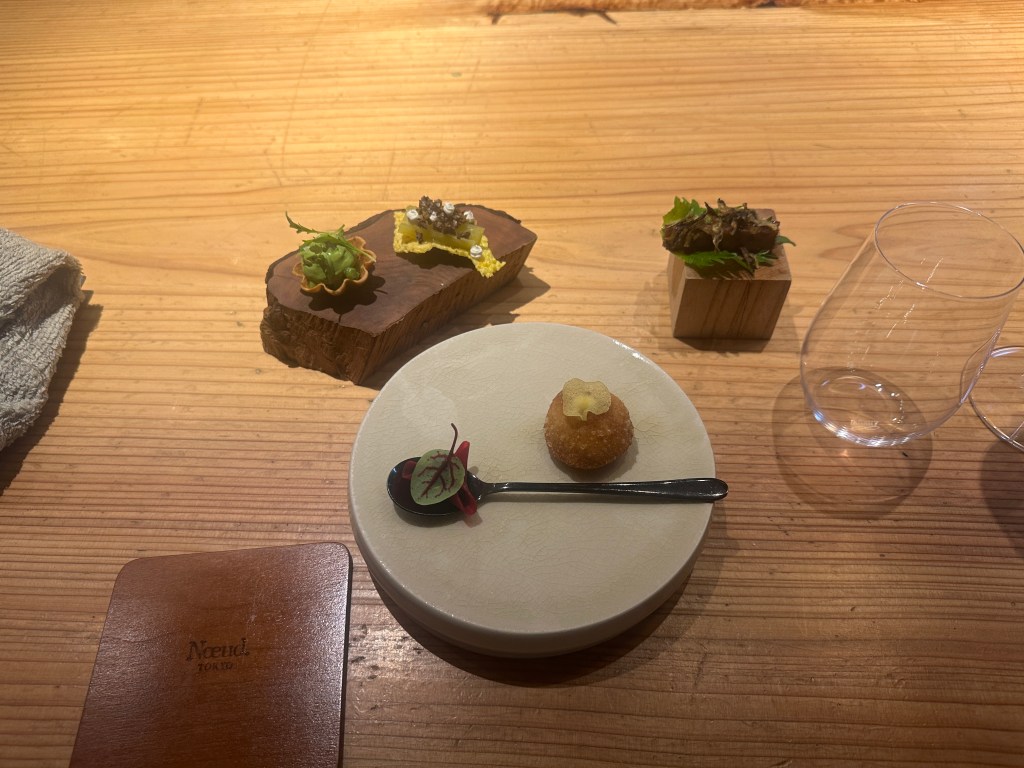
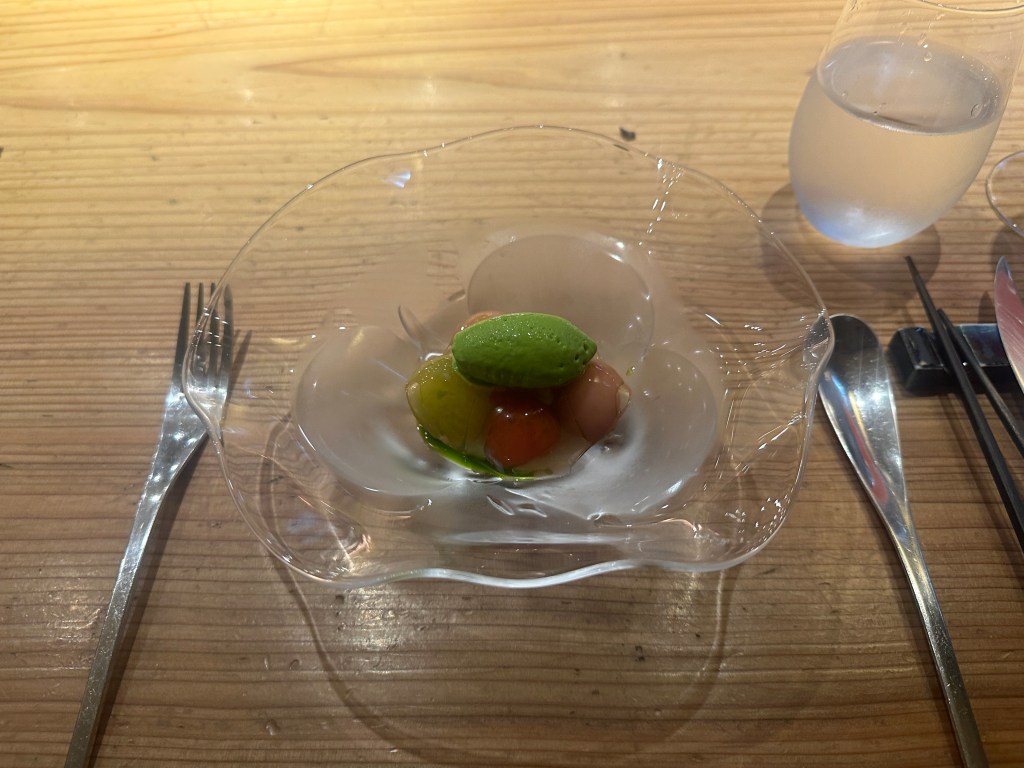
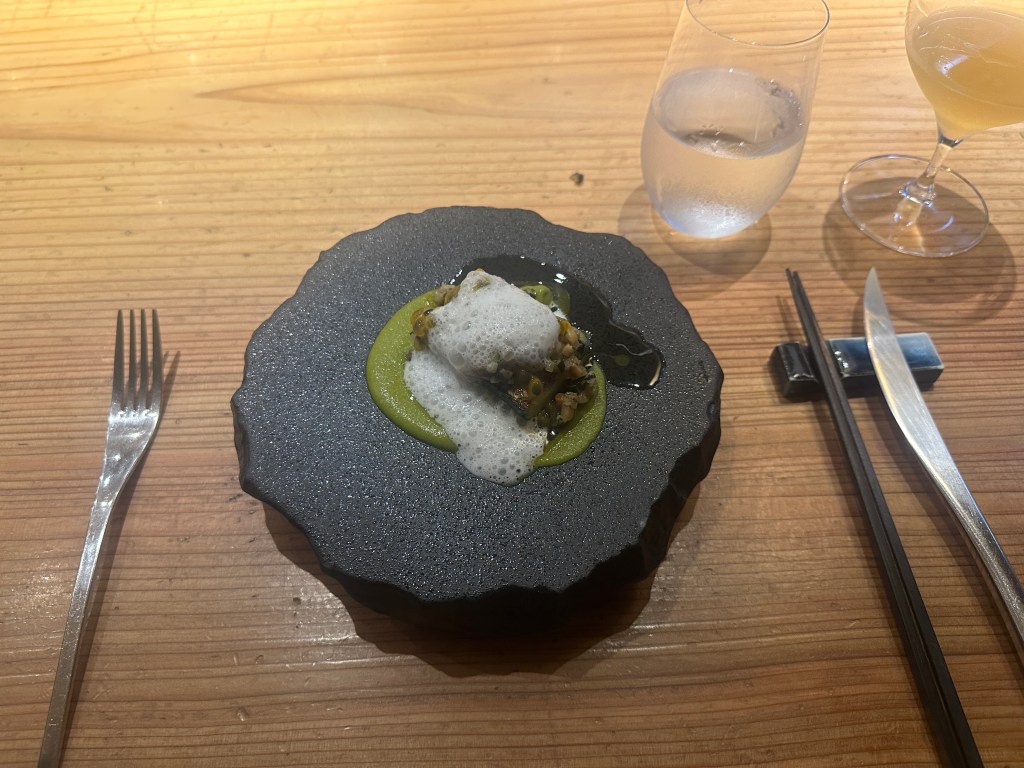
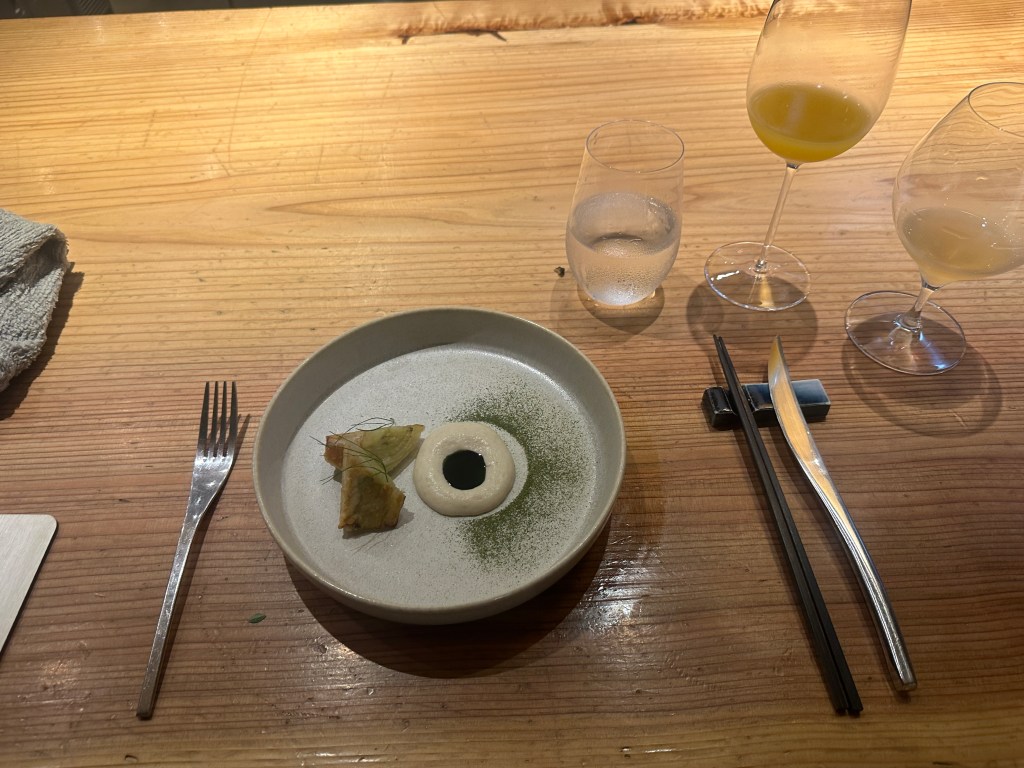
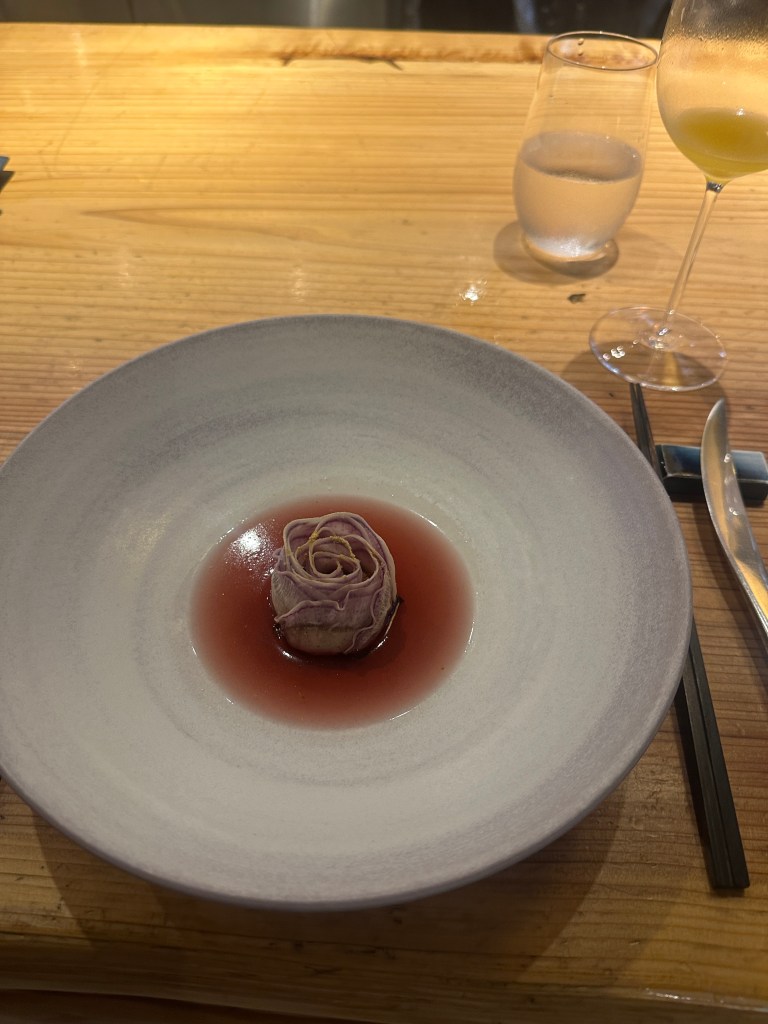
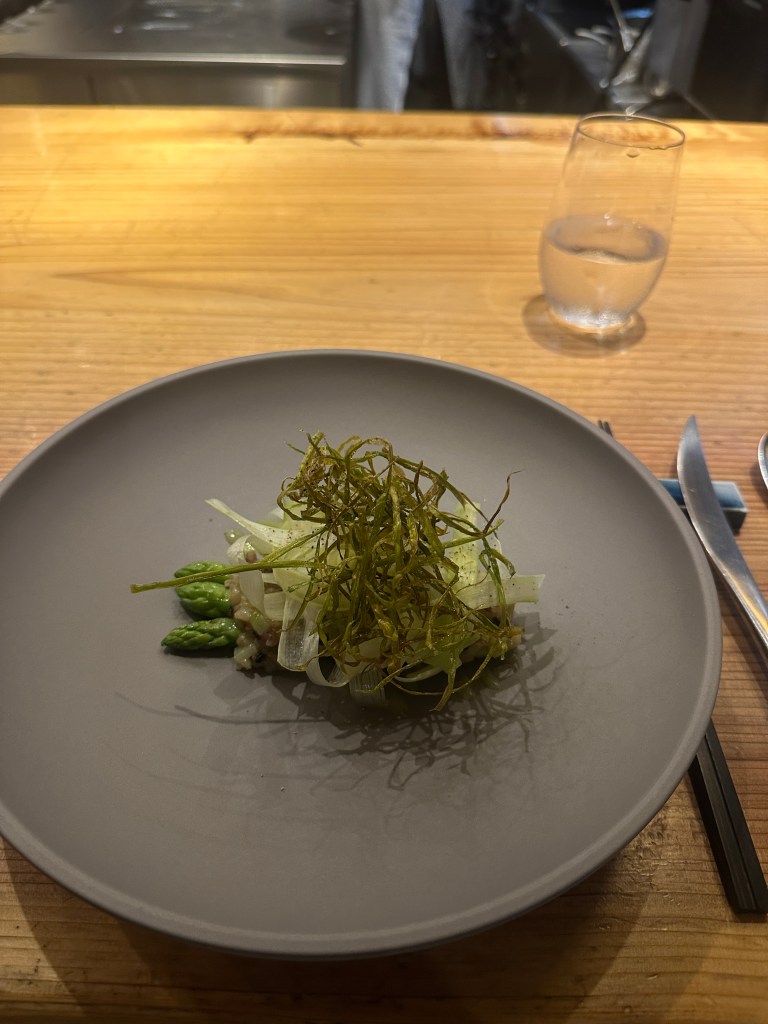
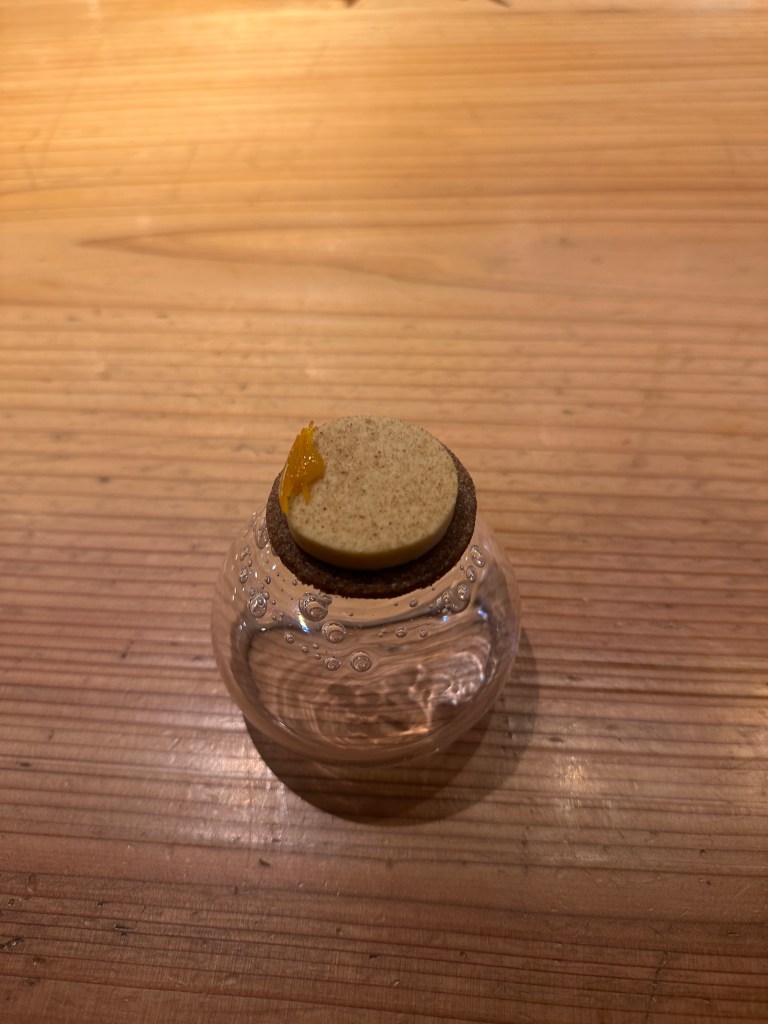
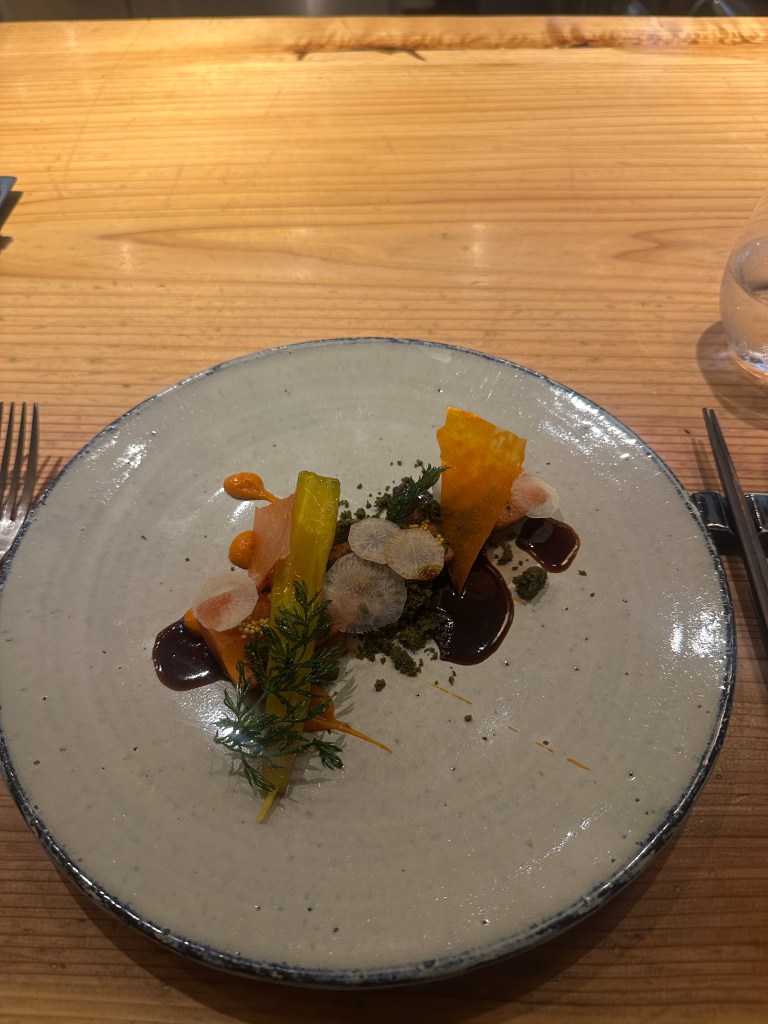
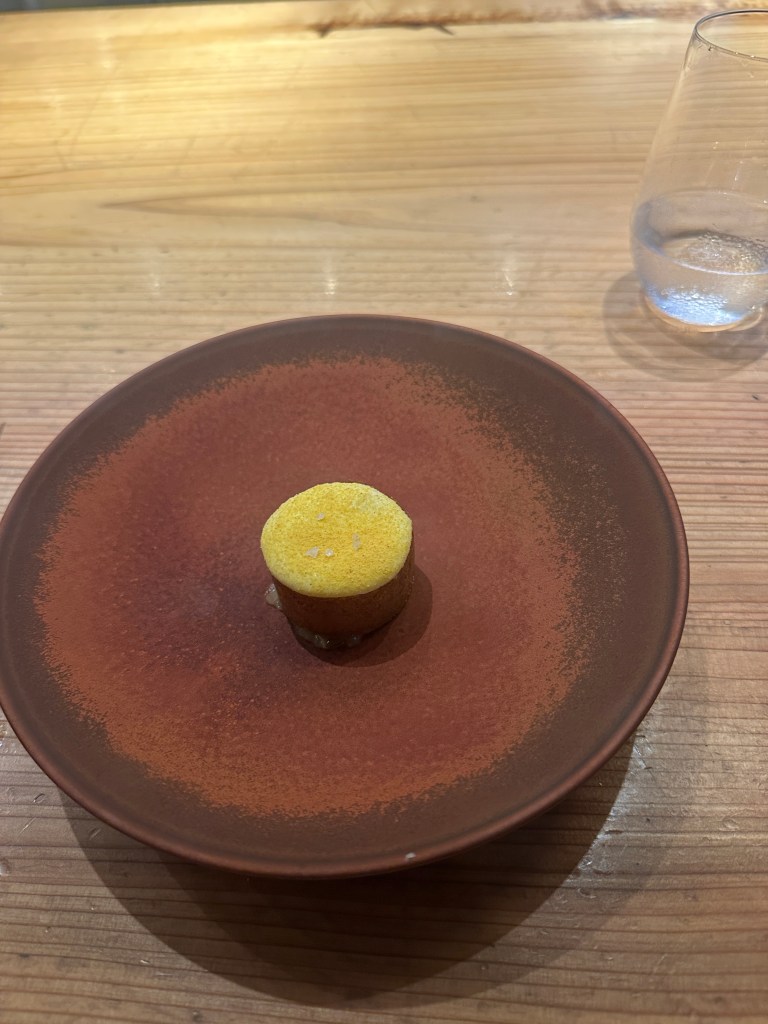
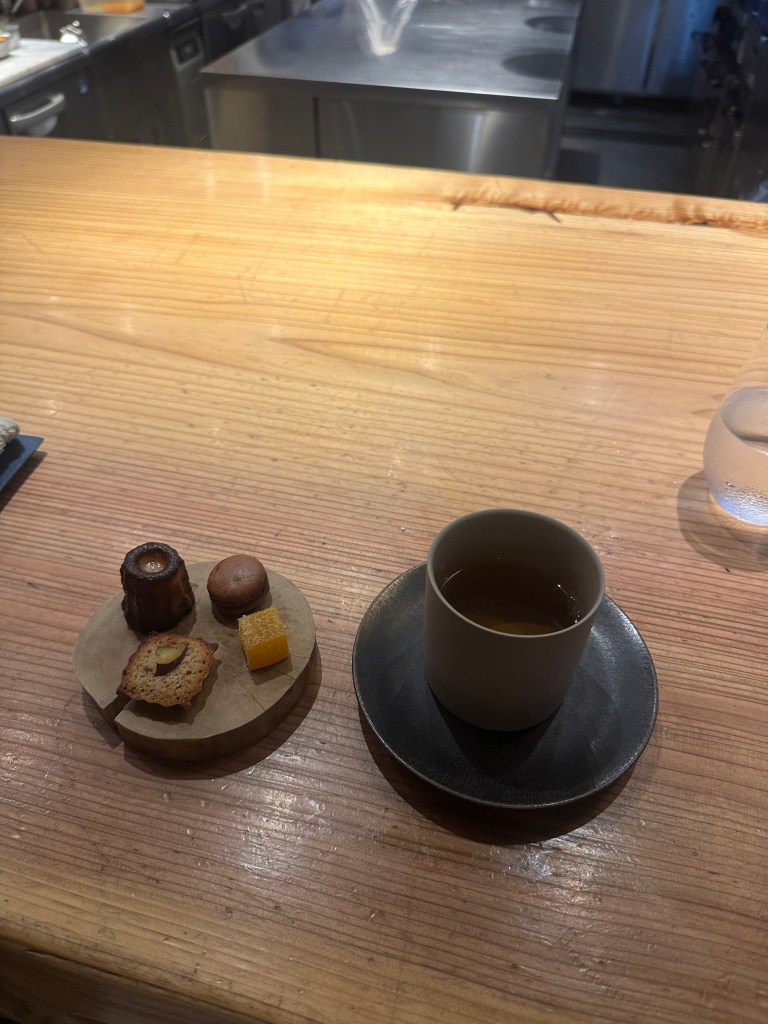
Dinner was at Noeud, a Michelin-starred Japanese-French fusion restaurant in a quiet corner of the city. It was a nine-course tasting menu, and the meal was refined, creative, and deeply seasonal. The standout was a dish of tomato and green onion with sorbet and tomato gel—an explosion of flavor, perfectly plated. A zucchini risotto with coconut foam followed, then a fried fennel dish with fennel hummus that didn’t quite land—too bitter for the rest of the set. But the next course, a daikon and shiitake rose in a mushroom broth, brought it back. Then came a textural play on asparagus, and finally the main: carrot prepared five ways, finished with a glossy onion jus, which was by far the showstopper both in flavour and presentation. Dessert was a Kawachi Bankan citrus dish—light, sharp, and forgettable. The non-alcoholic pairing was thoughtful, and while the service could’ve been a notch more polished for a Michelin star, the meal—at ¥14,000—felt worth it.
Mt. Fuji
Few sights are as iconic—or as elusive—as Mt. Fuji. Japan’s tallest peak and most sacred mountain has been immortalized in woodblock prints, poetry, and postcards for centuries. On a clear day, it rises like a perfect triangle, snow-tipped and majestic. But getting a good view? That’s the real game.
There are two ways to do a Fuji day trip from Tokyo, which came across in my research—Hakone and Kawaguchiko. Hakone offers more of a scenic loop with cable cars, pirate ships, and sulfur springs, and you can reach it via the Odakyu Romancecar or a combination of trains and ropeways. Kawaguchiko, on the other hand, brings you face-to-face with the mountain from the north side, with better photo ops, fewer transfers, and a more direct view. There’s also Fuji-Q Highland, a thrill-seeker’s paradise of roller coasters at the foot of Fuji, if that’s your thing. I chose Kawaguchiko.
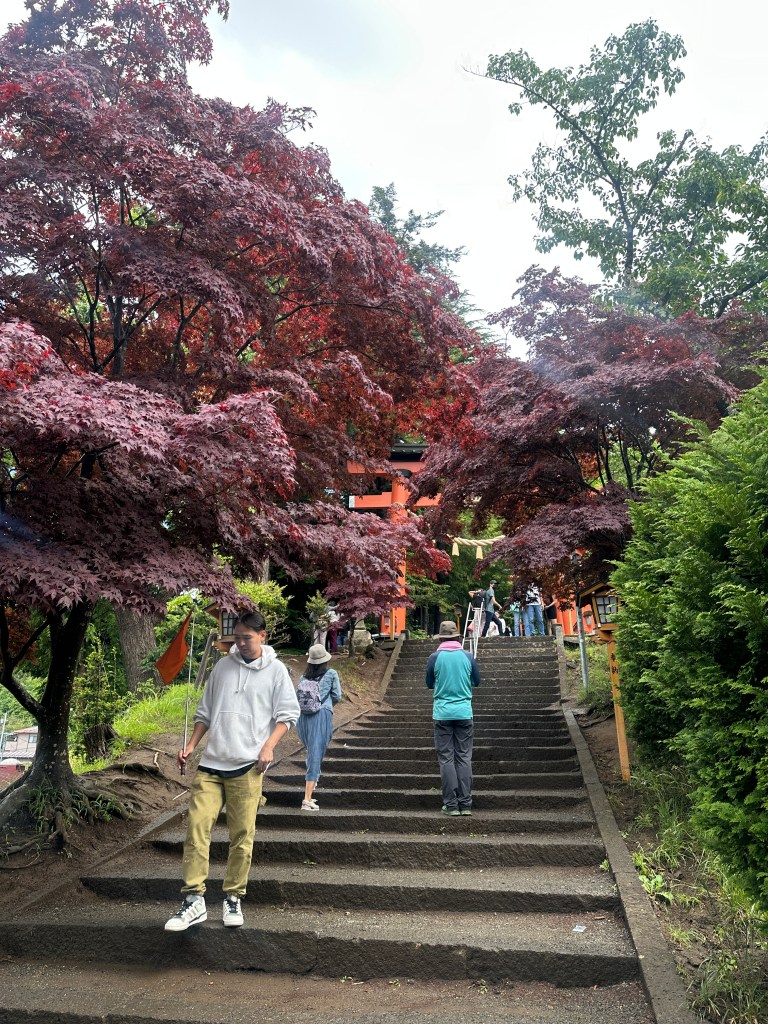
An early morning highway bus from Shinjuku took me to Kawaguchiko Station (Bus Stop No. 2) in under two hours. Smooth ride and decent legroom. From there, I boarded a local train to Shimoyoshida Station, followed by a 20-minute uphill walk to the Chureito Pagoda. The climb, though short, will test your calves. But once you reach the top? Fuji, in full frame.
The classic shot: red pagoda in the foreground, cherry blossoms (if you time it right, which I missed because of the season), and Mt. Fuji in the background. The view was not very clear, but still I got some amazing shots.
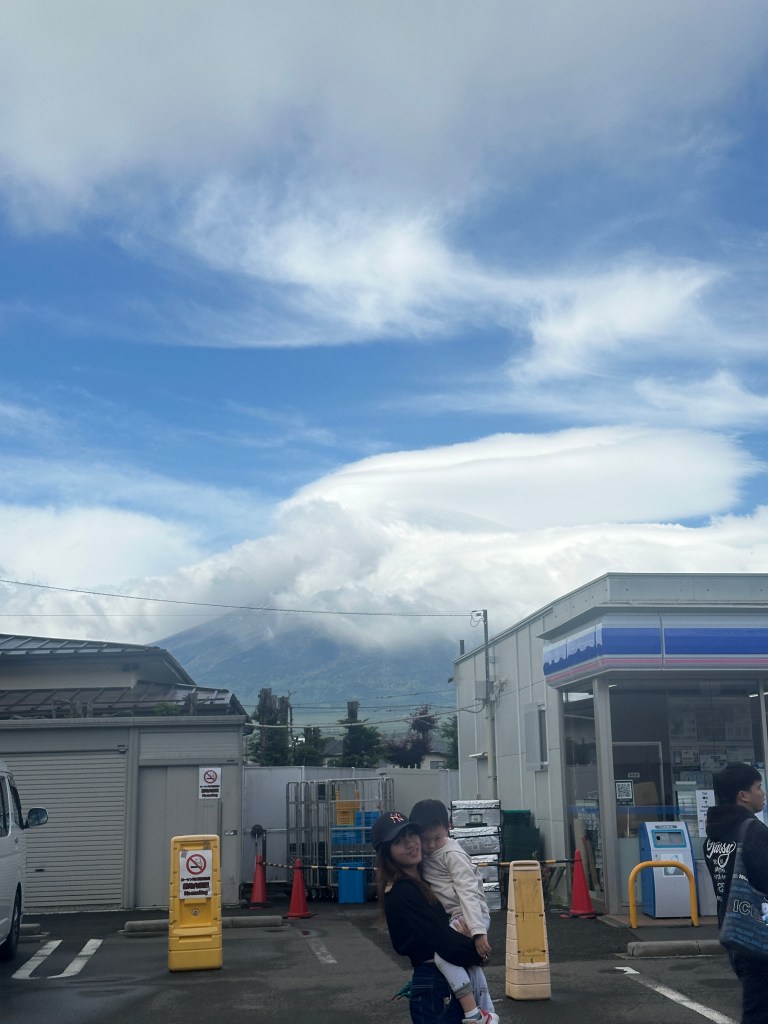
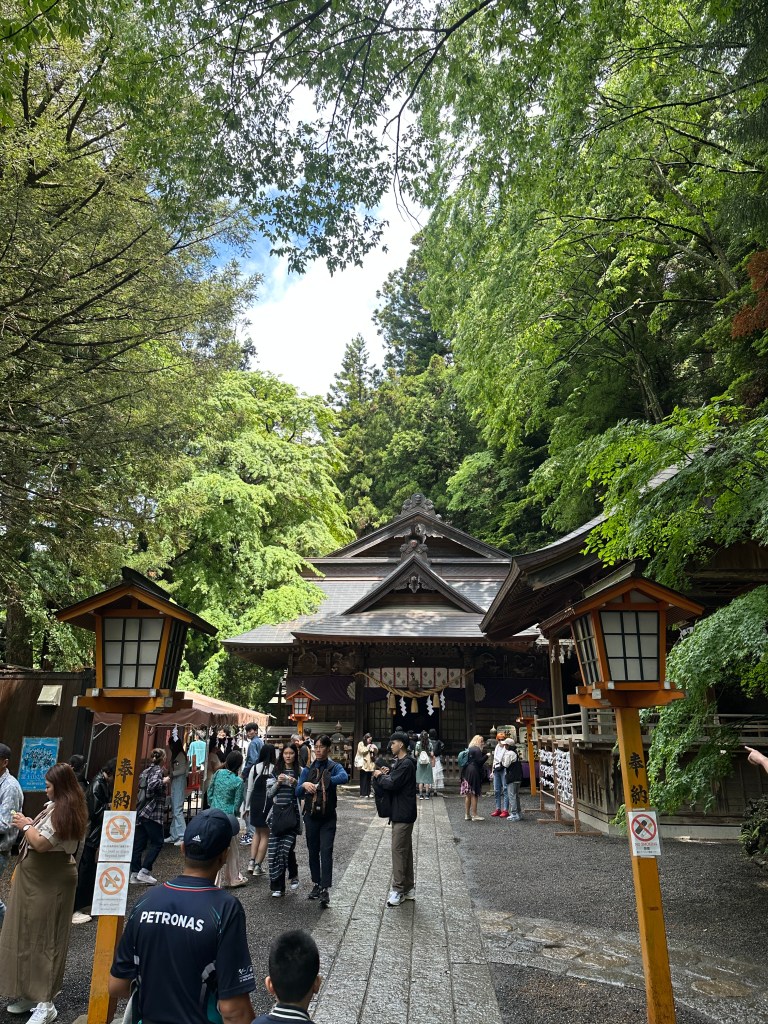
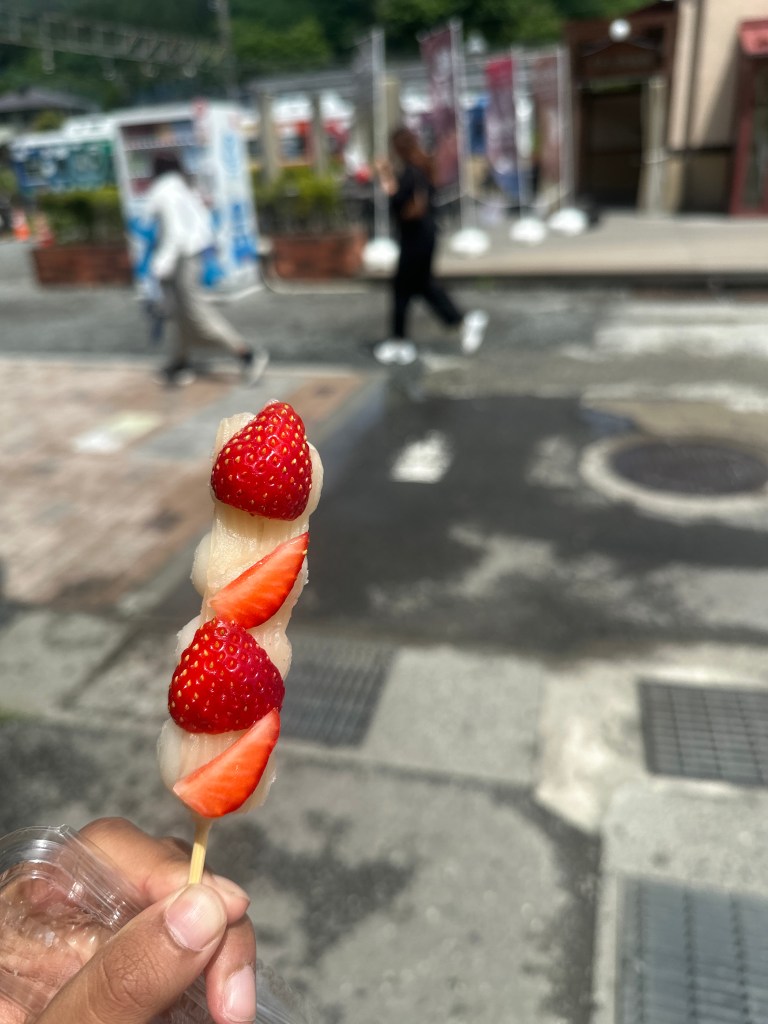
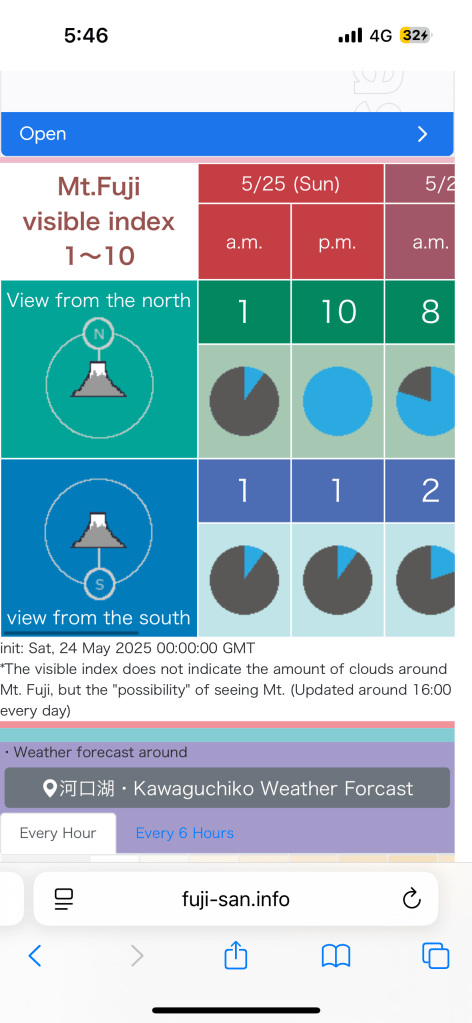
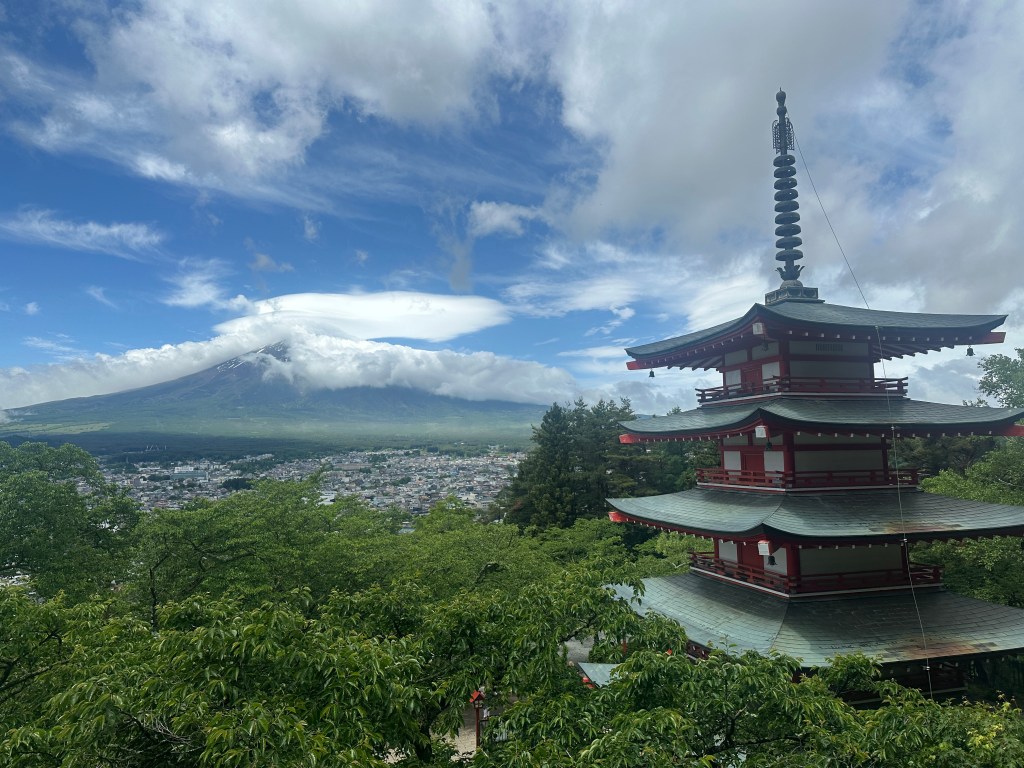
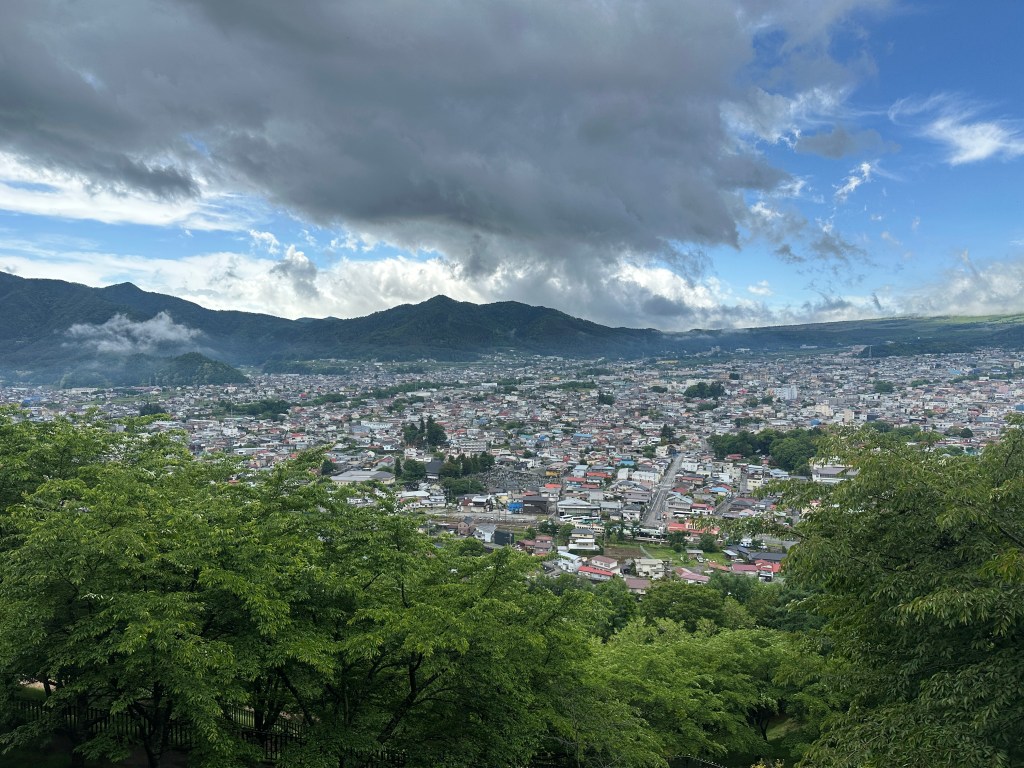
Tip: Always check the Fuji visibility forecast the night before. Websites give hour-by-hour clarity. Kawaguchiko is on the north face of the mountain, so forecast visibility here can differ from Hakone or Tokyo. “You don’t choose when to see Mt. Fuji. Mt. Fuji chooses when to show itself.” That old saying? Couldn’t be more accurate.

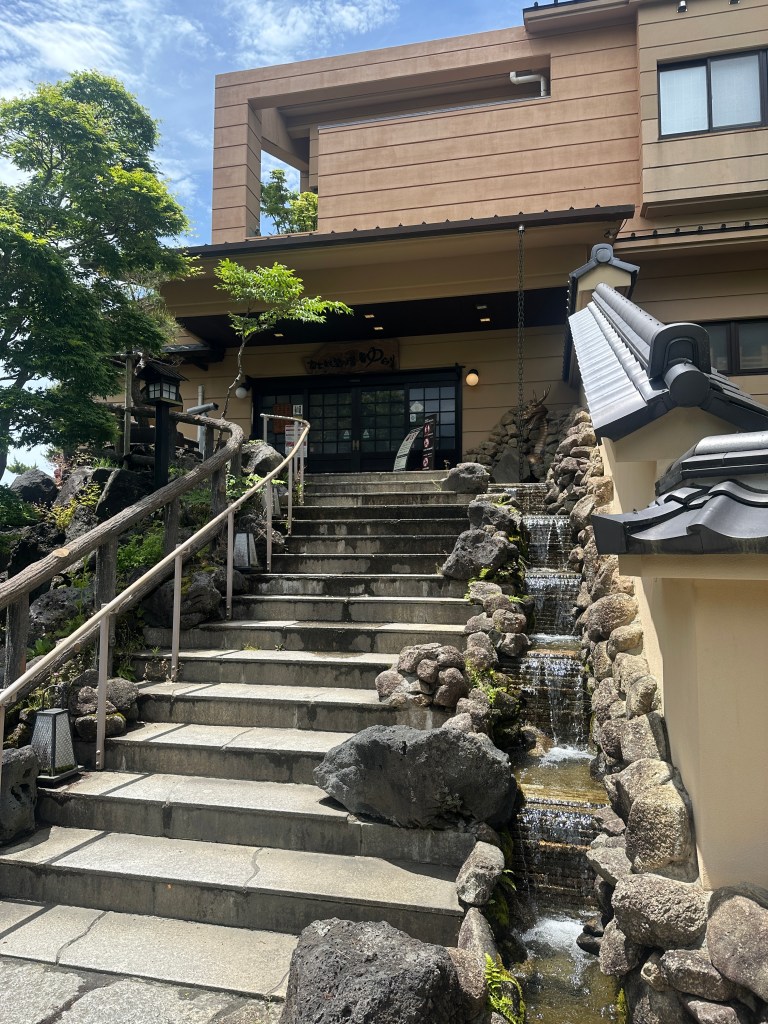
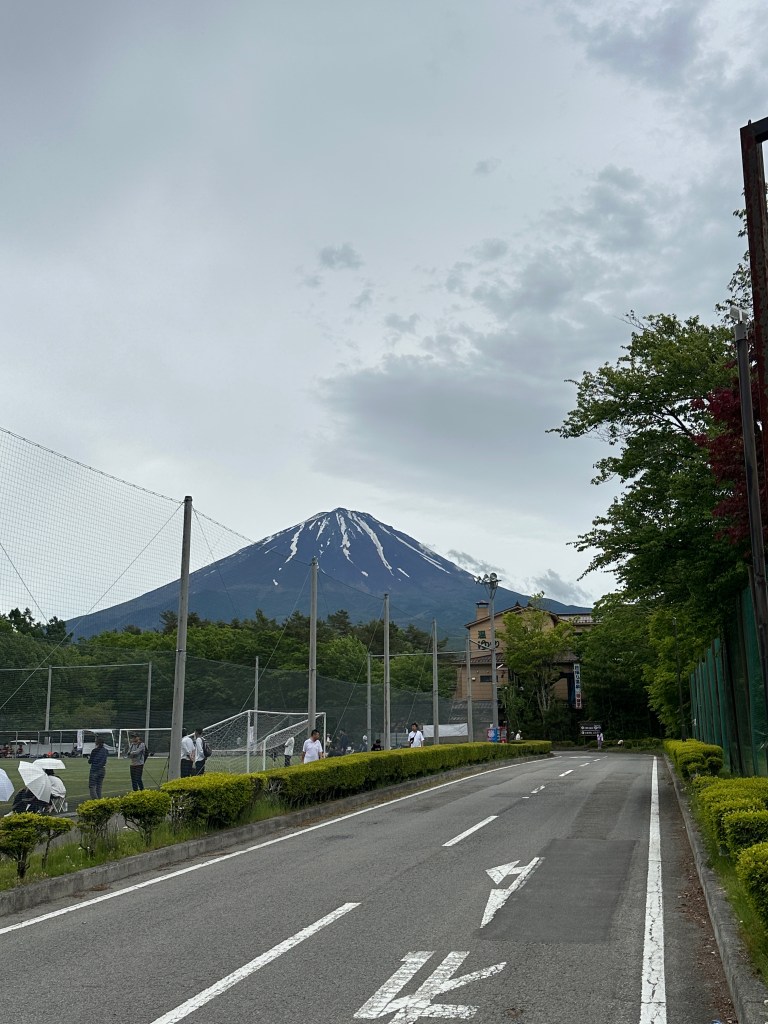
From there, I took a quick bus to Yurari Onsen, one of the more relaxed, foreigner-friendly bathhouses in the area. Nestled near the base of Fuji, it offers 18 types of baths—cave baths, carbonated tubs, aromatherapy steam rooms—but the real magic lies in the rotenburo, the outdoor bath. Soaking in steaming 40°C mineral water, completely still, while staring out at a view of Mt. Fuji—it’s something I’ll never forget. By this time, the skies had cleared completely and I could see Mt Fuji in all its majesty as crystal clear as the water I was bathing in.
But with great relaxation comes great responsibility. Onsen etiquette is strict:
- No tattoos allowed (many onsens will deny entry if they spot even a small one).
- Separate baths for men and women.
- Absolutely no clothing inside the bathing area—not even underwear.
- You get two towels: a large one for drying off, and a small modesty towel you take with you.
- The small towel should never touch the water. Keep it folded on your head or placed on the side.
- You must shower thoroughly with soap and shampoo before entering. Think of it as pre-cleaning.
- No cameras. At all. Respect everyone’s privacy.
I spent about an hour floating between tubs before heading back to Kawaguchiko and catching a late-afternoon bus to Tokyo.
Back to Tokyo
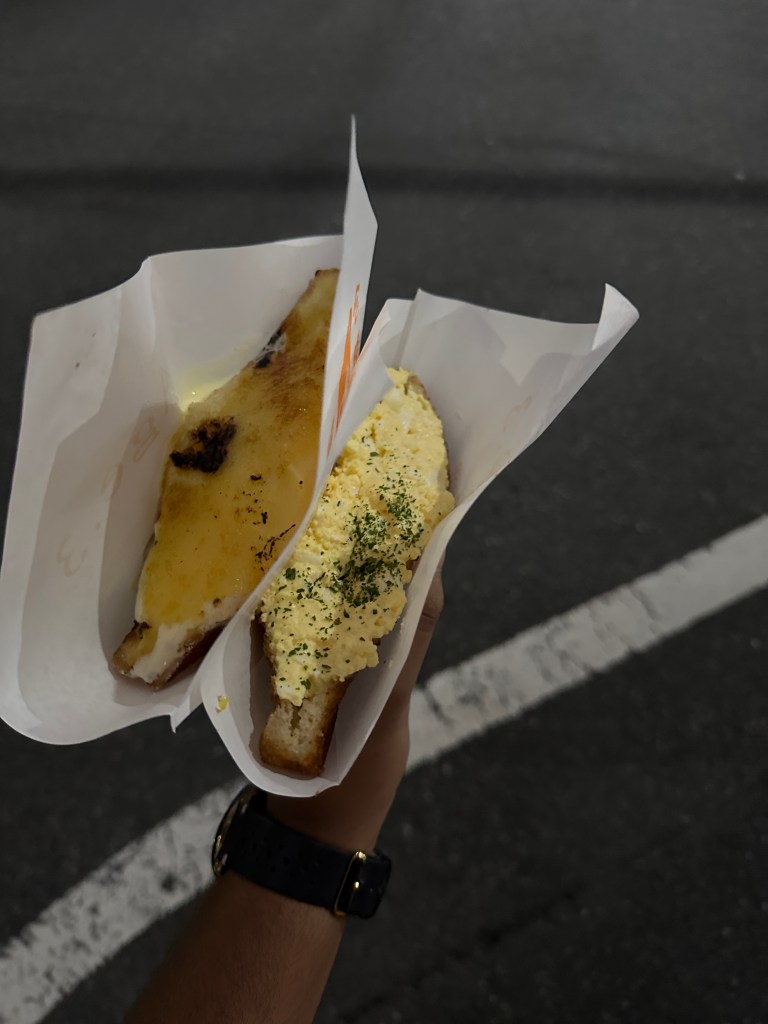
That evening, I dropped by Age 3 in Daikanyama, famous for its unhinged, totally-worth-it fried bread sandwiches. I had two: Crème Brûlée and Egg Salad. Both were messy. Both were perfect. You will need napkins. Many, many napkins.
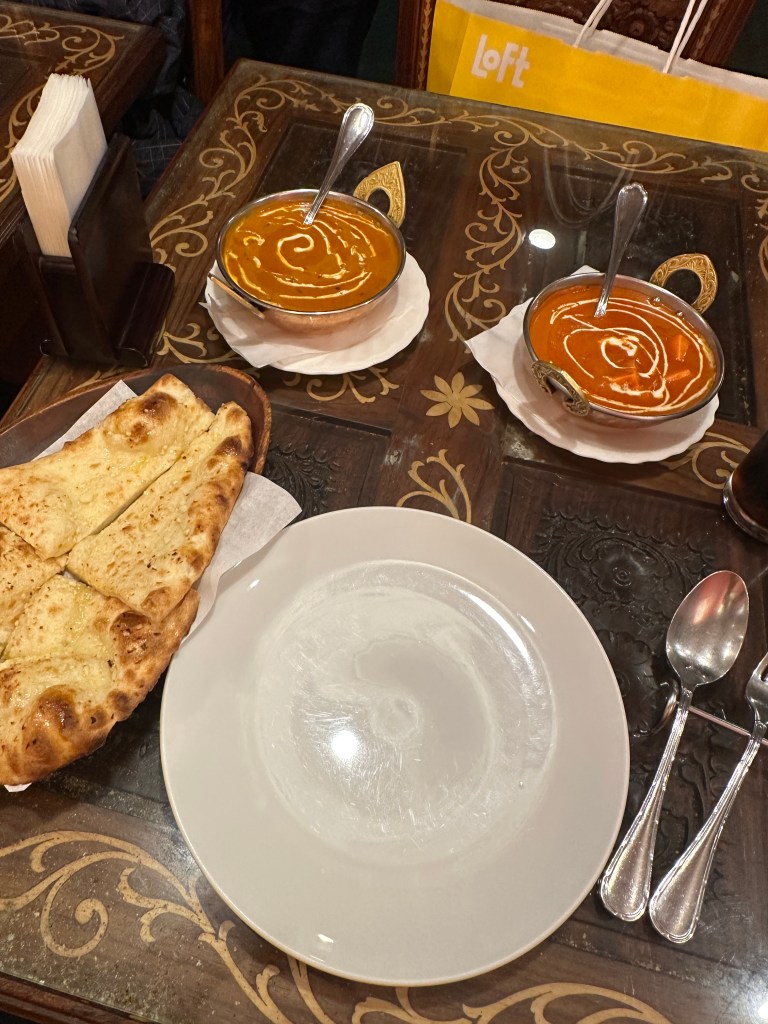
Dinner started off with intention—I was craving grilled yakitori, something smoky and salty and best eaten with a cold Asahi, which is Jap. But after ten days on the road, a wave of homesickness hit hard. So I ditched the plan and walked into a North Indian restaurant in Ginza called Annam. and ordered dal makhani and paneer butter masala. Was it the best I’ve had? No. Did it hit the spot? Completely.
(But if you do stick to the original plan, grab a cold Asahi with your yakitori. It’s Japan’s most popular beer for a reason—clean, crisp, dry, and dangerously easy to drink.)

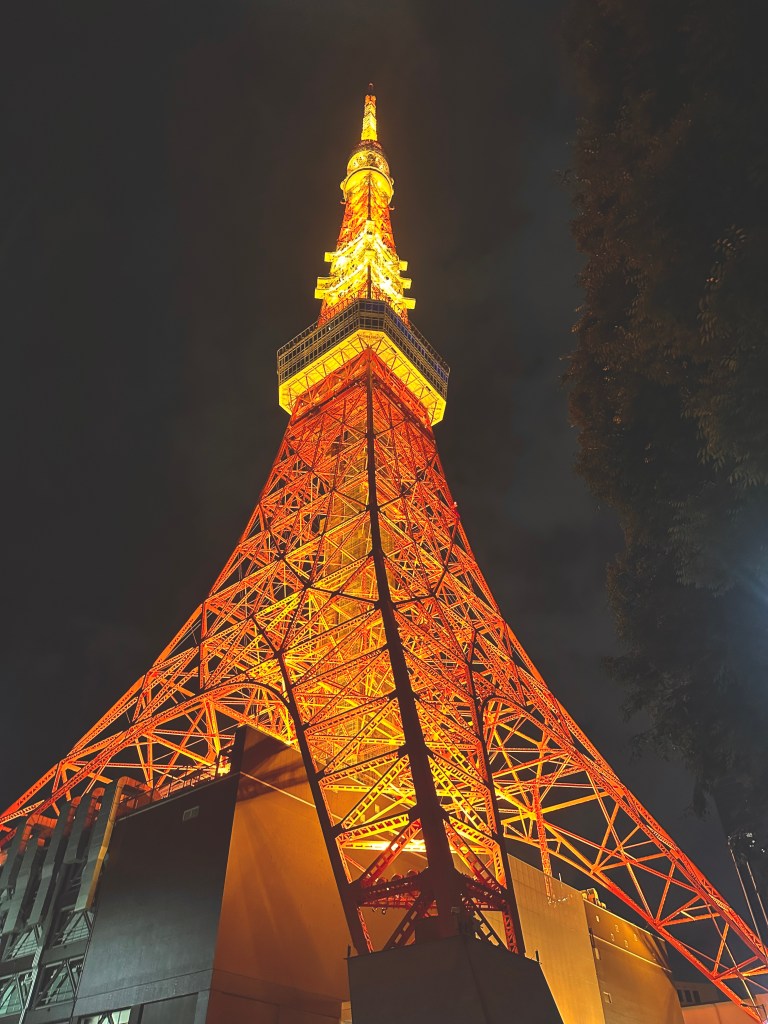
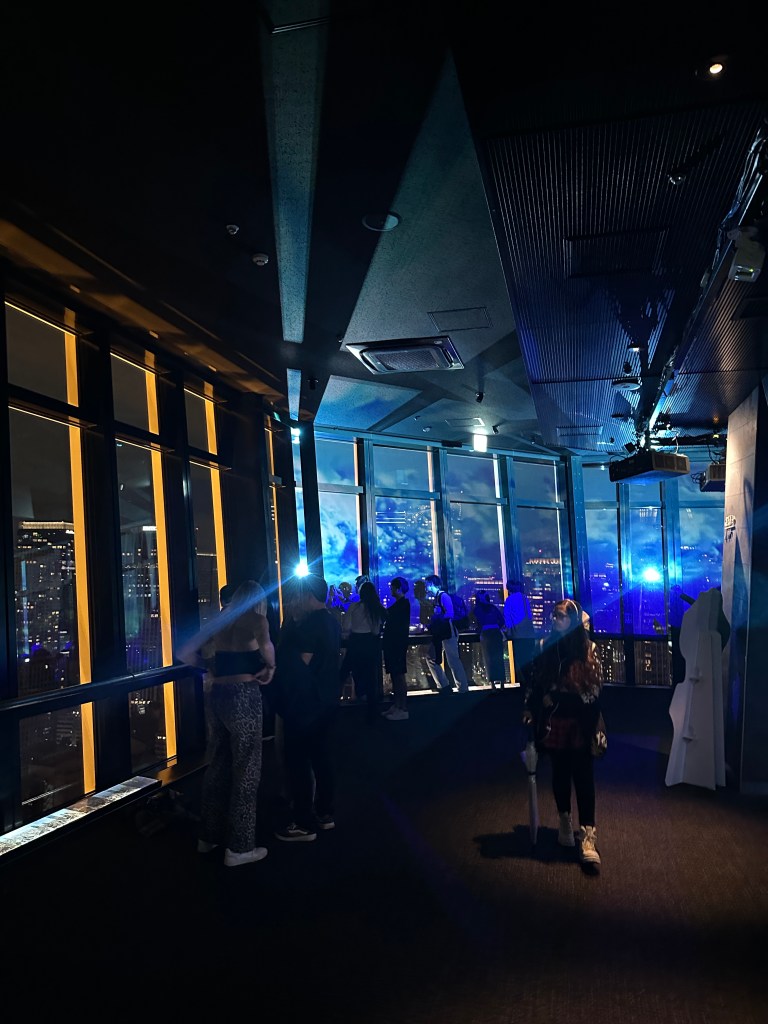
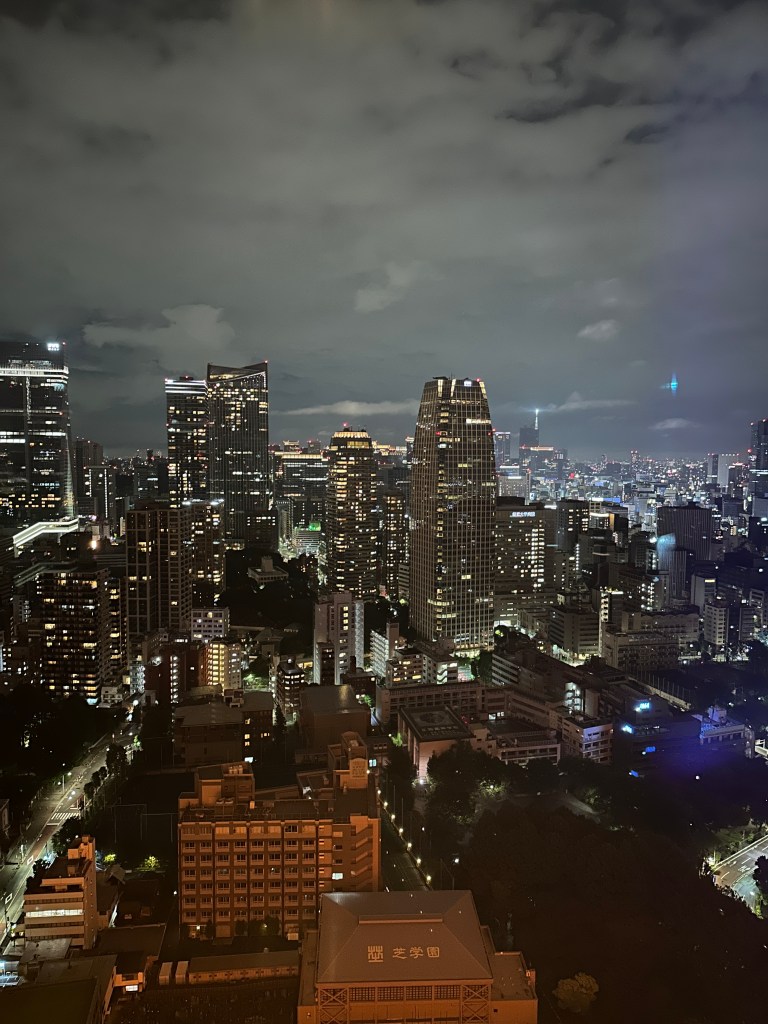
Later that night, I made my way to Tokyo Tower. At 150 meters up, it gives you a sweeping panorama of the city—glittering highways, orderly blocks, endless red lights—but it wasn’t the most breathtaking view of the trip. Still, it’s iconic. Worth ticking off.
Tip: Book activities like Shibuya Sky, Tokyo Tower, and TeamLab Planets/Borderless in advance—use Klook or the official websites. Walk-ins are risky, especially in good weather.
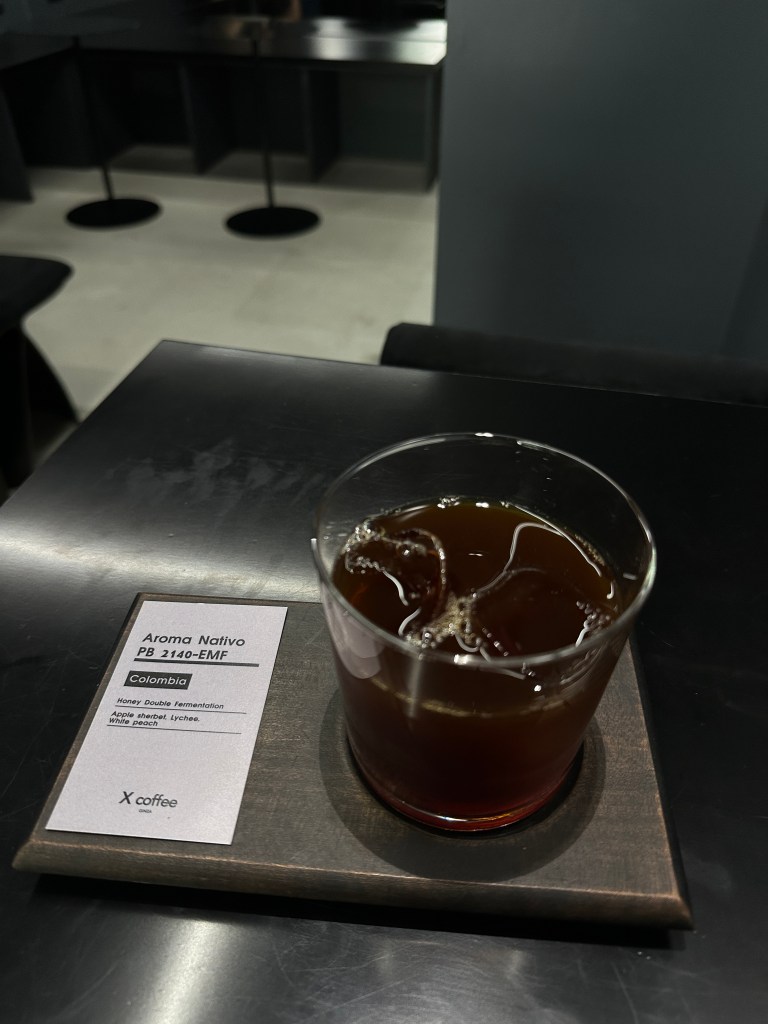
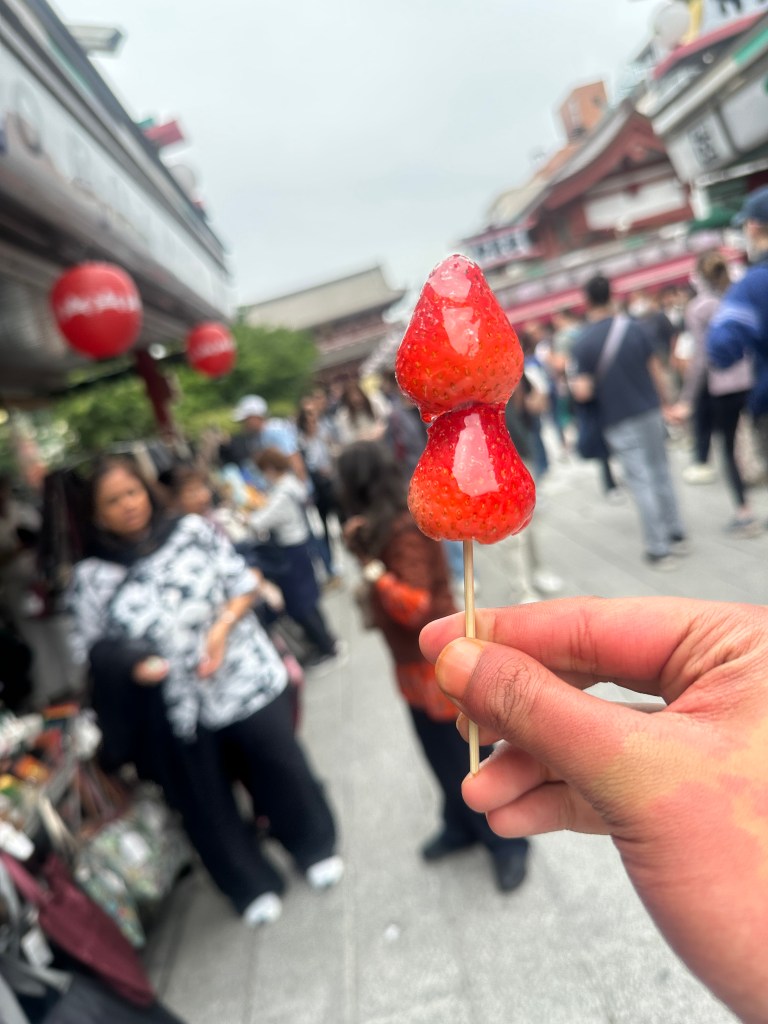
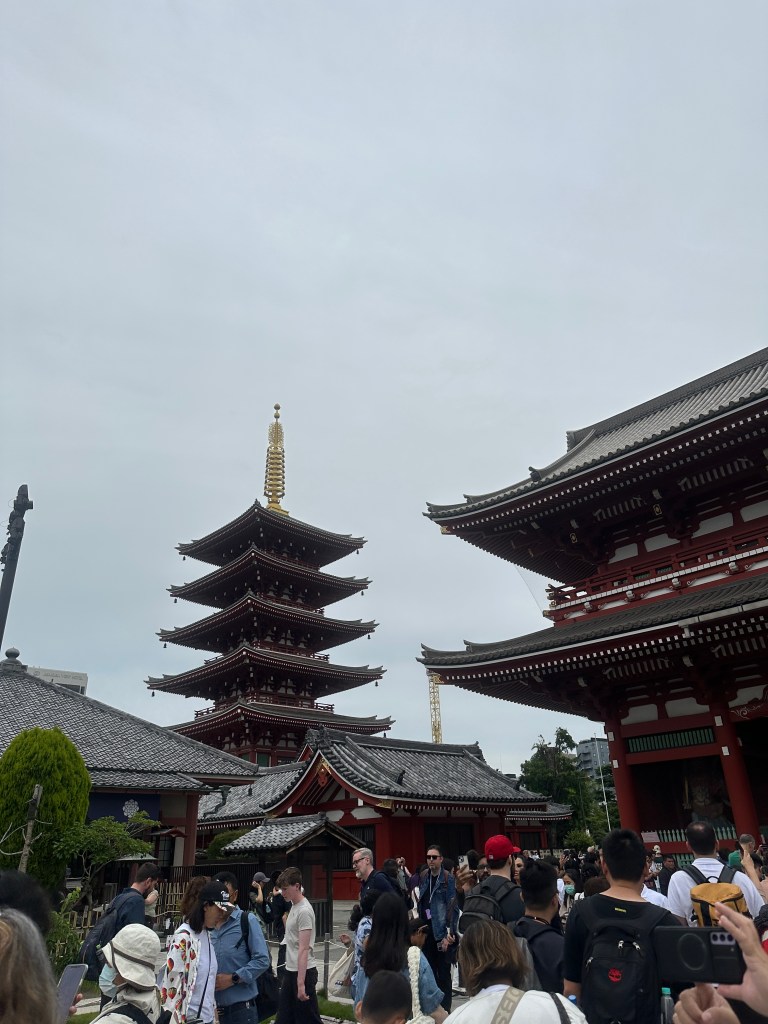
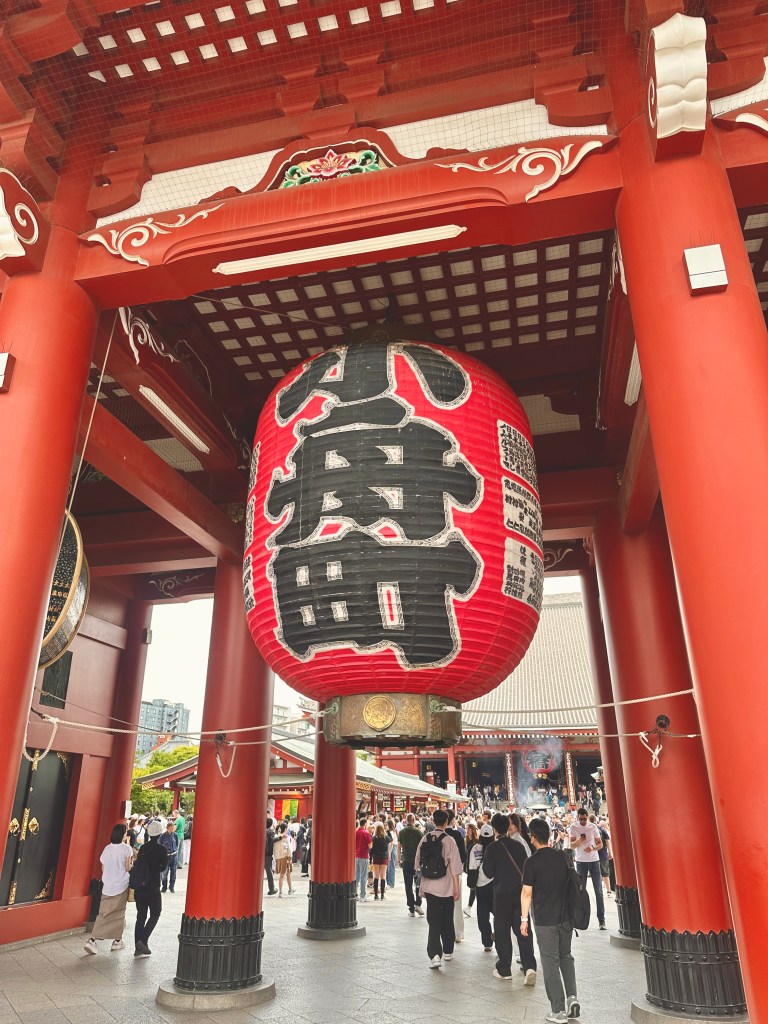
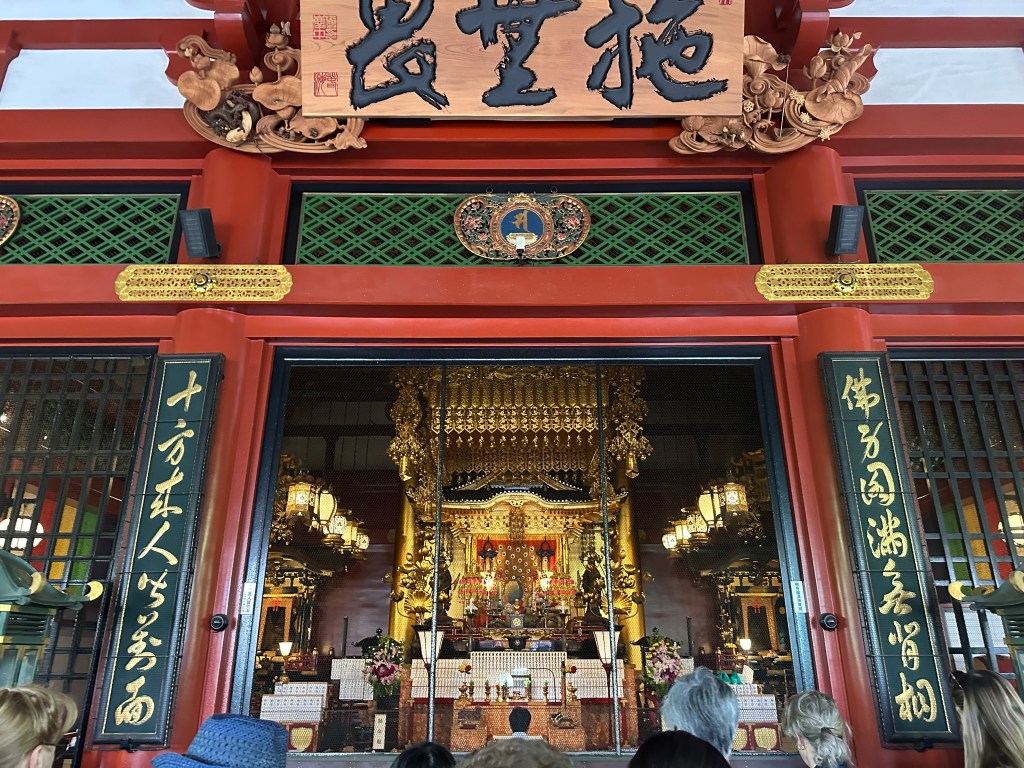
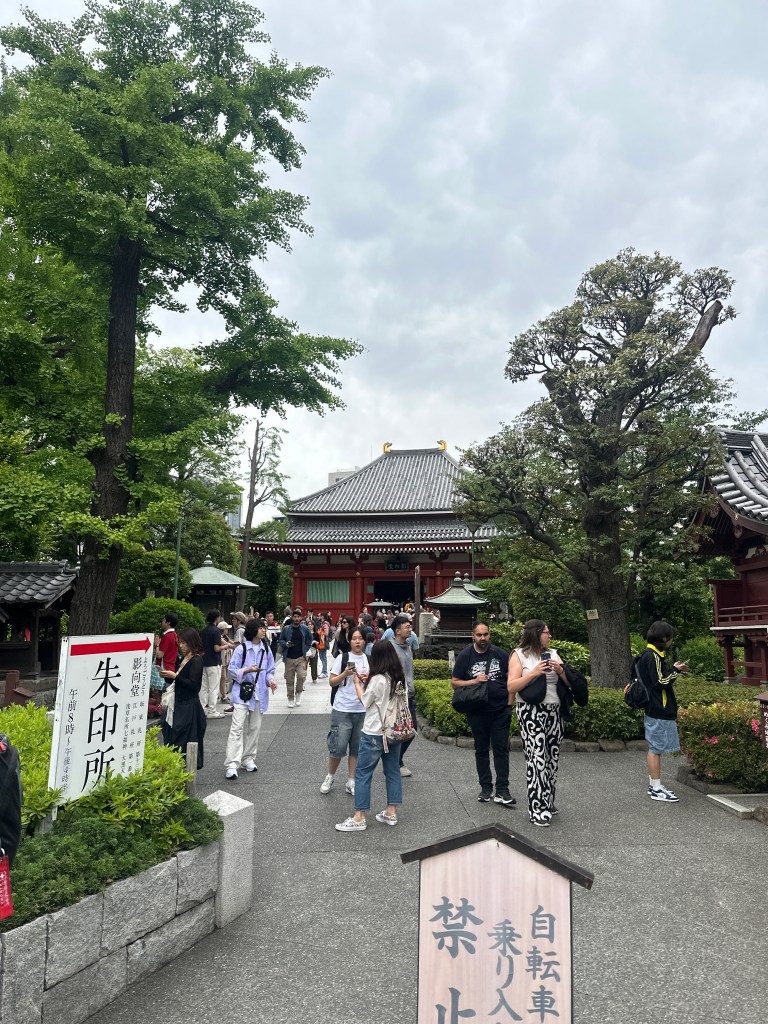
Final morning in the city. I head for some coffee first at glitch but when i arrived, the lines were 2 hours long. I said goodbye immediately and head to X coffee ginza, which was incredible nonetheless. From there I headed off to Asakusa, one of Tokyo’s oldest districts. Here, time slows down. Lantern-lit lanes, incense smoke, rickshaw drivers in traditional garb—it’s all very atmospheric. At the heart of it is Senso-ji Temple, Tokyo’s most visited shrine, with its towering red Kaminarimon Gate and bustling Nakamise shopping street.
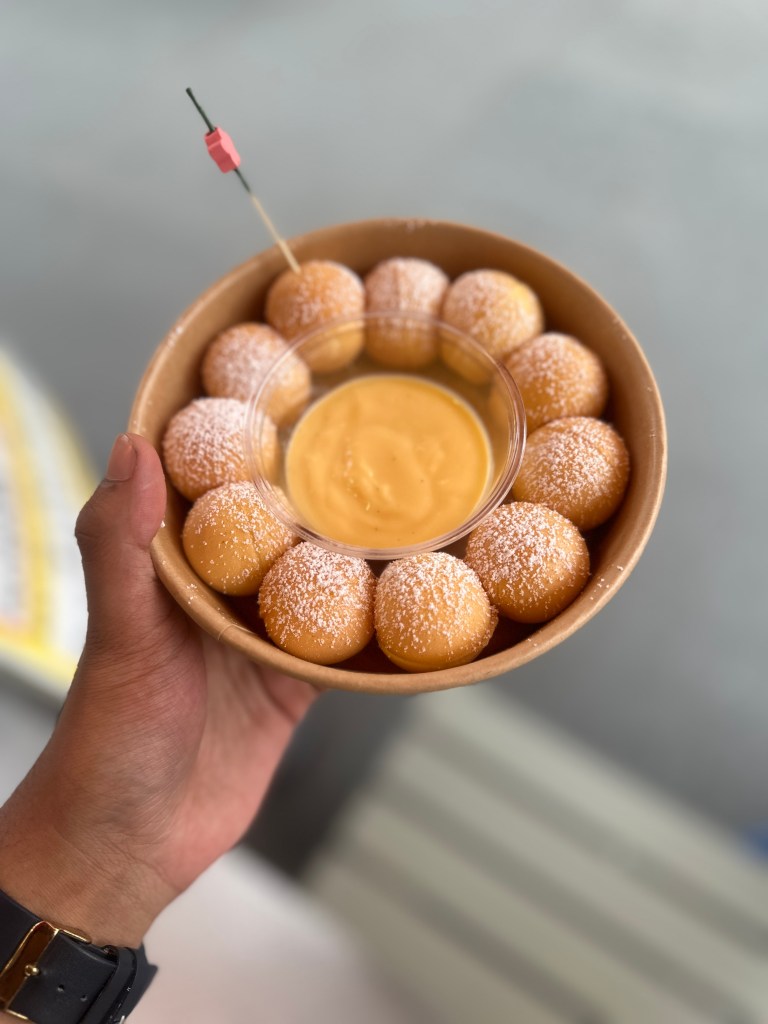
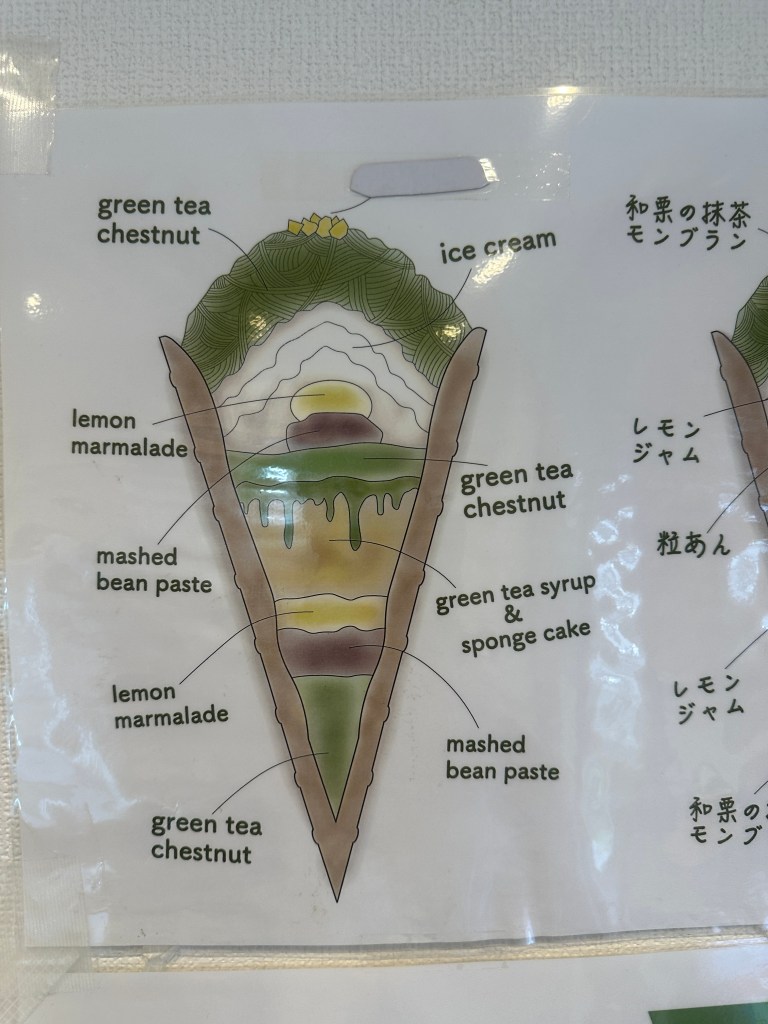
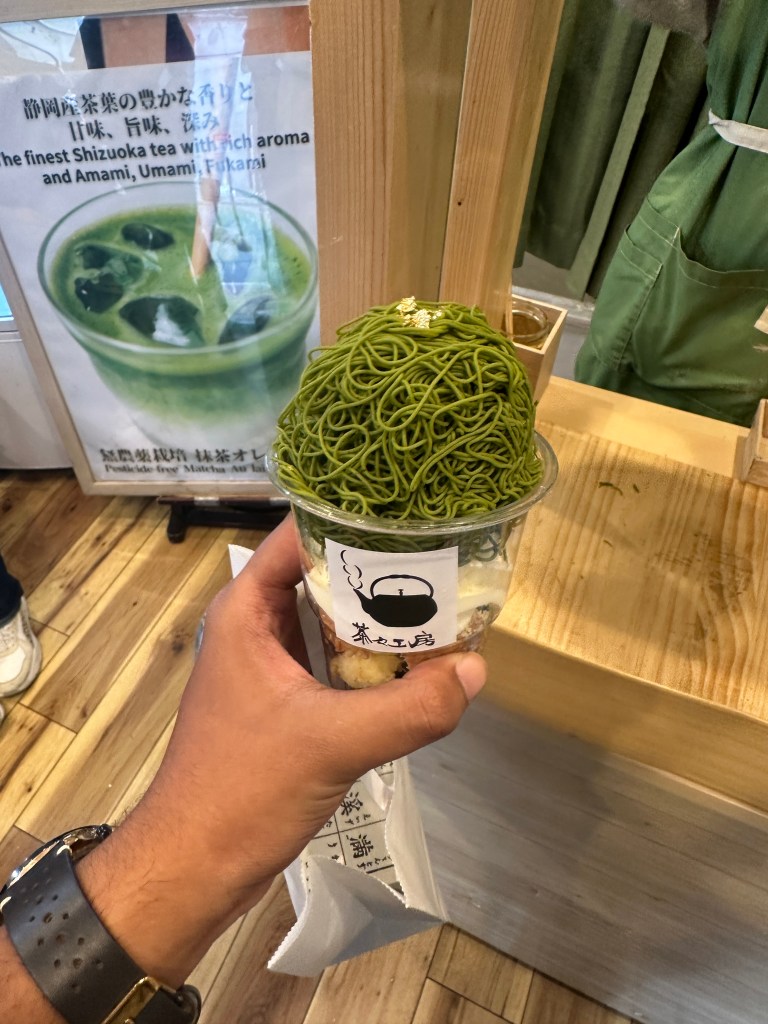
I browsed for souvenirs, picked up roasted nuts, had a matcha dessert, and stopped at Kinefuku for their signature sponge cake with custard—light, fluffy, addictive. Before entering the main hall, I tried the omikuji fortune ritual. You shake a tin box, pull out a numbered stick, match it to a drawer, and receive a fortune. Mine said “small blessing,” which in Japan is like saying “meh, could be worse.” If you get a bad one, tie it to the rack outside to leave the bad luck behind. After visiting Senso-ji I went to try the viral matcha mont-blanc. The dish was more instagrammy than tasty (it tasted of sweet potato), but nonetheless, to see the making of the dish and see the matcha noodle like things coming out was very entertaining.

Tip: There are barely any public trash bins in Tokyo. Blame it on smell and hygiene. Carry your trash until you find one inside a convenience store, or just pack a spare ziplock in your bag.
After that, it was time to pack up. But before I left, I made a list of things I didn’t get to do—and now must return for:
- Shinjuku – For the full sensory overload. Neon signs, tiny izakayas, and the wildest side of Tokyo nightlife.
- Akihabara – The electric town. Gamers, anime nerds, tech junkies—this is their Mecca.
- TeamLab Planets / Borderless – Immersive digital art experiences that mess with your sense of space and self.
- Meiji-Jingu Shrine – Hidden inside Yoyogi Park, it’s peaceful, green, and deeply spiritual.
- Imperial Palace Gardens – Lush, structured, and perfect for a slow morning walk.
- Kappabashi Street – The chef’s paradise. Think every kitchen tool imaginable. Also home to Japan’s famous food replicas.
- DisneySea / Disneyland – Japan’s take on the magic kingdom, and arguably the best Disney parks in the world.
I needed one more day. Maybe two. Tokyo is the kind of city that unfolds with time—you don’t just visit it, you chip away at it.
At 2 PM, I boarded the Shinkansen to Kyoto from Tokyo Station. There’s a beautiful tradition here: pick up an ekiben, a bento box made just for train journeys. I couldn’t find a decent vegetarian one in time, so I skipped it. But if you’re veg, places like Ekibenya Matsuri have options—just ask.
The train? Effortless. It cruises at about 285 km/h, but it’s so smooth, you won’t feel a thing. The seats are wide, the tray tables roomy, and the carriage whisper-quiet. Japan’s bullet trains are a masterclass in transport.
Tip: Grab a right-side window seat (E seat) on the Tokyo–Kyoto route for Mt. Fuji views. On your return leg, switch to the left.
Kyoto
If Tokyo is the future, Kyoto is the soul. Once the imperial capital, it’s where Japan slows down and stretches out. You’ll find torii gates curling into forests, lantern-lit lanes, hidden tea houses, and centuries-old shrines just around the corner from an espresso bar. It’s quieter, greener, and so much more intimate—and somehow, still full of surprises.
The Shinkansen eased into Kyoto Station just after 4 PM, and I hopped into a taxi headed straight to Holiday Inn Gojo. The hotel was simple and comfortable—nothing too flashy—but well located. Not far from the main sights and tucked away just enough to feel local.
Tip: Get around Kyoto with LUUP. It’s an electric bike and scooter app with a flat ¥50 unlock fee and ¥15 per minute, or a 3-day pass for around ¥3,000. Riding through Kyoto on two wheels is not just convenient—it’s the best way to feel the city.
Tip: Kyoto is a walking city. Bring comfortable shoes, pack light, and don’t be afraid to veer off the map—some of the best moments happen in side streets.
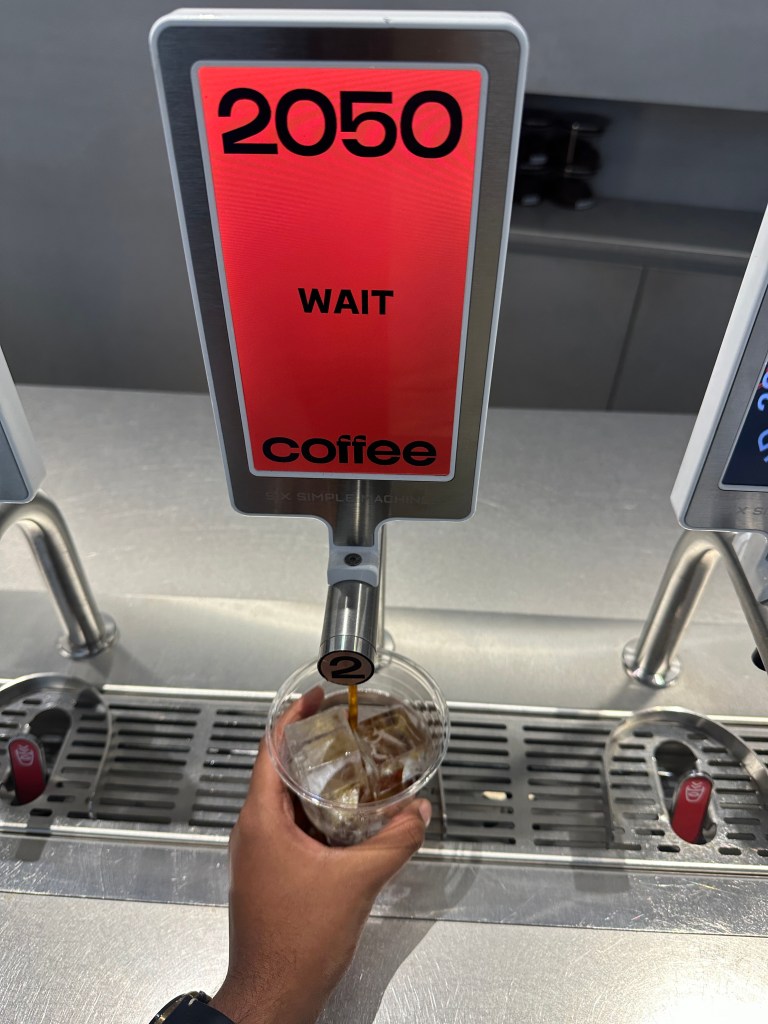
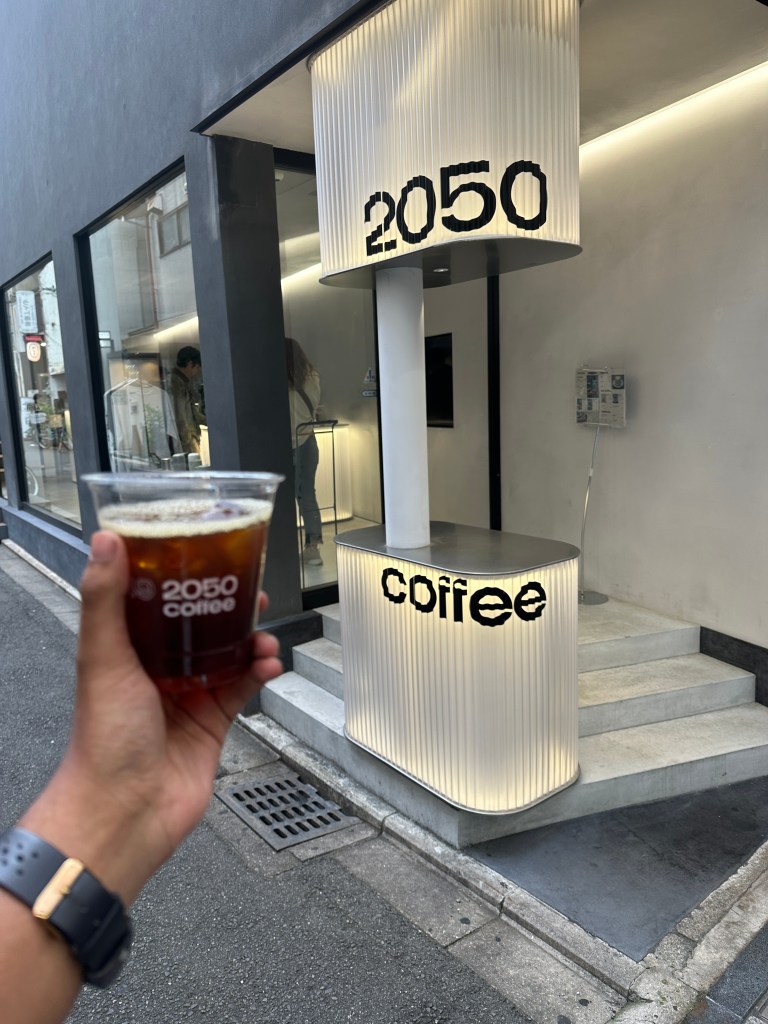
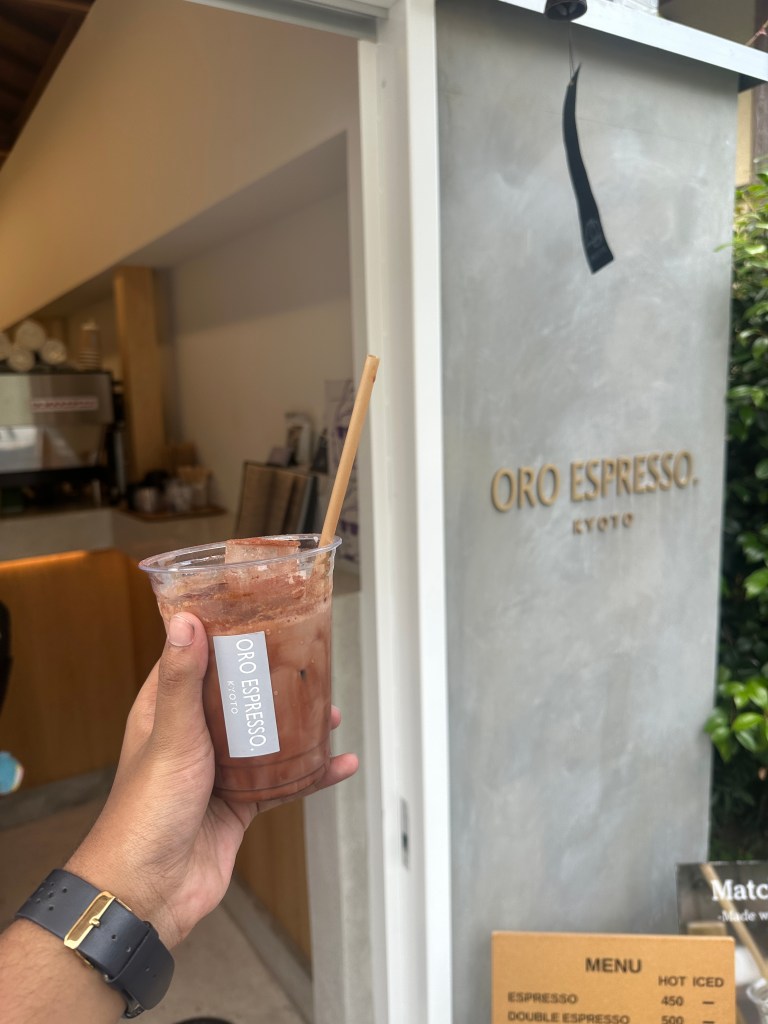
I LUUP’ed over to 2050 Coffee, a sleek little spot that’s actually an offshoot of Kurasu, which I’ll get to later. Had a cold brew on tap—bright, floral, refreshing. Just a 5-minute walk away was Le Labo Café, nestled inside the fragrance store. The space was stunning—calm lighting, clean wood accents, and the comforting scent of sandalwood in the air. Two coffees, both brilliant, and very different in mood.
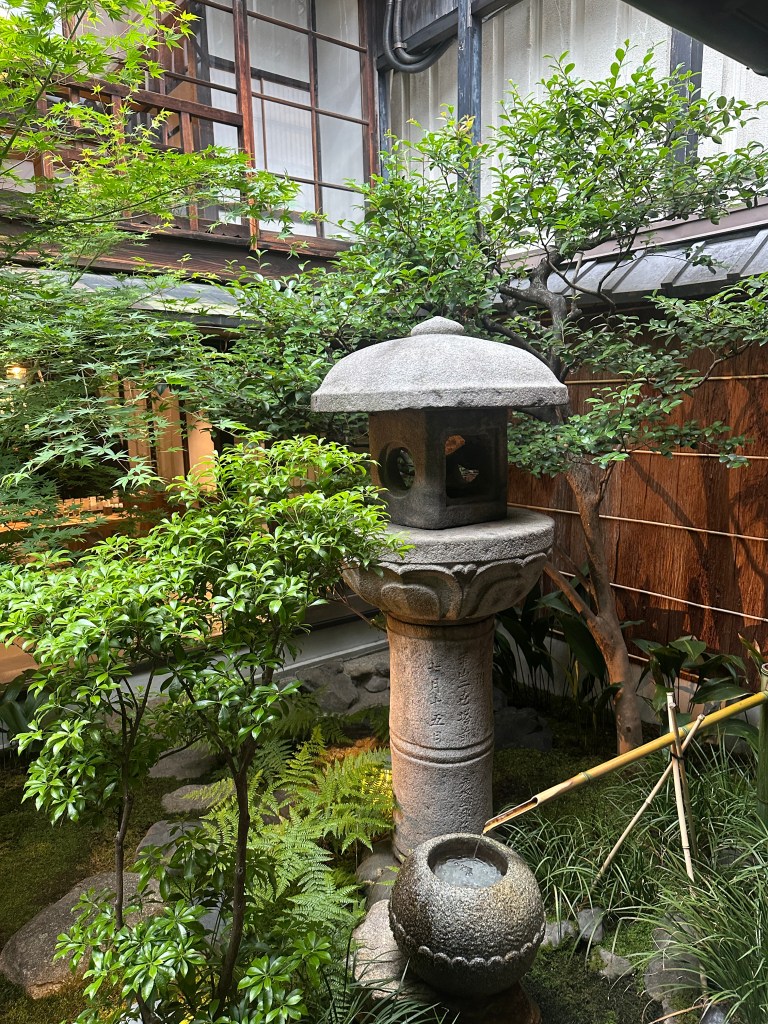
Tip: Many Kyoto cafés open late (10–11 AM) and close early, so plan your caffeine stops accordingly.
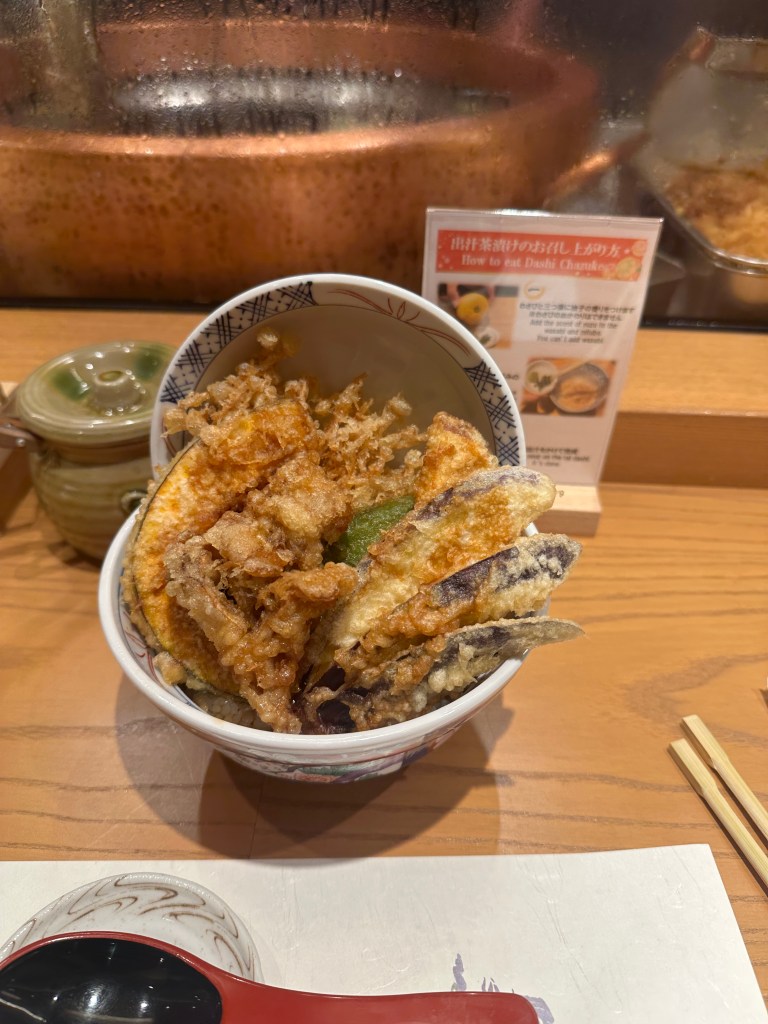
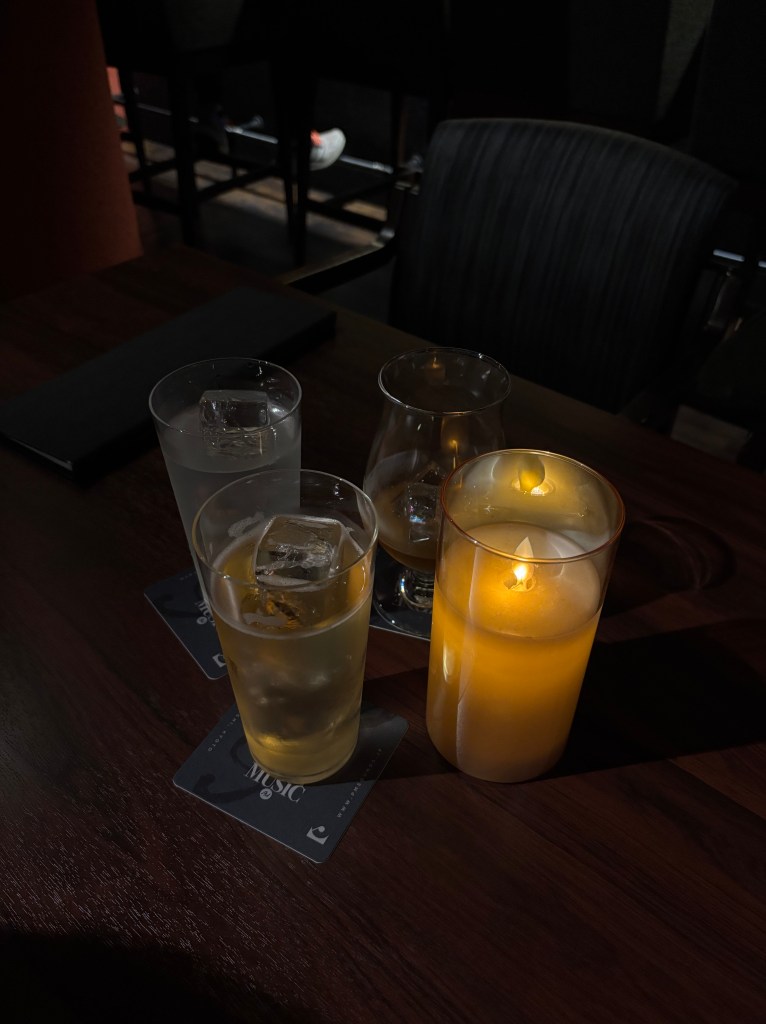
Around lunchtime, I met two friends from my Singapore days, and we headed to a small tempura joint called Tendon Makino Kyoto Teramachi. I got the veggie tempura on rice. Crisp, light batter with just the right amount of chew. They also gave wasabi, ginger, and yuzu to mix into the leftover rice—tiny additions, big flavor. Over the meal, the conversation flowed effortlessly—from travel stories to our mutual love for Japan, to the weirdly comforting feeling of reconnecting with old friends over hot food in a cold country. Post-meal, we ended up in a jazz bar, drinking plum wine (sweet, soft, floral—unlike anything I’d tried before) and soaking in the music. After we left the bar, we left a 5-yen coin as change, thinking it was nothing. But within minutes, the staff came running nearly 100–150 metres down the street to return it to us.
Tip: Tipping isn’t expected in Japan. In fact, it can confuse or even embarrass staff. Great service is considered part of the job—just smile, say thank you, and bow.
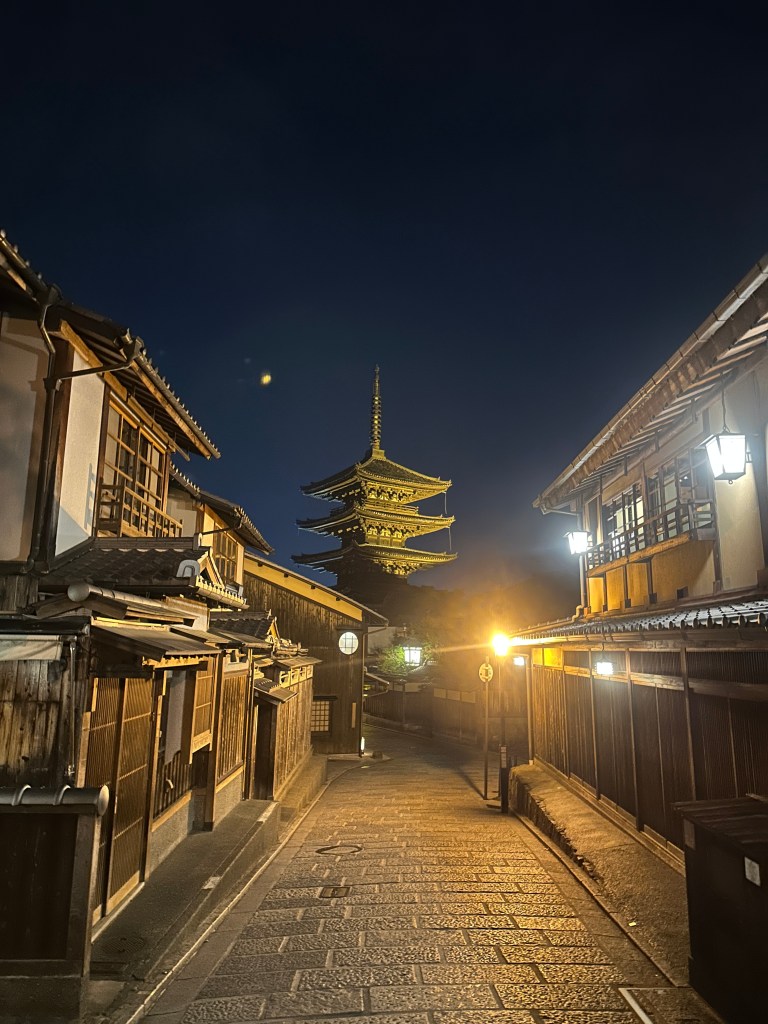
A little buzzed and not quite ready to call it a night, I made my way to Gion which is kyoto’s geisha district and caught sight of Hōkan-ji Temple. The place was nearly empty, and it was unbelievable. The five-storey pagoda, standing tall against the indigo sky, the silent streets, the golden pools of lantern light—it felt like I’d walked into another era.

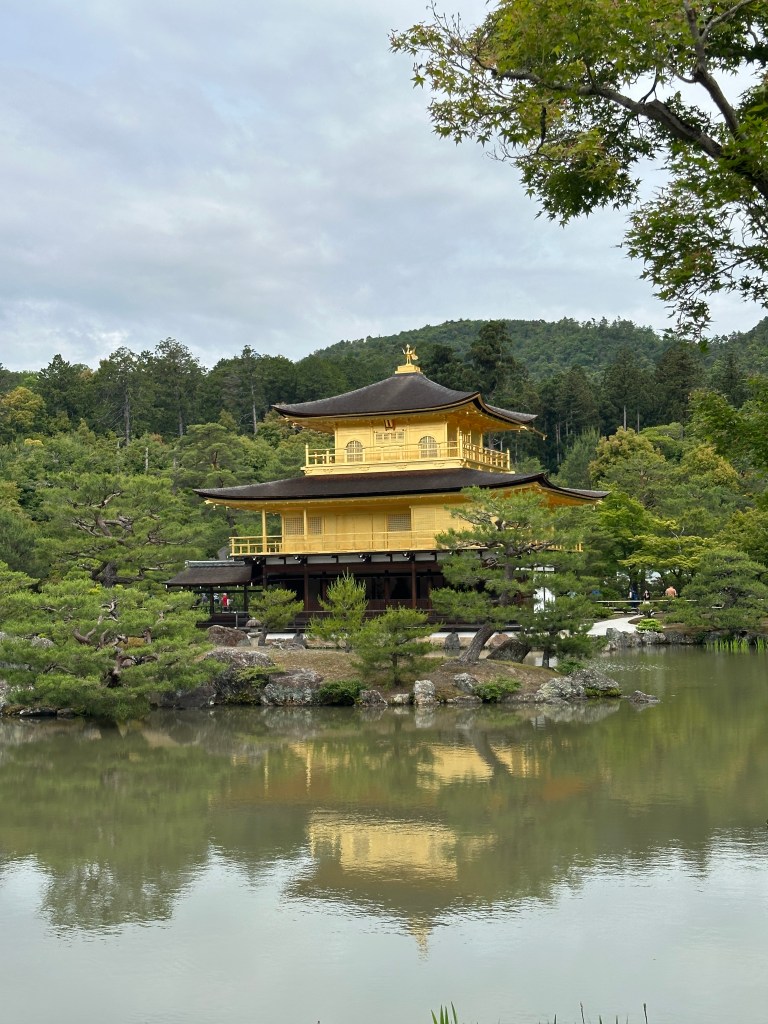
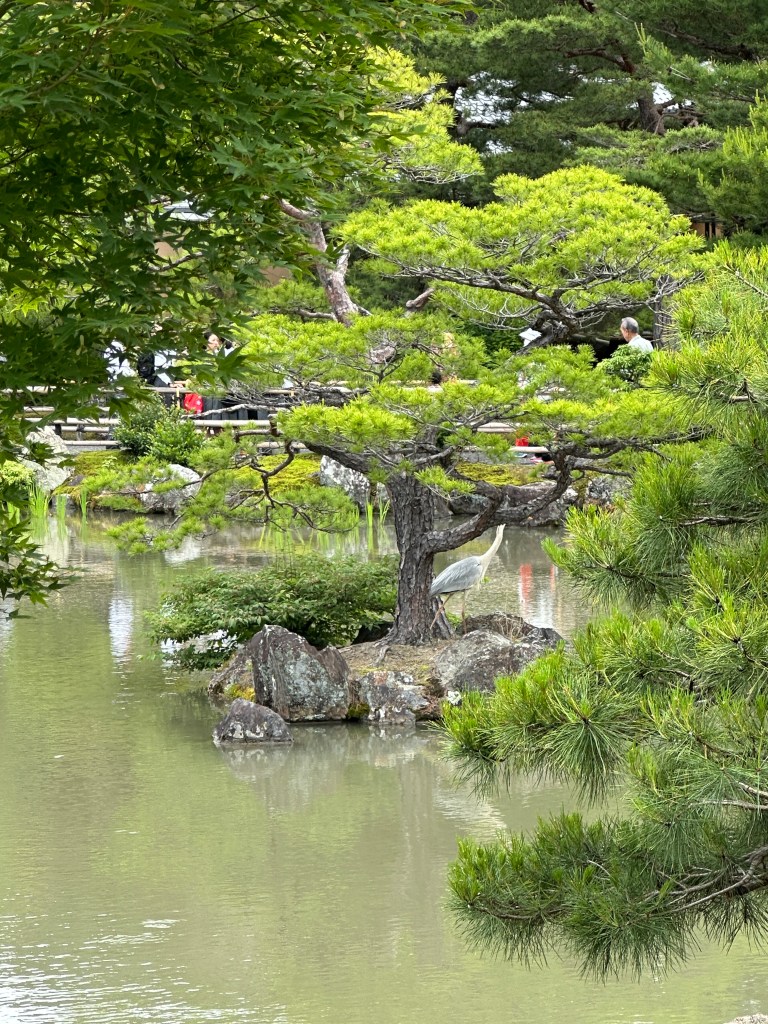
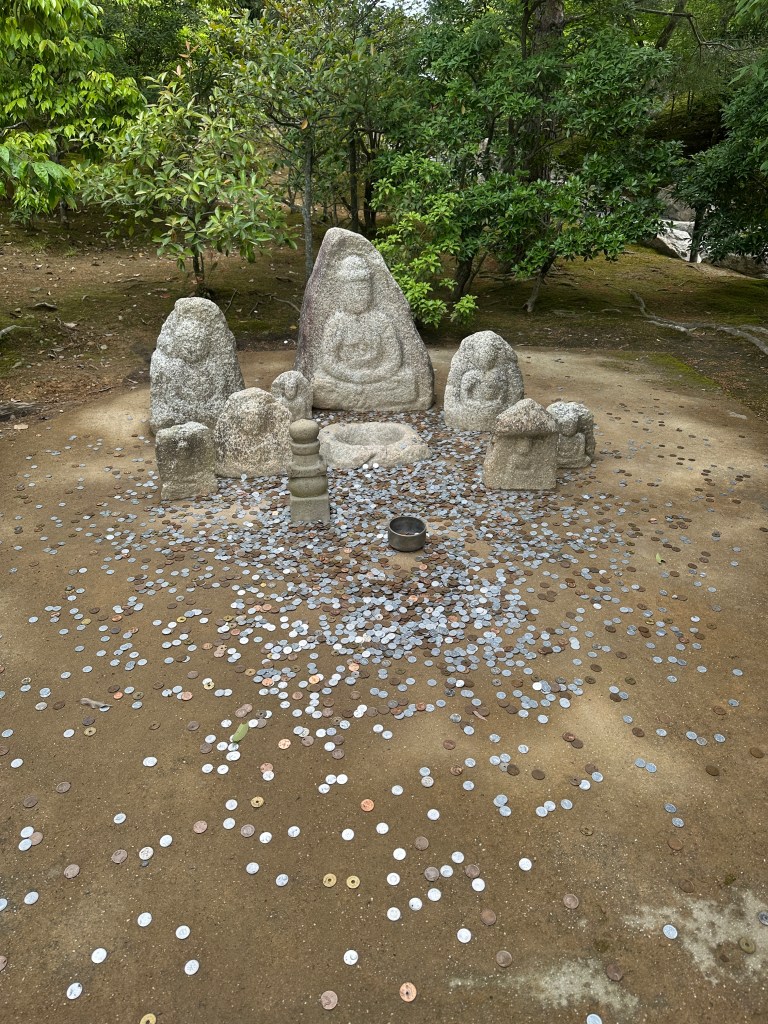
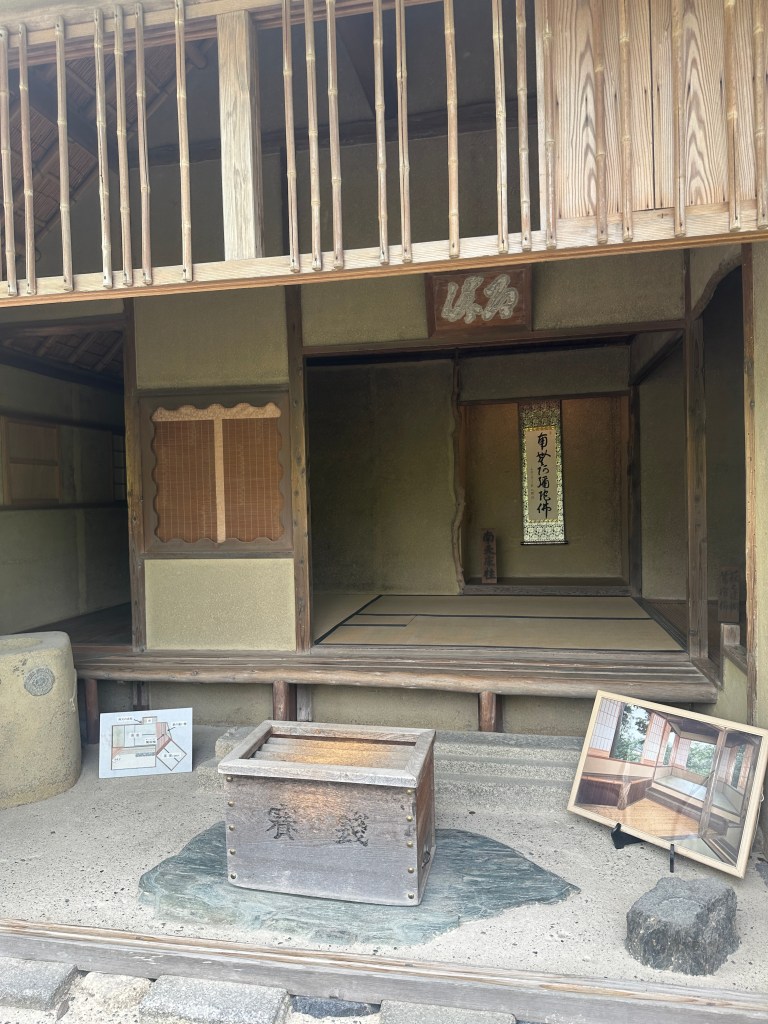
The next morning began at Kinkaku-ji, or the Golden Pavilion—once a shogun’s retirement villa, now a Zen temple. The top two floors are coated in gold leaf, and when the sun hits it just right, the reflection on the pond makes it look like it’s glowing. It’s one of Kyoto’s most photographed spots, and for good reason—it feels like a page from a painting. There are also two “wish bowls” in the temple grounds. Toss a coin in for good luck. I got it in one shot (not flexing).
Tip: The pace in Kyoto is slower. Don’t try to cram too much. Two temples and a great meal can easily fill a day if you let the city breathe.


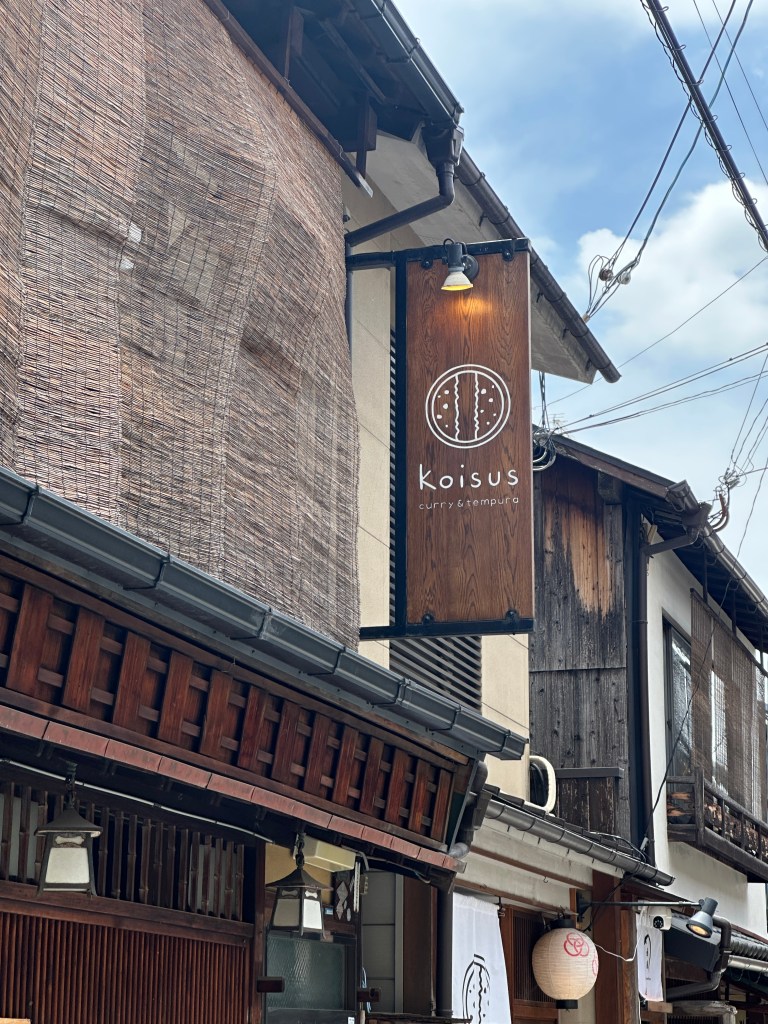
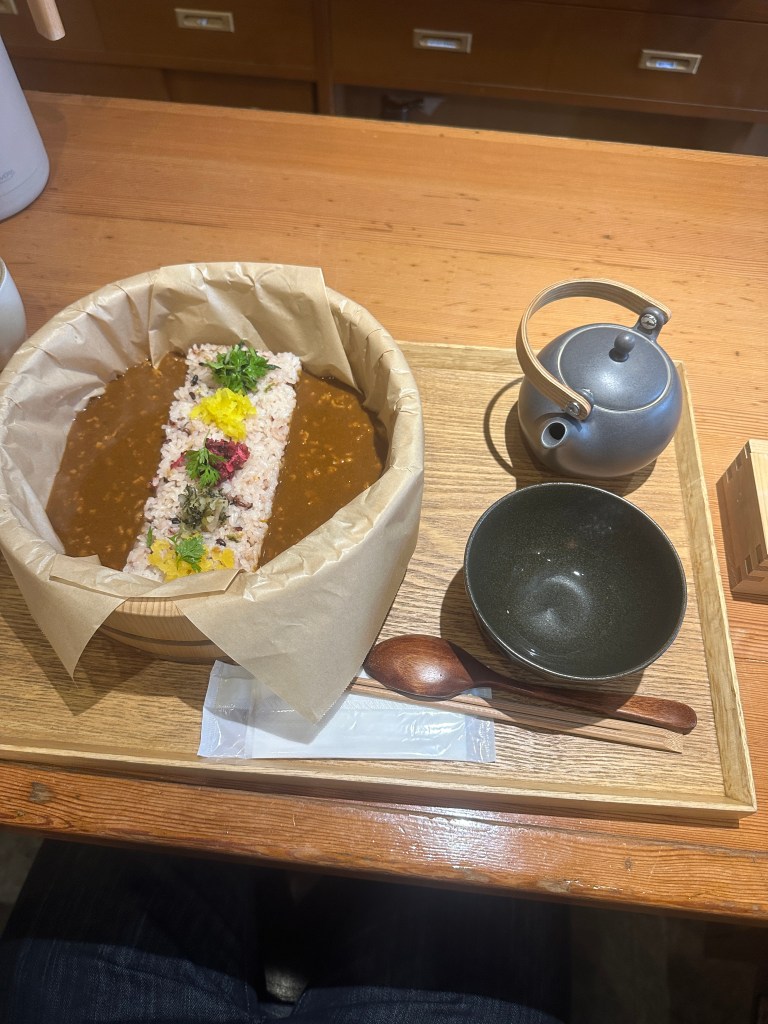
Craving caffeine, I grabbed a cold lemon sour from Asahi (actual lemon slice floating inside—very extra, very fun) before stumbling upon Koisus on Instagram. It’s a tiny spot doing vegan Japanese curries, and it ended up being one of the best meals I had in Kyoto. I ordered sake (not my thing, sadly), but the curry? Rich, subtly spiced, with Japanese pickles on the side and plating so gorgeous I didn’t want to ruin it.


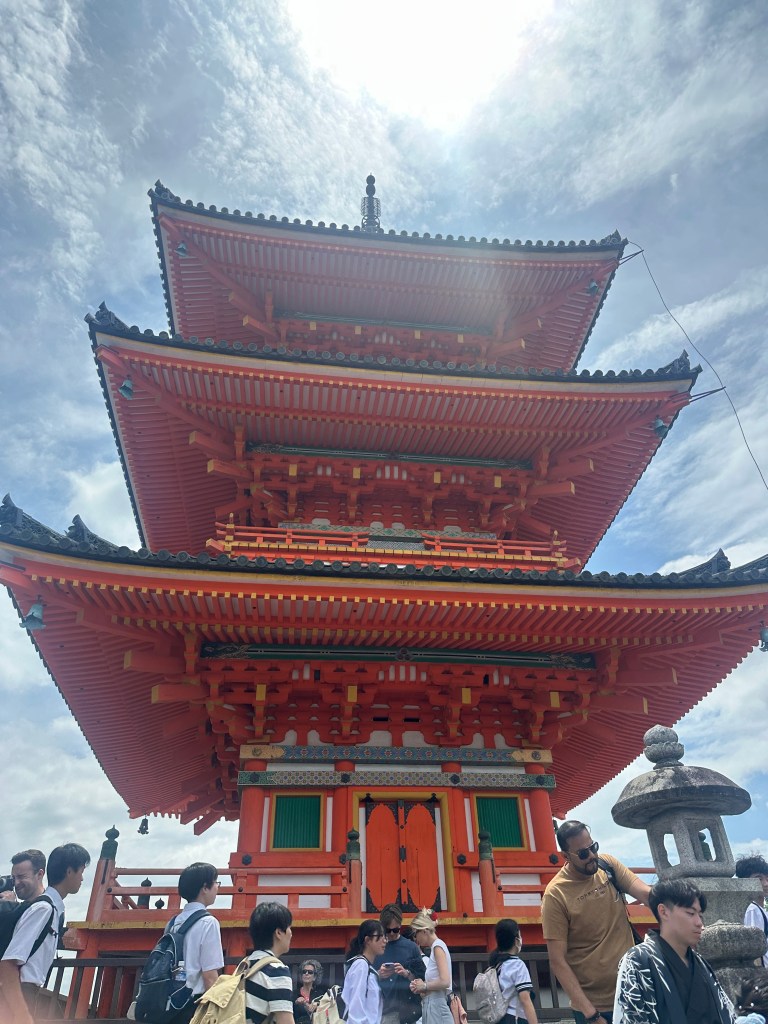
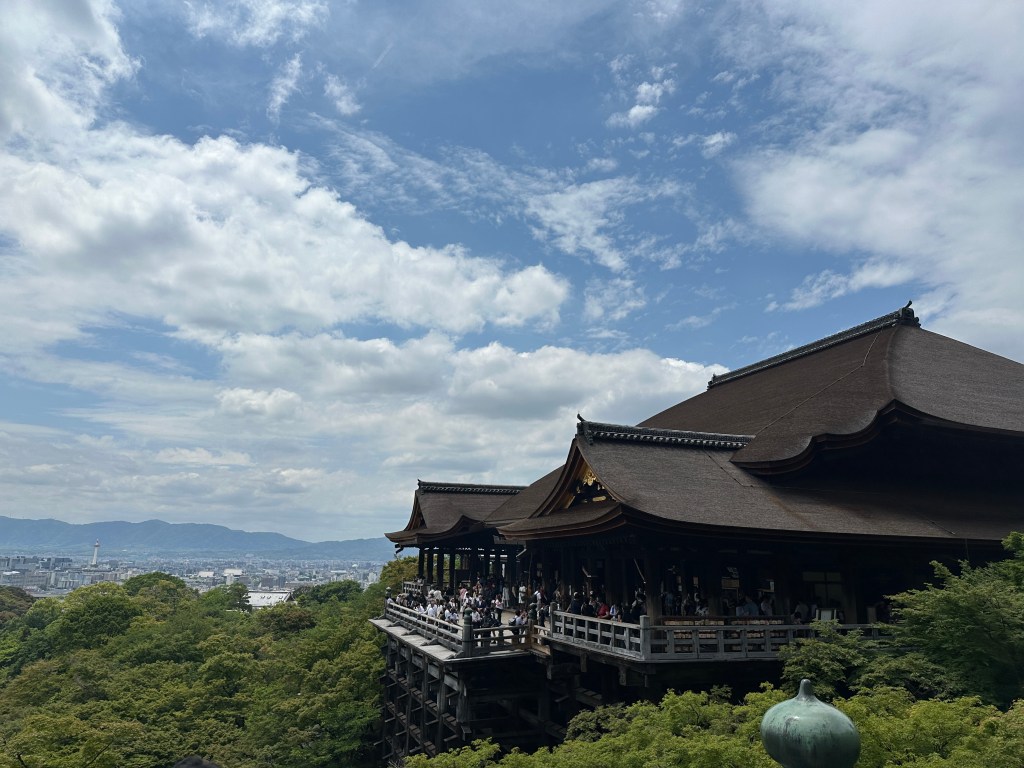
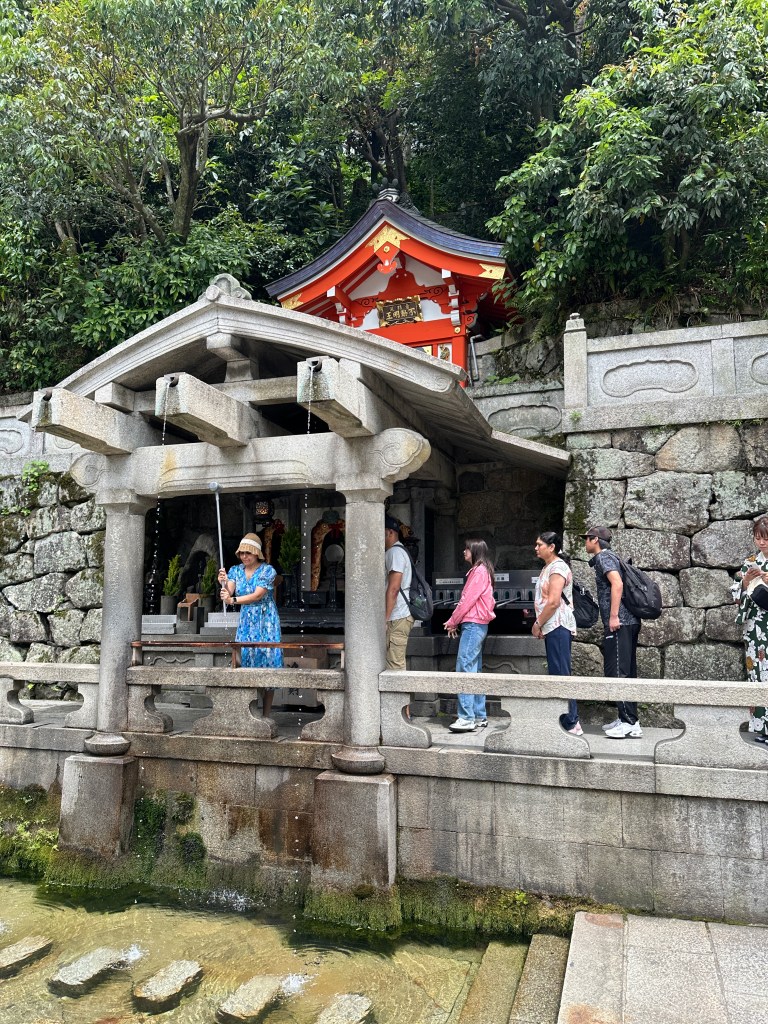
From there, I headed to Kiyomizu-dera, a UNESCO site perched on a hillside with sweeping views over Kyoto dated back to 778AD. The main hall juts out over the slope, supported by tall wooden pillars. It feels grand, ancient, and surprisingly alive. From up there, you get panoramic views of Kyoto’s tiled rooftops, tree-lined hills, and the promise of more temples hiding in the distance. The walk to the temple—through narrow lanes filled with shops and incense—is half the experience.
Tip: Carry cash. Many temples and older street shops in Kyoto still don’t accept cards or digital wallets.
I then made a visit to Kurasu, one of Kyoto’s most respected coffee spots. I had two killer cups of pour-overs and started chatting with the barista about their beans. That convo led me to another couple from Chicago who were just as obsessed with coffee. They gave me a list of places, including one that was just around the corner.
So of course, I went. Weekenders Coffee—hidden behind a parking lot, no signs, just brilliant coffee. Tiny setup, big flavors. These two shops alone made Kyoto a coffee city for me.
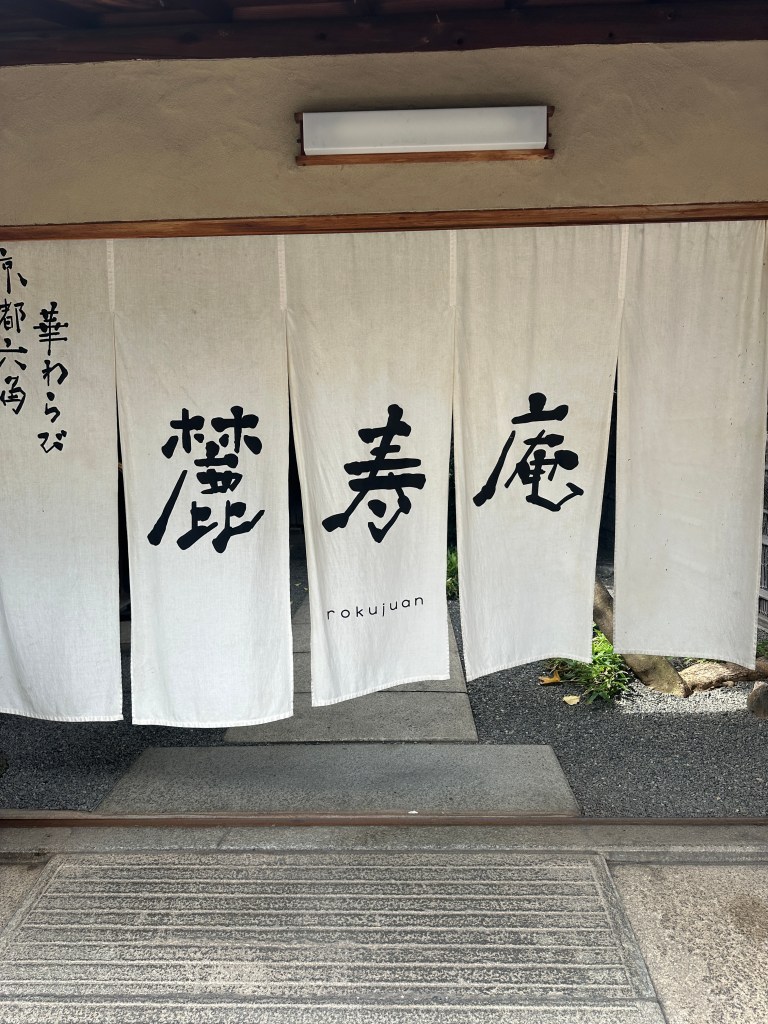
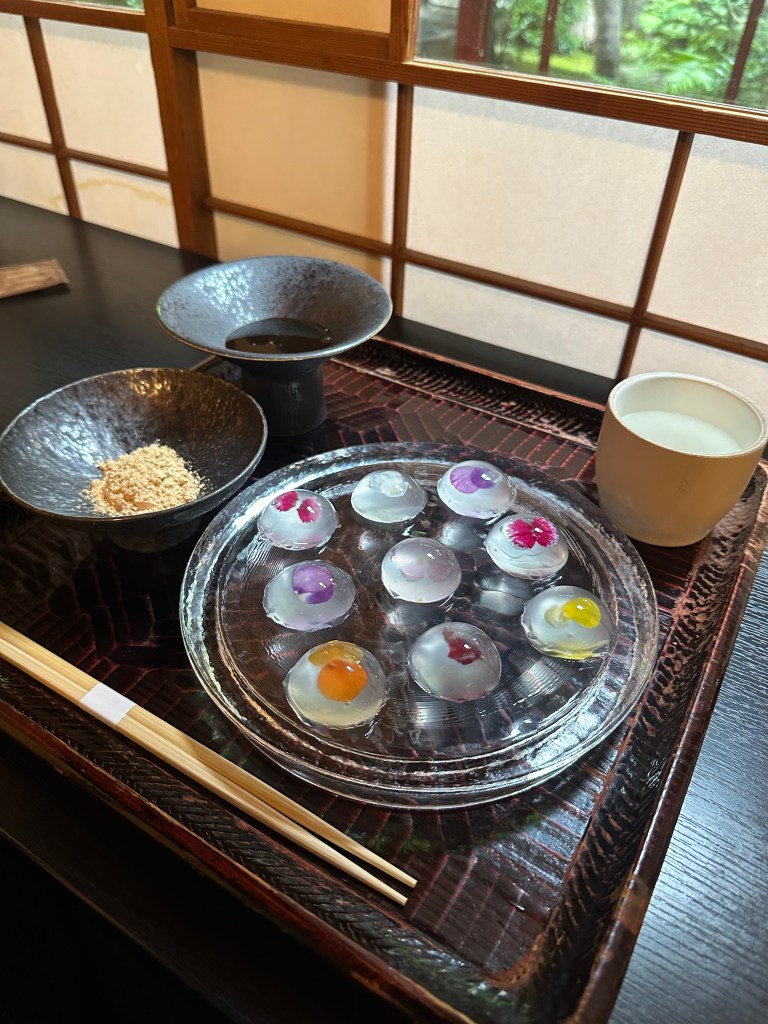
After that, I made my way to Rokujuan, to try a local specialty: Mizu Shingen Mochi, also known as Raindrop Cake. It’s translucent, delicate, and served with brown sugar syrup and roasted soybean flour. Texturally, it’s bizarre—like edible water—but the experience is oddly satisfying and strangely elegant. Also to add, the dish is absolutely beautiful to look at and almost a shame to desroy.

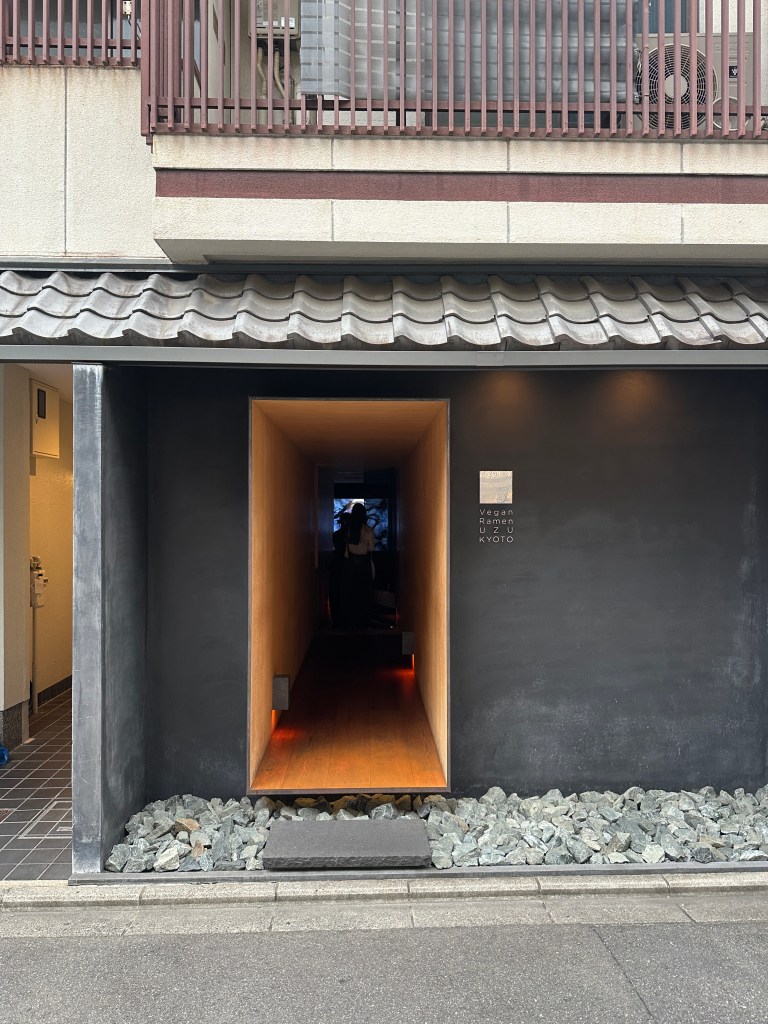
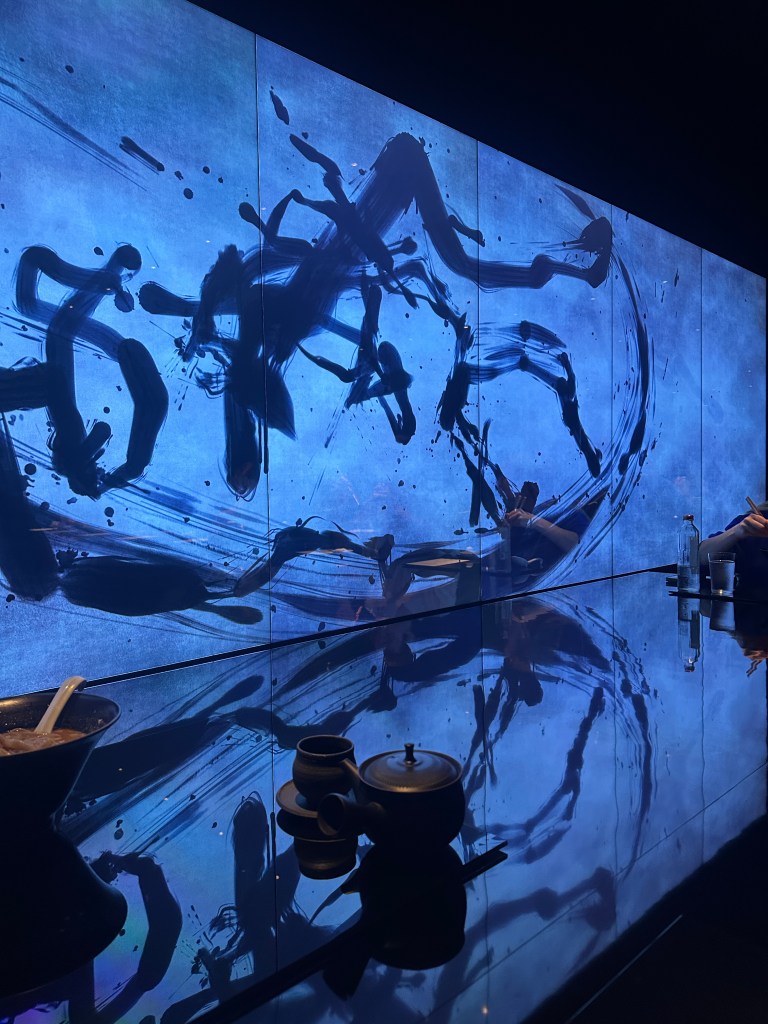
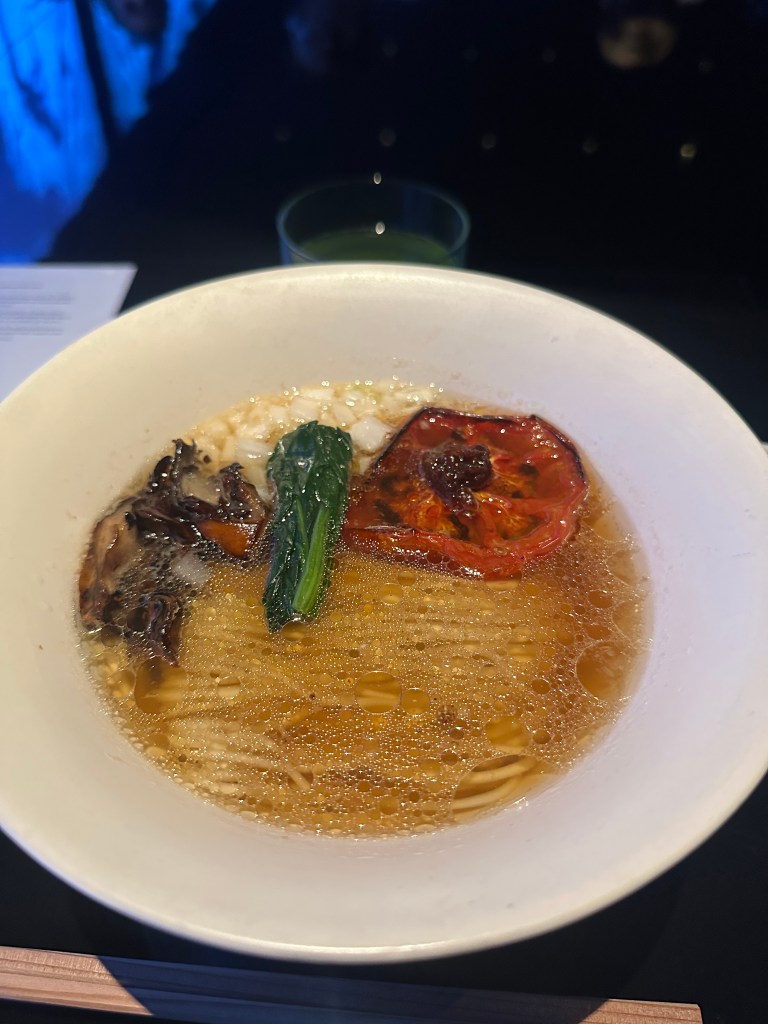
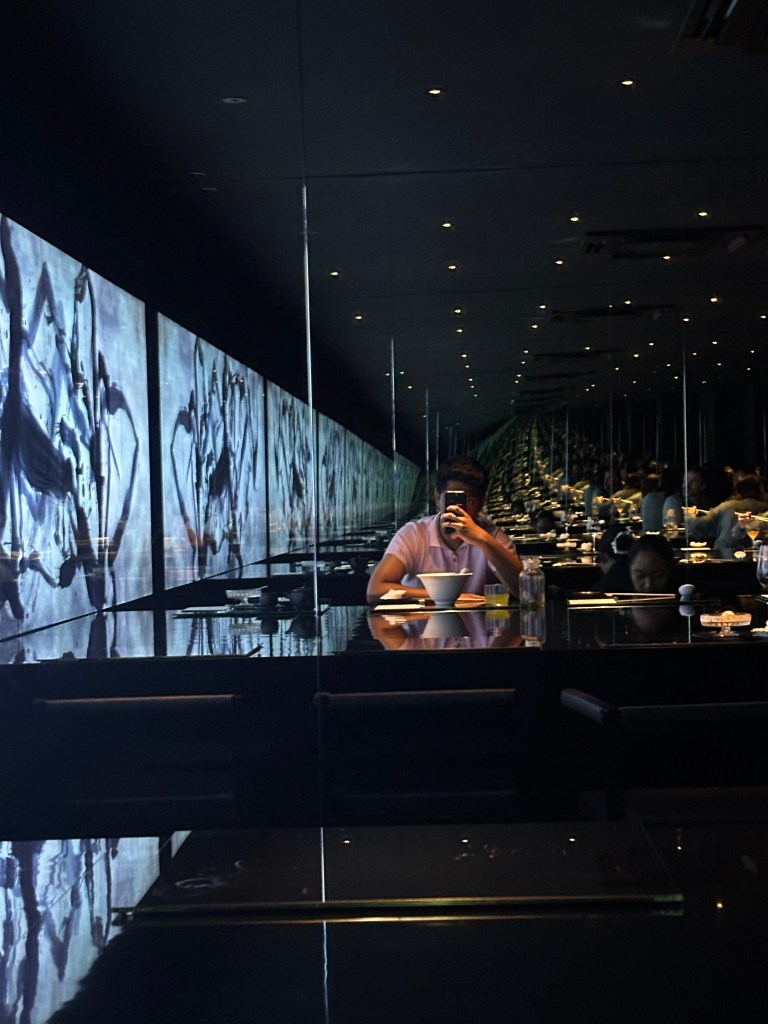
I returned to the hotel for a quick break, then headed out again around 4 PM. Before dinner, I wandered through Nishiki Market, soaking in the late-afternoon energy—stalls winding down, a few stragglers still flipping tamagoyaki which is a japanese omlette, and the smell of soy and sesame lingering in the air. My destination that evening was Vegan Ramen UZU Kyoto—a collaboration with TeamLab, complete with immersive digital art projections and a Michelin Green Star to its name. You have to pre-book and even pre-select your ramen days in advance. I went with the shoyu ramen over the spicy miso.
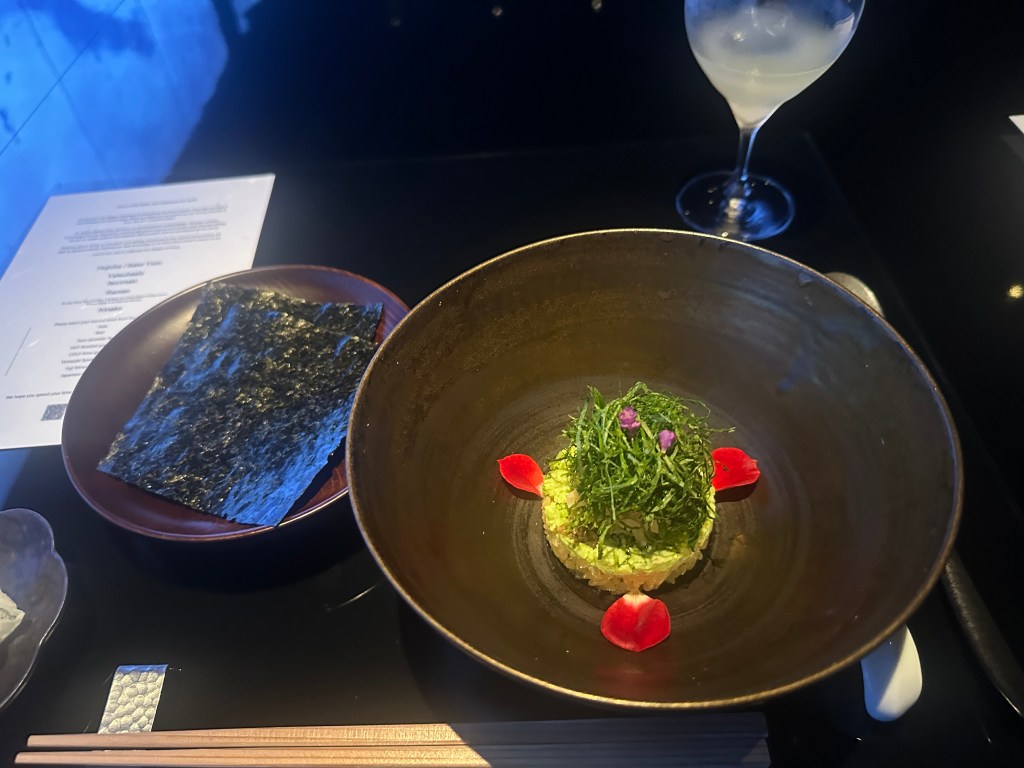
The meal started with a layered amuse-bouche—a sort of nine-layered reinterpretation of cheese and crackers—followed by a deconstructed sushi plate with nori on the side. Then came the main. The ramen was complex, deep, and comforting. Light enough to not weigh you down, but rich enough to linger. The art on the walls danced throughout the meal—soft light, floating shapes.

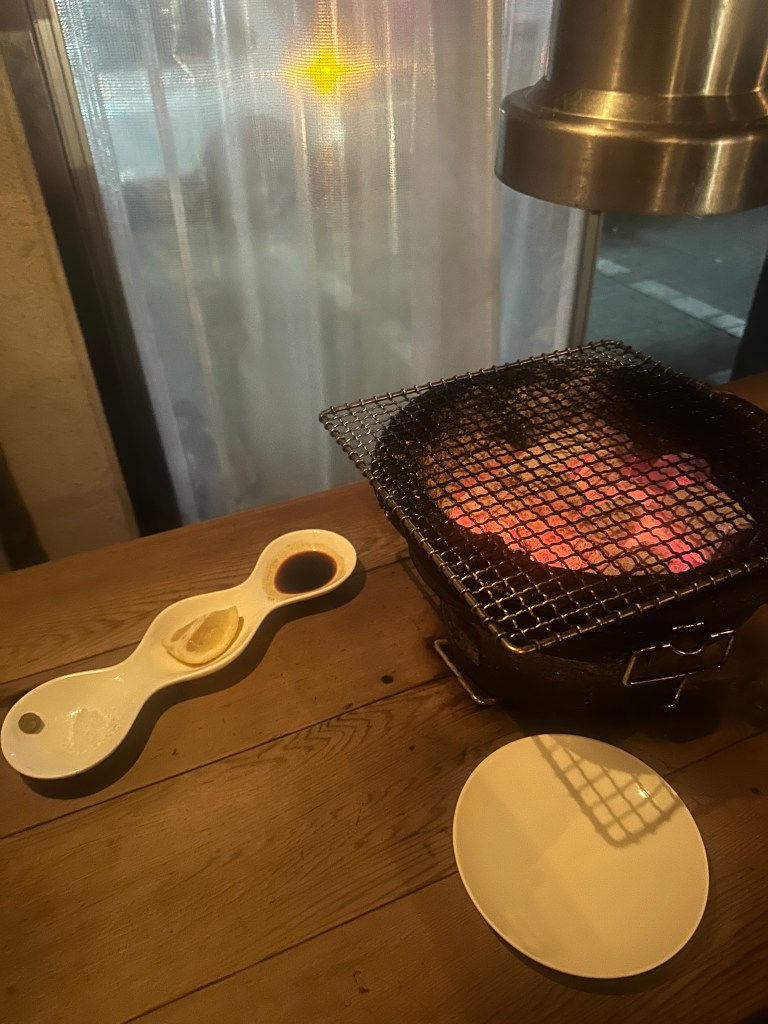
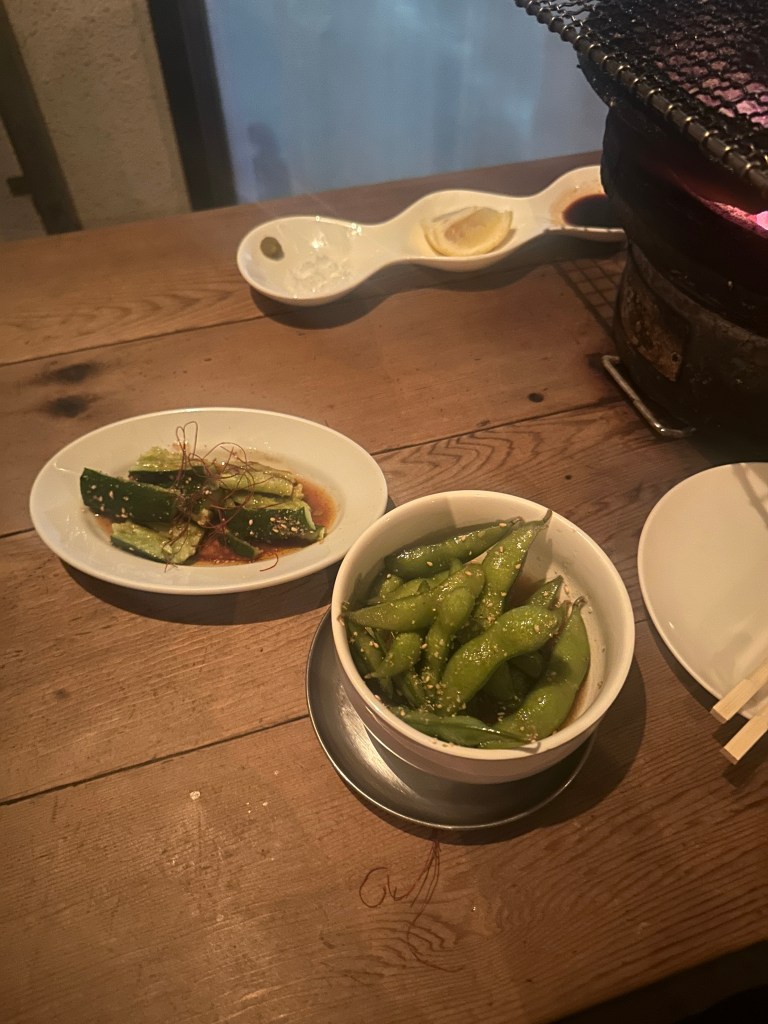
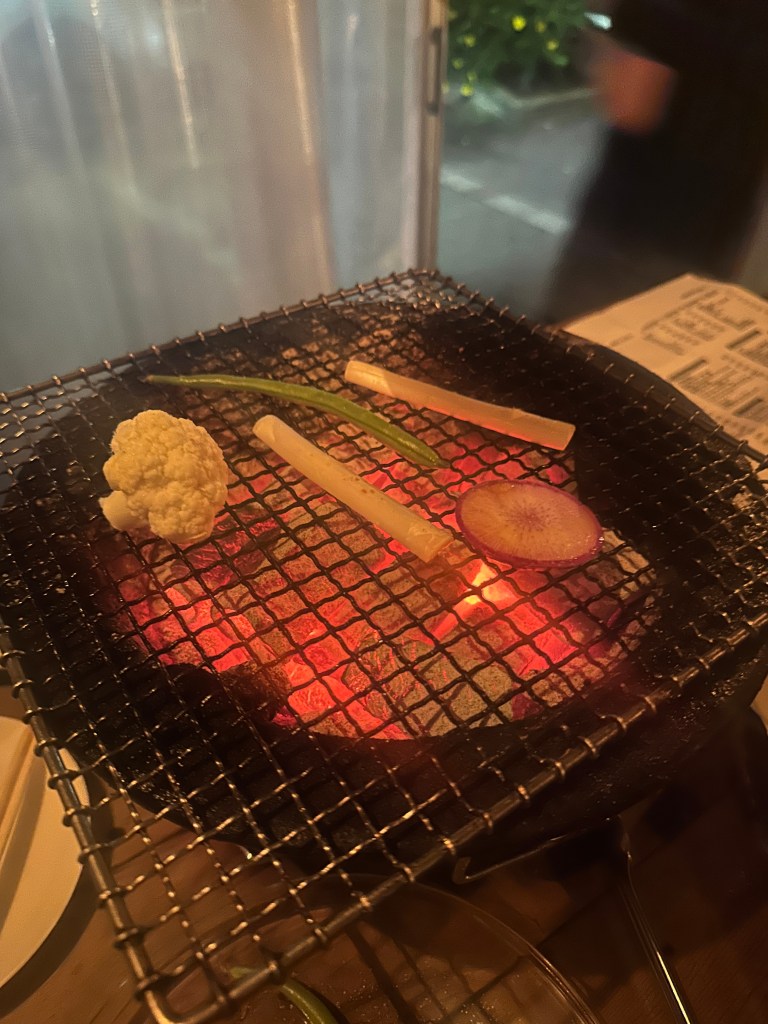
On my walk back, just 2 km from the hotel, I passed Sot-l’y-laisse—a vibey little yakitori place I’d spotted earlier. Even though I was full, the Gen Z mood and charcoal scent pulled me in. I ordered a vegetable platter that you grill yourself on a mini grill, plus two standout small plates: aglio olio edamame and bang bang cucumber. Everything was punchy, playful, and perfect for late-night grazing.
Tip: Nishiki Market starts closing around 5:30 PM. Go mid-day for the full buzz and bites.
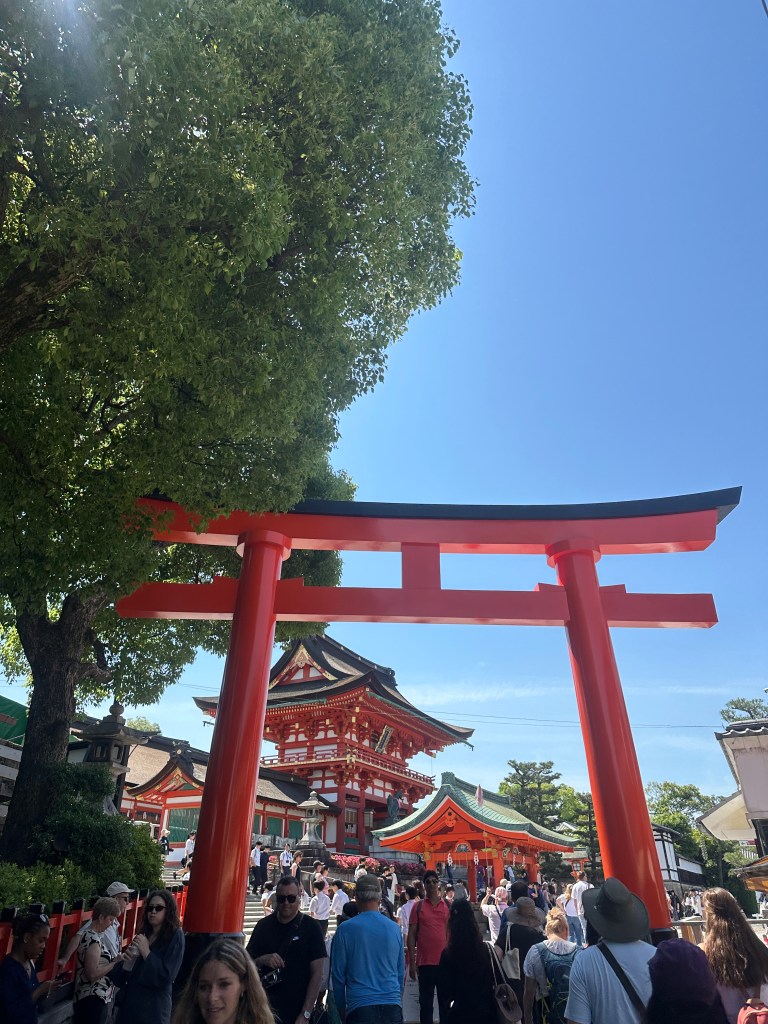
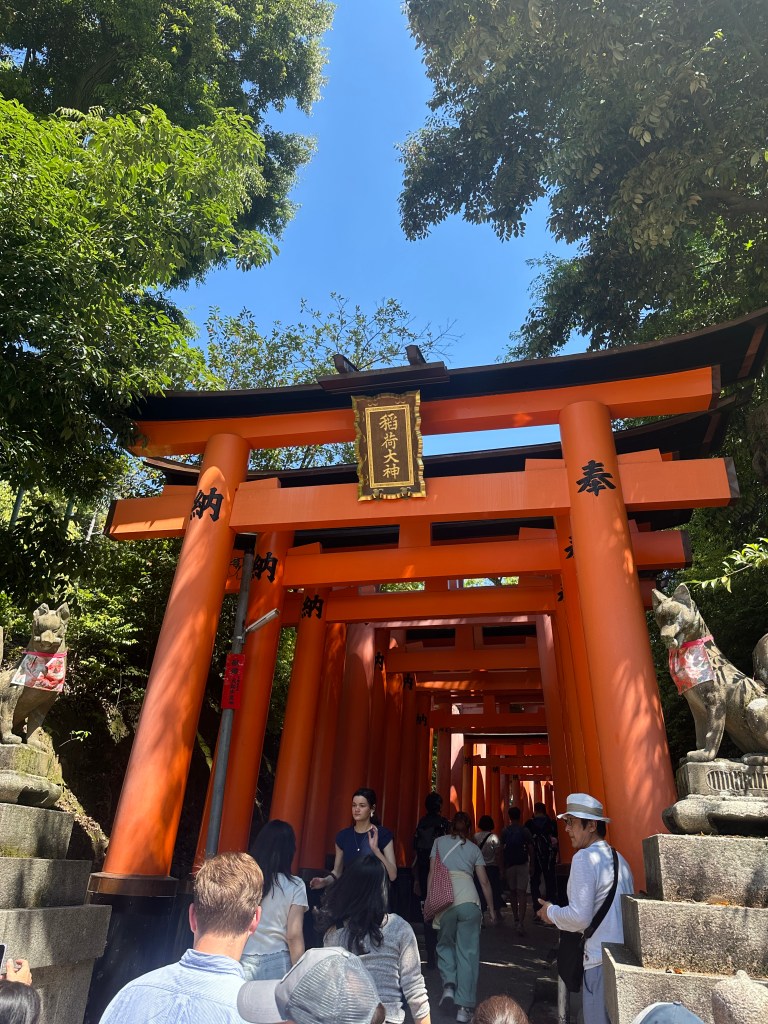
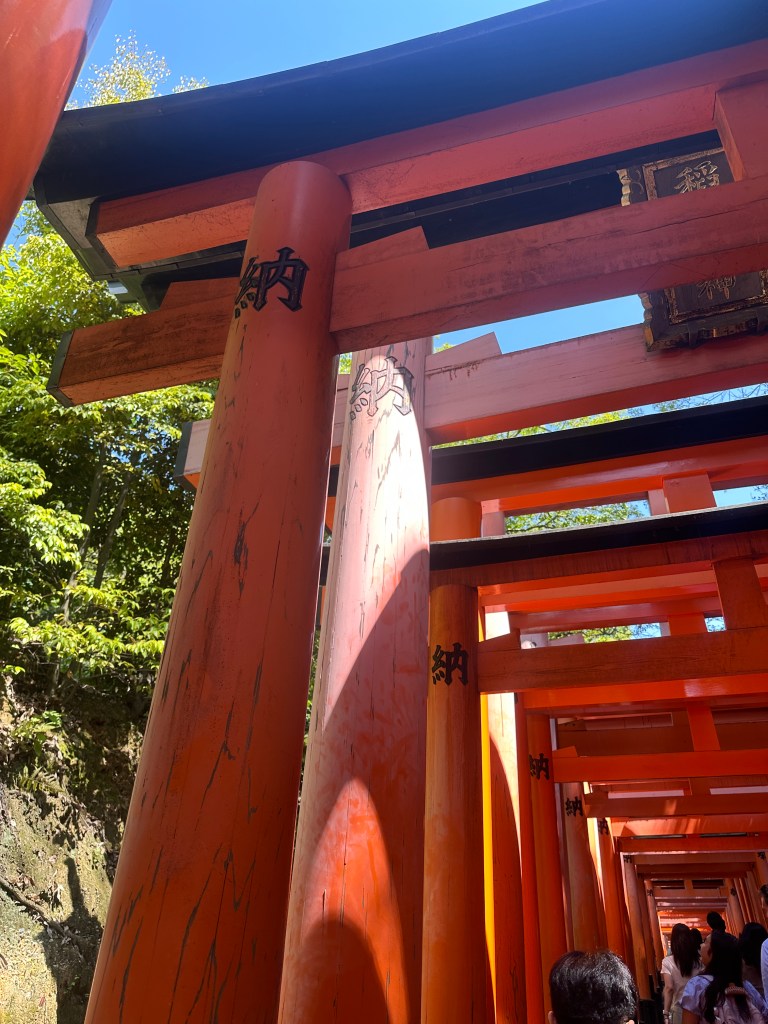
I began the next day at Fushimi Inari Taisha, one of Kyoto’s most famous attractions—and easily the most overcrowded. The shrine is dedicated to Inari, the god of rice, prosperity, and business success. The iconic vermillion torii gates are undeniably beautiful, but the early sections felt more like a tourist highway than a spiritual path. That said, if you keep climbing, the crowds thin out. The silence creeps back in, the gates narrow, and for a few quiet stretches, it actually feels sacred again. Still, it’s not a spot I’d revisit.
Tip: Most people turn around halfway. Don’t. Keep going. The serenity is worth the sweat.
For lunch, I headed to Vegan Izakaya Masaka, famous for their plant-based gyozas. Crispy-bottomed, juicy, and packed with flavour—I didn’t miss the meat for a second.


Tip: Many restaurants, cafés, and even small museums in Kyoto are closed on Wednesdays or randomly one day a week. Always check opening hours before heading out.
And just like that, my time in Kyoto came to an end.
Things I Missed (for next time):
- Arashiyama Bamboo Forest – A scenic walking path flanked by towering bamboo stalks that stretch up to the sky—one of Kyoto’s most iconic natural sights and a must for photographers and first-time visitors.
- Nijo Castle – A UNESCO World Heritage site with well-preserved interiors; worth visiting to see how shoguns actually lived and ruled.
- Fushimi Sake District – Over 30 breweries in one walkable area; you can sample, sip, and learn about sake production in under two hours.
- Nara – It’s a 45-minute train ride and completely doable as a half-day trip—massive Buddha, bowing deer, and ancient temples included.
- Nanzen-ji Temple – Fewer tourists, gorgeous gardens, and a massive aqueduct that makes for a unique photo stop.
- Ginkaku-ji & Philosopher’s Path – Ideal for a slower afternoon; scenic canal walk + two temples without the crowds of Kinkaku-ji
Osaka
Osaka, which was my next stop after Kyoto, is a city with no filter. Loud, playful, and obsessed with food. I reached here via a smooth 30-minute train ride and checked into Aloft Dojima, a hotel with a distinctly Gen Z aesthetic—clean design, neon accents, and playlists you’d actually want to Shazam. The rooms were massive (a rare treat in Japan), and while the location wasn’t smack in the middle of the action, it was a 1-minute walk from the station which made all the difference.
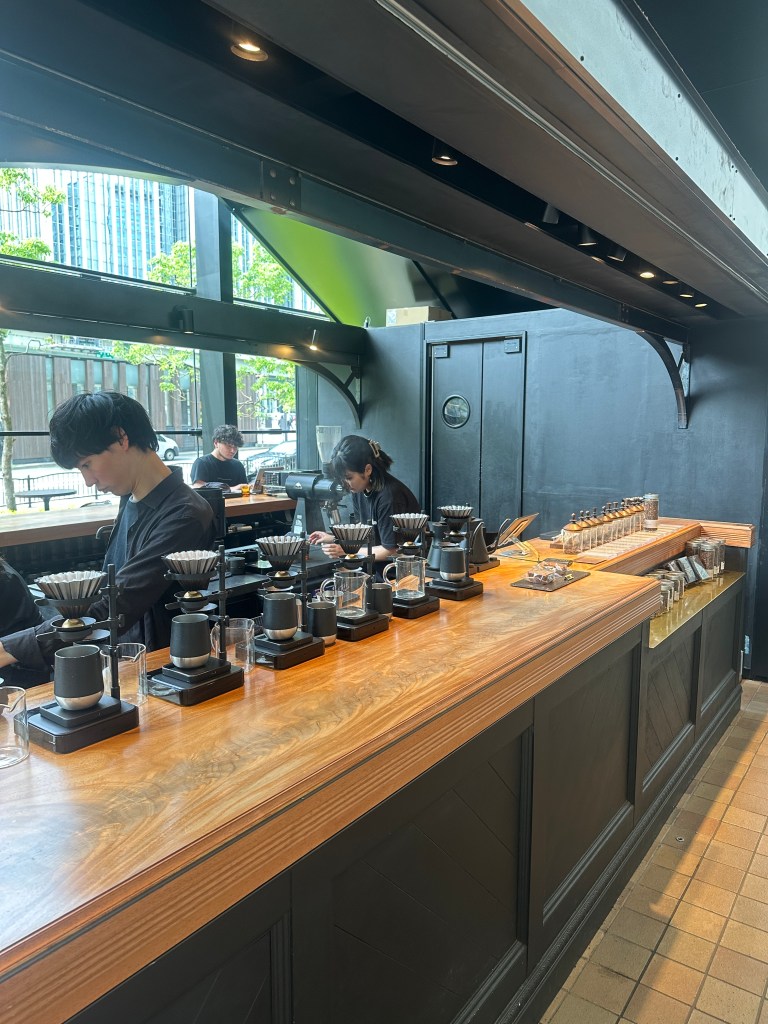
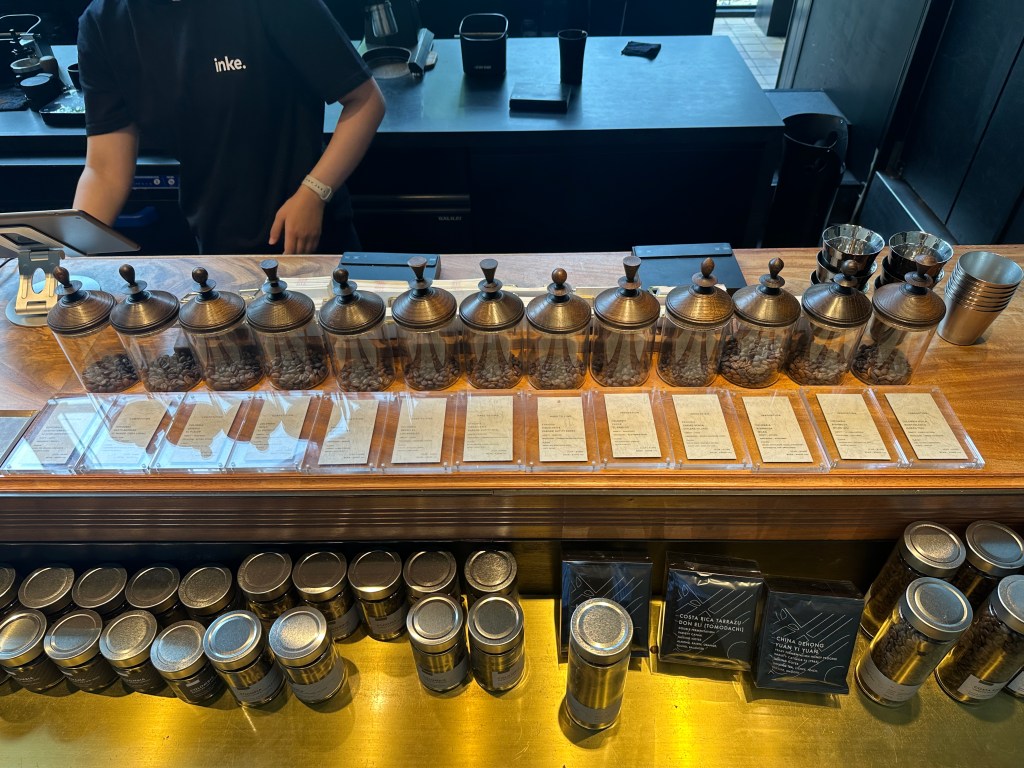
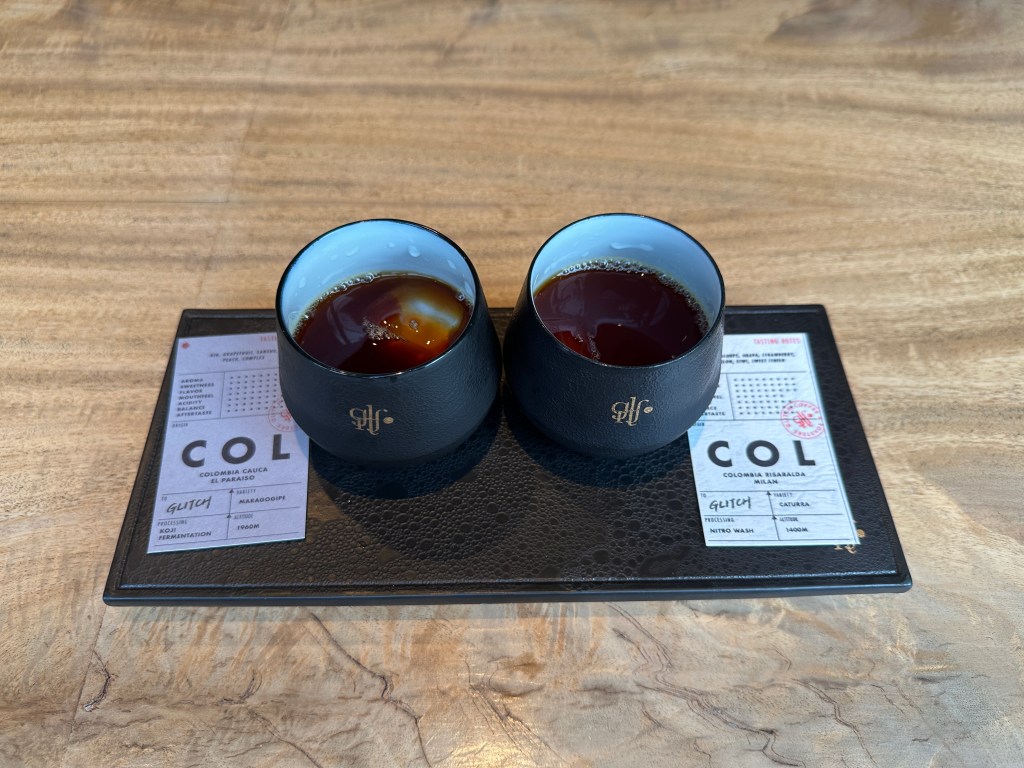
First order of business: coffee. Specifically, Glitch Coffee, which I’d missed in Tokyo and regretted instantly. Osaka gave me a second chance. Also, it was just a 3 minute walk from my hotel. It’s not the cheapest cup around—far from it—but you’re not just paying for coffee, you’re paying for precision, passion, and process. The baristas talk you through each bean and brew like sommeliers. I ended up having three different pour-overs, each one carefully dialed in and genuinely exciting and very unqiue. If you love coffee, Glitch is an experience, not just a café.
Tip: Be mindful of escalator etiquette—it changes by region. In Tokyo, people stand on the left; in Osaka, they stand on the right. Follow the locals.
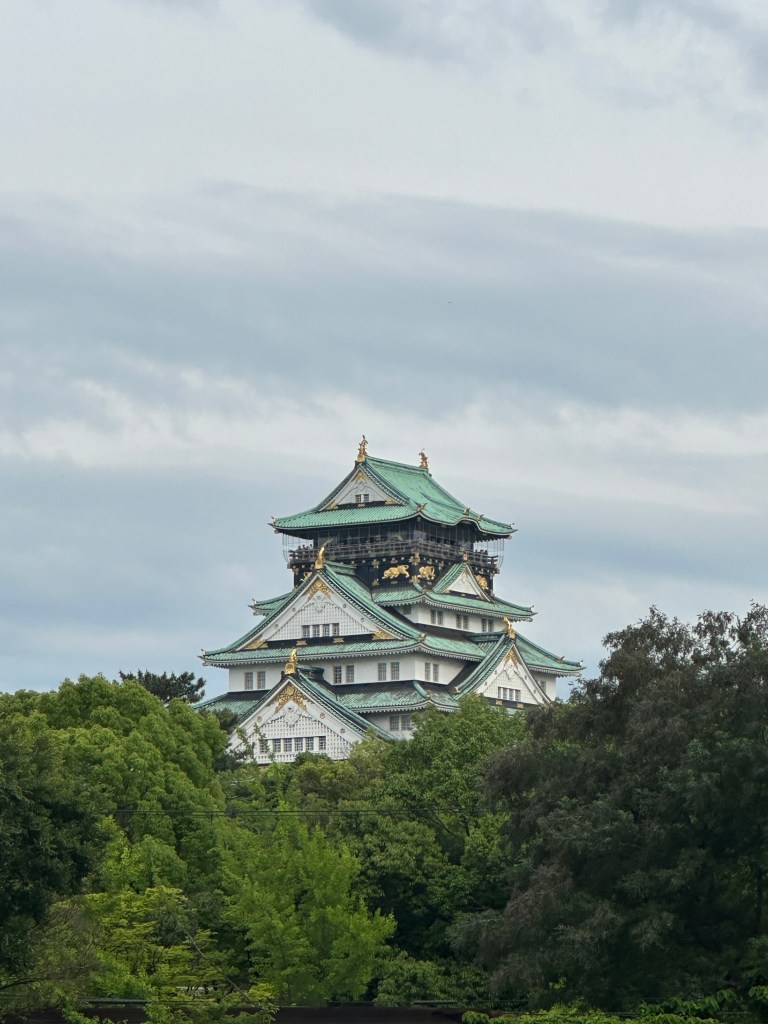
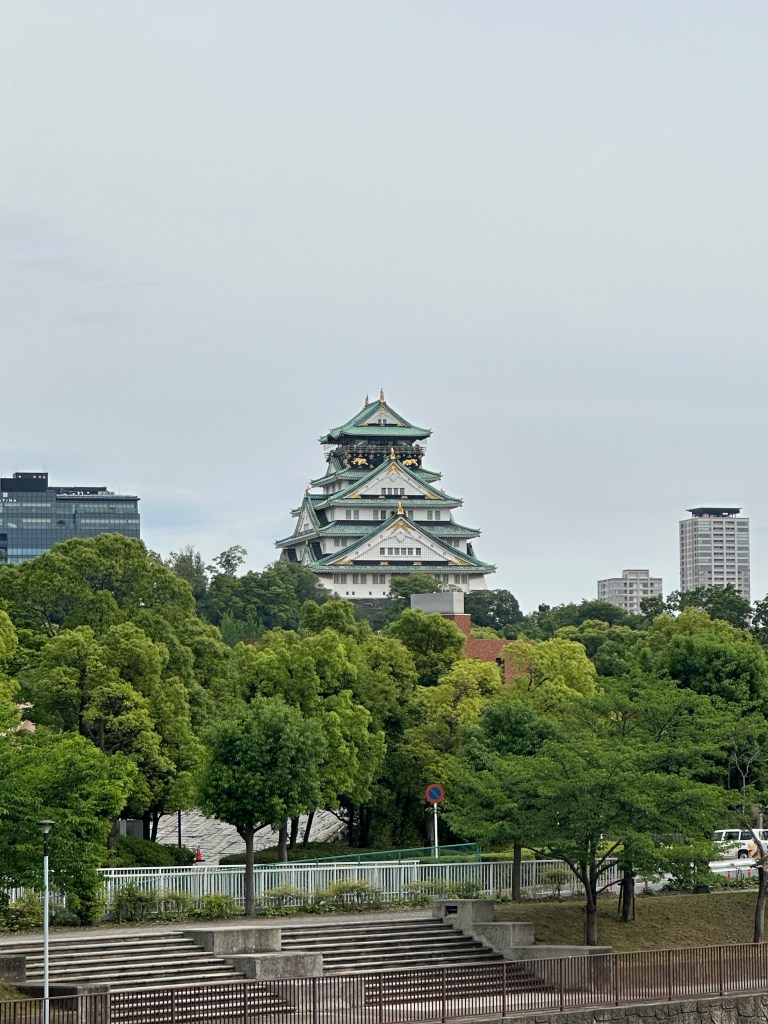
From there, I walked over to Osaka Castle, one of the city’s most famous landmarks. I didn’t go inside—I was tight on time—but walking the outer grounds was worth it. The towering stone walls, the wide moat, the symmetry of the structure—it’s all beautifully preserved and surprisingly calm, considering it’s in the middle of the city.
My second coffee stop (yes, already) was at Mel Coffee Roasters, a compact little spot with excellent beans and a solid vibe. Caffeinated and ready, I made my way to Dotonbori.
Dotonbori is Osaka’s most iconic district—giant signs, street food on every corner, and an energy that feels somewhere between a theme park and a night market. It’s chaotic, commercial, and completely unmissable. I walked along the canal that cuts through the centre, lined with glowing billboards and restaurants, and of course stopped at the famous Glico Running Man sign—possibly Osaka’s most-photographed spot. Everyone’s posing, arms up, mimicking the sprint. It’s silly and touristy, but weirdly fun.
Tip: Most shops and restaurants in Dotonbori stay open late—plan this visit post-sunset for maximum atmosphere.

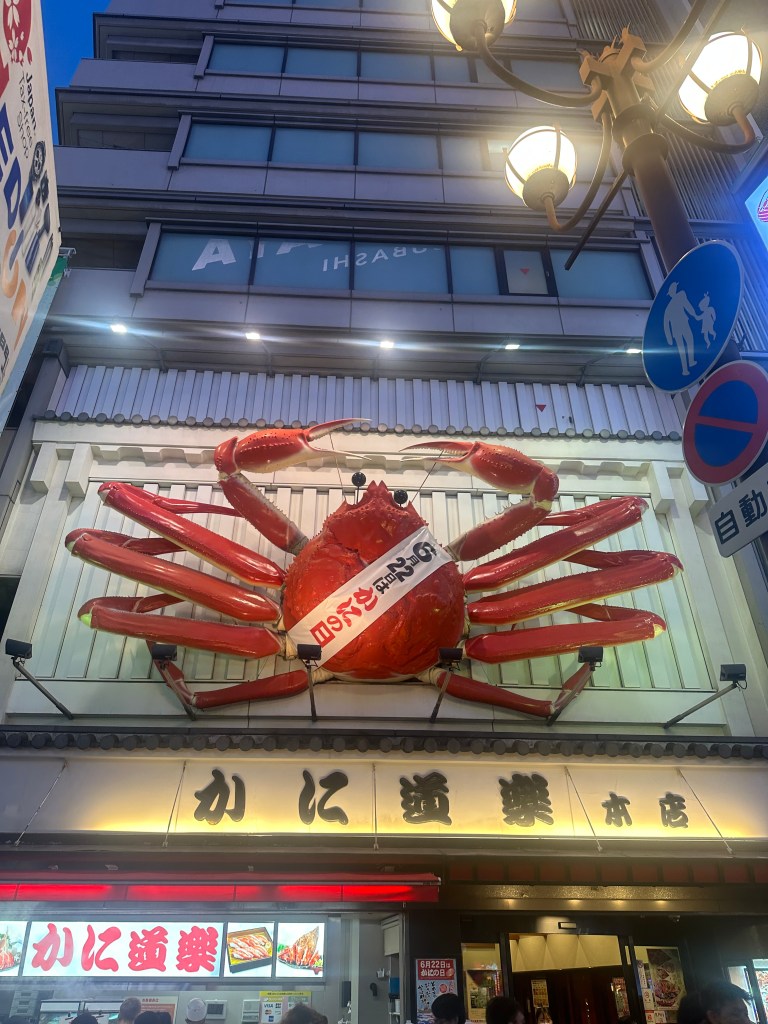
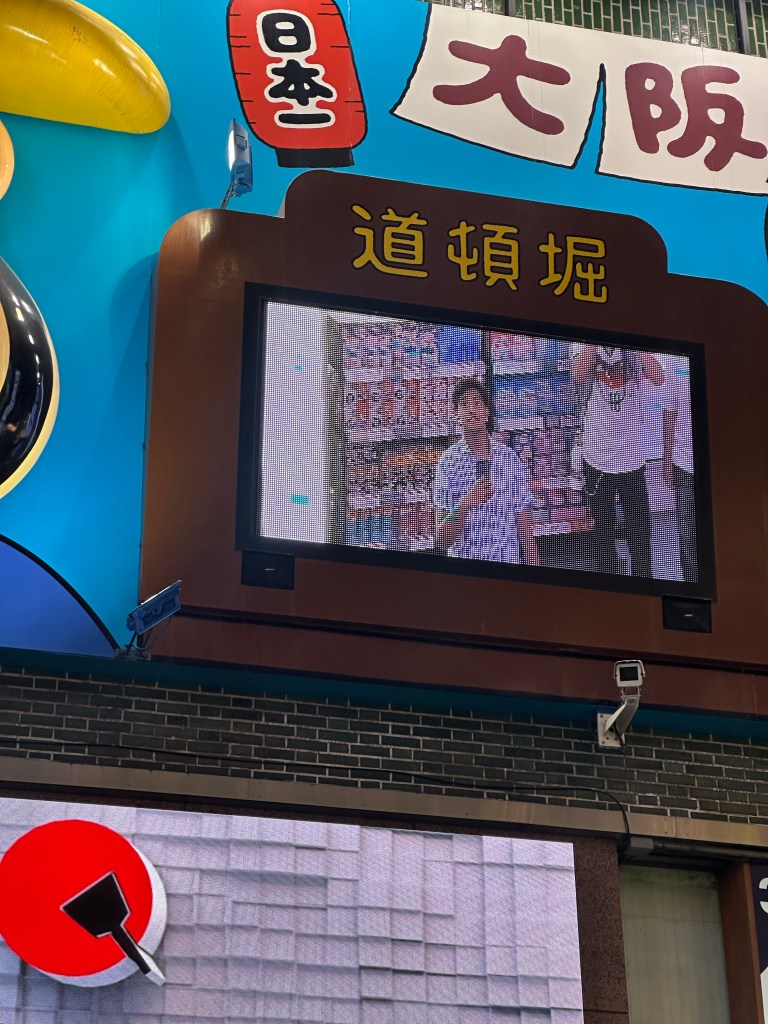
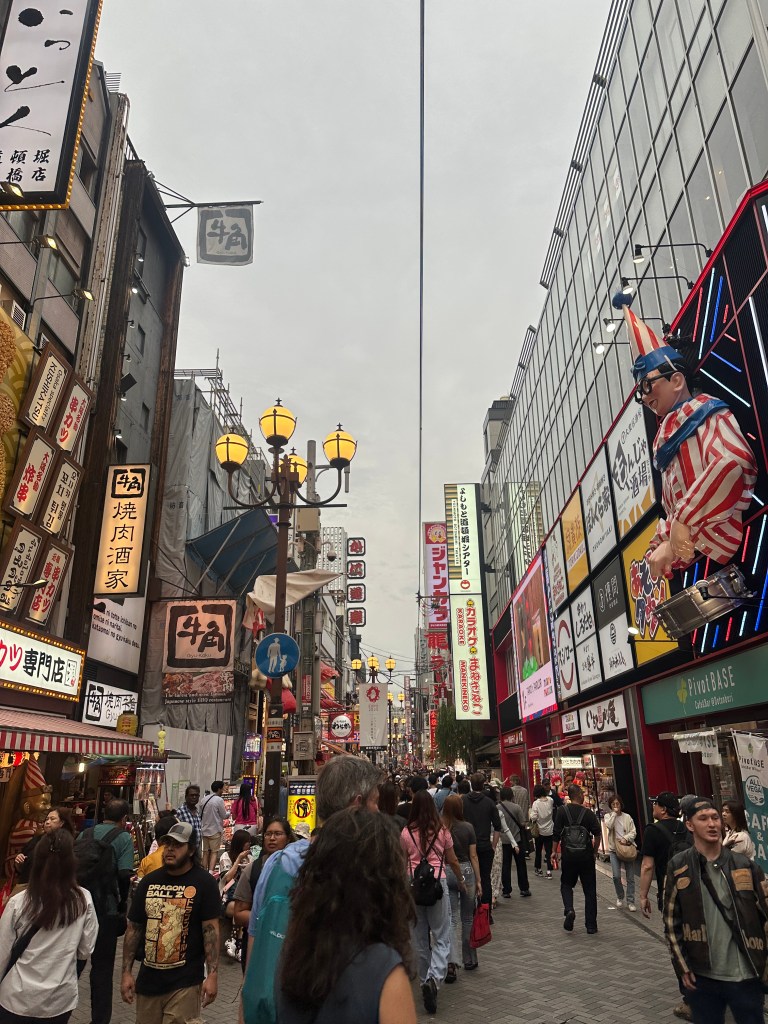

Dinner was at Chibo, a reliable spot for okonomiyaki—Osaka’s beloved savoury pancake. They cook it right in front of you on a teppan grill, and the texture was spot on: crispy edges, fluffy inside, layered with sauce, mayo, and seaweed flakes. It was messy and perfect.


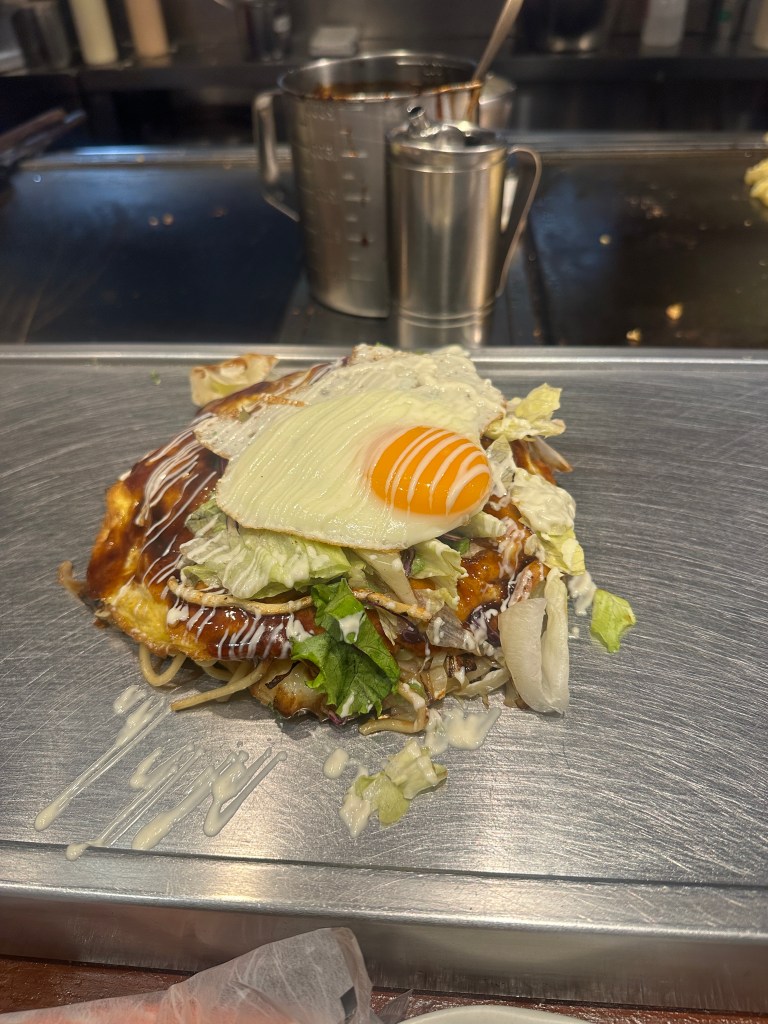
Back to the hotel after that. The next day was all about Expo 2025, which I’ll cover in a separate post going live next week.
For my third and final day in Osaka, I embraced the no-plan plan. Slept in, took it slow, and just wandered. I grabbed a light lunch at Shizen, a salad bar that felt like a reset button for my stomach. Then I made my way to Sennichimae Doguyasuji Shopping Street, where I picked up a few kitchen tools—Japanese knives, chopsticks etc.
From there, I went looking for souvenirs—KitKats, skincare, snacks, the works.
Tip: Go to Don Quijote (Don-Q) for literally everything. It’s a late-night mega store that sells souvenirs, cosmetics, tech accessories, luggage, snacks, costumes, and absolute randomness at solid prices. The layout is chaotic, but that’s part of the charm. If you see something you like—buy it. You’ll never find it again, even in the same store.
I strolled through Shinsaibashi-suji and Tenjinbashi-suji, two long shopping arcades lined with everything from fashion and streetwear to mochi and matcha lattes. Not everything is worth buying, but the people-watching and occasional finds make it worth the walk.

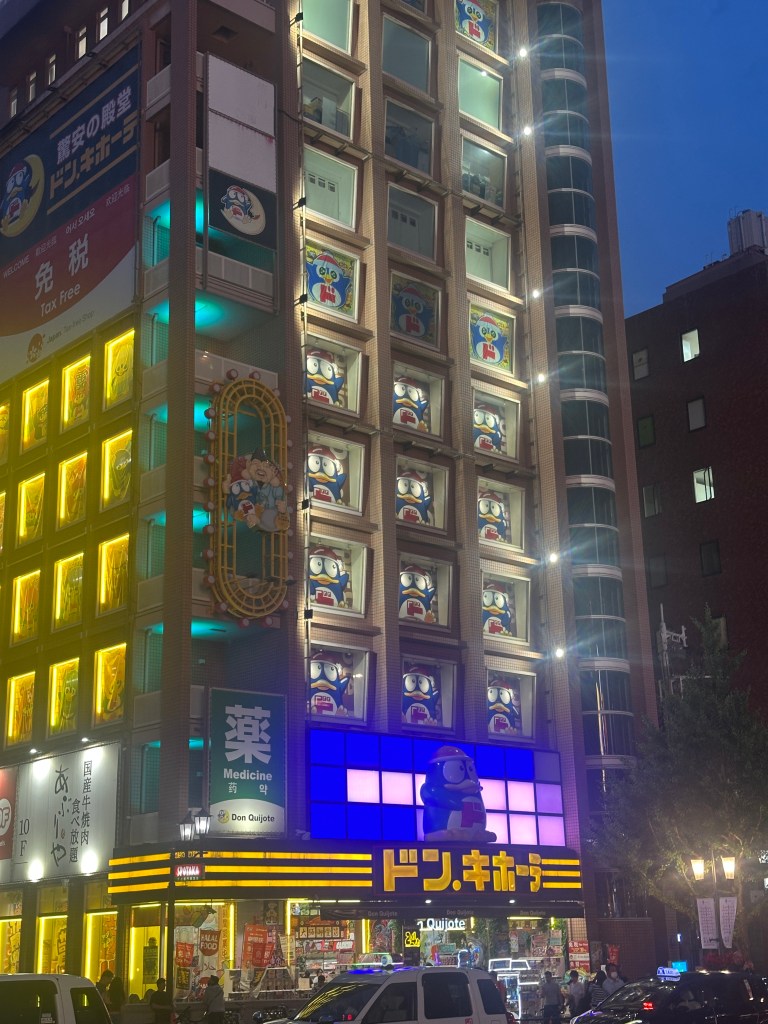
Tip: Look for the tax-free counters in every store. Show your passport to get 8–10% off at checkout.
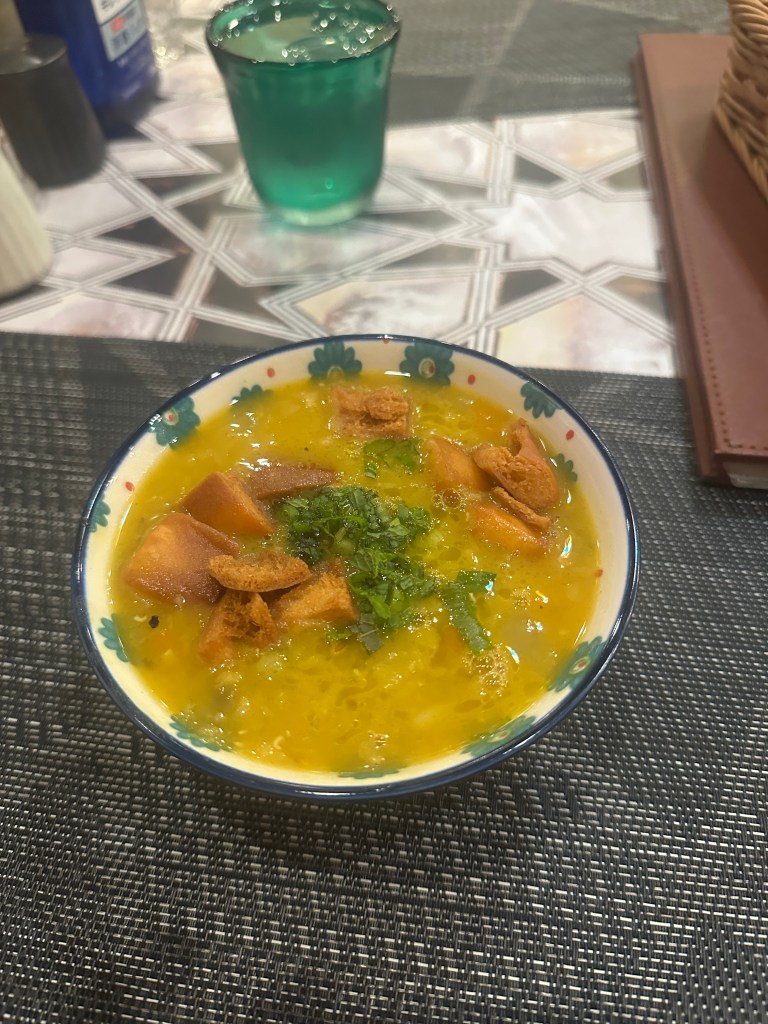
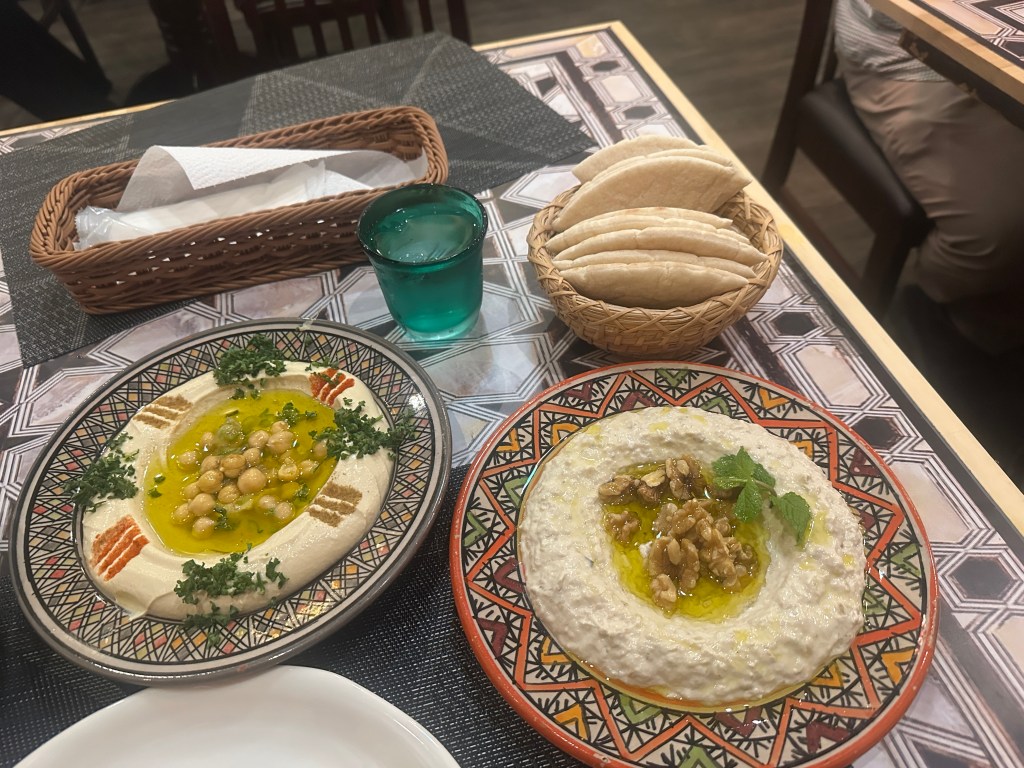
As the day wound down, I made one last stop at Glitch (again), had three more pour-overs, and picked up some beans to take home. For dinner, I went to Seven Hills, a Lebanese spot tucked into a side street. Book in advance if you want to get in. I ordered the hummus and baba ghanoush—both were smooth, balanced, and refreshing after a week of heavy Japanese flavours.

Things I Missed in Osaka (for next time):
- Universal Studios Japan – Especially Super Nintendo World. Perfect for theme park lovers and nostalgia seekers.
- Umeda Sky Building – The Floating Garden Observatory offers sweeping 360° views of Osaka’s skyline—best at sunset or night.
Japan doesn’t just leave an impression—it rewires how you notice the world. The way a train glides in exactly on time, how even silence has texture, or how convenience stores somehow manage to feel like treasure chests.
I came for the sights, but stayed for the sensations—the rhythm of daily life, the kindness of strangers, the coffee (God, the coffee). Japan exceeded my expectations in every way.
There’s still so much I didn’t get to—like witnessing the cherry blossoms in full bloom, or diving deeper into the rural heartlands, or divining in Okinawa, or visiting Hokkaido. So yes, I’ll be back. But until then, this is where I leave you—with a camera roll full of small moments, a suitcase heavier with Food and Skincare, and a craving for just one more coffee.

 Travel Footprints