Sri Lanka doesn’t try to impress you, and that’s precisely what makes it good. A small island just off the southern tip of India, it has ancient ruins, tea-covered hills, decent surf, wildlife, colonial streets and a food scene that quietly holds its own. It moves at its own pace, unbothered by the noise of flashier destinations in the region. The cafe culture is genuinely solid, the coastline is never far away, and there’s an ease to the place, a kind of unhurried confidence, that makes it hard not to like. It won’t be the most dramatic country you ever visit. It probably won’t top any list. But not every destination needs to blow you away. Some just need to feel right and Sri Lanka, for the most part, does.
I’ll be honest about the shape of this trip from the start, as I always try to be. Four nights in Sri Lanka, two of which were spent at a work conference. That left me with two real days to actually experience the country, both in Colombo. No hill trains, no leopard safaris, no ancient ruins by torchlight. Just the city, its cafes and its coastline. And yet, it was enough to make me absolutely certain I needed to come back.
This blog is split into two halves. The first half is mine — two days in Colombo, told the way I like to tell things. Honestly, hungrily, and with a strong cup of coffee in hand.The second is for you — the reader planning a proper Sri Lanka trip, the places I didn’t get to but fully intend to one day, ranked in the order I’d personally do them.
Colombo
Colombo is not what most people picture when they think of Sri Lanka. No paddy fields, no ancient temples on the horizon, no postcard beaches. It is a proper city — layered, occasionally chaotic, and considerably more interesting than its reputation gives it credit for. I had two days here before the conference took over. I didn’t plan them particularly carefully. As it turned out, I didn’t need to.
Day One
I landed in the morning and checked into the ITC Ratnadipa which is the brand’s first property outside India, sitting on Beira Lake in the heart of the city. On paper it has everything: grand facilities, a strong location, the ITC name. In practice, it felt like a property that had invested heavily in the broad strokes and overlooked the details. The kind of hotel where the pool is impressive but the service lacks the warmth and curation you’d expect at that price point. Fine, comfortable, and slightly disappointing in the way that only expensive hotels can be.
I left fairly quickly.
Lunch was at the Ceylon Curry Club, and it was one of the better decisions of the trip. Sri Lankan food is not Indian food, though the two are routinely and lazily grouped together. It is coconut-forward, boldly spiced, and built around a logic that is entirely its own. A proper Sri Lankan spread means rice surrounded by a constellation of small dishes which each with a different character, each better when eaten alongside the others. I had curries, sambals, and a jackfruit preparation that was genuinely outstanding. If you leave this country without eating properly, that is entirely on you.
From lunch I walked to Radicle which is a specialty coffee shop that doubles as an art gallery, quiet and unhurried in the way that good cafes always are. The barista and I got talking, the way you do when there’s nobody else in the room, and somewhere between the first cup and the second he told me I had to go to Grind the next day. I noted it down. Genuine Tip : walk into the best specialty cafe you can find, talk to the person behind the counter, and ask them where they’d go. The answer will always be better than anything you find online.
I followed it up with another stop at Divide, a second specialty cafe nearby, partly because the coffee was excellent and partly because I needed the caffeine to keep exploring.
I came back to the hotel mid-afternoon, used the spa, and headed to the gym and then out again for dinner at Gini. Modern Sri Lankan cuisine, cooked over fire. I was eating alone, which turned out to be exactly the right way to experience it. The chef came out and walked me through every dish personally which all used the open fire techniques, the local ingredients, the thinking behind each preparation. We talked about Sri Lankan cuisine, about what fire does to flavour, about food as a philosophy. It was the kind of conversation that a full table would have interrupted. The food matched it: charred leeks over cashew sauce, charred cabbage with mushroom sauce and local cheese, an eggplant moussaka with a Sri Lankan twist, and a molten chocolate cake with mint crumble and ice cream that closed the meal on exactly the right note. Before I left, the chef mentioned Kampong. I wrote that down too.
Day Two
I was up early for a dive with Island Scuba — and if I’m honest, this was the highlight of the trip for me, though I suspect diving always will be.
Colombo is not a city most people associate with diving, which is part of what makes it worth knowing about. The waters off the coast are home to 18 wrecks including cargo ships, fishing boats, vessels of various sizes and histories, all all resting on the seabed within easy reach of the city. I have my Advanced Open Water certification, which opened up the deeper sites. We went down to two wrecks sitting at around 30 metres which were a cargo ship and a fishing boat, both encrusted with marine life and carrying that particular atmosphere that only wrecks have underwater. The marine life around them was rich with ray, lionfish, and the general sense of abundance you get around structures that have been sitting on the seabed long enough to become ecosystems. I also met a German couple on the boat who were seasoned wreck divers, and the three of us spent the surface intervals comparing notes on dive sites around the world. That is one of the small pleasures of diving that nobody really warns you about — the people you meet between the dives are often as interesting as what you find below. If you dive, Colombo’s wrecks are genuinely worth your time.
After the dives I visited the Gangaramaya Temple being one of Colombo’s most significant Buddhist temples, sitting on the edge of Beira Lake. It is eclectically decorated and surprisingly vast inside, the kind of place that accumulates meaning slowly the longer you spend in it. From there I went to GRIND for lunch which was the place the barista at Radicle had pointed me toward the day before. The rainbow bowl was as good as advertised and as good to look at as it was to eat.
The afternoon was unhurried : Galle Face Mall, a grooming session, some time looking up at the Lotus Tower, which is the tallest self-supported structure in South Asia and hard to miss on the Colombo skyline, and a wander through the boutiques on Ward Place and Horton Place. I finished with a poke bowl at Seed Cafe. Colombo rewards this kind of aimless afternoon. Nobody is in a rush here and eventually you stop being in one too.
The evening arranged itself around the T20 World Cup semi final between India and England. We started at the hotel bar for the first innings which comfortable enough, but lacking atmosphere. So we moved, on the chef’s recommendation from the night before, to Kampong. The entrance is a corner chicken shop — genuinely unassuming, the kind of place you’d walk past without a second thought. Push past the storage racks at the back and you find yourself in a low-lit, chic speakeasy with a cocktail menu built around the districts of Colombo. The menu is deliberately short and everything on it is good. We worked through the whole thing. It was, in every sense, the right place to end the night and I wouldn’t have found it without a conversation over dinner the evening before.
The next two nights were a different Sri Lanka entirely. The conference had moved us to the Pegasus Reef Hotel which was further out, right on the coast. The days were full with long sessions, good conversations, the particular exhaustion that comes from being professionally switched on for hours at a stretch. The nights were the opposite. Beach, a drink, the sound of the water. One morning I broke away for brunch at Cafe Kampuk — Turkish eggs, excellent ambience and very good coffee.
Sri Lanka didn’t need two weeks to make an impression. Two days in Colombo and it had already done the damage. This was the kind of trip that doesn’t leave you satisfied, just hungry for more, which is a cruel thing for a country to do. The hill trains, the leopards, Galle, the east coast which was unvisited. I have no excuse except that I ran out of days, which is the most common travel problem in the world and the least sympathetic one. I’ll be back. Probably with a longer itinerary, a better hotel choice, and the same completely unrealistic idea that I’ll fit everything in.
If you’re planning your own Colombo, here’s where I’d point you.
Hotels : Paradise Road Tintagel, Shangri-La Colombo, Galle Face Hotel, Taj Samudra, Jetwing Colombo Seven
Restaurants : Ministry of Crab, Kaema Sutra, Nihonbashi, Monsoon, The Gallery Cafe, Upali’s by Nawaloka, Barefoot Garden Cafe, VOC Cafe, Nuga Gama, Kodamba Kade
Bars : Uncle’s, Shoulders By Harpos
Sights : Galle Face Green, Dutch Hospital Precinct, Jami ul-Alfar Mosque, Independence Square, Seema Malakaya, National Museum, Pettah Market
Places I Missed (Ranked)
A note before we begin: I haven’t been to any of these. This ranking is built on research, conversations with people who have, and mostly the order in which I’d personally book my return trip. I’ve noted alongside each who it’s best suited to.
Sigiriya & the Cultural Triangle The one I’d do first, without question. Sigiriya is a 5th-century rock fortress rising nearly 200 metres from the central plains — frescoes, landscaped gardens, and a lion’s paw gateway built by a king who chose a boulder as his palace. The surrounding Cultural Triangle also takes in Dambulla’s cave temples and the ancient city of Polonnaruwa. Best for: history lovers and anyone who appreciates a genuine UNESCO wonder that hasn’t been overrun.
Yala National Park Sri Lanka has the highest density of leopards of any country in the world, and Yala is where you find them. Sightings are genuinely frequent — add elephants, sloth bears, and crocodiles and it’s a safari that holds its own against anywhere. Best for: wildlife enthusiasts and anyone who’s done East Africa and wants something different.
Galle A 16th-century Dutch fort town on the southwestern tip of the island, Galle is one of those places that rewards simply wandering. Cobbled streets, colonial architecture, boutique hotels tucked inside old merchant houses, good restaurants and cafes, and a rampart walk at sunset that’s hard to beat. It’s compact, charming, and very easy to spend a day or two in without any real agenda. Best for: architecture lovers, slow walkers, and anyone who wants history without the full cultural circuit.
The South Coast — Mirissa, Unawatuna & Tangalle Three distinct beaches within easy reach of each other. Mirissa for whale watching between November and April. Unawatuna for the classic lively beach town experience. Tangalle for those who want the south coast without the crowds. Best for: beach lovers, whale watching in season, and a proper wind-down after a cultural circuit.
Trincomalee & the East Coast Sri Lanka’s best-kept secret and the one most Indians haven’t discovered yet. Stunning uncrowded beaches at Nilaveli and Uppuveli, one of the world’s great natural harbours, and Arugam Bay — a globally recognised surf point further south. Best for: solitude seekers, surfers, divers, and travellers willing to go slightly off the beaten path.
Ella & the Hill Country Train The train from Kandy to Ella is consistently rated one of the great rail journeys in the world — tea plantations, misty mountains, waterfalls through the window. Ella itself is a small hill town with good hiking, excellent cafes, and the iconic Nine Arch Bridge. The hill country region, including Nuwara Eliya, is a world apart from the coast. Best for: slow travellers, couples, and anyone who equates good scenery with good coffee.
Kandy Sri Lanka’s second city, set in the hills at a noticeably gentler pace. The Temple of the Sacred Tooth Relic is one of the most important Buddhist sites in the world, and the surrounding lake, botanical gardens, and nightly dance performances make it a complete destination in its own right. Best for: cultural travellers and a natural midpoint in any full itinerary.
There are places that dazzle on arrival, and places that grow on you. Japan does both. It’s a country built on contrast—silent shrines and neon streets, centuries-old rituals and vending machines that serve hot coffee at midnight. Everything works. Everything runs on time. And nothing feels accidental.
This was a solo trip. Just me, a backpack, a Suica card, and far too many convenience store snacks. I split it into four parts—Tokyo, Fuji, Kyoto, and Osaka—each city with its own pace, personality, and perspective. Some days were food-heavy. Some were coffee-fuelled. Some were made for walking aimlessly. And somehow, Japan was perfect for all of them.
What follows isn’t a guidebook—it’s a personal curation.
Disclaimer: This is a long one—about 5,000 words—and deeply detailed. Feel free to skim through, hop between cities, or read it in parts. I have bookmarked the 4 sections I have divided this blog into. I’ve also scattered several tips throughout the post to make your Japan trip smoother—so read between the lines.
Tokyo doesn’t unfold all at once—it reveals itself in layers. There’s speed, sure. But underneath the tempo, there’s structure, subtlety, and a kind of order that never announces itself. It’s the sort of city that’s easy to get lost in, and somehow even easier to navigate. It makes no promises and yet overdelivers.
I landed at Narita Airport at 7 AM, ignored the flat-rate ¥22,000 ($140 USD) taxi, and hopped on the Skyliner to Ueno—fast, efficient, and everything you’d expect Japan’s transport to be. I picked up a Suica card, caught a metro to Shimbashi, and walked a few minutes to my hotel in Ginza.
Tip: Google Maps is freakishly accurate in Japan. Trains, platforms, exits, walking paths—you don’t need anything else.
Tip: Get a Suica or Pasmo card at the airport. It’ll work on metros, buses, and even vending machines. You’ll spend about ¥1,500–2,000 a day on transport.
I was staying at Yotel Ginza, a sleek, minimal hotel with compact rooms, automated check-in, and everything I needed—nothing I didn’t. Ginza, by the way, is Tokyo’s upscale core. Think polished streets, flagship stores, and buildings that look like Apple designed them.
Around 10 AM, I met a local friend, and we walked to Oniyami, a no-frills udon joint tucked away in a side alley. I had cold udon topped with fried tofu, served with the kind of clean broth that doesn’t need explanation—it just works. Simple. Balanced. Excellent. The kind of place you’d never find unless someone took you.
7/11 creme caramelCold Udon at Oniyami
Tip: Use Tabelog for food. It’s what locals use, and anything above 3.0 is genuinely good. Don’t bother with Google or TripAdvisor.
From there, we took the Ginza Line to Shibuya—a quick 22-minute ride into Tokyo’s loudest, busiest self.
Shibuya is like flipping the contrast switch. It’s all oversized screens, Gen Z fashion stores, thumping music, and people moving in perfect chaos. I stood in front of the famous Shibuya Crossing, waited for the signal, and stepped into the blur, along with what felt like half the city. I had tickets for Shibuya Sky at 11:20, but I skipped it to stay in the moment. No regrets.
Shibuya CrossingShibuya
Tip: For a great view of the crossing, head to the MAGNET building and take the elevator to the 10th floor. ¥1,600 gets you access and a drink, without the madness of Shibuya Sky.
Magnet Building view Drink at magnet building
We explored the lanes around Shibuya, and that’s where I stumbled into Torahebi Coffee. I ordered an iced pour-over brewed with sake barrel-aged beans—a little wild, a little fruity, and totally worth trying once. Light, clean, with a soft fermented edge that made it feel more like an experience than a drink.
After that, we split up, and I walked my way through Omotesando and Harajuku, which are fantastic for boutique shopping. Japan’s retail scene is in a league of its own—the attention to detail, the quality of stitching, the presentation—flawless. Even the paper bags feel high-end.
OmotesandoHarijuku
Eventually, I made it to Koffee Mameya, a hidden coffee shrine tucked into a quiet alley, recommended by my houseparent in Singapore. It’s not a café—it’s a concept. No seating, no signs, just a wooden cube with a team of baristas who take their coffee very seriously. Before you order, they ask what kind of coffee you like, talk you through different beans, and then help you pick the right brew. While I was waiting in line, I struck up a conversation with a group ahead of me. Twenty minutes of chatting later, they ended up buying me both cups of coffee. No reason, no expectation. Just kindness.
The coffee? Immaculate. Precise, bright, perfectly extracted. It spoiled every cup I’d have after it.
By now it was around 3:30 PM, and I was starving. I headed to Brown Rice, a vegan café hidden behind a small garden near Omotesando. I ordered a set meal with seasonal vegetables and Japanese curry, which was elegant and quietly comforting. The space was tranquil, the food minimal but deeply satisfying.
Tip: If you’re vegetarian, always ask if the dashi is fish-free. Bonito flakes are the default, and most places won’t consider it “non-vegetarian” unless you ask.
AppetizersBrown rice interiorCurry
After a quick stop at the hotel to freshen up, I headed back out by 5 PM to explore Ginza at night. And it’s a spectacle. Stores aren’t just stores—they’re statements. Ten floors high, lit like galleries. I visited the 12-storey Uniqlo, the iconic Itoya stationery store with its seven floors of paper and pens, and browsed a local souvenir shop called Loft where everything felt like a perfect gift. I also picked up a bottle of Japanese whiskey from a premium whiskey only store for my dad.
Tip: Convenience stores in Japan are next level. 7-Eleven, Family Mart, Lawson—they have everything. Power banks, matcha custards, hot coffee, toothpaste, stationery, even SIM cards. They’re open early, late, and sometimes all night.
GinzaGinza
Dinner was at Noeud, a Michelin-starred Japanese-French fusion restaurant in a quiet corner of the city. It was a nine-course tasting menu, and the meal was refined, creative, and deeply seasonal. The standout was a dish of tomato and green onion with sorbet and tomato gel—an explosion of flavor, perfectly plated. A zucchini risotto with coconut foam followed, then a fried fennel dish with fennel hummus that didn’t quite land—too bitter for the rest of the set. But the next course, a daikon and shiitake rose in a mushroom broth, brought it back. Then came a textural play on asparagus, and finally the main: carrot prepared five ways, finished with a glossy onion jus, which was by far the showstopper both in flavour and presentation. Dessert was a Kawachi Bankan citrus dish—light, sharp, and forgettable. The non-alcoholic pairing was thoughtful, and while the service could’ve been a notch more polished for a Michelin star, the meal—at ¥14,000—felt worth it.
Restaurant Interior
Amuse Bouche
Tomato and Onion
Zucchhini
Fennel
Daikon Radish
Asparagus
Palate Clenser
Carrot
Kawachi Bankan
Mignardise
Mt. Fuji
Few sights are as iconic—or as elusive—as Mt. Fuji. Japan’s tallest peak and most sacred mountain has been immortalized in woodblock prints, poetry, and postcards for centuries. On a clear day, it rises like a perfect triangle, snow-tipped and majestic. But getting a good view? That’s the real game.
There are two ways to do a Fuji day trip from Tokyo, which came across in my research—Hakone and Kawaguchiko. Hakone offers more of a scenic loop with cable cars, pirate ships, and sulfur springs, and you can reach it via the Odakyu Romancecar or a combination of trains and ropeways. Kawaguchiko, on the other hand, brings you face-to-face with the mountain from the north side, with better photo ops, fewer transfers, and a more direct view. There’s also Fuji-Q Highland, a thrill-seeker’s paradise of roller coasters at the foot of Fuji, if that’s your thing. I chose Kawaguchiko.
An early morning highway bus from Shinjuku took me to Kawaguchiko Station (Bus Stop No. 2) in under two hours. Smooth ride and decent legroom. From there, I boarded a local train to Shimoyoshida Station, followed by a 20-minute uphill walk to the Chureito Pagoda. The climb, though short, will test your calves. But once you reach the top? Fuji, in full frame.
The classic shot: red pagoda in the foreground, cherry blossoms (if you time it right, which I missed because of the season), and Mt. Fuji in the background. The view was not very clear, but still I got some amazing shots.
View of foggy mount fujiMilk Ice CreamWay to Chuerito pagodaShrine en route chueritoStrawberry mochiForecast (my time I got 100% visibility)Chuerito Pagoda w/ Mt FujiViewpoint
Tip: Always check the Fuji visibility forecast the night before. Websites give hour-by-hour clarity. Kawaguchiko is on the north face of the mountain, so forecast visibility here can differ from Hakone or Tokyo. “You don’t choose when to see Mt. Fuji. Mt. Fuji chooses when to show itself.” That old saying? Couldn’t be more accurate.
From there, I took a quick bus to Yurari Onsen, one of the more relaxed, foreigner-friendly bathhouses in the area. Nestled near the base of Fuji, it offers 18 types of baths—cave baths, carbonated tubs, aromatherapy steam rooms—but the real magic lies in the rotenburo, the outdoor bath. Soaking in steaming 40°C mineral water, completely still, while staring out at a view of Mt. Fuji—it’s something I’ll never forget. By this time, the skies had cleared completely and I could see Mt Fuji in all its majesty as crystal clear as the water I was bathing in.
But with great relaxation comes great responsibility. Onsen etiquette is strict:
No tattoos allowed (many onsens will deny entry if they spot even a small one).
Separate baths for men and women.
Absolutely no clothing inside the bathing area—not even underwear.
You get two towels: a large one for drying off, and a small modesty towel you take with you.
The small towel should never touch the water. Keep it folded on your head or placed on the side.
You must shower thoroughly with soap and shampoo before entering. Think of it as pre-cleaning.
No cameras. At all. Respect everyone’s privacy.
I spent about an hour floating between tubs before heading back to Kawaguchiko and catching a late-afternoon bus to Tokyo.
Yurari OnsenClear Mt. Fuji ViewRoadside store in Fuji Area
Back to Tokyo
That evening, I dropped by Age 3 in Daikanyama, famous for its unhinged, totally-worth-it fried bread sandwiches. I had two: Crème Brûlée and Egg Salad. Both were messy. Both were perfect. You will need napkins. Many, many napkins.
Dinner started off with intention—I was craving grilled yakitori, something smoky and salty and best eaten with a cold Asahi, which is Jap. But after ten days on the road, a wave of homesickness hit hard. So I ditched the plan and walked into a North Indian restaurant in Ginza called Annam. and ordered dal makhani and paneer butter masala. Was it the best I’ve had? No. Did it hit the spot? Completely.
(But if you do stick to the original plan, grab a cold Asahi with your yakitori. It’s Japan’s most popular beer for a reason—clean, crisp, dry, and dangerously easy to drink.)
Age. 3 GinzaAge. 3 SandwichesAnnam
Later that night, I made my way to Tokyo Tower. At 150 meters up, it gives you a sweeping panorama of the city—glittering highways, orderly blocks, endless red lights—but it wasn’t the most breathtaking view of the trip. Still, it’s iconic. Worth ticking off.
Tip: Book activities like Shibuya Sky, Tokyo Tower, and TeamLab Planets/Borderless in advance—use Klook or the official websites. Walk-ins are risky, especially in good weather.
Tokyo TowerInside the towerView from Tokyo Tower
Final morning in the city. I head for some coffee first at glitch but when i arrived, the lines were 2 hours long. I said goodbye immediately and head to X coffee ginza, which was incredible nonetheless. From there I headed off to Asakusa, one of Tokyo’s oldest districts. Here, time slows down. Lantern-lit lanes, incense smoke, rickshaw drivers in traditional garb—it’s all very atmospheric. At the heart of it is Senso-ji Temple, Tokyo’s most visited shrine, with its towering red Kaminarimon Gate and bustling Nakamise shopping street.
I browsed for souvenirs, picked up roasted nuts, had a matcha dessert, and stopped at Kinefuku for their signature sponge cake with custard—light, fluffy, addictive. Before entering the main hall, I tried the omikuji fortune ritual. You shake a tin box, pull out a numbered stick, match it to a drawer, and receive a fortune. Mine said “small blessing,” which in Japan is like saying “meh, could be worse.” If you get a bad one, tie it to the rack outside to leave the bad luck behind. After visiting Senso-ji I went to try the viral matcha mont-blanc. The dish was more instagrammy than tasty (it tasted of sweet potato), but nonetheless, to see the making of the dish and see the matcha noodle like things coming out was very entertaining.
Tip: There are barely any public trash bins in Tokyo. Blame it on smell and hygiene. Carry your trash until you find one inside a convenience store, or just pack a spare ziplock in your bag.
After that, it was time to pack up. But before I left, I made a list of things I didn’t get to do—and now must return for:
Shinjuku – For the full sensory overload. Neon signs, tiny izakayas, and the wildest side of Tokyo nightlife.
Akihabara – The electric town. Gamers, anime nerds, tech junkies—this is their Mecca.
TeamLab Planets / Borderless – Immersive digital art experiences that mess with your sense of space and self.
Meiji-Jingu Shrine – Hidden inside Yoyogi Park, it’s peaceful, green, and deeply spiritual.
Imperial Palace Gardens – Lush, structured, and perfect for a slow morning walk.
Kappabashi Street – The chef’s paradise. Think every kitchen tool imaginable. Also home to Japan’s famous food replicas.
DisneySea / Disneyland – Japan’s take on the magic kingdom, and arguably the best Disney parks in the world.
I needed one more day. Maybe two. Tokyo is the kind of city that unfolds with time—you don’t just visit it, you chip away at it.
At 2 PM, I boarded the Shinkansen to Kyoto from Tokyo Station. There’s a beautiful tradition here: pick up an ekiben, a bento box made just for train journeys. I couldn’t find a decent vegetarian one in time, so I skipped it. But if you’re veg, places like Ekibenya Matsuri have options—just ask.
The train? Effortless. It cruises at about 285 km/h, but it’s so smooth, you won’t feel a thing. The seats are wide, the tray tables roomy, and the carriage whisper-quiet. Japan’s bullet trains are a masterclass in transport.
Tip: Grab a right-side window seat (E seat) on the Tokyo–Kyoto route for Mt. Fuji views. On your return leg, switch to the left.
Kyoto
If Tokyo is the future, Kyoto is the soul. Once the imperial capital, it’s where Japan slows down and stretches out. You’ll find torii gates curling into forests, lantern-lit lanes, hidden tea houses, and centuries-old shrines just around the corner from an espresso bar. It’s quieter, greener, and so much more intimate—and somehow, still full of surprises.
The Shinkansen eased into Kyoto Station just after 4 PM, and I hopped into a taxi headed straight to Holiday Inn Gojo. The hotel was simple and comfortable—nothing too flashy—but well located. Not far from the main sights and tucked away just enough to feel local.
Tip: Get around Kyoto with LUUP. It’s an electric bike and scooter app with a flat ¥50 unlock fee and ¥15 per minute, or a 3-day pass for around ¥3,000. Riding through Kyoto on two wheels is not just convenient—it’s the best way to feel the city.
Tip: Kyoto is a walking city. Bring comfortable shoes, pack light, and don’t be afraid to veer off the map—some of the best moments happen in side streets.
I LUUP’ed over to 2050 Coffee, a sleek little spot that’s actually an offshoot of Kurasu, which I’ll get to later. Had a cold brew on tap—bright, floral, refreshing. Just a 5-minute walk away was Le Labo Café, nestled inside the fragrance store. The space was stunning—calm lighting, clean wood accents, and the comforting scent of sandalwood in the air. Two coffees, both brilliant, and very different in mood.
2050 Coffee TapExteriorLe Labo Cafe
Tip: Many Kyoto cafés open late (10–11 AM) and close early, so plan your caffeine stops accordingly.
Around lunchtime, I met two friends from my Singapore days, and we headed to a small tempura joint called Tendon Makino Kyoto Teramachi. I got the veggie tempura on rice. Crisp, light batter with just the right amount of chew. They also gave wasabi, ginger, and yuzu to mix into the leftover rice—tiny additions, big flavor. Over the meal, the conversation flowed effortlessly—from travel stories to our mutual love for Japan, to the weirdly comforting feeling of reconnecting with old friends over hot food in a cold country. Post-meal, we ended up in a jazz bar, drinking plum wine (sweet, soft, floral—unlike anything I’d tried before) and soaking in the music. After we left the bar, we left a 5-yen coin as change, thinking it was nothing. But within minutes, the staff came running nearly 100–150 metres down the street to return it to us.
Tip: Tipping isn’t expected in Japan. In fact, it can confuse or even embarrass staff. Great service is considered part of the job—just smile, say thank you, and bow.
Tempura over riceDrinks at Jazz Bar
A little buzzed and not quite ready to call it a night, I made my way to Gion which is kyoto’s geisha district and caught sight of Hōkan-ji Temple. The place was nearly empty, and it was unbelievable. The five-storey pagoda, standing tall against the indigo sky, the silent streets, the golden pools of lantern light—it felt like I’d walked into another era.
Hokan ji temple at nightGion at Night
The next morning began at Kinkaku-ji, or the Golden Pavilion—once a shogun’s retirement villa, now a Zen temple. The top two floors are coated in gold leaf, and when the sun hits it just right, the reflection on the pond makes it look like it’s glowing. It’s one of Kyoto’s most photographed spots, and for good reason—it feels like a page from a painting. There are also two “wish bowls” in the temple grounds. Toss a coin in for good luck. I got it in one shot (not flexing).
Tip: The pace in Kyoto is slower. Don’t try to cram too much. Two temples and a great meal can easily fill a day if you let the city breathe.
Kinkaku jiPond at Kinkaku jikinkaku jiClose up of Kinkaku jiTossing the coin for good luckKinkaku ji
Craving caffeine, I grabbed a cold lemon sour from Asahi (actual lemon slice floating inside—very extra, very fun) before stumbling upon Koisus on Instagram. It’s a tiny spot doing vegan Japanese curries, and it ended up being one of the best meals I had in Kyoto. I ordered sake (not my thing, sadly), but the curry? Rich, subtly spiced, with Japanese pickles on the side and plating so gorgeous I didn’t want to ruin it.
Oro EspressoAsahi lemon sourKoisus exteriorKoisus interiorCurry
From there, I headed to Kiyomizu-dera, a UNESCO site perched on a hillside with sweeping views over Kyoto dated back to 778AD. The main hall juts out over the slope, supported by tall wooden pillars. It feels grand, ancient, and surprisingly alive. From up there, you get panoramic views of Kyoto’s tiled rooftops, tree-lined hills, and the promise of more temples hiding in the distance. The walk to the temple—through narrow lanes filled with shops and incense—is half the experience.
Tip: Carry cash. Many temples and older street shops in Kyoto still don’t accept cards or digital wallets.
Kiyomizu Dera
I then made a visit to Kurasu, one of Kyoto’s most respected coffee spots. I had two killer cups of pour-overs and started chatting with the barista about their beans. That convo led me to another couple from Chicago who were just as obsessed with coffee. They gave me a list of places, including one that was just around the corner.
So of course, I went. Weekenders Coffee—hidden behind a parking lot, no signs, just brilliant coffee. Tiny setup, big flavors. These two shops alone made Kyoto a coffee city for me.
After that, I made my way to Rokujuan, to try a local specialty: Mizu Shingen Mochi, also known as Raindrop Cake. It’s translucent, delicate, and served with brown sugar syrup and roasted soybean flour. Texturally, it’s bizarre—like edible water—but the experience is oddly satisfying and strangely elegant. Also to add, the dish is absolutely beautiful to look at and almost a shame to desroy.
KurasuRokujuanMizu Shingen Mochi
I returned to the hotel for a quick break, then headed out again around 4 PM. Before dinner, I wandered through Nishiki Market, soaking in the late-afternoon energy—stalls winding down, a few stragglers still flipping tamagoyaki which is a japanese omlette, and the smell of soy and sesame lingering in the air. My destination that evening was Vegan Ramen UZU Kyoto—a collaboration with TeamLab, complete with immersive digital art projections and a Michelin Green Star to its name. You have to pre-book and even pre-select your ramen days in advance. I went with the shoyu ramen over the spicy miso.
The meal started with a layered amuse-bouche—a sort of nine-layered reinterpretation of cheese and crackers—followed by a deconstructed sushi plate with nori on the side. Then came the main. The ramen was complex, deep, and comforting. Light enough to not weigh you down, but rich enough to linger. The art on the walls danced throughout the meal—soft light, floating shapes.
Uzu Ramen exteriorInterior of UZU ramenFirst Course Deconstructed sushiShoyu Ramen
On my walk back, just 2 km from the hotel, I passed Sot-l’y-laisse—a vibey little yakitori place I’d spotted earlier. Even though I was full, the Gen Z mood and charcoal scent pulled me in. I ordered a vegetable platter that you grill yourself on a mini grill, plus two standout small plates: aglio olio edamame and bang bang cucumber. Everything was punchy, playful, and perfect for late-night grazing.
Tip: Nishiki Market starts closing around 5:30 PM. Go mid-day for the full buzz and bites.
Grill with seasoningsCucumber and EdamameGrilling
I began the next day at Fushimi Inari Taisha, one of Kyoto’s most famous attractions—and easily the most overcrowded. The shrine is dedicated to Inari, the god of rice, prosperity, and business success. The iconic vermillion torii gates are undeniably beautiful, but the early sections felt more like a tourist highway than a spiritual path. That said, if you keep climbing, the crowds thin out. The silence creeps back in, the gates narrow, and for a few quiet stretches, it actually feels sacred again. Still, it’s not a spot I’d revisit.
Tip: Most people turn around halfway. Don’t. Keep going. The serenity is worth the sweat.
For lunch, I headed to Vegan Izakaya Masaka, famous for their plant-based gyozas. Crispy-bottomed, juicy, and packed with flavour—I didn’t miss the meat for a second.
Fushimi Inari Shrine
Tip: Many restaurants, cafés, and even small museums in Kyoto are closed on Wednesdays or randomly one day a week. Always check opening hours before heading out.
And just like that, my time in Kyoto came to an end.
Things I Missed (for next time):
Arashiyama Bamboo Forest – A scenic walking path flanked by towering bamboo stalks that stretch up to the sky—one of Kyoto’s most iconic natural sights and a must for photographers and first-time visitors.
Nijo Castle – A UNESCO World Heritage site with well-preserved interiors; worth visiting to see how shoguns actually lived and ruled.
Fushimi Sake District – Over 30 breweries in one walkable area; you can sample, sip, and learn about sake production in under two hours.
Nara – It’s a 45-minute train ride and completely doable as a half-day trip—massive Buddha, bowing deer, and ancient temples included.
Nanzen-ji Temple – Fewer tourists, gorgeous gardens, and a massive aqueduct that makes for a unique photo stop.
Ginkaku-ji & Philosopher’s Path – Ideal for a slower afternoon; scenic canal walk + two temples without the crowds of Kinkaku-ji
Osaka
Osaka, which was my next stop after Kyoto, is a city with no filter. Loud, playful, and obsessed with food. I reached here via a smooth 30-minute train ride and checked into Aloft Dojima, a hotel with a distinctly Gen Z aesthetic—clean design, neon accents, and playlists you’d actually want to Shazam. The rooms were massive (a rare treat in Japan), and while the location wasn’t smack in the middle of the action, it was a 1-minute walk from the station which made all the difference.
First order of business: coffee. Specifically, Glitch Coffee, which I’d missed in Tokyo and regretted instantly. Osaka gave me a second chance. Also, it was just a 3 minute walk from my hotel. It’s not the cheapest cup around—far from it—but you’re not just paying for coffee, you’re paying for precision, passion, and process. The baristas talk you through each bean and brew like sommeliers. I ended up having three different pour-overs, each one carefully dialed in and genuinely exciting and very unqiue. If you love coffee, Glitch is an experience, not just a café.
Glitch
Tip: Be mindful of escalator etiquette—it changes by region. In Tokyo, people stand on the left; in Osaka, they stand on the right. Follow the locals.
From there, I walked over to Osaka Castle, one of the city’s most famous landmarks. I didn’t go inside—I was tight on time—but walking the outer grounds was worth it. The towering stone walls, the wide moat, the symmetry of the structure—it’s all beautifully preserved and surprisingly calm, considering it’s in the middle of the city.
Osaka CastleOsaka Castle
My second coffee stop (yes, already) was at Mel Coffee Roasters, a compact little spot with excellent beans and a solid vibe. Caffeinated and ready, I made my way to Dotonbori.
Dotonbori is Osaka’s most iconic district—giant signs, street food on every corner, and an energy that feels somewhere between a theme park and a night market. It’s chaotic, commercial, and completely unmissable. I walked along the canal that cuts through the centre, lined with glowing billboards and restaurants, and of course stopped at the famous Glico Running Man sign—possibly Osaka’s most-photographed spot. Everyone’s posing, arms up, mimicking the sprint. It’s silly and touristy, but weirdly fun.
Tip: Most shops and restaurants in Dotonbori stay open late—plan this visit post-sunset for maximum atmosphere.
DotonboriAnimatronic CrabMe on a screenDotonboriGlica Running man
Dinner was at Chibo, a reliable spot for okonomiyaki—Osaka’s beloved savoury pancake. They cook it right in front of you on a teppan grill, and the texture was spot on: crispy edges, fluffy inside, layered with sauce, mayo, and seaweed flakes. It was messy and perfect.
Chibo
Back to the hotel after that. The next day was all about Expo 2025, which I’ll cover in a separate post going live next week.
For my third and final day in Osaka, I embraced the no-plan plan. Slept in, took it slow, and just wandered. I grabbed a light lunch at Shizen, a salad bar that felt like a reset button for my stomach. Then I made my way to Sennichimae Doguyasuji Shopping Street, where I picked up a few kitchen tools—Japanese knives, chopsticks etc.
From there, I went looking for souvenirs—KitKats, skincare, snacks, the works.
Tip: Go to Don Quijote (Don-Q) for literally everything. It’s a late-night mega store that sells souvenirs, cosmetics, tech accessories, luggage, snacks, costumes, and absolute randomness at solid prices. The layout is chaotic, but that’s part of the charm. If you see something you like—buy it. You’ll never find it again, even in the same store.
I strolled through Shinsaibashi-suji and Tenjinbashi-suji, two long shopping arcades lined with everything from fashion and streetwear to mochi and matcha lattes. Not everything is worth buying, but the people-watching and occasional finds make it worth the walk.
Shinsaibashi-sujiDon Q
Tip: Look for the tax-free counters in every store. Show your passport to get 8–10% off at checkout.
As the day wound down, I made one last stop at Glitch (again), had three more pour-overs, and picked up some beans to take home. For dinner, I went to Seven Hills, a Lebanese spot tucked into a side street. Book in advance if you want to get in. I ordered the hummus and baba ghanoush—both were smooth, balanced, and refreshing after a week of heavy Japanese flavours.
Glitchlentil soupSeven Hills meal
Things I Missed in Osaka (for next time):
Universal Studios Japan – Especially Super Nintendo World. Perfect for theme park lovers and nostalgia seekers.
Umeda Sky Building – The Floating Garden Observatory offers sweeping 360° views of Osaka’s skyline—best at sunset or night.
Japan doesn’t just leave an impression—it rewires how you notice the world. The way a train glides in exactly on time, how even silence has texture, or how convenience stores somehow manage to feel like treasure chests.
I came for the sights, but stayed for the sensations—the rhythm of daily life, the kindness of strangers, the coffee (God, the coffee). Japan exceeded my expectations in every way.
There’s still so much I didn’t get to—like witnessing the cherry blossoms in full bloom, or diving deeper into the rural heartlands, or divining in Okinawa, or visiting Hokkaido. So yes, I’ll be back. But until then, this is where I leave you—with a camera roll full of small moments, a suitcase heavier with Food and Skincare, and a craving for just one more coffee.
Bhutan, the Land of the Thunder Dragon, is a tiny Himalayan kingdom that feels like a secret whispered by the mountains. Tucked between India and China, it’s a place where happiness isn’t just a buzzword—it’s a way of life, thanks to their famous Gross National Happines philosophy. With prayer flags fluttering in the breeze, monasteries perched on cliffs, and a culture that’s as vibrant as it is serene, Bhutan is unlike anywhere else. I’ve been lucky enough to visit twice—once with my maternal grandparents and once with my paternal ones—and each trip left me with memories I’ll carry forever.
Getting to Bhutan is an adventure in itself. The easiest way is to fly into Paro International Airport, one of the most scenic (and slightly nerve-wracking) airports in the world, surrounded by towering peaks. Flights usually come from cities like Delhi, Kolkata, or Bangkok, operated by Drukair or Bhutan Airlines. If you’re feeling adventurous, you can also enter overland from India via Phuentsholing, Jaigaon, or Gelephu, though the road trip adds a few extra hours of winding Himalayan views. Once you’re in, you’ll need a visa (arranged through a licensed Bhutanese tour operator) and a guide—tourism here is tightly regulated to preserve the country’s magic.
Bhutan’s specialties? Think pristine landscapes, a peaceful vibe like nowhere, a deep-rooted Buddhist heritage, and a commitment to sustainability that’s downright inspiring. From the national animal, the takin, to the colorful festivals called tshechus, there’s something enchanting around every corner. Since I’m writing this blog years after my visits, I won’t dive into food recommendations—memory’s a bit fuzzy on the specifics—but I’ll absolutely share some Bhutanese dishes you have to try: ema datshi (spicy chili and cheese), kewa datshi (potato and cheese), shamu datshi (mushroom and cheese), and nutty red rice. Trust me, your taste buds will thank you.
So, let’s dive in!
Trip One
My first trip to Bhutan was when I was pretty young, and since my maternal grandparents weren’t big on long treks, we kept it mellow. We stuck to key sites and leaned hard into hotel life—which, honestly, was a treat. We stayed at the luxurious Taj Tashi in Thimphu, where the blend of Bhutanese design and modern comfort made every moment feel special. In Paro, we checked into Zhiwa Ling (now rebranded as Six Senses Bhutan), a stunning property with jaw-dropping views. I got miserably sick in Paro—fever, sniffles, the works—so I spent most of my time there curled up in bed, gazing out at the misty mountains. Thimphu, though? That’s where the magic happened for me. I loved the energy of the capital, the way it buzzed quietly with life, and the cozy evenings we spent sipping tea by the hotel fireplace. It was a soft landing into Bhutan, and I wouldn’t trade it for anything.
Trip Two
We followed this itenary
Day 1: Arrive in Paro, transfer to Thimphu, visit Buddha Dordenma. Day 2: See Memorial Chorten, Changangkha Temple, Takin Preserve, Bhutan Postal Museum, Tashichho Dzong. Day 3: Day trip to Punakha via Dochula Pass, see Punakha Dzong. Day 4: Relax in Thimphu, enjoy pool and spa at Le Méridien. Day 5: Transfer to Paro, visit Paro Rinpung Dzong, Kyichu Lhakhang. Day 6: Visit Tigers Nest, stroll Paro streets.
Day 1 :Fast forward to my second trip, this time with my paternal grandparents, and I was ready to soak it all in. We landed at Paro’s postcard-perfect airport, where the plane swoops between the peaks of the himalayas. And if you’re lucky enough, you can even catch a glimpse of Everest. Our guide, Ugyen Cruise Dorji, greeted us with a warm smile and whisked us off to Thimphu on a scenic drive. Prayer flags danced in the wind, and the roads were so well-kept. I learnt that it is illegal to go to many mountains, so a lot of Bhutan is untouched and preserved, making it one of the most beautiful countries I have ever been to.
We checked into Le Méridien Thimphu, a sleek hotel with massive rooms, right in the city center—we even scored a suite upgrade. That first day, we visited the Buddha Dordenma, a giant golden statue overlooking the valley. It’s hard to describe the peace that hits you standing there, with the breeze carrying the faint sound of monks chanting. That evening, we strolled through Thimphu’s streets, popping into a local diner for dinner. The vibe was laid-back, the people were friendly, and the atmosphere were very nice. For dinner we ended up having an Italian meal in a small cozy restaurant.
Buddha DordenmaBuddha DordenmaBuddha Dordenma
Day 2 : We kicked off with a killer breakfast at the hotel—pancakes, fresh fruit and some local bhutanese delicacies. We hit the Memorial Chorten, a whitewashed stupa buzzing with locals, dressed in traditional attire, moving silently in a clockwise path around the white stupa, spinning golden prayer wheels with every step. Each spin was like a quiet wish, and I remember standing there, completely still, just observing in awe of the peace of the place. A chorten, I learned, is a type of Buddhist stupa—essentially a monument that symbolizes peace and harmony.
Memorial ChortenPrayer WheelsMemorial Chorten
We then climbed up to Changangkha Temple. Perched on a hilltop, it offered sweeping views of Thimphu that made my heart skip. Next, the Takin Preserve introduced us to the takin—Bhutan’s national animal, which looks like a mashup of a goat and a cow. It’s weirdly adorable. On a family friend’s tip, we swung by the Bhutan Postal Museum, which sounds niche but was a total gem. Stamps tell stories here, and learning about GNH ( Gross National Happiness ) was a highlight—Bhutan’s all about balancing progress with well-being, and it shows.
Takin Bhutan Postal Museum
The grand finale of the day was Tashichho Dzong, a fortress-monastery hybrid that’s pure architectural eye candy. A dzong is a traditional Bhutanese building that doubles as a religious and administrative hub, and this one was decked out with intricate woodwork and golden roofs. I could’ve stared at it for hours. For dinner, we headed to Taj Tashi for a Bhutanese feast—ema datshi, kewa datshi, shamu datshi, and red rice. The flavors were bold, spicy, and comforting all at once, and the hotel’s ambiance made it unforgettable.
Tashichho DzongLawns of Tashichho DzongDinner at Taj Tashi
Day 3 : This was long but very memorable: a day trip to Punakha. We stopped at Dochula Pass, where 108 chortens dot the hillside and the Himalayan panorama left me speechless. I also saw the himalayan peaks through a binocular which was very special. I sipped tea, snapped photos, and tried not to freeze in the crisp mountain air. Then came Punakha Dzong. Built at the confluence of the Pho Chhu and Mo Chhu rivers, the dzong stood like a guardian of time. Its wooden bridge, the colours of its windows, and the massive central courtyard were almost too perfect. I walked around, in complete awe. The place wasn’t just beautiful—it was alive. You could hear chants, water flowing, the occasional laugh, and still feel a deep, serene silence underneath it all. This was easily one of the most beautiful and picturesque places I had ever seen.
Dochula PassMe with my guide on the Suspension BridgeInside Punakha DzongPunakha DzongInside Punakha Dzong
Day 4 : This day was all about chilling. We splashed around in Le Méridien’s pool, booked spa treatments that melted every ounce of stress, and wandered the city center. I snagged some lemongrass perfumes (still my favorite scent) and handmade crafts as souvenirs. Dinner was at a burger joint whose name escapes me, but that veggie burger? Juicy, flavorful, texturally perfect—hands down the best I’ve ever had. I’m still chasing that high.
Day 5 : Next, we transferred to Paro, stopping for a bird’s-eye view of the airport that made me gasp all over again. We stayed at Naksel Boutique Hotel & Spa, a gorgeous spot with Himalayan vistas that felt like a hug from nature. It’s a bit off the usual path, but that just added to the charm. That day, we explored Paro Rinpung Dzong—another breathtaking fortress—and Kyichu Lhakhang, one of Bhutan’s oldest temples. The serenity was unreal.
Paro Airport view pointView from HotelParo Airport view point
Day 6 : Our last day was low-key. Tiger’s Nest (Paro Taktsang) loomed above us, but with my grandparents along, we skipped the steep hike and saw the monument from below. Instead, we strolled Paro’s streets, soaked in the Himalayan views from our hotel, and let the trip sink in. It was the perfect goodbye.
ParoTigers Nest
Bhutan’s a place that sneaks into your soul. Whether it was sipping tea at Dochula Pass, marveling at dzongs, or just breathing in that crisp mountain air, every moment felt like a gift. There is this peace about Bhutan, a kind of serenity, which I haven’t felt anywhere else. It’s a country that doesn’t dazzle with spectacle—it humbles you with silence, with balance, with intention. My two trips—one gentle, one immersive—showed me different sides of this kingdom, and I’d go back in a heartbeat. If you’re craving a mix of adventure, culture, and peace, Bhutan’s calling your name. Just don’t ask me for burger joint specifics—I’m still kicking myself for forgetting that name!
The Maldives is a tropical paradise known for its clear blue waters, white sandy beaches, and luxurious resorts. Located in the Indian Ocean, the Maldives is made up of 26 atolls and has a rich history as a key maritime hub. I’ve had the pleasure of visiting twice, in 2021 and 2022, staying at Lily Beach and Waldorf Astoria, each offering unforgettable experiences. This blog begins with a general overview of the Maldives, followed by insights from my two trips, and concludes with a comprehensive analysis of hotels across all price ranges, drawn from my personal experiences and thorough research.
Overview
Best Time to Visit the Maldives – The best time to visit the Maldives is between November and April. This period is the dry season, offering sunny weather, calm seas, and perfect conditions for beach and water activities.
Transfers: Most resorts are located on private islands and are accessible via speedboats or seaplanes from Malé, the capital. The mode of transfer depends on the resort’s distance from the airport. I have traveled to Maldives twice, and reached my resort once via yacht and once via seaplane.
About Malé: Malé is the bustling capital city, offering a mix of local culture, markets, and history. While not a tourist hub, it’s worth exploring briefly if you arrive early or depart late. In my two visits, I didnt get a chance to explore male.
Recommended Days: A 4 to 7 day stay is ideal for enjoying the luxury, activities, and relaxation the Maldives offers without feeling rushed.
Prices: The Maldives is a luxury destination, with prices ranging from $400 to $1500+ per night for villas, depending on the resort. Transfers and meals are often additional, especially on premium properties.
Villa Section: Overwater villas are iconic in the Maldives, offering stunning ocean views and direct access to the lagoon. Beach villas are another great option for those who prefer staying on land but still want privacy and luxury.
Where to Stay? – consider factors like cost, location and accessibility, who you’re traveling with, accommodation type (beach villas, water villas, etc.), package options (all-inclusive, bed and breakfast, etc.), island size, the quality of the house reef for snorkeling/diving, and niche options like eco-tourism or luxury travel when choosing where to stay.
Who Is It For? The Maldives is perfect for honeymooners, luxury seekers, scuba diving enthusiasts, and travelers looking for a tranquil, tropical getaway. However, families and solo travelers can also find resorts that cater to their needs.
My visits
Lily Beach Spa & Resort
Arriving in Malé, we were quickly swept into the rhythm of Maldives island life. After a 40-minute seaplane journey with the world’s largest seaplane fleet, TMA, we found ourselves descending into paradise—Lily Beach Resort in South Ari Atoll. From the very moment we set foot on the island, we were greeted with refreshing slushies—booze for the adults—setting the tone for a laid-back yet indulgent escape.
TMA Airways Lily Beach – Birds eye view
Lily Beach operates under an all-inclusive plan, which made our stay hassle-free and seamless. This wasn’t just about meals; it included meet-and-greet services at the airport, access to the seaplane lounge, fine dining experiences at all four of their restaurants, dreamy excursions, various sports and activities, and a selection of premium wine and spirits. The resort had truly thought of everything, elevating our vacation to one of effortless luxury.
EntranceLily Beach VillasWelcome Slush
Our villa was an overwater bungalow, complete with a private pool and deck leading straight to the beach. The glass-bottom feature gave us the unique privilege of watching the stunning colors of the Maldivian waters from the comfort of our room. It was compact yet elegantly designed—a peaceful retreat from the world where every detail had been considered for maximum comfort.
Rainbow from our roomView from Sunset Cruise
When it came to dining, we were spoiled for choice. With four restaurants and four bars, every meal felt like a new adventure. One of my favorite spots was Lily Maa, the buffet restaurant. Each evening had a different theme, with a selection so vast and irresistible that I found myself trying everything. Breakfast was no less impressive—expansive, satisfying, and full of fresh options. Aqva, the poolside restaurant, was perfect for casual meals after a swim. Their pizza, salads, and burgers hit the spot every time. Then there was Tamarind, the Indian-Thai-Asian restaurant that provided an exciting change of pace. The samosas and specially-prepared curries were highlights, offering a taste of home but with an elevated twist. One morning, we tried the much-raved-about floating breakfast, and while the view was unbeatable, the reality didn’t quite live up to the hype—soggy food and no option for seconds. Still, it was a fun, one-time experience that I don’t regret.
One night, we decided to splurge on a private fine dining experience, which was worth every penny of the $100 per person. Set in a secluded location with only the sound of the waves as our backdrop, we enjoyed a four-course meal that was nothing short of divine. Sharing it with good company made the evening even more memorable.
1st Course : Cauliflower2nd Course : Beetroot Puree and skewers 3rd Course: Croquette with Red Curry Lunch at Beach Club 4th Course : Truffled Polenta
Lily Beach’s main beach, located near the water sports area, was absolutely stunning. The soft white sand and clear, shallow waters made for the perfect spot to relax for hours. Whether we were sipping coconut water from the beach bar or watching the sunset over the horizon, it was impossible not to feel at peace. We spent most days lounging by the beach, but the activities offered by the resort were equally tempting. Stand-up paddleboarding and glass-bottom canoeing were complimentary, and though I attempted to flyboard, my lack of skill made for more of an entertaining spectacle than an accomplishment.
The evenings at Lily Beach were no less magical. We enjoyed sipping drinks on our deck, gazing out at the endless sea under a star-filled sky. The resort also hosted performances from time to time, adding an element of fun and excitement to our stay. The moments of sheer relaxation and quiet joy felt like they would never end.
Villas at Night
One standout aspect of our trip was the hospitality. I’ve traveled extensively and stayed at many world-class resorts, but the level of care and attention we received at Lily Beach was extraordinary. The staff went above and beyond to make sure our experience was nothing short of exceptional.
Our time at Lily Beach was one of pure bliss, filled with luxurious comforts, exciting activities, and endless indulgence. It was a trip that left us with memories to treasure and stories to tell for years to come. Without hesitation, I would recommend this little slice of paradise to anyone looking for the perfect Maldivian escape.
Waldorf Astoria Ithaafushi
Our journey to the Waldorf Astoria Ithaafushi began with the smoothest of transitions, quite literally. After landing, we were escorted a mere two-minute walk to the sea where a luxury yacht awaited us. Unlike most Maldivian resorts that require a seaplane transfer, the Waldorf Astoria is close enough to the airport that a yacht makes the journey—a 40-minute ride across the turquoise waters. As first impressions go, this one set the bar incredibly high. The yacht itself was a masterpiece: immaculate interiors, plush seating, and the sort of luxurious detailing that you expect from a resort of this caliber. Add in the free-flowing champagne and gourmet snacks, and it felt like the vacation had already started.
Luxury Yacht Maldives from atop
Arriving at the resort, we were greeted by a smiling team of staff, including our island host. Walking into the main reception area was like stepping into a world designed for the elite. The ceilings soared above us, and the polished wooden floors gleamed. It was a subtle, yet immediate reminder that this was no ordinary resort. This was something more. Much more.
Entrance Arrival Deck
Our villa was located on the south side of the island—an Ocean Villa, which, even by Maldivian standards, was astounding. Illuminated cathedral ceilings, oversized chandeliers, and attention to every detail made this place feel more like a palace than a tropical retreat. The space was immense, both inside and out. The villa even had a glass-bottomed viewing section so we could enjoy the underwater world without leaving our room. I particularly appreciated how, three weeks before our arrival, the hotel reached out with an extensive questionnaire about our preferences. From whether we preferred still or sparkling water to an incredibly detailed pillow menu, the Waldorf’s commitment to personalizing every aspect of our stay was clear from the start.
One of the standout features of the villa was the bathroom. It was almost as large as the bedroom itself, with a deep soaking tub that overlooked the pristine waters of the Indian Ocean. The outdoor space was just as jaw-dropping as the interior—there were 18 seats arranged across the deck, none of which felt cramped. The sheer space and layout made it hard to believe this was the “standard” villa. I’ve seen presidential suites in other hotels that didn’t come close to what the Waldorf Astoria offers as their baseline.
For our 4-night stay, we paid 7,20,000 INR, which included the yacht transfer and a $100 USD credit per person for four days, usable at all the restaurants (except Terra and private dining experiences). Given the luxury of the resort, we found this a fair price for what was delivered. At the end of our stay, our final bill came to around $800 USD, covering additional food and activities.
When it came to dining, the Waldorf Astoria did not disappoint. Our first dinner was at Yasmeen, a restaurant designed to resemble a traditional Arabic village. I could almost believe I had been transported somewhere deep into the Levant as we devoured freshly baked breads and exquisite dips. Another memorable dinner was at Li Long, their Chinese restaurant. Known for its Peking duck, the authenticity of the dishes took me by surprise. It was a taste of China, but with the stunning backdrop of the Maldives.
Yasmeen Exterior Mezze selectionLi Long DishLi Long DishLi Long DishLi Long DishLi Long DishLi Long Dish
Perhaps the most unexpected culinary highlight came from Zuma, a restaurant that needs no introduction. We were fortunate to dine here just after it had opened, enjoying dishes like yakitori and robata grill while surrounded by one of the most picturesque landscapes I’ve ever seen. Floating above the lagoon, Zuma offered not just a meal, but an experience.
The Ledge by Dave Pynt, another Michelin-starred venture, was another gem. Having waited two months for a reservation at the Singapore branch, it was incredible to experience the same level of quality here, without any of the hassle. Even as a vegetarian, I found the grilled items and desserts divine. Glow, their farm-to-table concept, was a lovely surprise, offering hearty vegan burgers and comforting soups. Amber, a sunset lounge, gave us one of the most breathtaking views of our trip. I can’t put into words how mesmerizing the sky was, shifting through countless shades as we sipped our drinks.
For something more casual, Nava became our go-to spot. With stunning lagoon views, live DJs, and pizzas that hit the spot, it was perfect for a laid-back afternoon. Tasting Table, the main restaurant, was where we enjoyed breakfast most days. Each morning was a feast of creativity and indulgence, with unique dishes like truffle eggs benedict and Maldivian-inspired shakshuka. The service was impeccable—our glasses never stayed empty, and the staff were always eager to assist.
In terms of wellness, the Waldorf has a 24/7 gym outfitted with state-of-the-art equipment and a spa that goes above and beyond. The wellness pool was a revelation, divided into zones that targeted different parts of the body, using jets, air pressure, and varying water temperatures to offer a complete sensory experience. For those looking to stay active, there are tennis and padel courts, and for water enthusiasts, the dive center and water sports center offer plenty of options. I opted for seabobbing—a thrilling way to explore the waters around the island.
What truly sets the Waldorf apart, though, is the service. Every staff member seemed to know our names and preferences, making us feel like the most important guests on the island. Whether we were dining, relaxing by the pool, or exploring the resort’s many activities, we were constantly met with warmth, attentiveness, and a genuine desire to ensure our stay was nothing short of extraordinary.
Reflecting on our time at the Waldorf Astoria Ithaafushi, it’s clear that this resort has mastered the art of luxury. Every detail, from the moment we stepped on that yacht to our final breakfast, was curated to perfection. This isn’t just a resort—it’s a destination in itself, where indulgence and comfort reach new heights. The Maldives may be known for its luxury, but the Waldorf Astoria has redefined what it means to truly escape to paradise.
Conclusion
If you’re considering alternatives to the Waldorf Astoria Ithaafushi, here are some excellent options:
Soneva Jani / Fushi: The retractable roof villas with huge pools are something out of a dream, perfect for stargazing while lying in bed. Soneva Fushi offers a lush island vibe, while both resorts champion eco-luxury. The price tag is steep however..
Taj Exotica: Conveniently close to Malé, it’s a quick boat ride to this slice of Indian-influenced luxury. The service is warm and attentive, though you might occasionally hear seaplanes overhead due to its proximity to the airport.
Ritz-Carlton: A striking newcomer with modern, sleek villas and a unique circular design. The service is impeccable, and the villas are spacious, though some might find privacy a bit compromised in certain spots of the villa due to the layout. Yet, an incredible modern new property.
St. Regis: Known for its outstanding butler service, this resort is all about tailored luxury. The whale shark-shaped bar and serene setting are unforgettable. It’s a little more secluded, which is either a dream or a bit too quiet, depending on your preference.
Four Seasons (Landaa Giraavaru / Kuda Huraa): With two stunning properties, Four Seasons offers a mix of adventure and luxury. Both have exceptional marine programs, and the high price reflects the brand’s consistent top-tier service.
Angsana Velavaru: The villas here are literally on the ocean, and you’ll need a boat to shuttle between the main island and your villa. It’s a unique experience, and the wellness focus is fantastic, though it’s not as over-the-top luxurious as some of the other options.
InterContinental: Nestled in Raa Atoll, this is a quieter, more understated luxury option with great wellness programs. It screams extravagance, and the tranquillity and service make it a solid pick.
Gili Lankanfushi: The Crusoe Residences are incredibly private, accessible only by boat, which gives a sense of serene isolation. The food, villas and views are unparalleled.
Conrad Maldives Rangali Island: Famous for Ithaa, its underwater restaurant, this resort offers a mix of family-friendly fun and luxe experiences. Some areas of the resort can feel a little busier though.
The Maldives is a haven of turquoise waters, tranquil beaches, and ultimate relaxation. From the luxurious pampering at the Waldorf Astoria Ithaafushi to the peaceful serenity of your private villa, every moment is crafted for indulgence. Whether you’re floating in crystal-clear lagoons, dining under the stars, or simply unwinding in the quiet of nature, the Maldives offers a perfect escape from the world. It’s a destination where time slows down, and relaxation takes over, leaving you rejuvenated and refreshed. A stay here isn’t just a vacation—it’s a truly unforgettable experience of tranquility and luxury.
I wanted to share my experience of visiting Oman, a country I first explored in 2016. I made another visit later in 2019 as well. Both trips were brief, so while my personal memories have faded somewhat, I owe massive credit to my uncle’s blog (https://raghavbihani.wordpress.com/) for providing much of the information and details. I’ve added some personal anecdotes, as I always do in my blogs. If you’re looking for a detailed itinerary and process, I highly recommend checking out his blog post, as it is both vivid and thorough. I must apologize for the lack of restaurant names and specific food details in my account—unfortunately, those memories didn’t stick with me. I have, however, included my first trip in grave detail and some basic details about my second visit as well, which, as you’ll read below, didn’t go quite as planned. Enjoy!
Oman, often overshadowed by its flashy neighbors, is a land of contrasts and hidden wonders. Picture towering dunes, rugged mountains, and crystal-clear wadis all within reach of serene, unspoiled beaches. This is a country where ancient traditions thrive alongside modern comforts, offering travelers a taste of authentic Arabia. With its growing accessibility thanks to Oman Air and a strategic location just a short flight from major Middle Eastern hubs, Oman is the perfect destination for those seeking adventure, relaxation, and a deeper connection to the rich culture of the Arabian Peninsula.
A tentative short Oman itinerary
Day 1: Day in the Mountains : Jebel Akhtar or Jebel Sham mountains. Day 2: Day trip to Nizwa Souk and Fort and forts in Bahla/Jibreen before proceeding to Wahiba Sands for an Arabian Night Day 3: Ras al Jinz in the night via Wadi Bani Khalid for viewing of the turtle nesting Day 4-5: Back to Muscat for a relaxing 2 days at the beach.
This could be streched out for 7 days also for a more relaxing option with 2 days in the Mountains and 3 days in Muscat.
The mountains of Jabal Akhdhar
When in Oman, experiencing the mountains is an absolute must, and your choice of mountain depends largely on the hotel you decide to stay in. We chose the Alila Jabal Akhdar, and it was nothing short of spectacular. The panoramic views were breathtaking, the infinity pool was a dream, the villas were pure luxury, and the service was impeccable. If you’re looking for other options, The View Oman or Anantara are also excellent choices, with Sahab Hotel and Jebel Shams Resort offering slightly more budget-friendly accommodations.
The Alila Jabal Akhdar’s property is beautifully integrated into the landscape, with the main hotel and villas perched right at the mountain’s edge. The infinity pool is to marvel at as the views are unparalleled. Constructed from local materials, it blends seamlessly with its surroundings. You can walk along the property’s mountain edge, soaking in the views, or embark on hikes of varying difficulty. For those seeking a thrill, cycling through the rugged terrain is an option, but if relaxation is your goal, the infinity pool and spa won’t disappoint. The rooms themselves are spacious, with a distinct local vibe that set this place apart from the other hotels I’ve stayed in.
Nizwa, an ancient city in the Ad Dakhiliyah region of northern Oman, is a charming town that once served as Oman’s capital. It’s home to a quaint souk and the historic Nizwa Fort, perfect for a bit of souvenir shopping. The surrounding area is dotted with other fascinating forts like Jibreen Castle and Bahla Fort. Bahla Fort, a UNESCO World Heritage site since 1987, is particularly impressive and definitely worth a visit only if you’re passing through Nizwa on your way to the mountains.
Our journey took us up to Jabal Akhdar. The mountains, though barren, were stunning with their deep canyons and expansive views, reminiscent of the Atlas Mountains in Morocco. As we reached the summit, the air turned refreshingly cool—a welcome change from the heat of Nizwa.
I have to admit, my first night was marred by a mild fever, but that didn’t dampen my spirits. We enjoyed a light dinner in the main dining area and continued to soak in the experience. The food in Oman, by the way, is generally excellent, with plenty of vegetarian options available.
Wahiba sands
Oman is home to a portion of the Rub’ al Khali, or the Empty Quarter, the world’s largest continuous sand desert. Though the Empty Quarter itself is remote, with no hotels and only camping options, and quite far from the usual tourist routes, you can still get a taste of its vastness by visiting Wahiba Sands. The area is defined by a boundary of 180 kilometers north to south and 80 kilometers east to west, with an area of 12,500 square kilometers.
Wahiba Sands offers a more accessible desert experience, with several camps to choose from, and picking the right one can make a big difference. We opted for Desert Nights Camp, the top luxury choice in the area, but if you’re looking for something more budget-friendly, the Arabian Oryx Camp next door is a great alternative. Another interesting option is the 1000 Nights Camp, which even boasts a swimming pool, though it’s a bit further into the desert, about 35 kilometers in.
These camps are nestled amidst vast, towering sand dunes, far removed from the hustle and bustle of civilization, with only the expansive, star-lit sky above. While the activities at these camps are fairly consistent, one experience you absolutely can’t miss is Dune Bashing. It’s a thrilling adventure, as you race through the dunes in a SUV, navigating steep climbs and heart-pounding descents, sometimes even in reverse! The excitement level really depends on the expertise of your driver. If you’re up for a challenge, quad biking offers a more hands-on way to conquer the dunes, though it demands a bit of caution.
For those who prefer a more laid-back experience, the camps also organize sunset drives into the desert. There’s something magical about sitting atop a dune, as the sun sinks below the horizon, painting the sands in rich hues of brown, beige, and orange. It’s a serene moment, perfect for reflection or capturing beautiful photos. And of course, for younger guests, a camel ride is always a delightful option.
As night falls, the desert truly comes alive. Under a blanket of stars, you can enjoy traditional Arabic dance performances or indulge in a lavish Omani feast, seated on carpets spread over the sand. It’s like stepping into the pages of a storybook, experiencing an Arabian Night in all its glory.
Swimming in Wadi Shab / Wadi Tiwi / Bani Khalid
In Oman, wadis are valleys or dry riverbeds between mountains, often filled with water during rains or from intermittent streams. Some wadis, like Wadi Tiwi, Wadi Bani Khalid, and Wadi Shab, have permanent water sources and are must-visit spots. Swimming and picnicking at these scenic locations are highlights of any trip to Oman.
The crystal-clear waters are perfect for a refreshing dip, with swimming spots nestled between mountains, inside caves, or under small waterfalls. Visiting on a quiet day is ideal to enjoy the tranquility. We had a blast swimming, though it’s important to be cautious of rocks and stick to deeper areas. The areas are very picturesque and photo worthy, to say the least. Wadi Shab requires a bit of hiking to reach, adding a touch of adventure, while Wadi Tiwi and Wadi Bani Khalid are accessible by car.
Ras al Jinz
Ras Al Jinz is a small fishing village situated in Ras Al Hadd, along the eastern coast of the Arabian Peninsula. This village is renowned as a crucial nesting site for the endangered green turtles, with over 20,000 turtles coming to its shores annually to lay their eggs. The area is carefully monitored by the government for conservation purposes, and access is only permitted through guided tours. Each tour is limited to 20-25 people, with around eight tours scheduled each night around 9 pm, and another four in the early morning hours.
Witnessing the turtles emerge at twilight to lay their eggs is a truly magical experience. The government takes significant measures to ensure that this natural event remains undisturbed, and as visitors, it’s our responsibility to respect this delicate process. The beach is a short walk from the visitor center, and groups are required to take turns viewing the turtles from a safe, non-intrusive distance. Unfortunately, there are always a few tourists who don’t follow these guidelines, which can detract from the experience and stress the turtles. While you wait for your turn, the guides provide in-depth explanations about the turtle nesting process and are always ready to answer any questions.
Muscat
Muscat, cradled between the rugged Al Hajar mountains and the turquoise waters of the Arabian Sea. This enchanting capital seamlessly blends Oman’s rich maritime heritage with its vibrant, evolving culture, making it a true jewel of the Arabian Peninsula. No visit to Muscat is complete without staying at a beach resort. For families seeking a blend of location and activities, Shangri-La Barr Al Jissah stands out. This resort complex is nestled on a secluded bay and consists of three distinct properties, two of which are connected by a delightful 500-meter lazy river. With a soft sandy beach, multiple swimming pools, and a variety of dining options, it’s an ideal spot for a family getaway.
Children will love the play zone, adventure zone, and aqua park, while adults can enjoy a range of water sports or a relaxing dolphin-watching trip right from the resort. The private beach is a standout, perfect for swimming, sunbathing, or simply enjoying water sports. The breakfast spread is lavish and delicious, setting the tone for a perfect day. The resort also features a nearby mall, giant board games, and plenty of entertainment to keep everyone occupied. For those seeking a quieter escape, there’s also an adults-only property within the complex.
When in Muscat, a visit to the Grand Mosque is a must, which was completed in 2001. This stunning modern mosque is home to the world’s second-largest carpet and features breathtaking interiors, including massive 14 meter tall chandeliers and intricate wood and ceramic work. The serene courtyard, with its manicured gardens and reflective pools, offers a tranquil space for contemplation. The mosque is meticulously maintained, and visits are allowed only in the mornings, outside of prayer times only. A certain dress code is also required so please obey the cultural norms.
Other points of interest include the Mutrah Souk and its promenade, ideal for souvenir shopping. Additionally, consider visiting the Royal Opera House, a symbol of Omani culture and heritage. The Al Alam Palace, with its unique architecture and stunning gardens, is another iconic site.
The Second Trip
The second trip was a shorter stay, just four days in Muscat, with planned day trips to the wadi and the desert. However, as soon as we arrived, I was struck with a 103-degree fever and ended up bedridden for nearly three days. Thanks to the swift care from the hotel’s doctor, I recovered quickly—a big shout out to the Shangri-La for their excellent service. Despite the rocky start, we still managed to explore the major sites, and while nothing particularly new happened, the trip was another peaceful and serene experience, reaffirming Muscat’s unique charm.
From the rugged mountains and serene wadis to the vast deserts and vibrant capital of Muscat, each experience left a lasting impression. Even with the unexpected challenges of my second trip, the warmth of Omani hospitality and the stunning landscapes made every moment worthwhile. Oman is more than just a destination; it’s a place that invites you to explore, unwind, and connect with its deep-rooted traditions and breathtaking scenery.
As our plane glided above the lush Cambodian terrain, we were welcomed by the sight of sprawling rice fields, meandering rivers, and ancient temples. Cambodia, a country rich in history and cultural heritage, was about to become our home for a week.
Singapore Airpot
Upon touchdown at Siem Reap Airport, we were greeted by warm smiles and a hearty welcome from the sanctuary staff. As we made our way north of the world-renowned Angkor Wat temple complex, we were taken aback by the sanctuary’s vastness. Nestled on the edge of the Kulen Promtep Wildlife Sanctuary, the Elephant Sanctuary Cambodia sprawled across 32,000 acres of land that was once a verdant, wildlife-rich forest. The sanctuary’s mission was monumental – protecting and restoring a land heavily impacted by illegal logging and poaching.
Siem Riep AirportCambodian Road
Our arrival at the sanctuary was marked by the aroma of a delicious vegan Thai lunch, a savory introduction to the region’s culinary delights. Post-lunch, we were ushered to our accommodation – rustic huts that were the epitome of simplistic living. Bereft of luxuries like flushing toilets, hot water, air conditioning, and stable electricity or Wi-Fi, our huts were an invitation to reconnect with the earth and nature.
Day 1: In the Footsteps of Giants
Our first day at the sanctuary was spent shadowing the mighty elephants, the sanctuary’s primary inhabitants. Observing these creatures in their element, particularly the majestic Kaavan who was rescued from a zoo in Pakistan, was a humbling experience. The process of preparing food for the elephants and monkeys was our first hands-on encounter with the day-to-day operations of the sanctuary.
Elephants at Sanctuatry
Day 2: Rolling Up Our Sleeves
Day two saw us getting our hands dirty, quite literally. We started the day by cleaning the elephant shelters. As we cut banana trees and grass to prepare more food for the elephants and monkeys, our admiration for the tireless efforts of the sanctuary staff grew. As dusk fell, we were blessed with a traditional Cambodian ritual, performed by a revered Khmer spiritual person. The spiritual blessing, with its powerful aura, bonded us even closer to Cambodia’s rich cultural ethos.
Cleaning the ShelterCleaning the Shelter
Day 3: A Walk on the Wild Side and a Lesson in Giving
Our third day began with a soulful journey through the Cambodian jungle, accompanied by our elephant friends. Walking alongside these gentle giants in their natural habitat was a profound experience. The latter half of the day was spent at a local school, where we taught children English and numbers. The sparkle in their eyes as they grasped new concepts filled our hearts with joy. The day ended with a moving documentary about Kaavan’s journey from captivity in Pakistan to freedom in Cambodia, a poignant reminder of why sanctuaries like these are critical.
School ChildrenSchool Classroom
Day 4: Reflecting Among the Giants
On day four, as we cleaned the shelters, we took some time to reflect on our journey so far. Watching the elephants, like Di-Ploh and Sarai Mia, roam freely in the sanctuary, we felt a deep sense of satisfaction at being part of such a noble mission.
Jungle walkJungle walk with Elephant
Day 5: A Day for Kaavan
Day five was dedicated to Kaavan. As we cleaned his enclosure and gathered grass for his meals, we were reminded of the enormous daily effort required to keep these magnificent animals healthy and content.
Tractor ride ( the green ring is the Khmer spiritual blessing )
Day 6: A Promise for the Future
Our final working day at the sanctuary was full of activity and reflection. Another exhilarating walk in the jungle was followed by a seed-planting session. Each seed we sowed was a promise to the future, a hope for a greener, healthier sanctuary.
planting seeds
The Farewell
Saturday morning arrived all too soon, bringing with it the time to bid adieu to our temporary home. As we said our goodbyes to the elephants, the sanctuary, and the remarkable staff, our hearts were heavy, yet full of gratitude. As our flight ascended into the skies, we left behind a piece of our hearts in Cambodia, carrying with us indelible memories and lessons of humility, compassion, and resilience.
This was more than just a trip; it was an experience that transcended conventional tourism. It was a week where we discovered the profound joy of giving, the beauty in simplicity, and the magic of coexistence.
We started planning a trip to Kashmir when the pandemic had quite subsided around February 2021, keeping its famous Tulip Festival in mind that falls in early April. It got me excited as I wanted to explore this territory of India for a long time. Kashmir, also known as the crown of India, is a very controversial state; thus we decided to limit our trip to 3 areas only – Pahalgam, Gulmarg and Srinagar.
Some of our family members including me were traveling from Mumbai a day prior, and my parents were to join us from Kolkata the next day. Moments before landing into Srinagar, I got a first-hand glimpse of the snow-capped mountains of the Himalayas. The views were outstanding! As we landed in Srinagar, the cold breeze was such a pleasant welcome to Kashmir. We collected our baggage and did our Covid antigen test. Srinagar airport was very crowded due to the rush in tourism, but we were lucky to get out quickly. We were greeted by our two drivers with SUV’s outside, because we were a group of 9 with plenty of luggage. As we left for our hotel, we saw beautiful scenes of lakes and mountains en-route our journey. Away from the maddening city, nature enticed us in such a way which was totally unimaginable. We soon reached our boutique hotel Nadis, which had a beautiful small garden, a small vegetable patch, only 18 cosy rooms, and a view to die for. We were all starving by now, which was probably evident on our faces. So the warm owners of the hotel served us some pakodas and sandwiches which were delicious, topped up with some Kashmiri kahwa. Kahwa is a warm Kashmiri herbal tea enhanced with spices like saffron, cinnamon, cardamom and cloves, and finally garnished with slivered almonds. It completely warmed our body and soul. After a boost of energy, we decided to go to Harwan Bagh which was just next door to our hotel.
Nadis hotel
Beautiful and massive in size, Harwan Bagh is a beautiful garden. A beautiful canal, fed from a lake just behind the garden, passes through its center. The canal is laced with blossoming flowerbeds and chinar trees planted all around it. Inside the park, we also saw a cherry blossom tree which was a pictorial spot. After our fun walk and visit to the bagh, we had some ice cream and chips and went back to our hotel. After a round of card games, we proceeded to the dining hall for dinner where we got a taste of some authentic Kashmiri cuisine. We sampled paneer in tomato gravy, Kashmiri saag, nadru yakhni (lotus stem in yoghurt sauce) and of course dal. The meal was so authentic and delicious that I literally had no room for any desserts, and I just crashed after this long, eventful and tiring day.
Harawan Bagh View from Harawan bagh top
The next morning after having breakfast, we had some time before we were to meet my parents landing from Kolkata; thus, we decided to explore Shalimar Bagh built by Jehangir for his beloved wife. Shalimar in Sanskrit means ‘abode of love’ and that is what this garden is truly. Beautiful chinar trees, flowing waters of the fountain, wild flowers spread all across this massive garden will soothe your senses and calm your nerves. This garden is picturesque with many photography points and views to soak in. Just after this soothing excursion, we decided to have lunch at the famous 14th Avenue Cafe. As we entered the café, we were greeted by a huge display of awesome looking pastries. We ordered hummus (must order), pizza, pasta and of course desserts. The food was very good and the ambience was also great. My parents joined us outside the restaurant, which looked somewhat like a family reunion in the times of this pandemic. We immediately departed for Pahalgam from here. On route, we stopped by to drink some authentic Kahwa which had captured our tastebuds since yesterday. We also shopped a bit of saffron and some other saffron cosmetics like cream and scrub which are so good and are a must buy! We made one more stop before reaching Pahalgam to drink some fresh green apple juice which was amazingly pure and delicious. We also got the opportunity to purchase some local Kashmiri attar (perfume) here. After a 2 hour drive, we finally reached our Hotel Pine’n Peak which is a part of the Welcomhotels owned by ITC.
Shalimar BaghWelcomhotel Pine N Peak
Pahalgam
Since we were a group of 9 people, we had booked a cosy 4 bedroom stand-alone cottage. It was split across 3 floors and really luxurious. I along with my cousin sisters captured the attic room which was also the biggest room in the cottage. After unpacking, we headed for the main mall road of Pahalgam where we stopped for a warm cup of coffee at the famous Cafe Log Inn, attached to the Pahalgam Hotel. We had some good accompanying snacks and warming cups of coffees. Just a bit later when it started becoming dark, we headed back to our hotel. Since we were too tired, we had dinner at our hotel only and crashed out for an interesting day that was to follow.
Mall Road ‘Pahalgam’
All of us woke up early the next day as we had a long day ahead of us. We had planned a day trip to Betaab Valley and Chandanwari. The first stop on our list was Chandanwari. Chandanwari, situated 30 minutes on the outskirts of Pahalgam is a place of immense significance as it is the starting point of the Amarnath Yatra on foot or horseback. Snowy locations and sparse greenery dominate the topography of this scenic location. Upon arrival, we got ample activities to choose from such as trekking, hiking, pony ride and snow sledging. The steep inclines also made great natural slides for tourists to enjoy on. We engaged a local photographer and enjoyed the scenic location, while throwing snow in the air and having the time of our life. At the end, to energise ourselves, we sipped on some warm Kahwa before we proceeded towards our next stop ‘Betaab Valley’. Interestingly, ‘Betaab Valley’ derived its name from the famous Bollywood film ‘Betaab’ shot here in 1983. The huge expanse of the green meadows is an ideal place to enjoy and spend a few hours. People selling shawls, food and other miscellaneous items make this place a whole lot fun and exciting.
Chandanwari Chandanwari Betaab valley
The next day was also very interesting! At sharp 10 o’clock, we were at the reception for our trip to Baisaran valley, also called mini Switzerland by locals in Pahalgam. To reach this place, we had to ride a pony for 1.30 hours. The trail was certainly not too good, made worse by the onslaught of rain the previous night, which made the trail extremely muddy. Upon reaching this beautiful spot, all we could see was lush meadows as far as the eye can see, surrounded by beautiful mountains and tall trees. I could hear my parents reminiscing several Bollywood movies that were shot at this location! It was truly a sight to behold and soak in. We were all hungry by now being shaken on the horseback, so we had some piping hot Maggi which was very delicious and energising. The journey back was much quicker, and as soon as we reached our hotel, we all had a refreshing bath to clean up all the dirt we had accumulated. For lunch, our hotel manager had made special plans on the banks of the Lidder River at Heevan Hotel. Since it was extremely breezy, all of us were given warm blankets to wrap ourselves in. Our table was in a private setting, with our private music playing in the background of the rippling river water soothing our ears. As the warm food arrived, we all dug in with enthusiasm. It was a literal Kashmiri feast. We had rajma, Gucchi matar (morel mushrooms with peas), Nadru yakhni, tomato paneer and Kashmiri saag. After this magnificent feast, we went back to our hotel and packed our bags as we had to leave for Gulmarg the next day. After packing our bags, we had time to make a small visit to the mall road, so we headed to Pahalgam hotel to roam around in their beautiful gardens by the Lidder river. We got stunning 180 degree views of the beautiful scenery of Kashmir from there, so we snapped a few interesting family pics here. Suddenly, it started drizzling and thus we headed back to our hotel and wound up our activities for the day.
Baisaran journey View of Lidder river from Heevan HotelPahalgam hotel Pahalgam hotel
Gulmarg
We left for Gulmarg the next morning immediately after breakfast. It was a 4 hour long road trip, but I could literally not take my eyes off the window as I was soaking in all the gorgeous views that are so characteristic of Kashmir. As we reached Gulmarg, we were greeted with lots of snow scattered around, indicating that the temperature was definitely below 0 degrees.
Gulmarg, meaning meadow of flowers, truly lives up to its name. The area is filled with excellent views of the glorious Himalayas and the scenic beauty is a must-watch. We were staying at The vintage Gulmarg which is a boutique hotel located in central Gulmarg. Our rooms were very spacious and the staff was very heart-warming. We were starving, thus we decided to stop by for lunch at Northwind cafe. This cafe was so small that it could only accommodate 8-10 people. The food took a little while to come, but it was amazingly delicious (specially the burgers and the pizzas). People who visit Gulmarg must definitely come to this highly recommended place and have a bite. As we left the café, to our surprise it started snowing. The tiny snowflakes ❄️ were falling off the sky, making it look so pristine. To enjoy this ‘once in a lifetime’ moment, we decided to walk back to the hotel instead of taking the car. For our evening time, we decided to go to Black Bear Brew which sells artisanal coffee. As expected, the coffee was good here and the ambience was cozy too. Finally for dinner, we stayed indoors and dined in our hotel restaurant only, which we later found was a hot tourist choice for meals.
The next morning took us all by surprise! When we woke up and opened our blinds, the whole of Gulmarg was decked in snow. It had perhaps snowed the whole night, and now it was bright and sunny, with a clear day. All of us rushed down in our night-suits with a bit of warm gear, and started playing in the snow. It was a fun and exciting moment. Nature has its ways of expressing its beauty, and we were fortunate to witness a sight that is usually rare in a short trip. After some time, we all got ready and departed for our day excursion to Khilanmarg.
View from the Vintage hotel
Asia’s largest and highest, and world’s second-largest and second highest cable car project, the Gulmarg Gondola taking you to Khilanmarg is the top attraction in Gulmarg. In fact, a Gulmarg tour without a ride on the popular cable car is considered incomplete. The gondola ride is split in two journeys – the first ride takes us from Gulmarg at 8,000 feet to Khilanmarg at 10,000 feet. Most tourists limit their journeys to this point, where they can enjoy many tourist attractions such as snow sledging, snow mobile, skiing and can pick up a variety of snacks such as chips, hot corn, Maggi, kahwa etc. This place is flocked by tourists and looks like a mini carnival destination. However, the second stop at the much higher point of Afarwat at 14,000 feet is where the views are truly unmatched. The luscious snow and mountain ranges as far as the eye can see make for an unforgettable experience. Because of the very high altitude and rather quick incline, it takes time to acclimatize to the environment, so symptomatic people need to be careful. We only spent a short while here, and were amongst the very few people who had come up to this point, but it was truly worth our experience.
View from Gulmarg gondola Apharwat
Upon reaching back to Khilanmarg, we decided to take the sledge ride down to Gulmarg. We were told that it would take 45 minutes, which actually worked out to double the time. It was a rather rough ride as it had snowed the day before, erasing all the sledge tracks and making the snow deeper than usual. Our sledge got stuck many times, even toppling us on occasions! But it was a different and unique experience, and it will stay in my memory forever. As we reached Gulmarg, we headed straight to the nearby Khyber Hotel for lunch. Khyber is the best hotel of Gulmarg, and one of the premium hotels of Kashmir too. As we entered, we were greeted by the majestic entrance of the hotel with floor to ceiling windows and sprawling views. Starving after our tiresome sledge ride, we immediately went to their restaurant and ordered some continental dishes which were fresh and delicious. After our meal, we wanted to explore the hotel; so we roamed around a bit and snapped some beautiful pics in the snow covered lawns. Just before leaving, we could not resist our temptation to have a round of Kahwa at their famous tea lounge, which was delicious as usual.
Khilanmarg Panorama of the Khyber Hotel
As customary with most tourists in Gulmarg, we concluded the day by a visit to the famous shiv temple standing majestically atop the snow fields, where I was told the famous Bollywood song ‘Jai jai shiv shankar’ was picturized almost 50 years back!
Shiv temple
Srinagar
The next morning, we woke up to see that all the snow from the meadows had melted away and Gulmarg was clean and green. It was time to depart for Srinagar now, and after a 2 hour car journey, we arrived at The Lalit Grand Palace. It is an iconic and landmark hotel of Srinagar that lies in the eastern more renowned part of the city with its sprawling lawns overlooking the Dal Lake. As you enter the property, a long beautiful drive with flowers on both sides takes you up to the fountain entrance of the hotel. The historic and grand luxury property seamlessly combines 5-star amenities with distinguished antique furniture and fittings, rich upholstery, ethnic carpets and local handicrafts. We had a 2 bedroom cottage and 2 deluxe rooms assigned to us. The rooms were extremely spacious and had direct access to the perfectly manicured gardens.
The LaLiT Grand Palace hotel
For lunch, we were recommended to go to Gulab’s which is famous for its chaats, and is besides the famous Krishna Dhaba (shut temporarily). Besides serving brilliant chaats, their kebab sizzler was also a hit. After concluding with this hearty lunch, we went to the Shankaracharya temple as planned. To reach this temple, there is a climb of 242 steps and a further 54 steps to the main shrine. When you reach the top of this hill, you get the best imaginable views of Srinagar (360 degrees). I am not over exaggerating the fact that Indian scenic beauty is no less than any other place in the world. All Hindu devotees and even other tourists must visit this beautiful place for a visual treat! Another point to note that photography and phones are not allowed.
In the evening at around 5pm, we went down the road from our hotel to the Dal Lake where we all hopped onto 2 shikaras. A ‘Shikara’ is a traditional gondola-type light covered rowing boat which is mostly seen on the pristine Dal Lake, apart from other lakes in the Kashmir Valley. It is one of the most incredible and relaxing aspects of a holiday in Kashmir and should be included in your itinerary if you want to experience the surreal beauty of this region to the fullest. An hourly ride costs between 800-1000 rupees. The journey is surreal and many floating vendors on their shikara come to sell their interesting products. We purchased some ice creams, mojitos, cold coffees and fresh fruit salads. The day-beds on the shikaras make the ride even more comfortable and relaxing. I would strongly recommend to take a shawl or a blanket to cover yourself from the cold as it gets pretty chilly in the evening.
Shikara in Dal Lake
After the shikara ride, we went to the Taj Hotel for dinner. Taj hotel is located on a hill which provides it with breath-taking views of Srinagar. The ambience of the hotel is also very heart-warming. For dinner, we had pre-booked a selection of Chinese and Oriental dishes. The food as expected was great, and the chef made some special dishes for us as well with his compliments. The staff was also very courteous and allowed us to take desserts from the buffet spread, even though we chose to opt for a-la-carte dining. The day was fun, exciting and well spent.
View from Taj Hotel at night
Each morning at The Lalit is beautiful and pleasant. The breakfast is set outside in the massive open lawns during peak season where people enjoy their meal overlooking scenic views. This was the perfect start to our day. We had planned this day for local shopping, as we wanted to take back home plenty of goodies such as kahwa, honey, nuts, attar etc. After finishing with our shopping agenda, we went for lunch to a highly recommended cafe called Goodfellas Cafe. The entrance to this place might take you a bit by surprise, but don’t be fooled by it. We ordered some pizzas, pastas and french fries and let me tell you, they were one of the best we have ever had before. The pizzas were melting and oozing out with cheese and the fries were seasoned to perfection. After this meal, we got greedy and went to a nearby recommended tea room Chai Jaai for a cuppa. The decor was beyond beautiful and their selection of exotic teas is worth a glance. This is what I would call an Instagram place, as the presentation is unique and different, and the decor is very European. After winding up this ritual, we went to our daily routine of a shikara ride which was great, as it was sunset time and the colours all around were simply amazing. It was so beautiful that adjectives will fall short to explain what we witnessed.
The next day was going to be a big day and perhaps the most important reason for our entire trip. We were going to see the famous Tulip Gardens today! We woke up early at 7.30 am, as we had to make it to the entrance of the Tulip Gardens by 8am to beat the huge daytime rushes that start after 11am. Srinagar’s tulip garden is the largest in Asia and consists of 7 terraces. As you enter the gardens, the eye gets riveted to the numerous parallel running rows of more than a million multi-coloured tulip flowers. A gentle uphill climb brings us to the delightful fruit trees that dot the rim of this garden, which give us a visual break from the beautiful tulips. There are many picturesque spots here which are postcard perfect. I for one hadn’t seen such a display ever.
Tulip gardens Chinar tree at tulip garden
From here, we went to Chashm-e-Shahi. There is nothing special about this small garden, other than the fresh drinking spring water. The flowers are repeated in some patterns and the garden is not very well maintained. The more interesting part of this place was that my 4 year old cute sister got dressed in local Kashmiri costume for some nice pics, etching some memories of this place!
Chasm-e-Shahi
The next stop ahead of Chashm-e-Shahi was Pari Mahal. This is in my opinion an extremely under-rated place. A 17th-century structure made of arched niches and stone walls set high above the shores of Dal Lake, Pari Mahal literally meaning ‘Palace of Fairies’ is worth visiting for the great views of the serene valley of Srinagar. The landscape depicts an example of Islamic architecture and patronage of art during the reign of the then Mughal Emperor Shah Jahan. This place has the second best view of Srinagar after Shankaracharya temple. Our last and final stop on this journey was Nishaat Bagh. This is one of the largest gardens in Srinagar. In contrast to Pari Mahal, I feel this place is a little over-rated as its huge expanse had not much architecture, nor fountains or flowers as we get to see in Shalimar Bagh. After clicking a few pictures, we left quickly for lunch.
View from Pari Mahal Nishat Bagh
We were craving Wazwan food as it was going to be our last meal in Kashmir; thus we decided to go to a recommended restaurant called Stream. They served fresh food with a nice cozy atmosphere. We were witnessing one of the worst traffic in Srinagar that day due to the weekend rush of the Tulip gardens, with many roads shut or diverted temporarily. To save us some time, we decided to take a shikara ride from just outside our restaurant that would drop us to our hotel side. We packed in a deal to take us via Nigeen Lake and the old city of Srinagar that resembles Venice due to its canal system. The first leg of our shikara ride was serene as we were sailing through narrow water lanes surrounded by tall grasses. We enjoyed our moments in Nigeen Lake as well, but slowly and impactfully, the weather started to take a sharp turn. It became very windy, the temperatures dipped and the shikara could not be steered towards our hotel jetty. The boatman somehow manoeuvred the shikara to the nearest land mass, where we then called our cars and head back to the hotel. This was a scary experience, but we all thanked our good luck that we all came back safely on shore. The eventful and busy day, with the last shikara experience had drained us completely, so we stayed back at the hotel for a peaceful and light dinner.
The next morning was our departure day from Kashmir. At breakfast, we revised all the lovely memories we had created in this vacation, and all the fun we had during this trip to PRISTINE Kashmir.
If there is heaven on earth, It’s here… its here… its here!!
Hi! Let me begin by introducing myself. I’m Mridul Bihani staying in India (Kolkata) and traveling has been my passion since childhood. By the way, I’m 13 years old and wanted to share some of my travel experiences though this blog portal. This is my first attempt in putting up a travel blog. So here it goes….
It took this trip with my parents in May 2018, and we chose upon Turkey as it was a new destination for all of us. The best way to start off a trip in Turkey is to visit Cappadocia. Cappadocia, also known as the hot air ballooning capital of the world is bursting with stunning rock formations resulting in beautiful valleys. If visiting Cappadocia, stay in one of the signature cave hotels. We chose to stay in Chelebi Cave Hotel, which was a quaint yet very cozy and comfortable hotel in the heart of town. This hotel also offers a fantastic spread of Turkish breakfast, which includes marinated olives, fruits, and a selection of Turkish cheeses. Walking around on streets of Cappadocia is a great welcoming into Turkish culture. Boutique shops, little cafes enlighten up the streets. You can also take an ATV tour which shows you valleys like the Love valley and the Bird valley.
At sunrise, the exceptional hot air balloon ride is a MUST. It starts off with a basic breakfast proceeding towards the base of the tour. The team involves all the visitors in helping them to inflate the balloon, which is an amazing experience in itself followed by the spectacular sight once we are air bourn. Once the experience is over, the guide sabered a glass of champagne as it is their tradition. The experience is outstanding.
Cappadocia also offers 3 other interesting day tours (red tour, blue tour and green tour). The green tour is a must costing approximately 100 euros per person, including tickets, lunch and transportation. It starts off with a visit to Selime monastery, which is a monastery in the rocks making it a strange and unique monastery. Next on the green tour is the famous UNESCO Derinkyu underground city and the authentic Turkish jewelry factory and museum. If you have more time, you can enjoy the blue and red tour as well. We did the red tour, which takes you to the famous Goreme open air museum and several other valleys, namely the which we had already seen in the ATV tour. Vegetarian meals are provided in all tours and the tour guides are extremely professional and friendly.
We enjoyed our evenings taking the traditional hammam spa in the truly ancient royal setting. Hammam includes, lying on a flat warm stone followed by scrub and a bubble massage. These are found everywhere and are reasonably priced. I would highly recommend going to one of the local hammams for an unforgettable authentic experience.
From Cappadocia, we took a flight to Izmir. This city is located in west Turkey. Staying at the izmir harbor is recommended as there are amazing cafes with a spectacular view of the Harbour. We stayed at Renaissance hotel. Swissotel is also a good option which is closer to the water front with better views. We walked along the waterfront exploring the city that day. Cafes were lined all along the waterfront; we chose MADO, which is a popular Turkish desert chain, which had amazing food.
The next day, we hired a car as a major chunk of the trip was to be completed on road, and which is why we made Izmir the base. We hopped in our car and drove towards Ephesus. On the way, we stopped to have a look at the house of mother Mary. Finally, we reached Ephesus by noon, the famous ancient roman city. It is a stunning display of the ruins of roman architecture with an amphitheater, a city hall and many houses. It is fabulous and one of the highlights Turkey has to offer. After the tour, we purchased a small souvenir at the gift shop. Then we drove off to Kusadassi for lunch. Kussadasi is a beautiful small waterfront town. Colorful buildings and narrow streets glorify it. Kusadassi has a European feel to it with small shops and amazing bistros for delicious meals and a delightful experience. After lunch, we wandered around town and got back to IZMIR by evening. (Instead of IZMIR, KUSSADASSI can also be you location of stay).
EphesusKusadassi
Our next destination was Bodrum. But we wanted to visit Pamukkale on route. We left Izmir early the next morning and reached Pamukkale (a UNESCO world heritage site) by noon, which is a collection of stepped sulphur pools. Do not forget to carry your costumes to enjoy the sulphur pools. Pamukkale is divided into two sections, the Cleopatra pool and the public area. To enter the Cleopatra pool, a small fee is required but it is definitely worth it. The Cleopatra pool is clean and warm, and is indeed an experience not to be missed. A food stall serves salads and slushes and some snacks as well. The public pools on the other hand are a little dirty and have mixed temperatures.
From Pamukkale we went to Bodrum, famous for its castle and beautiful harbor. In Bodrum, we choose to stay at El Vino hotel, its uniqueness being that it is animal friendly and centrally located. There are cats and dogs roaming around the whole property. The hotel offers a swimming pool and a small jacuzzi. I found the hotel to have an average breakfast with good rooms. I recommend visiting the bodrum castle, although we could not visit because it was under renovation. Walking around the streets gives the feeling of a beautiful small town. The shops are unique and the food is exotic. The best way to enjoy meals in Bodrum is to dine out in one of the harbor restaurants. They offer a wide selection of seafood and a spectacular view. You can also shop in the many of the stores on the main street of Bodrum. At night, we decided to explore the party district of Bodrum. There are plenty of places to eat and shop. Rip off stores offer duplicates of luxury clothing brands for a throw away price. I recommend buying the lemon cologne from Turkey, which was one of the best purchases I made in Turkey.
We then head on to Oludeniż the next day with a stop in Dalyan. Dalyan is a province in Turkey known for its famous mud baths. Instead of taking a public boat to travel through the calm waters of Dalyan, we decided to rent a boat for 3 hours. It is a bit costly but definitely worth the experience, steering through narrow water lanes surround by tall grass on both sides, exclusively in your private boat! We took our first stop at the beach. It had a small shack where we munched on some French fries and Turkish coffee. We also spotted a group of turtles swimming near the deck of our boat. We hopped onto our boat and proceeded towards our final destination, the famous mud baths. We were first cleaned with fresh spring water by water hoses and sent for a shower. Then we proceed with the mud bath experience. The mud is filled with minerals and salts necessary for the body. We massaged ourselves for about 10 minutes in the mud bath and went to the sulphur pools to clean up. I recommend keeping some bottles of water and a few nick-nacks to munch upon in the boat ride.
On our way to Oludeniż by car, we again stopped in the town of Fethiye where we took a lunch break. I stumbled upon drinking a Starbucks coffee again while my parents had a lunch in a nearby café in a big mall in Fethiye. Oludeniz is a small beach town only 20 minutes away from Fethiye. You could also spend a night in Fethiye than in Oludeniz as it is a bit more modern and sophisticated than Oludeniz. At Oludeniz we stayed at a lodge, which was not too good. The pool was small and the rooms were very basic. The positive thing was that it was right on the beach. I recommend Beyaz Yunus hotel for a stay in Oludeniż. We found the hotel at an extremely cheap price, which surely did the trick as we barely stayed inside and spent most of our time outside. Immediately after checking in, we left for a stroll and got a nice massage. We were quite hungry by then and wandered around town for a nice dinner place. The town is so small, you can explore it entirely by foot. On our quest for a delicious dinner place, we stumbled upon a paragliding company. Since Oludeniz is known as the paragliding capital of the world, we had to take a shot. We registered for next day at 5:00 am. I was nervous and scared, since this was going to be my first experience. We ate our dinner at a nice Italian place and slept off early that night.
At 5:00 am, sharp we proceeded towards the paragliding center where we were briefed and then drove up on a mountain. It was a half an hour ascend. As we reached the top, our gears were strapped safely on us with our co-rider cum guide. We then ran off a 70-degree slope, with my heart in my mouth! We got stunning views of Oludeniz from mid-air, and we also performed a few stunts like rapid rotation. Within 15 minutes, we landed on the beach, precisely on the spot where this paragliding company had their desk. We then took our pics and video from them on a pen drive, a memory that can never be forgotten. After an enjoyable morning, we departed for Antalya by car.
Dalyan
On route to Antalya, we visited the ancient ruins of Perge and Aspendos. Perge is a small Roman town located just in the outskirts of Antalya, whereas Aspendos hosts a large amphitheatre. Aspendos is amazing and no less than the Colosseum in Rome. It is huge and kept in perfect condition.
We choose to stay in Kaya Palazzo Golf Resorts in Antalya for 3 days straight. The resort was huge and magnificent. A welcome drink and a refreshing towel greeted us, which was of utmost necessity after a long journey. We were also given a band and a map of the whole property, as it was humongous. The band gave us access to free drinks, unlimited food and all services the hotel had to provide. We could enjoy unlimited drinks, food, ice-creams, spas, access the beach area and a mini water park! As we checked in, I decided to explore the property first. The property was huge with over 6 swimming pools, 6 restaurants, a golf course, a water park, a spa and everything I could think of in a good resort. I immediately changed into my costume and jumped right into the main pool. The pool was huge and the water temperature was just perfect. My parents and me ordered for refreshing mocktails as well as some poolside snacks. They tasted unbelievable! We kept ordering food until we were completely full and the biggest fun was that there was no right hand side column on the menu. As I hop-skipped and jumped from one pool to the other, the swim though greatly refreshing was a bit tiring also, so I sat on the pool chairs and sunbathed for a good amount of time. At 4 o’clock, my alarm went off I rushed towards the waterpark. The waterpark consisted of 5 slides, all-unique in their own way; a nice touch to great resorts. I loved the waterpark so much that I did all the rides at least 5 times daily. As the clock struck 6pm, my family changed and sat down facing the beach listening to the soothing voices of the waves with a drink in our hand, reflecting about the beautiful experiences we had in Turkey. At night, we went for our buffet dinner. The spread was so huge that I could not see the entire thing after half an hour also. Whenever I visited a section, a new section came to my eyes. Amazing seafood, beautiful vegetarian food and mind boggling deserts. It was truly an amazing end to a long day. The hotel also offers a midnight buffet for late sleepers which I had a chance to have a look at.
We had decided to take a day tour to a waterfall nearby, but laziness caught the better of us. We decided to spend our time in the hotel itself. We spent 2 days lazing around, and it was finally time to set off for Istanbul, the capital of Turkey.
Kaya palazzo
We took Turkish airlines from Antalya to Istanbul. As we landed in Istanbul, we taxied it to Pera Palace. Pera Palace is a luxury travel hotel in Istanbul based after the famous writer Agatha Christie. The hotel is very regal with large rooms and vintage lifts. Pera Palace is also home to the world’s second oldest lift, after the Eiffel tower. We unpacked and left for the streets of Istanbul. The streets are charming and the alleys are filled with stalls selling local handicrafts. It was our first day in Istanbul and we crossed over Galata Bridge and went to the Egyptian (spice) bazaar. Originally selling medicines and spices, it still continues to function the same way. Wandering around the covered spice bazaar is a sensation to our senses. Sight, smell, taste, touch and sound. Smelling the aromas is absolute bliss. We tasted at least about fifty nuts, sweets and spices. It was one of the best markets I have ever visited in my life. Sunset was about to happen and the beautiful prayers illuminated the city signifying the end of fasting for Ramadan. That day, we choose to have a nice Indian meal and finally located a small recommended place. It gave me a taste of home!
As we woke up the next day, we were greeted by a warm cup of tea with some cookies fresh out of the oven. The breakfast was also delicious. After a hearty meal, we set off for a lengthy day of sight-seeing. Istanbul is a perfect city. It has shopping malls, historic sights, old town, new town and you may also choose to stay in Asia or Europe as Istanbul city is spread across both these continents! We first stopped at Hippodrome, which is one of the hotspots of Istanbul. From there, we went to Basilica cistern built by Justinian the first. It is a series of pathways and waterways. There is also a wish well where you may throw a coin and wish. We then went to the place Istanbul is best known for. The Hagia Sophia and the Blue Mosque. The Hagia Sophia is a remarkable structure with an immense dome. Christian and Islamic art can be viewed at the same time in this beautiful monument. Right across the Hagia Sophia on the opposite side, the Blue Mosque can be seen. It is famous for the beautiful blue tile work ornamenting on its walls and magnificent example of Turkish architecture. The blue mosque has a dress code, you are recommended to know of it before deciding to visit. Right besides the Blue Mosque, you can see vendors selling hot chestnuts; just the perfect snack to energize yourself for the rest of the day.
We then went to Topkapi Palace, which is an Ottoman palace. It is collection of small museum in one entire palace. We were a little tired from sight-seeing by now, so we decided to take a break and shop in the magnificent Grand Bazaar, which is the largest covered bazaar in the world. It has over 3000 shops, each selling different things from carpets to clothing to lamps to food produce. Everything you imagine you can buy is available in the Grand Bazaar, but make sure you bargain, and bargain heavily! After visiting the Grand Bazaar, we headed towards our hotel, where on the way we glanced upon Galata tower. It is one of the city’s most striking landmarks, with a huge cone shaped cylinder that dominates the Galata side of the Golden Horn (the bridge that divides Istanbul).
Galata towerTopkapi
At the hotel, we freshened up and left for Istiklal Street. Istiklal Street is one of the most vibrant areas in the city with restaurants, bars and shops in the historic part of Beyouglu. We stopped at a small place selling delicious Kumpir, which is a classic street food dish in Turkey after the famous doner kebab. Kumpir is a large baked potato, filled with all sort of toppings. It was one of the best street foods I had ever had. We then wandered around some shops and bought a few pairs of shoes, jeans and leather goods which are famous in Istanbul. We also stopped at Taksim Square which is the heart of modern Istanbul. For dinner, we went to ZUMA, my favourite restaurant which is a Japanese fine dining chain located in many famous cities all throughout the world. The food is outstanding and the ambiance is calm and soothing.
Next morning, we checked out of Pera Palace and checked into Swissotel Bosphorous which is in the Bosphorous side of Istanbul. It was a modern hotel; the room we got was amazing with huge glass windows, giving an awesome 180 degree view of boshphourous bridge and the Dolmabaçhe Palace, which was just below our hotel. The Turkish sultans used the Dolmabaçhe Palace, and it is kept in mint condition. The quick yet precise tour of this palace is a must on a visit to Istanbul. Right next to it is the harbor, where (for approximately 10 liras) you could hop on a boat and go to the Asian side of Istanbul. We completed our boat ride and walked in front of the harbor, taking in the sights and sounds of Turkey. We stopped at Ciragan Palace Kempinski and the Four Seasons hotels; both these hotels are exceptionally good, but demand that kind of price too. We decided to dine on the open deck restaurant of Four Seasons with stunning sunset views. The next morning, we had our last dip into the authentic Turkish breakfast with their usual huge spreads of local and international delicacies. We then packed, checked out and headed out for the airport, to get back to home finally!
THE TRIP OF TURKEY WAS DELIGHTFUL AND FUN AND AN EXPERIENCE I WILL NEVER FORGET IN MY ENITRE LIFE.
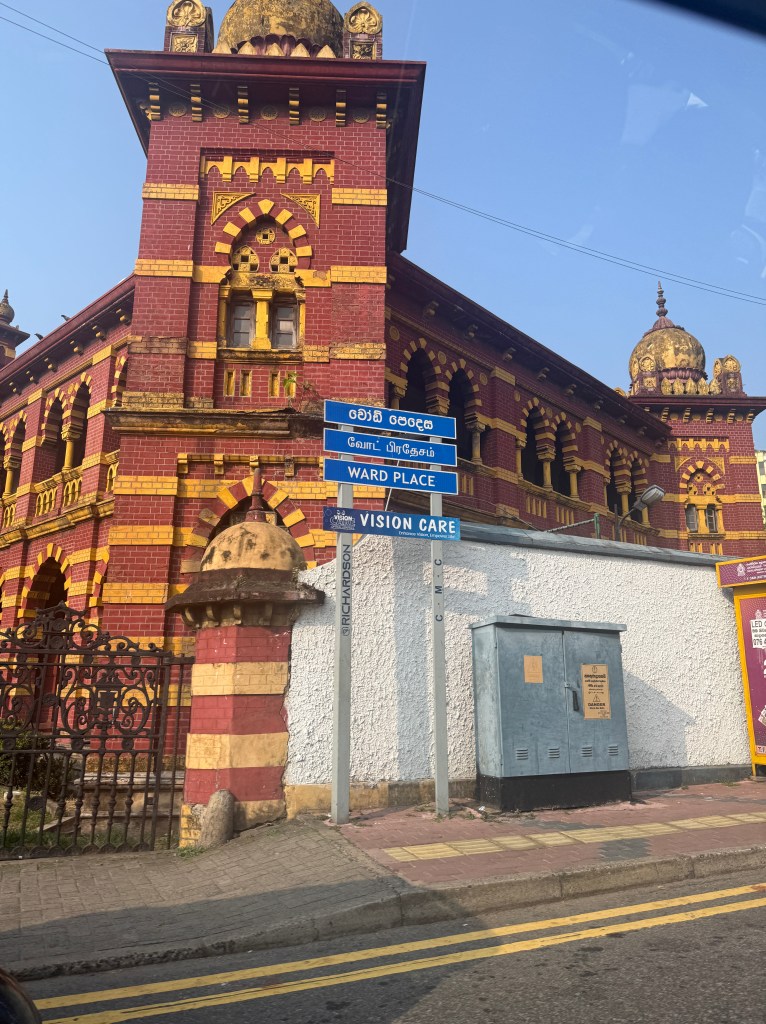
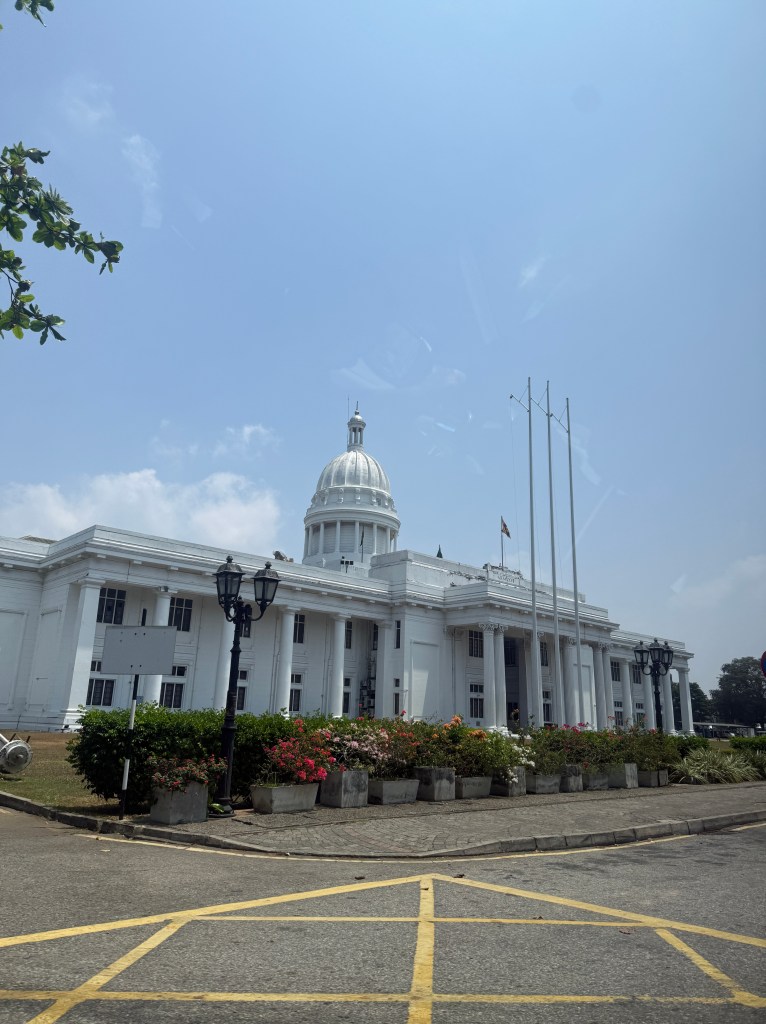
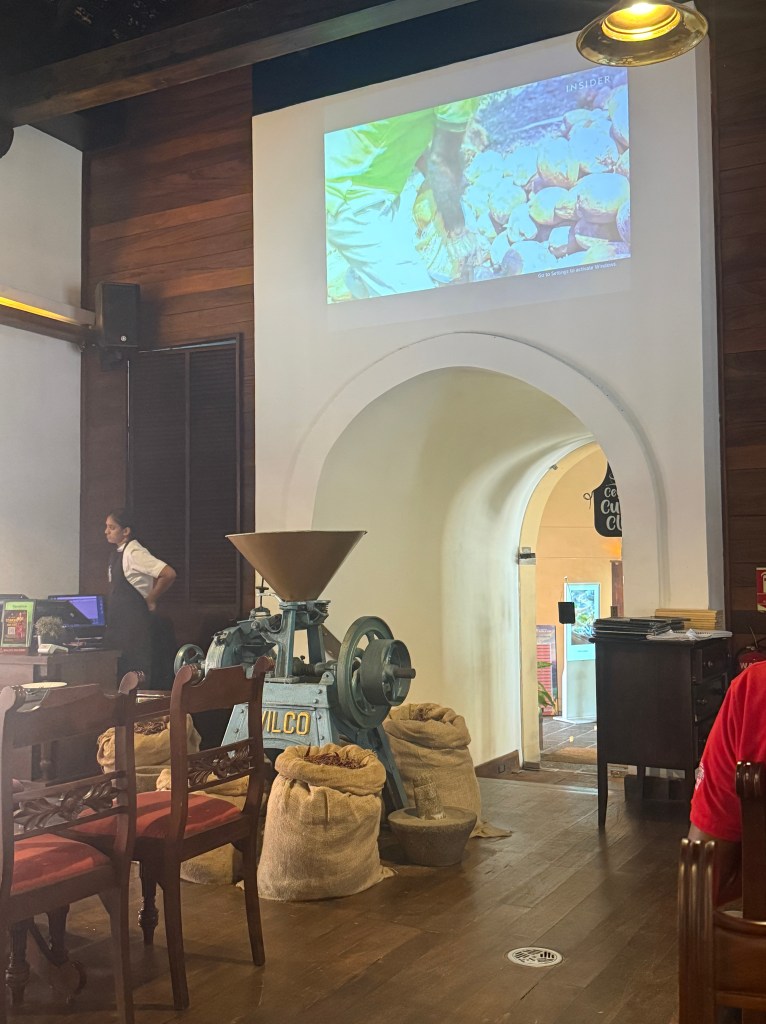
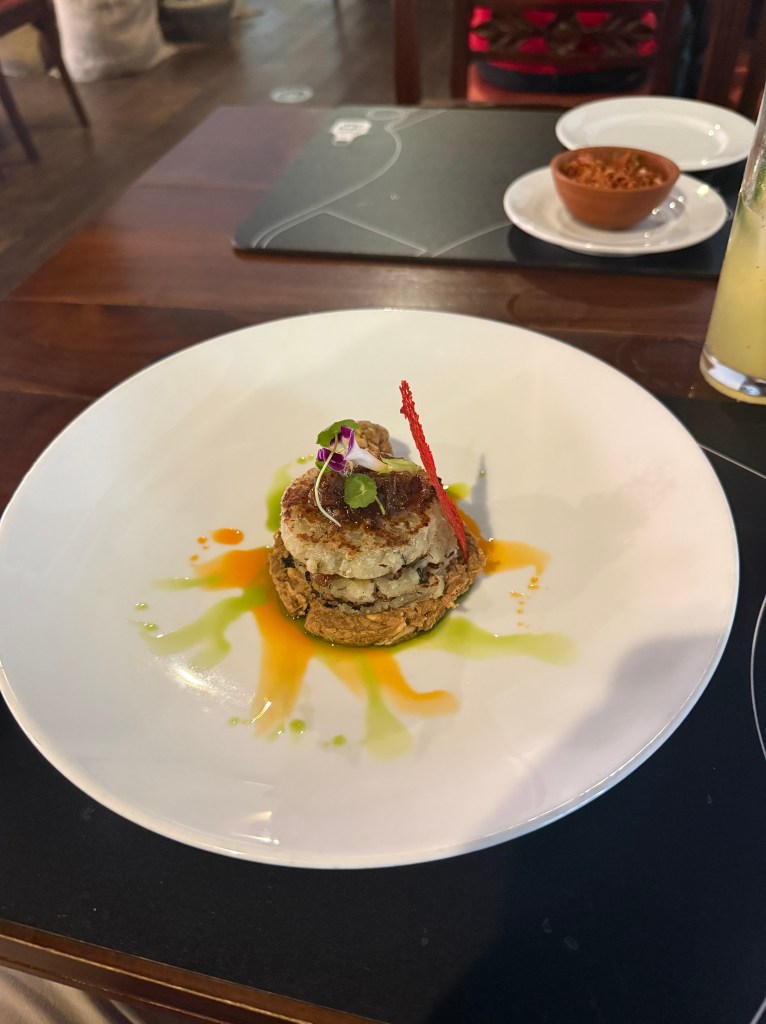
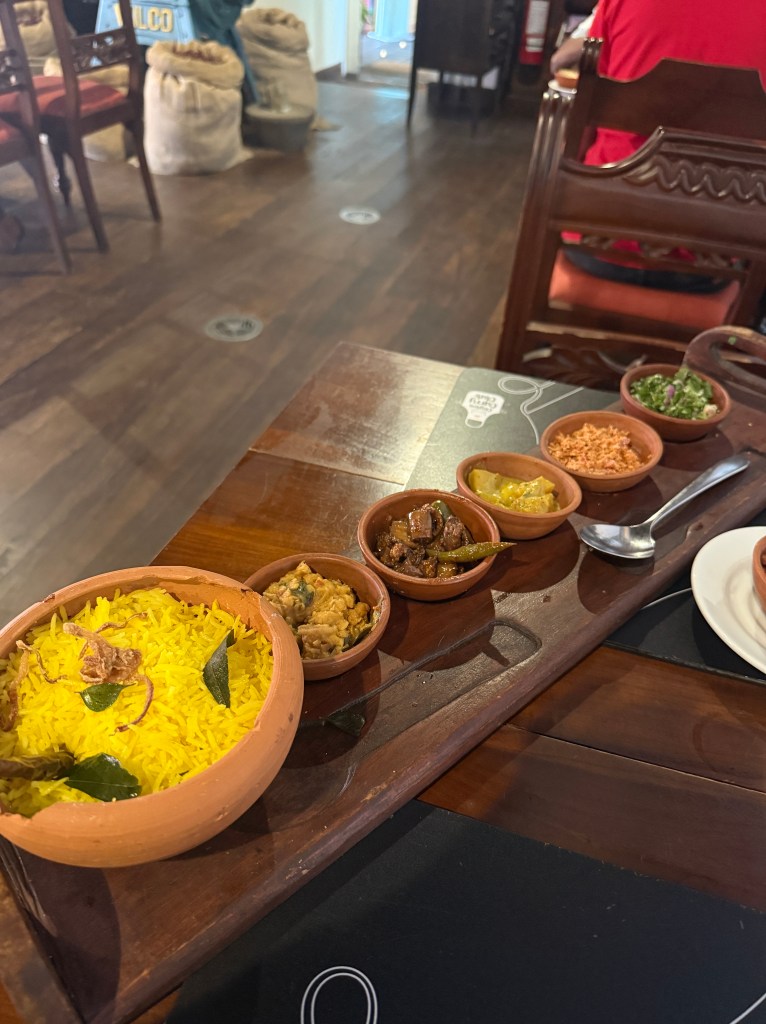
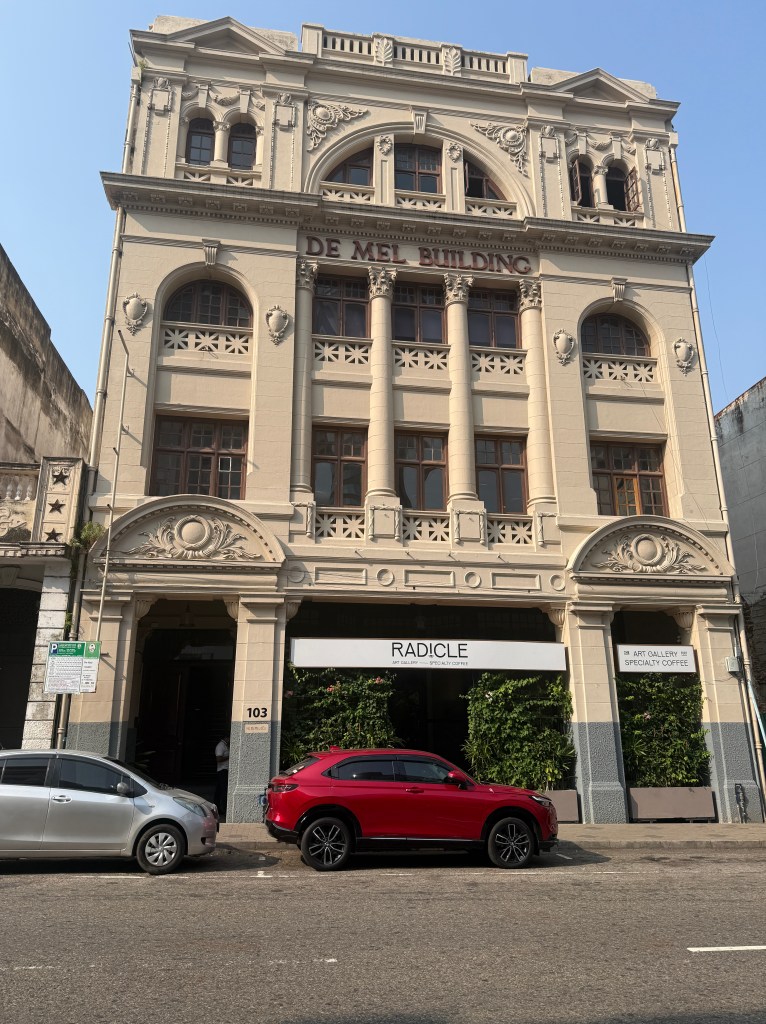
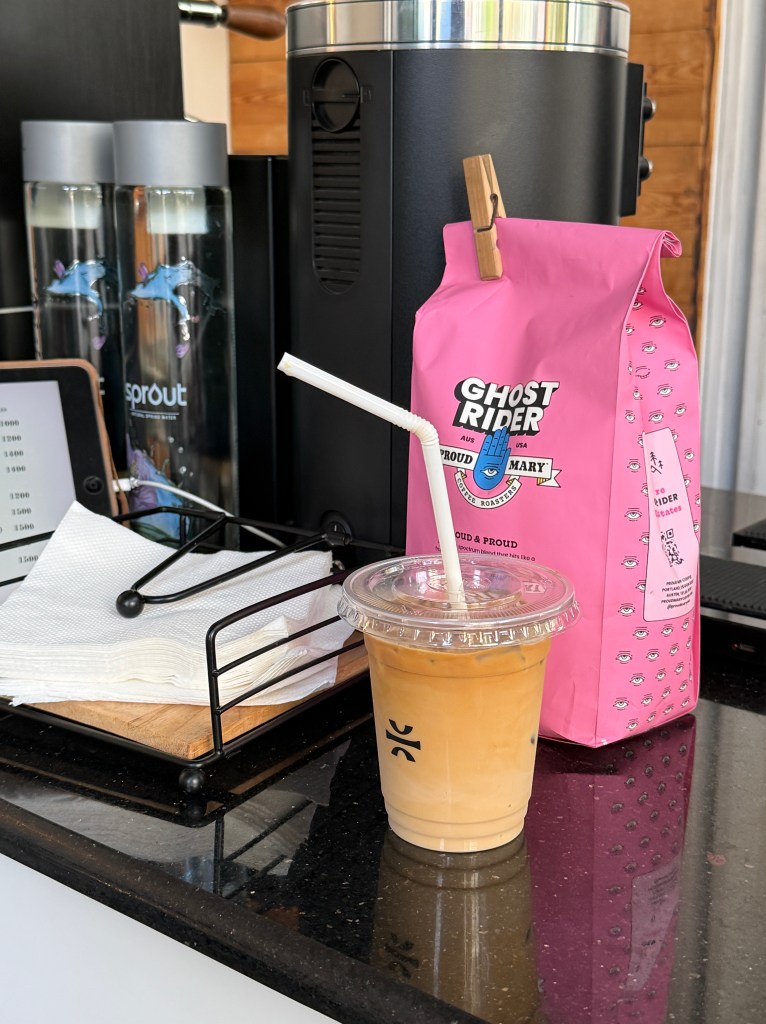
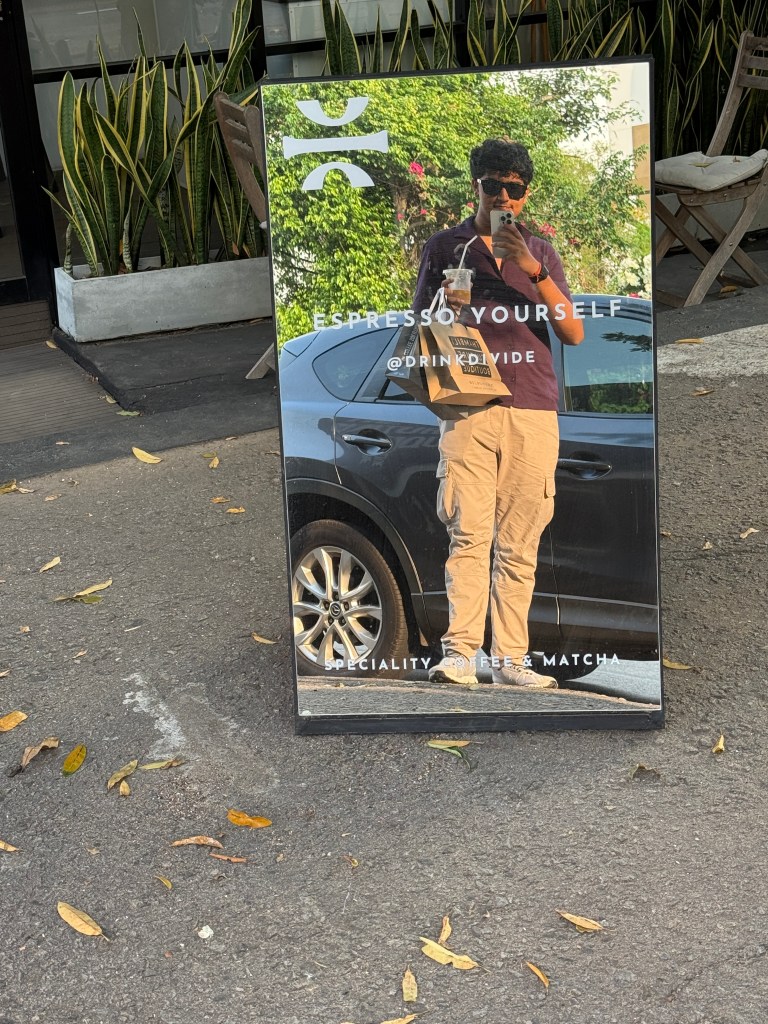
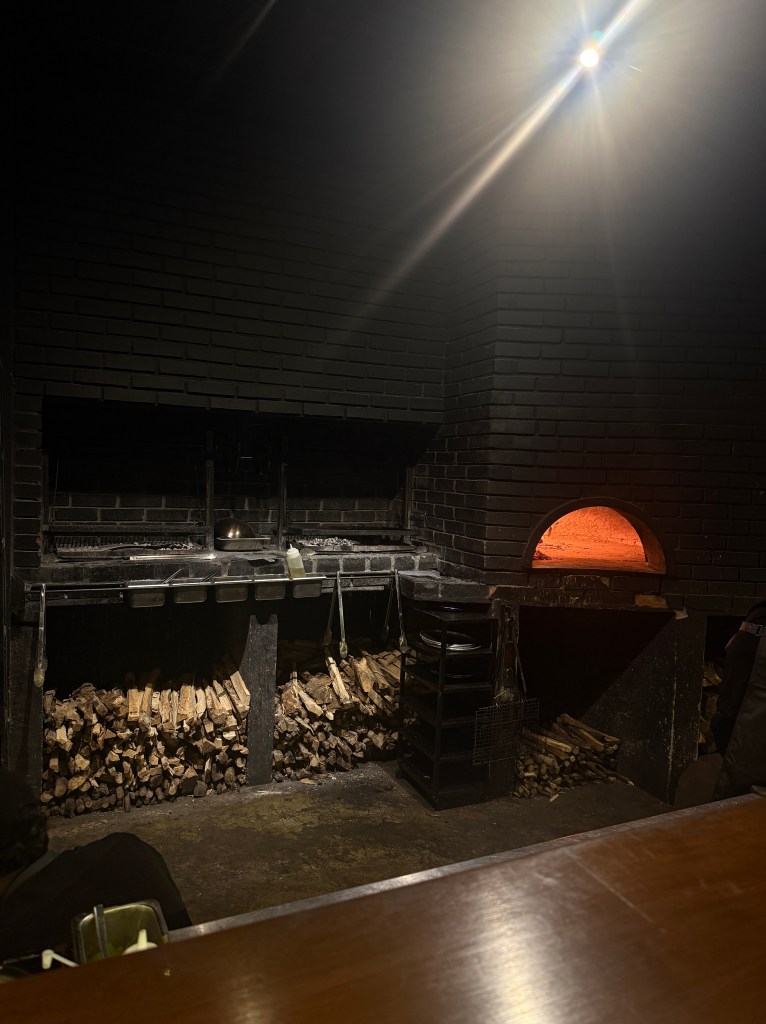
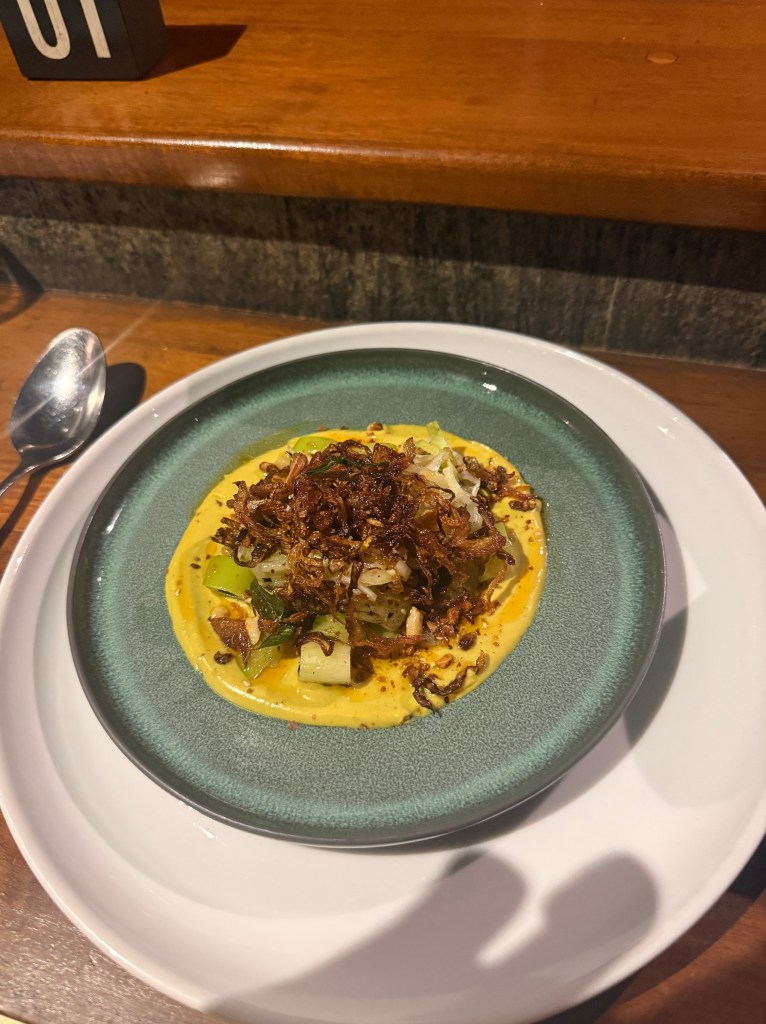
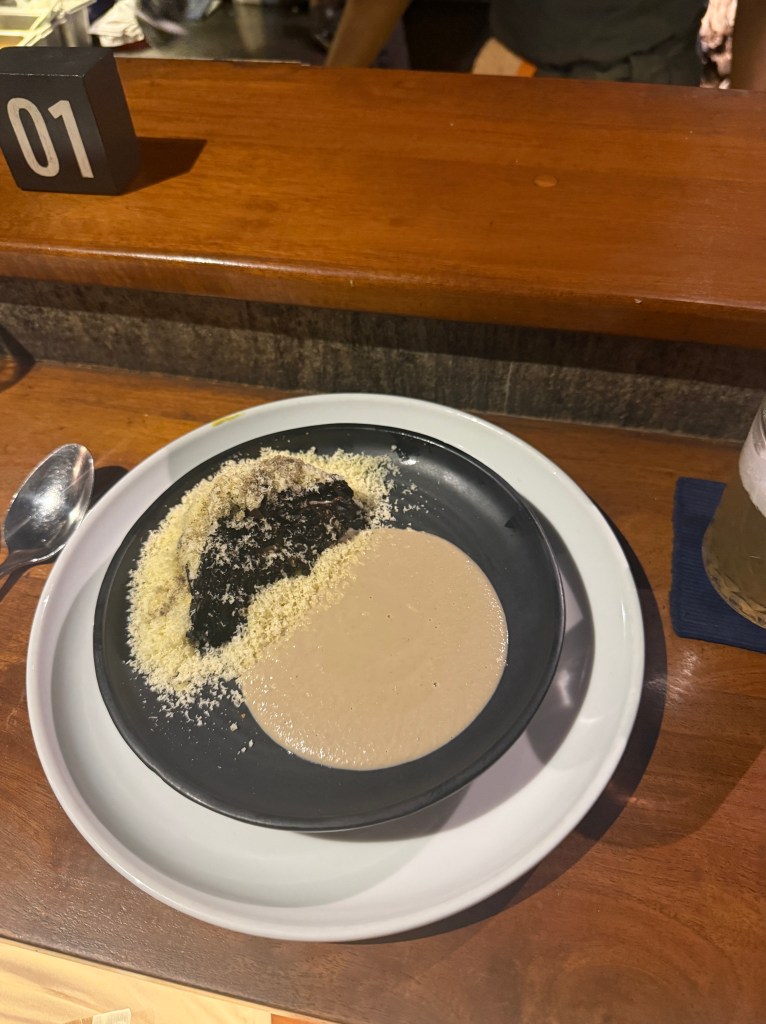
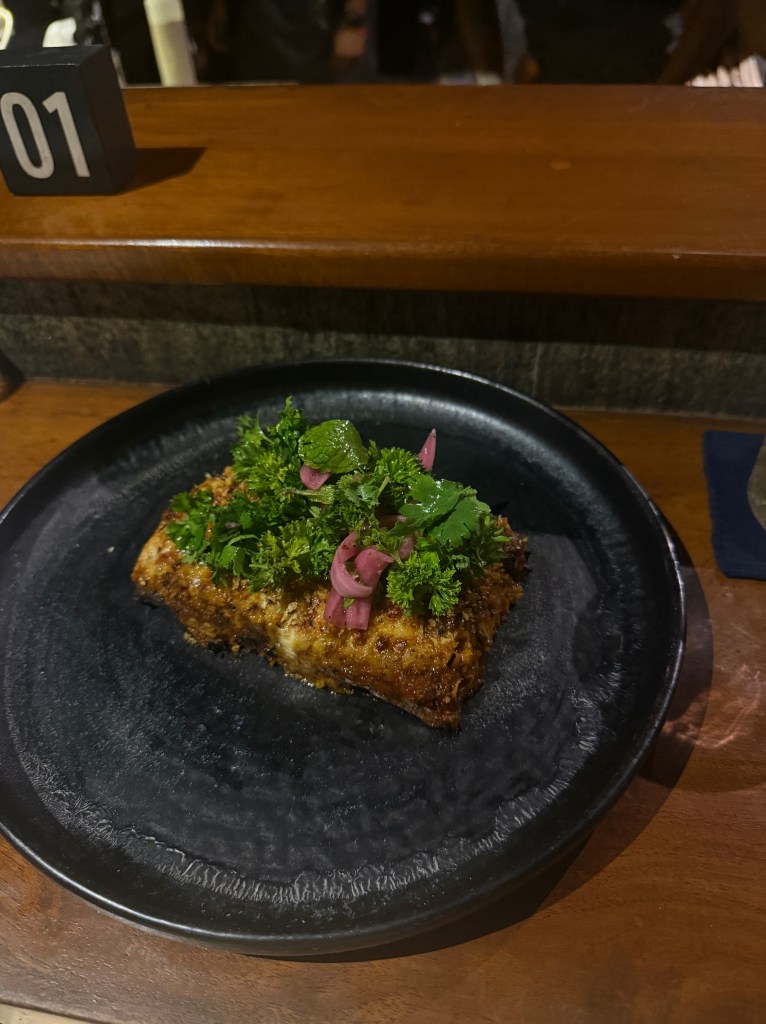
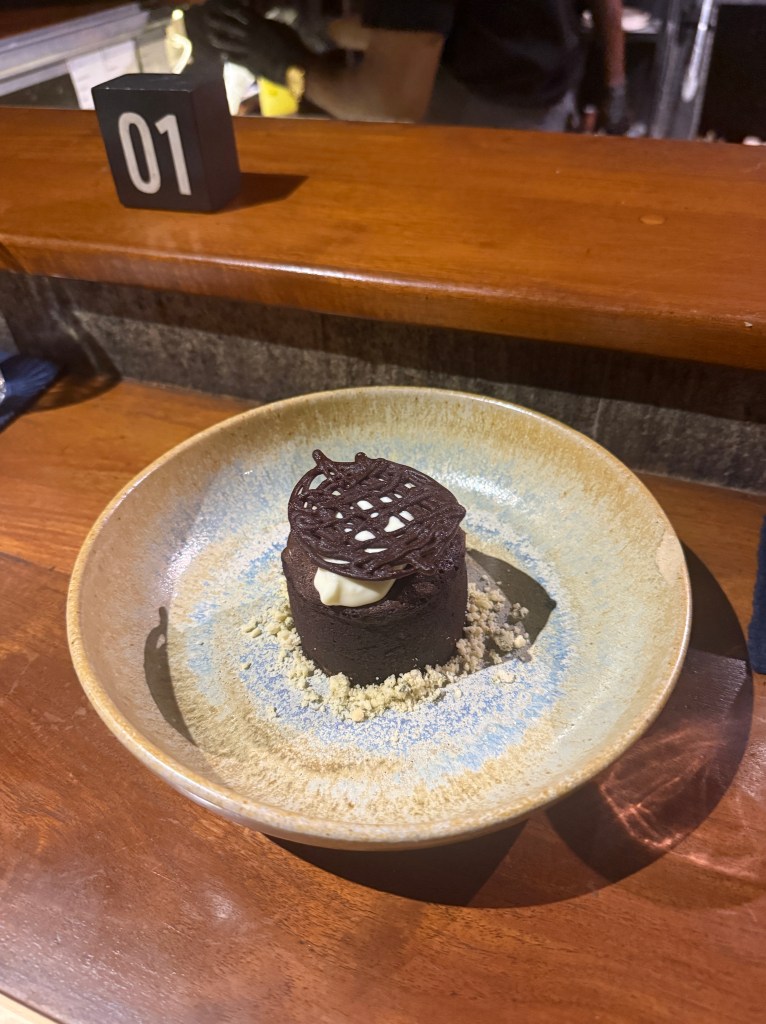

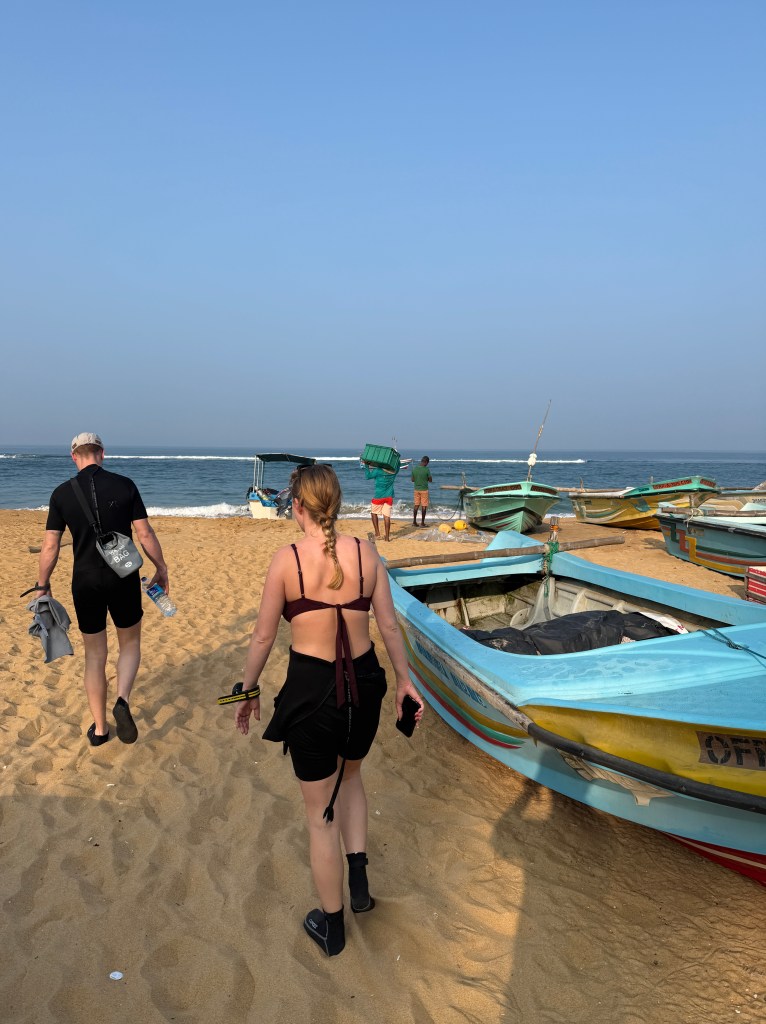

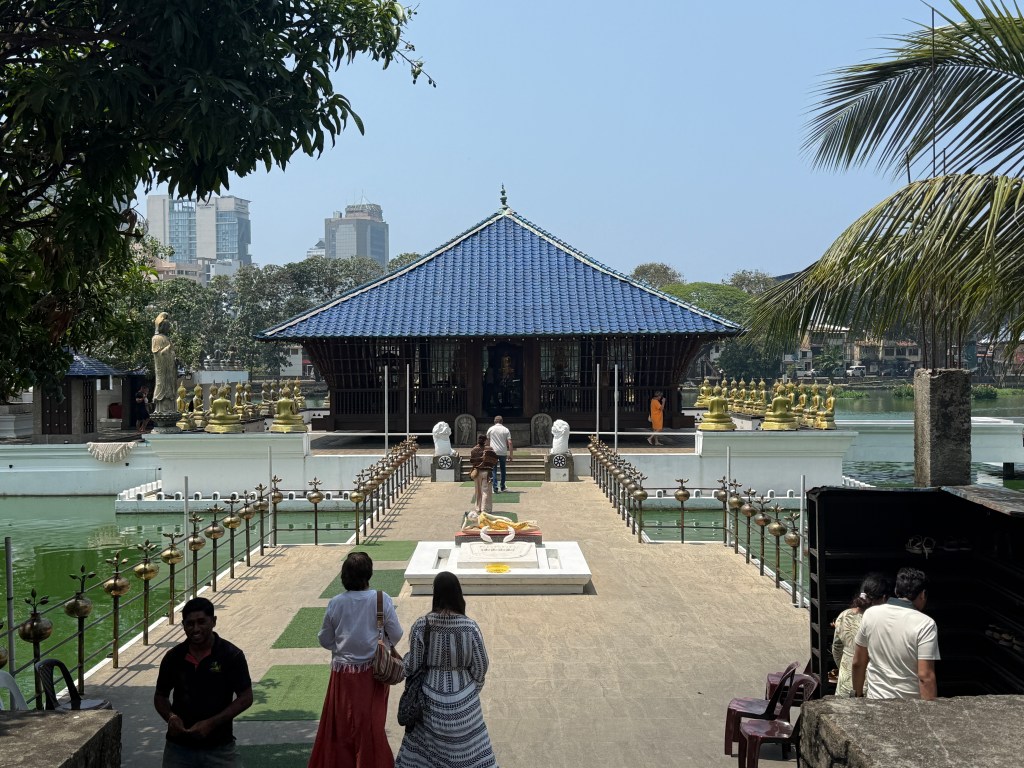
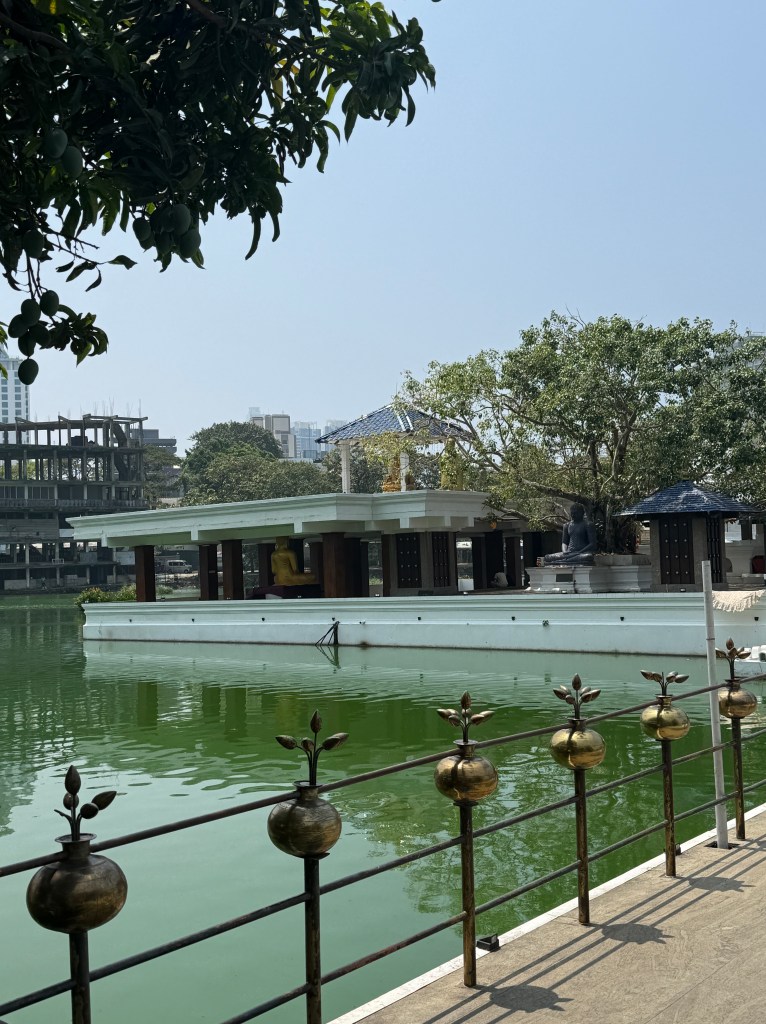
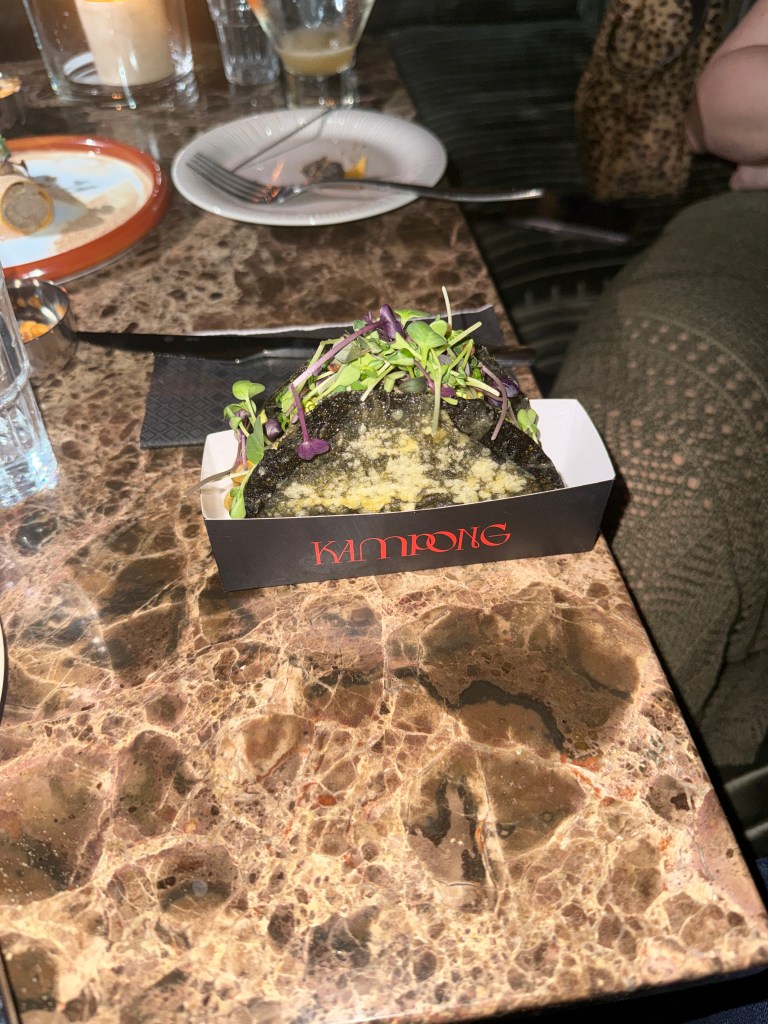
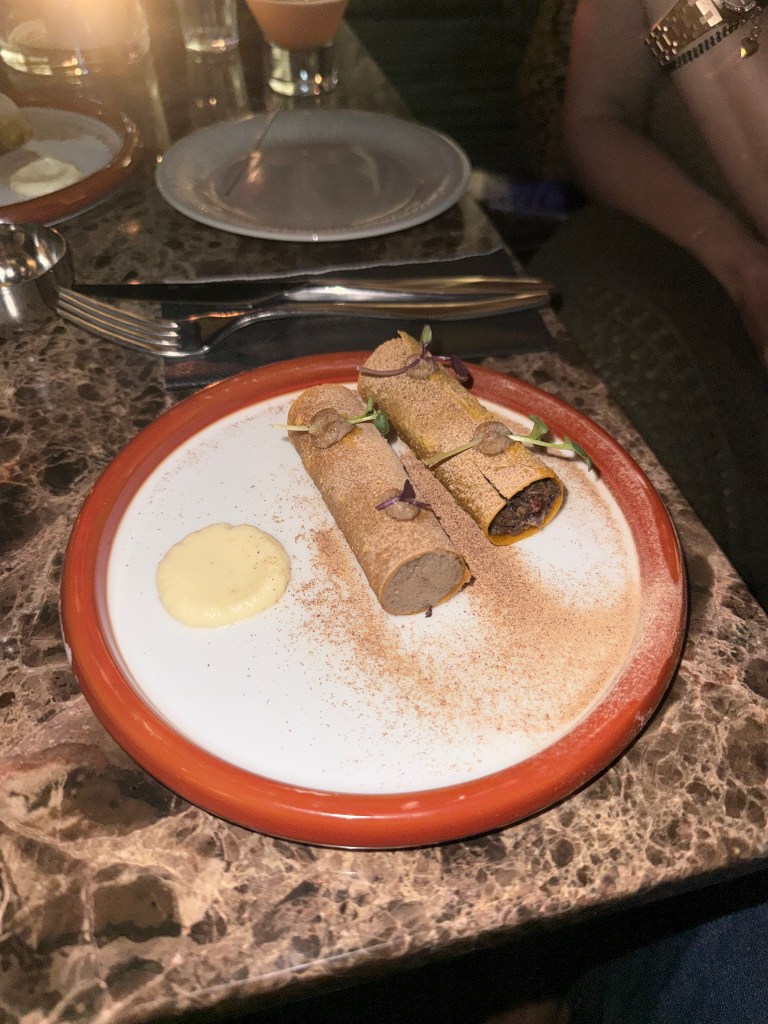
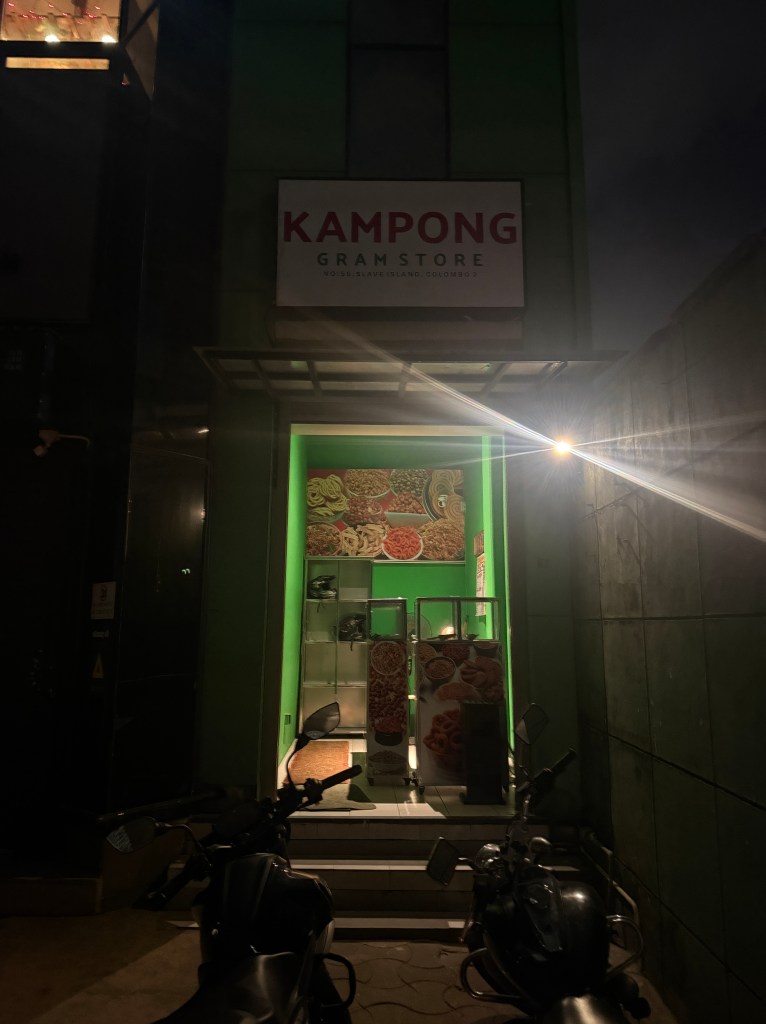
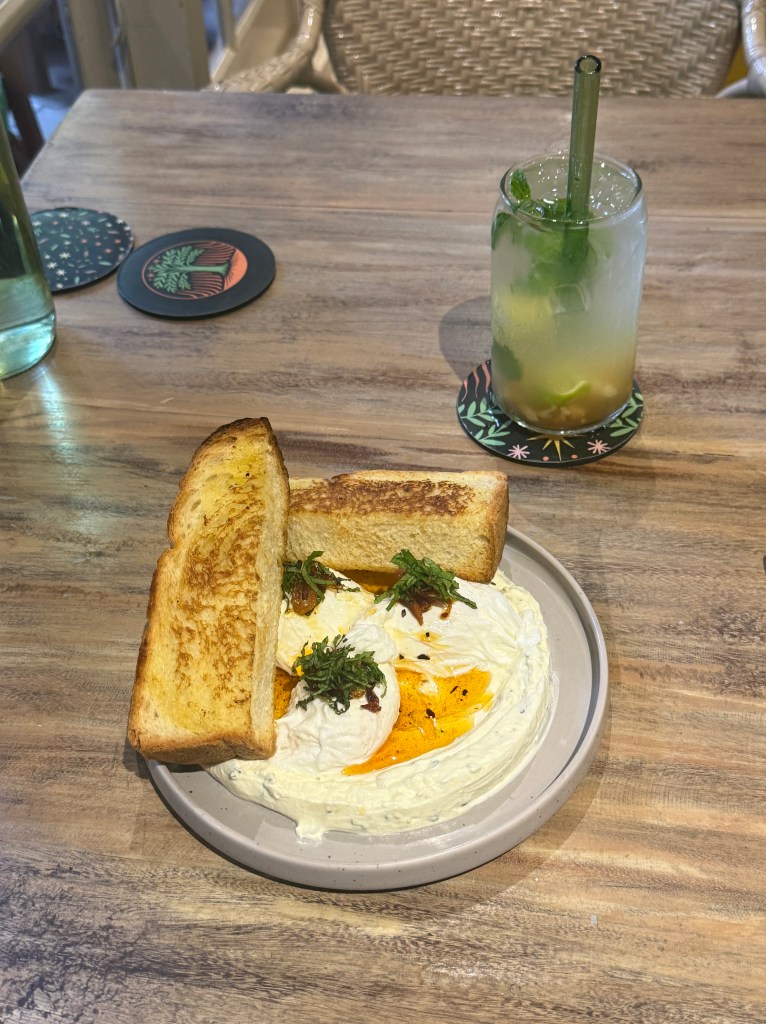

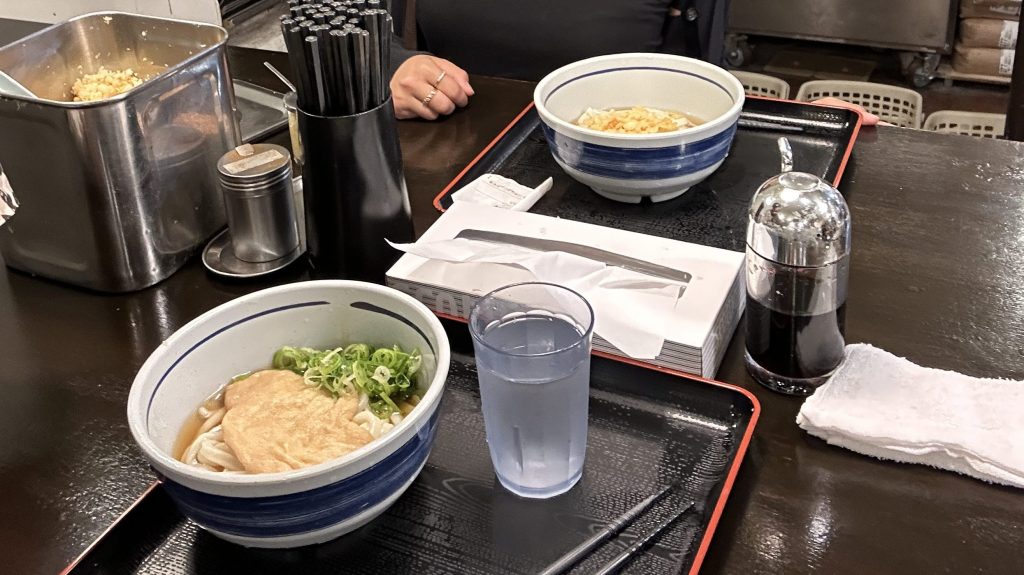
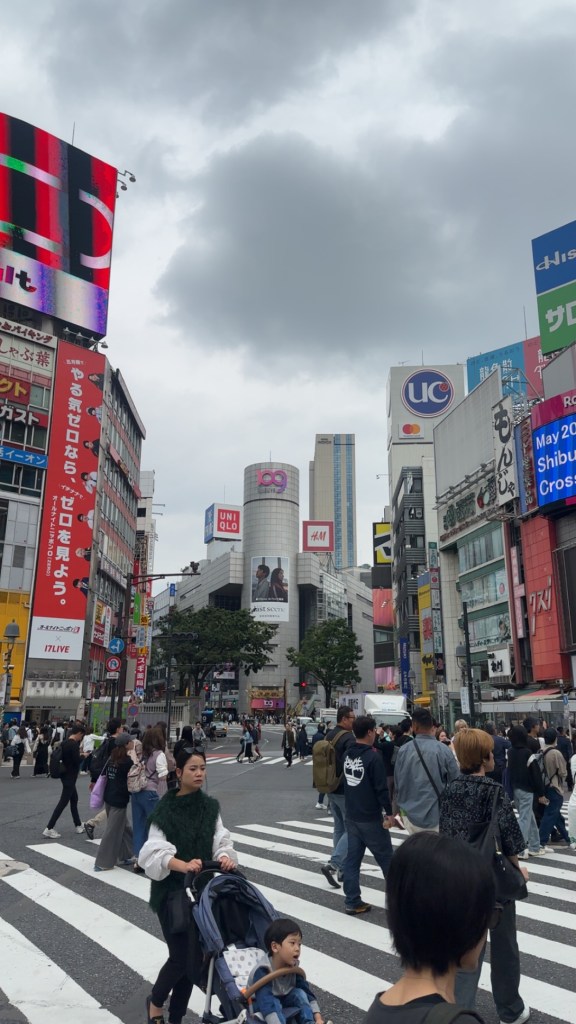
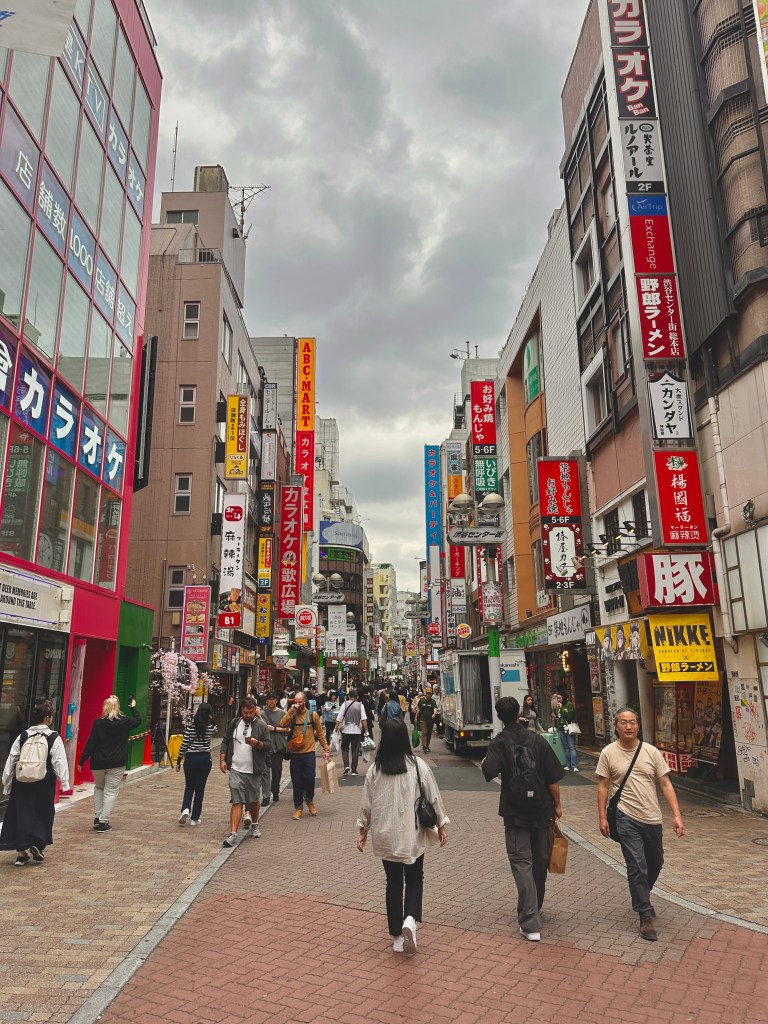
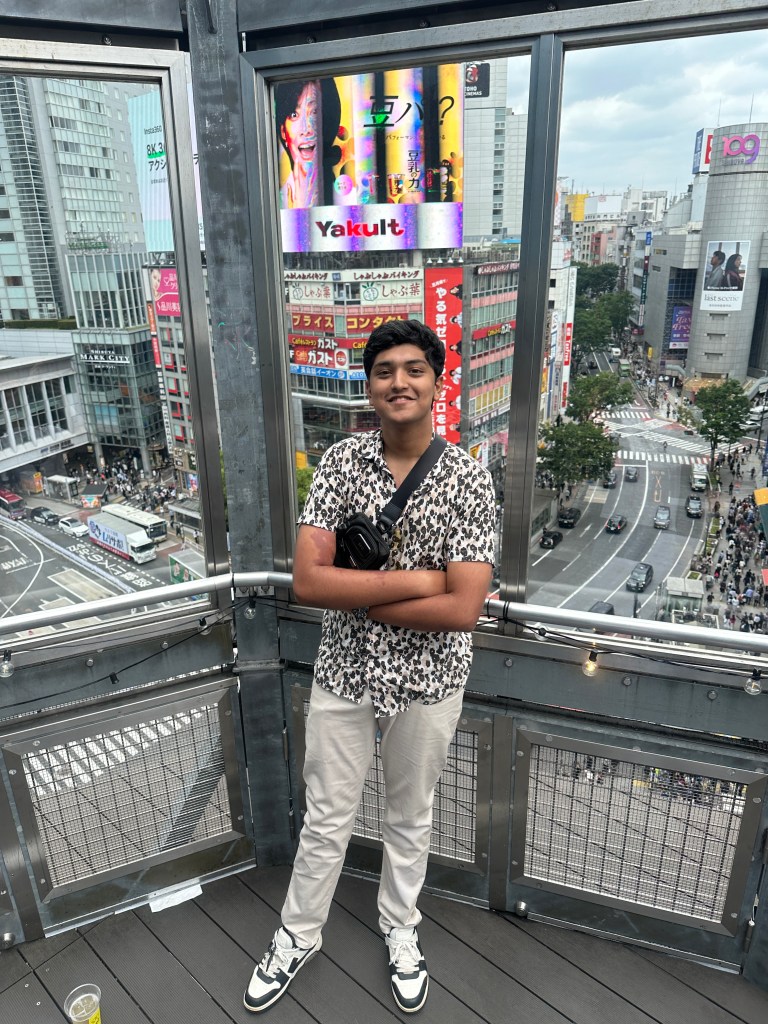
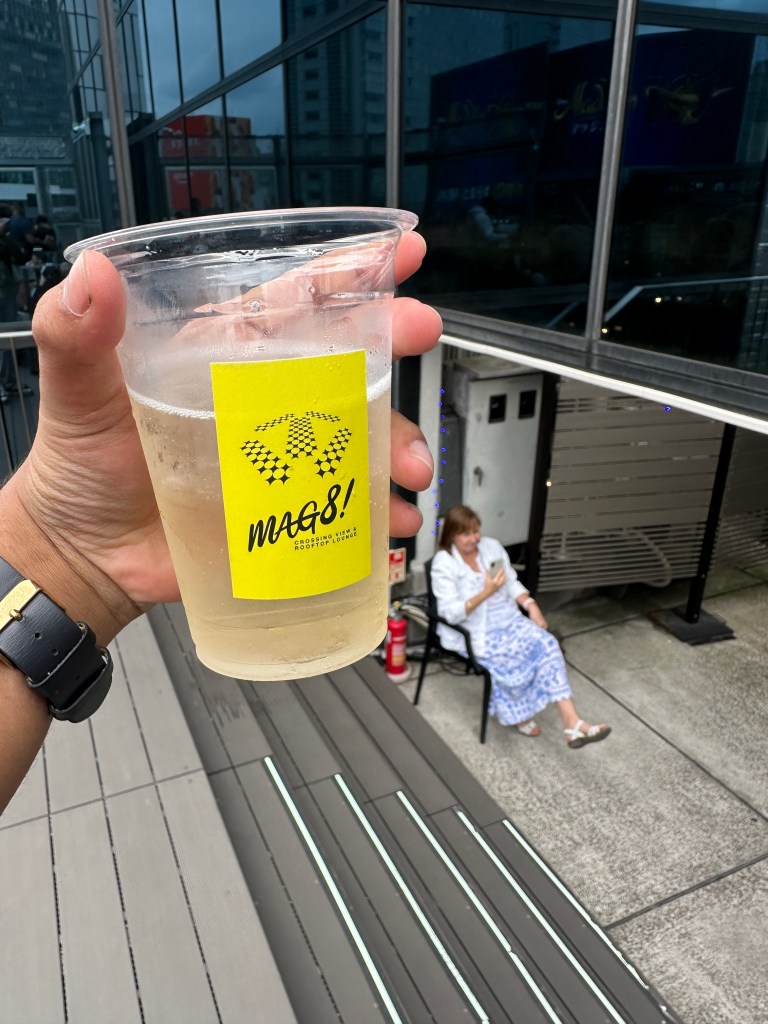
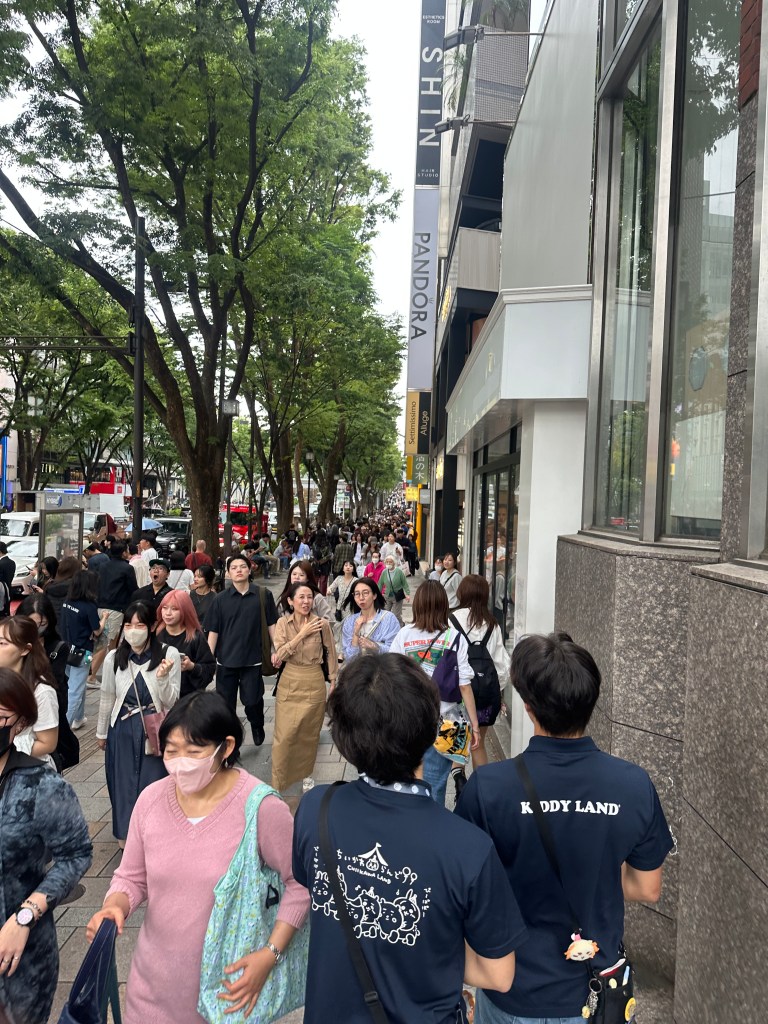
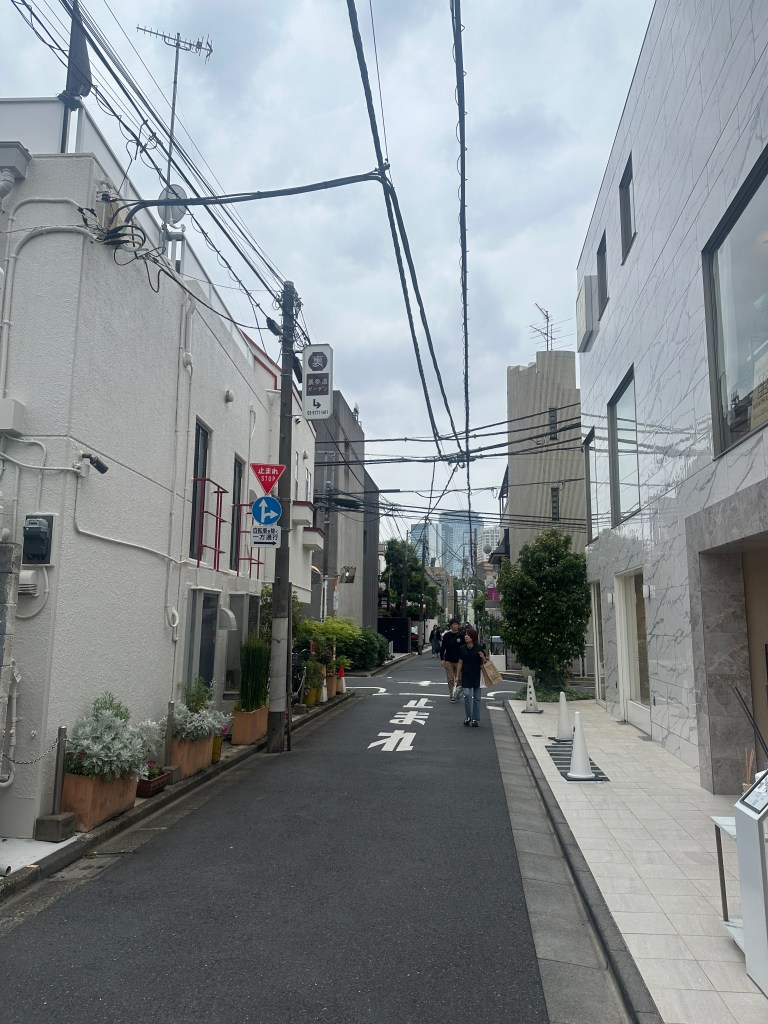
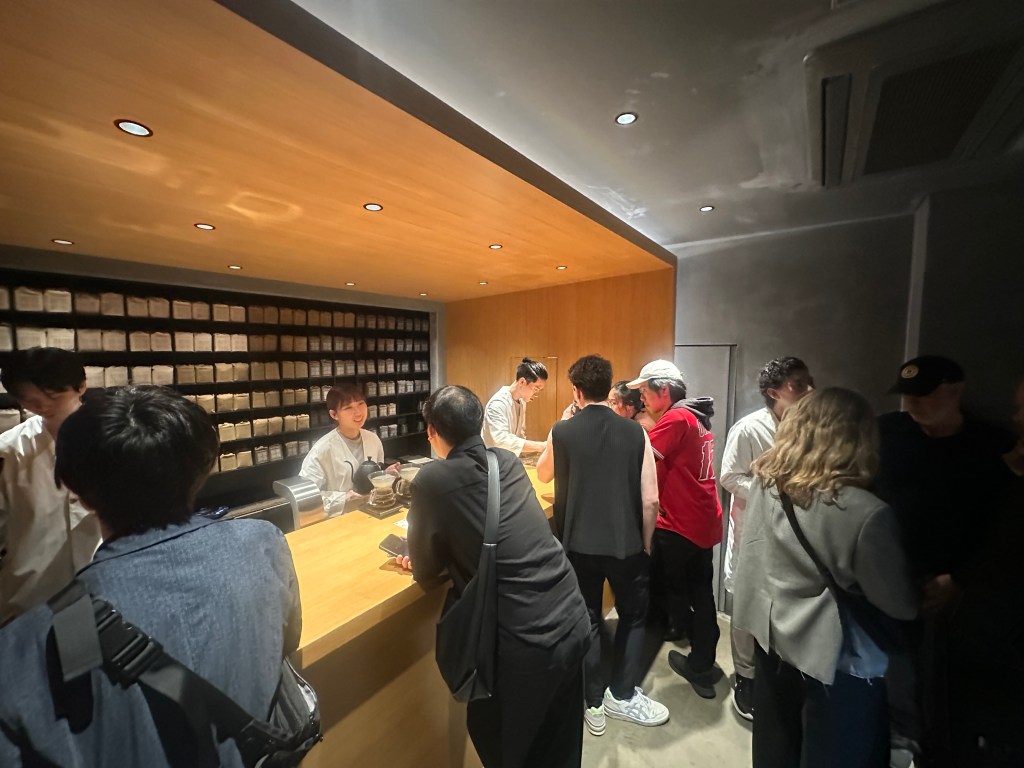
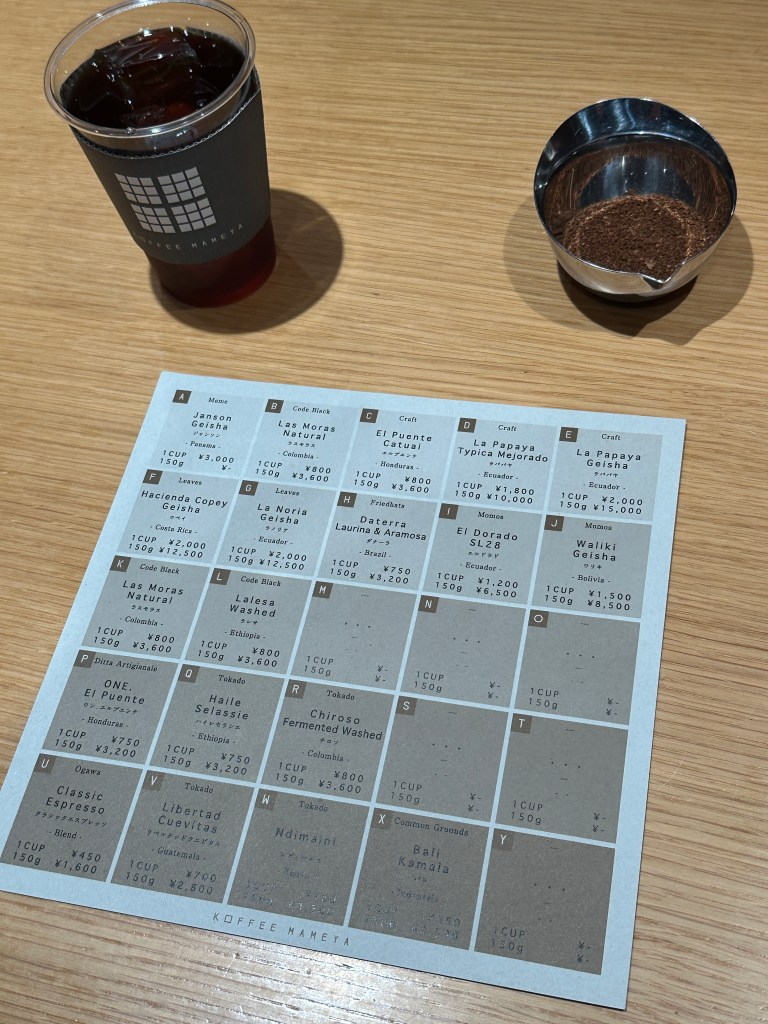
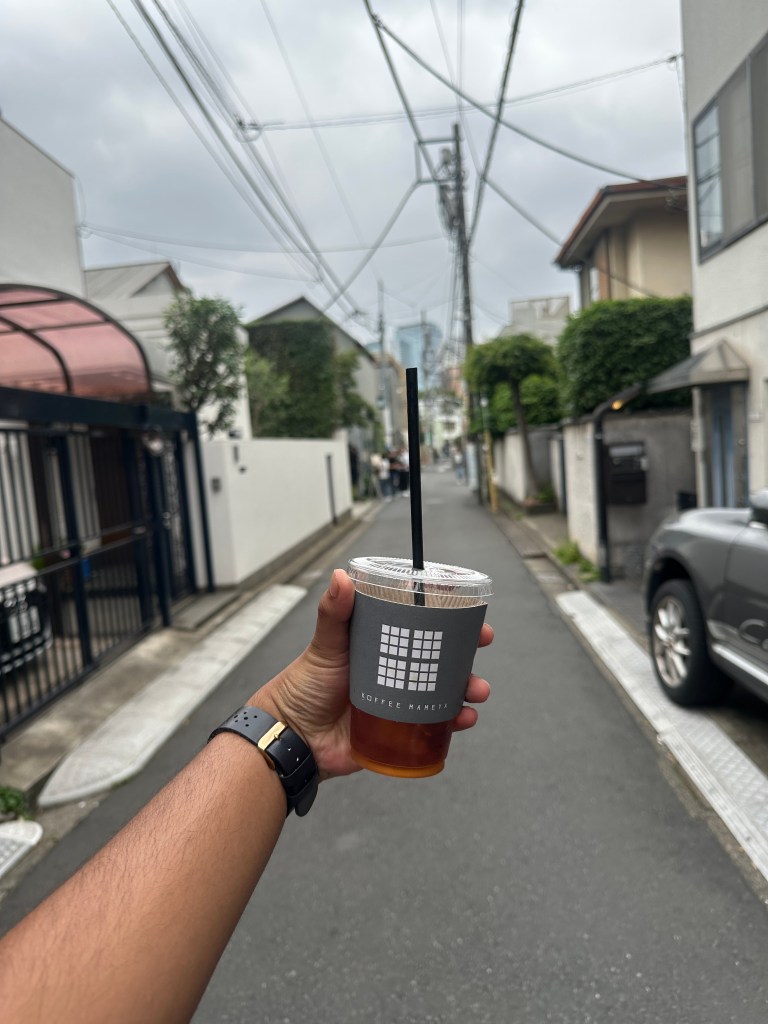
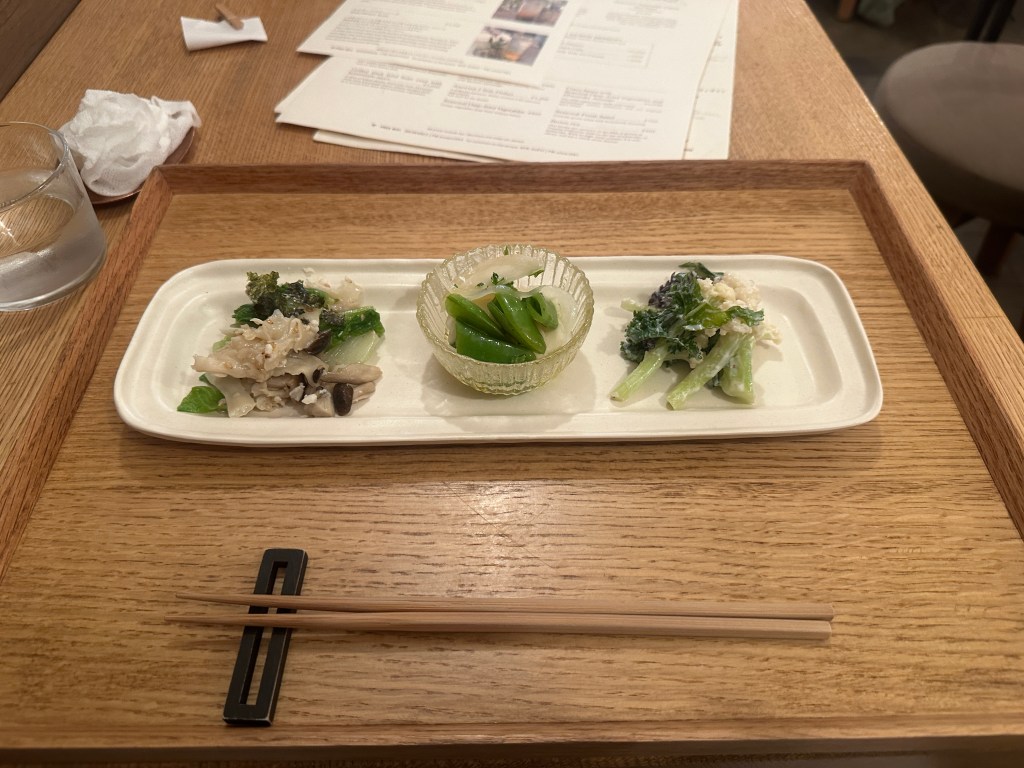

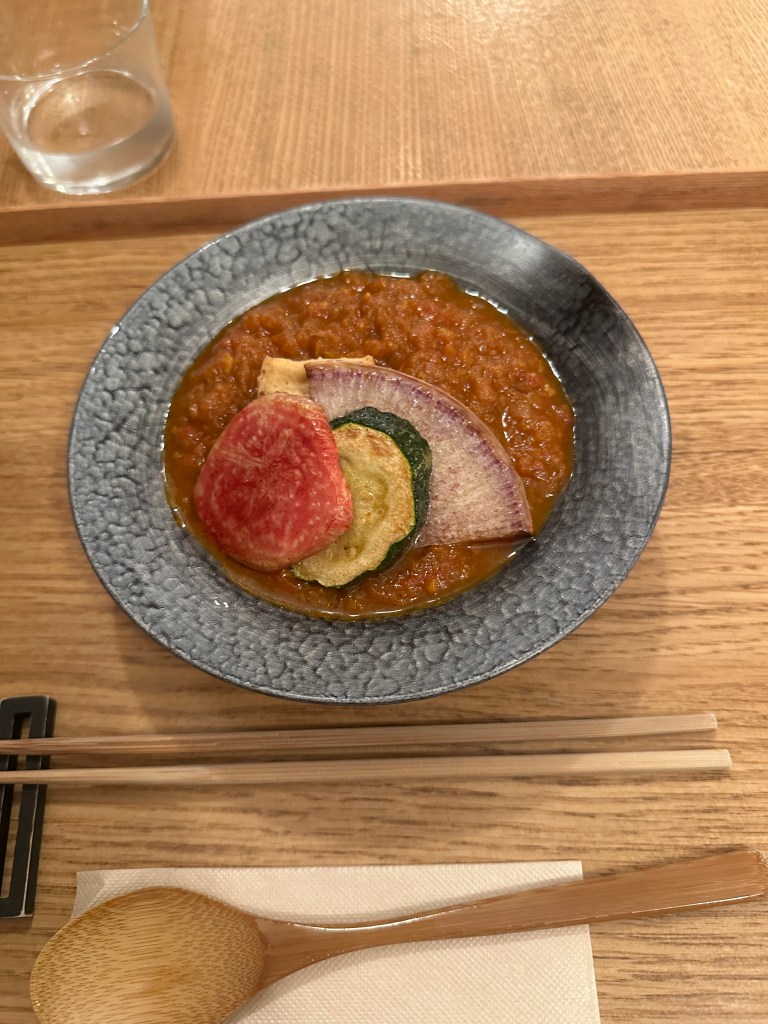
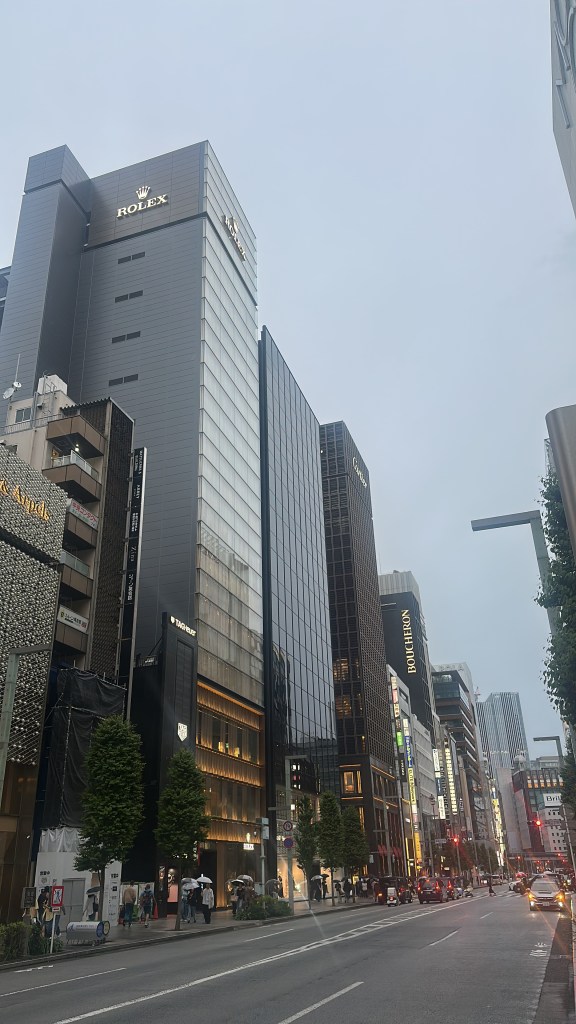
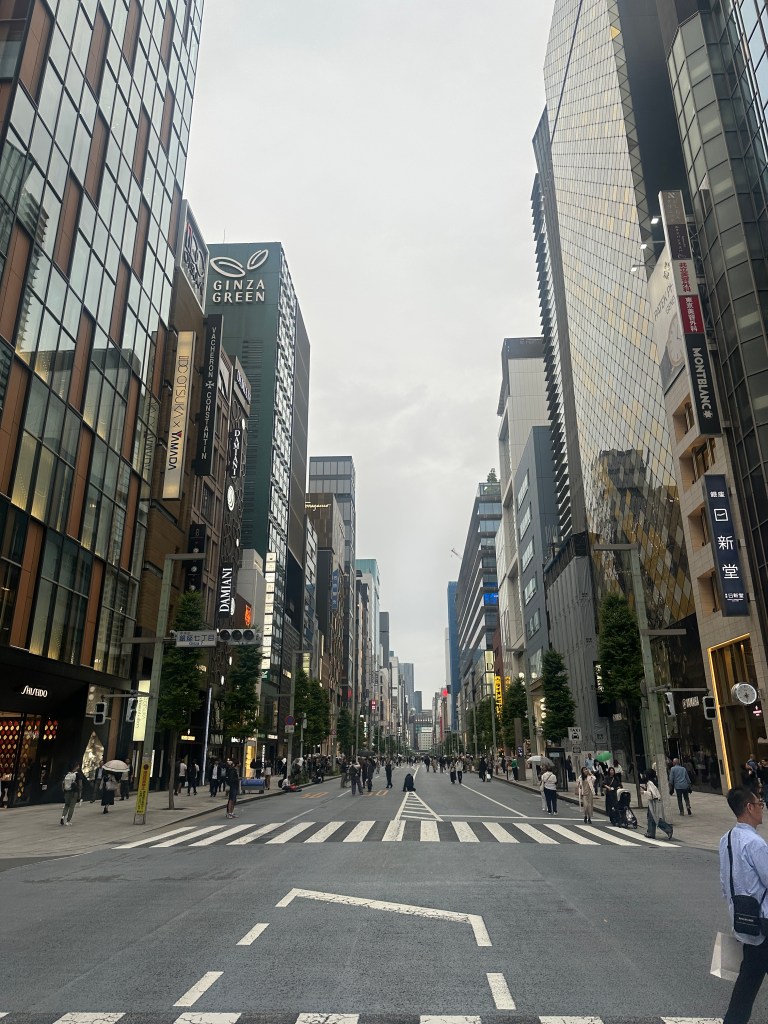
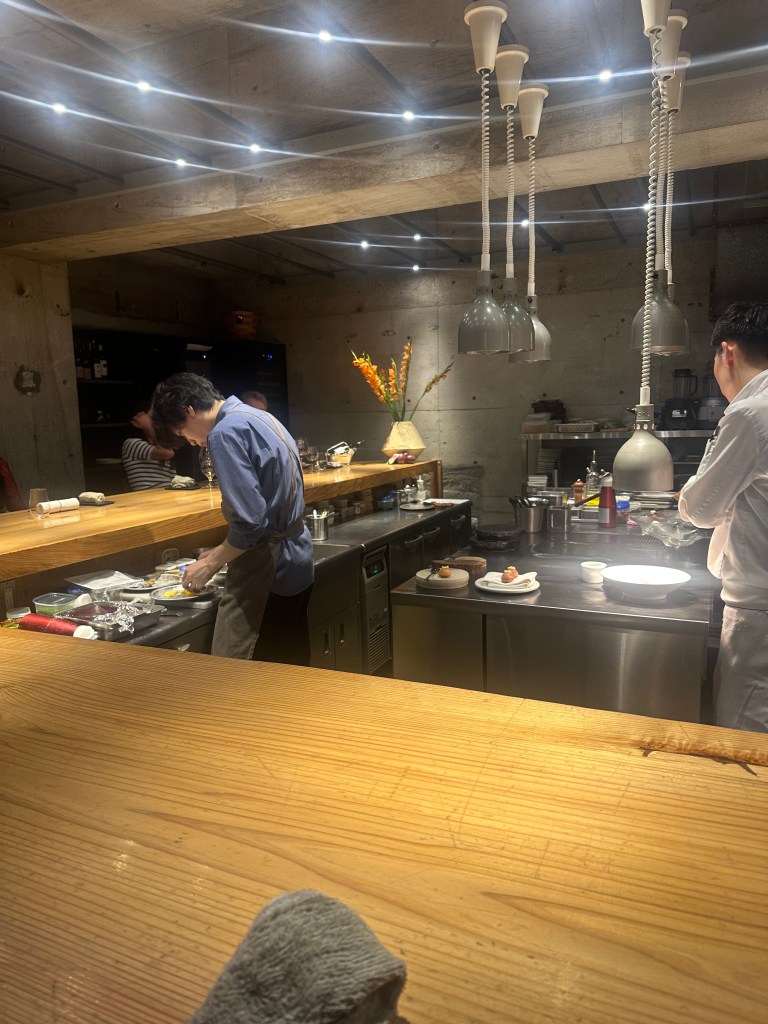
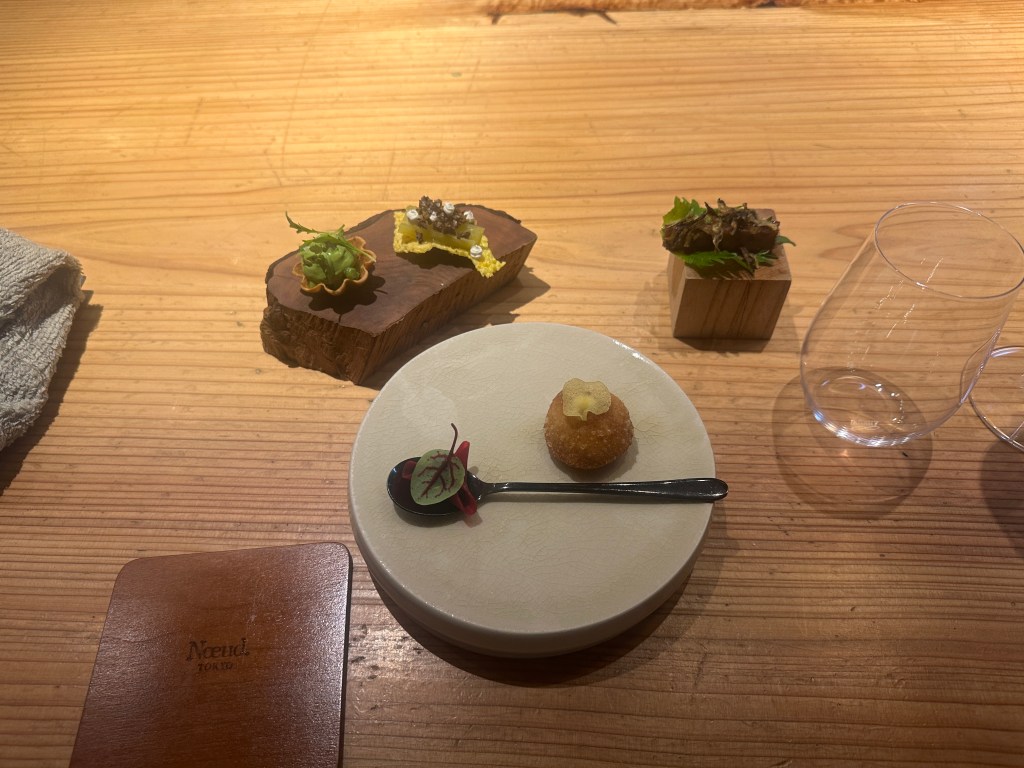
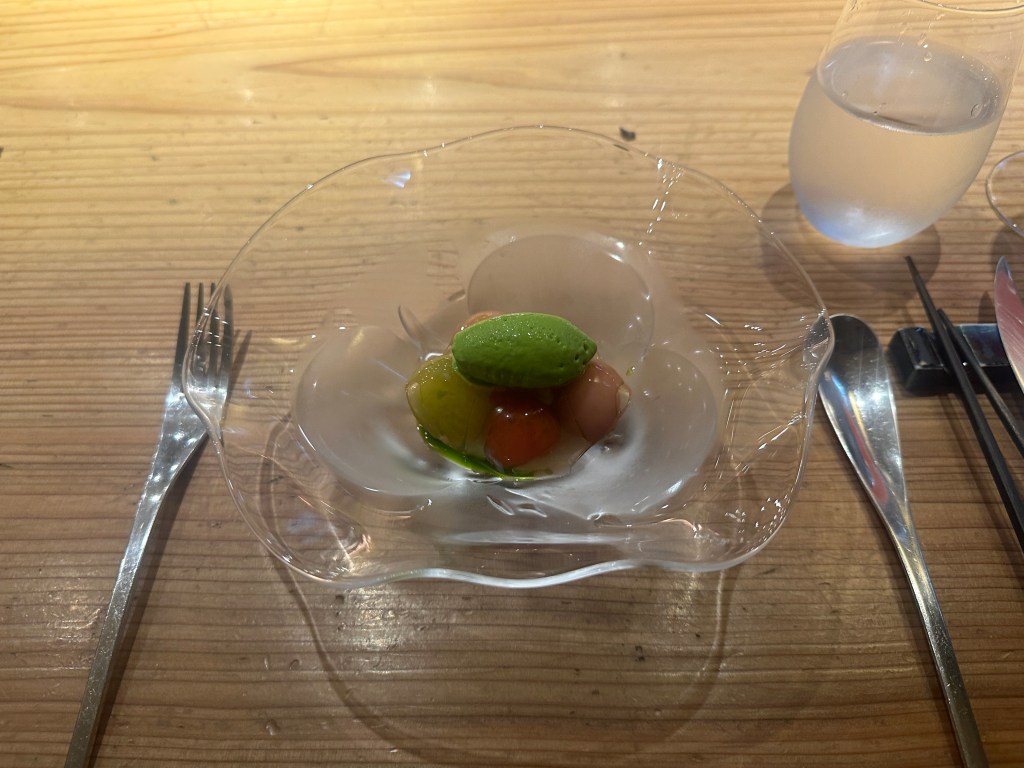
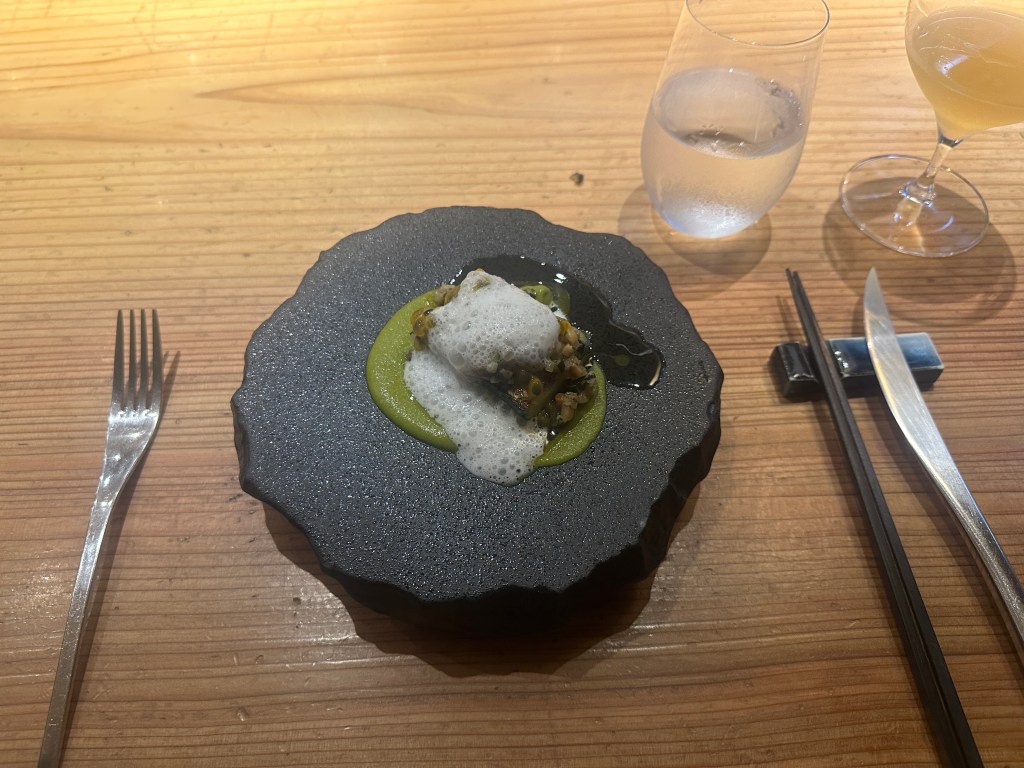
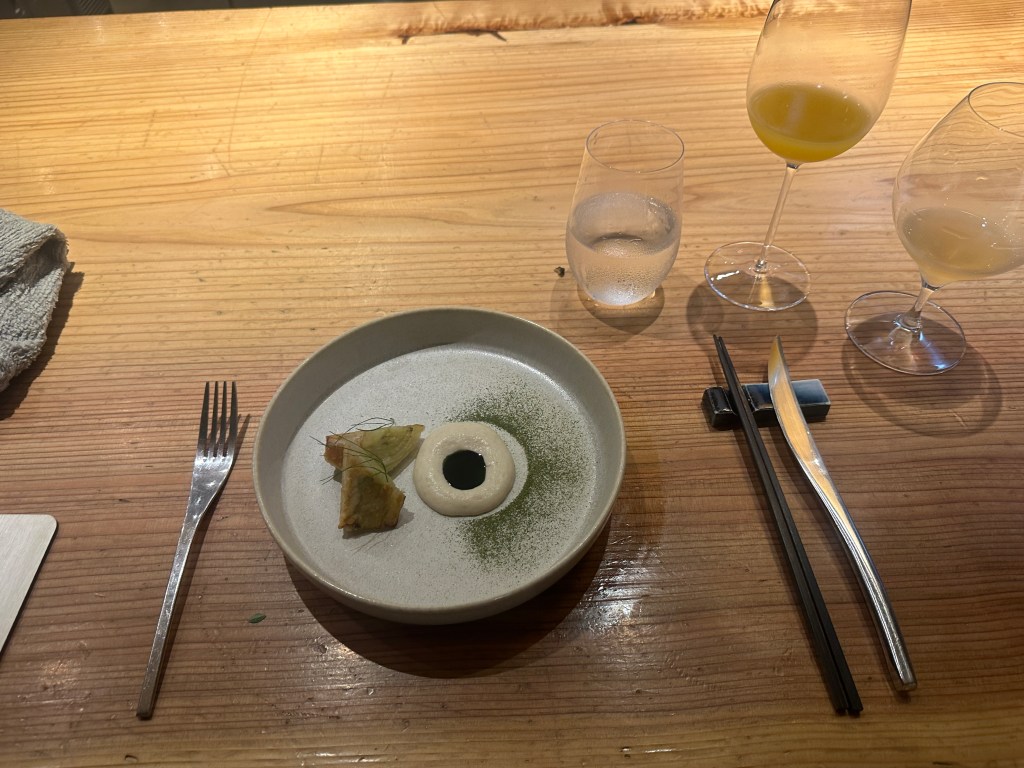
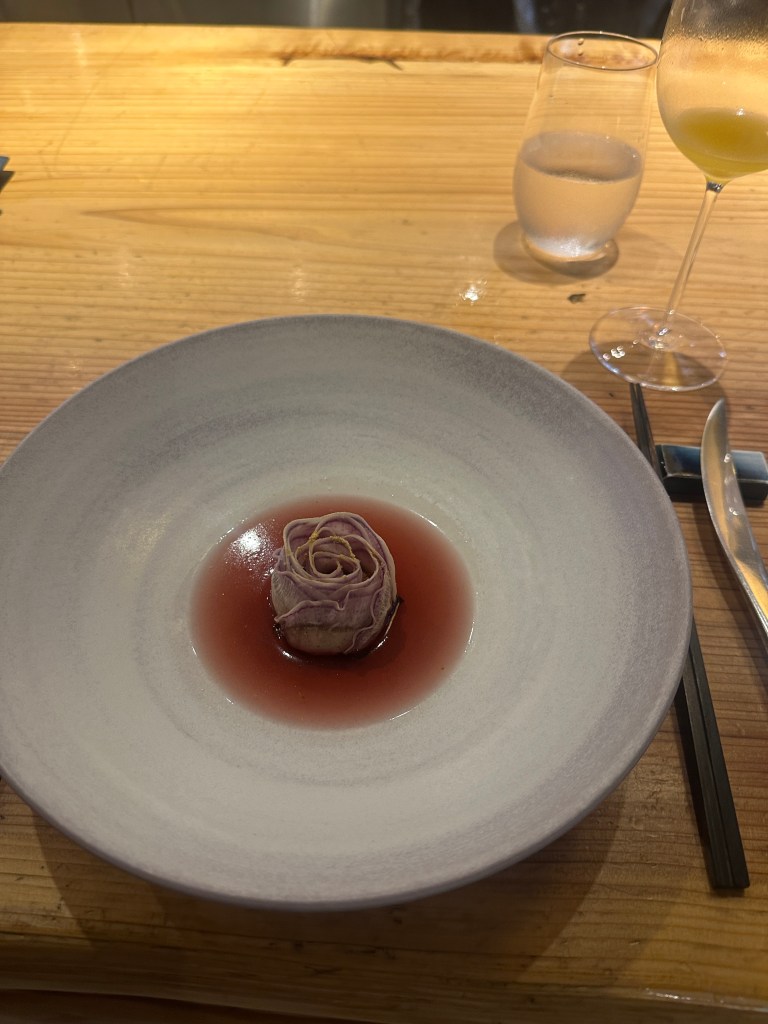
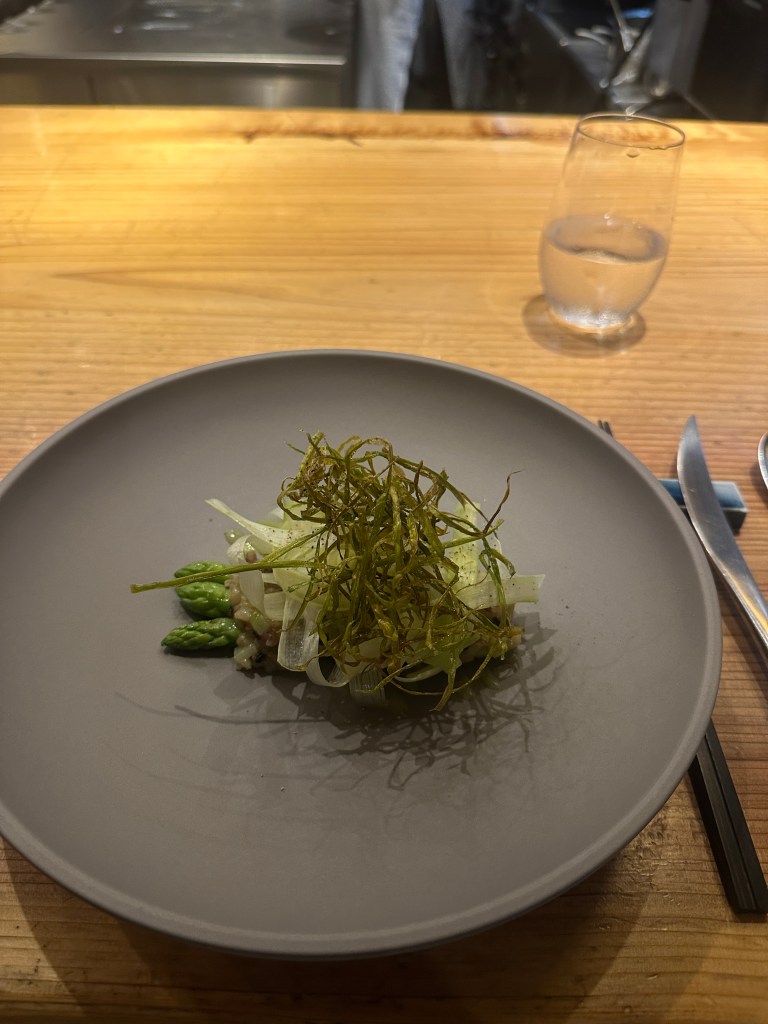
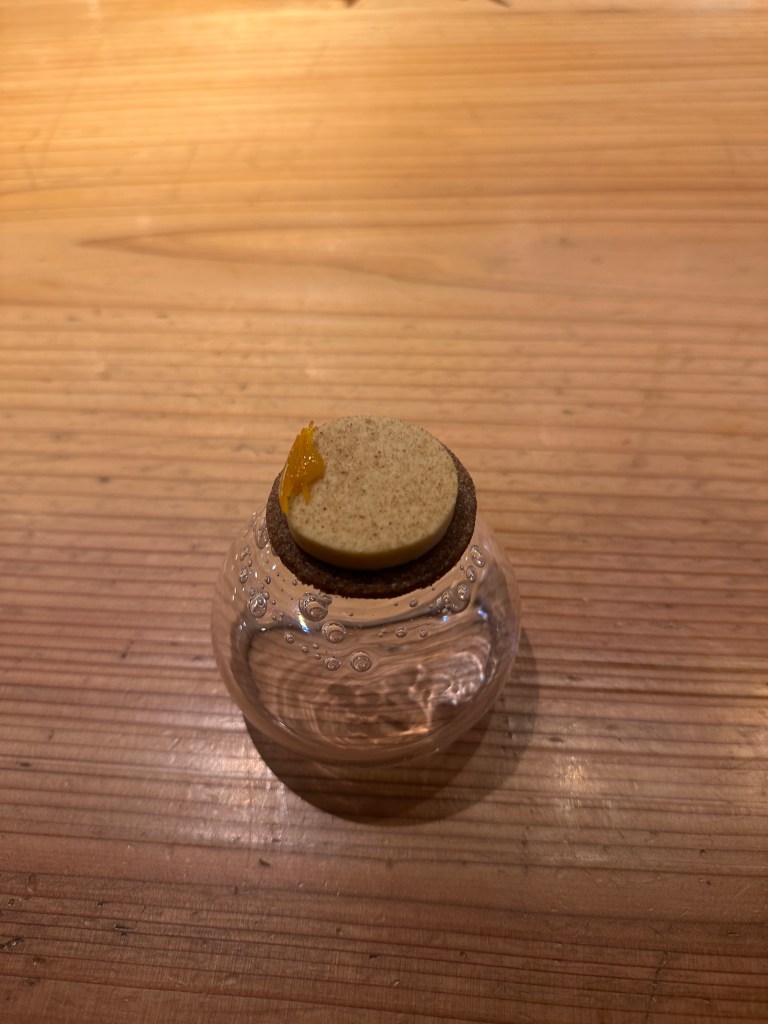
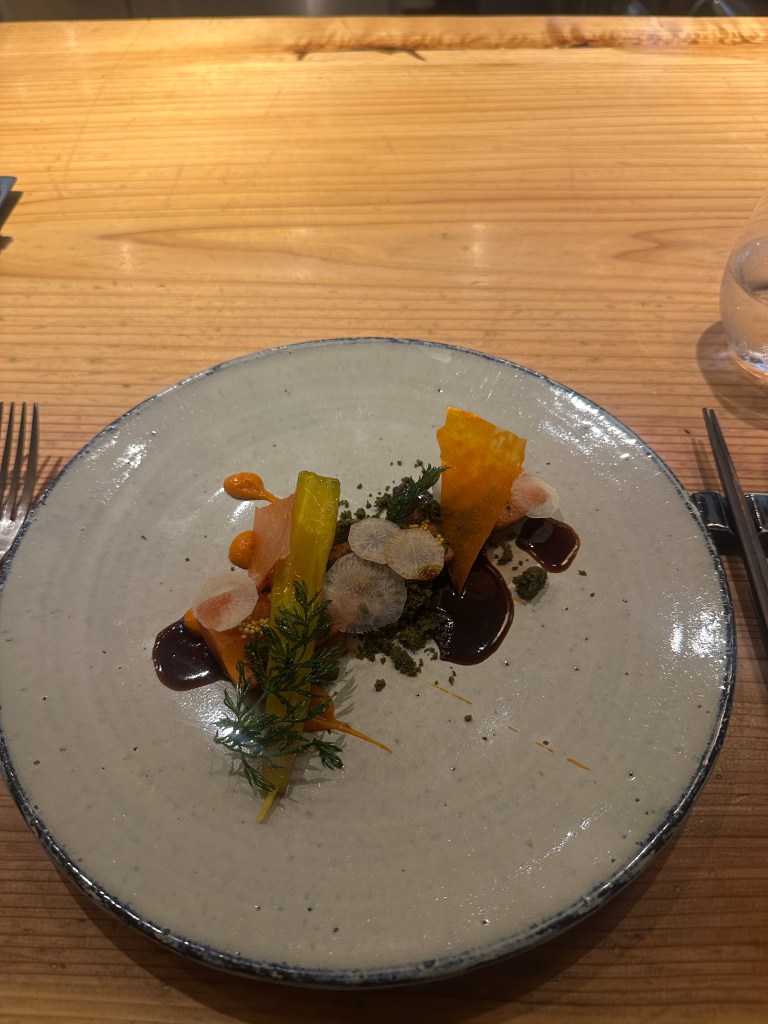
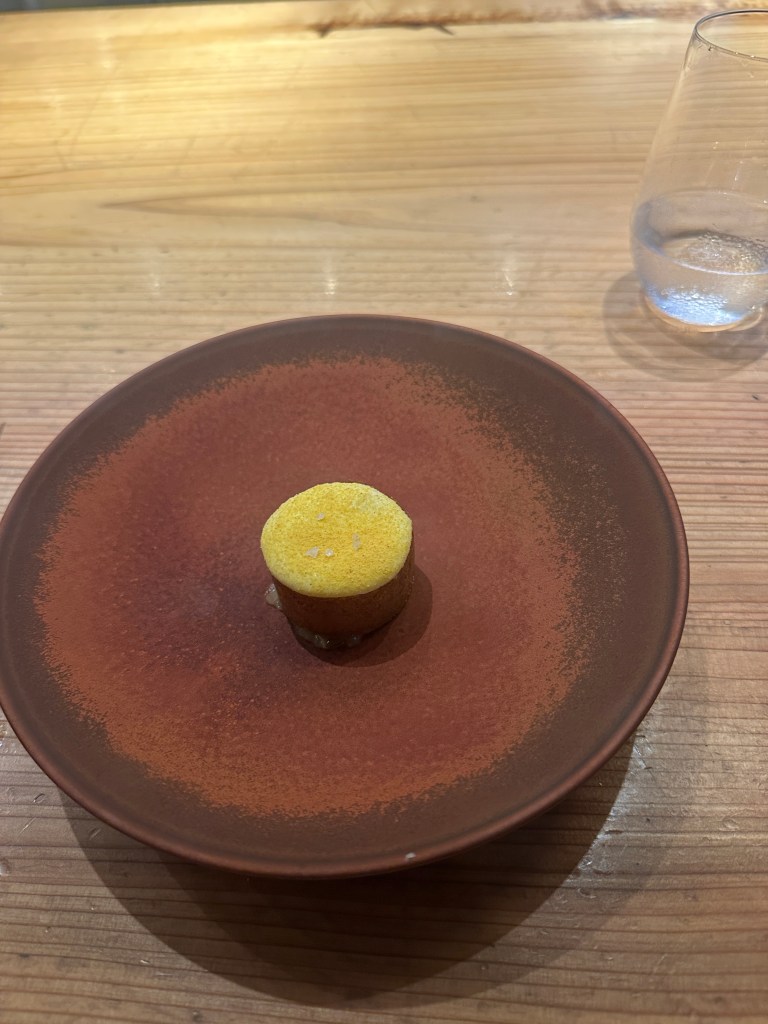
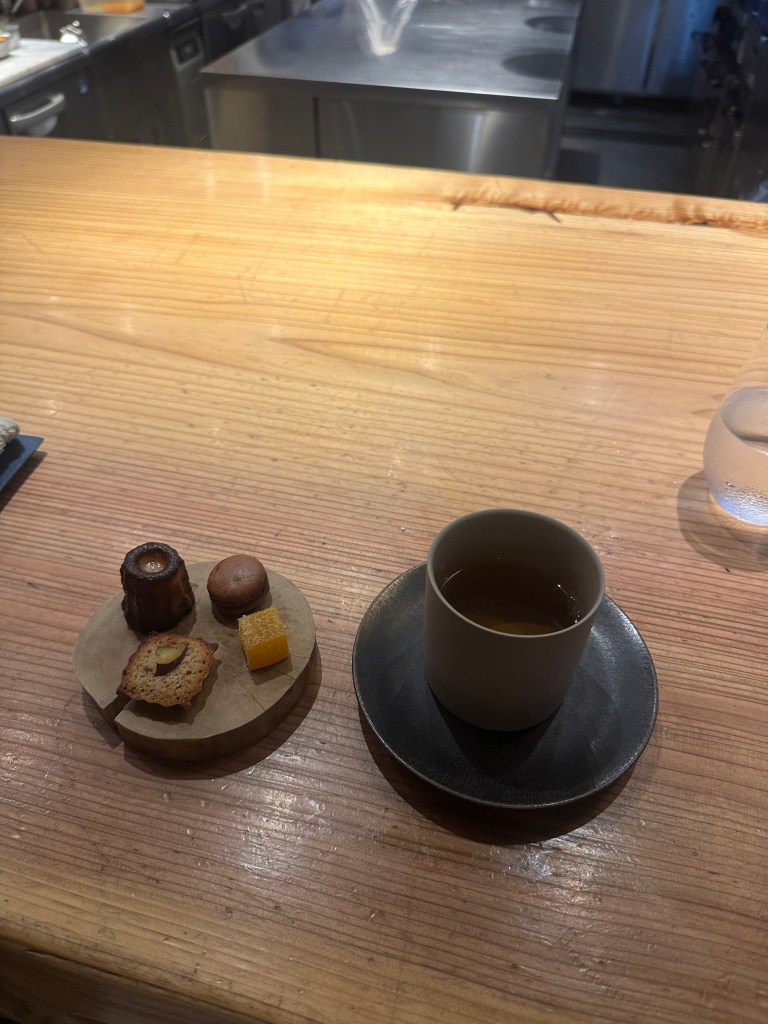
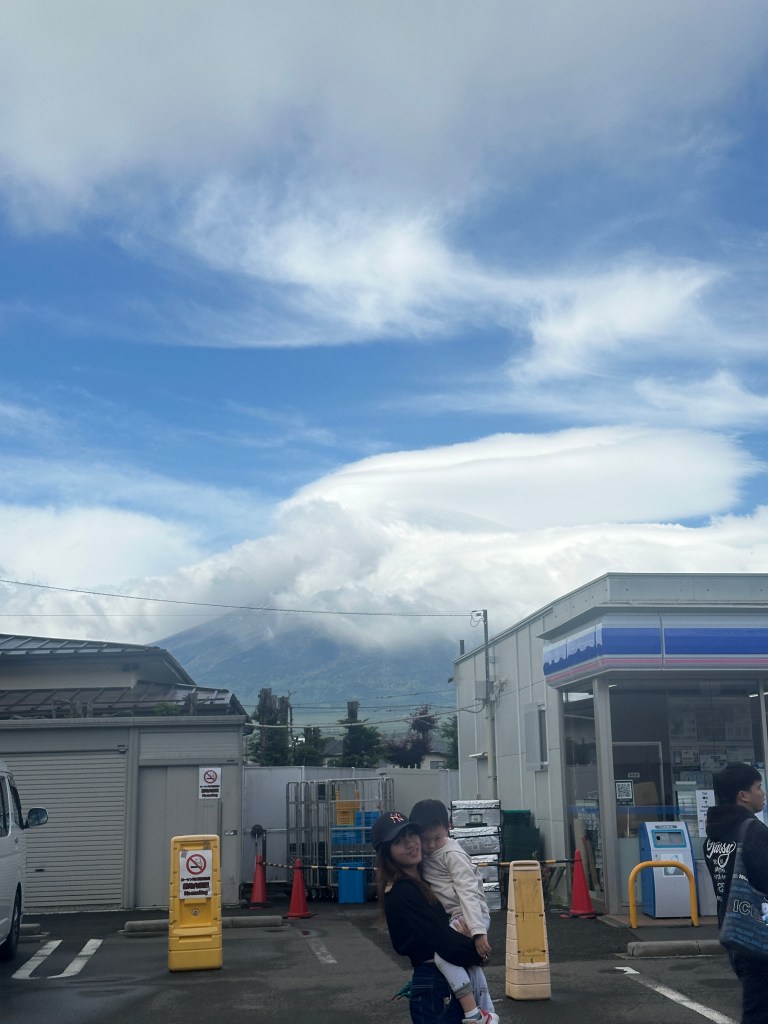
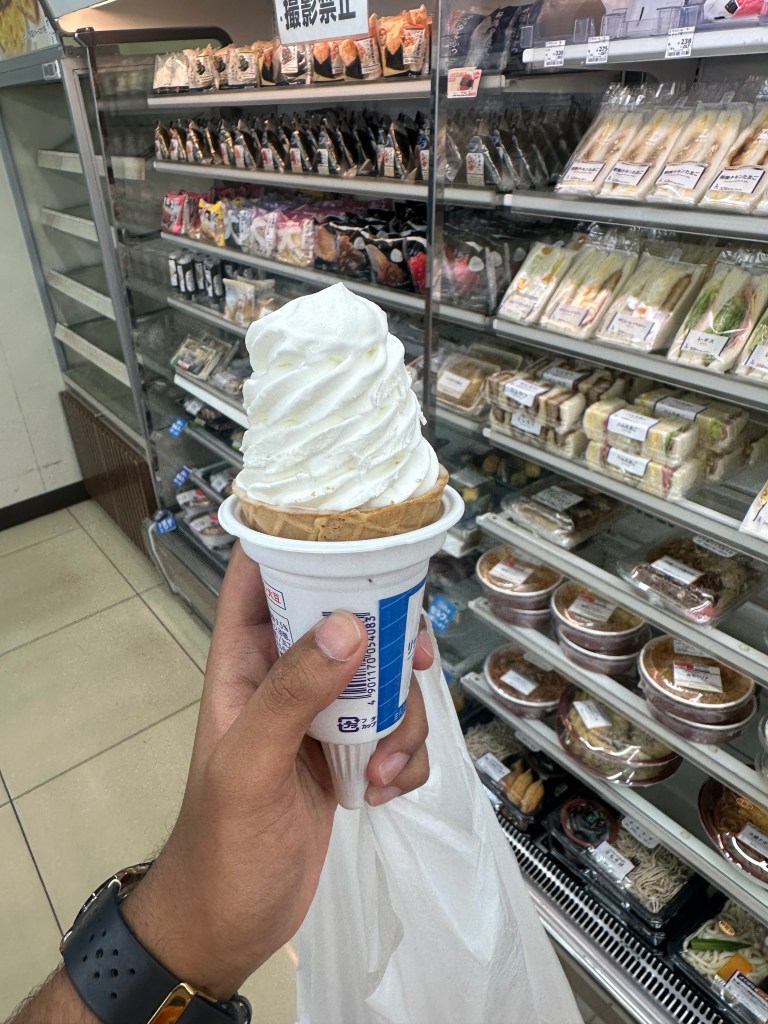
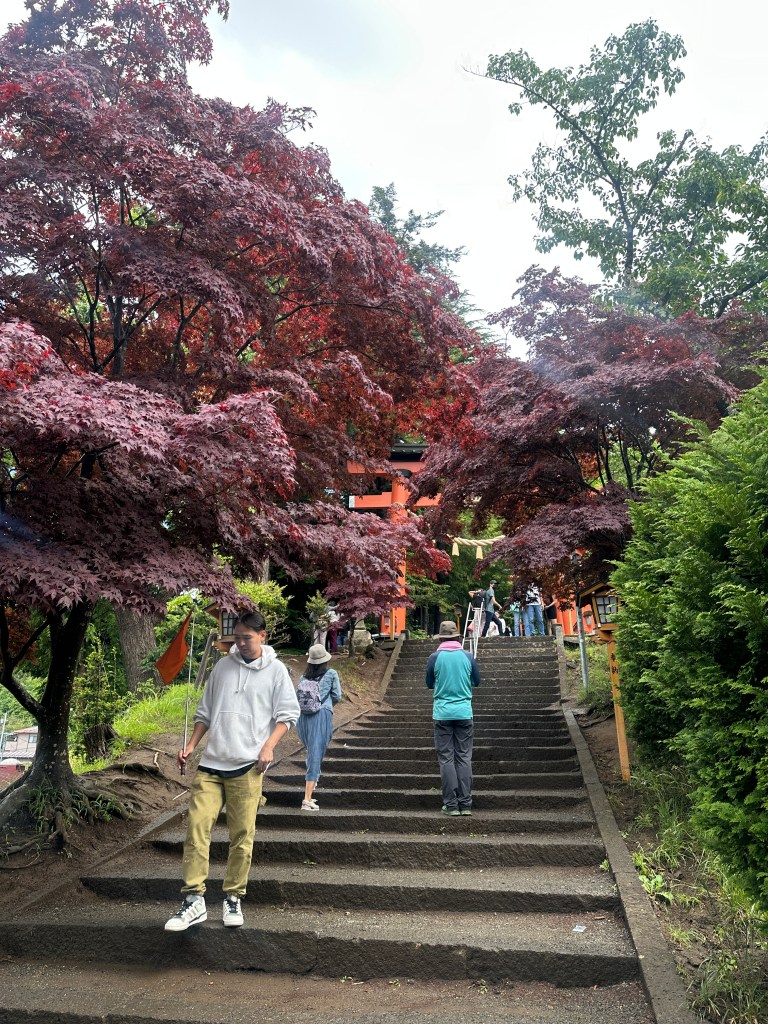
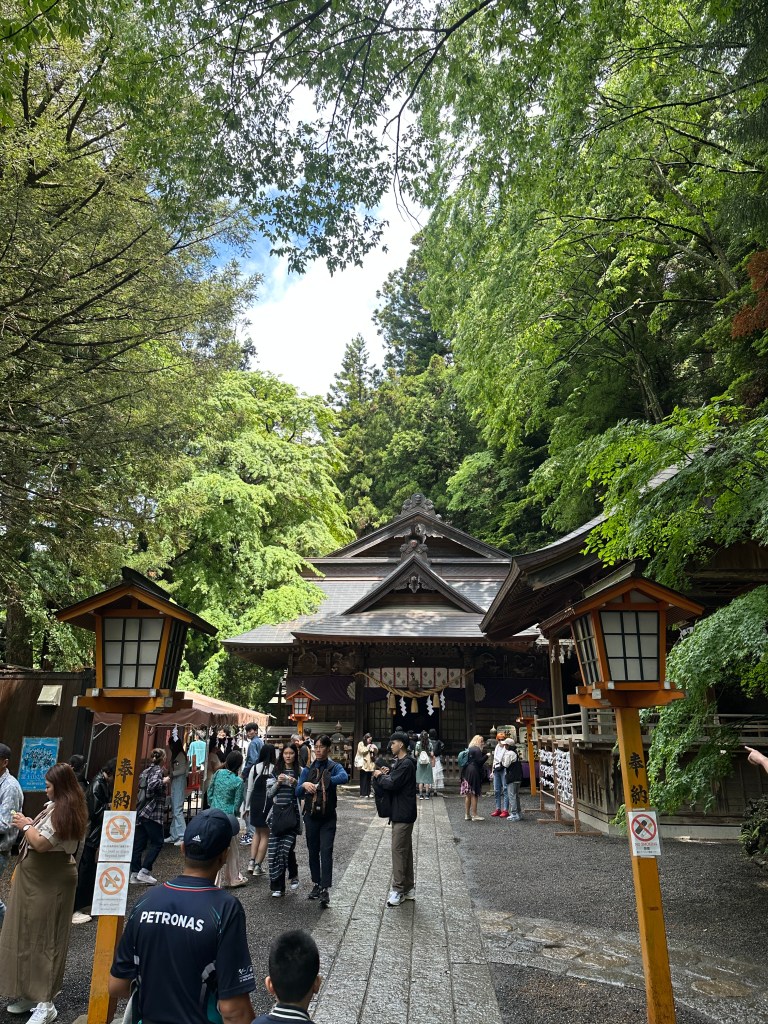
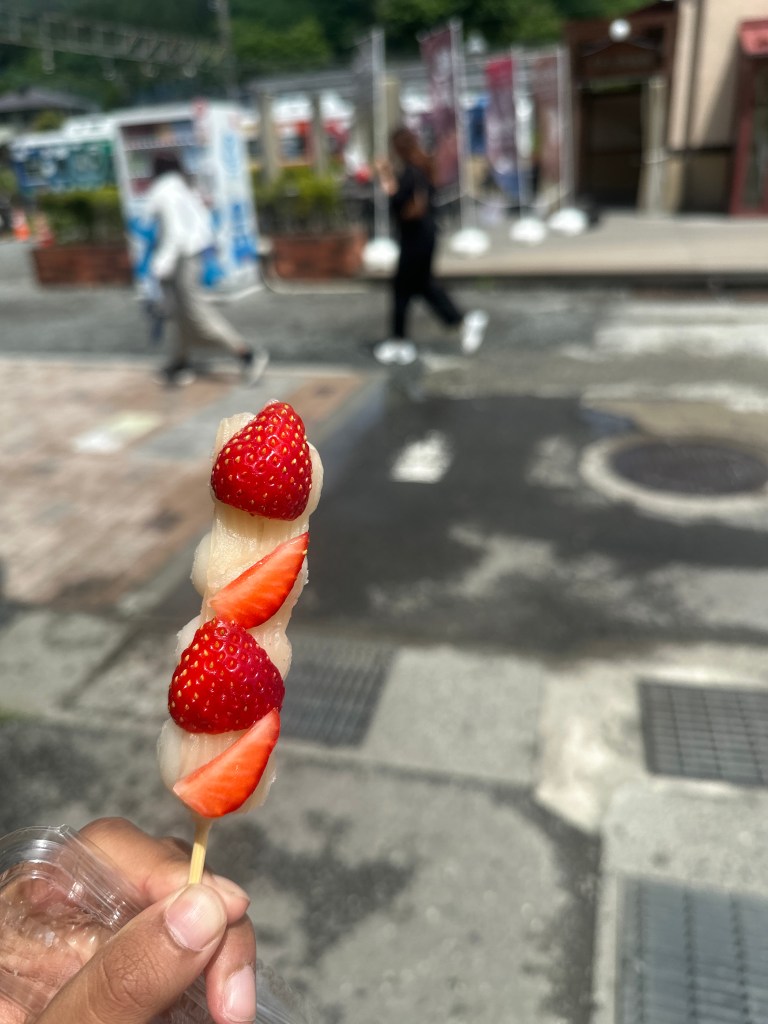
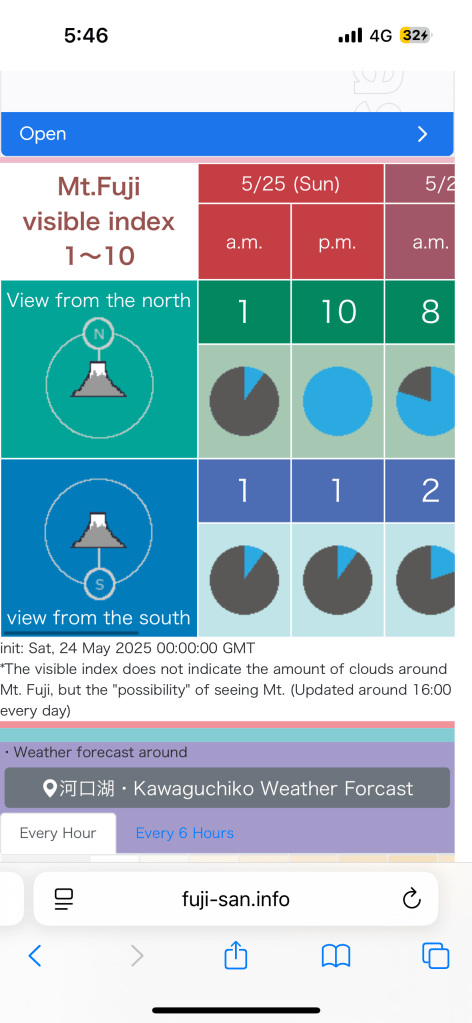
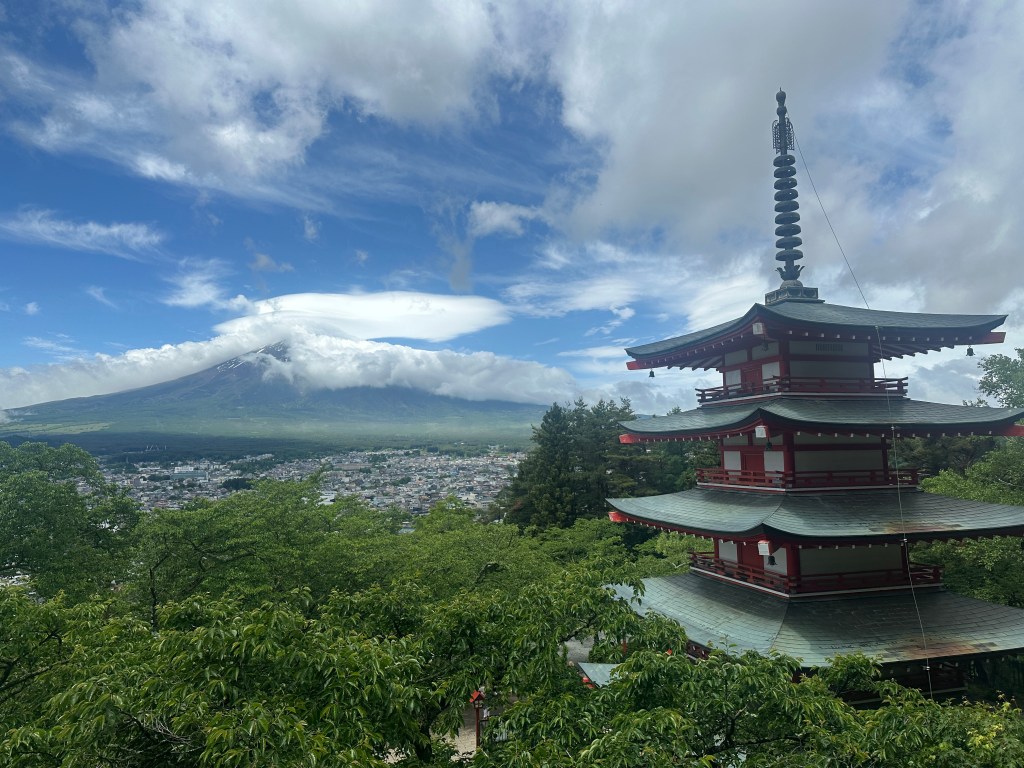
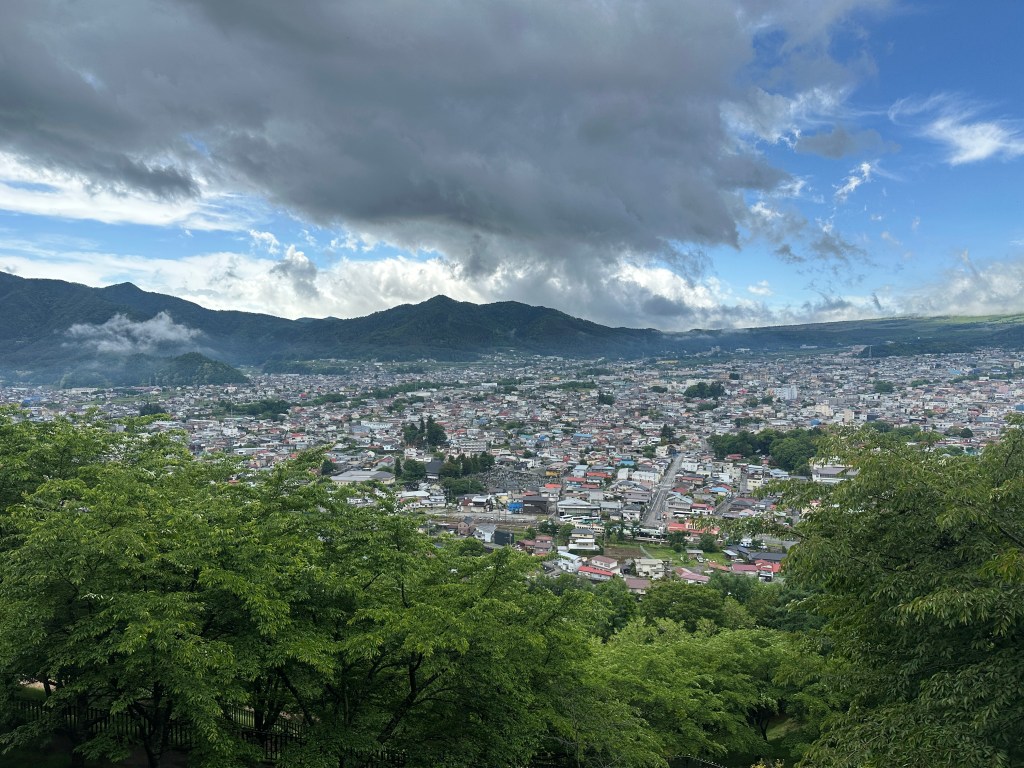

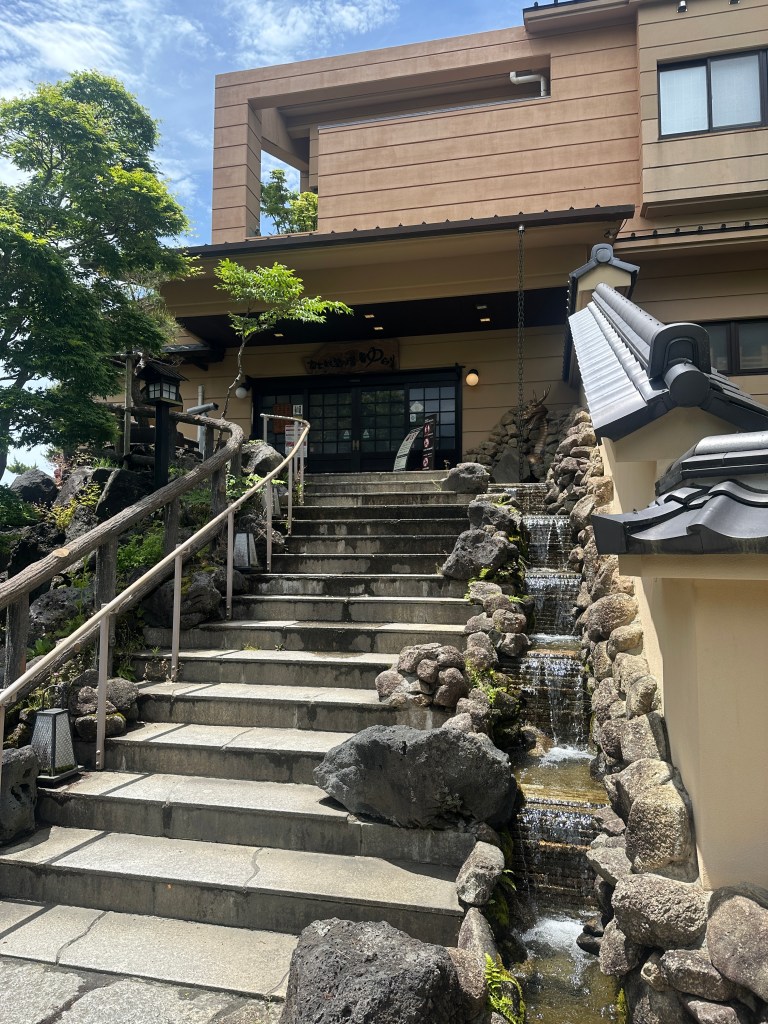
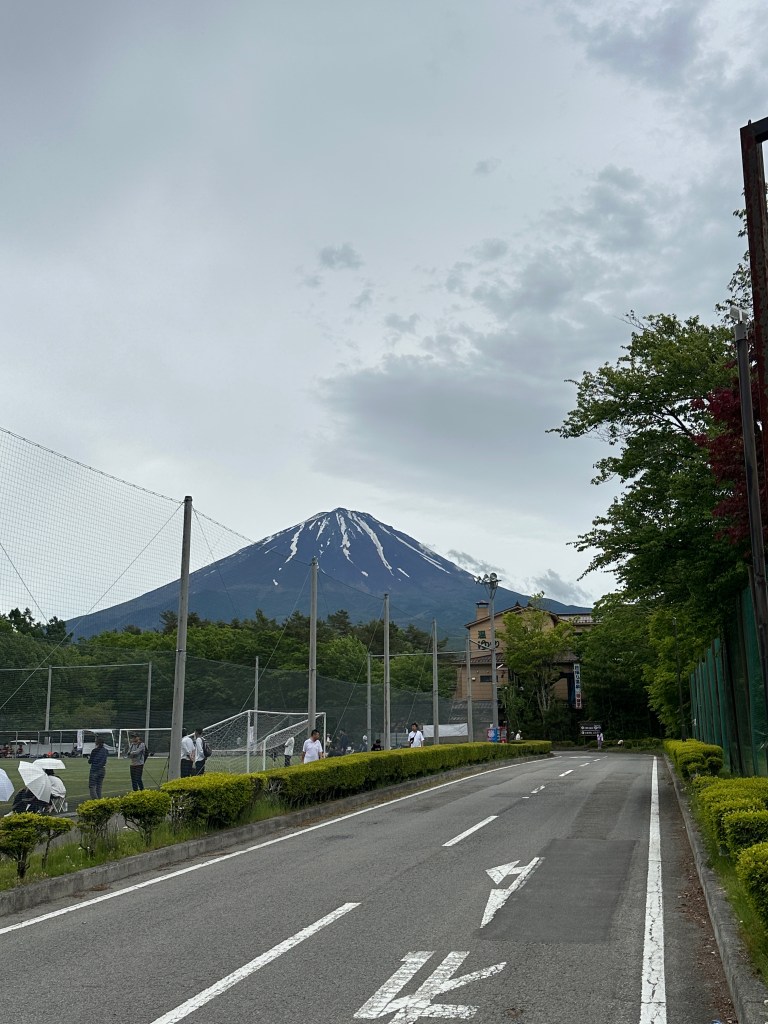
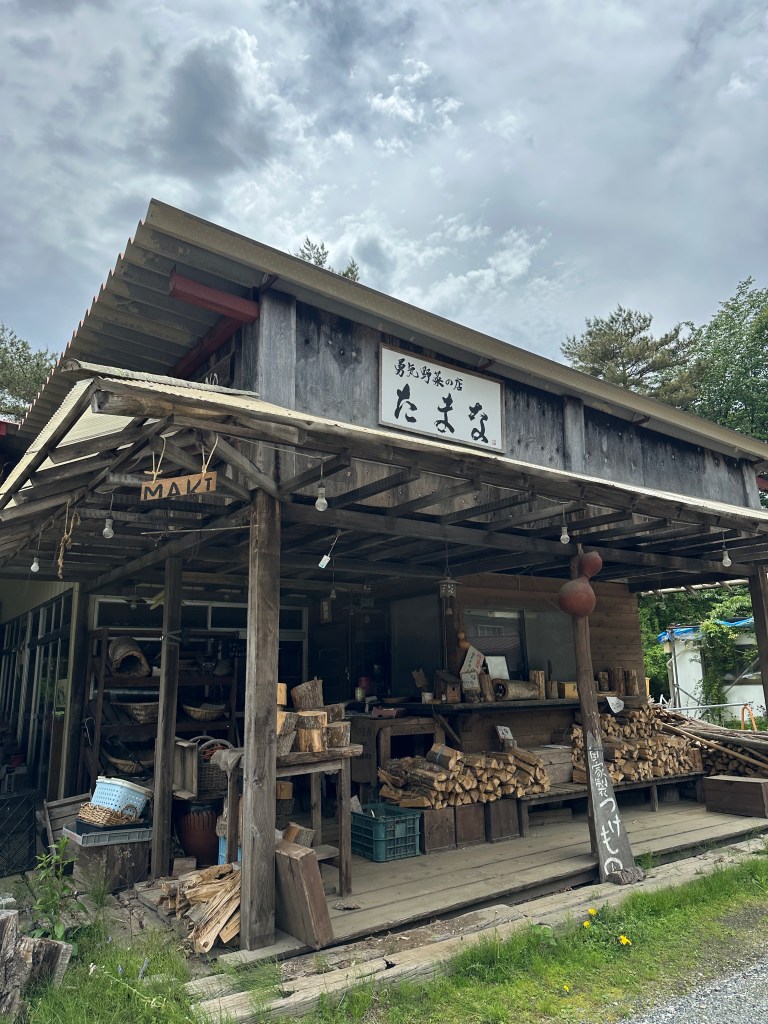

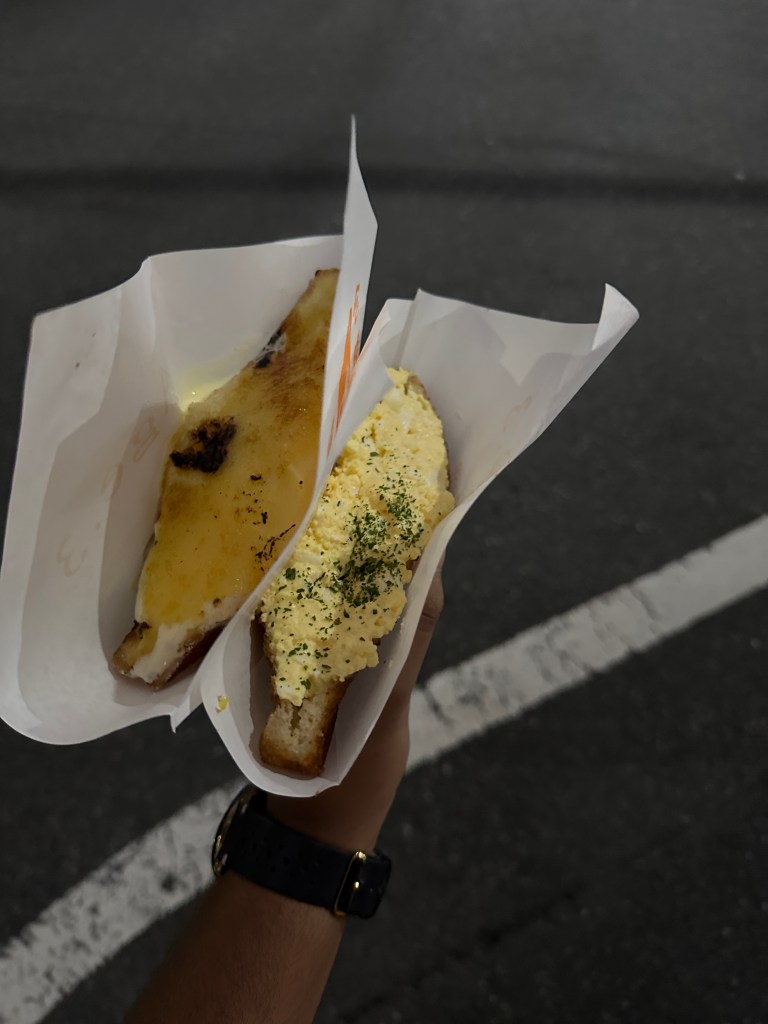
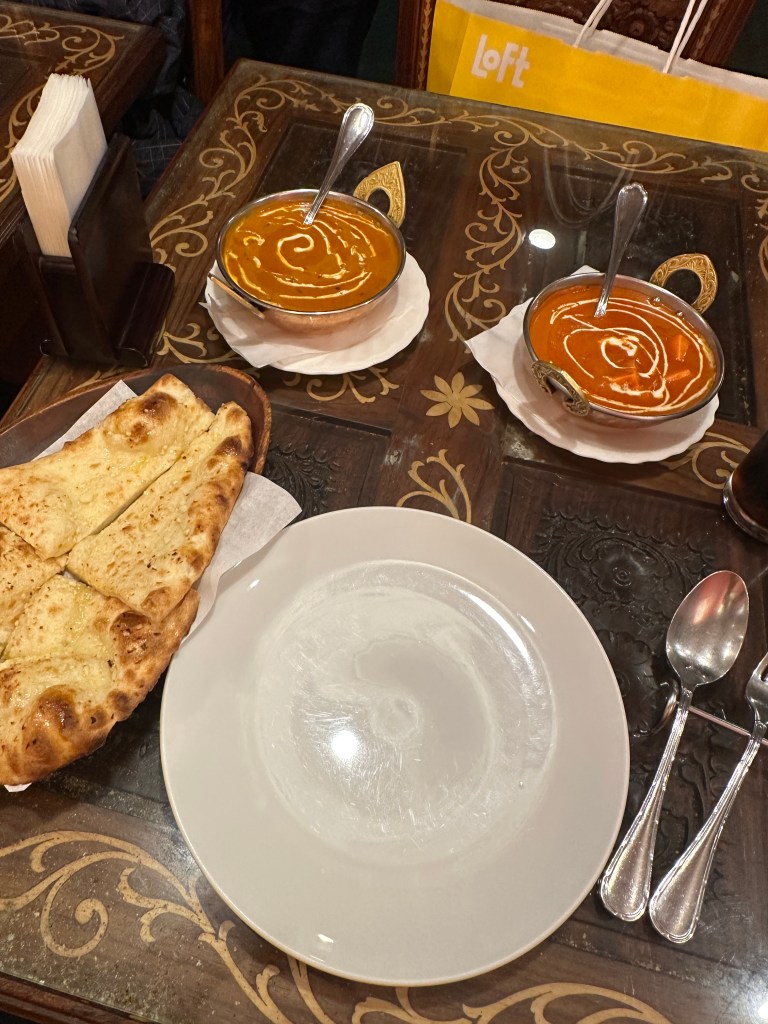
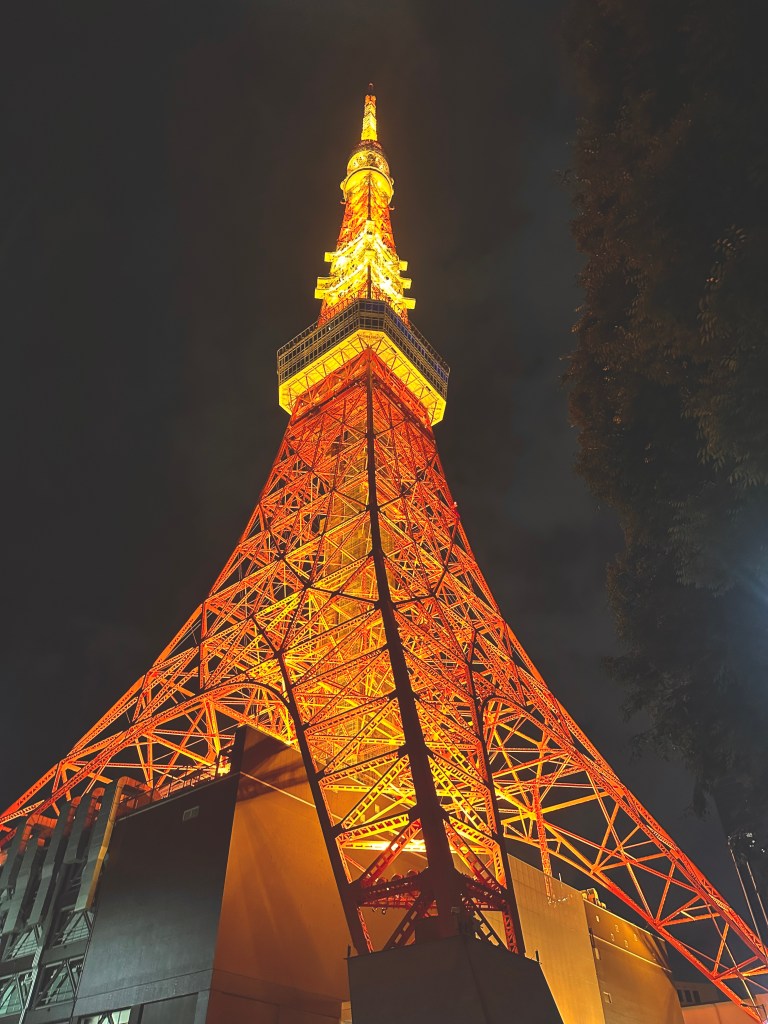
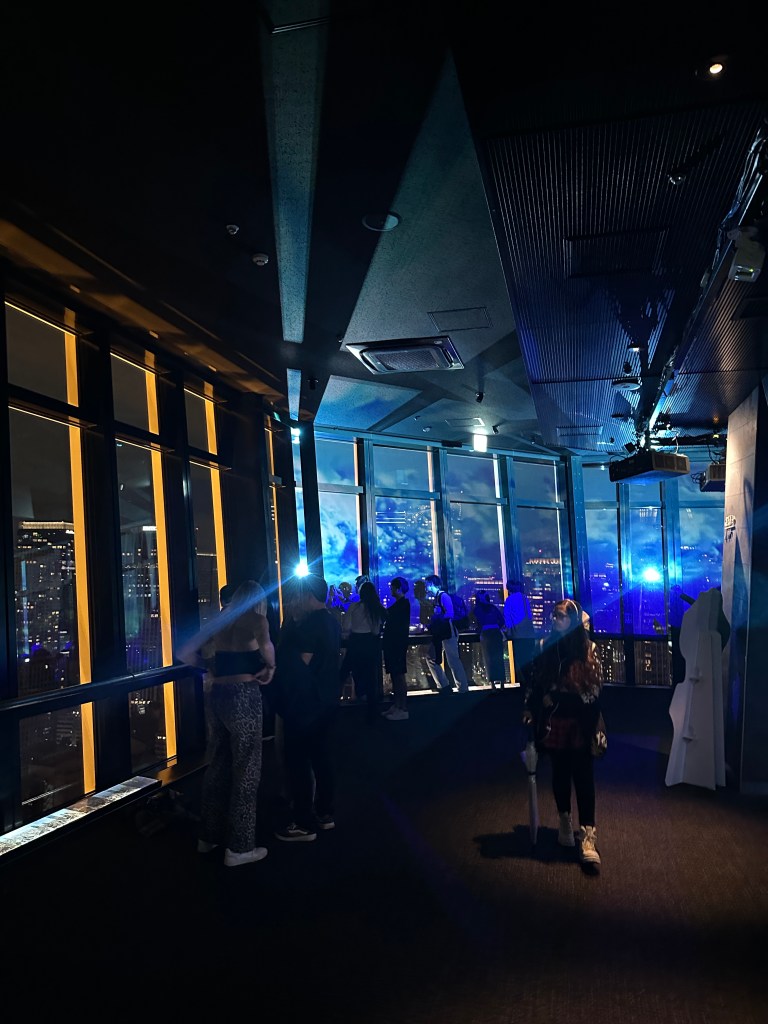
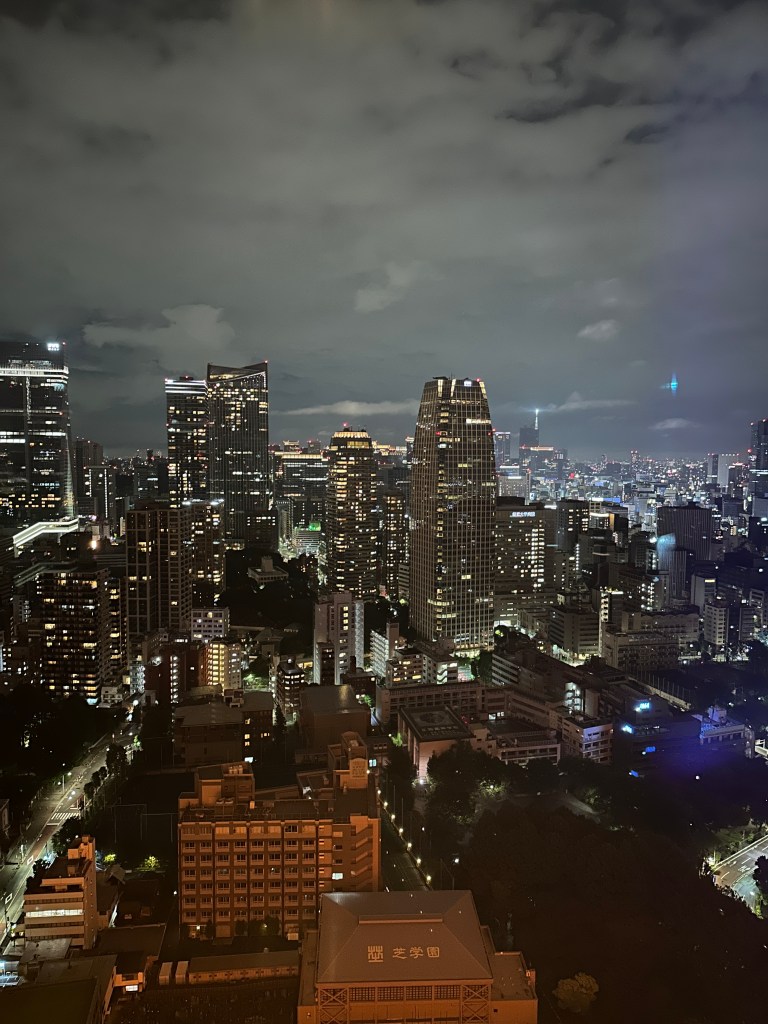
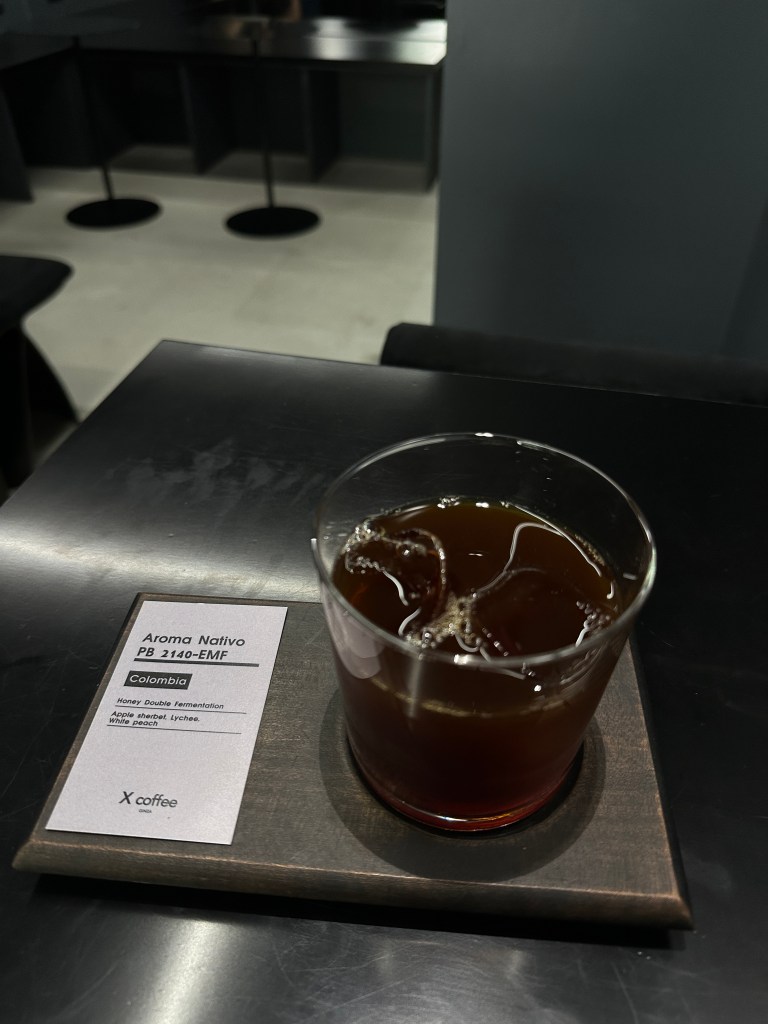
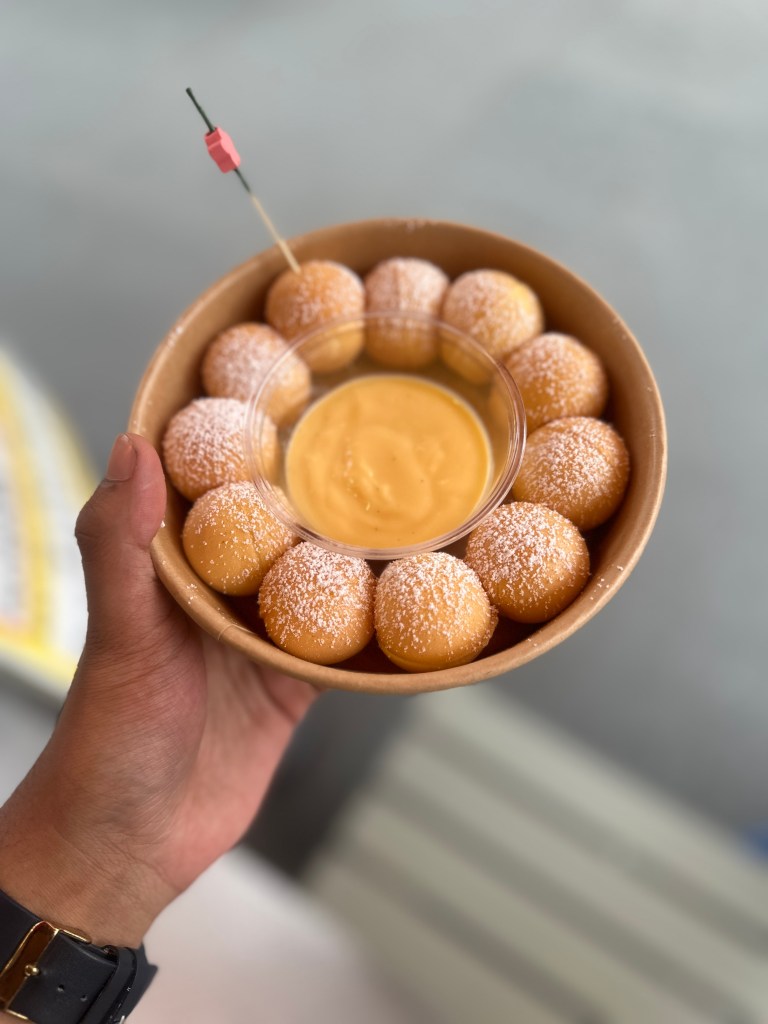
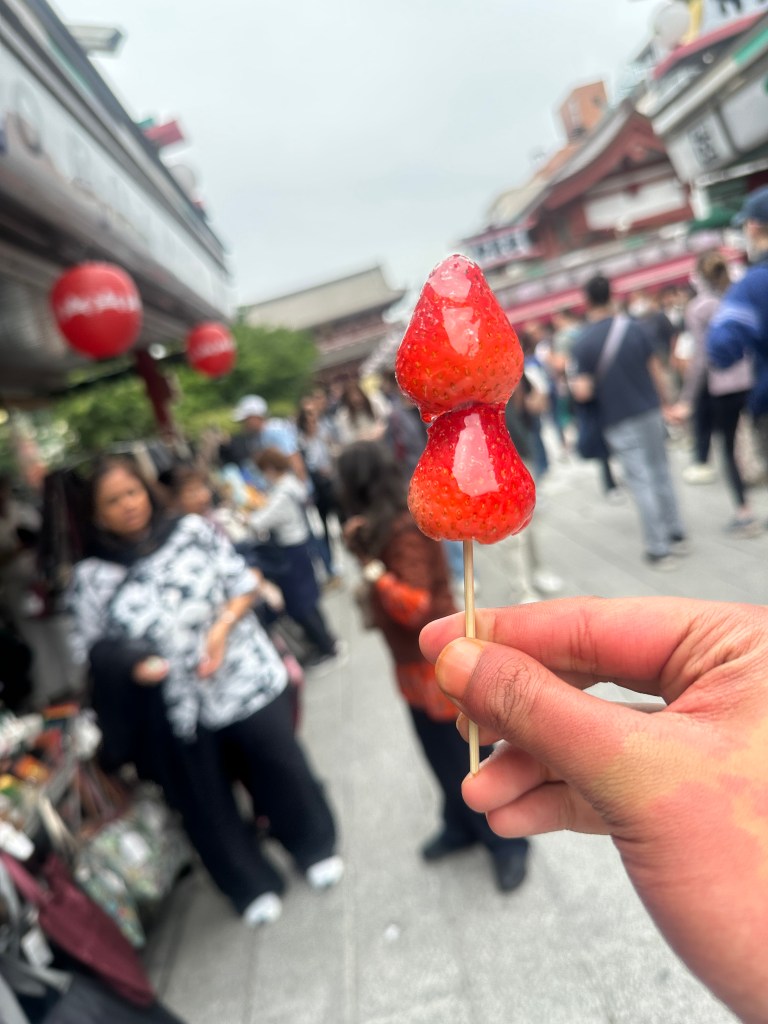
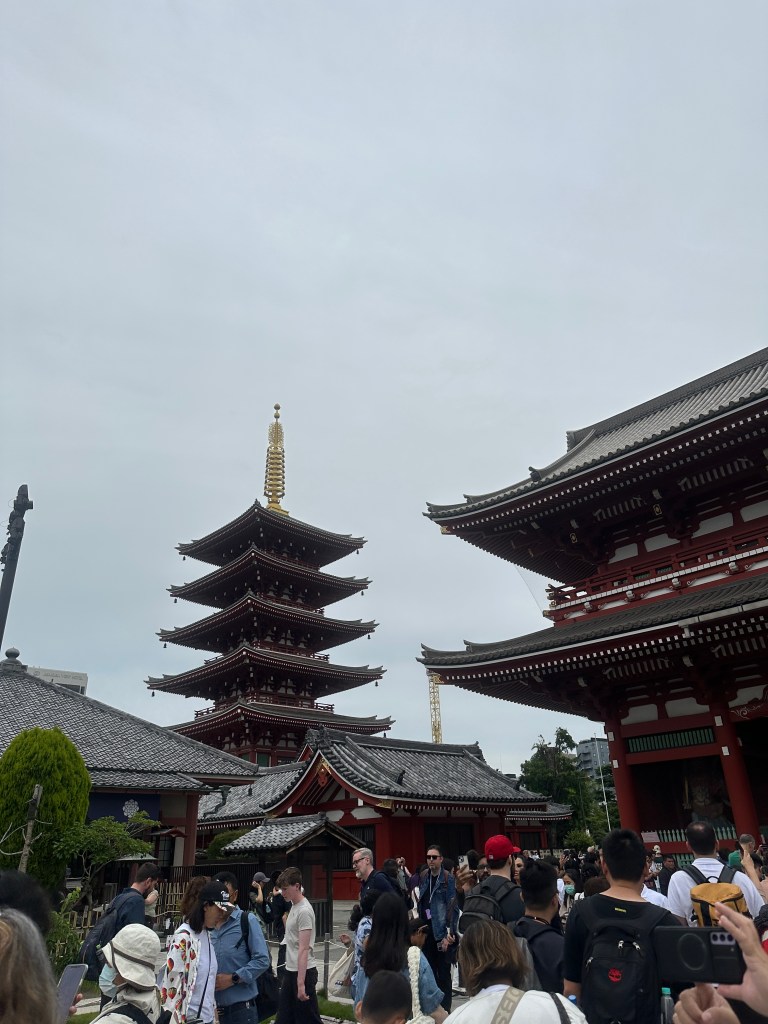
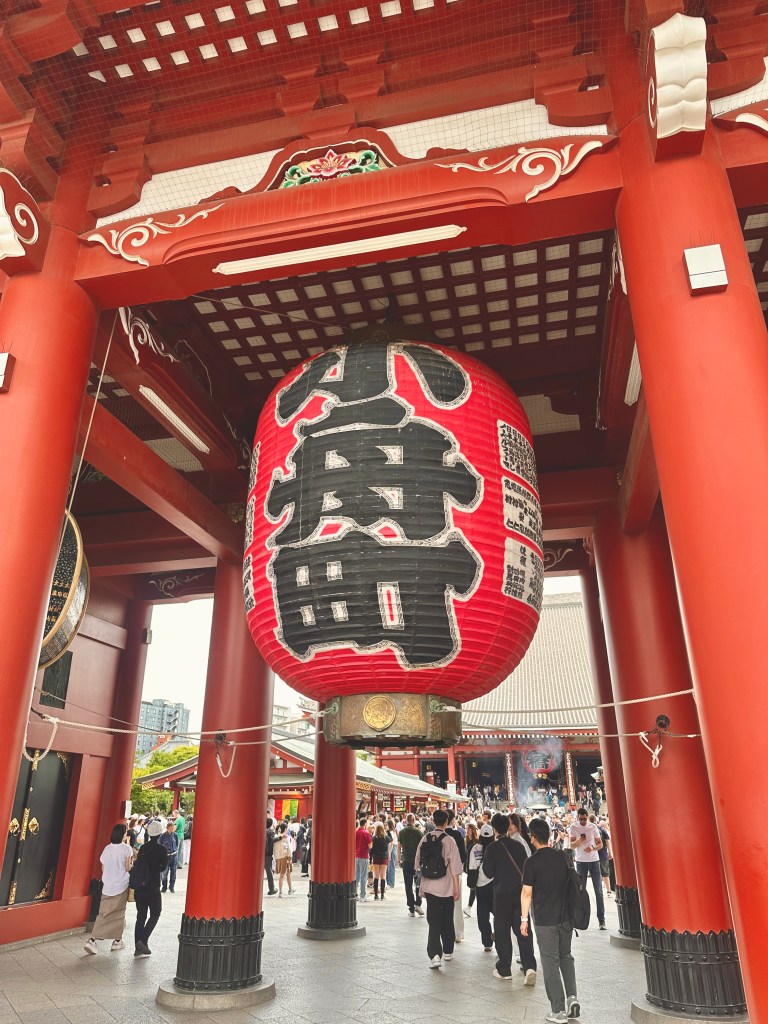
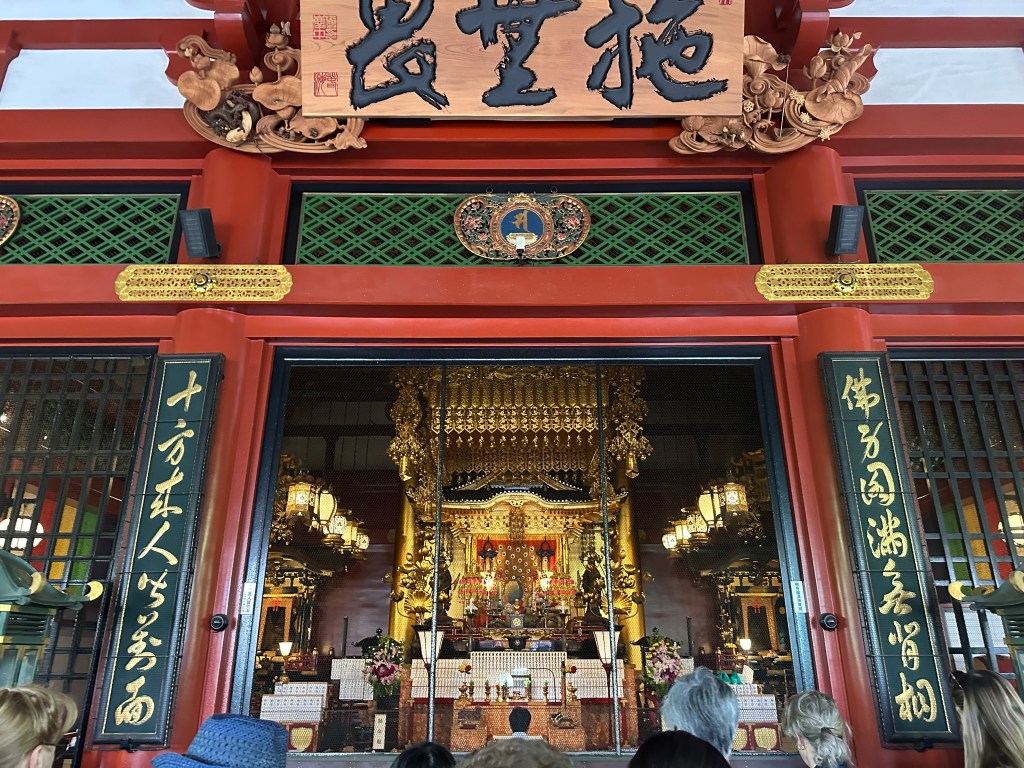

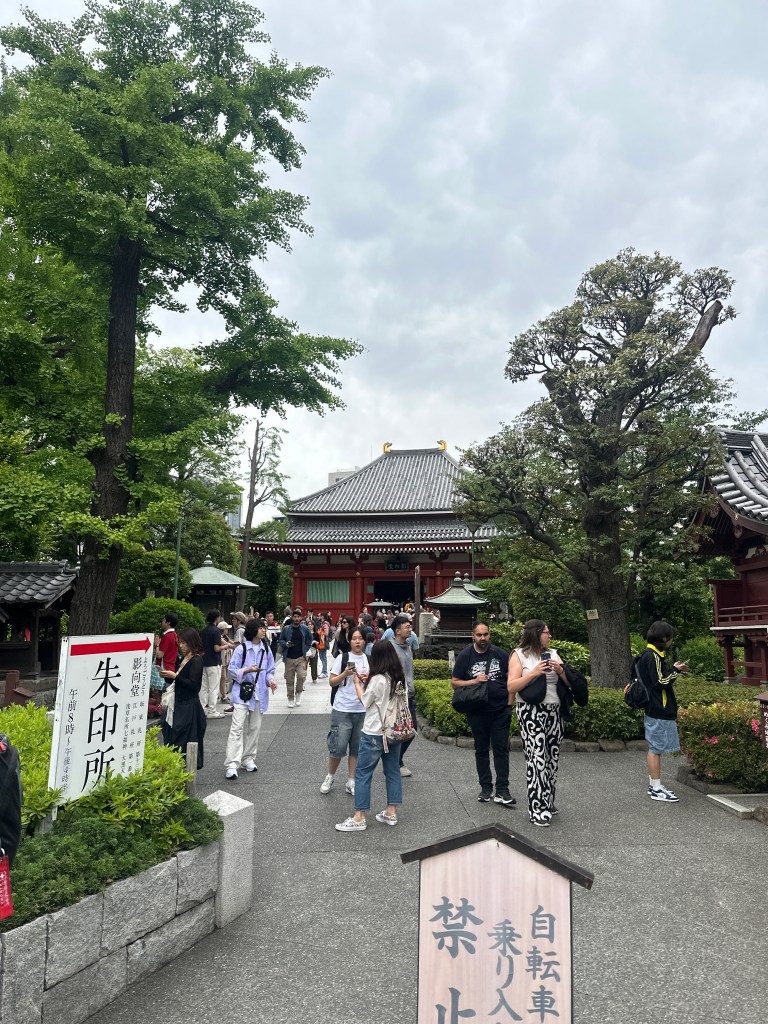
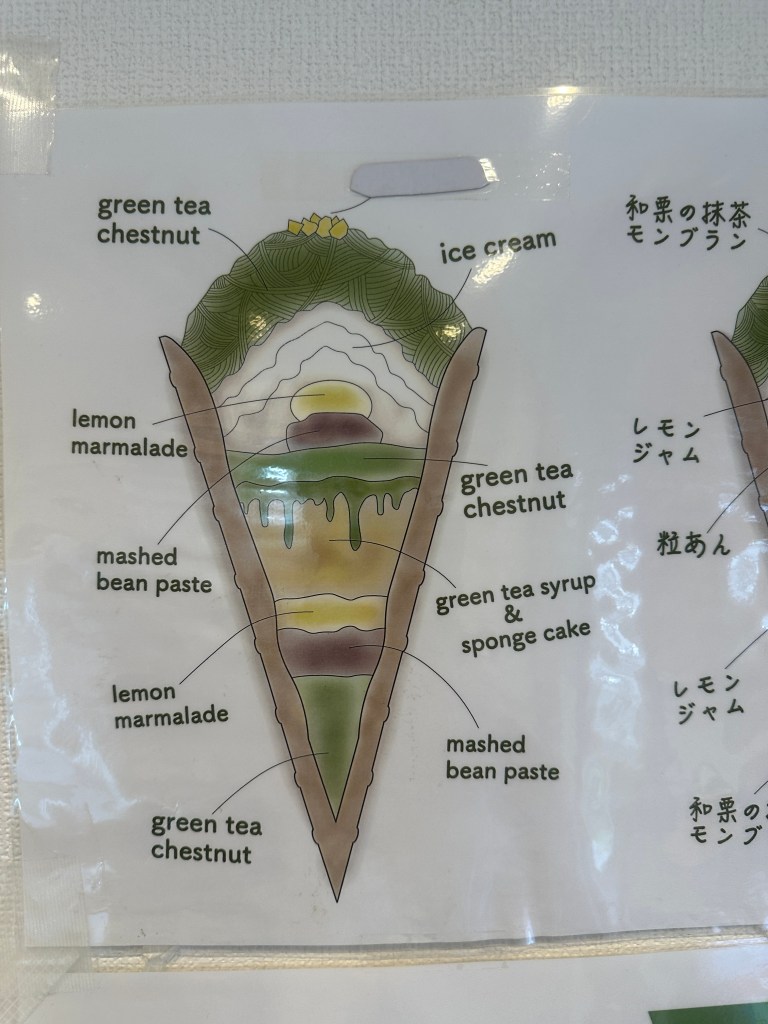
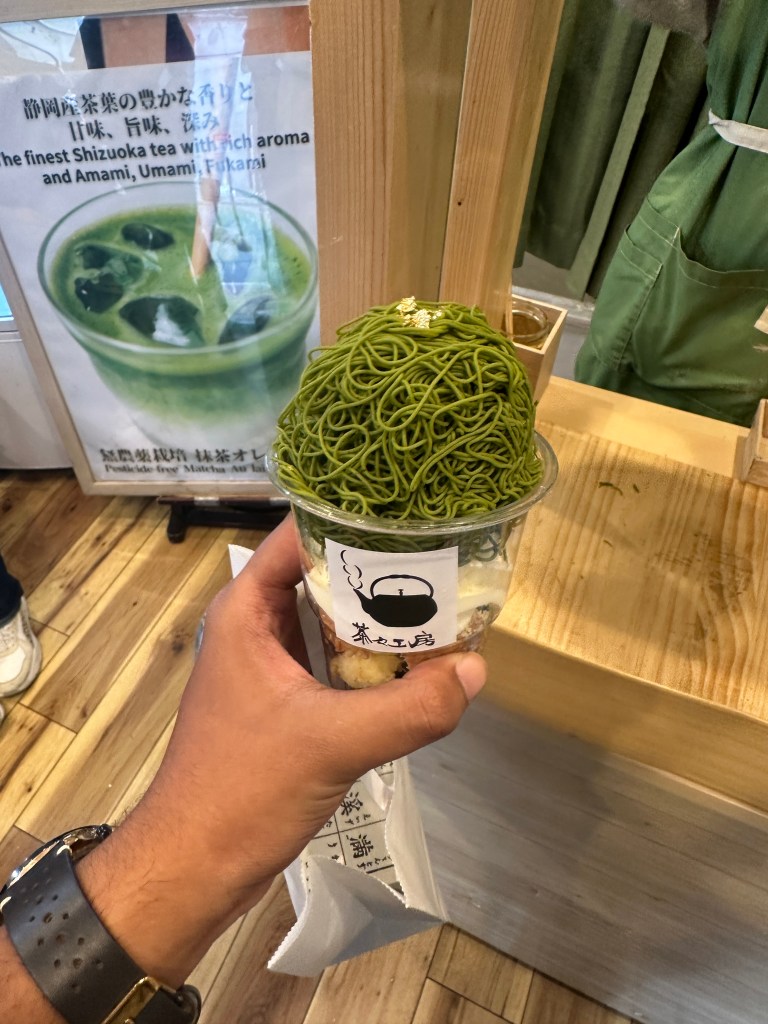
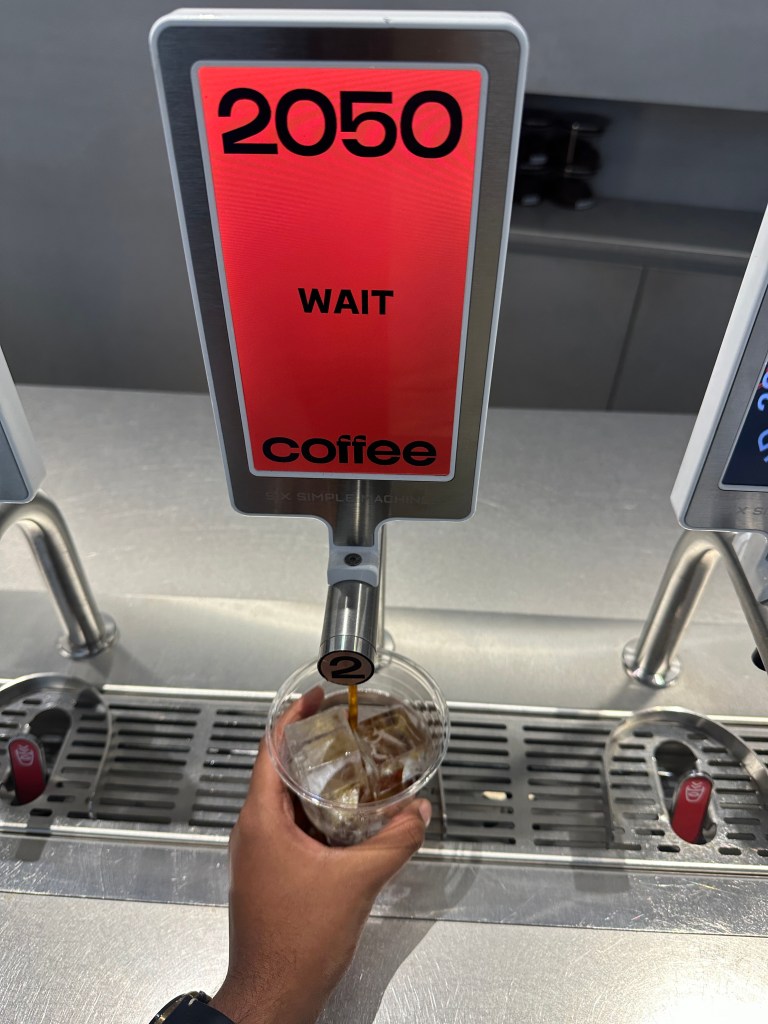
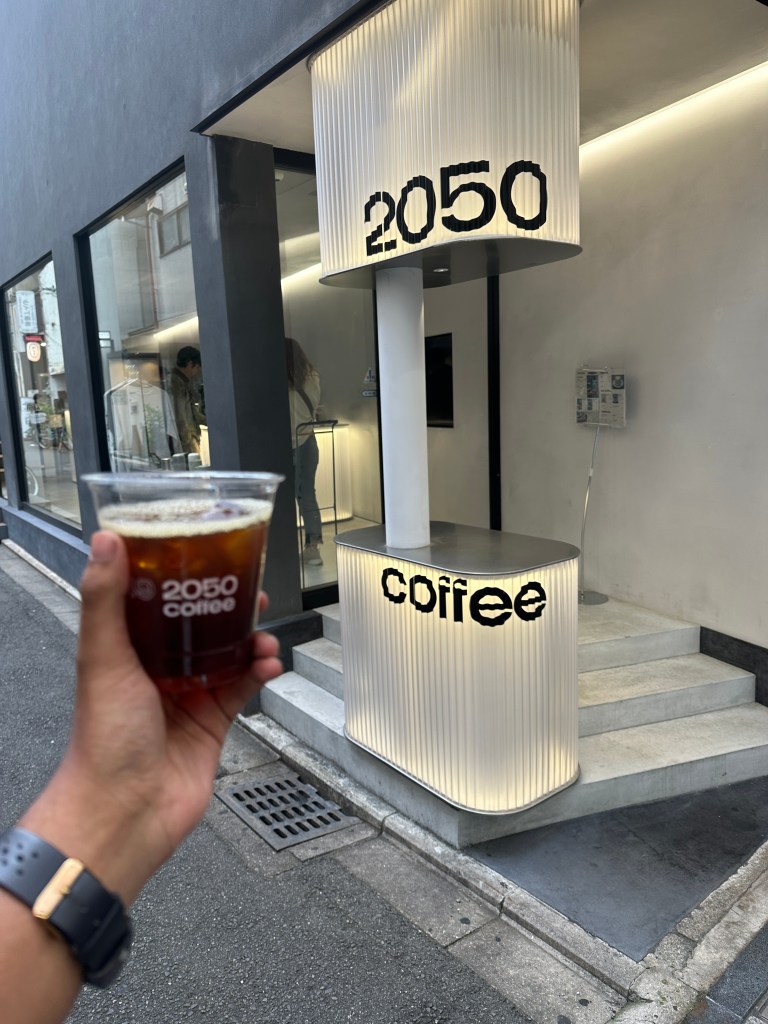
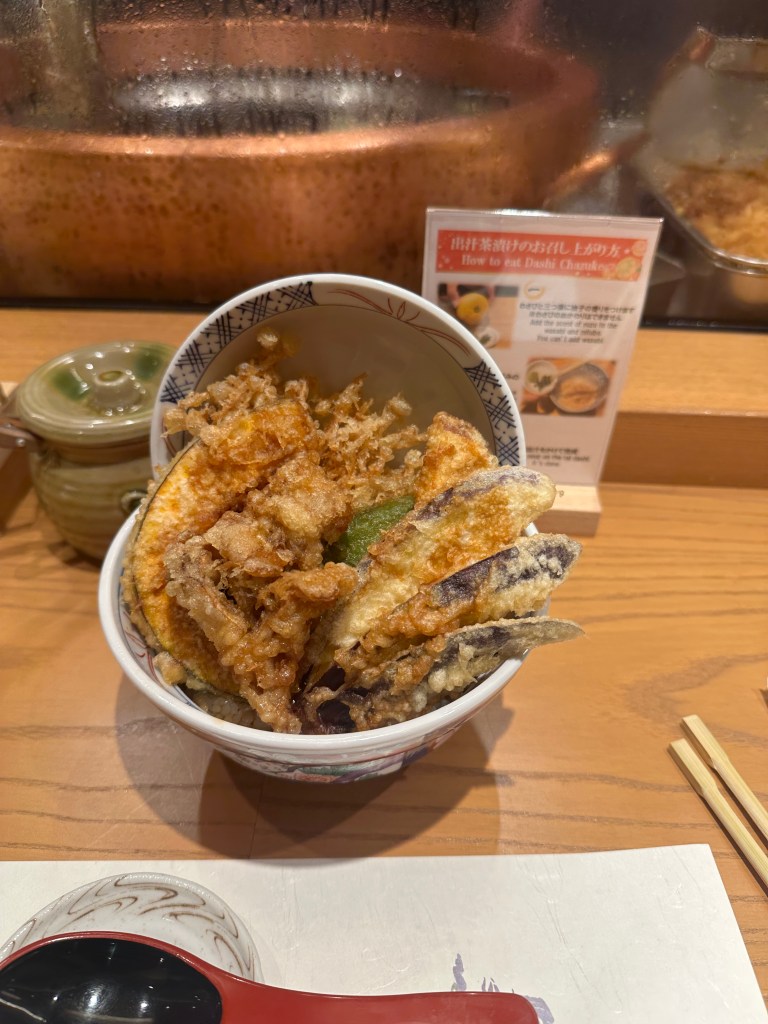

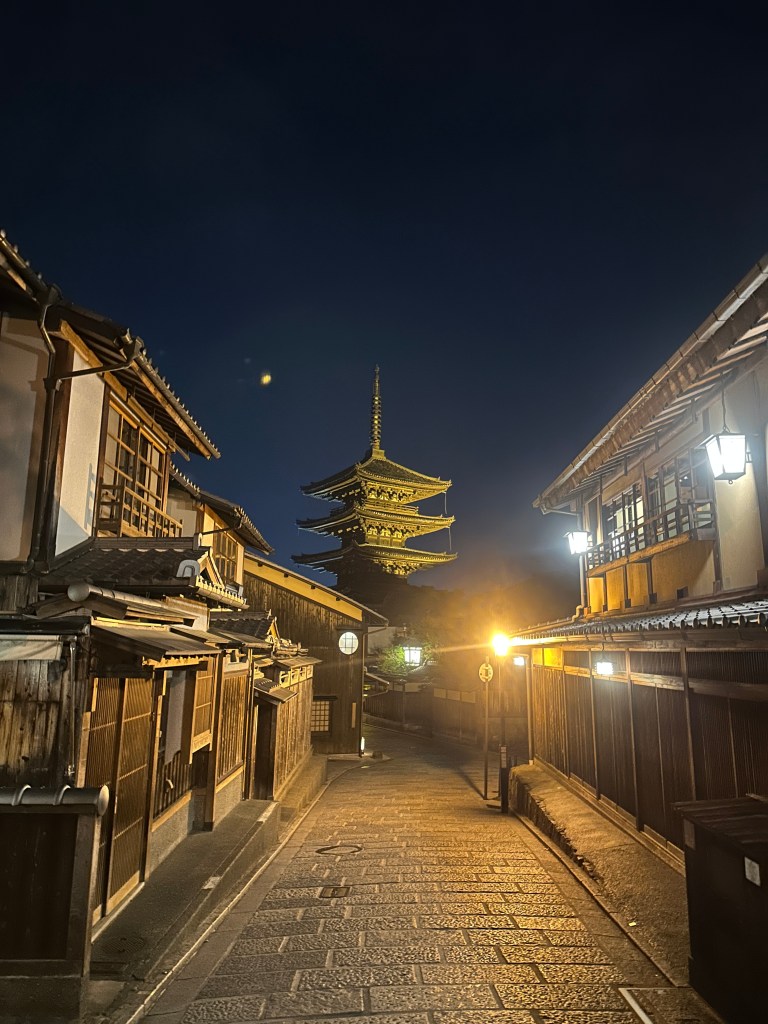
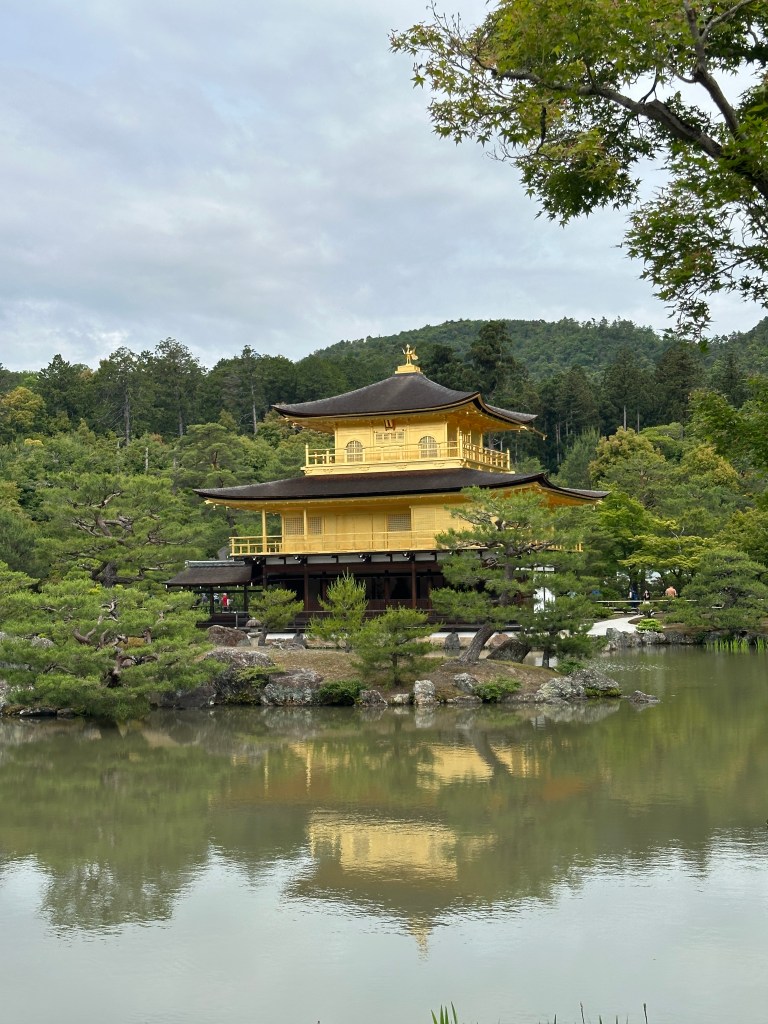
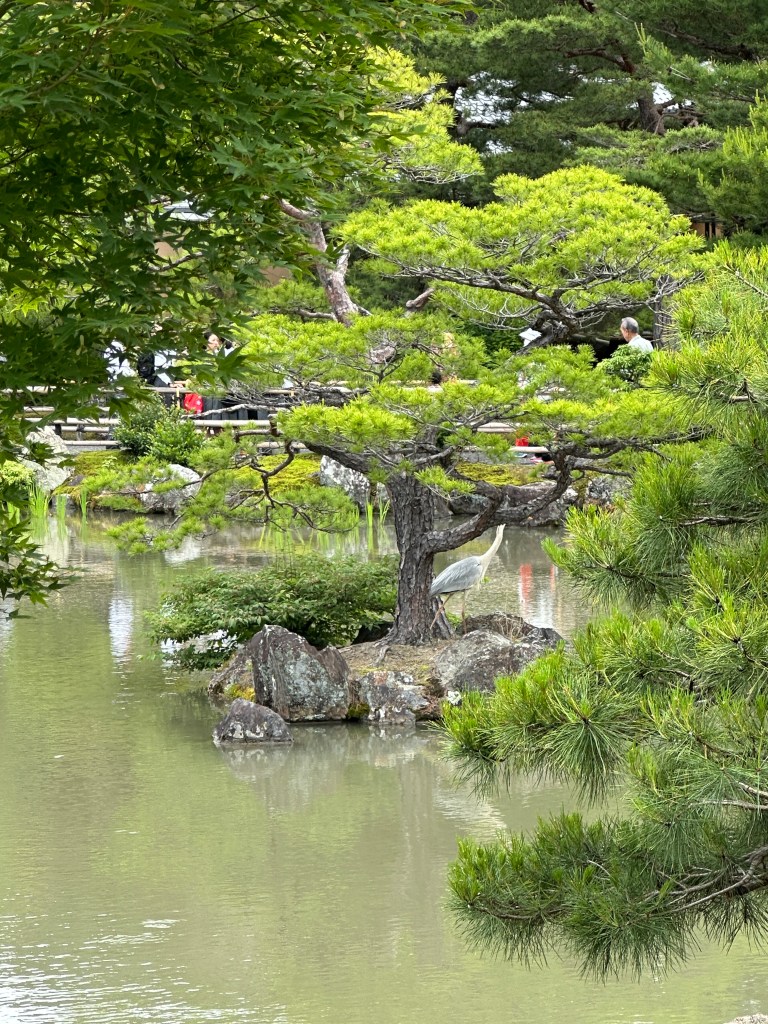


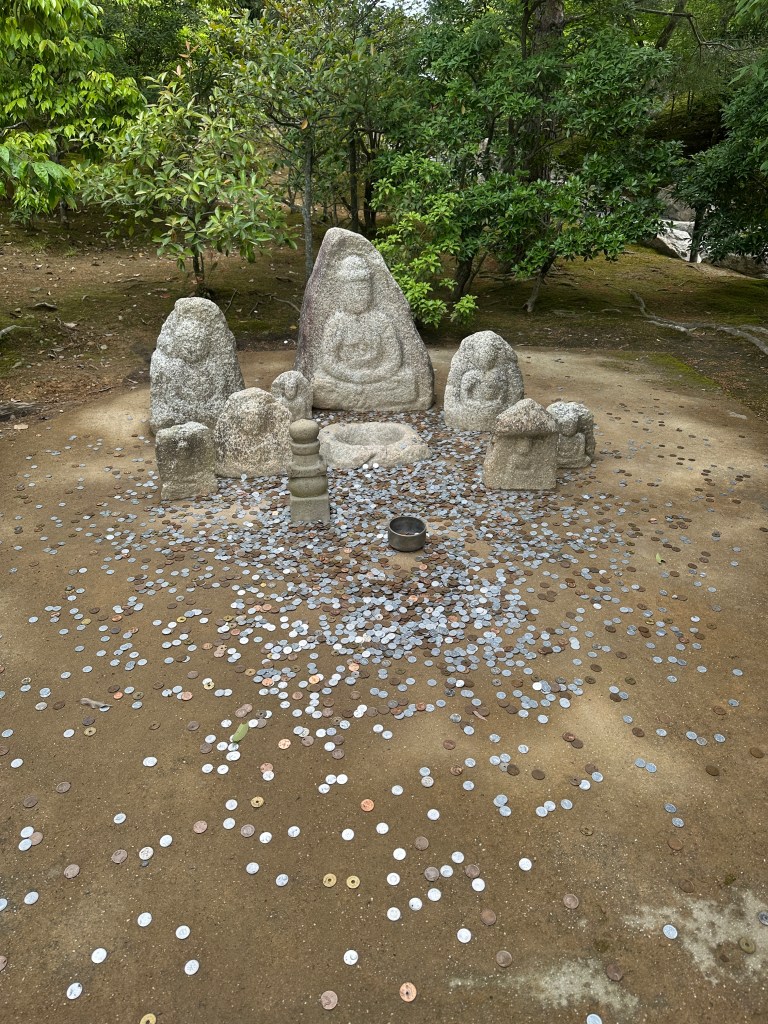
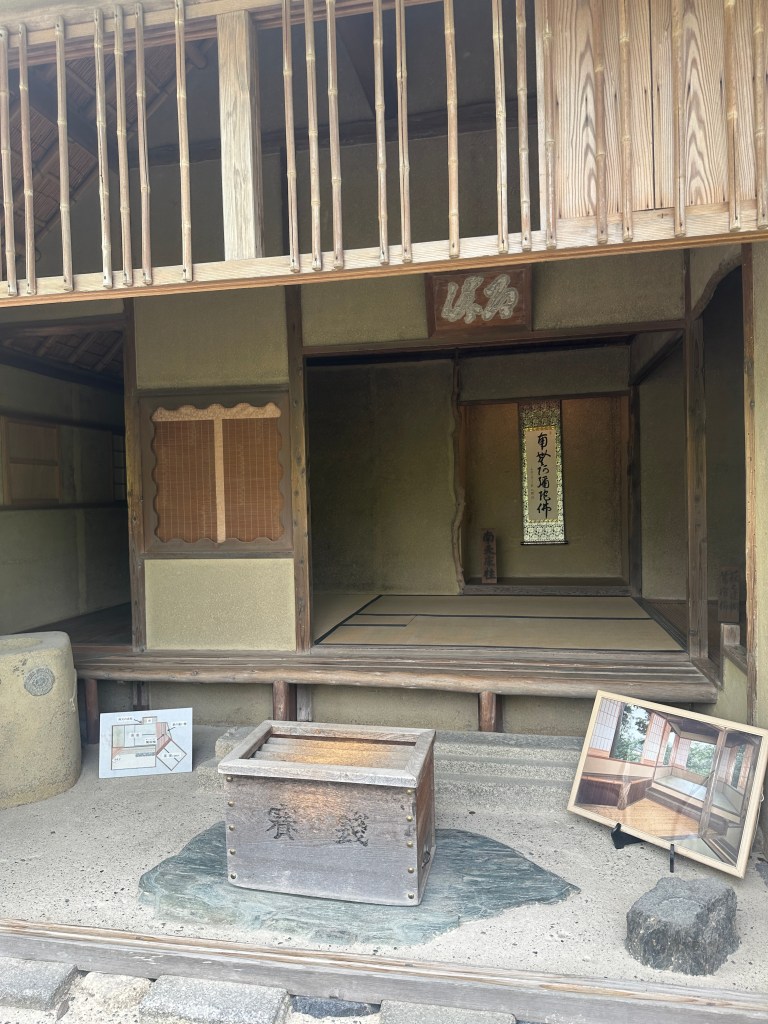
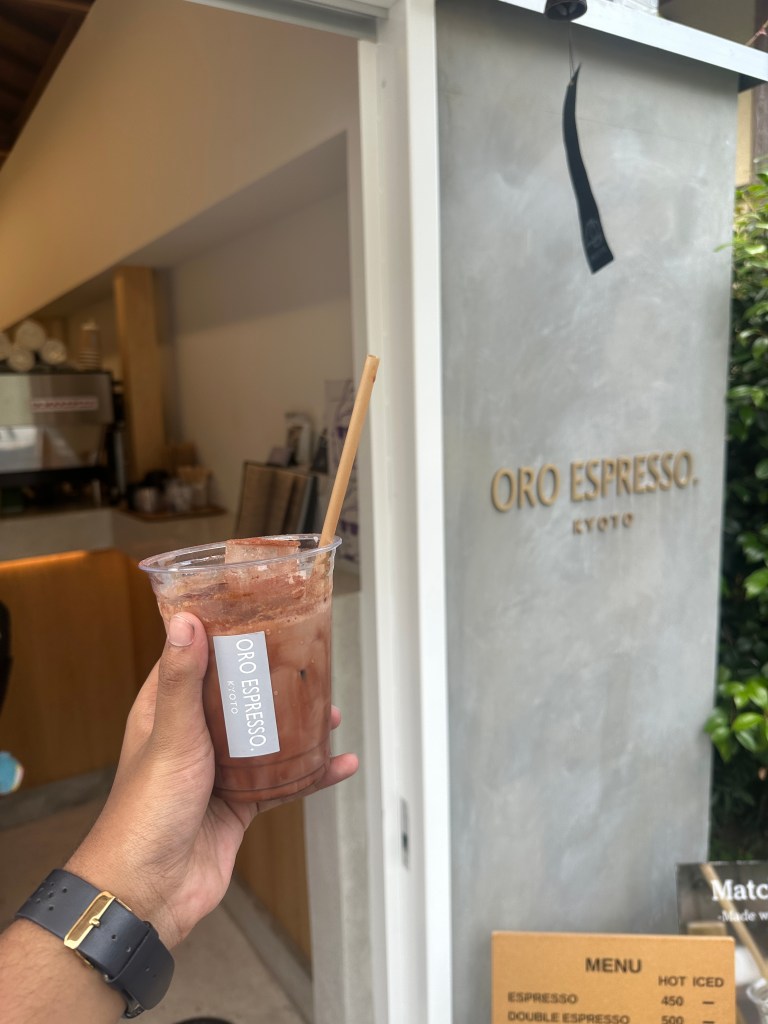

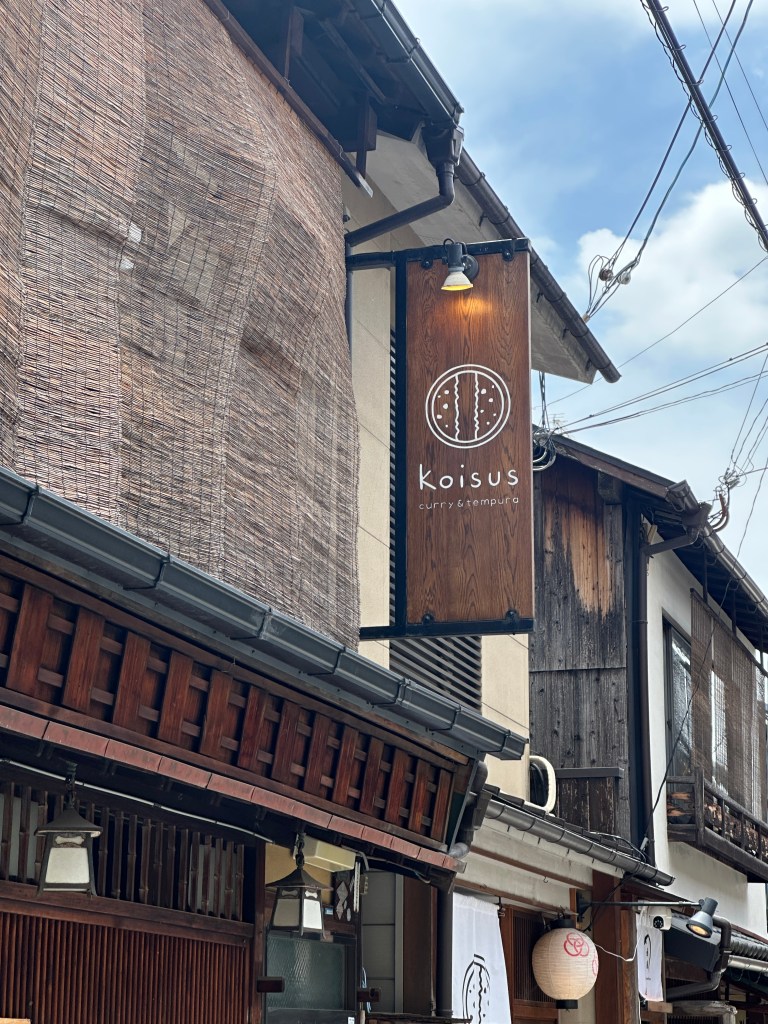

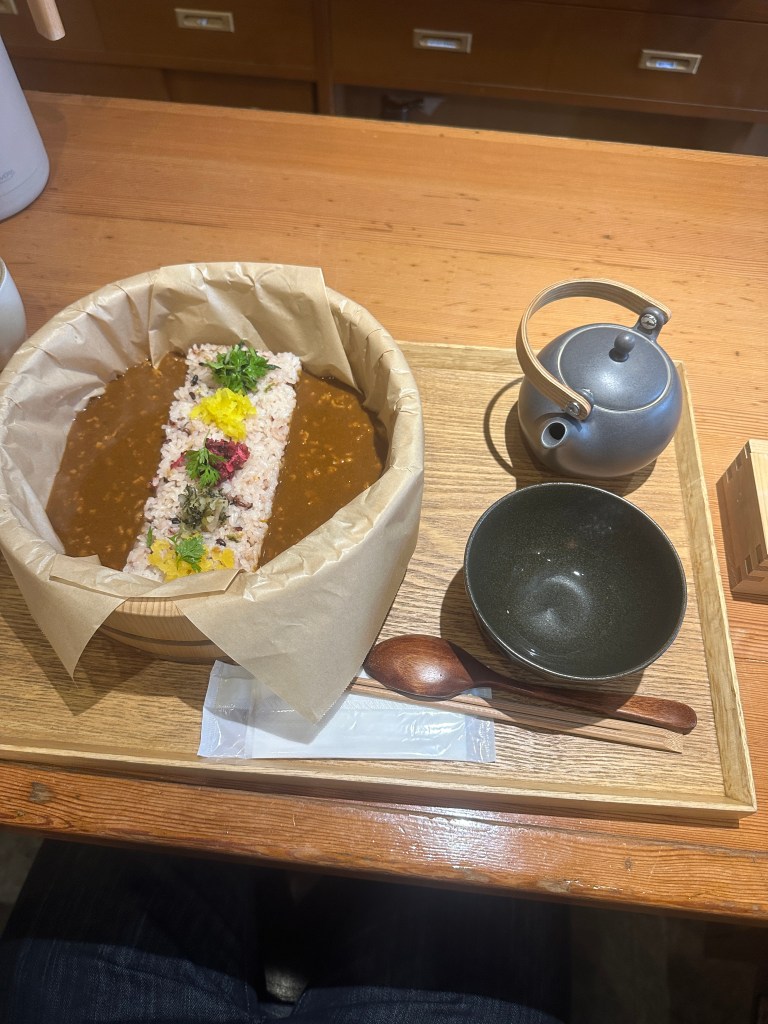
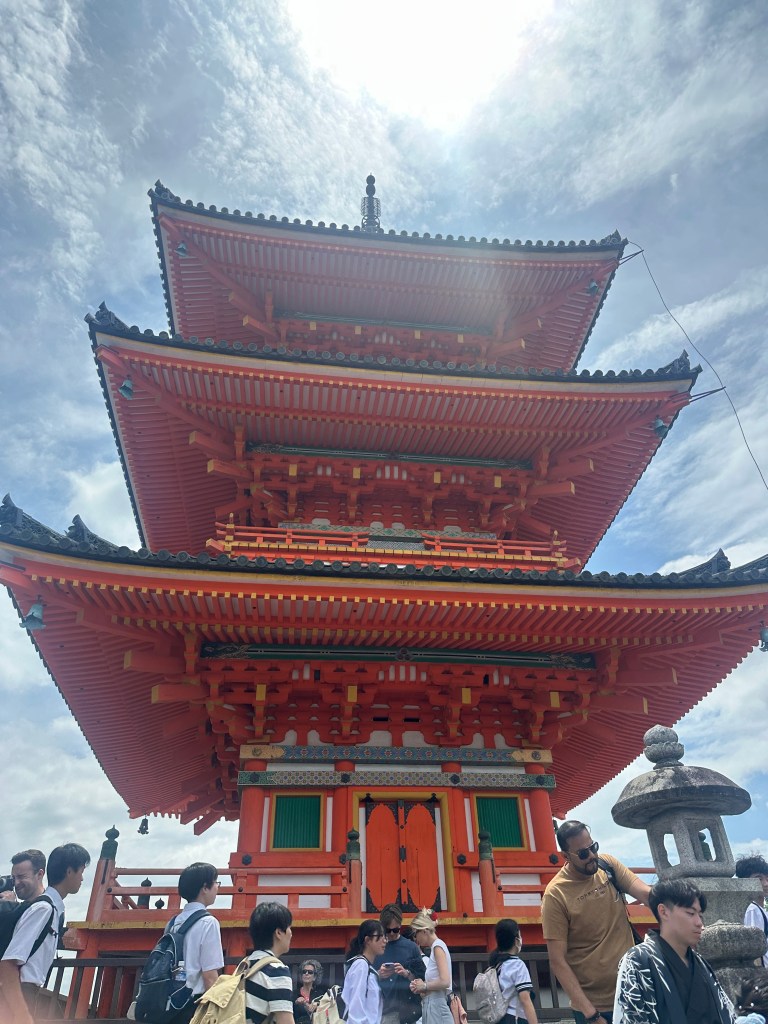
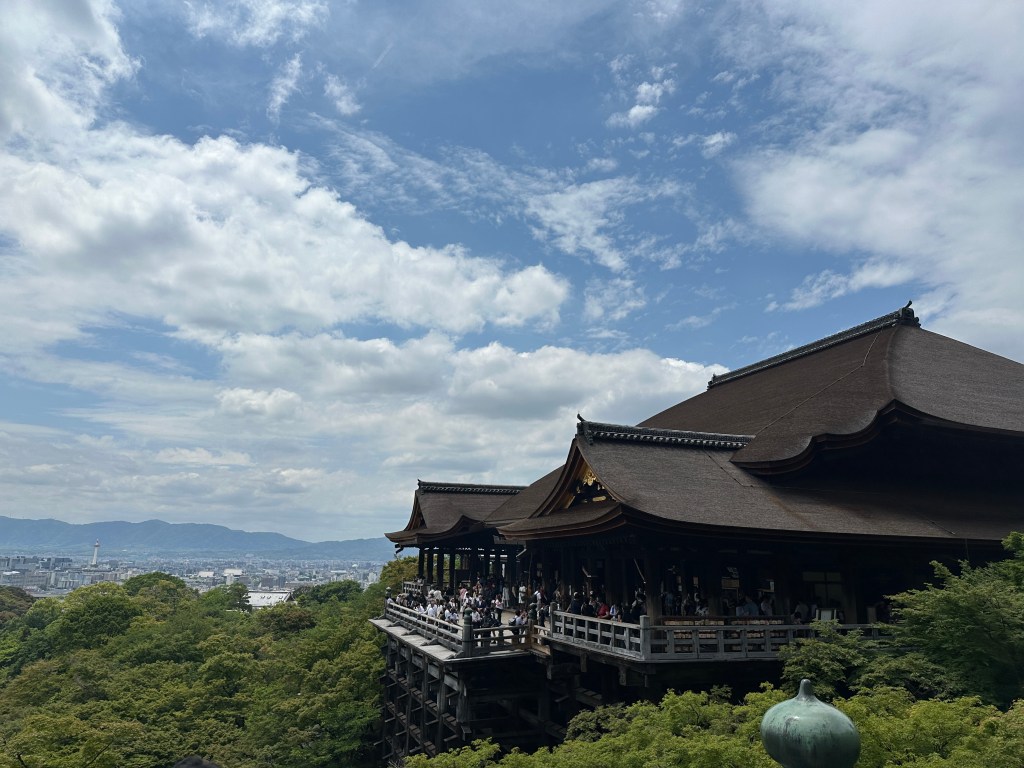
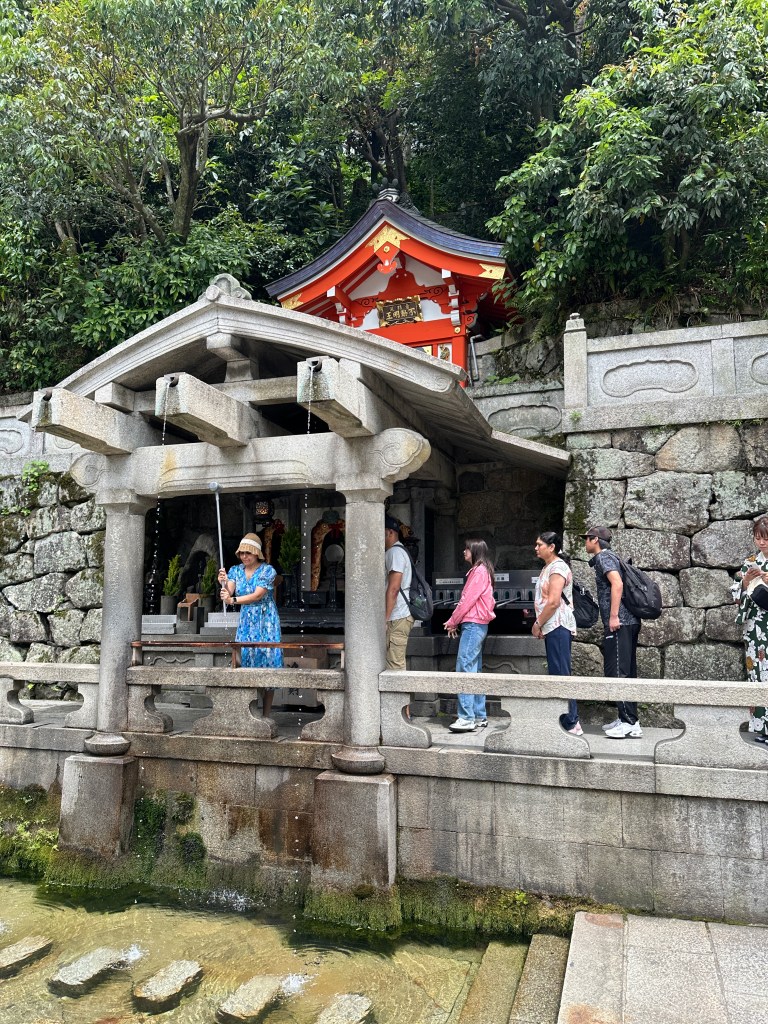

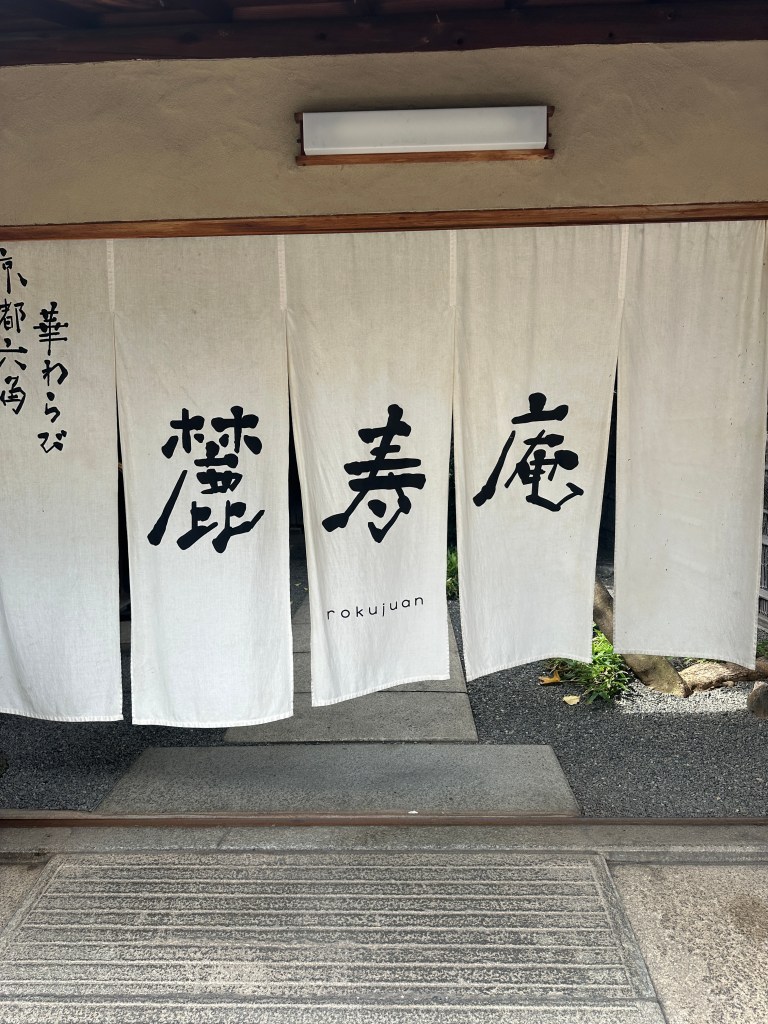
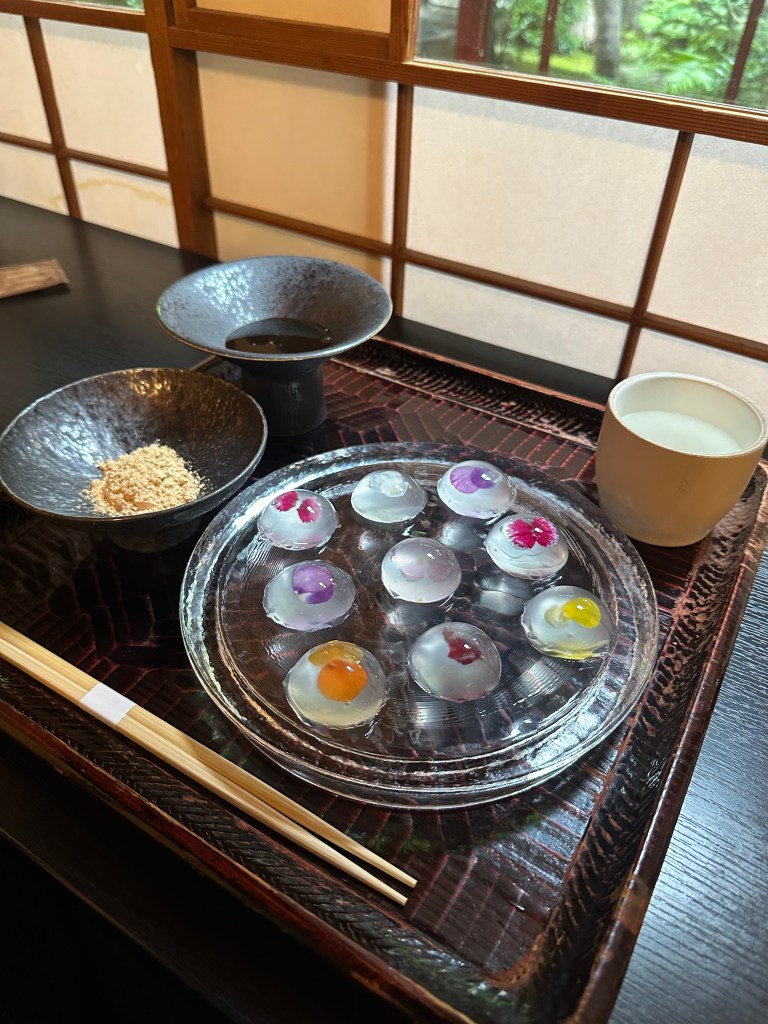
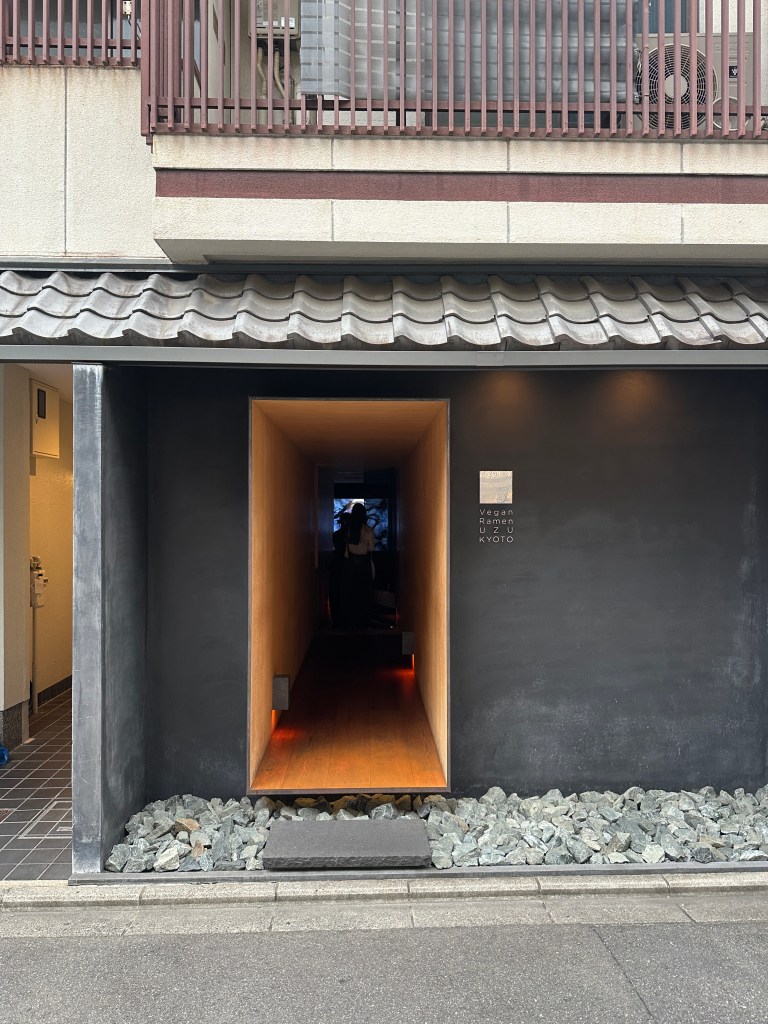
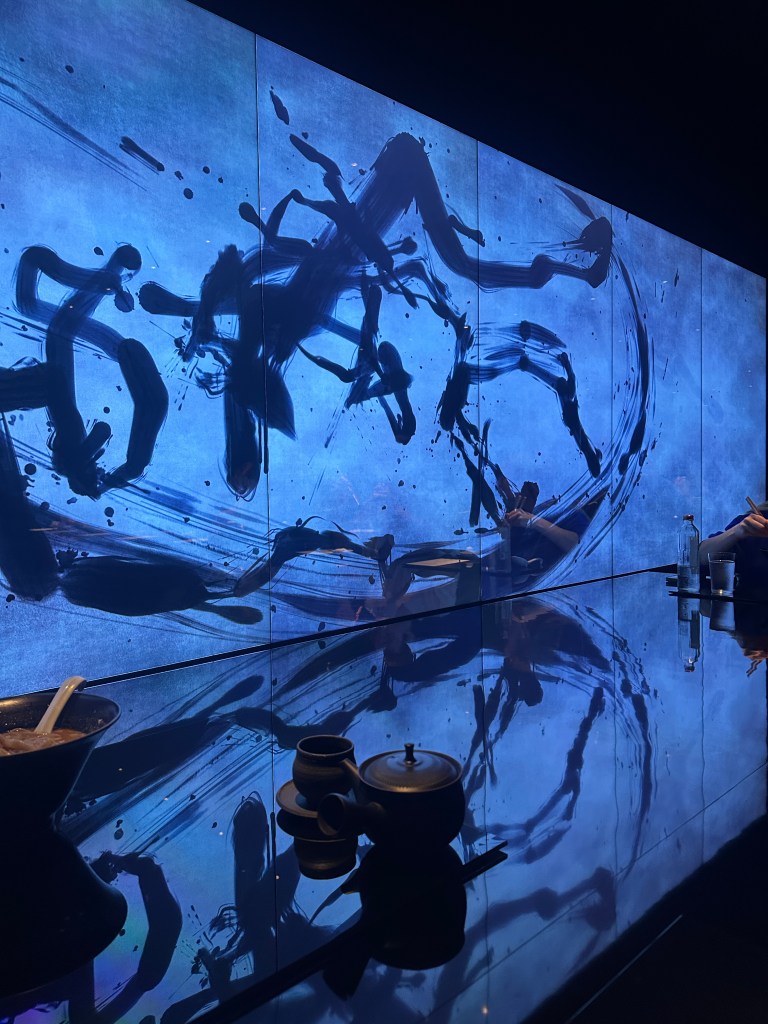

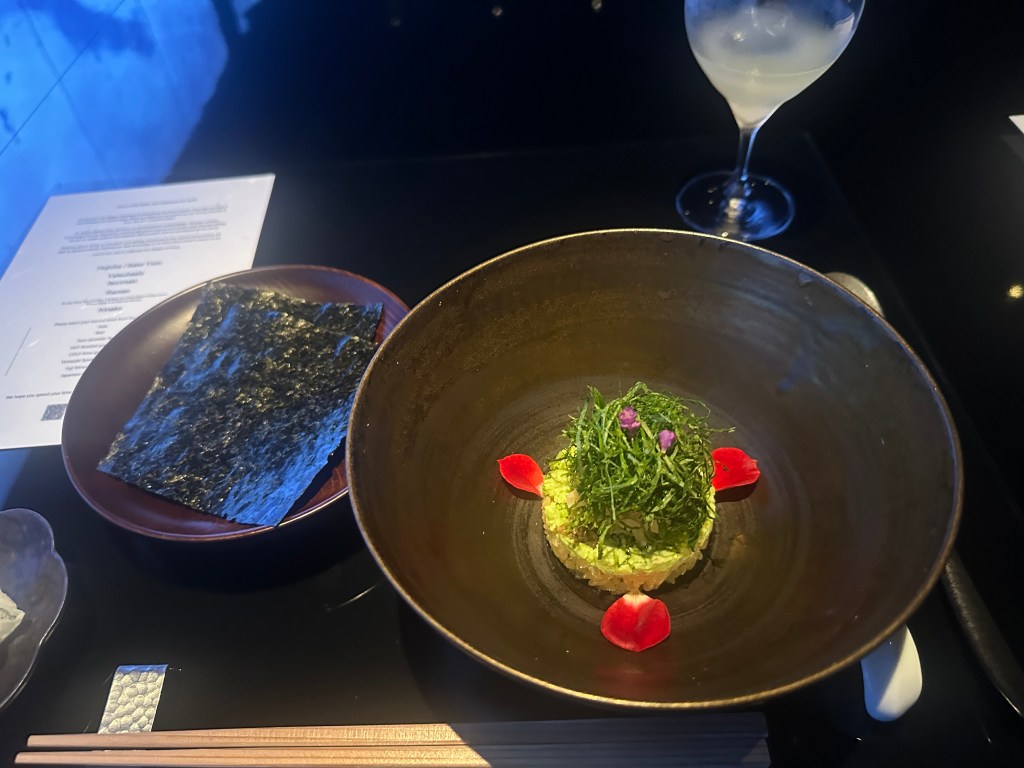
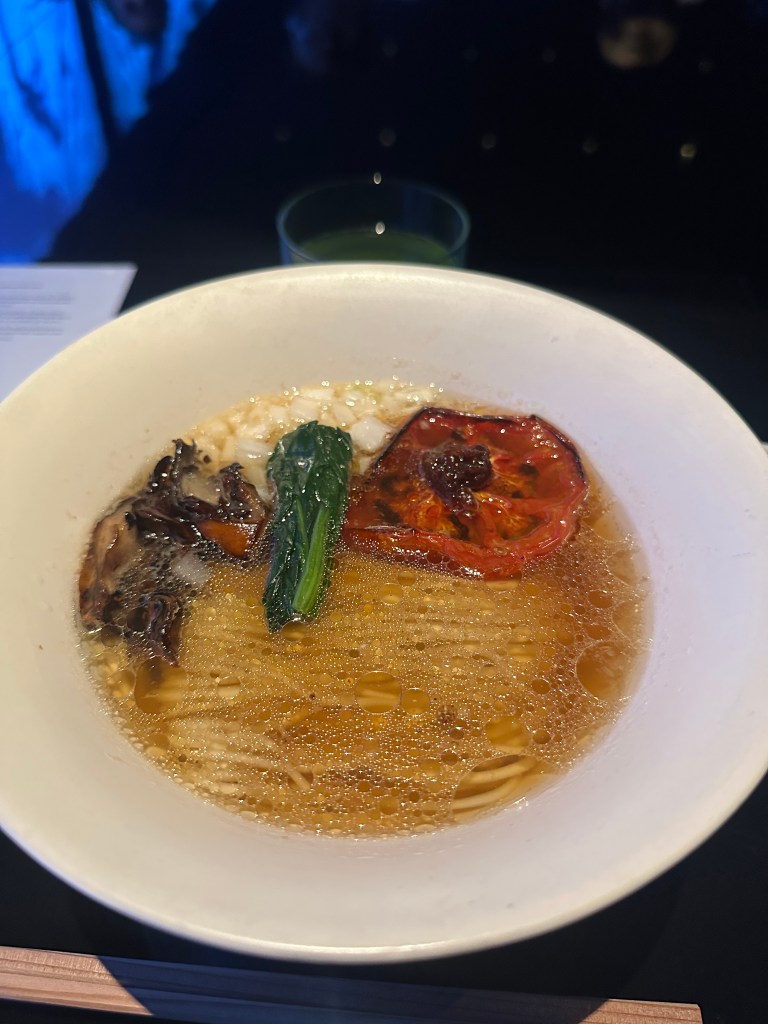
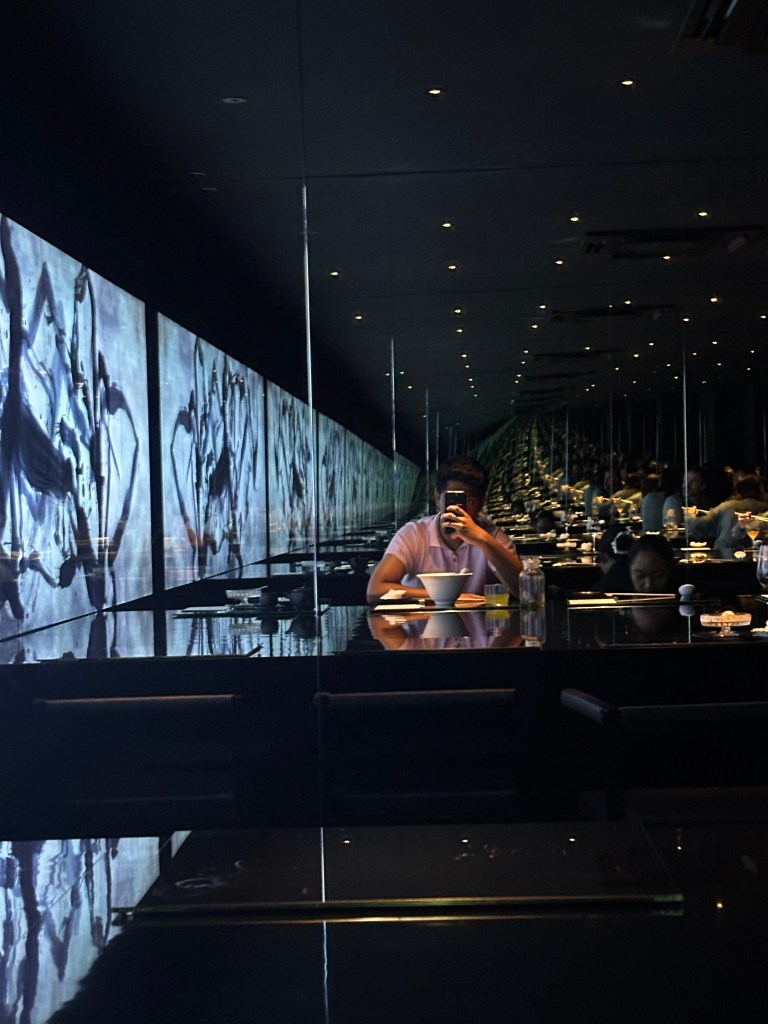
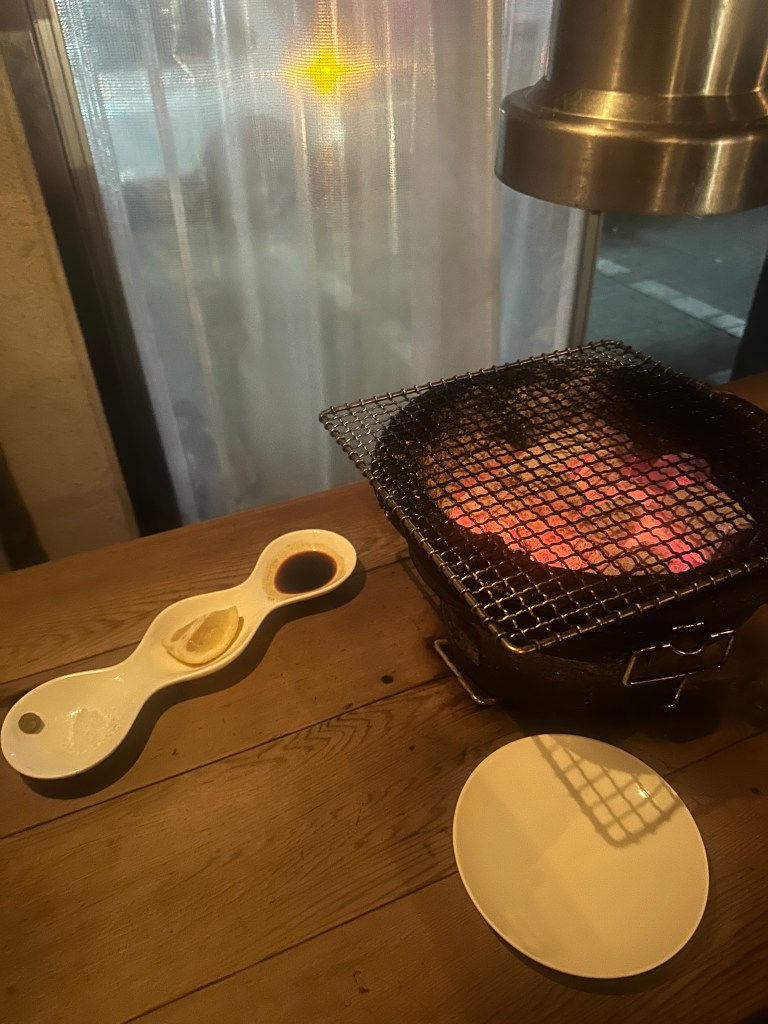
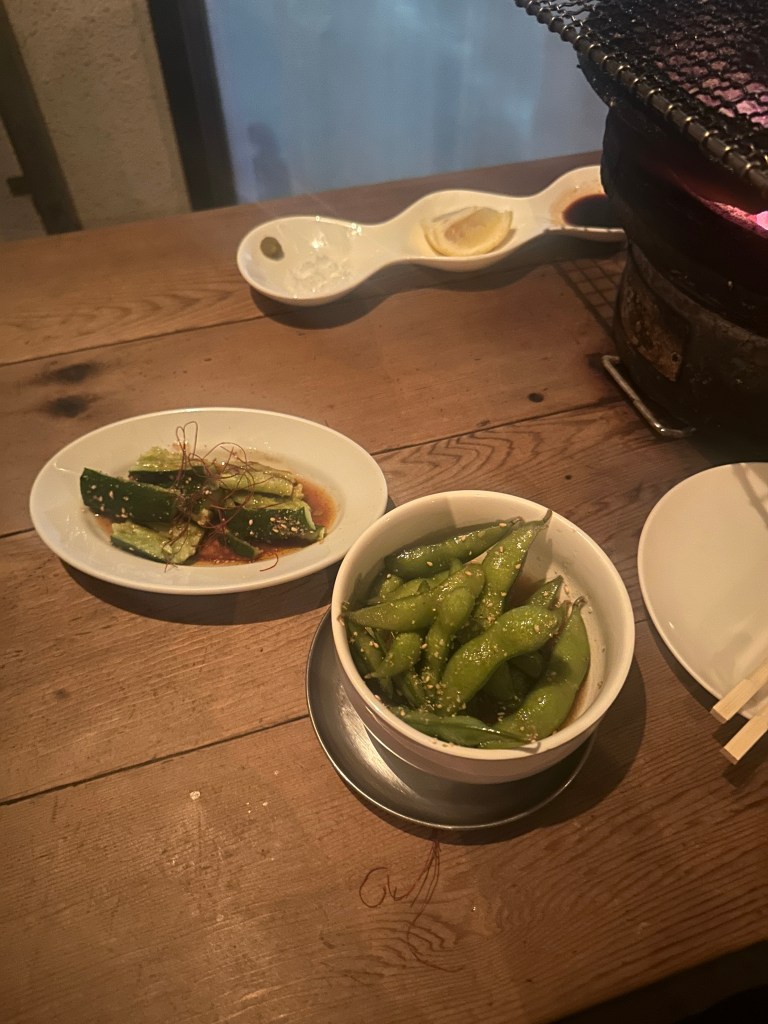
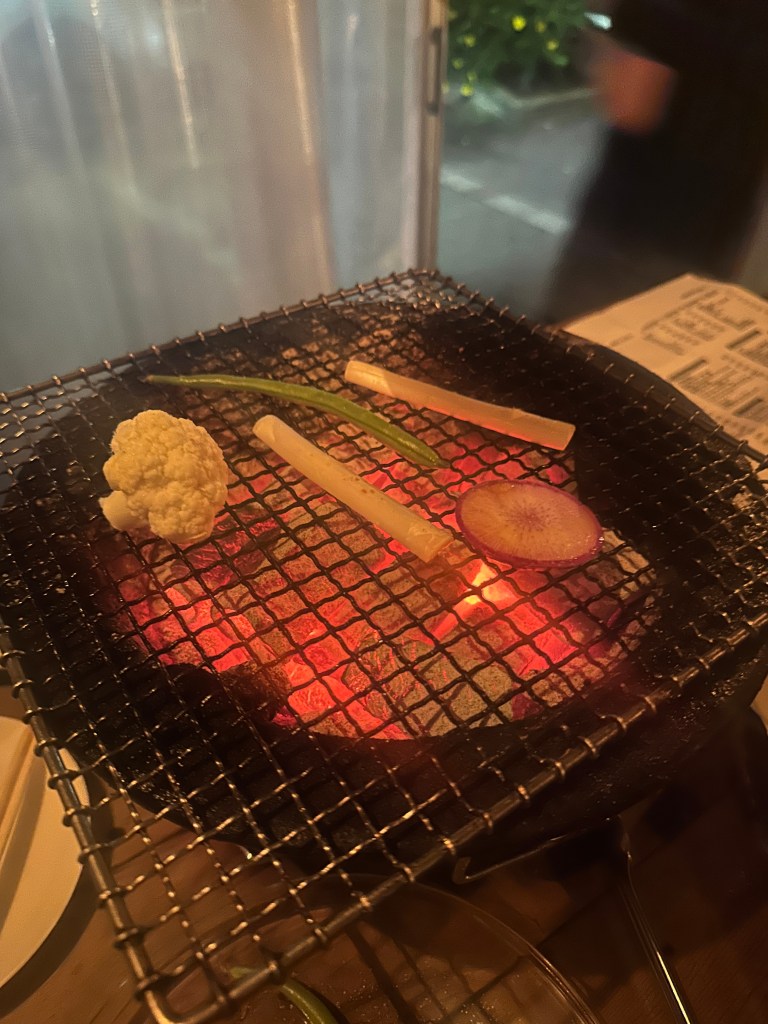


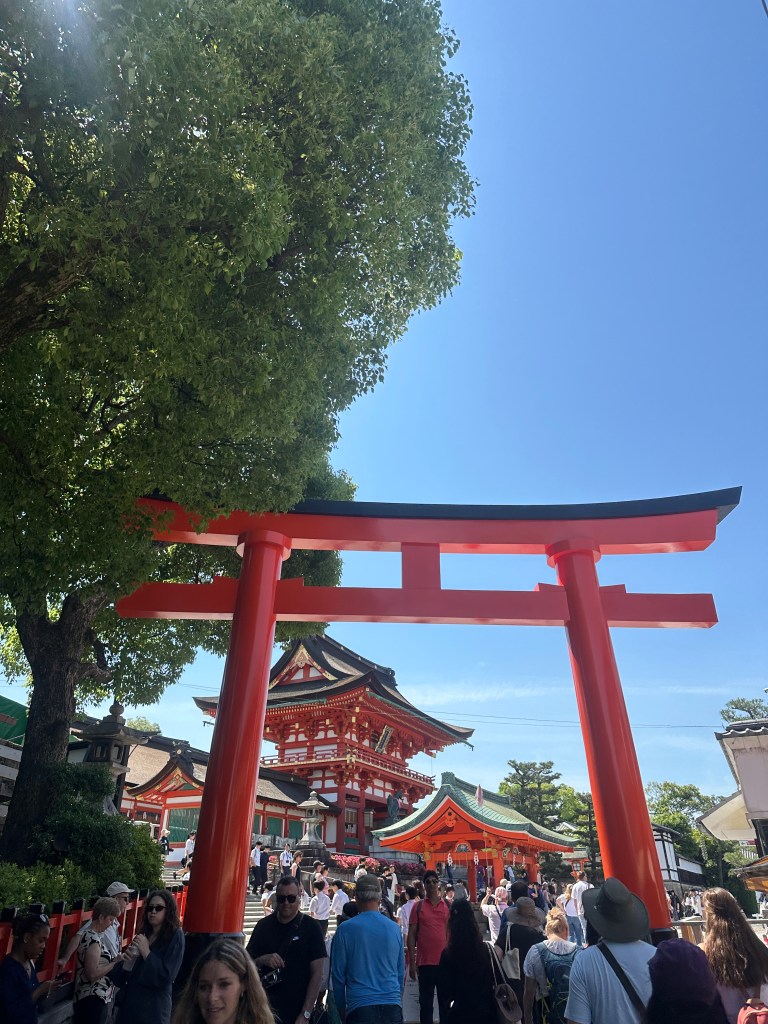
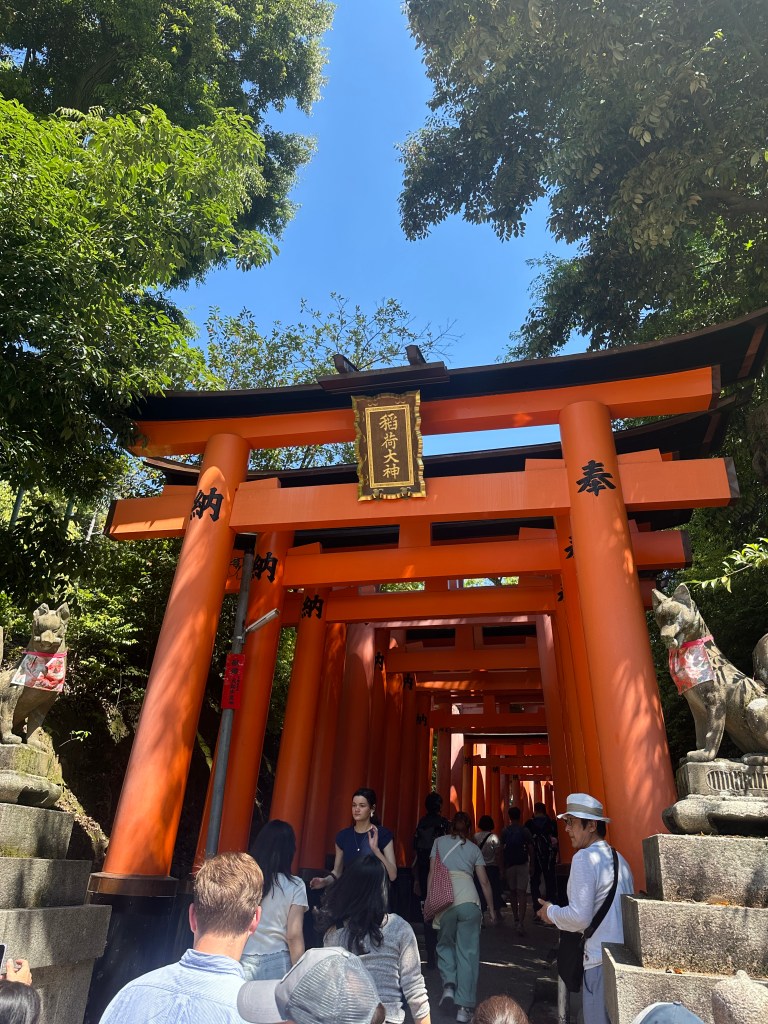
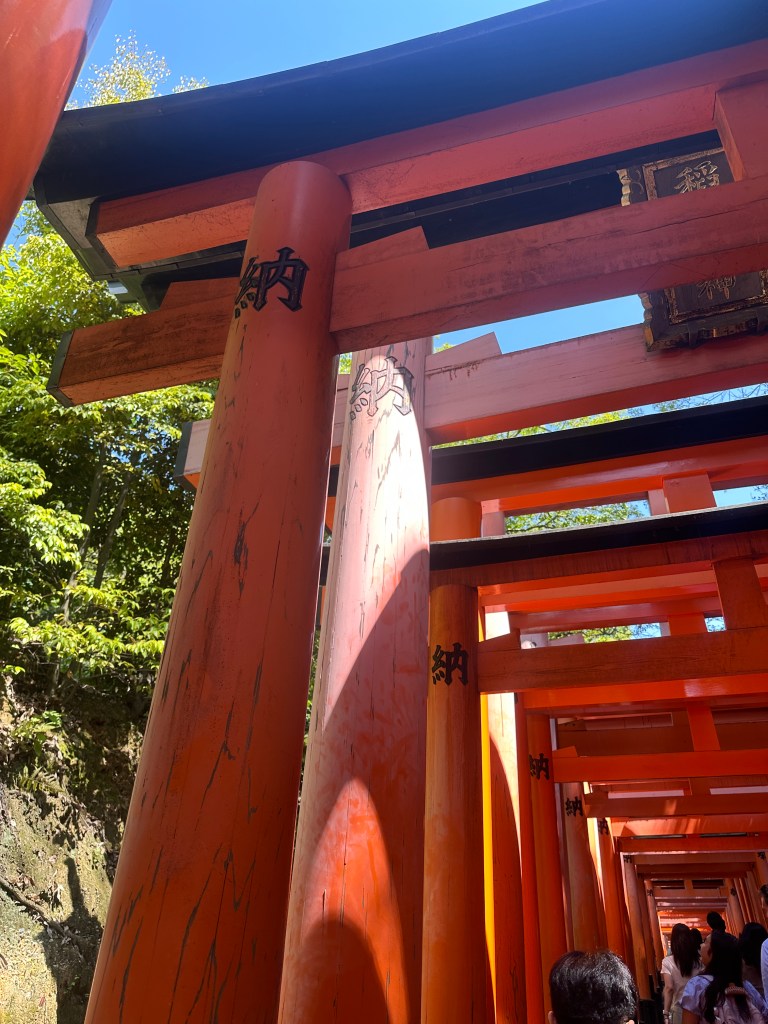
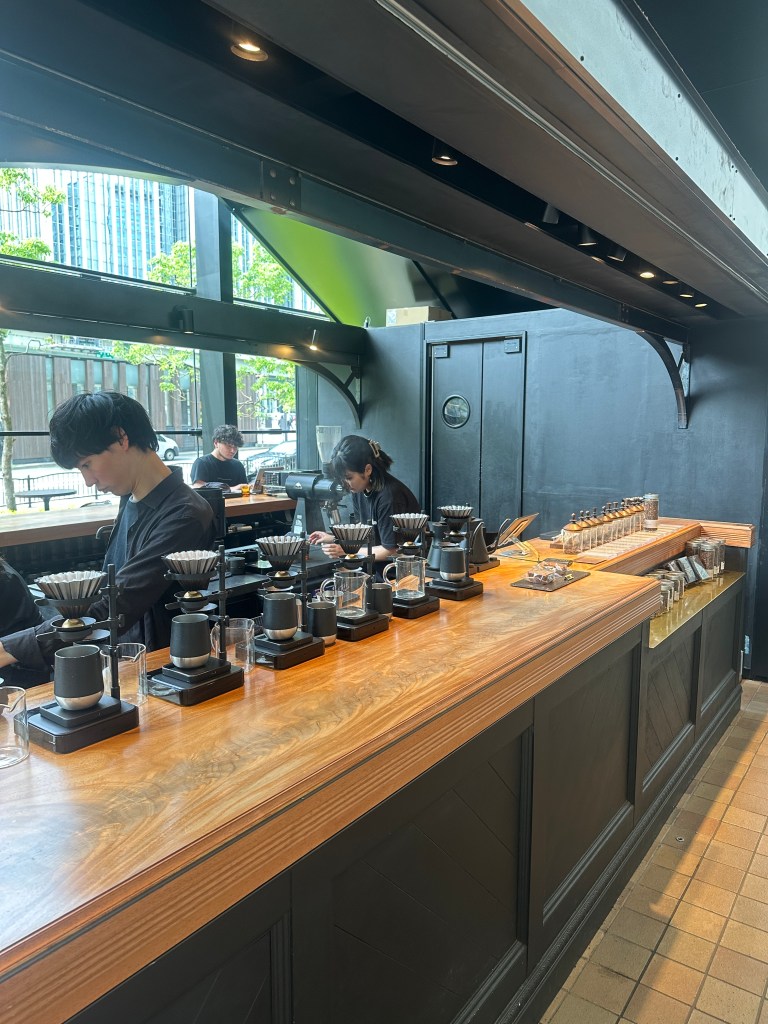
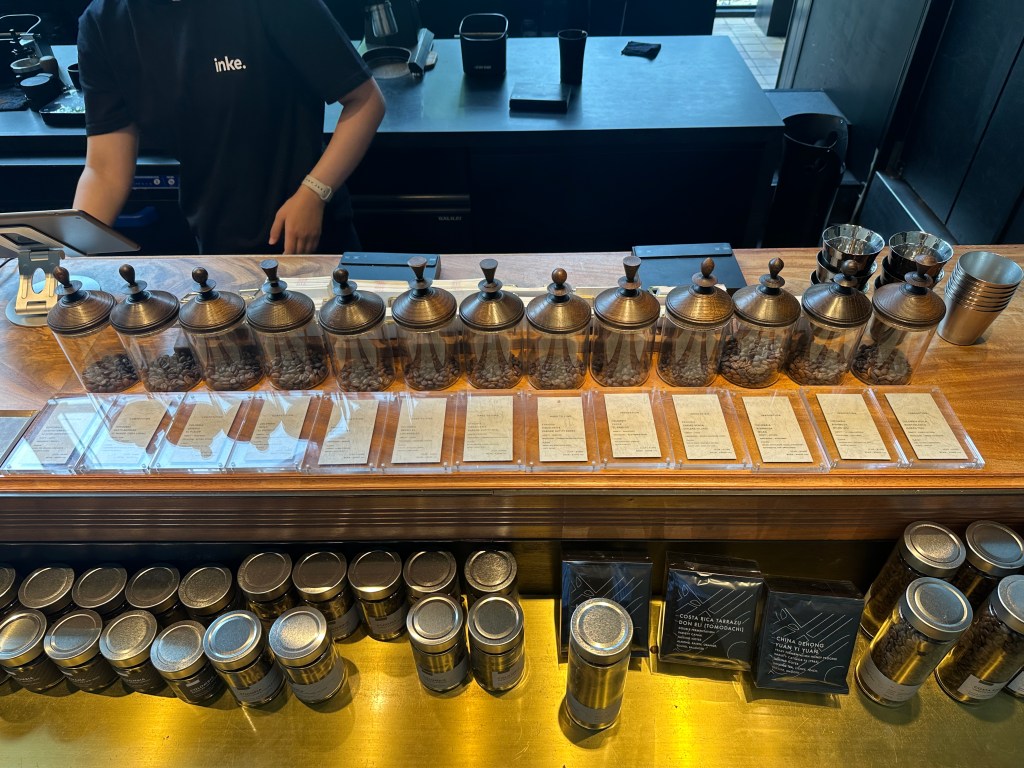
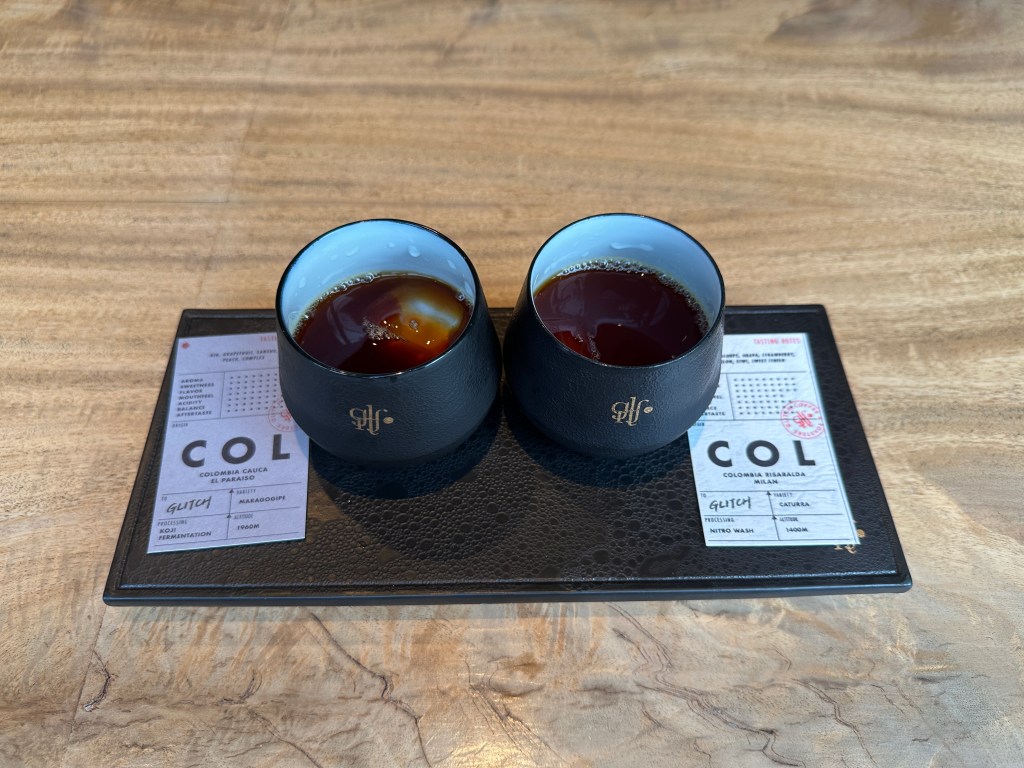
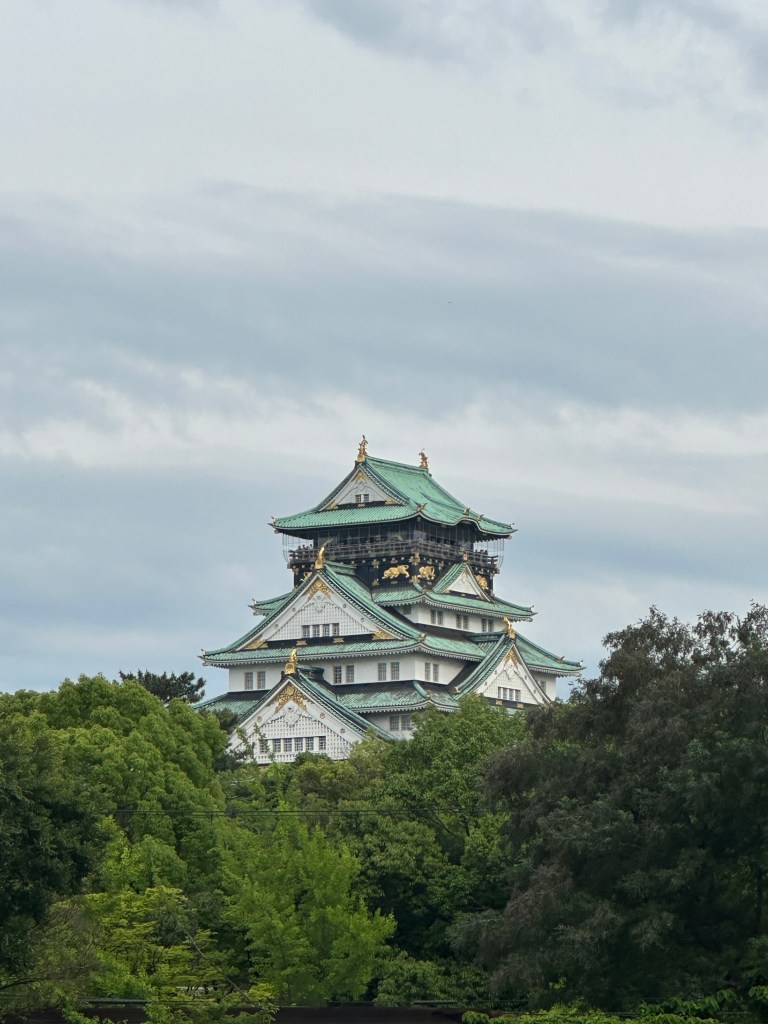
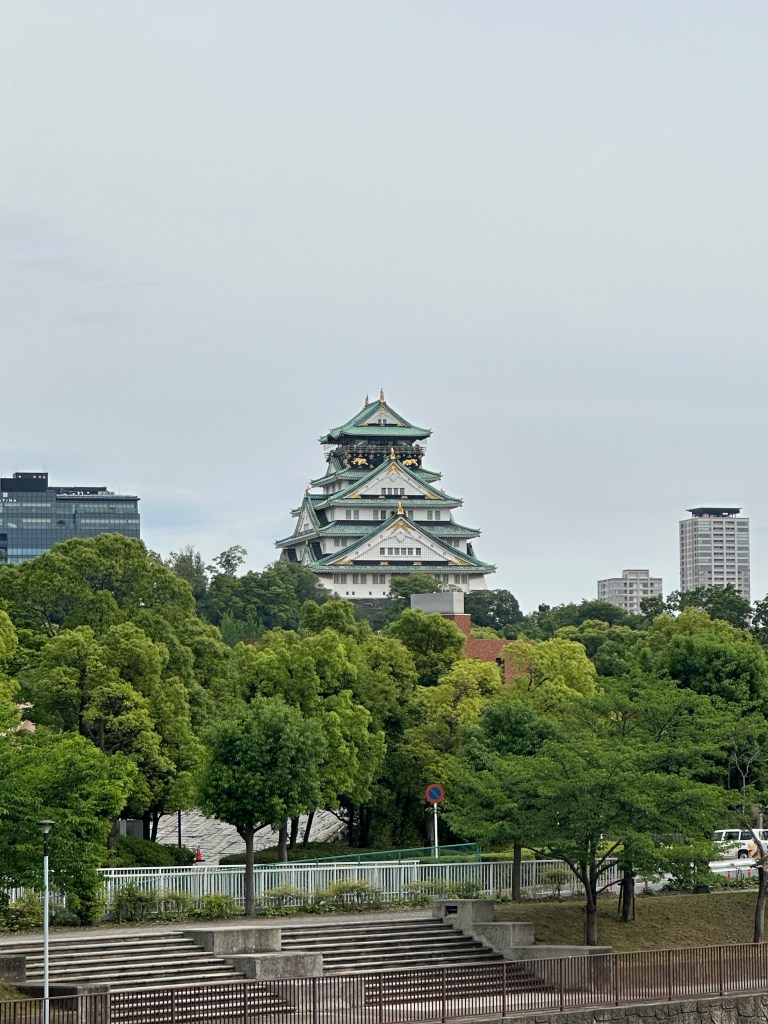

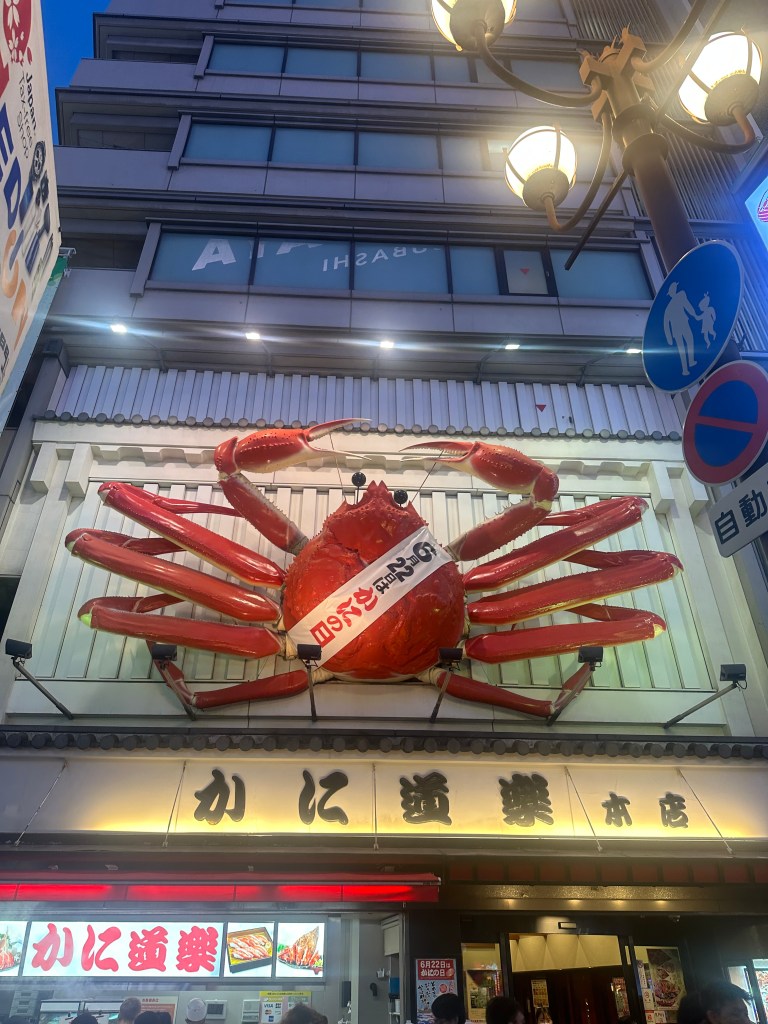
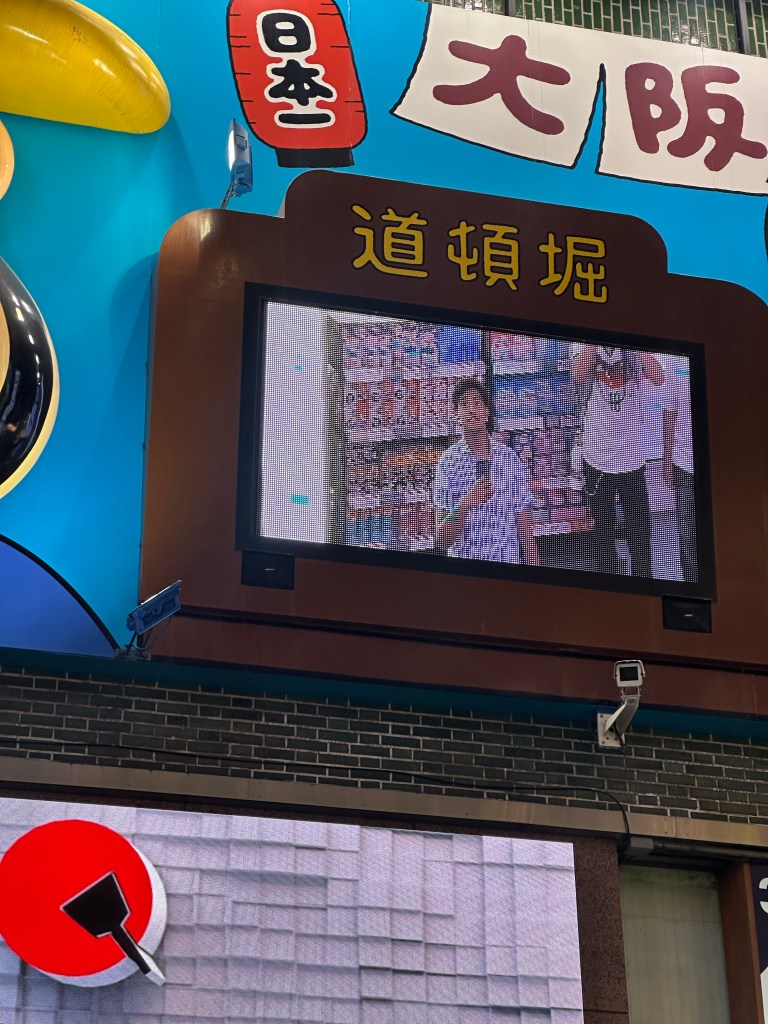
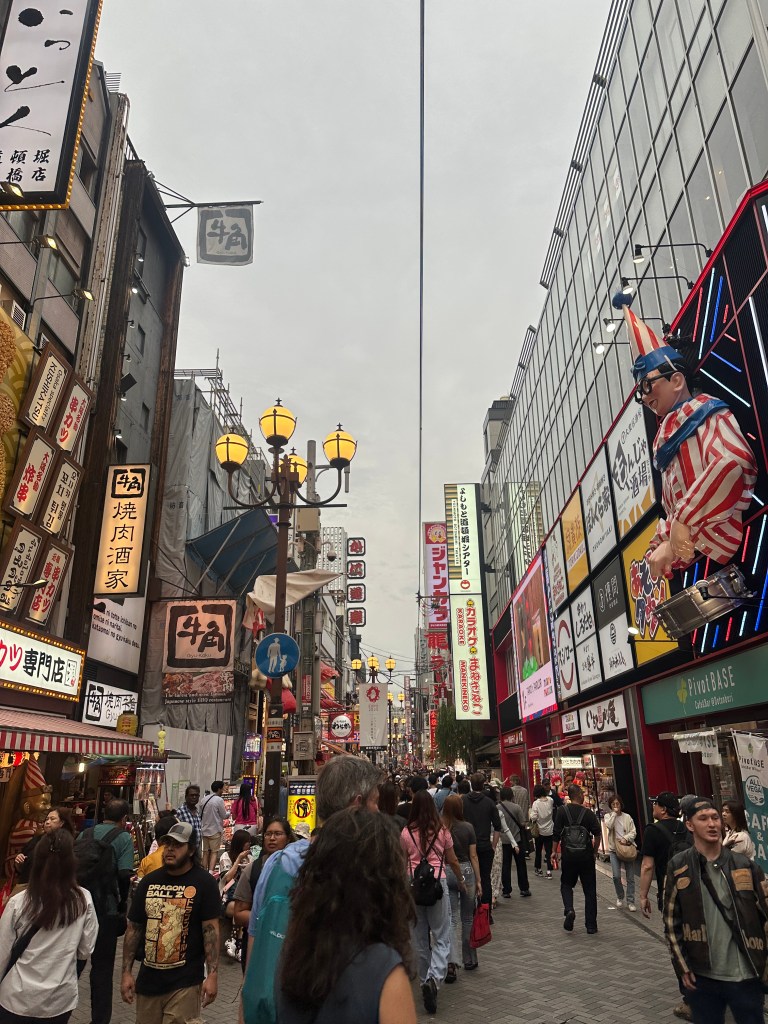


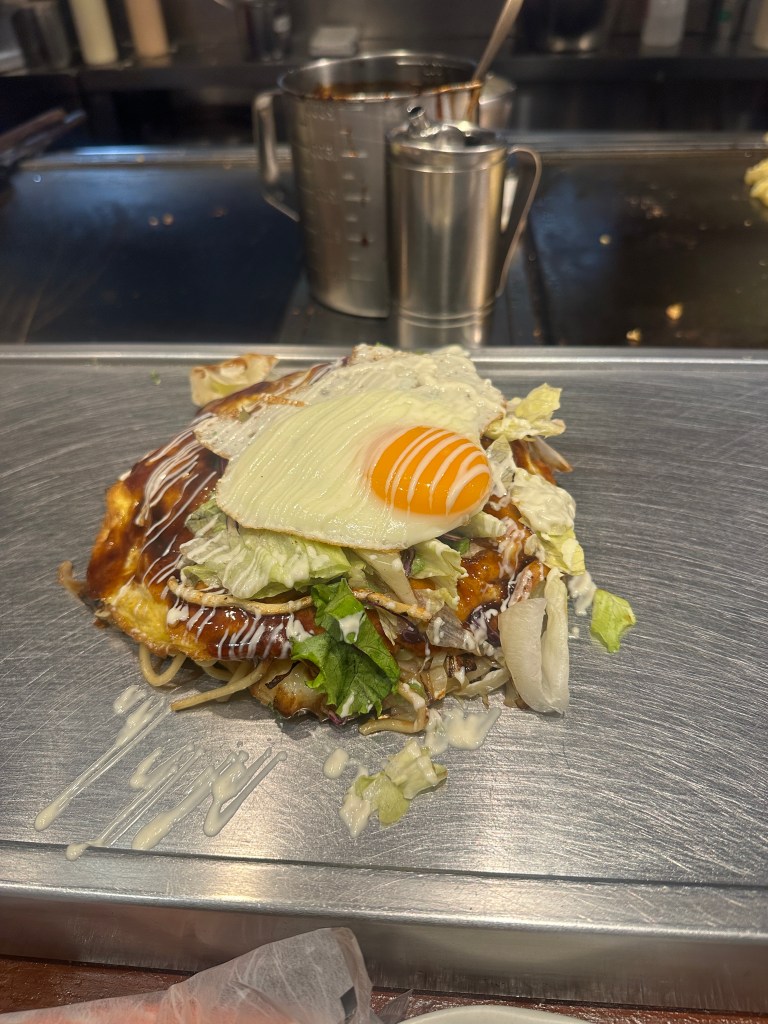

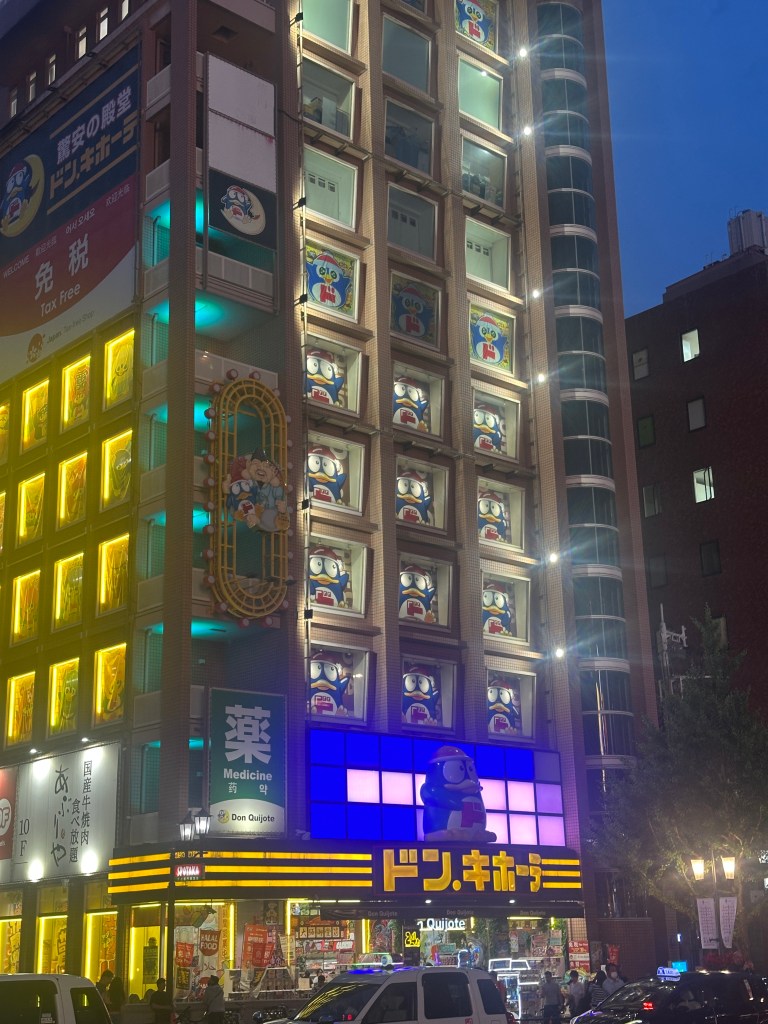

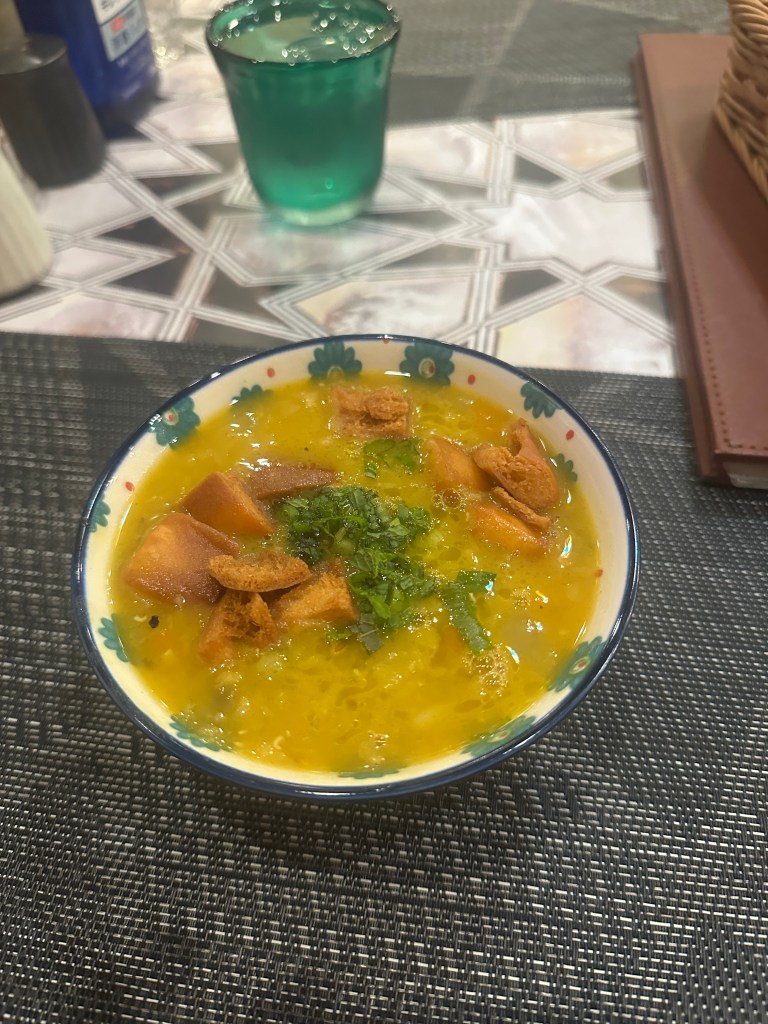
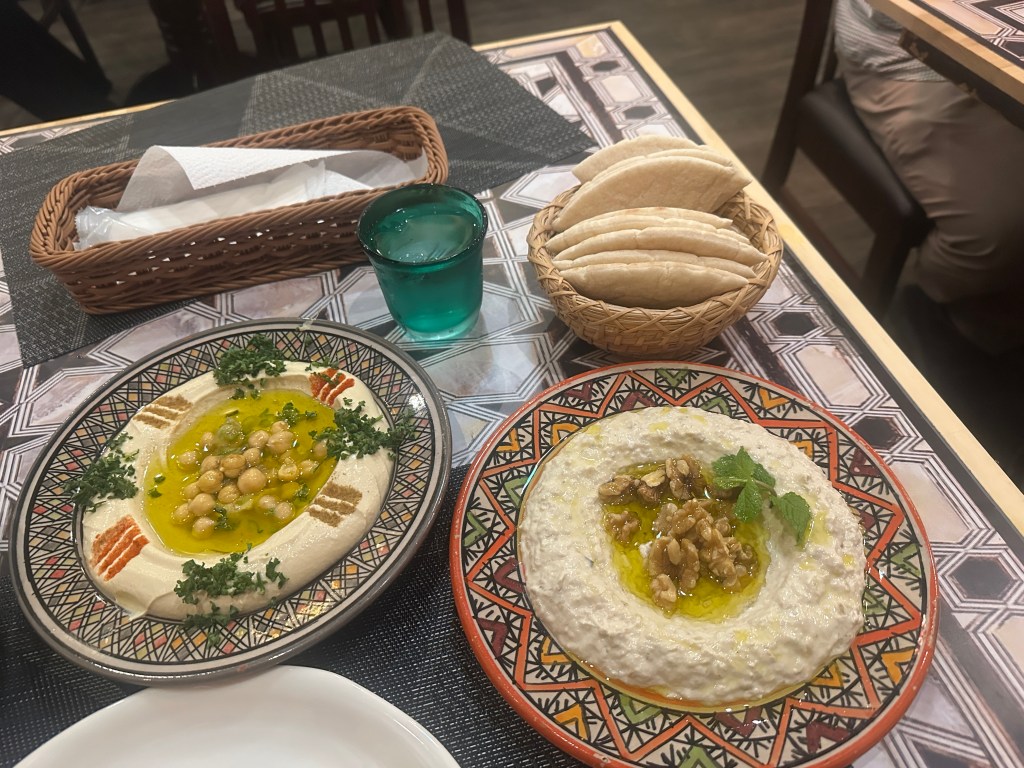
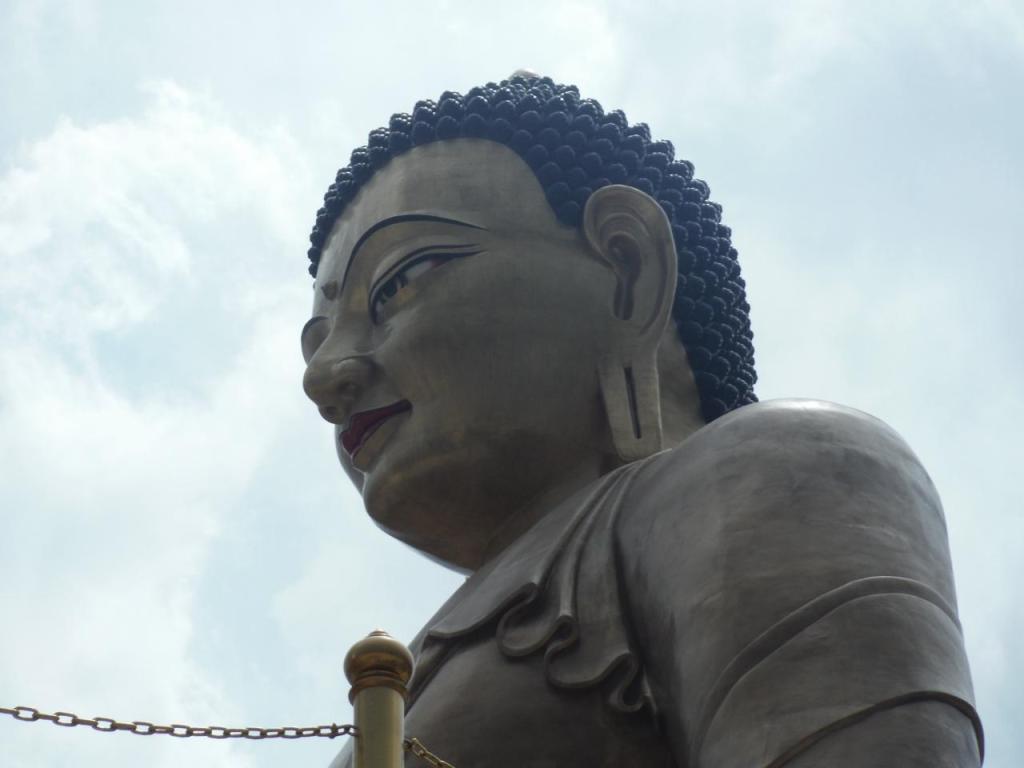
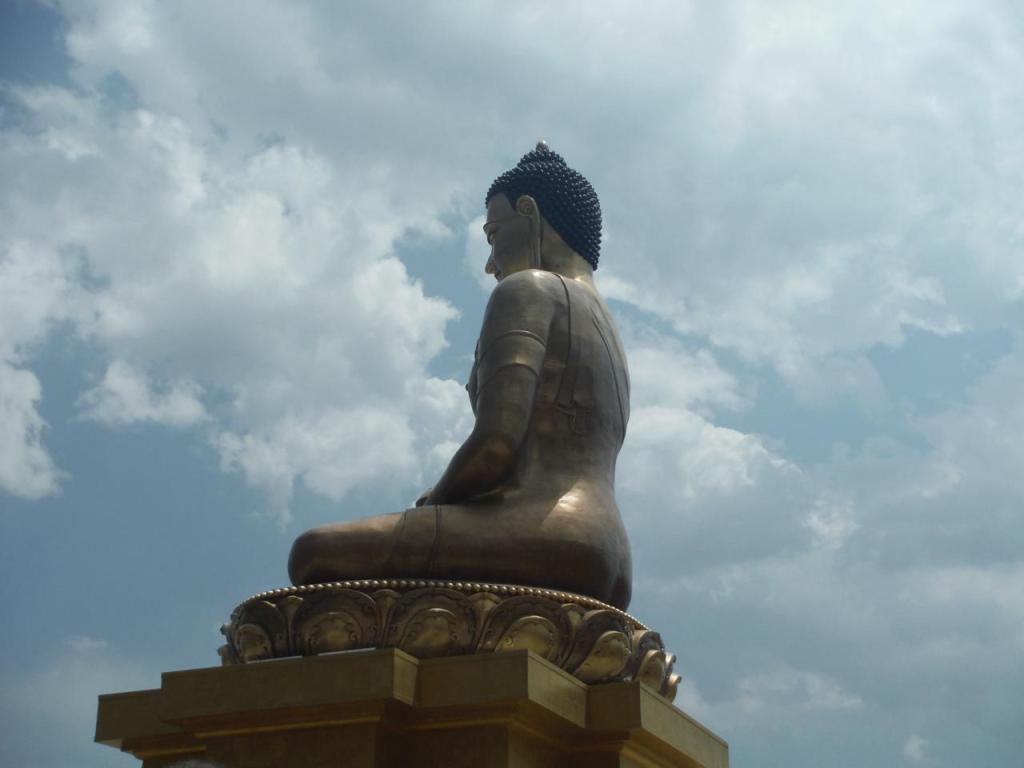
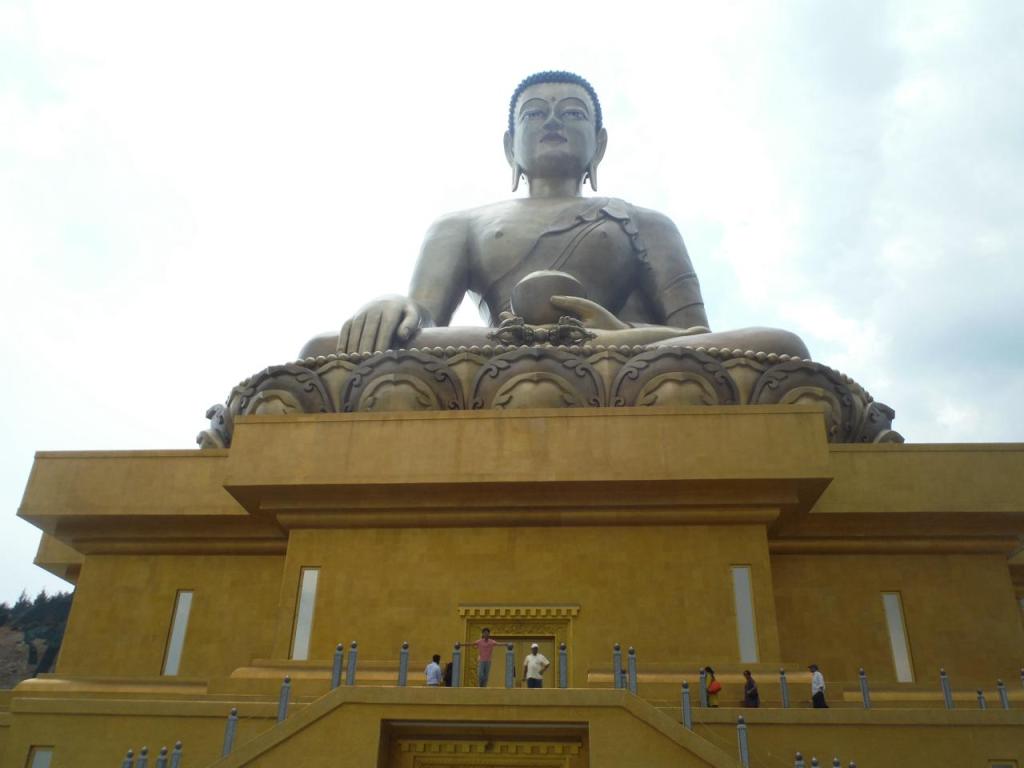
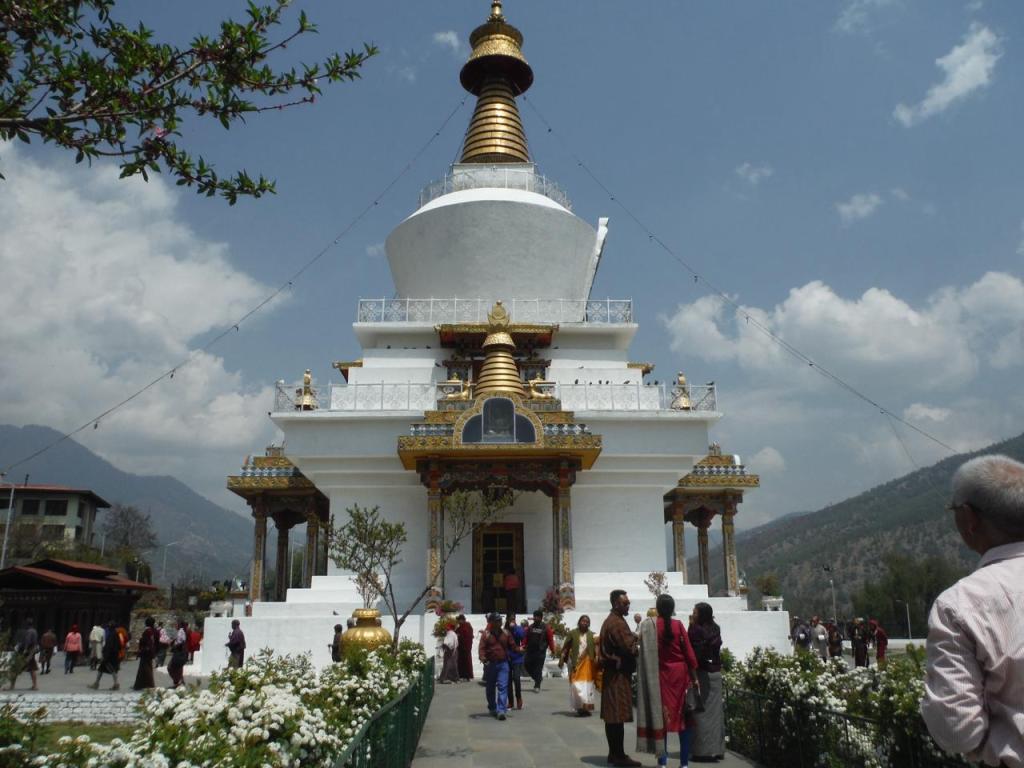
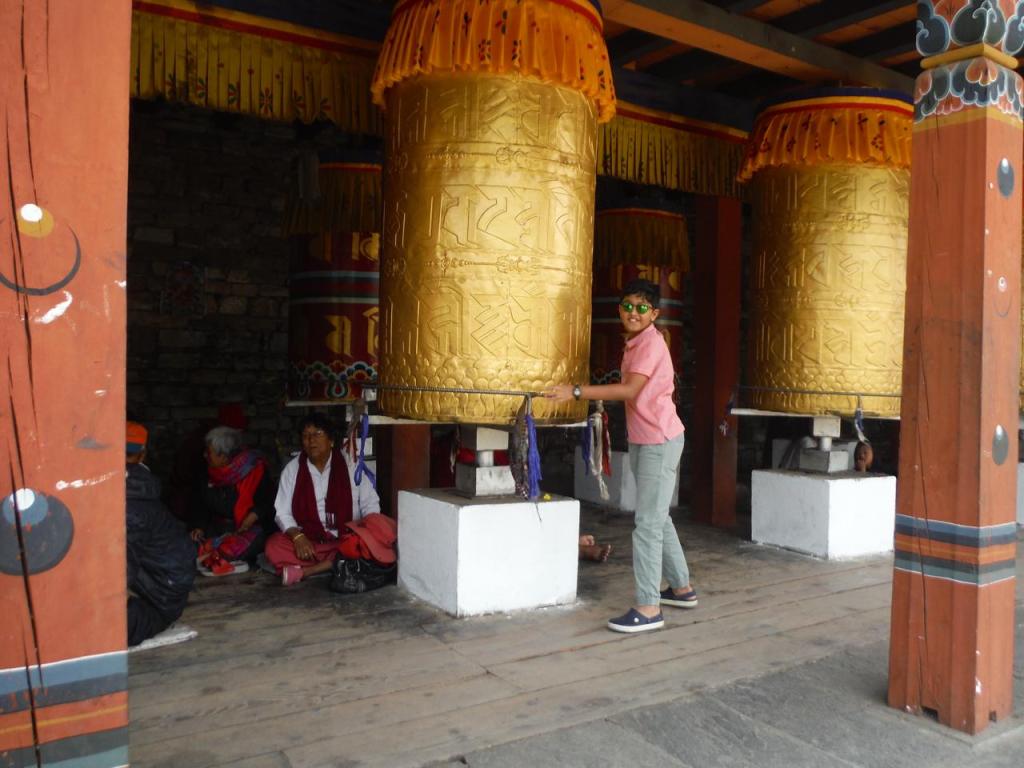
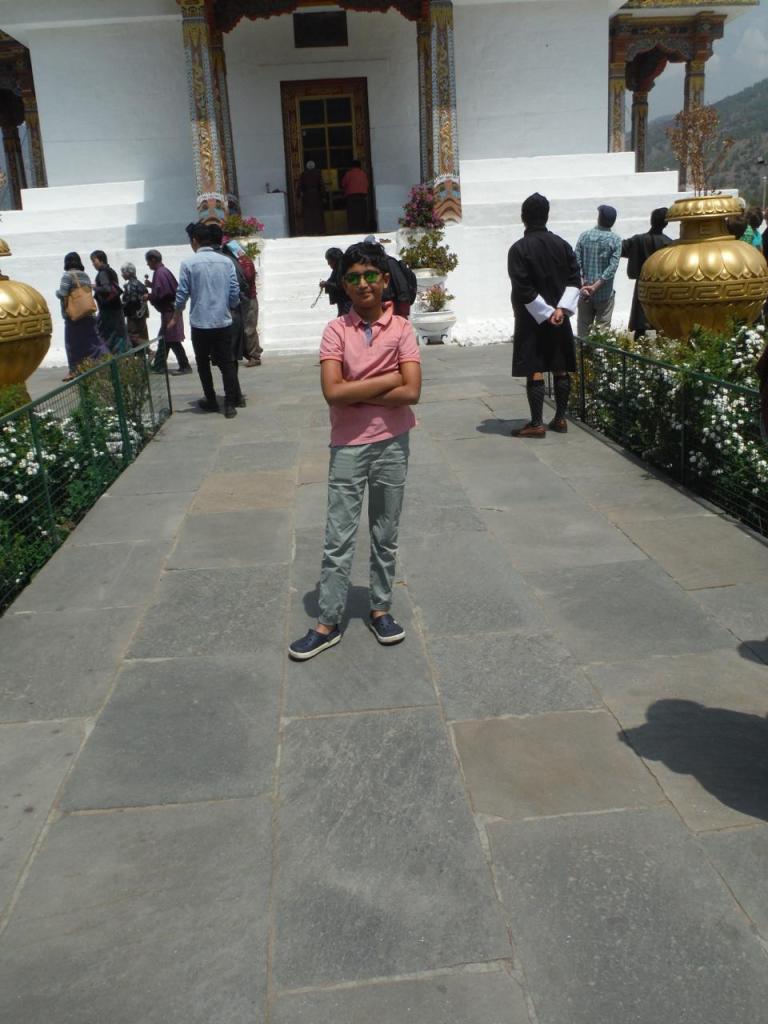

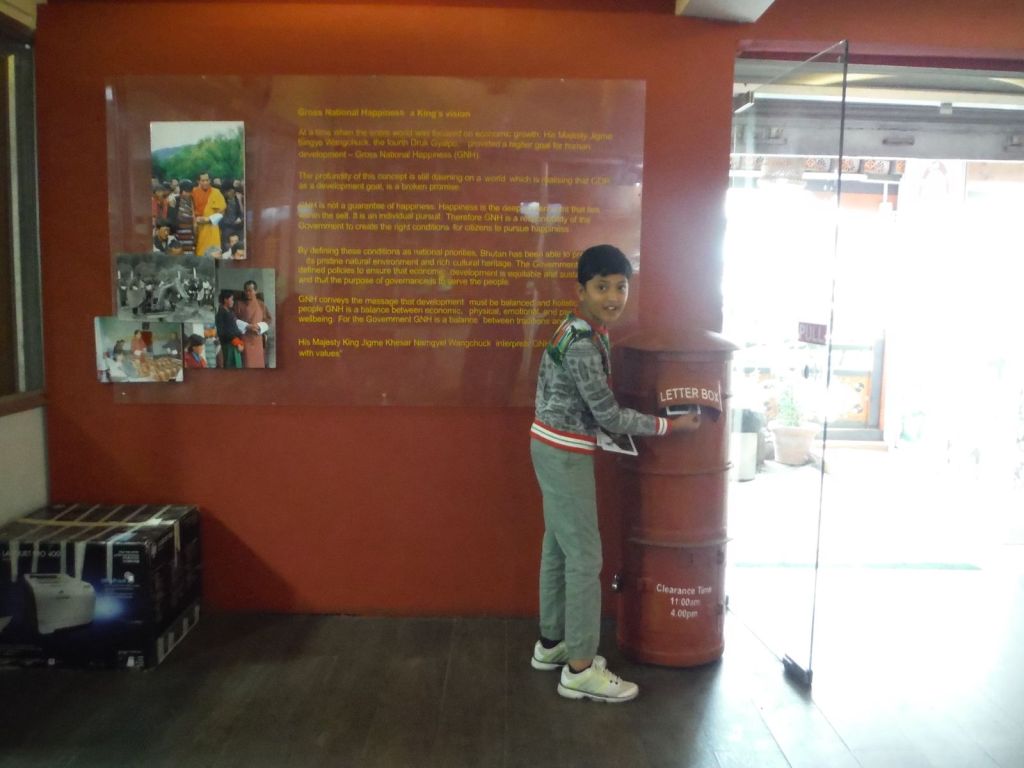
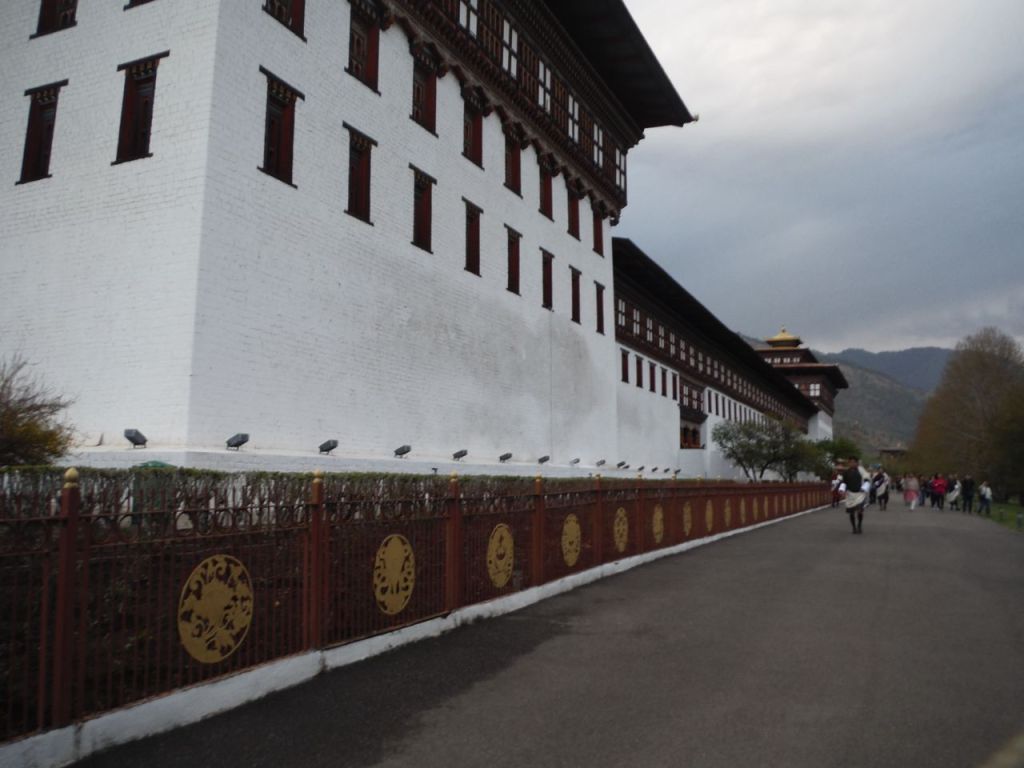
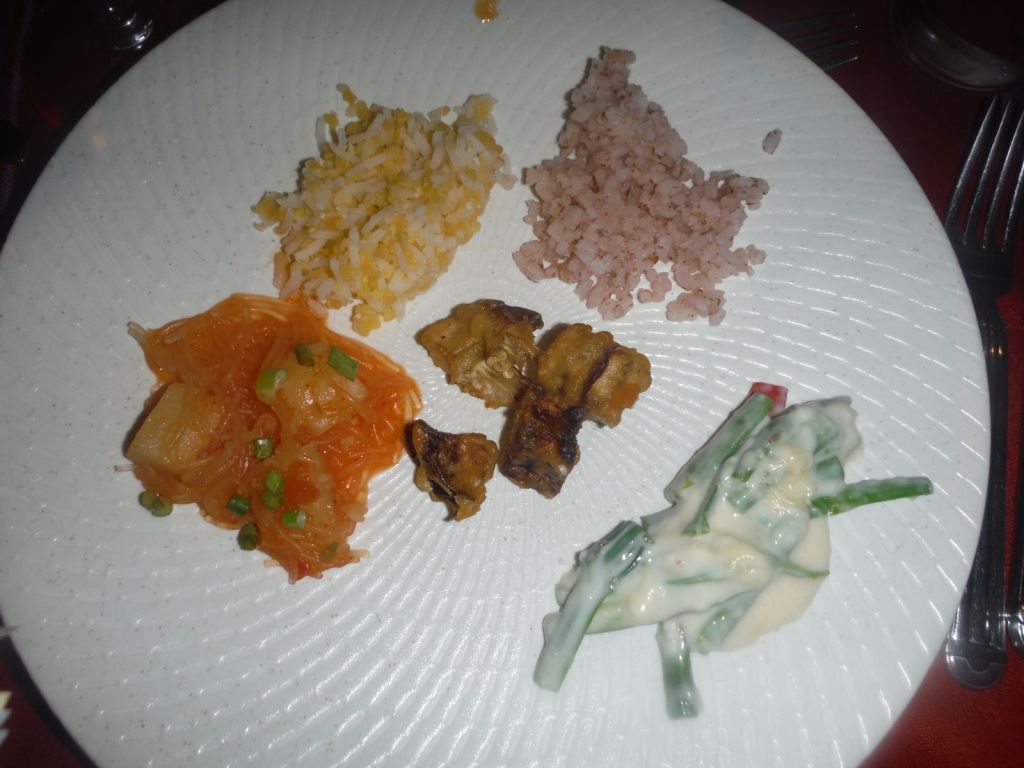
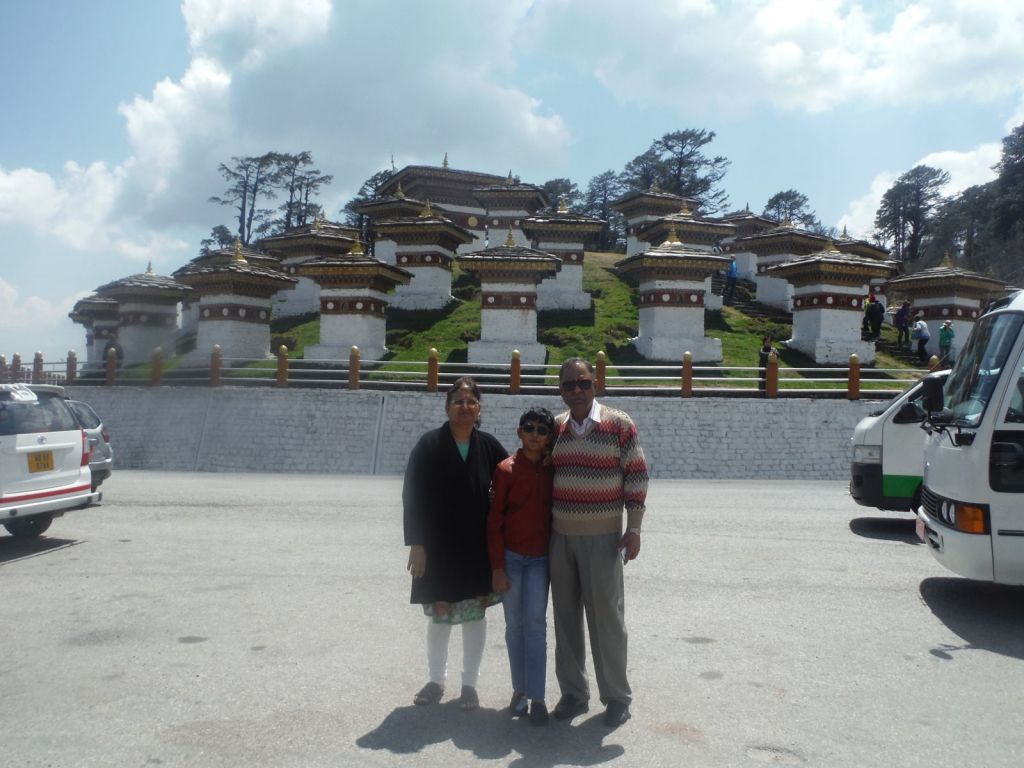
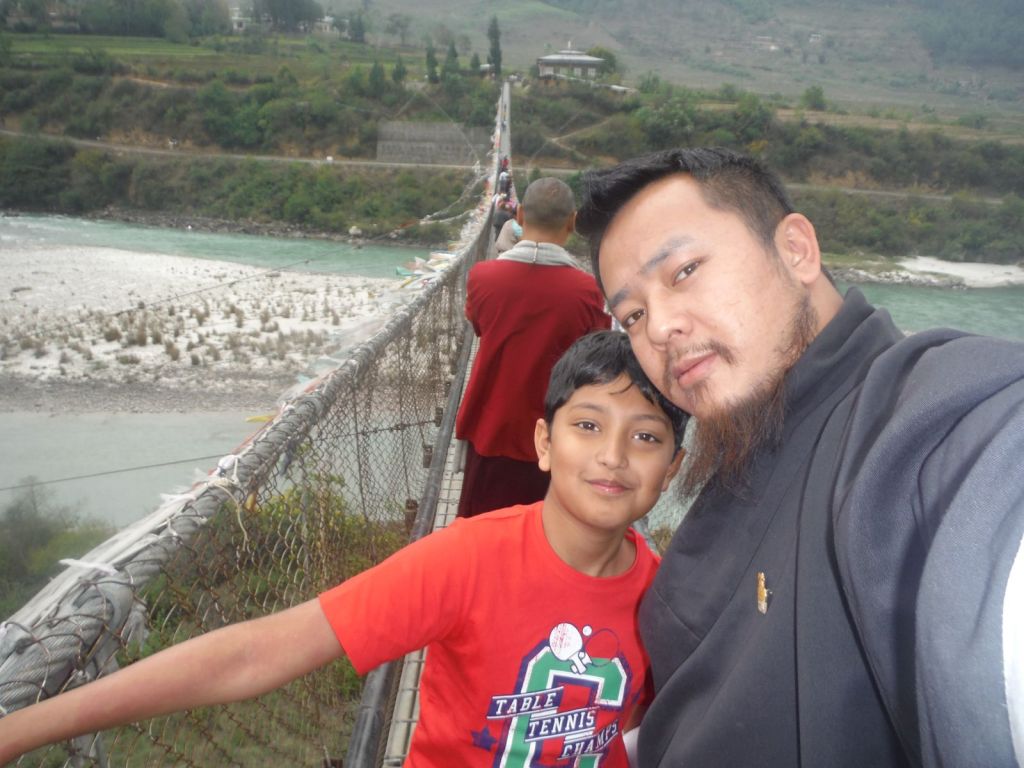
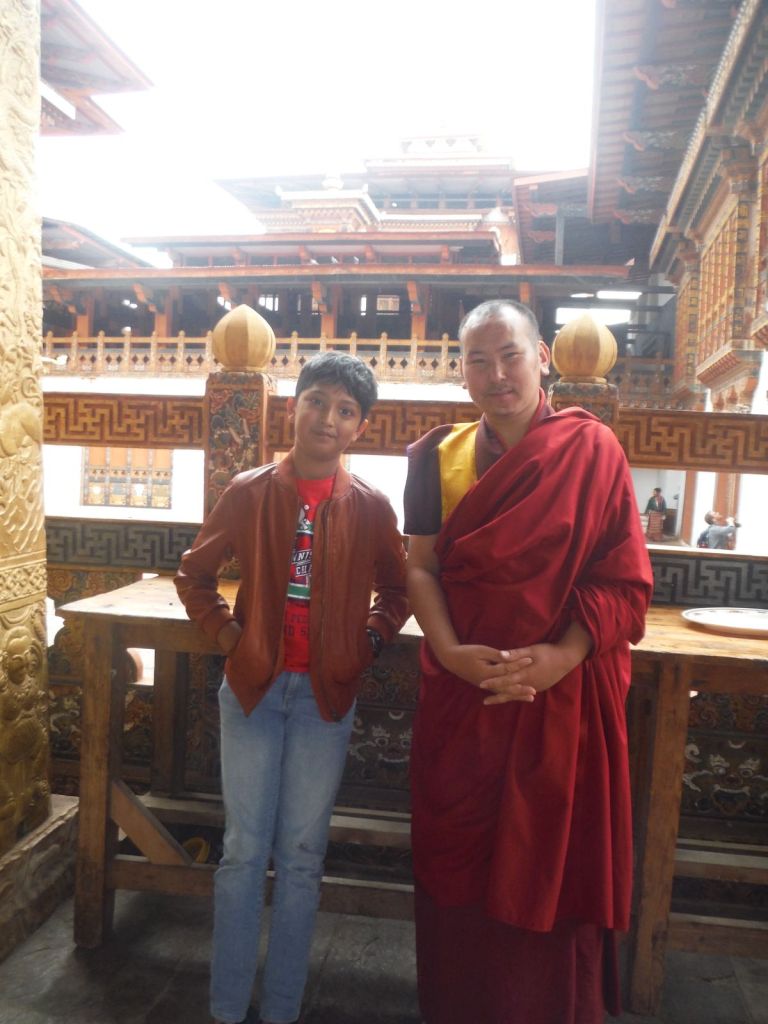
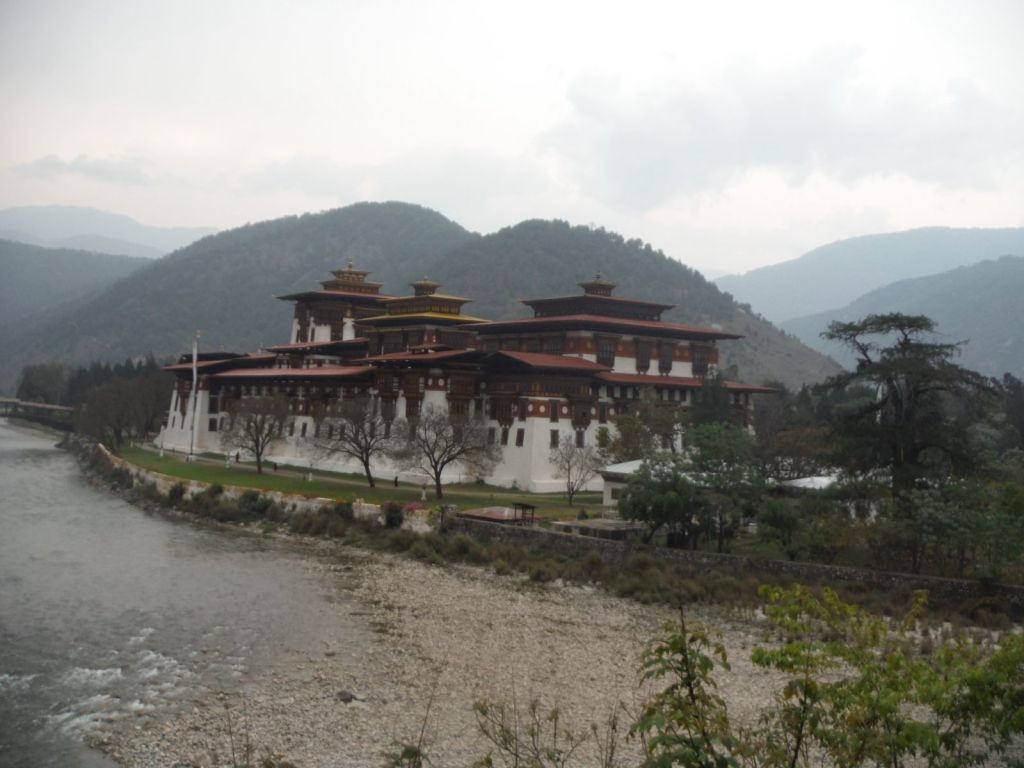

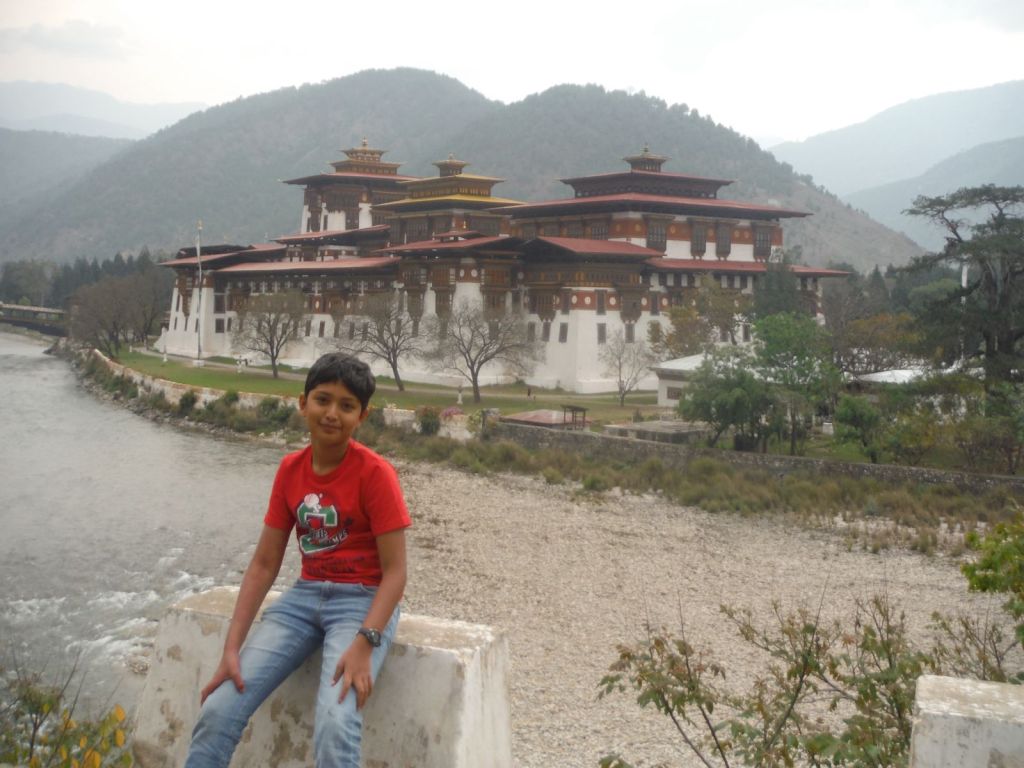
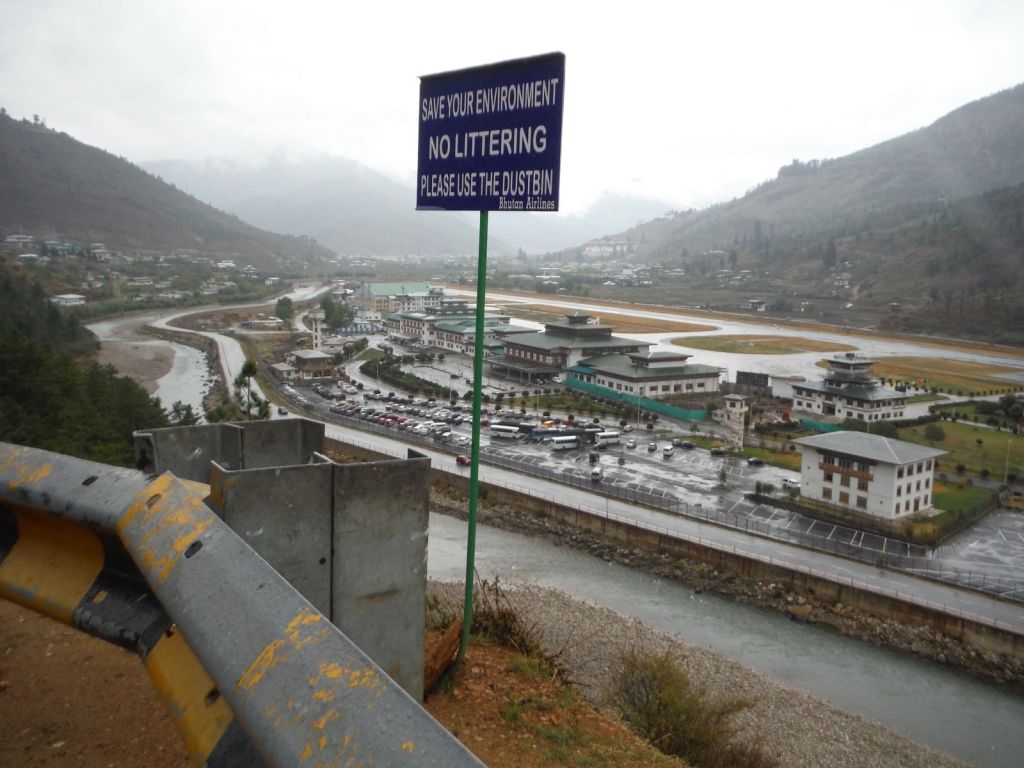
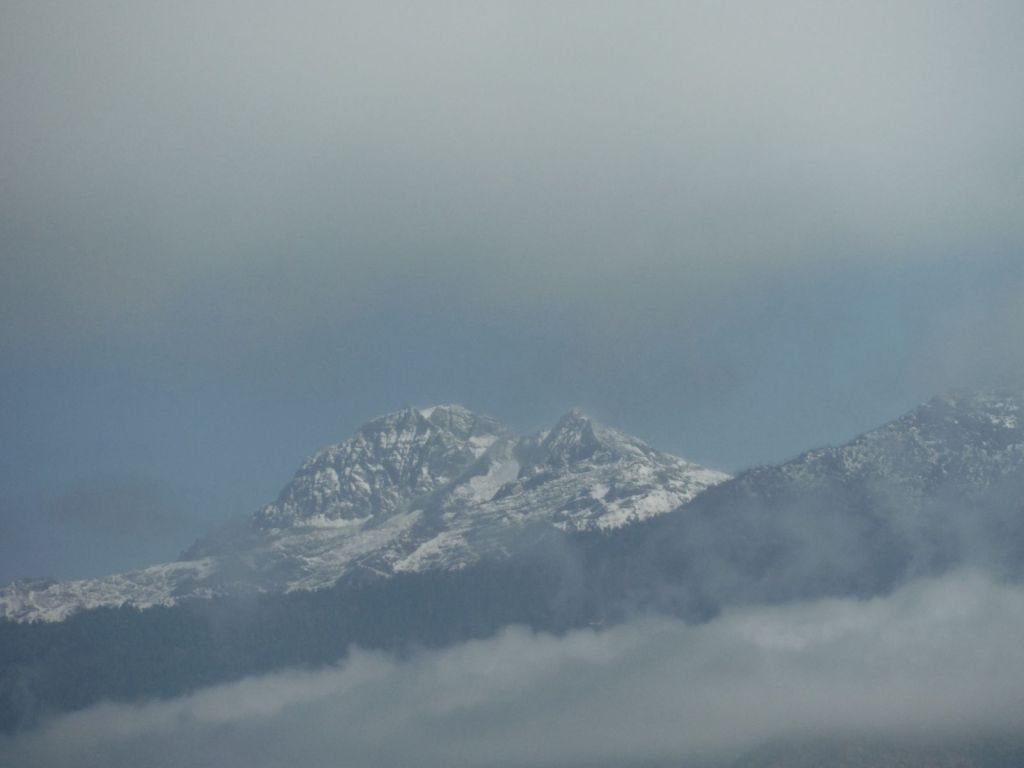

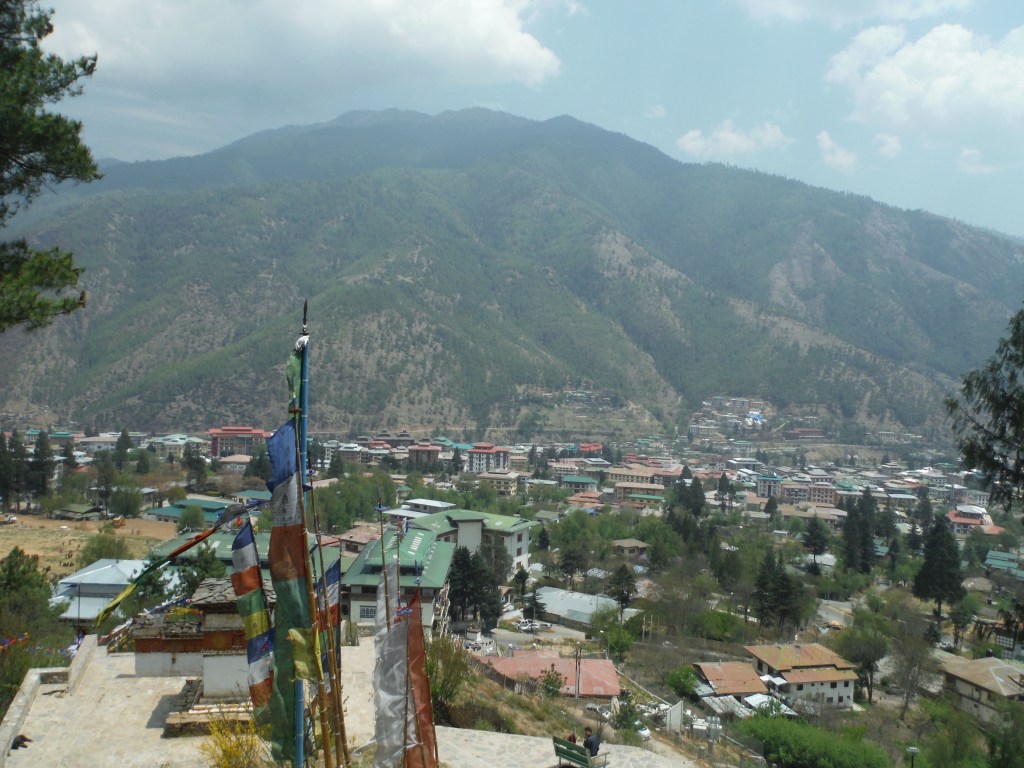
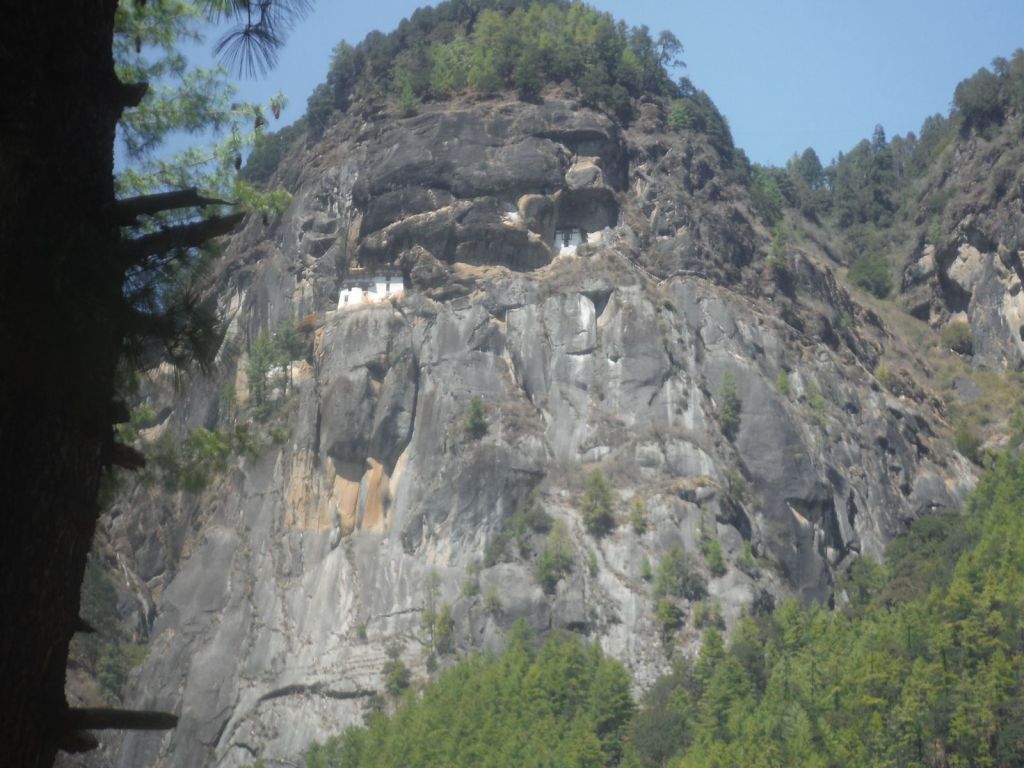

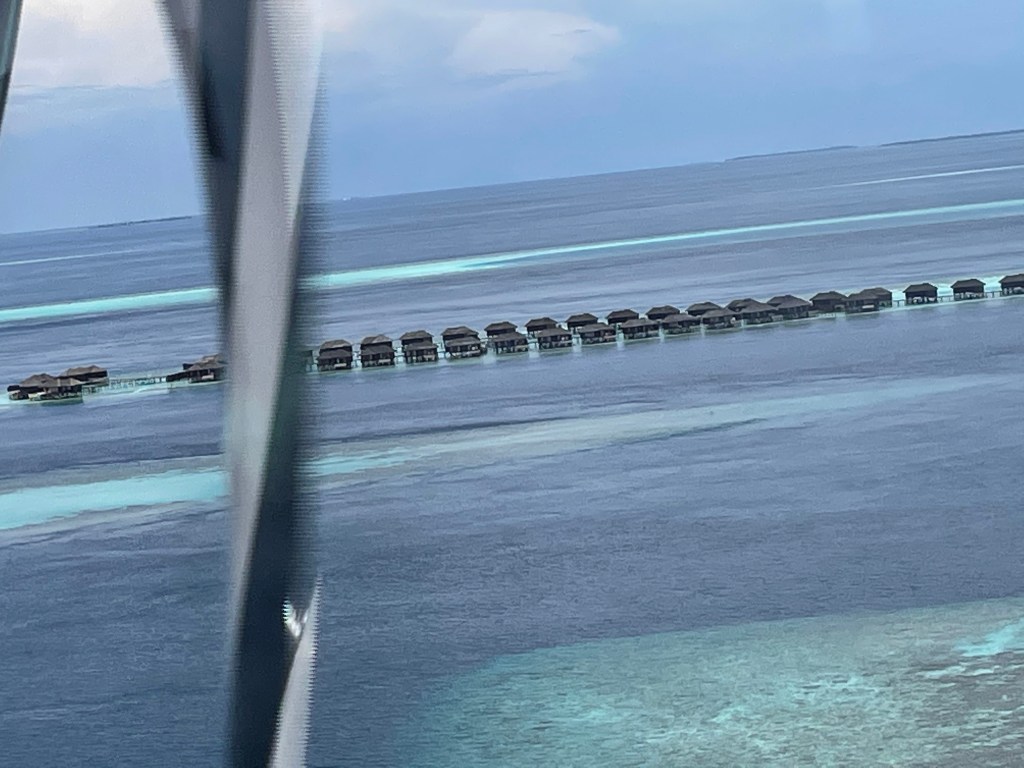

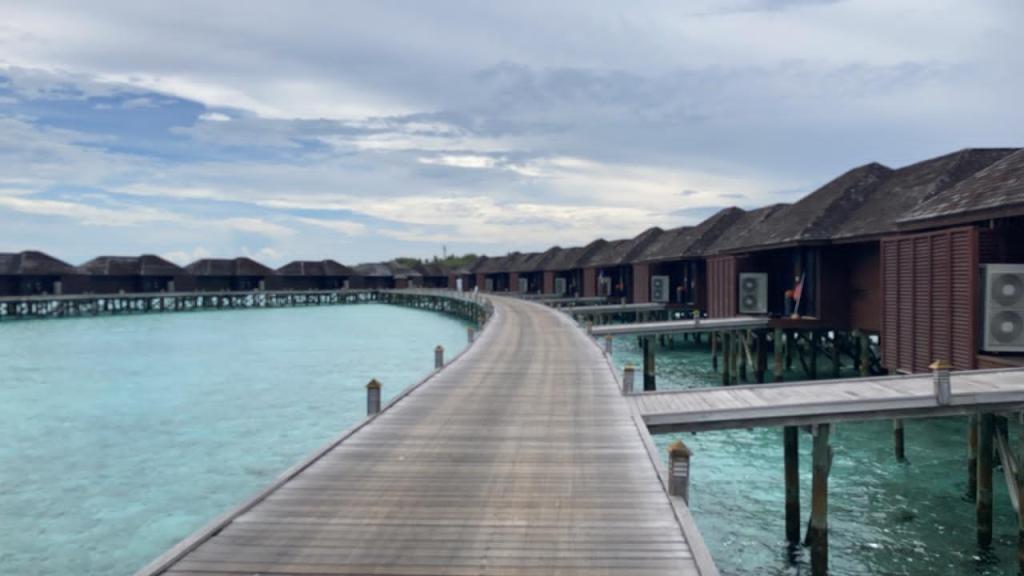
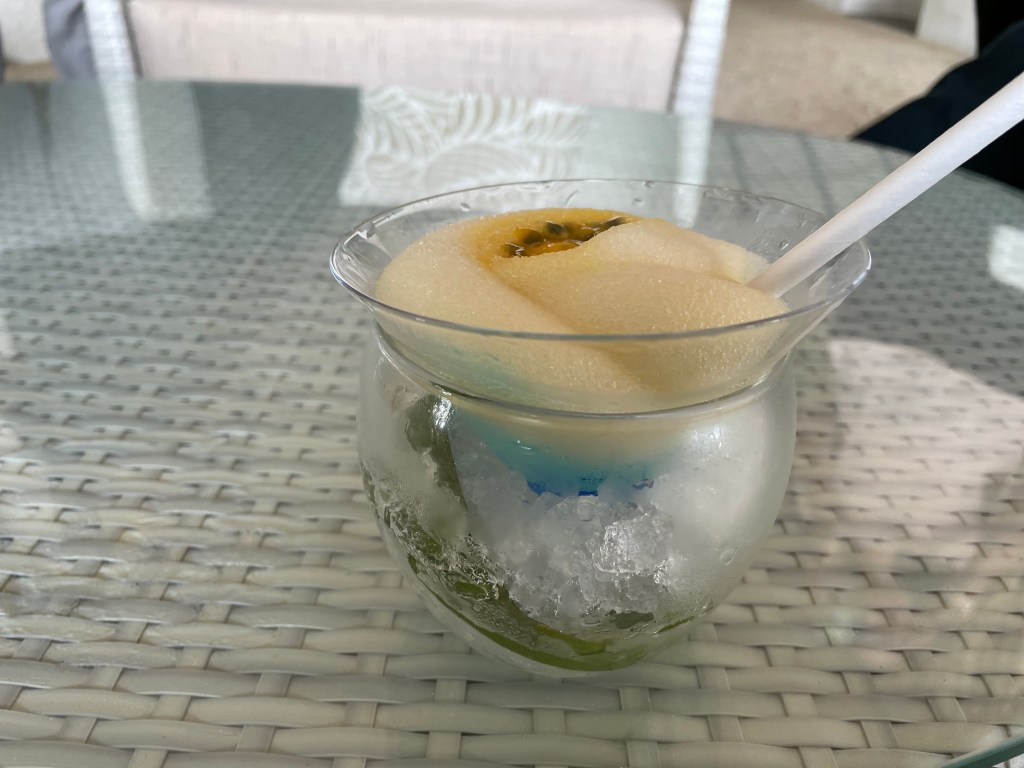
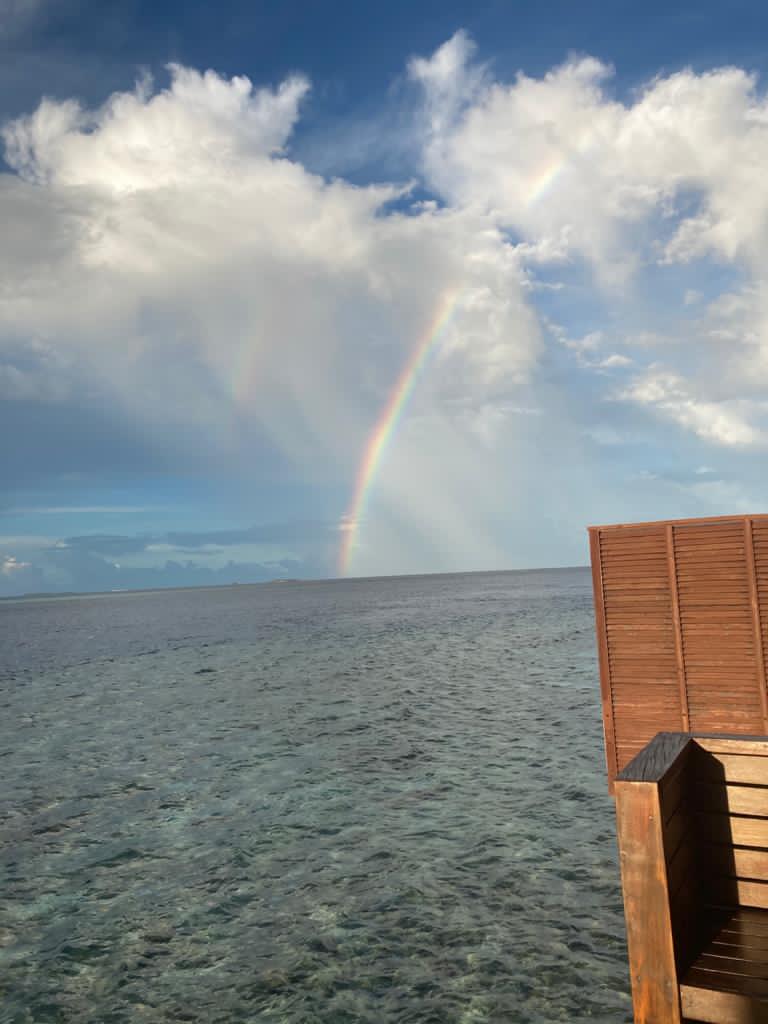

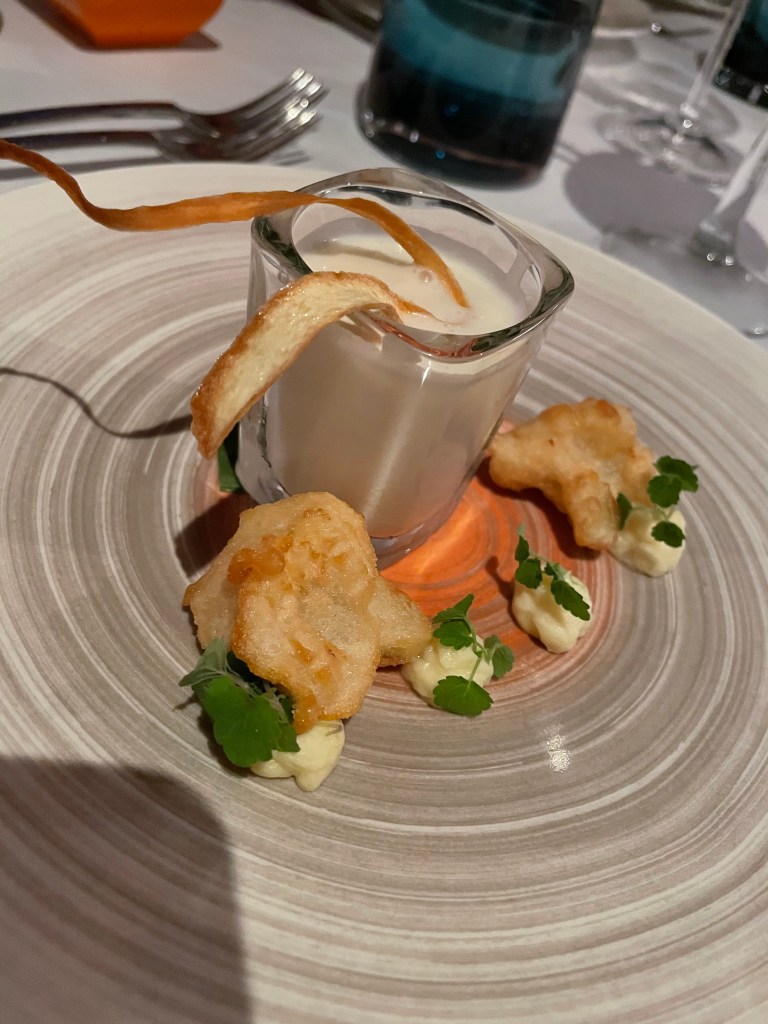
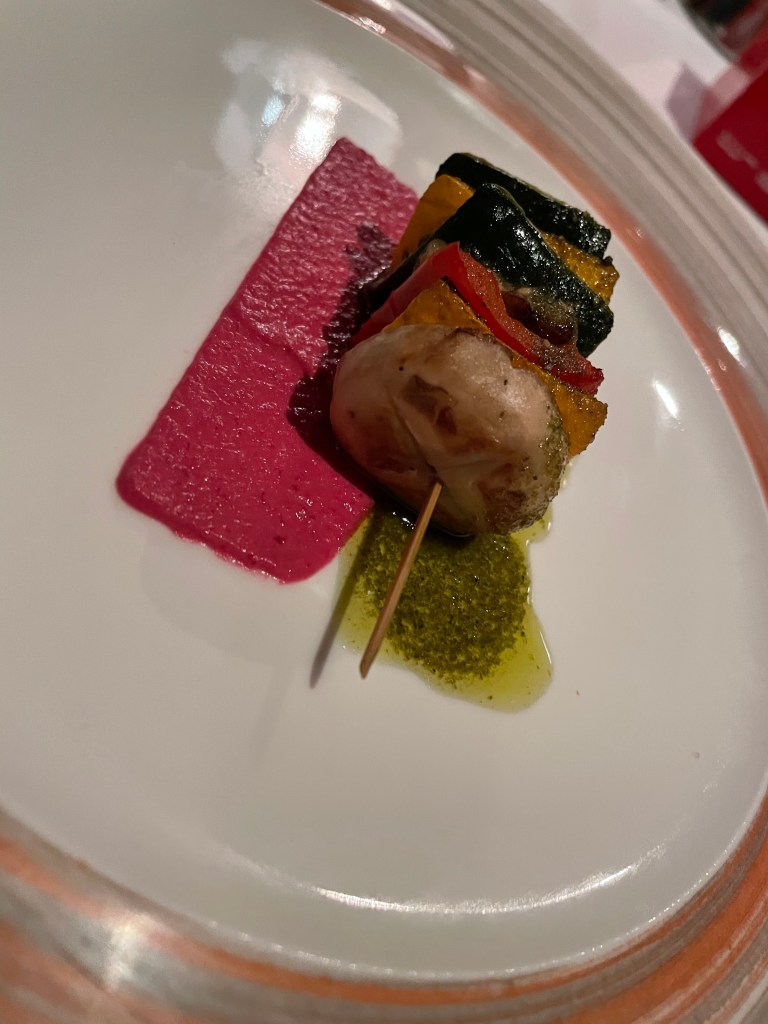

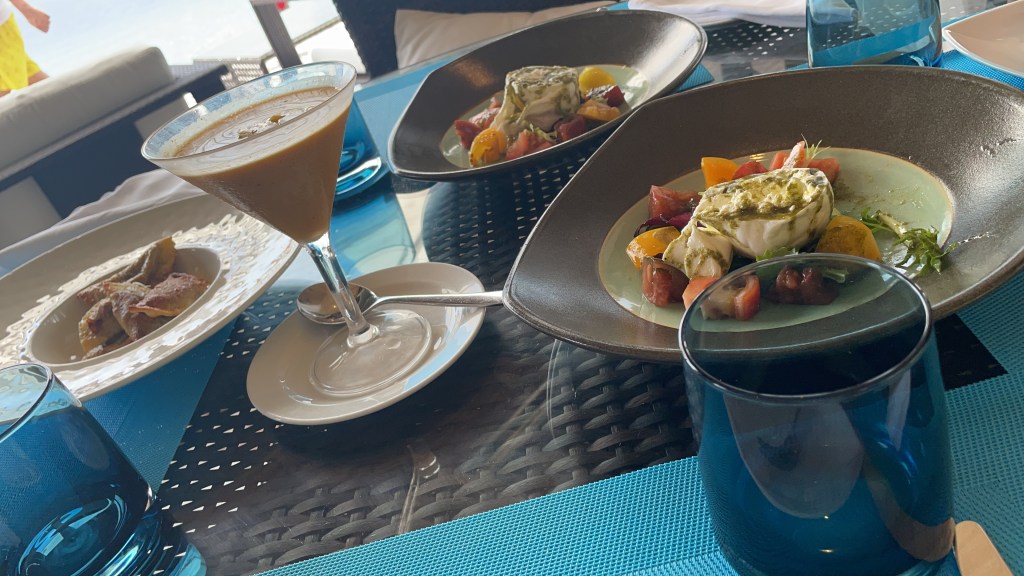
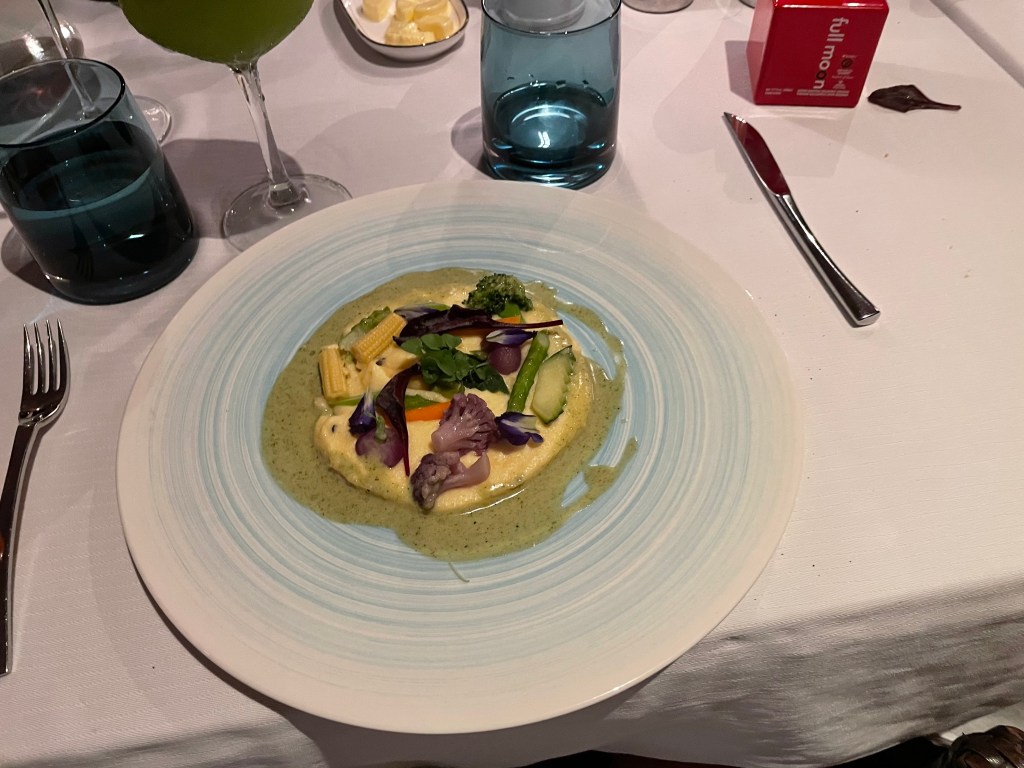

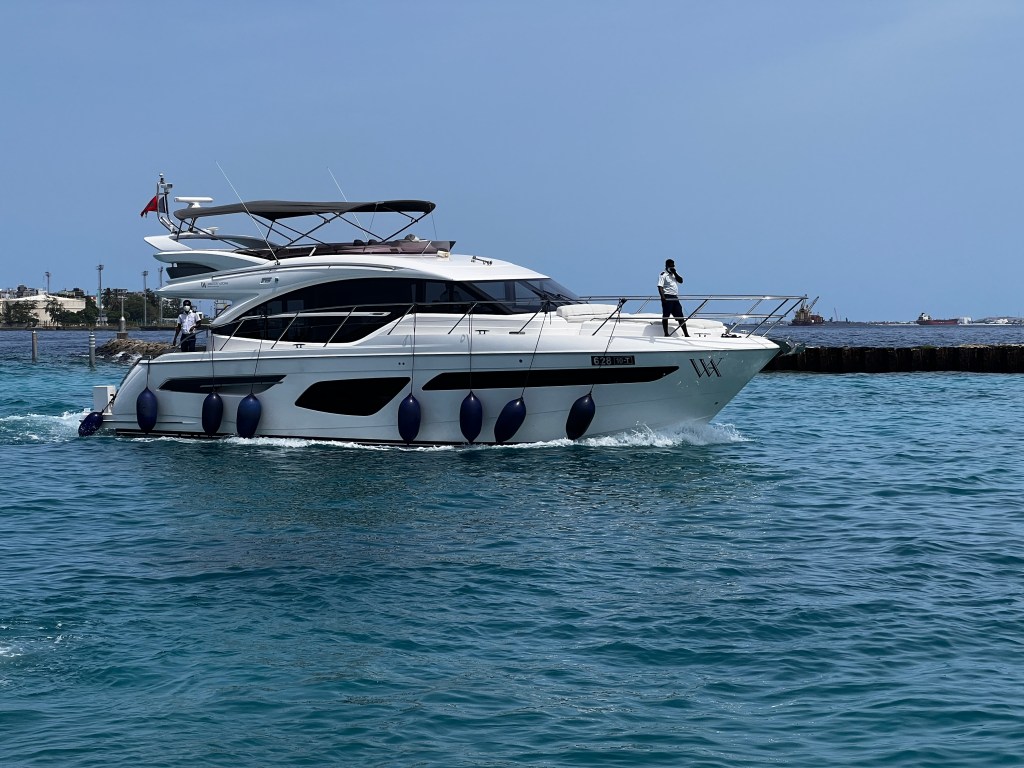
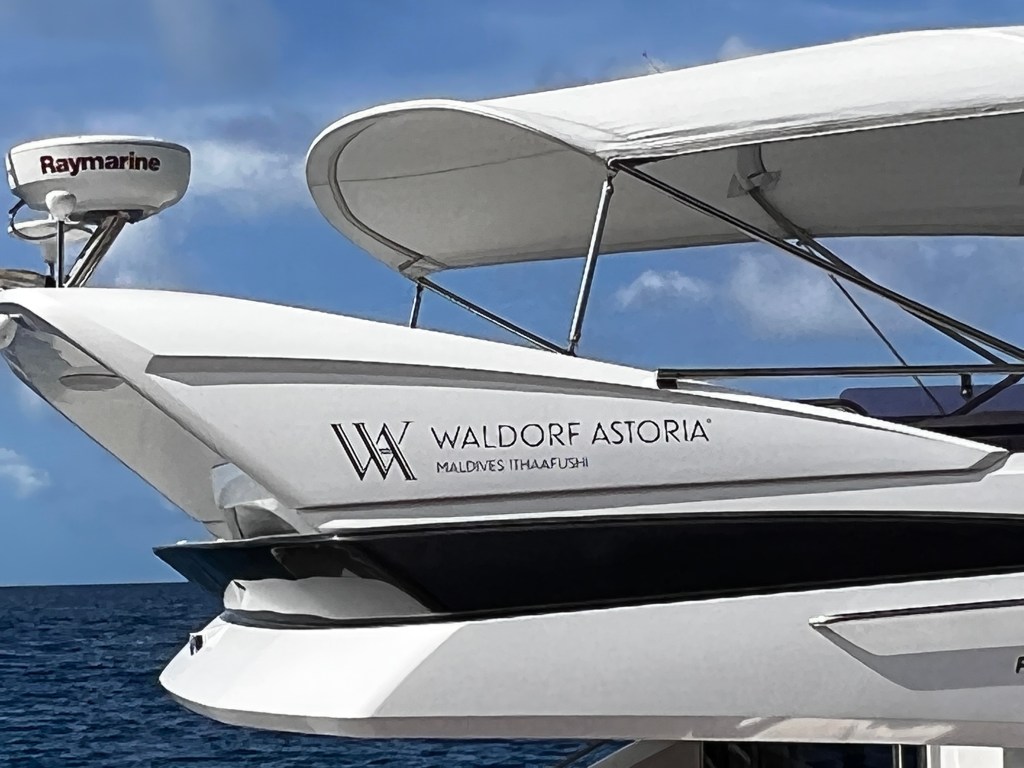
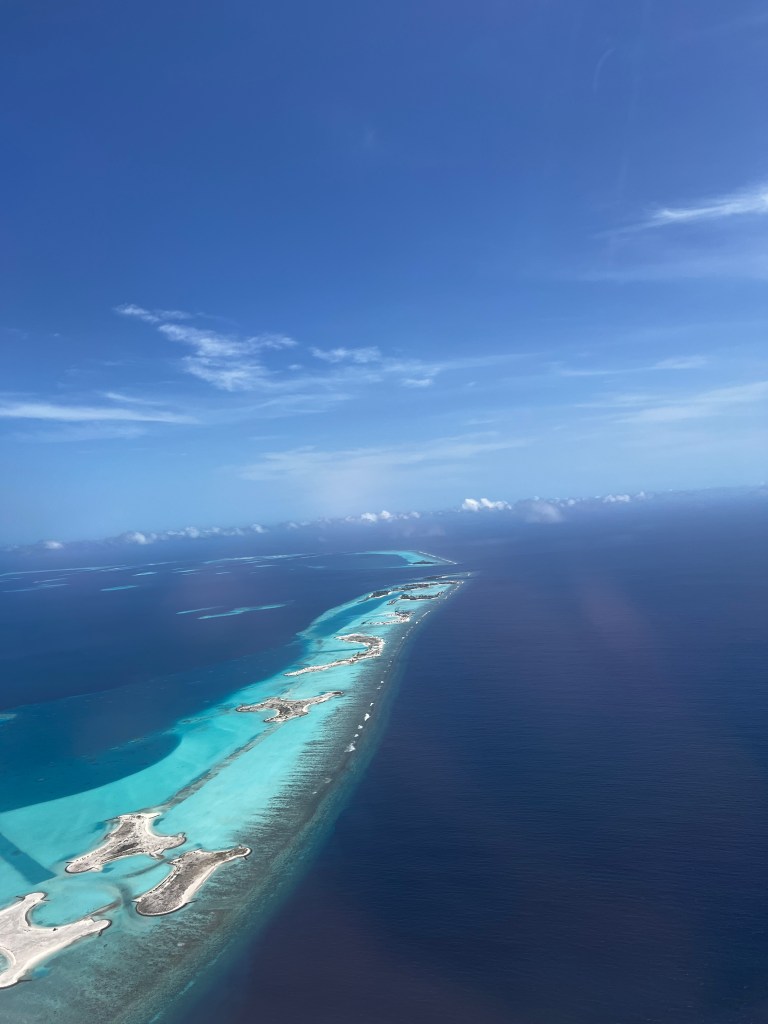
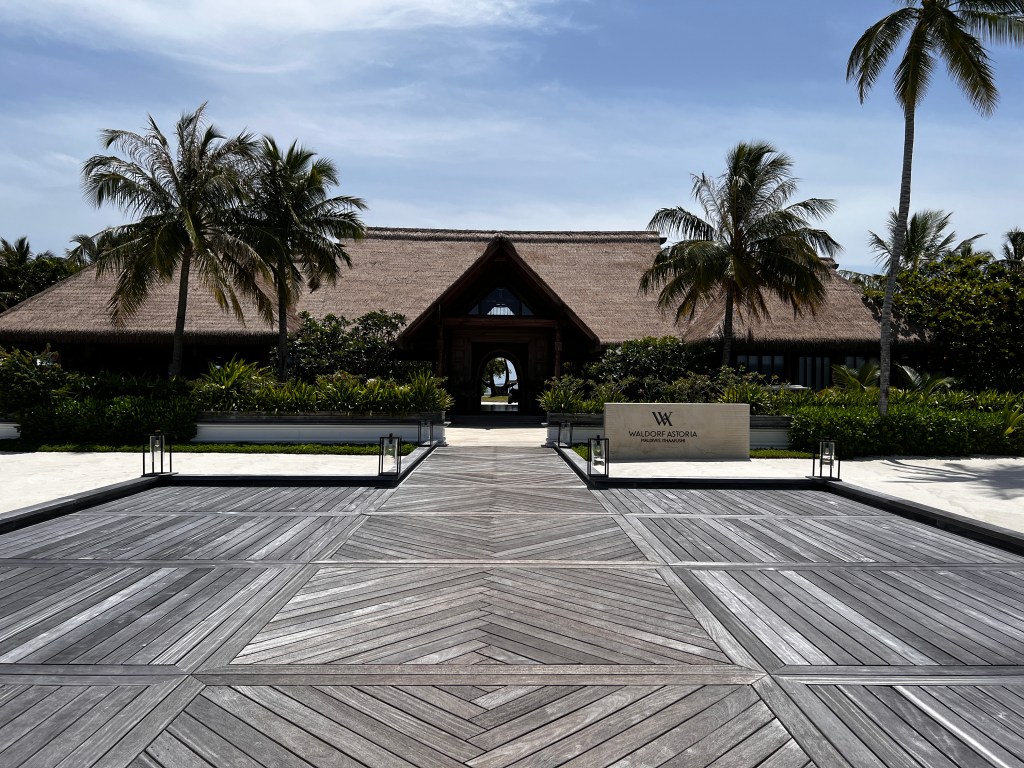
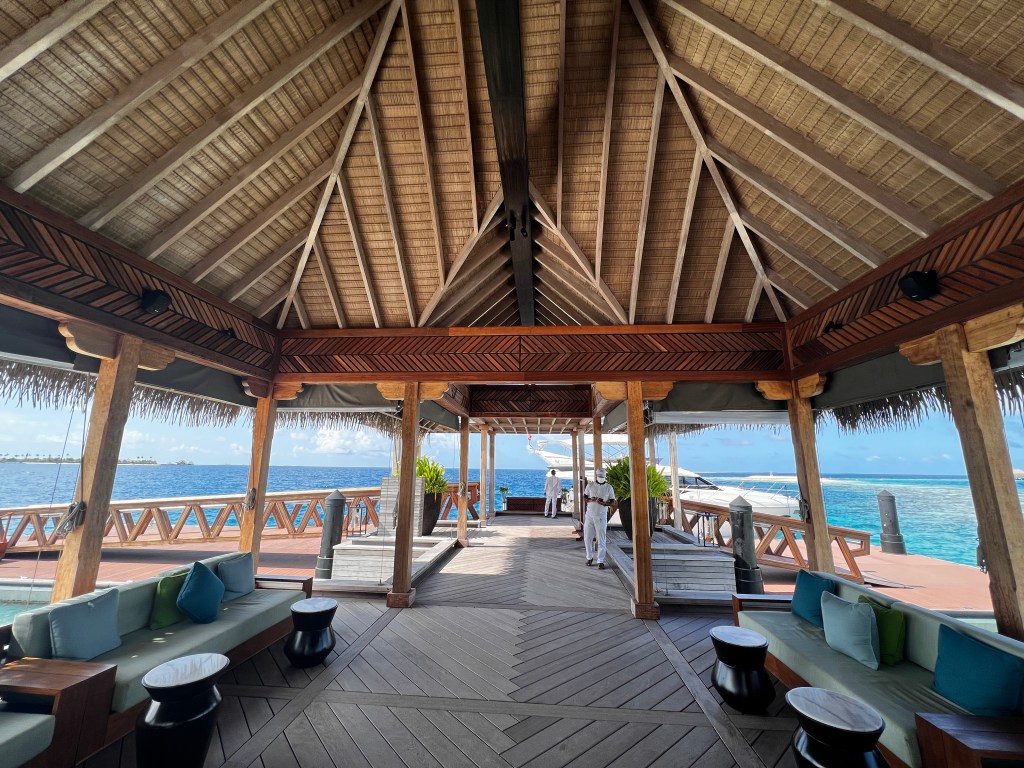

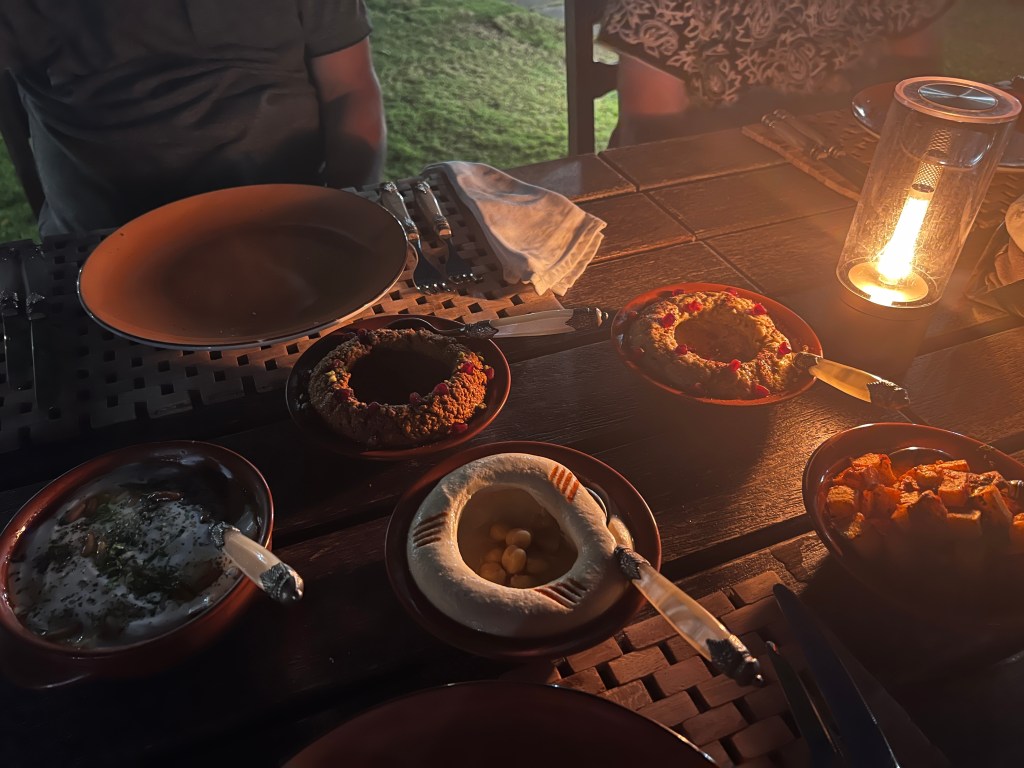
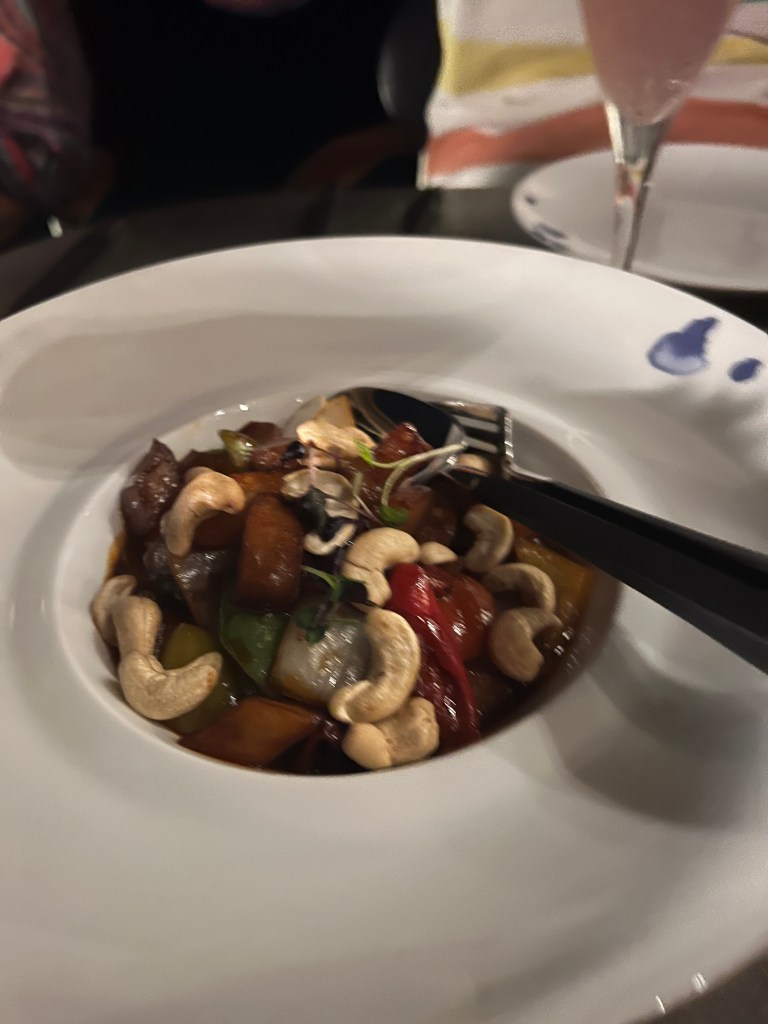
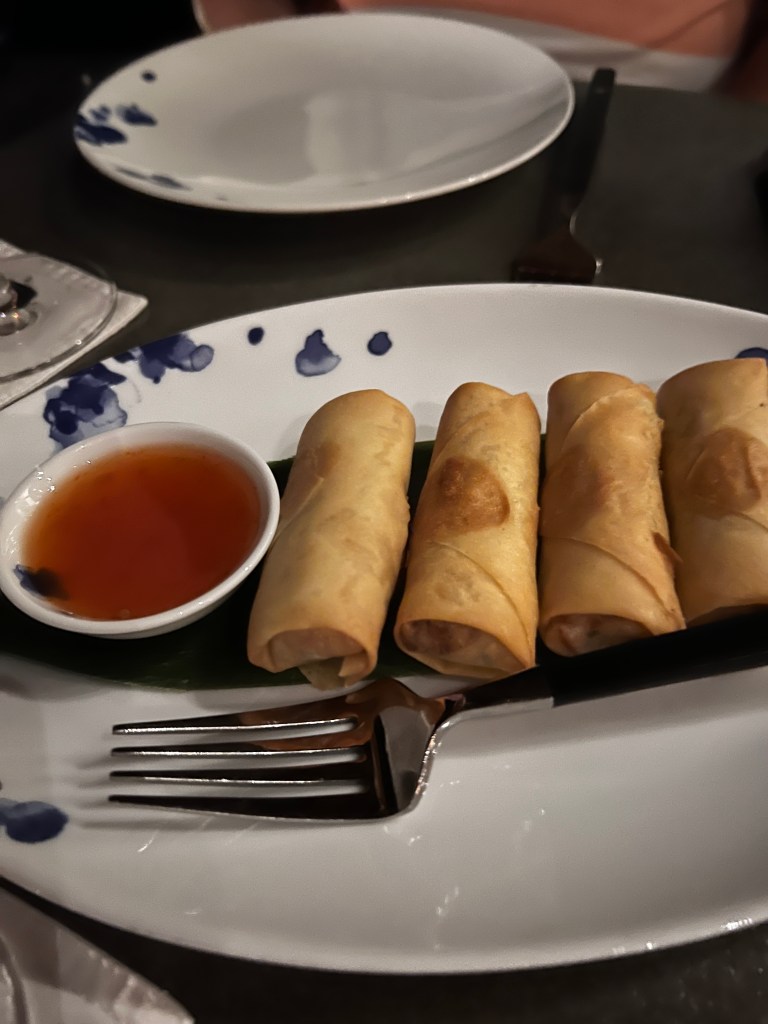
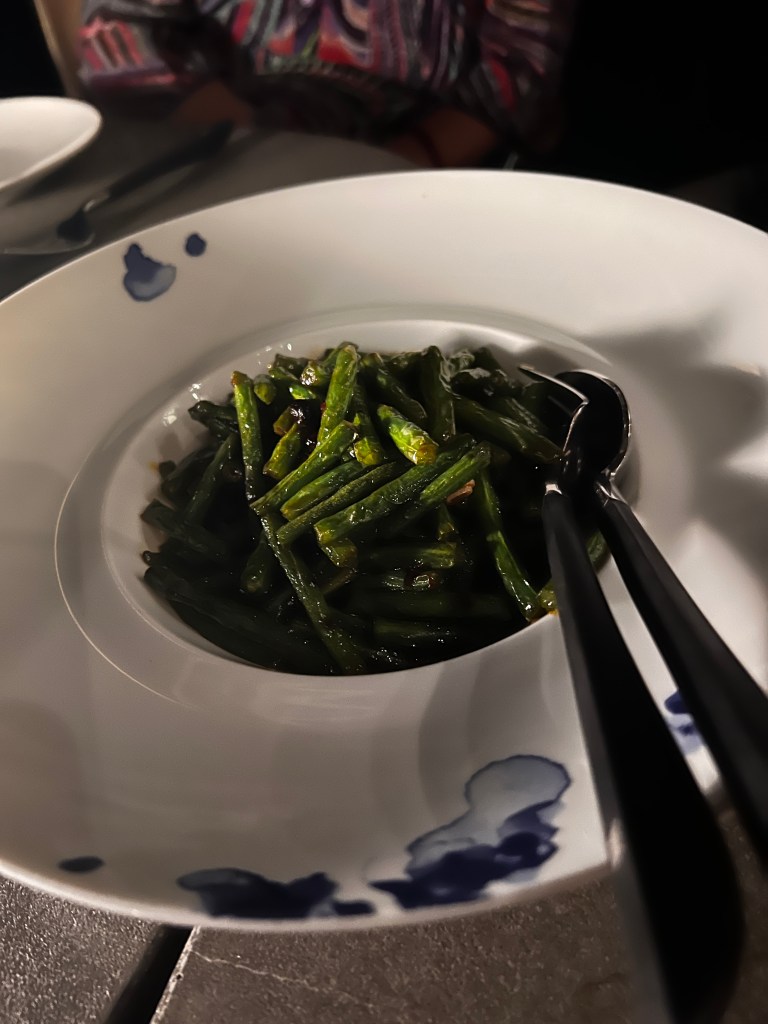
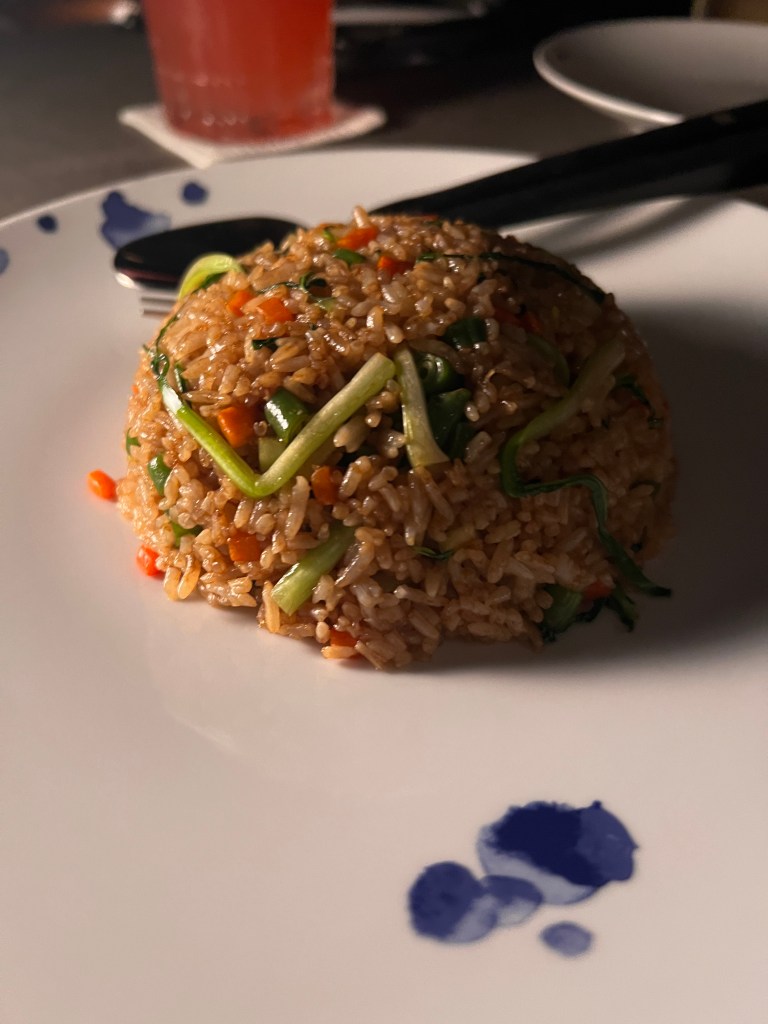
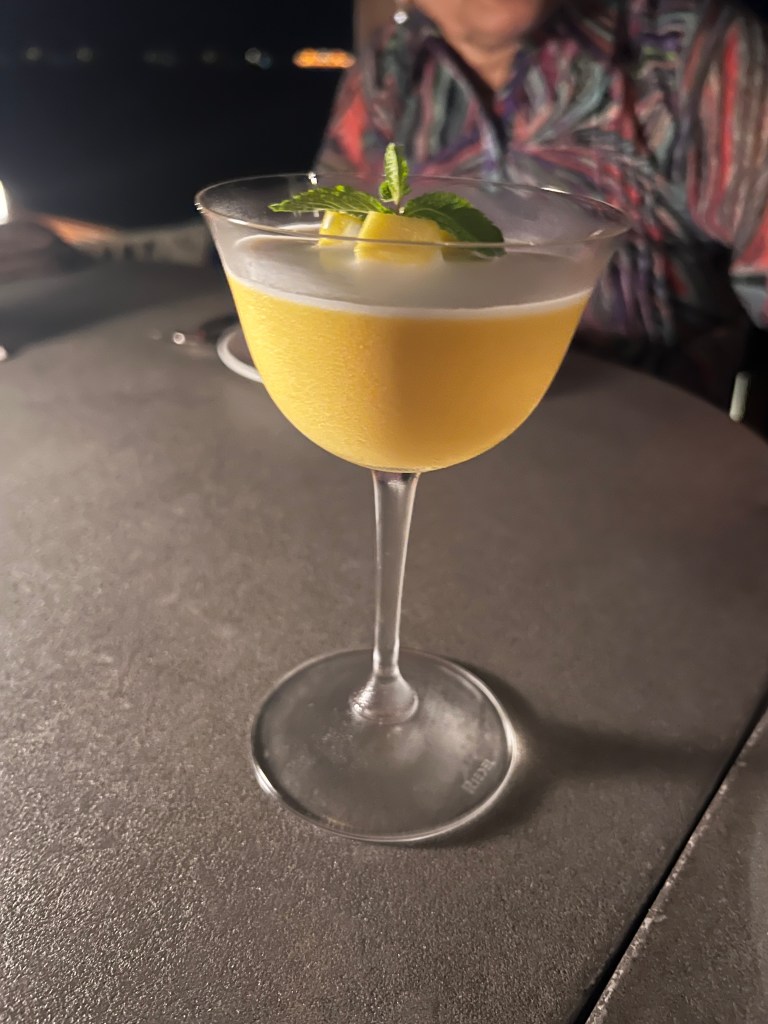
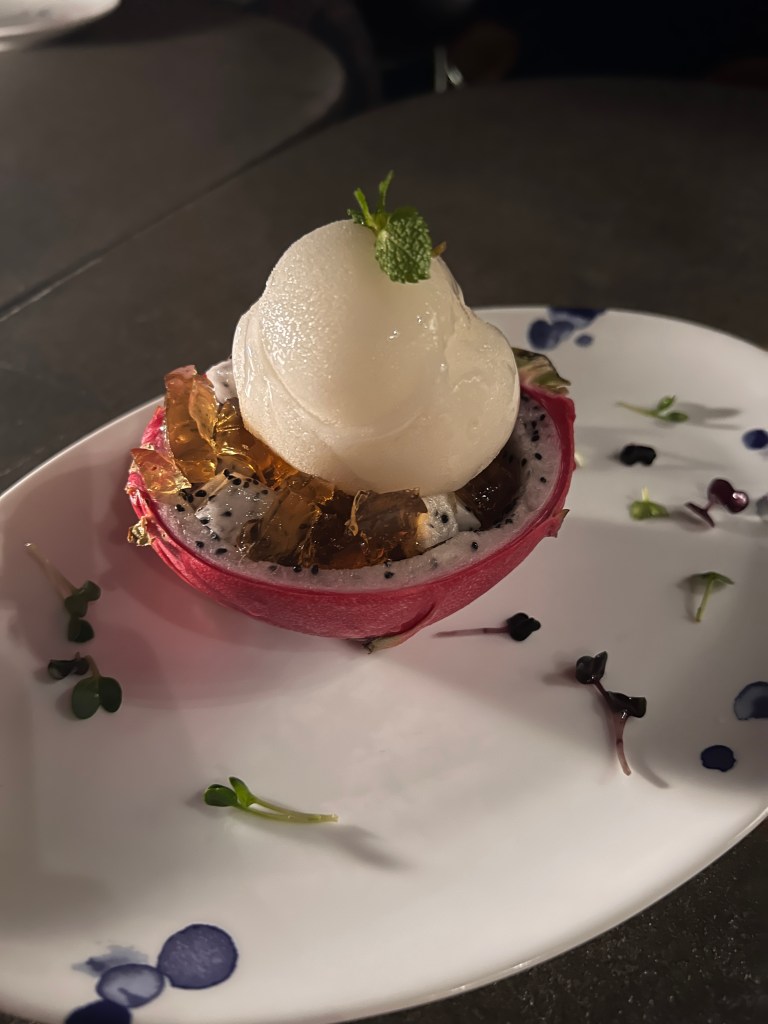

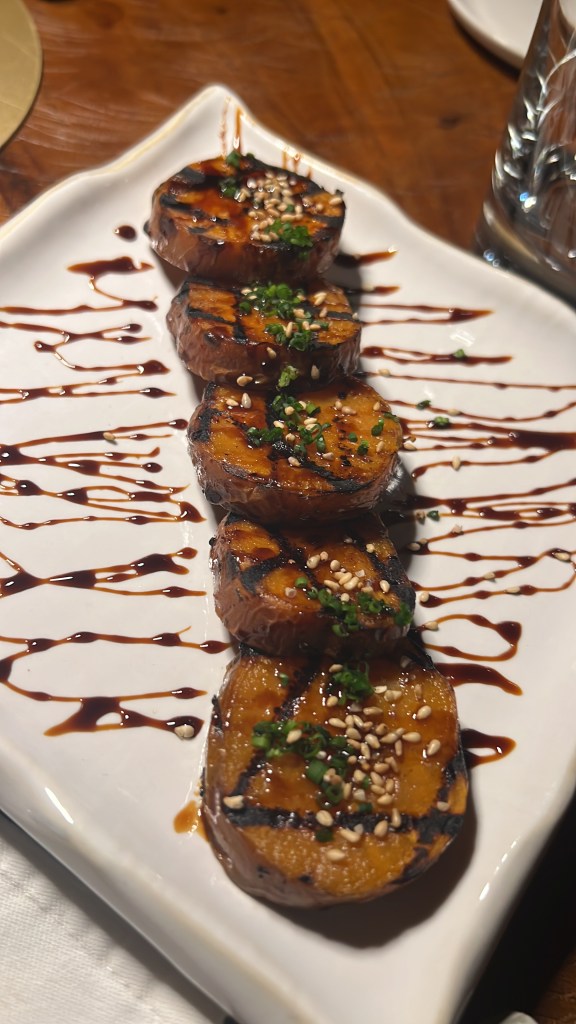
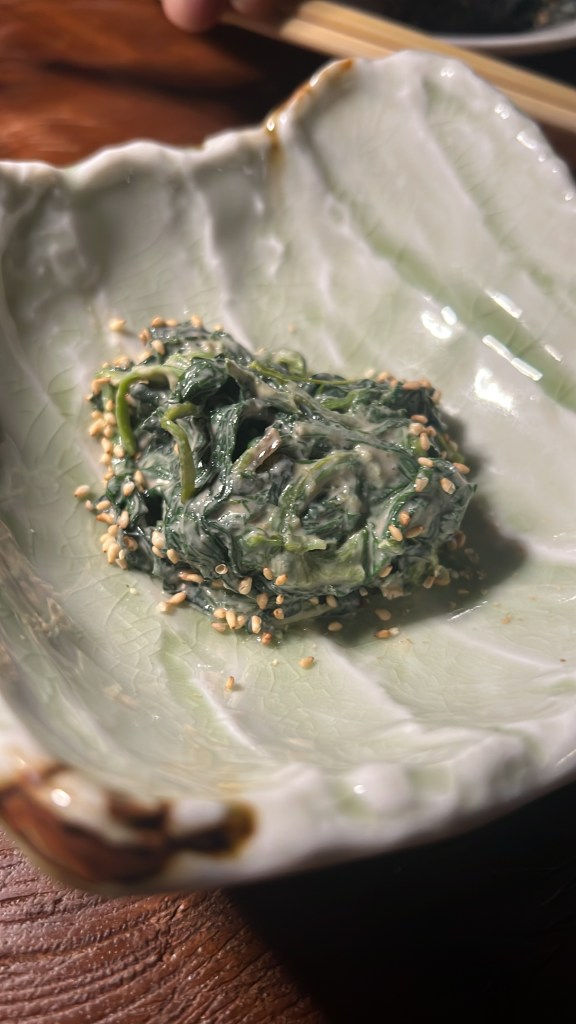
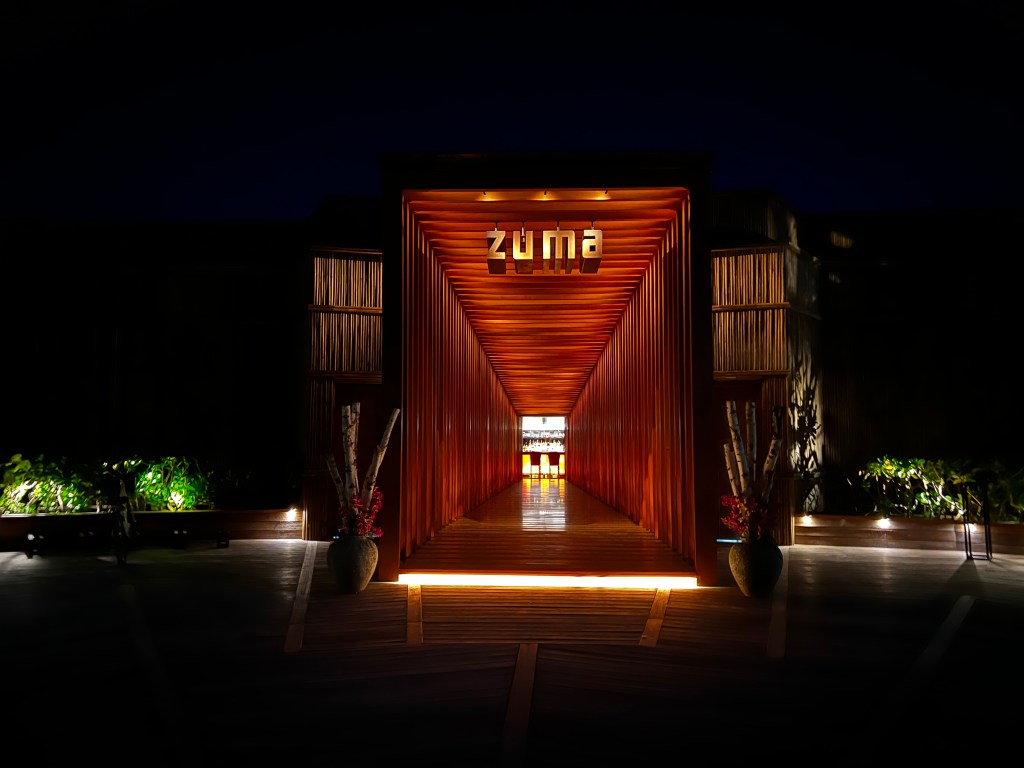


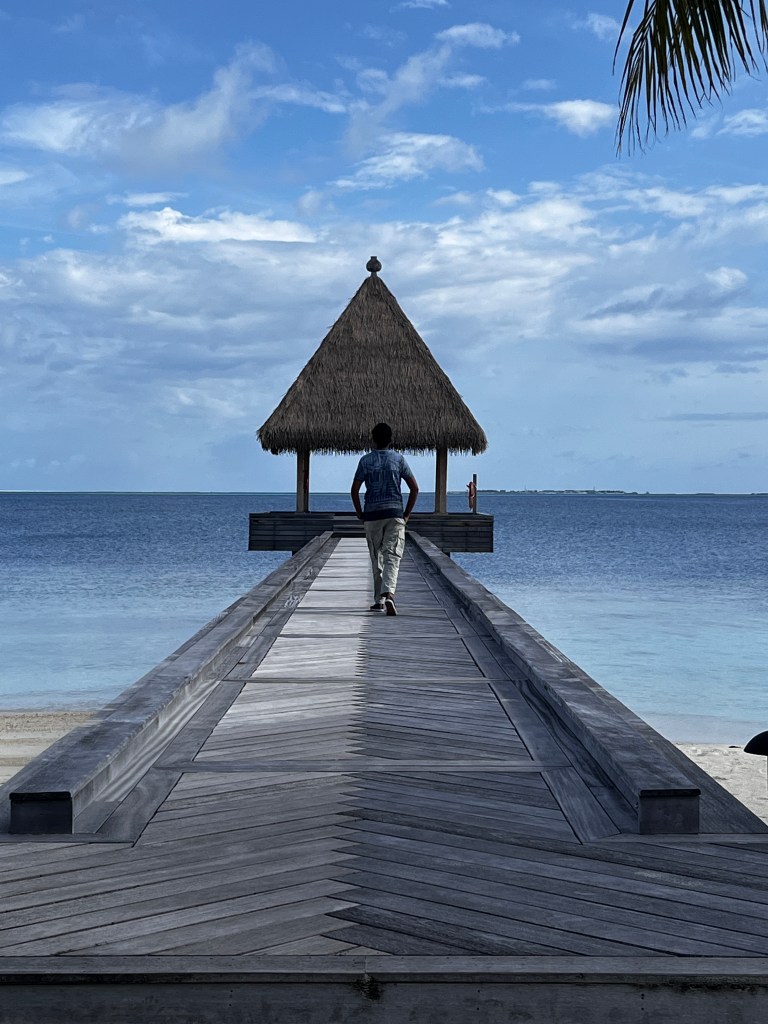
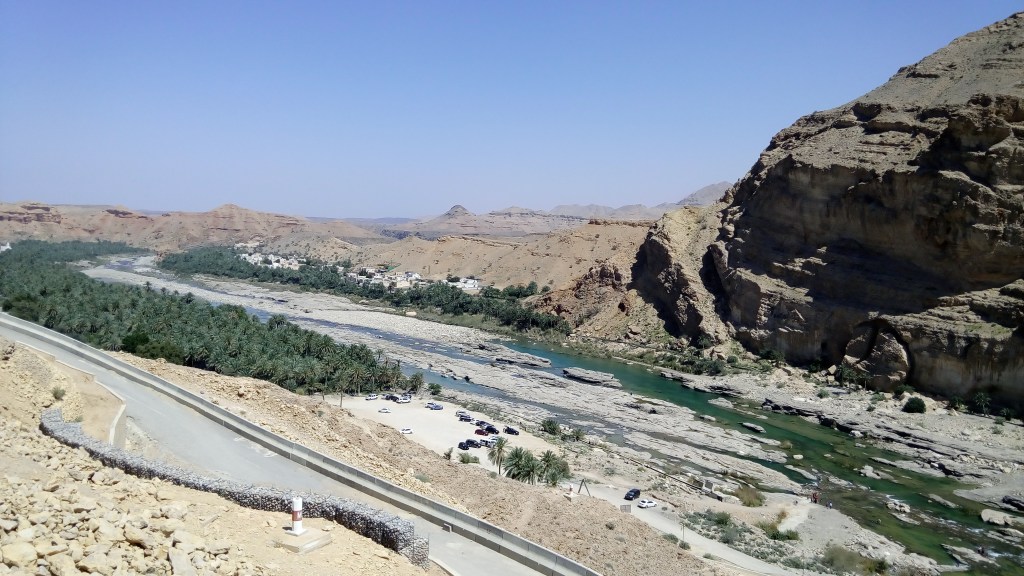

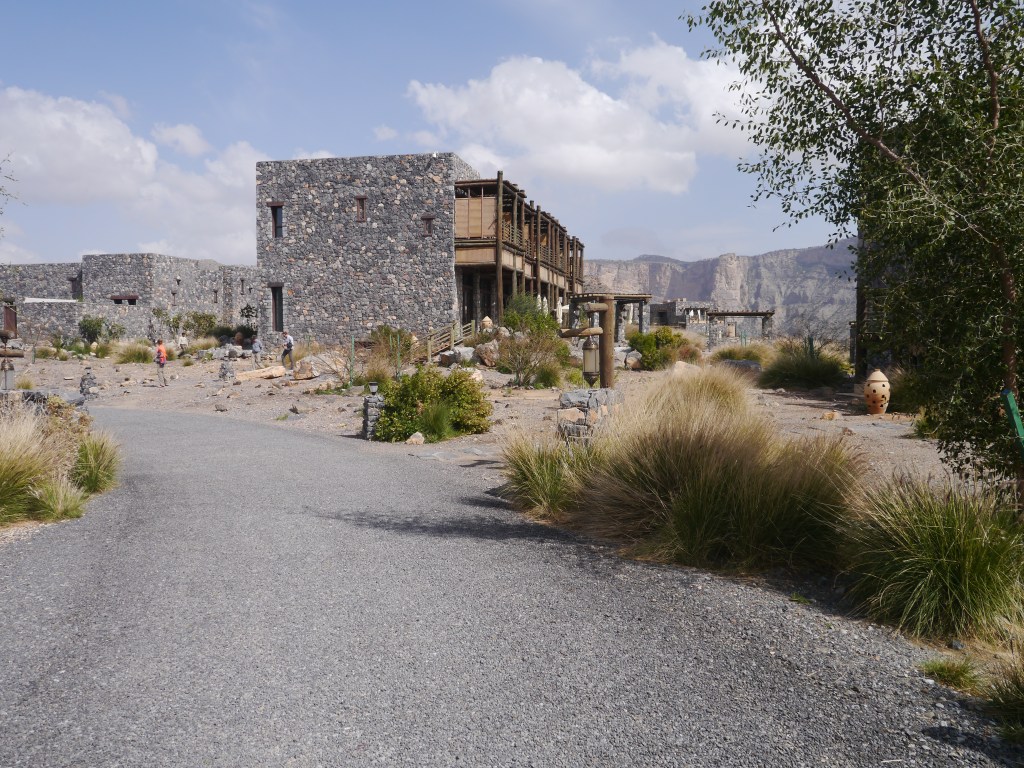
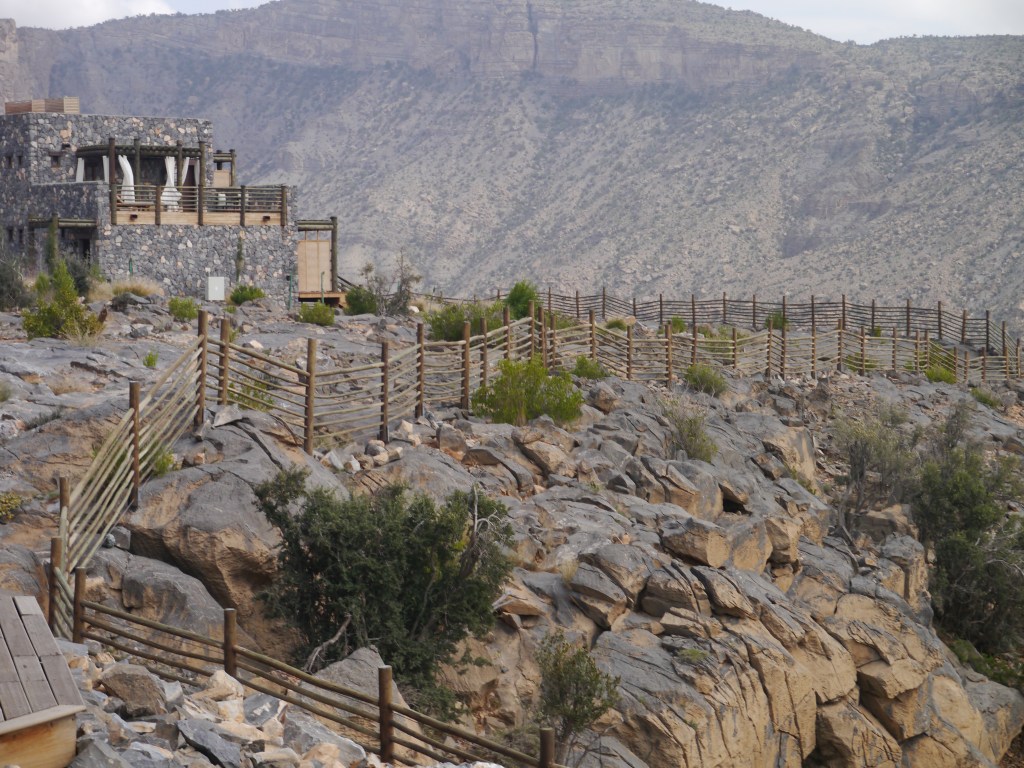
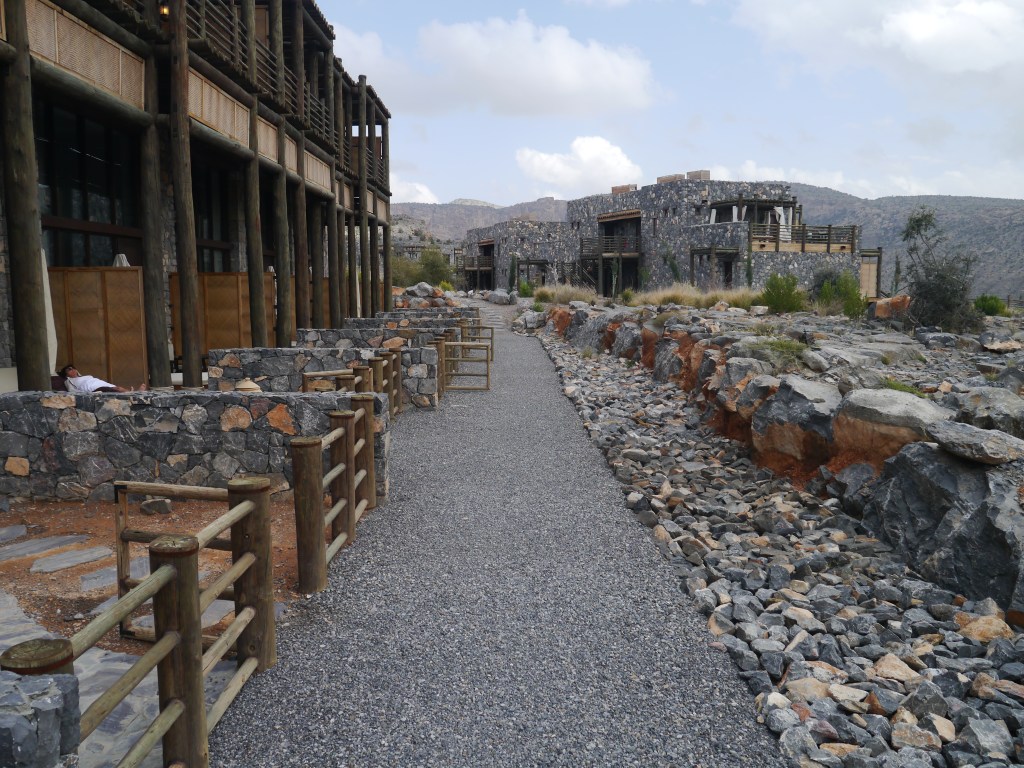

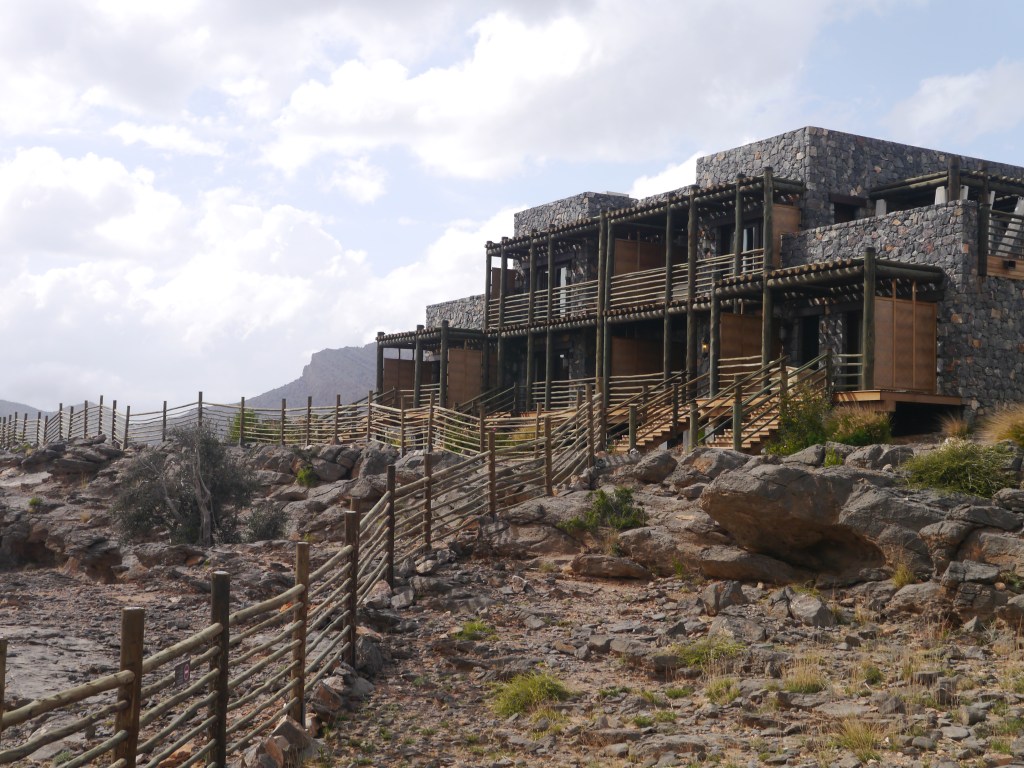
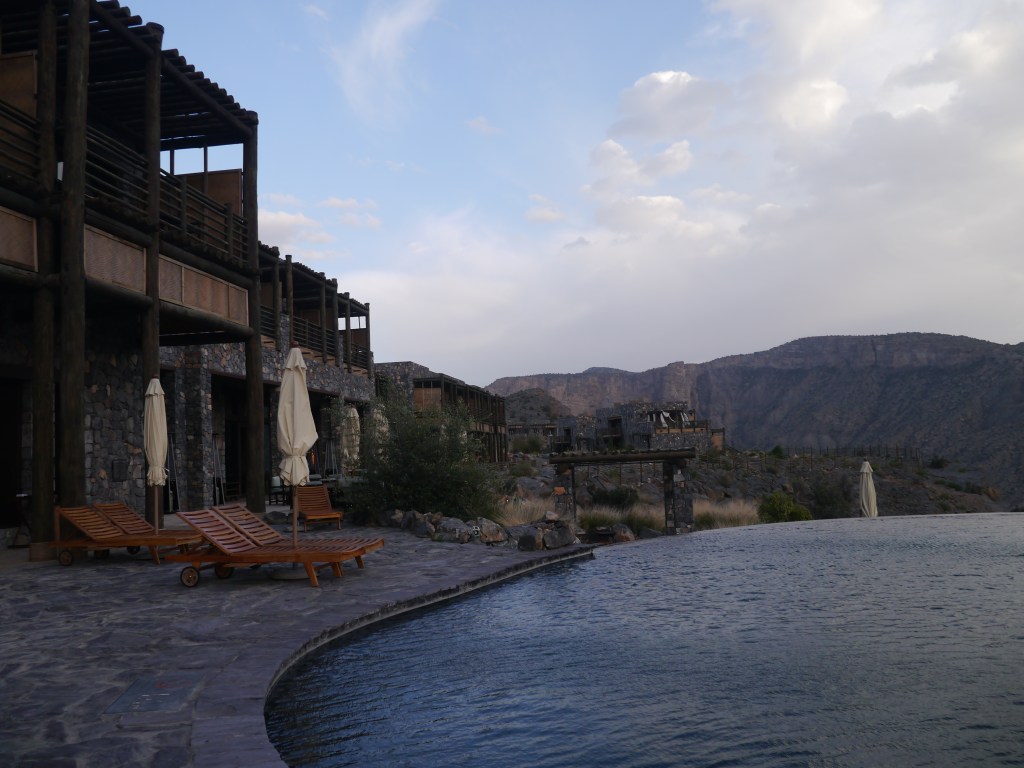
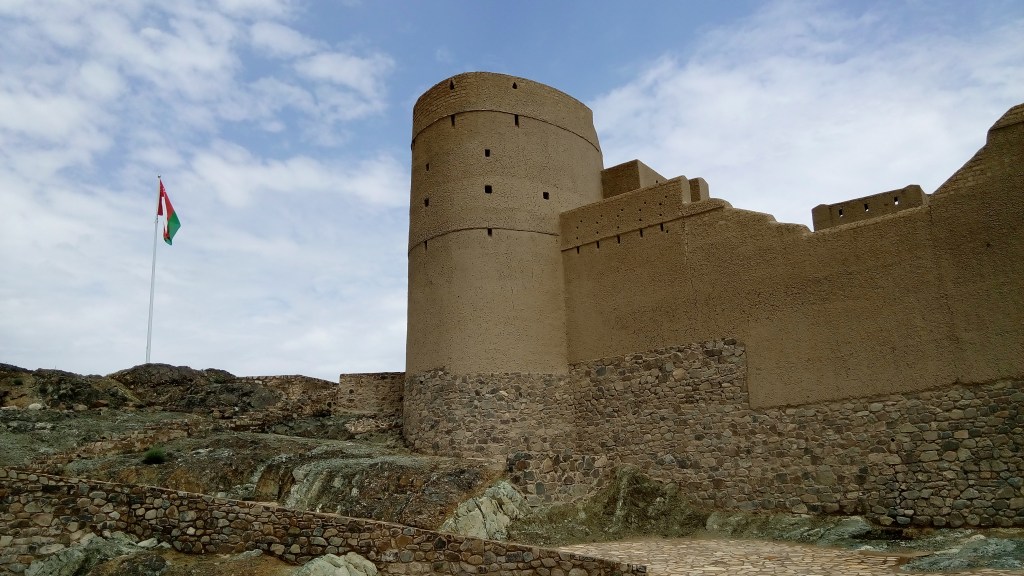
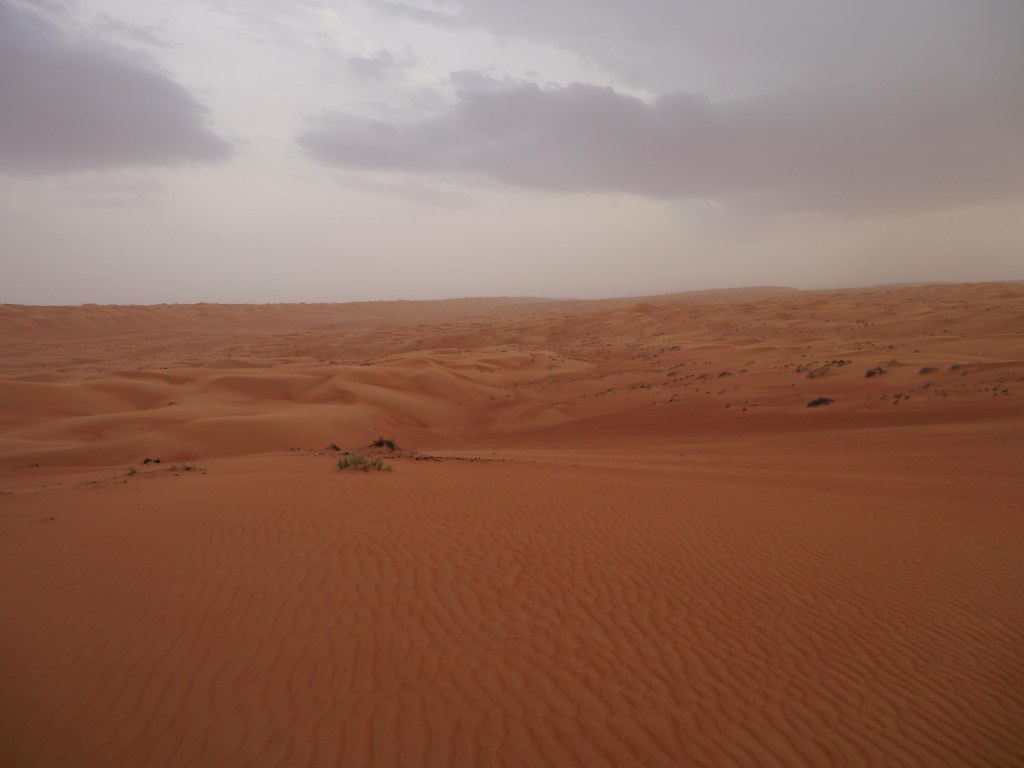
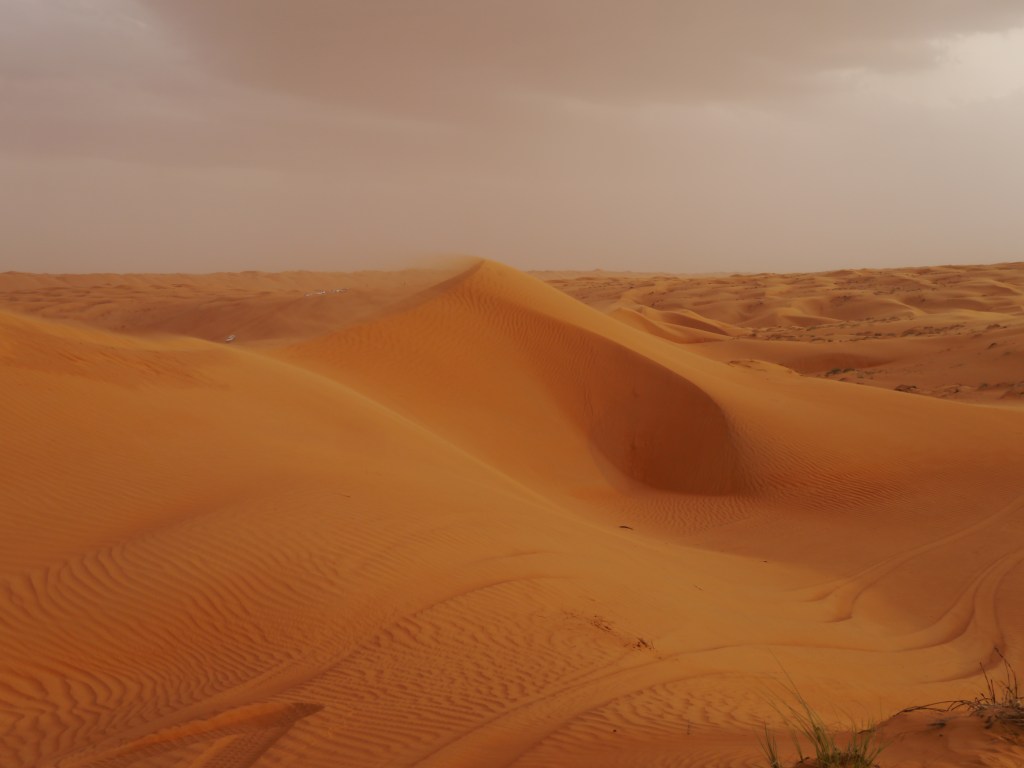
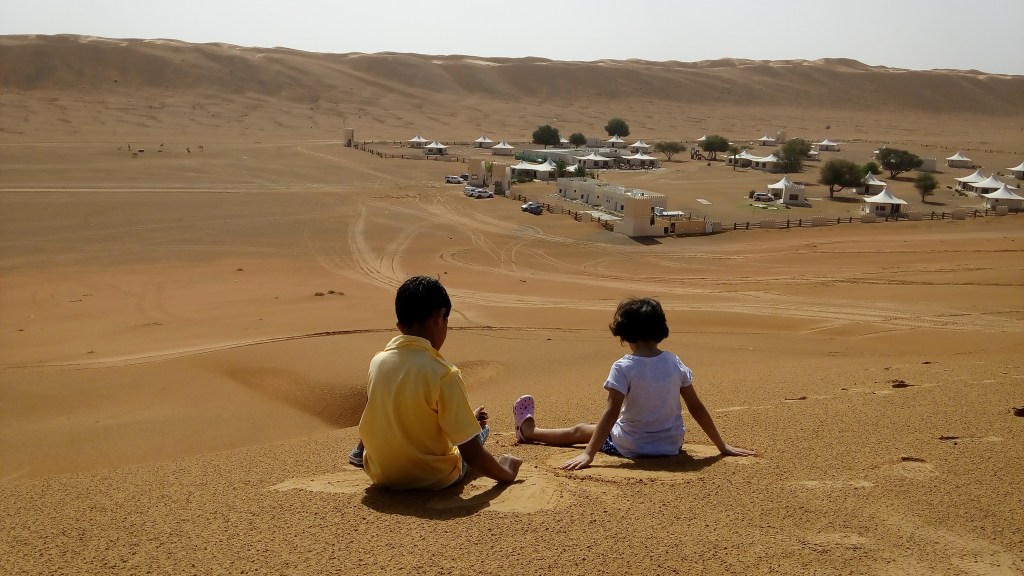
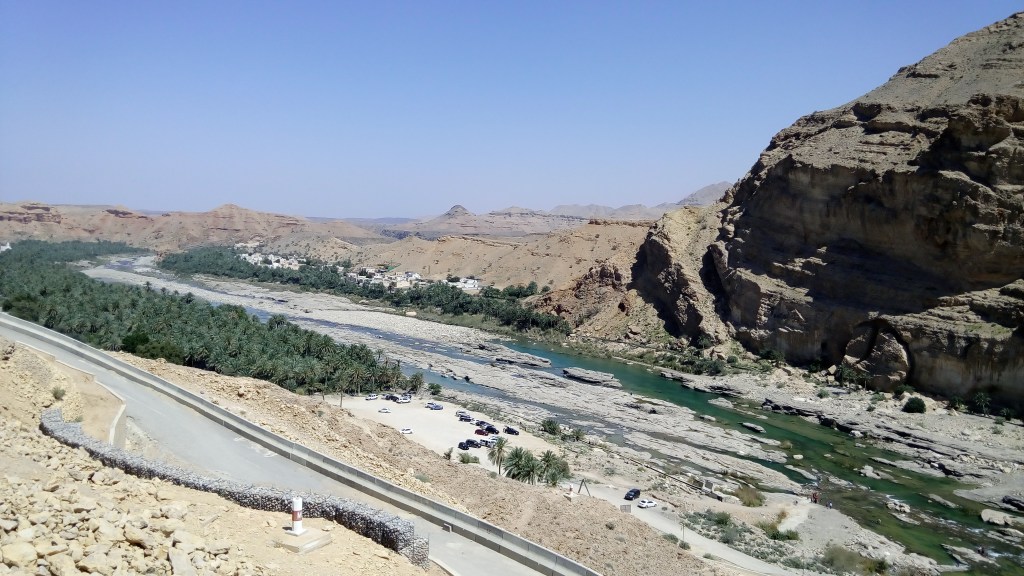

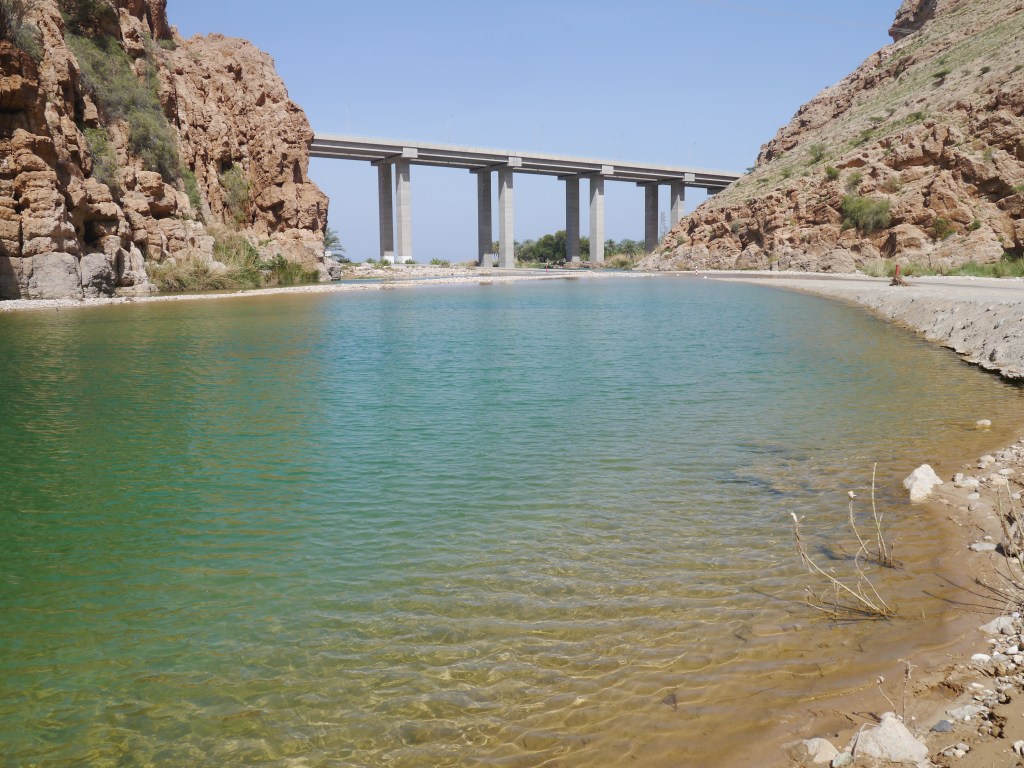
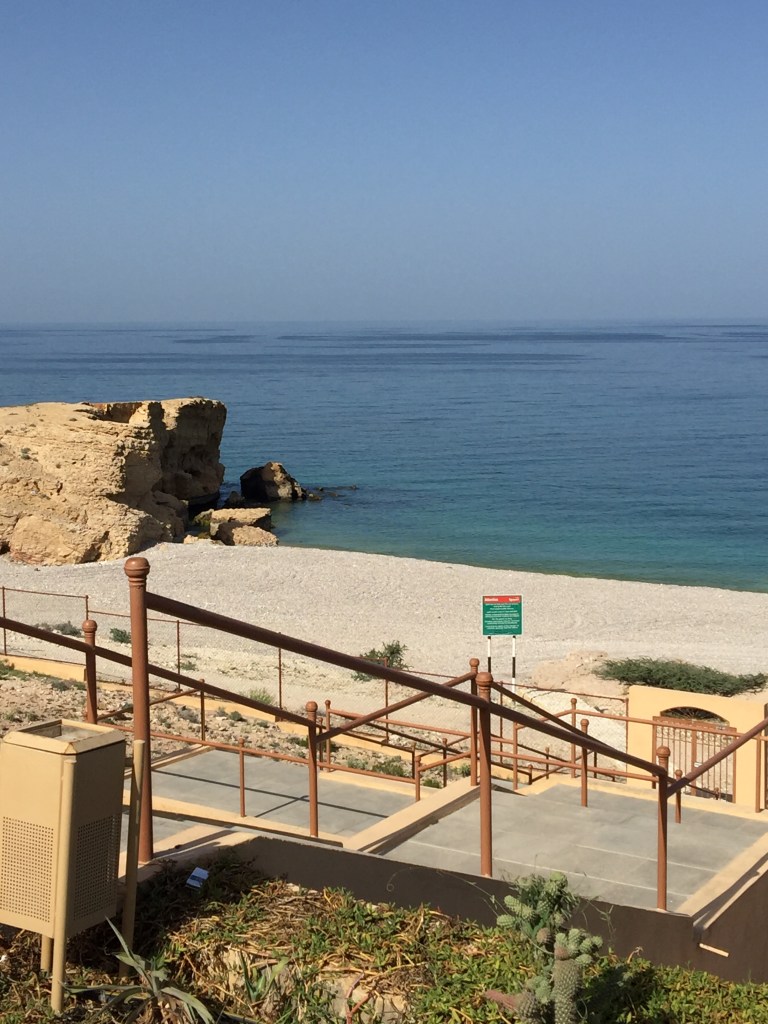
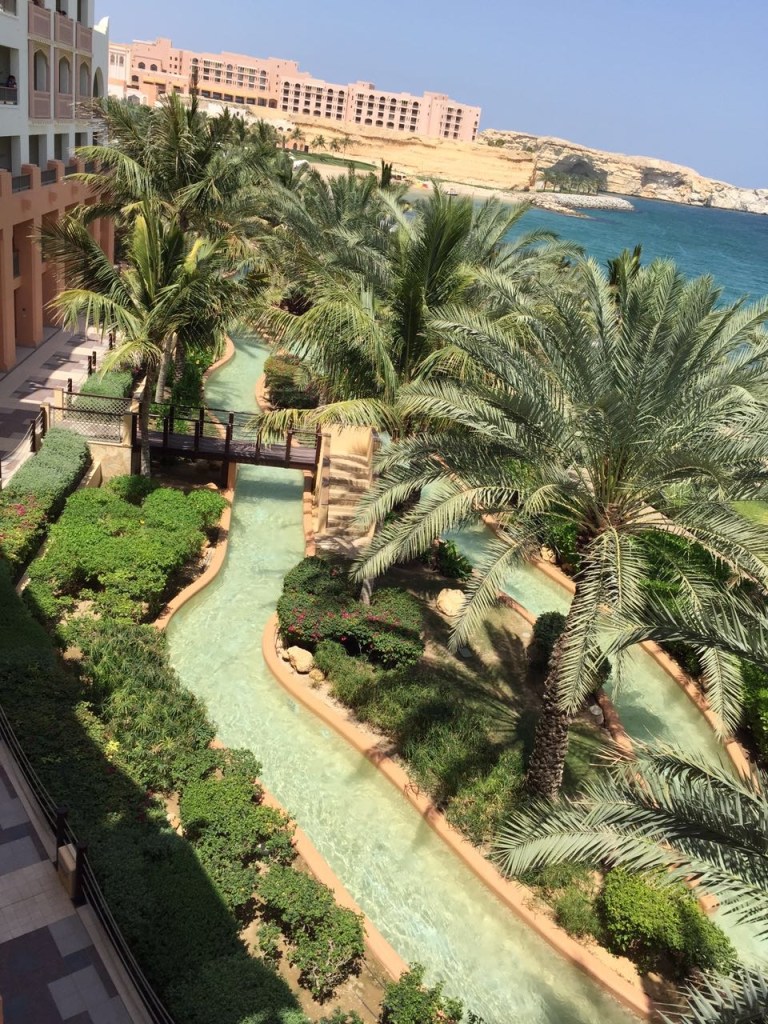
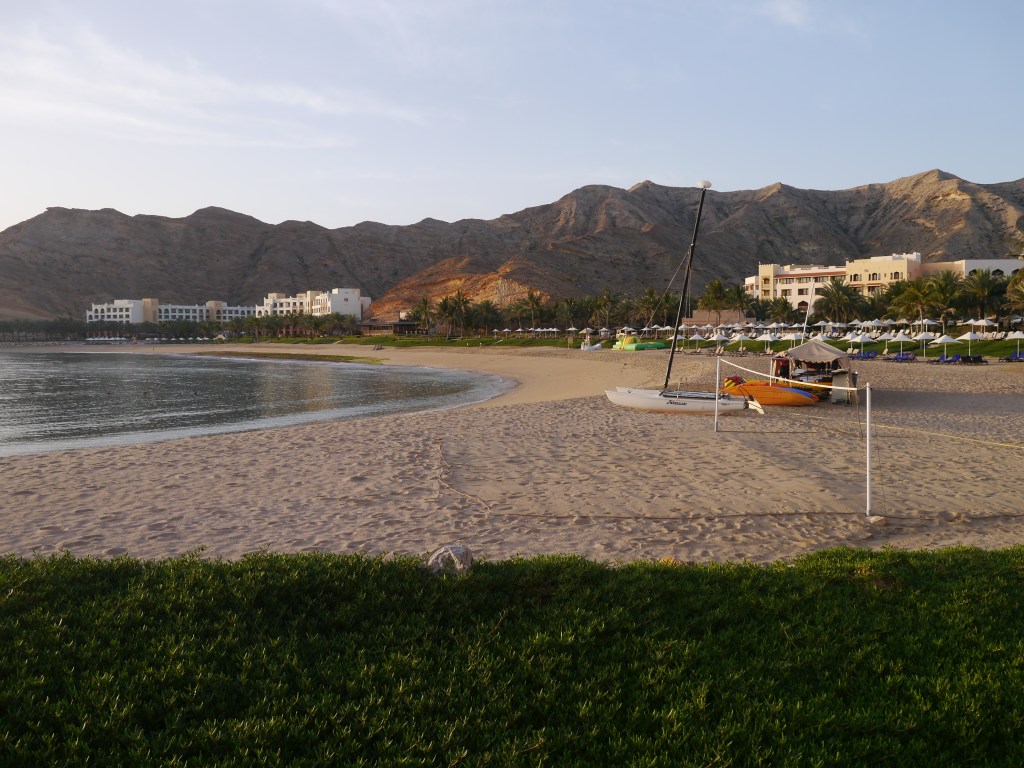
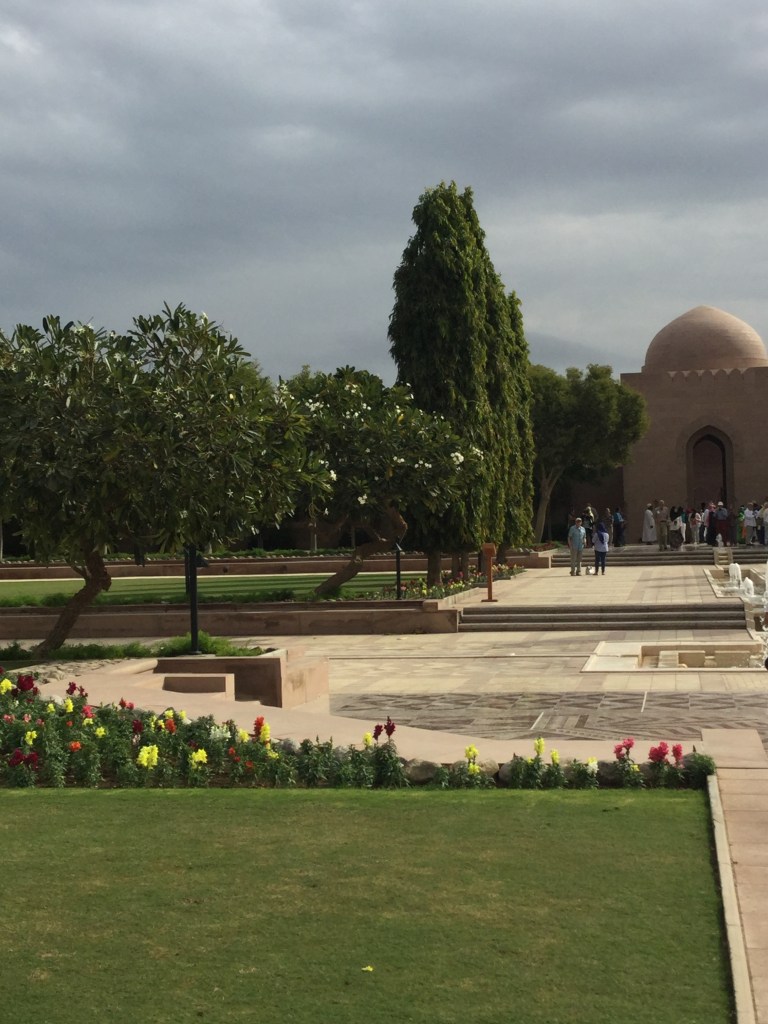
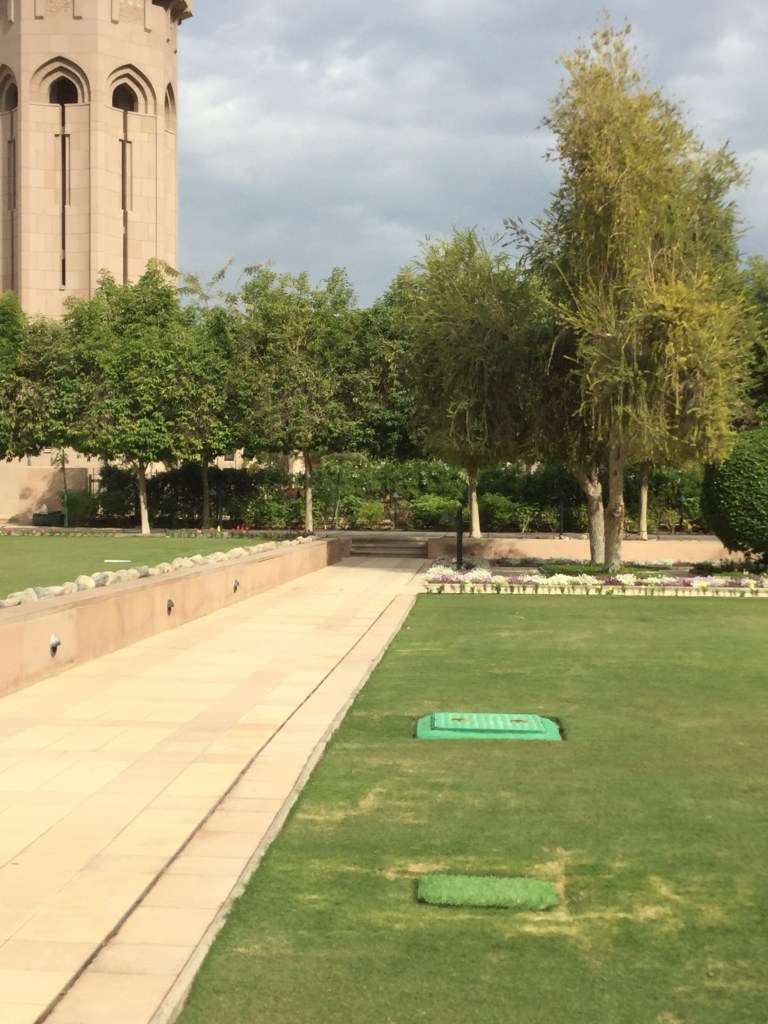
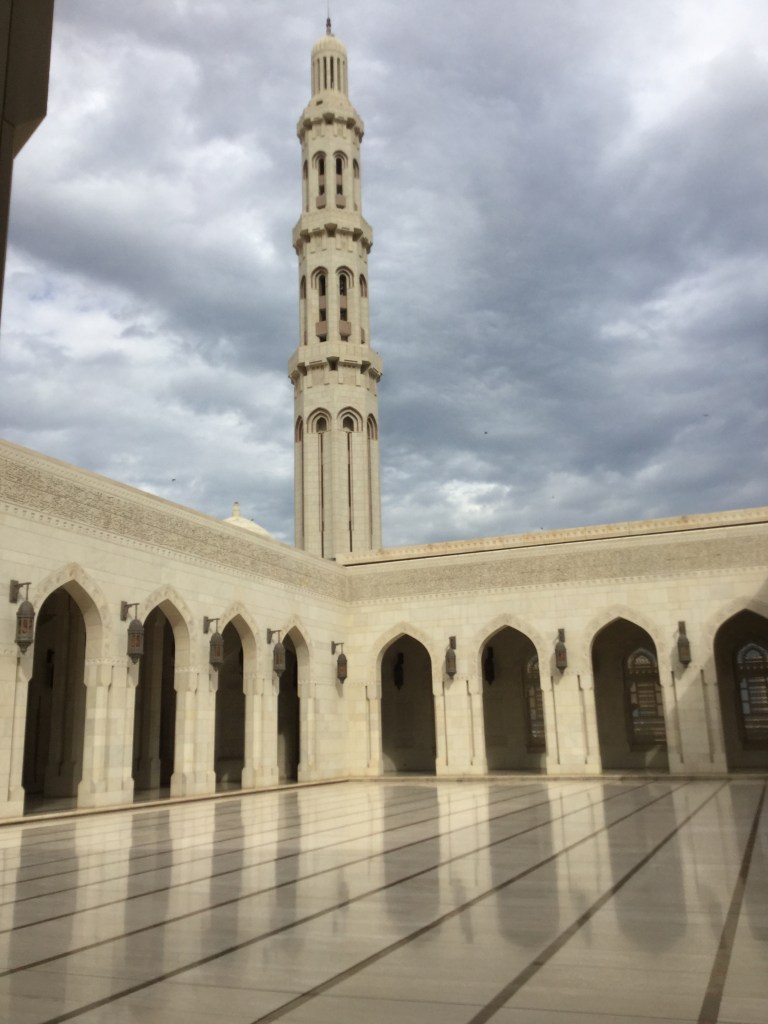
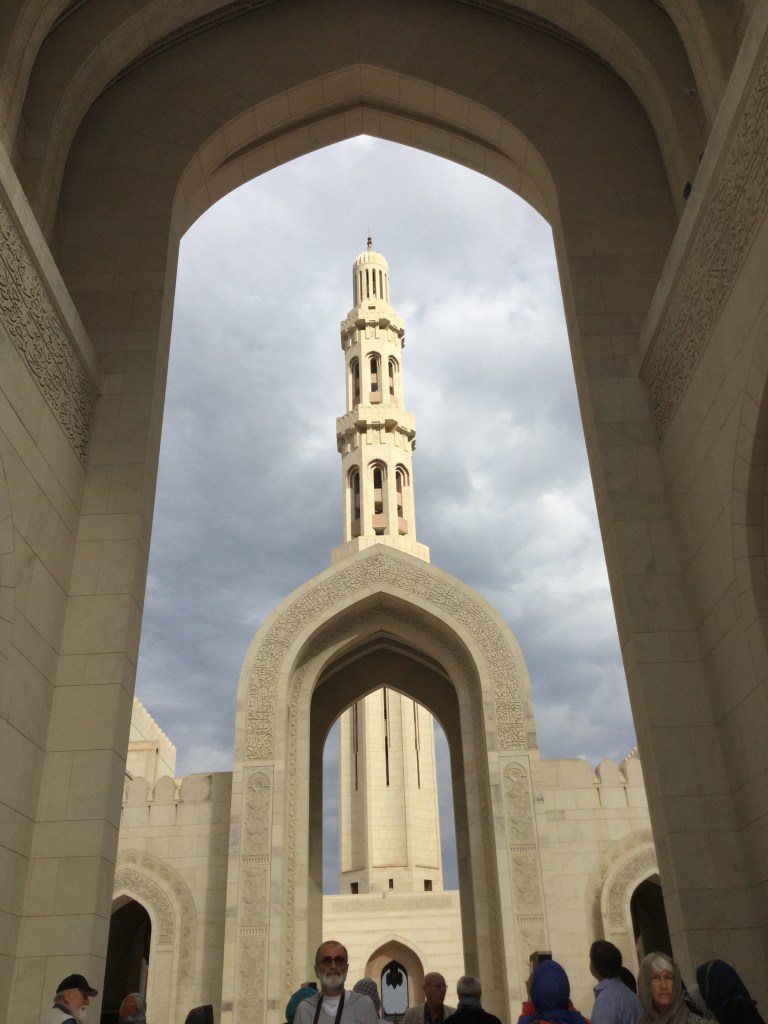
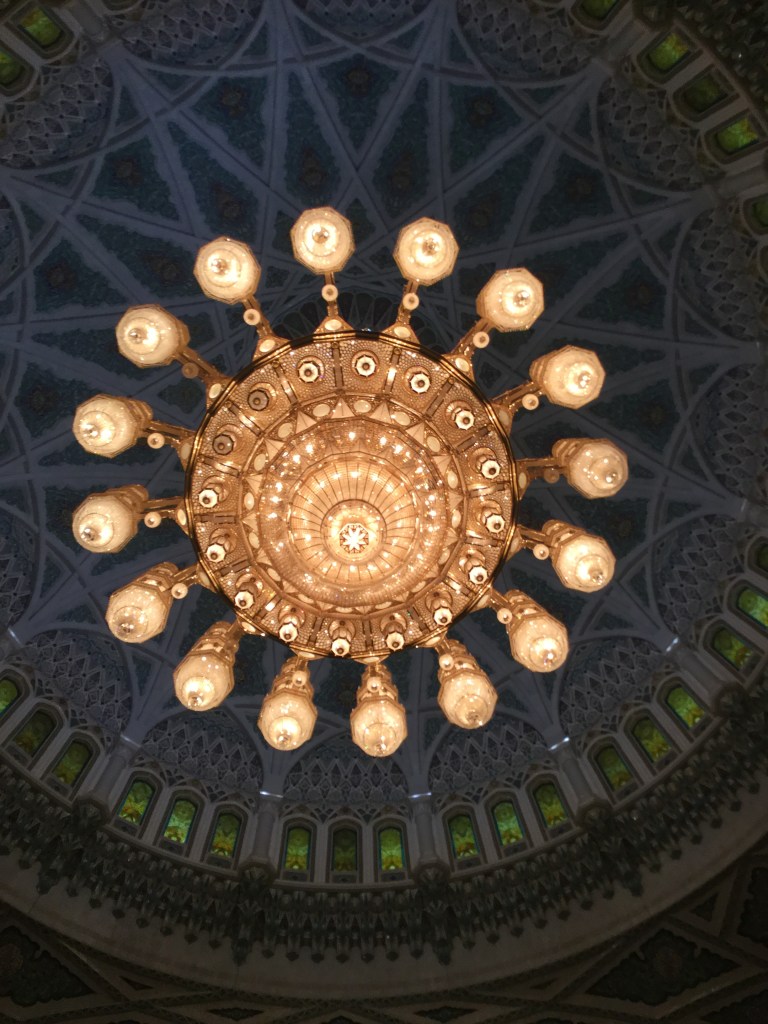
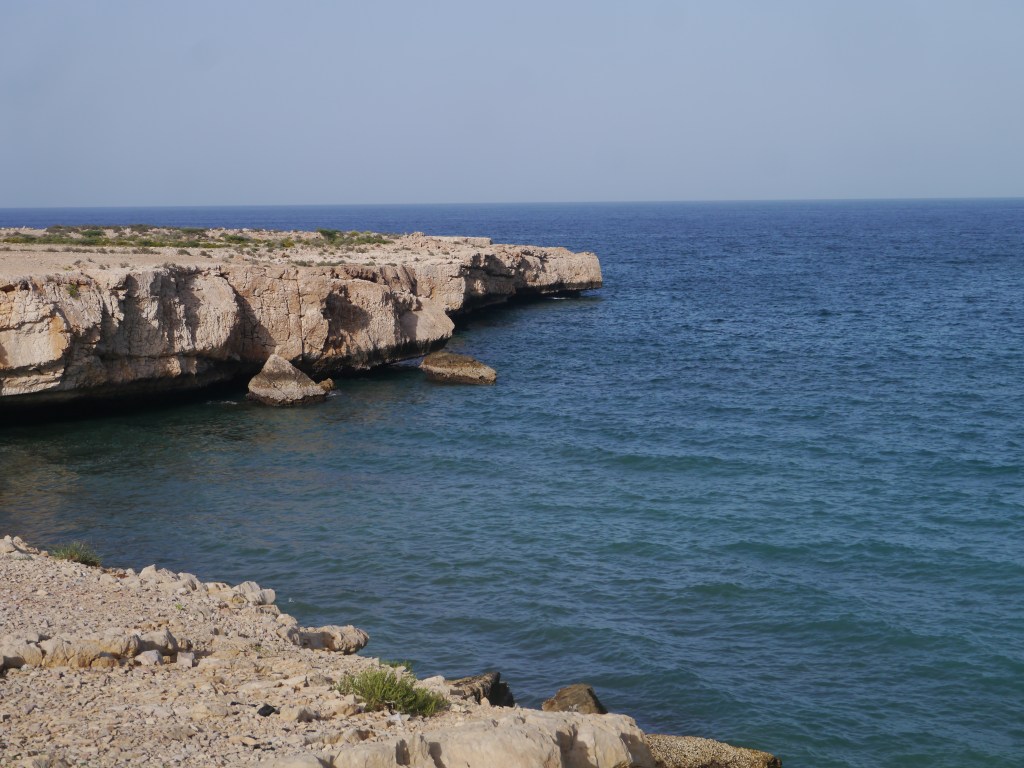
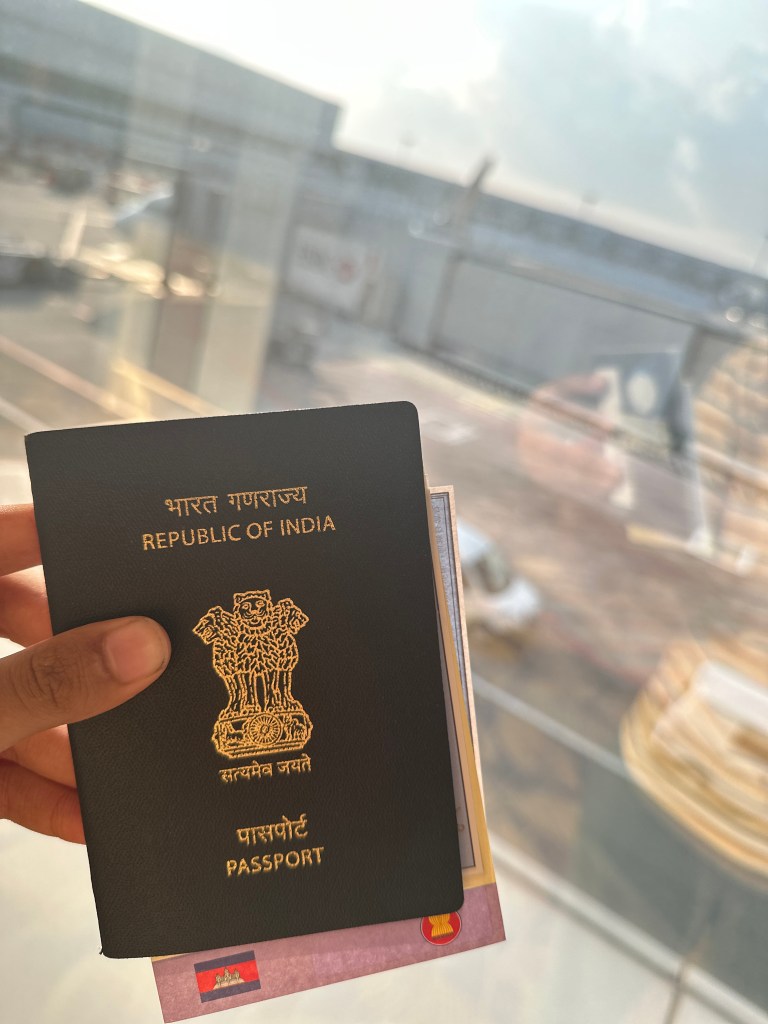
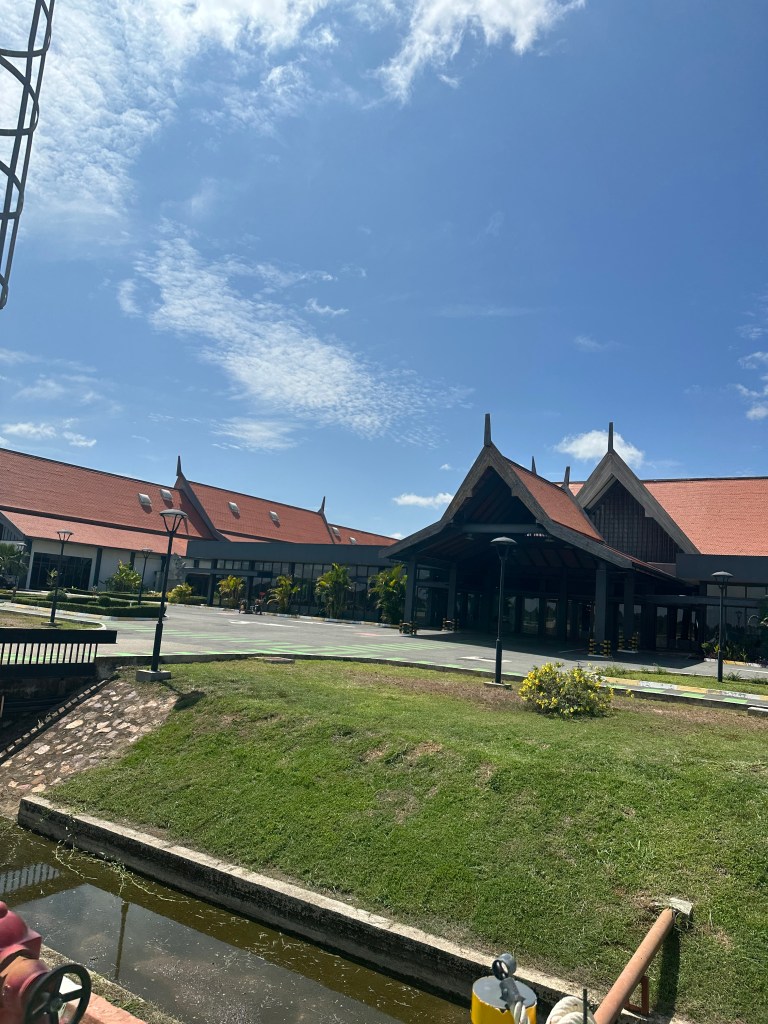
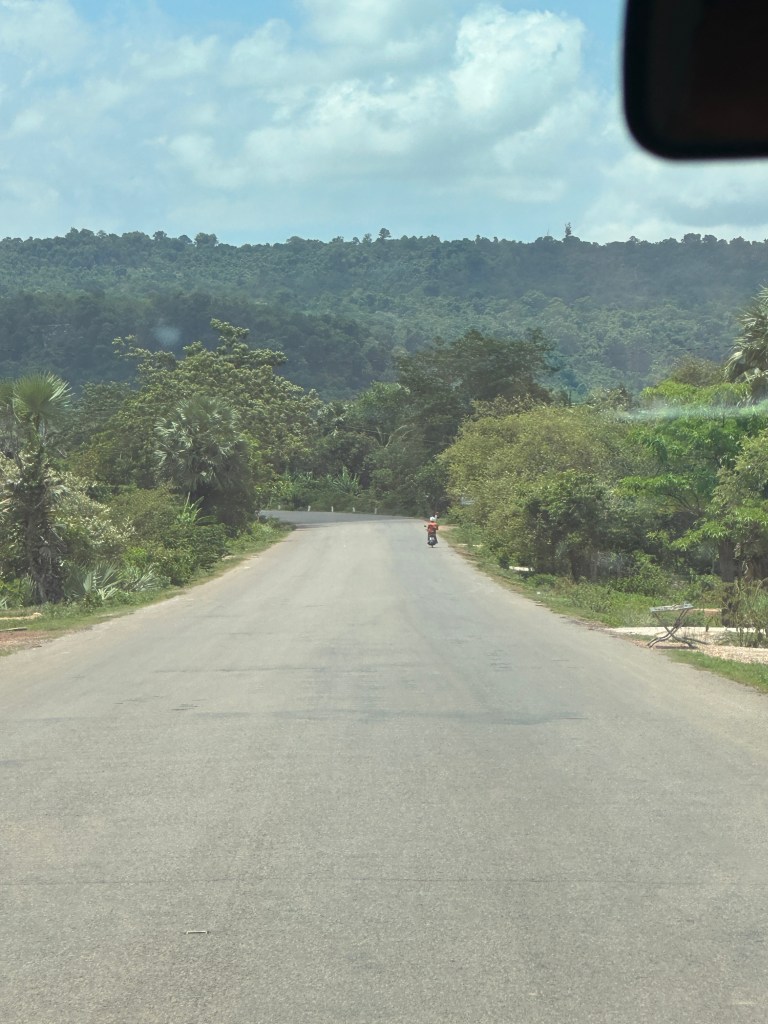
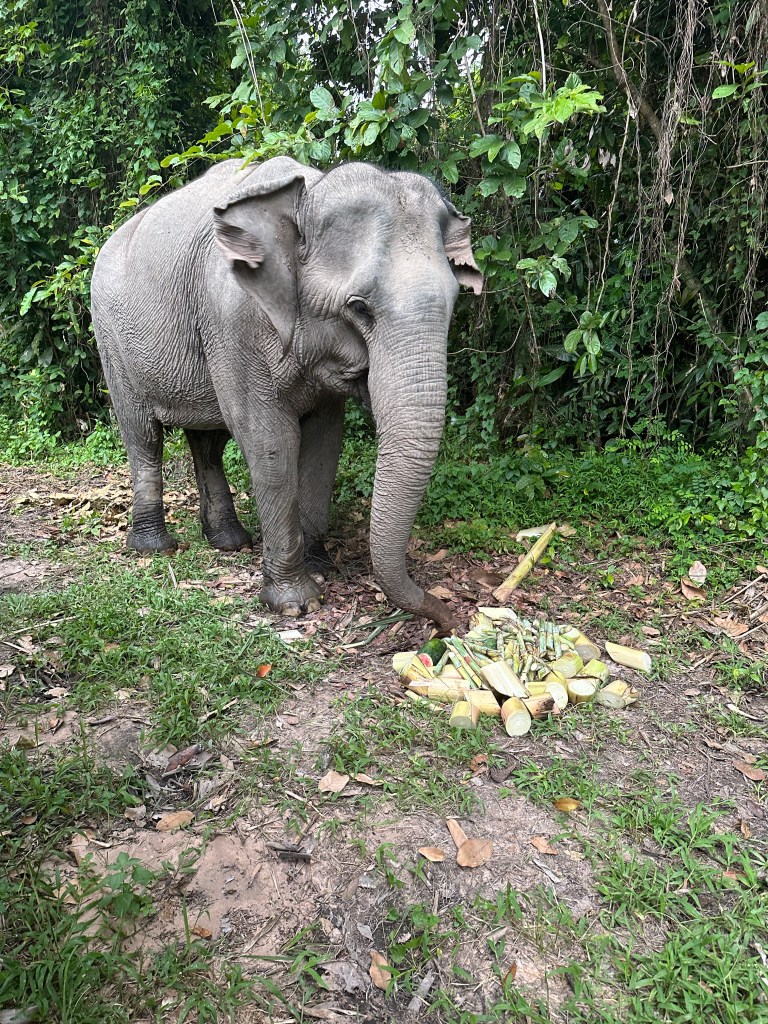
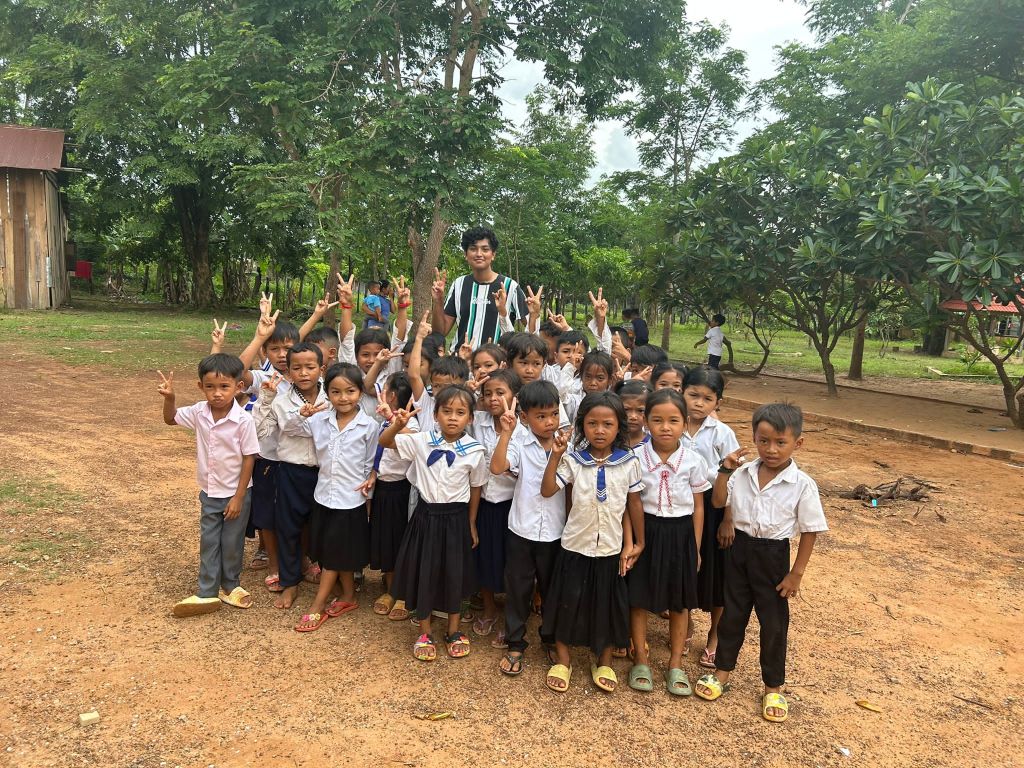


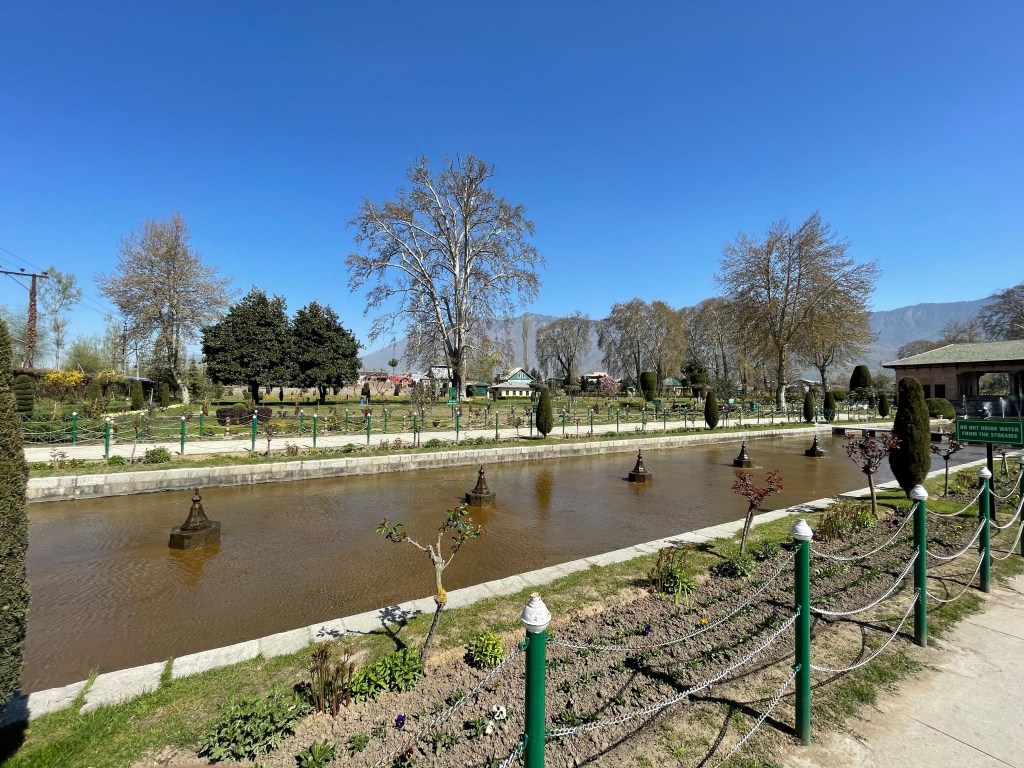
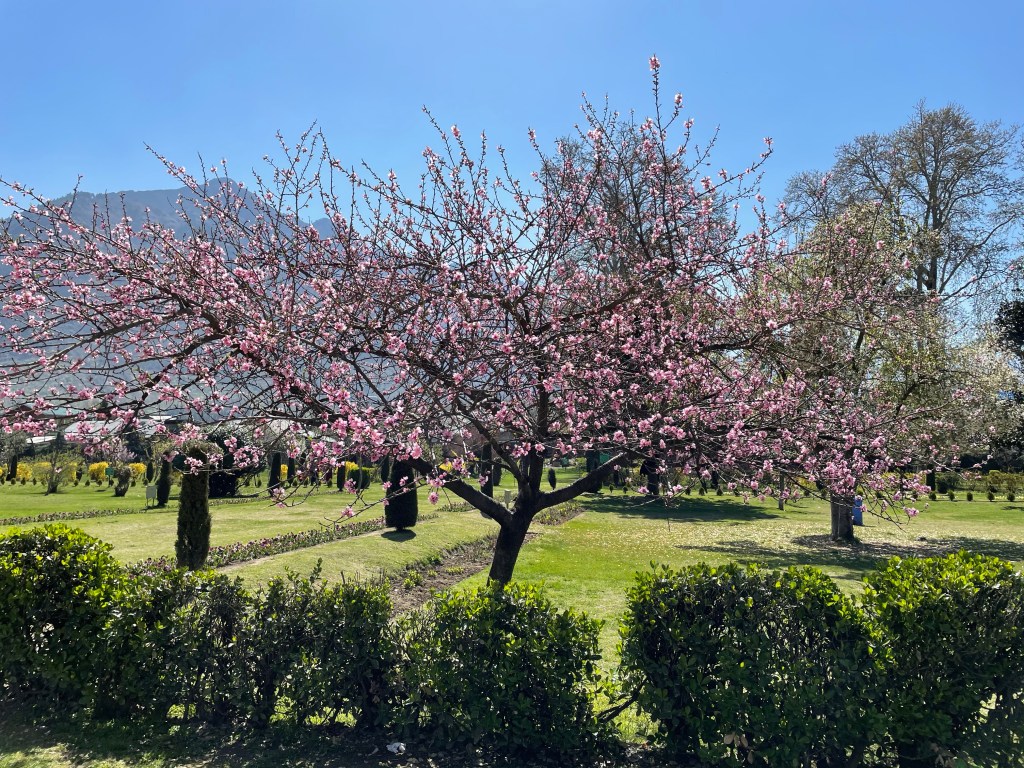
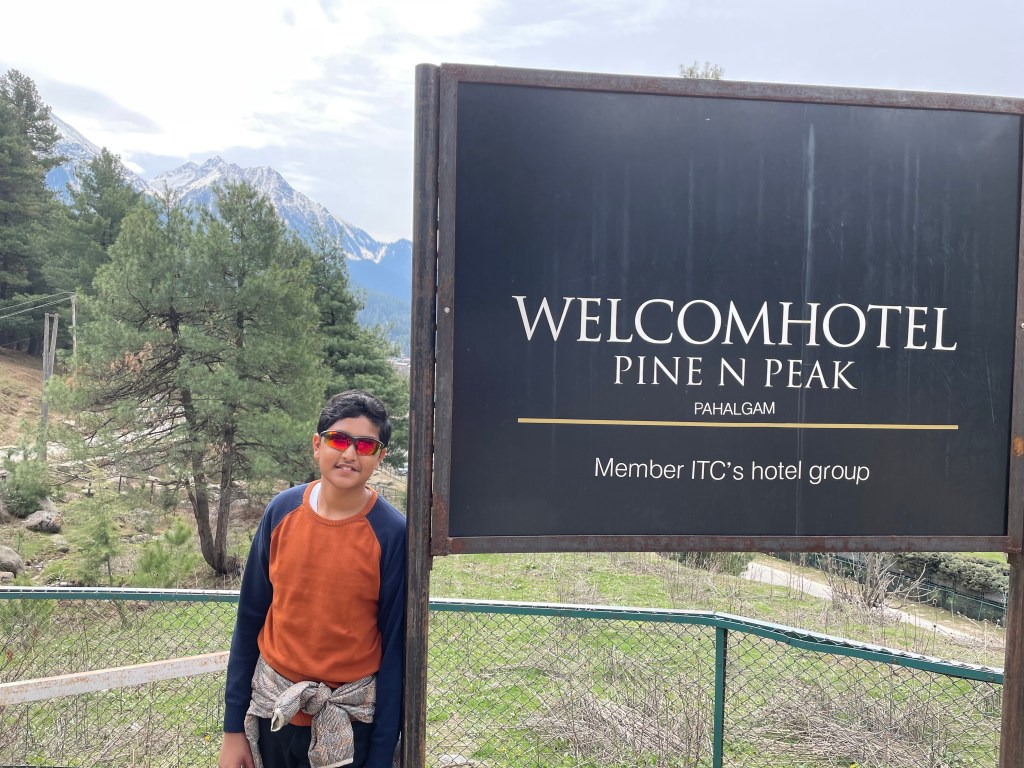
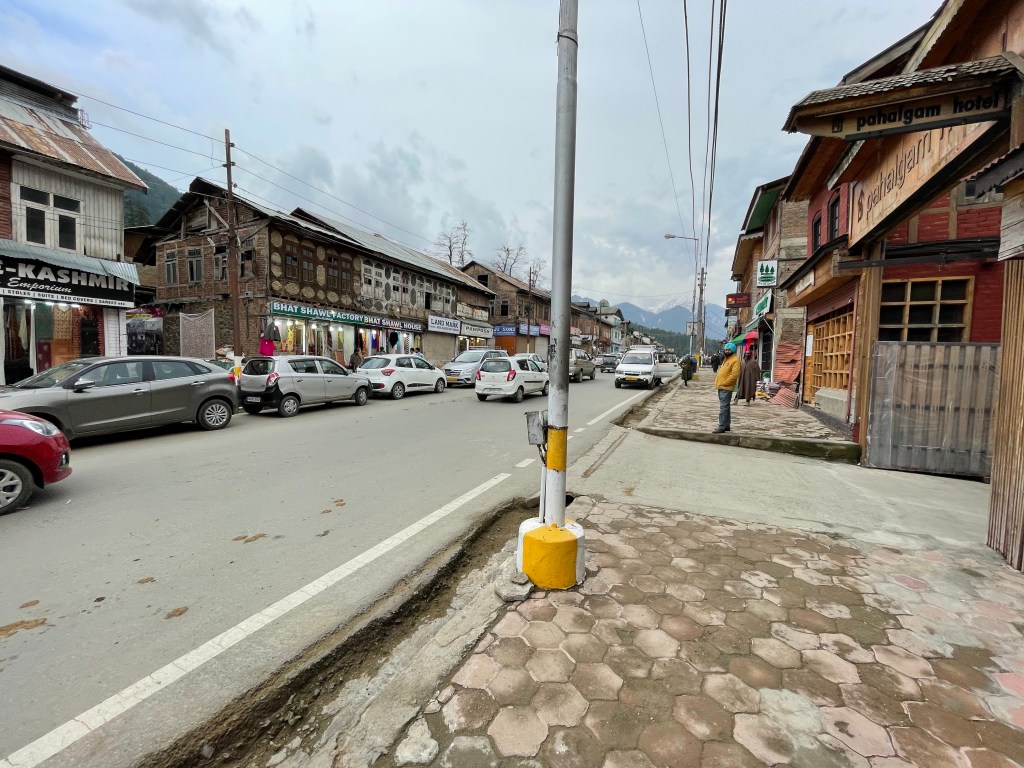

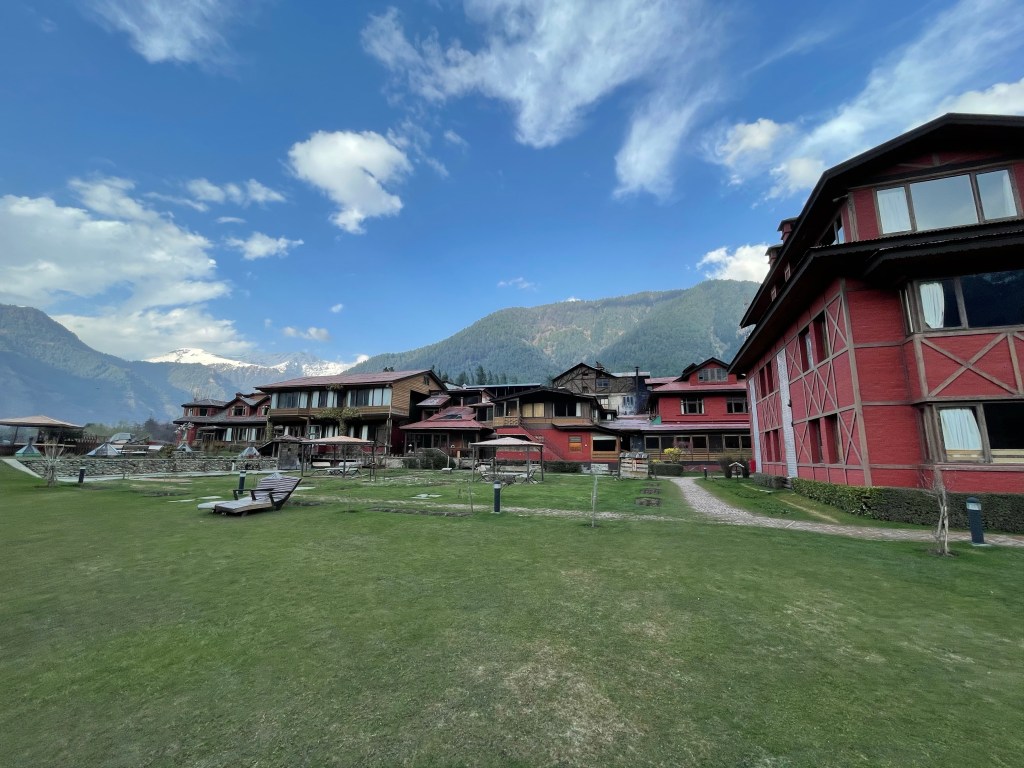
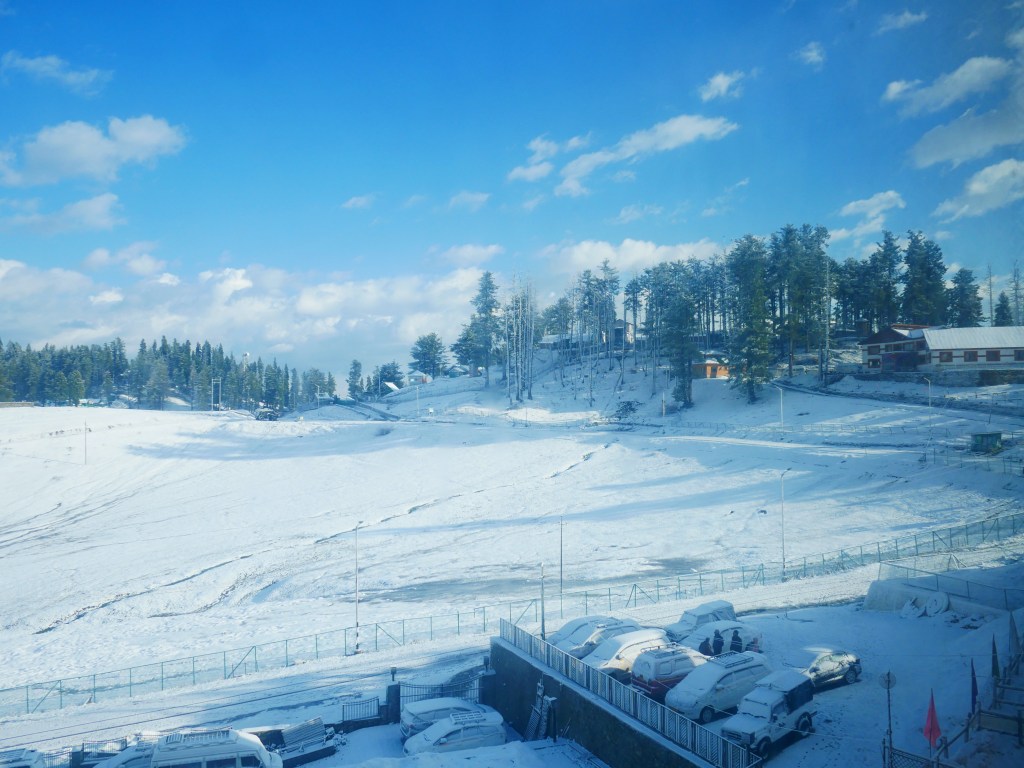
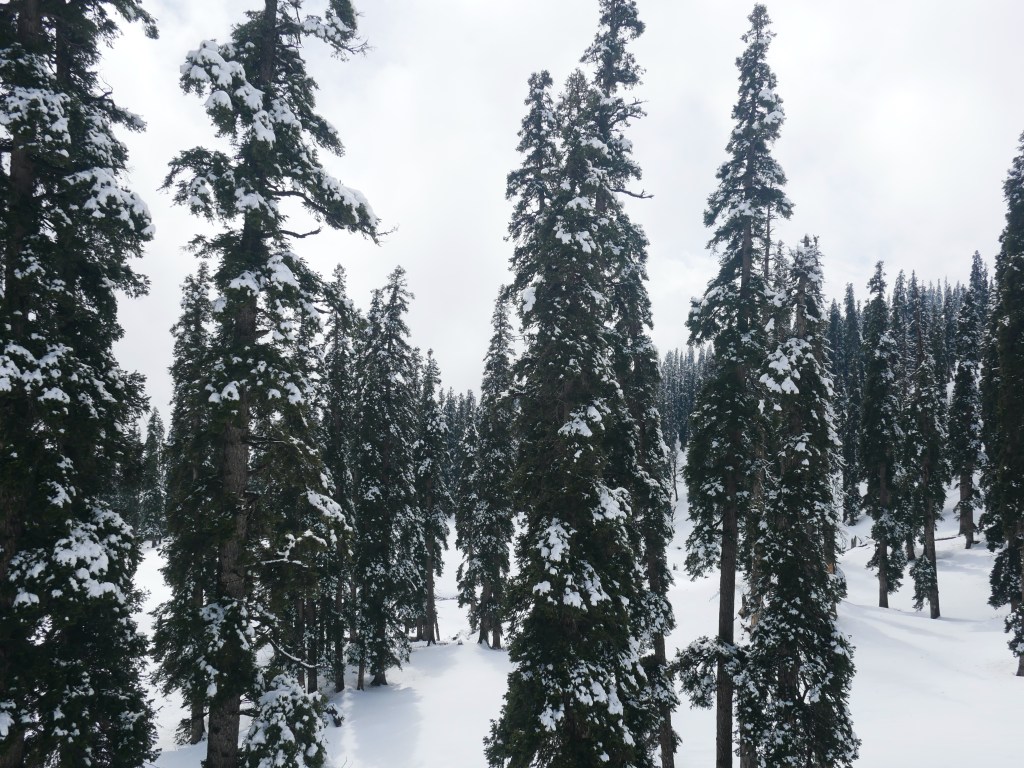
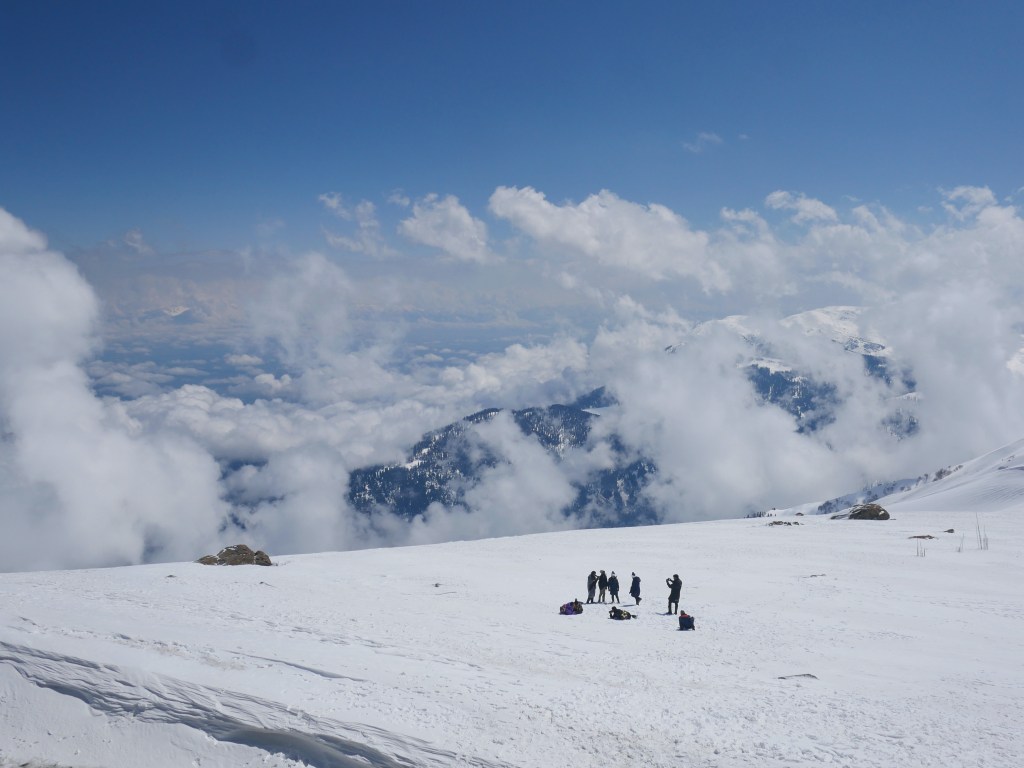
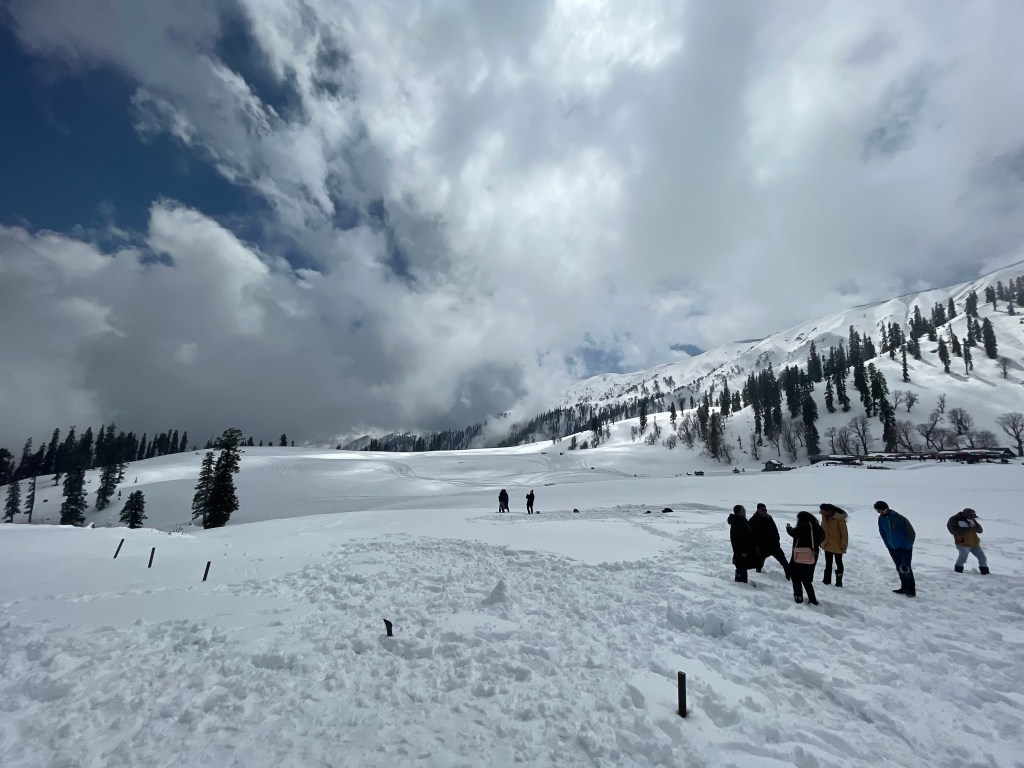
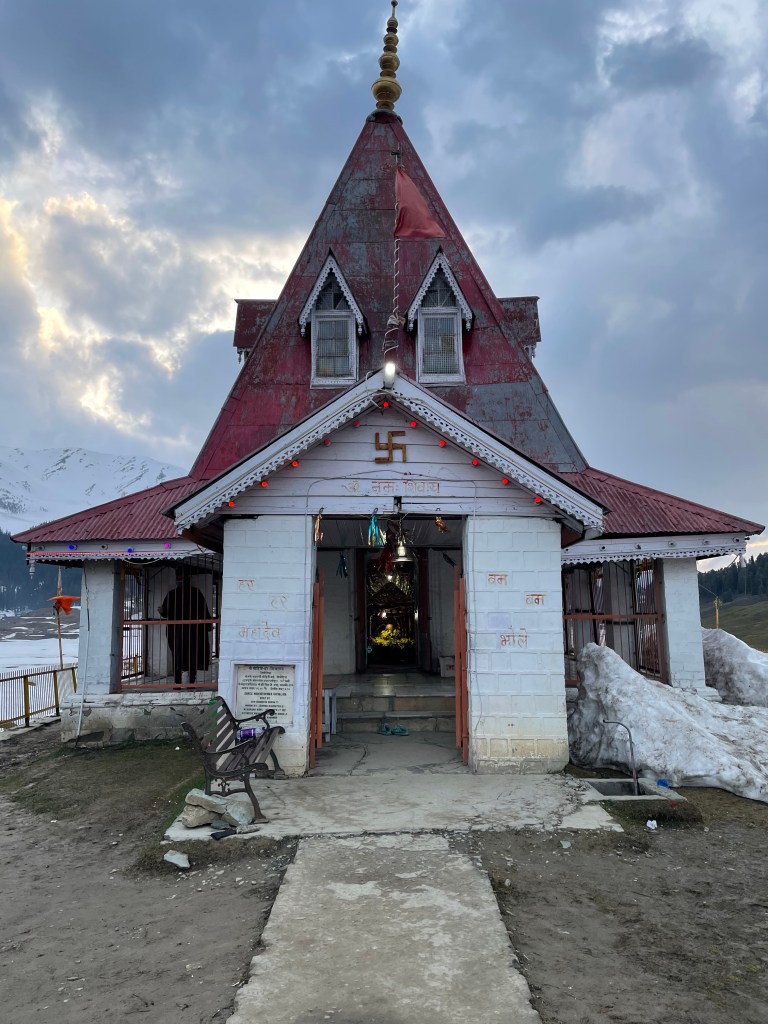
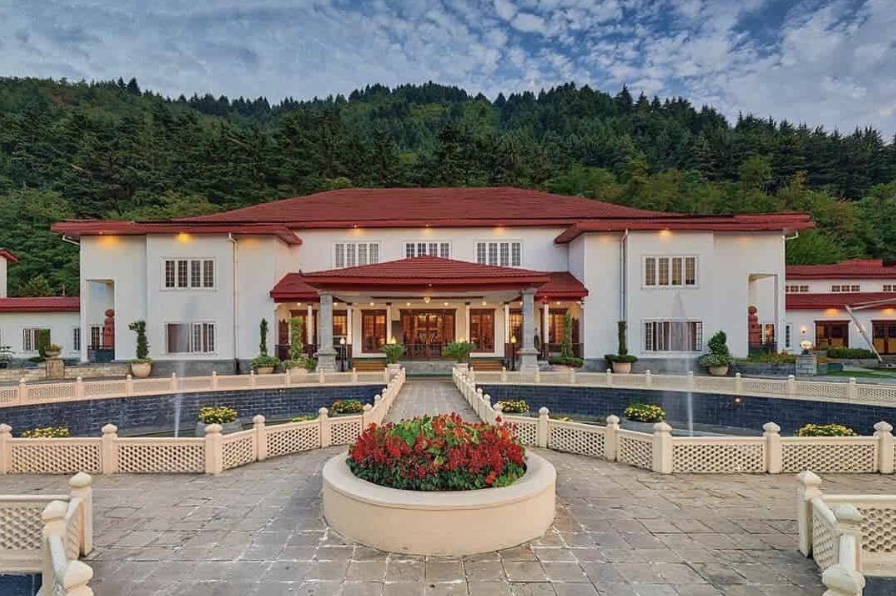
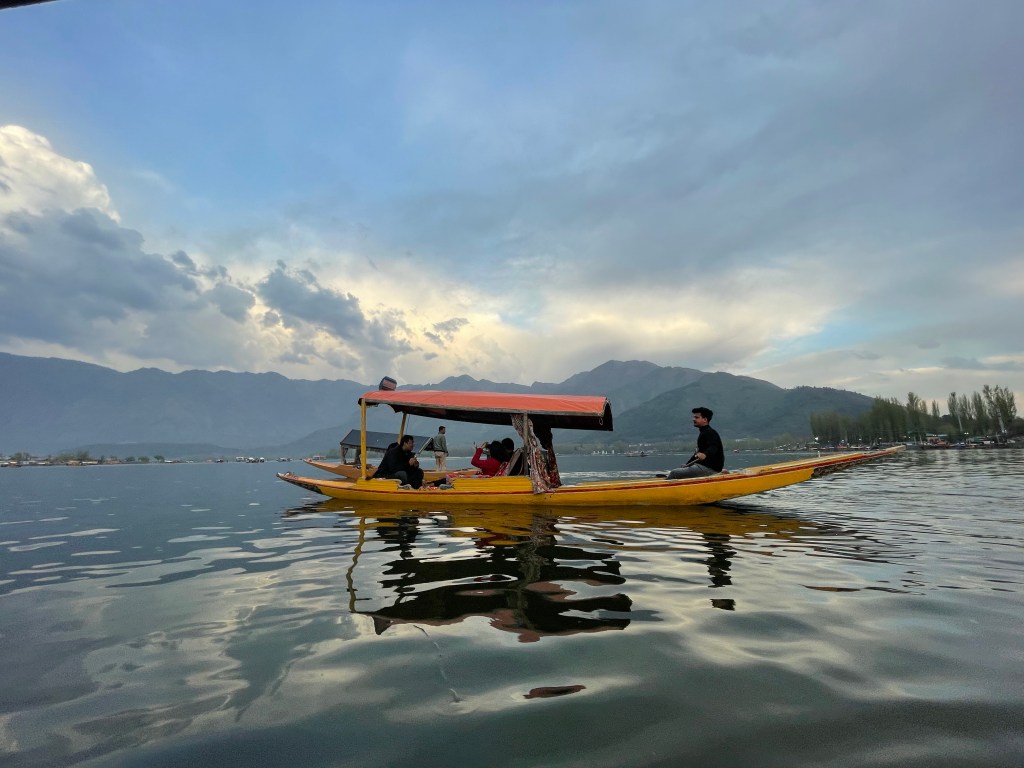

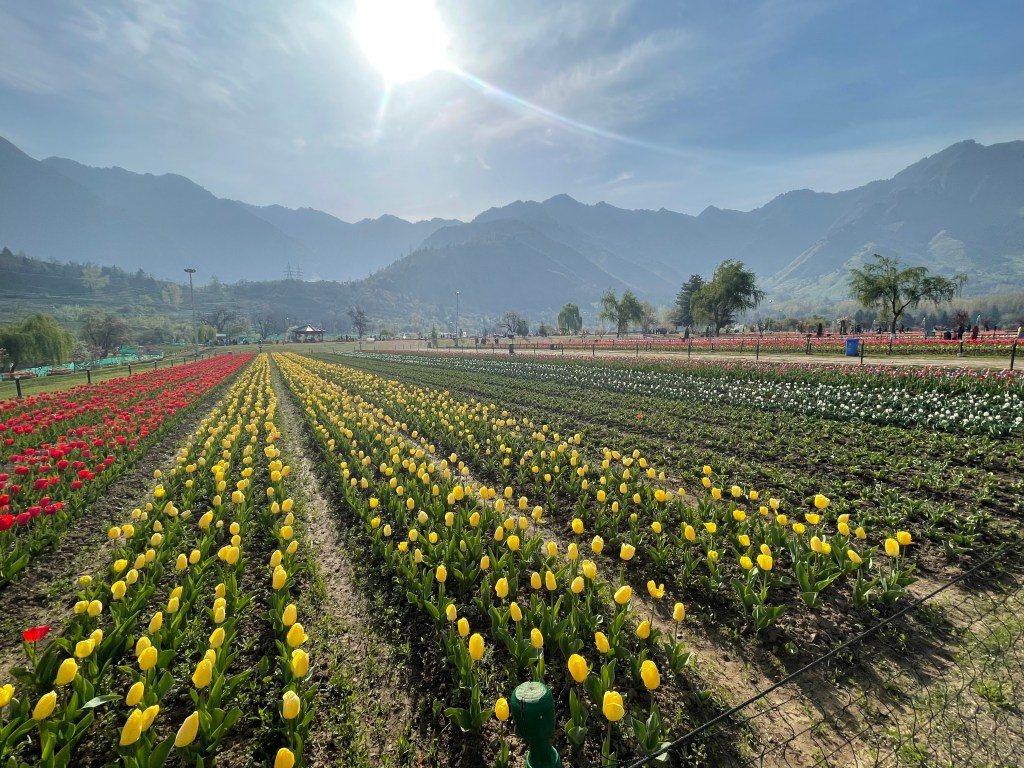
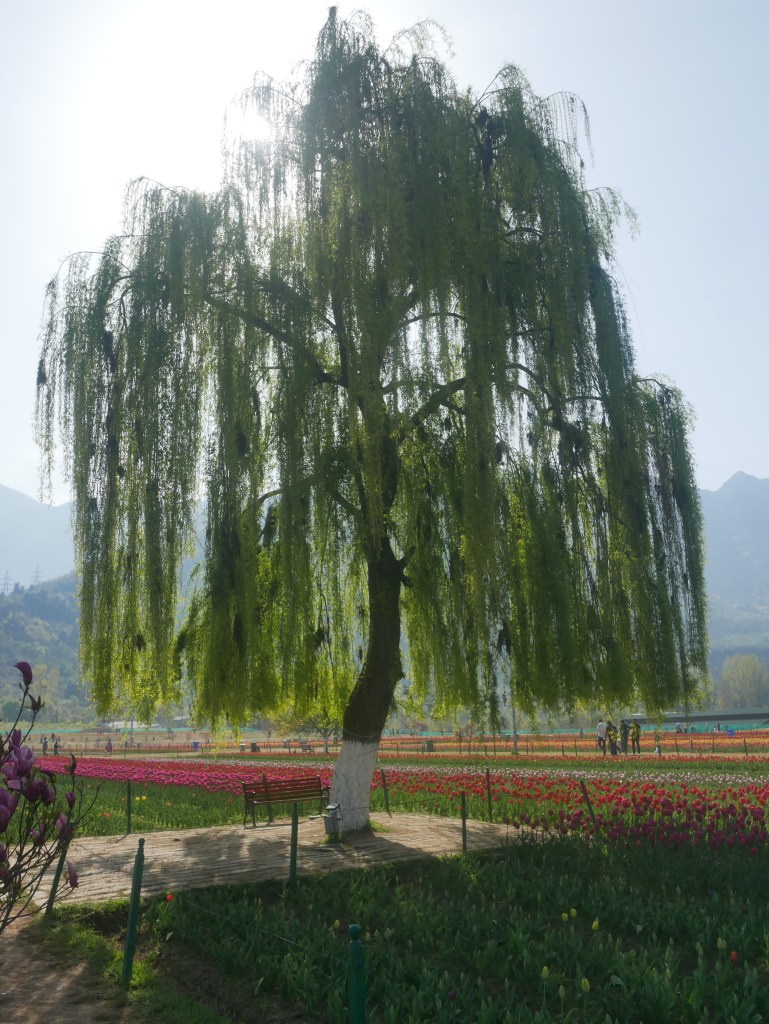
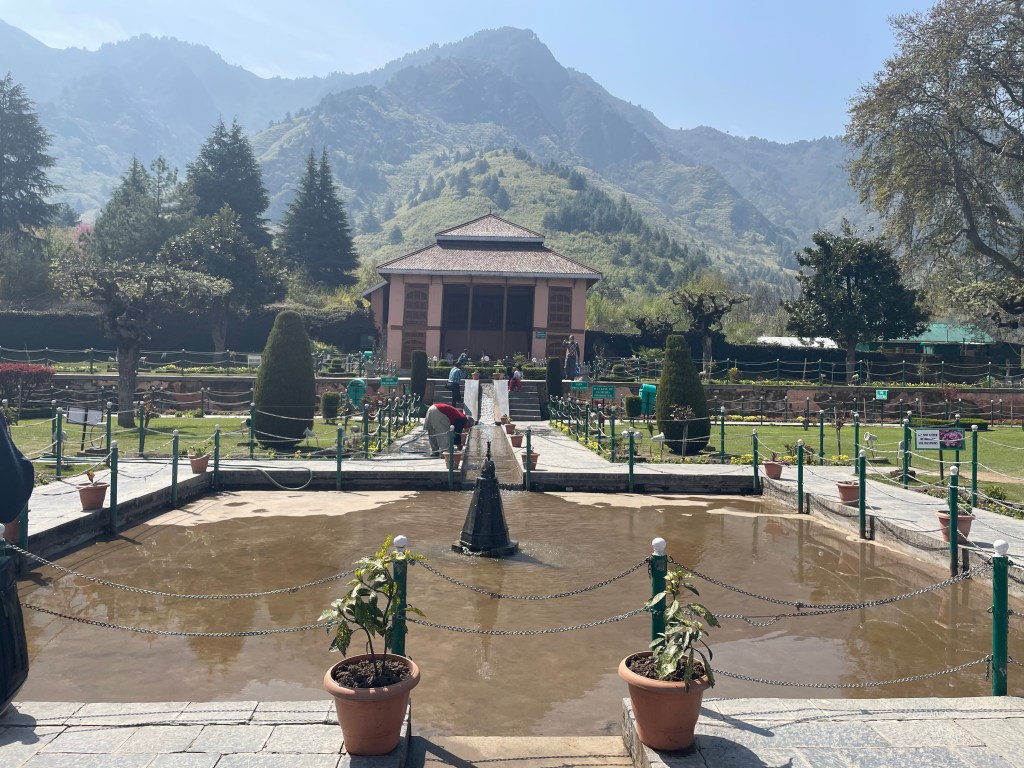
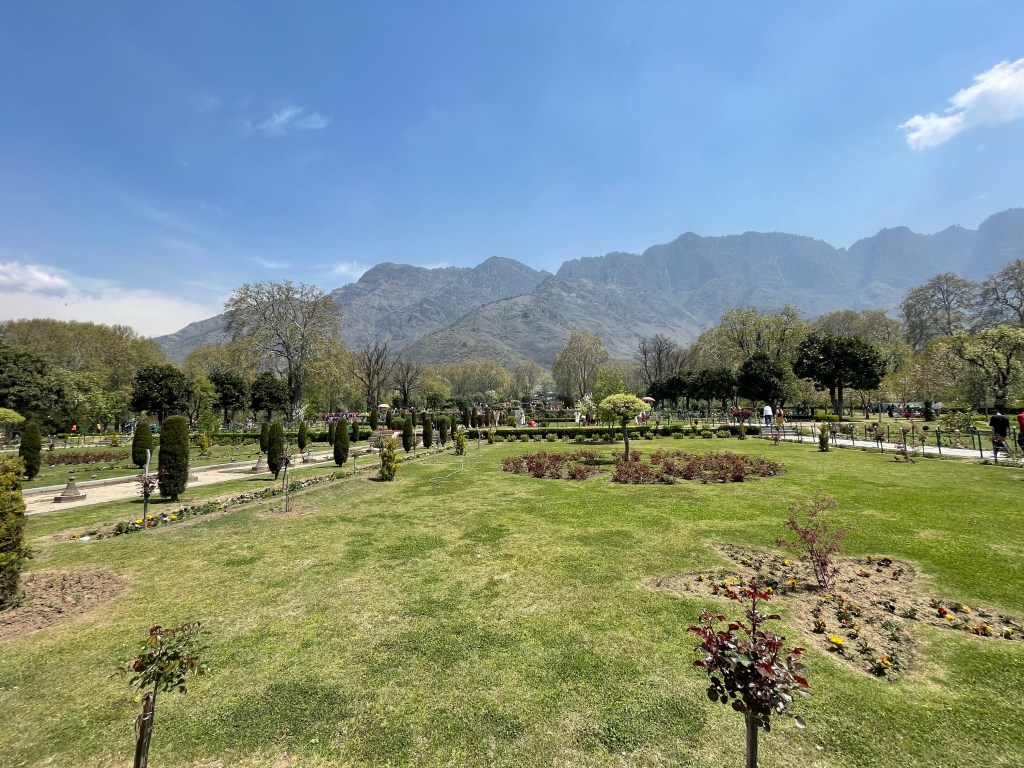


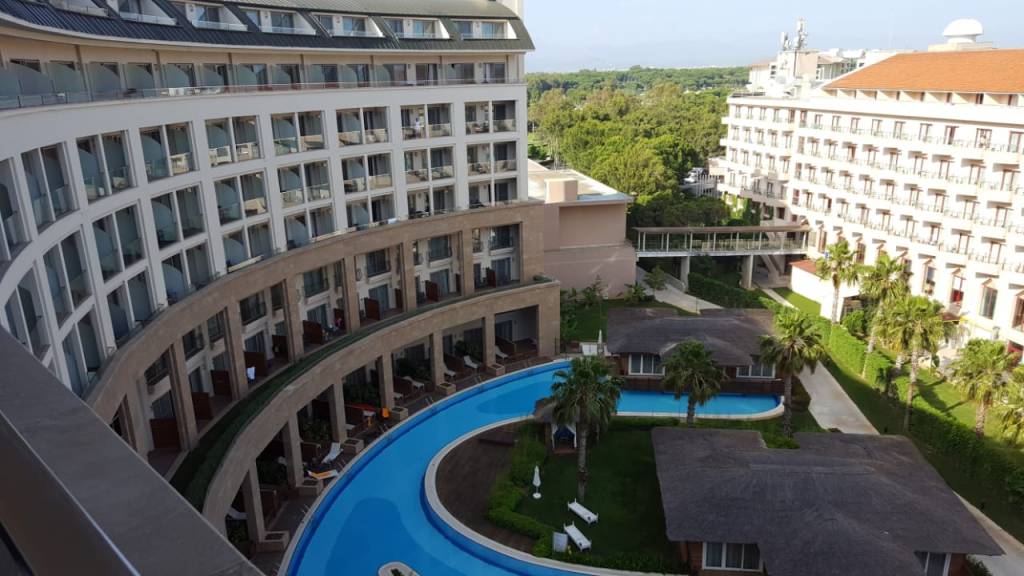
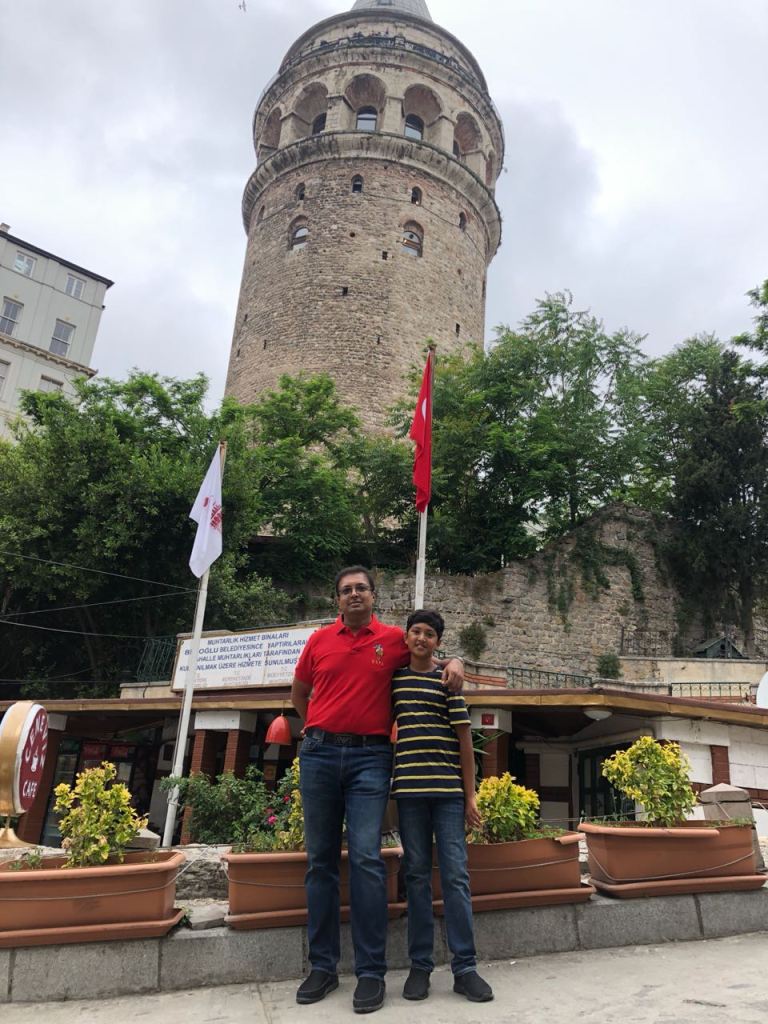
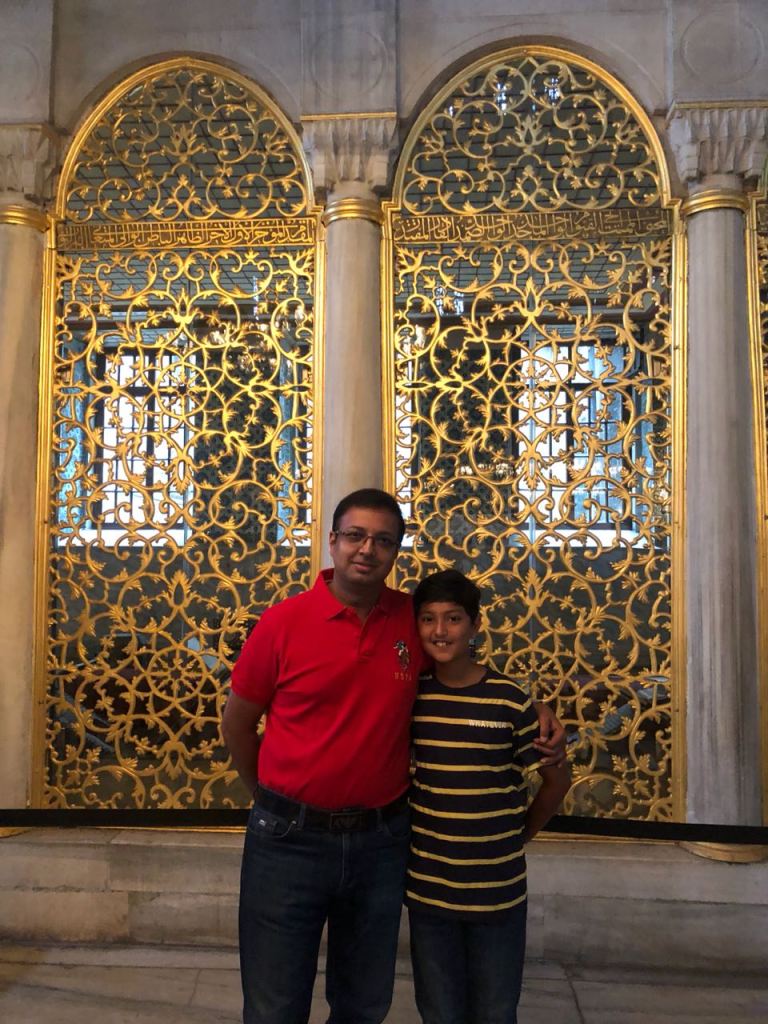
 Travel Footprints