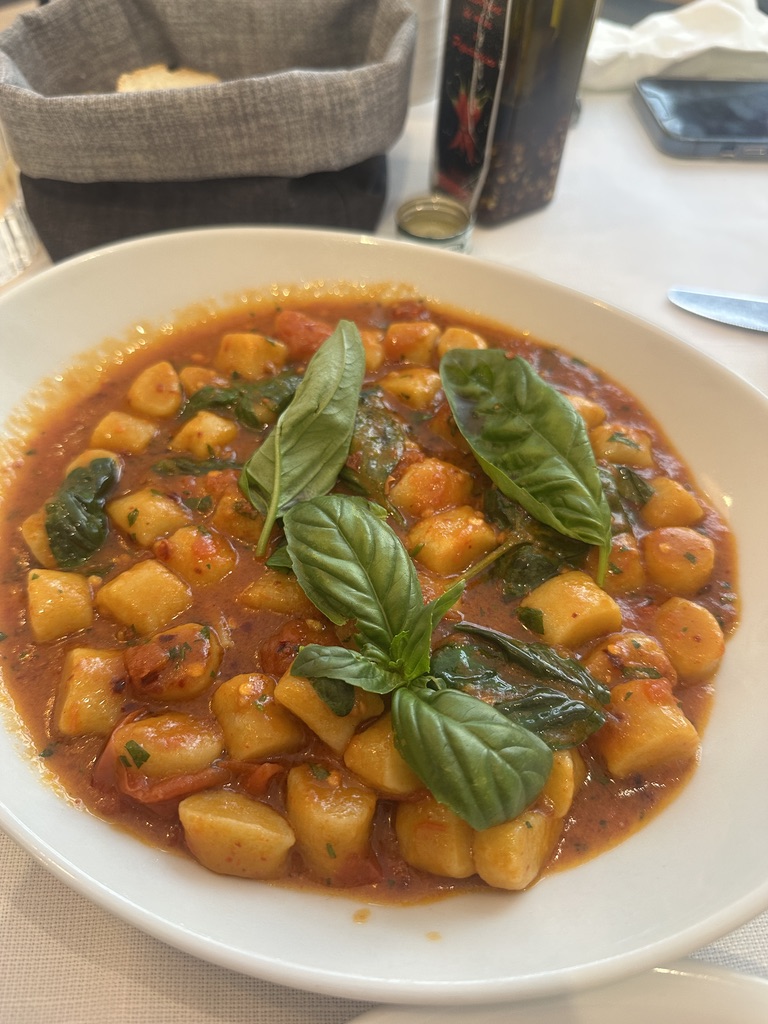
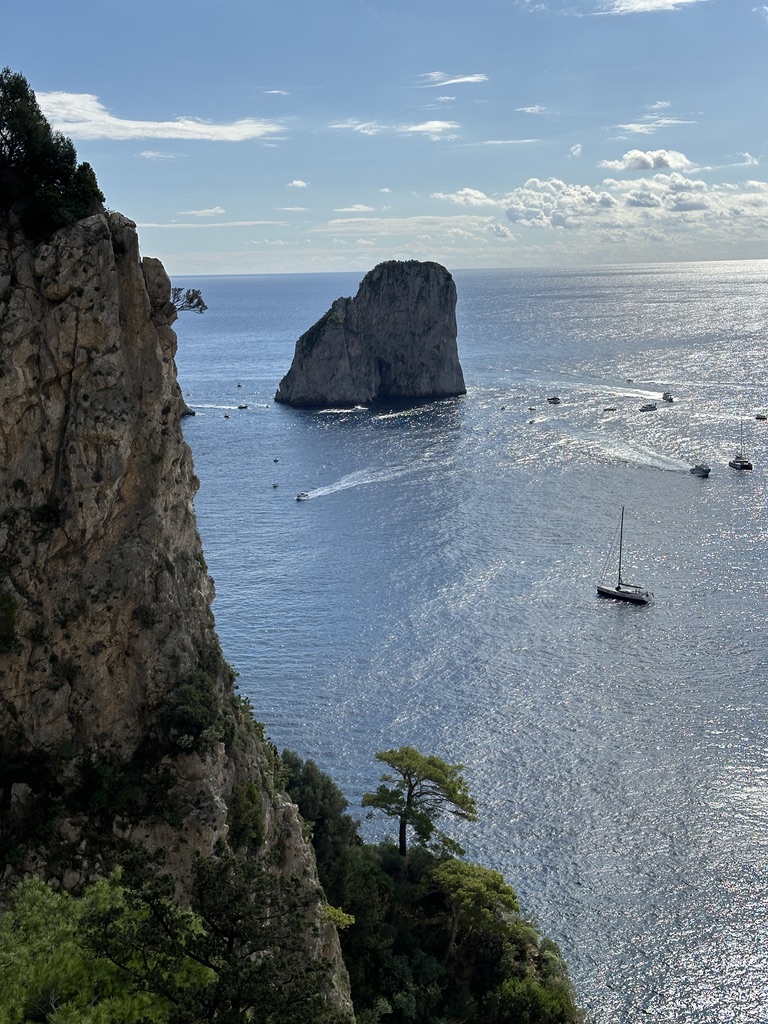
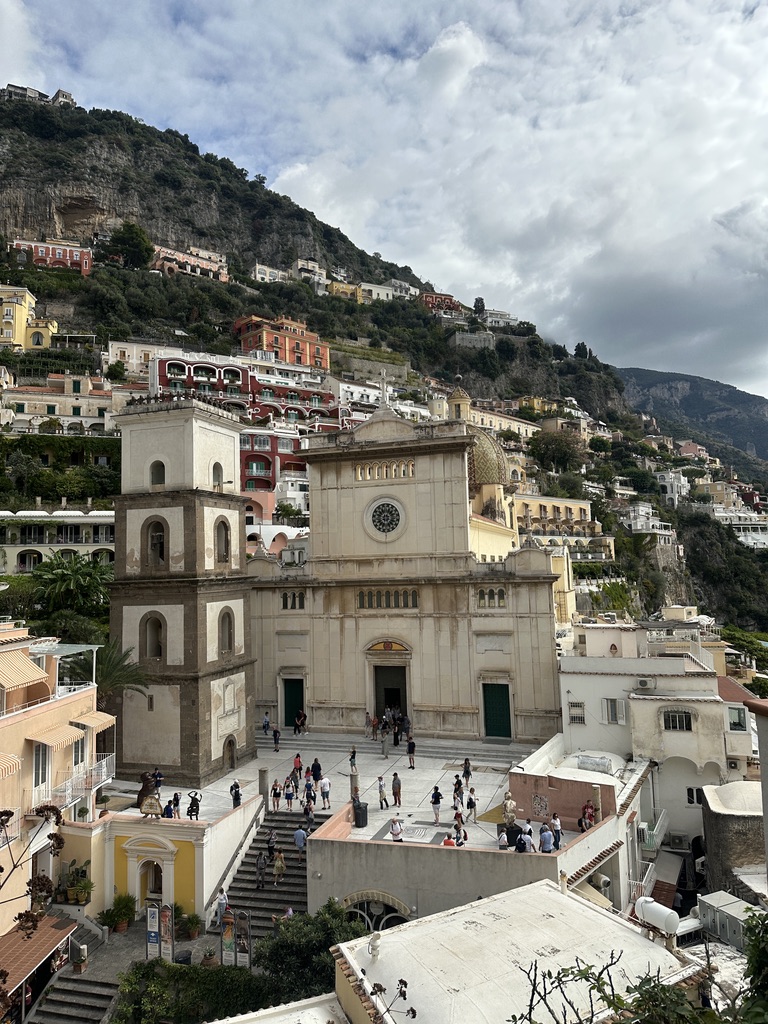
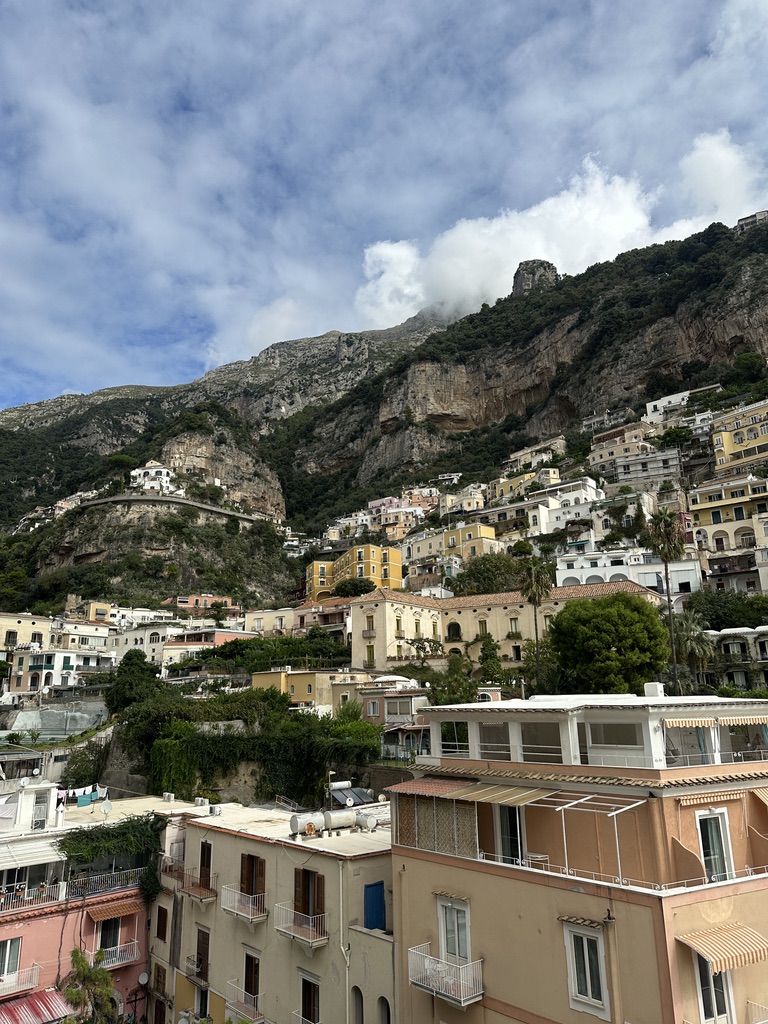
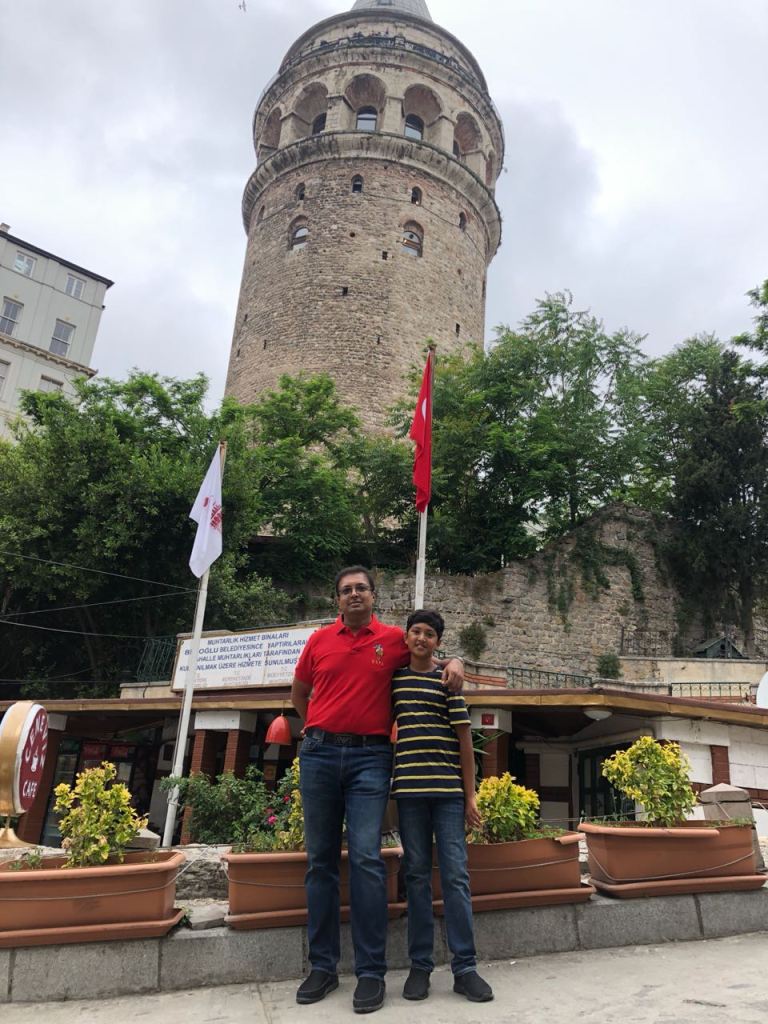
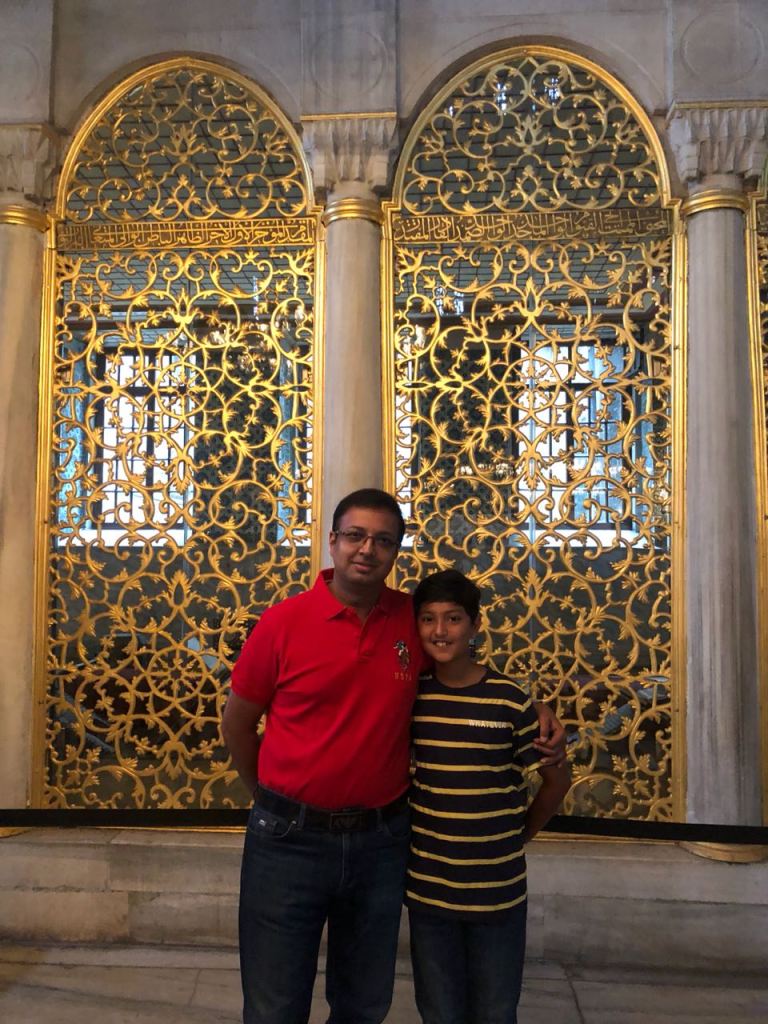
Italy : Naples, Pompeii & Rome

This blog explores Rome, Naples, and Pompeii. Between Naples and Rome, we spent 4 nights on the Amalfi Coast (click here). Now, let’s dive into the more metropolitan side of the trip. But, a quick disclaimer: I was a bit under the weather, so I couldn’t dive into every detail as much as I’d like. Plus, this trip was more about food and leisure, so forgive me if I skim over some iconic sights. Ok, now back to the blog!

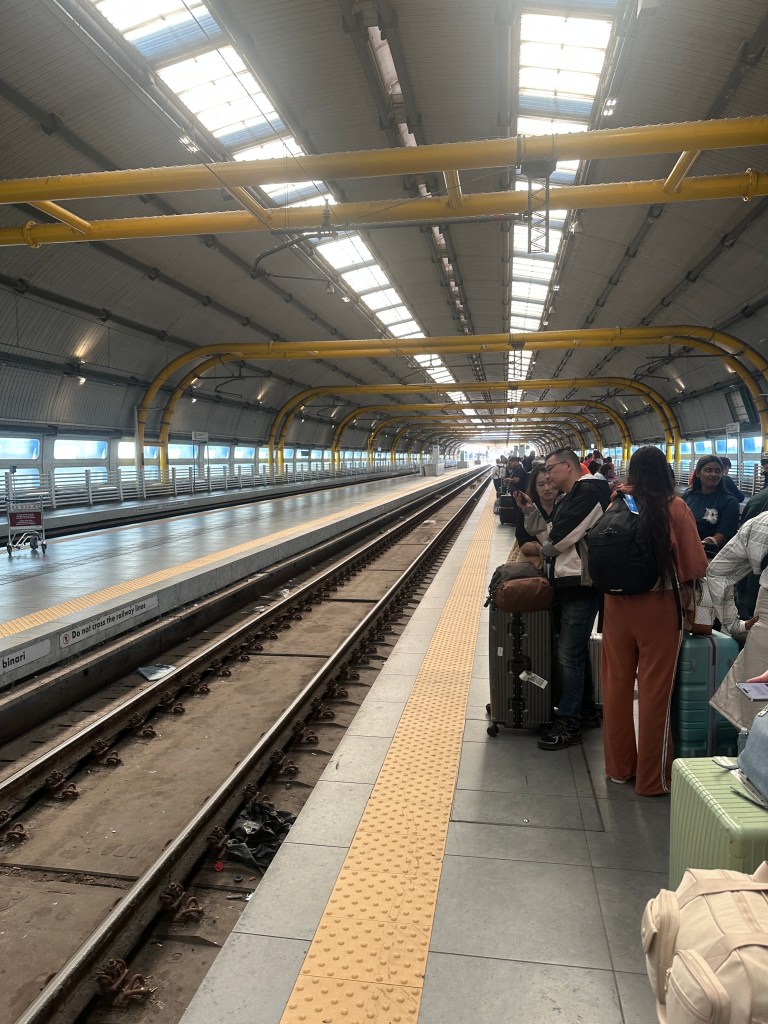
    Our trip to Italy kicked off with our arrival in Rome, though the welcome wasn’t exactly five stars. After navigating immigration lines that stretched out for nearly an hour, we found the airport wasn’t the best either. We hurried over to catch a train to Rome Termini, only to be met with yet another line—this time for tickets. With the service queue looking like something out of a marathon, we ditched the wait and grabbed tickets on an app called Omio (seriously, do yourself a favor and download the app). Even with all that hustle, our train still departed 30 minutes late because let’s just say Italy is known for not being on time unlike Japan or Switzerland. 

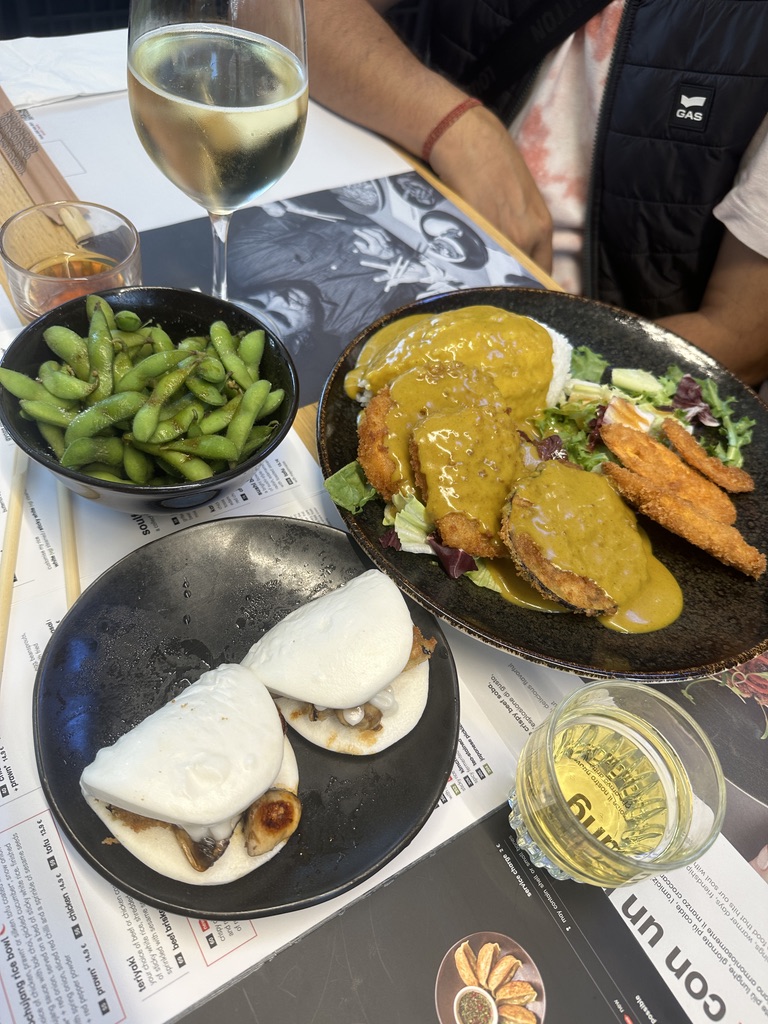
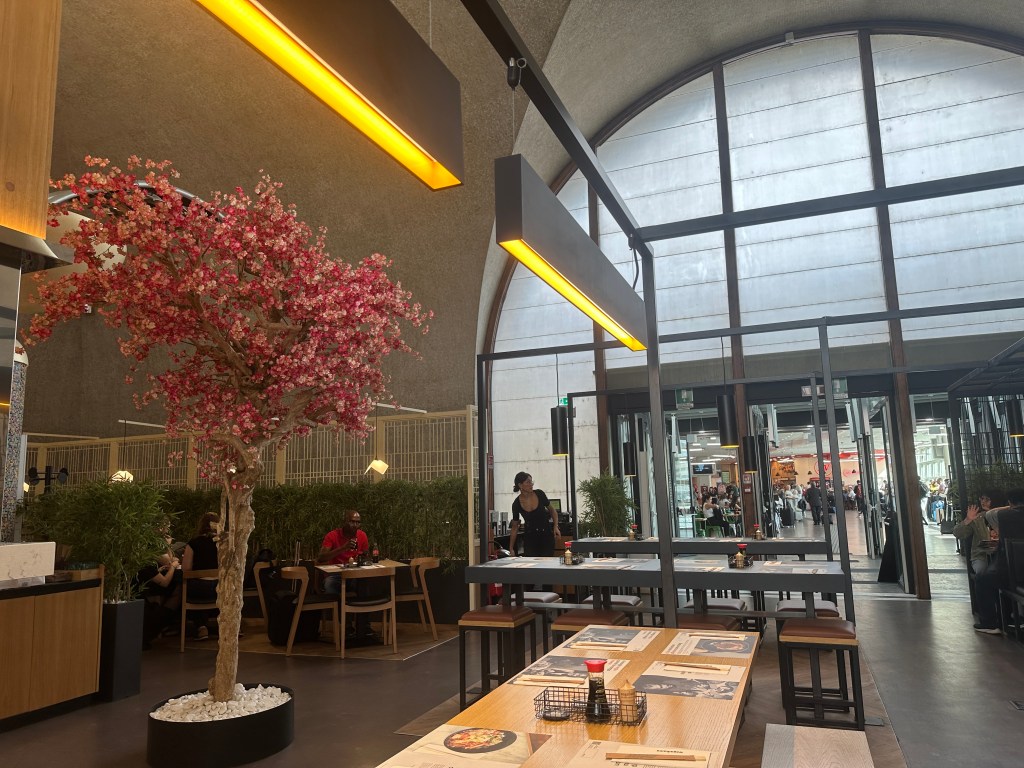
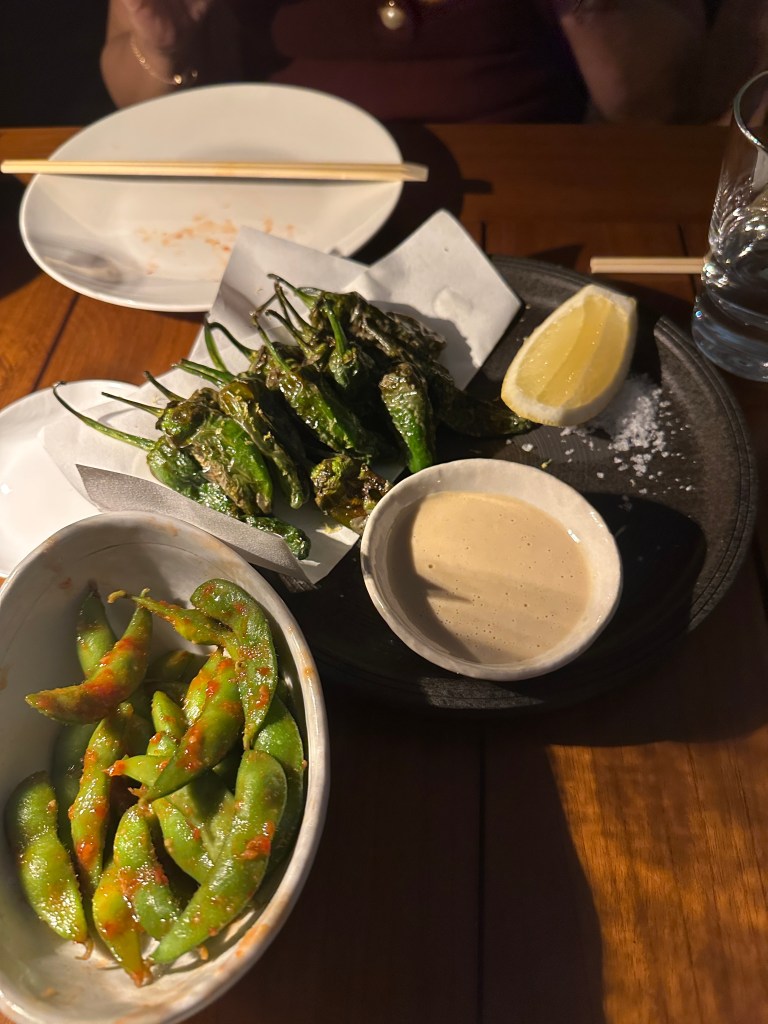
    At Rome Termini, where we had a lunch that reduced the travel fatigue by quite a bit. Lunch at the popular joint Wagamama included the katsu curry, gyozas, and edamame were exactly what we needed to refuel—washed down with some refreshing drinks, of course. Feeling more refreshed, we headed back to the station for our 12:30 train, only to find it delayed by two hours. At that point, it felt like all of Rome had hit pause, with trains seemingly going nowhere. All trains were delayed, some even for 5 hours. Even once we boarded our .Italo train, uncertainty lingered, but when it finally got moving, it was all smooth sailing at 300 km/h. We reached Naples in just an hour.
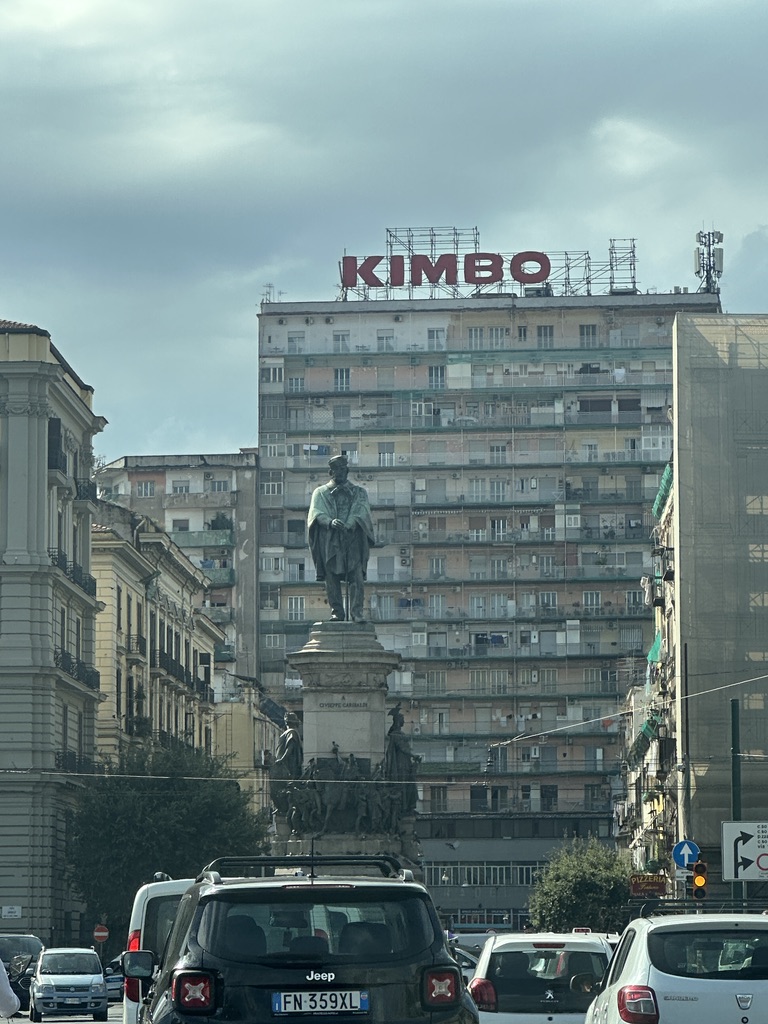
    Upon arriving in Naples, we hopped into a 15-euro taxi that took us to our accommodation, Its Room, located in Centro Storico, the old town heart of the city. The place was surprisingly spacious for its price, and the location? Absolutely perfect—a solid 10/10. Naples is a city that takes time to grow on you. It’s not the cleanest or most pristine place, especially when compared to other European cities. The streets are narrow, the buildings show their age, and there’s a sense of organized chaos that’s always in motion. But if you give it a chance, Naples reveals its real gems and charm in unexpected ways.
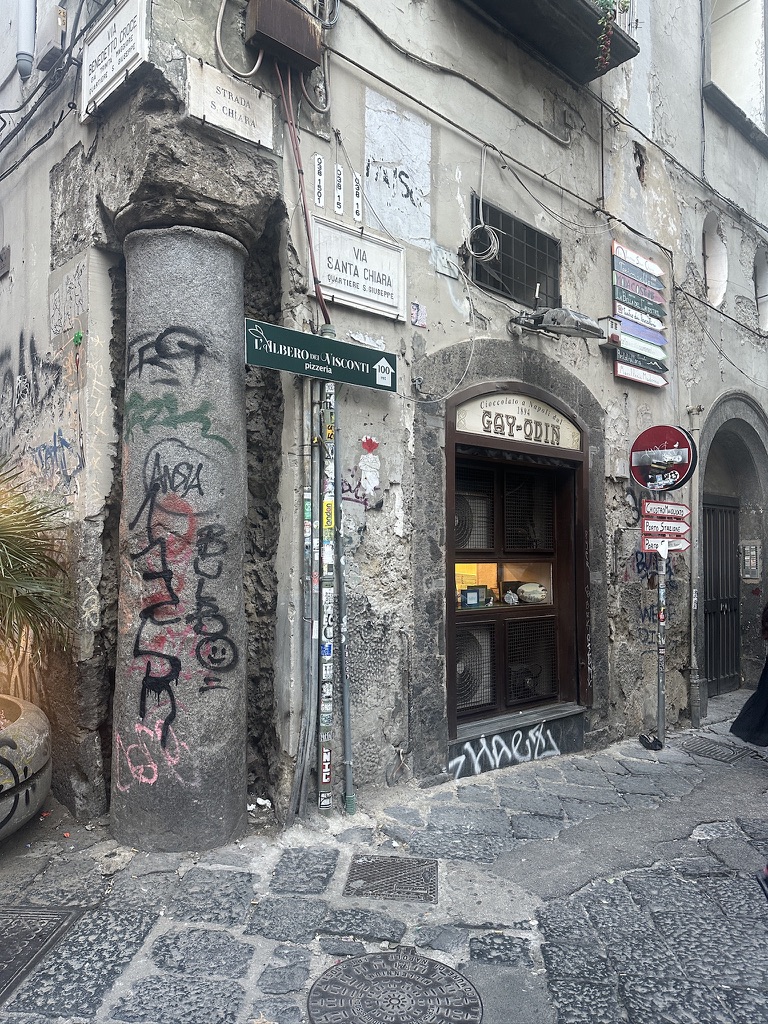
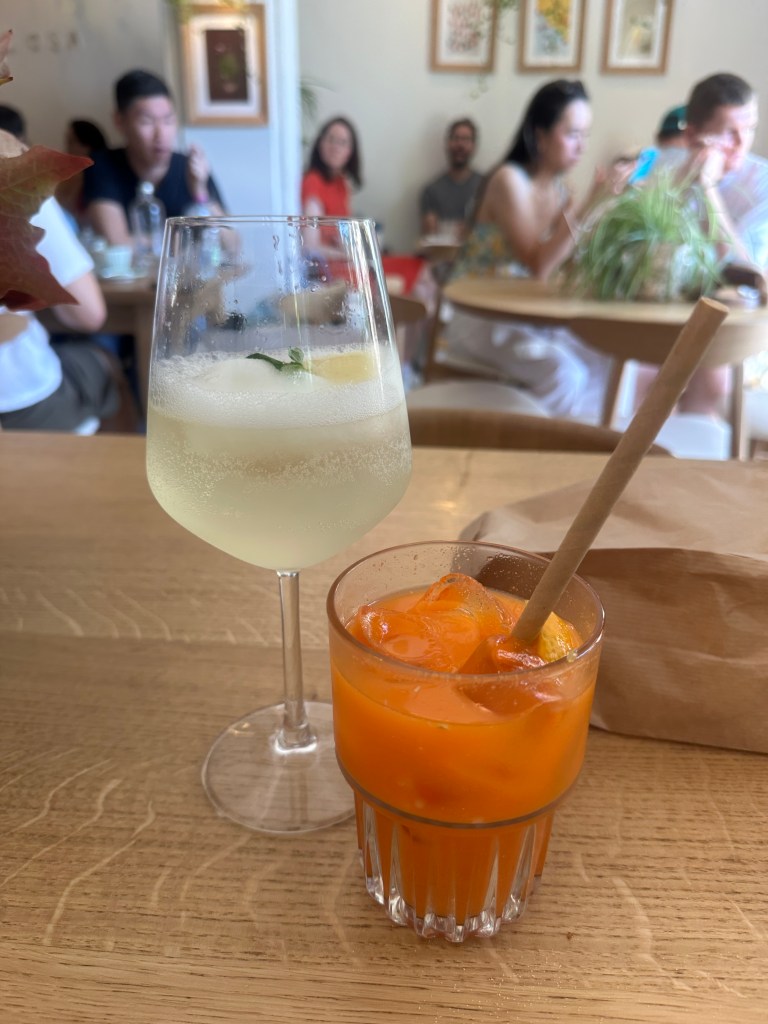
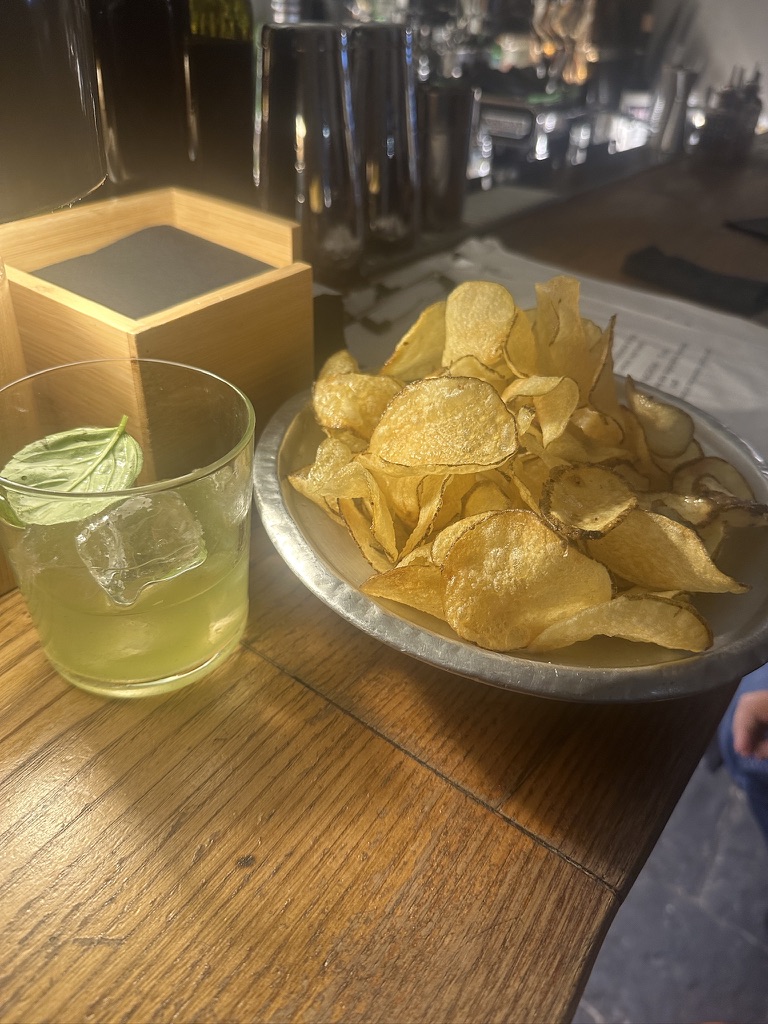
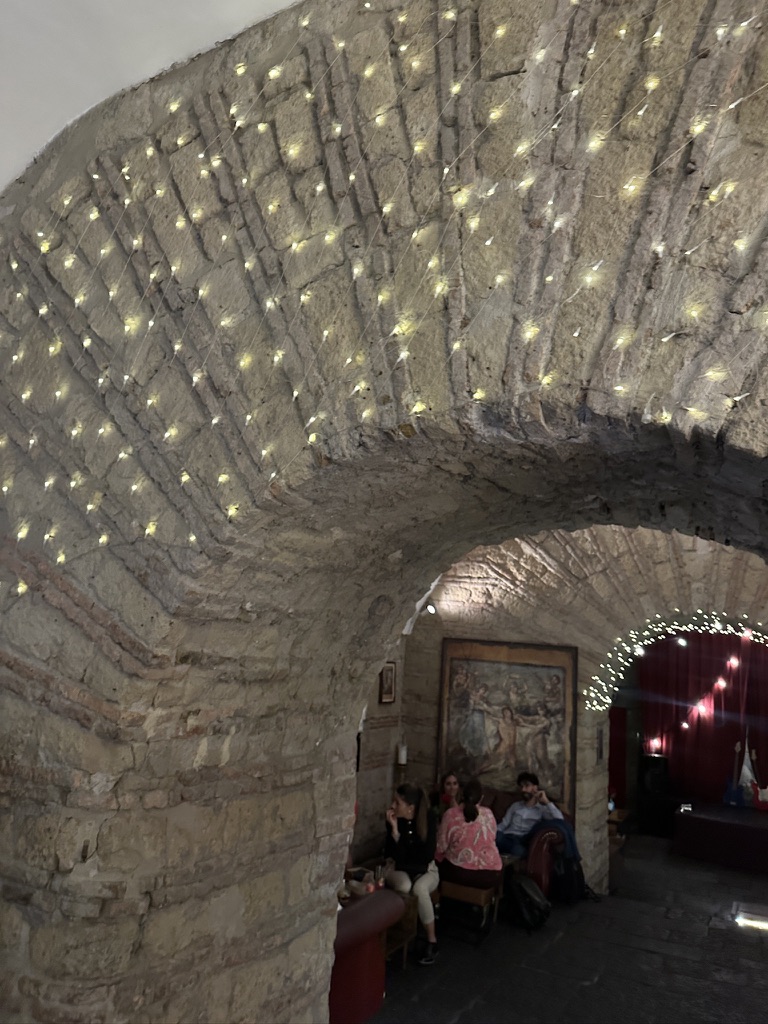
    Our first stop was Museum Café, where we were greeted by a lively, energetic vibe that made us feel right at home. The staff was warm and welcoming, and the drinks were a delight. We tried the classic Aperol Spritz, and thanks to a perfectly chosen prosecco, it stood out as one of the best we’ve had. The real star, though, was a drink made with basil and caper jam. It was like sipping liquid pesto, and I mean that in the best way possible—completely unexpected but absolutely delicious.
    From there, we made our way to the Sansevero Chapel Museum, a masterpiece where art and architecture blend together. The sculptures here are so intricate, they seem to blend into the walls, giving the space a life of its own. A short walk later, we arrived at the Santa Chiara Church, an ancient structure dating back to 1340. While its medieval architecture stands out in a city as bustling as Naples, the interior left us feeling a bit underwhelmed. The peaceful cloisters offer a nice respite from the bustling streets, but compared to other churches we’d visit, this one didn’t leave as much of an impression. It’s worth seeing for its history, but don’t expect it to wow you.

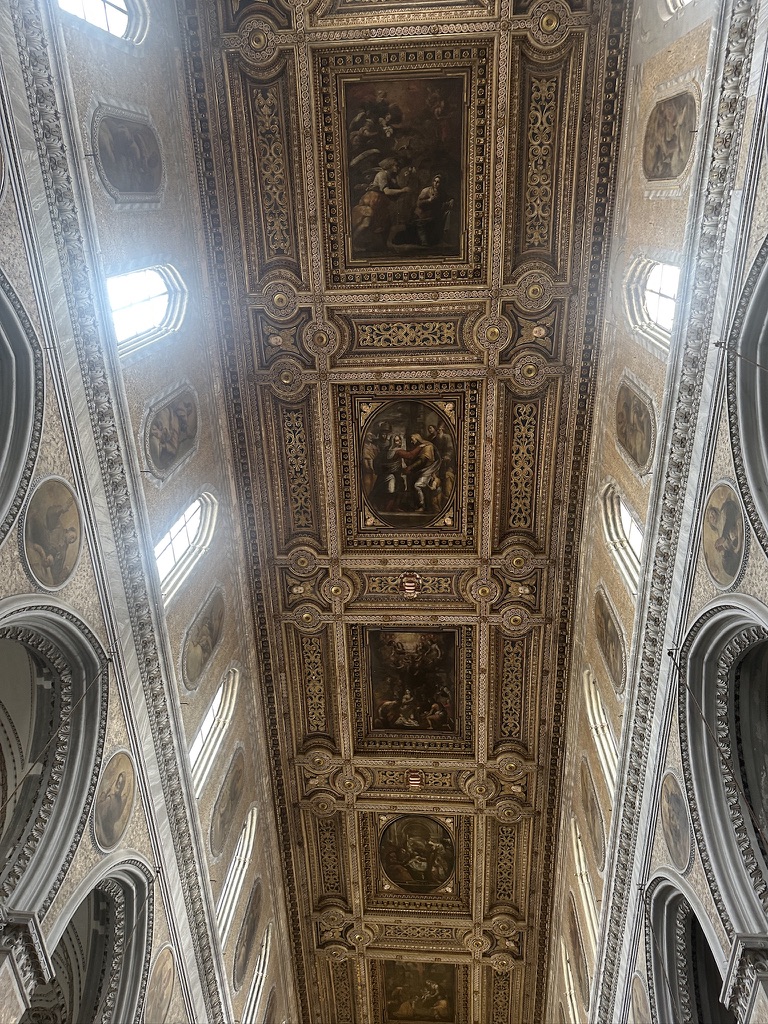
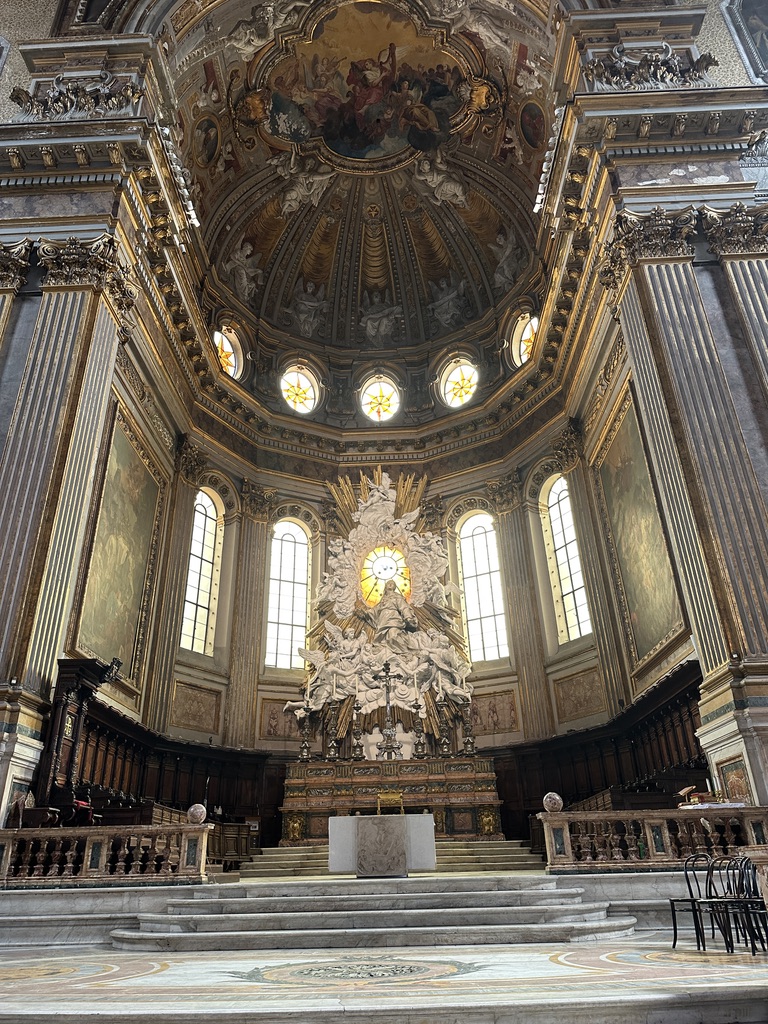
    Across the square, the Chiesa del Gesù Nuovo didn’t make much of an impression from the outside, but once you step inside, it’s a whole other story. The facade may have been recently deciphered as musical notes, but it’s the baroque interior that stuns. There are massive, intricate paintings by Francesco Solimena, and you’re left wondering where to even begin exploring its beauty.
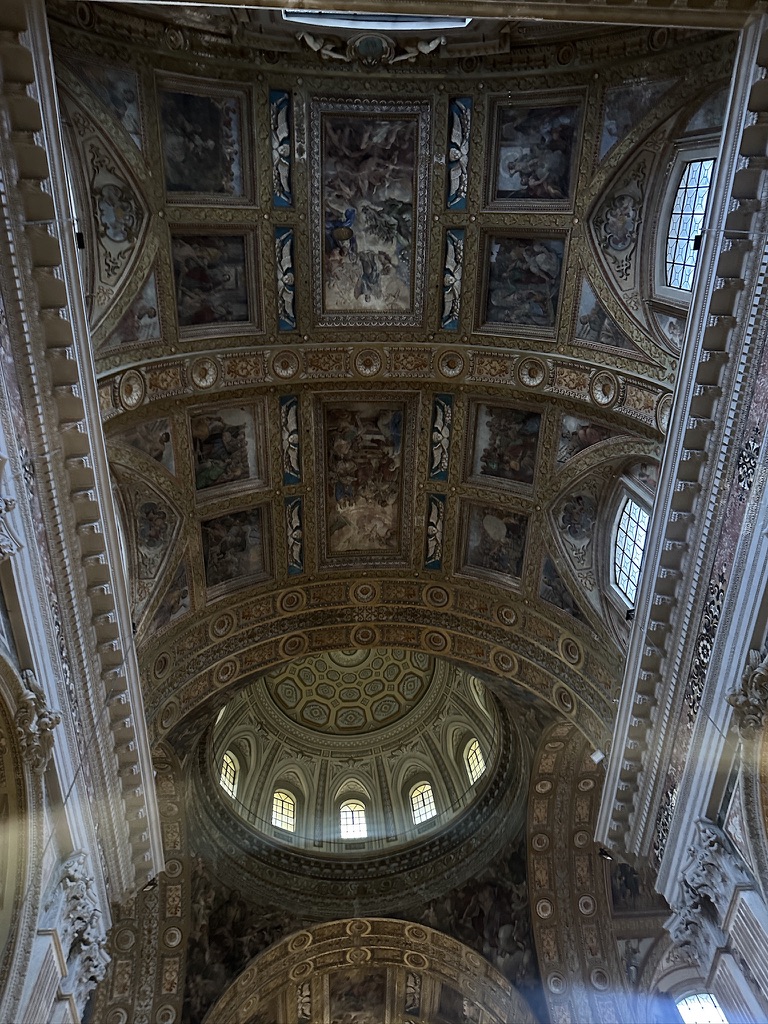
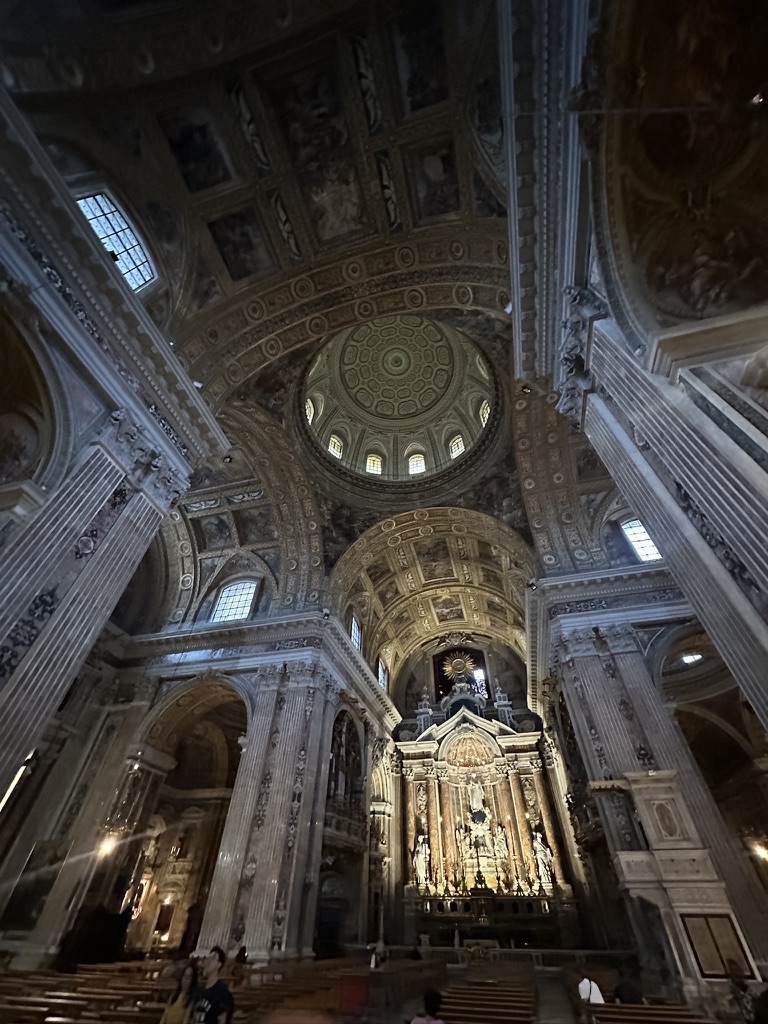
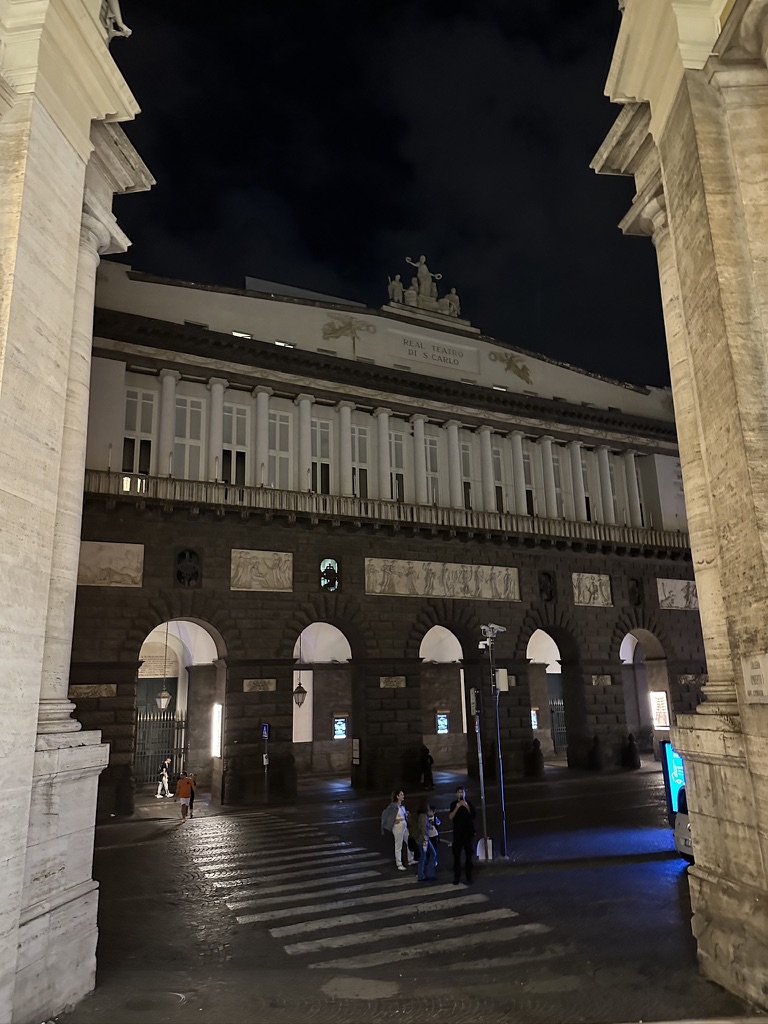
    After a brief look at the grand exterior of San Carlo Theatre, we wandered through Galleria Umberto I, a cross-shaped, Art Nouveau-style shopping gallery with a stunning glass dome. The gallery’s murals, sculptures, and mosaic floors made it more than just a shopping destination; it was a visual treat. We ended our walking tour of the city at Piazza del Plebiscito, one of the largest squares in the Campania region, where the expanse of over 27,000 square feet made it feel even grander, though by the time we arrived, the square had settled into nighttime silence.
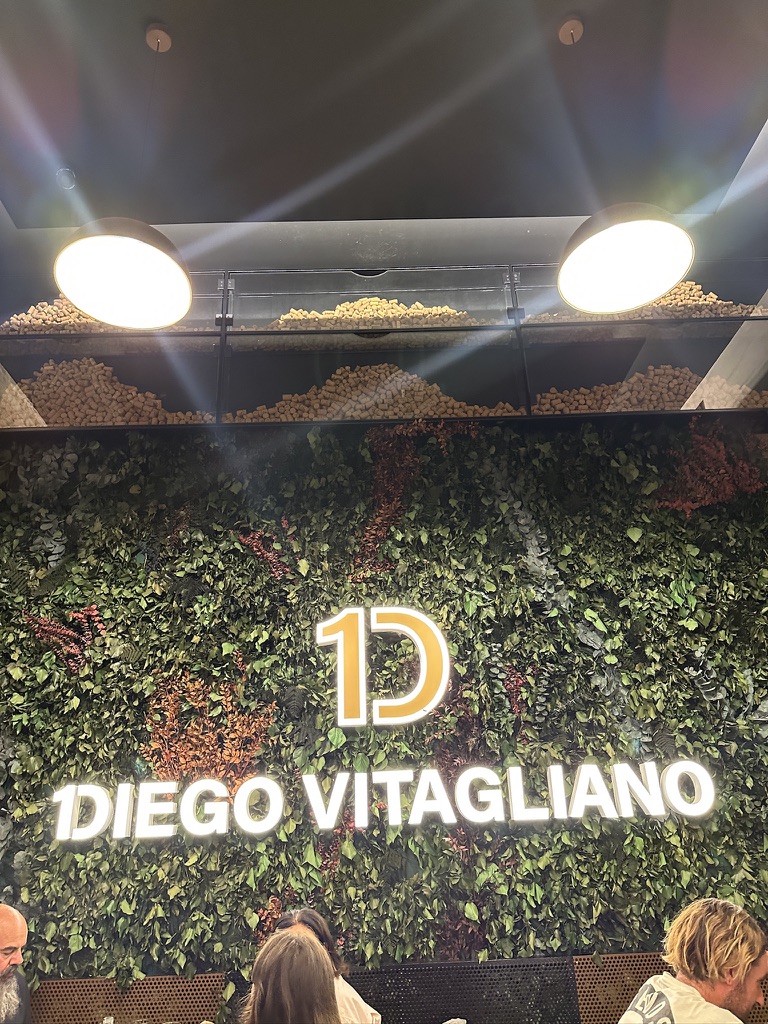
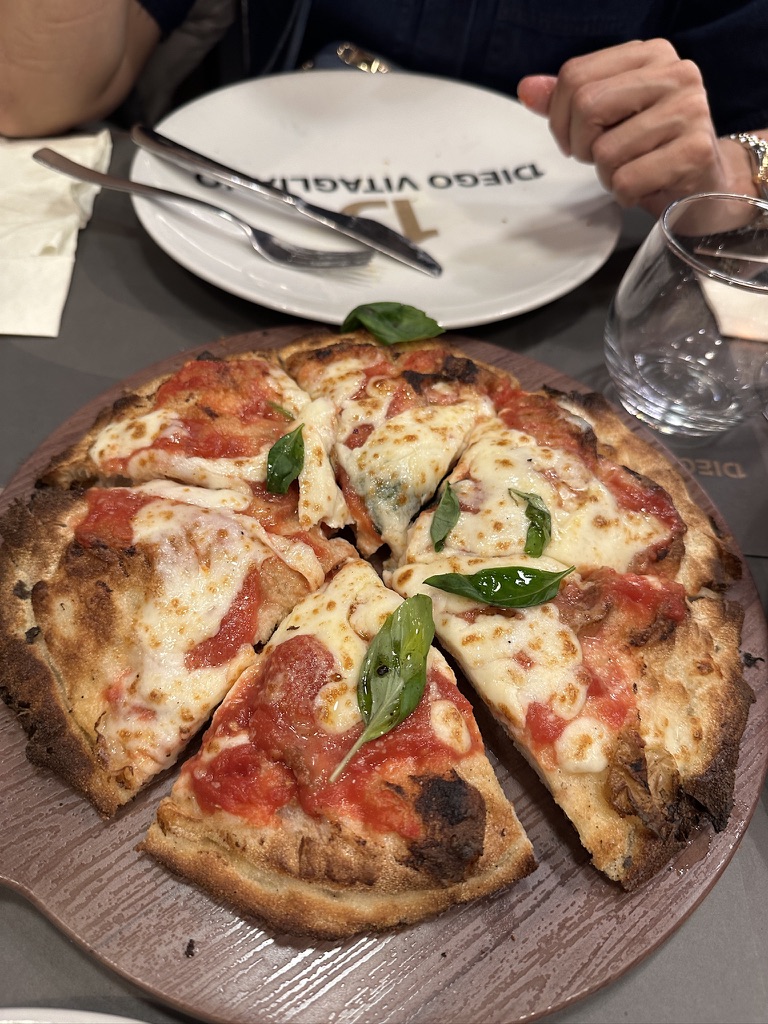
    By now, our walk had brought us to the coast, where we strolled along the beachfront before heading to Diego Vitagliano for dinner. This place came highly recommended, and it didn’t disappoint. The pizza was hands-down the best of the trip. A crispy crust, perfect sauce, and melted cheese that hit all the right notes. While the Aperol left something to be desired, the pizza more than made up for it.
    The next morning, we had a leisurely start with breakfast at All’Antico Vinaio, the famous sandwich spot. While the sandwich itself was good, the mix of hot and cold ingredients threw off the experience a bit. The contrasting temperatures didn’t quite blend well, and I would have much preferred if the whole sandwich had been served at a uniform temperature. The bread, however, was exceptional. After breakfast, we headed to Via Toledo, the main shopping street of Naples. This city has long been known for its master tailors, who have perfected the art of crafting high-quality suits at unbeatable prices. I stumbled upon historic stores offering a beautifully crafted suit for just €150—something hard to resist. 

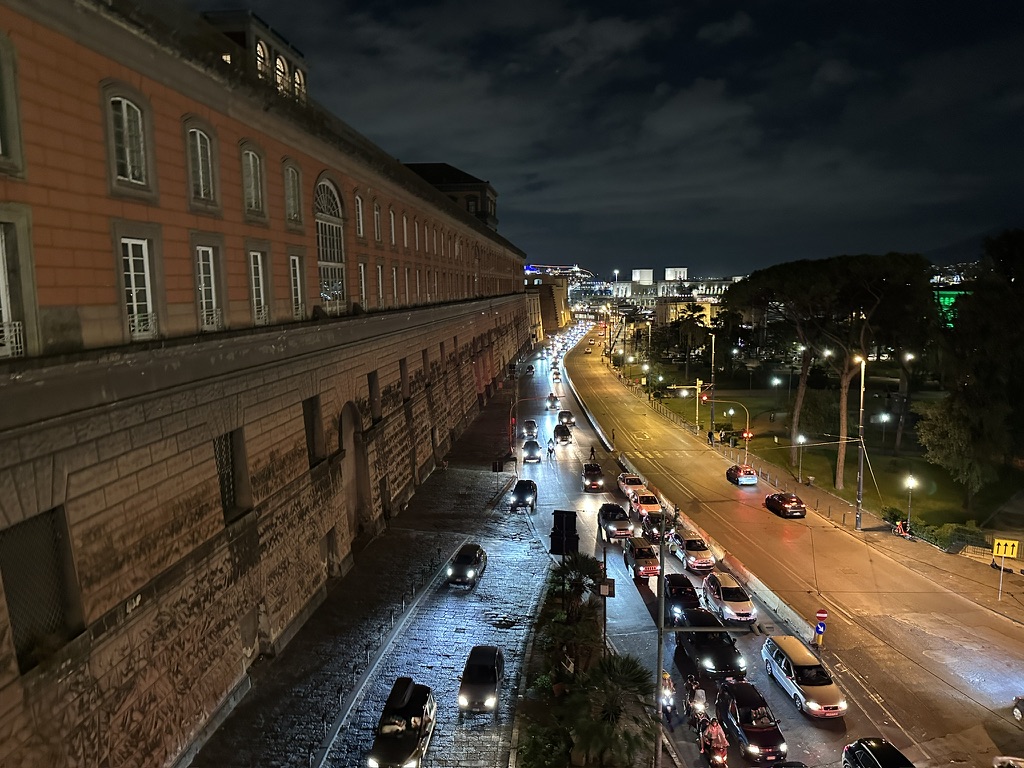
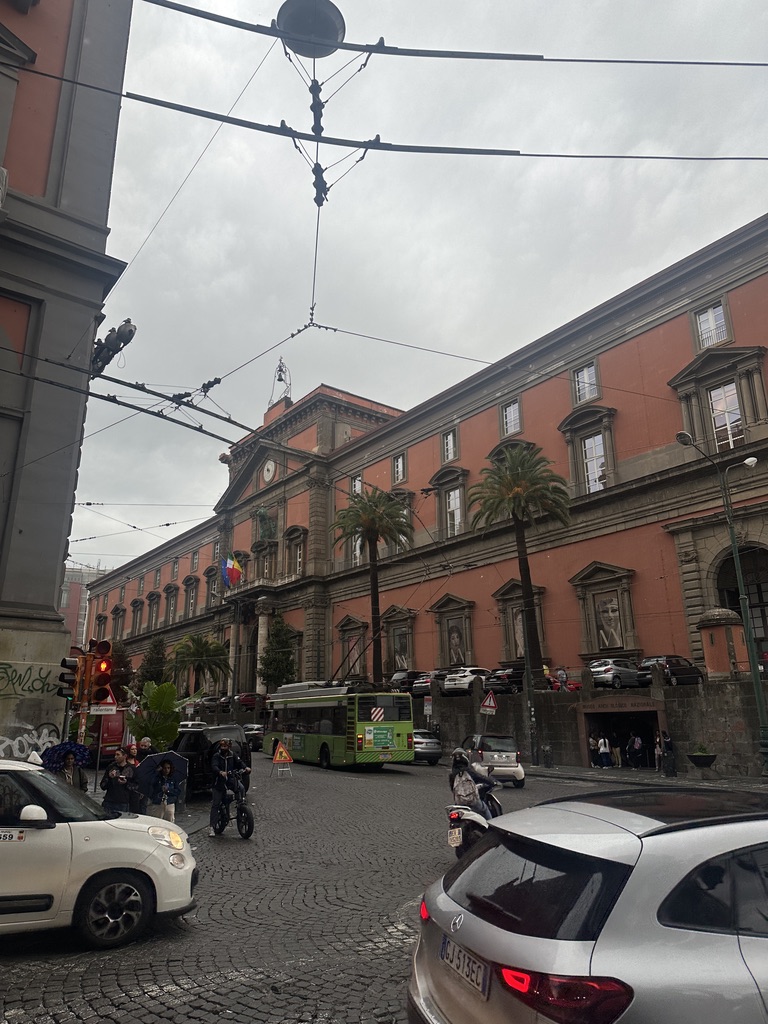
    I wasn’t feeling too well, so I took a short rest back at our accommodation before we headed out for lunch at Re Larzonne, where we enjoyed a feast of pasta and eggplant parmigiana, alongside other delicious dishes. The service was top-notch, and the atmosphere was just right. I also recommend Volta, which was my second choice and another excellent spot for great pasta. We didn’t go inside the Archaeological Museum, but the building itself, viewed from the outside, is grand and imposing. 

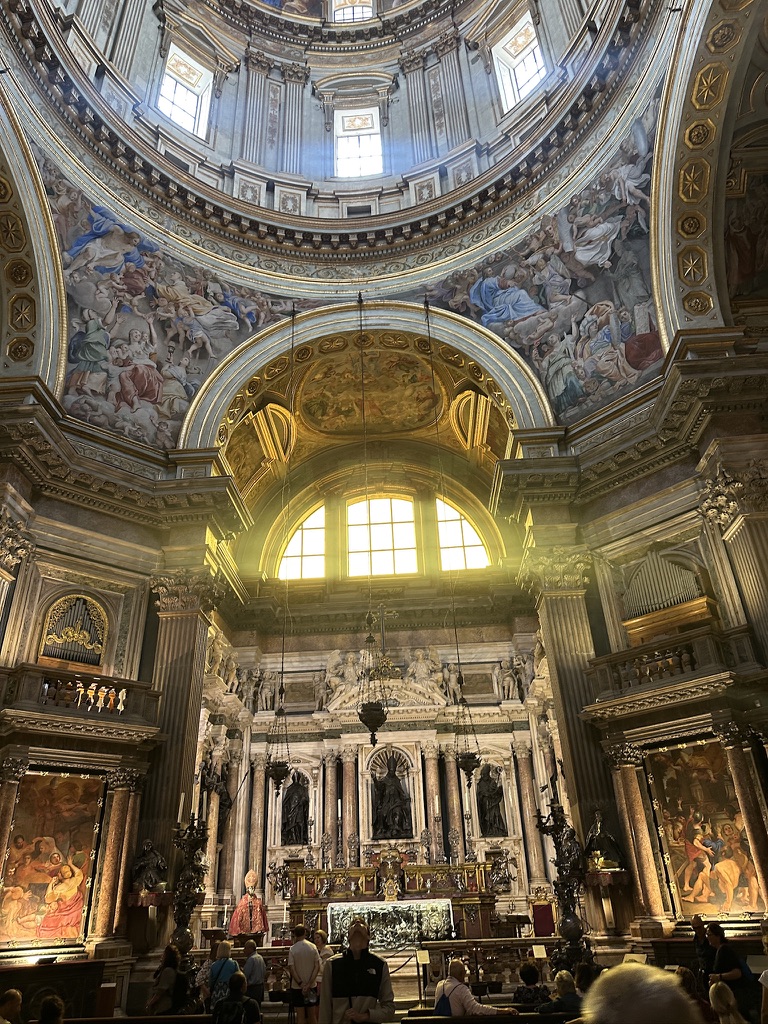
    We spent part of the afternoon exploring Spaccanapoli, the narrow street that cuts straight through Naples in half. It’s alive with the chaos of the city and captures the very essence of what Naples is all about. Our last stop was the Naples Duomo, a magnificent Gothic cathedral that left a lasting impression. The intricate details, soaring arches, and rich history make it a place you can’t skip. Inside, the frescoes and chapels are awe-inspiring, with every inch of the cathedral steeped in grandeur.
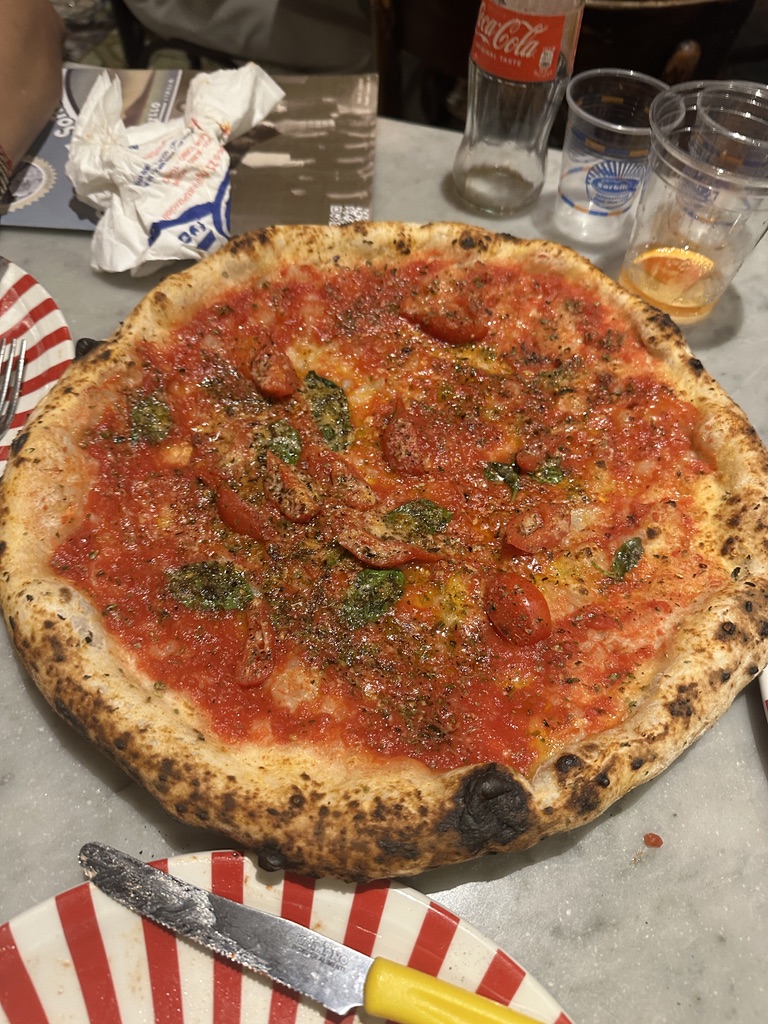
    Feeling recharged, we went back to Museum Café—yes, it was that good—for another round of drinks before our final culinary adventure of the day: Sorbillo. Gino Sorbillo is said to be one of the best pizza makers in the world, and this place lived up to its reputation. We waited about 30 minutes before finally being seated, but the piping hot Neapolitan pizzas arrived within 15 minutes. While the pizza was classic, pillowy and flavorful, I found myself preferring the crispy style from Diego Vitagliano. However, Sorbillo is definitely a must-visit. Another iconic spot we didn’t get to try was Da Michele, famous for its margarita pizzas. Though my health didn’t allow for another pizza adventure, the locals swear by it, so I’d recommend adding it to your list.

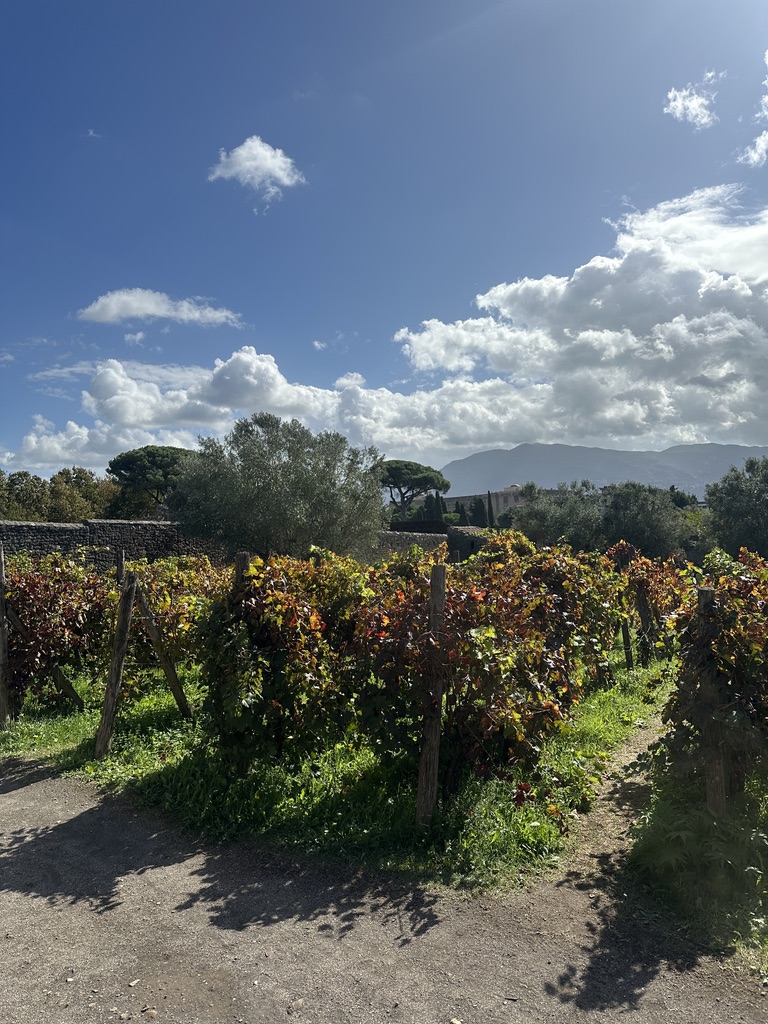
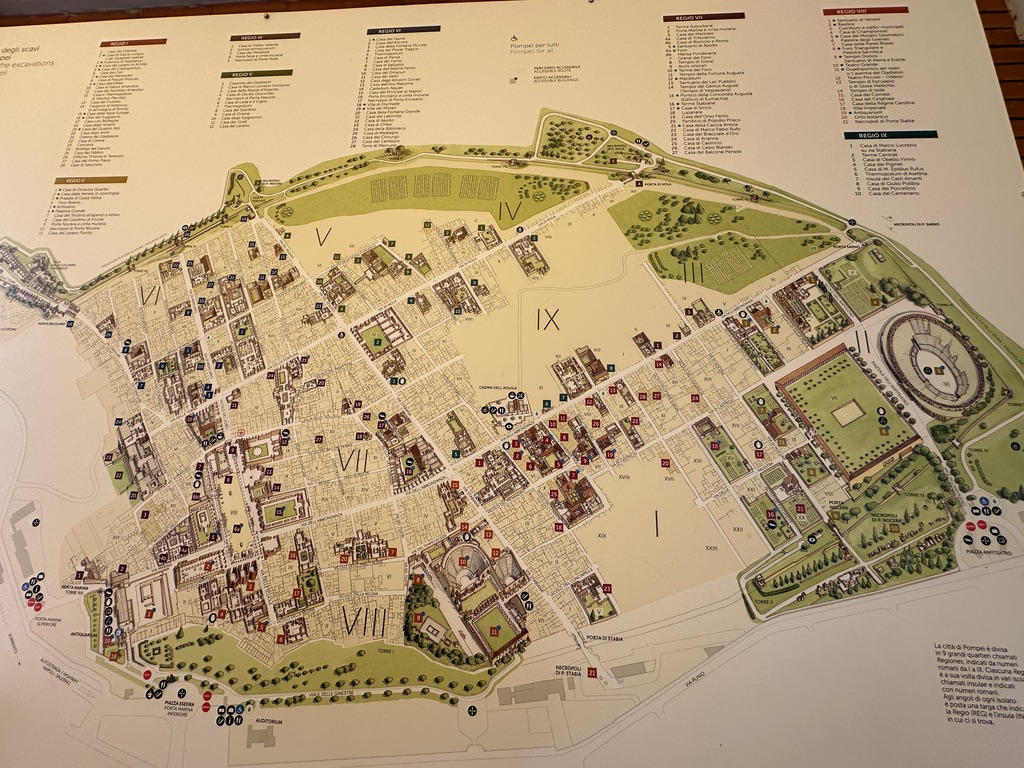
    The next morning, a €85 Uber took us straight to Pompeii—a must-visit when Mount Vesuvius is a constant presence in the distance. Pompeii, famously buried by ash after Vesuvius erupted in 79 AD, lets you step back in time and walk the streets as they were the day before the eruption. Without any plans or tours, we arrived, saw the long ticket line, and quickly bought tickets online—a real time-saver. As we wandered through the vast ruins, the sheer scale and history were overwhelming, leaving us in awe of the ancient world. The site also offers incredible photo opportunities, with the ruins and Mount Vesuvius as a dramatic backdrop. While we didn’t dive deep into its history, the scale and grandeur of the ruins were breathtaking, reminding me of sites in Turkey and Morocco. Divided into districts with houses, amphitheaters, and more, Pompeii is easy to get lost in, but we enjoyed going with the flow, soaking in the grandeur of it all.

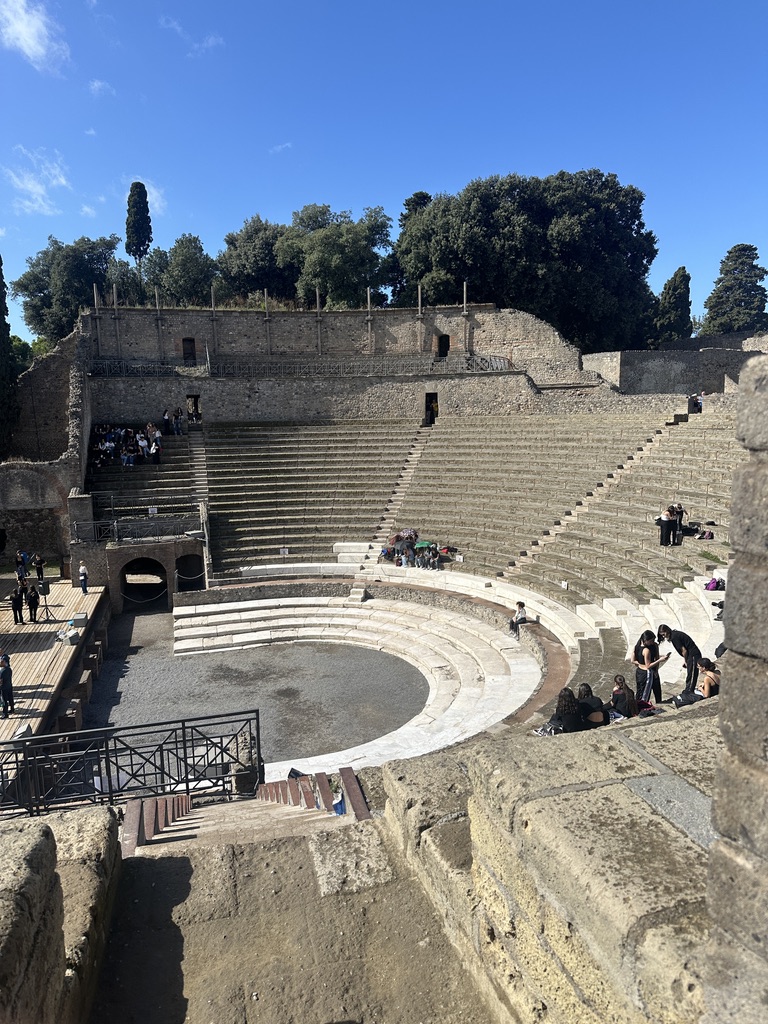
    Exiting Pompeii, we strolled around the town and visited the main church, which, to be honest, had a calm and laid-back vibe. It’s neat, clean, and feels like a charming small town. For lunch, we landed at Cosmo, a fine dining spot also featured in the Michelin Guide. Not your typical trattoria, but a welcome shift. We indulged in unique dishes paired with wine and a highlight: cheeses served with six different jams. Mixing and matching the cheeses with the jams made for an exciting, flavorful experience. Definitely a spot worth visiting. After some gelato, finding a cab back to Naples proved challenging, so we hopped on a bus instead.
    Once back in Naples, we aimed to get from Central Station to Via Toledo for some shopping. Thinking the metro would be quick, we were sorely mistaken. The metro lines were disorganized, the station filthy, and we waited a solid 15 minutes before one finally arrived. Nearly an hour later, we reached our destination—walking might’ve been faster!

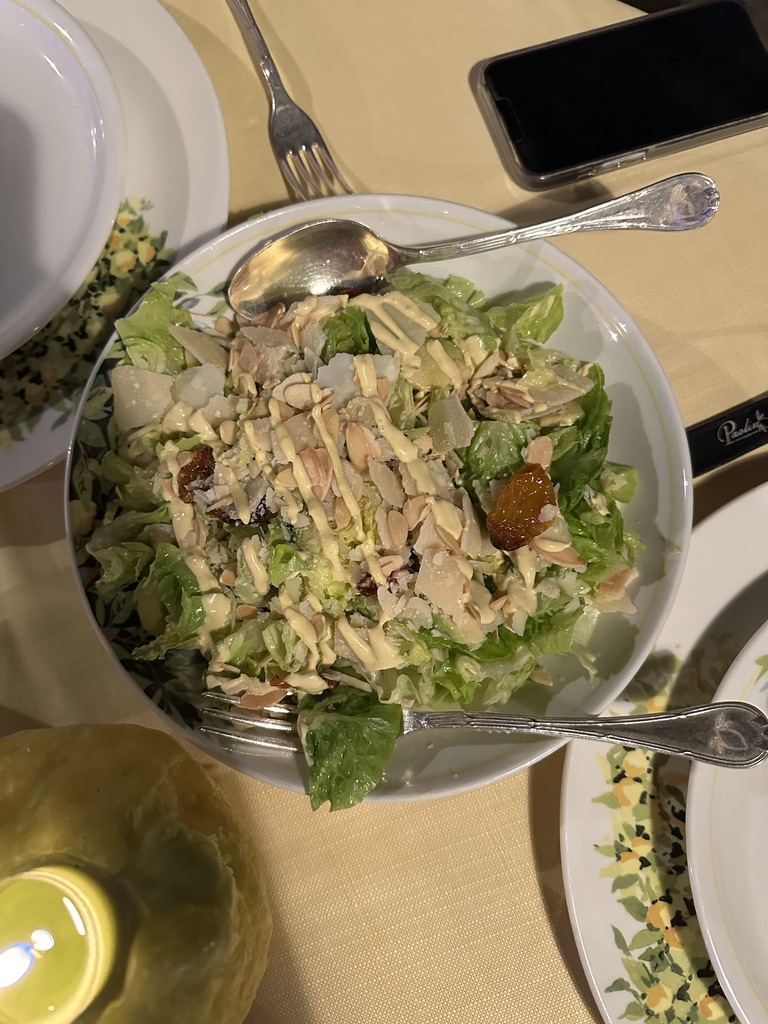
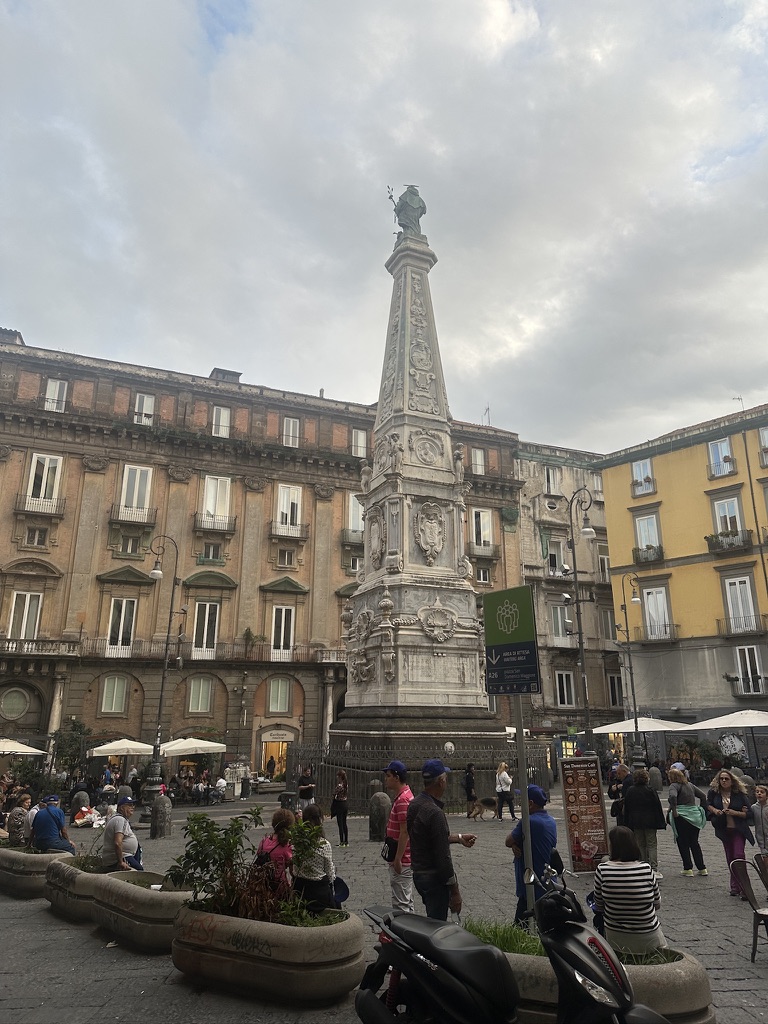
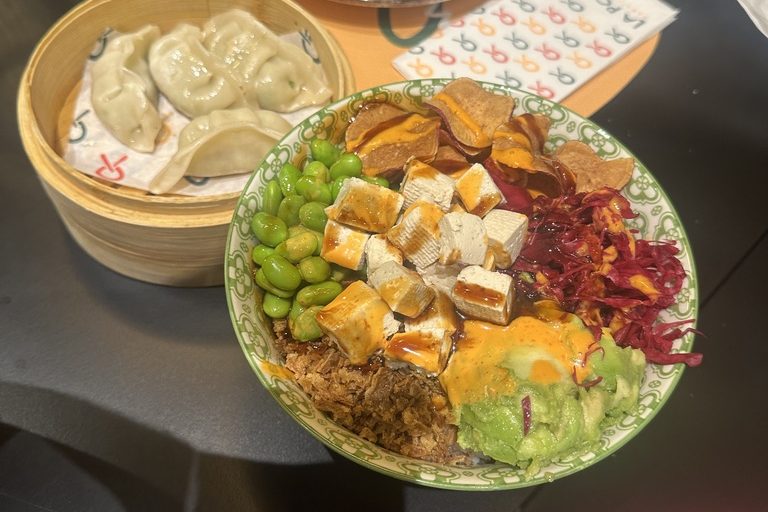
    After some shopping and exploring, we returned to the hotel, but couldn’t resist venturing out again. We stumbled upon Shanti Art, a lively spot for drinks, where the cocktails hit just right. For dinner, we opted for Jamon, a tapas spot on Piazza San Domenico. The bread, salad with stracciatella, and the vibrant atmosphere, facing the Obelisk, made it unforgettable. Still a bit hungry, we hopped over to La Pokeria for a make-your-own poke bowl. The food was fantastic, with a modern vibe that matched the meal perfectly. Highly recommended!
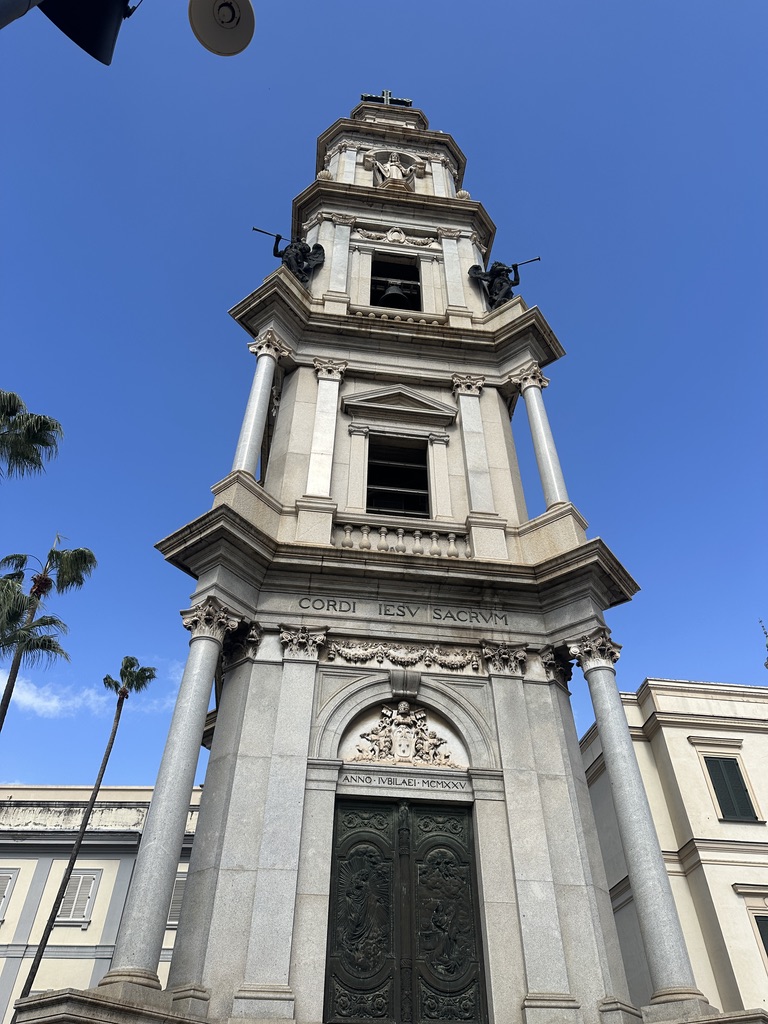
    The next day, we made our way to the Amalfi Coast—which I’ve written about in another post. From there, we caught a transfer to naples and a train from Naples back to Rome, which was thankfully on time. Rome—a city of legends, history, and countless stories. As a first-time visitor, I was beyond excited to explore every corner, having only ever read about its grandeur and seen glimpses in movies. The energy in Rome is palpable, with its cobblestone streets alive with the buzz of life, ancient ruins standing proudly alongside bustling cafes, and the perfect mix of chaos and charm that makes it so uniquely unforgettable.

    We were staying in the Campo de’ Fiori area of Rome—a great spot since the city is spread out, with major sites on both sides of the Tiber River. Staying here meant we were perfectly in the middle, with everything just a short walk or metro ride away. Our accommodation, SuityRhome, was spacious and comfortable—lucky, since many of the good places were sold out. After all, Rome is one of the most visited cities in the world. We visited in 2024, which, in hindsight, wasn’t the best year for a trip. With 2025 being a Jubilee Year where millions of pilgrims flood rome, there were barricades and scaffolding at many major sites as they prepared for the grand event.

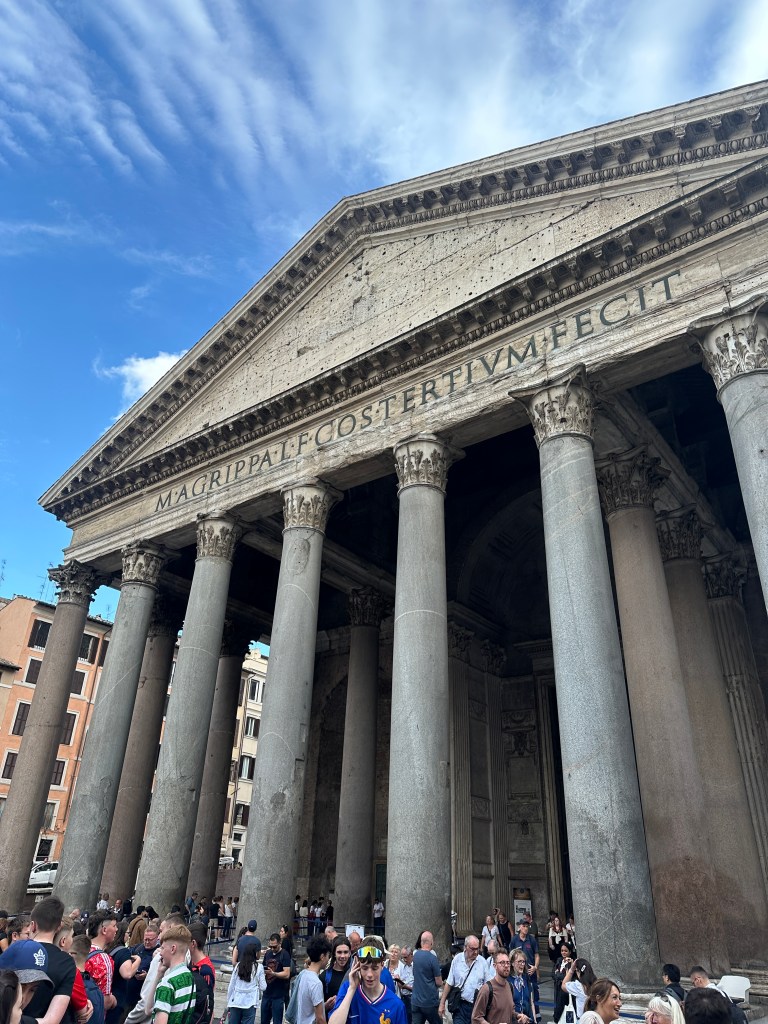
    Our first stop: the Pantheon, one of Rome’s best-preserved ancient monuments. Walking inside, you’re instantly struck by its massive dome—the largest unsupported dome in the world. The oculus at the top lets in natural light, creating a magical atmosphere. It’s impossible not to feel the history and grandeur of the place.Tip: buy tickets in advance, or you’ll spend a good chunk of time in line.

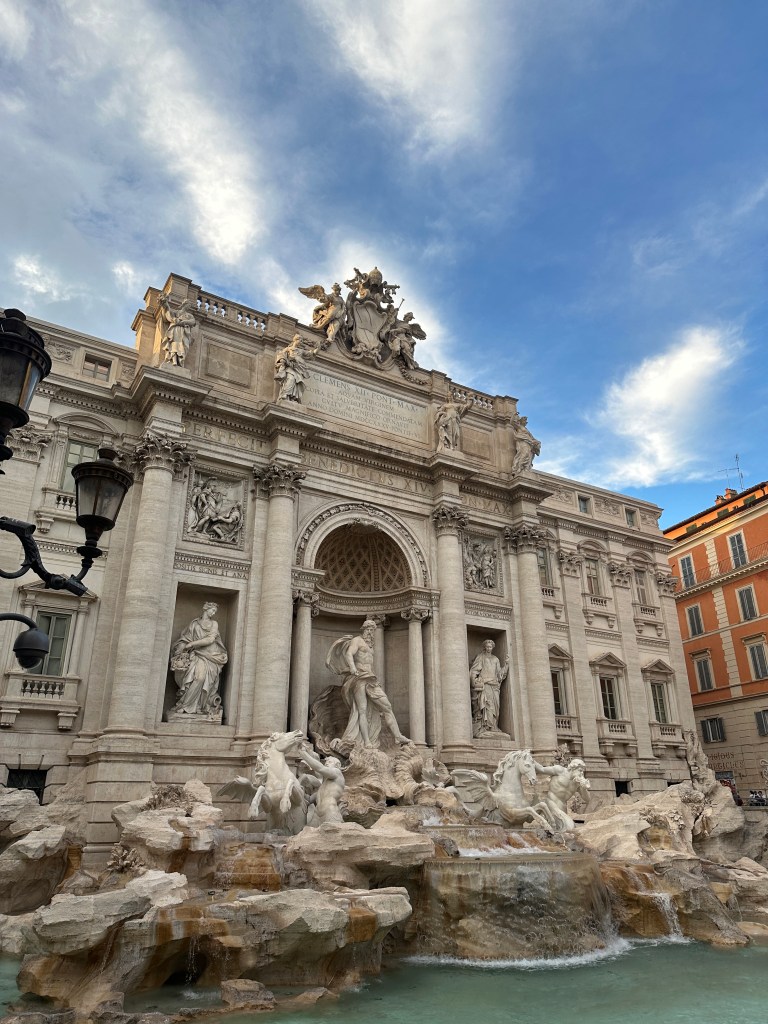
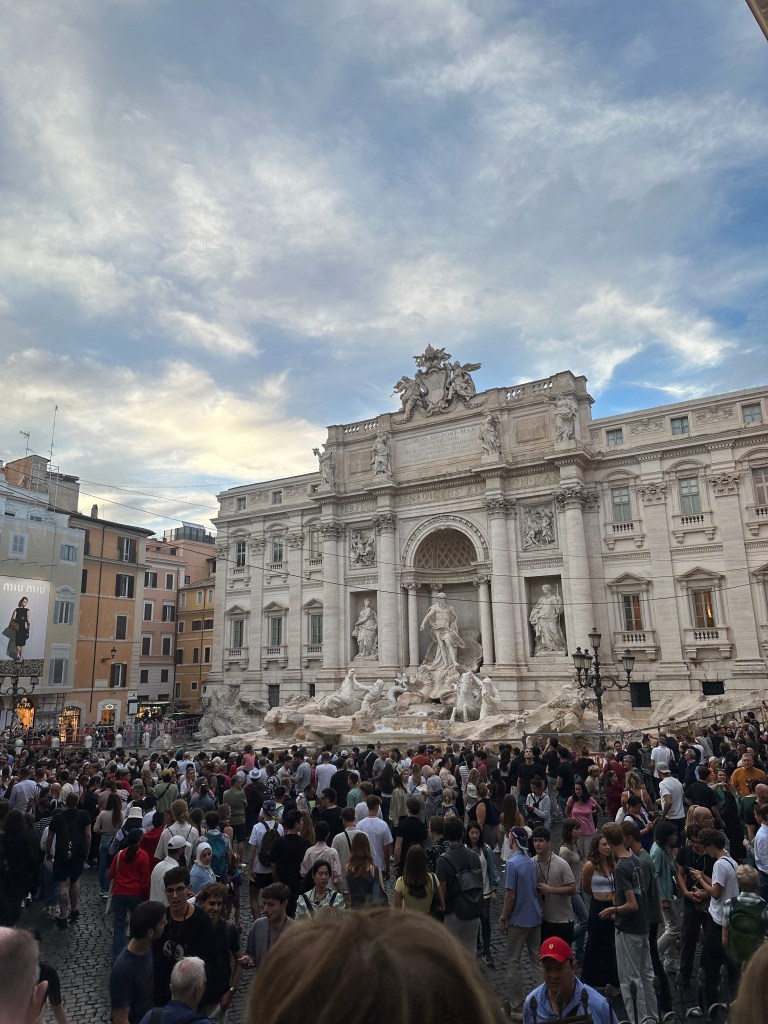
    Next, we made our way to the famous Trevi Fountain, a masterpiece of Baroque art and arguably the most beautiful fountain in the world. It’s said that if you throw a coin over your left shoulder into the fountain, you’re destined to return to Rome—naturally, we couldn’t resist. The fountain was as stunning as expected, but the crowds were another story. It’s hard to appreciate its beauty when you’re sharing it with half the city. Oh, and keep an eye out for scammers. But the highlight for us? Grabbing gelatos from Venchi, just around the corner from the fountain. Hands down, the best gelato of our entire trip—don’t miss it! Next up, we headed to the Chiesa di Sant’Ignazio di Loyola, known for its stunning ceiling. There’s usually a long line for the famous mirror photo, but honestly, waiting an hour isn’t worth it. A selfie works just as well—sometimes even better!
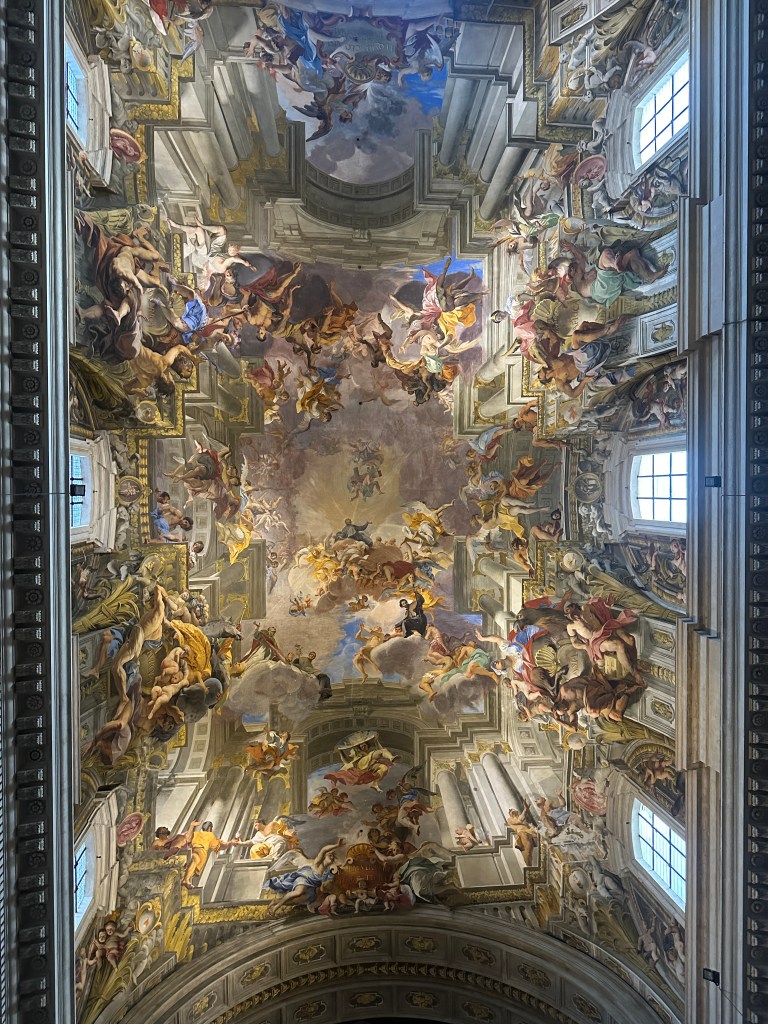
    We continued our self-guided tour with a stop at Largo di Torre Argentina which are some ruins in the middle of the city where the juxtaposition of history and modern life here is fascinating. Our final stop of the day was Piazza Navona, one of Rome’s most famous squares. Surrounded by baroque architecture, fountains, and lively street performers, it was the perfect spot to soak in the vibrant atmosphere.

    My mother wasn’t feeling well, and the craving for Indian food hit hard, so I headed to Jaipur in Trastevere for some takeout. The food did not disappoint—we licked our plates clean, the flavors hitting the spot perfectly.

    Pro tip for getting around Rome: taxis are outrageously expensive, and the city is huge. Instead, use electric scooters. They’re cheap, efficient, and easy to use—just download apps like Bird or Lime, pay a few euros, and you’re off. Just make sure you’re 18 or older to ride.

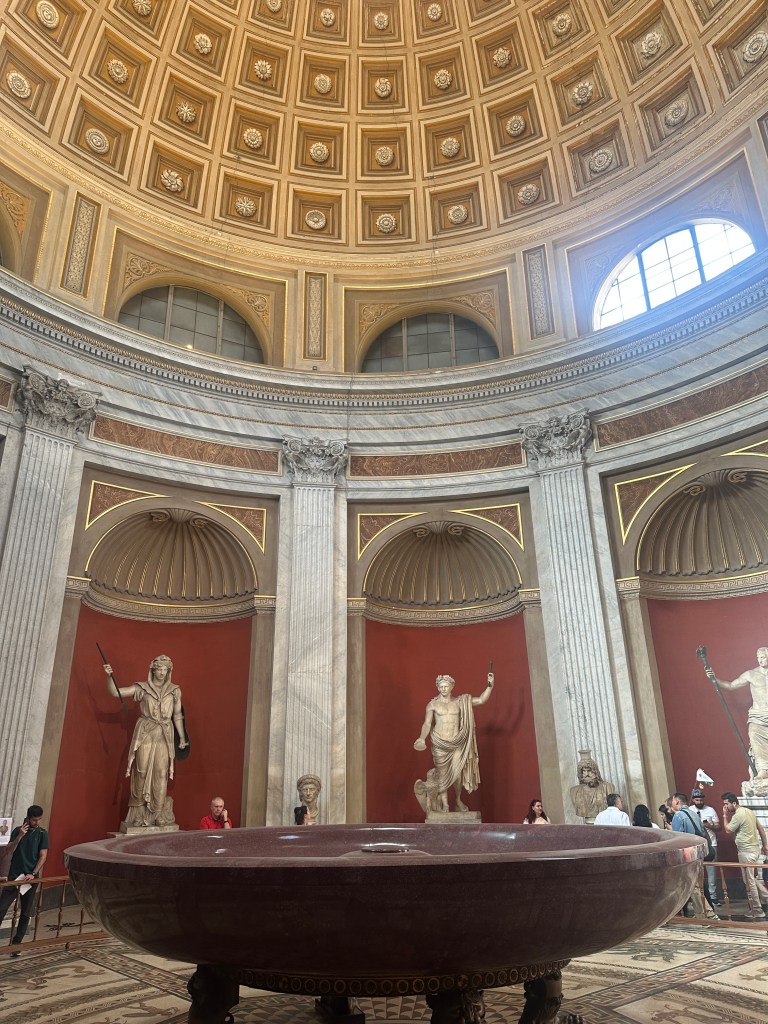
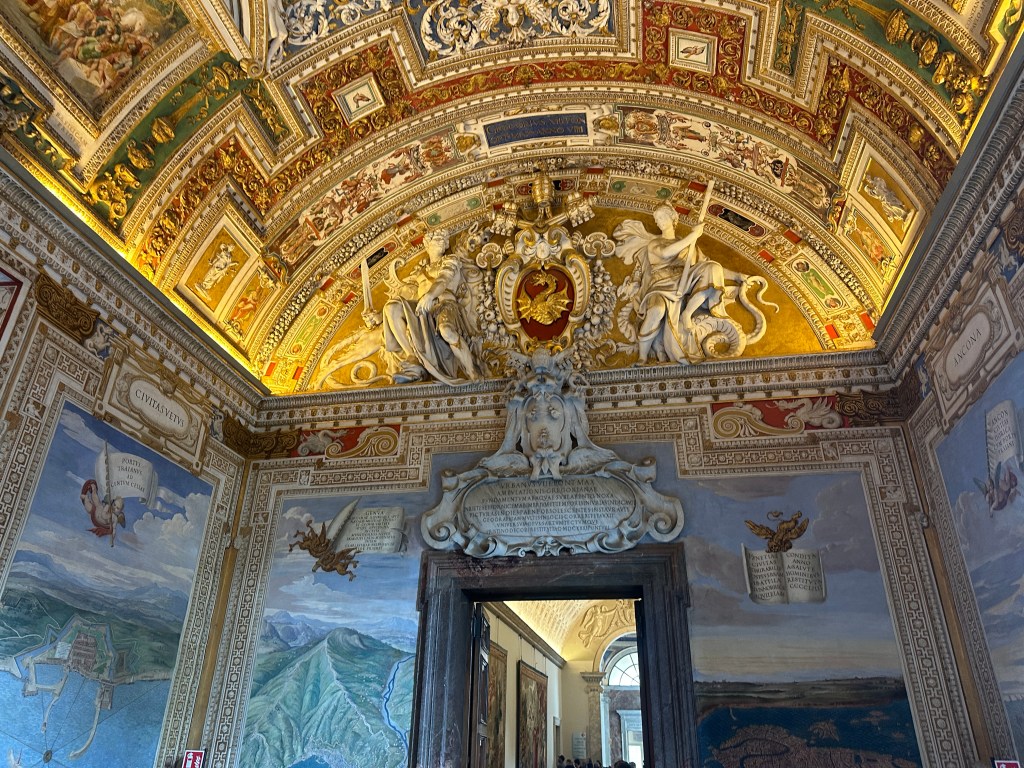
    The next morning, at 8:30 AM, I hopped on a scooter and made my way 3 km to Vatican City, the smallest country in the world and home to some of the most important religious and artistic treasures on the planet. I had booked a guided tour with skip-the-line access, and at sharp 10 AM, we breezed in—no fuss, no long wait. The first stop was the Vatican Museums, an enormous collection of art and artifacts that spans thousands of years. From ancient sculptures to Renaissance masterpieces, it’s a place where history and art collide in the most spectacular way. The sheer size of the museums is mind-blowing, and you could easily spend days there. However, it was also packed—trust me when I say, it was super crowded, so navigating the crowds was part of the adventure.
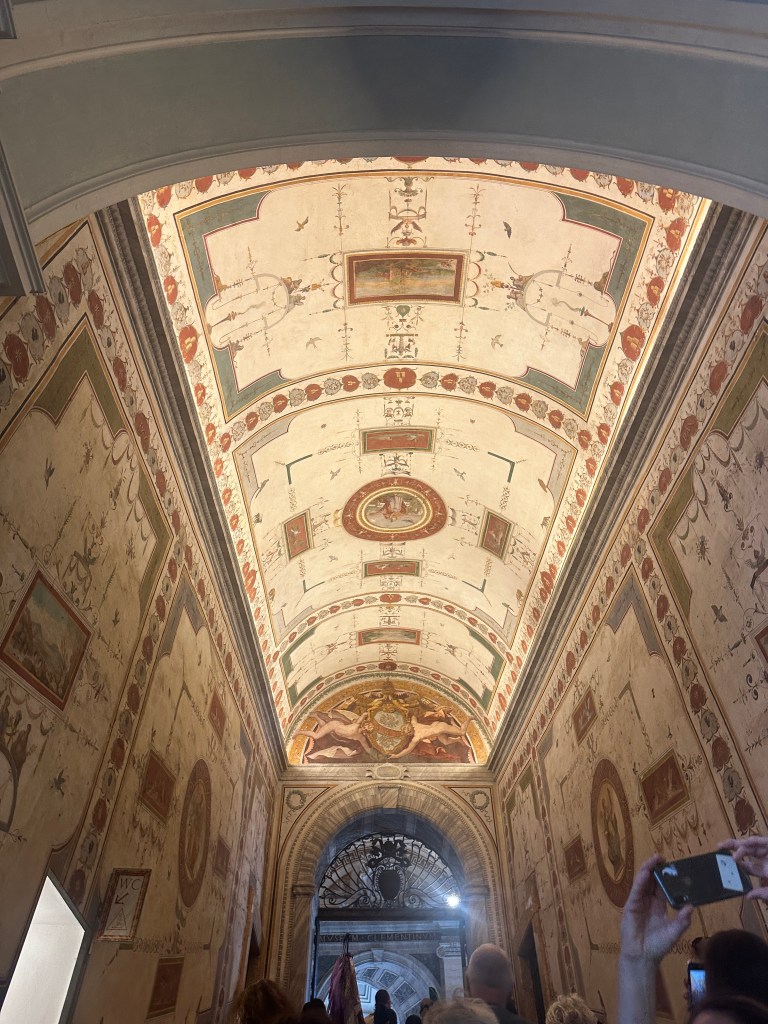
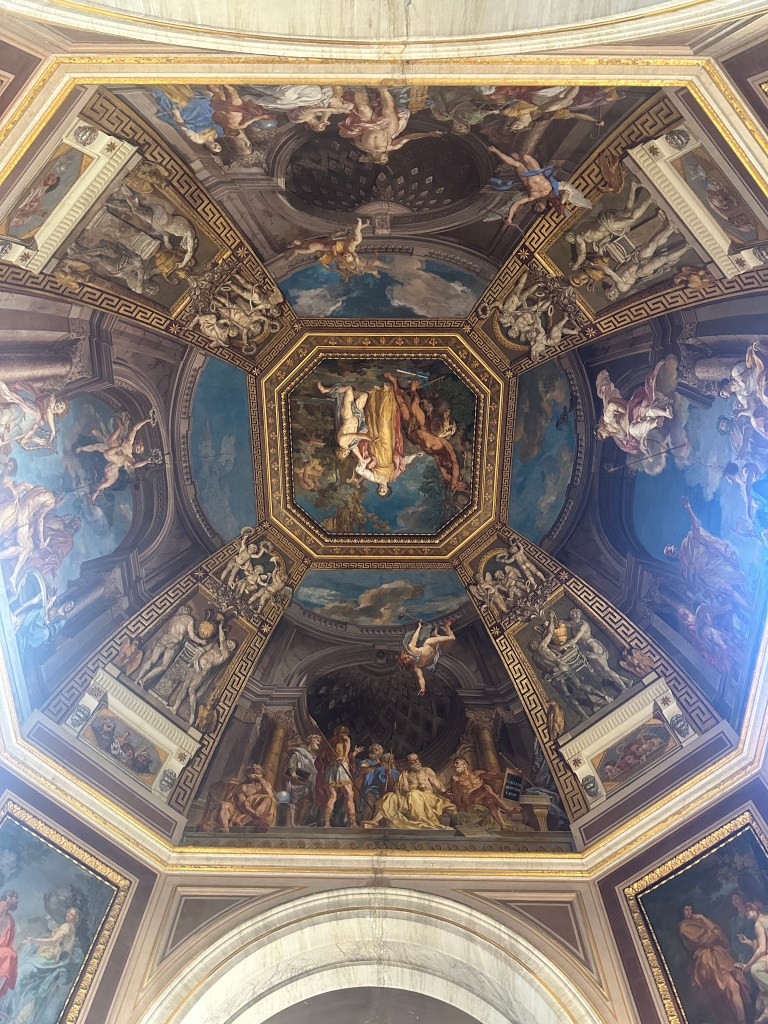
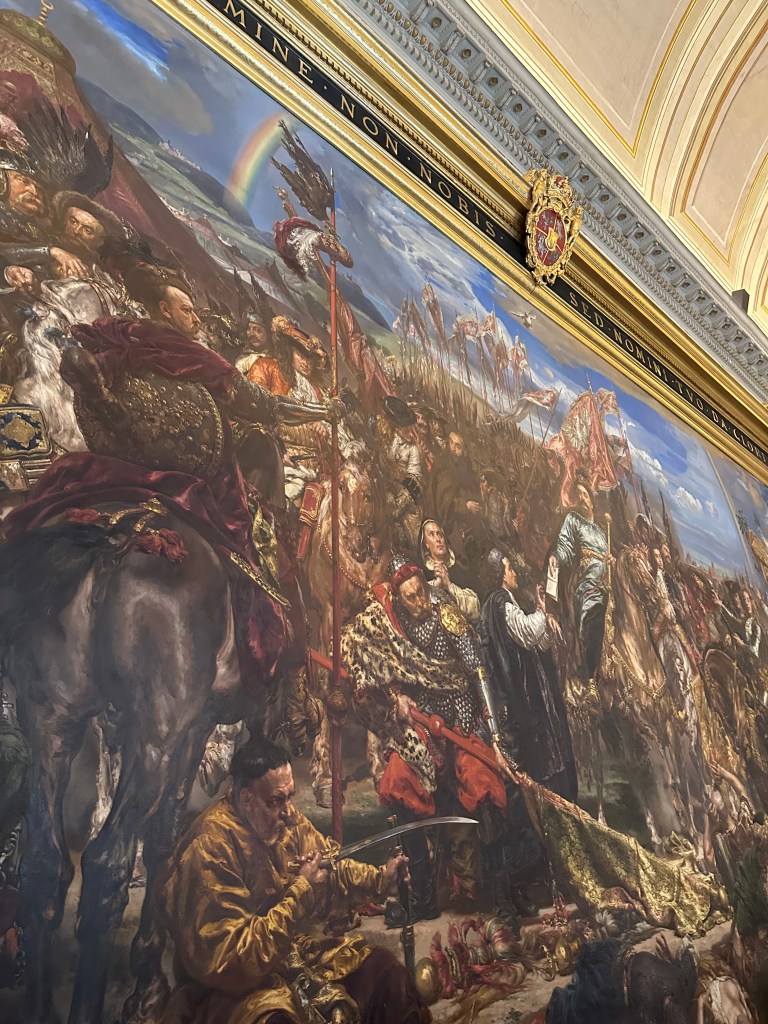
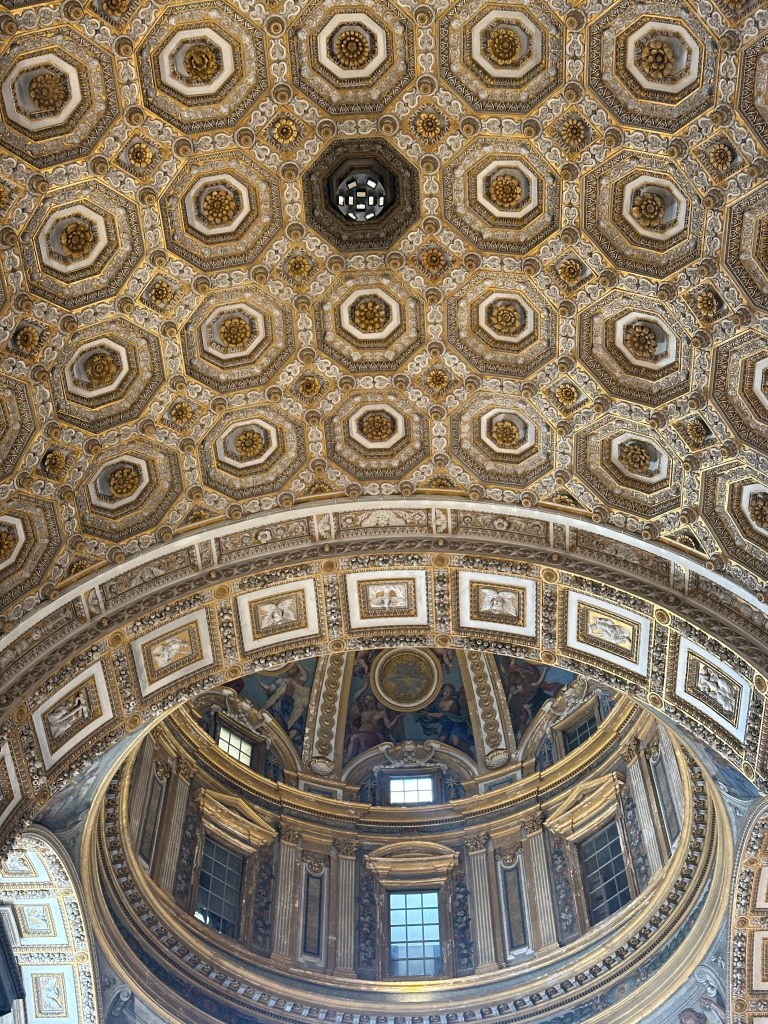
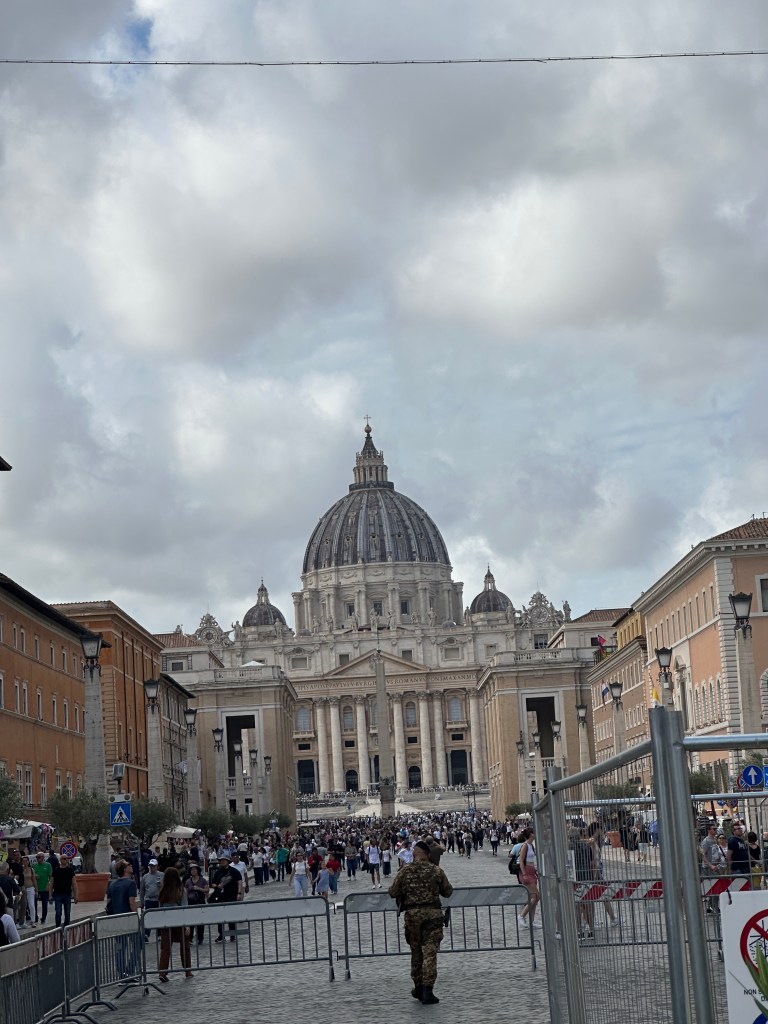
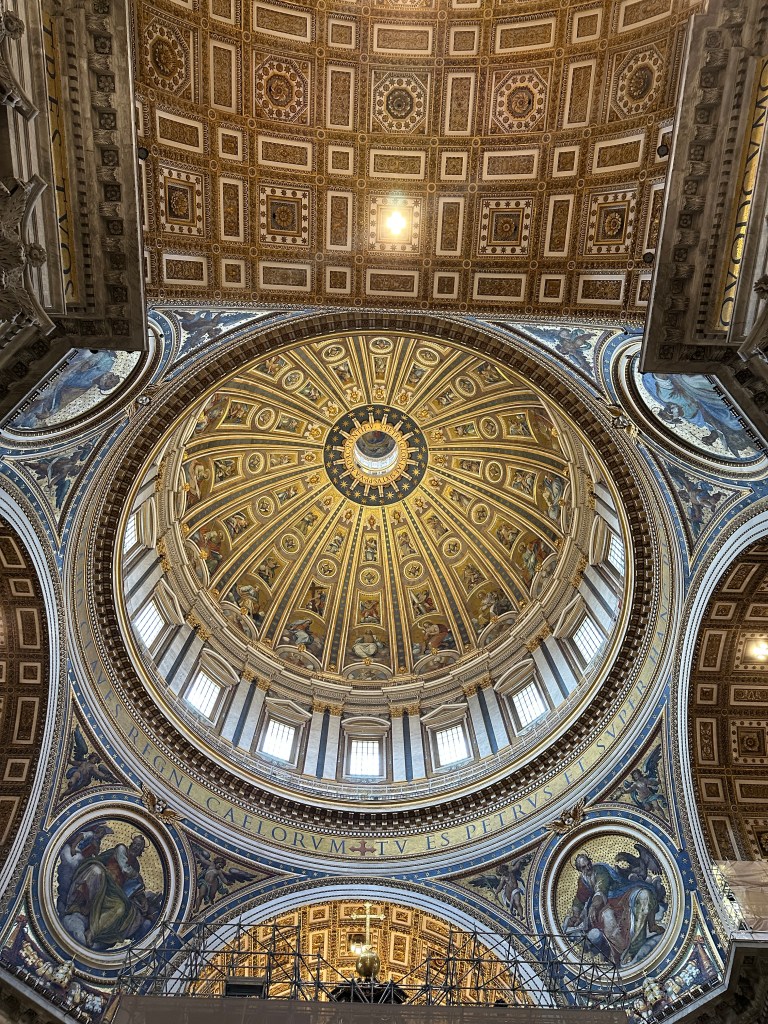
    The highlight, of course, was the Sistine Chapel, where Michelangelo’s famous frescoes adorn the ceiling. Seeing The Creation of Adam in person was nothing short of awe-inspiring—no photos are allowed, but the memory of that stunning artwork stays with you. From there, we moved on to St. Peter’s Basilica, the largest Catholic church in the world. Even with parts of it under renovation for the upcoming Jubilee Year, the scale and beauty of the basilica were breathtaking. Walking inside, the grand dome and intricate sculptures felt larger than life. It’s a place that commands awe and reverence, no matter your faith.
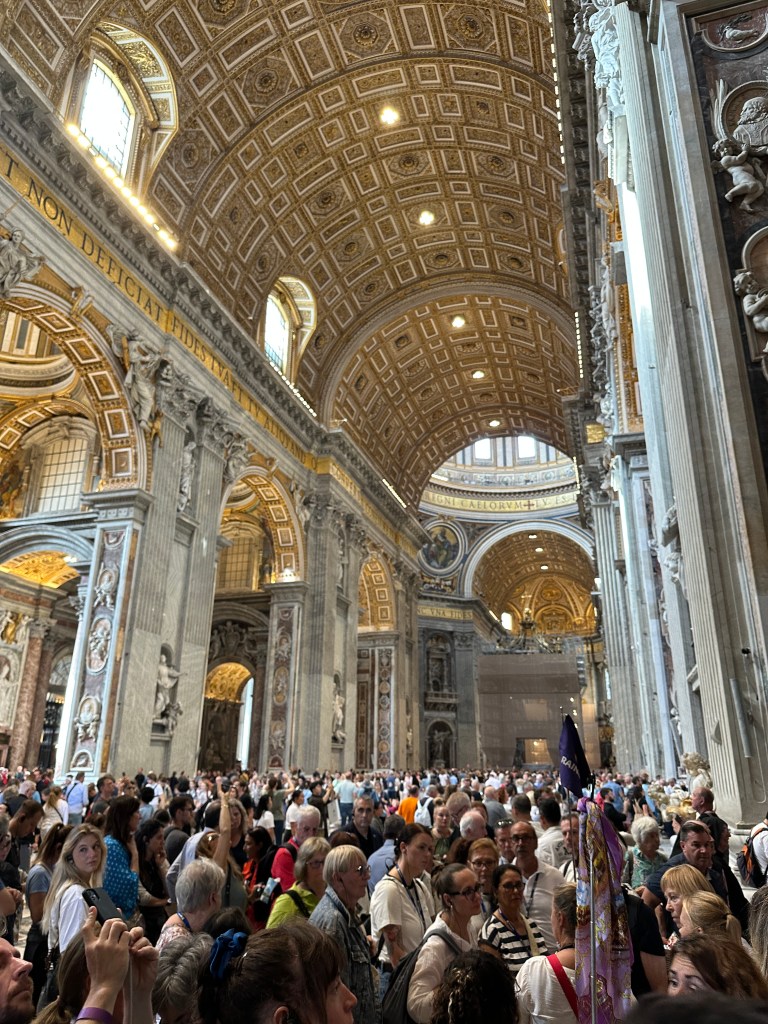
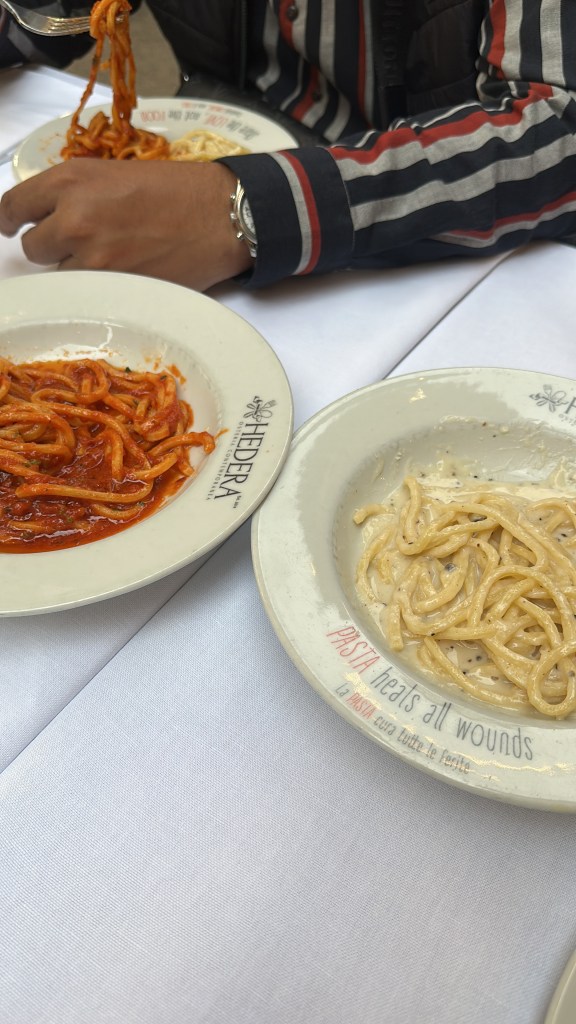
    Later that day, we headed to Via del Corso, Rome’s bustling shopping street, to do some shopping and rack up our daily steps. By 5 PM, hunger hit hard, so we stopped for an early dinner—because when in Italy, why not? We tucked into some delicious spaghetti arrabbiata and tonnarelli cacio e pepe, two iconic Roman dishes that were just what we needed.

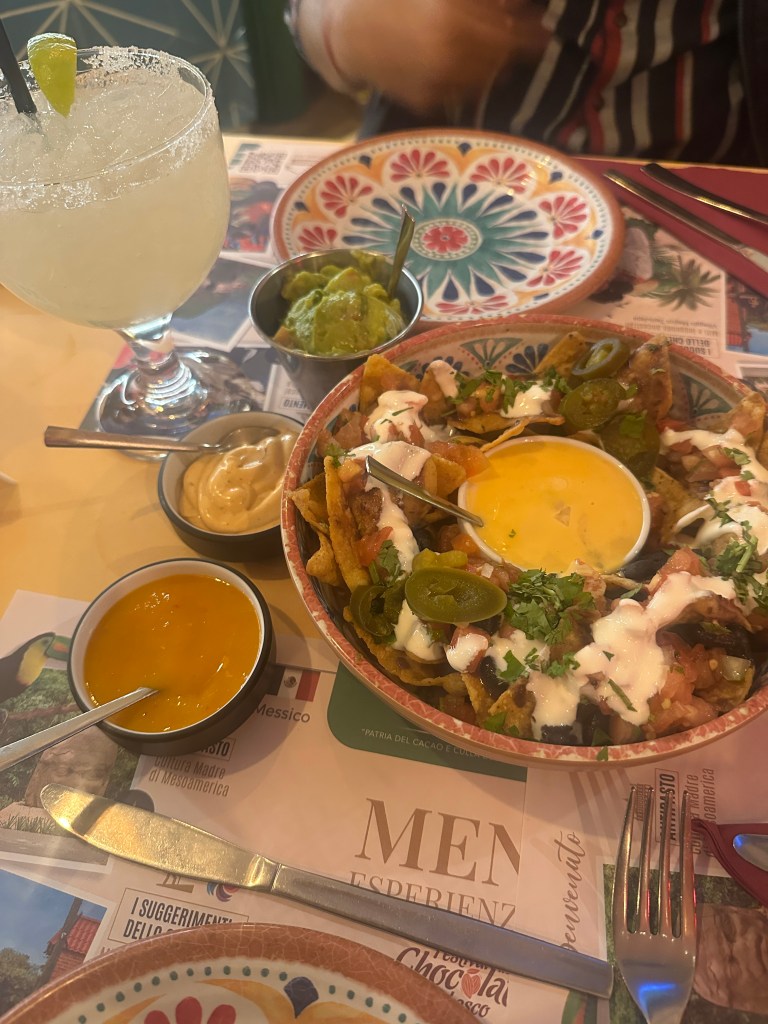
    That evening, we crossed the river into Trastevere, a lively, bohemian neighborhood with narrow cobblestone streets and an energy that’s infectious. This area is the heart of Rome’s nightlife, with buzzing piazzas, street performers, and packed restaurants spilling onto the streets. We opted for Mexican food at Pico’s Taqueria, where the food was great, the margaritas even better, and the atmosphere electric. Trastevere is the kind of place where you can lose track of time, caught up in the vibrant, fun-filled vibe of the neighborhood—it’s a must for anyone looking to experience Rome’s nightlife.
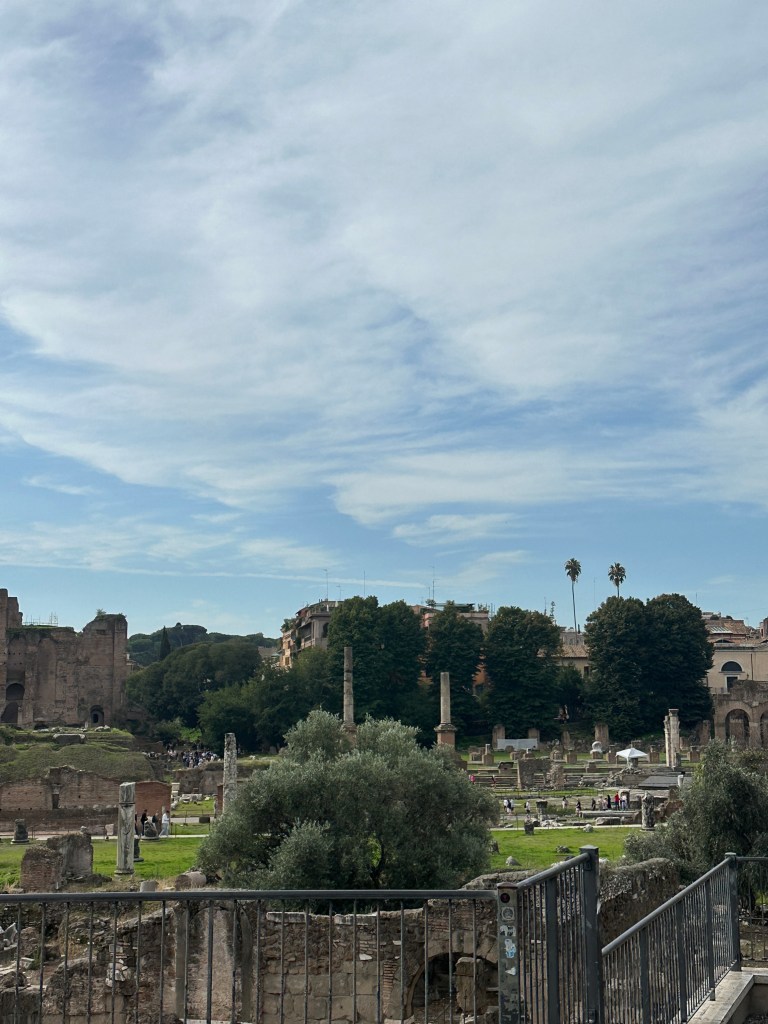
    The last day in Rome was a banger, and we made sure to go out with a bang. We kicked things off with a visit to the Roman Forum, the ancient heart of the Roman Empire. Walking through this sprawling archaeological site, you can almost feel the history beneath your feet. Right next door is the iconic Colosseum, a massive amphitheater that once hosted gladiator fights and grand spectacles. Standing in front of it, the sheer size and history of the place are humbling. You can’t help but imagine the roaring crowds and epic battles that once took place within its walls.
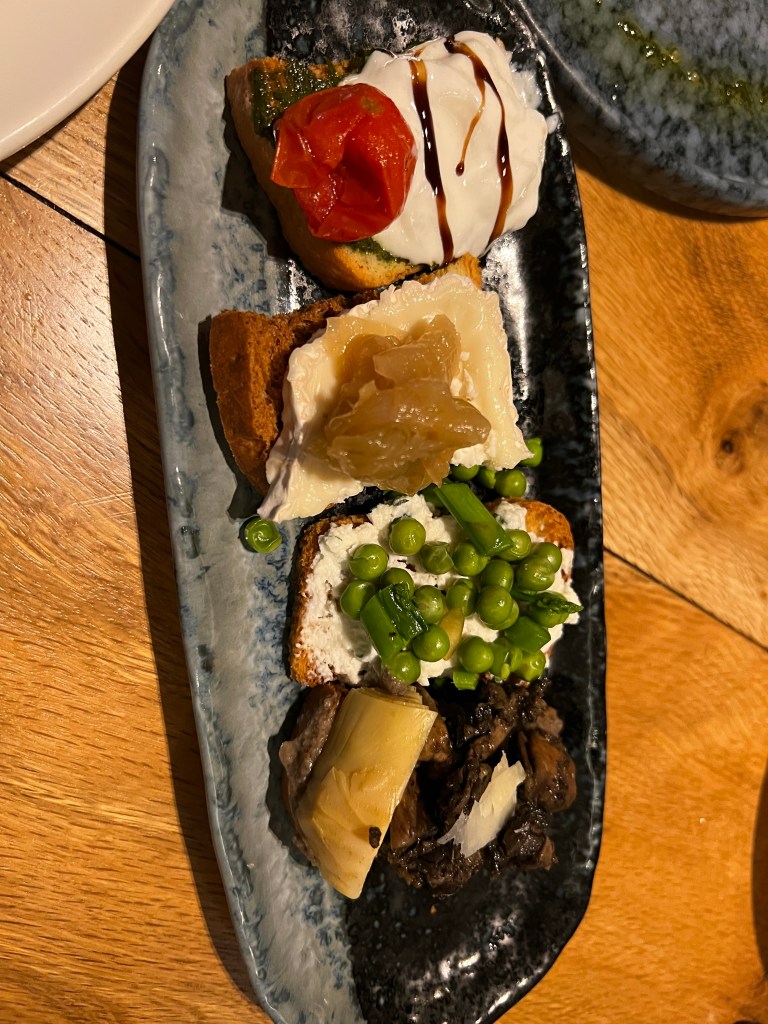
    After our dose of ancient history, we did some last-minute shopping for food items to take back home—balsamic, cheese, and spices were at the top of the list. Then, we stopped at Wok to Walk for a custom stir-fry, which hit the spot. After a short break, we made our way to Roscioli Salumeria con Cucina, a deli-restaurant combo known for its incredible pasta and fresh veggies. When in Rome, don’t miss the artichokes—they’re a must-try and absolutely delicious.

    After some rest, we took a quick detour to see the iconic Spanish Steps, where the view from the top was as breathtaking as expected. We also made a stop at the grand Monument to Victor Emmanuel II, an imposing structure dedicated to Italy’s first king. It was a perfect little sightseeing break before heading back to Via del Corso for one final shopping spree.

    Later, we wrapped up the trip with dinner at Zuma, my absolute favorite restaurant in the world. I’ve been to Zuma in Maldives, Bangkok, Dubai, Istanbul, Miami, London, and more, and it never disappoints. The robata grills were perfection, the salad and starters were unbelievable, and the drinks were top-notch. The service was personal, and the vibe? Let’s just say the crowd looked like the top 1% of the top 1%. The decadent Zuma chocolate dessert was the perfect finale to our Italy adventure.
    Although we managed to see a lot, there were still some key places in Rome that we missed. We didn’t make it to the Villa Borghese Gardens, a beautiful public park, or the Galleria Borghese, which houses incredible Renaissance and Baroque art. We also missed out on Castel Sant’Angelo, known for its panoramic views of the city, the Capitoline Museums, and the historic Palatine Hill. The Catacombs of Rome were another notable miss, as well as a more in-depth visit to the Villa Borghese Gardens. On the food side, we didn’t have the chance to stop at Tonnarello or Osteria da Fortunata, both highly recommended for classic Roman dishes. 

    As our trip came to a close, Italy left us with unforgettable memories of breathtaking sights and incredible meals where every day was filled with something special. We left knowing we’d only scratched the surface of this beautiful country, eager to return someday. 

    Italy : Amalfi Coast

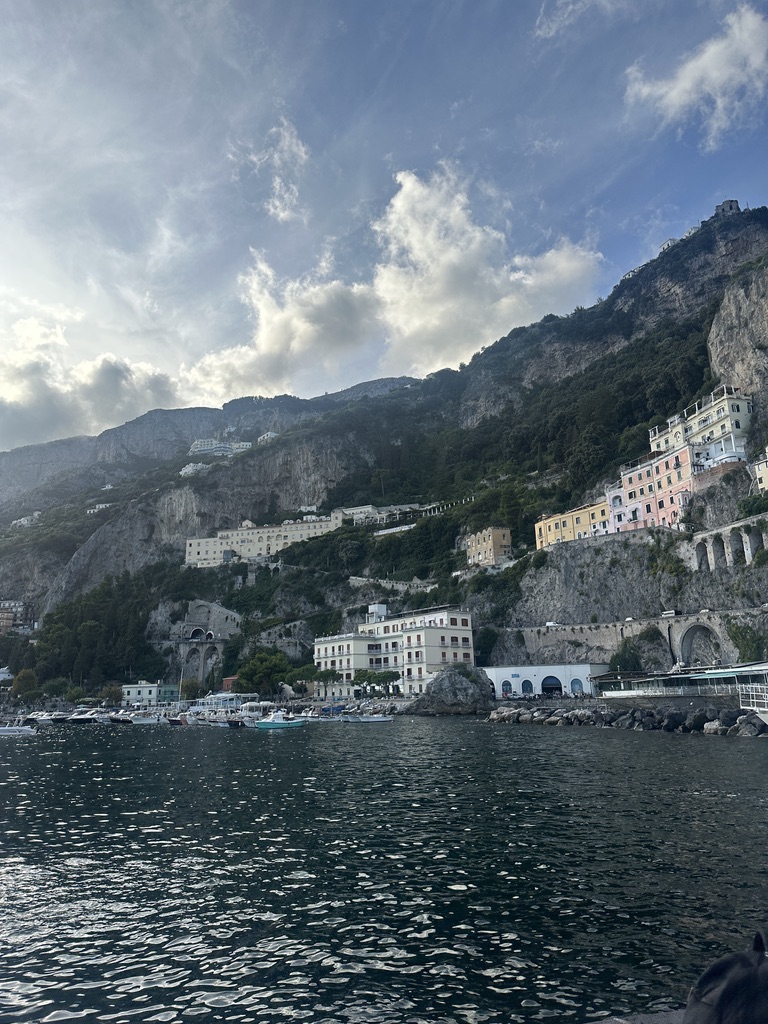
    The Amalfi Coast, a stretch of rugged coastline in southern Italy, is dotted with colorful towns that cascade down cliffs overlooking a stunning, deep blue sea. With its dramatic geography—where mountains literally meet the Mediterranean—it’s no wonder the Amalfi Coast is on everyone’s Instagram feed. Honestly, it was one of the main reasons I decided to make Italy my next destination in October 2024. But let me tell you, my motivation wasn’t just for the views. I’m not ashamed to admit that pasta had a big role in it too.

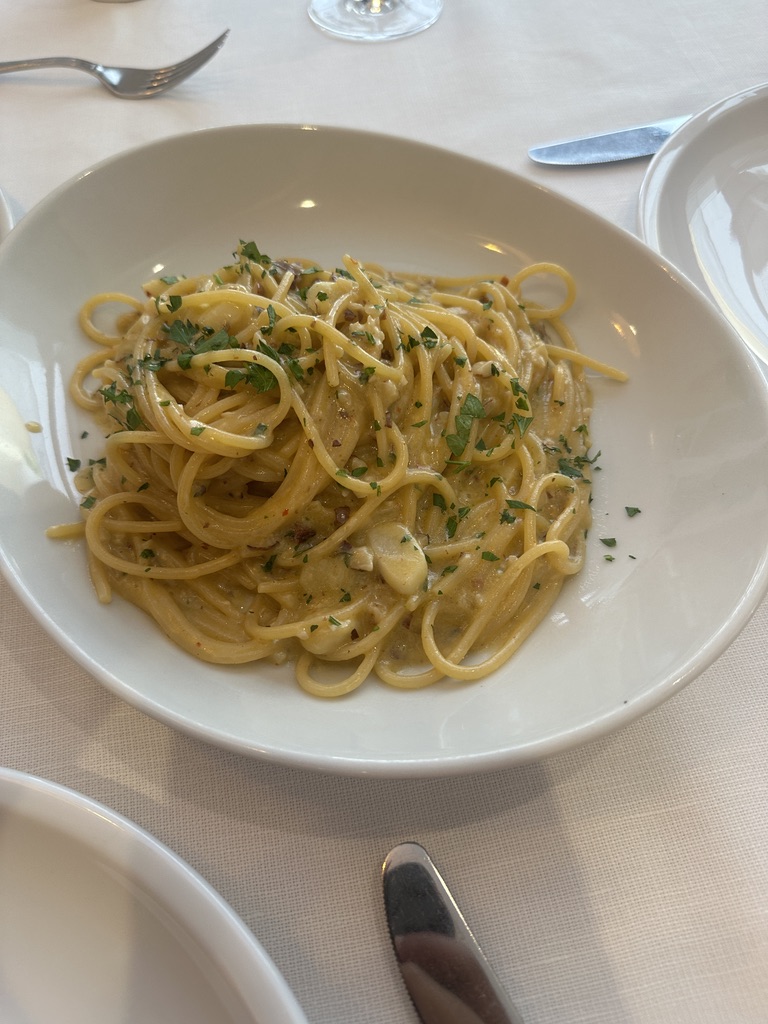
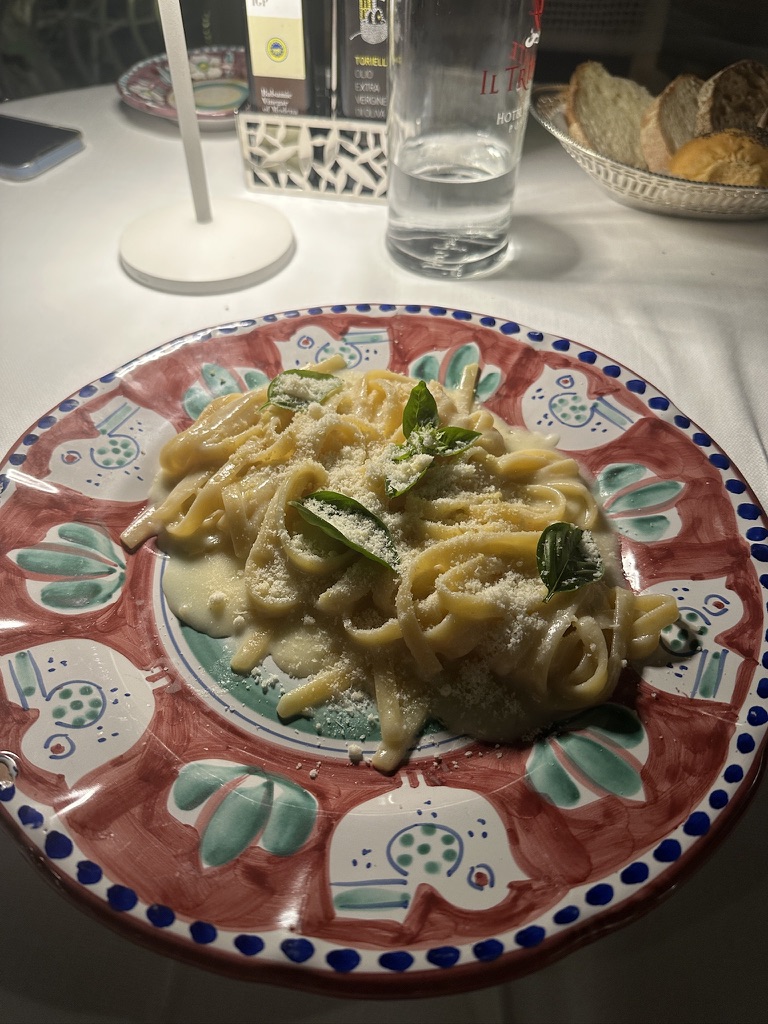
    A lemon pasta at a spot called Forma in Singapore completely inspired this greatly. I didn’t know pasta could taste like that. It was the best pasta dish I’d ever had, and I became obsessed with visiting its birthplace. This journey led me to the Amalfi Coast, where the lemons are as huge as a size of a head. But hey, if your idea of a vacation includes jaw-dropping views, endless pasta, and trying to not spill your gelato while navigating what feels like a never-ending staircase, you’re in for a treat. Let’s dive into what makes this place so ridiculously irresistible.

    Our Amalfi Coast itinerary was simple but sweet:

    • Day 1: Capri
    • Day 2: Positano
    • Day 3: Day trip to Amalfi/Ravello
    • Day 4: Positano

    I’ll also talk about Sorrento and some other notable spots. But first, how to get to the Amalfi Coast. While you could drive from Rome, it’s neither budget-friendly nor particularly stress-free. Instead, I recommend taking the train from Rome to Naples and then hopping on a ferry to your destination. Capri, being an island, requires a ferry ride regardless, and ferry tickets are affordable and easy to grab right before departure. Just don’t forget to check the ferry schedules unless you fancy some downtime by the docks.

    Now, a disclaimer—I was down with a fever, cough, and cold during this part of the trip, which meant we took things a little slower than planned. But I’ll share what I managed to see, as well as what I missed, so you don’t miss out on the essentials. This part of our trip was intentionally more relaxed—less about packing in sights and more about soaking up the atmosphere, p.s. and a lot of limoncello.

    Our adventure began with a quick ferry ride from Naples to Capri. Though we only stayed a day, I’d recommend spending 2-3 days here to really appreciate Capri’s charm and exclusivity. From the marina, we took a taxi to Malafemmena Guest House on Via Roma, Capri Town’s main street. The location was perfect, offering incredible views and proximity to the island’s best spots. Hungry after our journey, we wandered over to Gran Caffè R. Vuotto, just two minutes from the hotel, where the burrata and eggplant parmigiana were nothing short of spectacular. Capri may be known for its luxury, but it knows how to do comfort food right.

    Though Via Roma is on the pricier side, it’s worth a stroll for its mix of high-end shops and local brands. The street also offers some of the best views on the island, making it a must-see. Unfortunately, I wasn’t feeling great, so after lunch, I retreated to the hotel for some rest. But if you’re in better health, Giardini di Augusto is just a short walk away, offering spectacular views of the Faraglioni rock formations and the dramatic Via Krupp.

    Another spot I had on my list but couldn’t visit due to the flu was Anacapri, a quieter, more local town on the other side of Monte Solaro. It’s known for its laid-back vibe and charming restaurants, which I’m sure would have been a nice contrast to the more bustling Capri Town.

    If you have time, don’t miss Villa San Michele. The villa is home to an impressive collection of ancient artifacts, including sarcophagi fragments and a granite sphinx, all set against stunning views of Capri. It’s one of those places that blends history with beauty in a way only Italy seems to master.

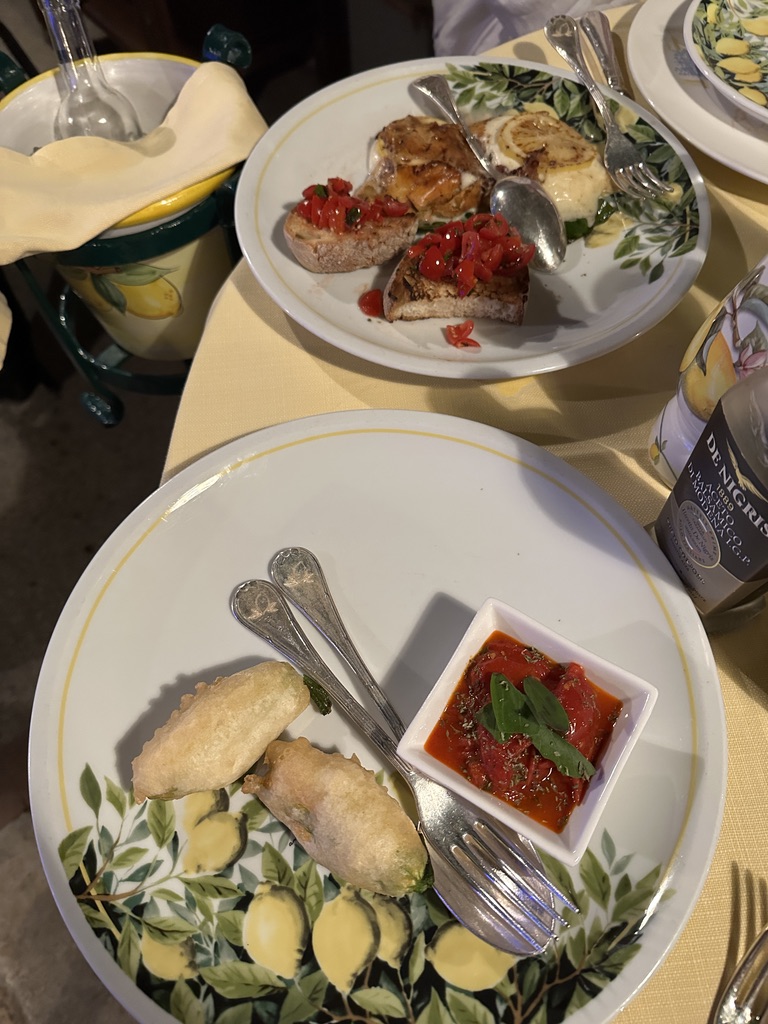
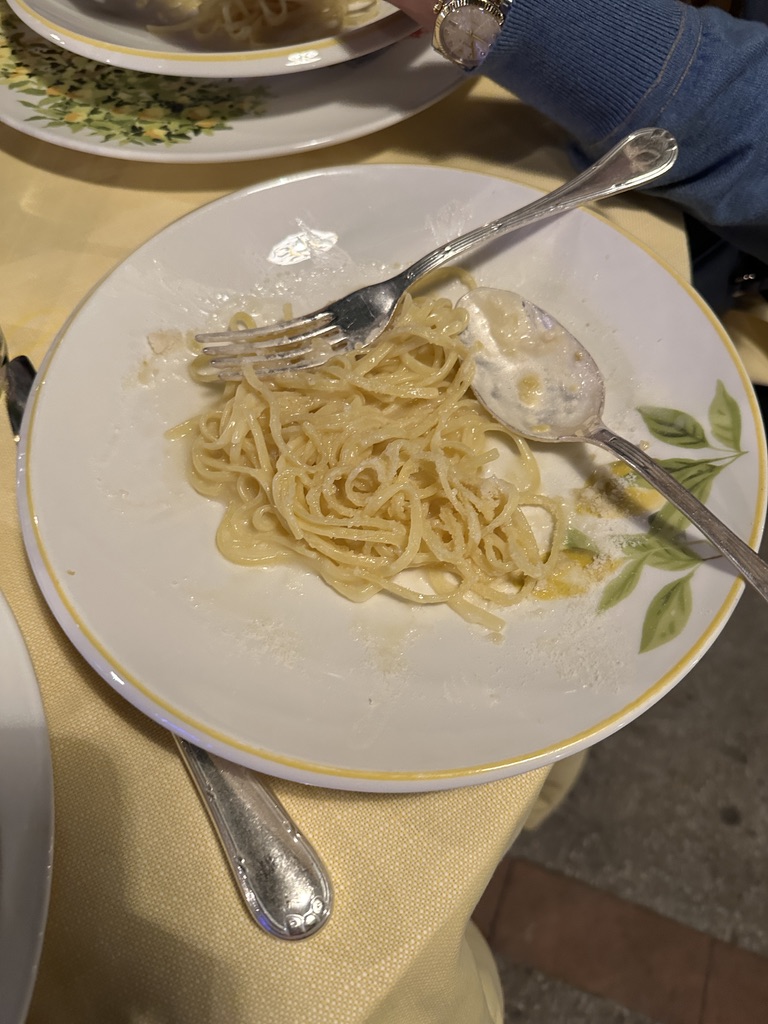
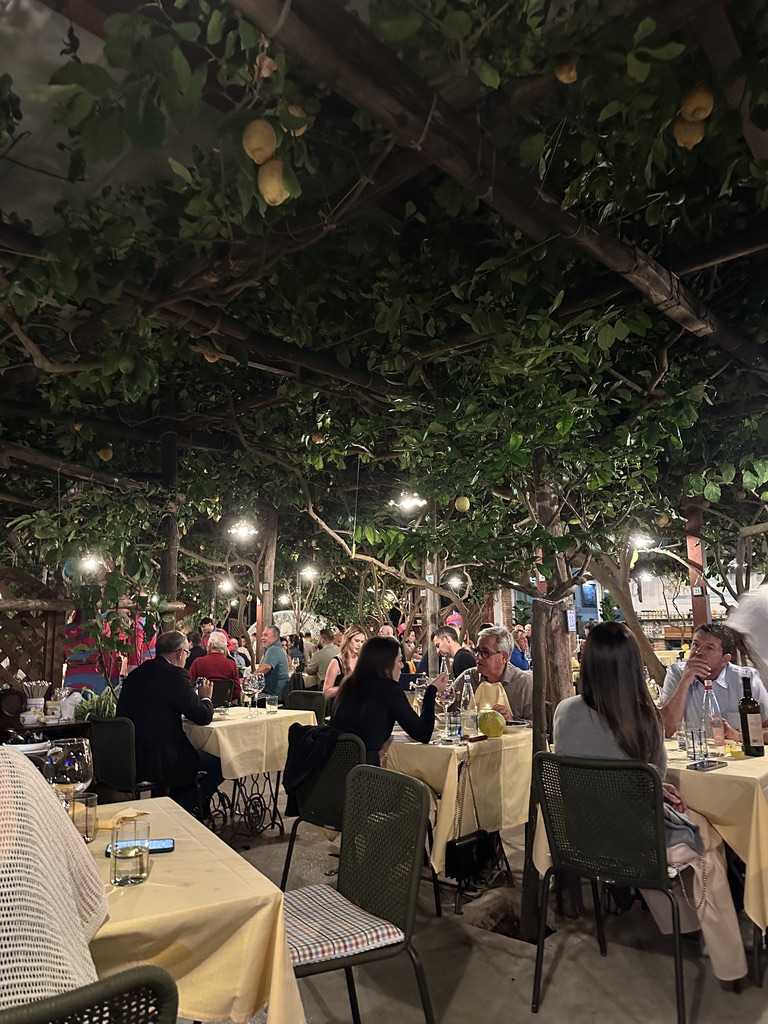
    For dinner, we made a reservation at the famous Da Paolino restaurant, a must-visit if you’re in Capri. The restaurant is set in a lemon grove, and many of the dishes pay homage to Capri’s signature citrus. We indulged in grilled mozzarella, lemon tagliolini, and a few other delights, but it was the atmosphere that really made the meal unforgettable.

    The next morning, we started the day with a quick walk around town and some obligatory gelato. We had planned a boat tour to see Capri’s famous grottos, including the Blue Grotto, but had to skip it due to my illness. If you’re in good health, this tour is highly recommended. Instead, we spent our remaining time in Capri soaking in the views and picking up a few local souvenirs before heading back to the mainland. 

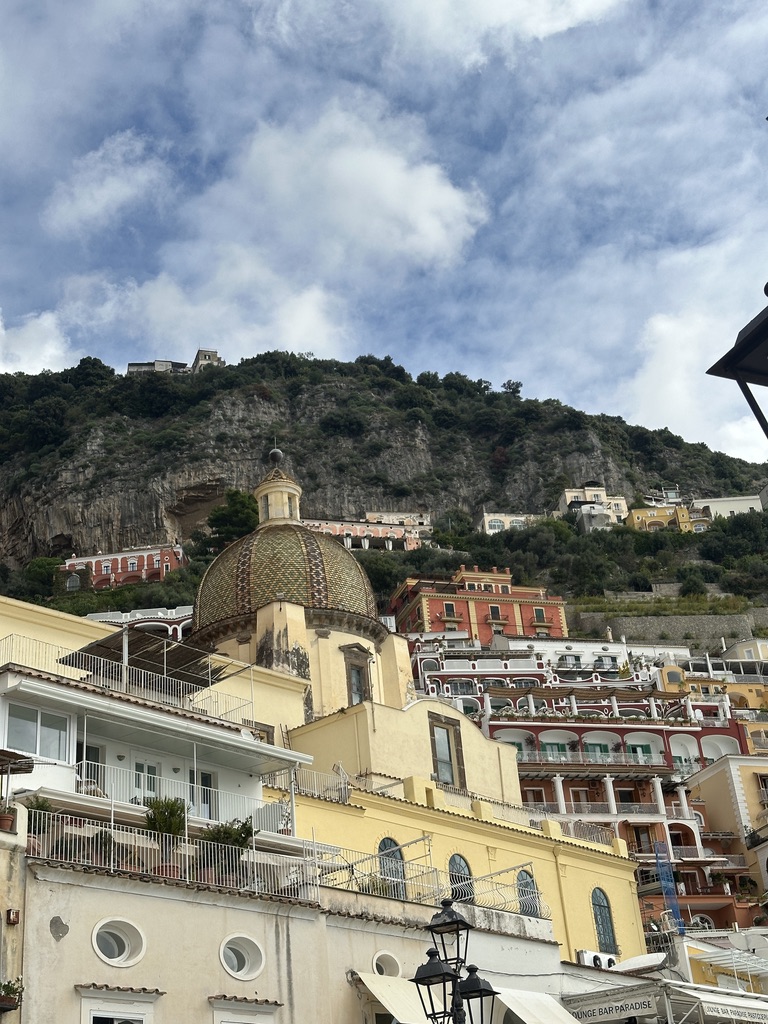
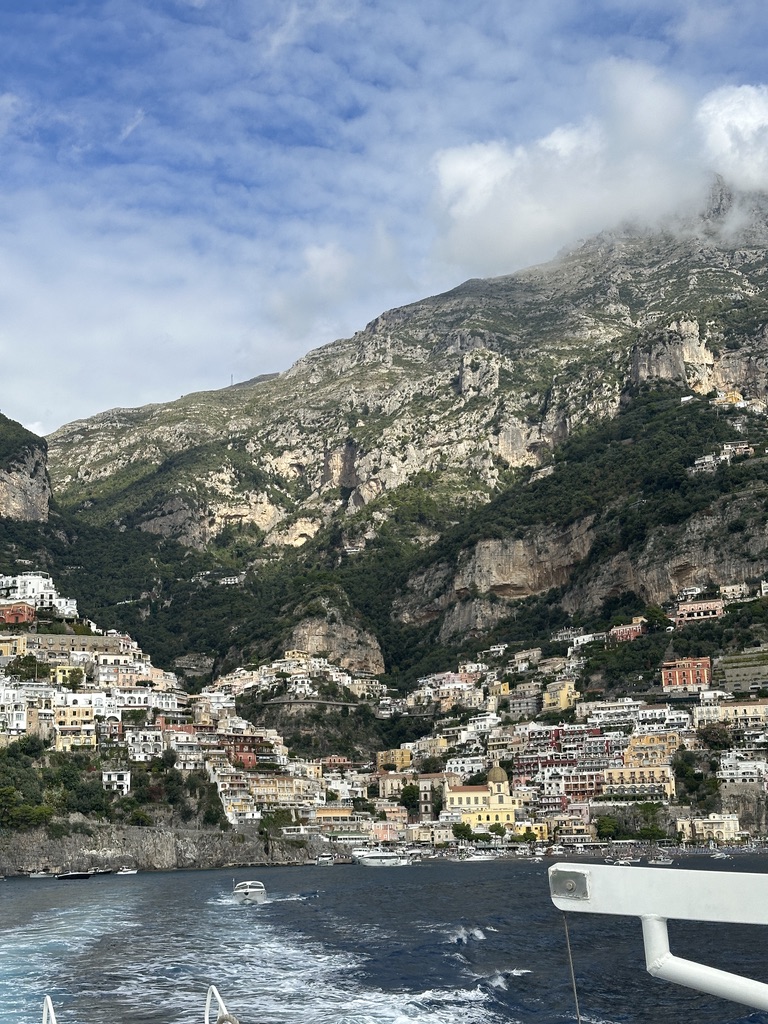
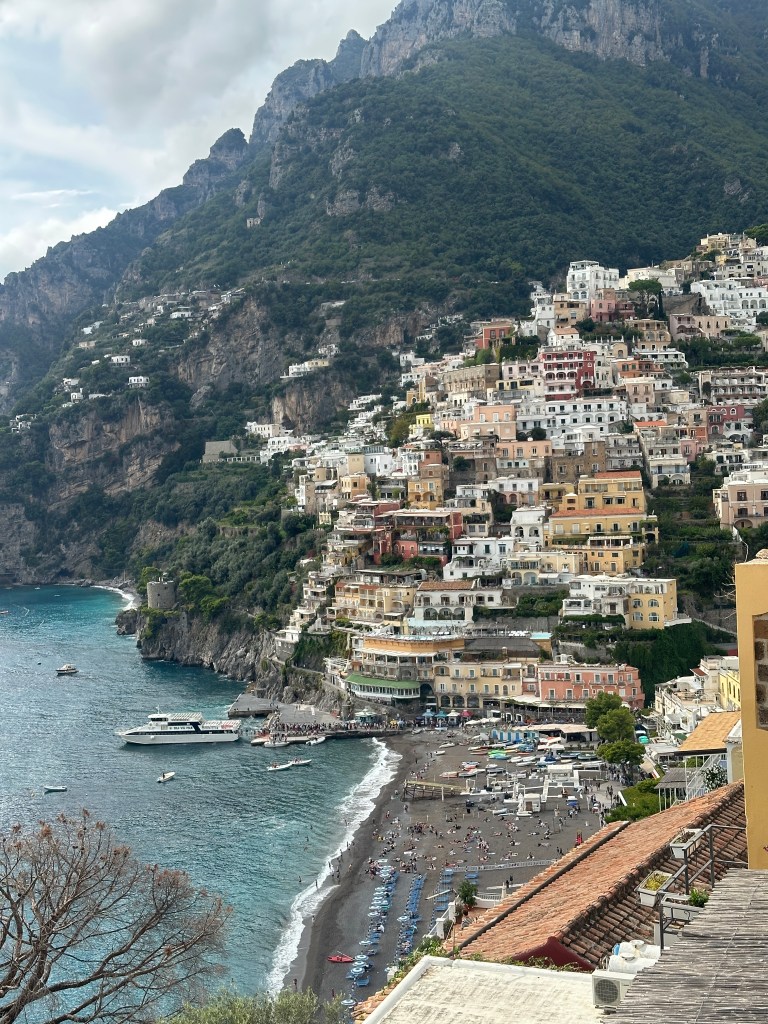
    Our next stop was Positano, a place I’d been dreaming of visiting ever since I first saw a picture of it. Every other place in Italy I’d visited had left me in awe, and I had a strong feeling Positano would be no different. Spoiler alert: it wasn’t. Picture a cliffside town with pastel-colored buildings stacked one on top of the other, overlooking the shimmering blue sea—Positano is Italy at its most picturesque, where every view feels like it’s out of a postcard. But like all good things, getting here isn’t exactly straightforward. Positano is tucked away along the Amalfi Coast, without direct access to airports or train stations. It’s a bit of a challenge, but worth every effort. Once you’re there, you quickly realize why it’s one of the most iconic spots on the coast, and trust me, the struggle to arrive becomes part of the charm.

    • Naples to Positano: 1h 15m by car
    • Sorrento to Positano: 45m by car, 45m by ferry
    • Amalfi to Positano: 40m by car, 20m by ferry
    • Capri to Positano: 50m by ferry

    If you’re planning to drive, I recommend hiring a private driver over renting a car. The roads are narrow and winding, making the drive a bit stressful for the uninitiated. However, if you’re after that quintessential Amalfi Coast experience, consider renting a vintage Fiat or Vespa for a day to cruise along the famous coastal roads—it’s straight out of an Italian dream.

    When we finally arrived—after climbing about 500 steps and handing over €50, which is a hefty fee, to porters to ensure our luggage reached the hotel—we were welcomed by Villa Nettuno, a small, charming hotel just minutes from the beach. The views? Unbelievable. I could have easily spent the entire trip on that balcony and called it a success. Positano is the kind of place where simply existing feels like an event. Even just sitting and watching the sun dip below the horizon makes you feel like you’re part of something special.

    For those seeking other accommodations, Le Sirenuse is the epitome of luxury, while Hotel Poseidon and Il San Pietro di Positano offer excellent alternatives. Hotel Pupetto is ideal if you want to be right on the beach. Honestly, though, Positano is so compact that no matter where you stay, you’re guaranteed incredible views. Our hotel was cozy and run by two brothers who were exceptionally knowledgeable about the area. Their restaurant recommendations? Spot on.

    That first evening, we took a stroll along the main street, which runs parallel to the steep stairs we’d just battled. The streets of Positano are lined with boutiques and cafés, each more charming than the last. For dinner, we opted for a café where we indulged in seasonal dishes like eggplant parmigiana and spaghetti alla Nerano, a zucchini-based pasta that is a local favorite. We ended the meal with a perfect tiramisu before calling it a night.

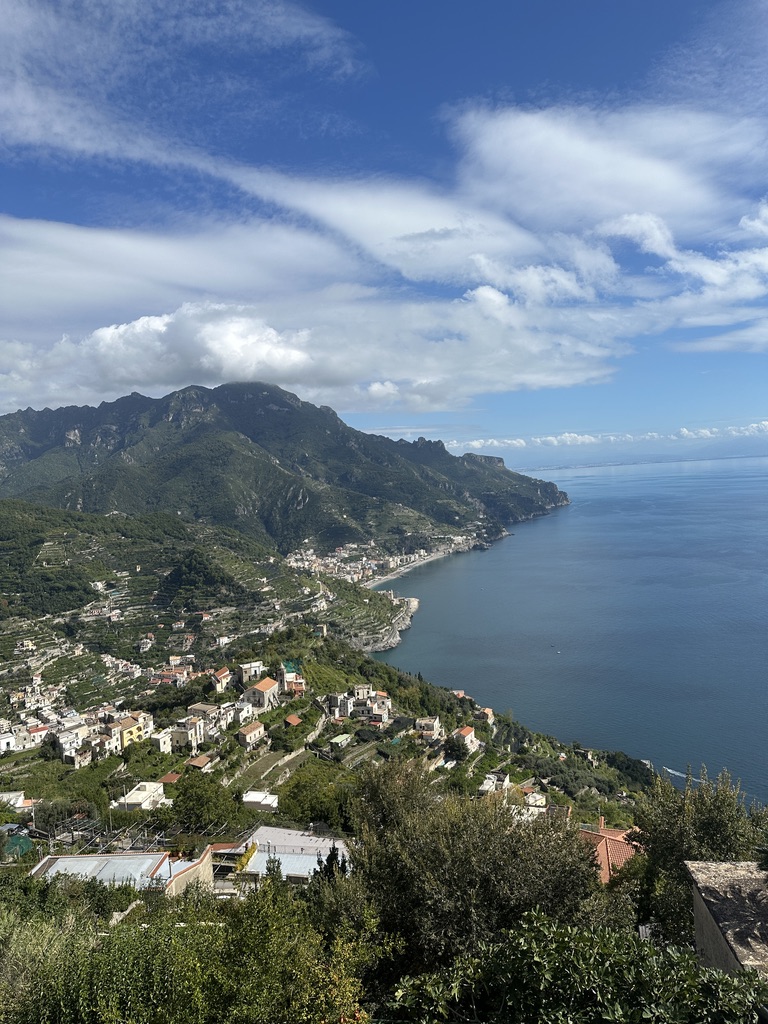
    The next day, we ventured out for a day trip to Ravello and Amalfi. Ravello is perched high above the coast and is often described as the hidden jewel of the Amalfi Coast, offering peace and panoramic views unlike any other. Villa Cimbrone, with its famed Infinity Terrace, is a must-visit. The view from this terrace is often considered one of the best in the entire region, making it a highlight of any trip. Villa Rufolo is another historic gem in the town center, offering both history and charm. If you’re having lunch in Ravello, I recommend Villa Maria for its stunning views, though the food, in our case, didn’t fully match the scenery. Ravello has its admirers, and while it’s certainly beautiful, I personally found Amalfi to have more character and vibrancy.

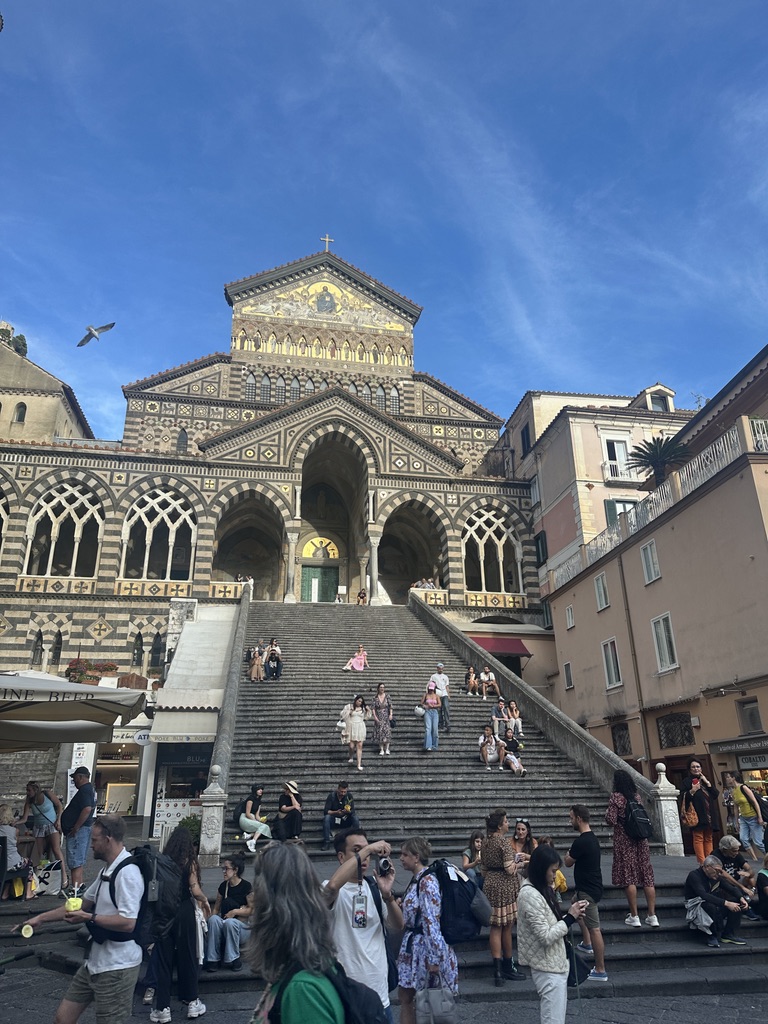
    Amalfi, on the other hand, offers a more energetic experience with its bustling streets, vibrant piazzas, and of course, its historic Duomo di Sant’Andrea. The town, once a powerful maritime republic, retains a lively atmosphere with plenty of places to explore. After wandering through the town and visiting the Duomo, we treated ourselves to affogato and coffee at Cioccolato Andrea Pansa, one of the oldest pastry shops in the region. Everything they serve here is a delight, and it’s a perfect spot to recharge during your day of exploring. Amalfi’s charm is irresistible, and its coastal vibe makes it an easy favorite for visitors.

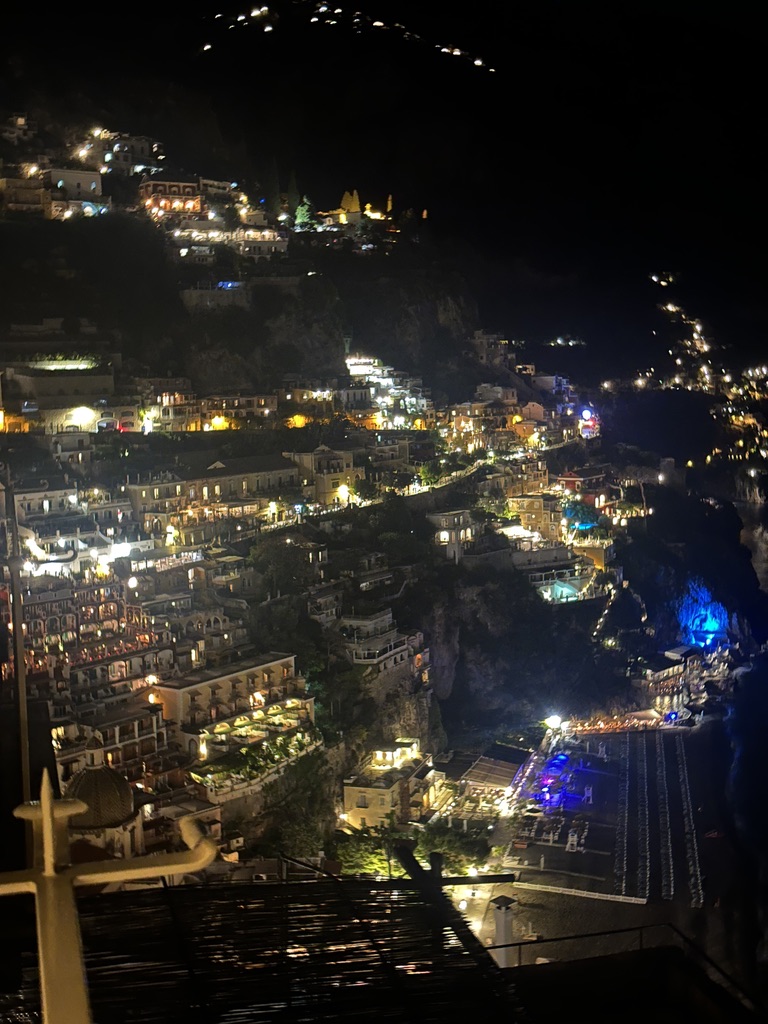
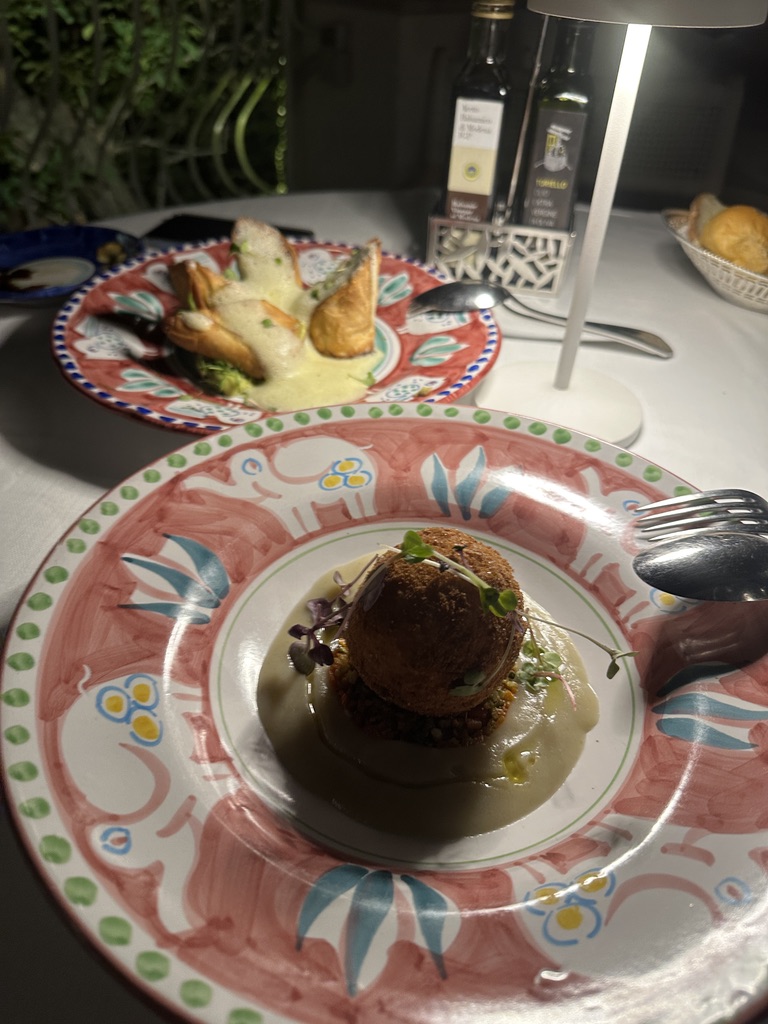
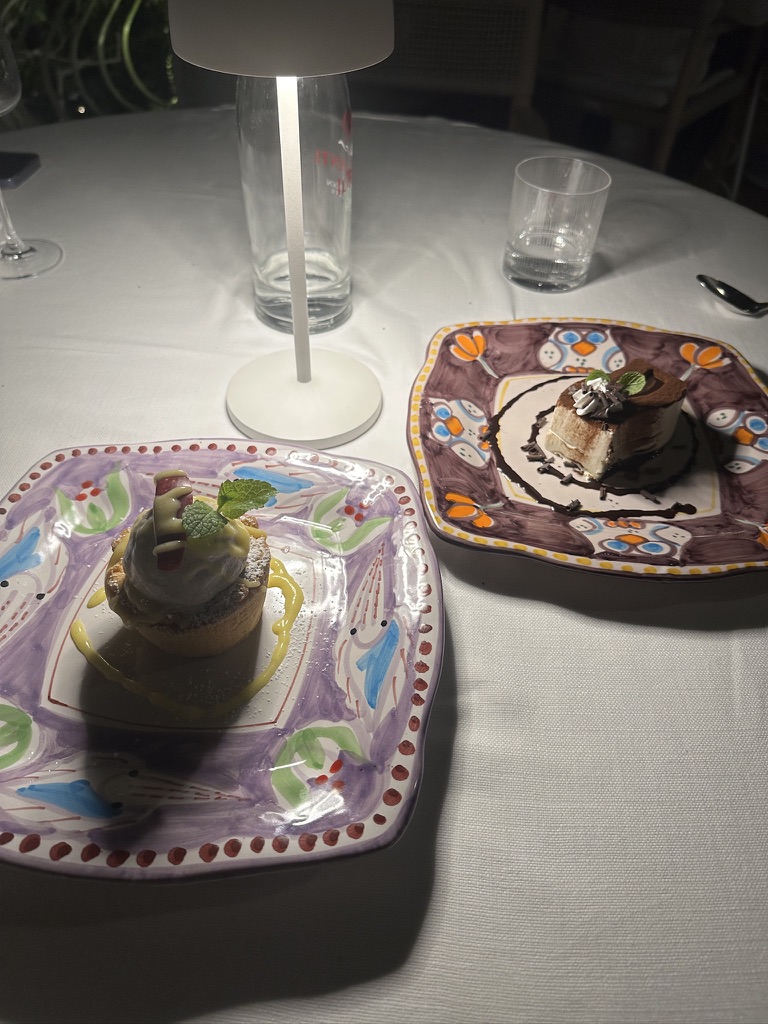
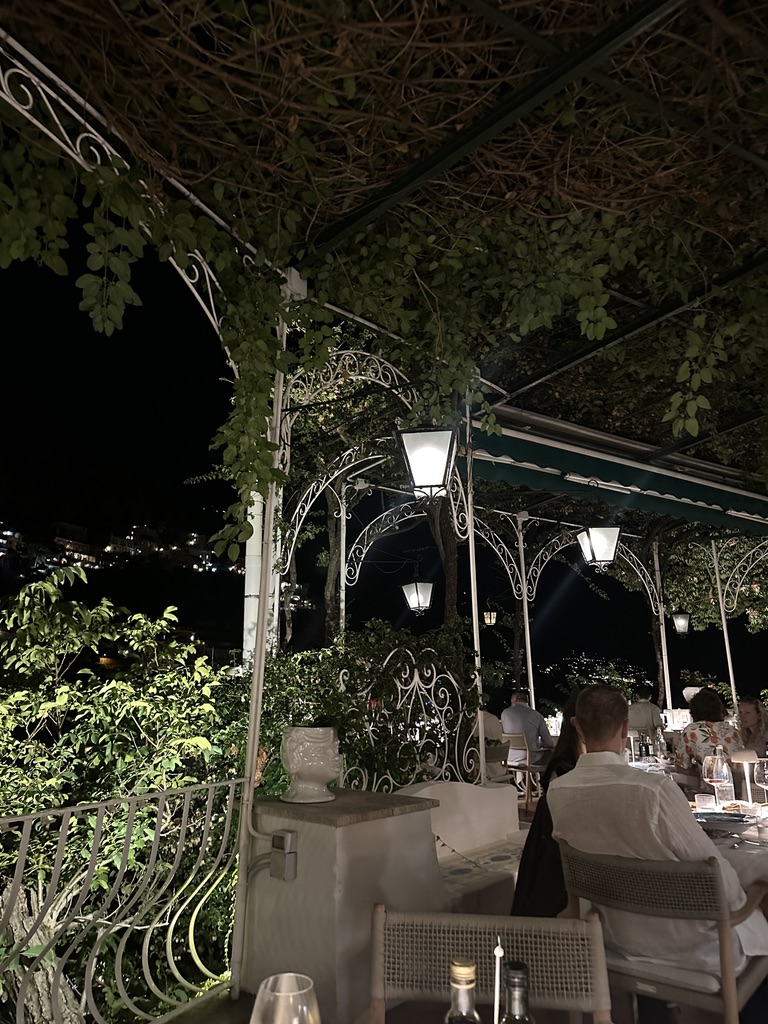
    That evening, we dined at Il Tridente at Hotel Poseidon, which was hands down the best meal of our trip. The food had a modern twist, the pasta was beyond delicious, and Positano lit up at night created an unforgettable ambience. The service was impeccable, the wine selection was perfect, and the tiramisu was just the cherry on top. This meal was easily the highlight of our dining experiences, and it set the standard impossibly high.

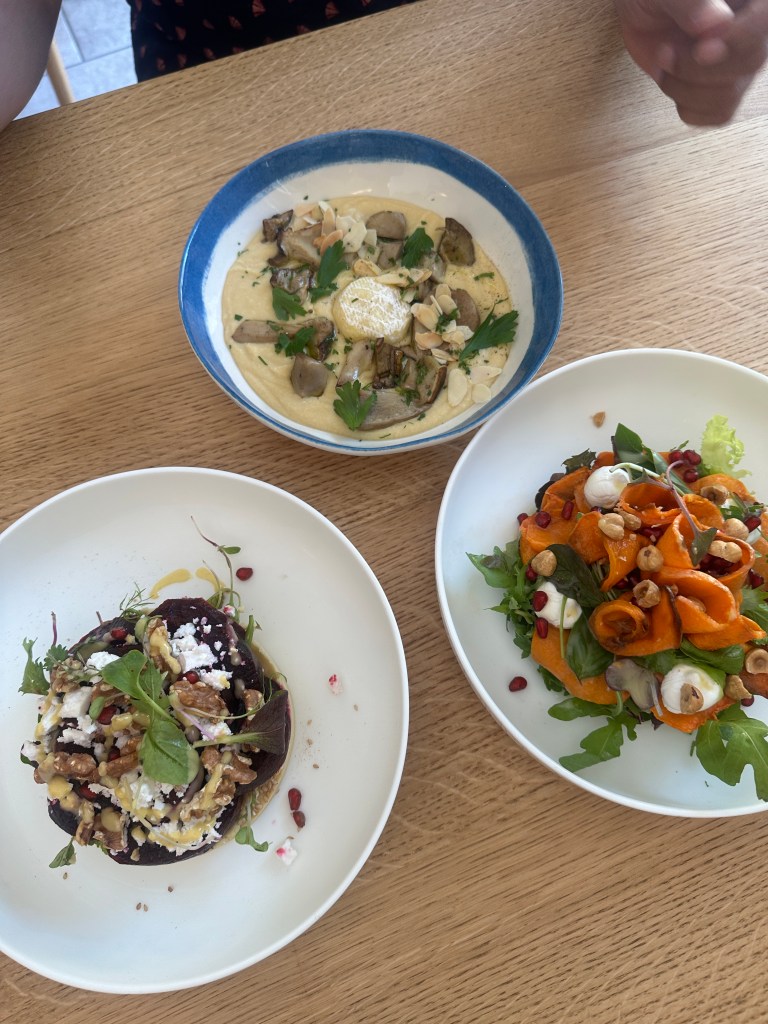
    The next day, we took it slow and stayed in Positano to fully absorb the town’s beauty. We slept in and had brunch at Casa e Bottega, a charming café offering fresh, light dishes made from local produce. The menu is vegan- and vegetarian-friendly, which was a welcome change from the heavy Italian classics. It’s a perfect spot for a relaxed meal, with no reservations required.

    After brunch, we spent the day strolling the main street, shopping, and soaking in the views from every angle. We took a walk down to the beach, stopping for pastries from a nearby bakery on the way back to the hotel. Dinner that night was at Da Vincenzo, which, while good, didn’t quite live up to its hype. The potatoes and artichokes were excellent, but the pasta didn’t fully hit the mark for me. Still, it was a lovely meal with a great atmosphere.

    Other restaurant recommendations for Positano: Rada Beach Restaurant, Da Gabrisa, Next2, La Sponda, and Ristorante Max are all solid choices. The food here is consistently excellent, and sampling local specialties along the way is part of the charm.

    The next morning, we wrapped up our time in Positano with one last breakfast at Casa e Bottega—because it really was that good—and took a private transfer back to Naples, followed by a train to Rome.

    We had planned to visit Sorrento during our trip, but with limited time (and my lingering cold), we had to skip it and head to Amalfi and Ravello instead. Sorrento, perched on cliffs overlooking the Bay of Naples, is a fantastic base for exploring the Amalfi Coast, especially if you prefer a flatter town compared to Positano’s steep stairs. It’s also famous for its lemon groves and limoncello—don’t miss trying the real thing while you’re there!

    Sorrento has plenty to offer, from the lively Piazza Tasso to the charming Marina Grande, perfect for a relaxing day by the water. Be sure to visit Villa Comunale for sweeping views of Mount Vesuvius and the Bay, and Museo Correale for a glimpse into the area’s history and art. The Cloister of San Francesco is another must-see, known for its peaceful atmosphere and beautiful architecture. Sorrento’s laid-back vibe, combined with its scenic beauty and delicious food, makes it a great alternative to Positano—perfect for those looking for a more relaxed yet equally stunning stay.

    Though we didn’t have time to visit every corner of the Amalfi Coast, there were a few towns that piqued our interest and deserve a mention. These lesser-known gems offer a different, quieter side of the region and are well worth considering if you have more time or want to avoid the bigger crowds.

    1. Atrani – A tiny village near Amalfi, known for its medieval charm and quiet piazzas. It’s ideal for a peaceful retreat, just a short walk or bus ride from Amalfi.
    2. Praiano – A serene alternative to Positano, with stunning sunsets and the Path of the Gods hike. It’s perfect for a laid-back vibe, reachable by bus from Positano or Amalfi.
    3. Salerno – A larger, less touristy town at the gateway to the coast, offering historic landmarks like Salerno Cathedral. Easily accessible by train or ferry, it’s a good base for exploring.
    4. Furore – Famous for its dramatic Fiordo di Furore and hidden beach. Ideal for adventure seekers, it’s a peaceful escape accessible by bus or car.

    Each town offers something special, making them great alternatives or additions to your Amalfi Coast itinerary.

    In the end, the Amalfi Coast was everything I hoped for—and more. Despite missing out on Sorrento and some adventures due to time and a lingering cold, the beauty of places like Positano, Capri, and Amalfi made it all worth it. Whether it was the unbeatable views, delicious lemon pasta, or simply sitting on a balcony watching the sunset, every moment felt special. The Amalfi Coast has this way of making you feel like you’re part of something timeless and serene. I may not have seen everything, but what I did experience was unforgettable. And I know, without a doubt, I’ll be back one day—hopefully in better health, ready for even more adventure and, of course, more pasta.

    Estonia

    Estonia, a gem in Northern Europe, is a land of contrasts, where medieval charm meets digital innovation. With its rich history, diverse geography, and vibrant culture, Estonia offers a unique blend of tradition and modernity. From over 1,500 islands to dense forests and beautiful lakes, the country’s landscape is as varied as its cultural heritage. Known for its strong tradition of folk music, art, and digital advancements.

    Our Estonian adventure began in Pärnu, a resort city known for its beautiful beaches, spas, and historical architecture. Pärnu’s charm lies in its blend of modernity and tradition, with lively festivals and serene coastal landscapes. After a long journey, we were starving and headed to Steffani Suve Pizzarestoran. The pizzas, including some deep-pan options, were to die for, though the 1.5-hour wait was a bit irritating. The ice cream dessert, enough for 10 people, was a delightful treat. We then strolled around the beach and enjoyed bolt scooting along the shore for 45 minutes, soaking in the coastal vibes.

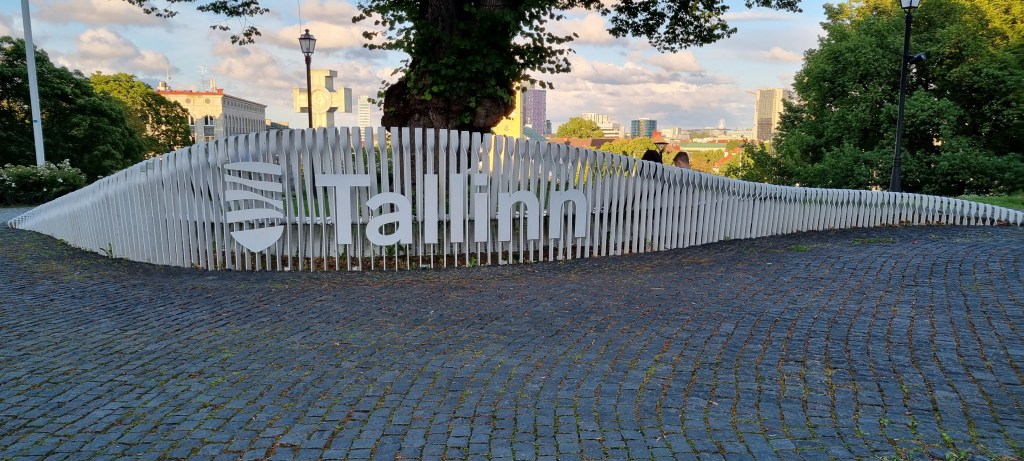
    Next, we headed to Tallinn, Estonia’s capital, with a drive time of around two hours. Tallinn is a city that beautifully marries history with modernity. Its medieval Old Town, cutting-edge technology scene, and lively cultural festivals make it a must-visit destination. The city’s architecture is a blend of medieval, Gothic, and modern styles, reflecting its rich history and vibrant present.

    We checked into the Nordic Forum, a hotel that impressed us with its spacious rooms, great pool, and fantastic location. The rooms were well-furnished, with comfortable beds and modern amenities. The pool area with a sauna was a relaxing haven, perfect for unwinding after a day of exploration. The hotel’s location, facing a park and close to major attractions, added to its appeal. The welcoming staff ensured a pleasant stay, making the Nordic Forum a highly recommended choice.

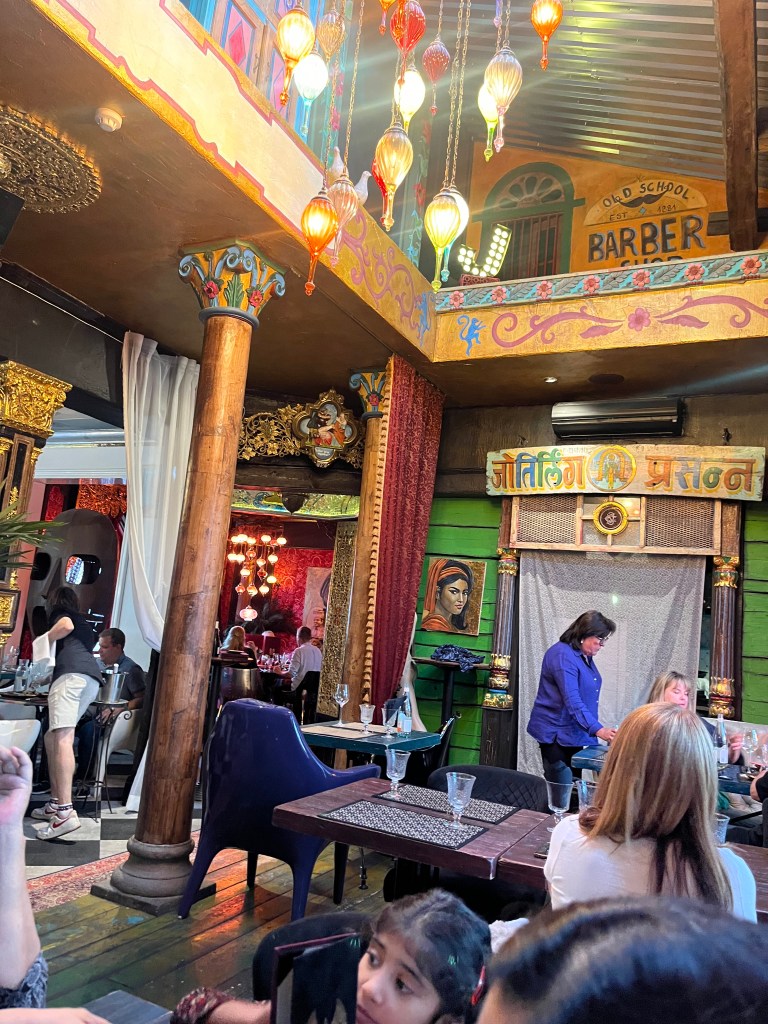
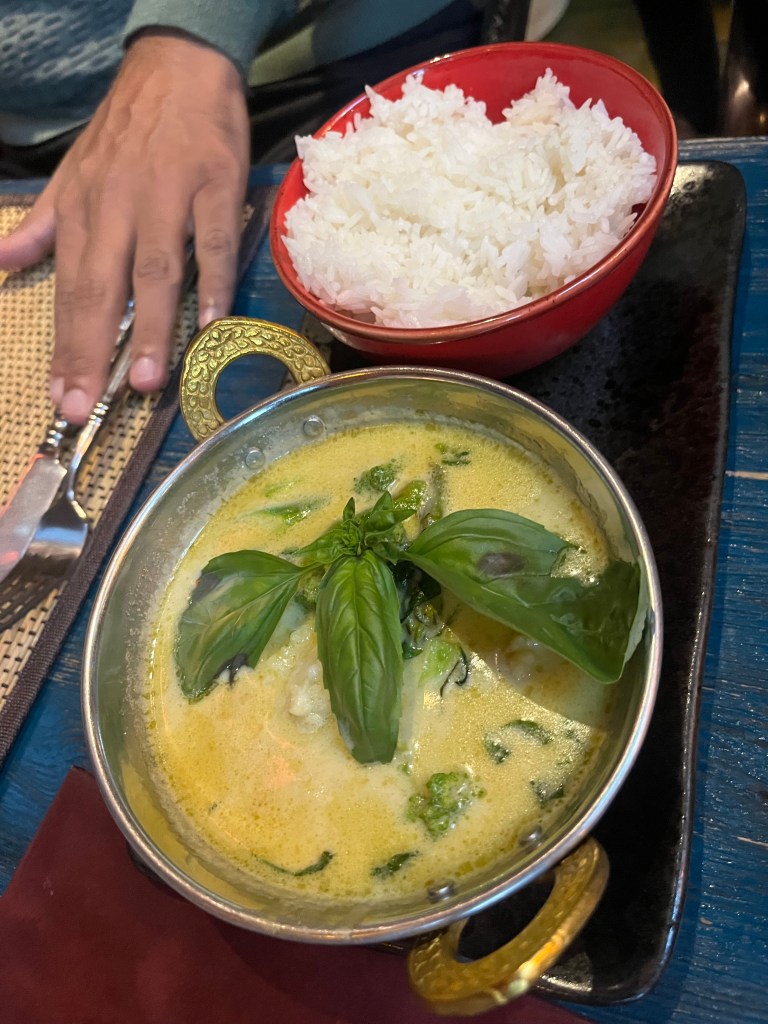
    After settling in, we headed to Tai Boh, a Thai restaurant, for dinner. In Tai Boh it’s difficult to decide where to look – everything is so colorful and full of details. The restaurant is worth a visit just for the interior, but the food is also a true delight.The ambiance was amazing like a Thai market, and the food, including Thai red, green, and yellow curries, stir-fries, and salads, was superb. The unique drinks added to the experience.

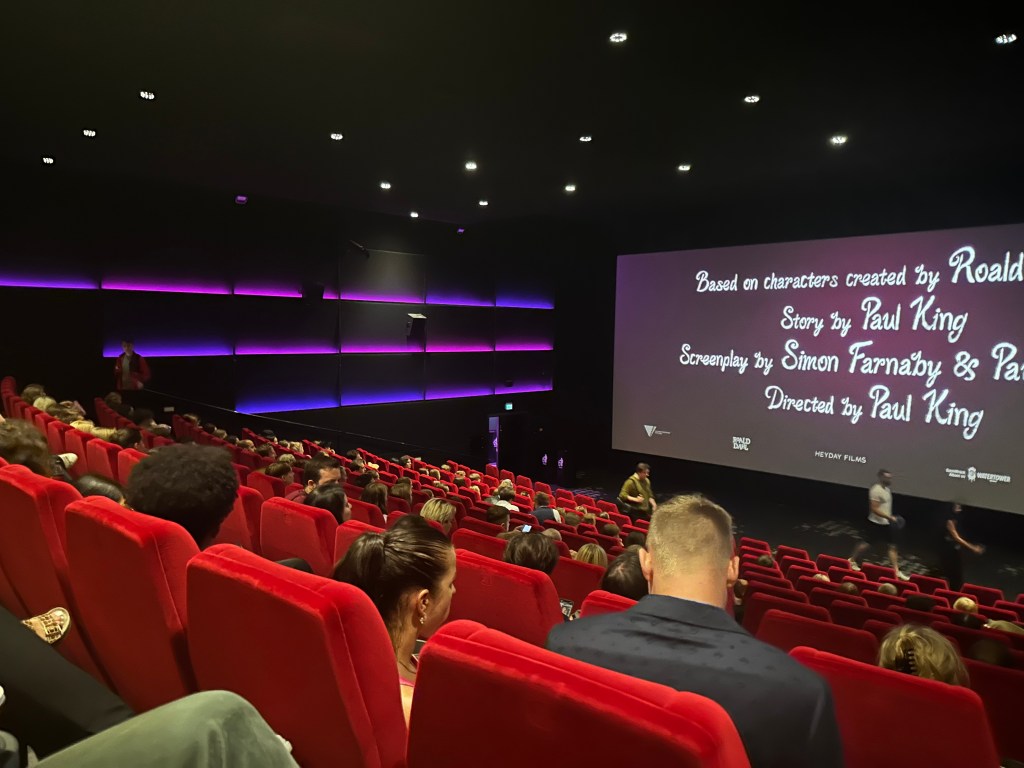
    Post-dinner, my dad and I went to Coca-Cola Theatres to watch “Mission Impossible: Dead Reckoning Part 1.” The theater experience in Estonia was memorable, with state-of-the-art facilities and a lively atmosphere.

    The next day we had a walking tour scheduled but due to heavy rains we decided to explore ourselves. Our self-guided tour began in Tallinn’s Old Town, a maze of cobblestone streets filled with history and charm. The quaint shops, friendly locals, and hidden courtyards added to its allure, making us feel like we had stepped back in time.

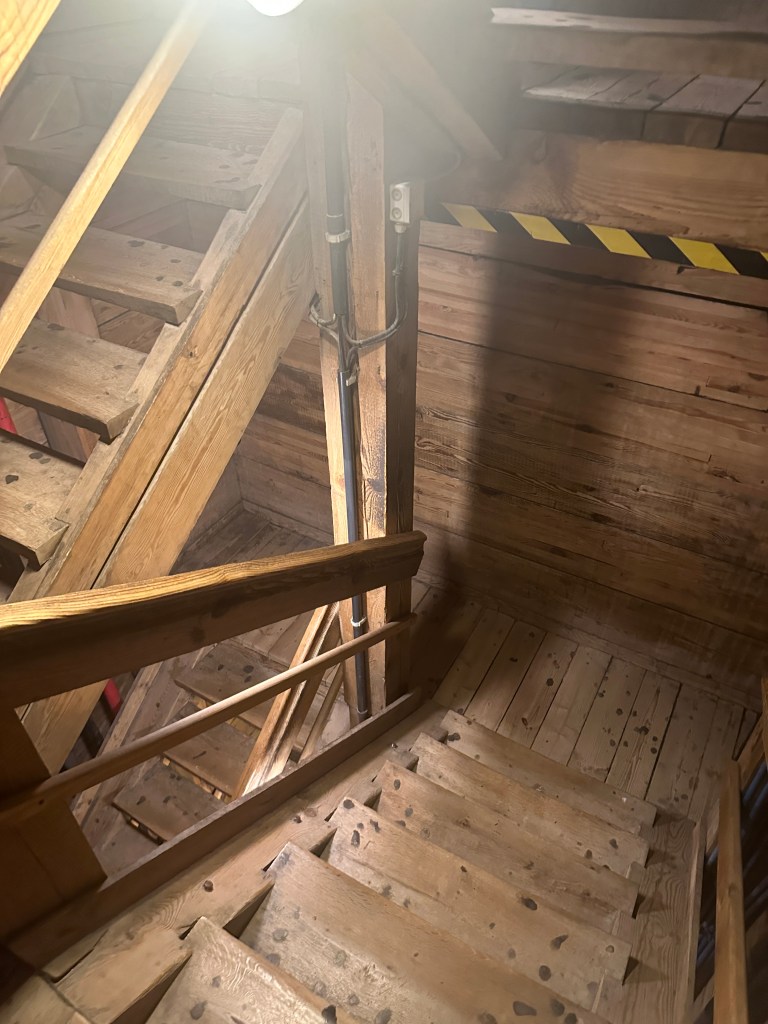
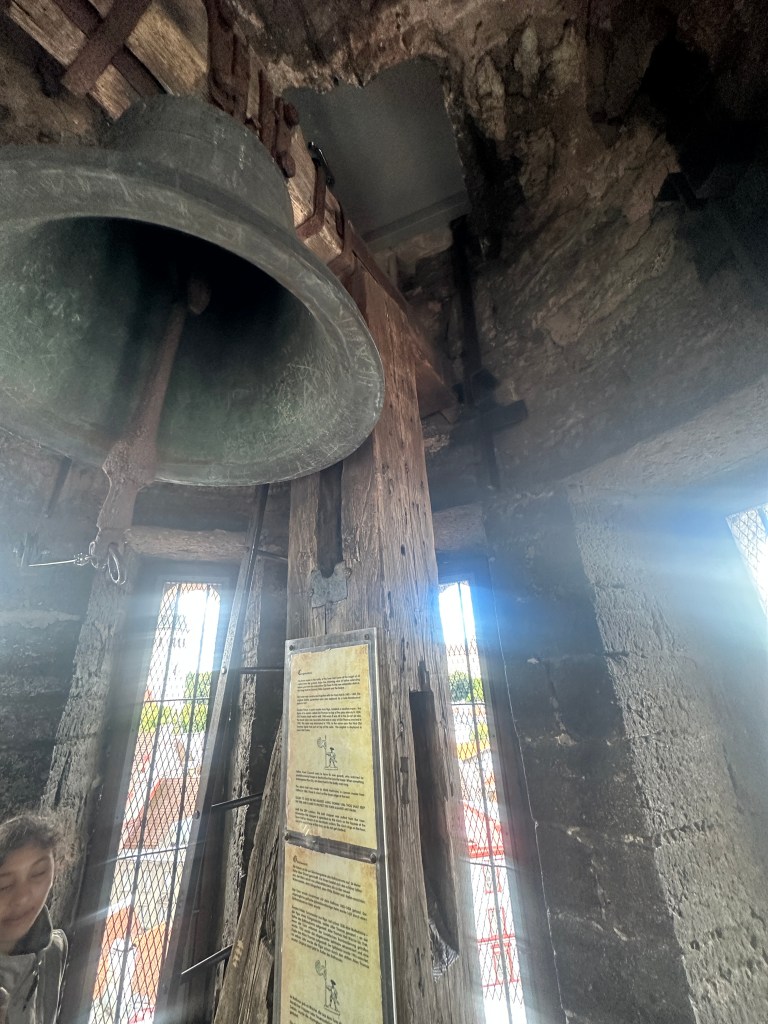
    Our first stop was The Town Hall, standing tall since the 13th century. Paying a short fee we  decided to climb the tower with over 100 steps. The steps were steep but the end journey was fruitful. We got some nice views of tallinn old town and much needed shelter from heavy rains. 

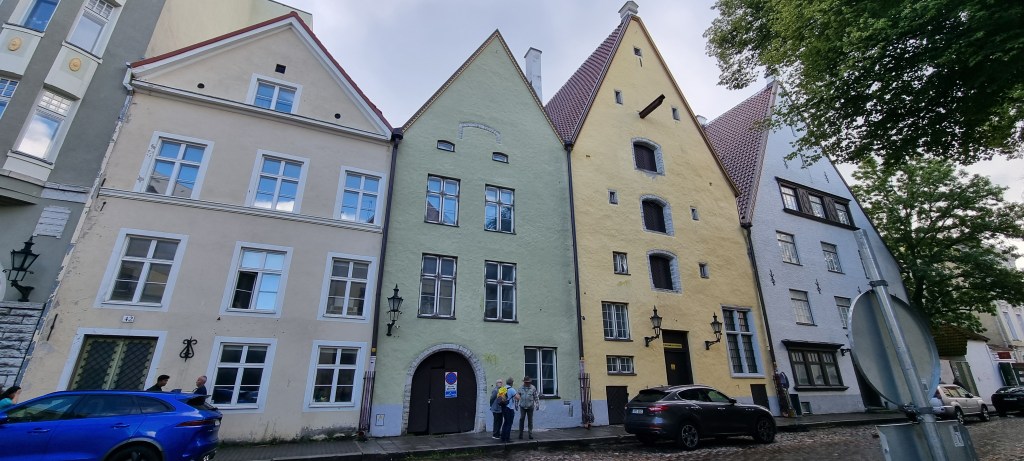
    Our tour continued to Olaf Church, a historical gem with stunning interiors. The church’s tower, once the tallest structure in the world, was a testament to Tallinn’s architecture. The Three Brothers, houses from different centuries, allowed us to see the architectural evolution of the city. 

    Next, we explored St. Mary’s Church, a blend of simplicity and elegance. Freedom Square was a bustling hub that echoed Estonia’s love for liberty. It was lively and the bustling shops and quaint cafes added to the charm

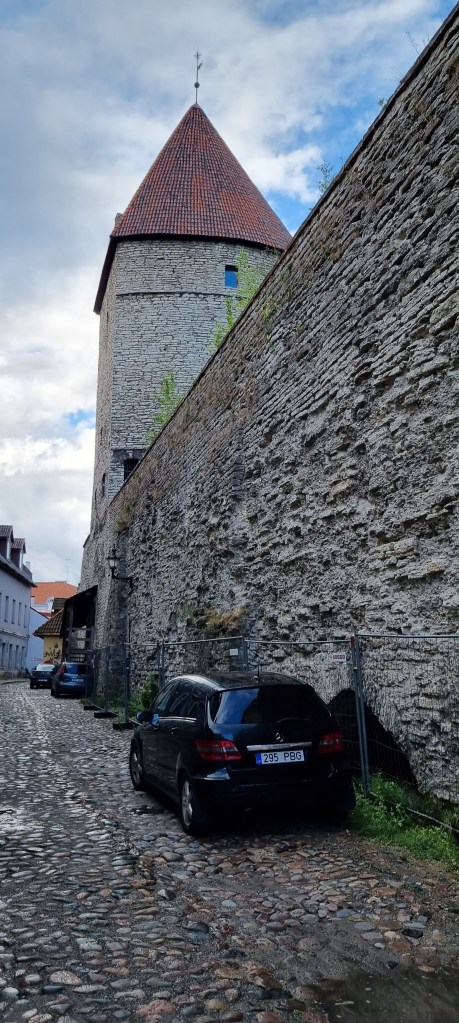
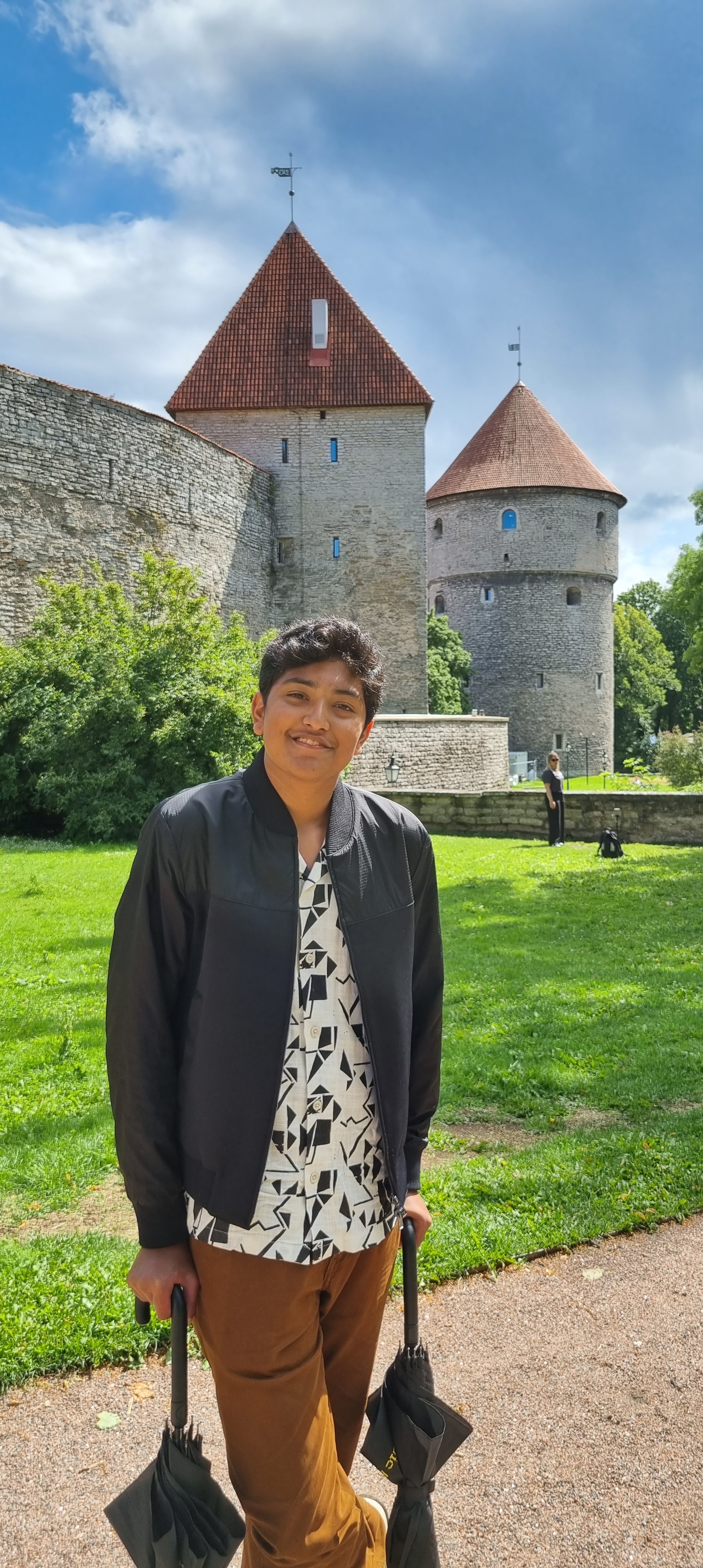
    As we wandered through the city, the medieval City Wall caught our eye. This well-preserved structure whispered tales of Tallinn’s past, and the towers and gates offered a glimpse into the city’s defensive history

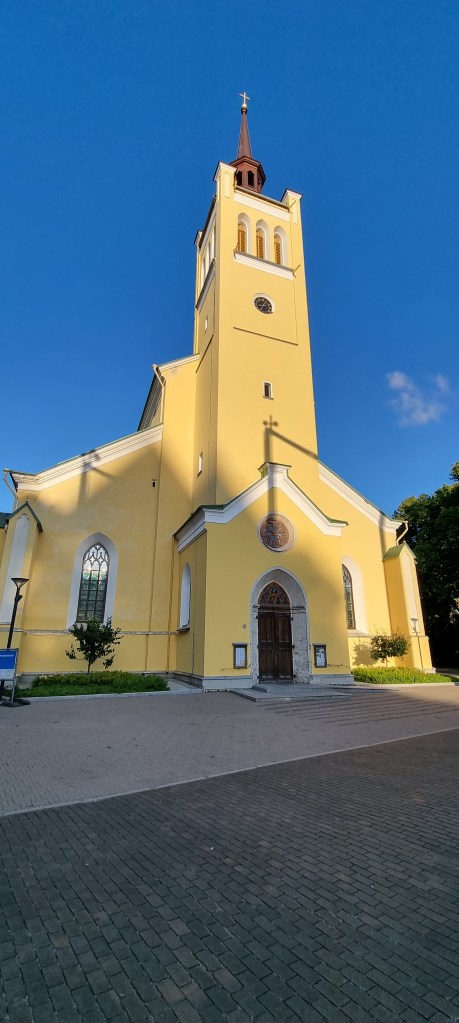
    We then explored the Guilds, buildings that reflect the city’s merchant history. Each had its unique story, and the blend of architectural styles was a visual treat, showcasing Tallinn’s cultural richness. Some other monuments we saw were the Yellow St. john’s church church and the Swedish gates.

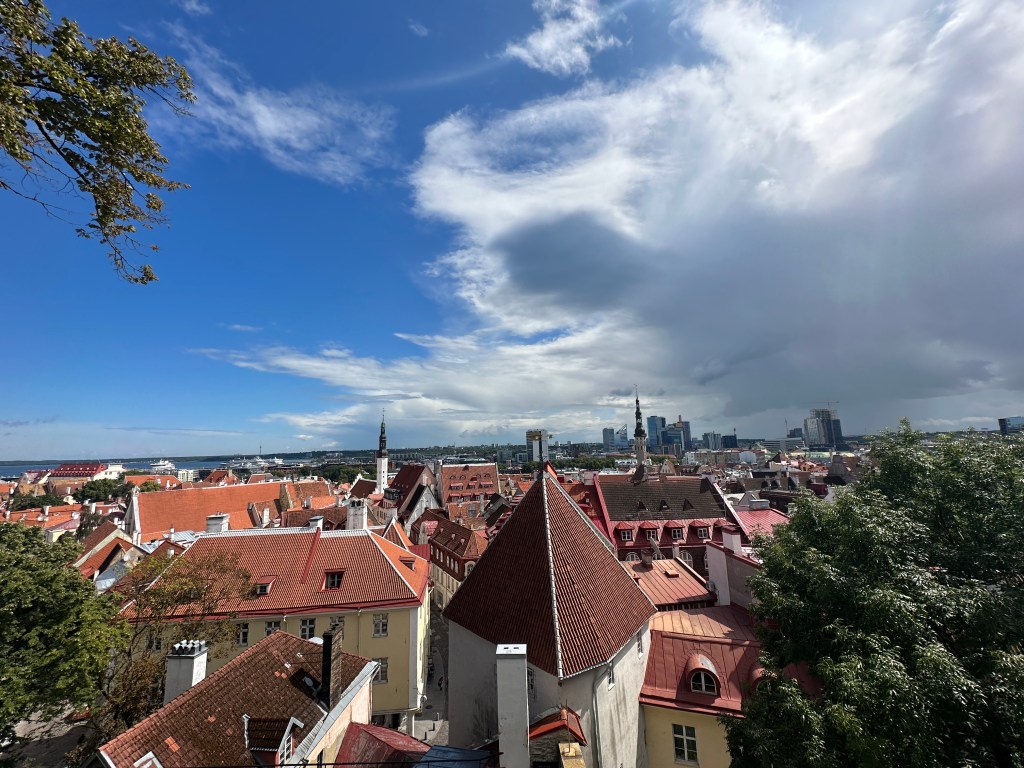
    The Viewing Platform offered panoramic views of the city, a photographer’s paradise. However, the climb to reach the points is tiring. The sweeping vistas of Tallinn’s skyline were breathtaking, and we spent time just soaking in the beauty of the city from this vantage point.

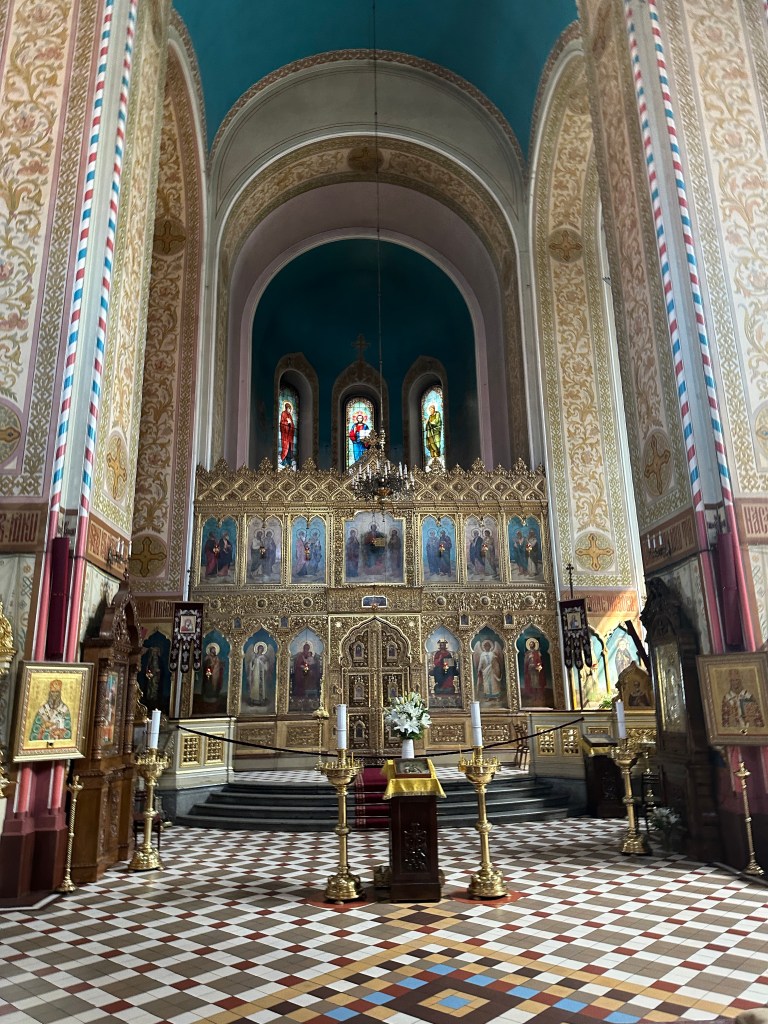
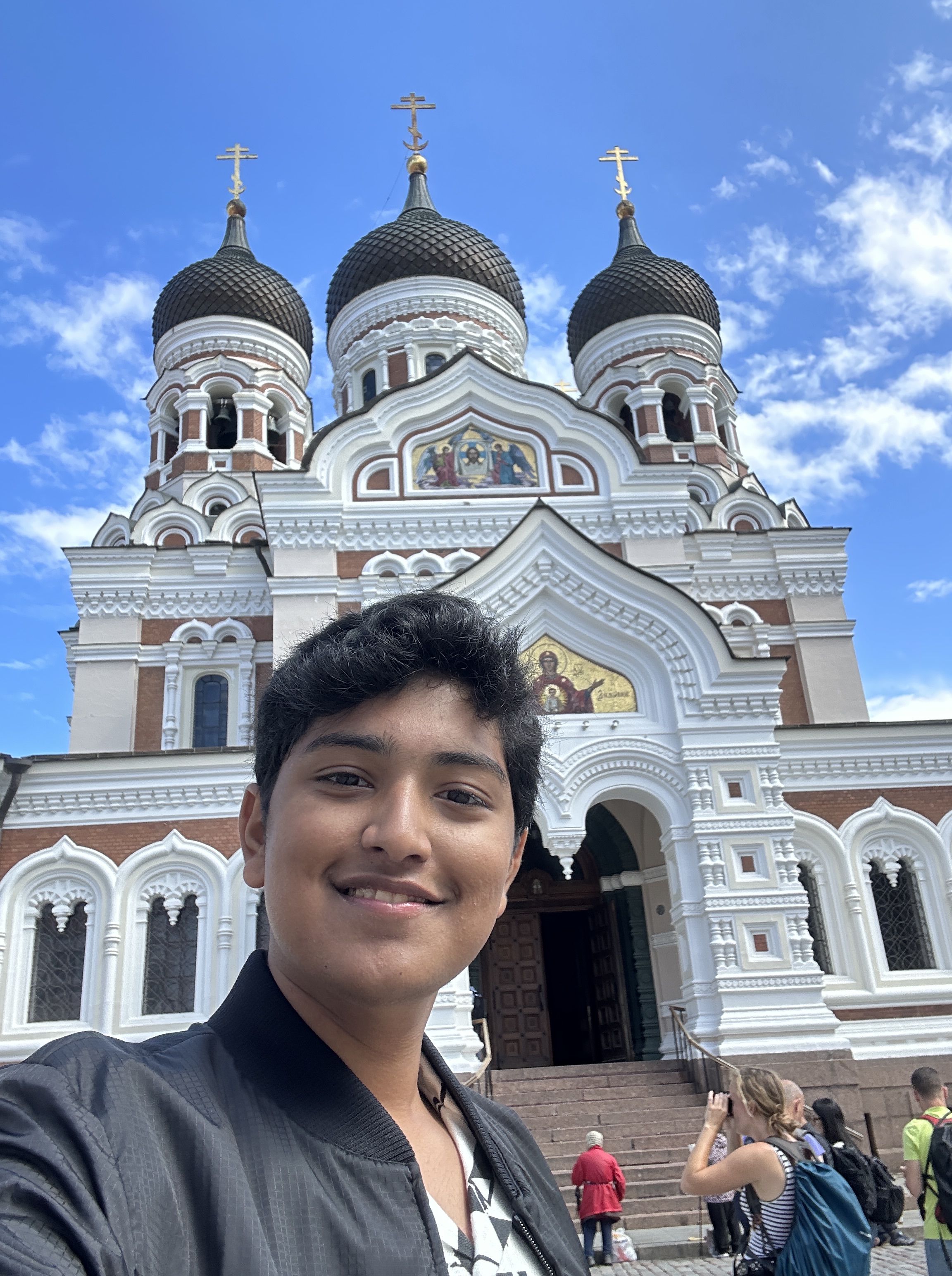
    We then visited the Nevsky Cathedral, an architectural marvel where the ornate decorations and peaceful ambiance provided a soul-soothing experience. This trademark monument of Talinn, was eye-catching and also really picturesque. 

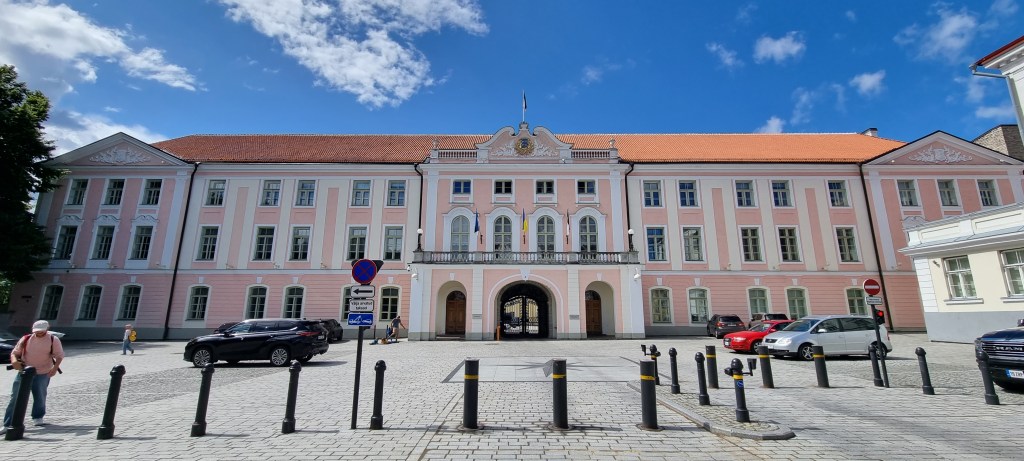
    Finally, we reached Toompea Hill and Castle, a blend of history and beauty, offering breathtaking views. The castle’s history, architecture, and the views from the hill were highlights of our tour. The serenity of the place, coupled with the grandeur of the castle, left us in awe. Our exploration of Tallinn was a journey through time, where each site had its story, its beauty, and its place in the city’s rich tapestry.

    Hungry from our exploration, we stopped for some traditional Estonian snacks en route as well. Lunch was at Texas Cantina, where delicious corn on the cob, fajitas, nachos, and chilli made us feel wholesome because of the home style portions.

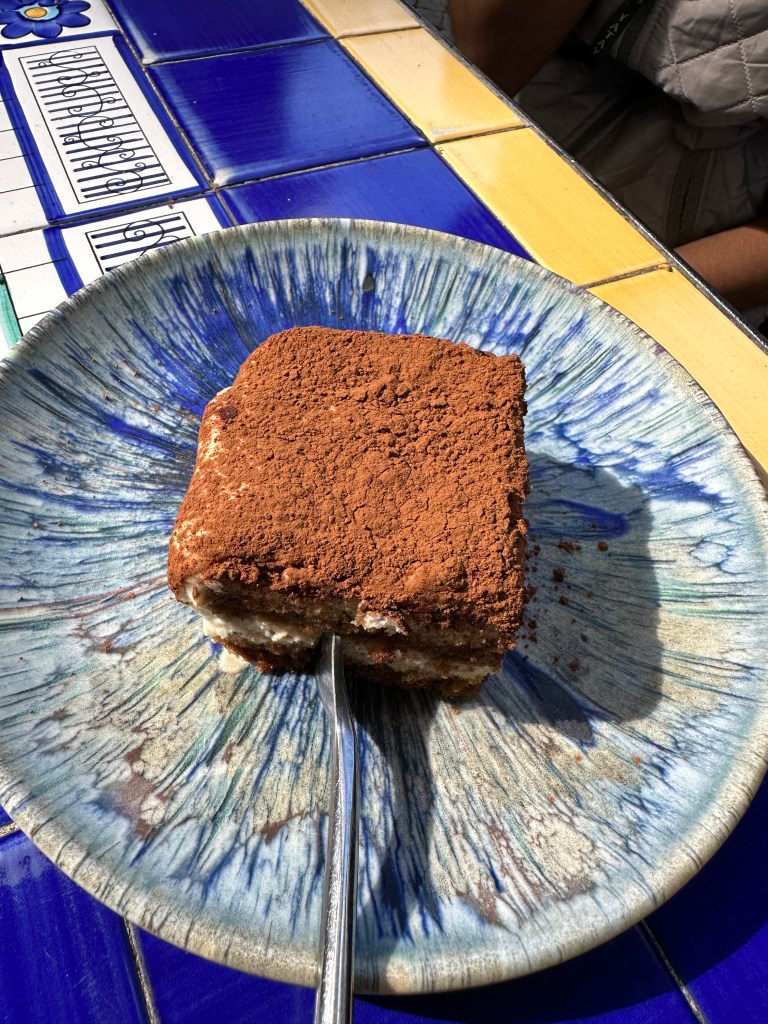
    The afternoon was spent bolting around New Town, where we saw modern Tallinn and indulged in candied ginger and nuts. Our craving for Tiramisu led us to Amalfi, where we devoured three servings of the delicious dessert between 3 people.

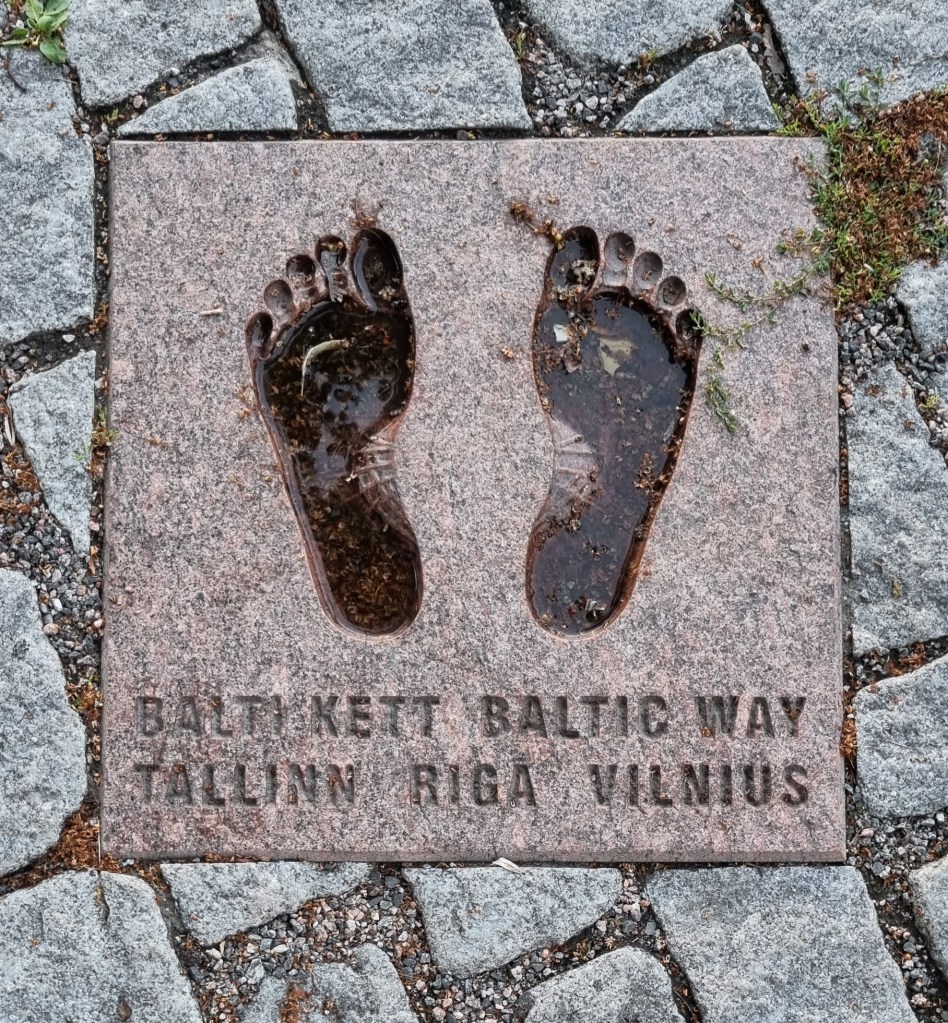
    While we were doing our own activities, my dad and my uncle went out to explore other parts of the city, like the Baltic way footsteps and the parks. For people who don’t know, The Baltic Way was a peaceful political demonstration that occurred on August 23, 1989, where approximately two million people joined hands to form a human chain spanning over 600 kilometers across the three Baltic states – Estonia, Latvia, and Lithuania – in their drive for freedom from Soviet occupation.

    Dinner at Maharaja on the main square was a delightful end to our time in Estonia. The amazing Indian food, wholesome spices, and fantastic atmosphere left us content towards the end.

    Estonia, with its rich history, modern charm, and stunning architecture, left an indelible mark on our hearts. From the serene beaches of Pärnu to the vibrant streets of Tallinn, every experience was a cherished memory. 

    Latvia

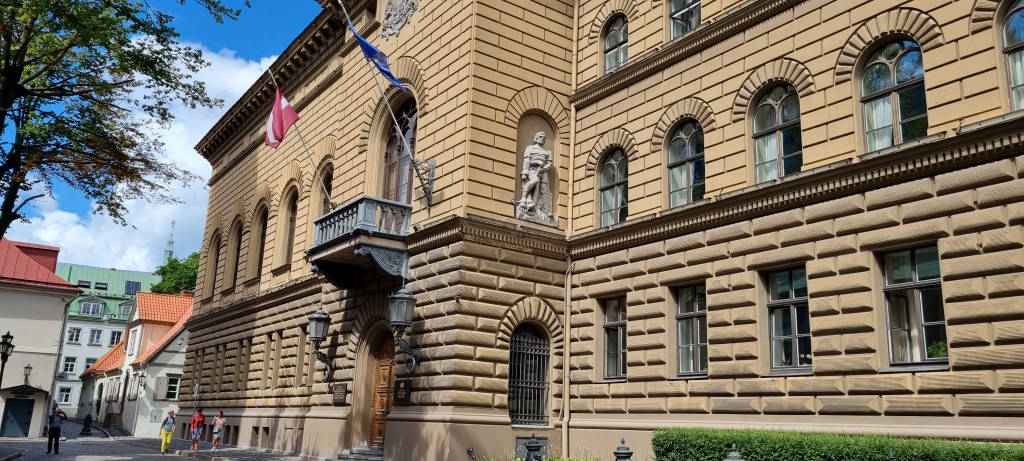
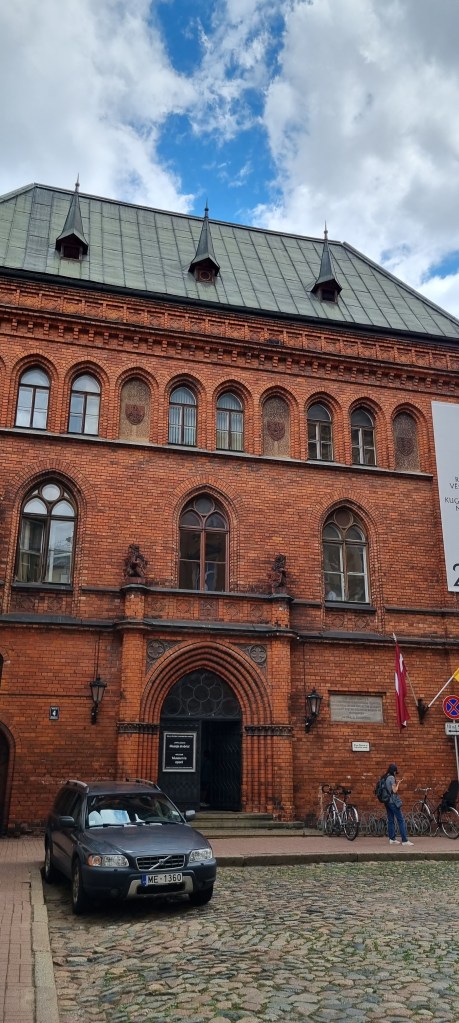
    Latvia, my favorite Baltic country, welcomed us with open arms as we crossed the border at noon. A land of rich history, diverse geography, and cultural significance, Latvia’s blend of ancient traditions and modern sensibilities offers a unique experience for every traveler.

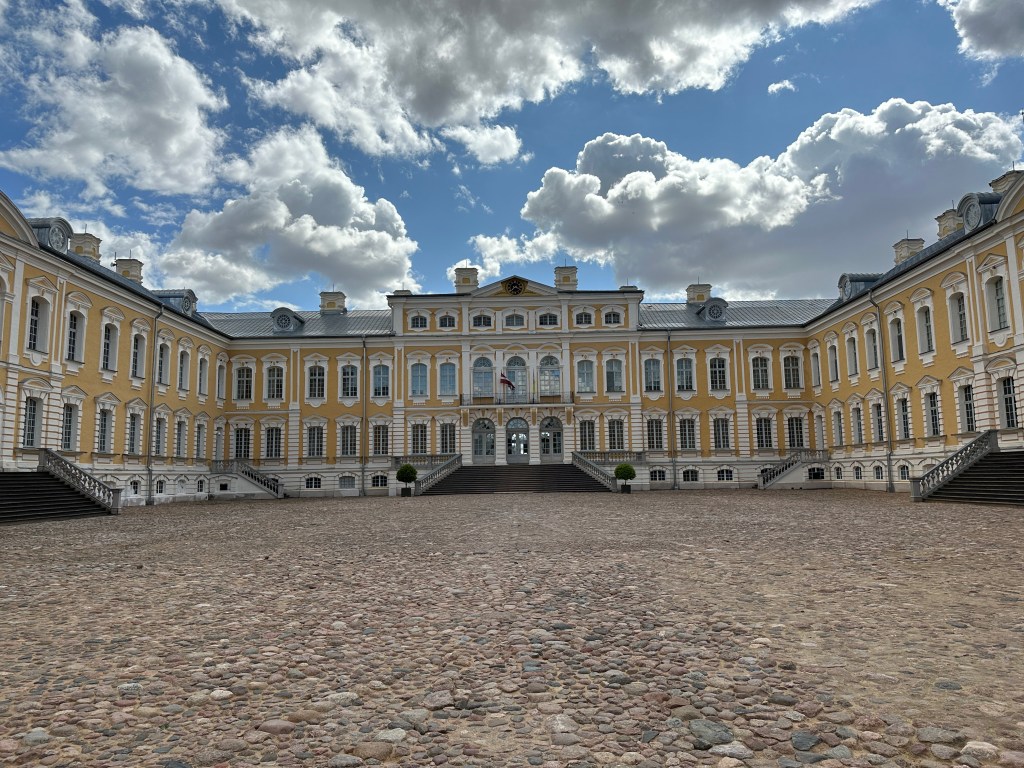
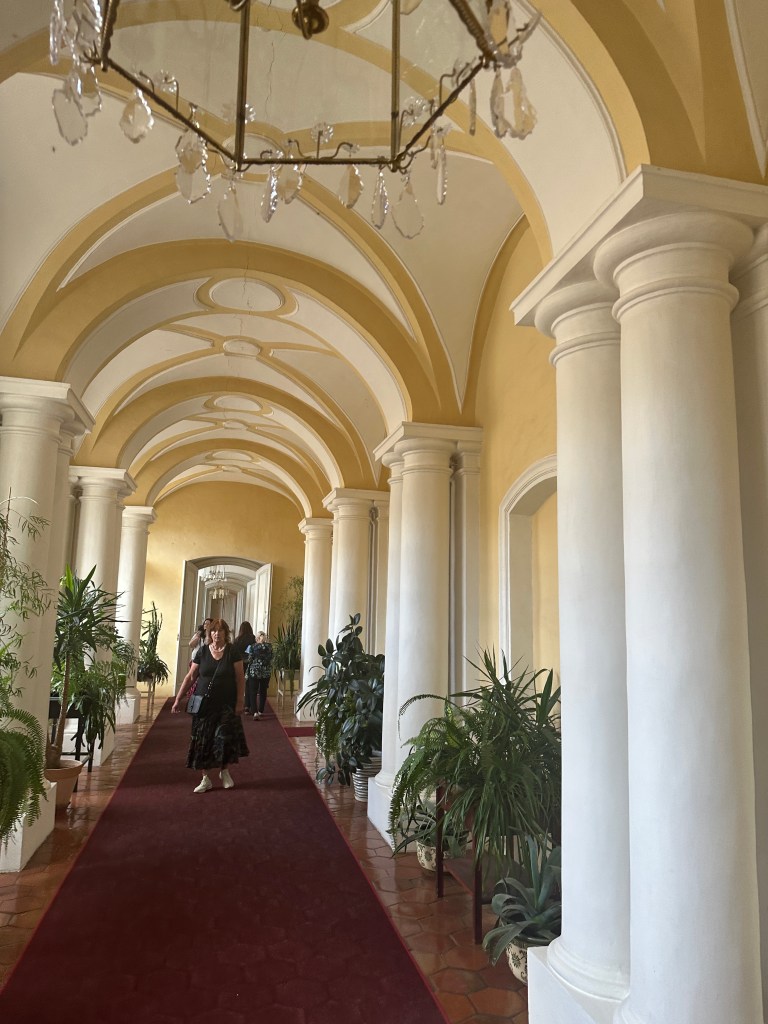
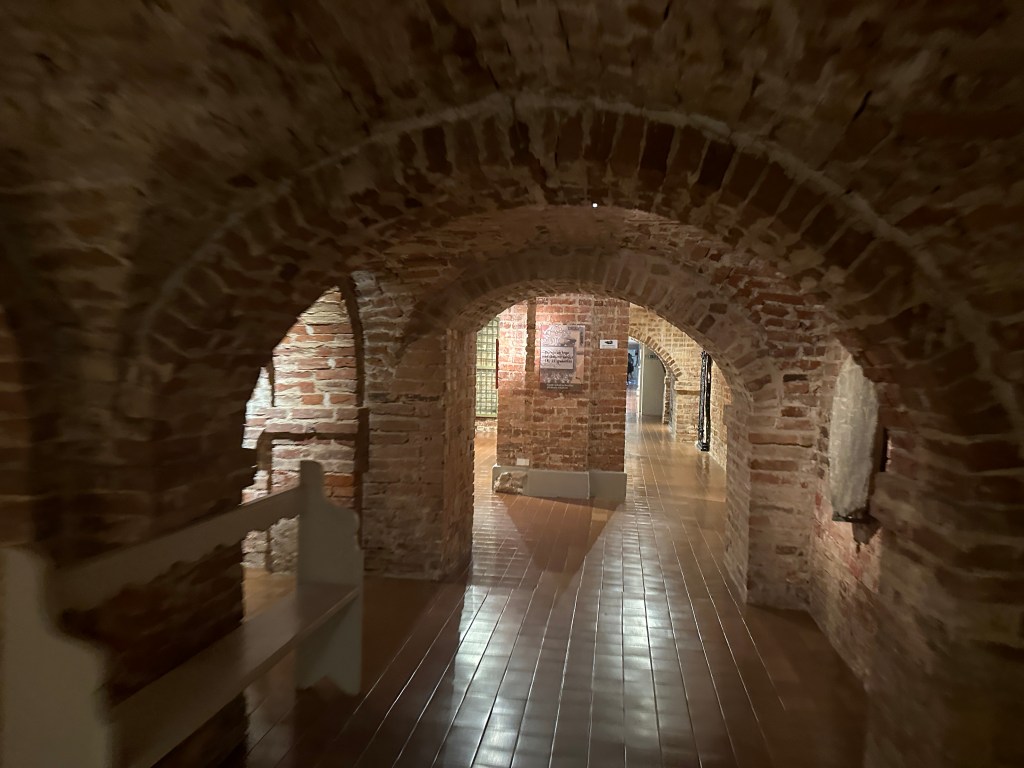
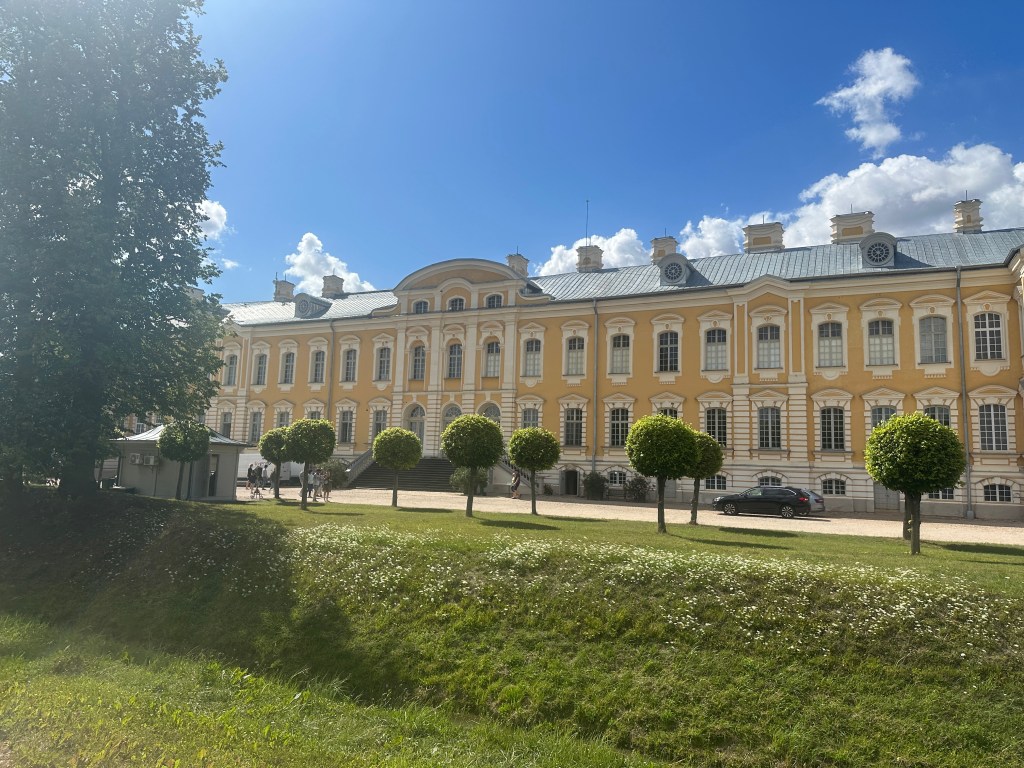
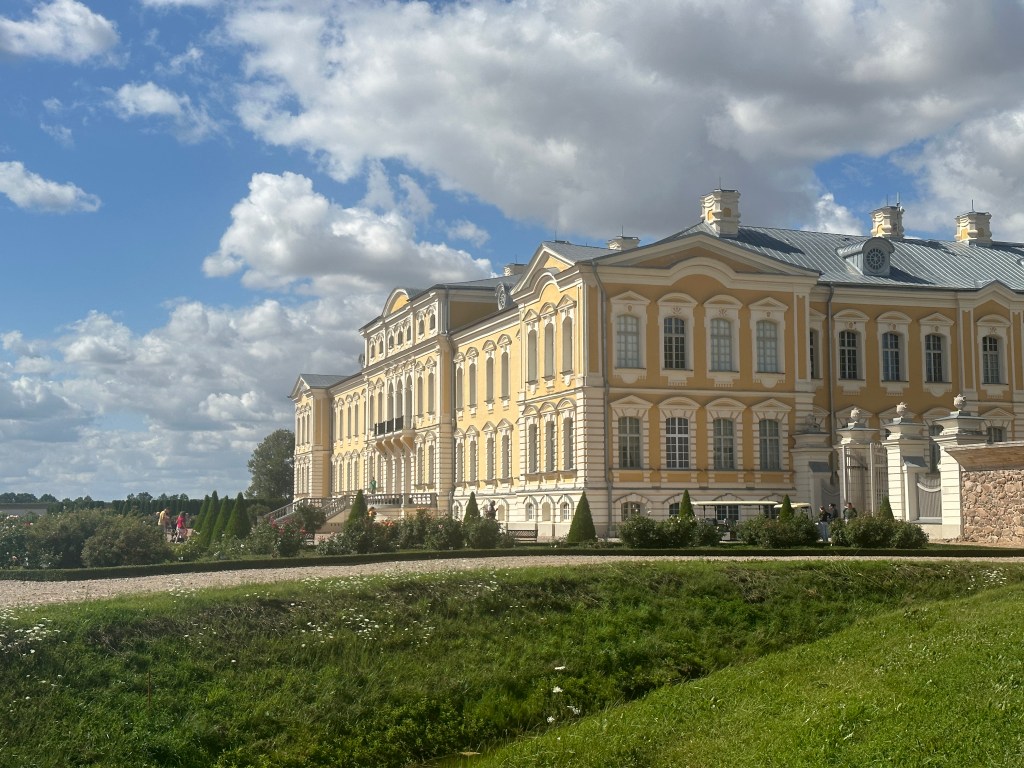
    Our first stop was Rundale Palace, a Baroque masterpiece that stands as a symbol of Latvia’s grandeur. Known as the Versailles of East Europe, the museum, filled with art and artifacts, offered a glimpse into the country’s royal past. We strolled through its garden and the courtyard, making us marvel at the intricate flowers and amazing maintenance. Lunch at a nearby restaurant was a delightful affair, with pasta, tomato soup, and salad that tasted delicious.

    Next, we ventured to Riga which is a UNESCO heritage site in itself, the capital city known for its Art Nouveau architecture and charming old town. The city’s canals, historic monuments, and lively cultural scene make it a must-visit. We checked into the Grand Poet Hotel, a luxurious abode with amazing facilities like steam, sauna, pool, and spacious rooms facing a park. The welcoming staff added to our comfort, making us feel like honored guests.

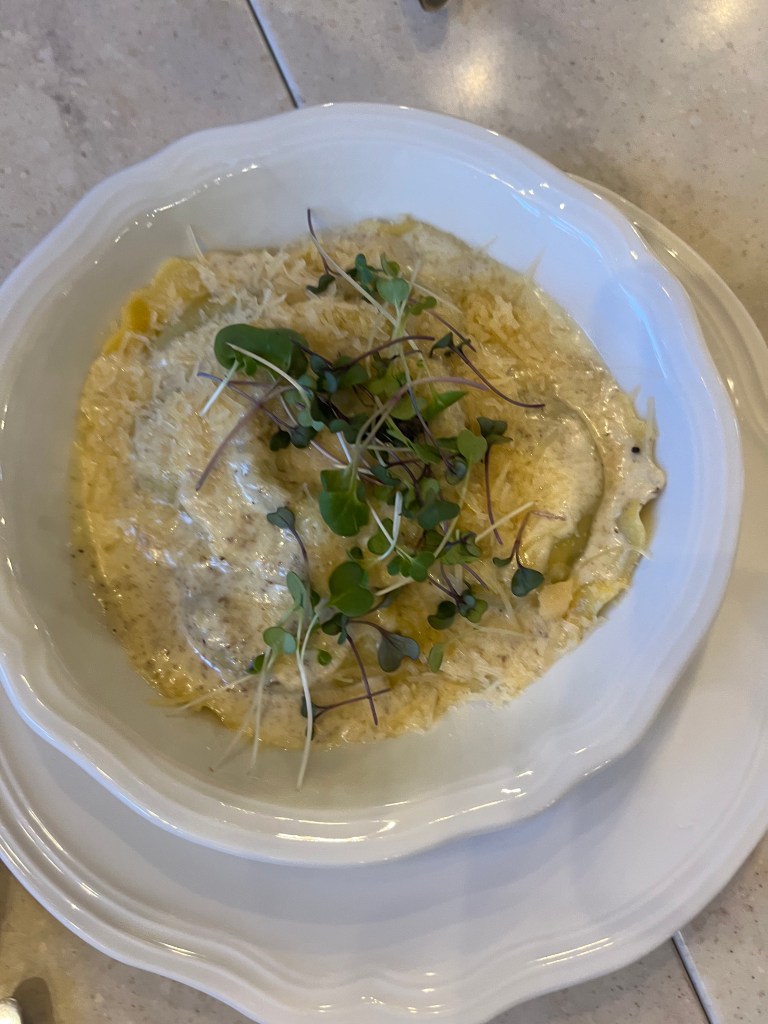
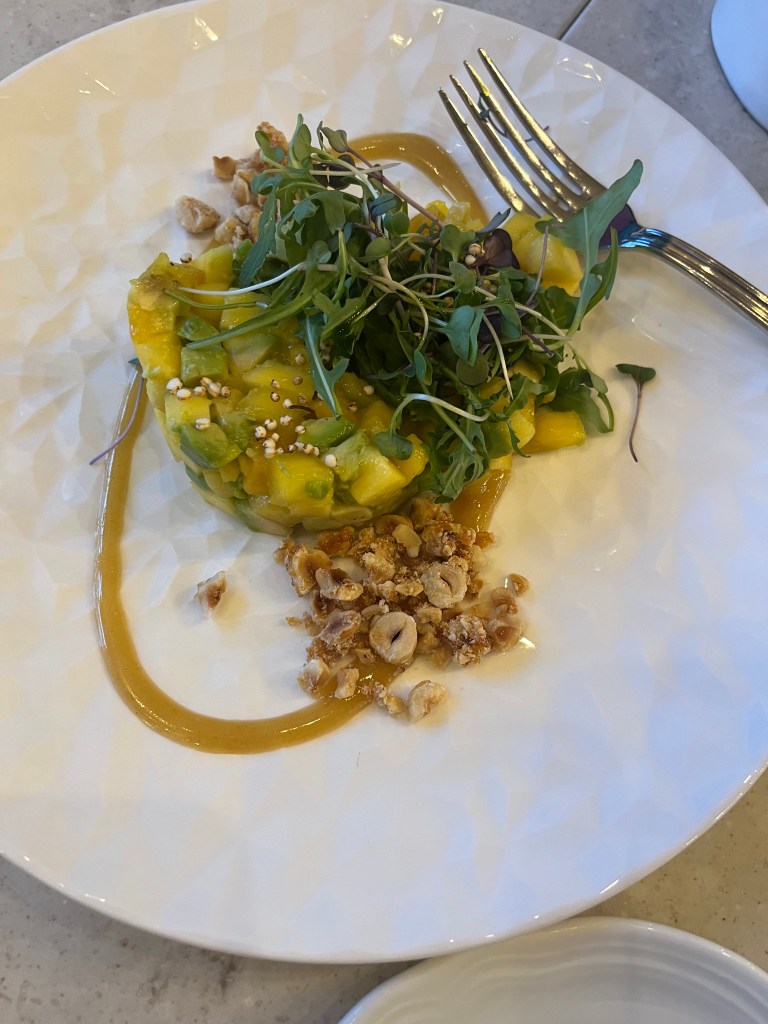
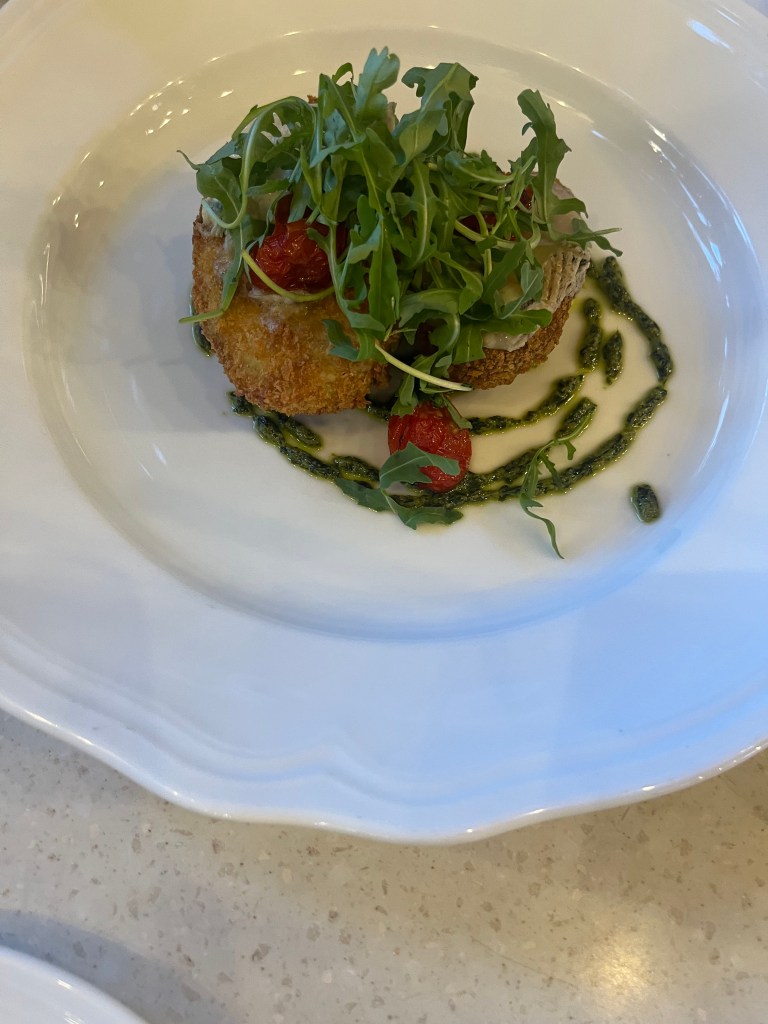
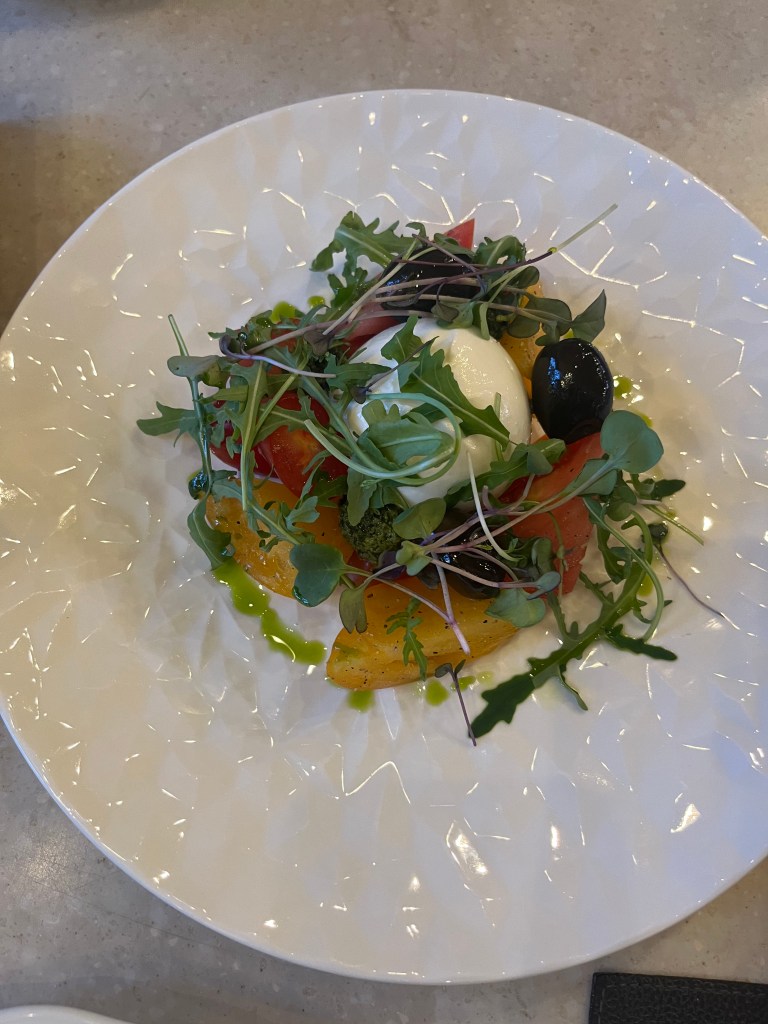
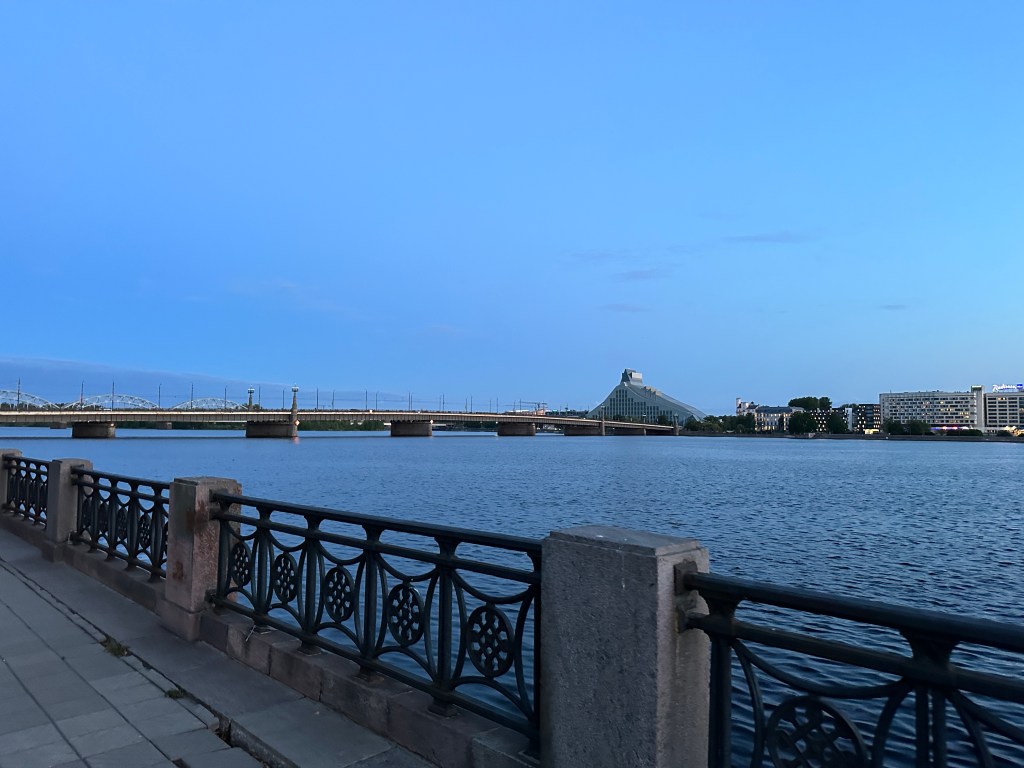
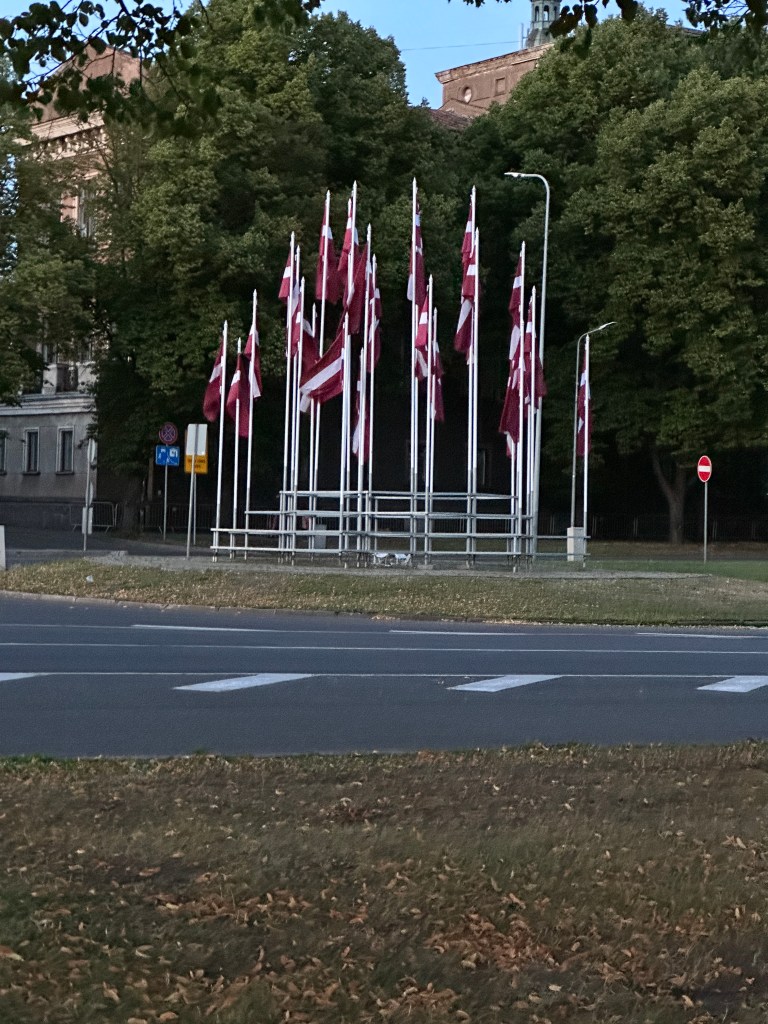
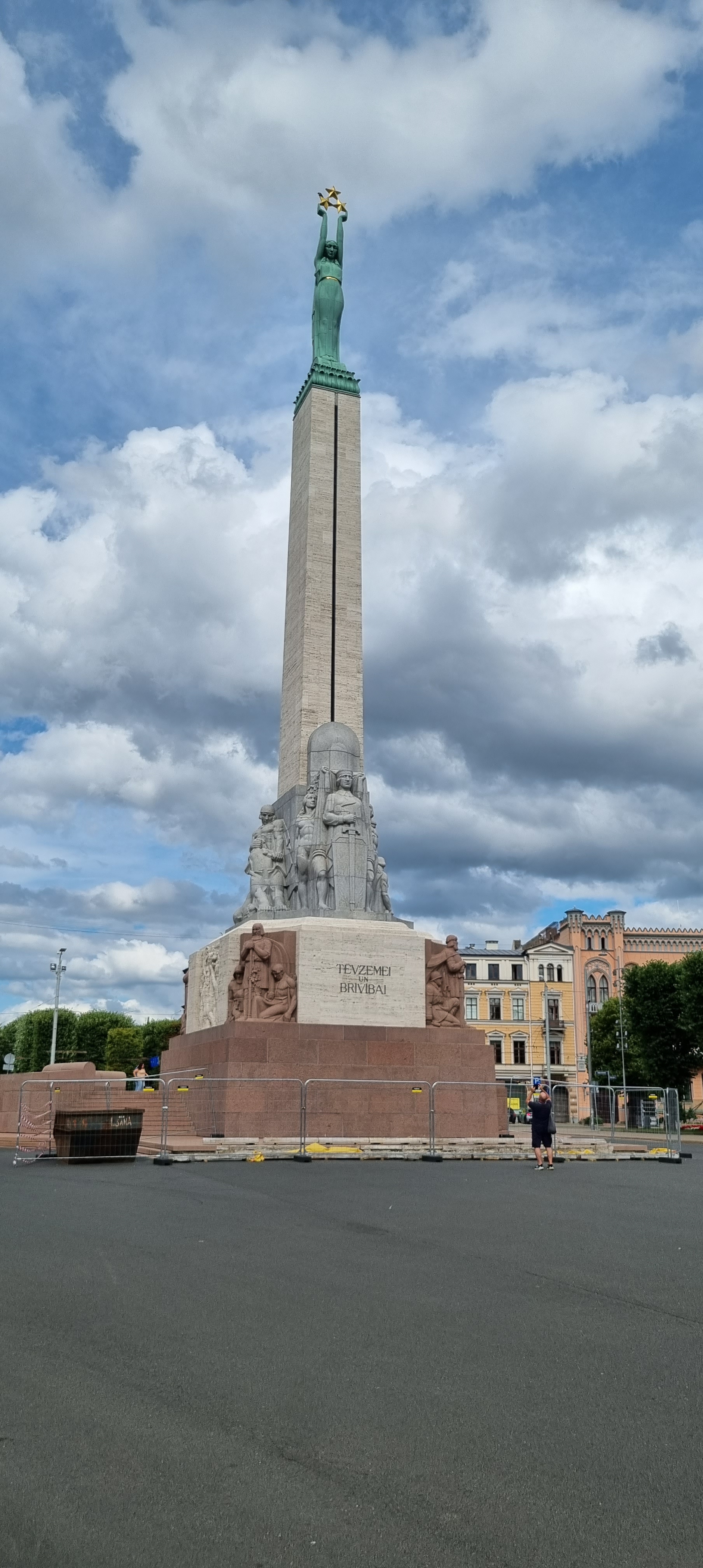
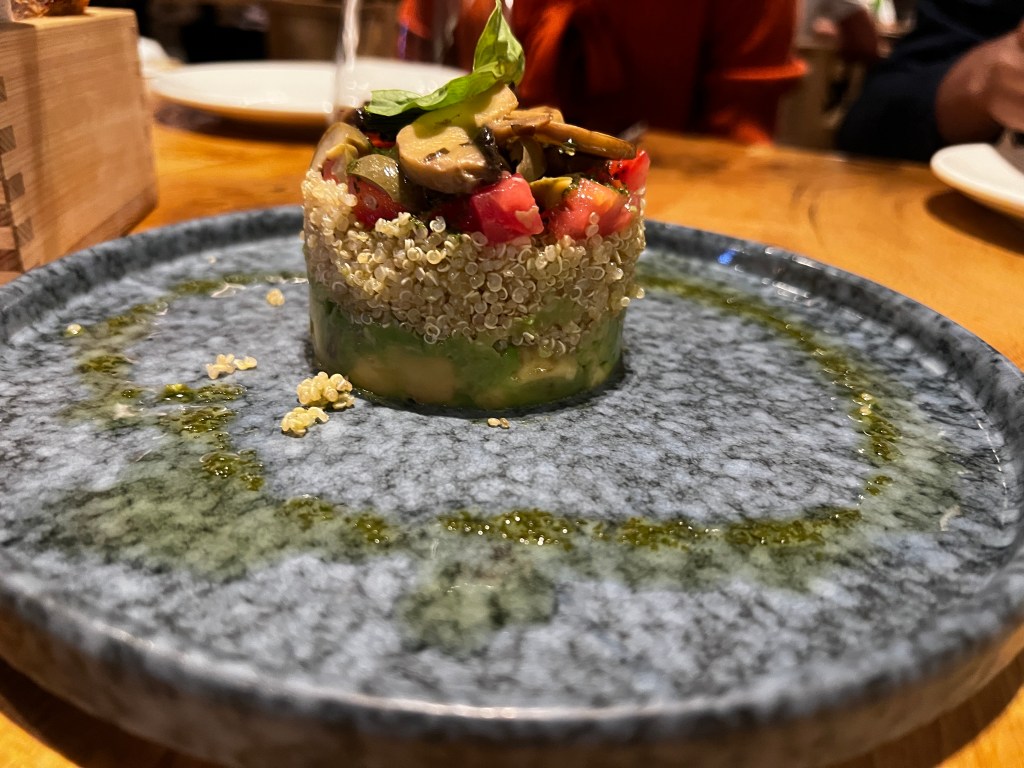
    Our evening began with a short walk around the main square, absorbing the old town’s charm. The picturesque bridges, the laughter of locals, and the soft glow of street lamps created a magical atmosphere. We also saw the Freedom Monument en route. Dinner at Kolonade was a culinary journey, featuring dishes like goat cheese in a crispy herb cover, burrata cheese with colorful tomatoes, avocado-mango tartare, porcini ravioli, and bitter chocolate fondant along with creme brulee. The ambiance was cozy, but the service was marred by racial bias, leaving a bittersweet taste.

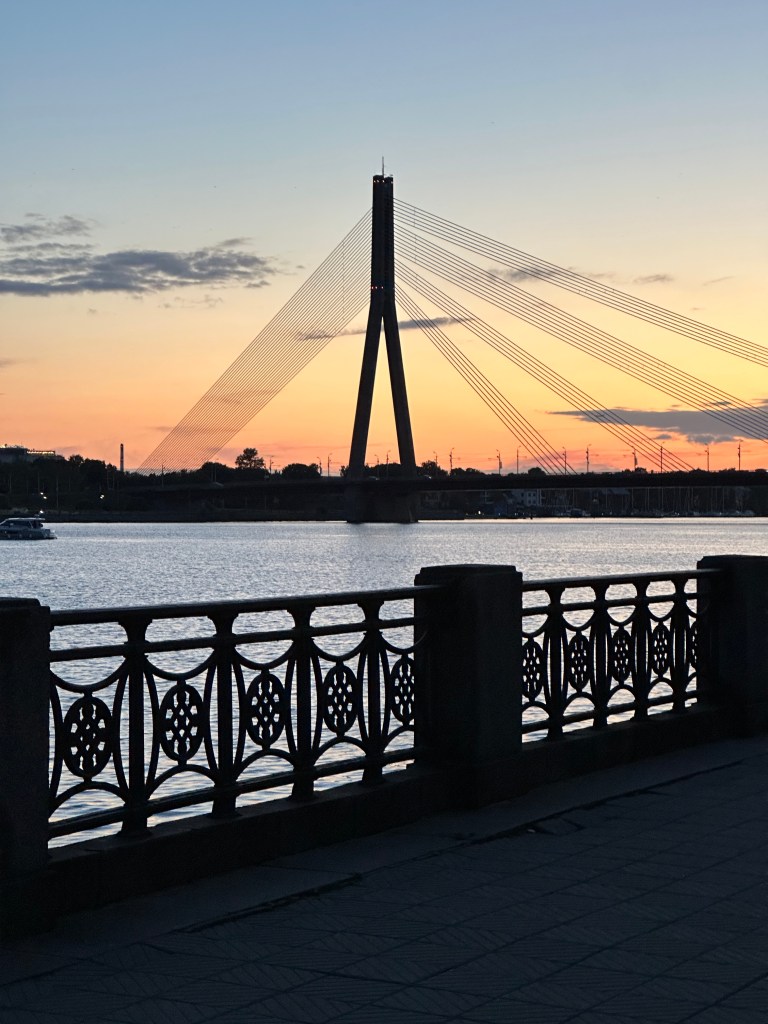
    However, the sunset along the Gulf of Riga washed away the day’s troubles, painting the sky with shades of gold and pink.

    The next morning’s walking tour was an exploration of Riga’s heart and soul:

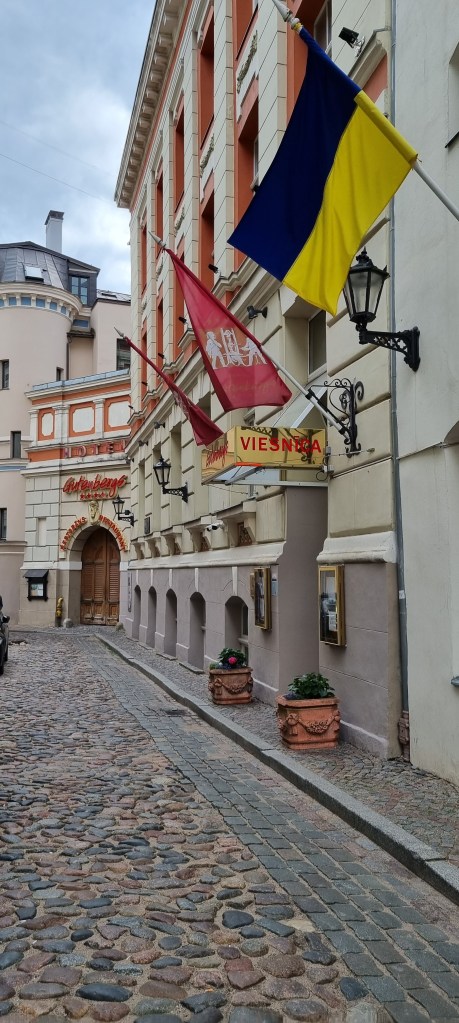
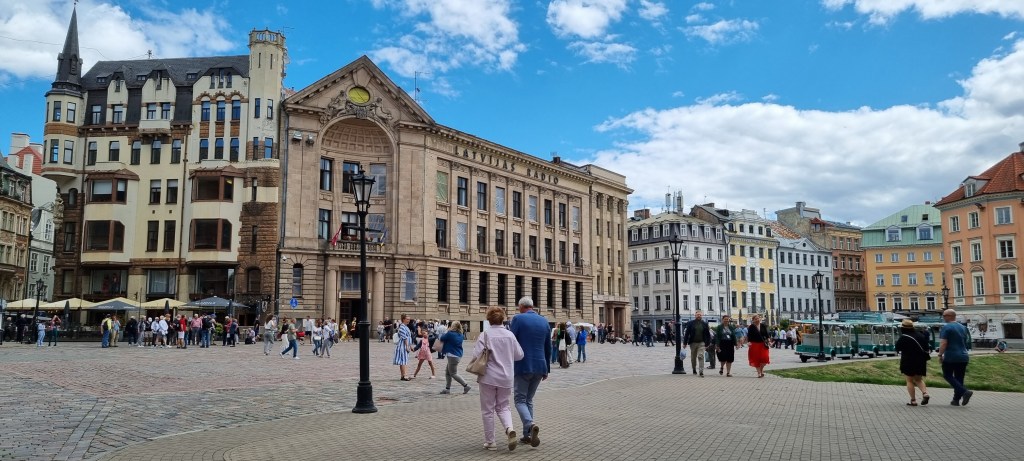
    • Old Town: Riga’s Old Town is a delightful maze of history and beauty, with cobblestone streets that whisper tales of the past. Quaint shops, hidden courtyards, and friendly locals add to its timeless charm. Every corner seems to hold a secret, waiting to be discovered. Some glimpses and moments from the Old town have been added below in a slideshow.
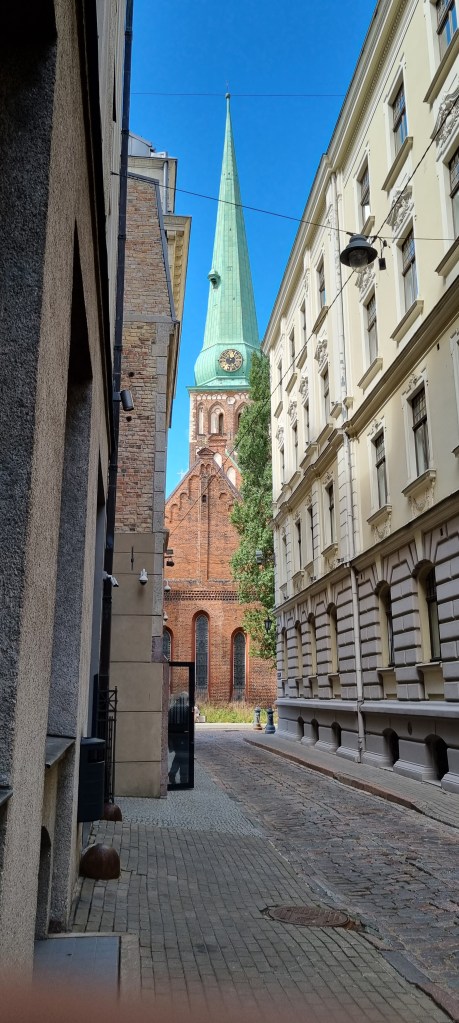
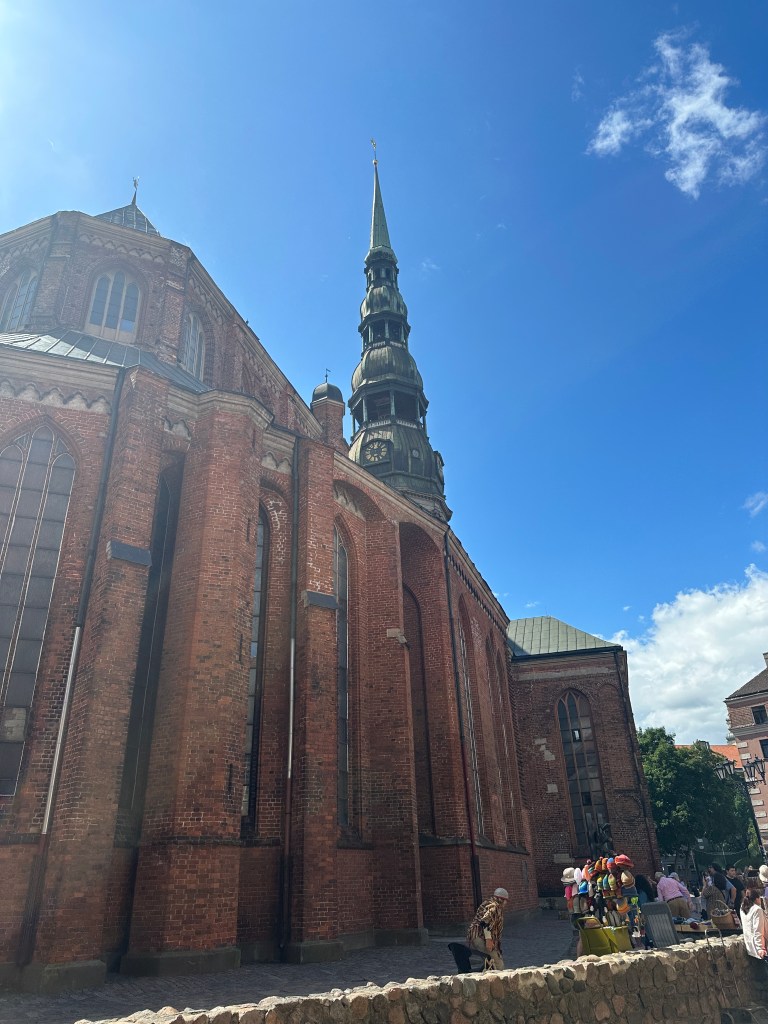
    • St. Peter’s Church: This Gothic masterpiece offers a panoramic view from its tower that’s simply awe-inspiring. Inside, the silence is a peaceful contrast to the bustling streets below, and the church’s history as a place of worship since the 13th century resonates in its walls.
    • The “Town Musicians of Bremen” sculpture nearby is a nod to the Brothers Grimm fairytale. Gifted by Bremen in 1990, it symbolizes four aging animals who run away to become musicians. The monument also carries political undertones and is considered a symbol of luck, with many visitors touching the animals’ faces in order.
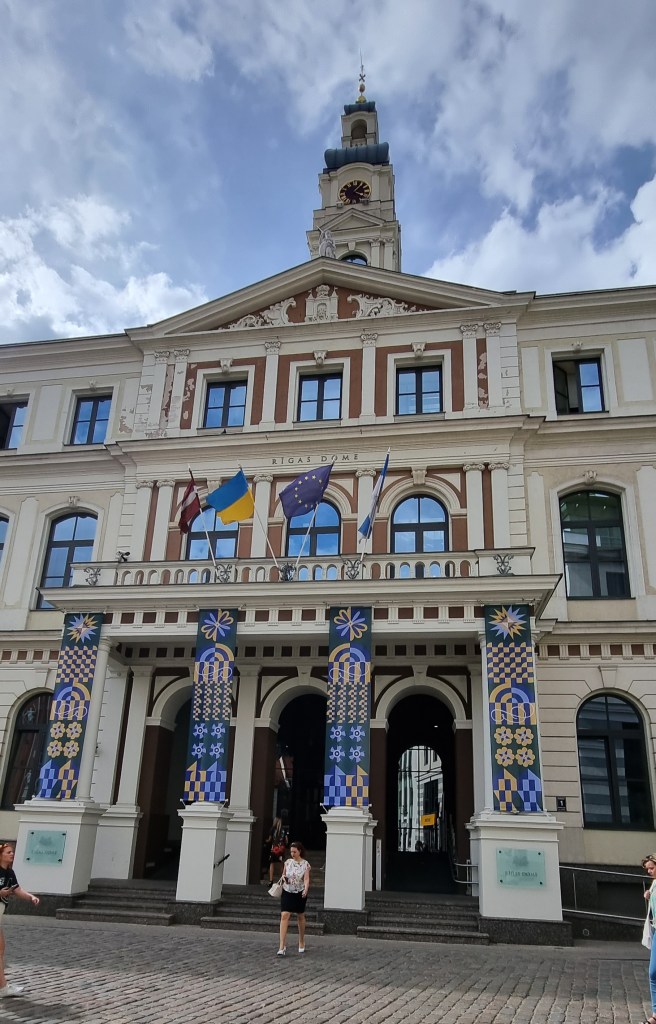
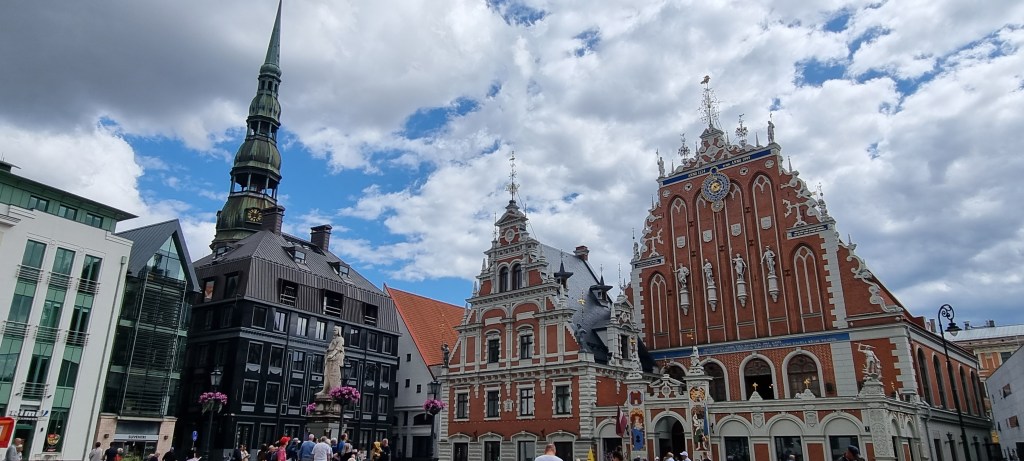
    • Town Hall: Standing tall since the 13th century, the Town Hall’s blend of Gothic and Baroque styles speaks of Riga’s civic pride. Its grandeur and intricate details are a testament to the city’s rich architectural heritage.
    • House of Blackheads: A stunning building with a rich history, originally built for a guild of unmarried merchants. Its intricate facade is a photographer’s dream, and the reconstructed interiors showcase the opulence of a bygone era.
    • Dome Cathedral: Home to one of the world’s largest organs, the melodies within the Dome Cathedral resonate with the soul. The stained glass windows, Gothic arches, and the blend of architectural styles create an ethereal beauty that’s both inspiring and calming.
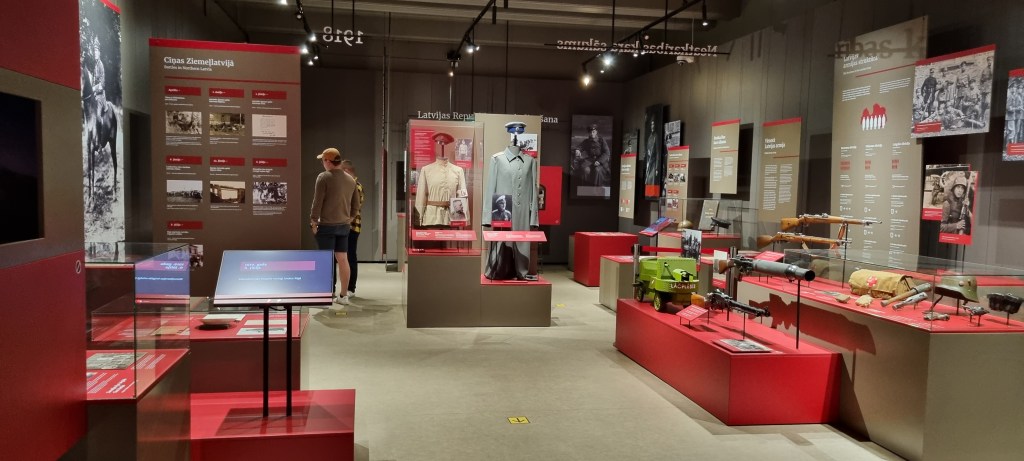
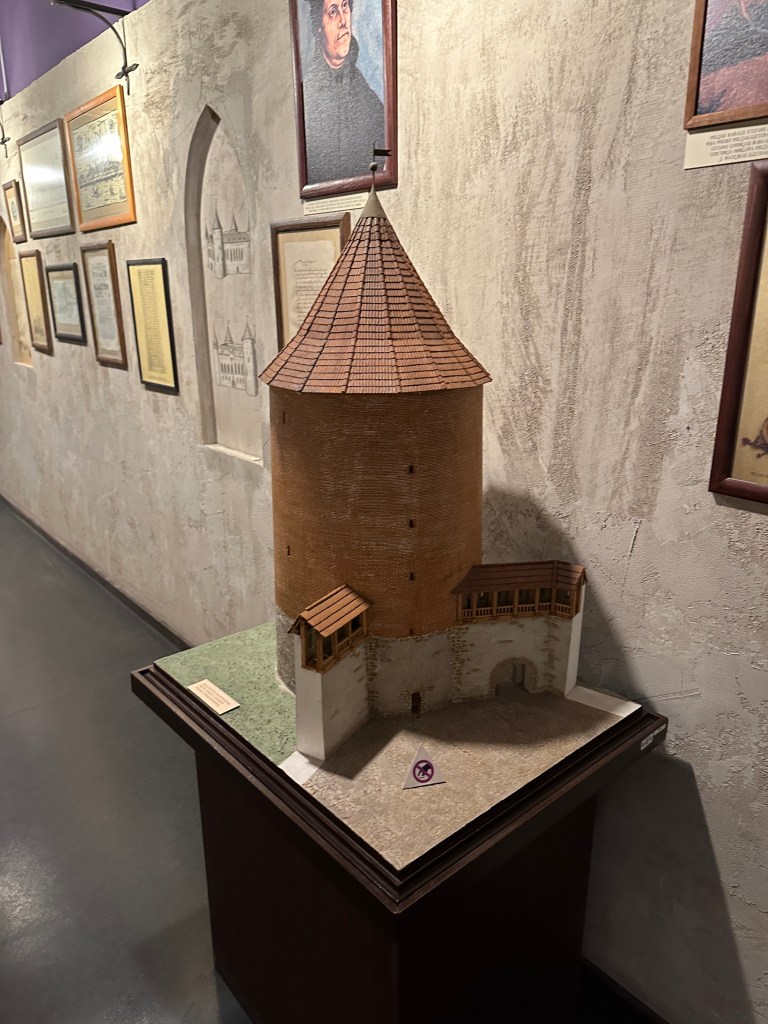
    • Powder Tower: A medieval reminder of Riga’s past, now housing the Latvian War Museum. Its thick walls hold secrets of wars and victories. The exhibitions on each floor are impressively maintained, offering a journey through Latvia’s military history.
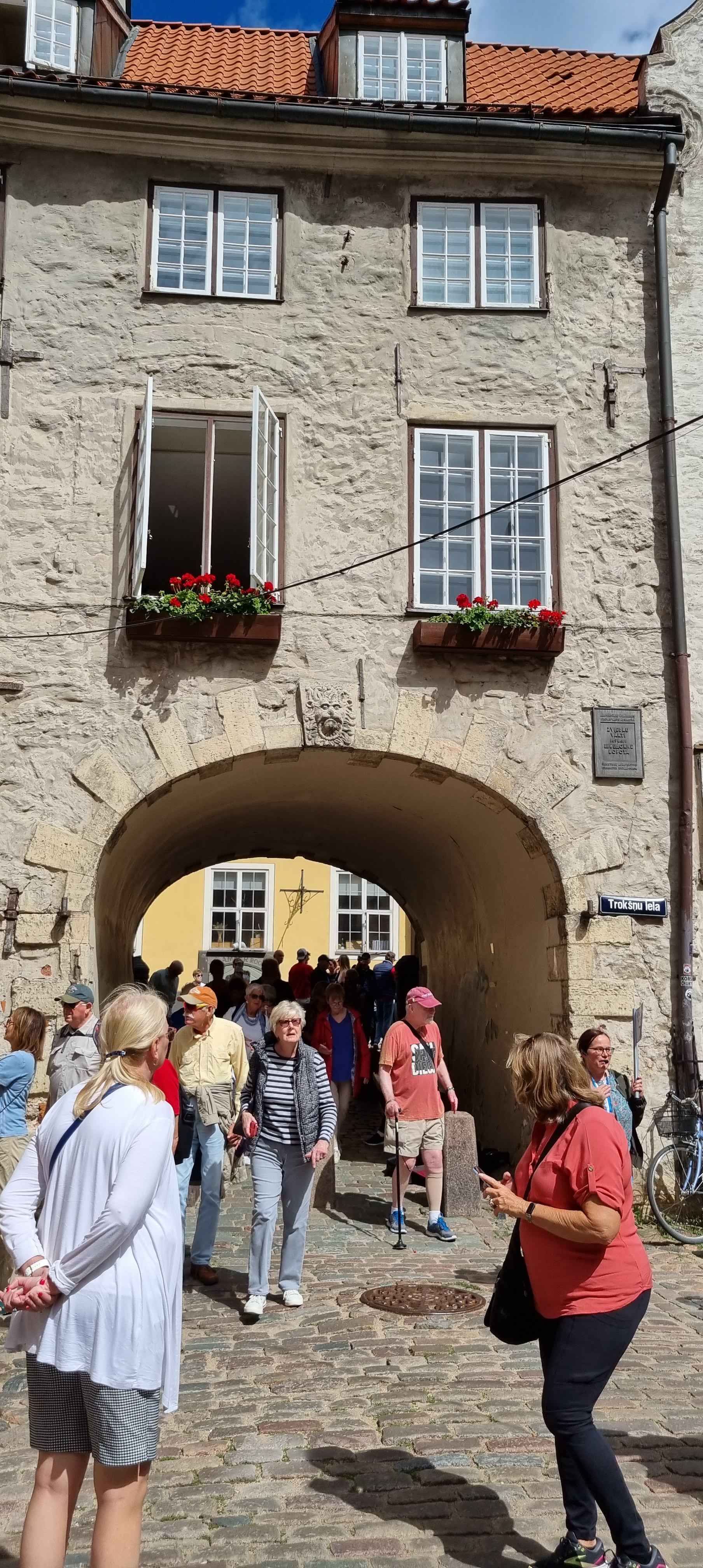
    • Swedish Gate: Built in 1698, this gate is a silent witness to Riga’s history. Walking through its arch, adorned with amazing architecture, feels like stepping back in time. The weathered stones and historical inscriptions add to its mystique.
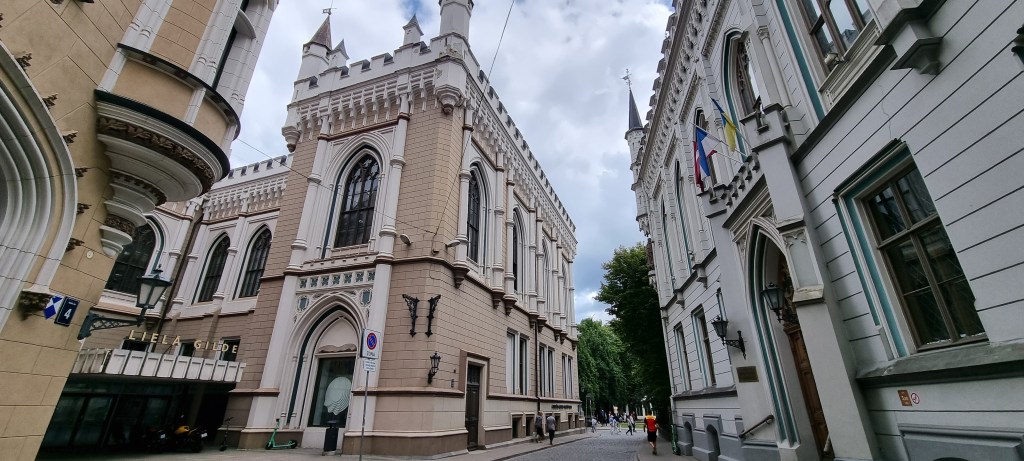
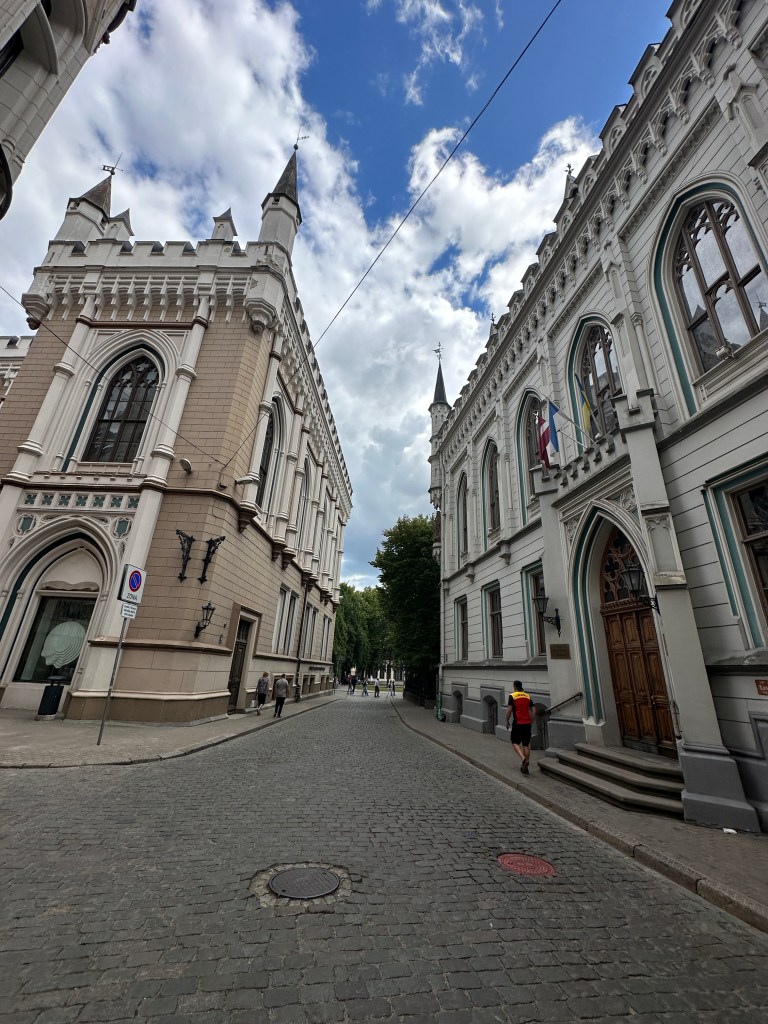
    • Small & Large Guild: These buildings, with their intricate designs, speak of Riga’s merchant past. The blend of architectural styles, from Gothic to Renaissance, is a visual treat, reflecting the city’s commercial heritage.
    • Three Brothers: A unique ensemble of houses from different centuries, showcasing architectural evolution. Each house has its unique character and story. Trying to capture all three buildings in one frame is a fun challenge for photographers, symbolizing the unity in diversity.
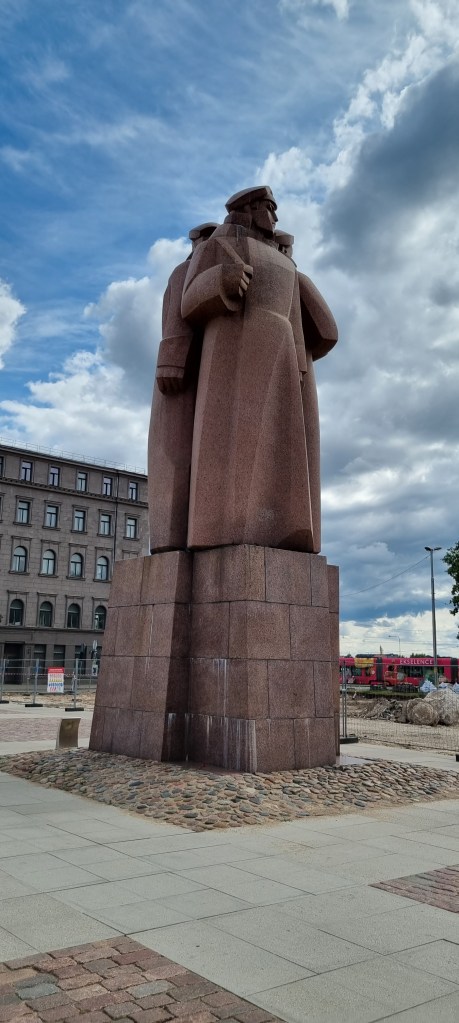
    • Freedom Monument: A 42-meter tall symbol of Latvia’s freedom and pride. Standing near the Brivibas Boulevard, it’s not just a monument but a rallying point for national pride. The sculptures and bas-reliefs depict Latvian culture and history.

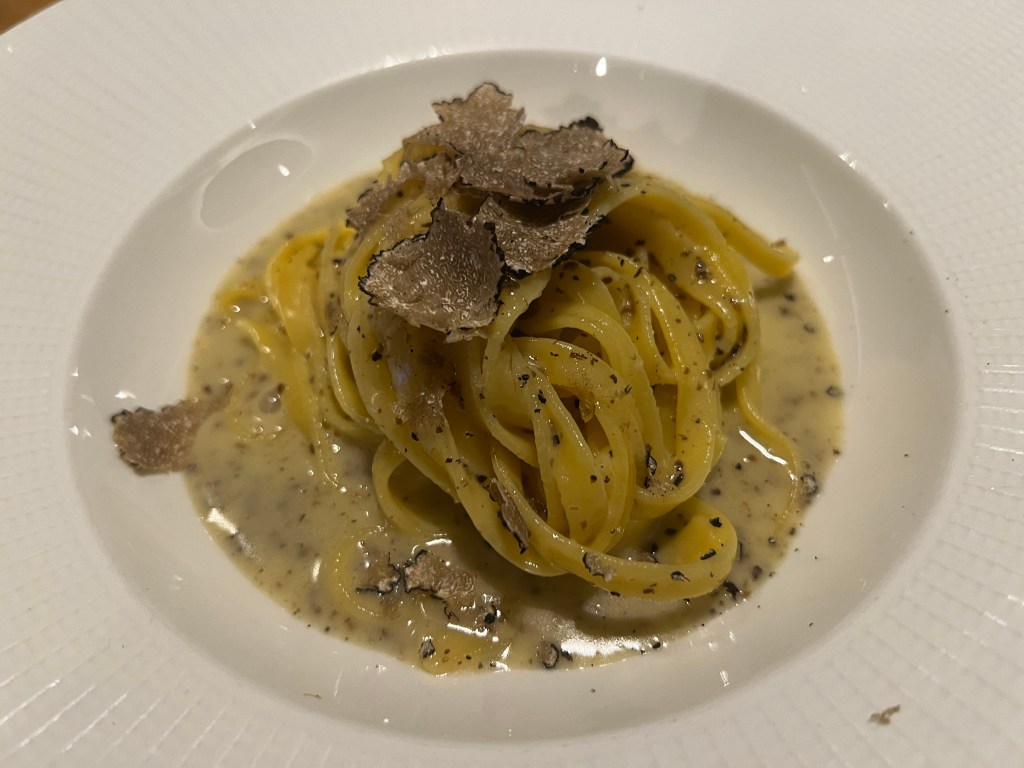
    Lunch at Piazza Italiana was a feast for the senses. The aroma of freshly baked bread, the lively chatter of fellow diners, and the taste of amazing pizzas, fresh spaghetti with shaved truffles, risotto, antipasti, and burrata created an unforgettable Italian experience right in the heart of Riga.

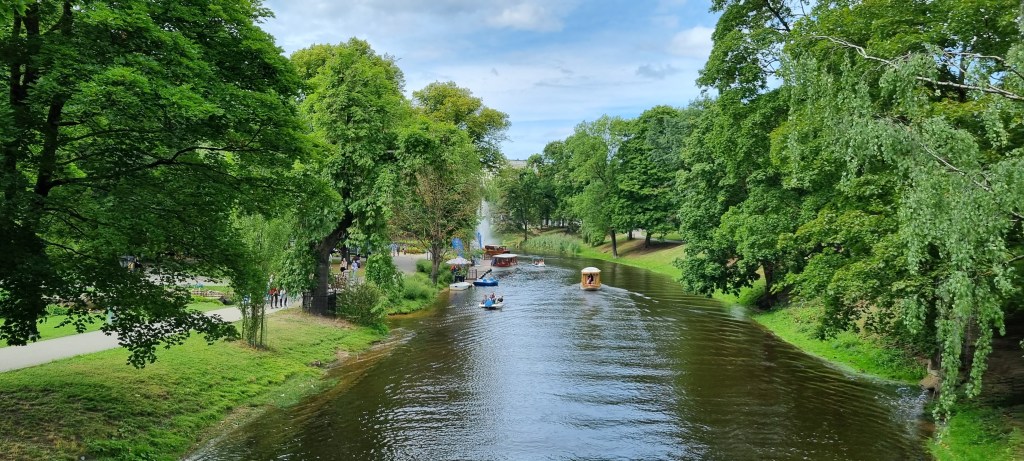
    Our afternoon boat ride in the canals was a serene journey that started and ended at Bastejkalns Park, right in front of our hotel. The gentle lapping of the water, the reflections of historic buildings, and the soft breeze made it a memorable ride. The park’s lush greenery and tranquil ponds added to the beauty of the experience.

    Dinner at Riviera was a Mediterranean delight. The asparagus, beet carpaccio, gazpacho, olives, bread, and other delicacies were crafted to perfection. The staff’s warmth, the antique ambiance, and the amazing desserts made it a must-visit experience. The complimentary dessert for my parents’ anniversary was a sweet touch, reflecting the restaurant’s attention to detail and personalized service.

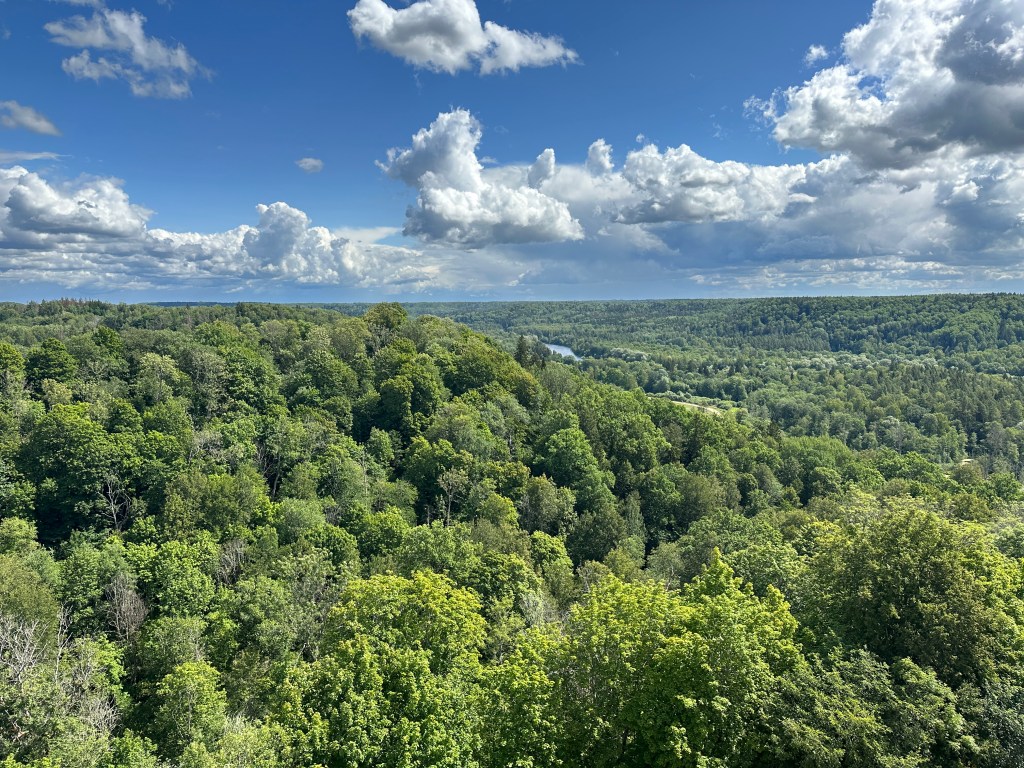
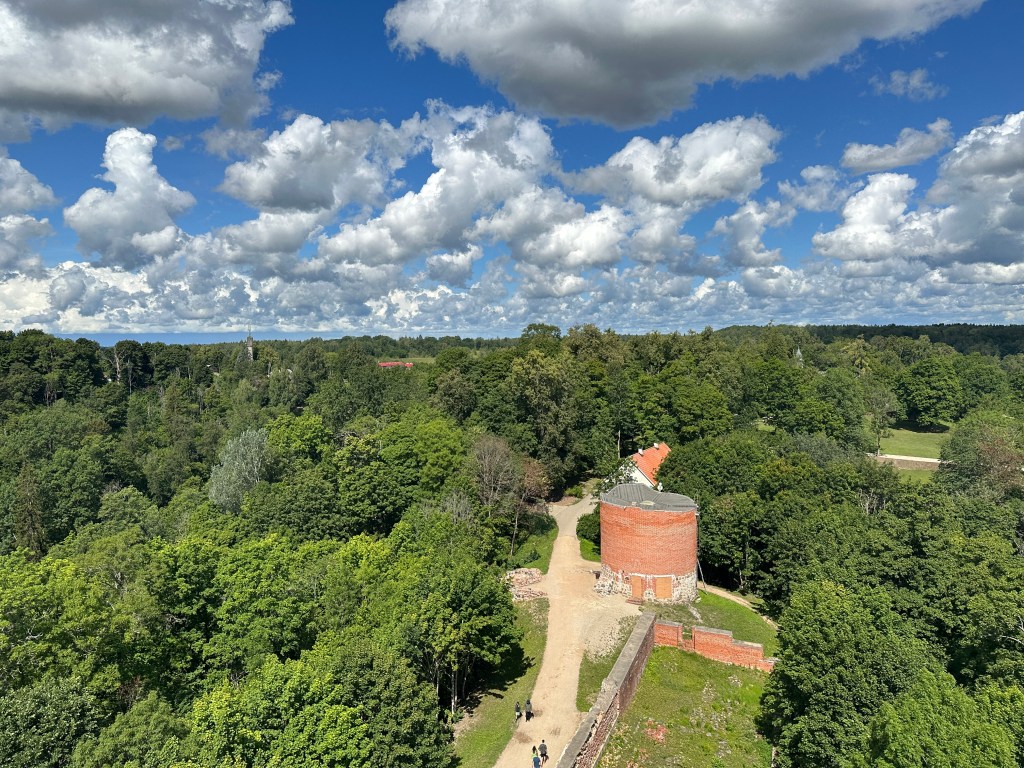
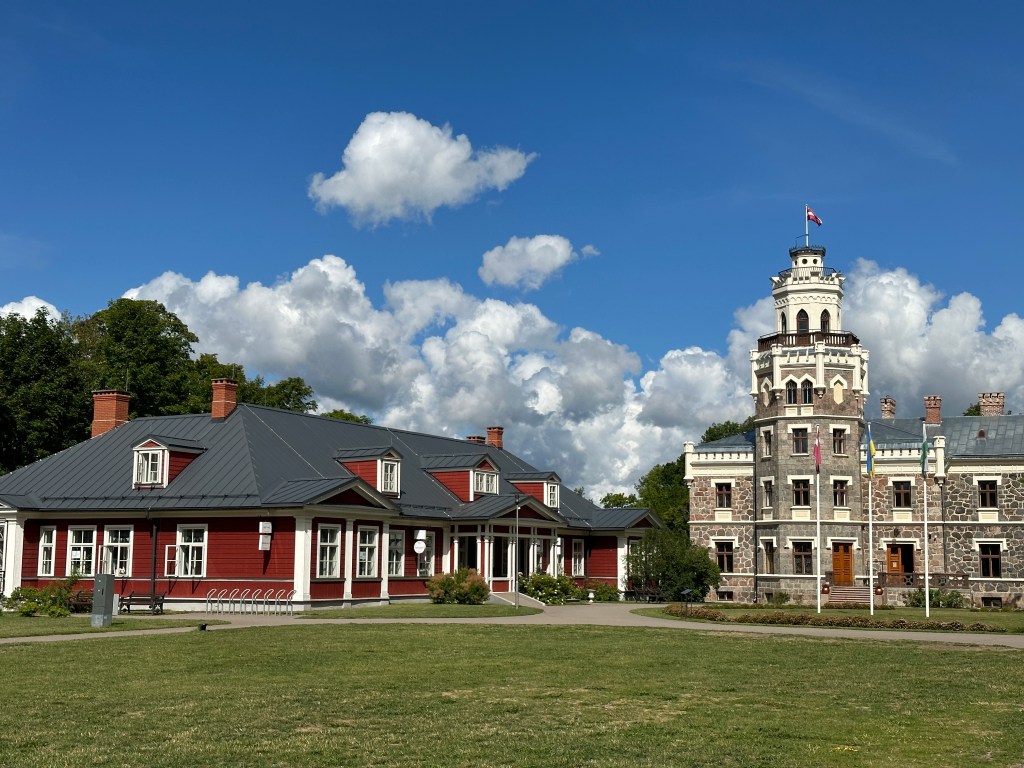
    The next day, our journey took us to the enchanting Sigulda Castle. The architecture with brown and white ornate carpentry, with its blend of styles, spoke of different epochs, and the serenity of the place was palpable. We were the only tourists there, and the calmness was almost surreal. We had the whole place to ourselves, allowing us to explore at our leisure, absorbing the history and tranquility. Sigulda Castle’s location, amidst lush forests and near the river, added to its mystical charm.

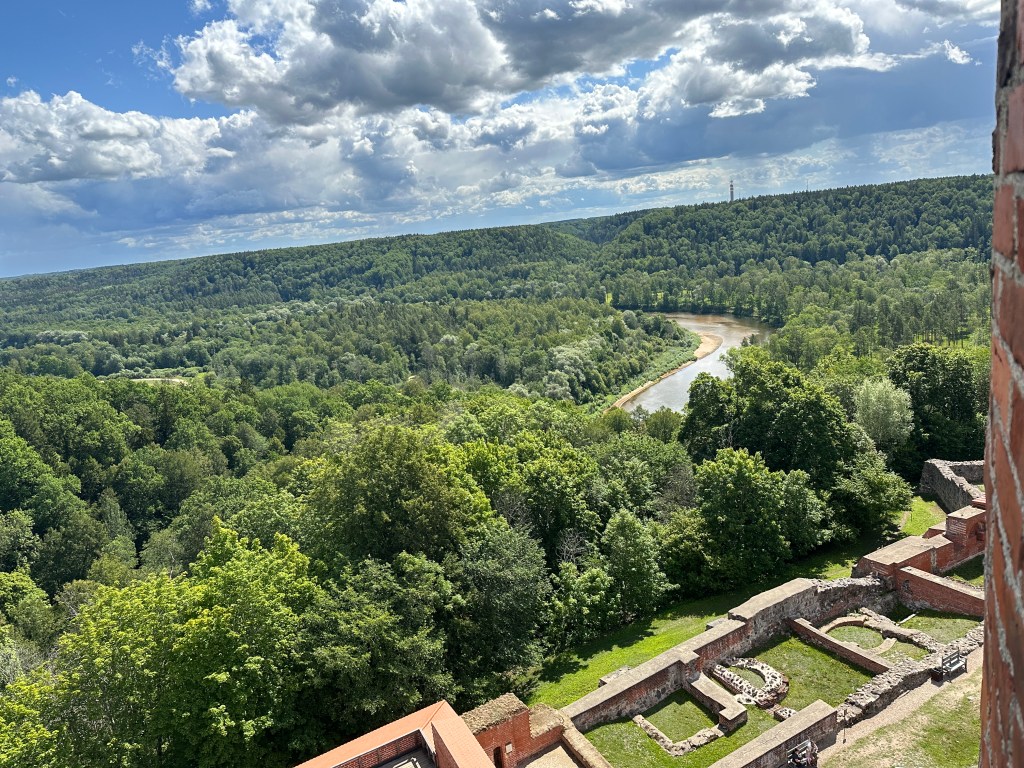
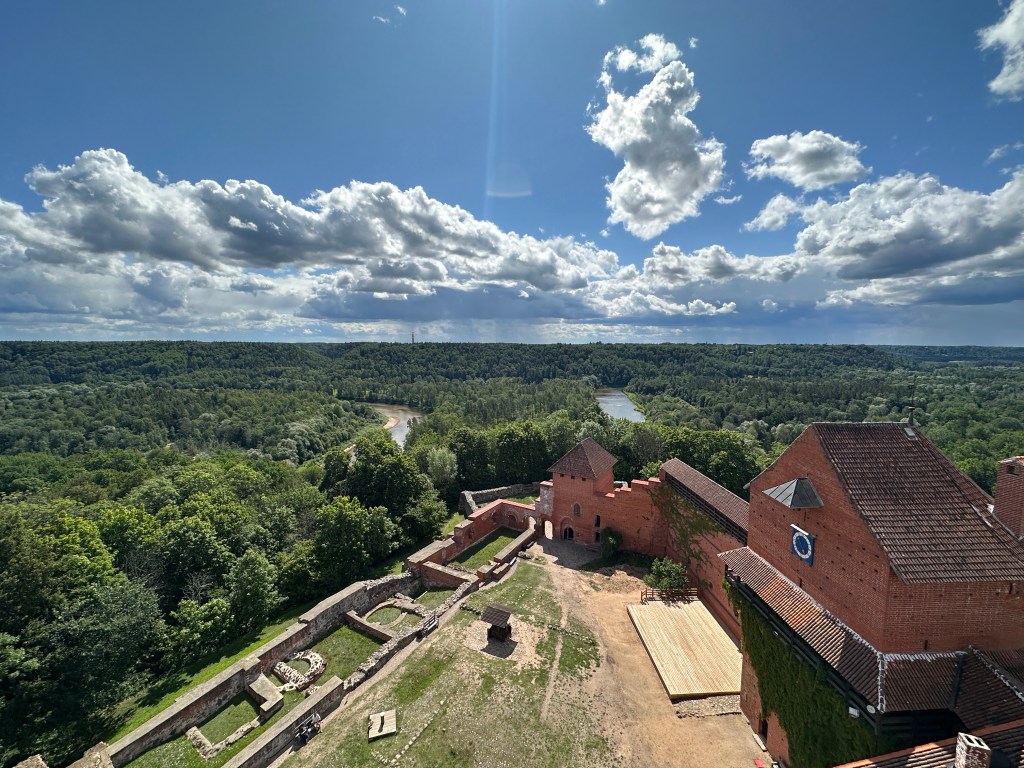
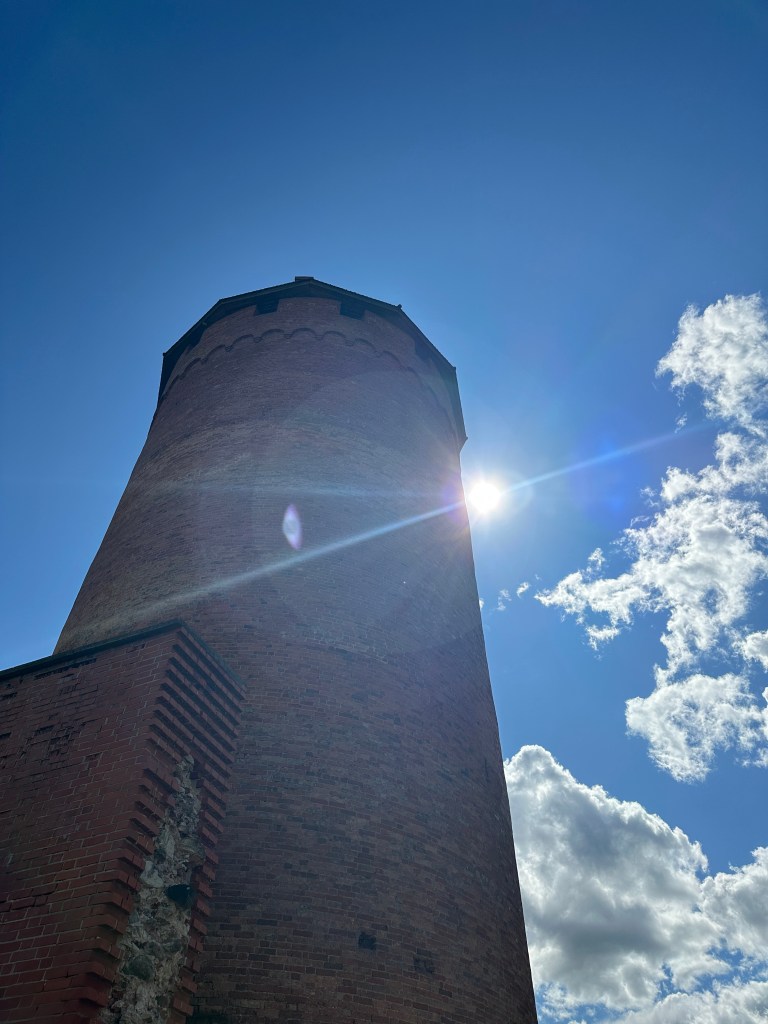
    Turaida Castle, a red-brick fortress, stood as a majestic testament to Latvia’s moniker as the “Land of Castles.” The beautiful gardens surrounding the castle were a journey back in time, and the local legends, especially the tale of the Rose of Turaida, added a touch of romance. We explored the museum, walking through the ancient halls that showcased the castle’s history. The view from the top of Turaida was awe-inspiring, with the Gauja River winding through the valley below. Like Sigulda, we had Turaida to ourselves, allowing us to immerse ourselves in its calmness and beauty. The architecture, with its defensive walls and ornate details, was a fascinating blend of practicality and artistry.

    From the vibrant streets of Riga to the serene landscapes of Sigulda and Turaida, each moment was a discovery. The blend of architectural marvels, culinary delights, and the warmth of the people left an indelible mark on our hearts. As we headed to Estonia, we carried with us not just memories but a piece of Latvia’s soul, a land that charmed us with its simplicity and richness.

    Lithuania

    Nestled in the heart of northeastern Europe, Lithuania is a captivating blend of rich history, vibrant culture, and stunning natural beauty. It is the southernmost and largest of the three Baltic states. Whether you’re wandering through the cobblestone streets of its capital, Vilnius, soaking in the tranquility of its thousands of lakes, or immersing yourself in the local art scene, Lithuania promises an enriching journey of discovery. Its diverse landscape, unique cuisine, and the warm hospitality of its people make it an off the beaten path destination for any avid traveler.

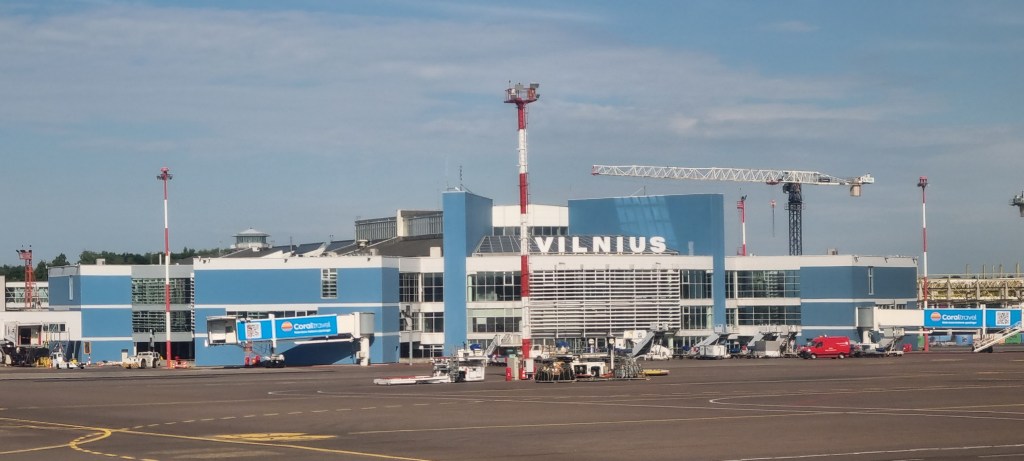
    Our journey in Lithuania began at Vilnius Airport, the gateway to a city steeped in history and culture. Vilnius, the capital of Lithuania, is nestled in the southeast part of the country, at the confluence of the Neris and Vilnia rivers. The city is renowned for its Old Town, a UNESCO World Heritage site, which is one of the largest surviving medieval old towns in Northern Europe. The city’s history is a rich tapestry of diverse influences, from its establishment in the 14th century, through periods of Polish and Russian rule, to its present-day independence. Vilnius is a city where different cultures, religions, and styles coexist harmoniously, reflected in its architecture, which ranges from Gothic to Renaissance, Baroque to Neoclassical.

    Our first stop was the Artagonist Art Hotel, a boutique hotel located in the heart of the city. The hotel is a modern boutique, blending contemporary design with a nod to Lithuania’s rich history. Each room is uniquely decorated by local artists, making it a living art piece. The staff are friendly and attentive, ensuring a comfortable and memorable stay. The hotel’s location is a major plus, with major attractions like the Vilnius Cathedral and Gediminas Tower just a short walk away. Some other hotels I recommend are Hilton Garden Inn Vilnius City Centre, Grand Hotel Kempinski Vilnius, ​​Relais & Châteaux Stikliai Hotel and St Palace Hotel.

    For lunch, we headed to Bistro 18, a multi-cuisine restaurant near our hotel. The Indian curry was a delightful surprise, with a perfect spicy blend of spices that transported us to the streets of Delhi. The beetroot risotto was a standout, with the earthy beetroot perfectly complementing the creamy risotto. The pasta was cooked to al dente perfection, and the salad was fresh and vibrant.

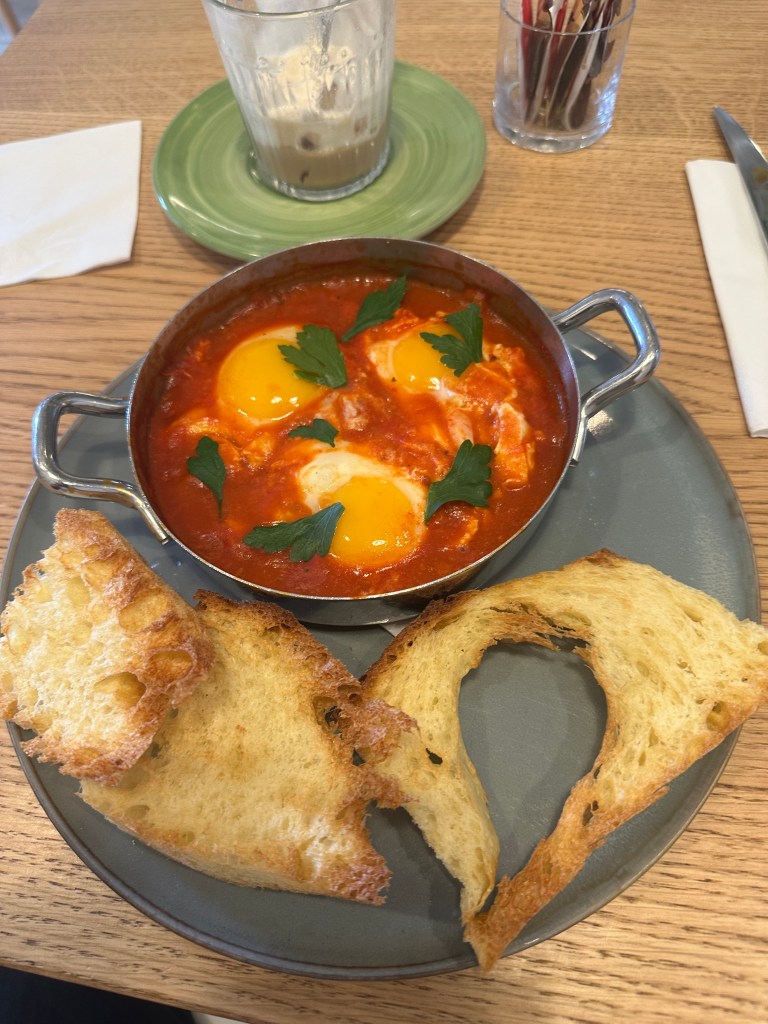
    After a leisurely stroll around town, soaking in the city’s charm, we retreated to our hotel for some rest before heading out for dinner at Cozy cafe. The cafe lived up to its name, with a warm and inviting atmosphere. Their signature cold beetroot soup was a revelation, a refreshing blend of flavors that was both comforting and exciting. The salads were fresh, the pizza was cheesy and delicious, the pasta was flavorful, and the shakshuka was a hearty end to the meal.

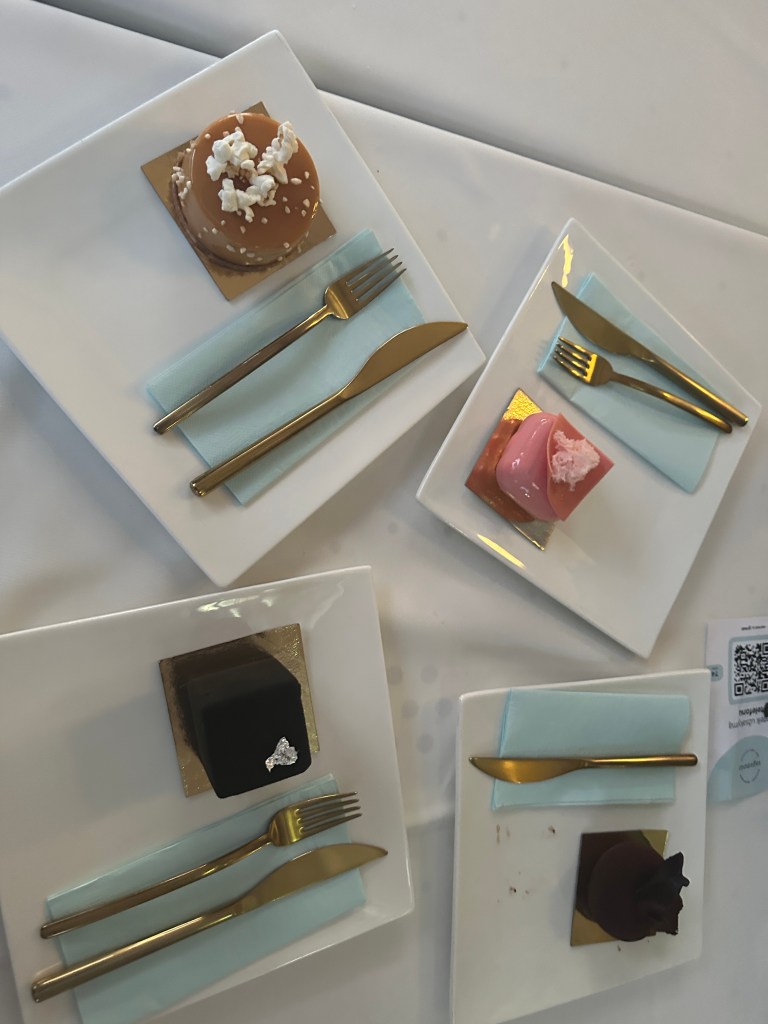
    Our sweet tooth led us to Sugamour, a quaint dessert shop in the center of the city. This place is a must-visit for dessert lovers. The assortment of entremets and ice creams were a feast for both the eyes and the palate. Each dessert was a work of art, with complex layers of flavors and textures that were both unique and delicious. The shop’s cozy ambiance and friendly staff added to the overall experience.

    My second day in Vilnius began with an early cup of coffee at Brew. The hand brew was a revelation, a fruity concoction that was a perfect start to our day. Our breakfast at the Artagonist was a delightful spread of local and international dishes, setting us up for the day’s adventures.
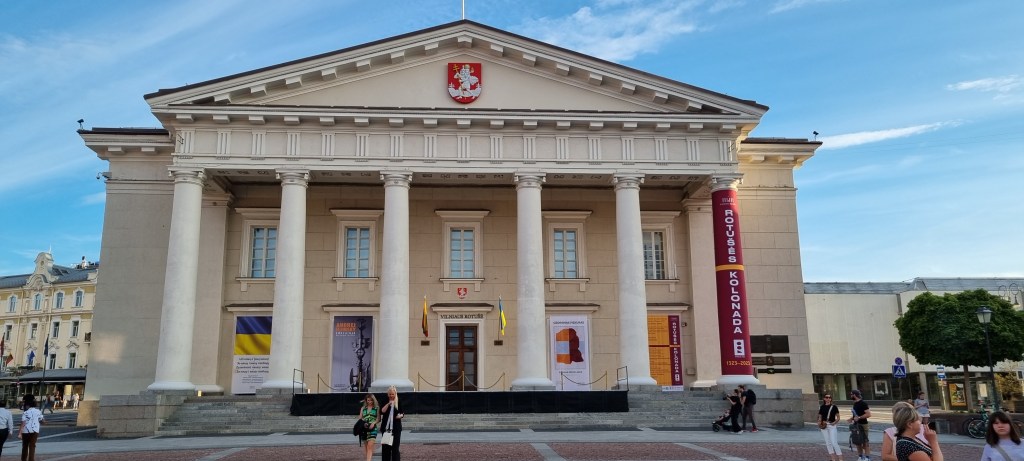
    The walking tour of Vilnius was an enlightening journey through time, where each monument we visited was a testament to the city’s rich history and cultural heritage. Our first stop was the Old Town, a UNESCO World Heritage site, which is one of the largest surviving medieval old towns in Northern Europe. The cobblestone streets, the charming old buildings, and the vibrant atmosphere made me feel like I was stepping back in time. It was fascinating to see how the city has preserved its heritage while also adapting to the modern world. During this stop, I also grabbed a Batch brew and Tiramisu from Backstage coffee, which was nice and the tiramisu was quite soft and tasty. 

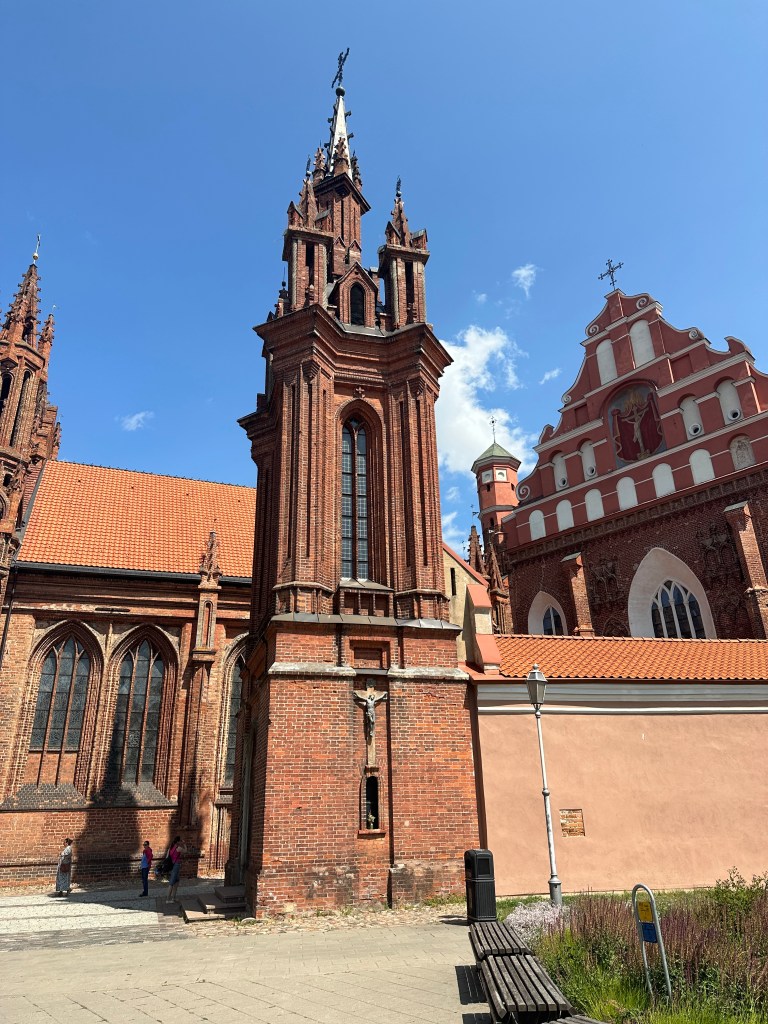
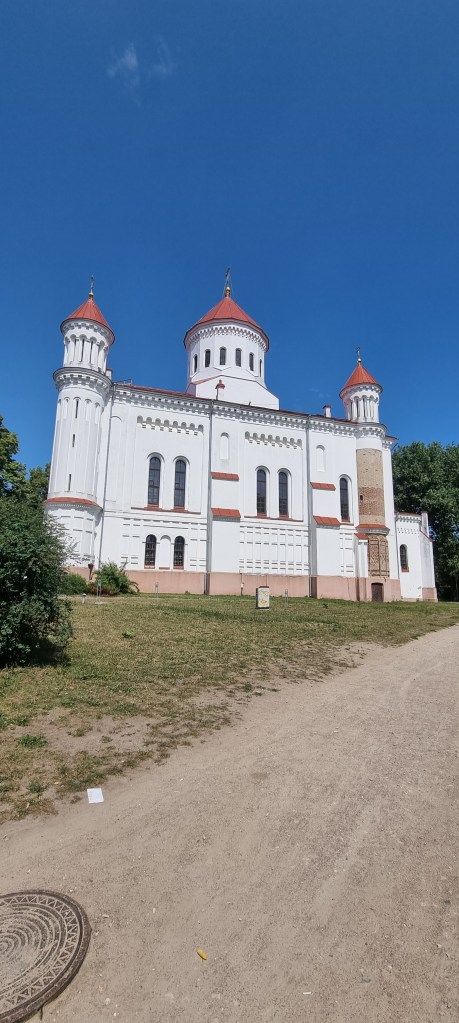
    Next, we visited the Gates of Dawn, one of the most important religious, historical, and cultural monuments in Vilnius. Today, it is a significant site of Catholic pilgrimage in Lithuania. We then visited St. Anne’s Church, a stunning example of Gothic architecture. The intricate brickwork and the beautiful stained glass windows of the church were a sight to behold. The first floor is a cafe and above is the church. Onwards to the Church of St. Constantine and St. Michael, a Russian Orthodox church built in 1913 to commemorate the 300th anniversary of the Romanov dynasty. The church’s dazzling exterior and modest interior were a stark contrast. Despite being relatively ‘young’ compared to the other monuments, the church held its own charm and historical significance.

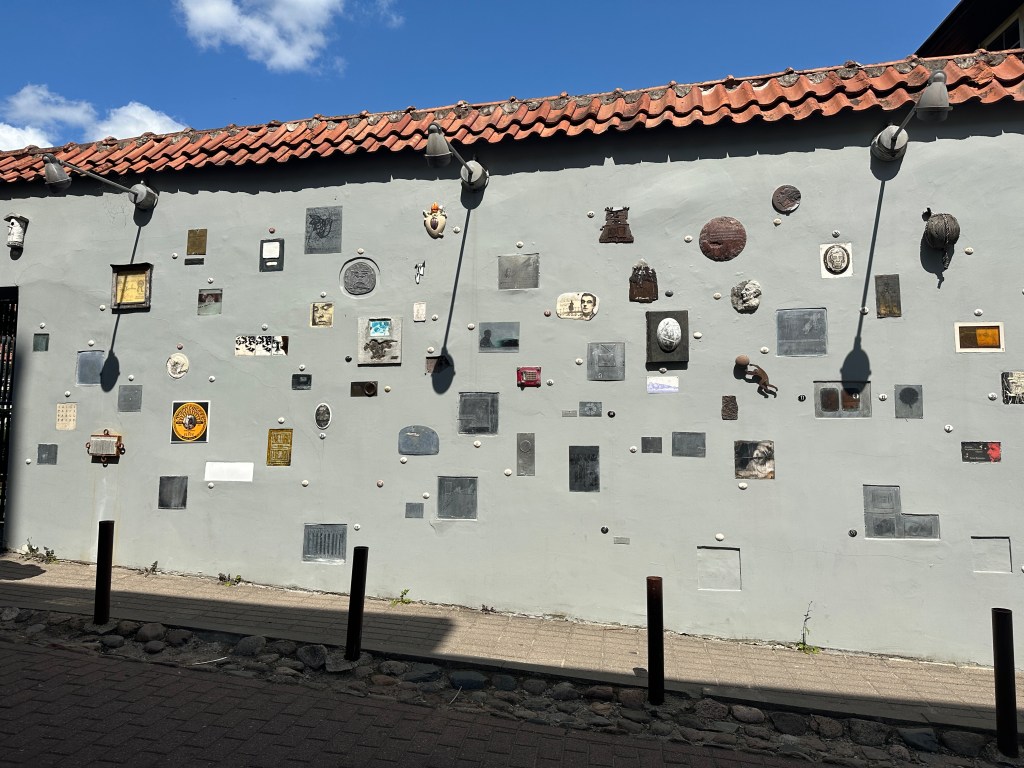
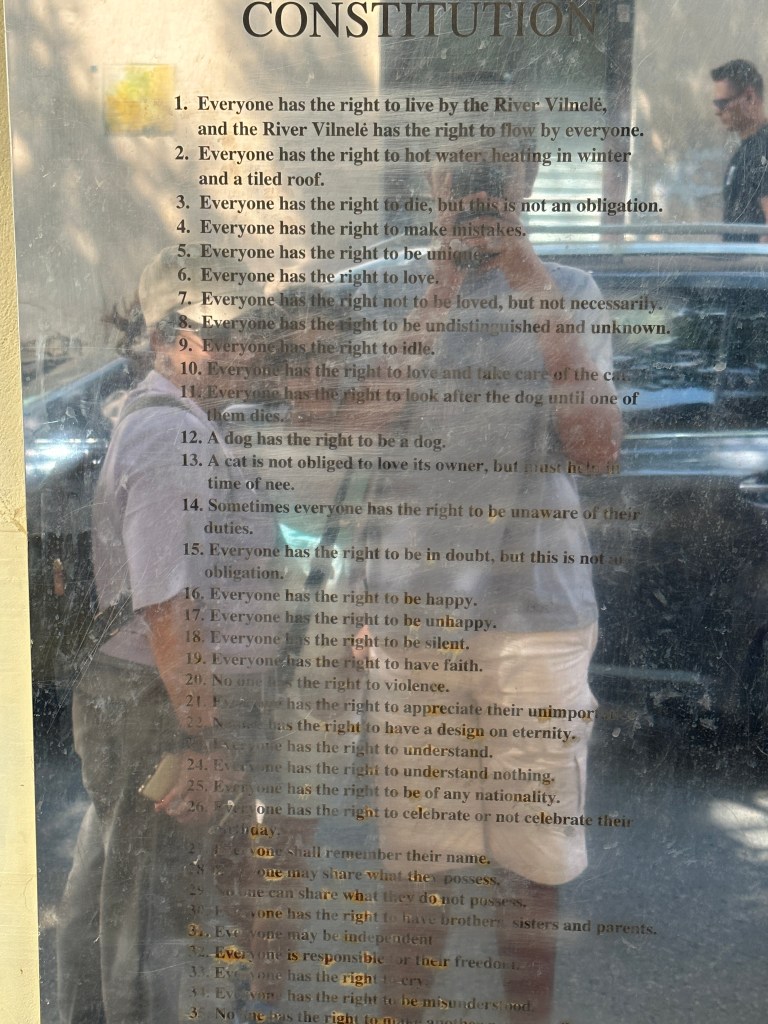
    Our detour to Uzupis, a district of artists, was a delightful surprise. Declared as an independent republic by its inhabitants in 1997 as a prank on April Fools, Uzupis has its own constitution, president, throne, currency, and even a national day, which is the 1st of April. The bohemian spirit of Uzupis, its vibrant art scene, and the unique and comical constitution (which includes rights like “Everyone has the right to understand nothing” and “Everyone has the right to be unique”) made it a memorable part of our tour. It was like stepping into a different world, where creativity and freedom of expression were celebrated. I highly recommend reading the points in the picture below as it will definitely make you laugh.

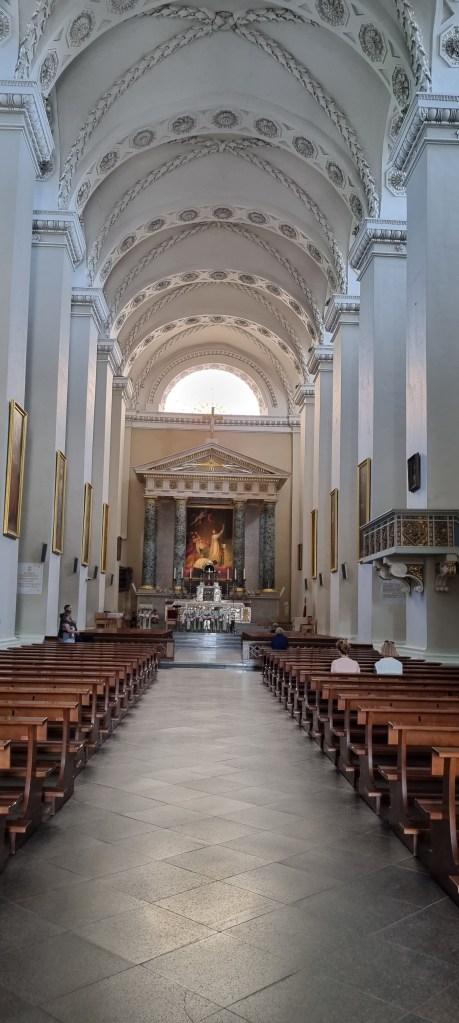
    Our tour then led us to the final stop, the Vilnius Cathedral, a magnificent structure that has stood the test of time. The cathedral has been rebuilt several times due to frequent fires, wars, and unstable soil under its foundation. The grandeur of the cathedral, its beautiful architecture, and the peaceful atmosphere inside was beautiful. 

    The walking tour of Vilnius was a journey through time, a celebration of its history, culture, and spirit. It was a reminder of the city’s resilience, its ability to preserve its heritage while embracing the new, and its unique charm that makes it a unique destination.

    For lunch, we headed to Rosehip, a vegan restaurant that served up hearty salads, wraps, and fries with homemade dips. The portions were generous, and the food was a refreshing change from our usual fare.

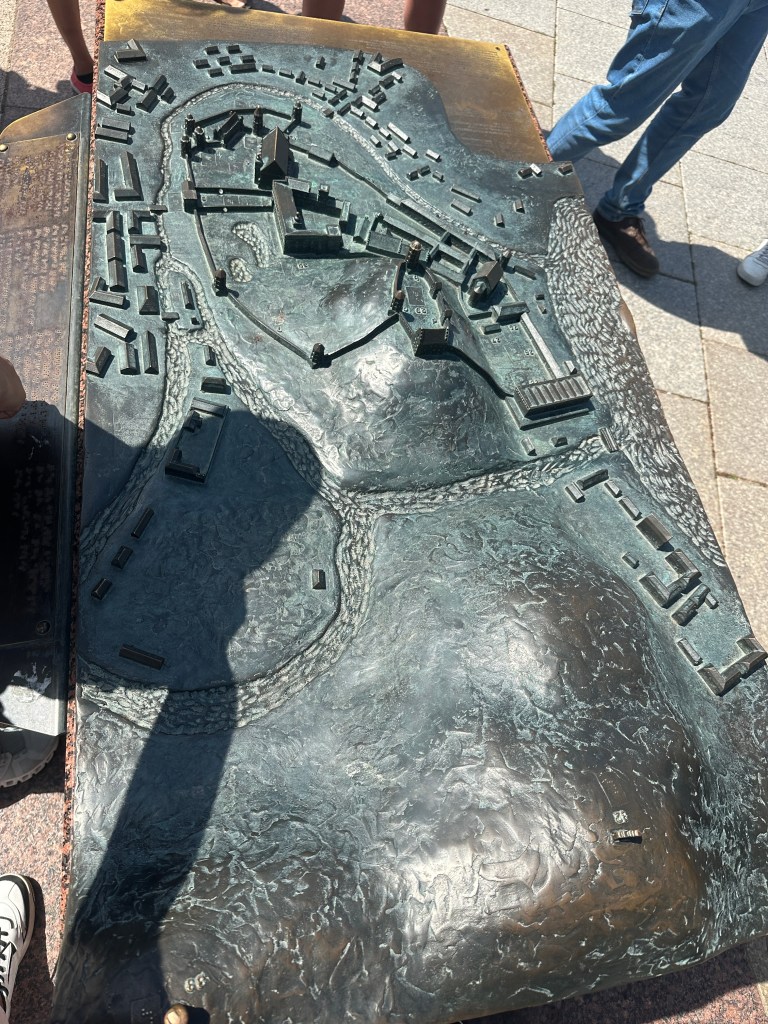
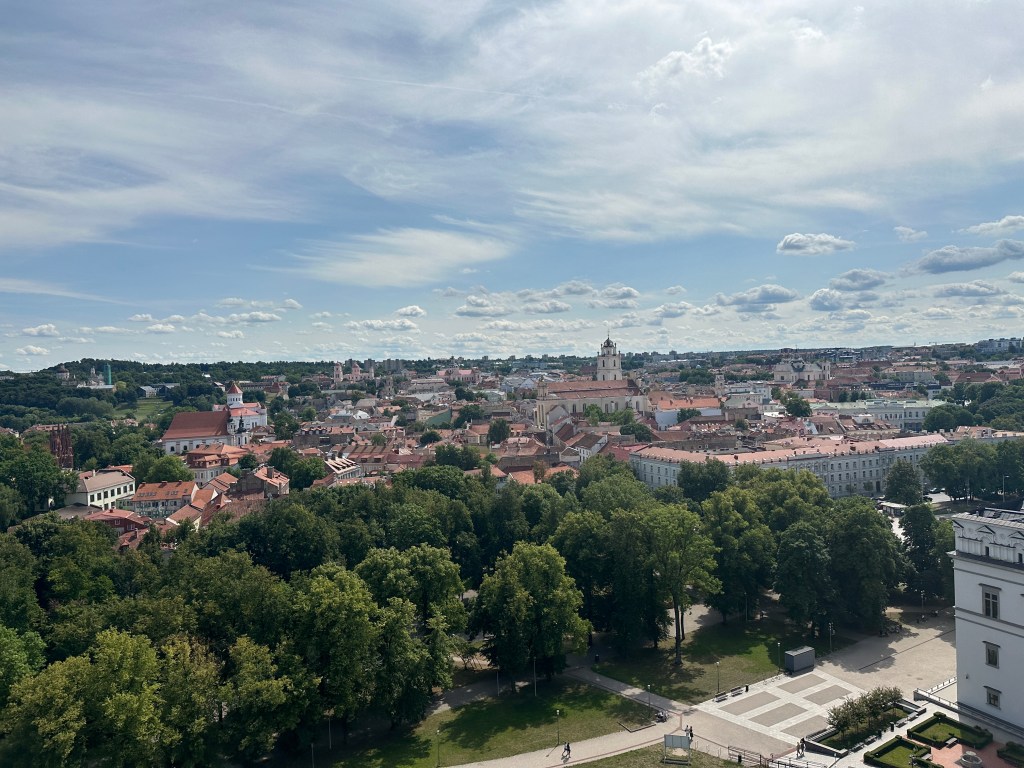
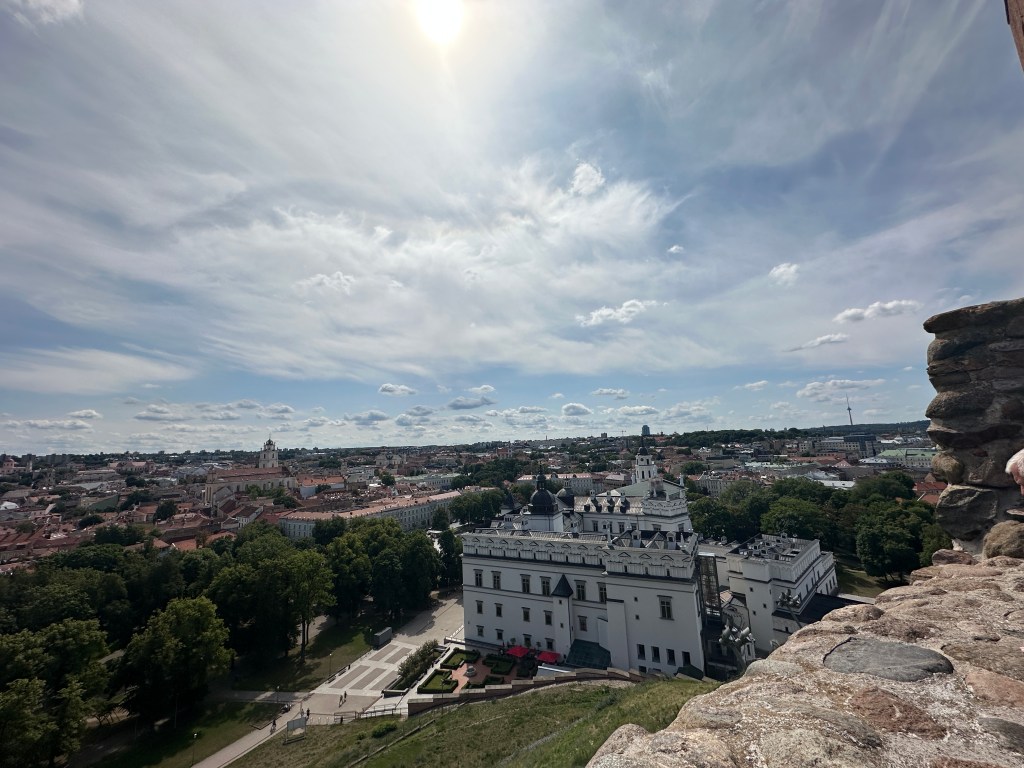
    Post lunch, we explored the Gediminas Castle and Tower. The tower, the only remaining part of the Upper Castle, offers panoramic views of Vilnius. The castle’s history dates back to the 14th century, and it has served various purposes over the centuries, including being used as the city’s first observatory. The 360 degree view from the top was breathtaking, and we captured some memorable pictures against the backdrop of the city’s skyline.

    Our next stop was the KGB Museum, housed in the former KGB building where the crimes of the Soviet regime were planned and executed for fifty years. The exhibits were a chilling reminder of the atrocities committed during the Soviet occupation. The prison cells and interrogation rooms were particularly haunting.

    For dinner, we headed to Casa La Familia, a vegetarian pizza place that offered a cozy family dining experience. We were seated on the floor in a private area, which added to the homely ambiance. The pizzas were amazingly fired in their wood fired oven, but the standout dishes were the beet carpaccio and the portobello mushroom. The flavors were unique and left us wanting more. After dinner we went for another round of desserts and ice cream at Sugamour as the food was simply to die for. 

    The next leg of our journey took us from Vilnius to Klaipeda, with enriching stops at Trakai Castle and Kaunas along the way.
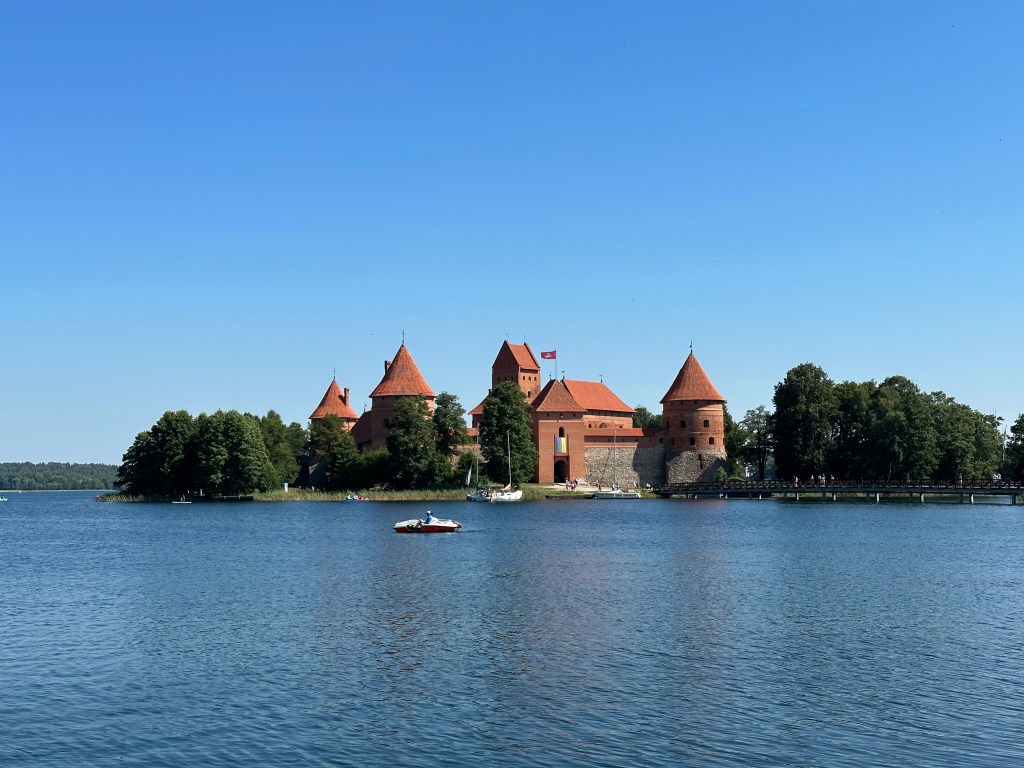
    We began our day with a drive to Trakai, a picturesque town located about an hour from Vilnius. Trakai is renowned for its stunning island castle, set amidst tranquil lakes. The Trakai Castle, a red-brick fortress dating back to the 14th century, is a symbol of Lithuania’s grand history. We explored the castle and walked around it, taking some of the best pictures of the entire trip. The serene tranquil beauty of Trakai, coupled with its historical significance, made for a memorable visit.
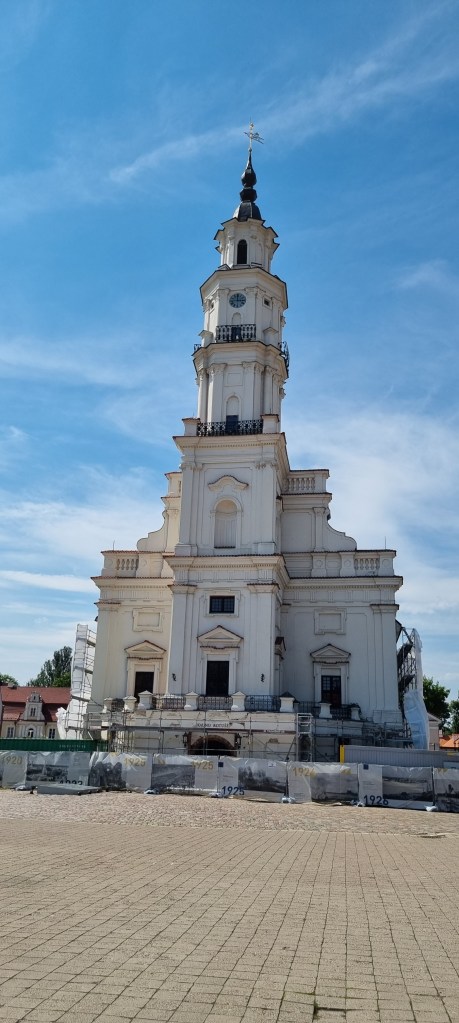
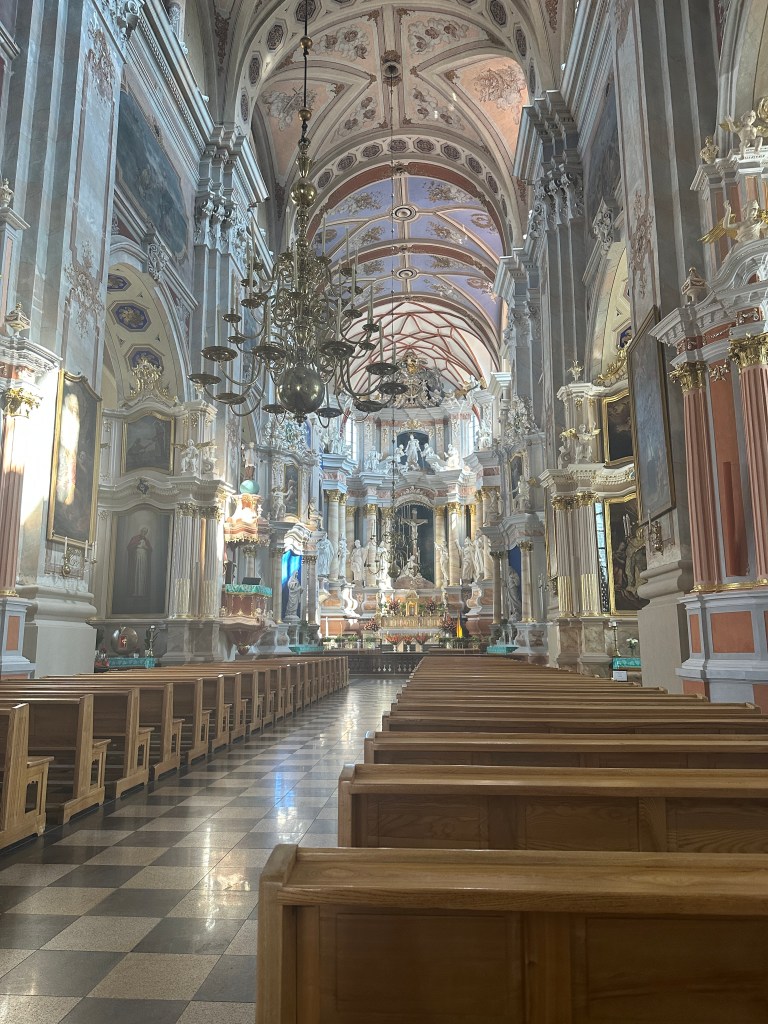
    Next, we headed to Kaunas, Lithuania’s second largest city, about an hour and a half from Trakai. Kaunas’s blend of Gothic, Renaissance, and Baroque styles added to the city’s charm. We explored the Kaunas Castle and visited the Church of St. Michael the Archangel, a stunning Neo-Byzantine structure. The grand domes, intricate frescoes, and spiritual ambiance of the church were awe-inspiring. Kaunas’s lively streets, artistic vibe, and historical richness made our exploration engaging and fulfilling.

    Lunch in Kaunas was at Agave, where the vibrant colors and flavors of Mexican cuisine delighted our taste buds. The homemade fajitas, well-spiced quesadillas, and delicious salads added a flavorful twist to our day. The lively atmosphere of the restaurant and the taste of authentic Mexican food in the heart of Lithuania made this meal a highlight.
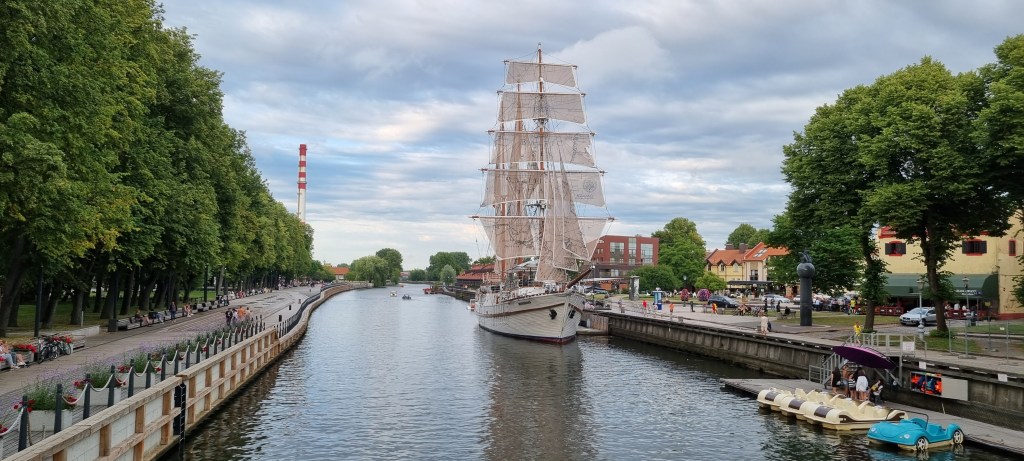
    From Kaunas, we continued to Klaipeda, a port city on the Baltic Sea, about two hours away. The maritime vibe, cobblestone streets, and historical buildings gave the city a unique charm. We checked into the Amberton Hotel, which turned out to be quite average. The staff was not particularly welcoming, and the overall experience was mediocre. The rooms were okay, but I would instead recommend Victoria or Michelson Hotel for a more comfortable stay.
    Dinner was at Devi, where we enjoyed home-style Indian food. Though it took some time to arrive, the food was delicious and soulful, ending our day on a comforting note.
    The next day’s adventure was the Curonian Spit, a UNESCO World Heritage site known for its unique landscapes. We explored Juodkrante where we cycled and had an exhilarating experience, with nature’s beauty unfolding at every turn.  We were set to explore the Hill of Witches, Sand Dunes, Nida, and however, our day took an unexpected turn when we faced a medical emergency. It was a stark reminder that travel is not always comfortable and enjoyable, and hardships can arise. Thankfully, we managed to handle the situation.

    Lunch was at Manami (Asian Fusion), located in a nearby mall. The food was extraordinary! From the sushi to the best noodles I’ve ever had, the spring rolls, amazing drinks, and delicious starters like mushroom, eggplant, and edamame, everything was perfect.

    We spent the evening exploring the mall and later walked along the canal in Klaipeda. Before that we made a quick visit to the Klaipeda beach, where we explored the beach and had some time there enjoying the breeze and the sound of waves. The beach was majestic and the water was cold, not ideal to bathe at this time.

    Dinner was at a Lithuanian place called Agnostikas. We indulged in their signature dish, fried bread, the best cheese balls which were soft and gooey, sweet potato fries served with goat cheese and a lemon aioli, hummus, salads, and traditional Lithuanian vegetarian dishes. The flavors were authentic, and the ambiance was cozy and the riverside ambience made the experience thousand times better. 

    The next day marked our transfer to Riga, but I began my day with a morning walk to have some specialty coffee at Musungas. The coffee was amazing and the ambience was better. I had a fruity citrusy coffee from Ethiopia which was to die for and brewed perfectly. 

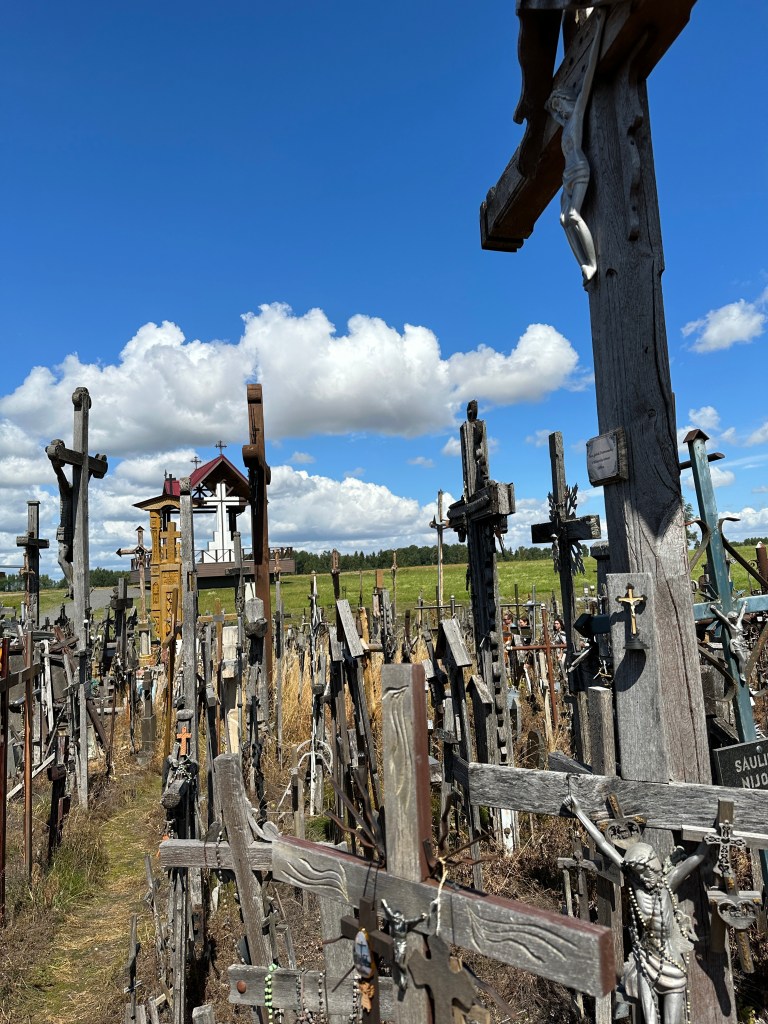
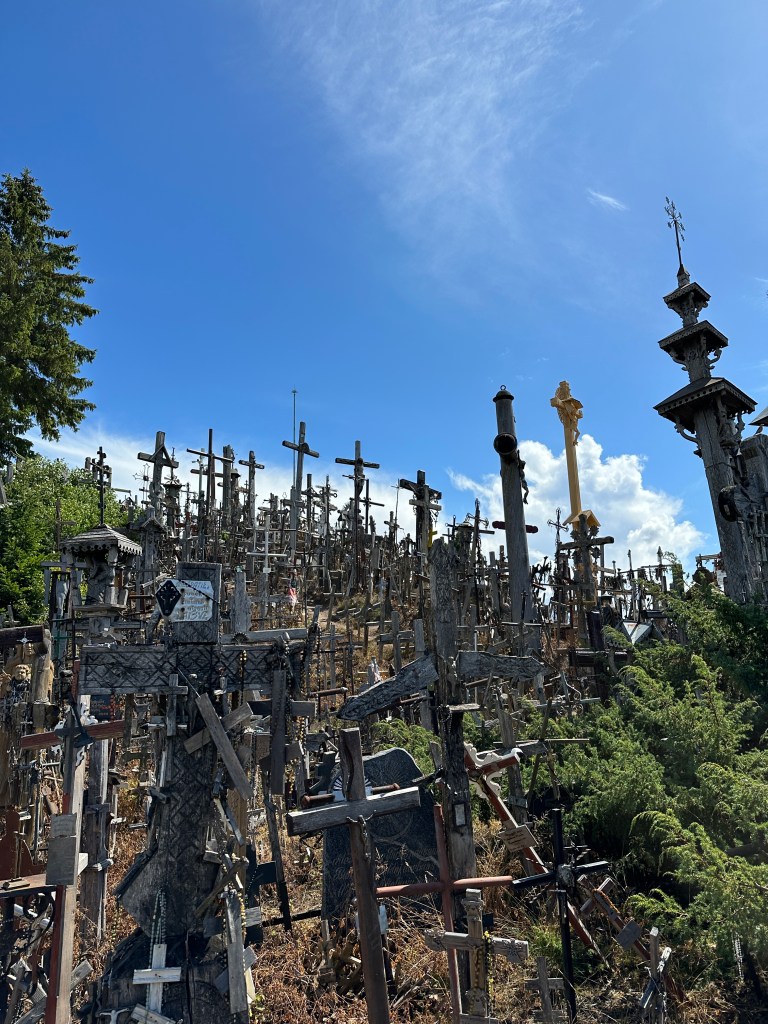
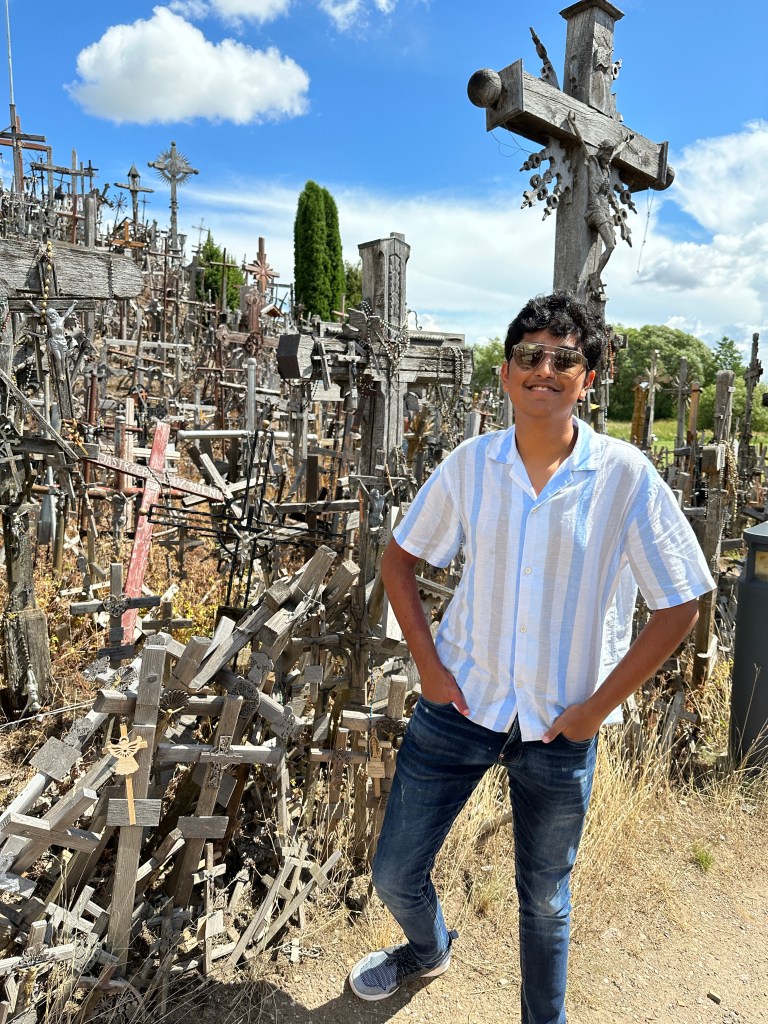
    Our stop in our transfer to Riga was at the Hill of Crosses, a site of pilgrimage with thousands of crosses, each telling a story of faith, hope, and resilience. The sight of the hill, covered in thousands of crosses, was both humbling and inspiring. We took our time to walk among the crosses, reflecting on their symbolism and feeling a profound connection to the collective faith they represented. At the moment the exact number of crosses is not known, but the estimated number is over 150,000! But this number is growing every day, because many visitors leave a cross in memory. The whispers of prayers, the gentle rustle of the wind, and the deep sense of spirituality made the Hill of Crosses an unforgettable experience.

    Our journey through Lithuania was a rich tapestry of historical explorations, culinary delights, unexpected challenges, and spiritual reflections.

    Poland

    Our journey began in my hometown city of Kolkata, where we boarded a Vistara flight to Delhi. Upon landing, we checked into the Novotel in Delhi for a much-needed power nap. The hotel was a sanctuary of calm amidst the city’s hustle and bustle, and we woke up refreshed and ready for the next leg of our journey.

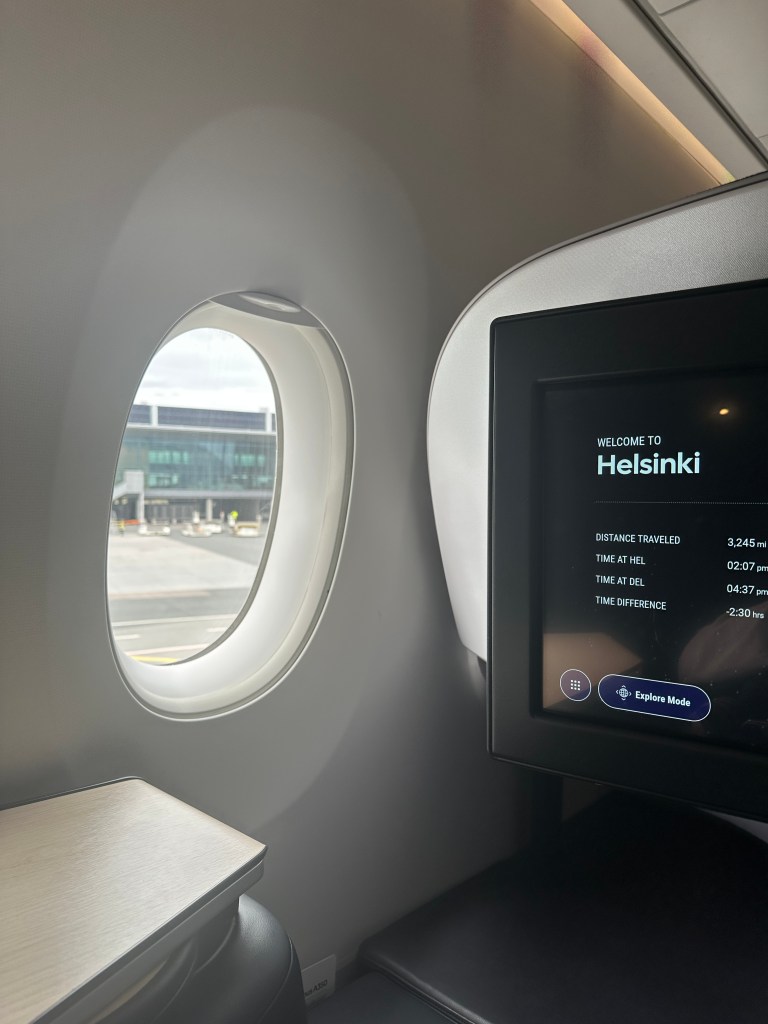
    Our Finnair flight to Helsinki was a treat in itself as the brand new sustainable and eco friendly A350 aircraft was fresh and inviting. The seats were plush and comfortable, perfect for the 9-hour journey ahead. The in-flight entertainment system was impressive, with a wide array of movies and shows to choose from. The catering was exceptional, which offered us delicious appetizers along with exceptional mains and desserts. The cheese with their local jam was a treat. The flight attendants were attentive and courteous, making the journey even more enjoyable.

    Finnair Flight

    Upon landing in Helsinki, we were greeted by a modern, minimalist airport filled with local shops. The lounge was a haven of tranquility, with comfortable seating and a variety of vegetarian options such as salads like lemon roasted fennel and a beetroot salad. A much needed coffee which was strong and invigorating, was the perfect pick-me-up after a long flight.

    Our next flight was a shorter one to Krakow, again with Finnair on a smaller Airbus A320. The service was consistent, and we were served a hot, delicious meal which was a Thai curry with chilli rice during the flight. The meal was a delightful surprise, with flavours that were both familiar and exotic.

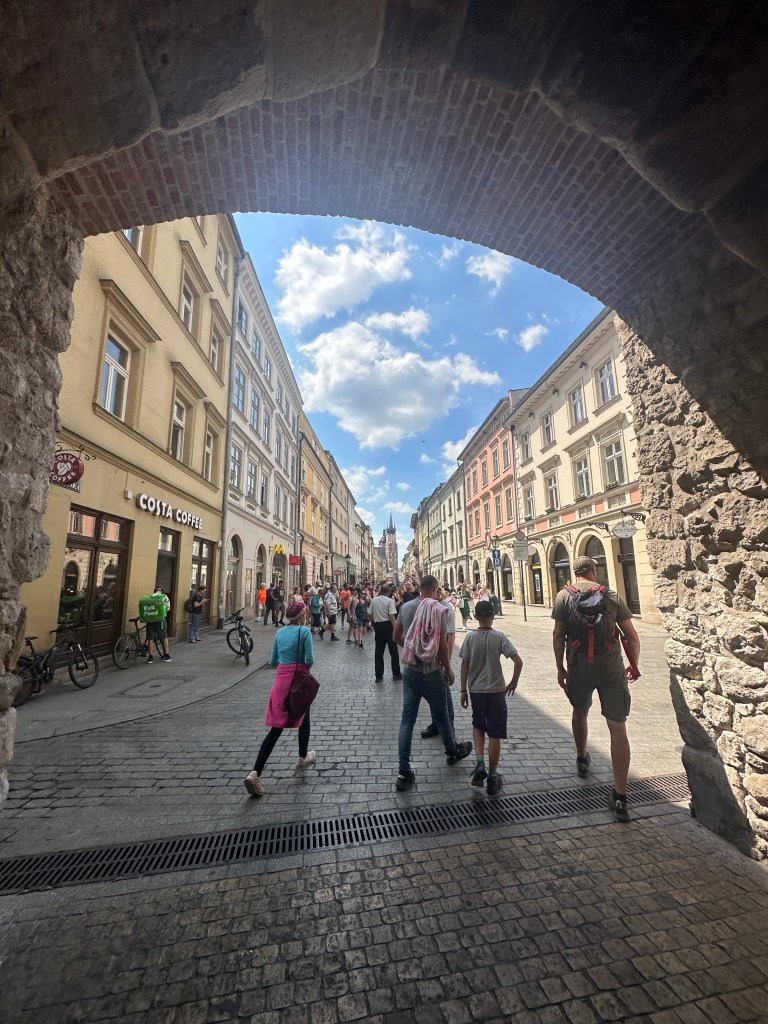
    Kraków, a city steeped in history and culture, is a gem in the heart of Poland. Its medieval charm, vibrant festivals, and rich academic heritage make it a must-visit destination. The city’s old-world charm was evident in its cobblestone streets and historic buildings. We checked into the H15 Francuski Hotel, a boutique establishment located in the heart of the city. The hotel was a blend of old and new, with antique furnishings and modern amenities. The rooms were spacious and comfortable, and the staff was welcoming and attentive.

    Our first meal in Krakow was at Dolabella Due, a quaint café tucked away in a narrow lane in the old town. The food was delightful, with the pistachio gnocchi and mango panna cotta being the highlights. The Mamabella pizza with artichokes and sun dried tomatoes was prepared in a wood fired oven and also tasted authentic. However, the service left something to be desired. Despite this, the flavours of the food left a lasting impression, and we found ourselves reminiscing about the meal long after we had left the café.

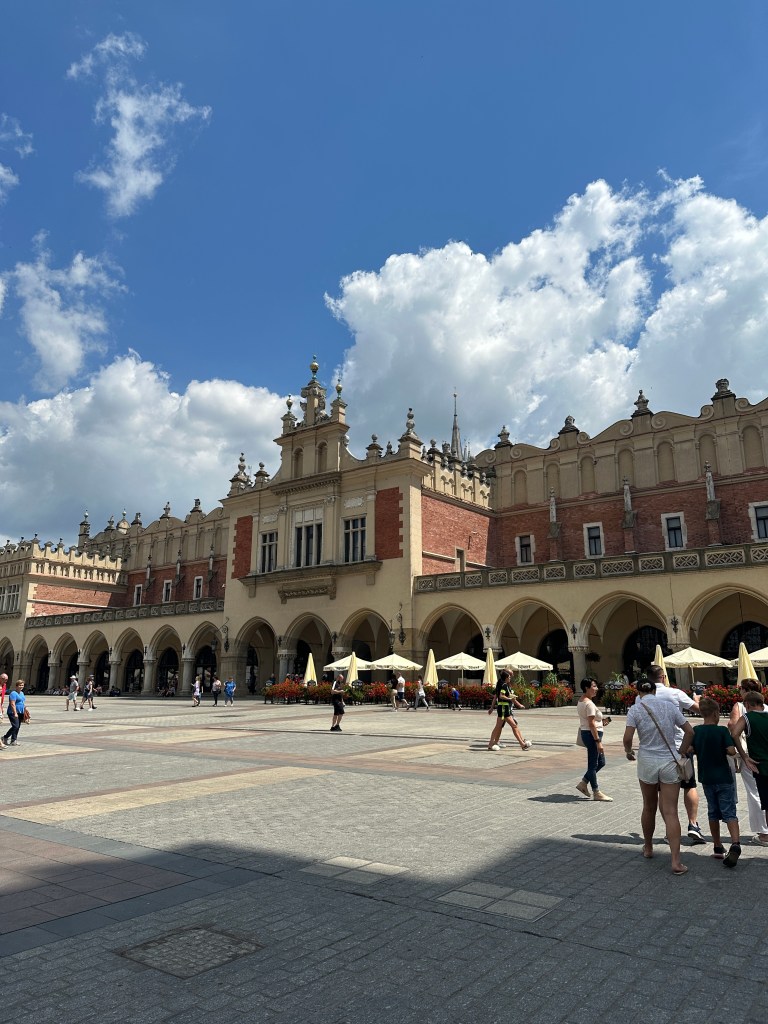
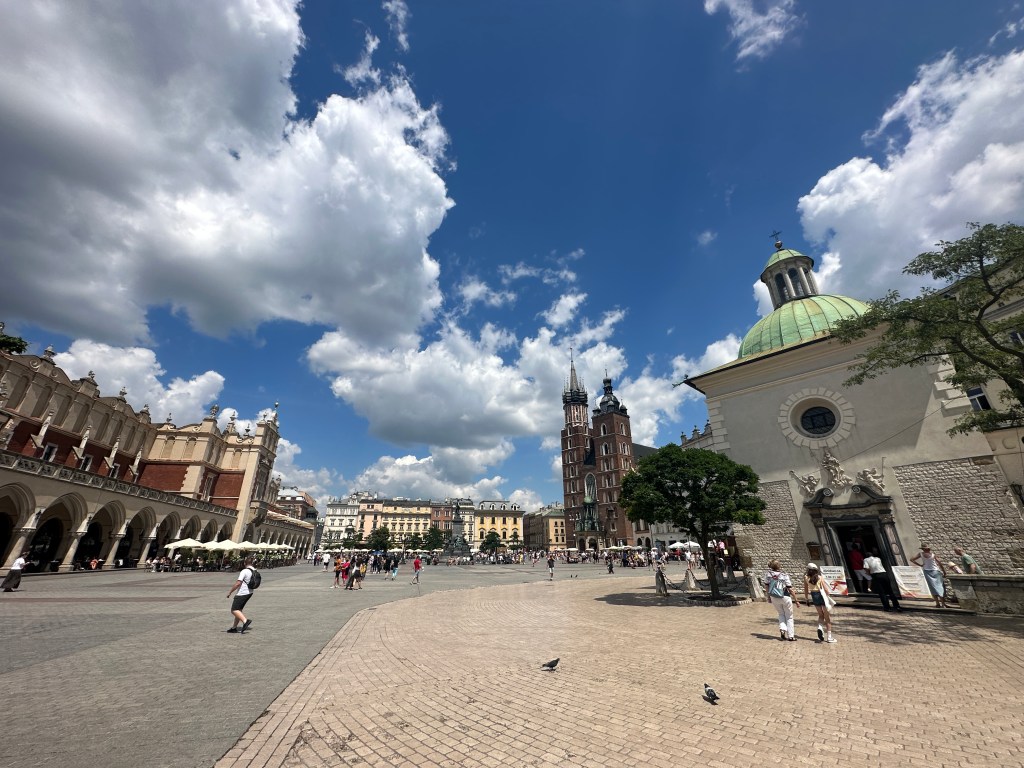
    Furthermore, we explored the city square, a vibrant hub of activity. The square was bustling with locals and tourists alike, making it a great place for people-watching. We indulged in some gelato and a White Kit Kat McFlurry from McDonald’s on our way back to the hotel. The gelato was creamy and delicious, a perfect treat for a warm summer day.

    Square at night

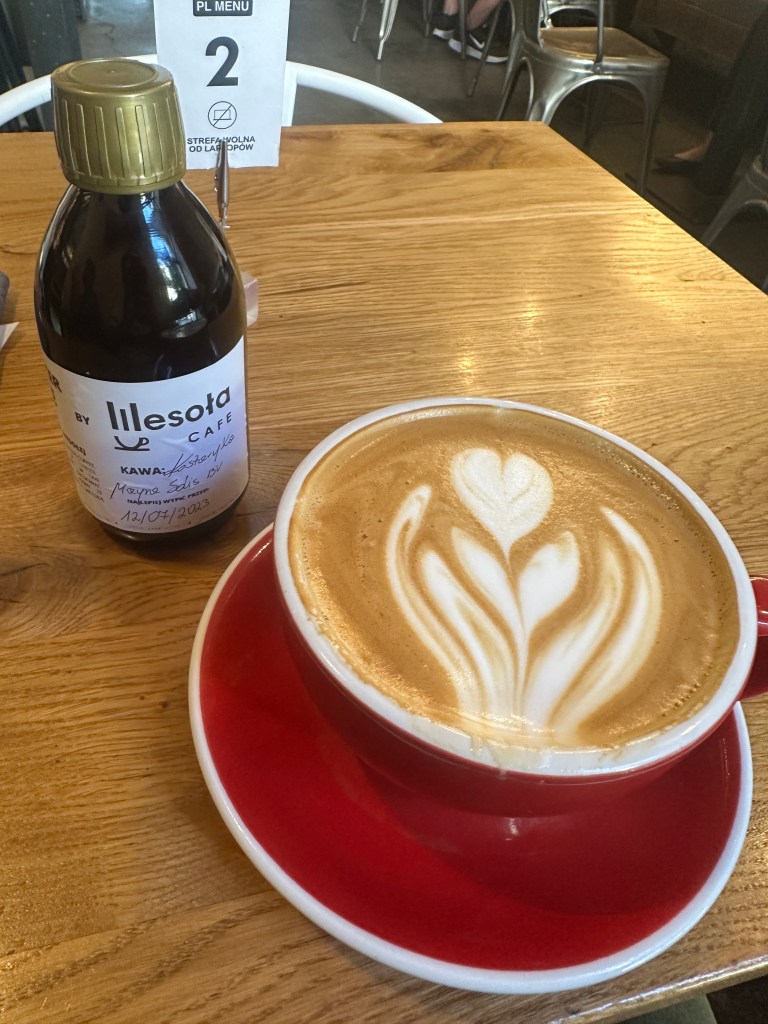
    I started my next day with a walk to L’isola Café, located 1.5 km away, for a cup of coffee. Krakow’s layout requires a fair bit of navigation, with numerous underpasses and crosswalks. On our way back, we rented a Lime scooter, a fun and efficient way to explore the city. These rentable scooters are a fun and efficient way to explore the city. They’re available at many spots in the city, and with speeds ranging from 5-20 km/h, they offer a unique and enjoyable way to take in the sights. At Lilsola, I enjoyed a cappuccino and avocado toast, and took a cold brew for the road. The coffee was rich and flavorful, the perfect start to my day.

    Lilesola Cafe

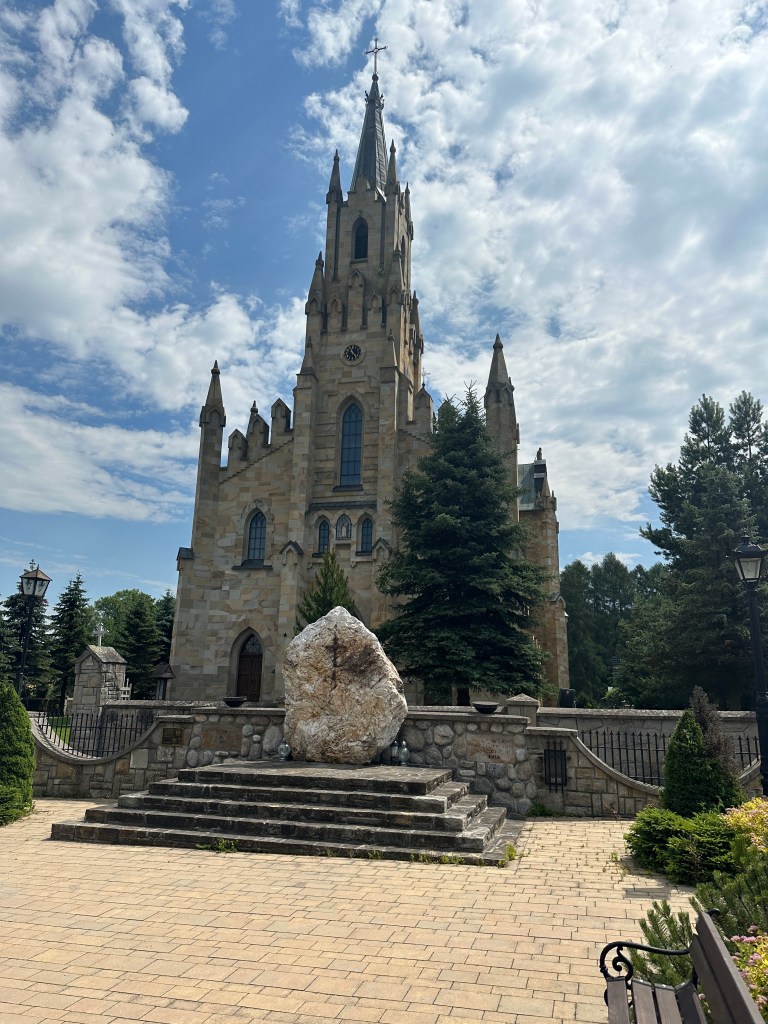
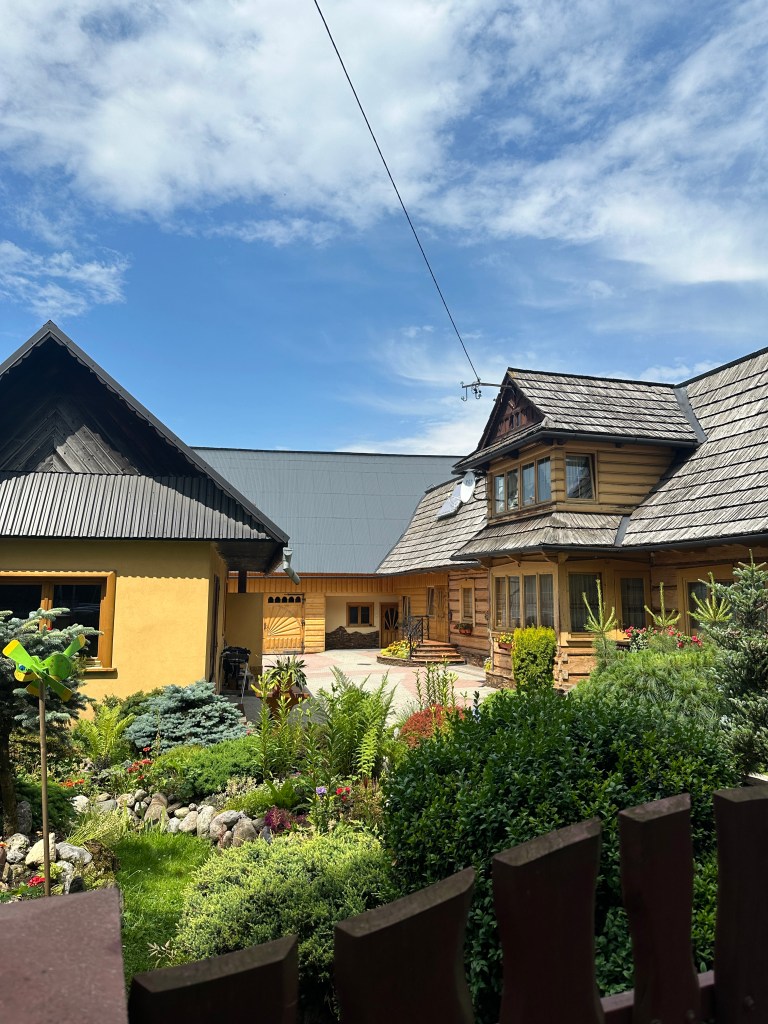
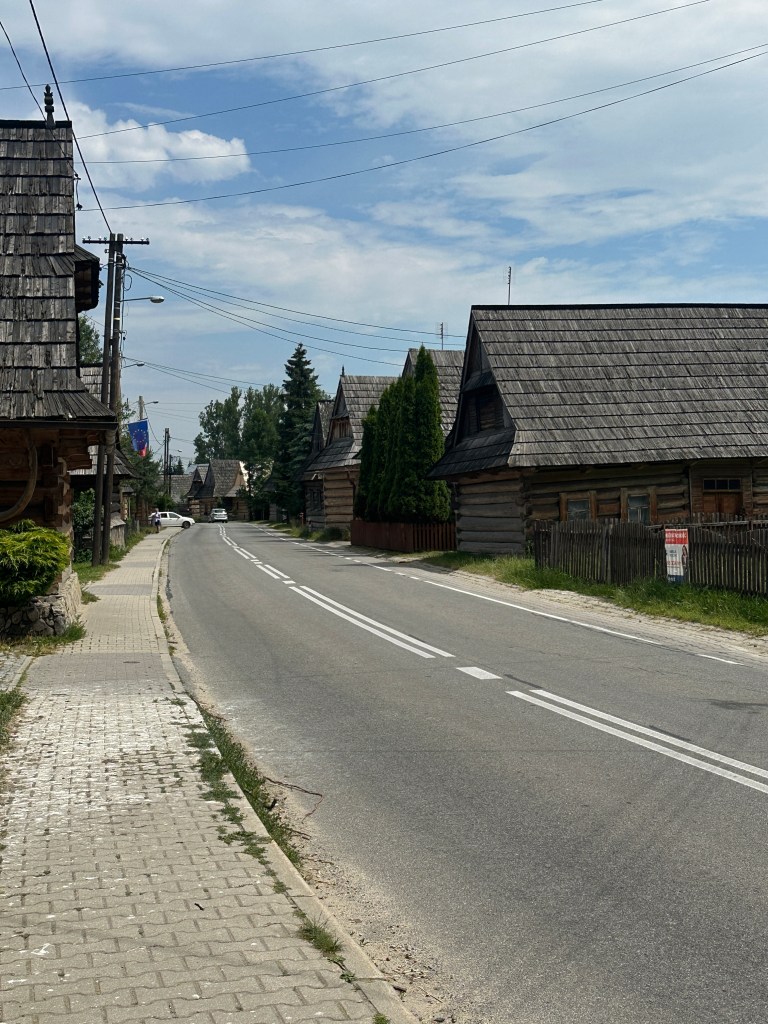
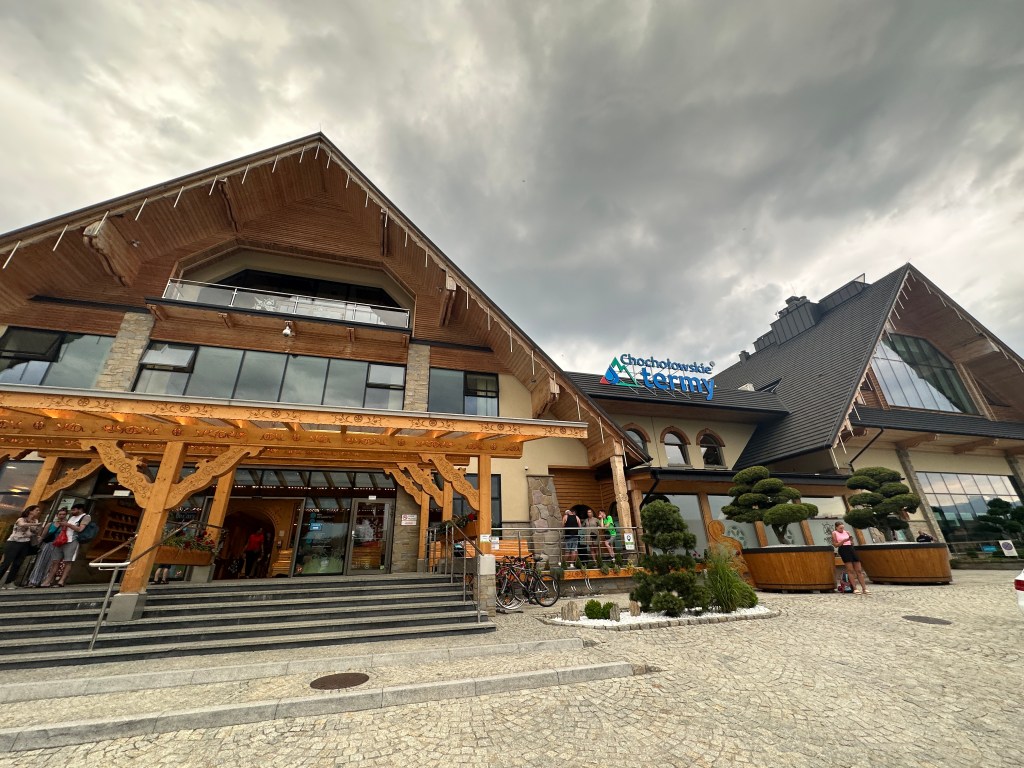
    Our next stop was Zakopane, a charming town nestled in the foothills of the Tatra Mountains. En route, we stopped at Chocholow, a quaint village known for its traditional wooden huts. The huts were a sight to behold, with their intricate carvings and rustic charm.

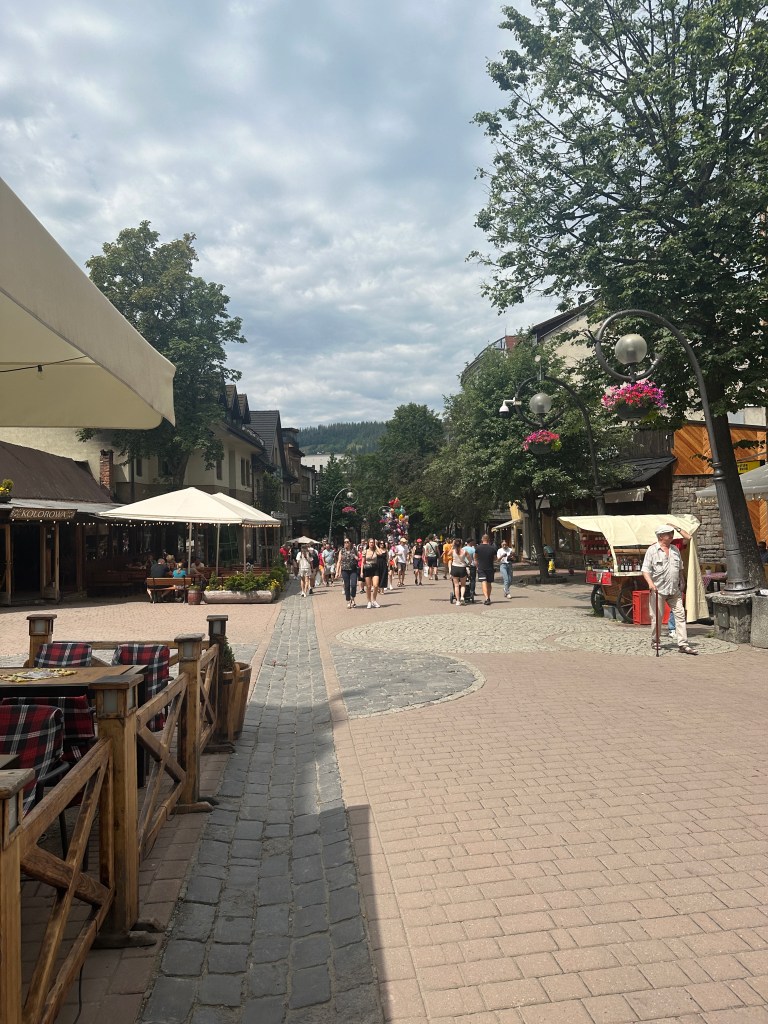
    Zakopane itself was a bustling town, with a vibrant main street filled with shops and eateries. Trying the local cheese with cranberries was a culinary adventure, with the tartness of the cranberries perfectly complementing the creaminess of the cheese.

    For lunch we went to a swiss restaurant on the end of the main street in Zakopane called Mała Szwajcaria. The servers did not speak English and the food was mediocre at best. The raclette with potato nest and the salad was the only dish that we enjoyed. The fondue’s texture was completely off and the bread was stale, the pierogi dumplings were thick and chewy, and the roesti was unseasoned. I’m not happy to say it, but it was not a very satisfactory meal.

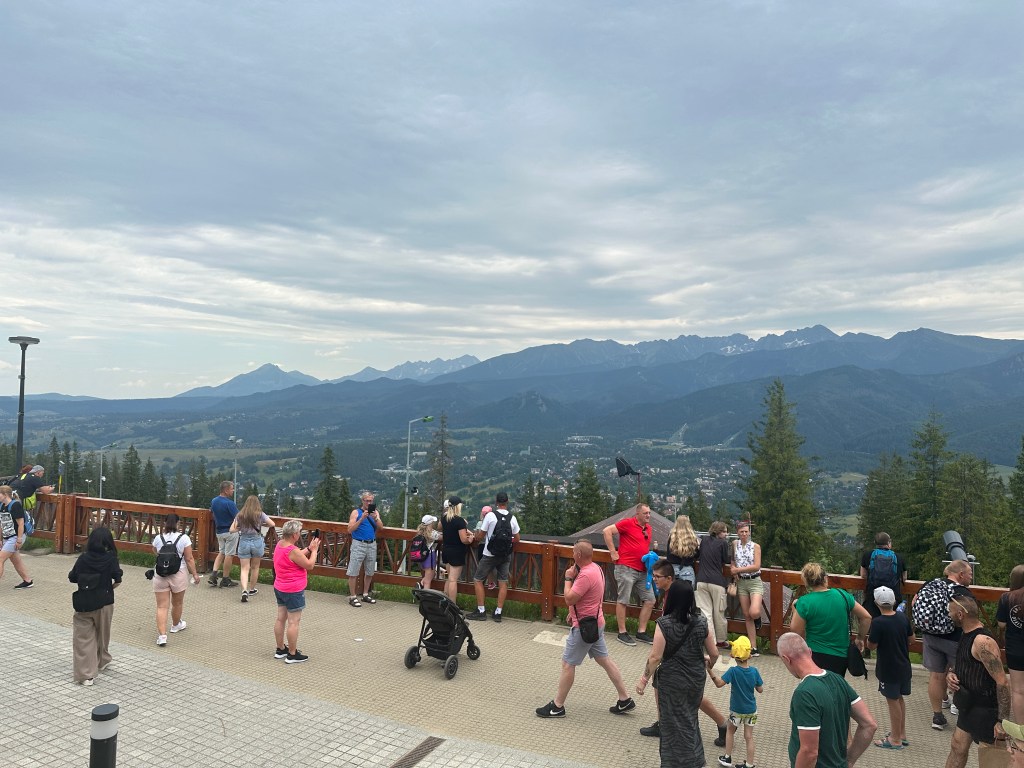
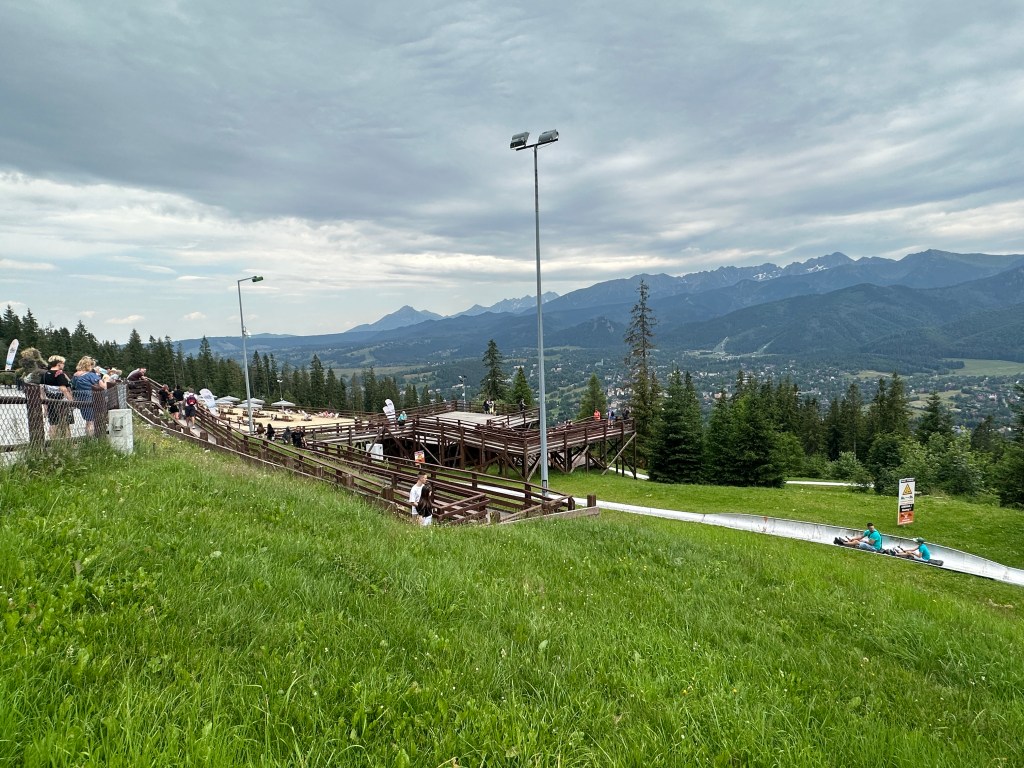
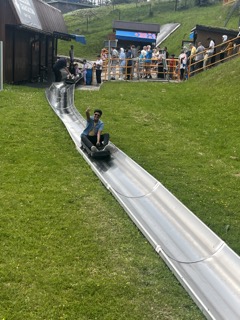
    Next, we took a funicular ride to the top of Gubalowka Hill. The view from the top was breathtaking, with panoramic views of the Tatra Mountains. One could easily spend a couple of hours at the top, enjoying the view, the food, and the gravity slide, a thrilling ride down the hill.

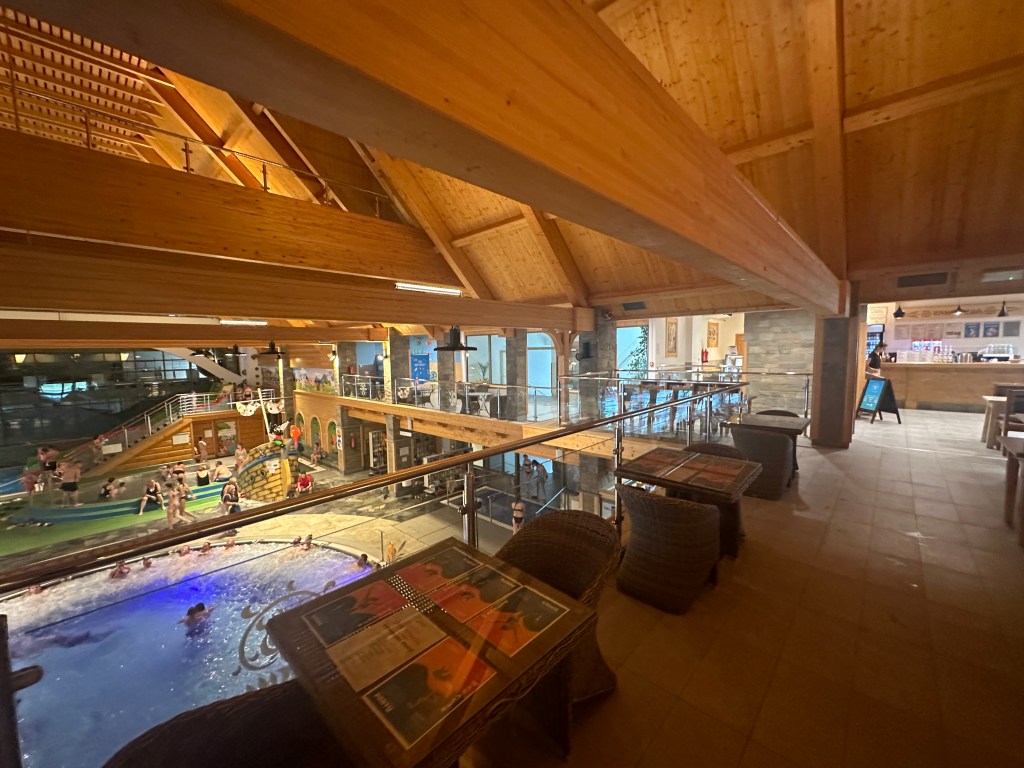
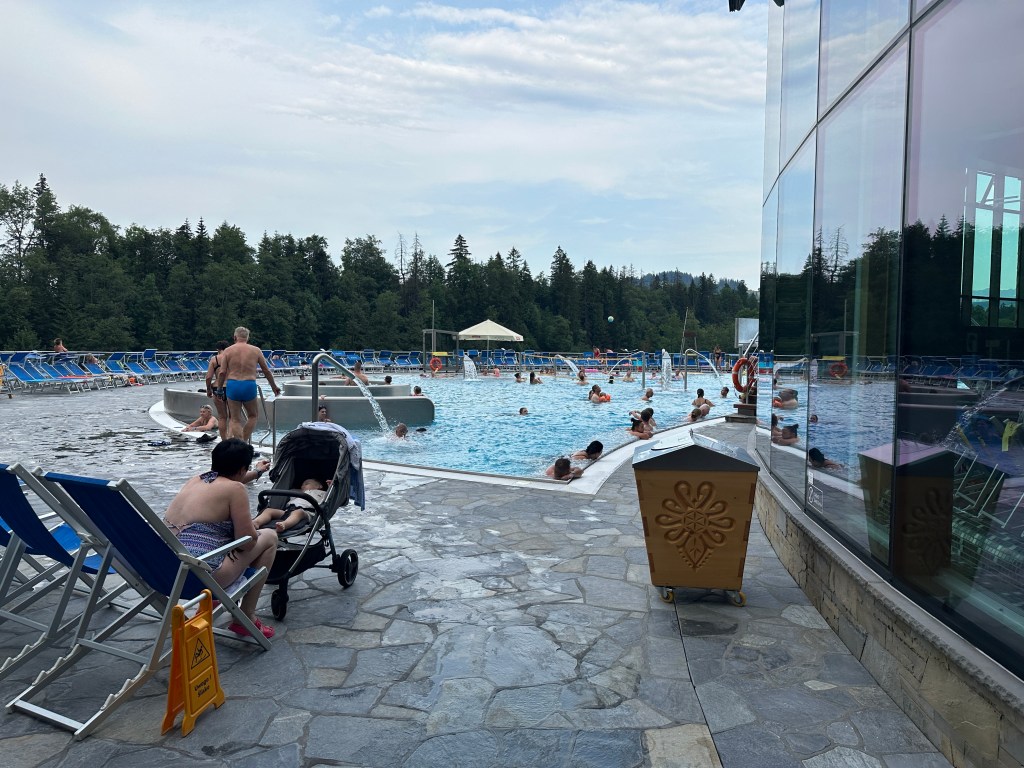
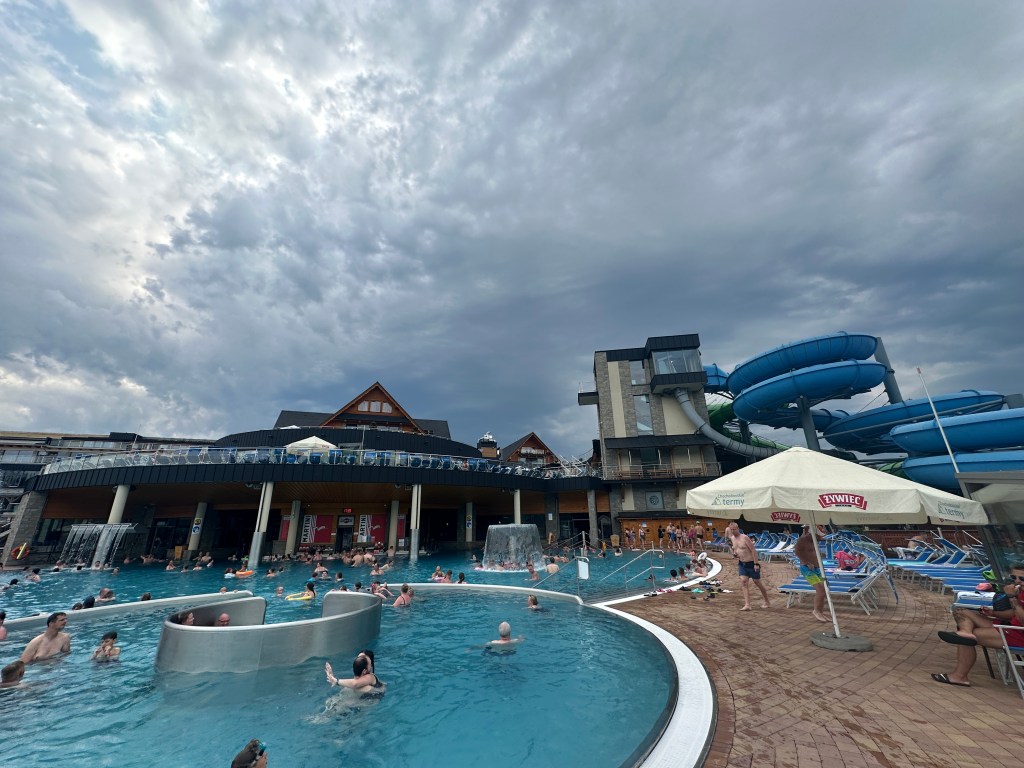
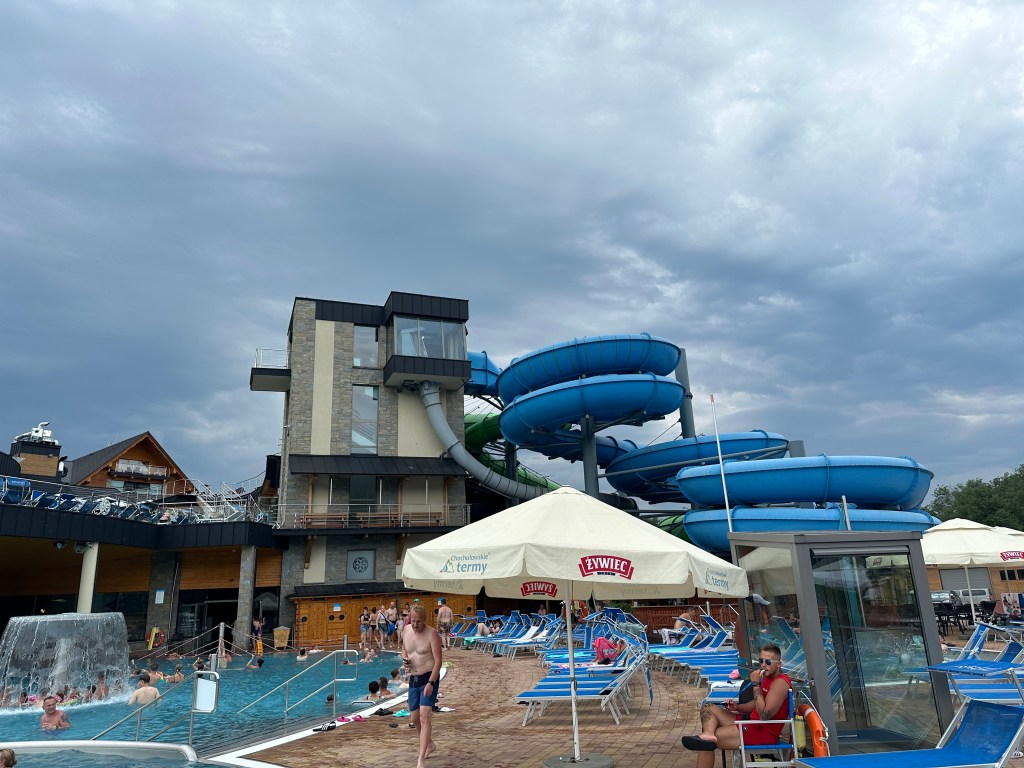
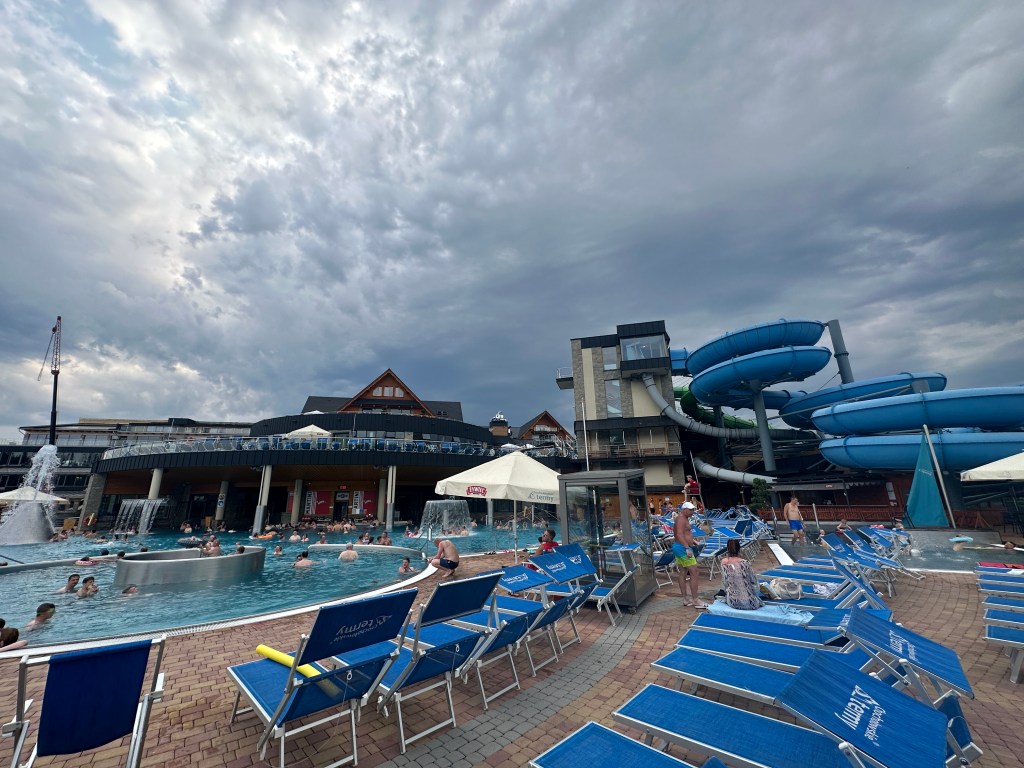
    The thermal spas in Chocholow were a world in themselves. Spread across three floors, each level was a new realm of relaxation. The salt rooms offered a unique detoxifying experience, while the saunas helped us unwind and let go of all our stress. The variety of jacuzzis, each set at a different temperature, allowed us to find our perfect comfort zone. The artificial beach added a touch of whimsy to the experience. Along with these there are aroma rooms, water slides, pool bars, pool activities and much much more. It is impossible to explore the whole area in 3 hours. The spa was more than just a place to relax; it was a place to rejuvenate our mind, body, and soul. Undoubtedly, the highlight of the day.

    The next morning, we hopped on our Lime scooters and headed to Veganic for a healthy breakfast. The smoothies, juices, and coffees were refreshing, but the food was the real star. The smoked tofu scramble on sourdough and ful medames with chili oil and pita bread were outstanding.

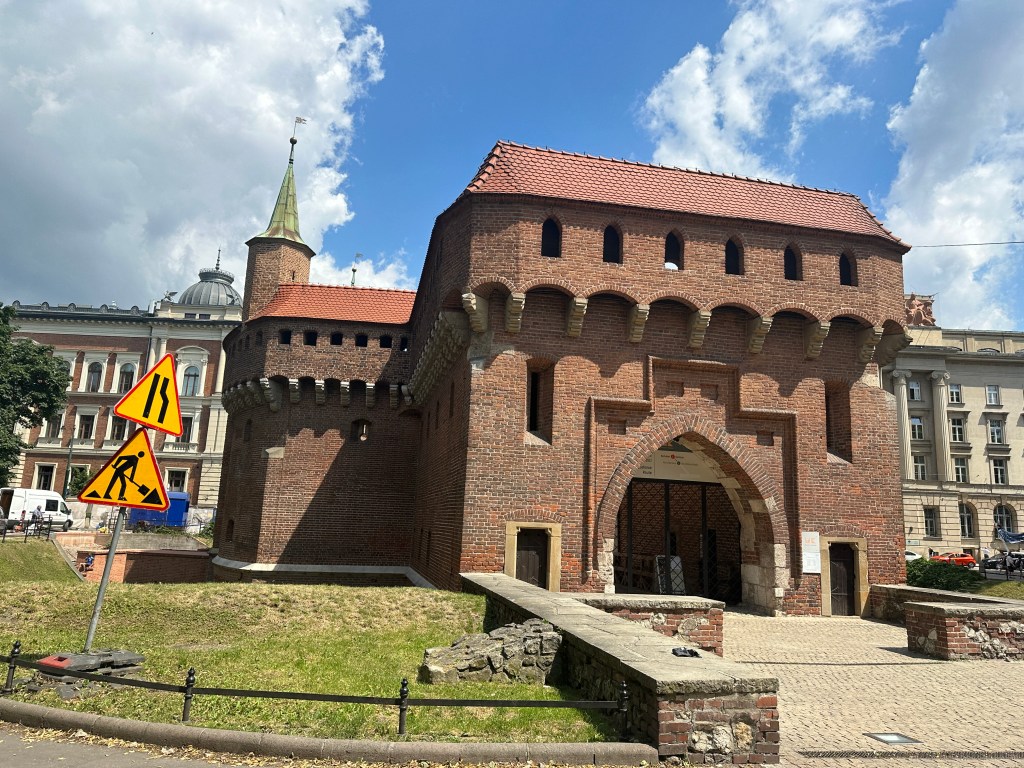
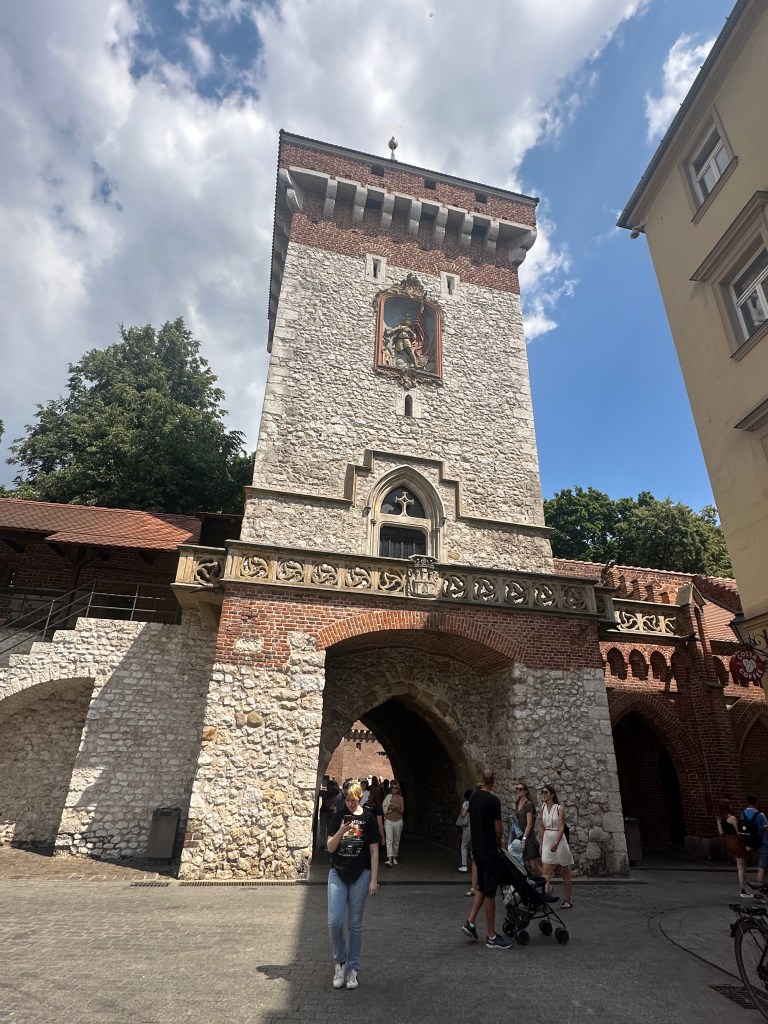
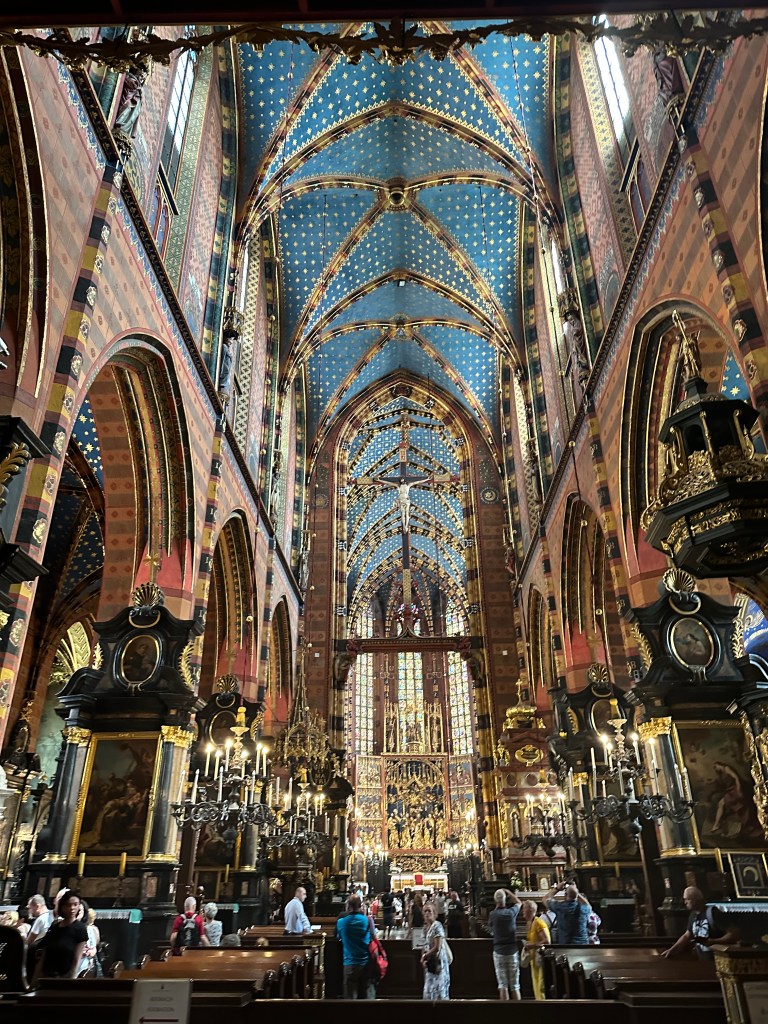
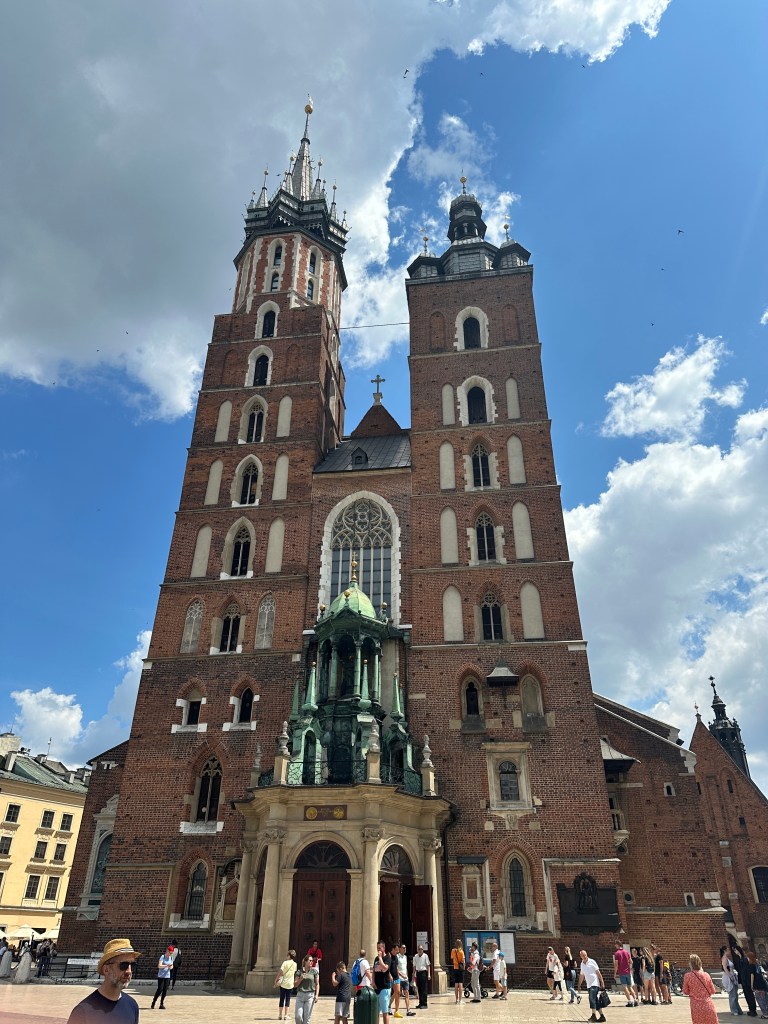
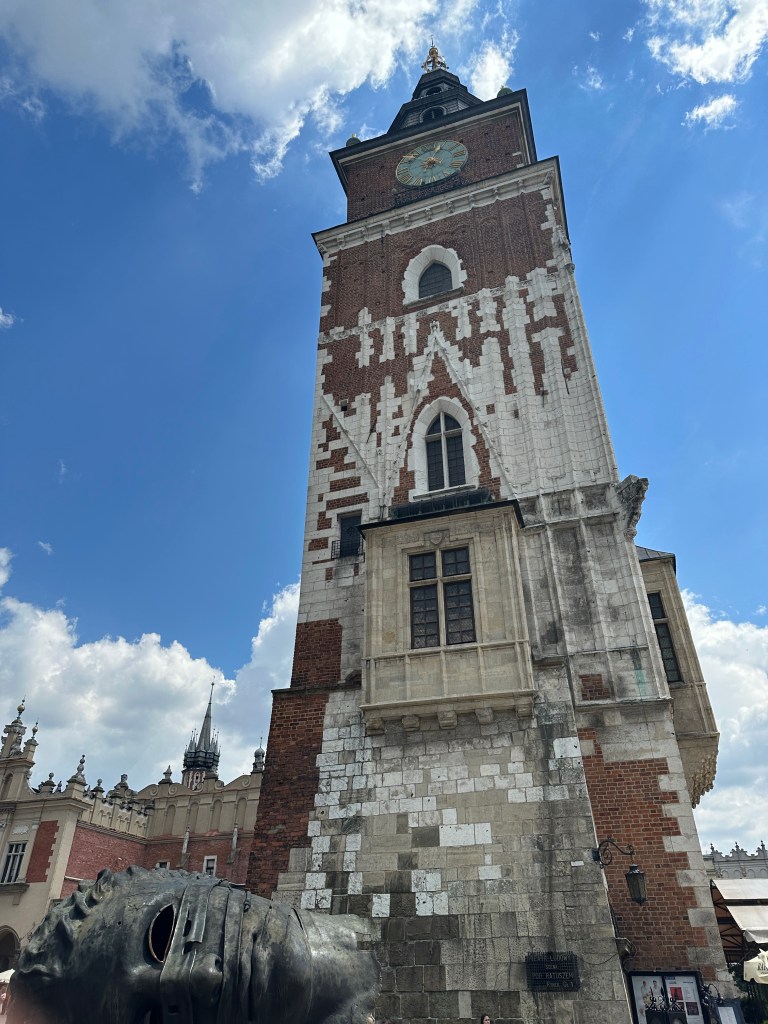
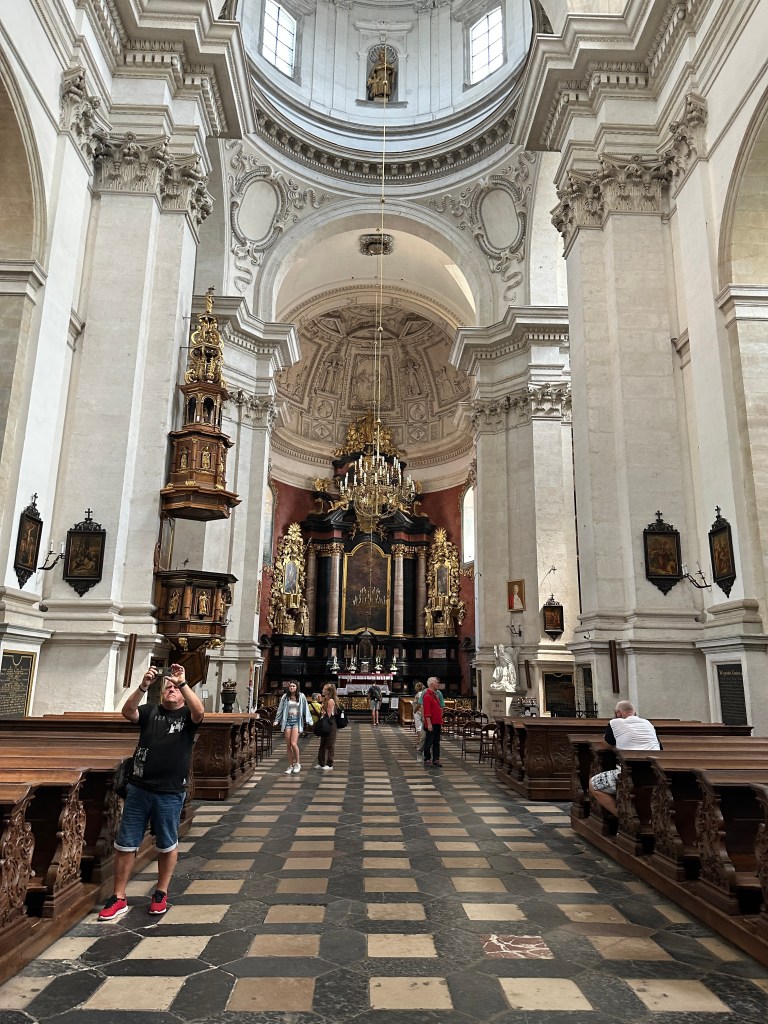
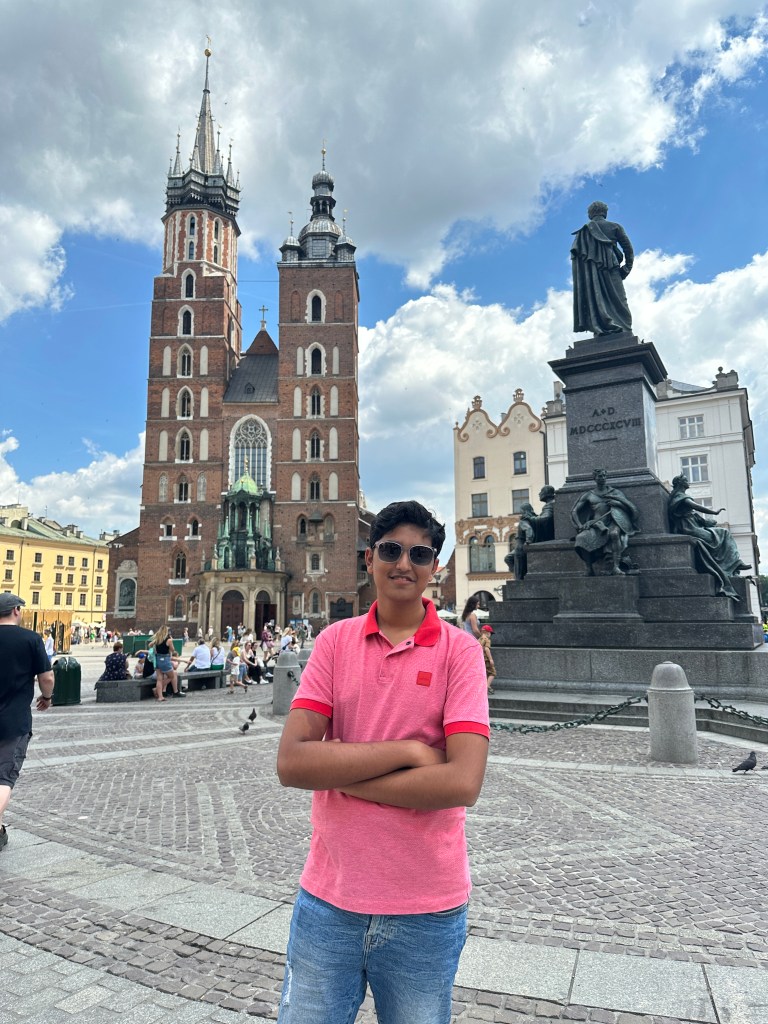
    At 11:30, I downloaded an app called Krakow Tours and embarked on a self-guided tour of the city’s main sights. The Barbican, a fortified outpost once connected to the city walls, is a testament to Krakow’s medieval past. Its circular structure and numerous watchtowers offered a fascinating glimpse into the city’s history. St. Florian’s Gates, the only remaining part of the old city walls, was a majestic sight. The gate, adorned with a baroque roof and a statue of St. Florian, was a symbol of the city’s resilience. The sight of St. Mary’s Basilica, with its two uneven towers and stunning facade, was breathtaking. The interior was even more impressive, with its ornate altarpiece and beautiful stained glass windows.

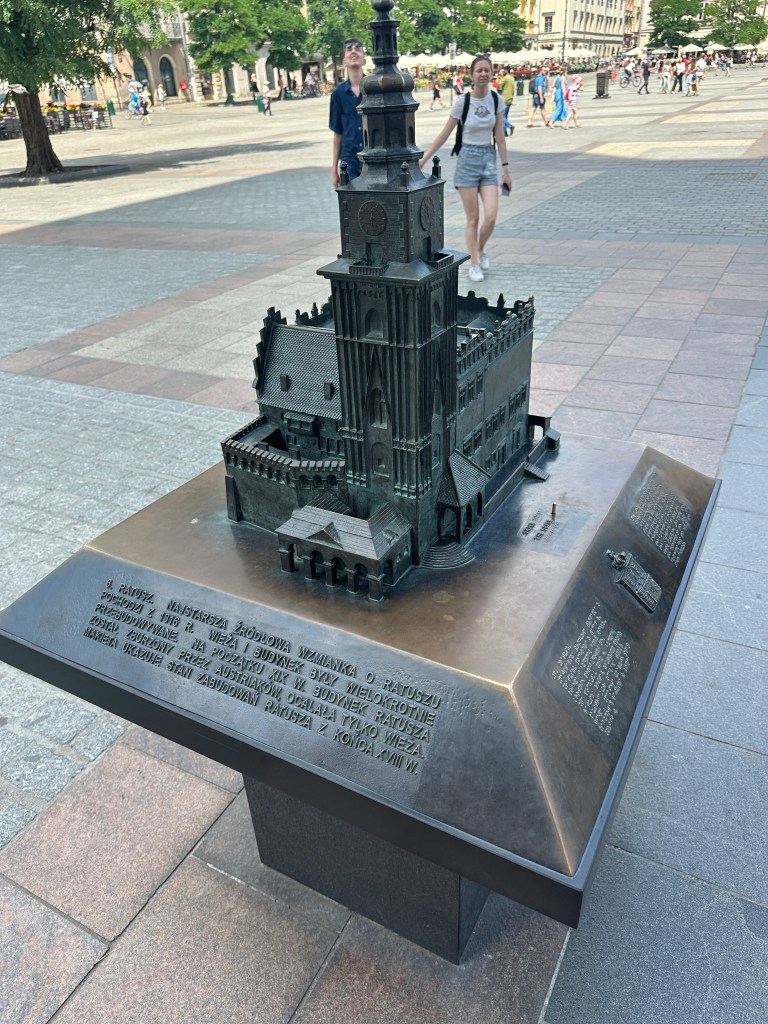
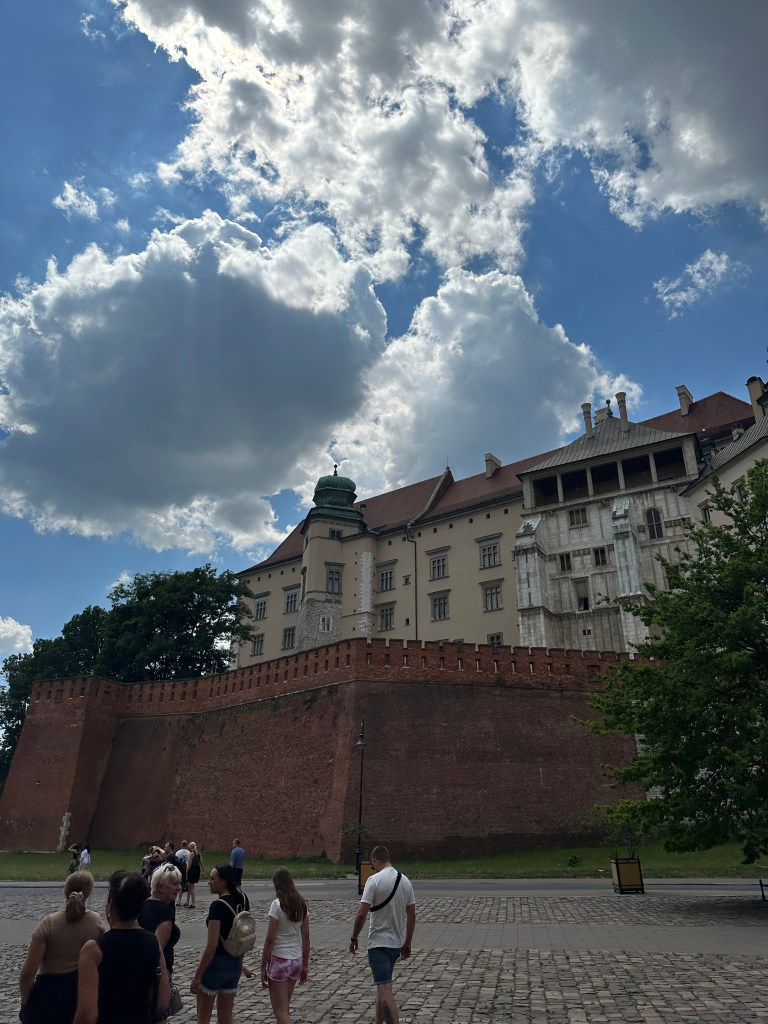
    The Cloth Hall, located in the center of the main square, was a hub of activity. The hall, once a major center of international trade, is now home to numerous stalls selling souvenirs and local crafts. I bought over there a lava stone bracelet and also a souvenir. The Church of St. Adalbert’s and the Jesuit Church stood in all their glory as well. The Wawel Cathedral, located on Wawel Hill, was a symbol of the nation’s identity.

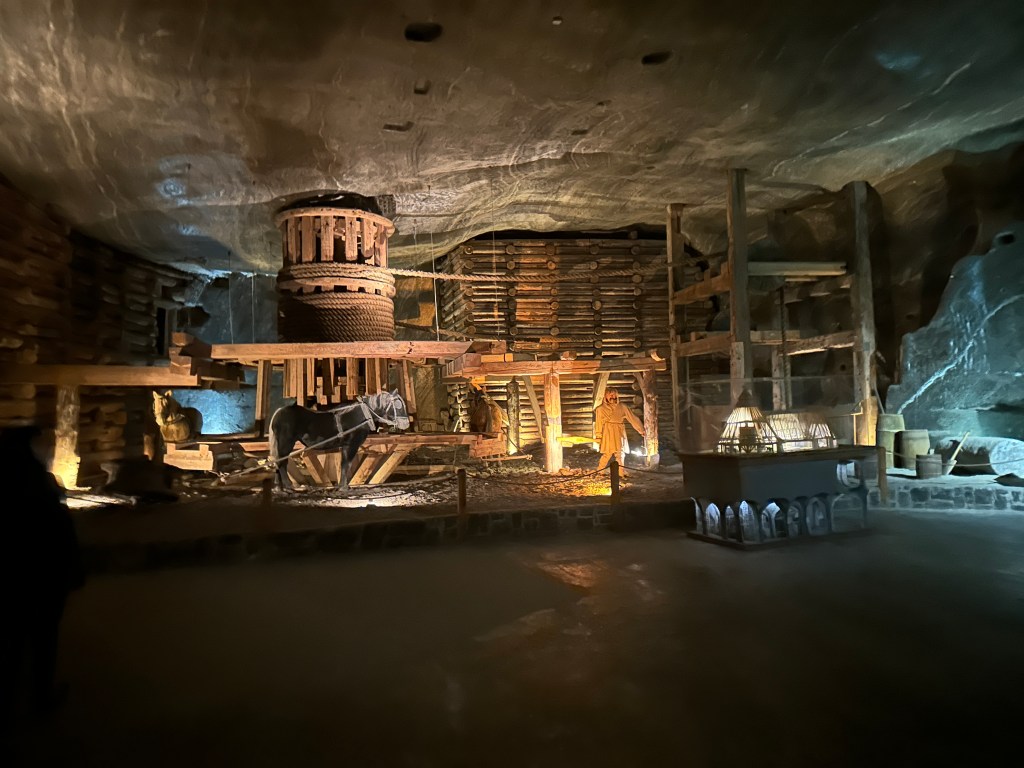
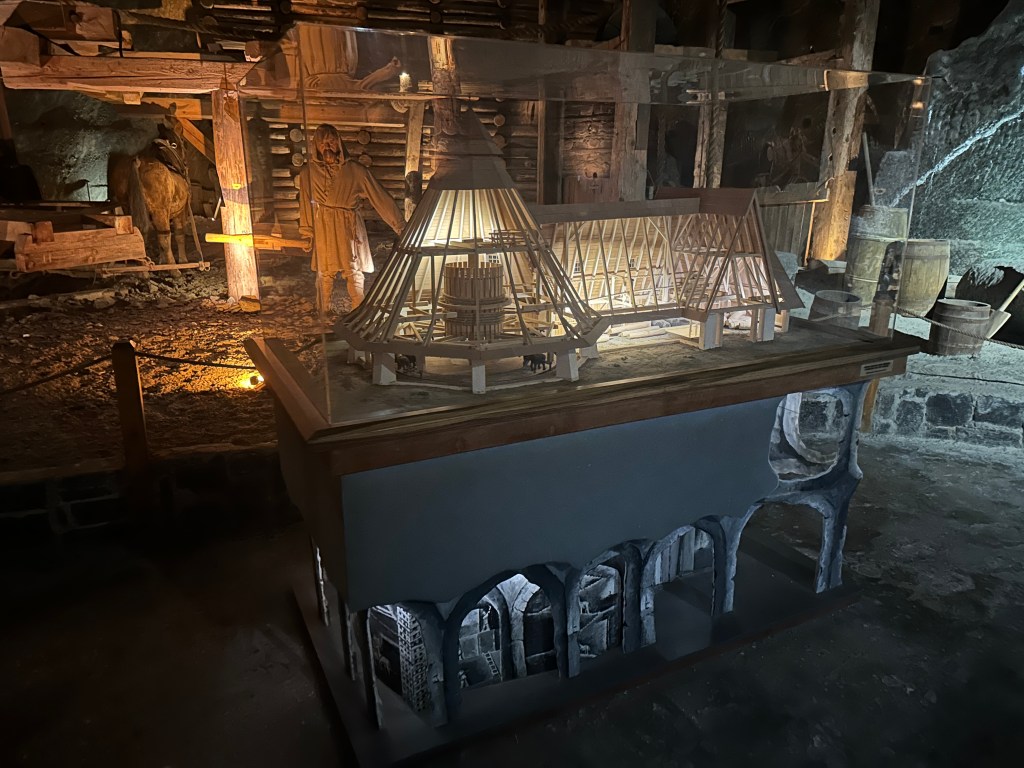
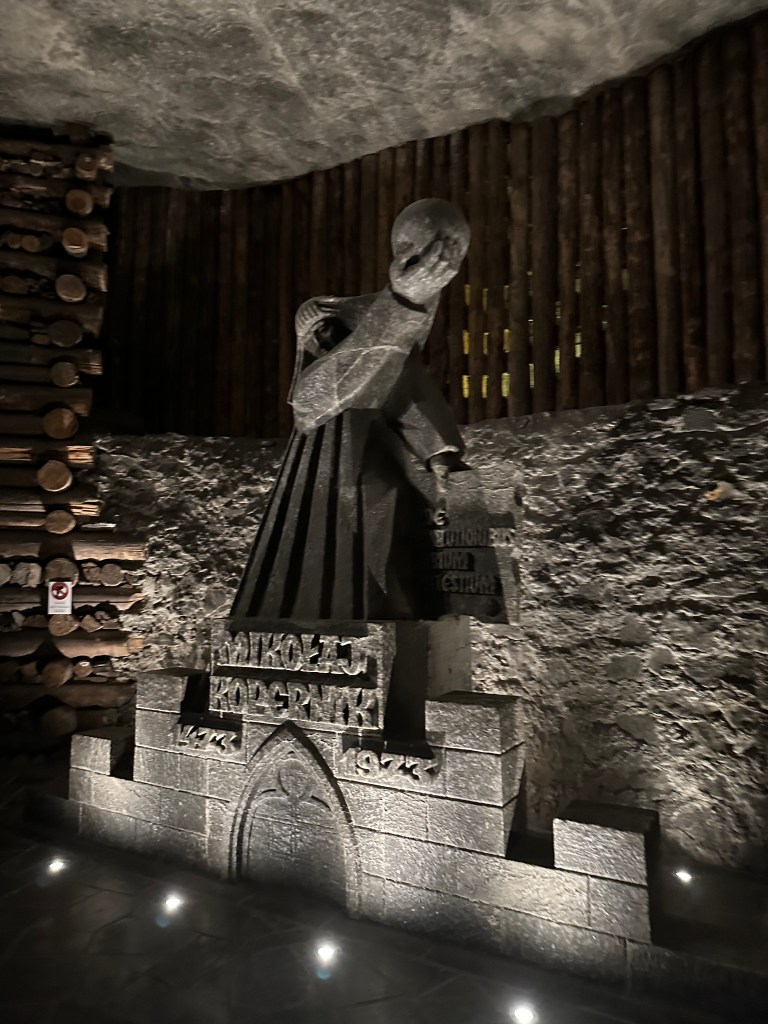
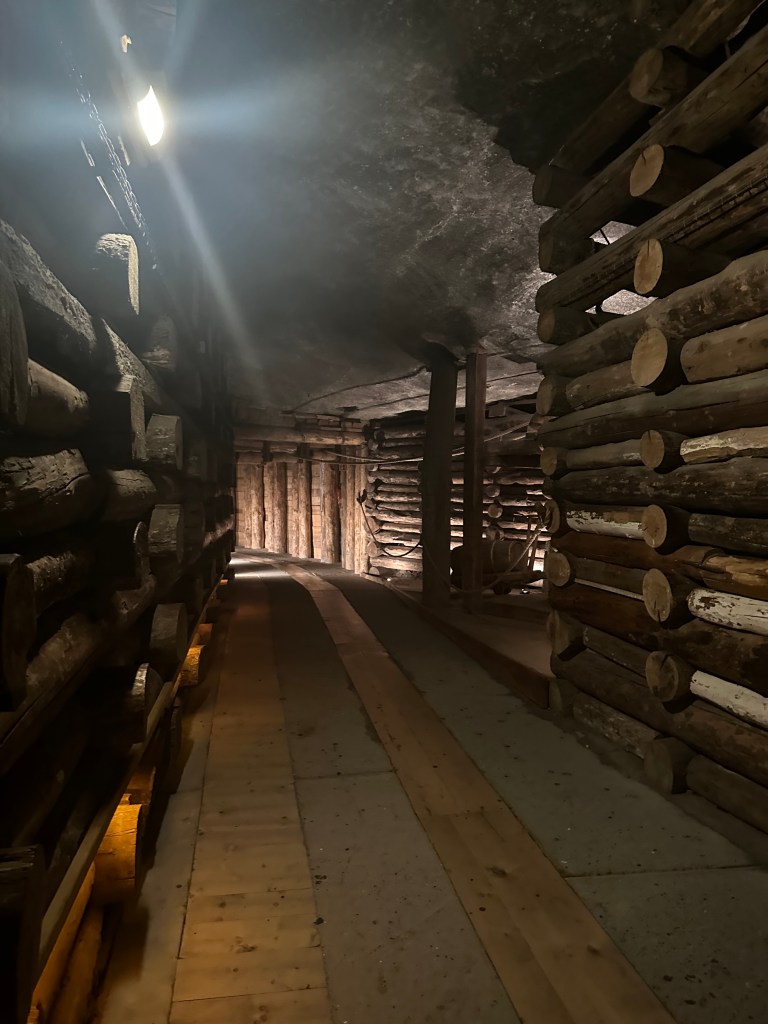
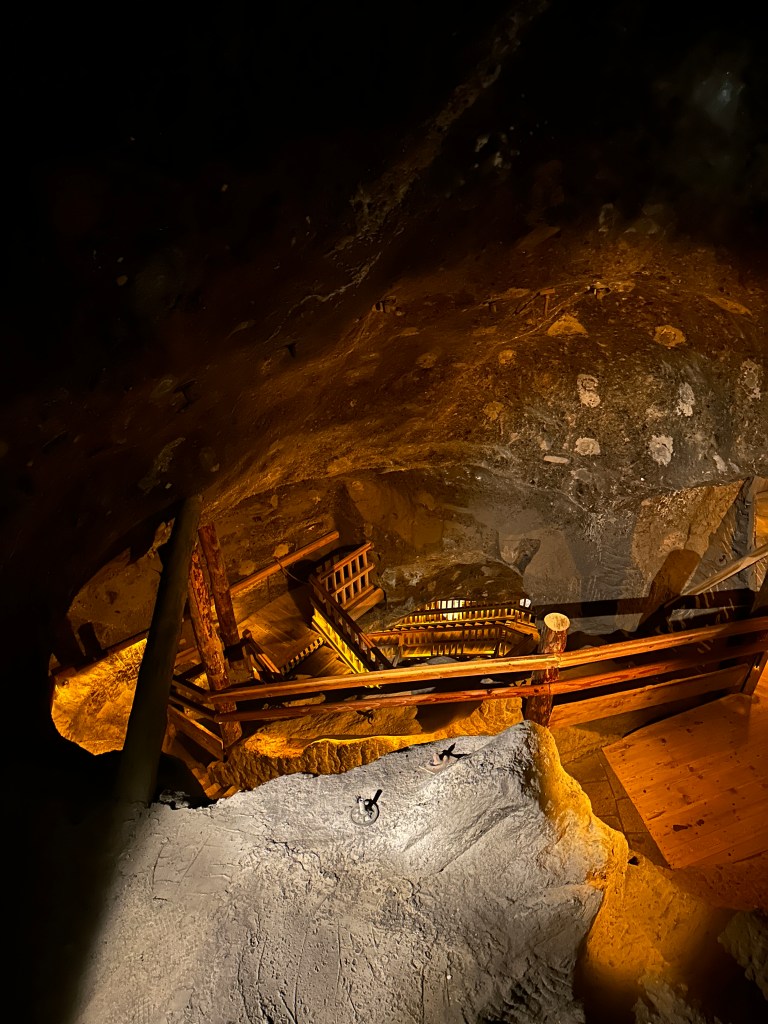
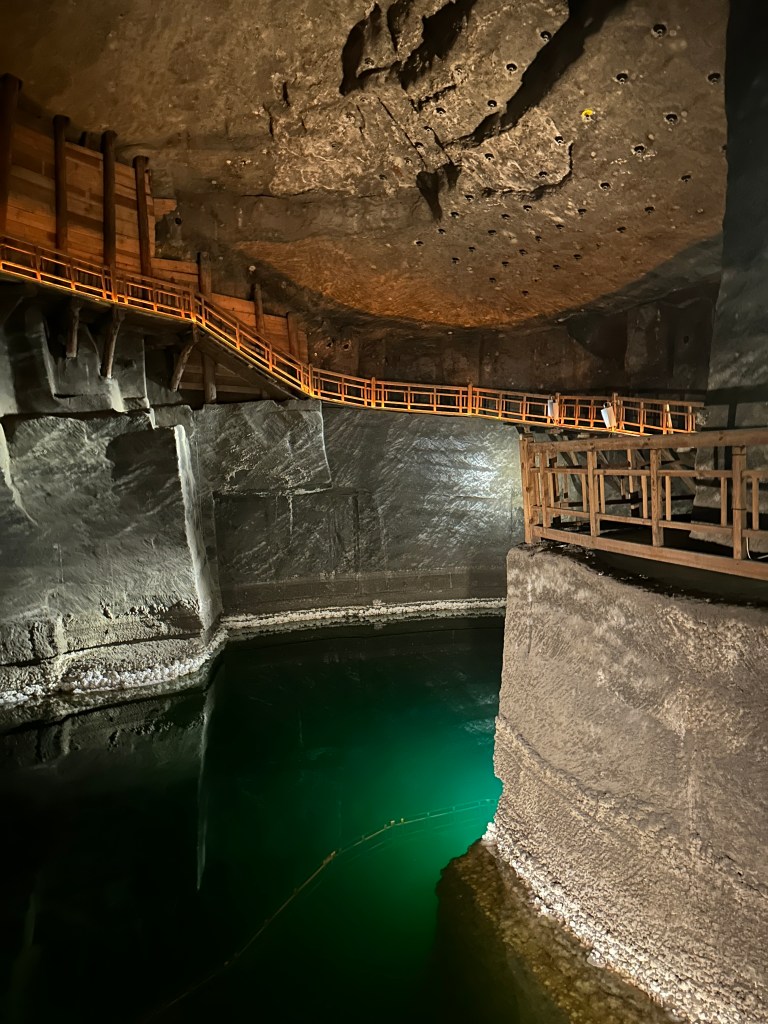
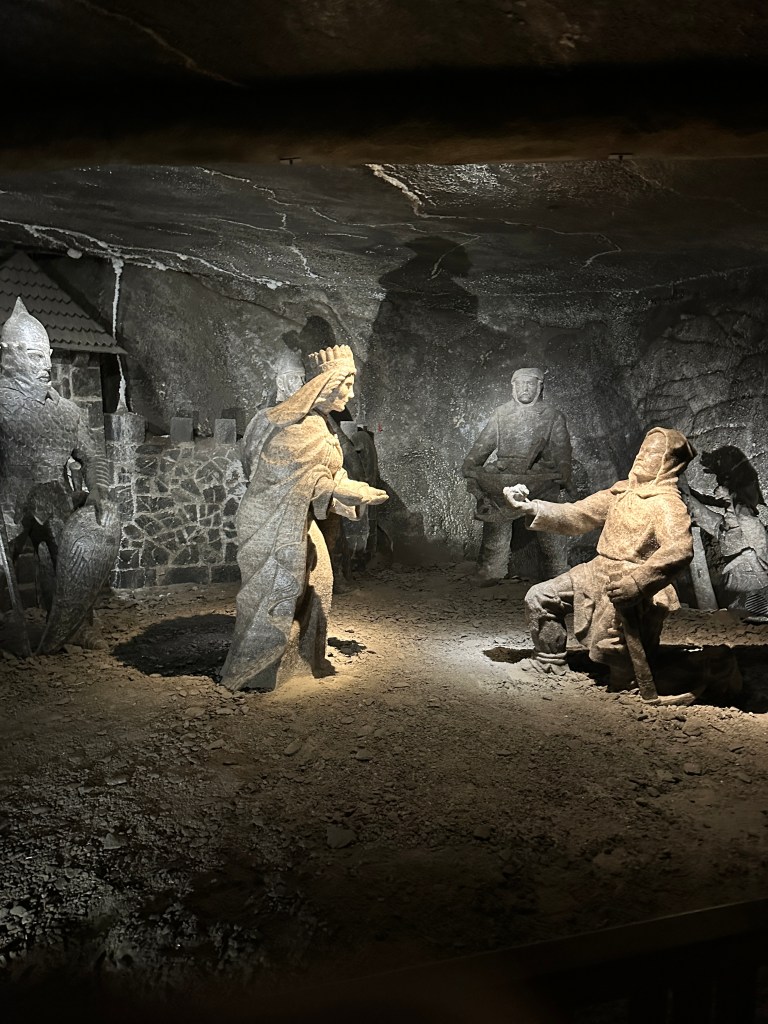
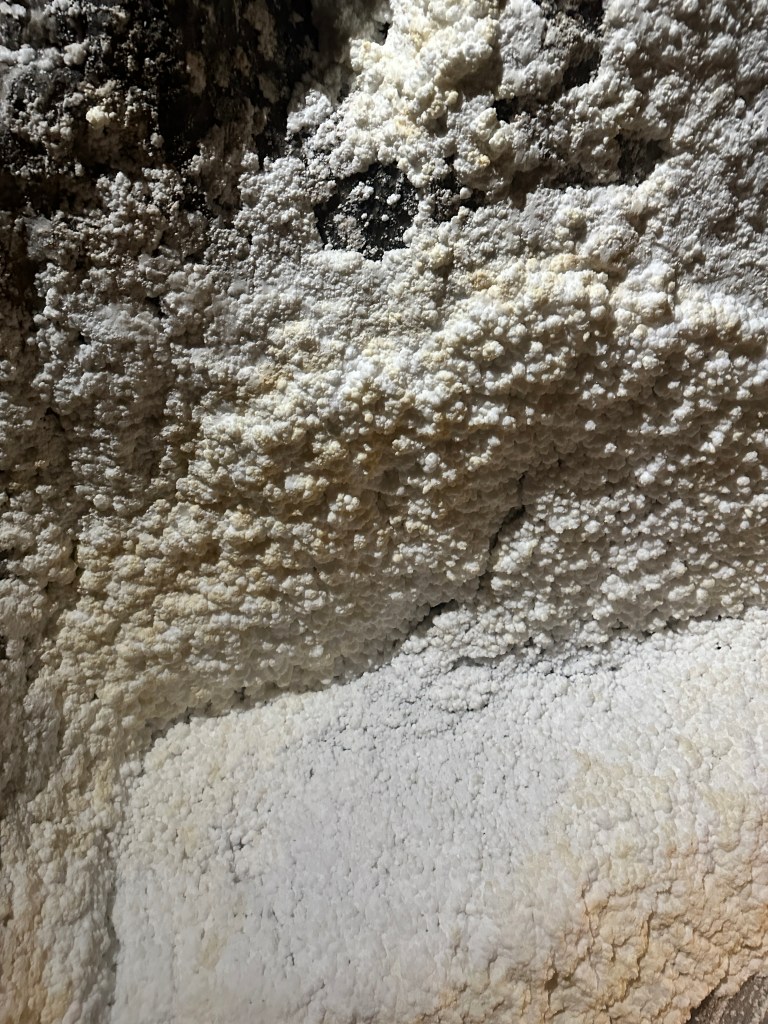
    The Wieliczka Salt Mine, Excavated from the 13th century, produced table salt continuously until 2007, making it one of the world’s oldest operating salt mines. The mine reaches a depth of 327 meters and extends via horizontal passages and chambers for over 287 kilometers. The mine is now an official Polish Historic Monument and a UNESCO World Heritage Site.

    One of the most enchanting aspects of the mine is the legend about Princess Kinga, who is said to have thrown her engagement ring into one of the mine shafts in Hungary before leaving for Poland. On arriving in Kraków, she asked the miners to dig a deep pit until they come upon a rock. The people found a lump of salt in there and when they split it in two, discovered the princess’s ring. Kinga had thus become the patron saint of salt miners in and around the Polish capital. This is illustrated by the video attached below.

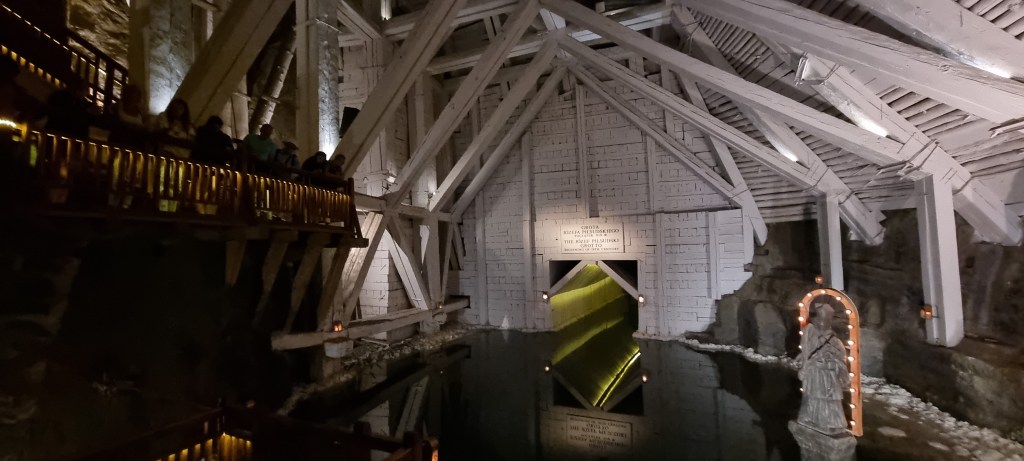
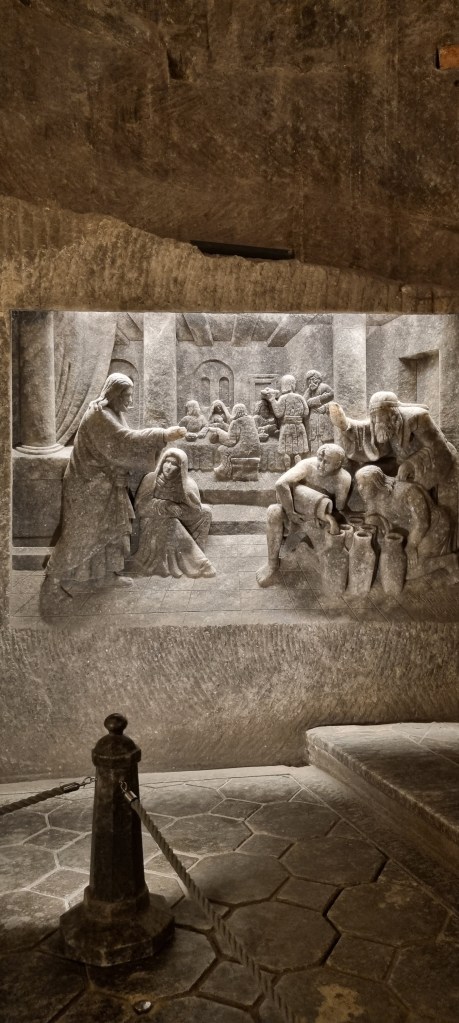
    Visiting the Wieliczka Salt Mine was an unforgettable experience. The intricate carvings, the vast underground chambers, the sense of history and human endeavor, all combined to create an atmosphere of awe and wonder. The mine’s unique microclimate, rich in minerals and with a constant temperature of around 15-16 degrees Celsius, added to the sense of being in a different world, deep beneath the surface of the earth.

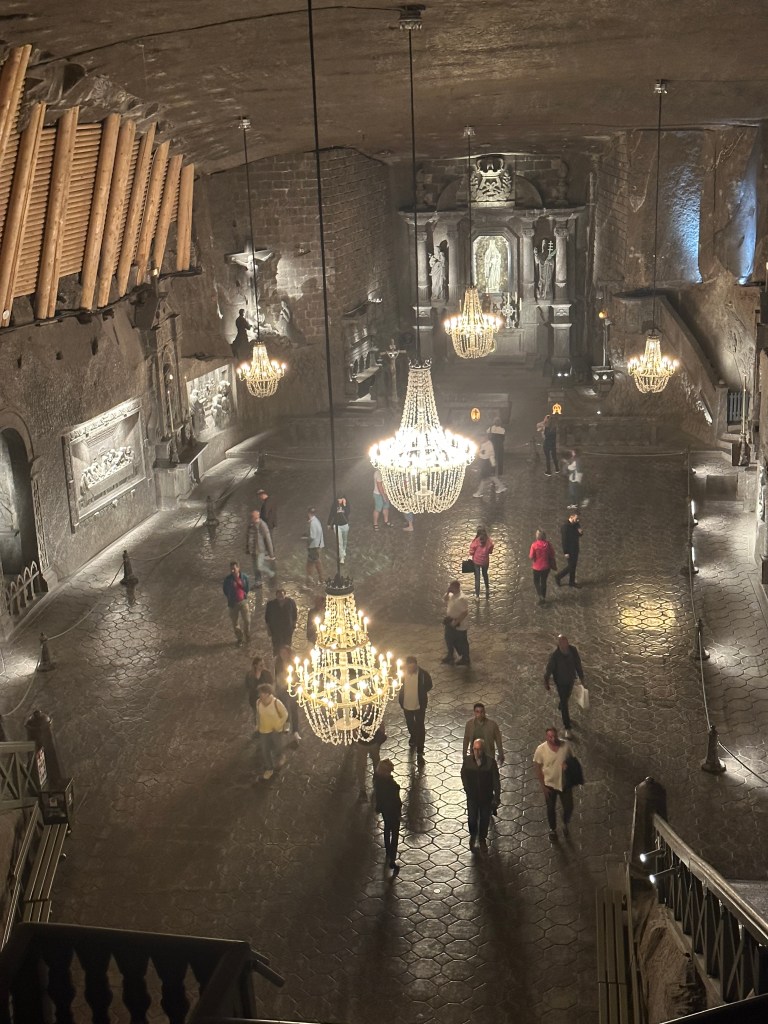
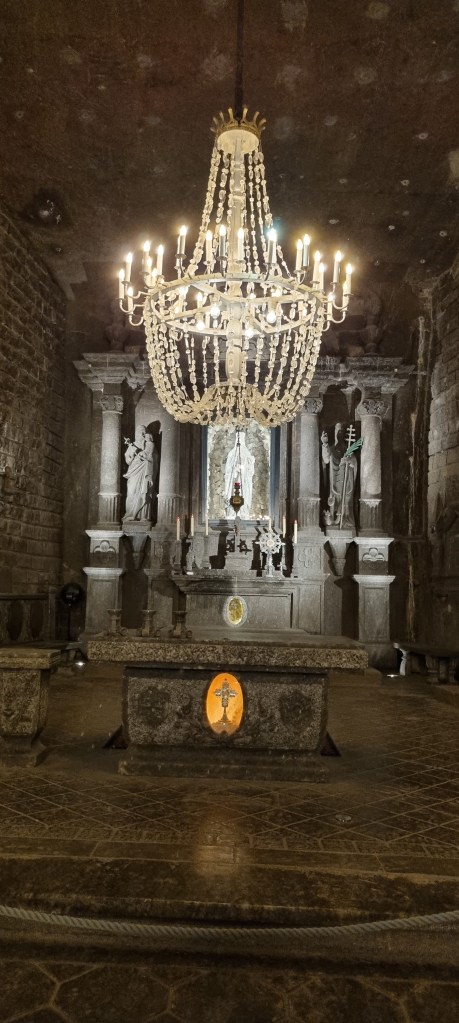
    The guided tour of the mine was both informative and entertaining. The guide’s stories brought the history of the mine to life, and the various displays of salt-mining technology provided a fascinating insight into the challenges and ingenuity of the miners. The highlight of the tour was undoubtedly the visit to the underground chapel, with its stunning salt carvings and chandeliers. The sense of peace and tranquility in the chapel, deep beneath the earth’s surface, was truly remarkable. It is a place where history, culture, and natural beauty come together to create an experience that is both educational and deeply moving. It is a must-visit for anyone traveling to Poland.

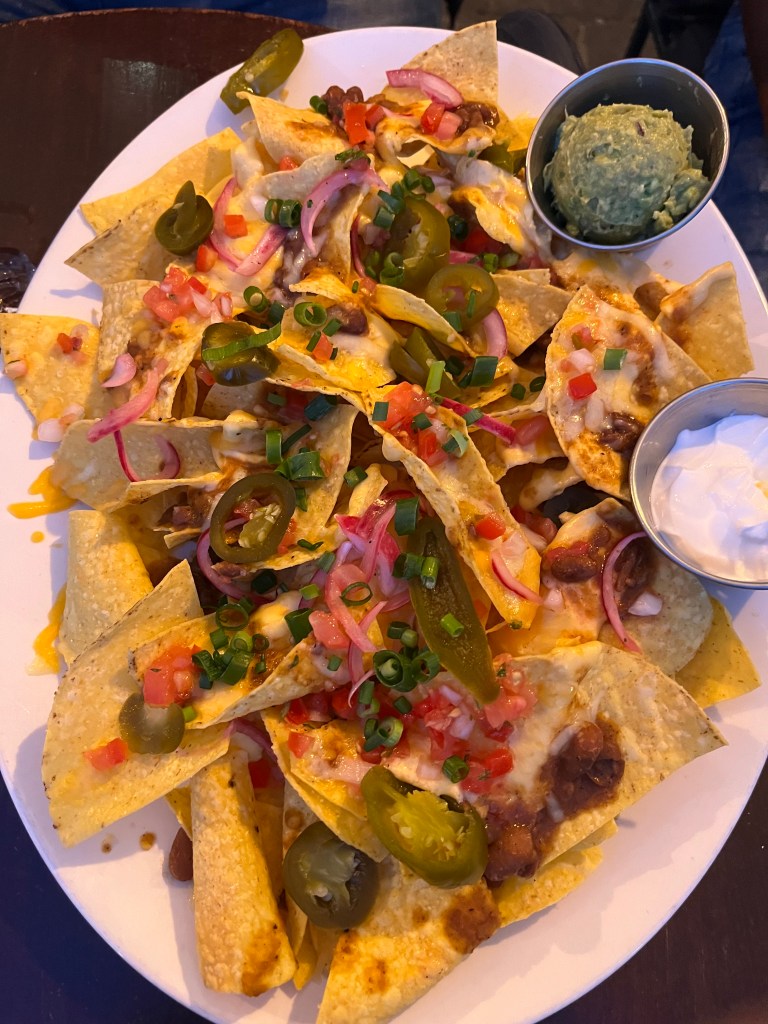
    For dinner, we went to the Hard Rock Cafe. Before dinner, we did some shopping at Zara, where the stock was impressive. At Hard Rock, we indulged in their signature cocktails, nachos, and mac and cheese. The baked apple crumble was the perfect end to our meal and our time in Krakow.

    The next morning, we embarked on a journey that would prove to be one of the most poignant and heart-wrenching experiences of our lives. We had an early start, leaving at 7:30 am for a tour of Auschwitz and Birkenau, scheduled to begin at 9 am.

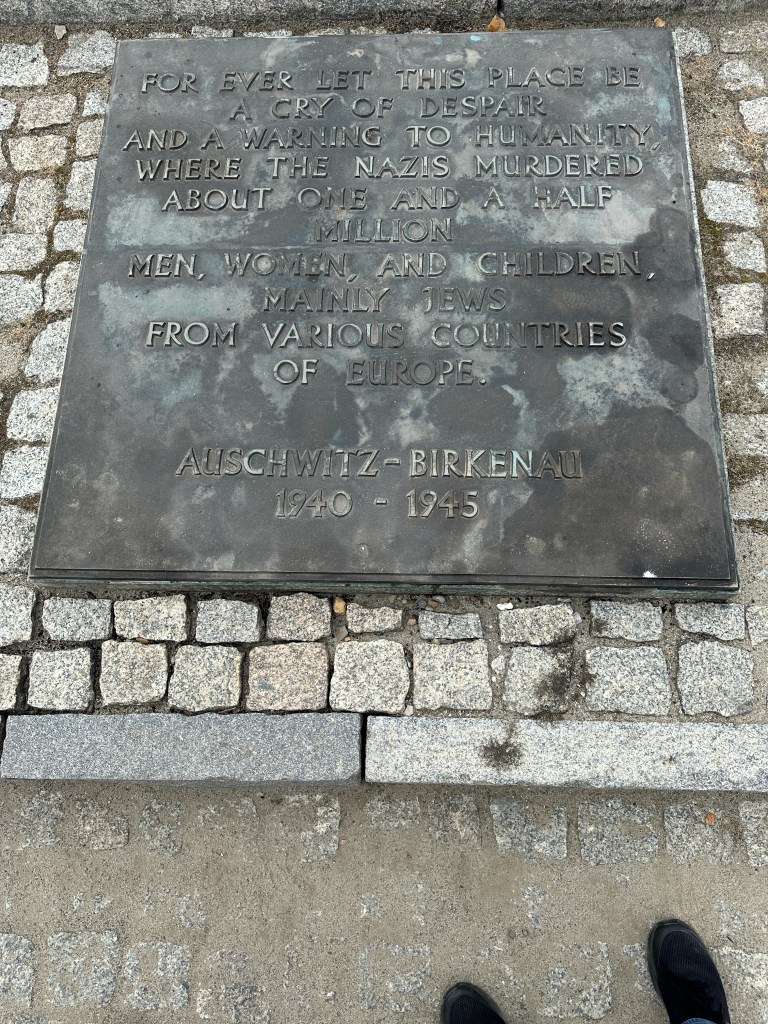
    Auschwitz-Birkenau, the largest Nazi concentration and extermination camp, is a chilling reminder of the horrifying crimes committed during the Holocaust. It’s a place that leaves an indelible mark on your soul, a stark testament to the depths of human cruelty and the resilience of the human spirit.

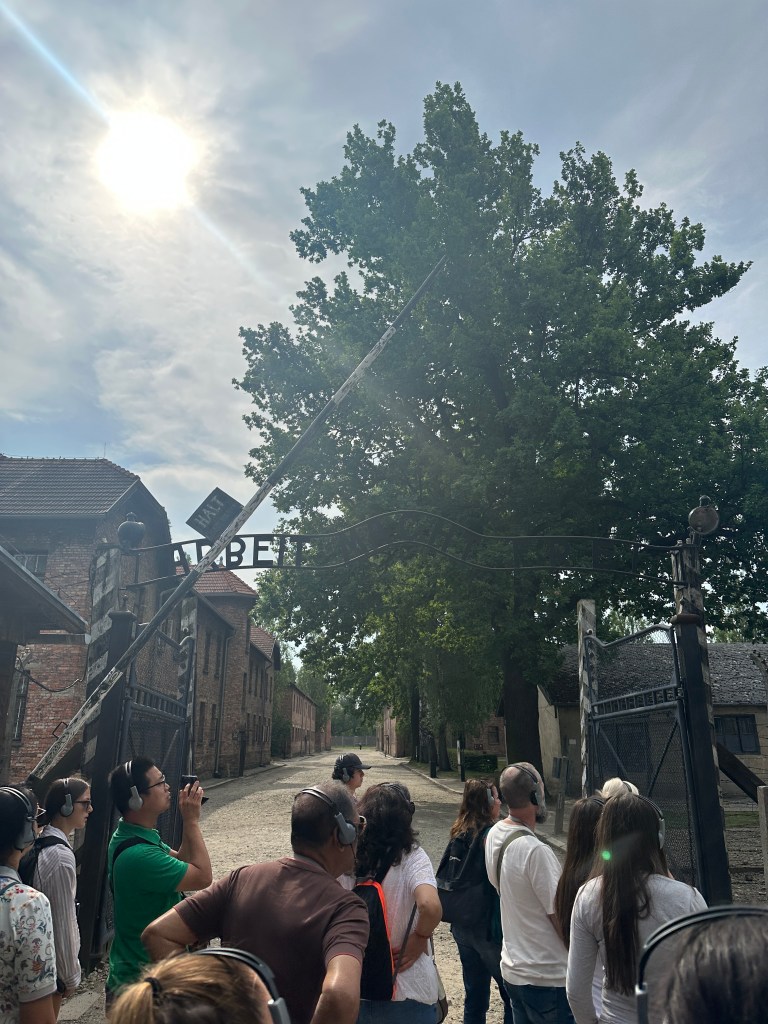
    Our tour began at Auschwitz I, the original camp. Walking through the gates bearing the cruelly ironic sign, ‘Arbeit Macht Frei’ (‘Work Sets You Free’), we were immediately confronted with the grim reality of the atrocities committed here.

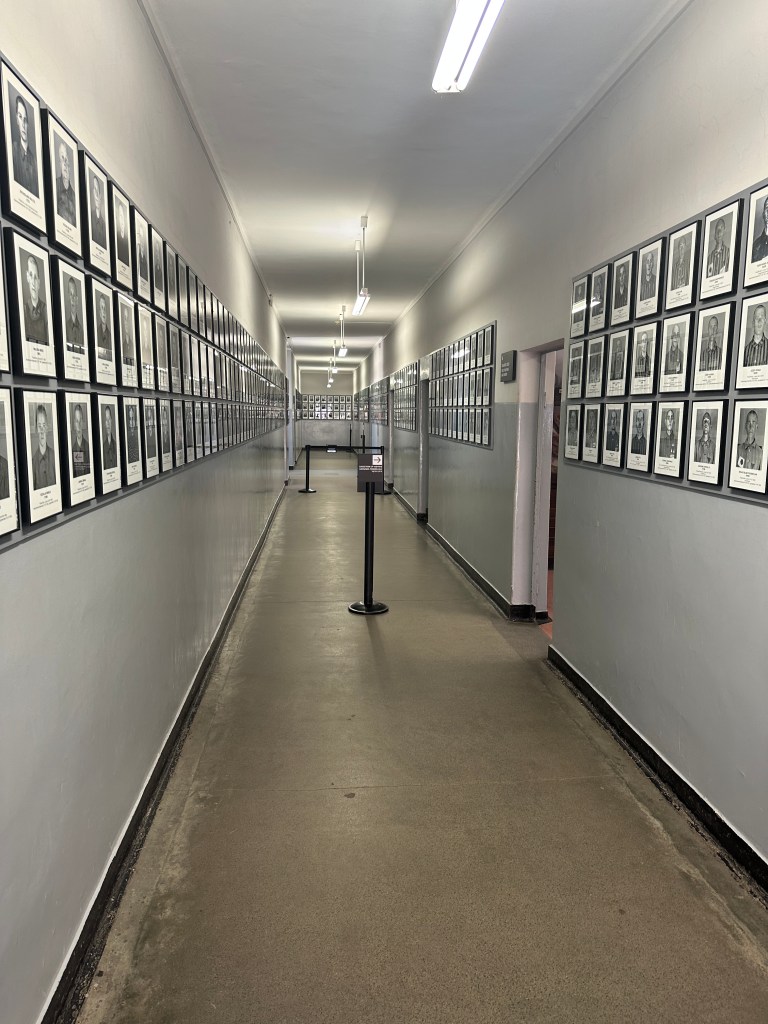
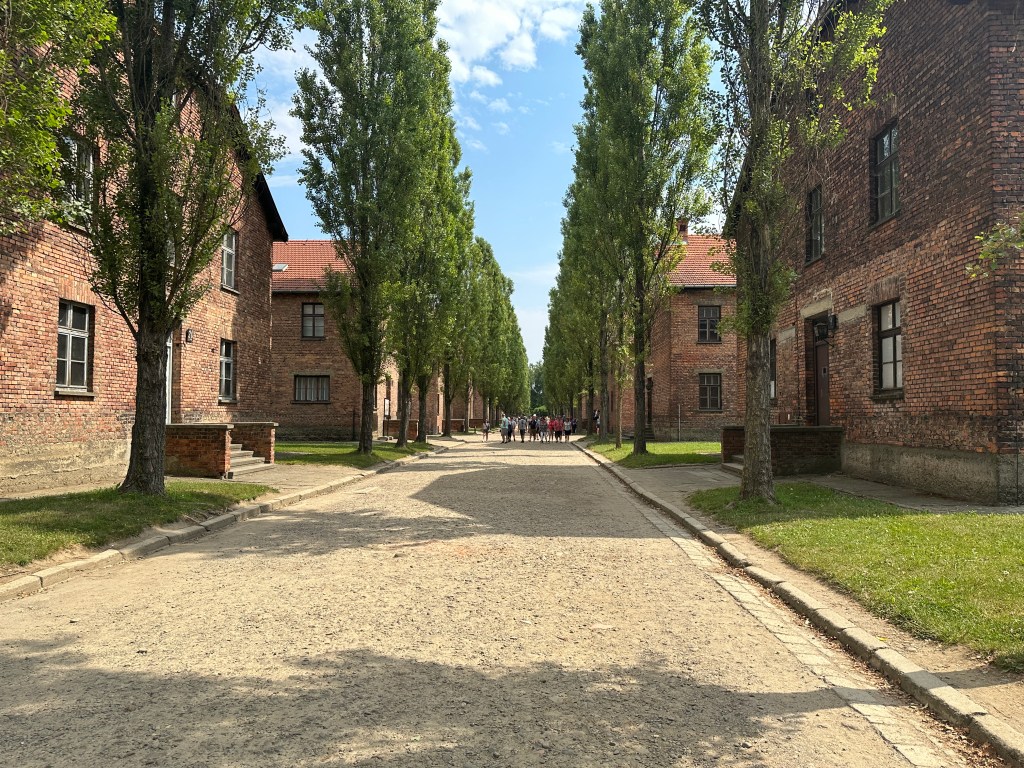
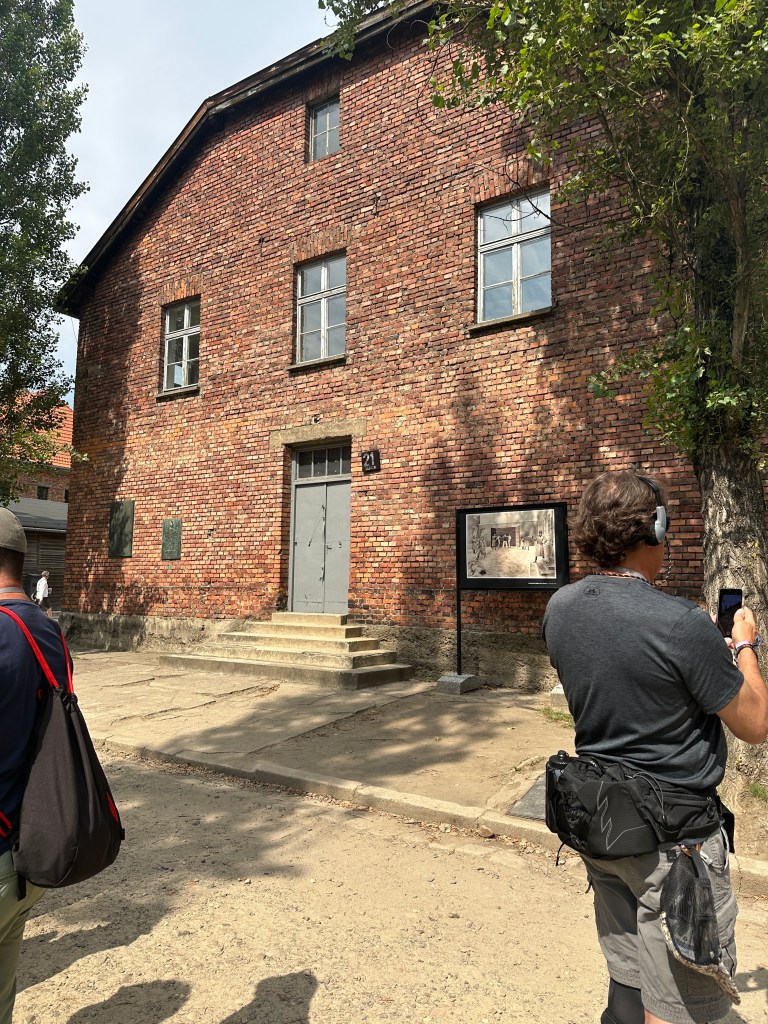
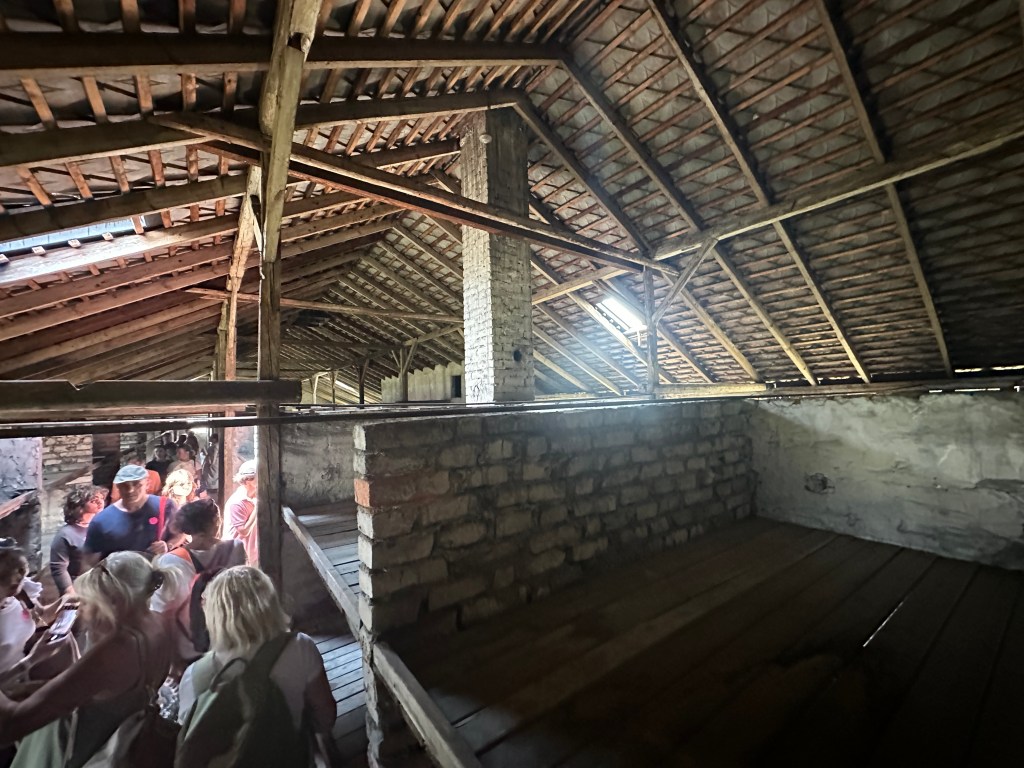
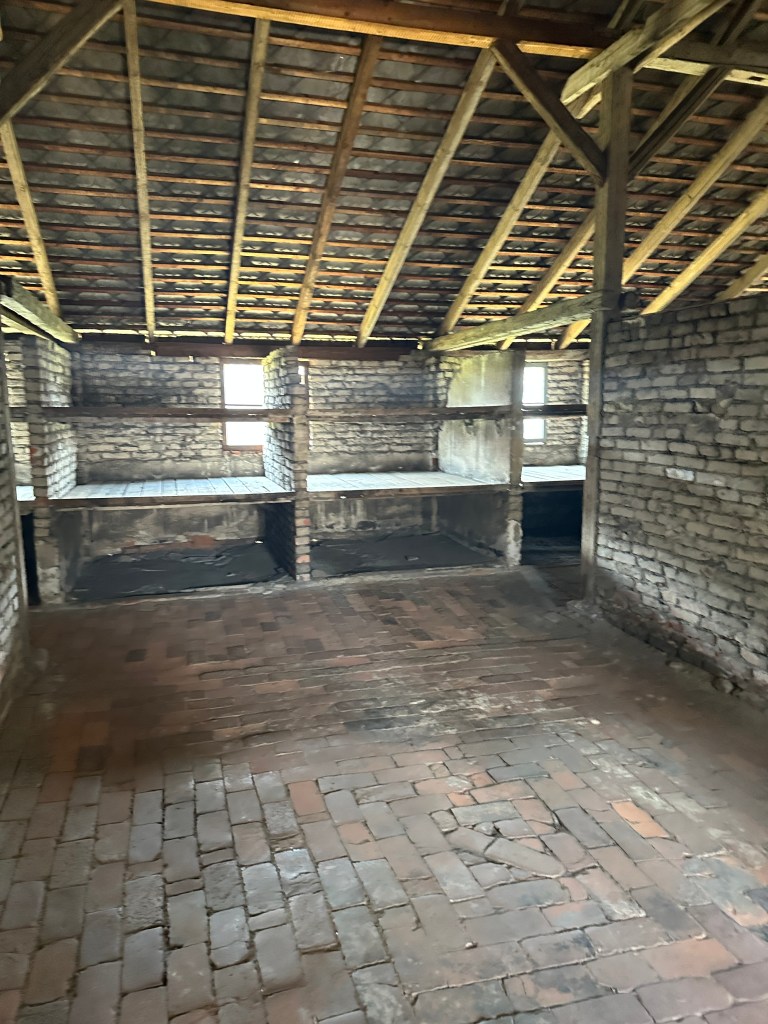
    We toured several of the brick barracks buildings, learning about the cruel practices of the guards and witnessing heartbreaking exhibits. One that particularly struck me was a collection of confiscated shoes, a stark reminder of the individuals who once wore them, each with their own story, dreams, and hopes, brutally stripped away. We saw the Wall of Death, where thousands of prisoners were executed, and the horrific living conditions of the inmates.

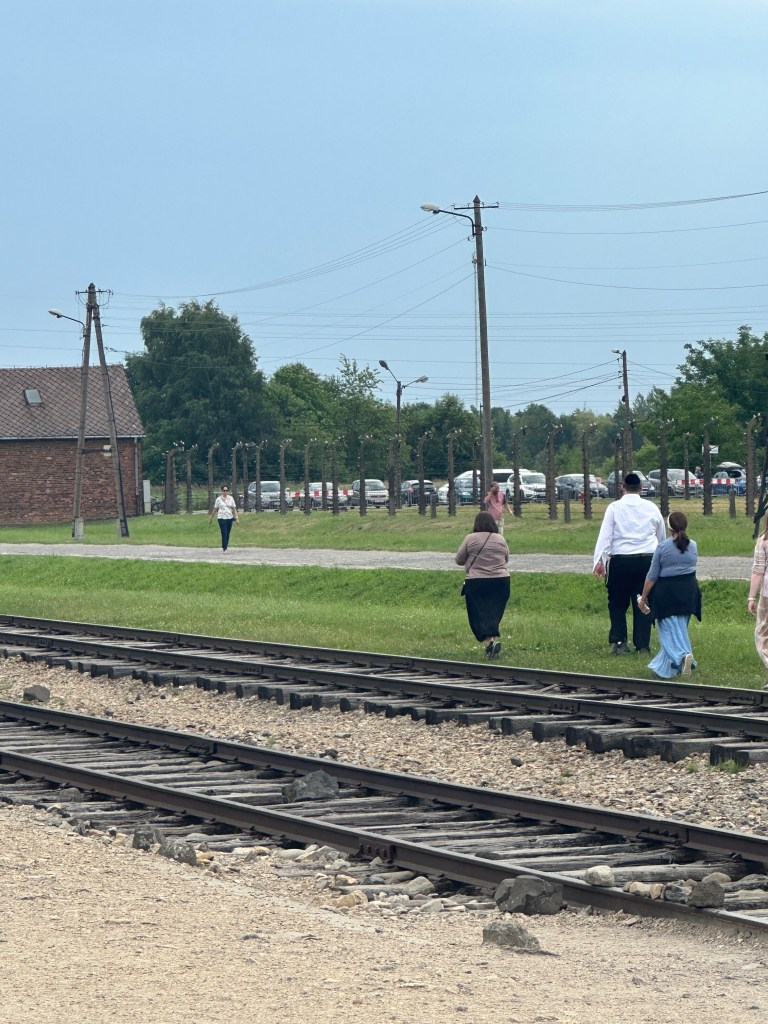
    From Auschwitz I, we moved on to Auschwitz II, also known as Birkenau, the largest of the Auschwitz camps. Here, the scale of the extermination process reached its horrifying peak. The sight of the freight trains that brought victims to be ‘selected’ upon arrival was chilling. Those who seemed strong enough were selected to stay and work, while the rest were sent to gas chambers immediately.

    We saw the remains of the gas chambers and crematoria, which were blown up by the Nazis in an attempt to hide their crimes. The sheer scale of Birkenau, the electric fences, the ominous guard towers, and the terrible living conditions in the barracks were a stark reminder of the inhumanity that occurred here.

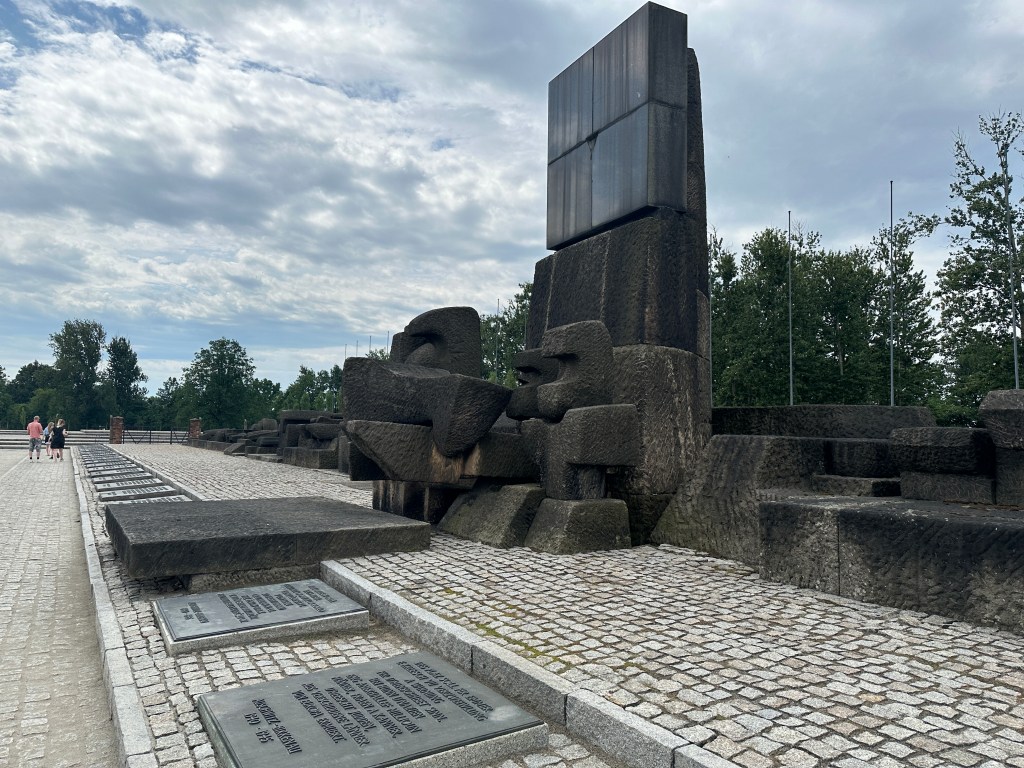
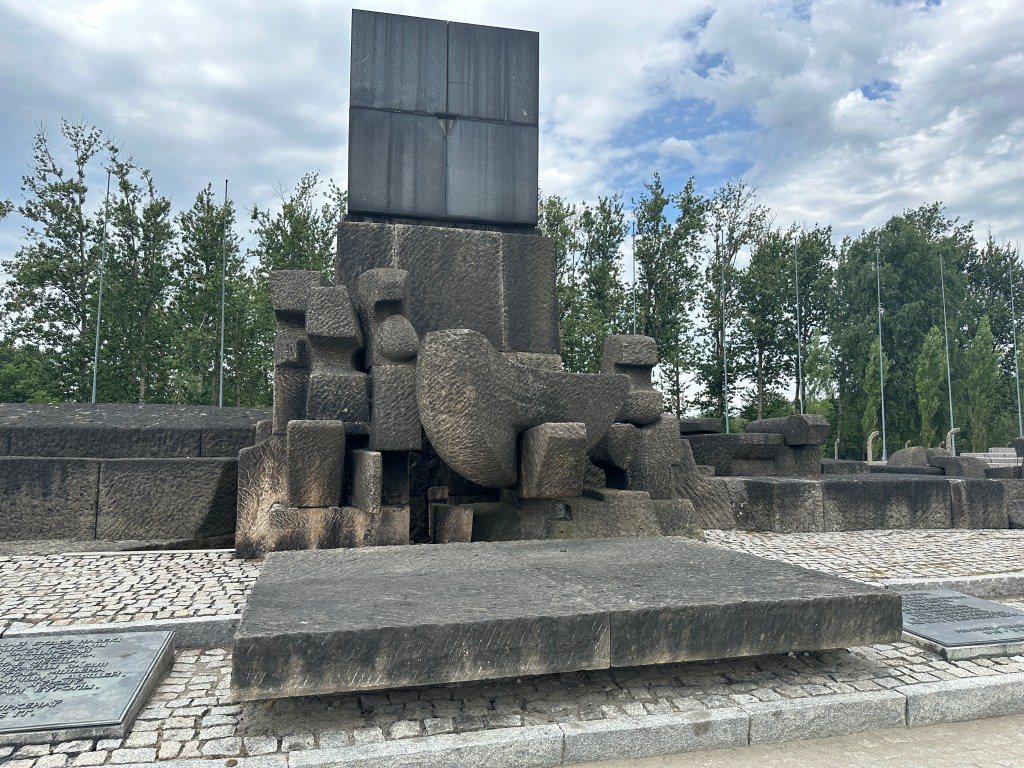
    Visiting Auschwitz-Birkenau was an emotionally draining experience. The weight of the atrocities committed here lingered long after the tour ended. It was a solemn reminder of one of the darkest chapters in human history, a place of immense suffering and loss. Yet, it also served as a testament to the resilience of the human spirit, a call to remember and honor the victims, and a stark warning to never let such horrors happen again.

    After the tour, we had lunch at an Italian boutique restaurant in Jasna Gora called U Braci. The food was a welcome distraction, with delicious tomato soup, a fresh salad, goat cheese and caramelized onion bruschetta, pizza, and gnocchi. The meal was a comforting respite after the intense morning.

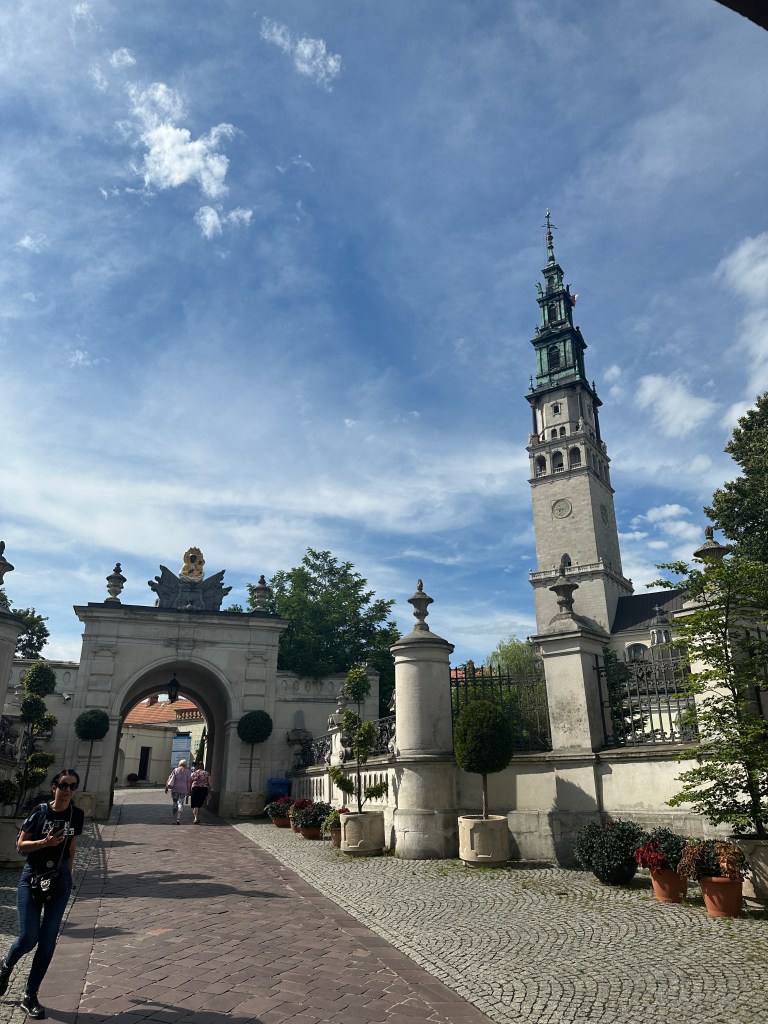
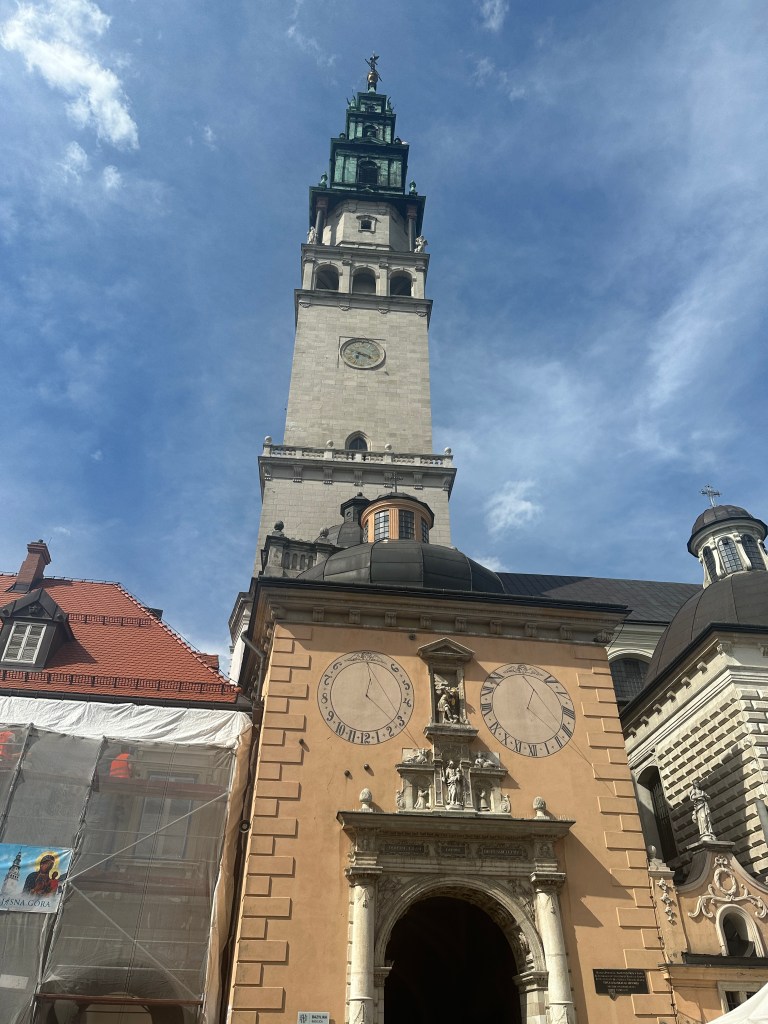
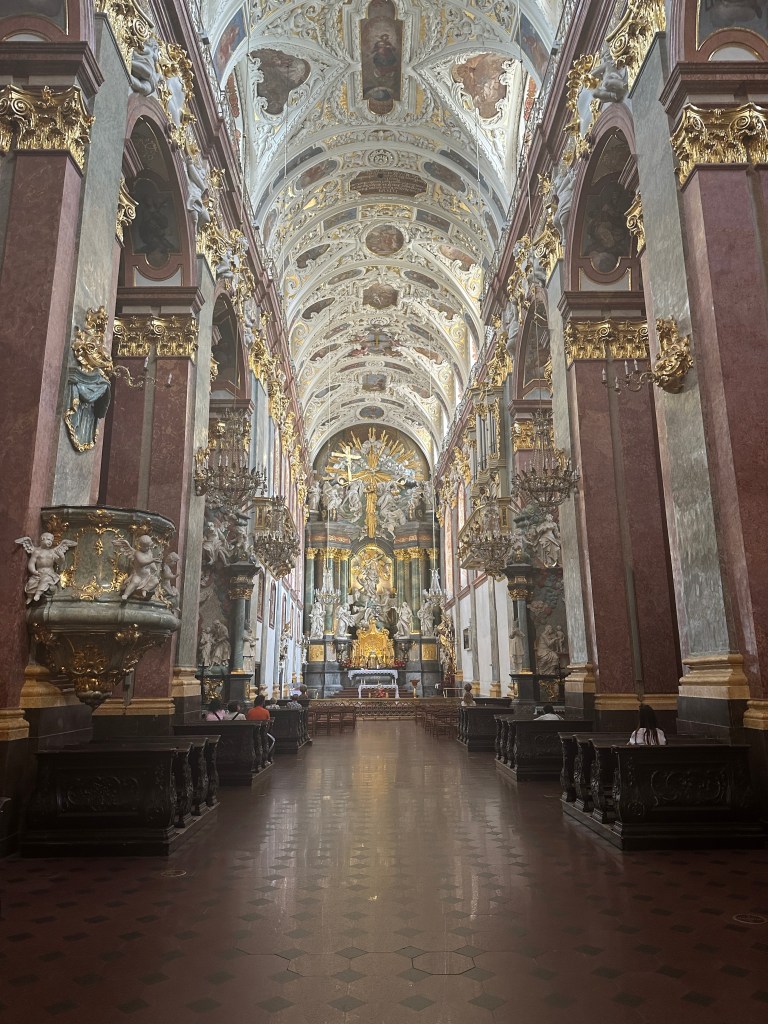
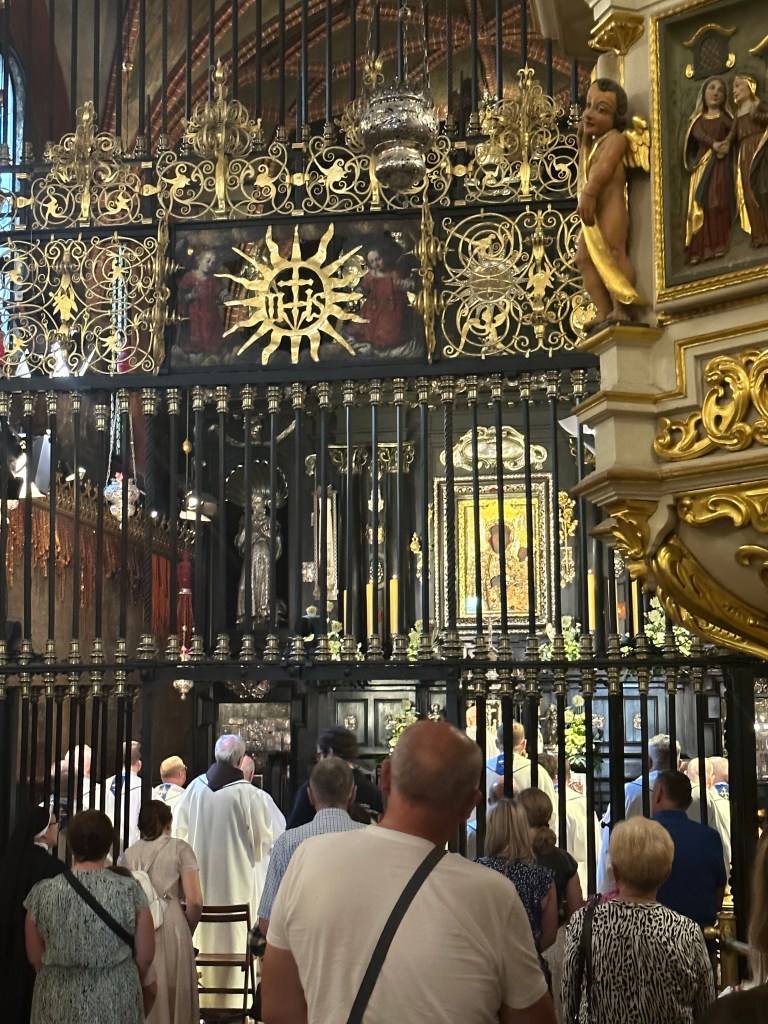
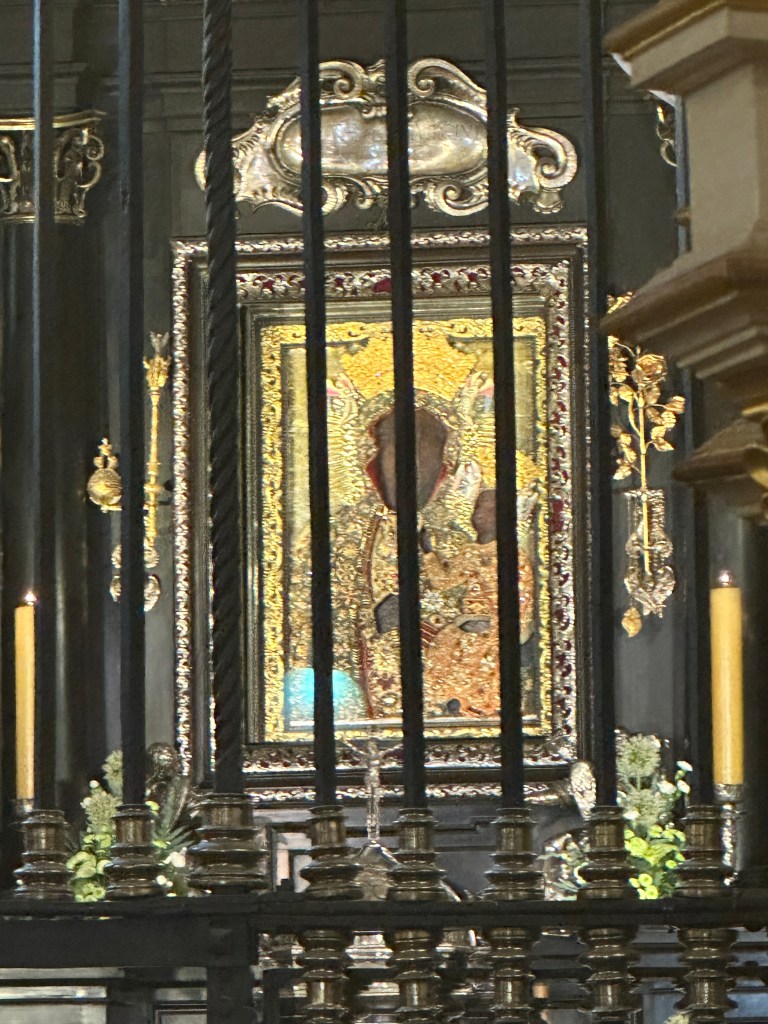
    We then proceeded to Jasna Gora, a stop on our journey to Warsaw. Here, we saw the Black Madonna and the monuments around it. The Black Madonna, a revered icon of the Virgin Mary, is a symbol of hope and resilience, a stark contrast to the horrors we had witnessed earlier in the day.

    Our day ended in Warsaw, the capital of Poland, is a city where history and modernity coalesce. Rebuilt from the ruins of World War II, it’s now a thriving metropolis, boasting a blend of architectural styles, vibrant arts, and a burgeoning culinary scene. From the historical charm of the Old Town to the contemporary buzz of its urban landscape, Warsaw offers a multifaceted experience that captivates and inspires. It’s a city that invites exploration, promising a rich tapestry of culture, tradition, and innovation.

    As we reached we were checked into our apartments, the Mondreal, a luxury apartment in the square. The spacious rooms with modern amenities and extra perks like Chopard amenities, Netflix, and built-in Apple TV were a welcome comfort after a long and emotionally draining day.

    For dinner, we headed to Maharani, where we enjoyed paneer, yellow dal, dal makhani, and chana. Except for the dal makhani, everything was superb, a fitting end to a day filled with intense emotions and experiences.

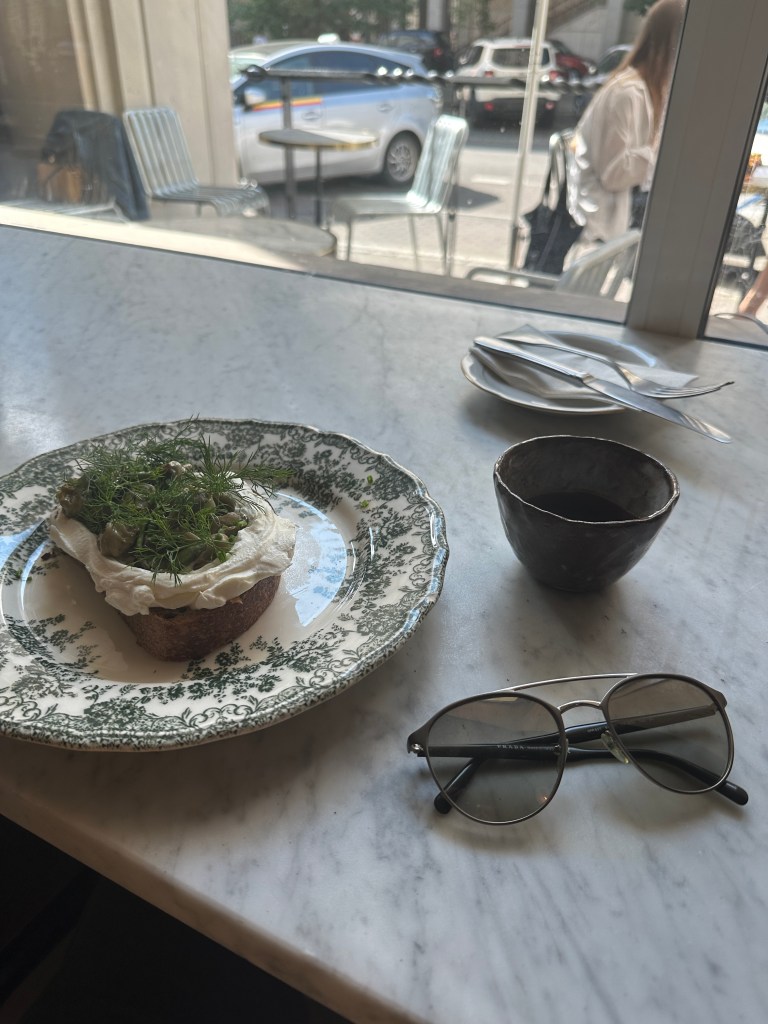
    My morning in Warsaw began with the thrill of a long Lime scooter ride through the urban landscape of this dynamic city. The wind in my hair, the buzz of the city waking up, and the iconic sights like The Palace of Culture and Science and the POLIN Museum whizzing by, made for an exhilarating start to the day. My destination was Baken, a breakfast place renowned for its toasts and coffee. I indulged in their batch brew, a perfect blend of flavors, and their bread with whipped ricotta and fava beans, a delightful combination that set the tone for the day. The ride back to the hotel was equally enjoyable, with the city now fully awake and bustling.

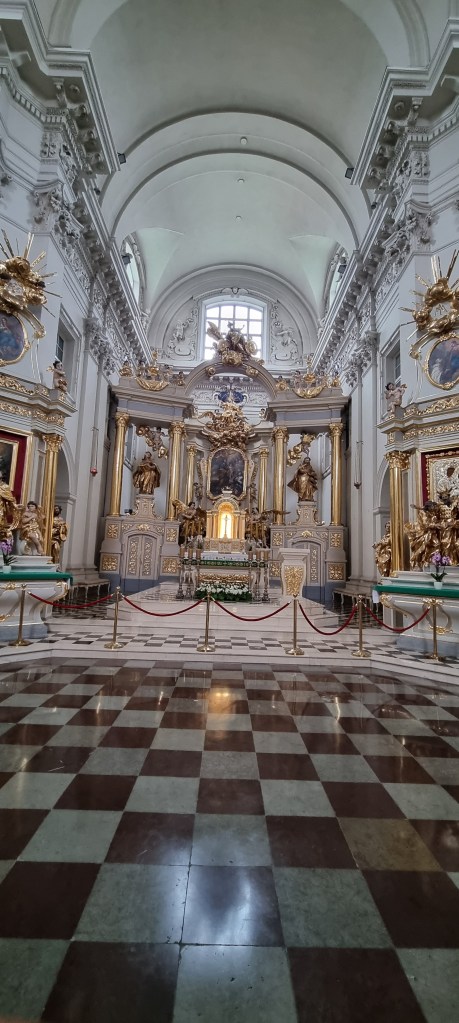
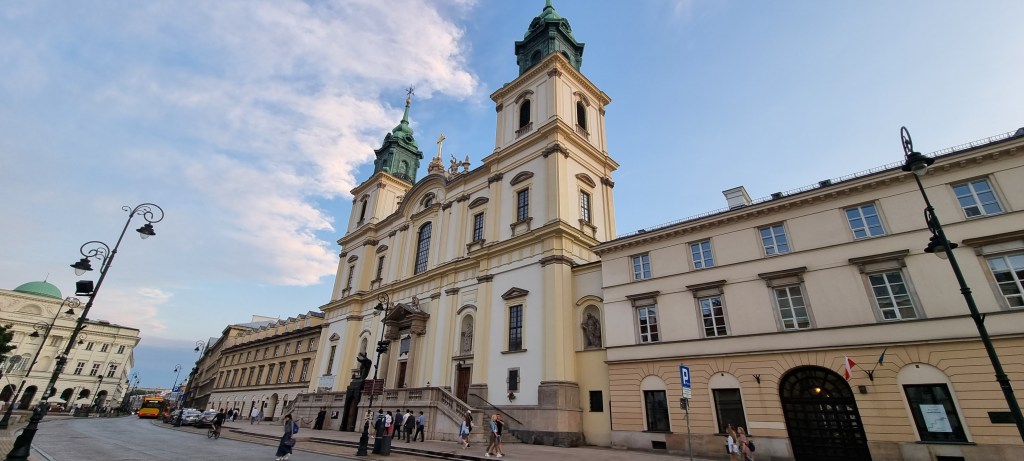
    After freshening up, our sightseeing adventure began with a visit to St. John’s Cathedral, a Gothic church with a rich history. Its stunning architecture and the serene atmosphere inside were a stark contrast to the busy city outside. Outside the cathedral, we treated ourselves to Trubochki, a local pastry that consists of a crisp waffle outside filled with whipped cream, that added a sweet touch to our historical exploration.

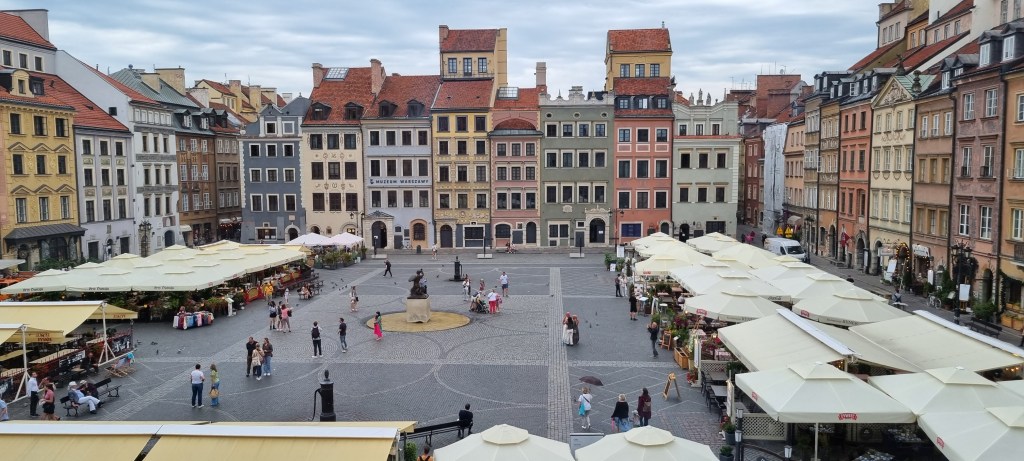
    Then, we headed to the main square, a lively hub filled with cafes, shops, and street performers. We took a moment to admire the square’s beauty and enjoyed a refreshing lemonade, soaking in the local vibe.

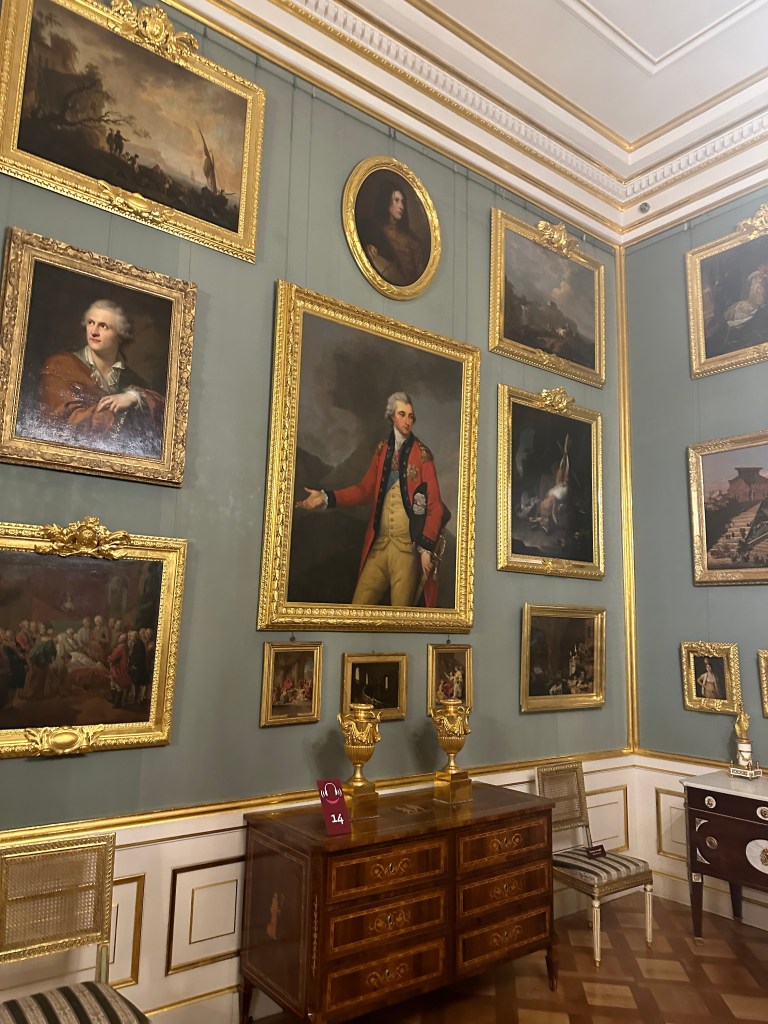
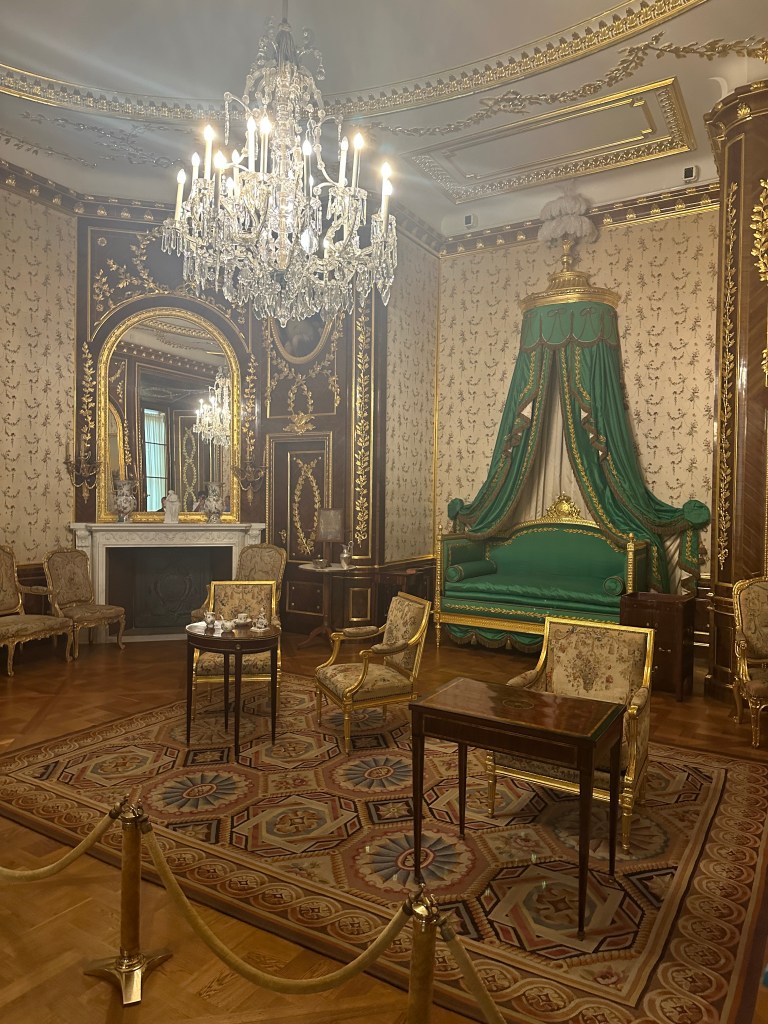
    Our next stop was the Royal Castle, a majestic structure that has played a significant role in Poland’s history. Inside, the castle’s opulent rooms, adorned with art and historical artifacts, told stories of Poland’s past. The Throne Room, with its golden decor and grandeur, was particularly impressive. The castle’s blend of architectural styles, from Gothic to Baroque, added to its charm. The Royal Apartments, filled with period furniture and art, offered a glimpse into the lives of Polish royalty. The castle’s history, architecture, and the stories it held within its walls were a fascinating insight into Warsaw’s heritage.

    Lunch was at Literatka, a charming restaurant known for its fusion of traditional Polish cuisine with modern culinary techniques. We savoured cold beetroot soup, crispy potato pancakes, grilled veggies with pesto, and delicious pasta.

    Post lunch, we continued our sightseeing, catching a glimpse of the Presidential Palace’s elegant facade and strolling down the main street, absorbing the city’s energy. Our exploration led us to the Barbican, a historical gateway leading into the old town. Its red-brick walls and medieval architecture were a reminder of Warsaw’s past. The Barbican, built in 1540, served as a fortification and is one of the few remaining relics of the complex network of historic fortifications that once encircled Warsaw. Walking through its archway, I felt transported back in time, imagining the soldiers who once guarded the city.

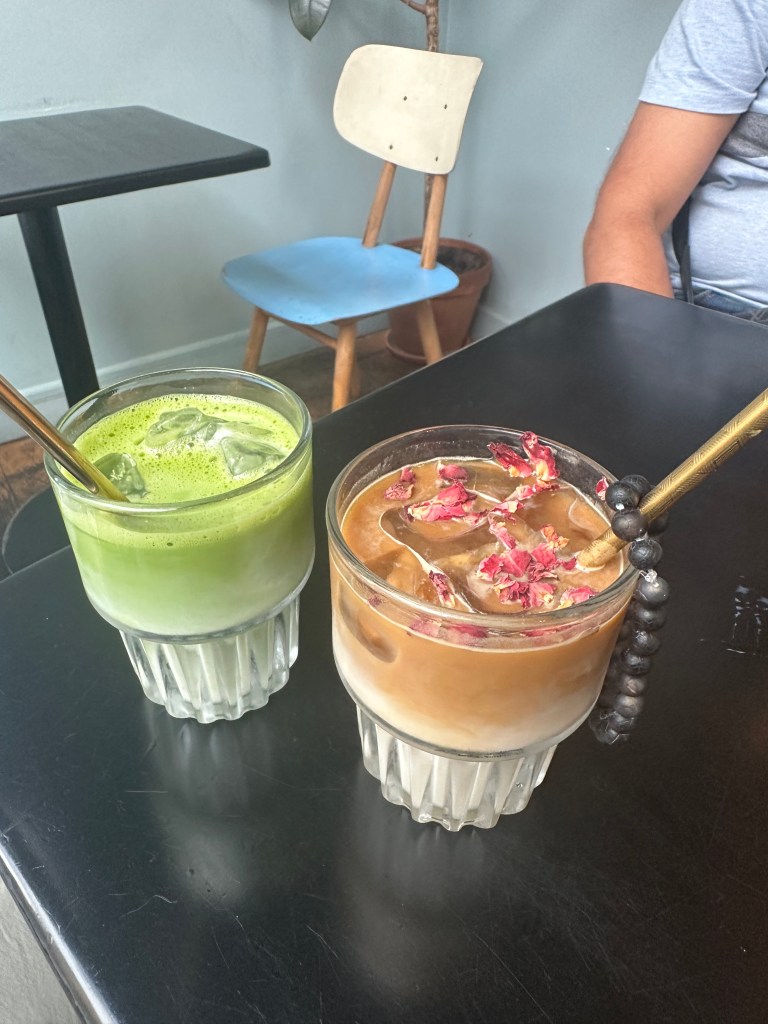
    I then went Lime scootering across the city again to STOR, a coffee shop known for its unique offerings. The rose and Matcha Latte were indeed unique, a delightful twist to the usual coffee experience.

    Pre-dinner drinks and snacks at U Barassa on the Main square were enjoyable, with crispy fries and refreshing drinks. Dinner at Frida on restaurant street was a culinary delight, with great nachos, stuffed avocados, corn on the cob, eggplants, tacos, and quesadillas. However, the experience was marred by an arrogant waiter who mishandled my grandfather’s phone and was rude and had a very unwelcoming attitude. Thankfully, our server was changed, and the new server was kind and sweet, salvaging the evening.

    Post dinner, we indulged in ice cream, a sweet end to a day filled with exploration, flavors, and emotions. Warsaw, with its blend of history, modernity, culinary delights, and vibrant street life, had etched itself into my heart. It’s a city that offers a rich tapestry of experiences, making it a must-visit destination for any traveler.

    Eastern Europe

    In the summer of 2022, my uncle, sister, and I embarked on an epic road trip through six Eastern European countries: Bulgaria, Romania, Serbia, Kosovo, North Macedonia, and Albania. Over the course of 12 days, we experienced the diverse landscapes, cultures, and histories of these fascinating places. We took in all that these countries had to offer, like the rich interesting history, unique cuisine and breathtaking underrated monuments that make this region a fascinating one to explore.

    Itinerary

    Day 1 : Sofia
    Day 2 : Sofia
    Day 3 : Seven Rila Lakes Rila Monastry Skopje
    Day 4 : Skopje
    Day 5 : Skopje Prizren Tirana
    Day 6 : Flight to Belgrade

    Part II

    Day 7 : Belgrade
    Day 8 : Belgrade Novi Sad Sibiu
    Day 9 : Sibiu Sighisoara Brasov
    Day 10 : Brasov Bran Peles Bucharest
    Day 11 : Bucharest
    Day 12 : Departure

    Bulgaria

    Bulgaria, located at the crossroads of Asia and Europe, is a modern country still following tradition. It is a land of breath taking beauty and endless adventure. Bulgaria’s history stretches back to ancient times and has been shaped by a variety of cultures including Thracian, Roman, Byzantine, and Ottoman. From its delicious food and world-class wines to its stunning architecture and warm, hospitable people, Bulgaria is a place that will captivate your senses.

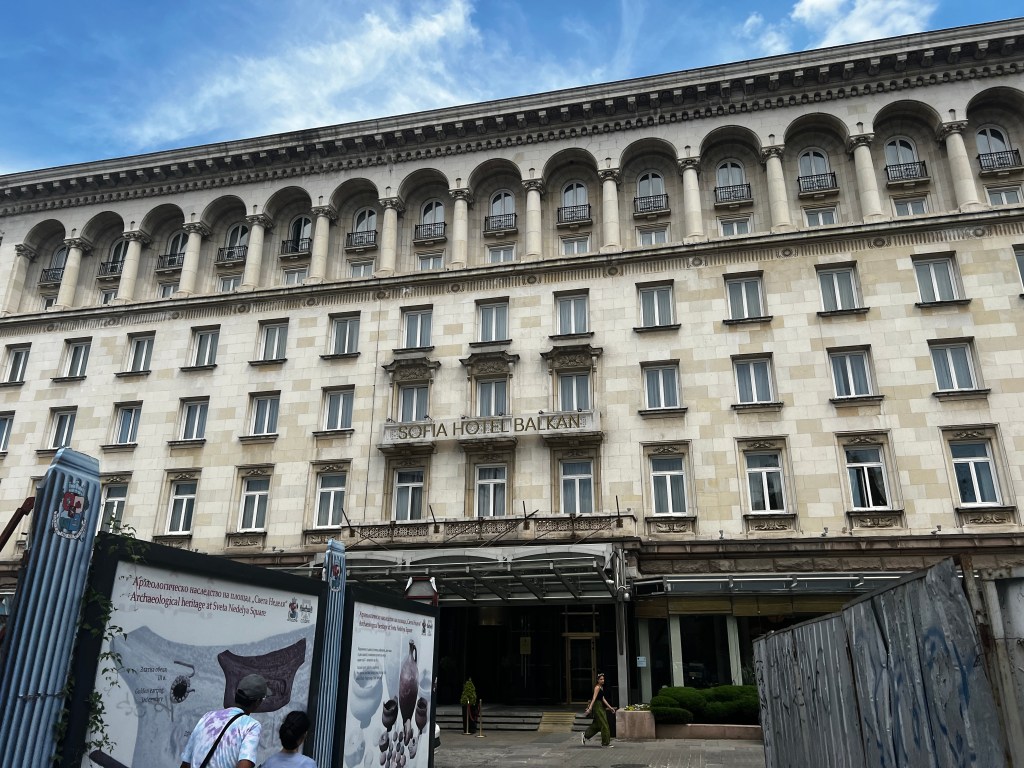
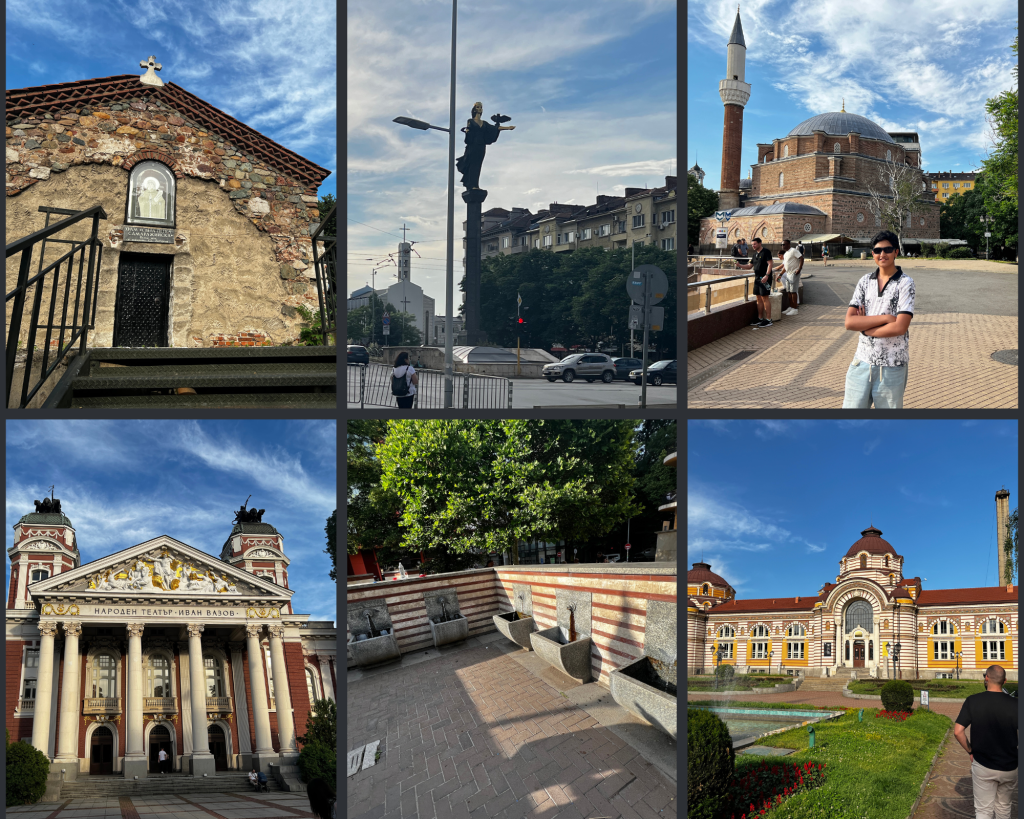
    Just after a 15-minute drive from the airport in Sofia, in awe of the cobbled streets and architecture, we reached our accommodation Sofia Hotel Balkan, which is a part of the Luxury Collection by Marriott. The hotel is historic and monumental and it is part of the President’s Palace complex. Beneath its foundations lies a historical Roman fortress, the remains of which can be seen all around the hotel. The hotel building also houses a casino, several shops and the church of St. George Rotunda. The rooms are small and the service is average and many facilities are outdated, but the location is amazing.

    Sofia Hotel Balkan

    After relaxing a bit, we went out to the Main Street of Sofia which is Vitosha street. The street stretches over 2-3 kilometres and has many famous coffee shops, restaurants, stores and ice cream parlours. It’s a thoroughly pleasant place to spend a couple of hours; the cafes along the pedestrian street have outdoor seating, there are a variety of local shops around, and the crowd makes the place very happening. While walking, we picked up some pizza and ice-cream for a quick snack.

    Then we were off for a walking tour of Sofia, organized by Sofia Walking Tours, which began at the Palace of Justice. It was completely free, making it a great value for travellers on a budget. Our knowledgeable guide led us through the city’s bustling streets, taking us to some of the most historic and culturally significant sites. First, we stopped at the Sofia statue, a tribute to the city’s patron saint. From there, we visited the Banya Bashi Mosque, a beautiful example of Ottoman architecture, and the synagogue, a testament to the diverse religious heritage. We also stopped at the mineral waters; be sure to bring an empty water bottle with you, as you can try the fresh, mineral water for yourself! Next was the Ivan Vazov National Theatre, a stunning neo-classical building. Another highlight was the Russian Church, with golden domes that tower over the city. Finally, we ended our tour at the St. Alexander Nevsky Cathedral, a grandiose cathedral that is one of the symbols of the city. The cathedral is also a popular spot for photography, with its stunning architecture and beautiful stained glass windows. The walking tour was a great way to explore the city and understand its rich culture and history; whether you’re interested in history, culture, or just want to see some beautiful architecture, a walking tour of Sofia is recommended.

    Monuments from walking tour

    Another unique thing in Sofia are the yellow paved street which are a unique feature of the city’s architecture and history. These streets, made of yellow-colored concrete, were built in the 1980s as part of a project to renovate and preserve the city’s historic centre. The yellow color was chosen to mimic the appearance of the original cobblestones, which were often made from a type of sandstone that had a yellowish hue. They are now a popular tourist destination and a recognizable aspect of Sofia’s identity.

    After an informative but tiring two-and-a-half-hour walk, we went for dinner at Tables on Vitosha street ( Which is now sadly closed ). It is a modern place with nice dishes. We ordered the Black Sesame Hummus and the Taratar with cucumber broth. From there, we went to another restaurant Stratshavelica whose ambience and food is the polar opposite of tables due to its old east European charm. It is a historic type place with seating for up to 250-300 people but still, it is hard to find a seat. The menu is also very extensive and very well thought out. We sampled 3 dishes – the guacamole mousse, the Quattro Formaggi Lasagna and the Aubergine Caprese. Both the restaurants are very nice and are located on Vitosha Street and have outdoor seating.

    The next morning, we took a taxi and went to Boyana Church, which is located on the outskirts of the city, about 30 minutes away. It is beautifully decorated with frescos all over and is beautifully preserved from the Byzantine age. From there, we caught a taxi to take us to a Mexican restaurant Takoteka. We ordered the enchiladas and the padron peppers which were both delicious and authentic. Right next to Takoteka is a burger place called Skapto which also served amazing food. Being a Sunday, at around 4 pm we saw an entire parade coming out from Vitosha street. Costumed people on stilts, jugglers, and dancers were all participating in a parade for an advertisement by Aperol Spirits, which made the place livelier than ever. After the parade, we picked up some ice-cream and some fresh juice from Vitamin C and headed back to the hotel for a short rest before heading out again for dinner.

    For dinner, we decided upon Cosmos, which is a modern gastronomical restaurant serving local authentic dishes with a twist. The drinks and food are well thought out and served. We ordered the Garden salad, the Spring salad, Bulgarian Kachamak ( smoked corn from Yagodina Village, brown butter, milk skin, aged goat cheese from Kozle farm ) and an apple dessert which looked like an apple and tasted even better. A unique dining experience to say the least!

    The Seven Rila Lakes are a group of glacial lakes located in the Rila mountain range, between 2,100 and 2,500 meters above sea level, which can be reached by a 1.5 hour drive from Sofia. All seven lakes have unique names reflecting their shape or characteristics and as one hikes from one lake to another, you pass by each one of them from the lowest to the highest one. This gradual progression makes the hike unique. While we hiked to four lakes, we also made friends with a person named Chris who was flying a drone, and he kindly shared some of the images captured by the drone with us. We weren’t expecting snow and the lakes were much larger than anticipated. On the fourth lake, we had a picnic and enjoyed the beautiful surroundings. The hike is highly recommended as the views are spectacular, and the natural beauty of the lakes is worth the effort, although a chairlift will soon be built, making it more accessible to people.

    After the hike, we visited Rila Monastery, a UNESCO World Heritage Site known for its painted Church of Rozhdestvo Bogorodichno, arch-laden residential buildings, and museums. The church’s frescoes and yellow domes, the courtyard, and surrounding mountain scenery are must-sees. The Monastery is a great representation of Bulgaria’s history, culture, and architecture.

    North Macedonia

    Just another 1-hour drive away we drove to Skopje, which is the Capital of North Macedonia. As I woke up in the car, I reached our hotel – Skopje Marriot. The hotel was fabulous, the rooms were huge, the food was amazing and the location was unbeatable. It is located right in the square. The Spa area with the pool, steam and sauna was also very well designed. The best hotel in the city by far. After relaxing in the hotel only for a while, we went for dinner at FOUR in the Park Hotel. The restaurant has a massive open space with a live singer performing on weekends. The ambience was very nice and the food didn’t disappoint. We ordered carrot and ginger soup, a fresh salad, a traditional platter of Macedonian dips and grilled vegetables. All the dishes were very nice and the open space with live music was perfect for such an evening. In the night we just took a stroll around the square before going to bed.

    Square at night

    The next morning, we set out to explore the city of Skopje. A private walking tour in Skopje is a great way to experience the city’s rich history and culture. The tour began at Alexander the Great Statue. [ Fun fact : Skopje is the city with the most number of statues in the world ]. It continued to the Memorial House of Mother Teresa, which is dedicated to the life and work of the famous Albanian Catholic nun who was born in Skopje. The Old Bazaar, the Old Railway Station, and the Skopje Fortress are all excellent examples of the city’s rich architectural heritage, with their intricate designs and stunningly beautiful details. The Monument Honoring Macedonian Fallen is a poignant tribute to the country’s fallen soldiers, and the Stone Bridge is one of the most iconic landmarks in the city. The tour ended at the Macedonia Square, which is a stunningly beautiful public space that serves as the heart of the city. Towards the end of the tour, we bought postcards and sent it back home to update our friends and family on our tour and also show them the culture of this place with the forgone yet traditional medium of postcards. Throughout the tour, the guide was amazing, providing insightful information and making the tour way more interesting for us.

    After the walking tour in Skopje, we headed to Matka Canyon for a boat ride into the many caves. The boat ride takes about an hour, and the caves are lit up to reveal the stunning beauty of their intricate rock formations. It was a great way to spend time, and would be highly recommended to anyone visiting the area if time permits. The trip to Matka Canyon took about 30 minutes from Skopje by car. Alternatively, you could also visit the Millennium Cross on top of Vodno Mountain which is the largest cross in the world and offers beautiful views over the city, or take a hike in the Vodno mountain range for scenic views and nature experience.

    After the boat ride in Matka Canyon, we ended our day with a delicious dinner at Forza, an Italian restaurant in Skopje. The restaurant serves fresh and tasty Italian food, it also has a nice outdoor park for children to play, adding a special atmosphere for families. Other great dining options in Skopje are Amigos for Mexican food, Gostilina Dukat for traditional Macedonian food, and Vodernica Mulino for a unique dining.

    The next day, we started off with a delicious breakfast at Distrikt, a restaurant in our hotel. We pre-ordered some harissa carrots, avocado gazpacho, and hummus, which were all delicious. After breakfast, we swam and enjoyed the hotel’s facilities before leaving for Tirana.

    Kosovo

    En route to Tirana, we stopped in Prizren, a city in Kosovo, where we saw the main sites such as the Sinan Pasha Mosque which is one of the main sites in Prizren. Built in the 16th century during the Ottoman era, it is known for its intricate tilework and calligraphy decoration and it was built by a renowned military leader and statesman under Suleiman. Other places you could visit are the Prizren Castle and The Holy Trinity Cathedral. Then we had a light lunch of pizza and salads on the river, enjoyed the great view and had some ice-cream before going on our way to Tirana. The entire journey was by car.

    Albania

    Upon entering Tirana, my initial impression was one of surprise, as the city was much more modern and vibrant than I had expected, with its mix of Art Deco and Soviet-era architecture, bustling streets and vibrant energy. We checked into the Rogner Hotel, which was a good hotel with an outdoor pool, nice location and good rooms. We roamed around the city center a bit, did some shopping and decided to have lunch in a restaurant called SALT REST. We sampled many dishes, including crostini, sushi, avocado tartare, truffle pasta, and their chocolate tiramisu which was especially amazing. All the food was outstanding, and the service and ambience were awesome as well.

    Unfortunately, we had only one day in Albania as we had to catch a flight to Belgrade to continue our journey. But, before our departure we made sure to tour some of the popular sights of Albania, which included the Skanderbeg Square which is an important square in the city center. Opposite this is the Et’hem Bey Mosque, one of the most beautiful examples of Ottoman-era architecture in the city and one of the oldest mosque in the city, with its ornate tilework and intricate calligraphy. Moving on, we saw the Cloud, a striking modern sculpture that represents the city’s dynamic energy and spirit, and the The National History Museum which offers a comprehensive overview of Albania’s history. The Piramida also, a landmark building of Tirana, a pyramid-shaped building, was originally built as an encyclopaedic museum during the communist era, but now serves as a cultural centre.

    The Bunkers in Albania, 700,000 in number, were built during the Communist era as part of the government’s program of national defence, now many of them have been rSepurposed and turned into street art, and repurposed as small museums, souvenir shops, and even coffee shops, thus turning them into a tourist attraction. They are a reminder of the city’s past and provide a unique perspective on the city’s history. We also saw a piece of the Berlin wall near a bunker as well. If you’re planning a trip to Albania, be prepared to see remnants of the dictatorship of Enver Hoxha, who ruled the country from 1944 to 1985. Concrete bunkers, landmarks and buildings from that era are still standing, and many people still struggle with this period of history. It’s an important part of Albania’s identity and culture, and a must-see for history buffs. Overall, Albania is a unique country with a rich culture and history, offering a range of historical, architectural, natural and cultural attractions for visitors, from Ottoman-era architecture to communist-era bunkers.

    Bunker in Tirana

    Serbia

    After catching our Air Serbia flight to Belgrade, we arrived at our hotel, the Metropol Hotel. The hotel was impressive, with its massive pool, spacious rooms and a convenient location that was not too far away from the city center. The hotel also offered a range of amenities, including a restaurant, a fitness center and a business center, providing everything we needed for a comfortable stay.

    In the evening, we went for a walk to explore the city, starting with a walk to the Parliament building. Along the way, we stumbled upon the impressive statue of Prince Mihailo, a symbol of the city, riding on the back of two horses. The statue is located outside the Parliament building and is considered as an iconic landmark of the city. The horses are depicted as rearing up on their hind legs, representing the city’s power and strength. Opposite to it was a beautiful park, where locals and tourists alike were enjoying the green space and the peaceful atmosphere, making it a great place to relax and take a break from the hustle and bustle of the city

    As we were leaving for dinner, we stumbled upon a huge prom night in our hotel, with many people dressed up for the event. It was a unique sight to see, and we couldn’t help but feel a sense of joy and energy in the air among the hundreds of people. For dinner, we went to an Indian restaurant in recall of our homeland; later, we went to Amici to have Tiramisu, which is said to be the best tiramisu in Belgrade and it did not disappoint. The tiramisu was delicious and it was a perfect way to end the day.

    The next day was a tiring but fun day. We kicked off the day with some sightseeing. We visited the Old Town, where we came across the Belgrade Fortress, an ancient fortress overlooking the city and the confluence of the Sava and Danube rivers. It has a rich history dating back to ancient times, and offers great views of the city. Inside the fortress, there are several sites to visit such as the Kalemegdan Park, where we saw the Roman Well and the Military Museum, which showcases the history of the fortress and its role in the defence of Belgrade.

    We also visited the new town and saw some important sites and places, including the St. Sava Temple, one of the largest Orthodox churches in the world, a beautiful example of Byzantine architecture with its grand dome and intricate details. If you’re in Belgrade, don’t miss the opportunity to visit the Bombed TV tower. This towering concrete structure was damaged during the 1999 NATO bombing campaign and still stands as a testament to the city’s history. Another interesting stop was the Republic Square, home to many key government buildings and an important hub of the city. The St. Mark Church, built in the Morava architectural style which houses many of the country’s royal and national treasures, was a striking example of traditional Serbian and Byzantine architecture. Additionally and coincidentally on the tour, we stumbled upon the grandson of Josip Tito, the former leader of Yugoslavia, which was unique and delightful.

    For lunch, we proceeded on to a café in the shopping area of Belgrade, where we shopped as well and strolled to kill some time. After that, we went back to the hotel to freshen up and swim. Later on, we went to a Michelin-starred restaurant called Mezeštoran Dvoriste, which served homley Mediterranean food. The food was really tasty and reminded me of home-cooked meals. It was a nice end to our visit, and I highly recommend it to anyone visiting Belgrade.

    Mezestoran Dvoriste

    Overall, while Belgrade has a wealth of historical, architectural and cultural attractions for visitors to explore, it may not have met all of my personal expectations. My personal opinion is that it is not as worth visiting as the other cities in the region. But of course, this is all subjective, and others may have had a different experience.

    The next day we had an early start and proceeded on to Sibiu, in Romania via Novi-Sad. Novi-Sad is the second largest city in Serbia and a vibrant cultural center known for its colonial architecture, open spaces, and charming old buildings. We saw a few monuments like the Palais épiscopal de l’éparchie de Bačka, a beautiful 18th-century palace that houses the Museum of Vojvodina, and the Name of Mary Church, a beautiful baroque church. We also roamed in the huge main square and had breakfast at Loft Downtown Coffee & Food Bar where we enjoyed delicious sandwiches, coffee and tea. Despite being smaller than Belgrade, I preferred the more authentic, charming and vibrant atmosphere of Novi-Sad.

    Romania

    From Novi Sad, we reached Sibiu, a picturesque town in Romania known for its well-preserved medieval old town, charming cobbled streets and well-maintained historical buildings. We stayed at the Boutique Hotel Imparatul Romalinor, which had average rooms, but the location was fantastic. The hotel had a very old town Romanian feel to it and was located near the main square.

    We spent the day visiting some of the famous sights in the old town like the Bridge of Lies, a bridge built in 1859, known for the legend of the “Liars Bridge” where couples swear their love and promises, The Cathedral of St. Mary, a stunning gothic-style church and the Council Tower, a 14th-century tower that offers great views of the old town. We also visited some of the squares like the Grand Square and the Little Square which are surrounded by colourful, well-preserved medieval buildings.

    Sibiu was very lively with lights and tourists, making it a nice place to spend time in. For dinner, we went to the Max restaurant which served a variety of soups, pastas, and Romanian dishes, in a homely yet sophisticated ambience with outdoor seating. 

    The next day we went to Sighisoara, a small, charming city located in Transylvania, Romania. It’s the birthplace of Vlad Dracula, and the inspiration for Bram Stoker’s Dracula. The city is a well-preserved medieval citadel, and it is home to several notable sights such as the Clock Tower, the Church on the Hill, and the Vlad Dracul House. Visitors to Sighisoara can also take a tour of the citadel’s walls, climb to the top of the Clock Tower for panoramic views of the city, or visit the Museum of Medieval Weaponry. We took a tram ride throughout the citadel. Honestly speaking, its not worth the hype.

    From Sighisoara, we drove to the city of Brasov, which is located in the heart of the Carpathian Mountains. The city is known for its well-preserved medieval architecture and vibrant cultural scene. The old town of Brasov is surrounded by walls and towers, and it’s home to several notable sights such as the Black Church, the Council Square, and the White Tower. We took a stroll along the charming streets, explore the city’s many sights and buildings. We visited the Black Church which is a Gothic masterpiece built in the 14th century. It got its name after being blackened by a fire in 1689. It is also known for its impressive collection of Ottoman carpets.

    We stayed in a hotel called Casa Wagner, which was located in the heart of the old town. The rooms were spacious and we could lookout over the entire old square. The highlight of our stay was renting Lime scooters and touring Brasov on them; navigating through the nooks and corners of the city was thrilling and fun!

    For dinner, we settled on a fancy Italian restaurant called Dei Frati. We had some delicious ravioli, Tagliatelle, and rigatoni in fancy sauces. To end the meal, we had a delicious tiramisu. All in all, it was a fantastic experience, and I highly recommend visiting Sighisoara and Brasov to anyone interested in history and culture.

    The next day we started by taking the cable car up to Mount Tampa, which offered beautiful views of the city. The cable car ride was quite an experience, as we were able to take in the stunning landscapes that surrounded Brasov. Once we reached the top of the mountain, we spent some time taking in the sights and enjoying the fresh air.

    After that, we drove off to Bran, where we could not visit the famous castle because of a long waiting time, but we managed to catch a glimpse of the exterior. Despite not being able to visit the castle from inside, the drive itself was lovely as the countryside is so picturesque. We then visited a local market where we had the opportunity to try some local fudge and candies, which were delicious.

    Next on our itinerary was visiting Peles Castle. The Castle was quite an experience, with the exterior being a mix of German Neo-Renaissance and Byzantine styles. The interior was also so fascinating, with ancient artefacts, lovely paintings and mesmerising interior design. The Castle is very photogenic and is honestly a lovely piece of architechture.

    After exploring the castle, we were quite hungry and decided to grab some pizza and desserts from a nearby cafe. Then, we headed towards Bucharest, where we were staying at Marmorosh hotel. It was a modern hotel, in a nice location, and had good facilities.

    To end the day, we went to Savart, a classic French restaurant. The food was delicious, the atmosphere was cozy, and the service was great. I highly recommend Savart for anyone visiting Bucharest and looking for a fine dining experience. Overall, it was a packed and exciting day, filled with lots of new sights and experiences.

    The next morning, we toured around the Romanian Athenaeum, which is a cultural centre, the Stavropoleos Church, which is a small but beautiful Orthodox Church, and Revolution Square. Each of these places had its own unique charm – the Athenaeum for its history and culture, Stavropoleos for its intricate architecture, and Revolution square for its significance in Romania’s history.

    Then we moved on to the Palace of Parliament. The palace is an architectural marvel and the second-largest administrative building in the world after the Pentagon. The palace is an imposing structure with 12 stories and over 1,100 rooms. The palace is an example of a combination of the neo-classical and modern architectural style. Another interesting aspect of the palace is its size; it is so huge that it takes a while to explore and it is a perfect opportunity to capture some photos of the palace from different angles.

    After the visit to the palace, we took a cab to Blue Margarita, a Mexican restaurant, where we had some hearty Mexican dishes with delicious beverages. The food was really well prepared, and was a great change of pace after sightseeing all morning.

    In the evening, we went to Bucharest’s parks, where we did some boating. It was a lovely way to spend a warm summer evening. After boating, we walked around the park and enjoyed the serene atmosphere of the park, which was surrounded by lush greenery. The park also had several monuments and statues.

    To end the trip on a high note, we had dinner at a restaurant called Nor. It’s located on the top floor of a skyscraper and offered breathtaking 360-degree views of the city. The food was delicious and the restaurant had a pleasant atmosphere, perfect to end our trip. The service was friendly, and the food was well prepared with a good balance of flavours.

    In conclusion, a journey through the Eastern Europe countries of Bulgaria, North Macedonia, Kosovo, Albania, Serbia and Romania is a unique and rewarding experience. Each country offers a different perspective on the region’s rich history, vibrant culture, and stunning natural beauty. The local people are warm and friendly, with rich traditions, and delicious food to try. Whether you’re interested in history, architecture, or outdoor adventures, this region has something for everyone. I highly recommend visiting these countries and experiencing these hidden gems that need to be discovered.


    Budapest

    Budapest, the capital of Hungary is an entrancing European city sitting on the river Danube. The metropolis is separated into two parts, Buda and Pest.

    Panoramic view of Budapest

    As our flight was approaching Budapest, I was filled with a lot of excitement. Once we landed, we immediately went to our hotel, Corinthia. ( https://www.corinthia.com/budapest/ )This is probably one of the best and biggest hotels in the Pest side of the Danube. It is one of the oldest classic hotels in Budapest built on a massive scale and is extremely beautifully decorated. The staff was very polite and kind to us, and the manager personally upgraded us to an amazing junior suite. The rooms were huge and had beautiful views of the streets and the hilltop castle. In the afternoon, we had exclusive access to the VIP lounge, which got us complimentary snacks and beverages every day. The breakfast spread was also grand and scrumptious.

    Corinthia hotel
    Corinthian breakfast

    Just after unpacking and settling in, we hit the streets of Budapest. We walked to the Chain Bridge while stopping on the way to grab some chocolate truffles to snack on. We crossed over to Buda and breathed in the European air. From there, we went to the flea market to take a glance at the local handicrafts and products Budapest had to offer. Following that, we went back to our hotel, as we were extremely fatigued because we had walked almost 7 kilometers. For dinner, we had spotted a nice Mexican café called Tacos Locos which was right next door to our hotel. The food was authentic and simple, yet very tasty. The churros were absolutely to die for!!

    Chain Bridge

    Budapest is known for both its awesome history and modern lifestyle. We had a lot of sightseeing to do that day, so we decided to have an early start and to make that easier, we purchased the hop-on hop-off bus tour tickets which allowed us to have unlimited journeys within a span of 24 hours including 1 boat ride on the Danube. Our first stop of the trip was Heroes Square which is a monument devoted to the patriotic heroes of Hungary. There is huge stone pillar in the center dedicated to all the people who gave their lives for the independence of Hungary, which is surrounded by seven pillars that embody the figures of Hungarian history. After clicking a few snaps, we visited the Museum of Fine Arts located next to this landmark. The museum is filled with over 10,000 art pieces designed by famous international painters from the renaissance era. The art was extravagant and a pleasure to look at.

    Heroes Square
    Museum of Fine Arts

    From there, we went to the Dohány Street Synagogue, which is the largest synagogue in Europe, easily accommodating 3,000 worshippers. This monumental structure is also home to a museum, which showcases artifacts of the Jews who died during the Holocaust. This synagogue also houses a Cemetery and a memorial in the loving memory of all the Jews who died during the disturbing and destructive period of the Holocaust. The place is also equipped with a memory tree in which the names of the jews who died are written on each leaf of the tree. Today, it’s a place of beauty and solace, where hope and resilience are felt. We truly had an intriguing time in the synagogue.

    Interior ofSynagogue
    Memory Tree

    By now we were starving, so we had a nice Mediterranean lunch in Dobrumba ( https://dobrumba.hu )which is highly recommended. This place does not take any reservations and is pretty full all the time, and tables are allotted on first come first serve basis. The food was delightful and also delicious. Following lunch, we walked our way back to the hotel and dived in the swimming pool to revitalize. The hotel also had 2 hot jacuzzi tubs (both at different temperatures), an ice shower, a steam and a sauna. Immediately after our swim, we went to the VIP lounge and enjoyed the sunset while bunching on a few snacks. For dinner, we had reserved our seats in the fine dining restaurant Laurel, ( https://laurelbudapest.hu/en/ )which served a modern 4 course Hungarian meal. They knocked the food out of the park. It was an eleven out of ten for me. If you ever visit Budapest, don’t miss Laurel. I have attached the pictures of a few dishes below.

    The food at Laurel

    We had some unfinished sightseeing left from the previous day, so we first headed towards the main attraction of Budapest, the Buda castle. We crossed the Chain Bridge again and went up the funicular to the castle. We wandered around the castle for a while and glanced upon amazing views surrounding it. From the Buda Castle, we visited the Fisherman’s Bastion. The Fisherman’s Bastion was built at the turn of the 20th century as a celebration of the 1,000th anniversary of the Hungarian state. The lookout replaces a once thick wall built to protect the Buda Castle. Now, as one of the most visited sites in all of Budapest, the Bastion stands as a landmark to celebrate and showcase the beautiful capital city.

    Fisherman’sBastion

    Right next to the Fisherman’s Bastion is the famous Matthias Church which has Sunday concerts. Down below through an elevator is the famous Hospital In The Rocks. We booked a guided tour for 1 hour to witness this amazing monument. The history behind this monument is that it was built as a secret hospital and bunker for the injured troops during the World War. Nowadays, it’s the biggest Hungarian waxwork exhibition with more than 40 figures, and a lot of original machinery and furniture that are still in working conditions. The experience was an eye opener as we got to see the unfathomable amount of injury and damage done to the people during that time. We ended our visit to the Buda Hills with a hearty meal at Jamie’s Italian. This was another long day for us, and we needed to rejuvenate. Lucky for us, Hungary is home to many sulphur pools, which relax the body tissues and muscles, so we decided to visit the iconic Gallert spa on the foothills of Buda Castle. Gellert thermal pools, swimming pool, wave pool and spa treatments offer a great relaxation and entertainment all year round. Gellert Spa Bath is the true gem of the thermal baths where you can easily spend a day, explore the numerous pools, and get luxury treatments without having to feel crowded by other tourists.

    Jamie’s Italian

    For dinner we went to the most visited and highest reviewed place in Budapest, Mazal Tov. ( https://mazeltov.hu/en )It is a light and airy café serving sub Mediterranean food and beverages. The place is in an old pebbled courtyard and a lot of reused material, yet very modern and trendy. I found it to be a little overrated, but the food was okay though.

    Next day moments after the break of dawn, we were up and ready to discover a few more surprises Budapest had in store for us. Our first stop of the day was the Hungarian Parliament. While walking towards the edifice, we crossed the historic Shoes on the Danube, which is a memorial site dedicated to the Jews who died in the world war. We also lit a candle in memory and went to the Parliament. As we reached, all the English slots of the guided tour were unfortunately booked, so we had to skip that part. But we had a delicious coffee and carrot cake in the café of this parliament building. They actually painted my photo on the coffee by the means of #coffee art. It brought a smile on all our faces and a memory to treasure for a lifetime!

    Shoes on the Danube

    Next on our list was the Saint Stephen Basilica, which is the largest in the whole of Budapest. It is made in memory of the first king Stephen, whose mummified right hand is in there. A visit to the cupola at the top to get a 360 degree view of Hungary is an absolute must. Down the alley it the famous Greesham Palace Four Seasons Hotel, which is the most iconic hotel of Budapest with views of the Chain Bridge, Buda Castle, Firsherman’s Bastion and the Danube.

    St Stephens Basilica

    We had another activity planned that day which was a Segway ride to Margaret Island. We were first trained and briefed on how to operate the Segway, and then we were off on our route. We first crossed the entire riverside of Danube and then went across the bridge to Margaret Island. We saw the musical fountain and the ruins of the Dominican Church on the island. It is a very photogenic and fun route and is a perfect alternate for those willing to experience Segway Fun on the Margaret Island & Park, rather than seeing the historical parts of Budapest. After the tour ended, our guide told us about a traditional dish called Langoś, which is just like a pizza but instead of tomato base, it is topped with sour cream. We had that at Langos Papa on our way back to the hotel; it was absolutely delicious and an absolute must try in Budapest.

    Segway tour

    We had completely exhausted our sightseeing agenda by now, so the next day was our shopping day for which we headed to Vasi Utcà. Beginning at Vörösmarty Square and ending at the Central Market Hall, Vaci Utca is the main shopping street in Budapest. The whole street is pedestrianized and lined with beautiful buildings, although these days most of the shops are catered to tourists rather than locals. We hopped from one shop to another and had a lot of fun. For lunch we went to Gerbeaud, which is an iconic tea-time café serving Italian food and patisserie desserts. After our shopping spree, we went back to our hotel and had a short power-nap. For dinner, we choose to have Greek cuisine at Dionysos Taverna ( http://www.dionysos.hu/ ). It is a typical Greek style blue & white Taverna with an open terrace, serving mezzes, Souvlaki & grilled meats with traditional music playing in the background. It is beautifully decorated with an amazing aura to the place. The food sizes are also quite generous and the food was on point. It was a nice closure to our great holiday at Budapest.

    I would also like to add here that Budapest is famous for its Ruin pubs and bars. While surfing for various popular restaurants, the names that showed up the most were Instant, Grandino, Csendes and DiVino.

    BUDAPEST IS ONE OF THE BEST TOURIST HOTSPOTS IN ALL OF EASTERN EUROPE WITH A MAGNIFICENT HISTORY AND CULTURE, ICONIC MONUMENTS, NOTEWORTHY HANGOUTS AND  SUPERB FOOD!

    Croatia & Slovenia

    I was really excited to go on this trip, hoping to change my perspective with which I looked at less famous countries of Eastern Europe. These two hidden gems of Europe were a part of Yugoslavian Europe, which gained independence in 1991. With beautiful and well laid cities, this region houses scenic nature and lots of history. The climate is pleasant and the people are the friendliest. We went to Croatia and Slovenia in the summer of 2017 with my entire family.


    Our Air India flight landed in Frankfurt at 7:30pm and we had to catch our connecting flight to Ljubljana, Slovenia at 9:20pm. We were waiting at the baggage claim and the luggage was not coming only. We eventually missed our flight and were stranded in Frankfurt for that night. We went to the airline counter and they gave us a complementary night stay in one of their hotels, with taxi and meals. This airport was 50 kms away but my first experience of the German autobahn drive saw us zoom to our hotel in 20 minutes!

    Early next morning, we boarded our flight and crossed the border over to the land of sands, spring and snow. As we landed, we took a cab to our hotel Grand Union Palace in the heart of Ljubljana, the capital of Slovenia. The hotel was a luxury hotel with nice big rooms overlooking the canals. Ljubljana, with its historic churches, charming plazas, medieval bridges, contemporary museums, packed nightclubs, restaurants and street cafés offers you the best of Europe at half the cost. The Ljubljanica River meanders through the picturesque bridges, which is overlooked by a hilltop castle.

    Ljubljanica river
    City of Ljubljana

    We were starving after our journey, so we chose Cantina Mexicana which was a small Mexican café. The food was delicious and the drinks were authentic and fresh. After a hearty lunch, we picked up our jackets and left for Postojna Caves. At Postojna, temperatures drop about 15 degrees inside the cave, so a jacket is compulsory. Postojna Caves is a network of 20 kilometers of underground passages, galleries and chambers with calcite formations, stalactites and stalagmites abounding in a variety of shapes and colors. I was very enthusiastic during the tour, so I became termed as ‘the inquisitive person of the group’. The formations inside were great and beautiful; the history behind it was equally fascinating. 45 minutes into the tour, we boarded a tunnel train which is built to give us a deeper insight into the caves in a short span of time. The overall experience was very intriguing.

    Calcite formations
    Postojna cave

    After returning to the city, we explored the downtown area. We visited the square and wandered through the charming lanes through boutique shops and small pop-up cafes. The city has its own charm, which cannot be defined in any way. For dinner, we decided to dine in the best restaurant in all of Ljubljana, which is the one on the hilltop castle, called Gostlina Na Gradu. It served authentic Slovenian Yugoslavian dishes with a modern twist. The restaurant was beautiful, the food was superb and the views were to die for.

    Next morning, we had booked a private van for a full-day of sightseeing. After a 45 minute ride, we reached our first spot which was the Vintgar Gorge; it is a highly recommended tourist destination of the region. The gorge is carved by the Radovna River. The gorge is filled with Instagram worthy picture spots! The trail is short and quite fun to do, so we thoroughly enjoyed it. Closeby within a 4km ride from Vintar Gorge was Lake Bled. The fairytale alpine town of Bled on the shore of a glacial lake with crystal blue-green water is Slovenia’s second-most popular destination after Postojna Caves. As we reached, we took a stroll around the circumference of the lake and settled at a nice lunch spot overlooking the lake. After lunch, we took a boat ride to the island in the center of the lake, home to a church and a bell tower. We also did a toboggan ride which is a must do if you visit Lake Bled. It was so good that I did it twice! Following Lake Bled, we headed towards Mt. Vogel which is 1,922m high peak located in the Julian ranges. Taking the cable car to the top to witness the panoramic view from Mt. Vogel should be a must on every traveller’s list. As expected, there was a nice café on the top and the desserts at the café were pretty decent. There was also a beautiful park there which we enjoyed exploring. After our descend, we headed back to Ljubljana. For dinner, we stumbled upon Da Bu Da which is an Asian fusion restaurant & bar. The restaurant had many vegetarian options and super friendly staff.

    Vintgar gorge
    Tobogganing
    Lake bled
    MT. Vogel

    Here I wish to add that Slovenia is also famous for its all natural honey, which is produced in local apiaries. One out of 10 people in Slovenia own an apiary and as a result they produce the best quality and most choicest of honeys.

    We had planned our trip ahead by road, so we set off for the small town of Split in the heart of Croatia in our rented van. On route, we stopped at Plitivice Lakes, probably one of the most famous waterfall bodies in the whole of Europe. It is known for its chain of 16 terraced lakes joined by waterfalls, which extend into a limestone canyon. Walkways and hiking trails are spread all over the park and an electric boat ride is available as well. The boat ride was awesome as it gave us a wider perspective of the waterfalls. The trails are filled with numerous view spots to capture all the sights and sounds of the waterfall.

    Plitvice Lakes
    View from viewpoint

    After visiting Plitvice Lakes, we proceeded for Split which is the second largest city of Croatia; it lies on the eastern coast of the Adriatic Sea. The city is divided into two parts, the old town and the new town. We decided to stay in the old town as it is closer to the sea, and has a unique history. What was unique about our stay was that we stayed inside a palace, called the Diocletian’s palace. Actually, this palace turned into a small town (known as old split). The palace is filled with shops, restaurant, apartments, hotels and bars. We arrived in Split at 5:30pm tired and exhausted, thus we decided to relax and just roam around the square that day. For dinner, we stumbled upon Zinfandel food & wine bar. Split is famous for its wine & cheese bars, serving just wine and cheese. This was also a new experience for us!

    Next morning, we woke up early and went to Split ferry port as we had planned island hopping that day. All of us bought a few hats and hopped onto our private boat which we had booked for the entire day. My grandpa’s hat flew off minutes after the boat started sail! Our first stop was Golden Horn (Zlatini Rat) located on Brac Island. Zlatini Rat is a white-pebbled beach and is V-shaped; it is a
    beautiful beach and has stunning views of the Adriatic Sea. We took a quick swim and headed on for our next stop, Hvar Island. Highlights of the port town Hvar include its 13th-century walls, a hilltop fortress and a main square anchored by the Renaissance-era Hvar Cathedral. It is filled with secluded beaches, lush lavender fields and a lot of bars. We had lunch in a nice pizza place and visited the Spanish fortress, St. Stephen Cathedral and Bell tower. The city of Hvar has a nice charm and aura to it, it is also known as the party & nightlife capital of Croatia. As the sun started to set, we had to leave for Split. We visited Paradox wine & cheese bar that day, serving a range of charcuterie boards and authentic Croatian wine.

    Split port
    Zlatini rat
    Hvar Island

    Early morning, we went to one of the small cafes serving breakfasts, where I had crosoiants and hot chocolate, after which the men of the group did a walking tour, while the women went for shopping. We meandered through the small lanes of old town Split, learning about the rich history of the ancient medieval castle. We also came to know that a Croatian man from that very castle invented the necktie! After the walking tour, we seated ourselves for a show in the castle, which demonstrated the procession of the kings in the olden days. It was so realistic and interesting! The narrow lanes of the old castle of Split are filled with gelato shops everywhere. From chocolate to lemon to strawberry to pistachio, every flavor is available. My go to flavors are always the exotic ones! That night, we dined at Bokeria which was a famous Italian restaurant.

    Walking tour/show

    We had to leave for Dubrovnik the next day. On route from Split to Dubrovnik, we had the opportunity to cross the border of Bosnia and Herzegovina, which is also a part of the erstwhile Yugoslavian country. Our first stop in Bosnia was the Kravice waterfalls. It was beautiful and the café next to it provided the best views of the waterfall with local Bosnian food. After a quick visit to Kravice waterfalls, we decided to explore Mostar.

    Mostar is a city in southern Bosnia and Herzegovina, straddling the Neretva River. It’s known for the iconic Stari Most (Old Bridge), a reconstructed medieval arched bridge. The alleys are full of shops and little cafes overlooking Stari Most. We chose to have lunch in a café which had awesome views of the bridge, but unfortunately terrible food! We explored the city and bought a few souvenirs. After a long wait, we chanced to see a person jump from Stari Most Bridge, which is at a height of 20m. It was incredible! We finally reached Dubrovnik and checked into our magnificent hotel, Grand Dubrovnik Palace, a beautiful hotel on the edge of the cliff with spectacular views of the sea. It had 2 pools and the rooms were very large and nice. It was actually the best hotel in the city. We decided to enjoy the hotel that day and had dinner in the hotel itself.

    Kravice waterfalls
    Mostar

    Dubrovnik is best known for its distinctive old town, encircled with massive stonewalls completed in the 16th century, and better know for the series ‘Game Of Thrones’.

    Next morning, we went down for breakfast at 9am. The breakfast area had a magnificent spread with awesome views. Immediately after breakfast, we dived in the pool and relaxed while gazing at the amazing views. Following our swim, we booked ourselves for a Segway ride which showed us around the hidden bays and promenades of Dubrovnik. The ride was for 50 Euros and it was for about 90 minutes, and every penny worth the experience! We made our way to the promenade, a lovely street filled with bars and restaurants situated in bay Lapad. From there, we ventured along the sea through a forest rode to camp Solidoto and Copacabana coral beach where we broke the journey and had a few drinks. The last part of the tour took us back to the promenade through a beautiful walking trail just next to the sea with little bays. The Segway tour was awesome and a must do at Dubrovnik. The guide was very good as well. After our tour, we went to the old town of Dubrovnik via shuttle provided by the hotel. As we reached, we were greeted by the majestic doors to the entrance of the most well preserved and UNESCO declared world heritage site. As we entered the old town, we took a walk on the Dubrovnik city walls. There is no better way to see Dubrovnik than from its city walls. After our tour of the medieval walls, we wandered the streets of old town Dubrovnik. The main part of old town is compact and easy to walk, but there is a lot of walking if one chooses to do. The narrow streets are filled with restaurants and small shops, perfect places for pit stops on a leisurely stroll through the city. After 8 days of exotic cuisines, we were craving for some Indian food, so we settled upon Incredible India. The food reminded us of home and was an energy boost for that day. After our meal, we explored the squares, lanes and shops of old town Dubrovnik. It was a beautiful feeling to roam around the old town. We also visited the fort of Lovrijenac, which is the old castle from where we caught stunning views of Dubrovnik. We also witnessed a Croatian wedding which was amazing, as we got to delve deep into the local culture of their ceremonies. We took the last shuttle from old town and went back to our hotel.

    Dubrovnik city

    Next morning, we had our day trip to Montenegro, a country in the Baltic. En route to Kotor in Montevideo, we stopped at a viewpoint to see a panoramic view of the city of Dubrovnik. It was a picture perfect moment! Kotor is a fortified town of Montenegro’s Adriatic coast. As we reached Kotor, we explored the old town on foot. It was wonderful, with churches and museums spread all over. We also visited the Kotor cathedral, the most famous place to visit in Kotor. After lunch in a small café, we went to the farmer’s market to get our hand at some local produce. We also took a ferry ride in the bay of Montenegro, which is the winding bay of the Adriatic Sea. It was now time for us to leave back for Dubrovnik. Upon return, we were once again starving, so we went to Bota which served Japanese cuisine. It was high end and a perfect last meal for us to say goodbye to Dubrovnik the next day, and head back home.

    Kotor
    Church in Kotor
    Dubrovnik steps

    SLOVENIA AND CROATIA WAS MY FIRST EXPERIENCE OF EASTERN EUROPE AND I AM SURE THE REST OF THIS SIDE OF THE WORLD WILL BE AS INTRIGUING AN EXPERIENCE AS THIS ONE HAS BEEN FOR ME!

    Turkey

    Hi! Let me begin by introducing myself. I’m Mridul Bihani staying in India (Kolkata) and traveling has been my passion since childhood. By the way, I’m 13 years old and wanted to share some of my travel experiences though this blog portal. This is my first attempt in putting up a travel blog. So here it goes….

    It took this trip with my parents in May 2018, and we chose upon Turkey as it was a new destination for all of us. The best way to start off a trip in Turkey is to visit Cappadocia. Cappadocia, also known as the hot air ballooning capital of the world is bursting with stunning rock formations resulting in beautiful valleys. If visiting Cappadocia, stay in one of the signature cave hotels. We chose to stay in Chelebi Cave Hotel, which was a quaint yet very cozy and comfortable hotel in the heart of town. This hotel also offers a fantastic spread of Turkish breakfast, which includes marinated olives, fruits, and a selection of Turkish cheeses. Walking around on streets of Cappadocia is a great welcoming into Turkish culture. Boutique shops, little cafes enlighten up the streets. You can also take an ATV tour which shows you valleys like the Love valley and the Bird valley.

    At sunrise, the exceptional hot air balloon ride is a MUST. It starts off with a basic breakfast proceeding towards the base of the tour. The team involves all the visitors in helping them to inflate the balloon, which is an amazing experience in itself followed by the spectacular sight once we are air bourn. Once the experience is over, the guide sabered a glass of champagne as it is their tradition. The experience is outstanding.

    Cappadocia also offers 3 other interesting day tours (red tour, blue tour and green tour). The green tour is a must costing approximately 100 euros per person, including tickets, lunch and transportation. It starts off with a visit to Selime monastery, which is a monastery in the rocks making it a strange and unique monastery. Next on the green tour is the famous UNESCO Derinkyu underground city and the authentic Turkish jewelry factory and museum. If you have more time, you can enjoy the blue and red tour as well. We did the red tour, which takes you to the famous Goreme open air museum and several other valleys, namely the which we had already seen in the ATV tour. Vegetarian meals are provided in all tours and the tour guides are extremely professional and friendly.

    We enjoyed our evenings taking the traditional hammam spa in the truly ancient royal setting. Hammam includes, lying on a flat warm stone followed by scrub and a bubble massage. These are found everywhere and are reasonably priced. I would highly recommend going to one of the local hammams for an unforgettable authentic experience.

    From Cappadocia, we took a flight to Izmir. This city is located in west Turkey. Staying at the izmir harbor is recommended as there are amazing cafes with a spectacular view of the Harbour. We stayed at Renaissance hotel. Swissotel is also a good option which is closer to the water front with better views. We walked along the waterfront exploring the city that day. Cafes were lined all along the waterfront; we chose MADO, which is a popular Turkish desert chain, which had amazing food.

    The next day, we hired a car as a major chunk of the trip was to be completed on road, and which is why we made Izmir the base. We hopped in our car and drove towards Ephesus. On the way, we stopped to have a look at the house of mother Mary. Finally, we reached Ephesus by noon, the famous ancient roman city. It is a stunning display of the ruins of roman architecture with an amphitheater, a city hall and many houses. It is fabulous and one of the highlights Turkey has to offer. After the tour, we purchased a small souvenir at the gift shop. Then we drove off to Kusadassi for lunch. Kussadasi is a beautiful small waterfront town. Colorful buildings and narrow streets glorify it. Kusadassi has a European feel to it with small shops and amazing bistros for delicious meals and a delightful experience. After lunch, we wandered around town and got back to IZMIR by evening. (Instead of IZMIR, KUSSADASSI can also be you location of stay).

    Ephesus
    Kusadassi


    Our next destination was Bodrum. But we wanted to visit Pamukkale on route. We left Izmir early the next morning and reached Pamukkale (a UNESCO world heritage site) by noon, which is a collection of stepped sulphur pools. Do not forget to carry your costumes to enjoy the sulphur pools. Pamukkale is divided into two sections, the Cleopatra pool and the public area. To enter the Cleopatra pool, a small fee is required but it is definitely worth it. The Cleopatra pool is clean and warm, and is indeed an experience not to be missed. A food stall serves salads and slushes and some snacks as well. The public pools on the other hand are a little dirty and have mixed temperatures.


    From Pamukkale we went to Bodrum, famous for its castle and beautiful harbor. In Bodrum, we choose to stay at El Vino hotel, its uniqueness being that it is animal friendly and centrally located. There are cats and dogs roaming around the whole property. The hotel offers a swimming pool and a small jacuzzi. I found the hotel to have an average breakfast with good rooms. I recommend visiting the bodrum castle, although we could not visit because it was under renovation. Walking around the streets gives the feeling of a beautiful small town. The shops are unique and the food is exotic. The best way to enjoy meals in Bodrum is to dine out in one of the harbor restaurants. They offer a wide selection of seafood and a spectacular view. You can also shop in the many of the stores on the main street of Bodrum. At night, we decided to explore the party district of Bodrum. There are plenty of places to eat and shop. Rip off stores offer duplicates of luxury clothing brands for a throw away price. I recommend buying the lemon cologne from Turkey, which was one of the best purchases I made in Turkey.

    We then head on to Oludeniż the next day with a stop in Dalyan. Dalyan is a province in Turkey known for its famous mud baths. Instead of taking a public boat to travel through the calm waters of Dalyan, we decided to rent a boat for 3 hours. It is a bit costly but definitely worth the experience, steering through narrow water lanes surround by tall grass on both sides, exclusively in your private boat! We took our first stop at the beach. It had a small shack where we munched on some French fries and Turkish coffee. We also spotted a group of turtles swimming near the deck of our boat. We hopped onto our boat and proceeded towards our final destination, the famous mud baths. We were first cleaned with fresh spring water by water hoses and sent for a shower. Then we proceed with the mud bath experience. The mud is filled with minerals and salts necessary for the body. We massaged ourselves for about 10 minutes in the mud bath and went to the sulphur pools to clean up. I recommend keeping some bottles of water and a few nick-nacks to munch upon in the boat ride.

    On our way to Oludeniż by car, we again stopped in the town of Fethiye where we took a lunch break. I stumbled upon drinking a Starbucks coffee again while my parents had a lunch in a nearby café in a big mall in Fethiye. Oludeniz is a small beach town only 20 minutes away from Fethiye. You could also spend a night in Fethiye than in Oludeniz as it is a bit more modern and sophisticated than Oludeniz. At Oludeniz we stayed at a lodge, which was not too good. The pool was small and the rooms were very basic. The positive thing was that it was right on the beach. I recommend Beyaz Yunus hotel for a stay in Oludeniż. We found the hotel at an extremely cheap price, which surely did the trick as we barely stayed inside and spent most of our time outside. Immediately after checking in, we left for a stroll and got a nice massage. We were quite hungry by then and wandered around town for a nice dinner place. The town is so small, you can explore it entirely by foot. On our quest for a delicious dinner place, we stumbled upon a paragliding company. Since Oludeniz is known as the paragliding capital of the world, we had to take a shot. We registered for next day at 5:00 am. I was nervous and scared, since this was going to be my first experience. We ate our dinner at a nice Italian place and slept off early that night.

    At 5:00 am, sharp we proceeded towards the paragliding center where we were briefed and then drove up on a mountain. It was a half an hour ascend. As we reached the top, our gears were strapped safely on us with our co-rider cum guide. We then ran off a 70-degree slope, with my heart in my mouth! We got stunning views of Oludeniz from mid-air, and we also performed a few stunts like rapid rotation. Within 15 minutes, we landed on the beach, precisely on the spot where this paragliding company had their desk. We then took our pics and video from them on a pen drive, a memory that can never be forgotten. After an enjoyable morning, we departed for Antalya by car.

    On route to Antalya, we visited the ancient ruins of Perge and Aspendos. Perge is a small Roman town located just in the outskirts of Antalya, whereas Aspendos hosts a large amphitheatre. Aspendos is amazing and no less than the Colosseum in Rome. It is huge and kept in perfect condition.

    We choose to stay in Kaya Palazzo Golf Resorts in Antalya for 3 days straight. The resort was huge and magnificent. A welcome drink and a refreshing towel greeted us, which was of utmost necessity after a long journey. We were also given a band and a map of the whole property, as it was humongous. The band gave us access to free drinks, unlimited food and all services the hotel had to provide. We could enjoy unlimited drinks, food, ice-creams, spas, access the beach area and a mini water park! As we checked in, I decided to explore the property first. The property was huge with over 6 swimming pools, 6 restaurants, a golf course, a water park, a spa and everything I could think of in a good resort. I immediately changed into my costume and jumped right into the main pool. The pool was huge and the water temperature was just perfect. My parents and me ordered for refreshing mocktails as well as some poolside snacks. They tasted unbelievable! We kept ordering food until we were completely full and the biggest fun was that there was no right hand side column on the menu. As I hop-skipped and jumped from one pool to the other, the swim though greatly refreshing was a bit tiring also, so I sat on the pool chairs and sunbathed for a good amount of time. At 4 o’clock, my alarm went off I rushed towards the waterpark. The waterpark consisted of 5 slides, all-unique in their own way; a nice touch to great resorts. I loved the waterpark so much that I did all the rides at least 5 times daily. As the clock struck 6pm, my family changed and sat down facing the beach listening to the soothing voices of the waves with a drink in our hand, reflecting about the beautiful experiences we had in Turkey. At night, we went for our buffet dinner. The spread was so huge that I could not see the entire thing after half an hour also. Whenever I visited a section, a new section came to my eyes. Amazing seafood, beautiful vegetarian food and mind boggling deserts. It was truly an amazing end to a long day. The hotel also offers a midnight buffet for late sleepers which I had a chance to have a look at.

    We had decided to take a day tour to a waterfall nearby, but laziness caught the better of us. We decided to spend our time in the hotel itself. We spent 2 days lazing around, and it was finally time to set off for Istanbul, the capital of Turkey.

    Kaya palazzo

    We took Turkish airlines from Antalya to Istanbul. As we landed in Istanbul, we taxied it to Pera Palace. Pera Palace is a luxury travel hotel in Istanbul based after the famous writer Agatha Christie. The hotel is very regal with large rooms and vintage lifts. Pera Palace is also home to the world’s second oldest lift, after the Eiffel tower. We unpacked and left for the streets of Istanbul. The streets are charming and the alleys are filled with stalls selling local handicrafts. It was our first day in Istanbul and we crossed over Galata Bridge and went to the Egyptian (spice) bazaar. Originally selling medicines and spices, it still continues to function the same way. Wandering around the covered spice bazaar is a sensation to our senses. Sight, smell, taste, touch and sound. Smelling the aromas is absolute bliss. We tasted at least about fifty nuts, sweets and spices. It was one of the best markets I have ever visited in my life. Sunset was about to happen and the beautiful prayers illuminated the city signifying the end of fasting for Ramadan. That day, we choose to have a nice Indian meal and finally located a small recommended place. It gave me a taste of home!

    As we woke up the next day, we were greeted by a warm cup of tea with some cookies fresh out of the oven. The breakfast was also delicious. After a hearty meal, we set off for a lengthy day of sight-seeing. Istanbul is a perfect city. It has shopping malls, historic sights, old town, new town and you may also choose to stay in Asia or Europe as Istanbul city is spread across both these continents! We first stopped at Hippodrome, which is one of the hotspots of Istanbul. From there, we went to Basilica cistern built by Justinian the first. It is a series of pathways and waterways. There is also a wish well where you may throw a coin and wish. We then went to the place Istanbul is best known for. The Hagia Sophia and the Blue Mosque. ThHagia Sophia is a remarkable structure with an immense dome. Christian and Islamic art can be viewed at the same time in this beautiful monument. Right across the Hagia Sophia on the opposite side, the Blue Mosque can be seen. It is famous for the beautiful blue tile work ornamenting on its walls and magnificent example of Turkish architecture. The blue mosque has a dress code, you are recommended to know of it before deciding to visit. Right besides the Blue Mosque, you can see vendors selling hot chestnuts; just the perfect snack to energize yourself for the rest of the day.

    We then went to Topkapi Palace, which is an Ottoman palace. It is collection of small museum in one entire palace. We were a little tired from sight-seeing by now, so we decided to take a break and shop in the magnificent Grand Bazaar, which is the largest covered bazaar in the world. It has over 3000 shops, each selling different things from carpets to clothing to lamps to food produce. Everything you imagine you can buy is available in the Grand Bazaar, but make sure you bargain, and bargain heavily! After visiting the Grand Bazaar, we headed towards our hotel, where on the way we glanced upon Galata tower. It is one of the city’s most striking landmarks, with a huge cone shaped cylinder that dominates the Galata side of the Golden Horn (the bridge that divides Istanbul).

    Topkapi

    At the hotel, we freshened up and left for Istiklal Street. Istiklal Street is one of the most vibrant areas in the city with restaurants, bars and shops in the historic part of Beyouglu. We stopped at a small place selling delicious Kumpir, which is a classic street food dish in Turkey after the famous doner kebab. Kumpir is a large baked potato, filled with all sort of toppings. It was one of the best street foods I had ever had. We then wandered around some shops and bought a few pairs of shoes, jeans and leather goods which are famous in Istanbul. We also stopped at Taksim Square which is the heart of modern Istanbul. For dinner, we went to ZUMA, my favourite restaurant which is a Japanese fine dining chain located in many famous cities all throughout the world. The food is outstanding and the ambiance is calm and soothing.

    Next morning, we checked out of Pera Palace and checked into Swissotel Bosphorous which is in the Bosphorous side of Istanbul. It was a modern hotel; the room we got was amazing with huge glass windows, giving an awesome 180 degree view of boshphourous bridge and the Dolmabaçhe Palace, which was just below our hotel. The Turkish sultans used the Dolmabaçhe Palace, and it is kept in mint condition. The quick yet precise tour of this palace is a must on a visit to Istanbul. Right next to it is the harbor, where (for approximately 10 liras) you could hop on a boat and go to the Asian side of Istanbul. We completed our boat ride and walked in front of the harbor, taking in the sights and sounds of Turkey. We stopped at Ciragan Palace Kempinski and the Four Seasons hotels; both these hotels are exceptionally good, but demand that kind of price too. We decided to dine on the open deck restaurant of Four Seasons with stunning sunset views. The next morning, we had our last dip into the authentic Turkish breakfast with their usual huge spreads of local and international delicacies. We then packed, checked out and headed out for the airport, to get back to home finally!

    THE TRIP OF TURKEY WAS DELIGHTFUL AND FUN AND AN EXPERIENCE I WILL NEVER FORGET IN MY ENITRE LIFE.