Sri Lanka doesn’t try to impress you, and that’s precisely what makes it good. A small island just off the southern tip of India, it has ancient ruins, tea-covered hills, decent surf, wildlife, colonial streets and a food scene that quietly holds its own. It moves at its own pace, unbothered by the noise of flashier destinations in the region. The cafe culture is genuinely solid, the coastline is never far away, and there’s an ease to the place, a kind of unhurried confidence, that makes it hard not to like. It won’t be the most dramatic country you ever visit. It probably won’t top any list. But not every destination needs to blow you away. Some just need to feel right and Sri Lanka, for the most part, does.
I’ll be honest about the shape of this trip from the start, as I always try to be. Four nights in Sri Lanka, two of which were spent at a work conference. That left me with two real days to actually experience the country, both in Colombo. No hill trains, no leopard safaris, no ancient ruins by torchlight. Just the city, its cafes and its coastline. And yet, it was enough to make me absolutely certain I needed to come back.
This blog is split into two halves. The first half is mine — two days in Colombo, told the way I like to tell things. Honestly, hungrily, and with a strong cup of coffee in hand.The second is for you — the reader planning a proper Sri Lanka trip, the places I didn’t get to but fully intend to one day, ranked in the order I’d personally do them.
Colombo
Colombo is not what most people picture when they think of Sri Lanka. No paddy fields, no ancient temples on the horizon, no postcard beaches. It is a proper city — layered, occasionally chaotic, and considerably more interesting than its reputation gives it credit for. I had two days here before the conference took over. I didn’t plan them particularly carefully. As it turned out, I didn’t need to.
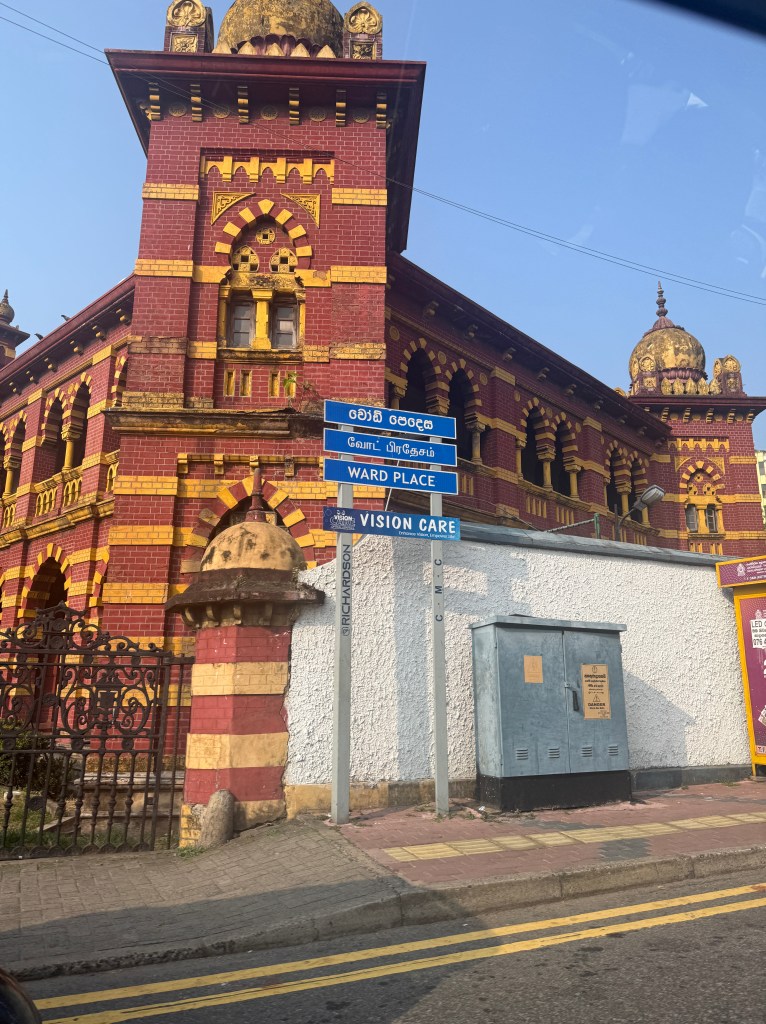
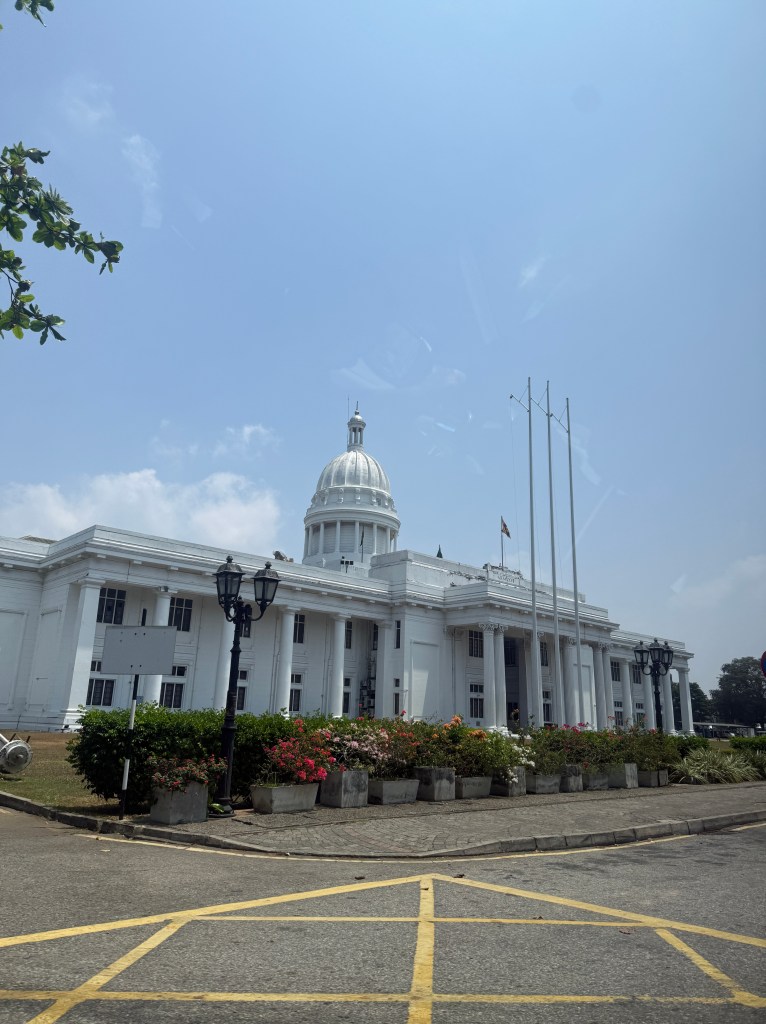
Day One
I landed in the morning and checked into the ITC Ratnadipa which is the brand’s first property outside India, sitting on Beira Lake in the heart of the city. On paper it has everything: grand facilities, a strong location, the ITC name. In practice, it felt like a property that had invested heavily in the broad strokes and overlooked the details. The kind of hotel where the pool is impressive but the service lacks the warmth and curation you’d expect at that price point. Fine, comfortable, and slightly disappointing in the way that only expensive hotels can be.
I left fairly quickly.
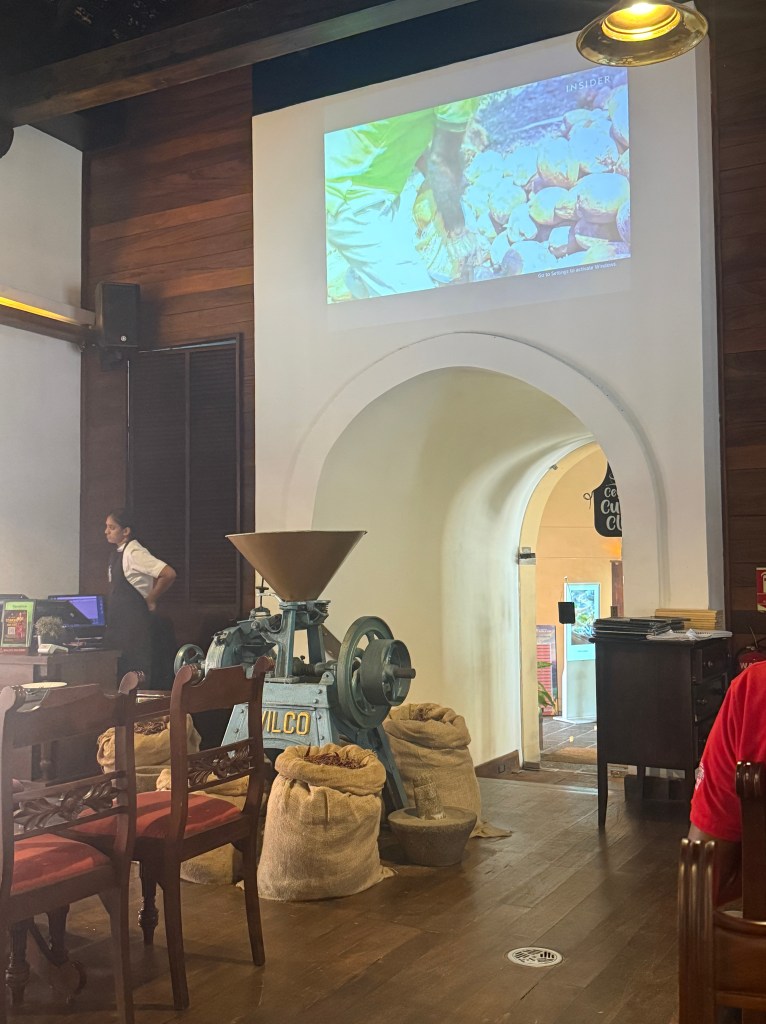
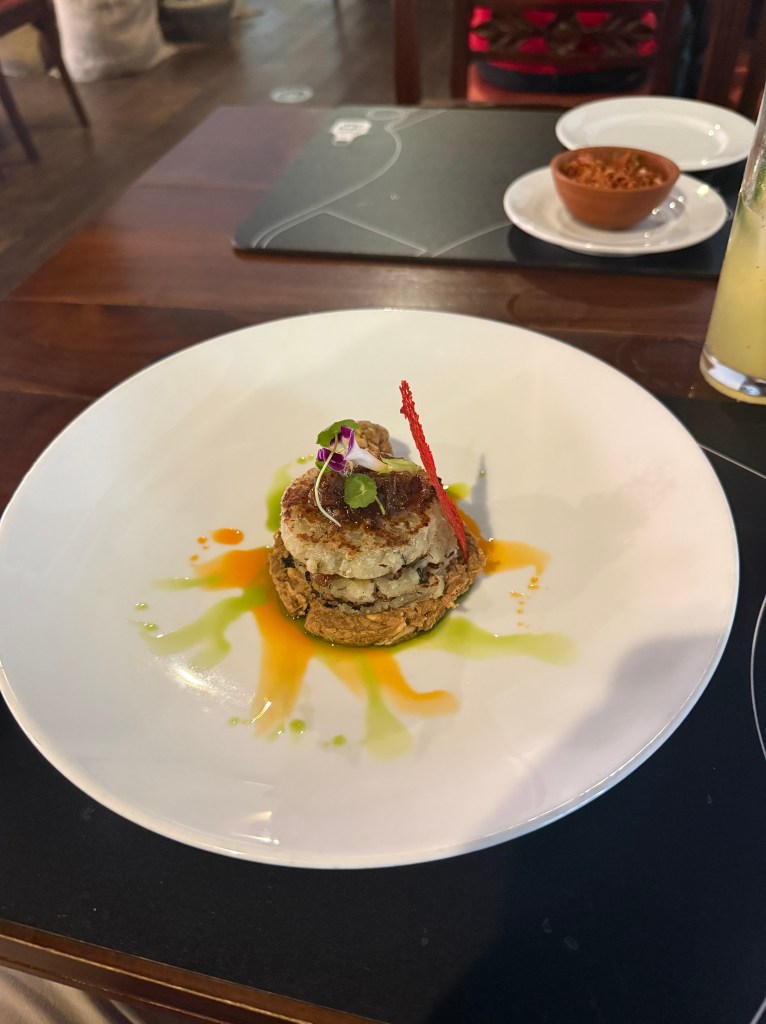
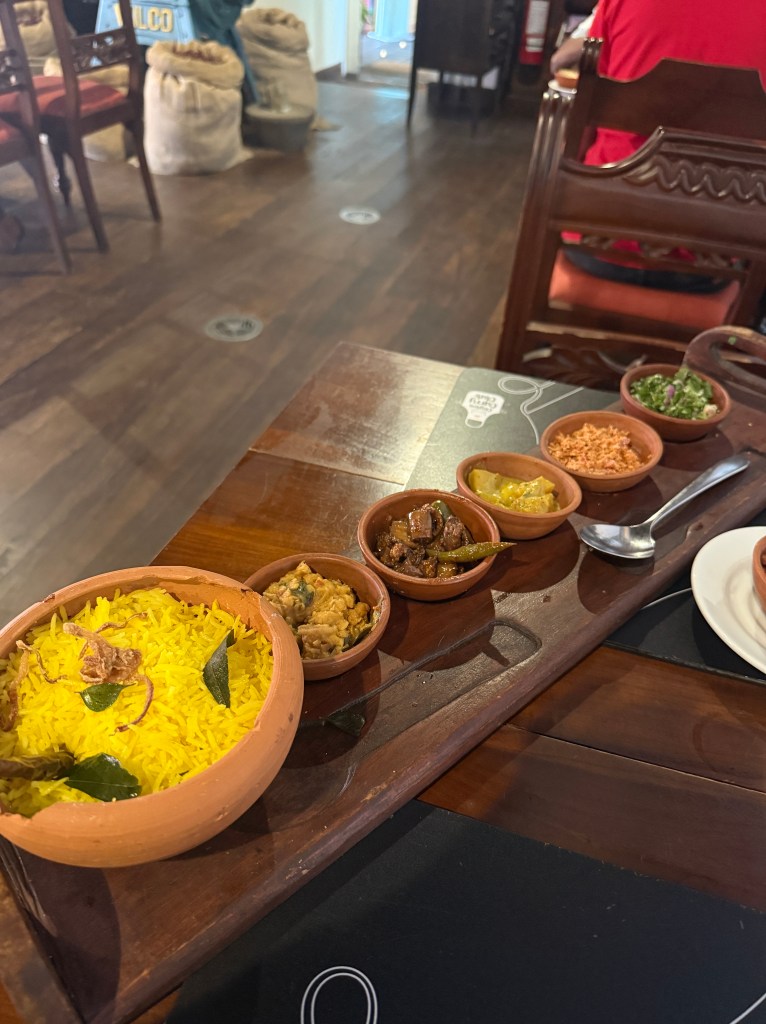
Lunch was at the Ceylon Curry Club, and it was one of the better decisions of the trip. Sri Lankan food is not Indian food, though the two are routinely and lazily grouped together. It is coconut-forward, boldly spiced, and built around a logic that is entirely its own. A proper Sri Lankan spread means rice surrounded by a constellation of small dishes which each with a different character, each better when eaten alongside the others. I had curries, sambals, and a jackfruit preparation that was genuinely outstanding. If you leave this country without eating properly, that is entirely on you.
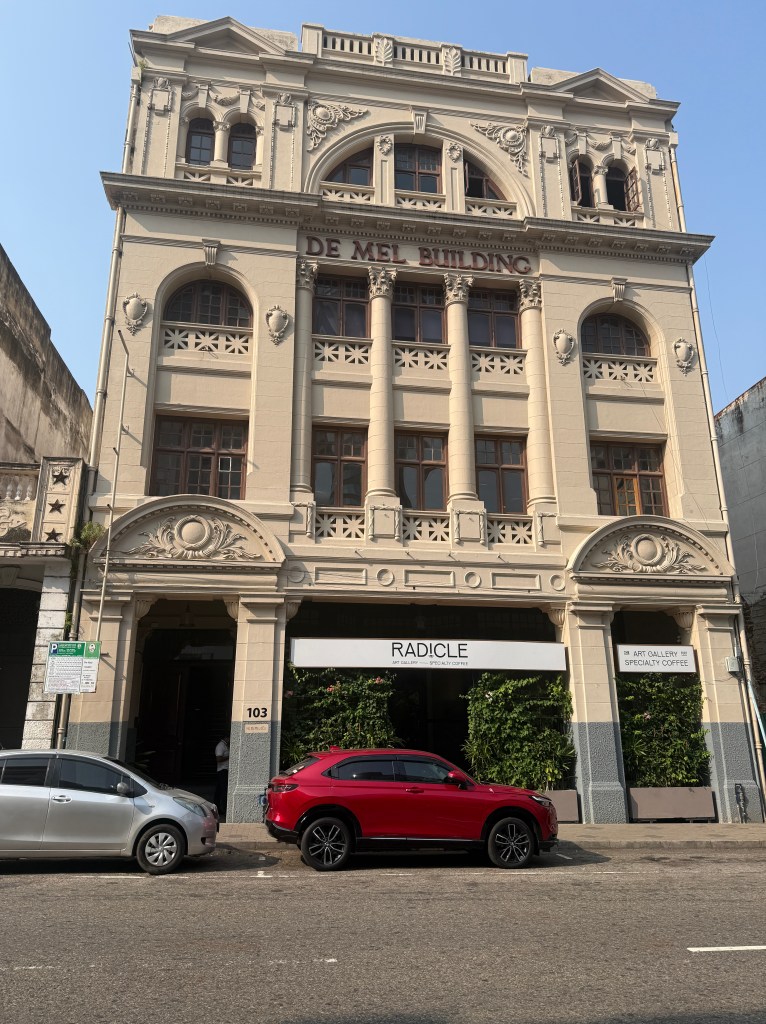
From lunch I walked to Radicle which is a specialty coffee shop that doubles as an art gallery, quiet and unhurried in the way that good cafes always are. The barista and I got talking, the way you do when there’s nobody else in the room, and somewhere between the first cup and the second he told me I had to go to Grind the next day. I noted it down. Genuine Tip : walk into the best specialty cafe you can find, talk to the person behind the counter, and ask them where they’d go. The answer will always be better than anything you find online.
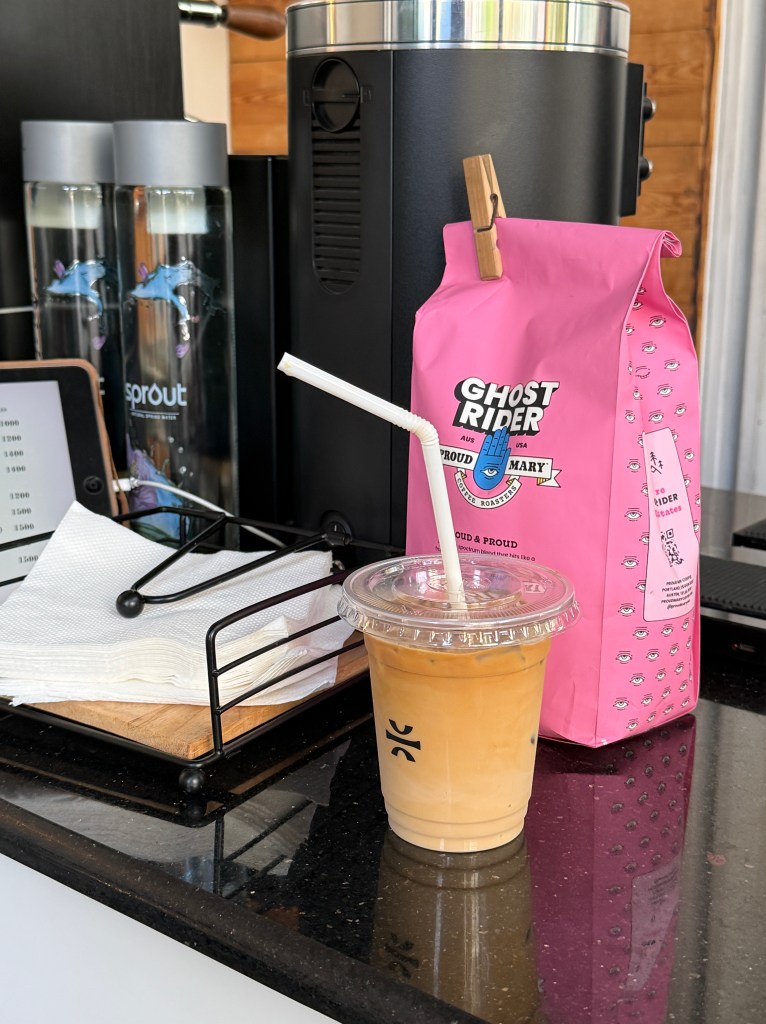
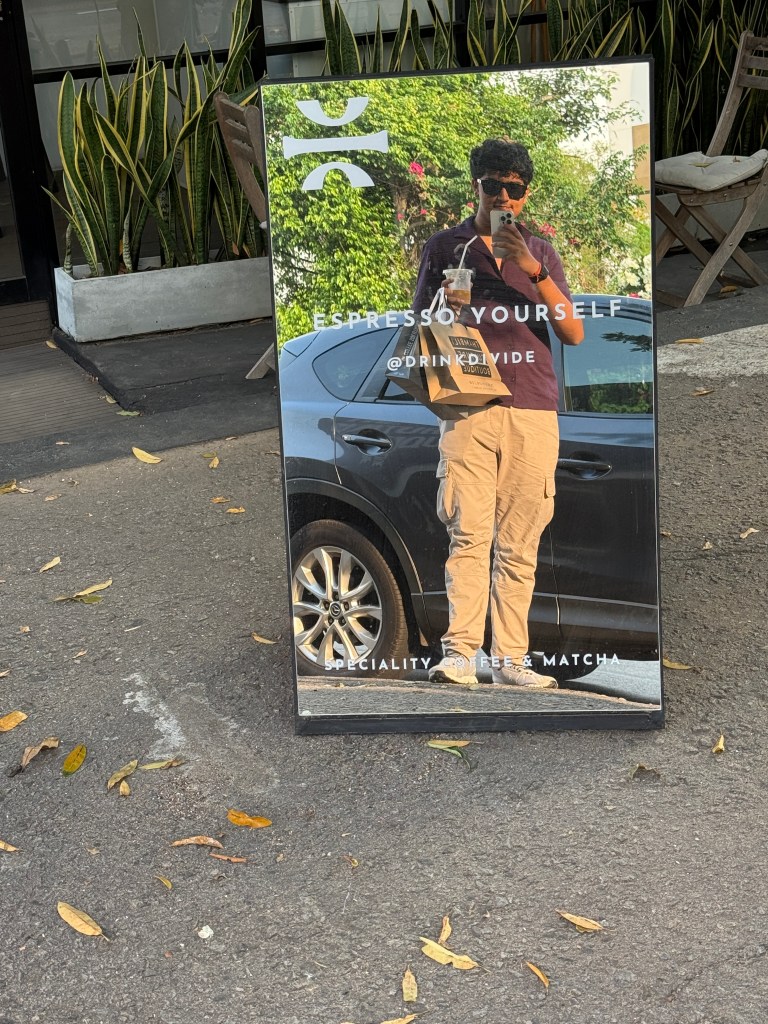
I followed it up with another stop at Divide, a second specialty cafe nearby, partly because the coffee was excellent and partly because I needed the caffeine to keep exploring.
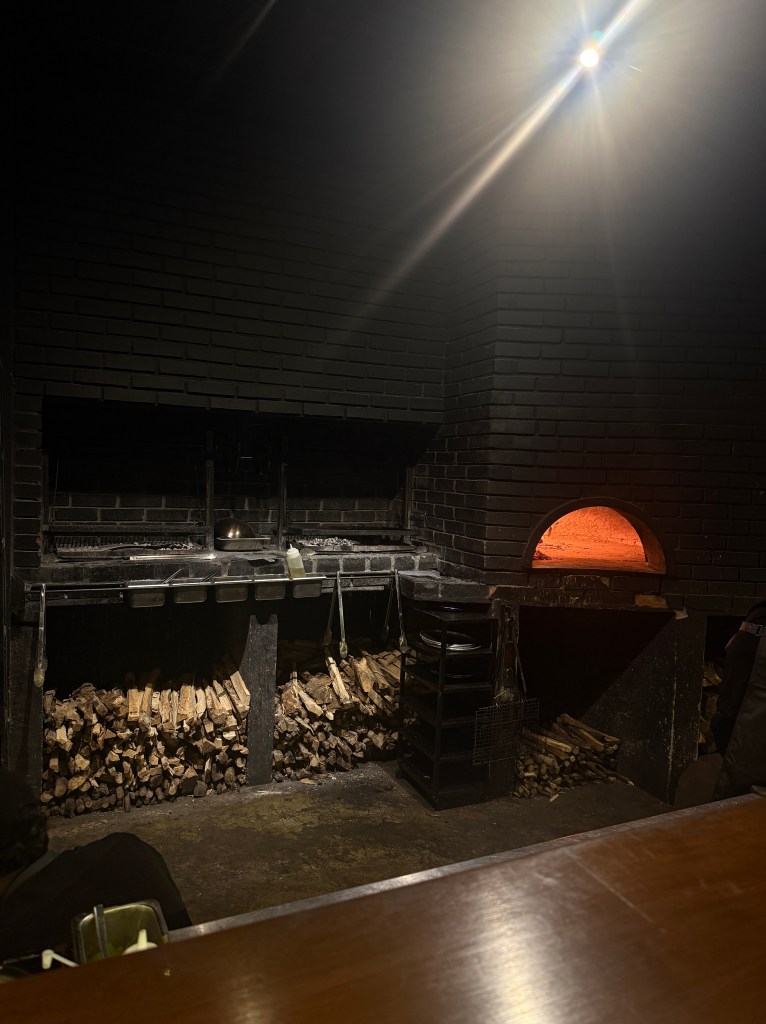
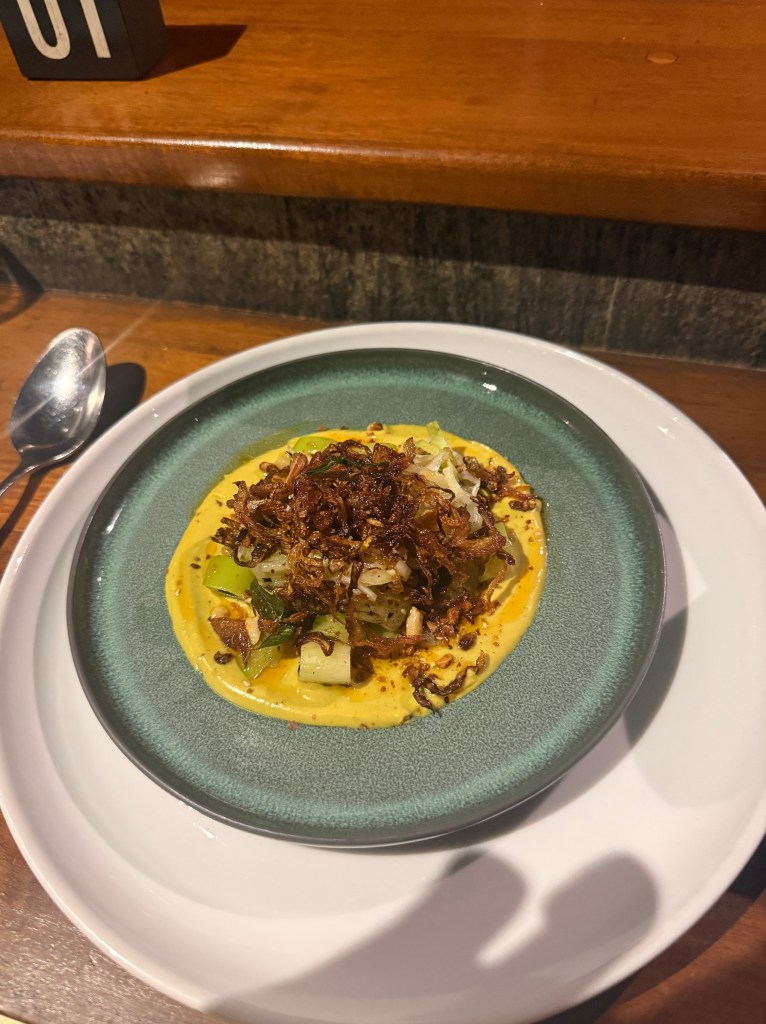
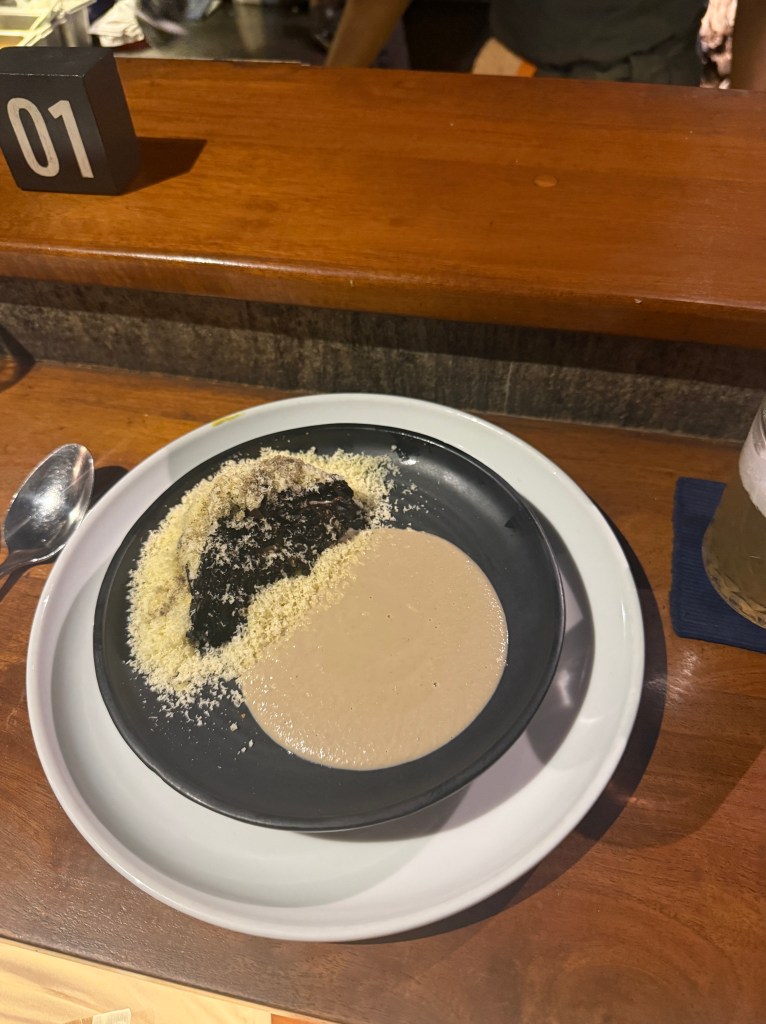
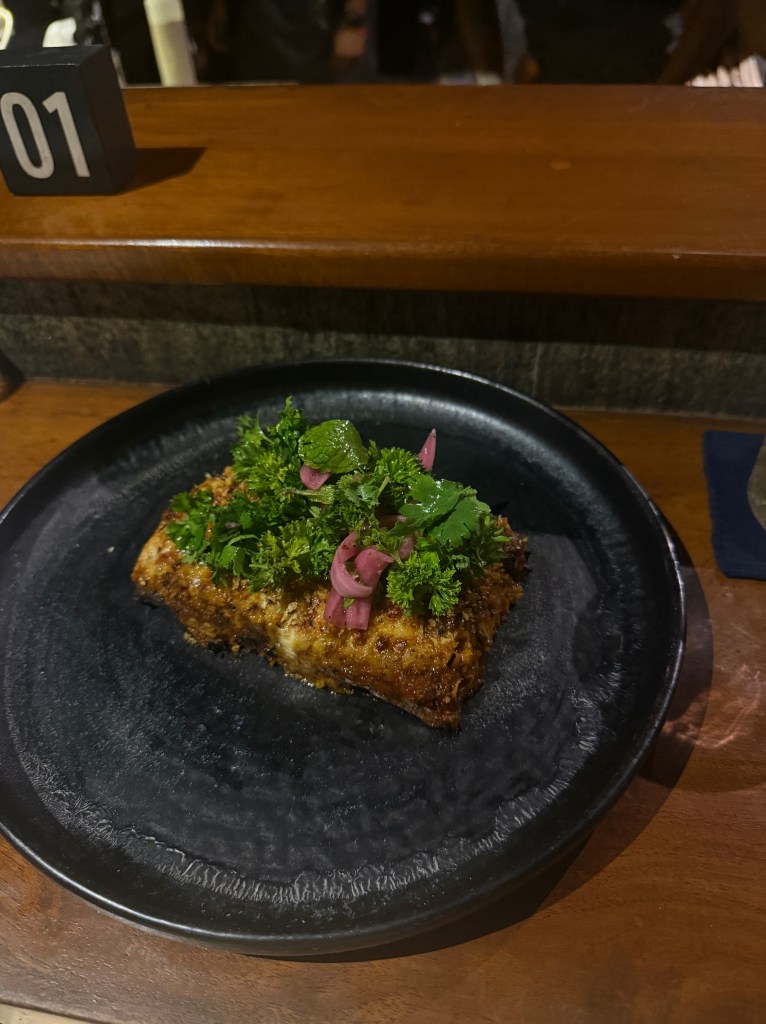
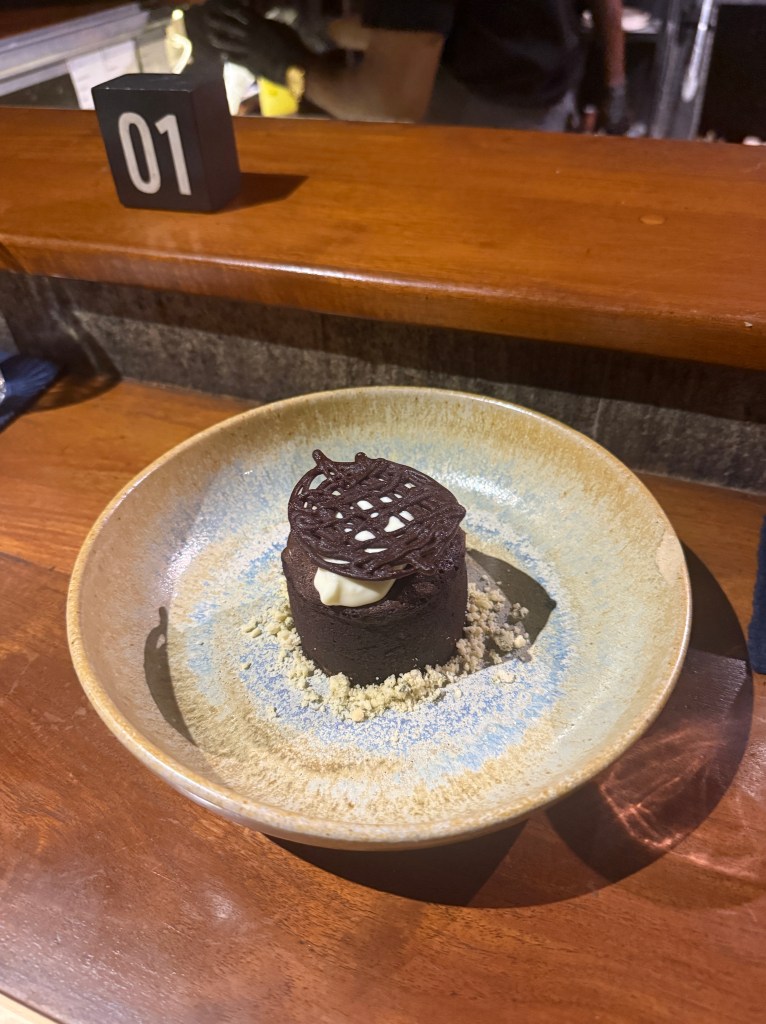
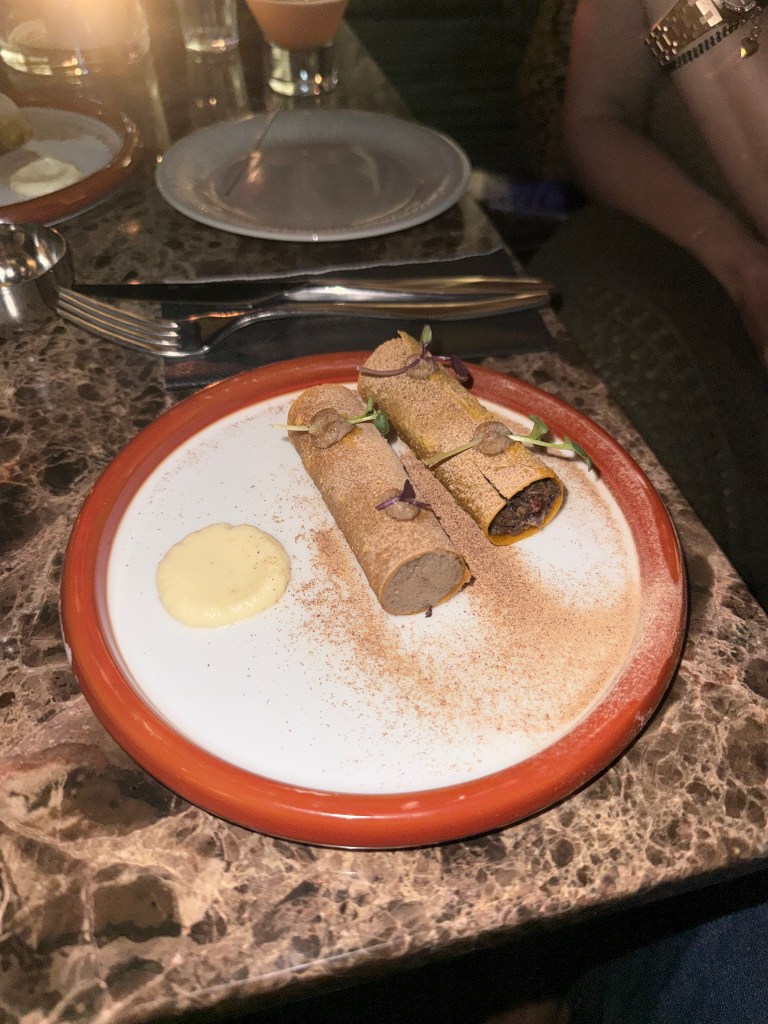
I came back to the hotel mid-afternoon, used the spa, and headed to the gym and then out again for dinner at Gini. Modern Sri Lankan cuisine, cooked over fire. I was eating alone, which turned out to be exactly the right way to experience it. The chef came out and walked me through every dish personally which all used the open fire techniques, the local ingredients, the thinking behind each preparation. We talked about Sri Lankan cuisine, about what fire does to flavour, about food as a philosophy. It was the kind of conversation that a full table would have interrupted. The food matched it: charred leeks over cashew sauce, charred cabbage with mushroom sauce and local cheese, an eggplant moussaka with a Sri Lankan twist, and a molten chocolate cake with mint crumble and ice cream that closed the meal on exactly the right note. Before I left, the chef mentioned Kampong. I wrote that down too.
Day Two
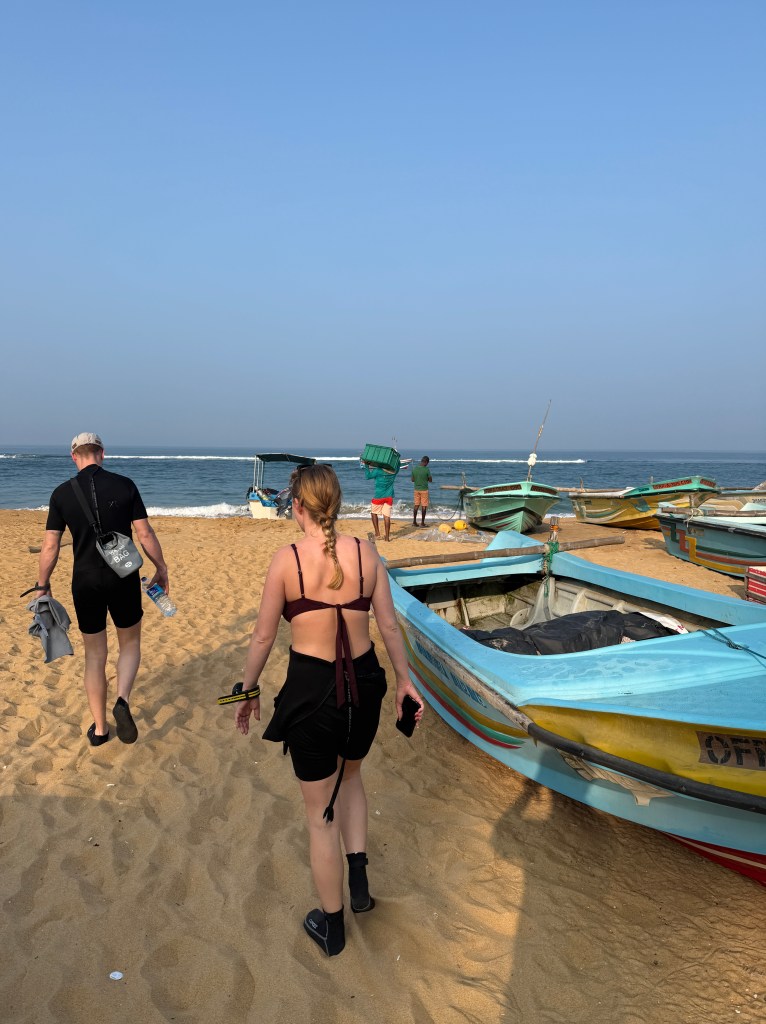
I was up early for a dive with Island Scuba — and if I’m honest, this was the highlight of the trip for me, though I suspect diving always will be.
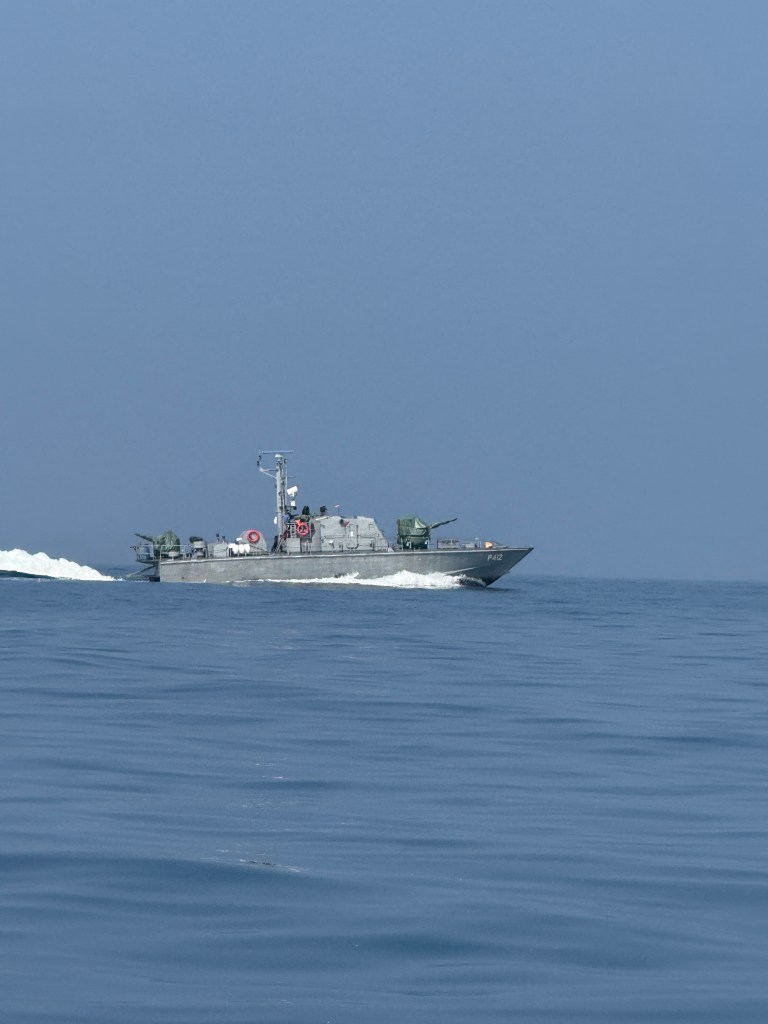
Colombo is not a city most people associate with diving, which is part of what makes it worth knowing about. The waters off the coast are home to 18 wrecks including cargo ships, fishing boats, vessels of various sizes and histories, all all resting on the seabed within easy reach of the city. I have my Advanced Open Water certification, which opened up the deeper sites. We went down to two wrecks sitting at around 30 metres which were a cargo ship and a fishing boat, both encrusted with marine life and carrying that particular atmosphere that only wrecks have underwater. The marine life around them was rich with ray, lionfish, and the general sense of abundance you get around structures that have been sitting on the seabed long enough to become ecosystems. I also met a German couple on the boat who were seasoned wreck divers, and the three of us spent the surface intervals comparing notes on dive sites around the world. That is one of the small pleasures of diving that nobody really warns you about — the people you meet between the dives are often as interesting as what you find below. If you dive, Colombo’s wrecks are genuinely worth your time.
After the dives I visited the Gangaramaya Temple being one of Colombo’s most significant Buddhist temples, sitting on the edge of Beira Lake. It is eclectically decorated and surprisingly vast inside, the kind of place that accumulates meaning slowly the longer you spend in it. From there I went to GRIND for lunch which was the place the barista at Radicle had pointed me toward the day before. The rainbow bowl was as good as advertised and as good to look at as it was to eat.
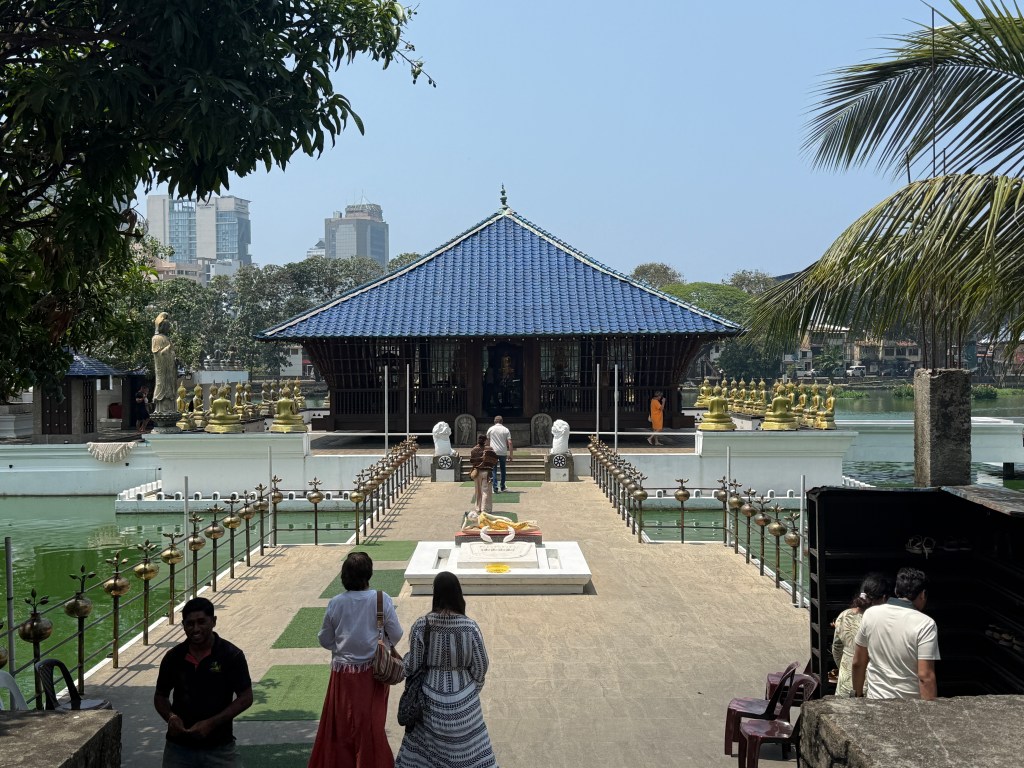
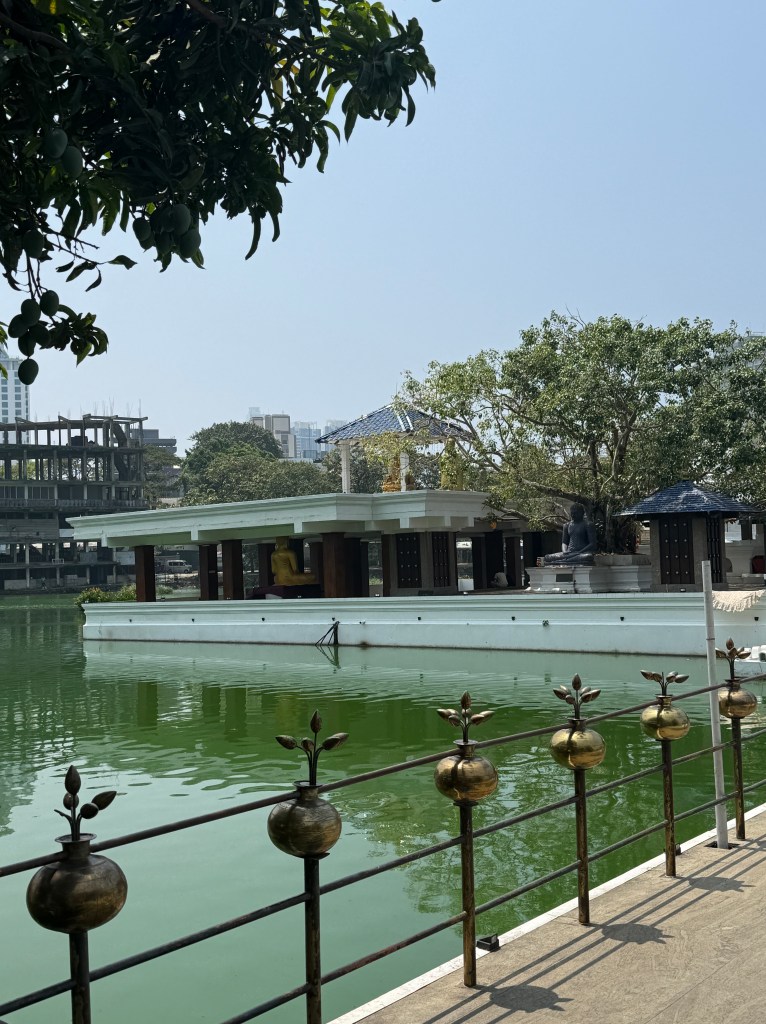
The afternoon was unhurried : Galle Face Mall, a grooming session, some time looking up at the Lotus Tower, which is the tallest self-supported structure in South Asia and hard to miss on the Colombo skyline, and a wander through the boutiques on Ward Place and Horton Place. I finished with a poke bowl at Seed Cafe. Colombo rewards this kind of aimless afternoon. Nobody is in a rush here and eventually you stop being in one too.
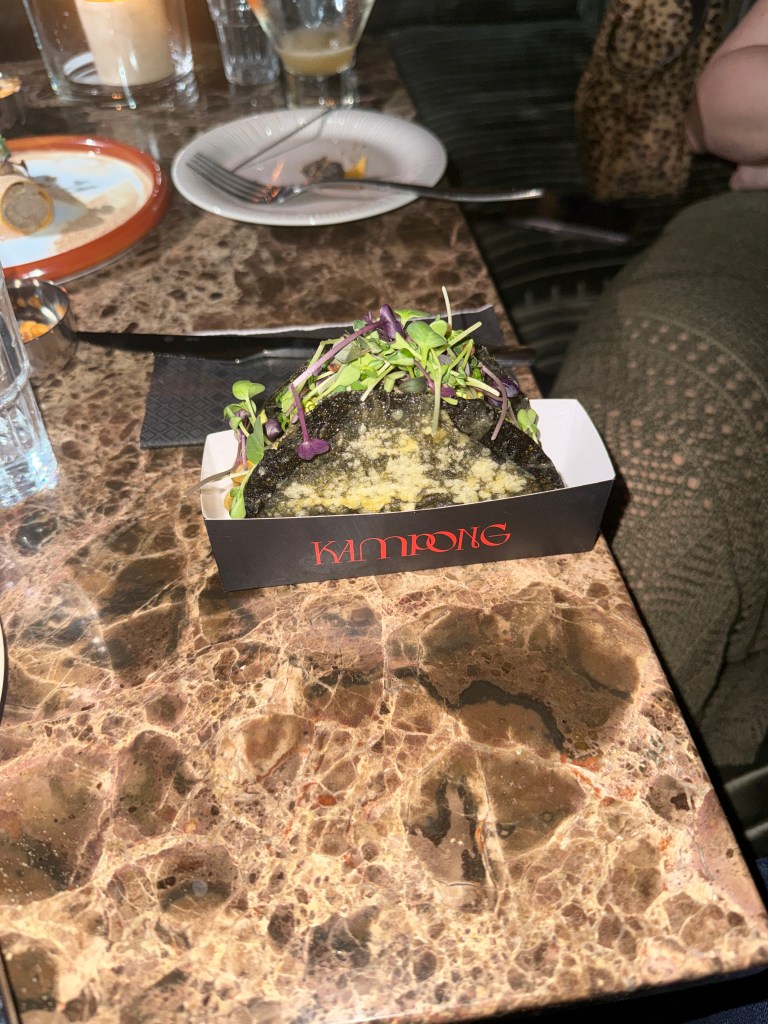
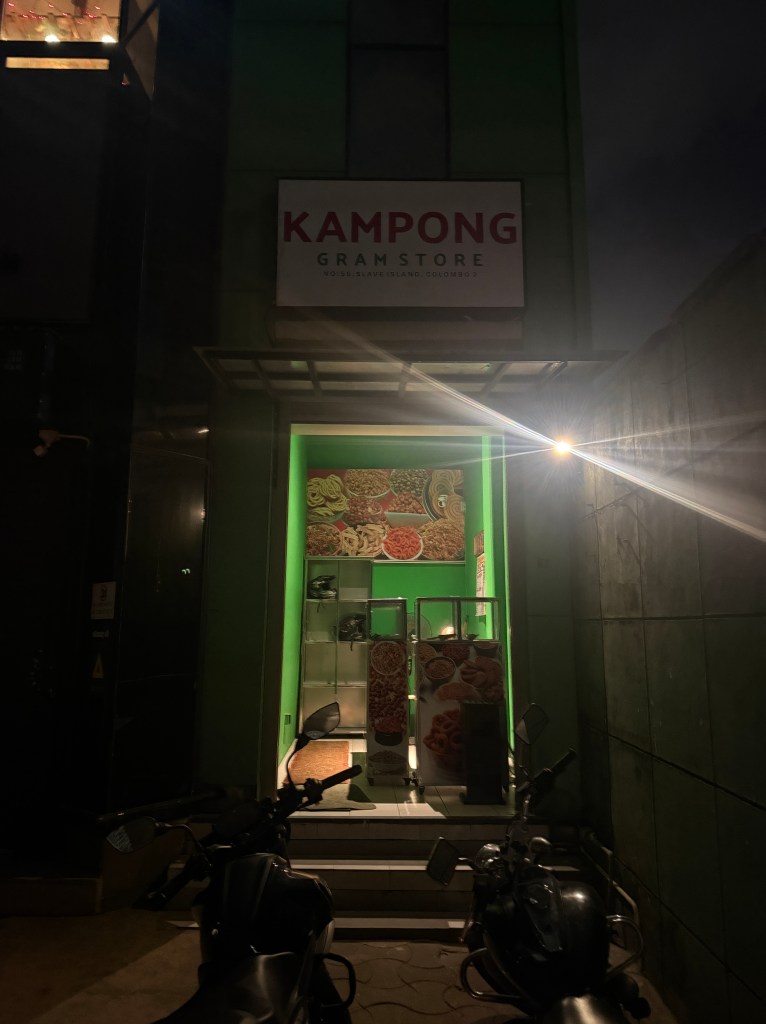
The evening arranged itself around the T20 World Cup semi final between India and England. We started at the hotel bar for the first innings which comfortable enough, but lacking atmosphere. So we moved, on the chef’s recommendation from the night before, to Kampong. The entrance is a corner chicken shop — genuinely unassuming, the kind of place you’d walk past without a second thought. Push past the storage racks at the back and you find yourself in a low-lit, chic speakeasy with a cocktail menu built around the districts of Colombo. The menu is deliberately short and everything on it is good. We worked through the whole thing. It was, in every sense, the right place to end the night and I wouldn’t have found it without a conversation over dinner the evening before.
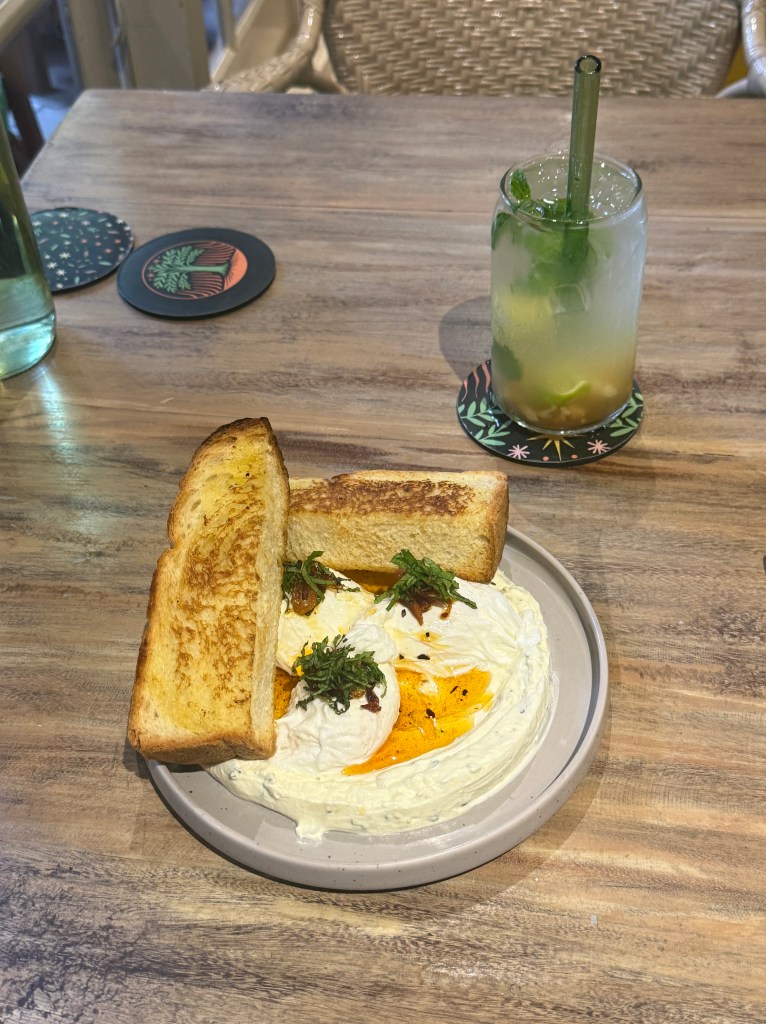
The next two nights were a different Sri Lanka entirely. The conference had moved us to the Pegasus Reef Hotel which was further out, right on the coast. The days were full with long sessions, good conversations, the particular exhaustion that comes from being professionally switched on for hours at a stretch. The nights were the opposite. Beach, a drink, the sound of the water. One morning I broke away for brunch at Cafe Kampuk — Turkish eggs, excellent ambience and very good coffee.
Sri Lanka didn’t need two weeks to make an impression. Two days in Colombo and it had already done the damage. This was the kind of trip that doesn’t leave you satisfied, just hungry for more, which is a cruel thing for a country to do. The hill trains, the leopards, Galle, the east coast which was unvisited. I have no excuse except that I ran out of days, which is the most common travel problem in the world and the least sympathetic one. I’ll be back. Probably with a longer itinerary, a better hotel choice, and the same completely unrealistic idea that I’ll fit everything in.
If you’re planning your own Colombo, here’s where I’d point you.
- Hotels : Paradise Road Tintagel, Shangri-La Colombo, Galle Face Hotel, Taj Samudra, Jetwing Colombo Seven
- Restaurants : Ministry of Crab, Kaema Sutra, Nihonbashi, Monsoon, The Gallery Cafe, Upali’s by Nawaloka, Barefoot Garden Cafe, VOC Cafe, Nuga Gama, Kodamba Kade
- Bars : Uncle’s, Shoulders By Harpos
- Sights : Galle Face Green, Dutch Hospital Precinct, Jami ul-Alfar Mosque, Independence Square, Seema Malakaya, National Museum, Pettah Market
Places I Missed (Ranked)
A note before we begin: I haven’t been to any of these. This ranking is built on research, conversations with people who have, and mostly the order in which I’d personally book my return trip. I’ve noted alongside each who it’s best suited to.
- Sigiriya & the Cultural Triangle The one I’d do first, without question. Sigiriya is a 5th-century rock fortress rising nearly 200 metres from the central plains — frescoes, landscaped gardens, and a lion’s paw gateway built by a king who chose a boulder as his palace. The surrounding Cultural Triangle also takes in Dambulla’s cave temples and the ancient city of Polonnaruwa.
Best for: history lovers and anyone who appreciates a genuine UNESCO wonder that hasn’t been overrun. - Yala National Park Sri Lanka has the highest density of leopards of any country in the world, and Yala is where you find them. Sightings are genuinely frequent — add elephants, sloth bears, and crocodiles and it’s a safari that holds its own against anywhere.
Best for: wildlife enthusiasts and anyone who’s done East Africa and wants something different. - Galle A 16th-century Dutch fort town on the southwestern tip of the island, Galle is one of those places that rewards simply wandering. Cobbled streets, colonial architecture, boutique hotels tucked inside old merchant houses, good restaurants and cafes, and a rampart walk at sunset that’s hard to beat. It’s compact, charming, and very easy to spend a day or two in without any real agenda.
Best for: architecture lovers, slow walkers, and anyone who wants history without the full cultural circuit. - The South Coast — Mirissa, Unawatuna & Tangalle Three distinct beaches within easy reach of each other. Mirissa for whale watching between November and April. Unawatuna for the classic lively beach town experience. Tangalle for those who want the south coast without the crowds.
Best for: beach lovers, whale watching in season, and a proper wind-down after a cultural circuit. - Trincomalee & the East Coast Sri Lanka’s best-kept secret and the one most Indians haven’t discovered yet. Stunning uncrowded beaches at Nilaveli and Uppuveli, one of the world’s great natural harbours, and Arugam Bay — a globally recognised surf point further south.
Best for: solitude seekers, surfers, divers, and travellers willing to go slightly off the beaten path. - Ella & the Hill Country Train The train from Kandy to Ella is consistently rated one of the great rail journeys in the world — tea plantations, misty mountains, waterfalls through the window. Ella itself is a small hill town with good hiking, excellent cafes, and the iconic Nine Arch Bridge. The hill country region, including Nuwara Eliya, is a world apart from the coast.
Best for: slow travellers, couples, and anyone who equates good scenery with good coffee. - Kandy Sri Lanka’s second city, set in the hills at a noticeably gentler pace. The Temple of the Sacred Tooth Relic is one of the most important Buddhist sites in the world, and the surrounding lake, botanical gardens, and nightly dance performances make it a complete destination in its own right. Best for: cultural travellers and a natural midpoint in any full itinerary.
 Travel Footprints