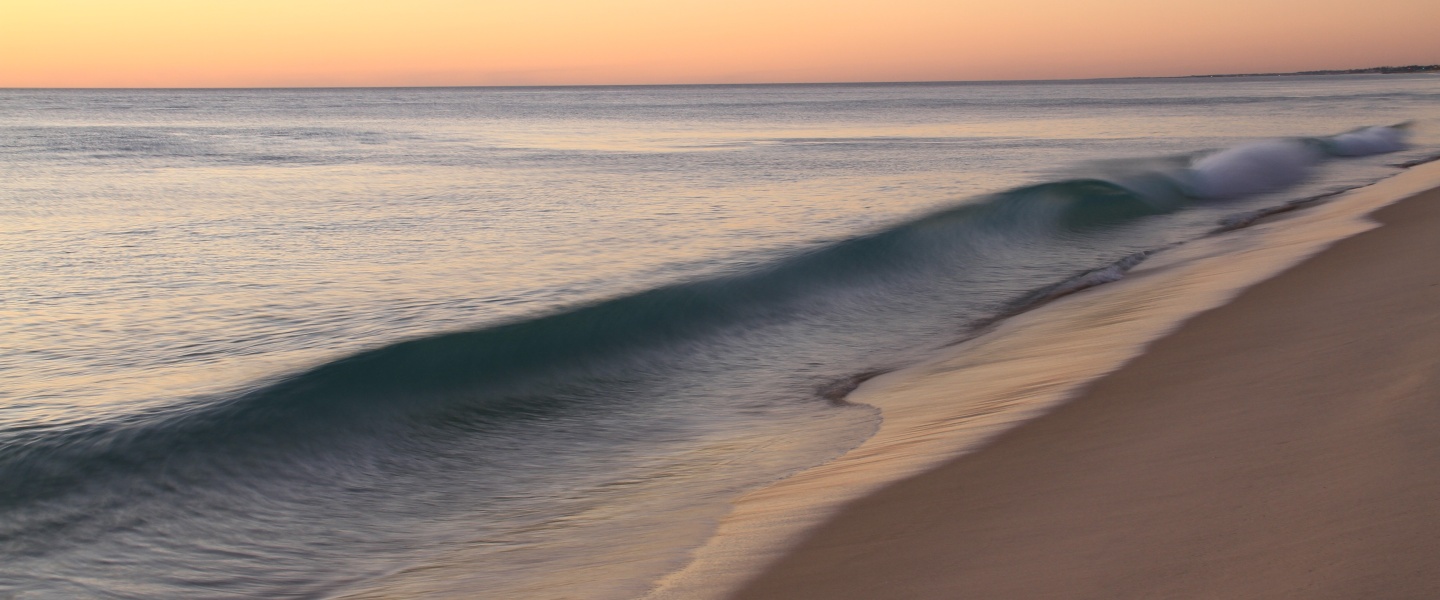
Nobody really talks about Cyprus. Ask most people to name a Mediterranean island and you’ll get Santorini, Sicily, maybe Mallorca if they’re feeling adventurous, and Cyprus will sit there, three hours from most of Europe, doing absolutely nothing to promote itself. Which is baffling, because in four days it managed to hand us a water park, a beach so blue it looks Photoshopped, ruins that predate most of what people fly to Italy for and one of the best days of diving and sailing I’ve had anywhere. Cyprus isn’t trying to be discovered. It’s just what it is.
Day One
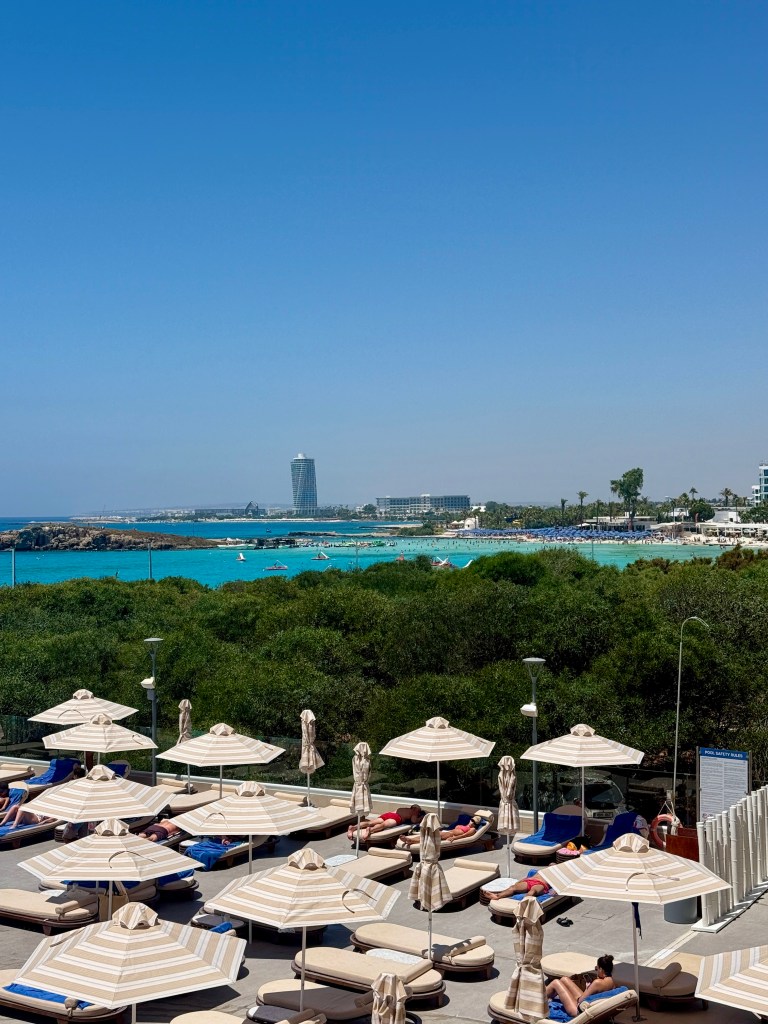
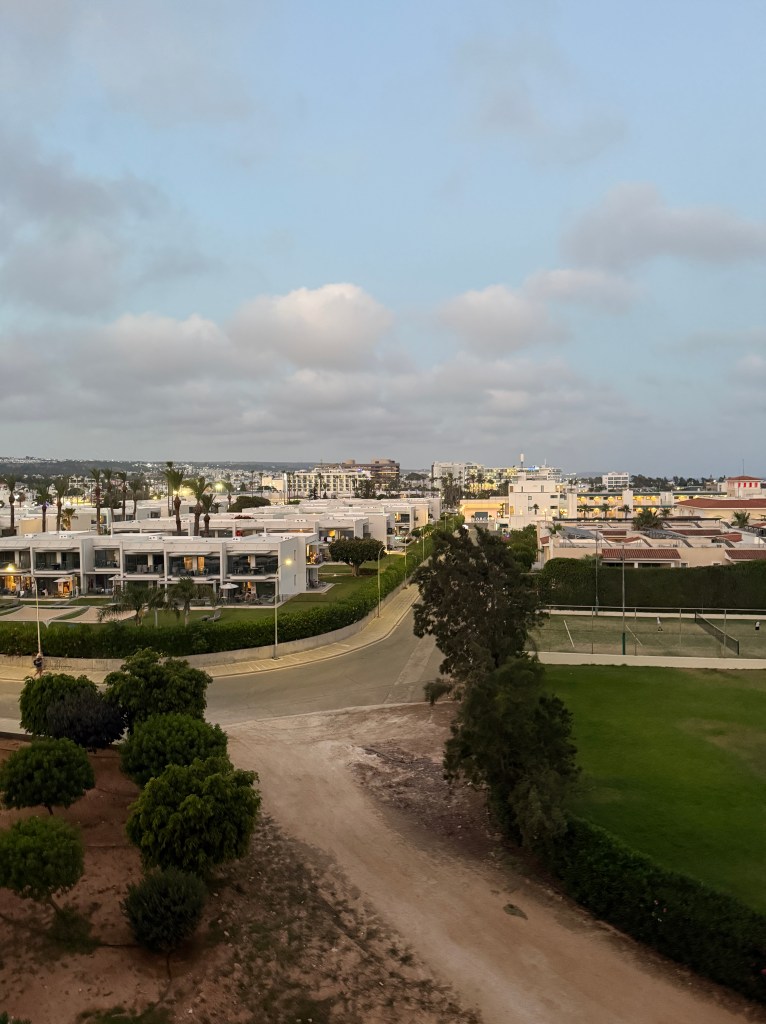
Landing in Cyprus felt like stepping into a different pace almost immediately — the airport was small and easy, the drive out to Ayia Napa – a place we were going to call base for the next four days – was short, and the town showed itself in an unmistakable seaside-resort kind of way: whitewashed buildings, strips of bars and restaurants, and the sea showing up between buildings well before we actually reached it. Ayia Napa has a reputation as Cyprus’s party town, and there’s truth to that. We checked straight into Nissiblu which is a large hotel with a decent pool, five minutes from the beach, spacious rooms and made everyone settled and happy within the hour.
The pool came first, mostly out of impatience, and Nissi Beach came almost immediately after. It’s the beach every Ayia Napa postcard is showing, and for once the postcards aren’t exaggerating. The water is an almost unreal shade of turquoise that you assume must be filtered or enhanced until you’re actually standing in it, shallow enough for a long way out, and the sand is so soft and fine. It gets busy, understandably, but there’s enough space along the curve of the bay that it never felt crowded in the way that name suggests it might.
We headed back to the hotel for lunch at the cafe there, which ended up being one of those meals you don’t expect much from and then can’t stop talking about. Two salads, one of them a proper Greek salad and one a halloumi salad, both genuinely excellent, alongside a vegetarian burger, pizzas that were unreal, and a truffle risotto which was cooked perfectly. It was, without exaggeration, one of the better meals of the four days.
The afternoon was unplanned on purpose. We wandered the streets around the hotel, dipped into shops selling everything from local sweets to overpriced clothes. By evening we’d freshened up and headed to Zaatar, which is a middle eastern joint a few hundred meters away from our hotel. Every single mezze dish was three to four euros, and with nine of us at the table: we ordered essentially the entire mezze menu and skipped the mains without a second thought. Hummus, halloumi, muhammara, baba ganoush and dips I couldn’t name but kept reaching for, small plates arriving faster than we could finish them — it was one of the best value meals you can have, and we didn’t come close to needing the mains too. The desserts were amazing though with an apple puff, Muhallabieh and a soft and mellow Orange tea cake.
We rounded off the night with a visit to the supermarket where we bought a bottle of local orange wine which we planned to drink slowly off the balcony through the next few days admiring the amazing views of the sea.
Day Two
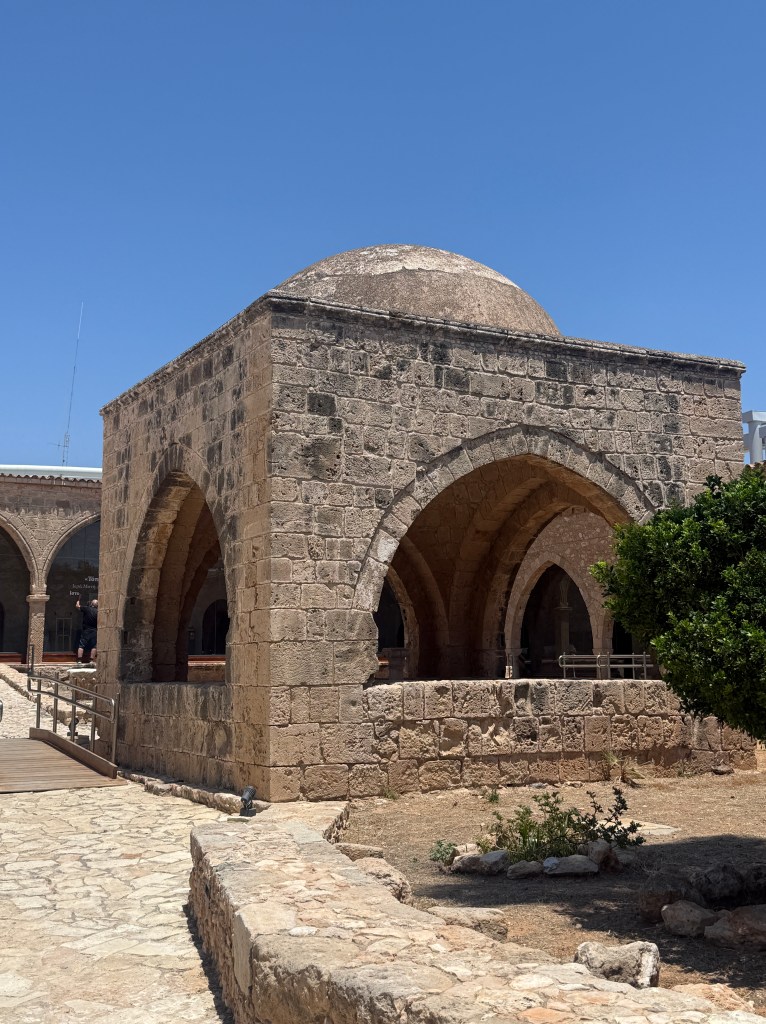
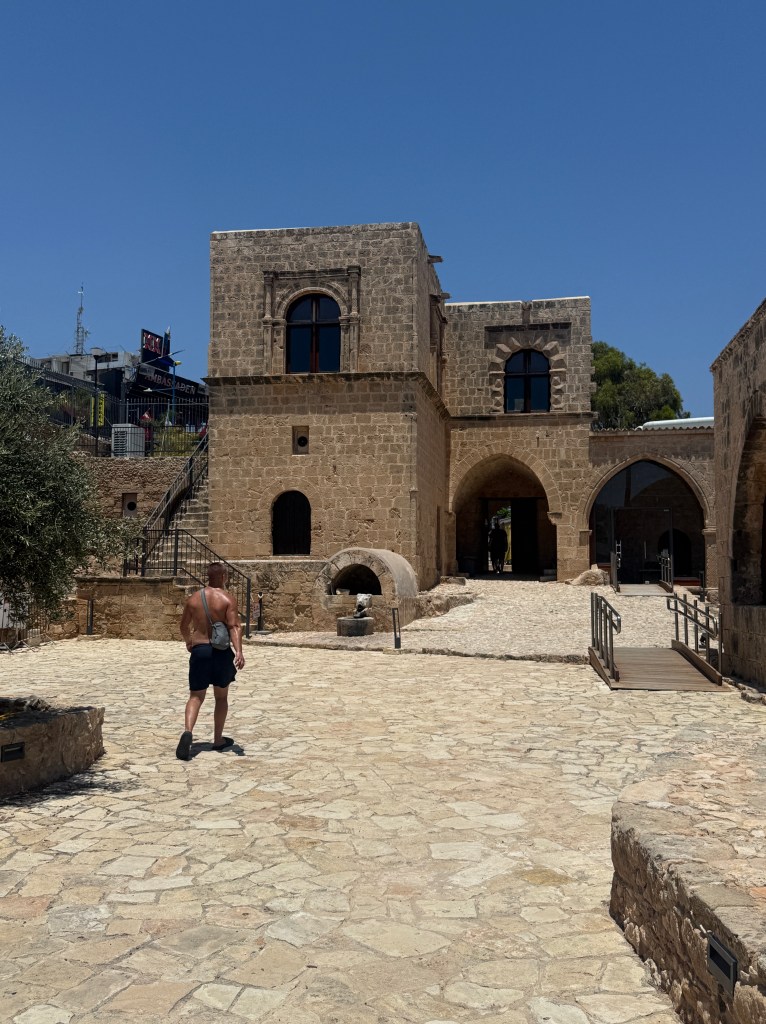
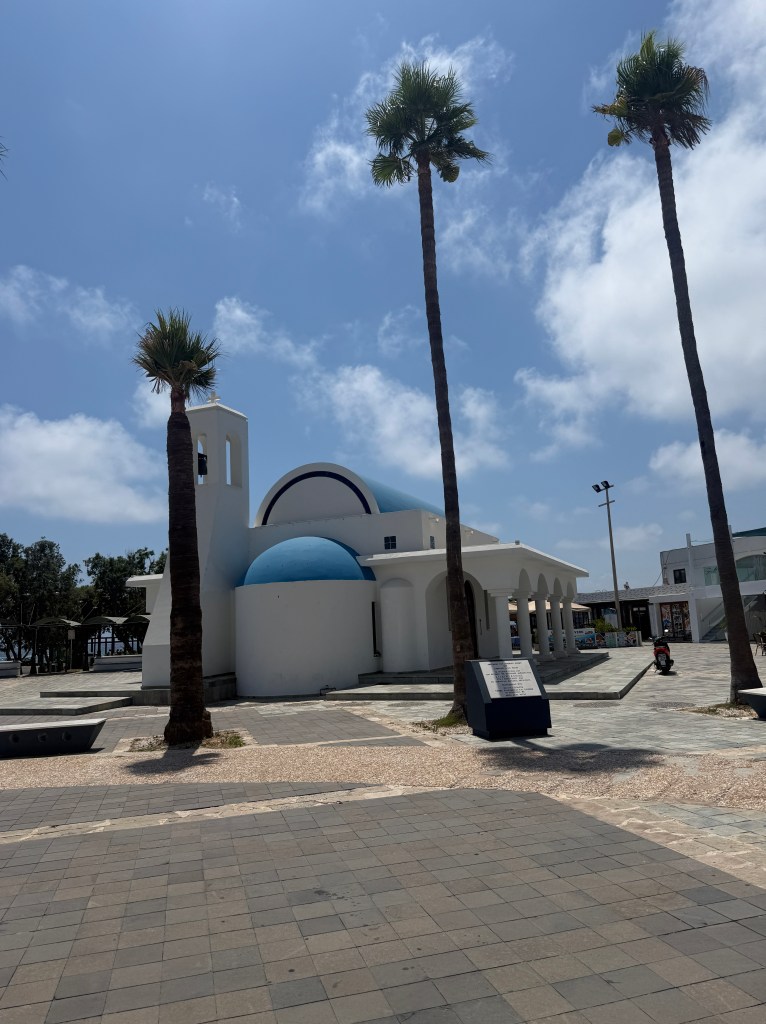
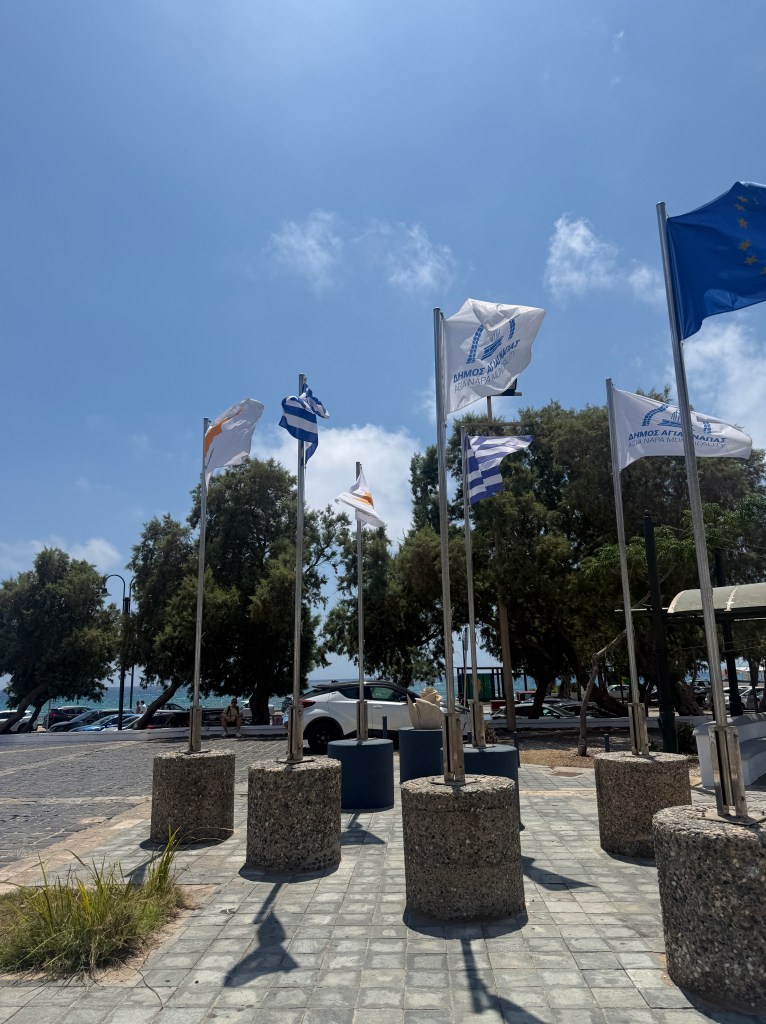
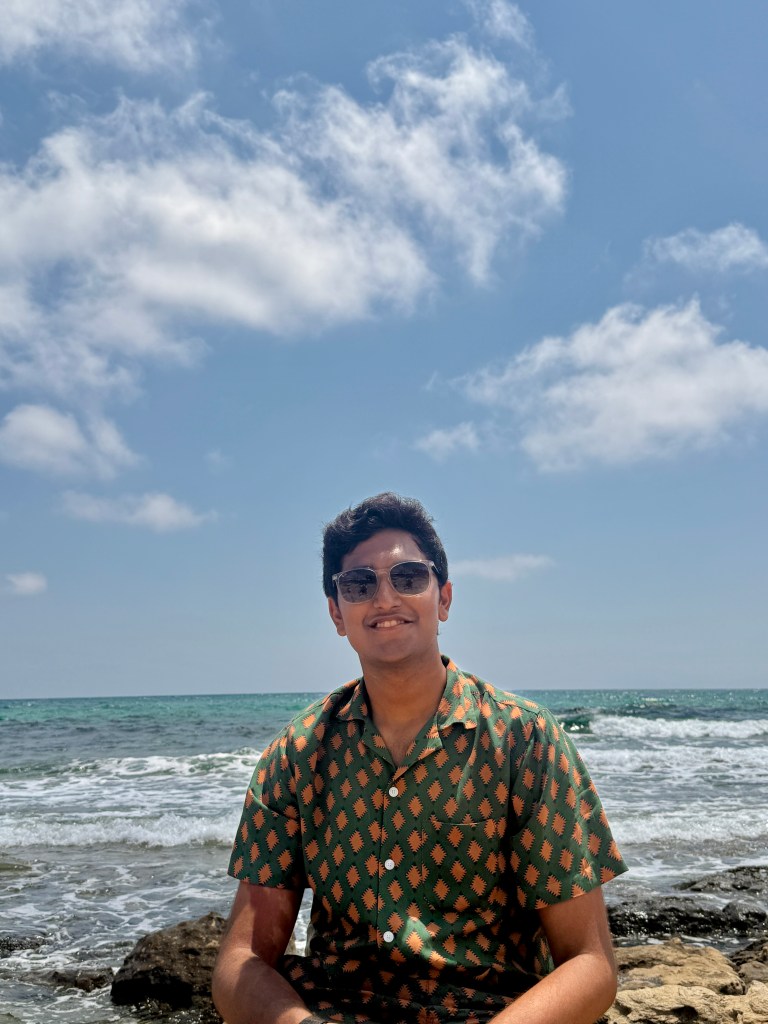
Day two opened at the pace we’d decided the whole trip should run at — unhurried. After Breakfast, we took a taxi into town to start the day, straight to the promenade. The promenade leads right into the heart of the area, a lively scene where the daytime buzz was just starting to wake up. First stop was ice cream, a scoop at the Order of the 5 Brothers and then another not far along at Mövenpick. On route we also stopped by the Monastery and the Church which were a 5 minute detour. From there we wandered down toward the beach area, taking photos as we went, and noticed something — patches of salt visibly forming and depositing along the shoreline, crusted white where the water had evaporated off the rock. Curiosity got the better of me and I tasted it straight off the sea, which was quite fun too.
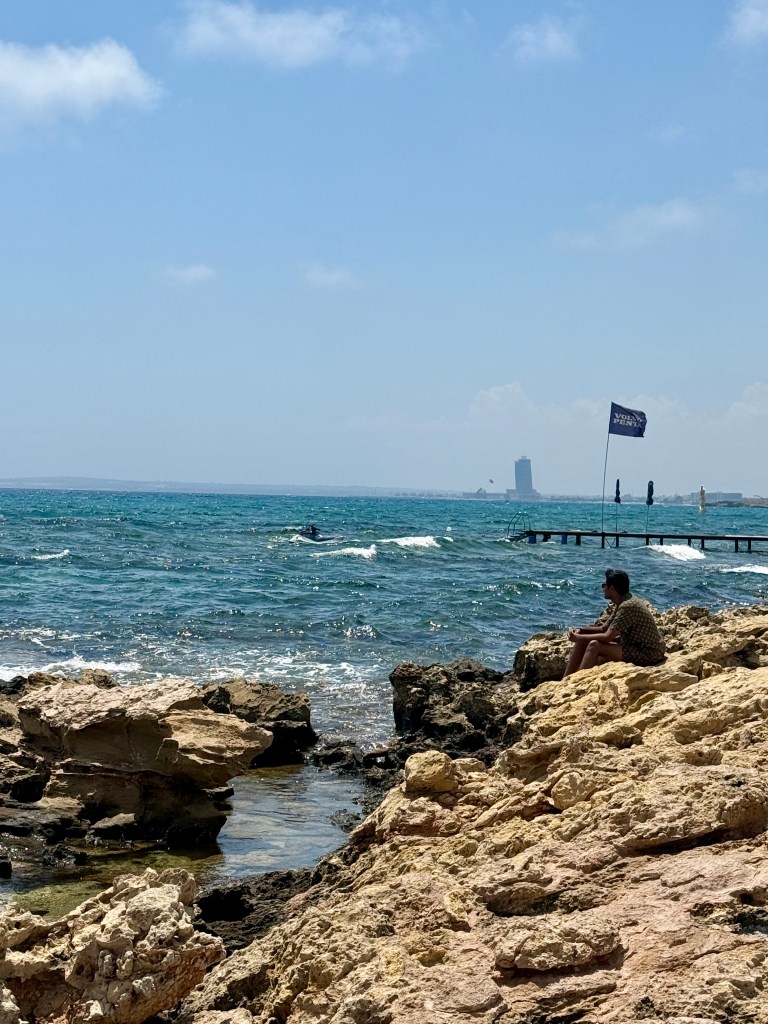
By around 2:30 another taxi had us at Waterworld, Ayia Napa’s Greek mythology-themed water park, and it turned into the real event of the day — we didn’t leave until we’d been on nearly everything twice. The theming runs through the whole place, gods and myths worked into the rides and the layout, and the slides themselves deliver properly on the drop, followed by a lazy river that undid every bit of energy they’d just burned through us. We spent the whole afternoon there, and not one of us was ready to leave when it was time to go.
We came back to the hotel to recover properly, sat with the sea view until the light started changing colour, and then headed to Sale e Pepe on the main street for dinner. The pastas were good, the pizzas were better, and the staff managed a table of nine well with the head chef personally taking interest in each table’s order. A calm, well-fed close to a genuinely fun day.
Day Three
This was the day we drove out to Paphos, and I’ll be upfront about it: it’s a long way to go, the better part of the day eaten up in the car, and by the time we were walking around in the afternoon heat, we were for sure wondering if it was worth the distance. It’s a fair question.
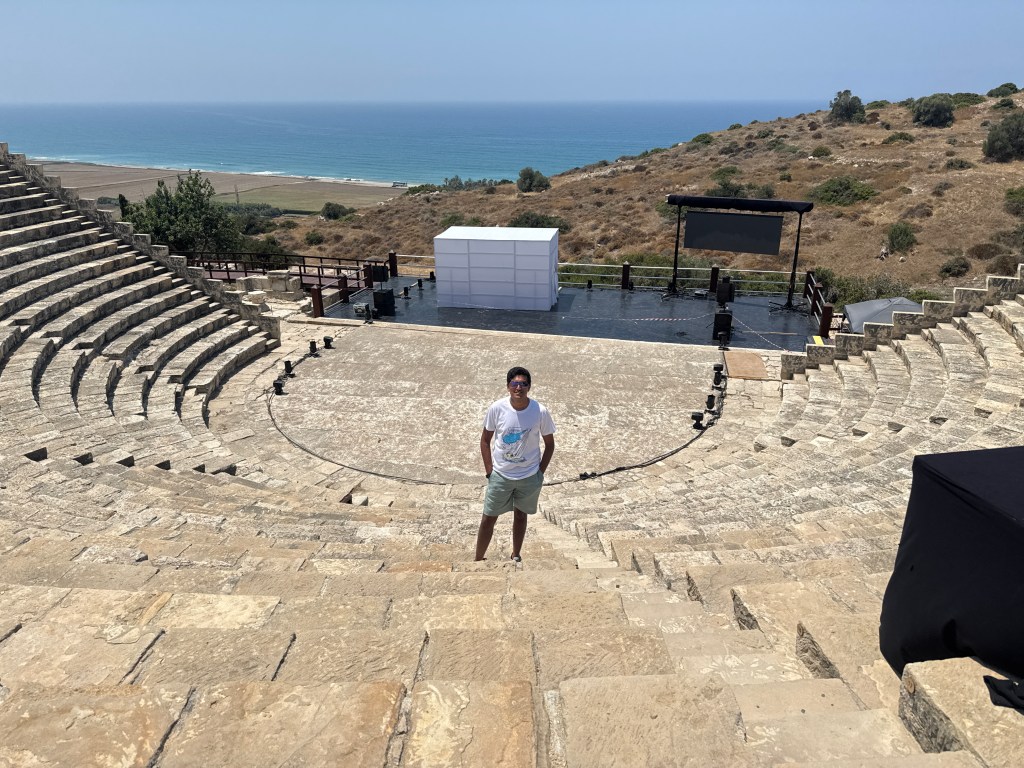
The route took us through Kourion, an ancient Greco-Roman city set above the coastline, its amphitheatre still intact enough that you can sit in the stone seating and get a rough sense of what it once held, sea stretched out behind the stage. It’s a solid stop, worth the twenty minutes, though the heat had started climbing by the time we got there and it took some of the shine off standing around in an open-air ruin at midday. From there we stopped briefly at Aphrodite’s Rock, the sea stack said to be the birthplace of Aphrodite herself, rising out of the water right by the coast road — a nice photo stop, over in perhaps ten minutes.
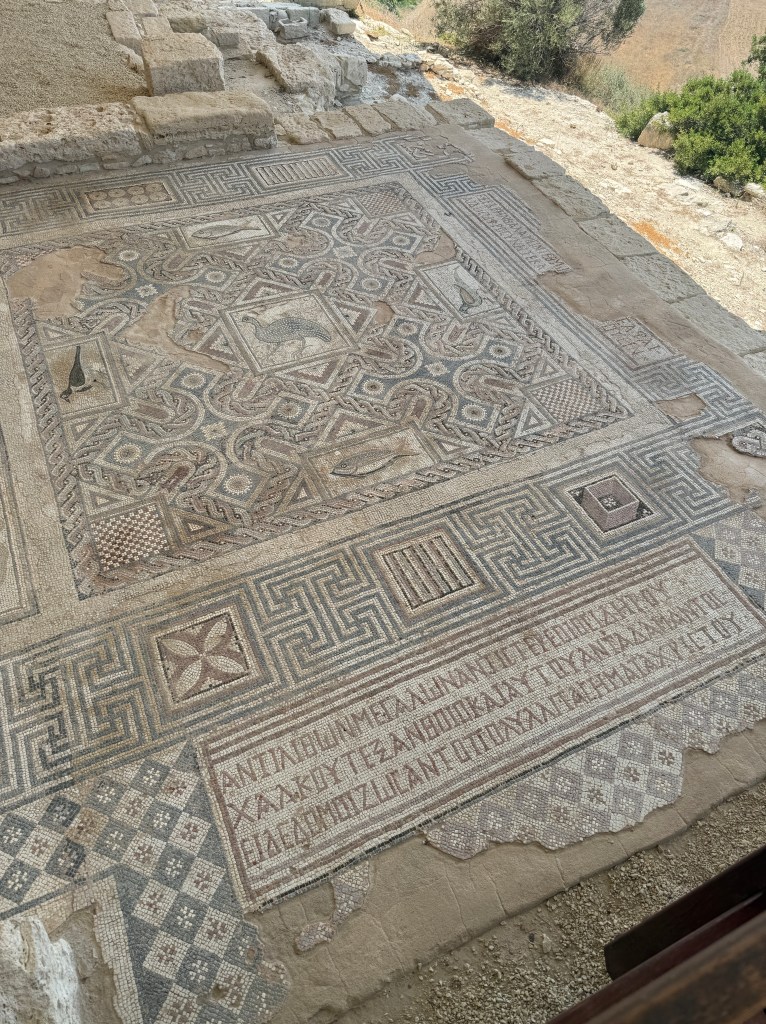
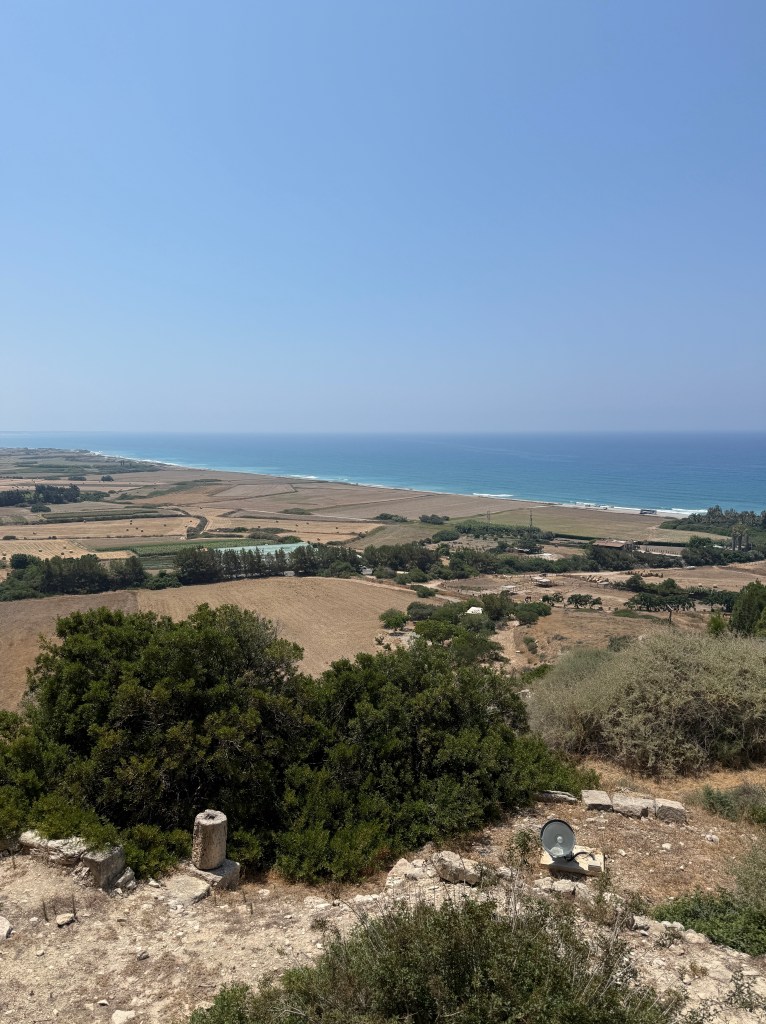
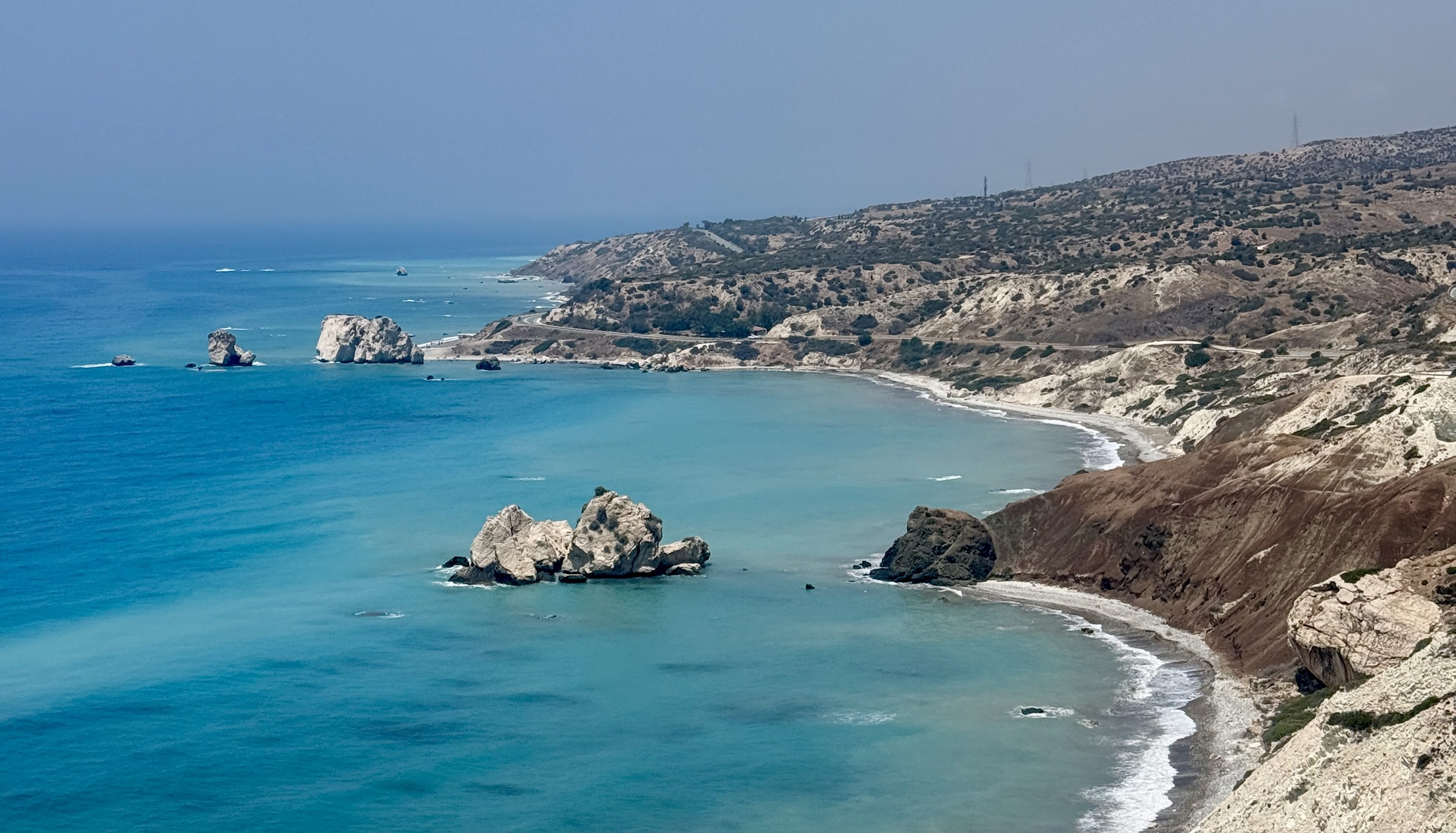
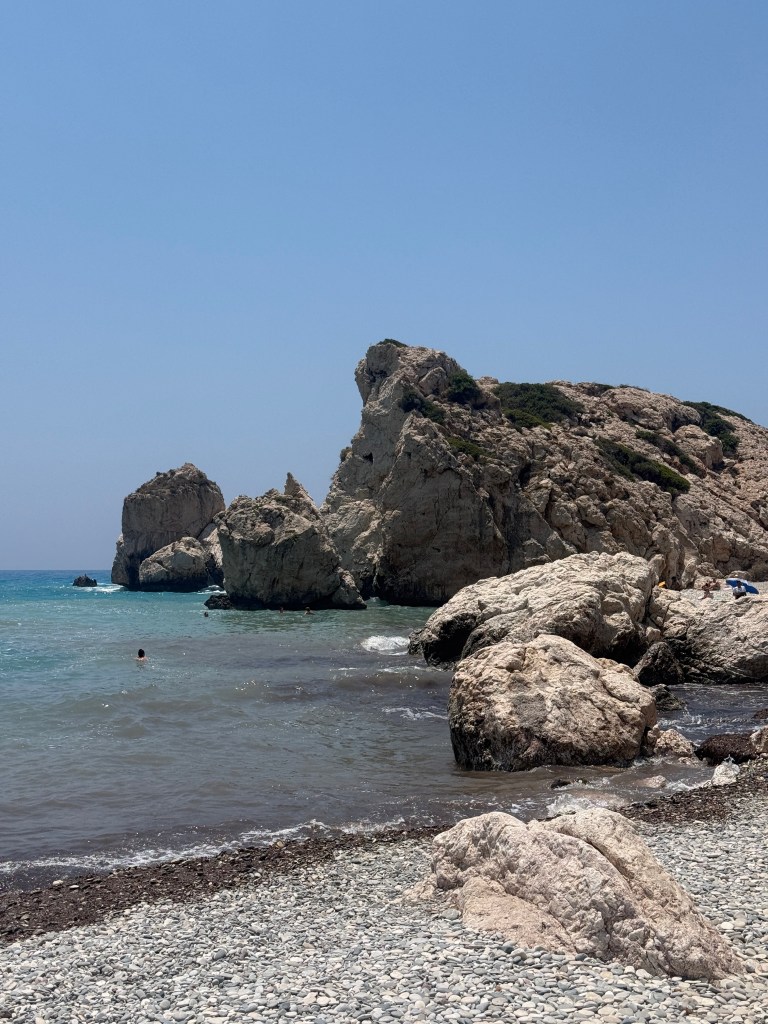
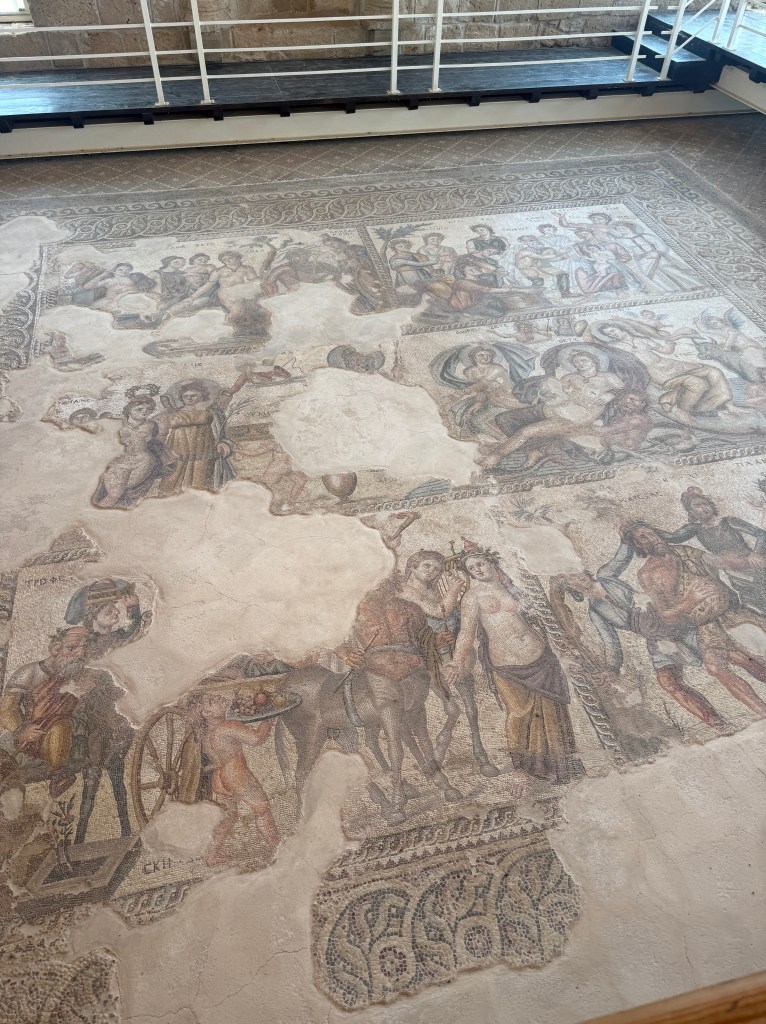
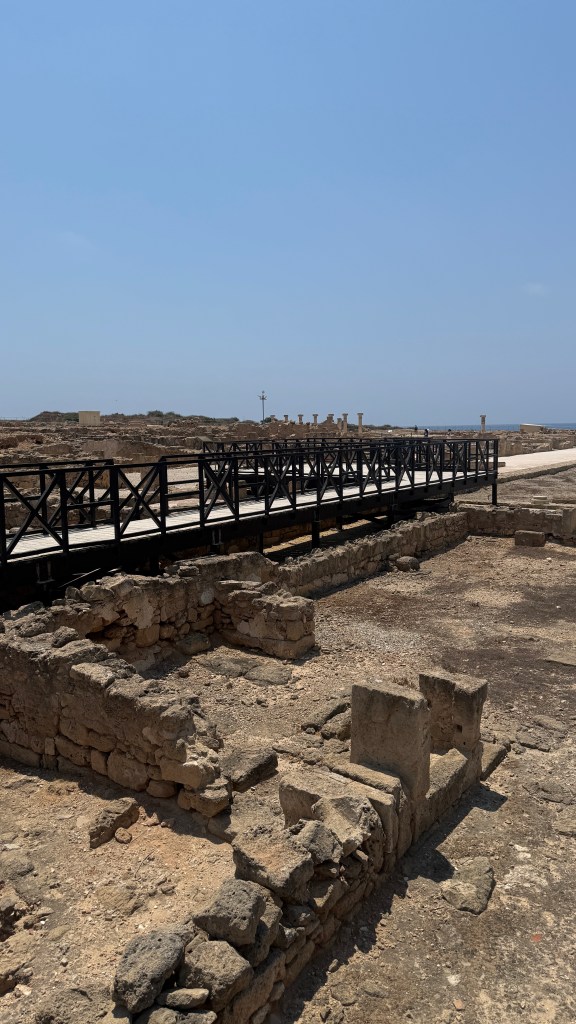
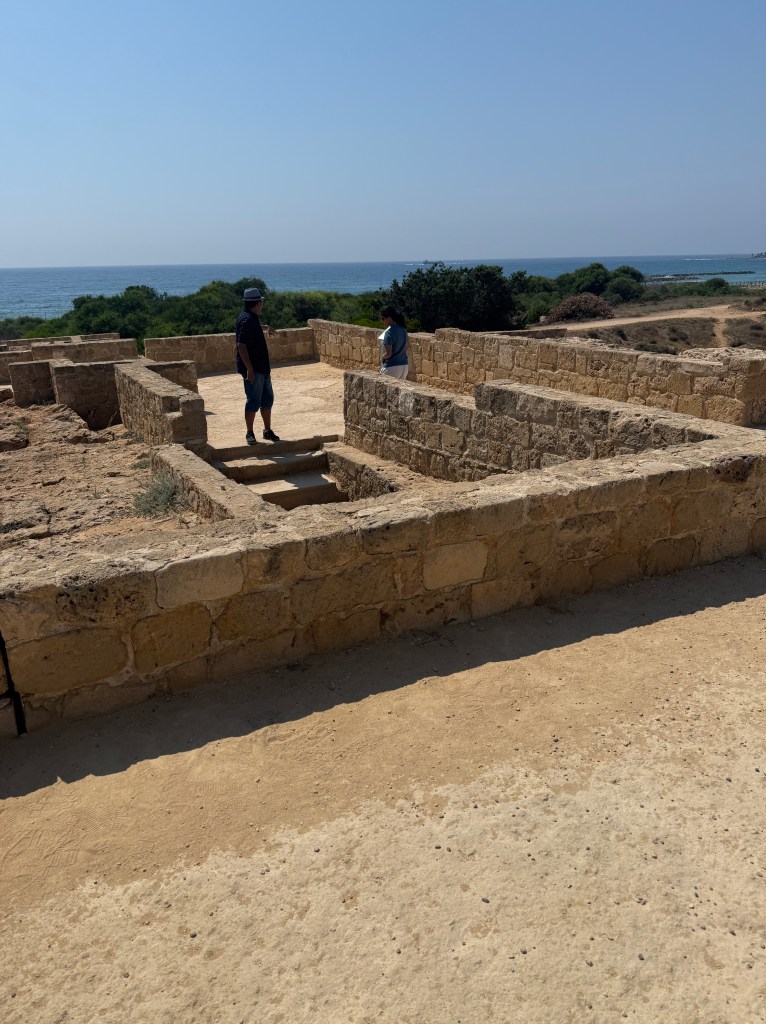
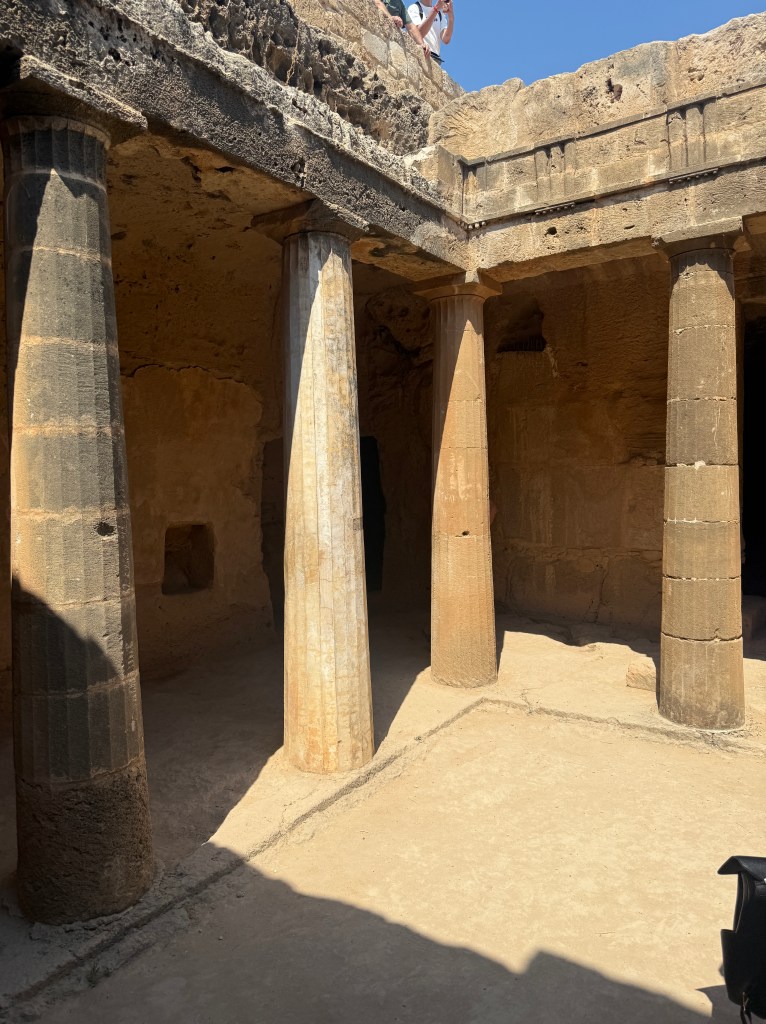
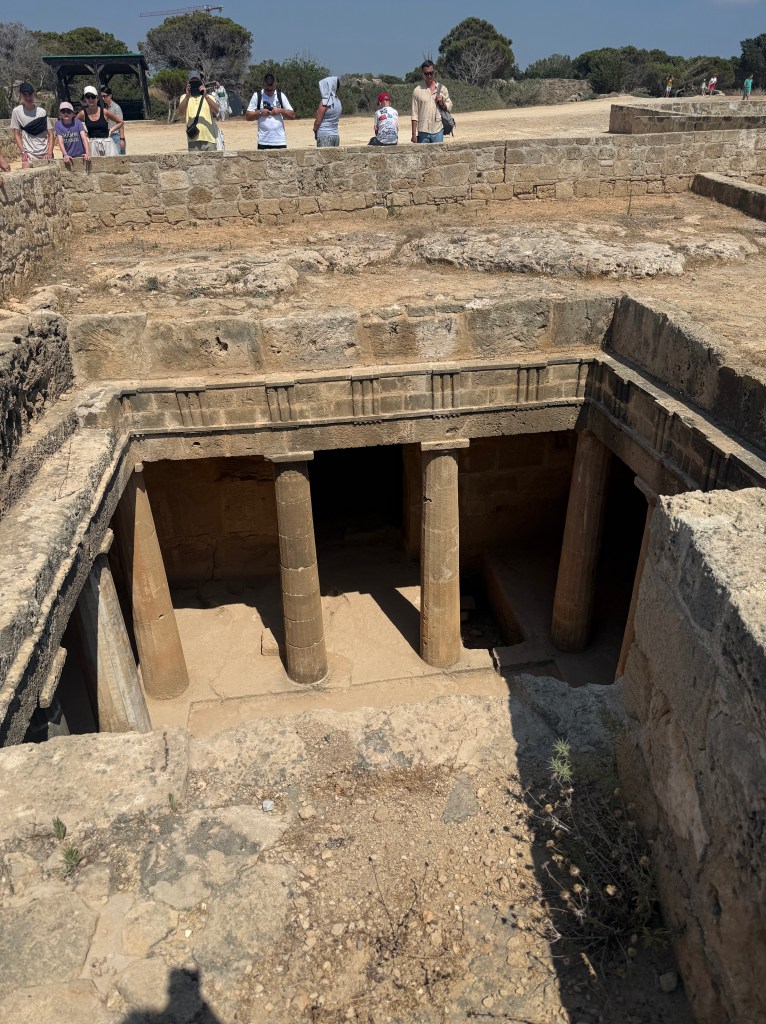
Paphos itself is the better half of the day. We spent a while in the Nea Paphos Archaeological Park, a UNESCO World Heritage Site built around Roman mosaics that have survived nearly two thousand years and still show scenes of gods and hunts in surprising detail, and the Tombs of the Kings nearby, an underground necropolis carved directly into rock that despite the grand name likely wasn’t for royalty at all, but for the island’s wealthiest families. Both are genuinely interesting, and worth seeing if you’re making the trip anyway — I just wouldn’t oversell them as reason enough on their own to give up most of a day, especially in the thick of the afternoon heat, which by that point had most of us moving a lot slower than we’d started. Breakfast had been heavy enough that lunch disappeared from the plan altogether, and a good cold brew at Beanhaus was more than enough to keep us going until dinner.
On the drive back, at around 5:30, we made a detour to the Famagusta checkpoint, to check if we would be granted entry into the north the following day, on advice by our driver. Cyprus has been divided since Turkey’s military intervention in 1974, which split the island into the internationally recognised Republic of Cyprus in the south and the Turkish Republic of Northern Cyprus, recognised only by Turkey itself. For years, Indian passport holders had generally been able to cross into the north without much trouble. That’s changed more recently — ties between India and Turkey soured sharply after fighting broke out between India and Pakistan in 2025, with Turkey publicly backing Pakistan during the conflict, and the fallout has spilled into places you wouldn’t necessarily expect, including passport control at a checkpoint on a divided island. At Famagusta, the answer we got was a firm no — my passport meant I’d need a Turkish visa to cross, something we hadn’t arranged and weren’t going to sort out on the spot. Our driver that day, a Greek Cypriot who’d grown up in the south, mentioned almost in passing that his own family had been among those displaced in 1974, moved out of homes in the north they were never able to return to.
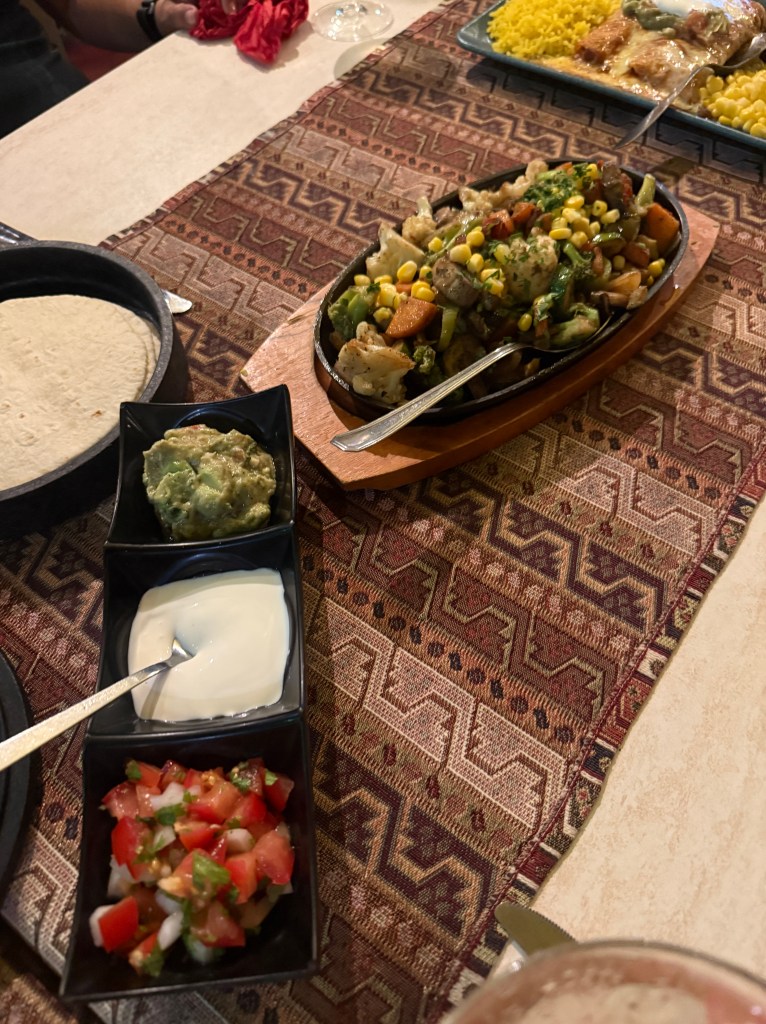
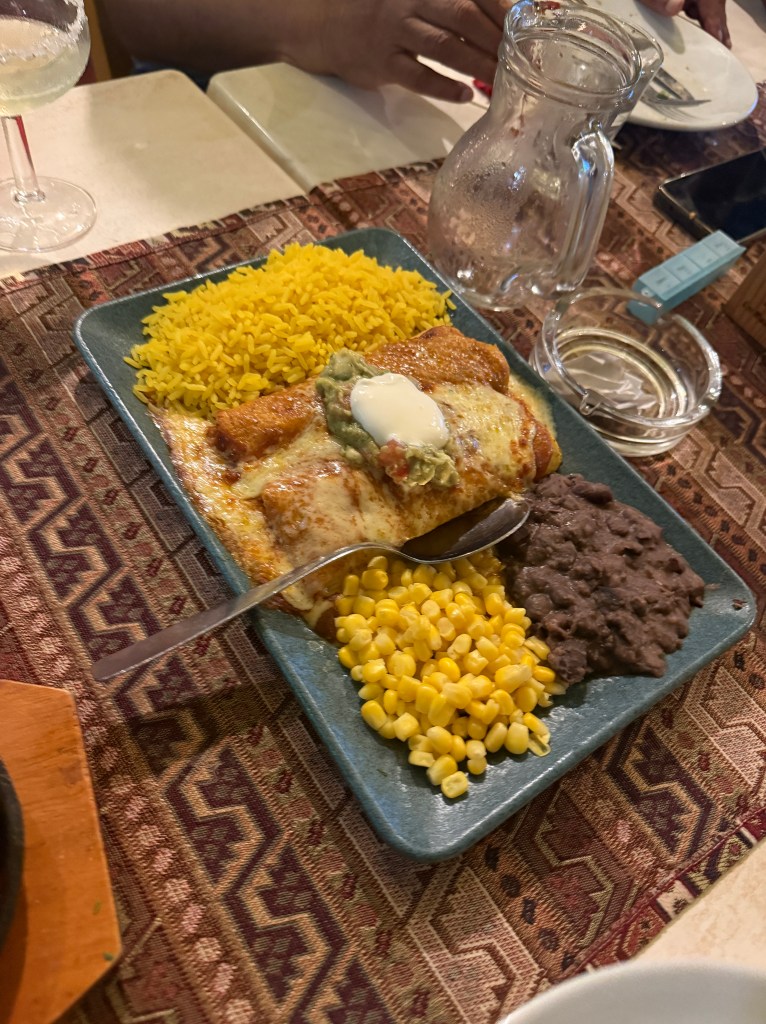
Back at the hotel, we swam with piña coladas in hand before making the two-kilometre walk to the promenade, which by evening had turned genuinely lively — music, crowds, a stall running a game where you had to smash four swinging plates with six balls, which I managed cleanly (not that I need to mention it, but I will). Some shopping followed — local coffee, souvenirs, a few too many packets of olives — before dinner at Los Mexicanos, where the atmosphere was electric. I felt like I was at a Mexican fiesta. Good food, better margaritas but it was really the crowd and the energy that made the evening, the kind of place where the night runs an hour longer than planned.
Day Four
If I had to sell someone on this trip in one day, it would be this one.
I hold my Advanced Open Water certification, which is the level above the basic beginner’s course and opens up deeper, more technical dive sites that you can’t access as a first-timer. And Cyprus, as it turns out, is home to something most people don’t associate with a beach holiday at all: the MS Zenobia, consistently ranked among the top ten wreck dives in the world (Advanced Open Water and Nitrox certification is mandatory). I went with Alpha Divers out of Ayia Napa, who ran through a proper gear check before driving us to Larnaca and out onto the water for two dives.
The Zenobia has a genuinely wild backstory. She was a Swedish-built ferry that sank on her maiden voyage in June 1980, just off Larnaca, after a computer error flooded her ballast tanks unevenly and tipped her onto her side. She went down with over a hundred trucks still loaded in her cargo holds. She’s enormous, 172 metres of ferry lying on her port side in water ranging from around 16 to 42 metres, with a route in her for almost every level of diver, right up to technical divers doing deep penetration through her interior.
Visibility on the day was some of the best I’ve ever dived in — properly clear, the kind where you can see the full silhouette of the wreck from well above it. Marine life was lighter than I expected, a lionfish here, a sea urchin there, nothing like the density you’d get on a tropical reef, but it genuinely didn’t matter once we started the swim-throughs. Weaving between trucks still strapped down in the cargo hold, corridors tilted at odd angles because the whole ship is lying on its side, the scale of it pressing in from every direction — it’s one of the best dives I’ve ever done, and I’d go back tomorrow if I could.
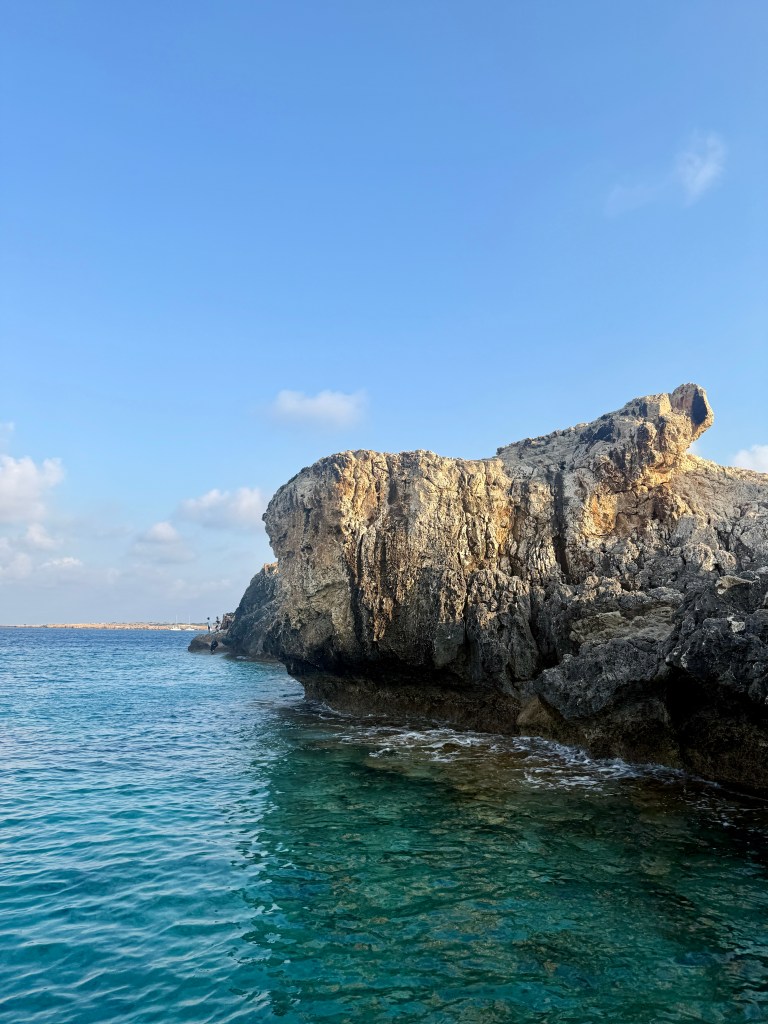
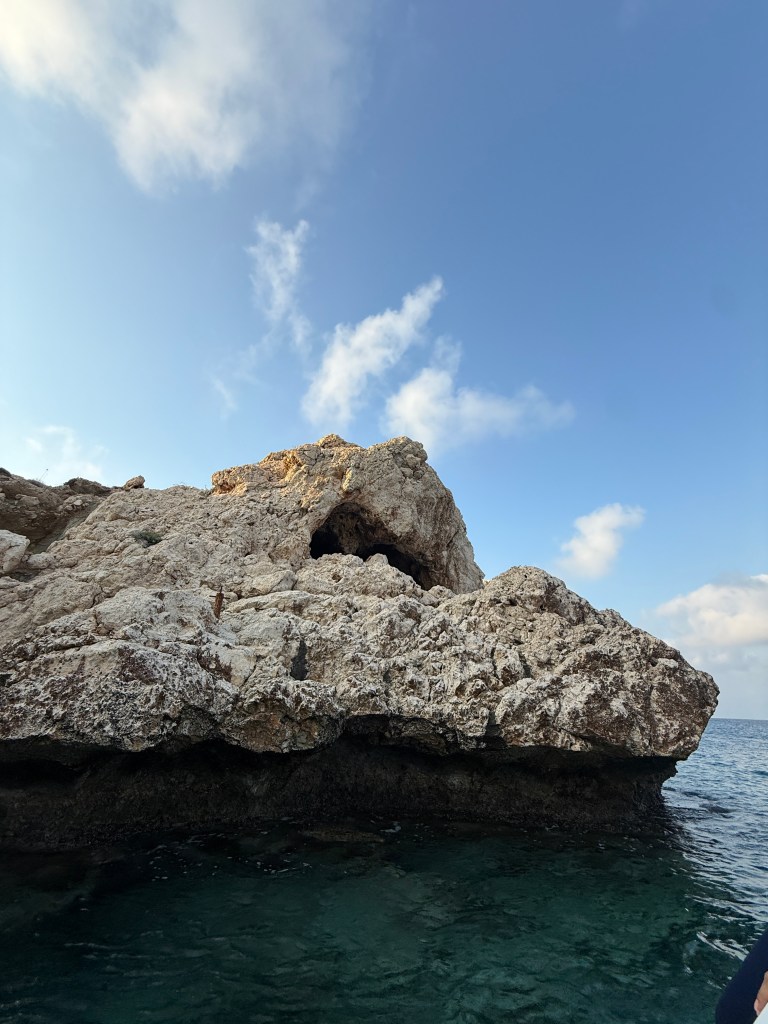
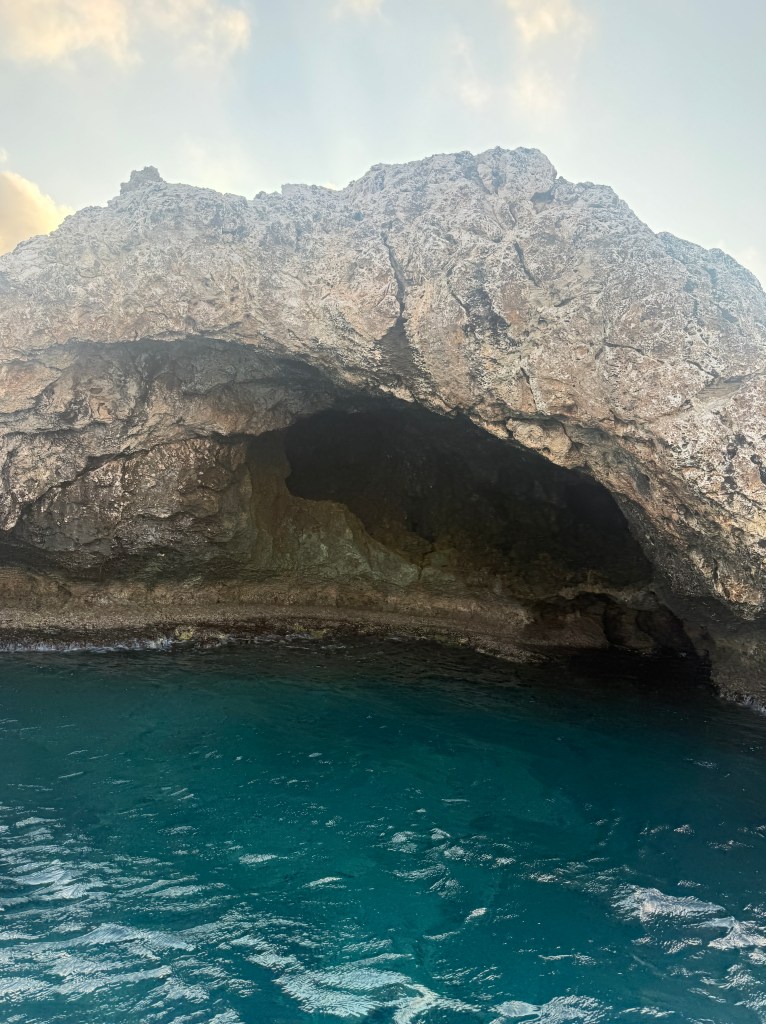
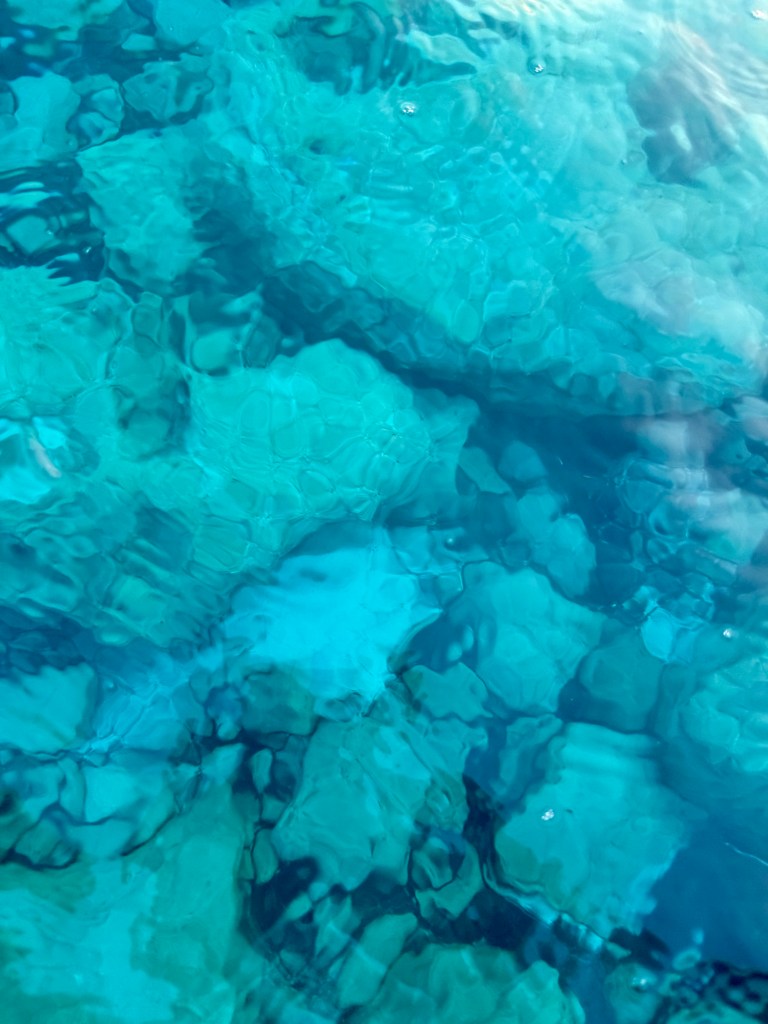
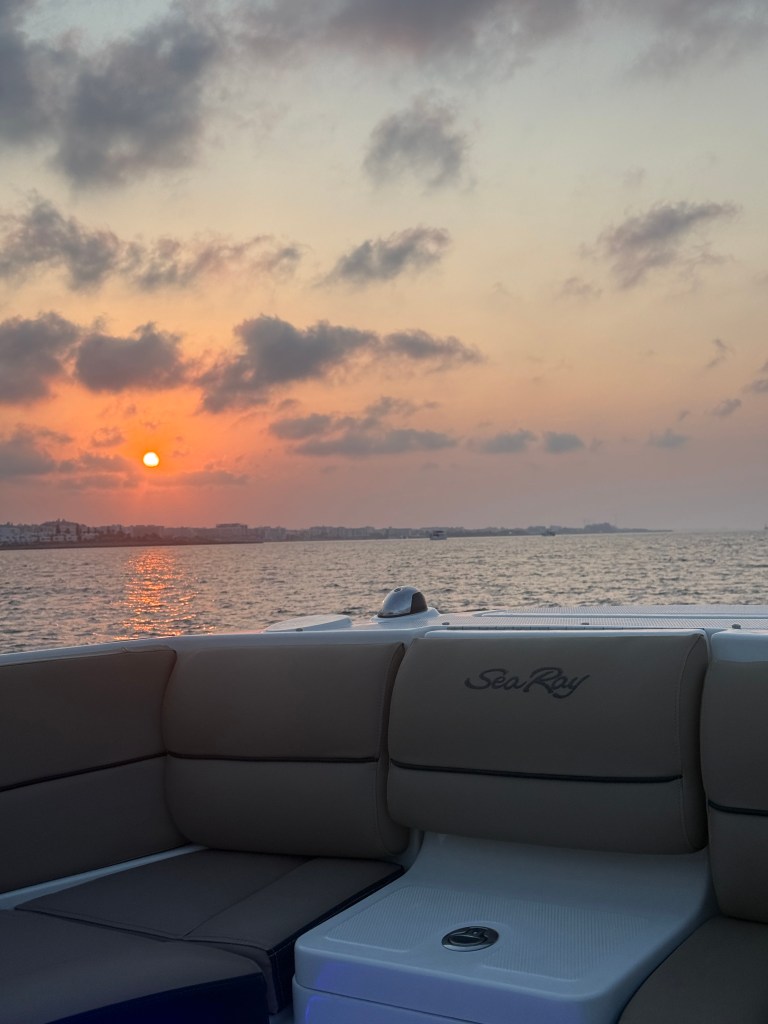
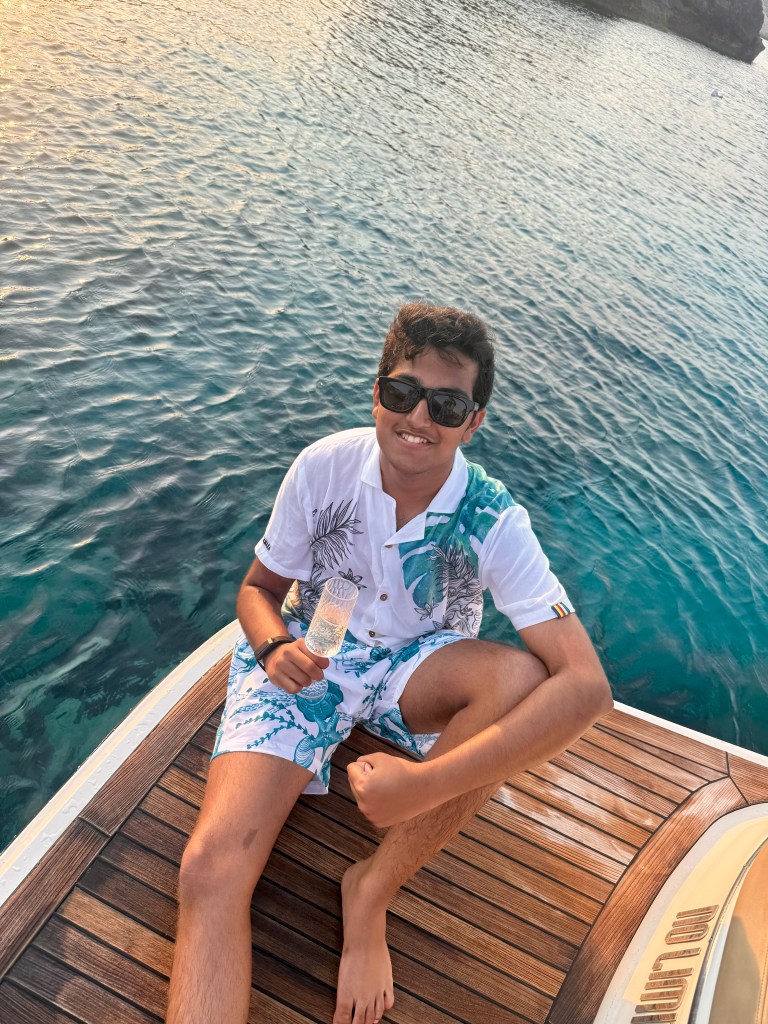
While I was underwater, the rest of the family spent the day exploring Nicosia. I surfaced tired in the good way, grabbed a short nap, and then all nine of us headed out for a private luxury yacht charter to Cape Greco. Three hours on the water, and Cape Greco earns every bit of its reputation as one of the most striking stretches of coastline on the island. The cliffs there drop straight into the sea in these dramatic, layered limestone formations, carved out over years into arches, sea caves and narrow inlets that you can only really appreciate from the water, the boat gliding close enough to see the rock striations up close before pulling back out into open sea. The water itself shifts colour as it deepens, from a pale, glassy turquoise right up against the rocks to a much deeper blue further out, and it was calm enough that day to be almost glass-like, barely a ripple breaking the surface. We anchored in one of the quieter coves, jumped straight in, and swam in some of the clearest water I’ve ever been in, easily thirty feet of visibility straight down to the seabed. No other boat came near us the whole time. Our own playlist ran in the background, prosecco and snacks stayed within arm’s reach, and there was nothing to do but float, swim, and take in the cliffs from below. If Cyprus has a single defining moment from this trip, it’s this one.
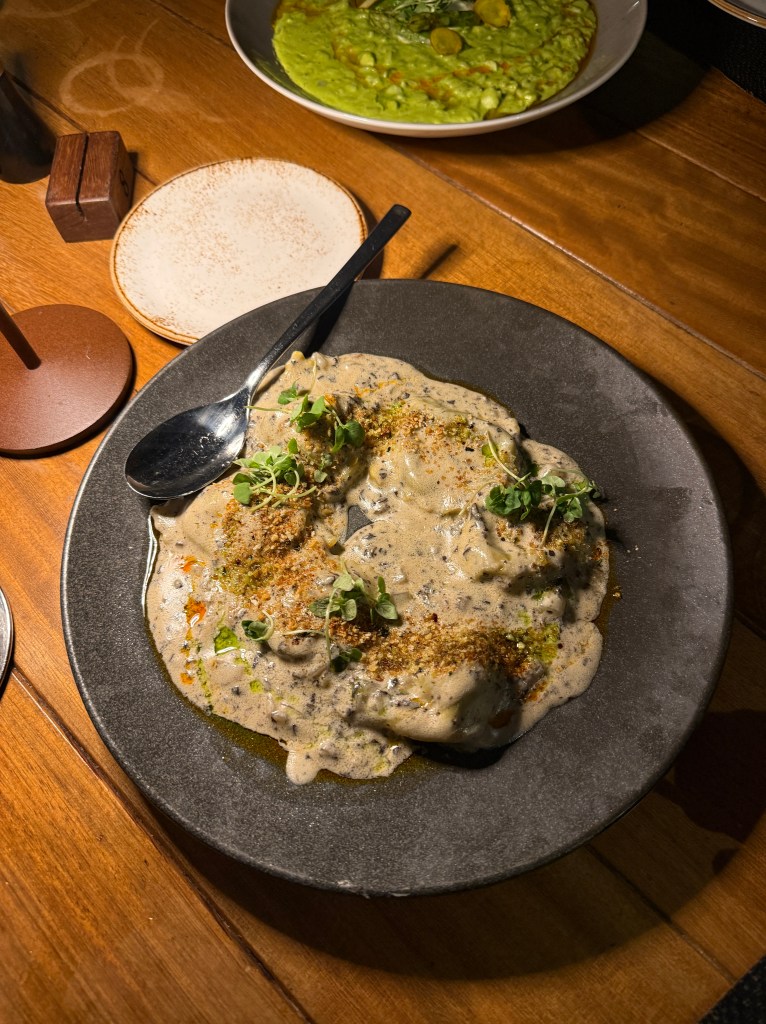
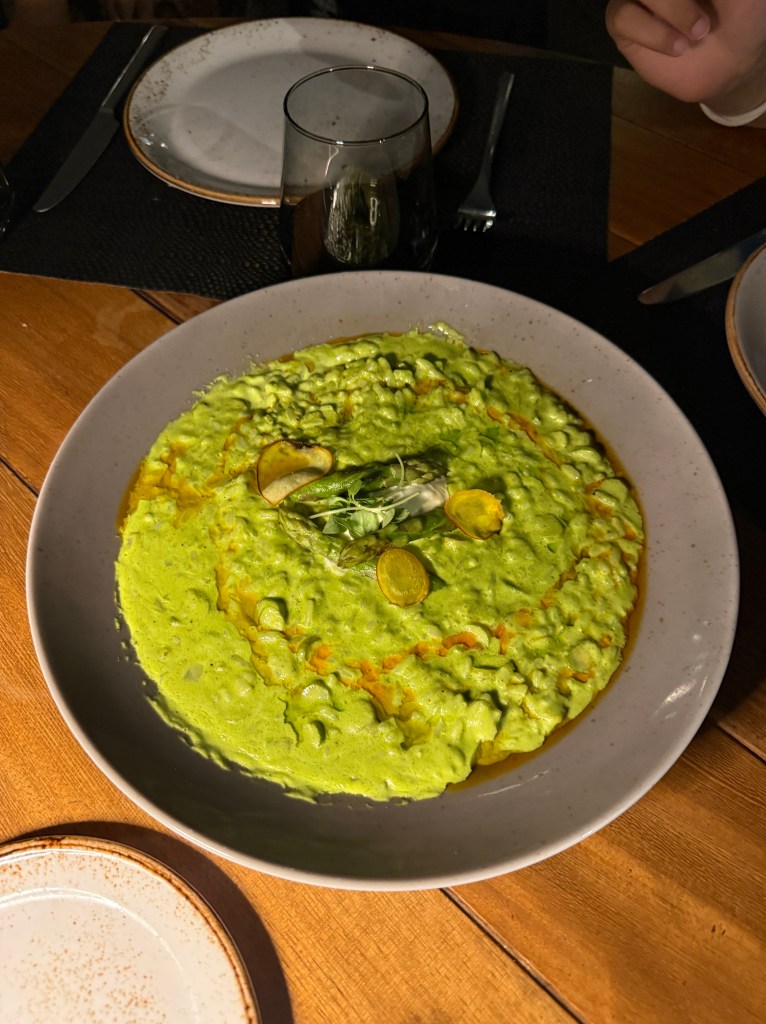
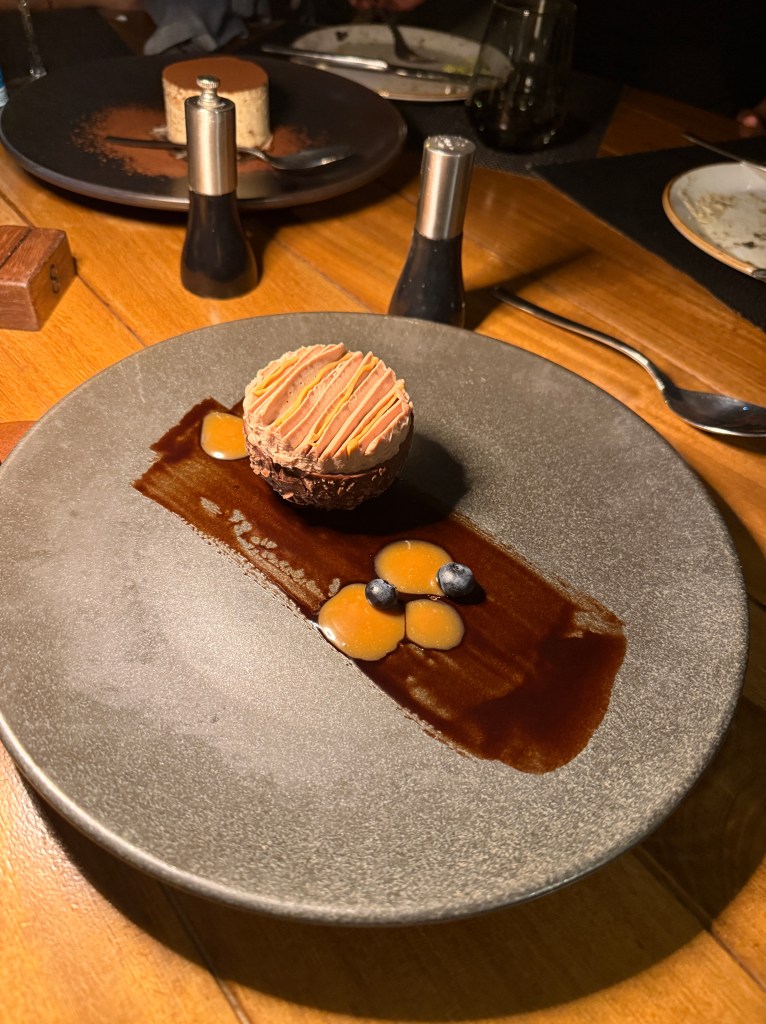
We came off the boat, changed, and headed to Deck Terrace Restaurant, which we’d chosen for the ambience and the views as much as the menu, and it delivered on both. Dinner ran from asparagus and exotic salads and a rich velouté through to asparagus risotto and mushroom ravioli for mains.
We were up early the next morning for a flight to Malta, the second leg of this trip. Cyprus wasn’t the destination anyone in the group had been counting down to. It was almost an afterthought on the itinerary, the island we were passing through on the way to somewhere else. And yet by the end, it was the one we kept circling back to in conversation. Small, specific moments, the kind that don’t photograph as well as they felt.
That’s the thing about a place like this. It doesn’t hand you one big, obvious reason to visit — it hands you a dozen smaller ones, stacked close enough together which add up to an amazing trip. Cyprus doesn’t need the hype. It just needs a few days from your end and it is sure to impress.
What We Didn’t Get To
A few things which might be worth adding to your own itinerary if you have the time we didn’t:
Famagusta / Varosha — the one we were turned away from. The old walled city and the eerily abandoned resort district of Varosha, frozen since 1974
Nicosia — the rest of the group spent a day here while I was diving, and it’s Europe’s last divided capital, a city split by the Green Line with the old town, Ledra Street, and a city type atmosphere
Larnaca — worth a stop for the Salt Lake, home to flamingos in the winter months and St Lazarus Church
The Troodos Mountains — hill villages, vineyards, and Kykkos Monastery
Limassol — we drove straight through on the way multiple times, but the old town and medieval castle might have deserved more time
 Travel Footprints