Route : Cairo → Alexandria ( day trip via road ) → Cairo → Abu Simbel ( Day trip via Aswan where we reached via airplane ) → Aswan → Luxor ( via cruise visiting temples of Kom ombo and Edfu ) → Hurghada ( via road ) → Cairo
Our EgyptAir flight touched down at the crack of dawn at Cairo International Airport and the adventure in the land of pharaohs and pyramids began. Though greeted by the less-than-impressive maintenance of the airport’s international arrival area and an unexpected mix of tour guides mingling with immigration officials (a sight so unusual it bordered on comical), our spirits remained undamped.
In Egypt, it seems, the van (Tempo travellers) reigns supreme as the vehicle of choice for tourists. The journey from the airport to our hotel was an eye-opener. Cairo’s sheer density is overwhelming, with every nook and cranny filled to the brim with people, contributing to the chaos that is its traffic and urban sprawl. Yet, amidst this cacophony of sounds and sights, our hotel awaited us at the banks of the mighty Nile—our home for the duration, the opulent Nile Ritz Carlton. Offering spacious rooms with breathtaking views of the world’s longest river, the hotel promised (and delivered) a luxurious respite from the outside world.
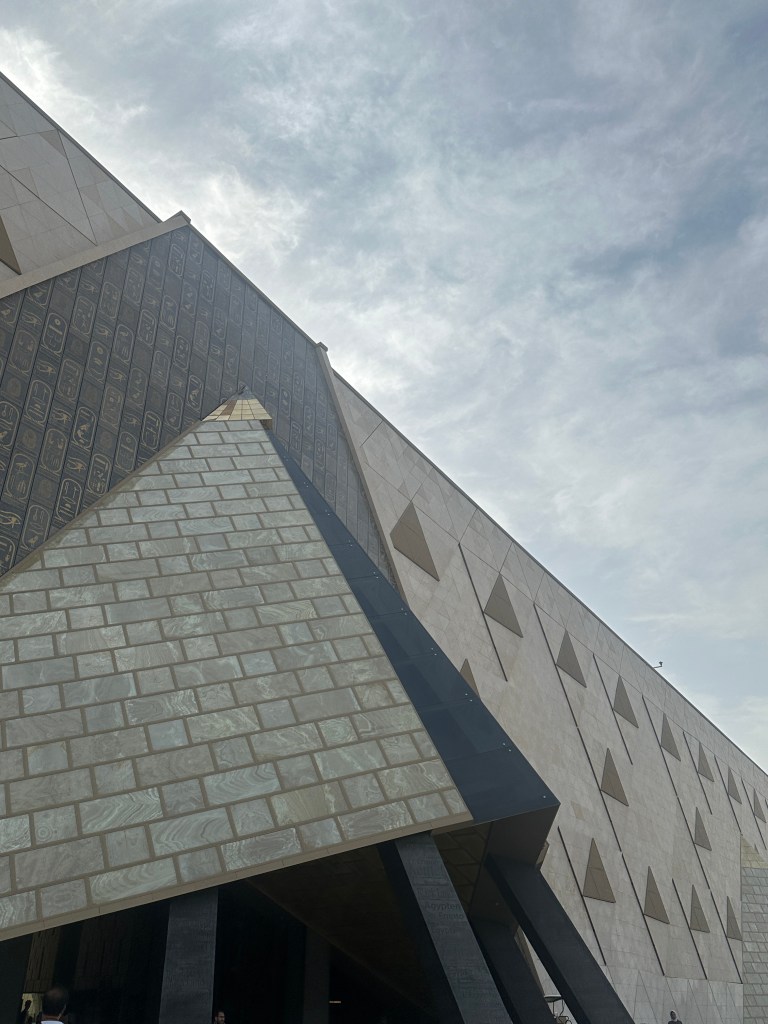
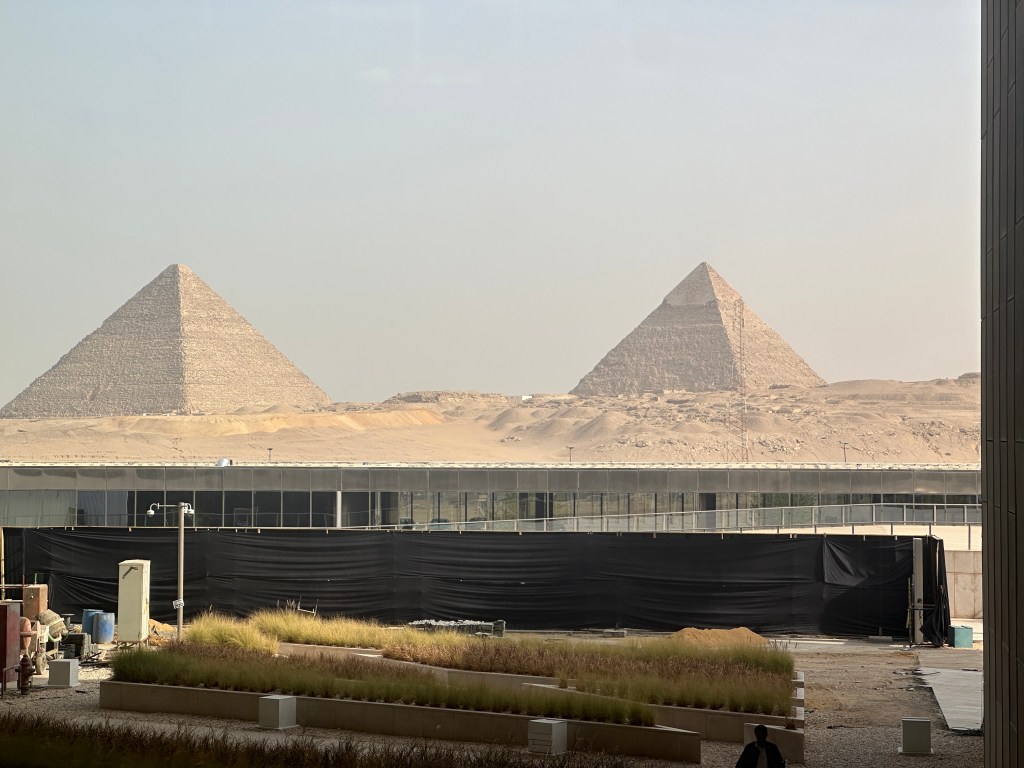
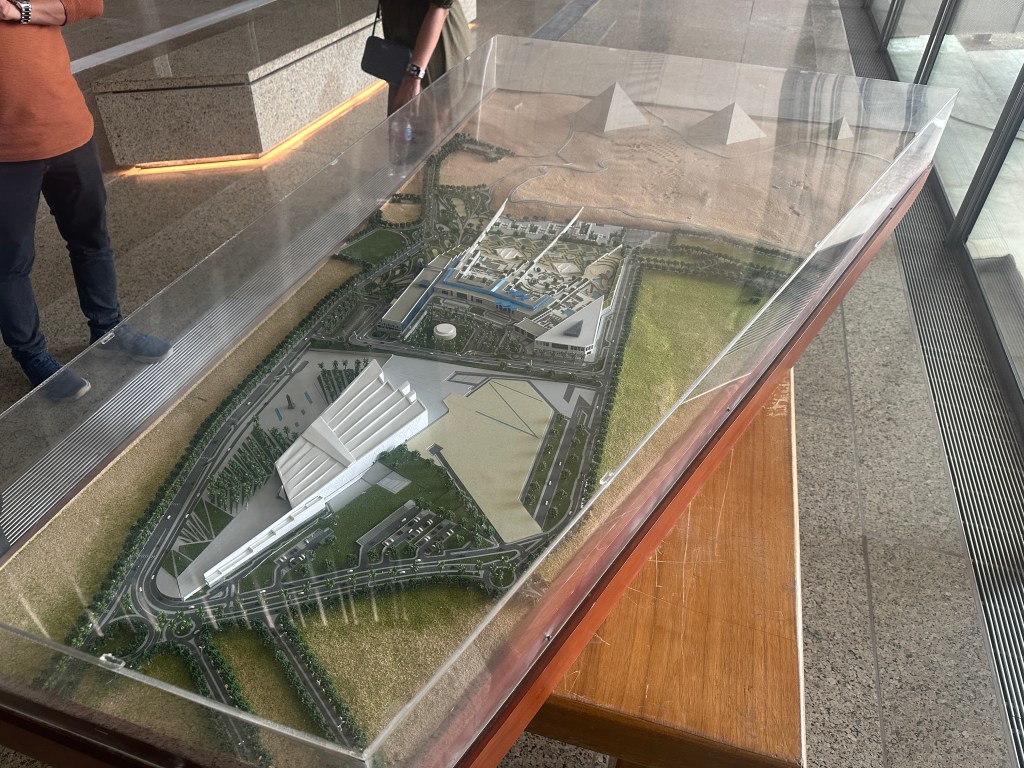
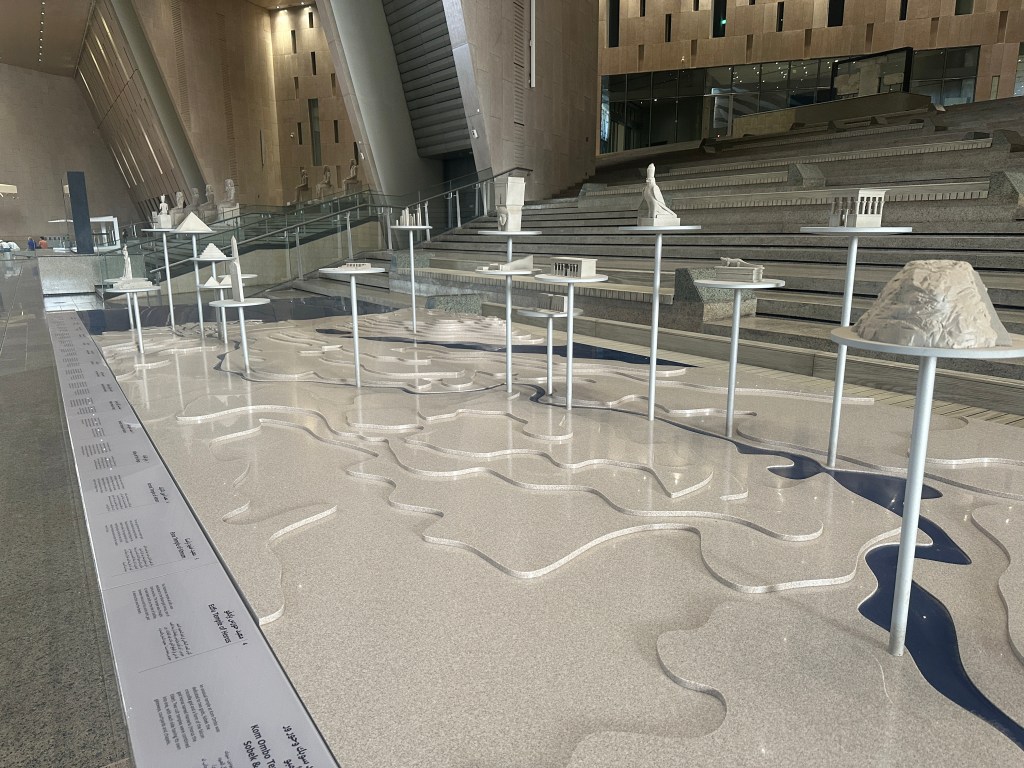
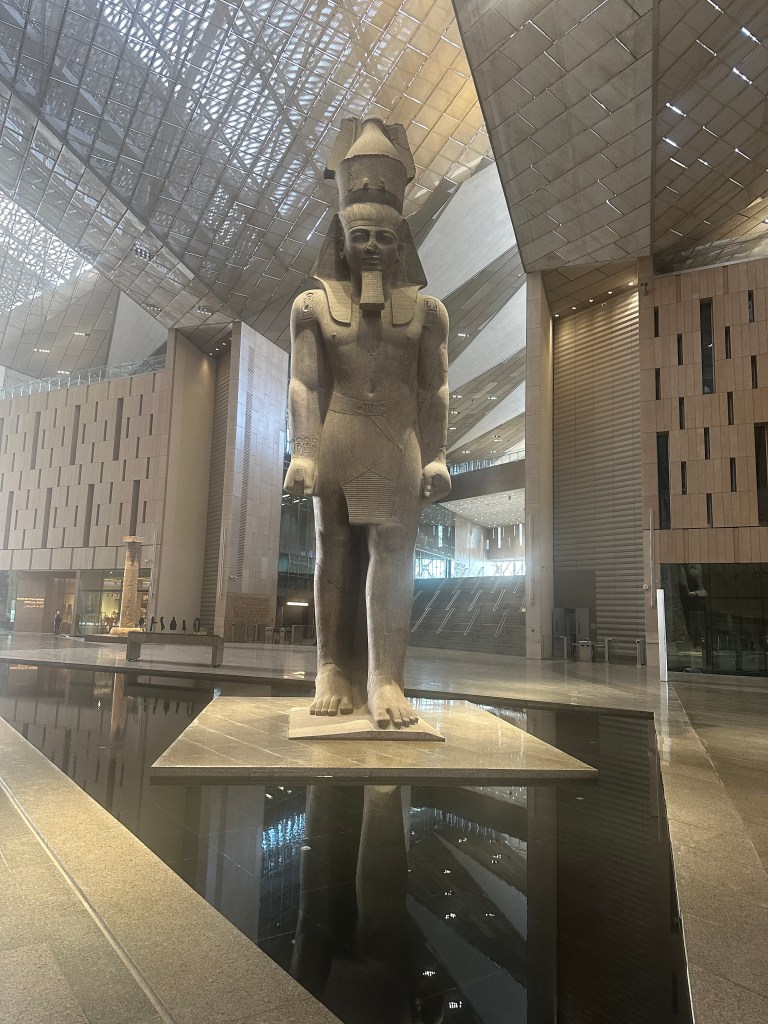
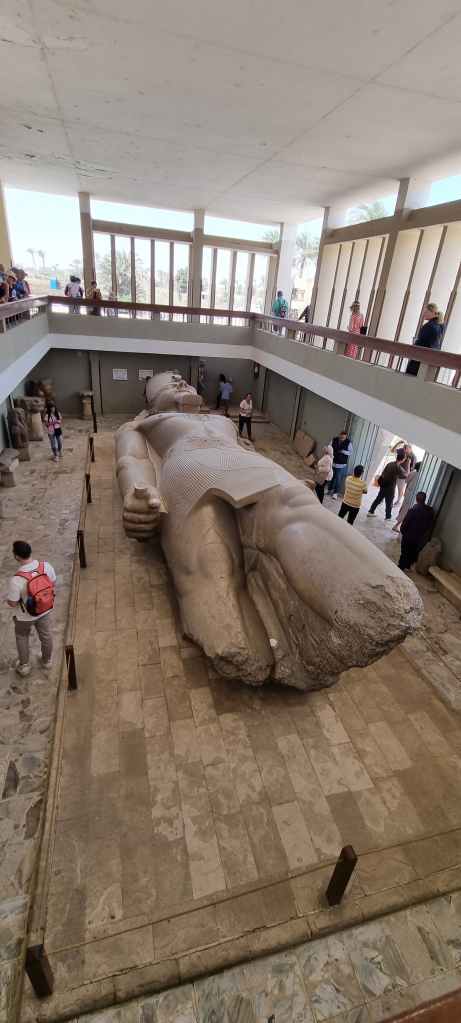
Our excitement led us to the Great Egyptian Museum (GEM) slated for completion in 2030. The parts of the museum that completely showcased modern Egyptian architecture, A towering 20-metre statue of Ramses II welcomed us, setting the stage for an exploration of strategically placed artefacts and statues that brought ancient Egypt back to life. Despite Ramadan’s early closing hours, our visit was nothing short of magical, complete with food from the museum’s food street.
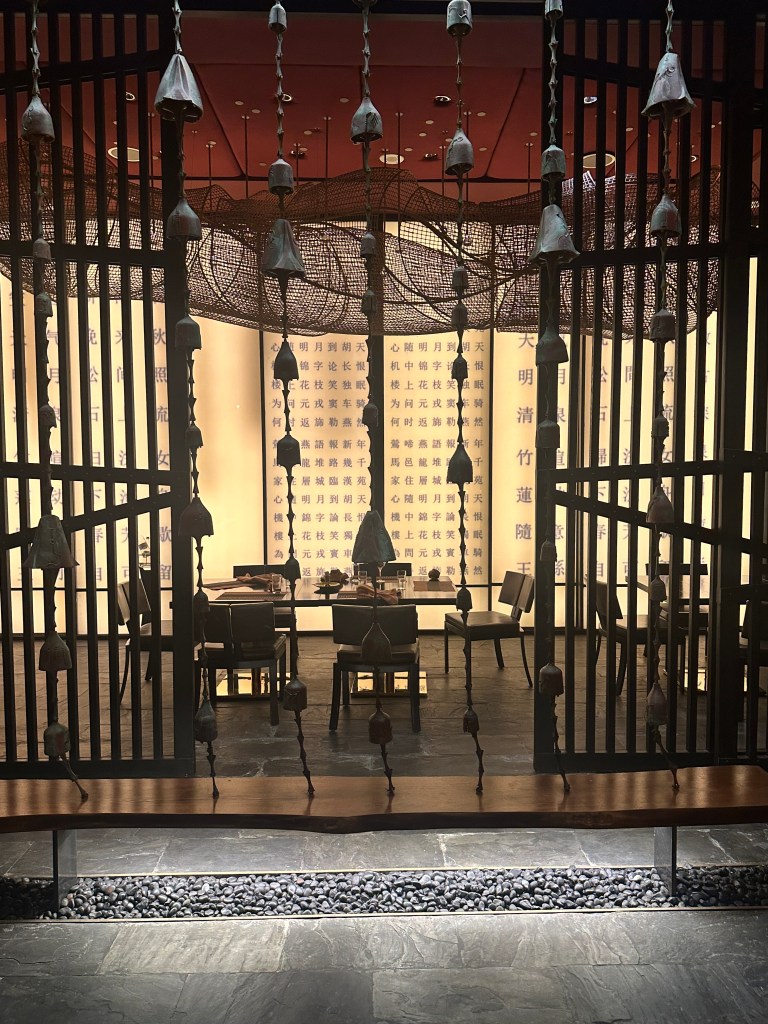
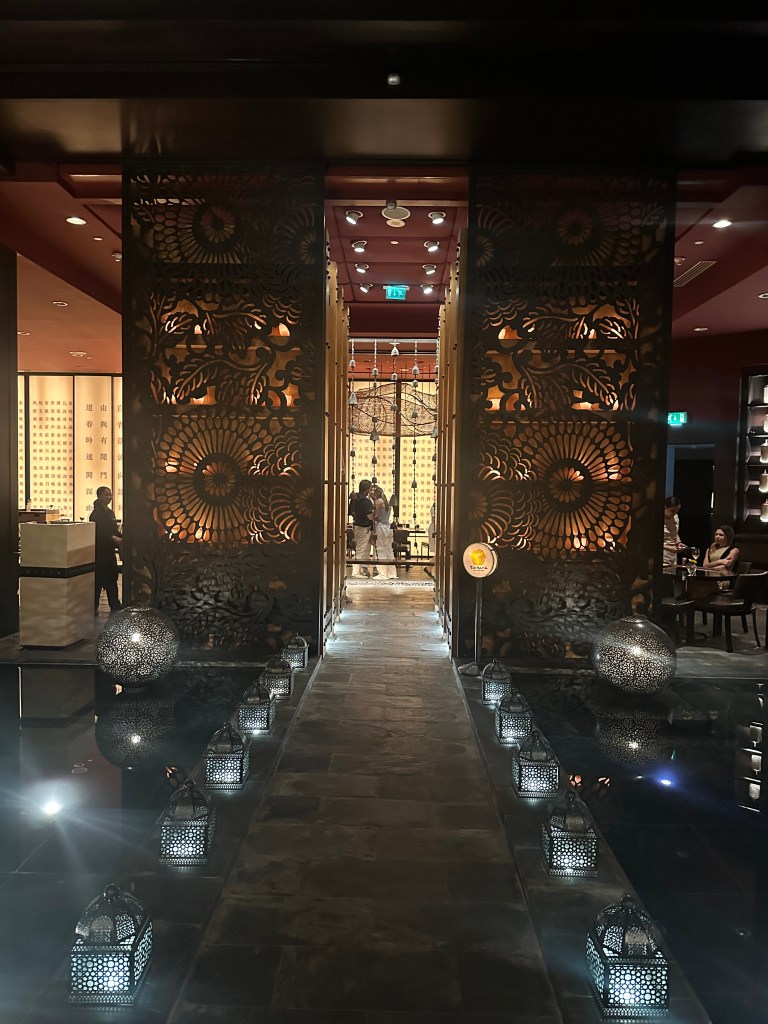
Our exhausting tour led us to St. Regis Hotel’s Iridium Spa, acclaimed for its impeccable service and facilities. A 30-minute scrub followed by an hour-long massage was our chosen elixir, costing us 5000 Egyptian pounds. Before you pull out your calculator, that’s about $60 USD or 5000 INR, given the current exchange rates. Who said luxury can’t be quantified? Relaxed, we dined at Tianma, a Chinese restaurant. The papaya salad, dim sums, and baos set the stage, but the main course truly stole the show with its flavorful concoctions. while the ambiance, adorned with live piano and violin, enveloped us in an atmosphere of luxury.

The Egyptian sun greeted us as we set out at 9 AM, destined for the ancient steppe of Saqqara. The Djoser’s Step Pyramid, our first encounter, stood as a testament to architectural innovation, being one of the earliest colossal stone buildings in Egypt—a pacesetter for the pyramids that followed. With its unique tiered design, Saqqara is a delight, boasting a rich necropolis full of tombs.
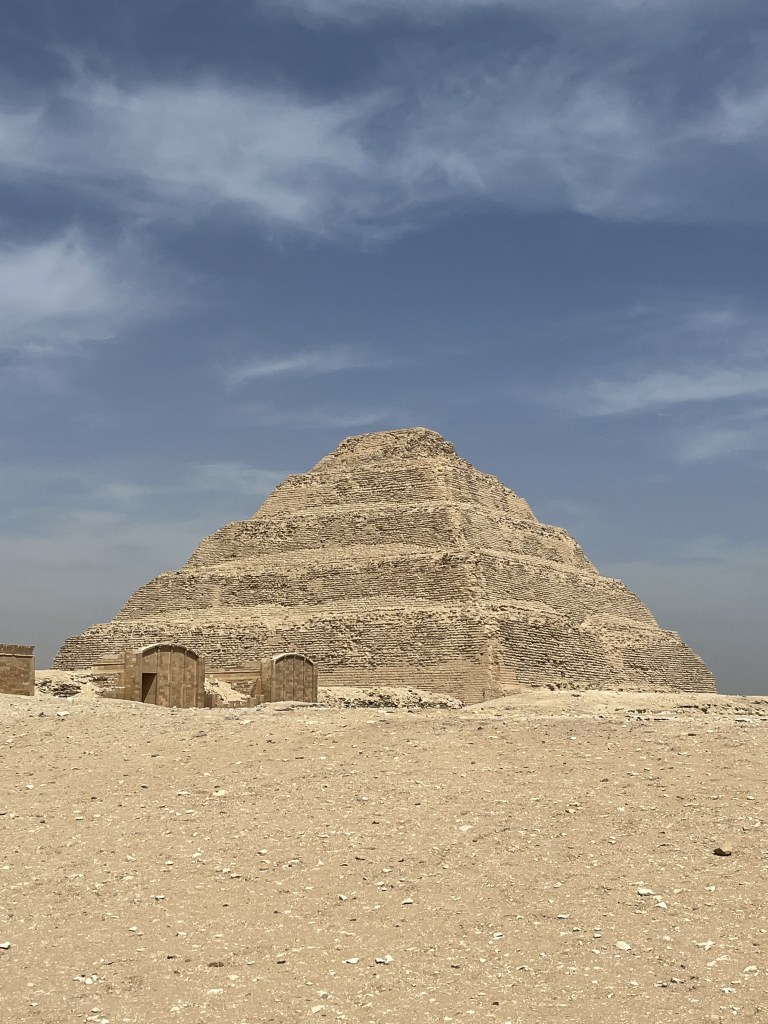
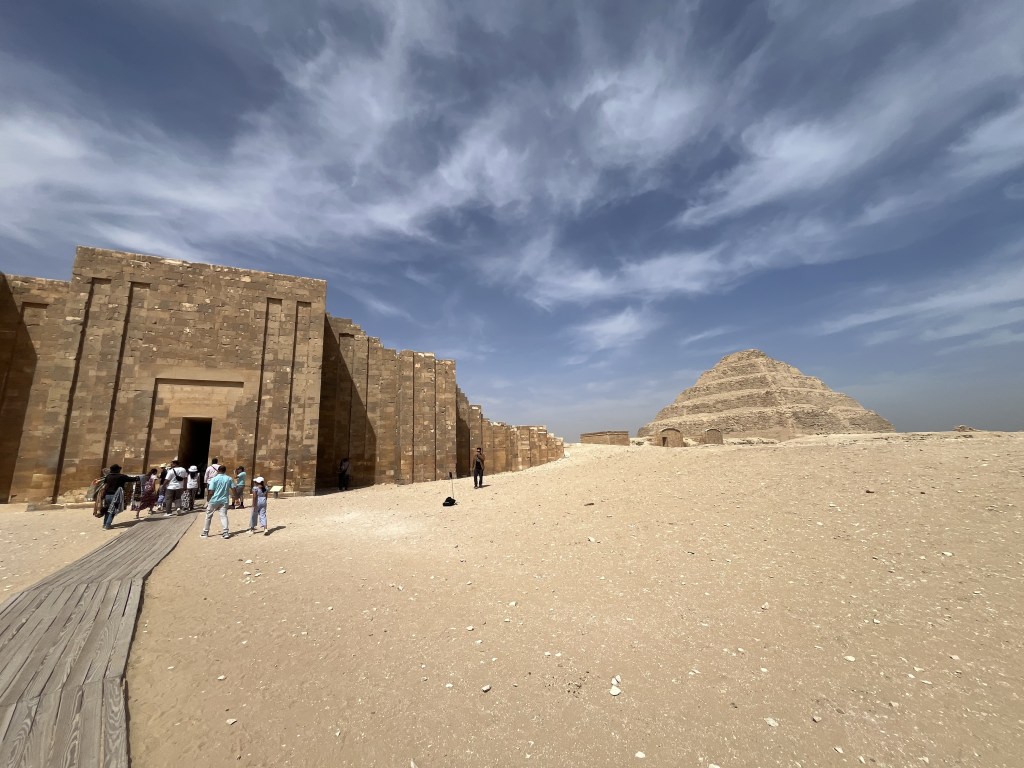
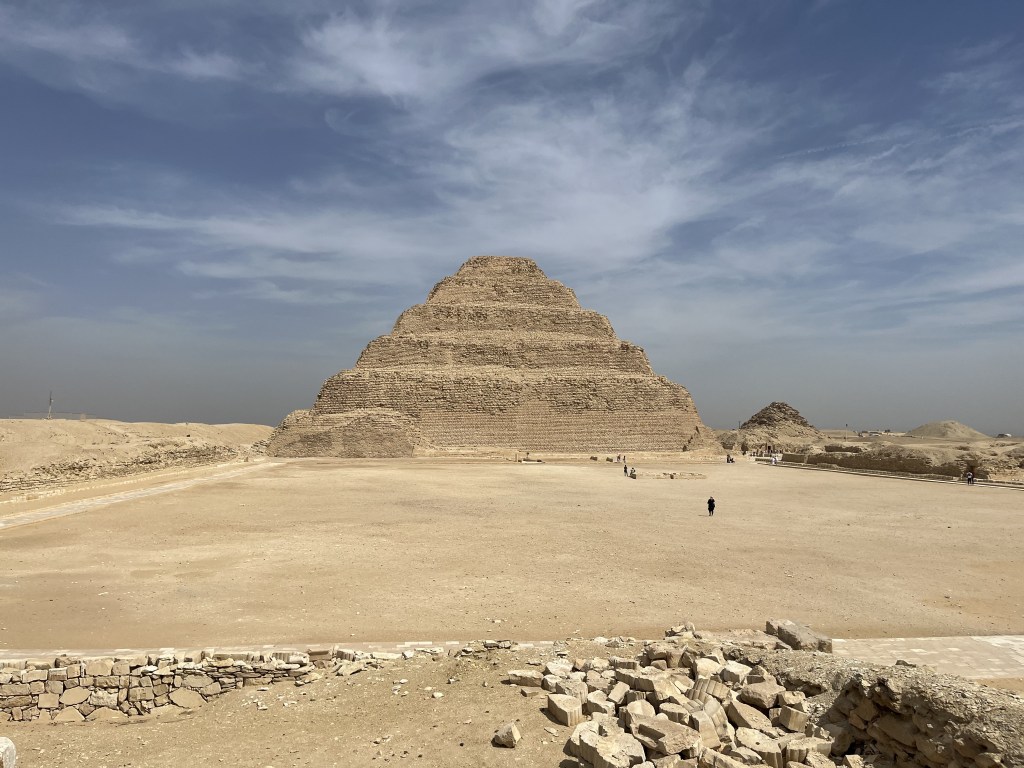
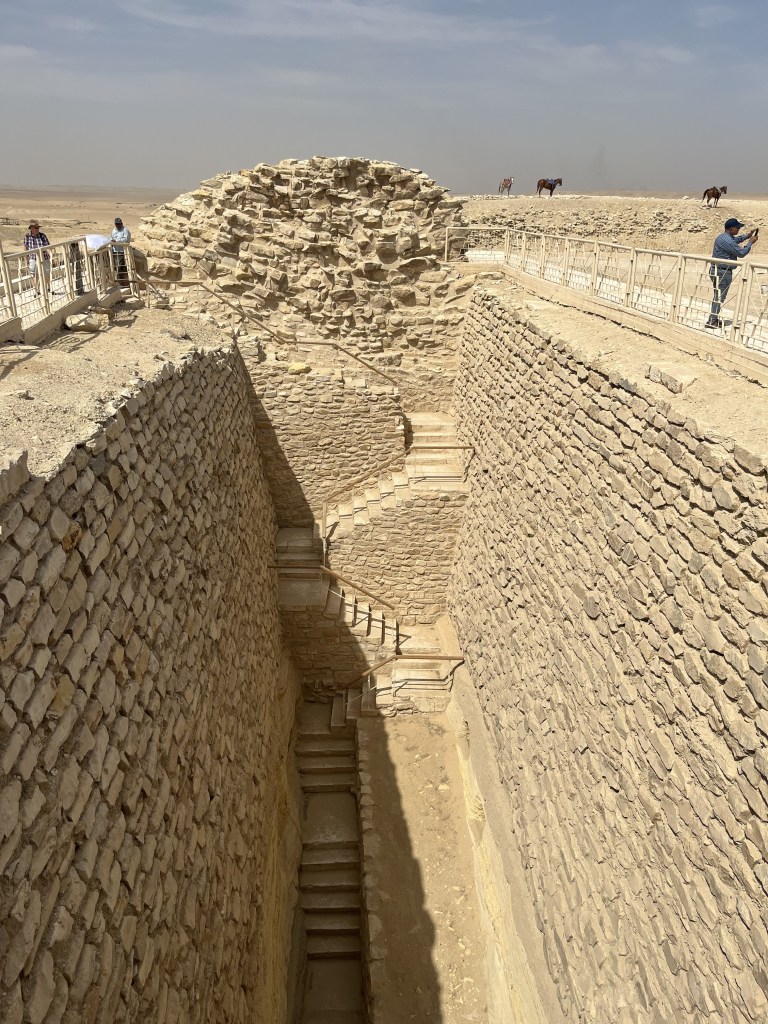
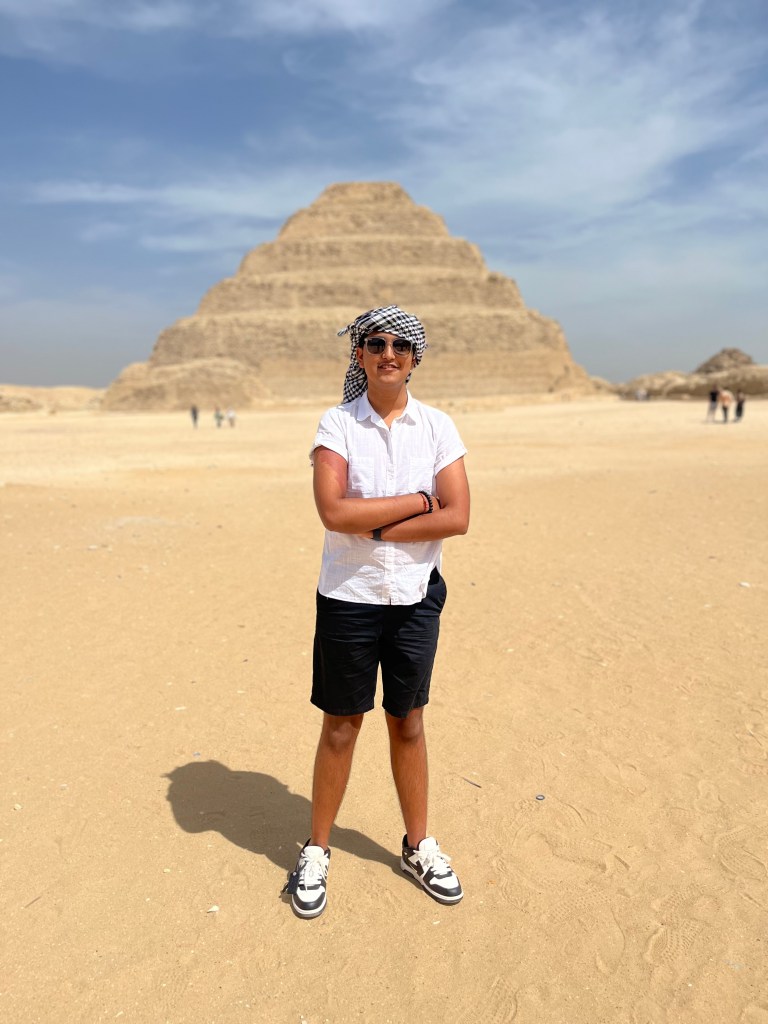
Our adventure took a daring turn as we ventured into the Pyramid of Nefertiti in the Saqqara complex. The journey was a test of flexibility and endurance, bending and crawling to under three feet in near darkness until reaching the central chamber that houses only a stark sarcophagus. The void of treasures inside did nothing to diminish the exhilaration of stepping into ancient history itself.
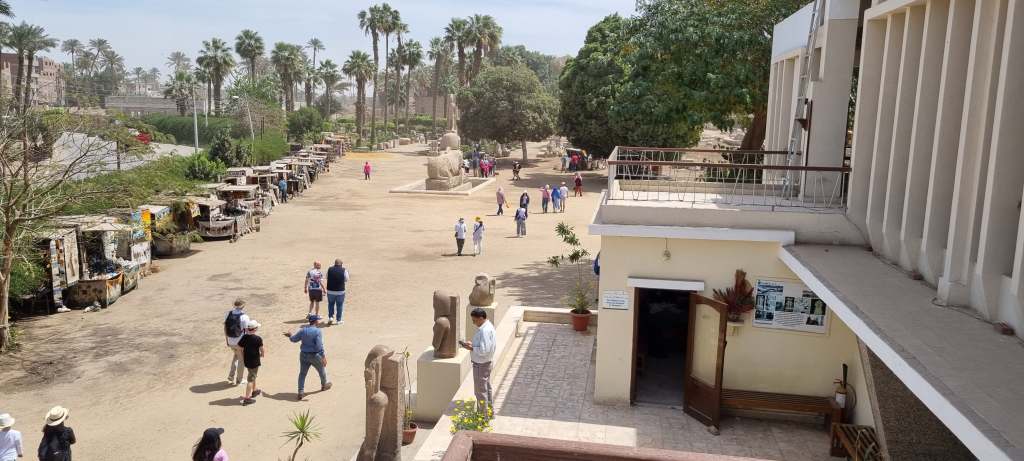
Our next port of call was Memphis. The statue of Ramesses II we admired here was the same as the statue displayed in the Great Egyptian Museum. There were 2 and one is here and one is in GEM. Memphis, the capital of ancient Egypt, echoed the grandeur of bygone days.
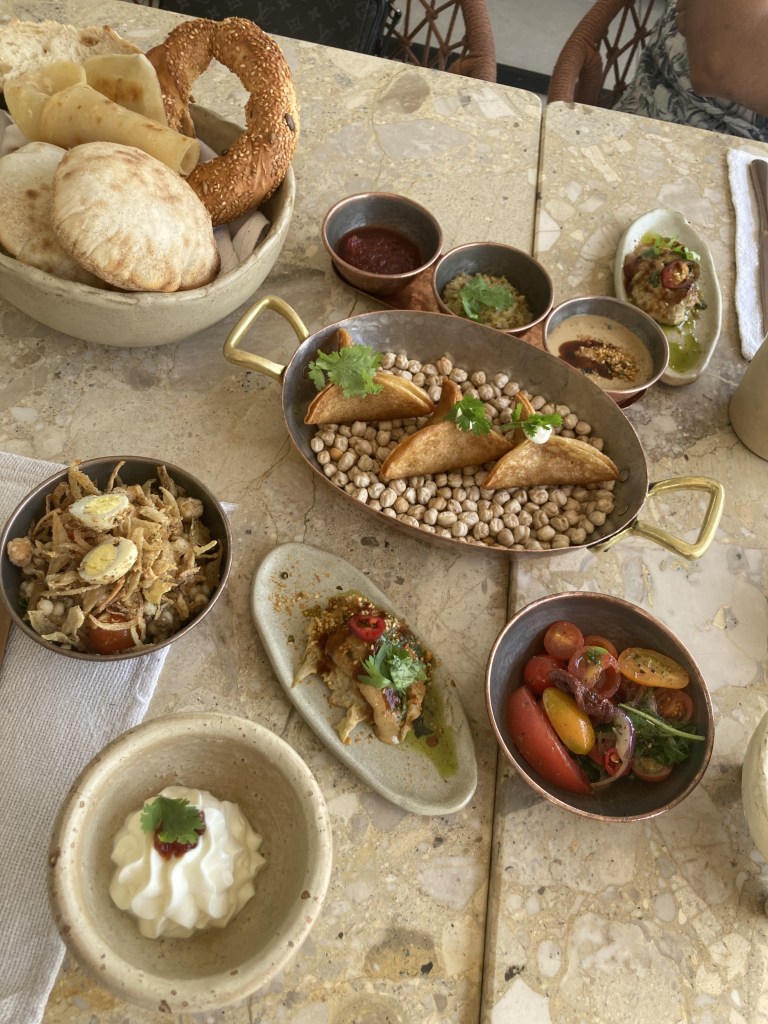
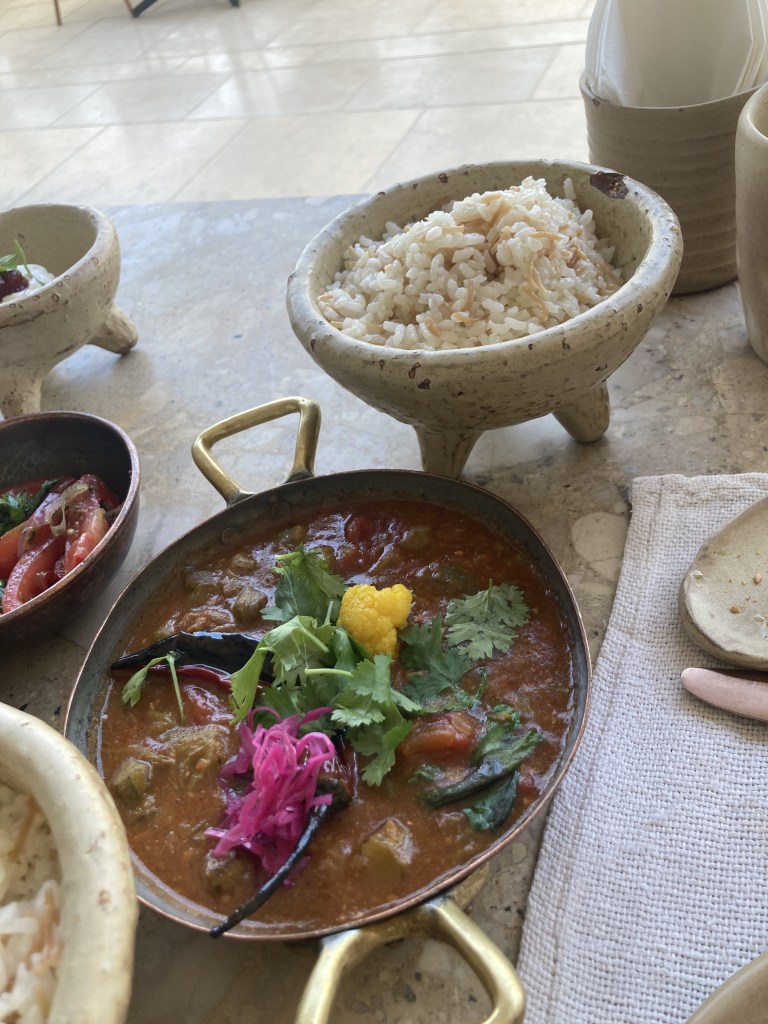
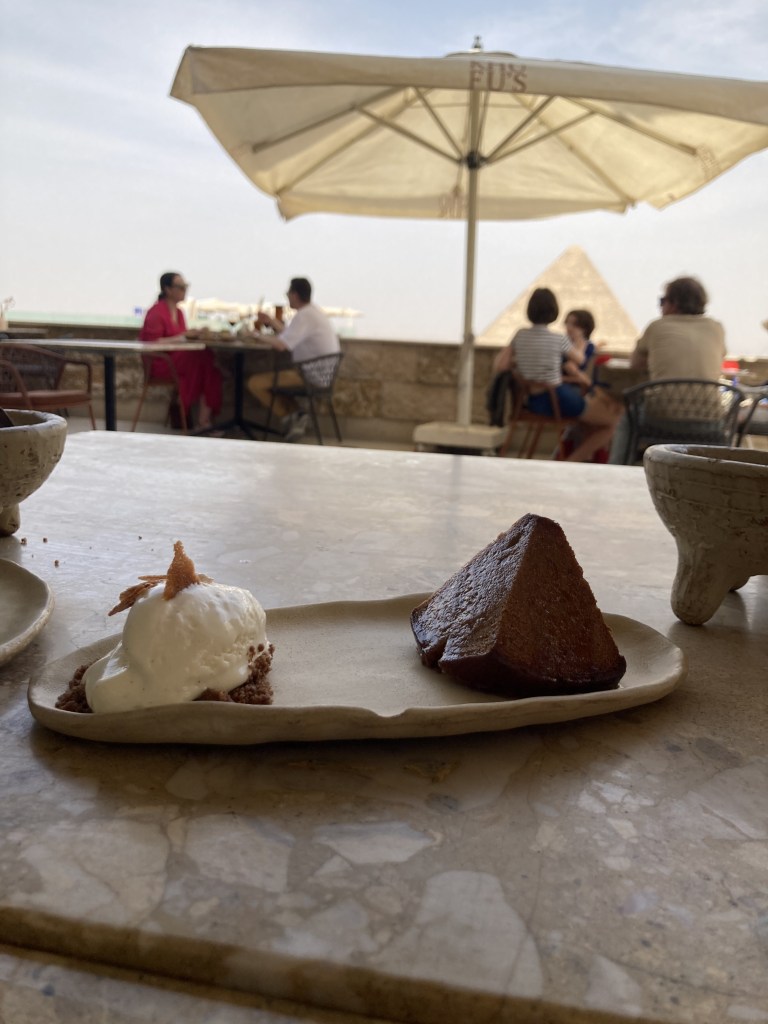
Lunch at Khufu’s transformed into a sumptuous narrative as plate after plate arrived, weaving a story of flavour and heritage of Egypt. The Koshari Salad, Baba Ganoush, and Wara’ Enab were joined by the smoky tomato salad, the rich cottage cheese with chilli jam, the delightful Qatayef, and the crisp fried street style potatoes. Each dish was a vignette, capturing the essence of Egypt’s culinary spirit, enhanced by the vista of the great pyramids in the Giza complex.
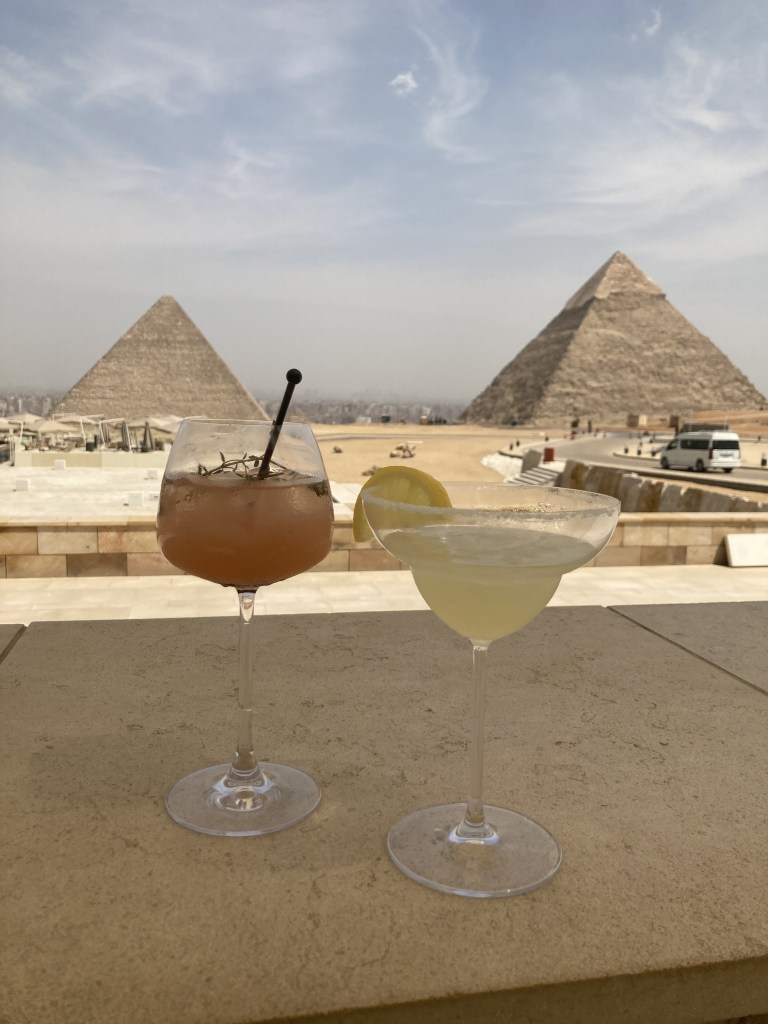
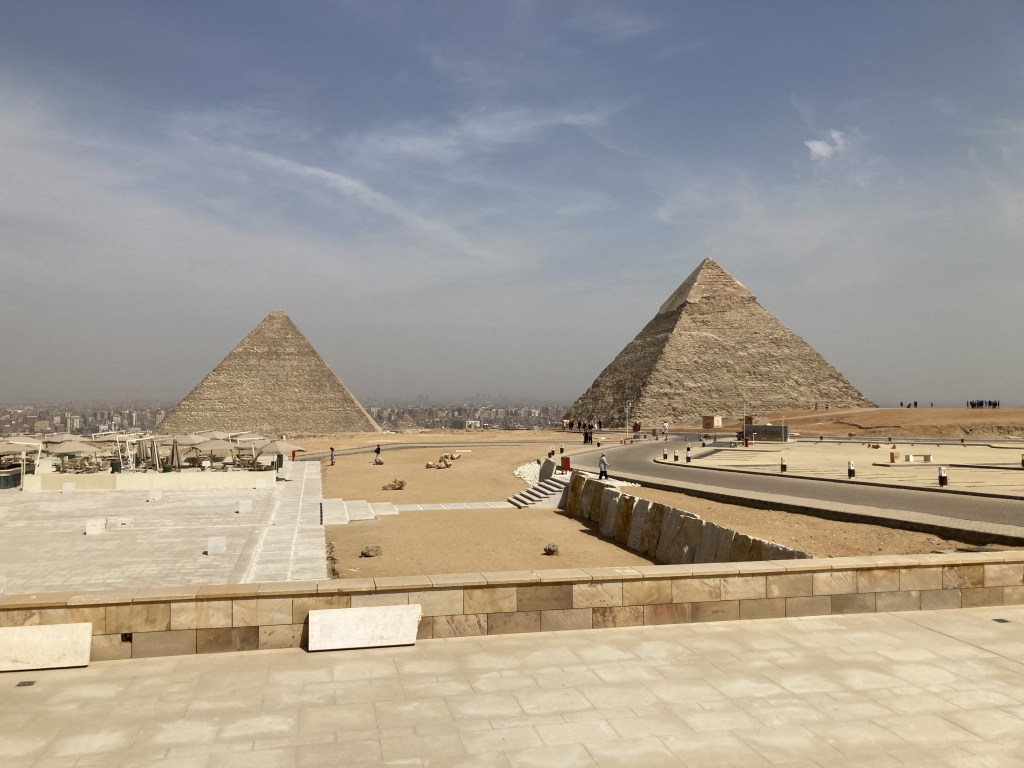
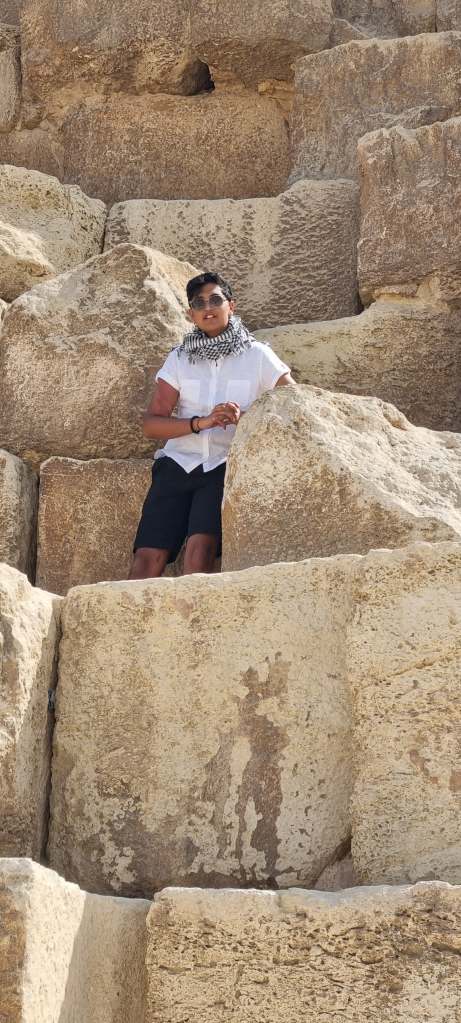
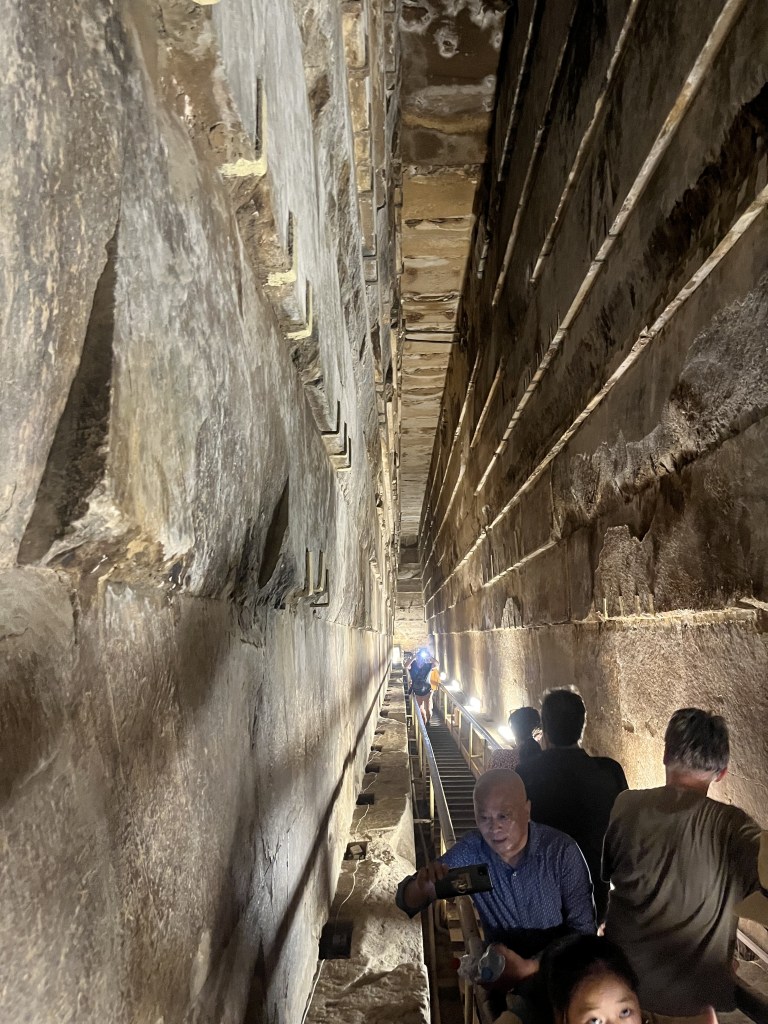
Speaking of the Pyramids of Giza, stepping into the necropolis was like entering a time in BC. Towering above us at a staggering 146 metres, the Pyramid of Khufu was a testament to ancient prowess and sheer will. Ascending within its confines was a more formidable task than at Nefertiti’s—stifling heat and overwhelming humidity made it a herculean effort. The panoramic viewpoint later offered us a canvas to capture memories, with the pyramids posing in their grandeur.
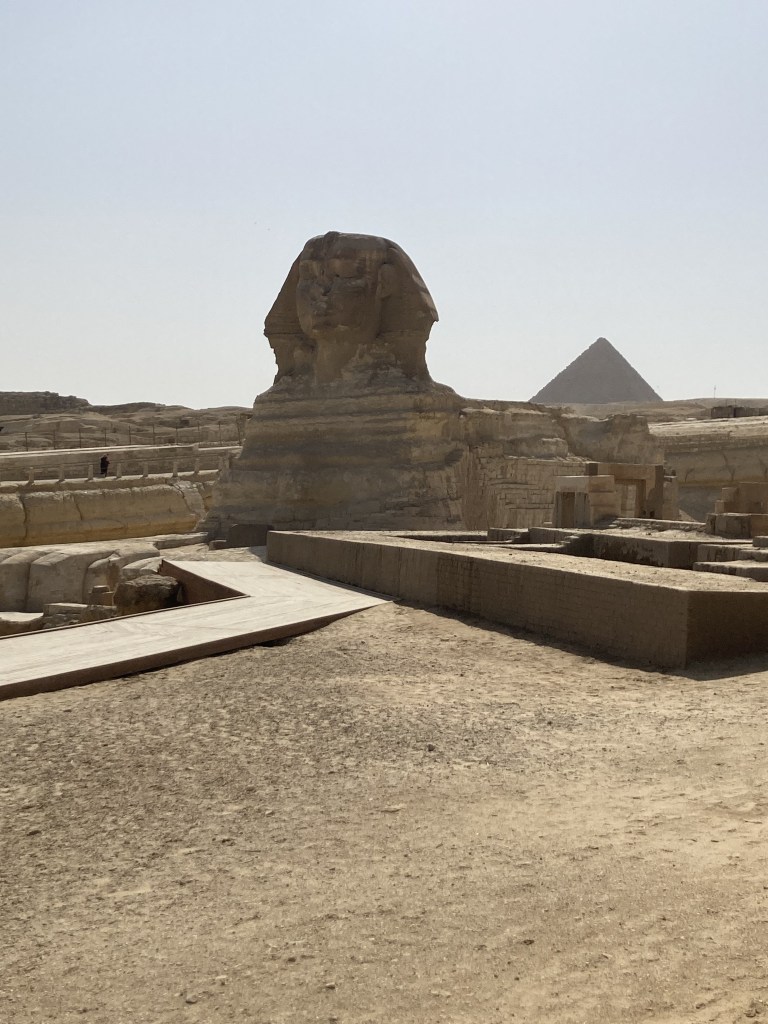
The Sphinx – a lion body and a human head – which was our next and last stop in Giza endured a millenia, with its enigmatic gaze, was the change in scenery I didn’t know I needed. After a day surrounded by the solemnity of tombs and temples, the Sphinx’s mythical allure provided a refreshing narrative shift.
From the Necropolis, we diverted our attention to the papyrus and perfume stores, where we learnt a bit more about the production of these products, but when we came to buy these products the prices were exorbitant. The same quality can be found in cheaper roadside stalls with less than 5% of the price these shops quote.

A brief foray into the bustling shopping scene followed, a single line of shops where I snagged treasures to take home, the high street offerings turning into souvenirs. As evening fell, we retreated to the comfort of Vivo at the Nile Ritz Carlton. The restaurant, a cosy corner within the hotel. Here, the simplicity of aglio e olio and the earthy goodness of a mushroom risotto were the perfect culinary bookends to a day steeped in history.
Day 3 began with a three-and-a-half-hour journey to Alexandria, the city of Alexander the Great that turned out to be just great! By 11 AM, we were treading the depths of the catacombs, a fascinating underground maze. The catacombs of Kom El Shoqafa is considered as one of the Seven Wonders of the Middle Ages. Just imagine, ancient Egyptians and Romans, side by side in the afterlife, probably bickering over who had the better architecture!
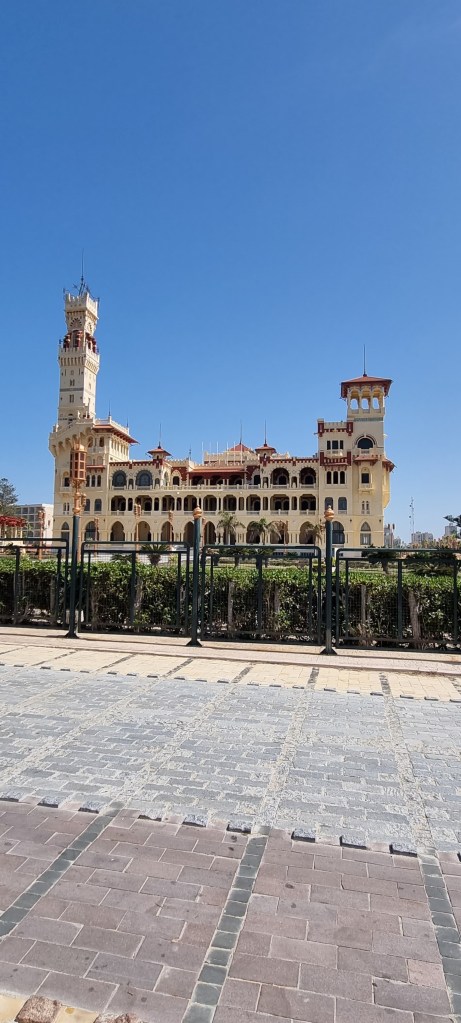
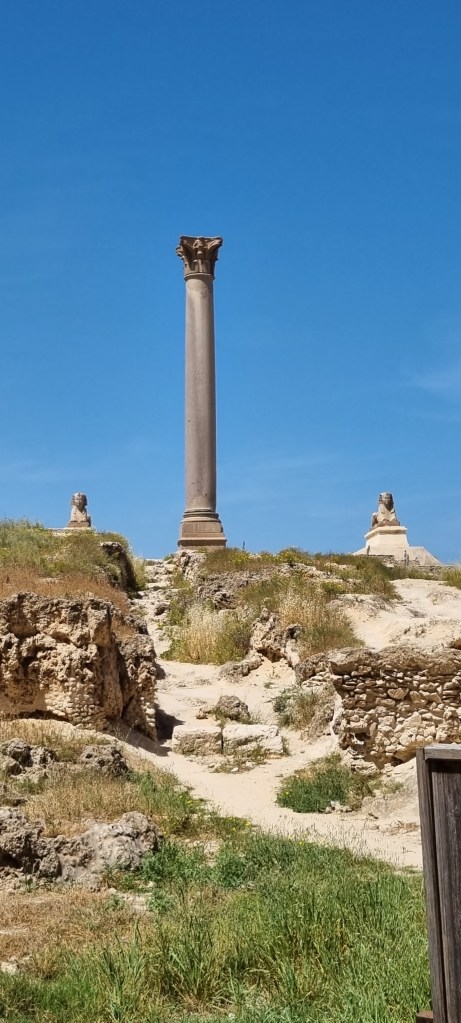
Next up was the famed Pillar of Alexandria. It’s… well, it’s a pillar, but with some history running through it. Then, off we rushed to Montazah Palace. The exterior is beautiful and polished unlike the rest of egypt with sprawling vistas and manicured gardens along the mediterranean coast but going inside is not permitted.
Lunch led us to Jeeda’s, where we savoured Patatas Bravas, nachos with zesty salsa, and a Valencian paella which was nothing short of delicious. Each bite was a fiesta in the mouth.
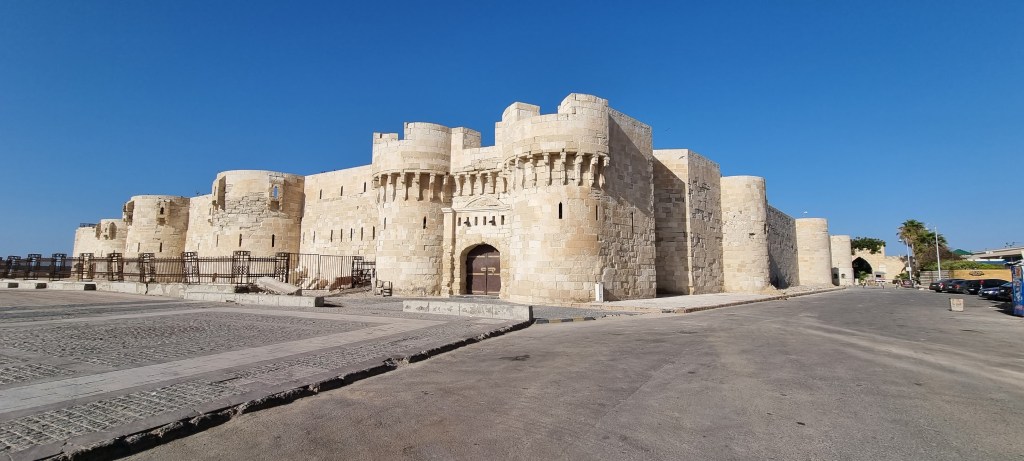
Our final stop was the Citadel, standing guard by the Mediterranean. It’s also where the ancient Alexandria Lighthouse was once housed. Just a stone’s throw away, the new seven-story (four underground and three above) Alexandria Library caught our eyes, its modern facade gave us a feel of what it might have looked like before it was reconstructed/destroyed.
As night fell, we ventured back to Cairo, where Khan El Khalili which is a bustling, historic bazaar, famous for its vibrant shops, traditional crafts, and rich Egyptian culture. The market’s vibrant aura enveloped us. Khan el Amidst the brightness of lamps and lights and the melody of live Arabic music, we dined on local delights, capping off our day.
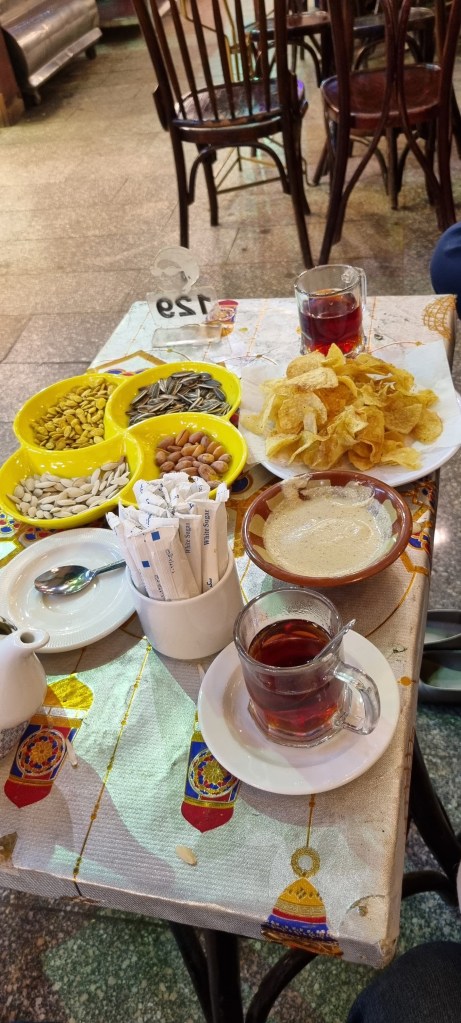

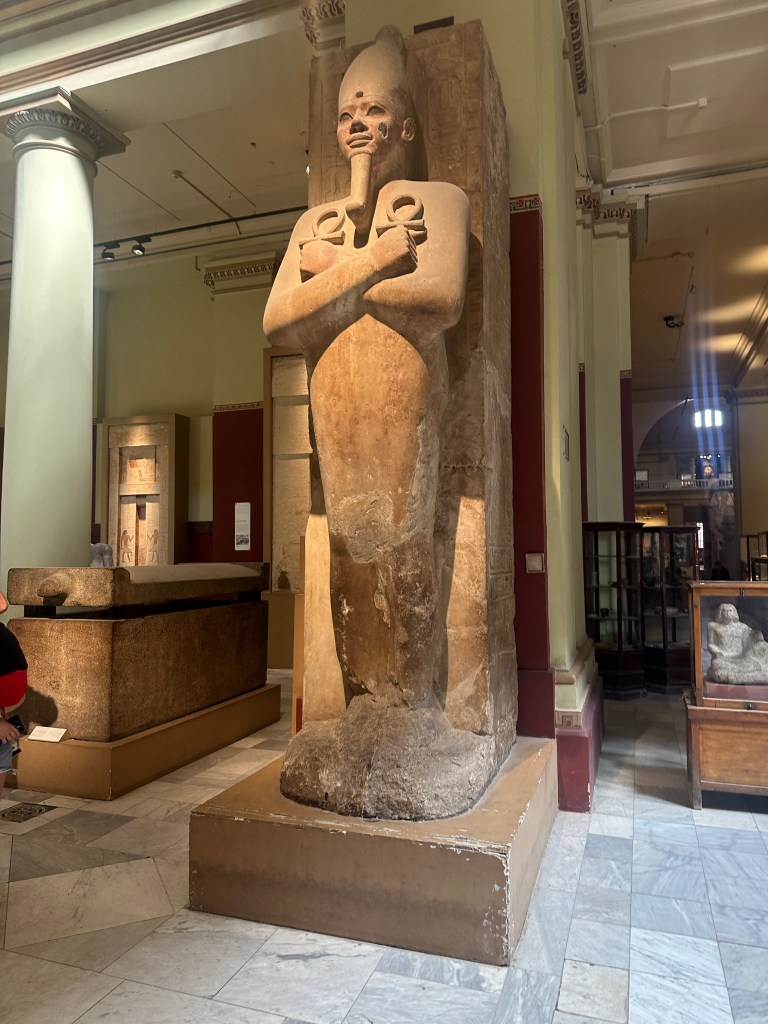
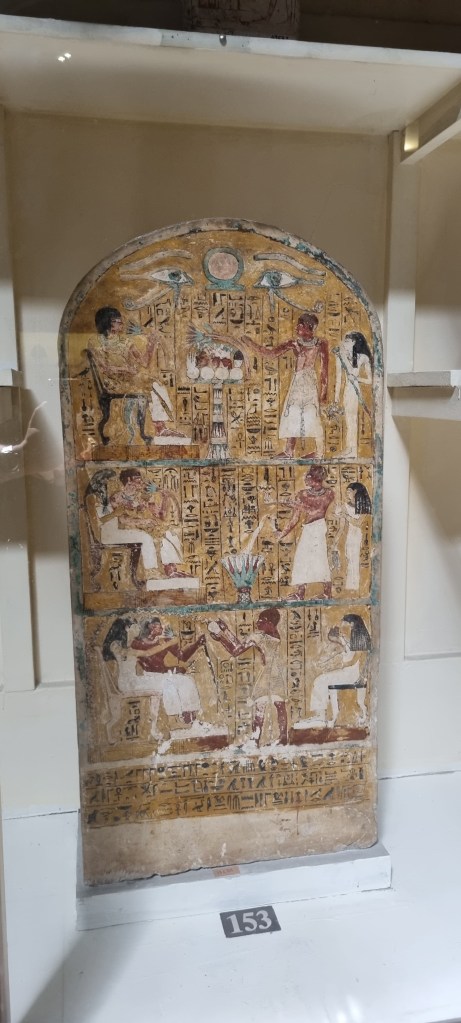
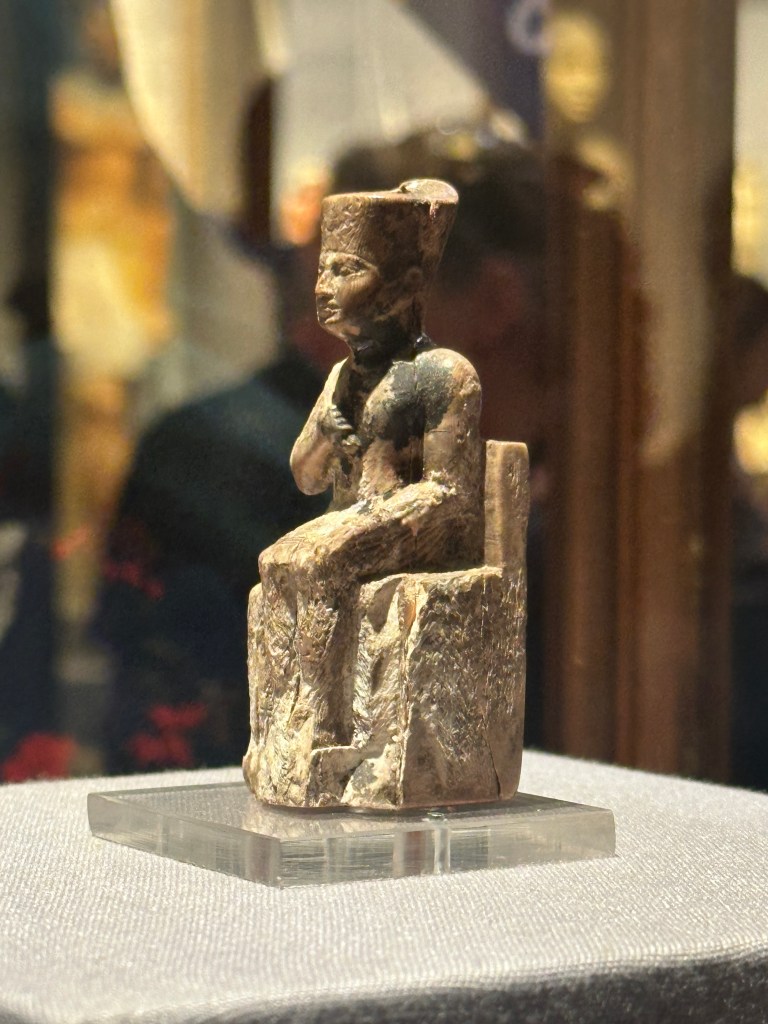
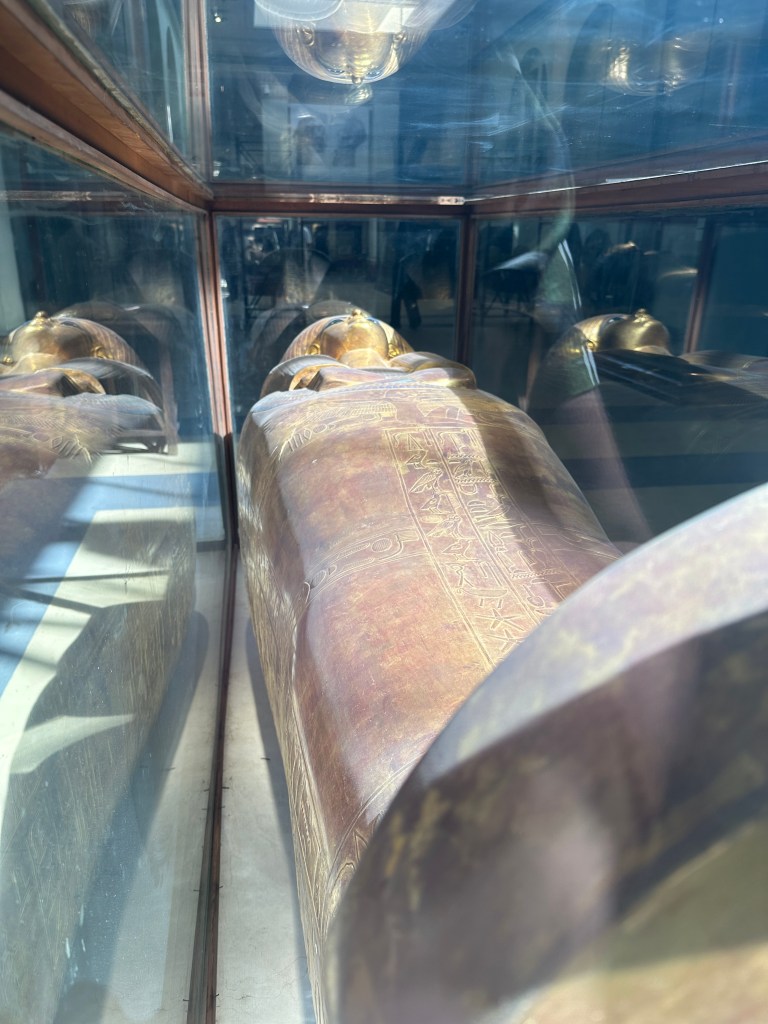
Our Cairo Sightseeing began as we made our way to the Egyptian Museum at 9 AM sharp. Picture this: over 200,000 artefacts showcasing the grandeur of Egypt’s past, neatly tucked into the Old, Middle, and New Kingdom divisions. We marvelled at Tutankhamun’s mask and got up close with two ancient mummies. Although we tried to soak it all in within an hour, history aficionados could easily wander for a good 2-3 hours amidst these treasures. Post-museum, we snagged a quick specialty coffee at CAF.
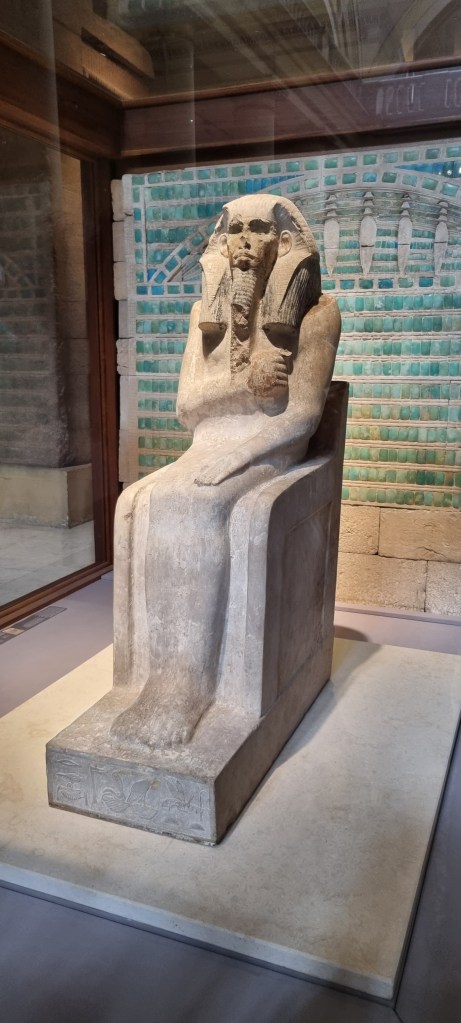
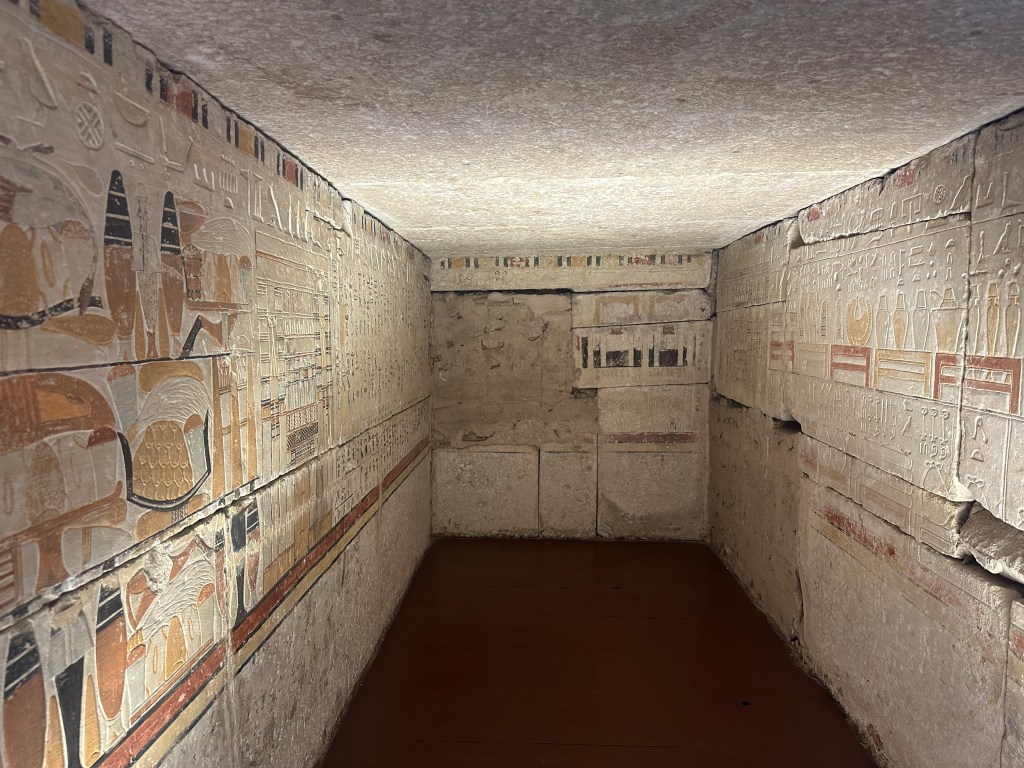
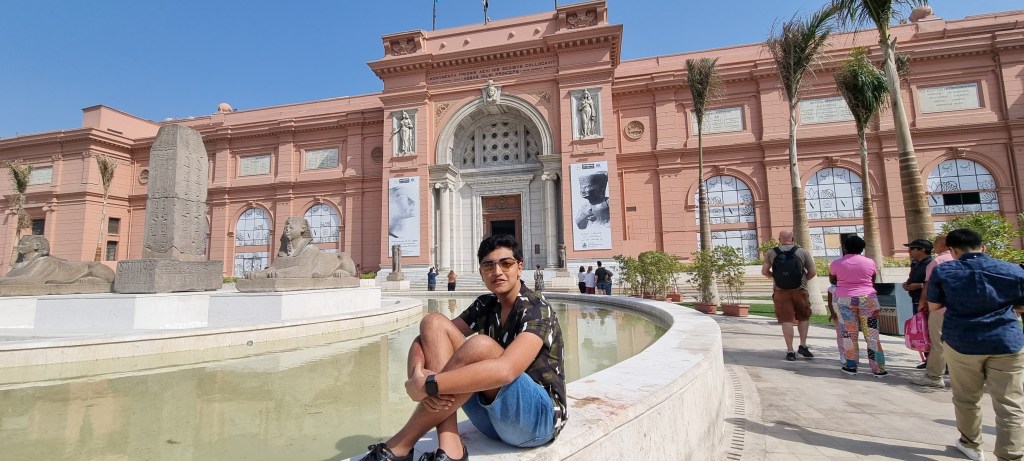
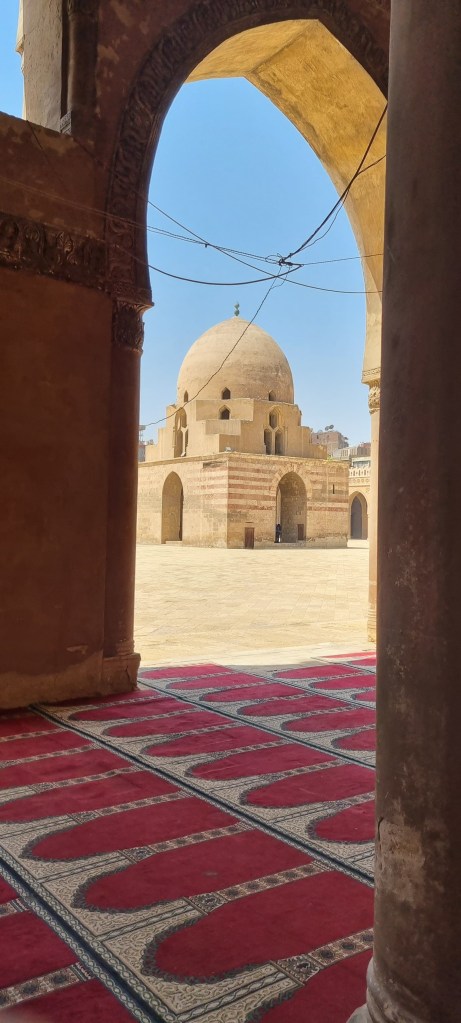
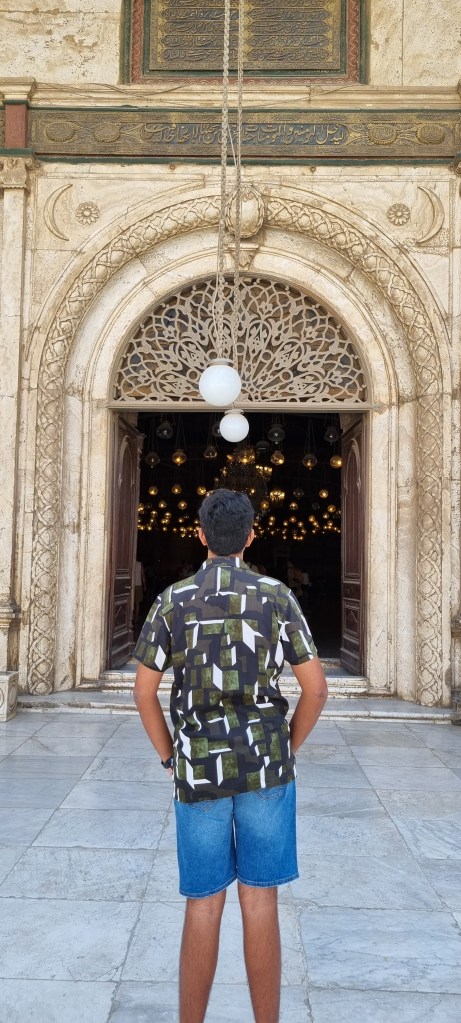
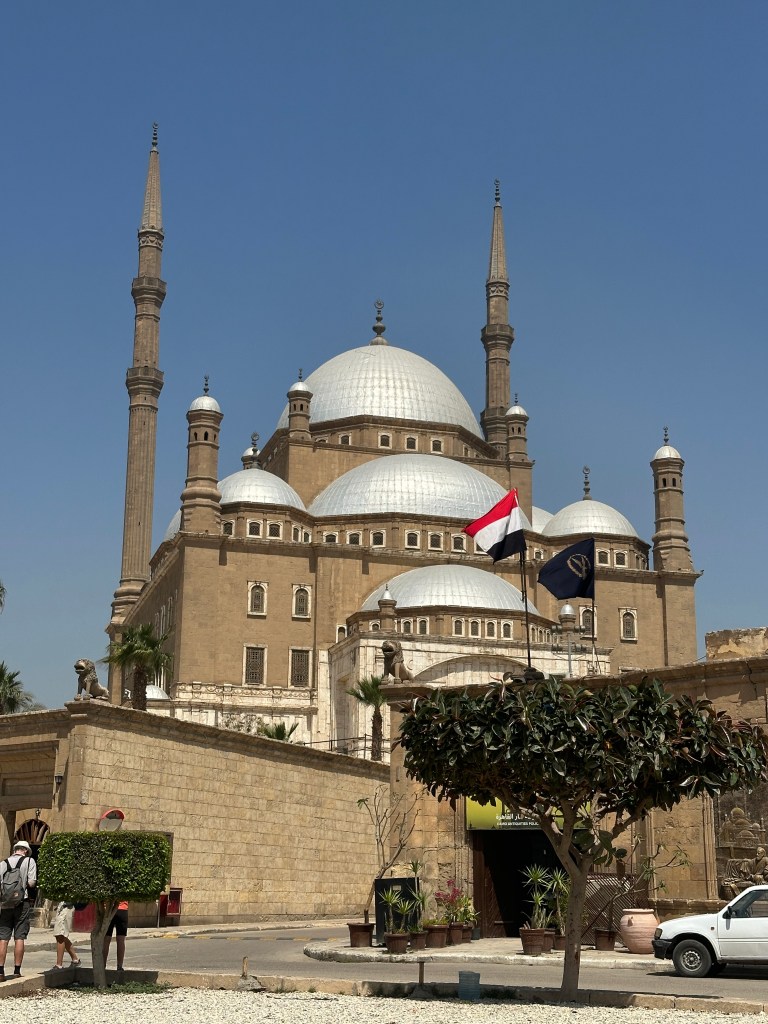
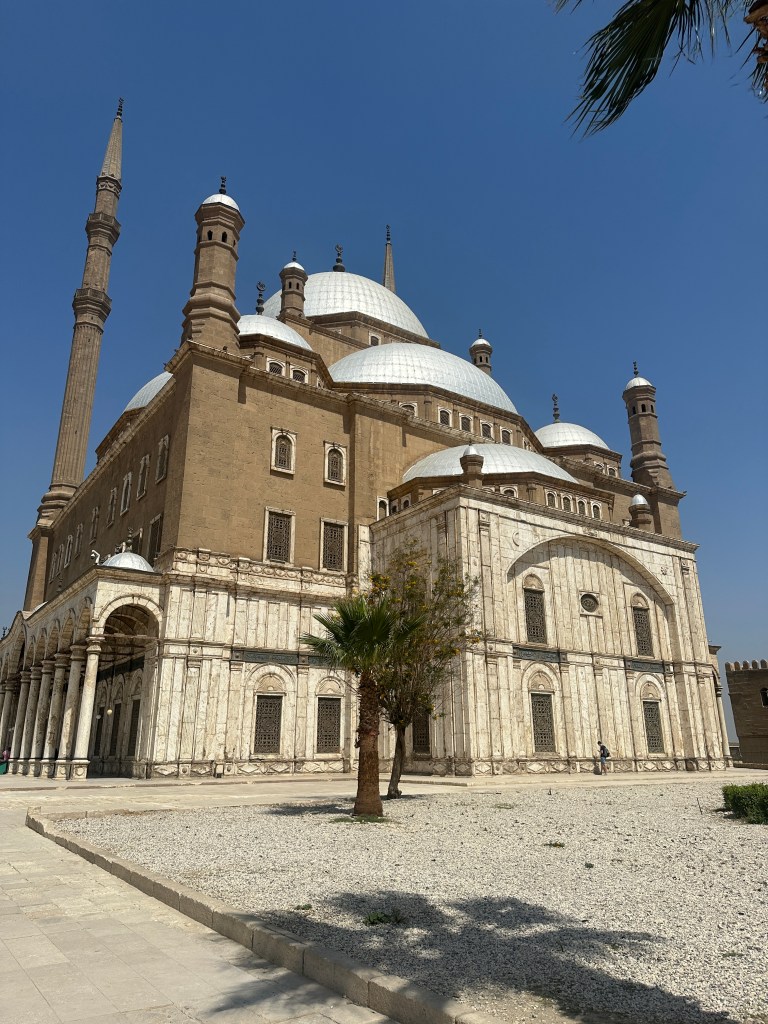
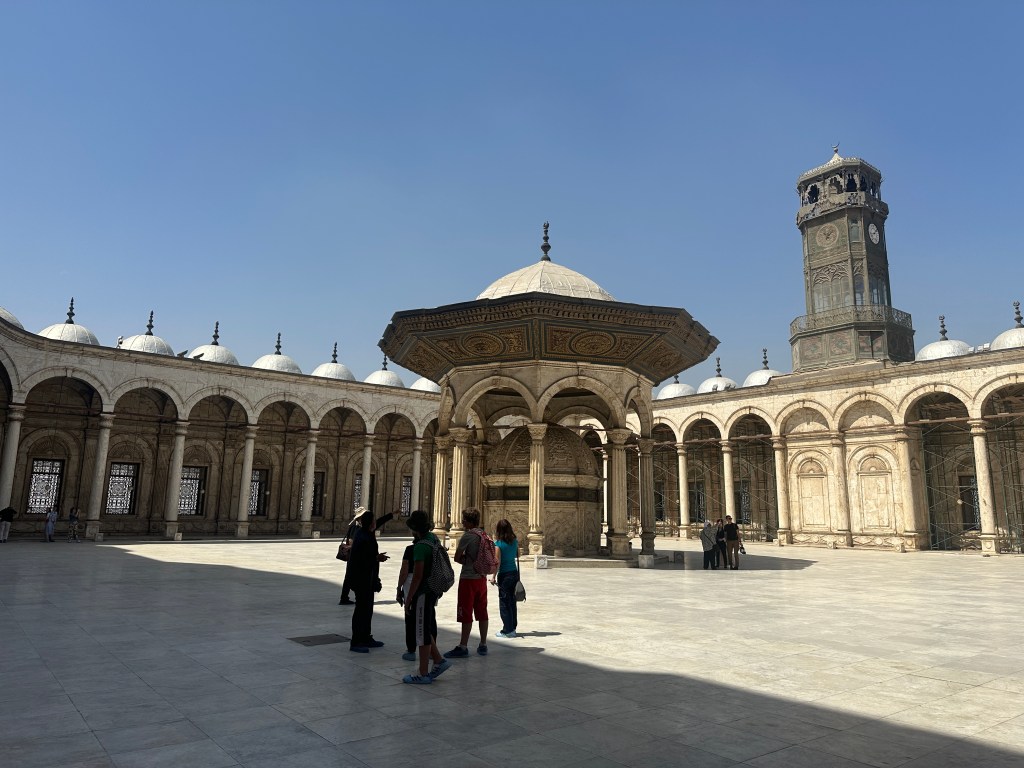
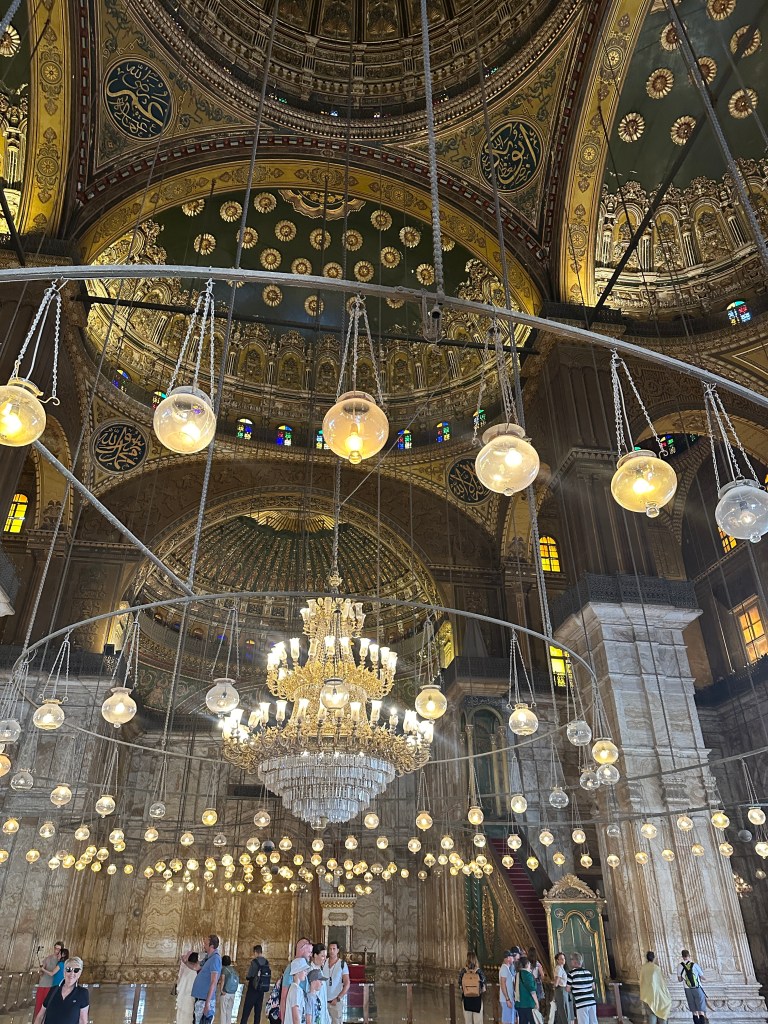
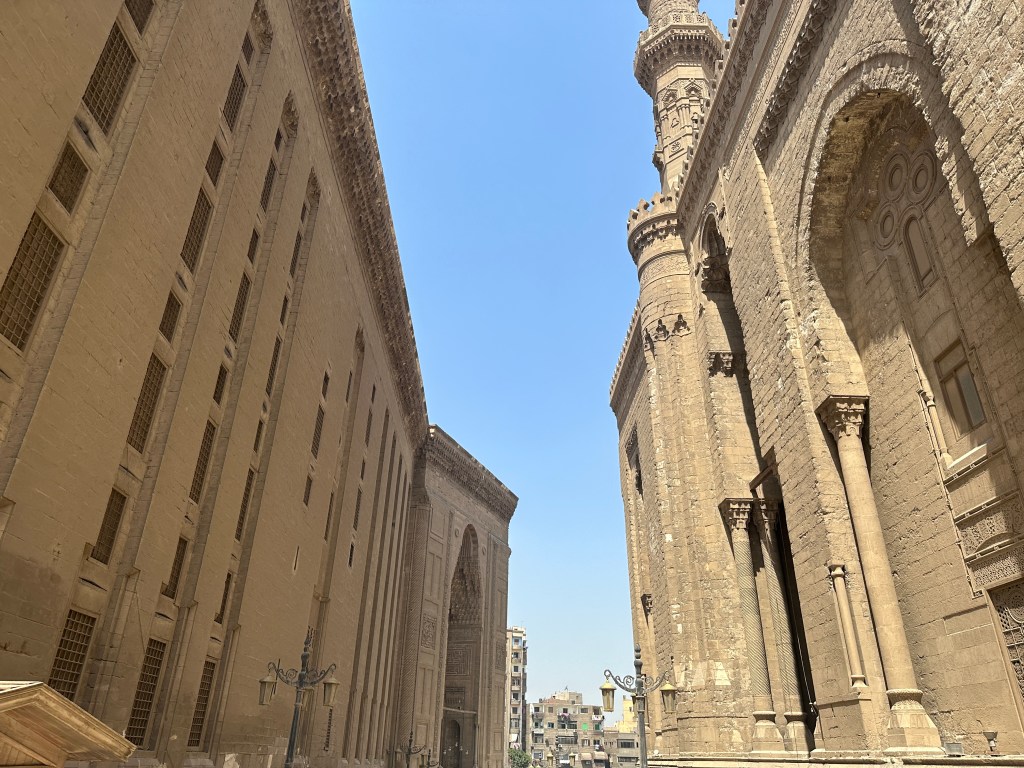
Next on our list were Cairo’s iconic mosques, each with its own tale. The Mosque of Muhammad Ali in Cairo Citadel served us sprawling views of Cairo and some Ottoman grandeur both in the exterior and interior. Ibn Tulun Mosque was impressive but a bit run down, while the Sultan Hassan Mosque was grand from the outside but bleak from the inside. We also saw Al-Azhar mosque from the outside of khan el khalili, so we crossed it off our list.

By afternoon, we ventured to Festival City Mall in New Cairo for a shopping spree amidst famous brands. The mall’s vastness was a refreshing change, mirroring the modern face of Egypt.
Winding down at 6 PM, we hit Zamalek which is an upscale cairo island for dinner at Luuma. Here, we ordered salads and pizza but it was the local Feteer that we absolutely loved. They also provide an extensive shisha menu, with many unique flavours.
Day 5 of our Egypt trip started with a flight. At the crack of dawn (5 am to be exact), we left our hotel. By 7 am, we were airborne, heading towards Aswan, with the sun barely keeping up. An hour later, we landed, not to waste a moment. Aswan is a historic and cultural nexus on the Nile’s edge in the Southern part of Egypt.
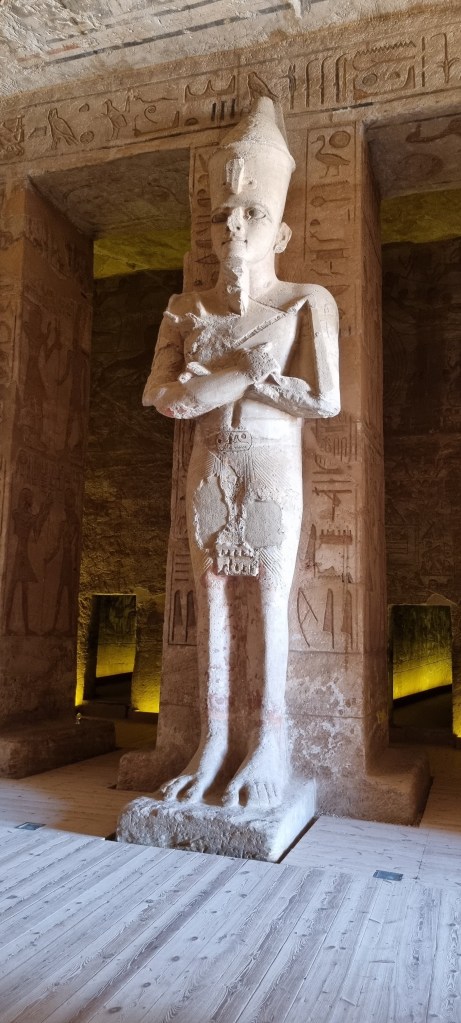
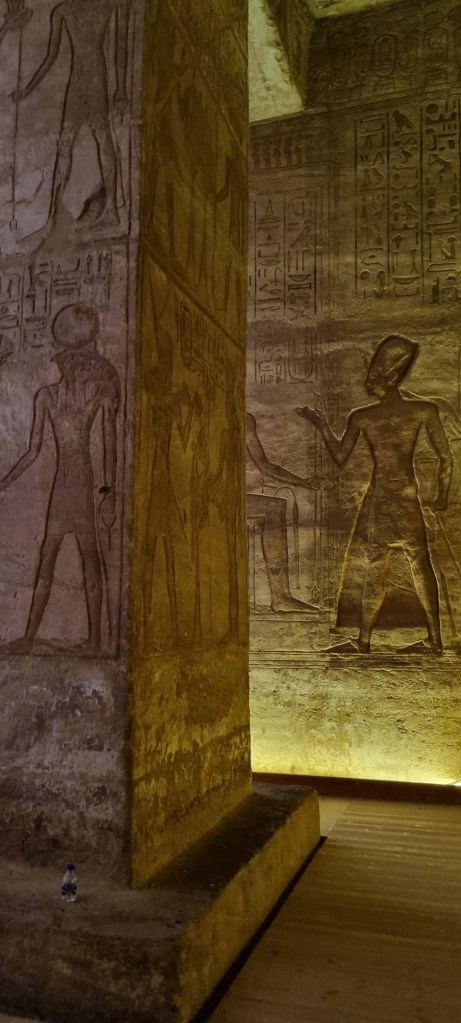
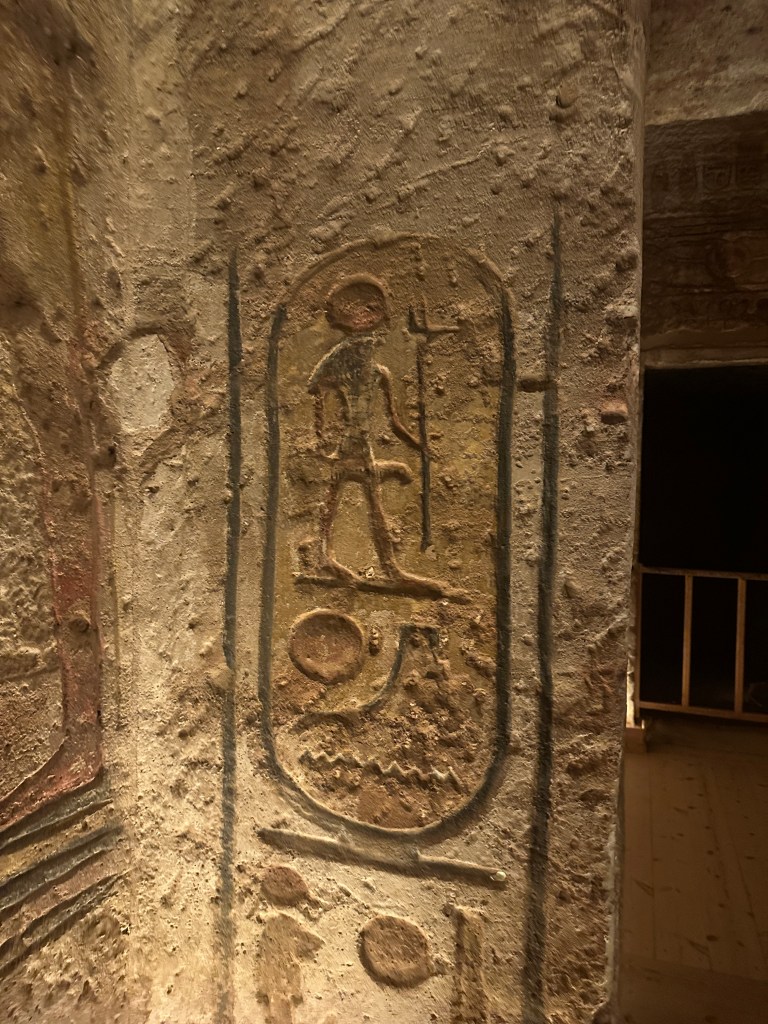
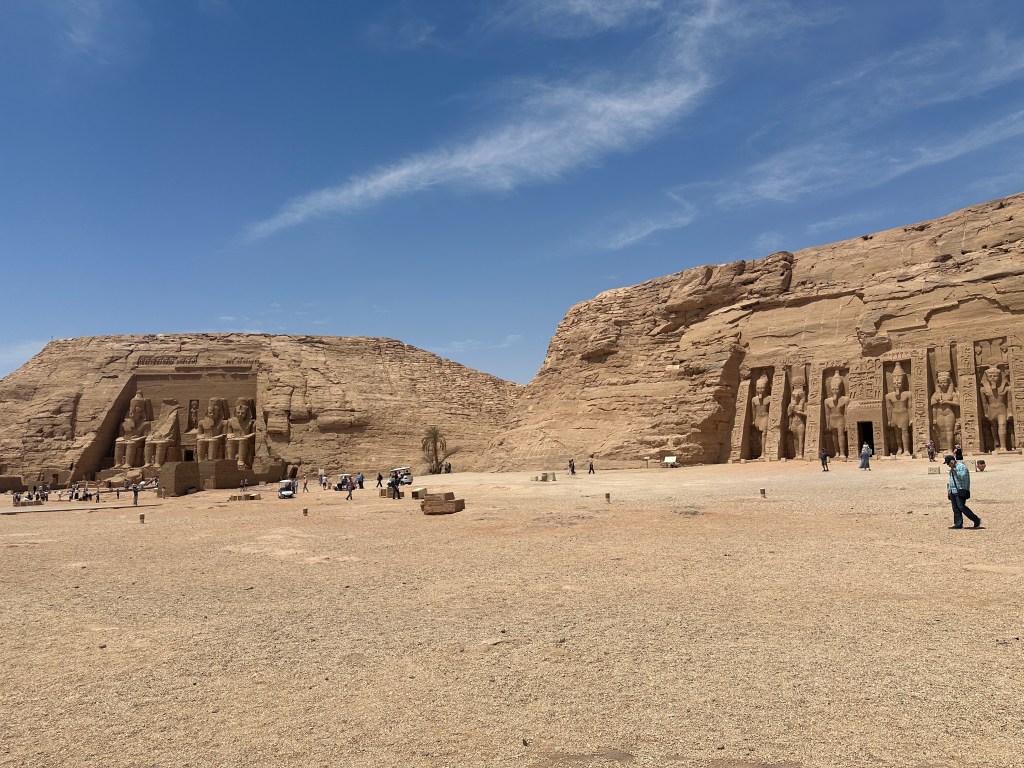
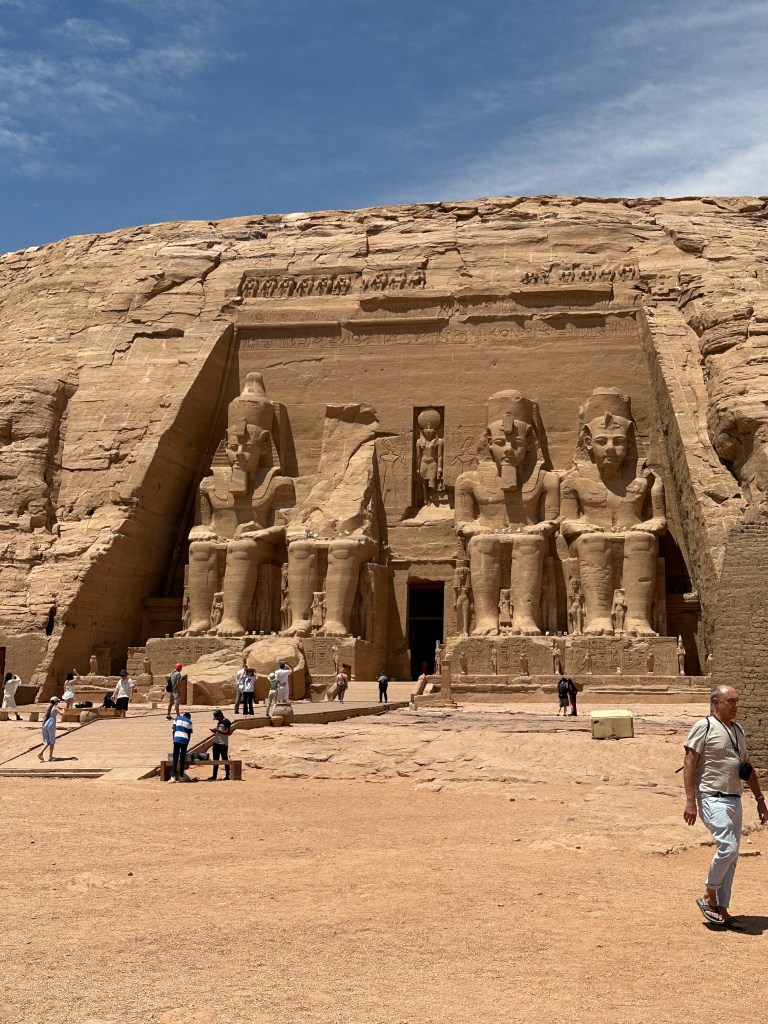
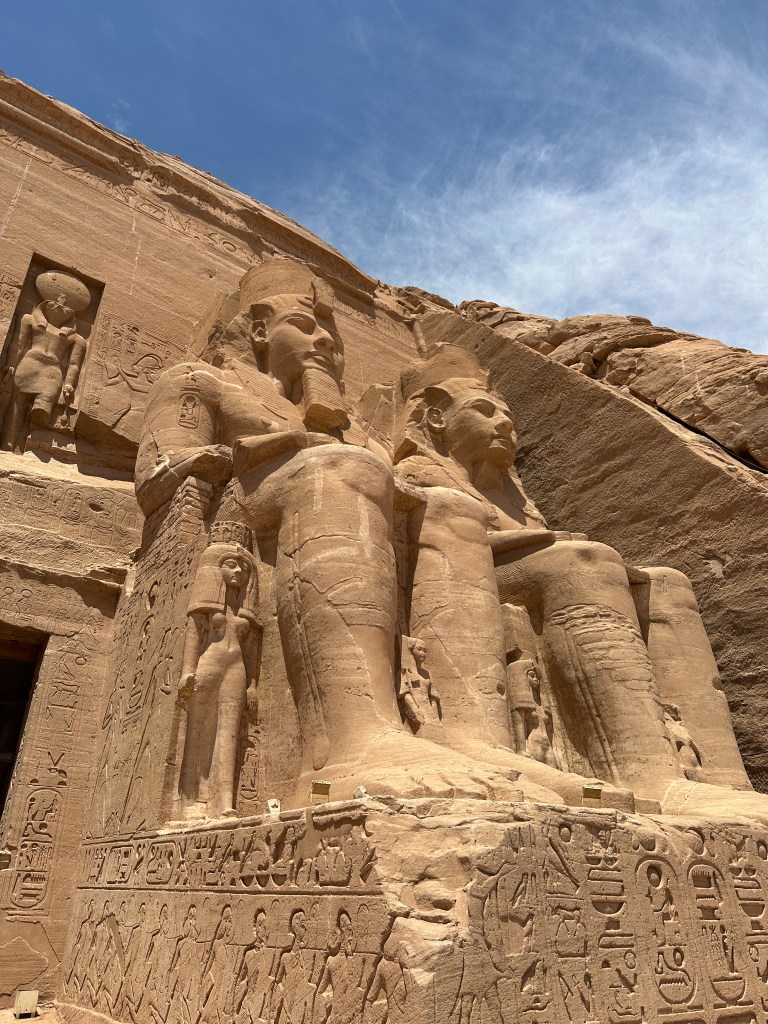
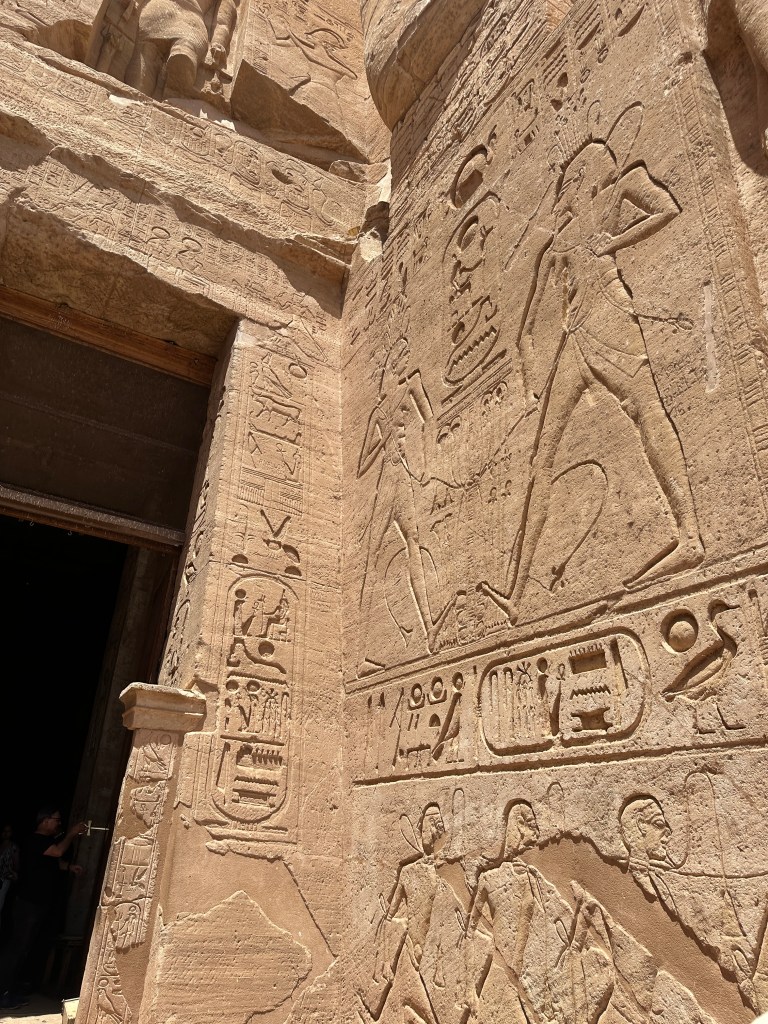
Straight off the plane, we journeyed to Abu Simbel, reaching around 11:30 am. Picture this: two monumental temples, carved out of rock during King Ramses II’s reign around 1200 B.C. One is a tribute to the king himself, and the other, a romantic gesture to his queen, Nefertari. The exteriors of these temples are nothing short of majestic, with colossal statues guarding the entrance. Inside, a hieroglyphic heaven awaits, with walls adorned with intricate carvings depicting tales of gods, battles, and the daily life of one of history’s most fascinating civilizations. For temple newbies like us, it was the perfect introduction. If photos were a currency, we’d be millionaires!


However, every adventure has its bumps. Back in Aswan, we checked into the Pyramisa Hotel on Isis Island. Potential? Yes. But the reality was a mix of poor service and questionable design choices with poor furnishing and lack of thought in charging points, desks and placements. Movenpick or Sofitel might save your day.
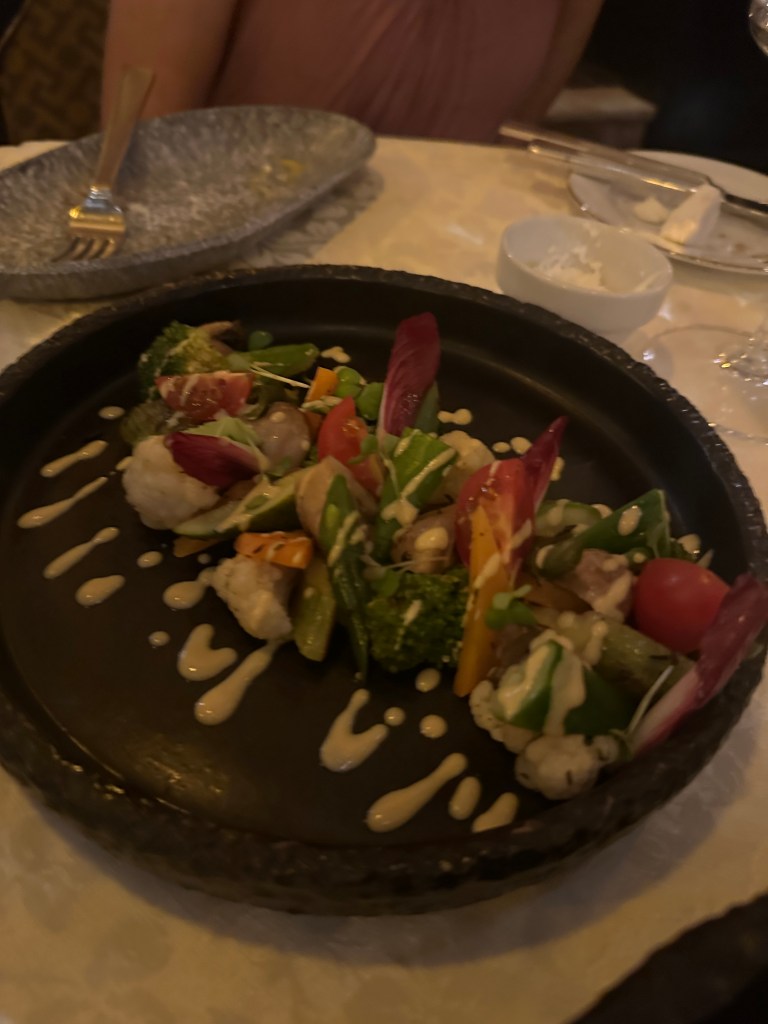
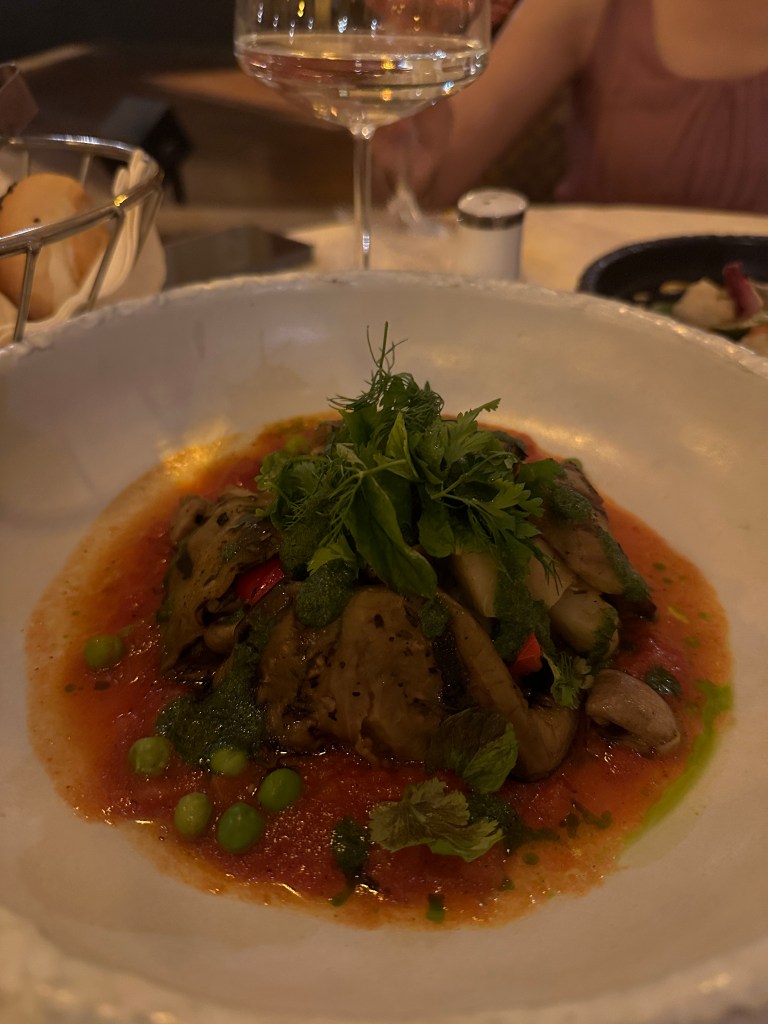
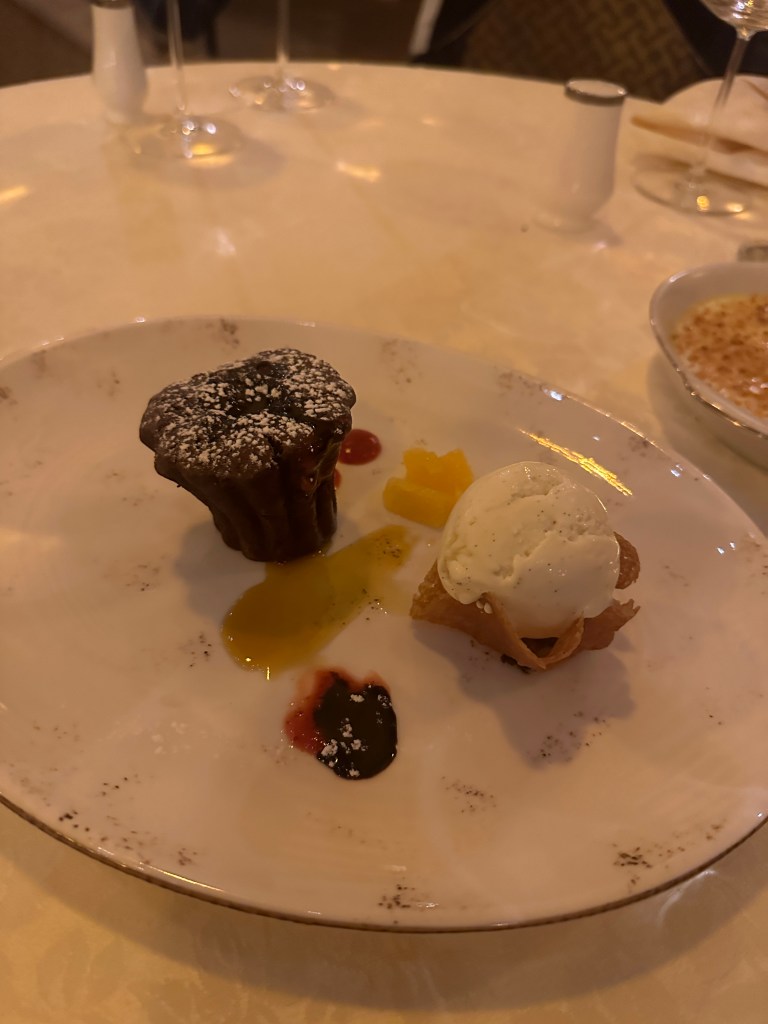
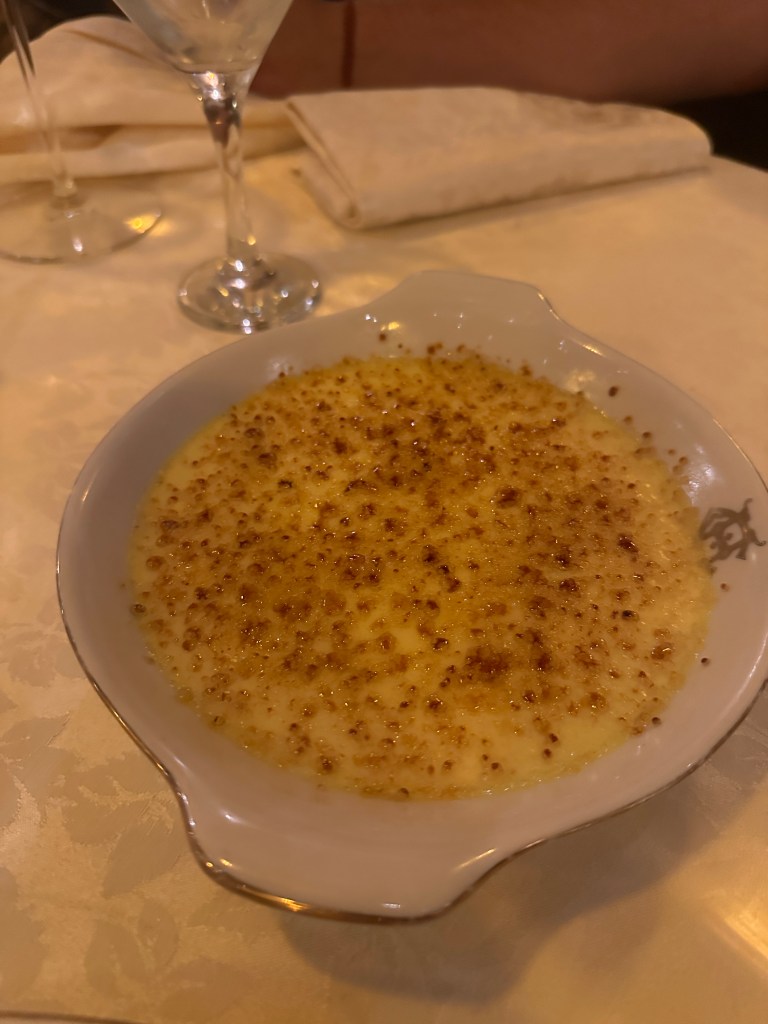
Speaking of Sofitel, dinner at their 1902 restaurant was a journey back to the European fine dining era. Mandatory coats and an ambience fit for royalty set the stage. French cuisine was curated and the creme brulee and eggplant dishes were the highlights. The live pianist was the cherry on top playing songs which hit memory lane. We ended the night with a boat ride back to Pyramisa.
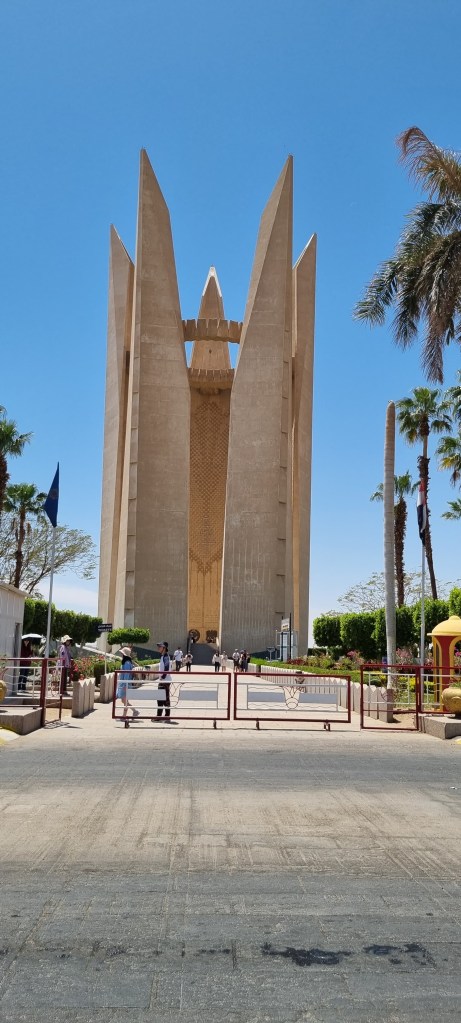
Diving into Aswan’s heart, our adventure began at the High Dam, an engineering marvel that reshaped the Nile’s course and Egypt’s future. Built in the 1960s, this colossal structure was a monumental effort in controlling flooding, providing hydroelectric power, and securing water for agriculture.
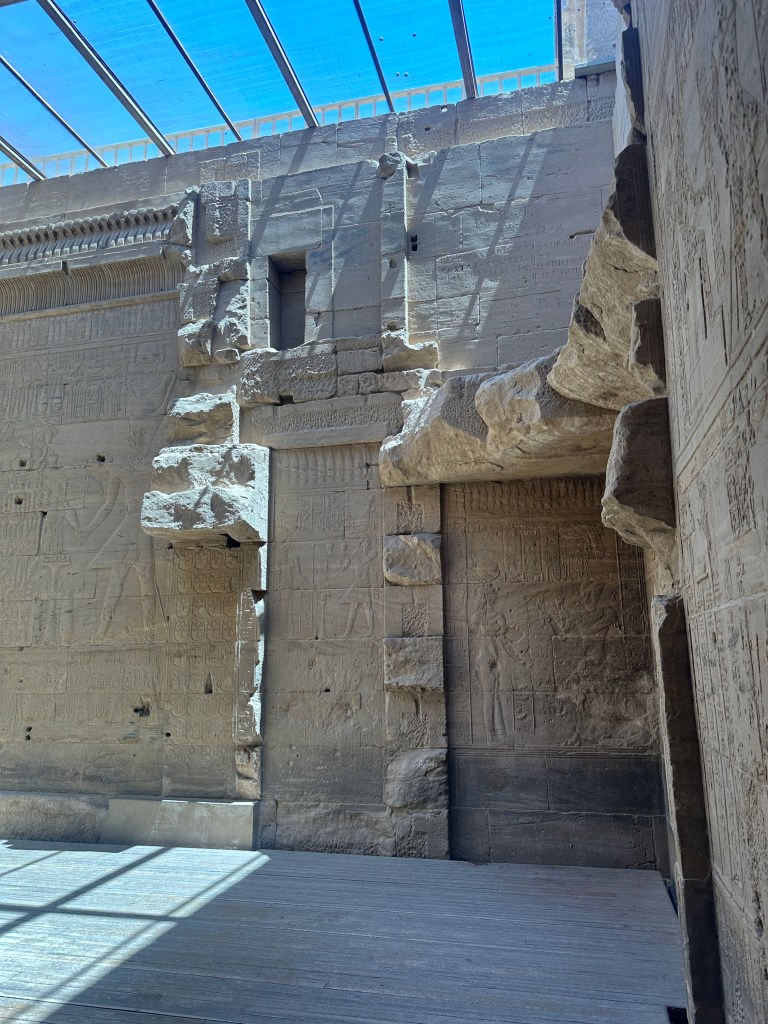
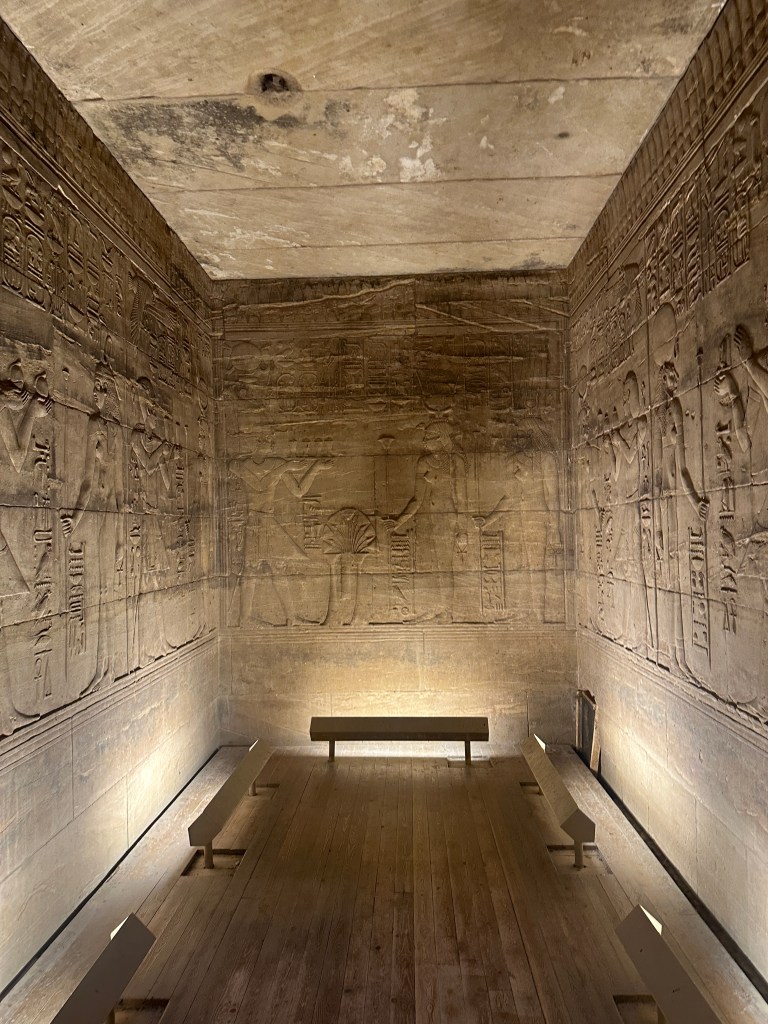
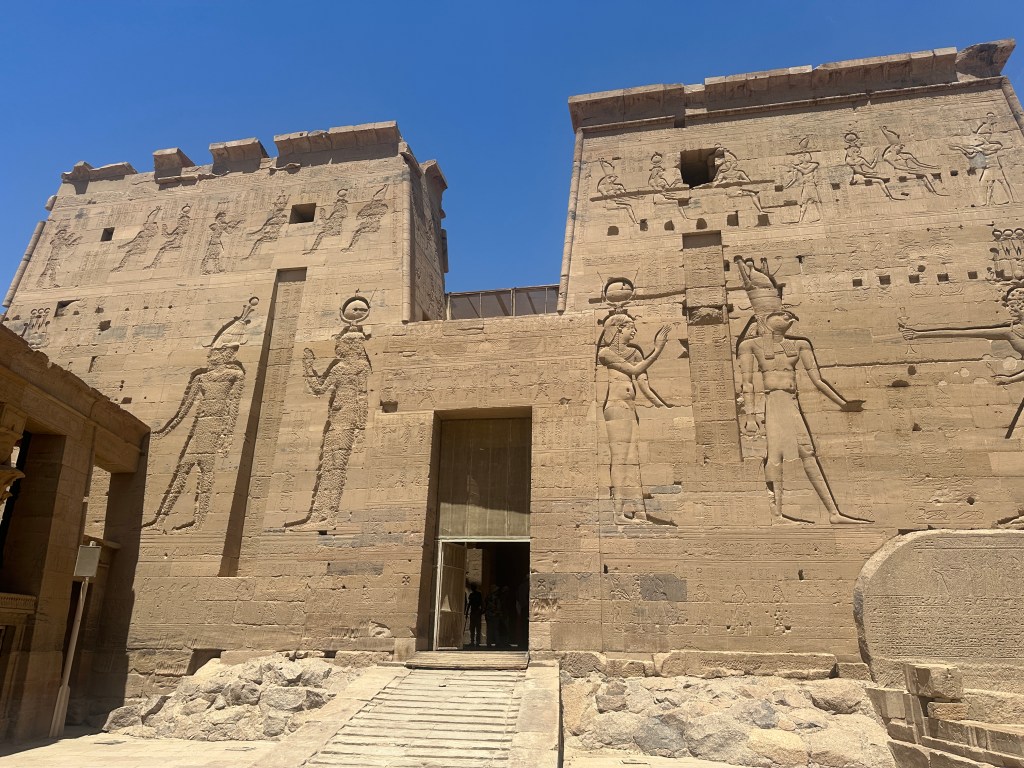
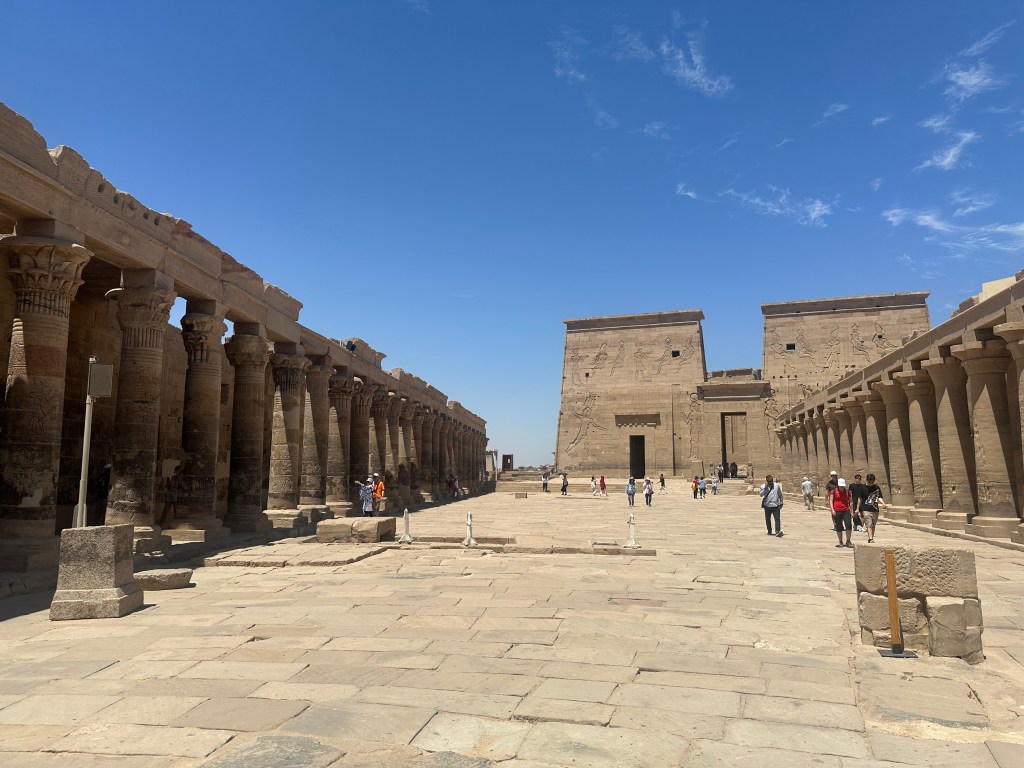
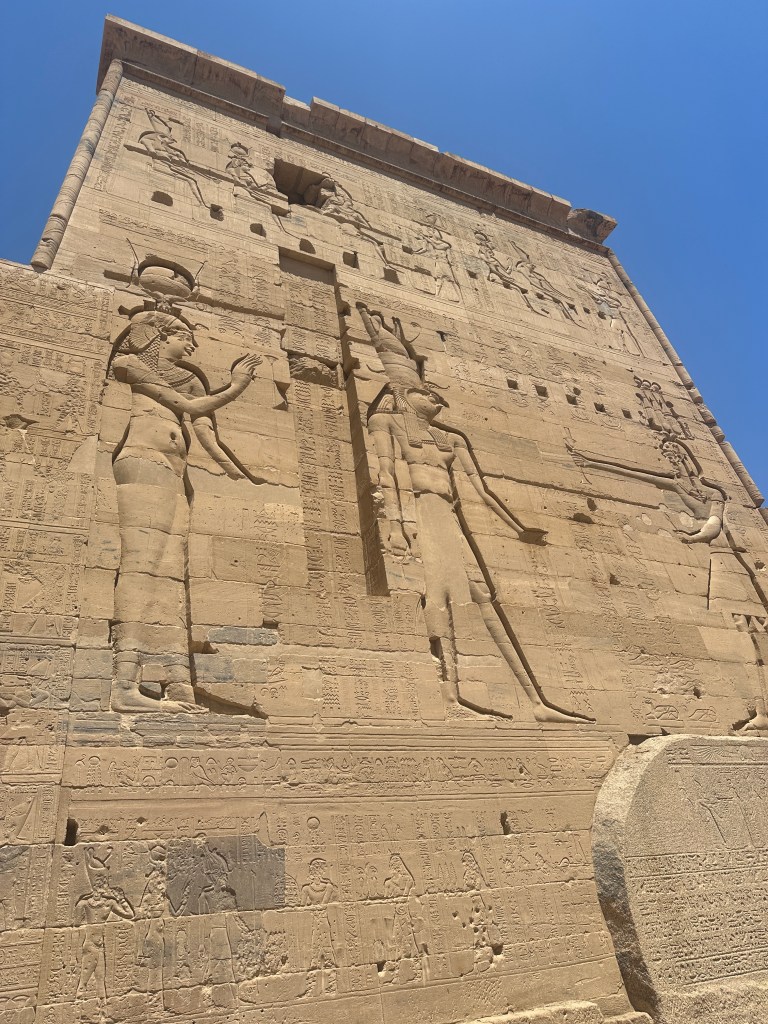
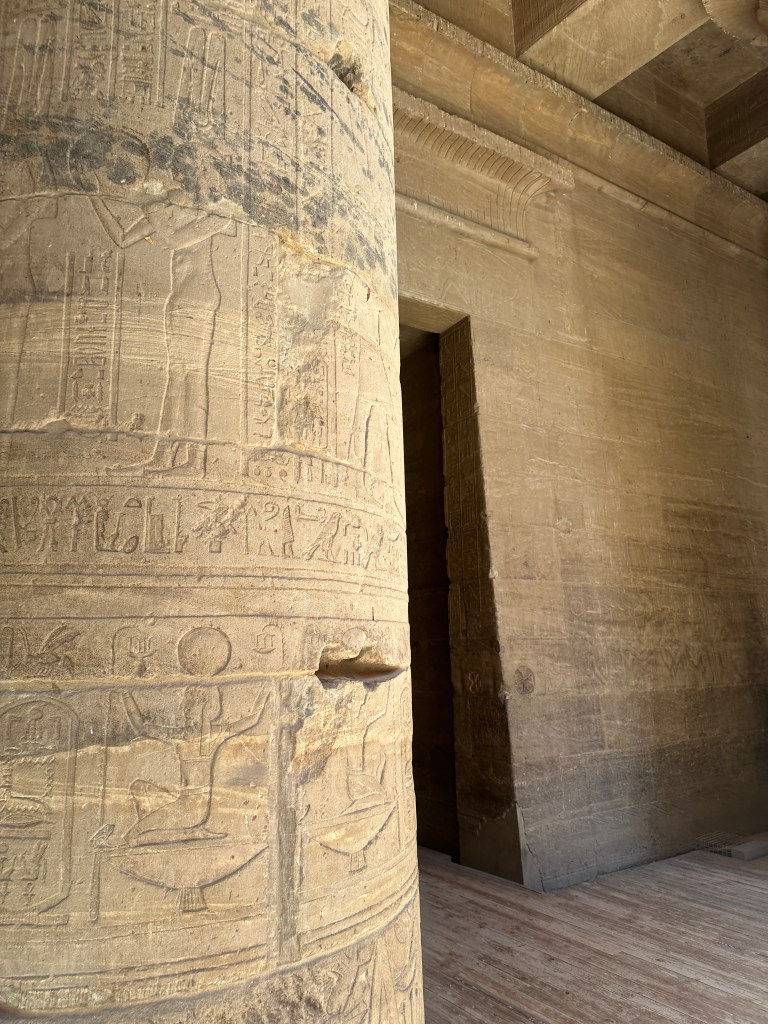
Next up, the Philae Temple built during the Greco roman period, accessible only by a quaint boat ride, felt like drifting into a dream. This jewel of ancient architecture, dedicated to the goddess Isis, sits elegantly on an island, its pillars and carvings narrating tales of gods mingling with mortals. Walking through its halls, the delicate hieroglyphs and majestic columns felt very magical but the weather of the scorching sun was not a great accompaniment.


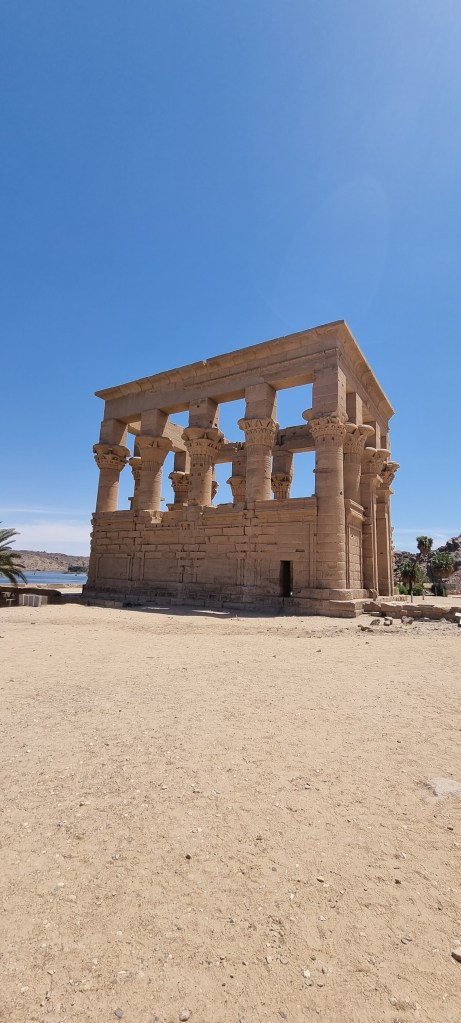
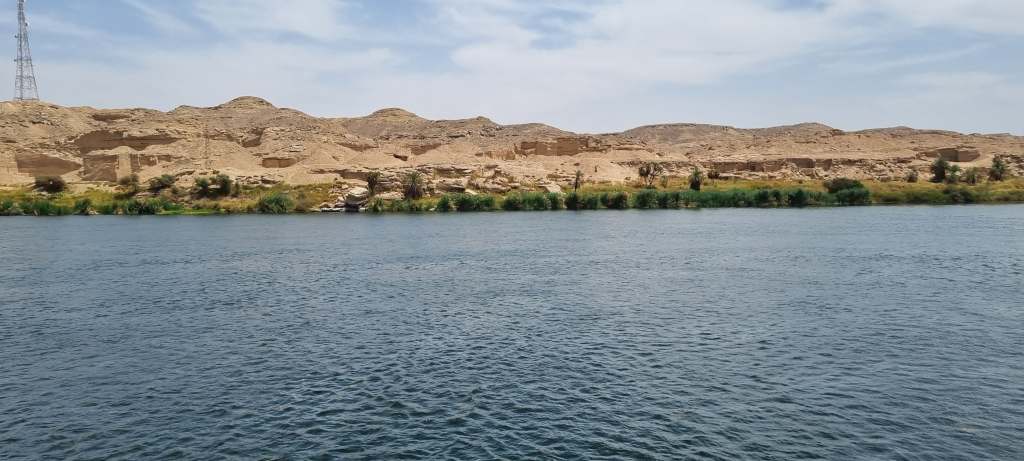
The voyage continued aboard the Sonesta Sun Goddess, our floating palace. With suites boasting balconies that offered front-row seats to the Nile, spacious interiors, and staff that tried their best to take us, we were living the egyptian dream.

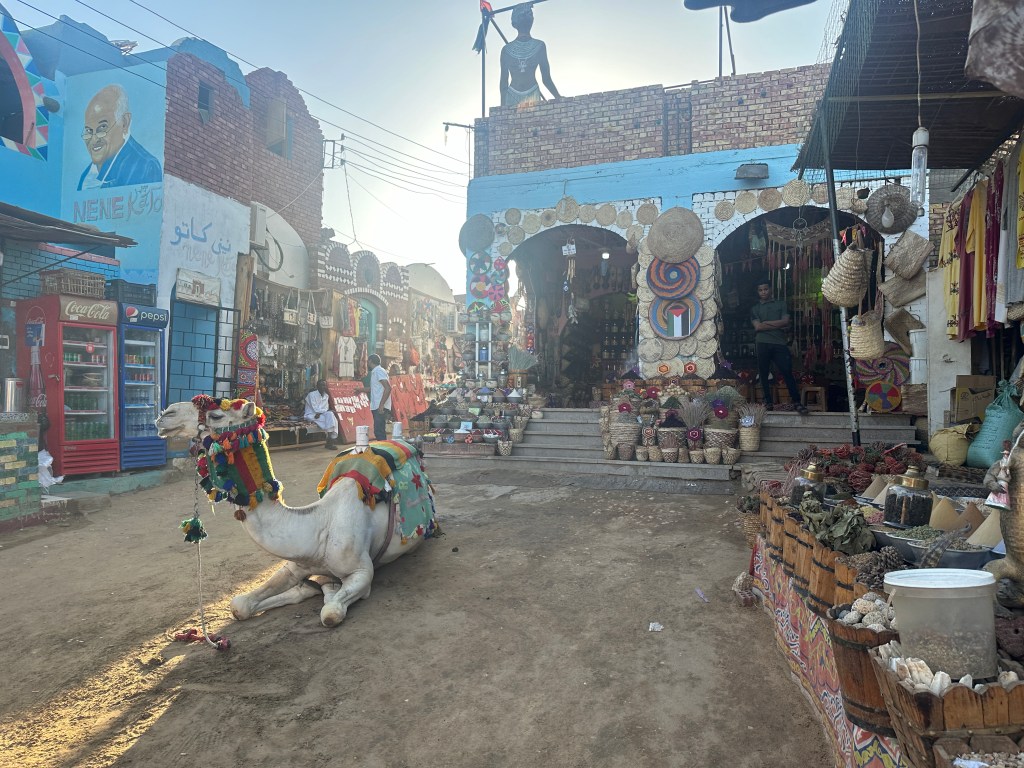
A pit stop at a Nubian village introduced us to a culture as vibrant as its homes. Nubians, with their rich heritage and artistic flair, paint their world in blues and whites, offering a stark contrast to the desert’s golden hues. Sipping on Kahawa Turki, we soaked in the atmosphere. The day wrapped up with a cultural showcase back on the cruiser, proving that Nubian rhythms could make even the stiffest traveller like me, unfortunately, sway.
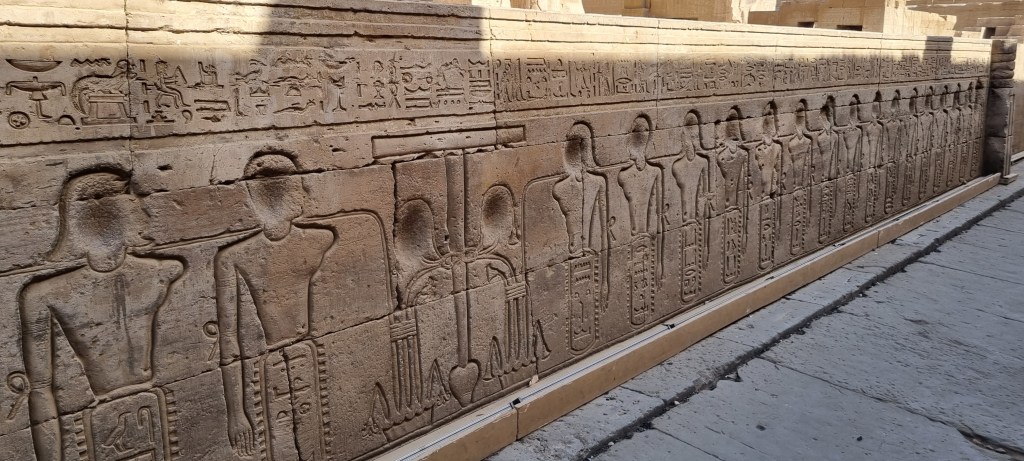
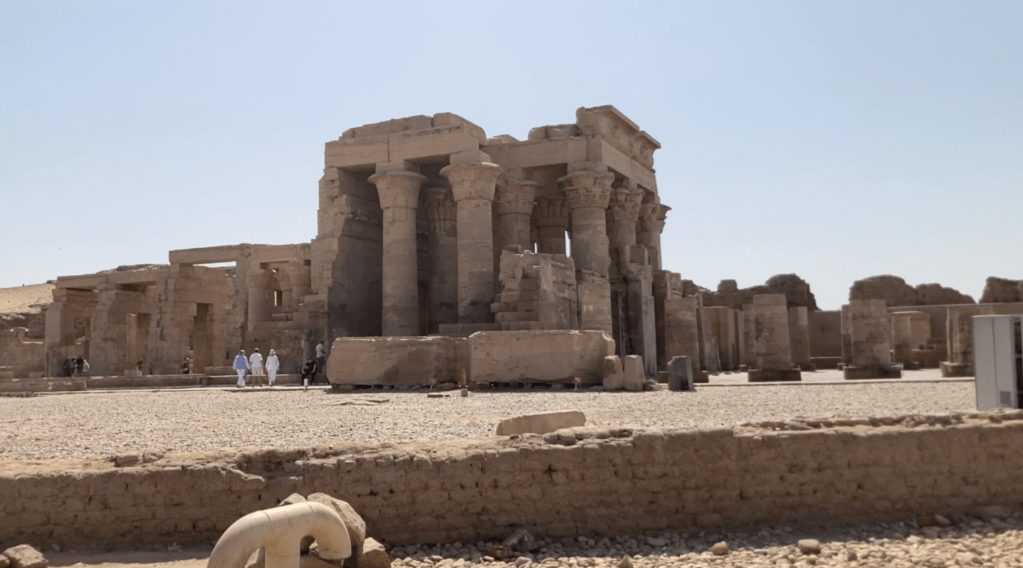
Sailing, our day began with the Nile guiding us to Kom Ombo. Dedicated to both Horus, the falcon god, and Sobek, the crocodile god. This wasn’t just a temple; it was a divine duplex with courtyards and sanctuaries aplenty, showcasing scenes of battles and divine offerings. Inside, we encountered mummified crocodiles and a nilometer, but the real jaw-dropper? Hieroglyphs detailing ancient medical practices, from C-sections to surgical tools, which is incredible to think that these tools were invented like 3000 years ago.
Next up, the Crocodile Museum, where we met Sobek’s mummified minions. Kinda cool, kinda creepy. Lunch was a culinary voyage back in time with koshari and okra served family-style on the cruise. Best. Egyptian. Meal. Ever. Simply, it was divine.
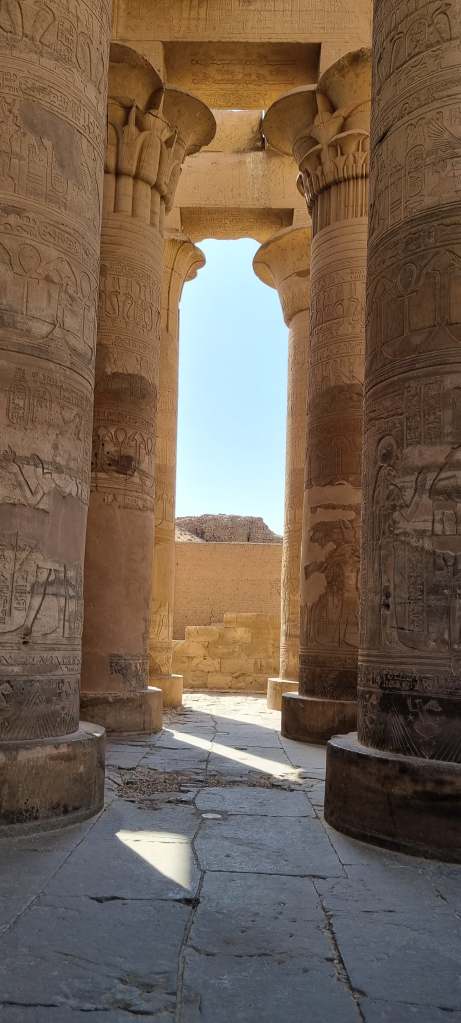
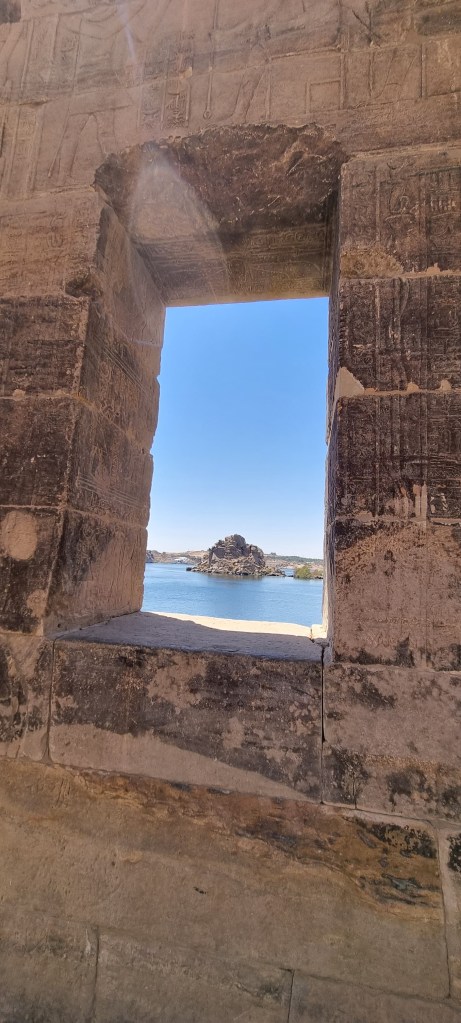
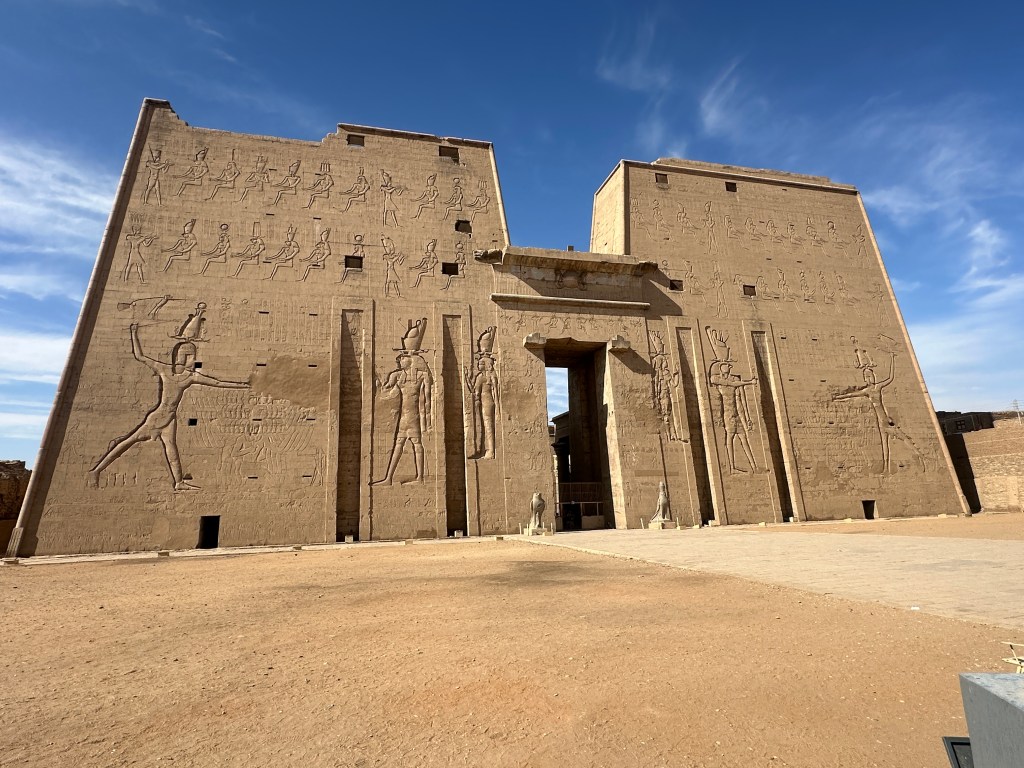
Our sails then took us to Edfu Temple, which is said to be the only temple in Egypt which is in pristine condition. Reaching through a horse carriage to the main temple complex we were stunned at its grandeur. Walking through its courtyards and chambers felt like flipping through the pages of a comic book, with Horus and Set battling it out in stone. The engravings were not just decor; they were the ancient Egyptians’ binge-worthy TV-series, complete with drama, conflict, and the triumph of good over evil.
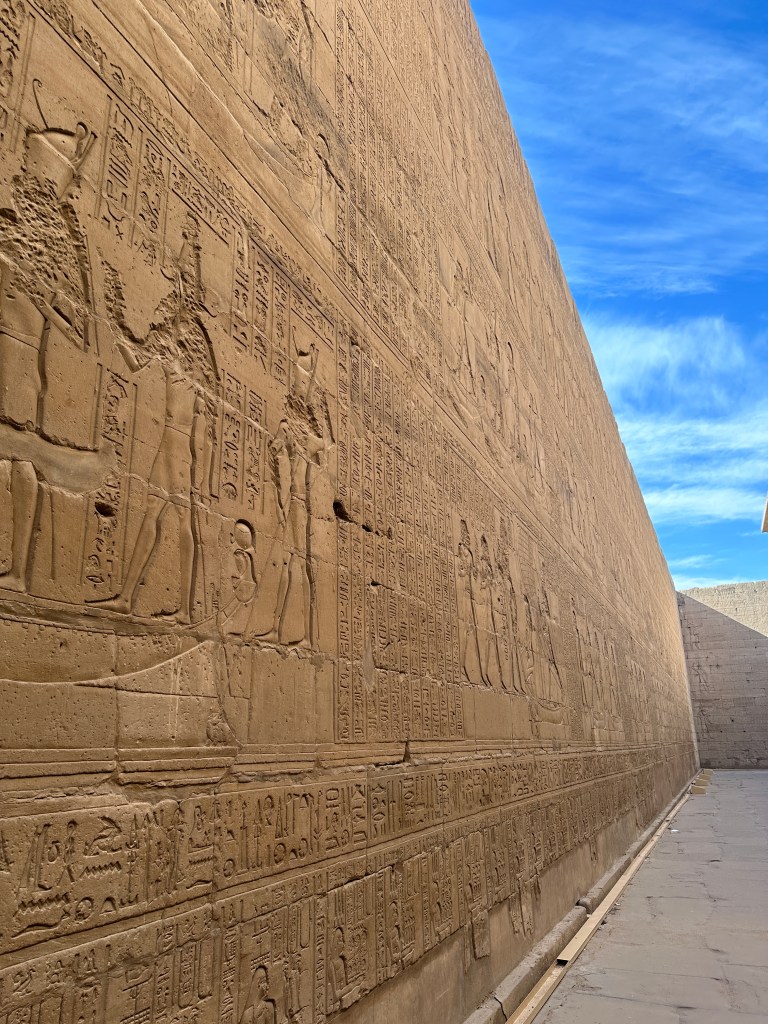
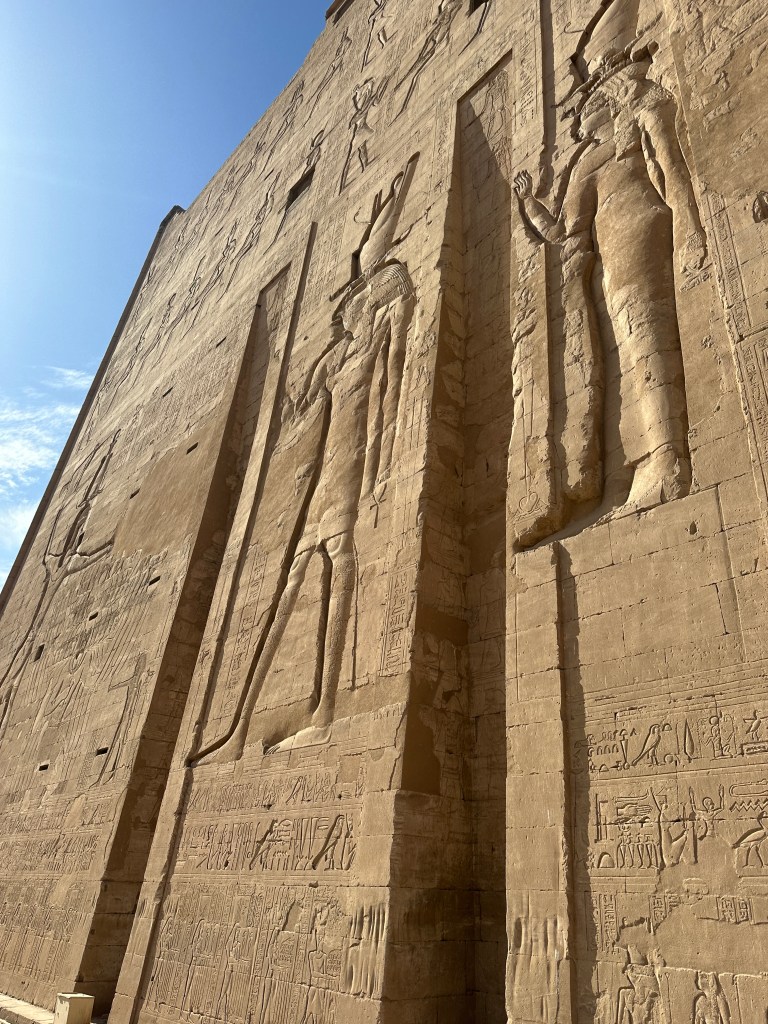
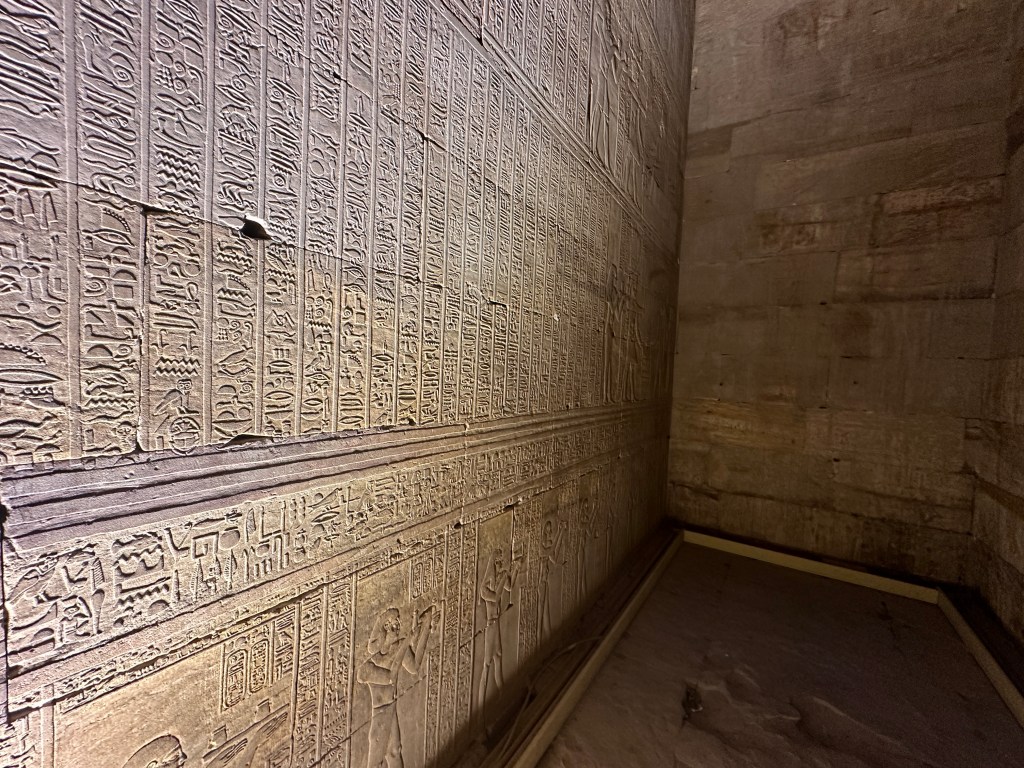
The day wrapped up with a barbeque on the terrace while the Ship was docked in Esna. Ohh, and let’s not forget the massage we took before dinner because even the most rugged adventurers need a little pampering.
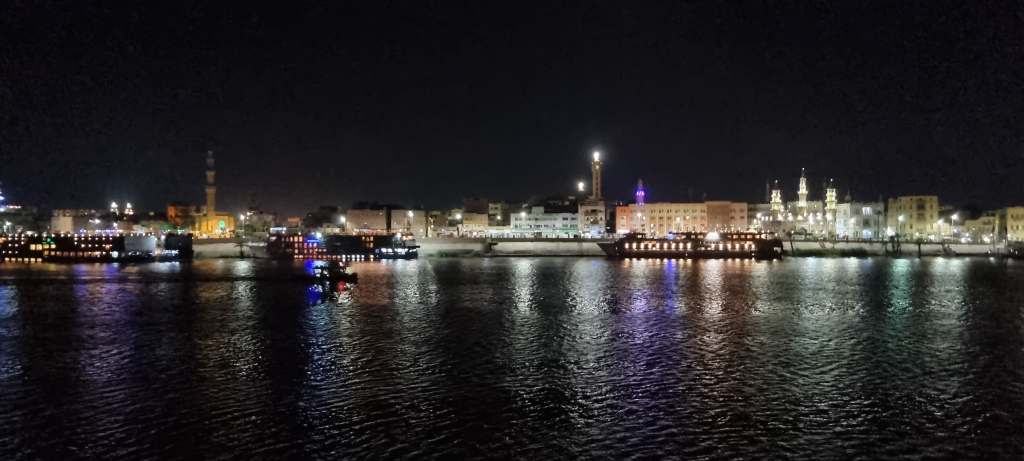
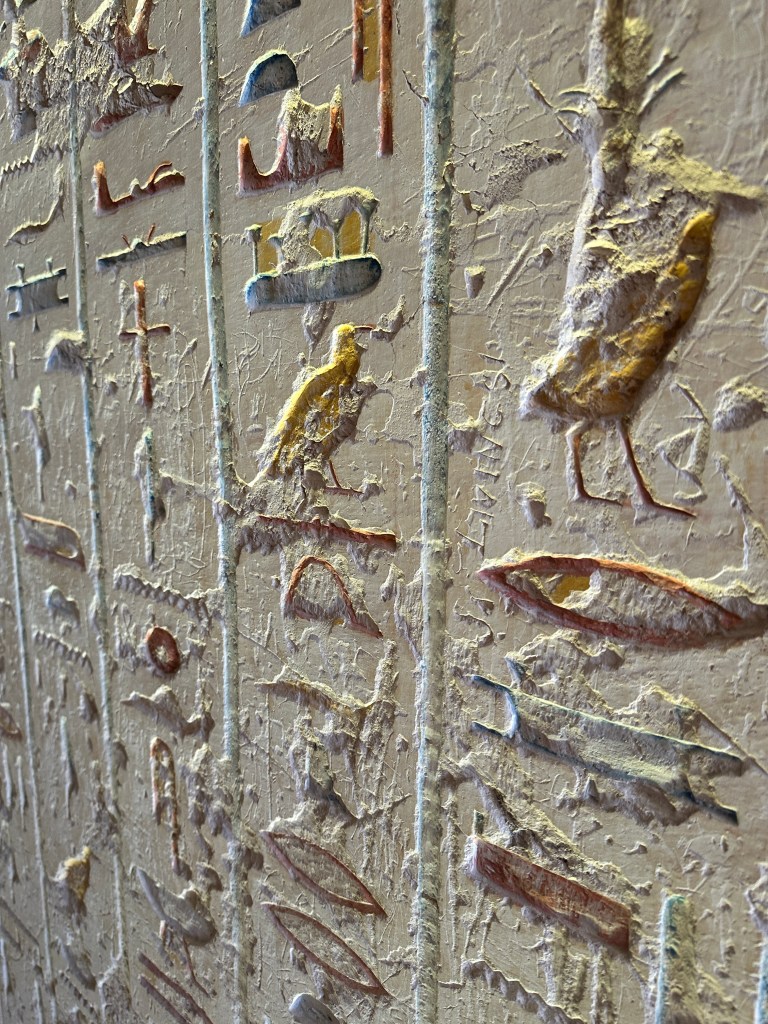
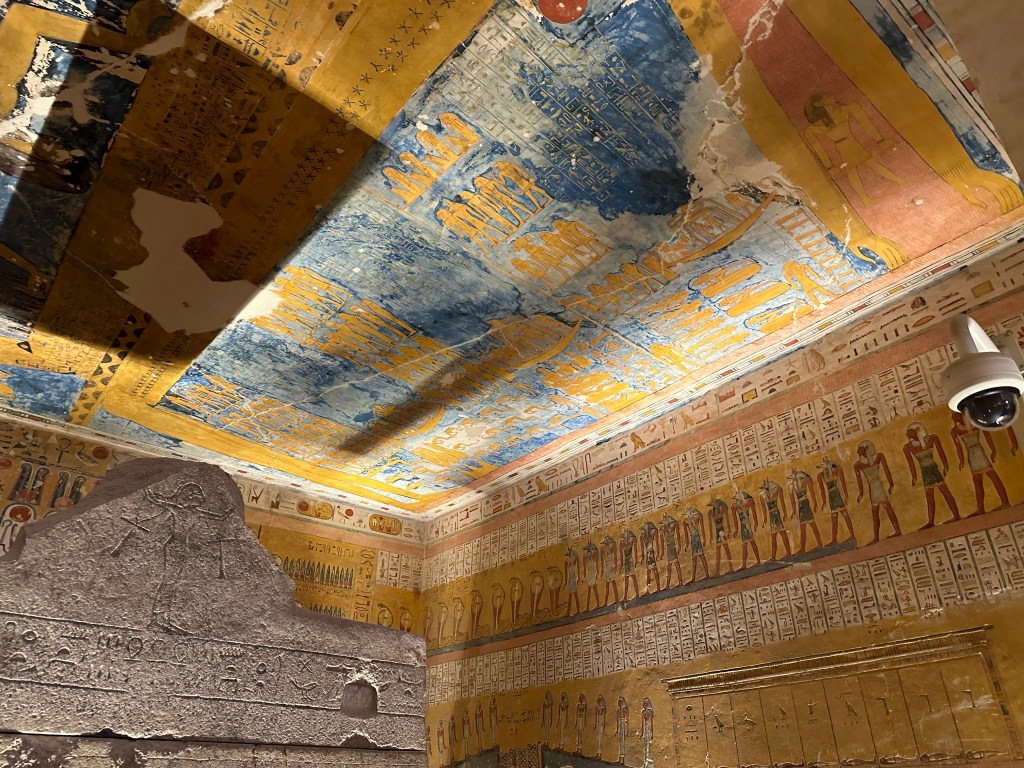
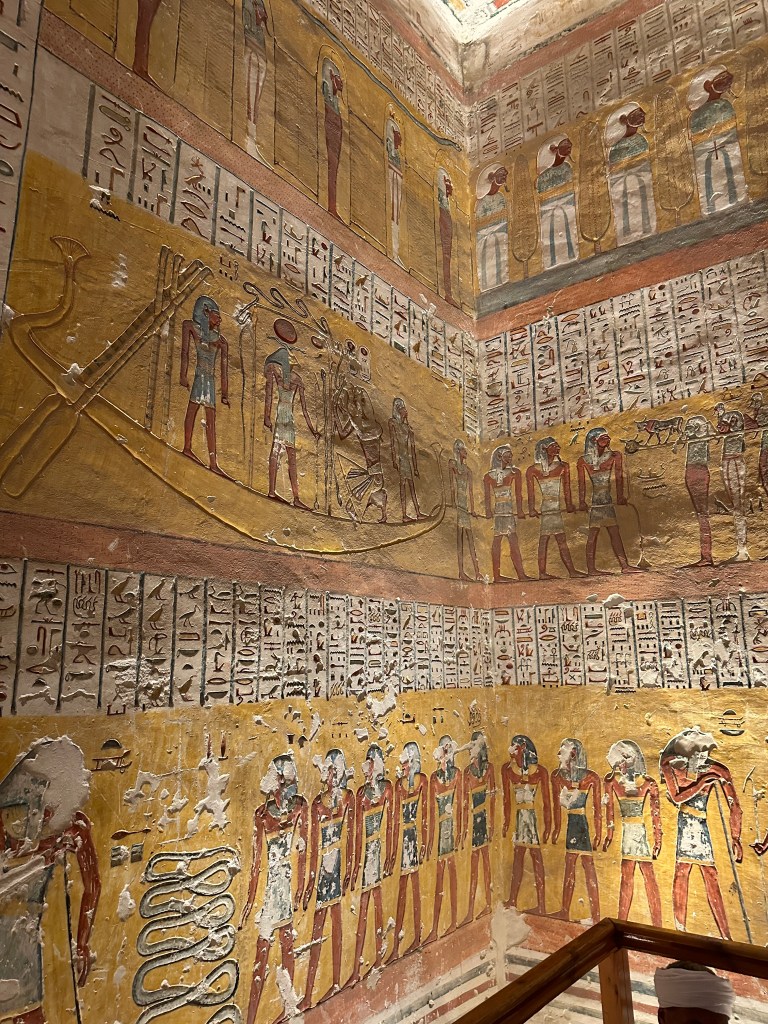
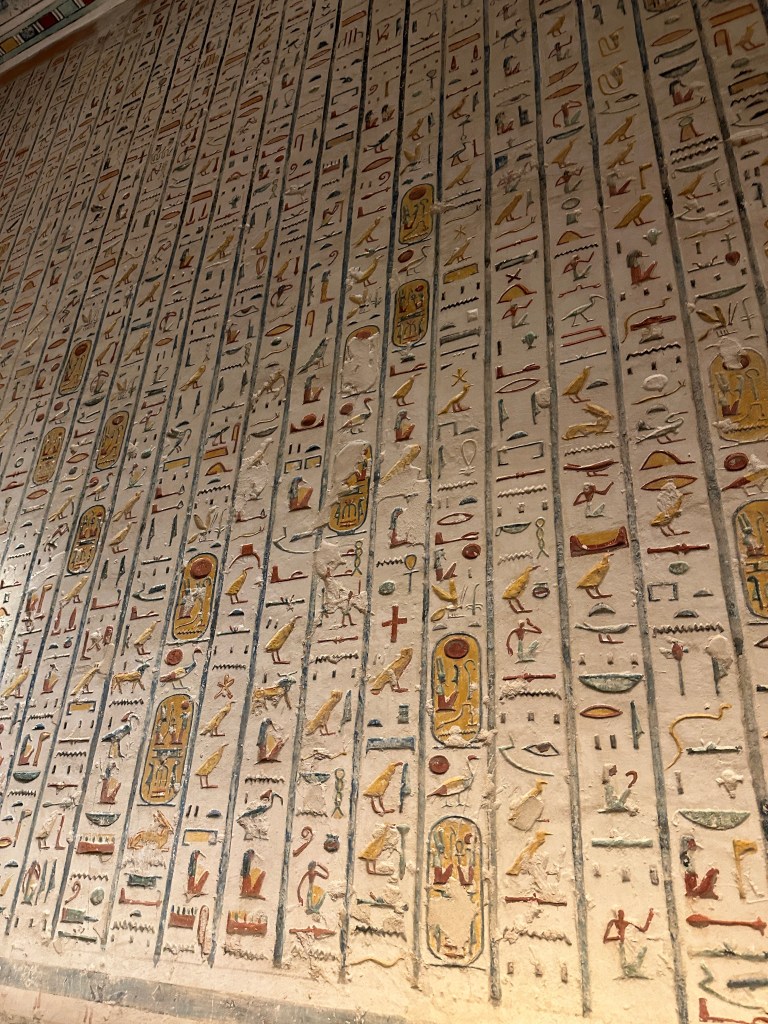
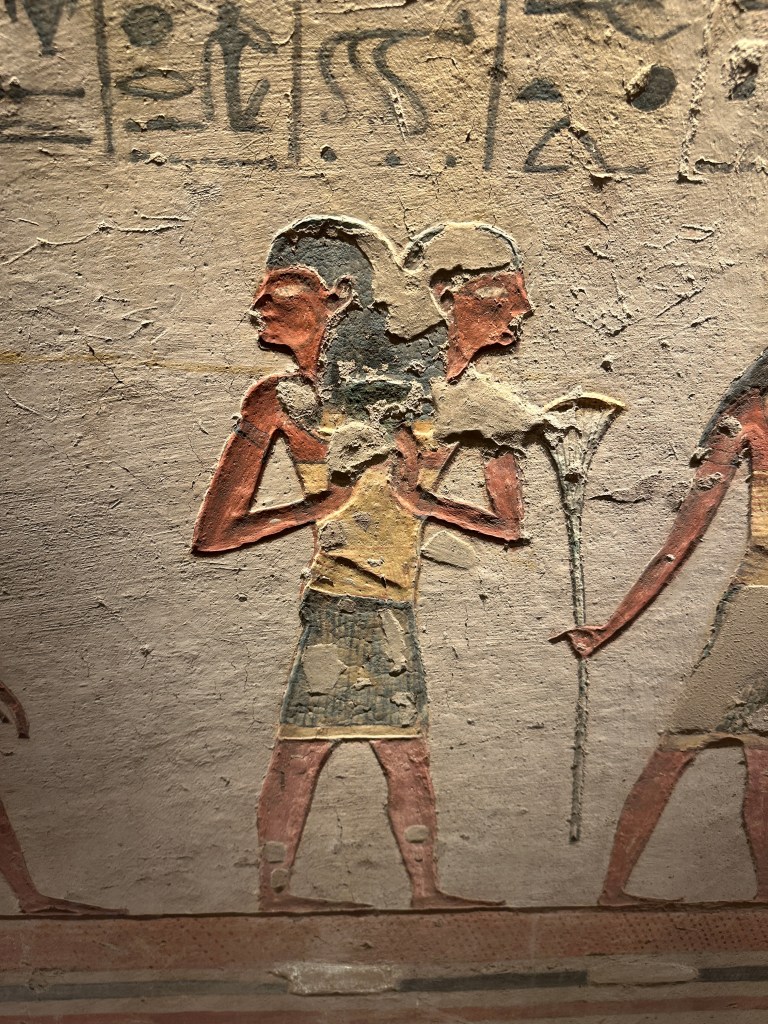
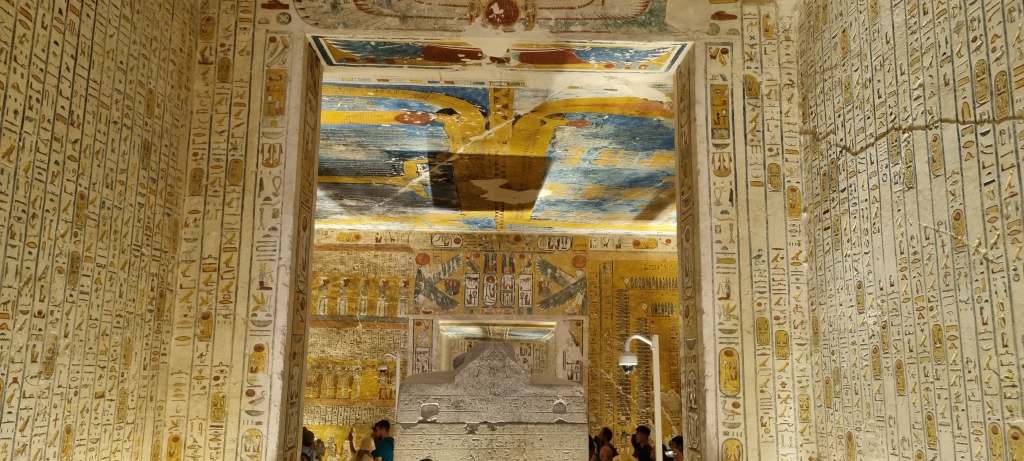
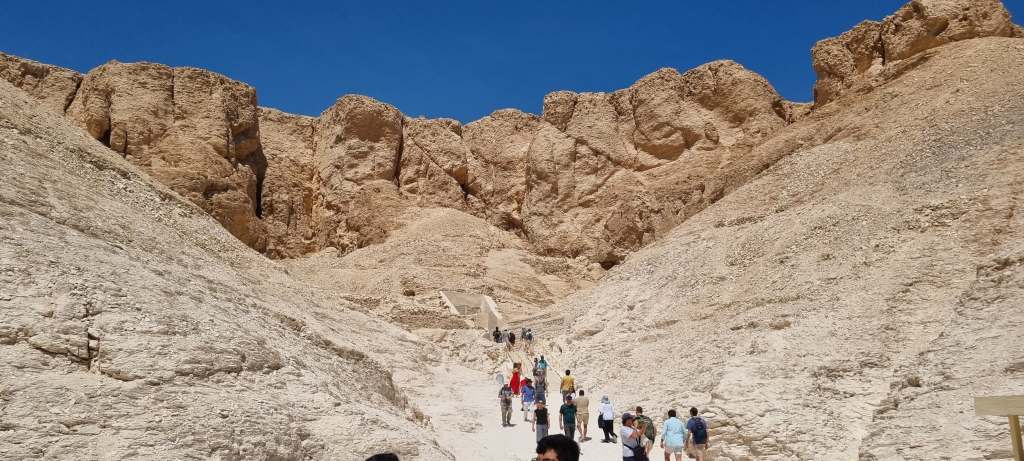
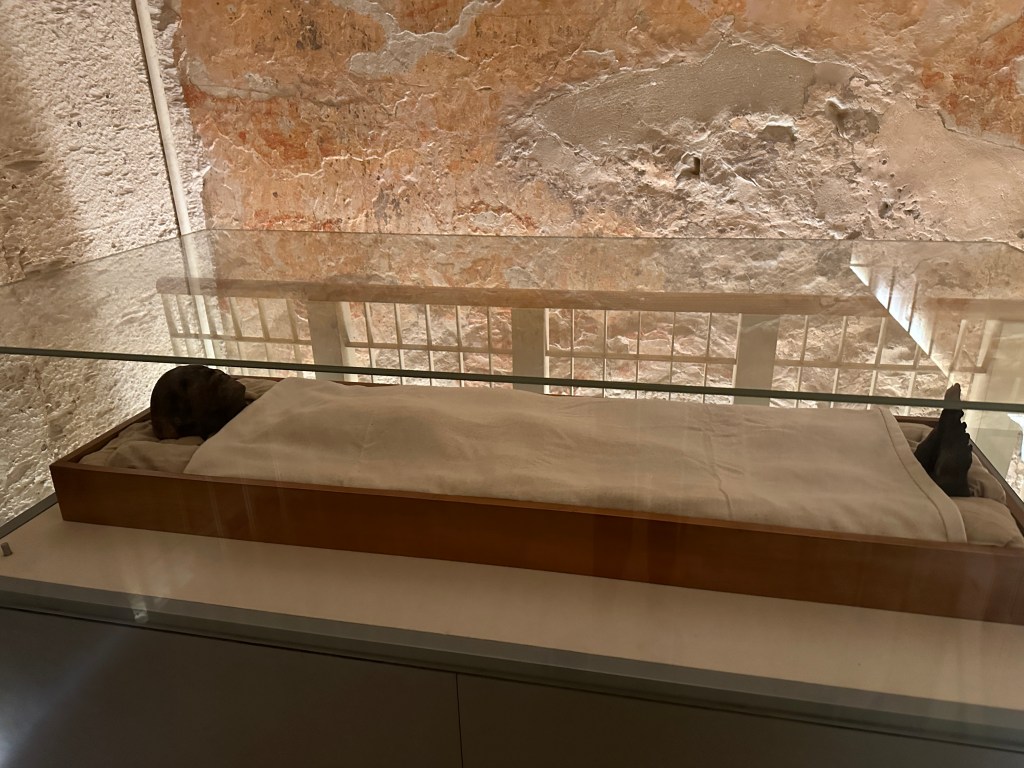
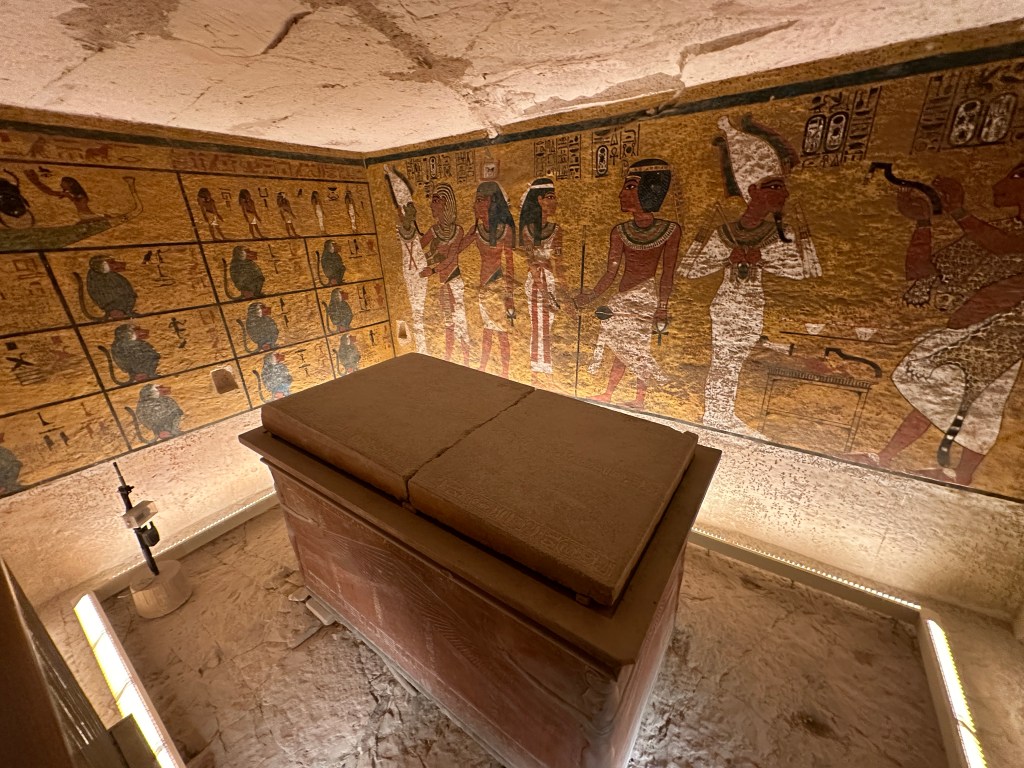
Luxor, the city where ancient royalty favoured hidden tombs over towering pyramids, unfurls its history alongside the Nile’s gentle flows. Our exploration commenced at the dawn of civilization in the Valley of the Kings. This necropolis, set against the backdrop of rugged cliffs, served as the final resting place for Egypt’s greatest rulers. Unlike their predecessors who opted for pyramids, these pharaohs chose the valley’s secrecy to guard against grave robbers. With tombs adorned in vibrant hieroglyphics, the site offers a colourful passage into the afterlife, narrating tales of divine journeys and earthly triumphs. Here, we stood where Tutankhamun was buried and also along the tombs of Seti I and Ramses II.

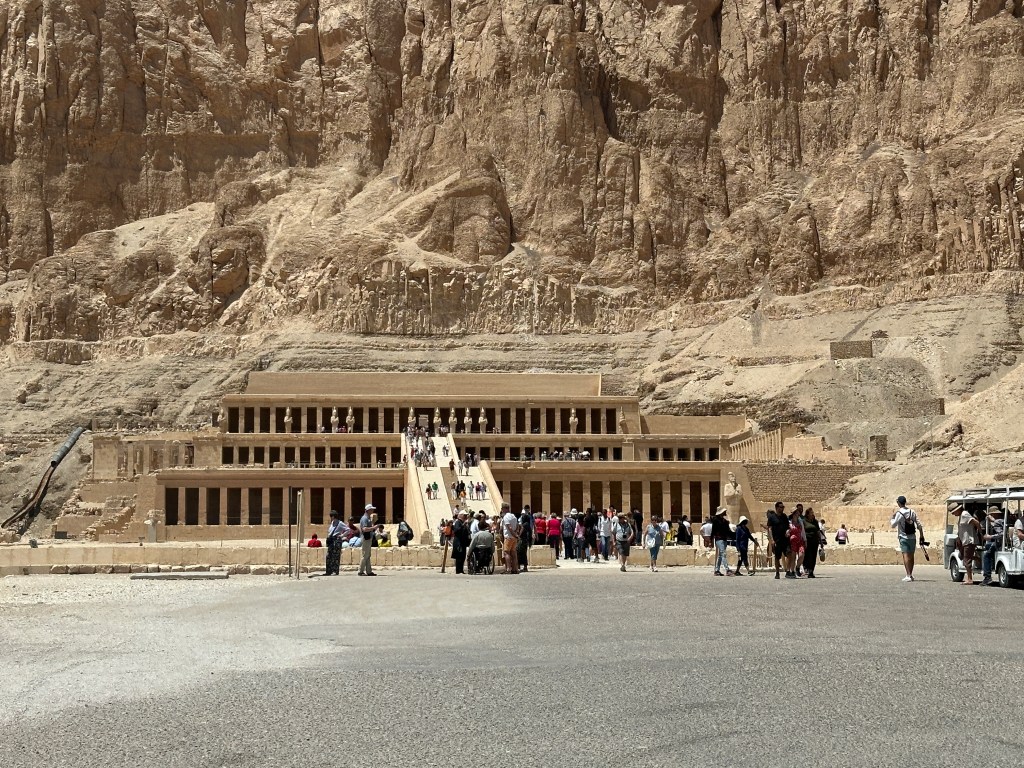
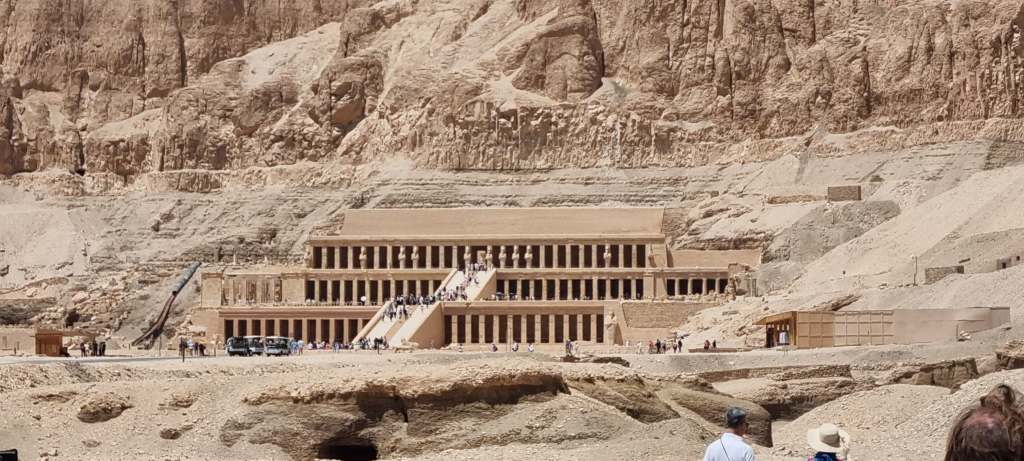
Next, we scaled the heights to the Temple of Hatshepsut, a monument that’s as much a tribute to the queen’s reign as it is to those with the stamina to reach it. The midday sun turned our visit into an impromptu sauna session. Its terraced structure and different architecture was interesting and fascinating as a tourist. However, at this time the heat was getting to us.
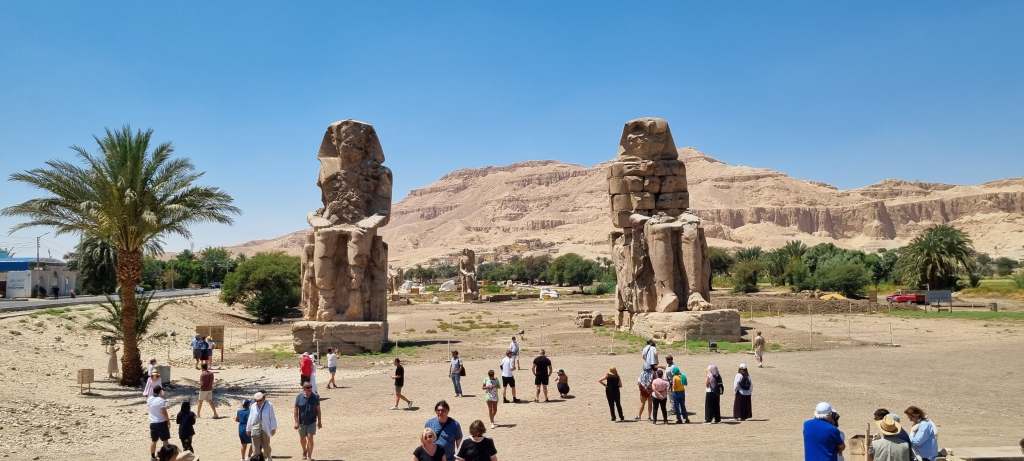
A brief pause at the Colossi of Memnon offered a moment of awe which were towering statues standing guard all for the grand prize of zero pounds.
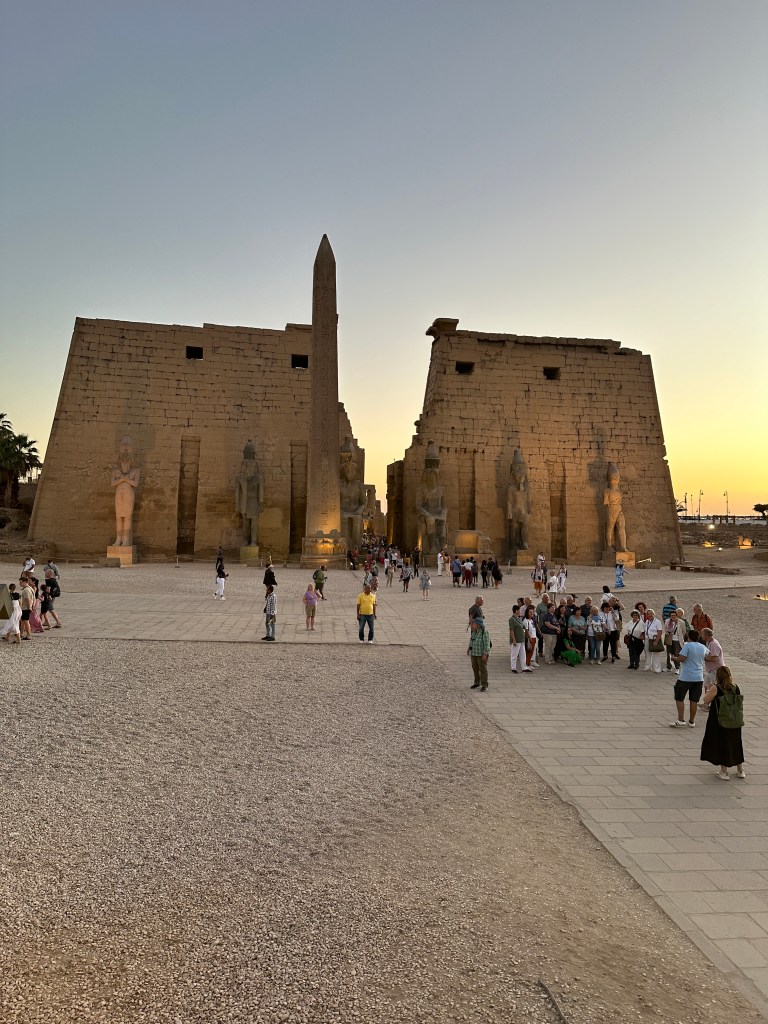
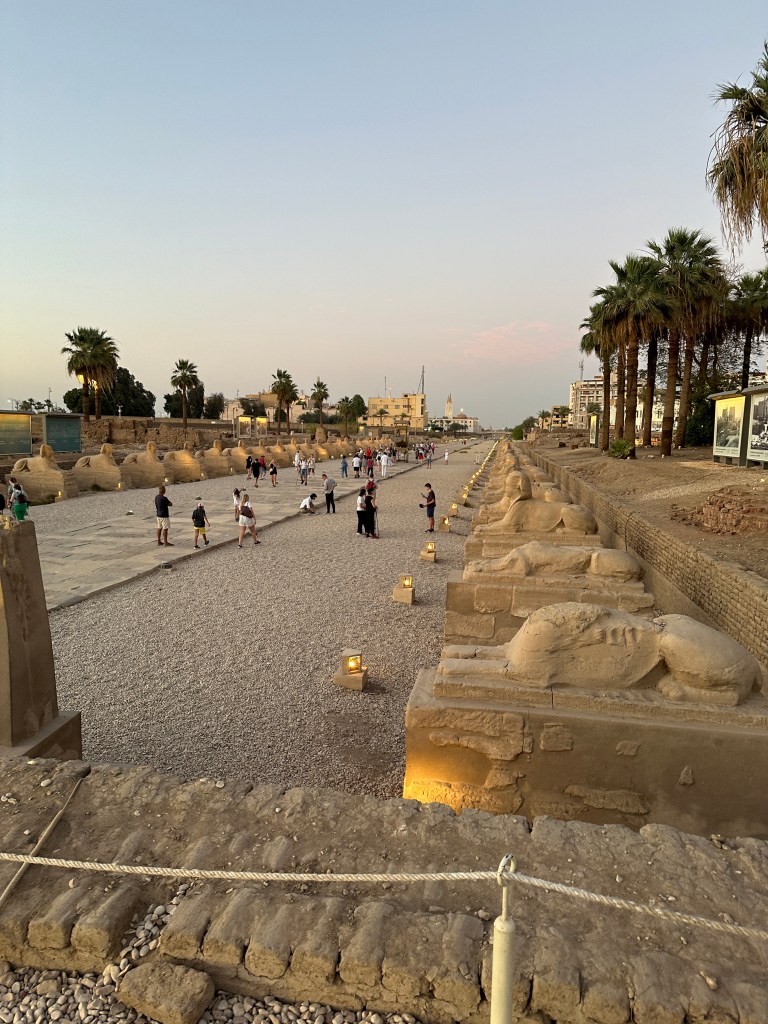
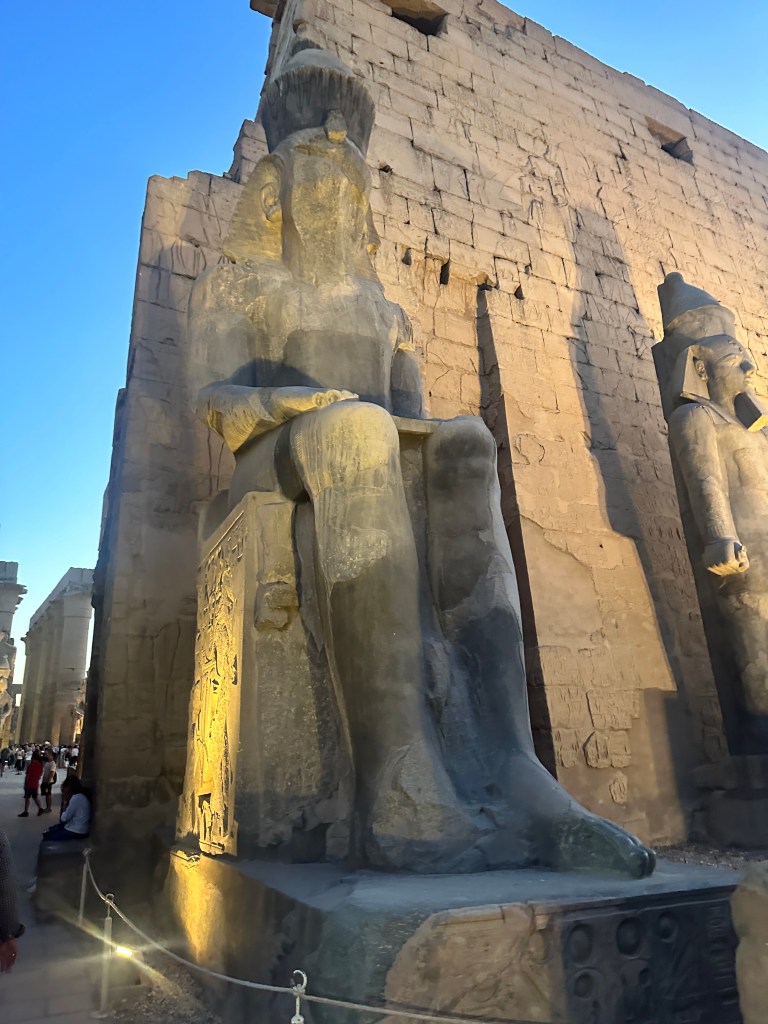
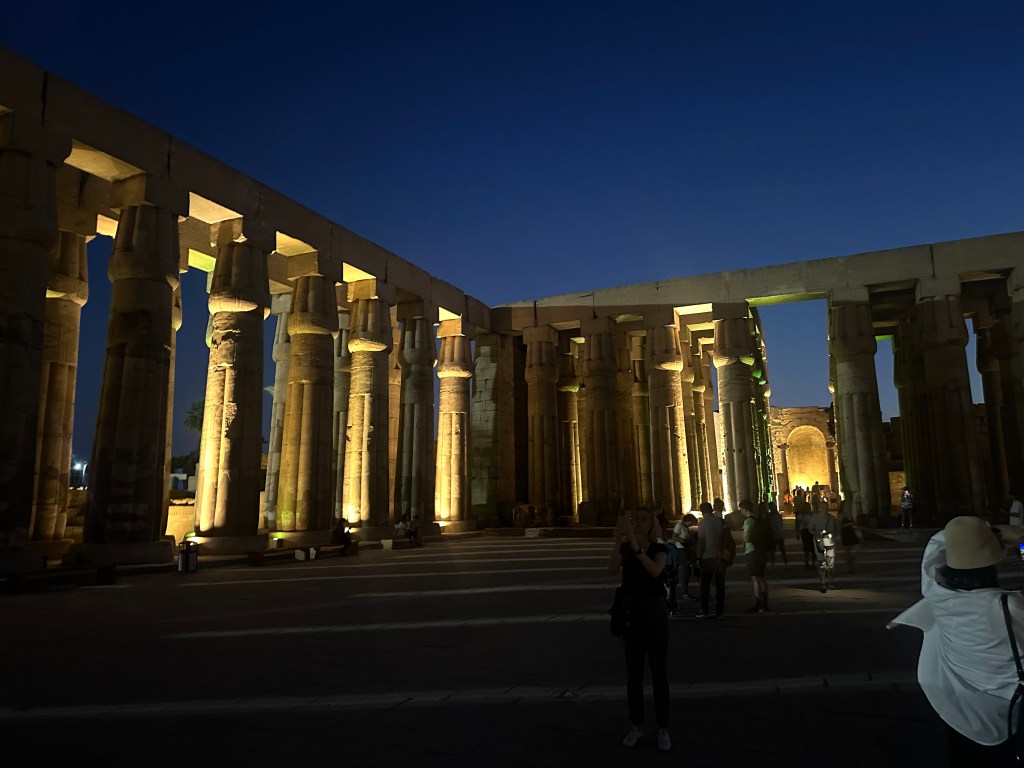
Escaping the heat, we retreated to our cruise, relaxing in the comfort of air conditioning and anticipation for Luxor Temple’s twilight glow. Returning at sunset, we were greeted by the temple in its dual attire of daylight grace and nocturnal majesty. The Avenue of Sphinxes stretched before us for 3 kilometres to Karnak temple, a path once trodden by pharaohs. Known for its spectacular processions and as a site of coronation, Luxor Temple captivates not just with its historical significance but as a photographer’s dream, where every angle and hour offers a new perspective on its timeless beauty.

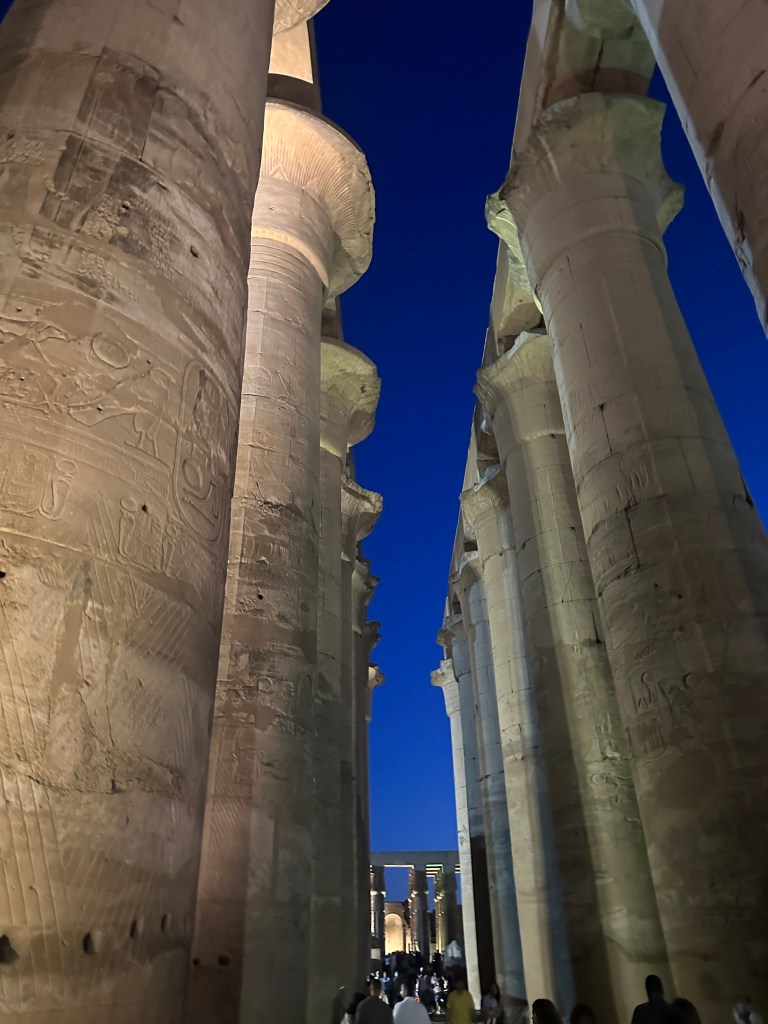
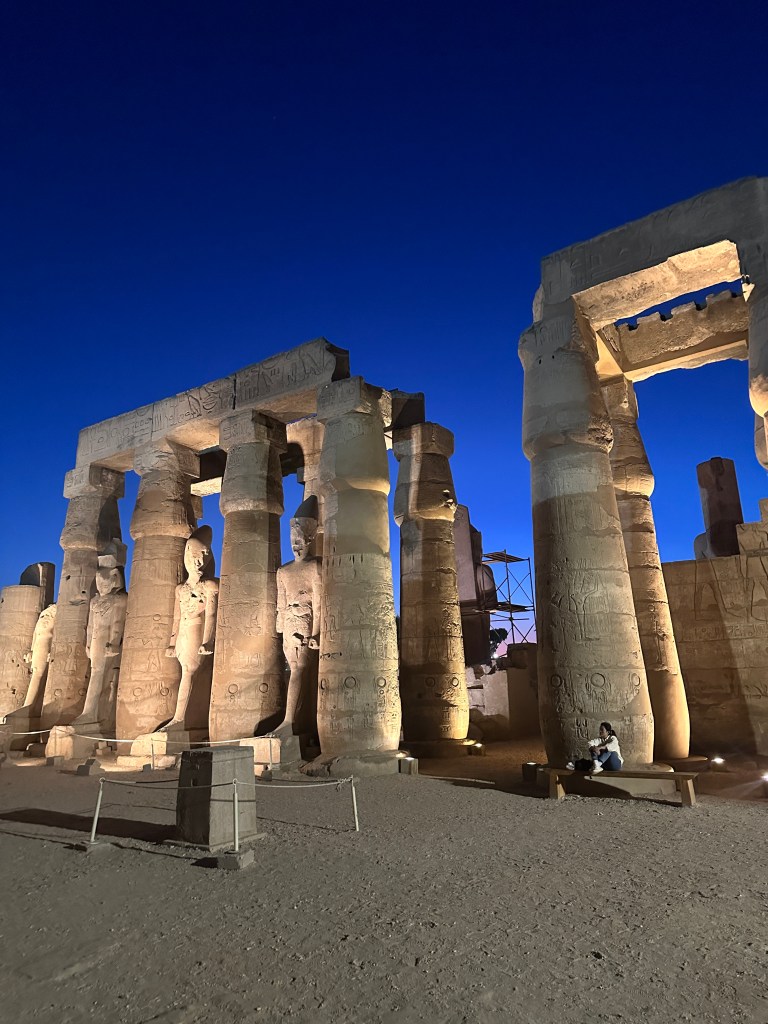
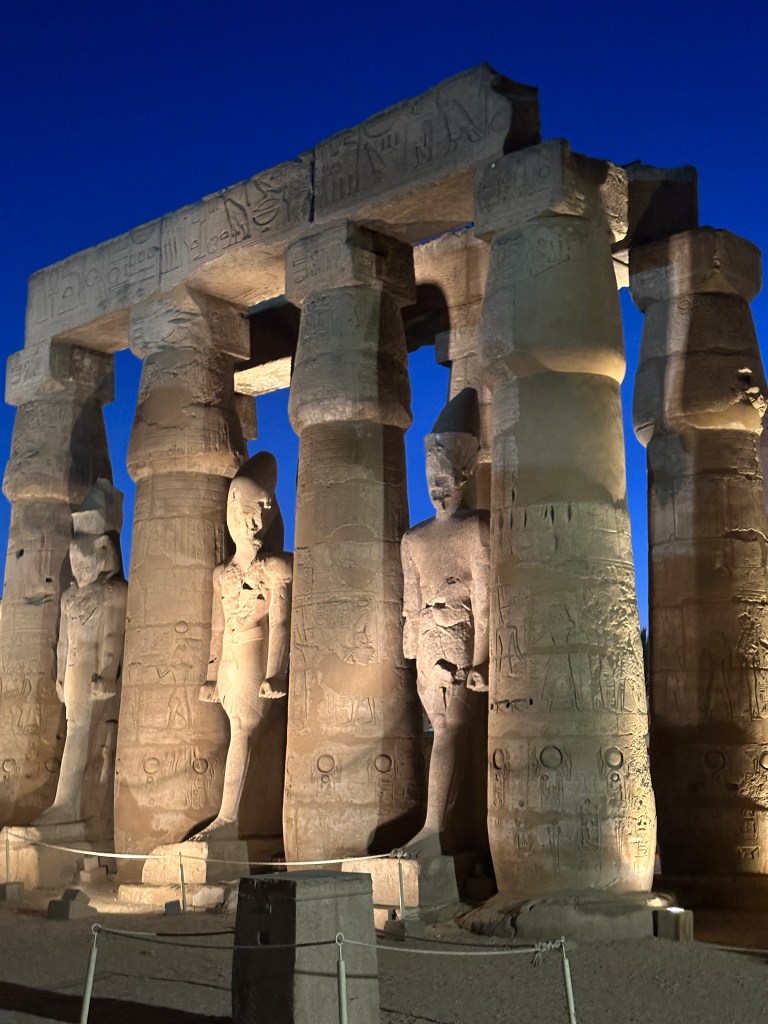
Our day concluded with an exploration of Luxor’s culinary landscape, where we enjoyed falafel, ful, and sugarcane juice for a mere 35 pounds, proving that the Egyptian treasures aren’t just buried underground. The night was capped off with a belly dancing and galabeya show on the cruise.

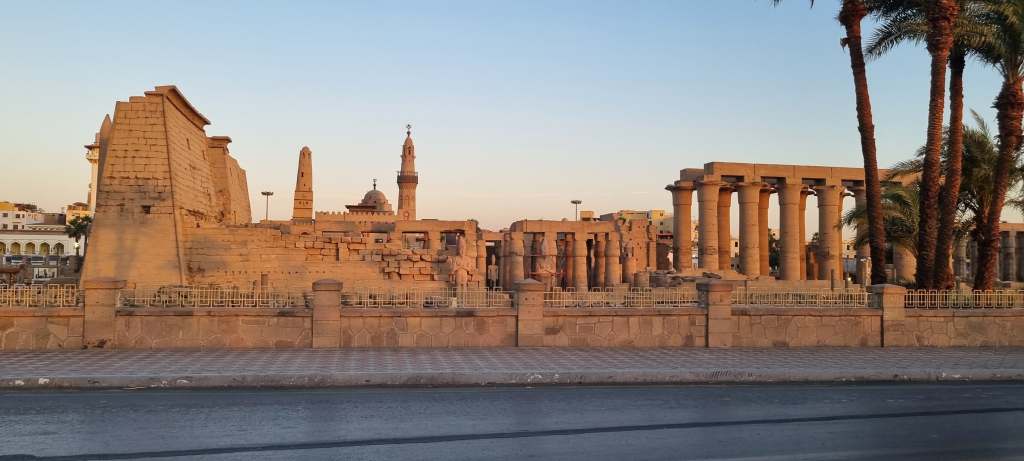
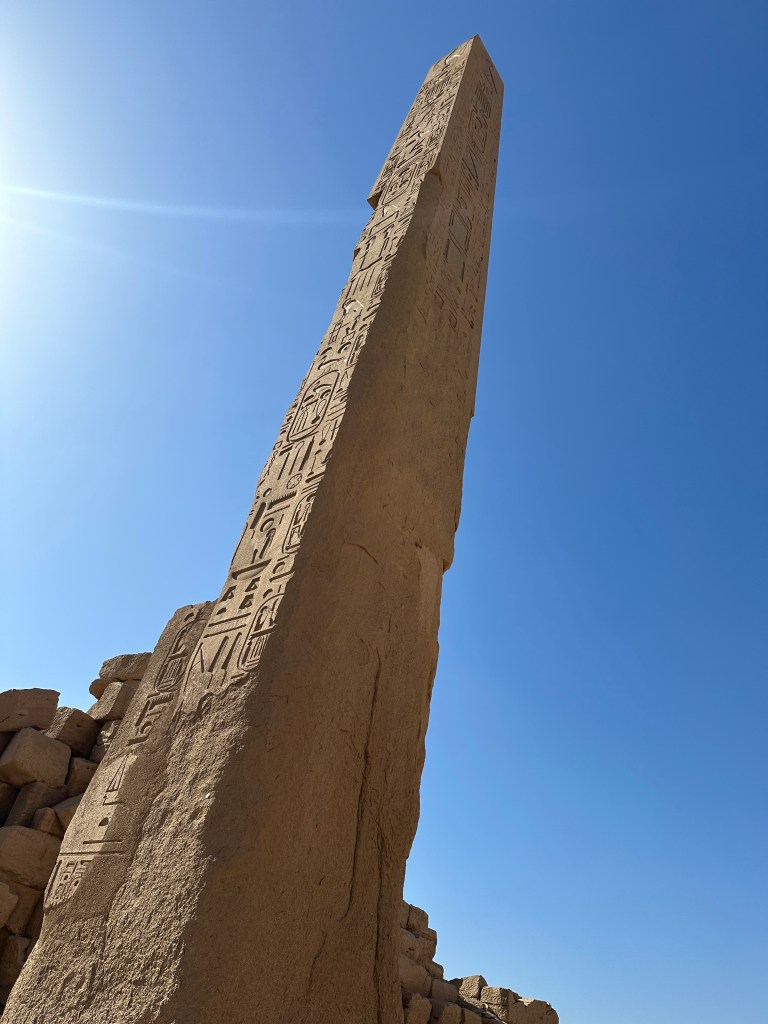
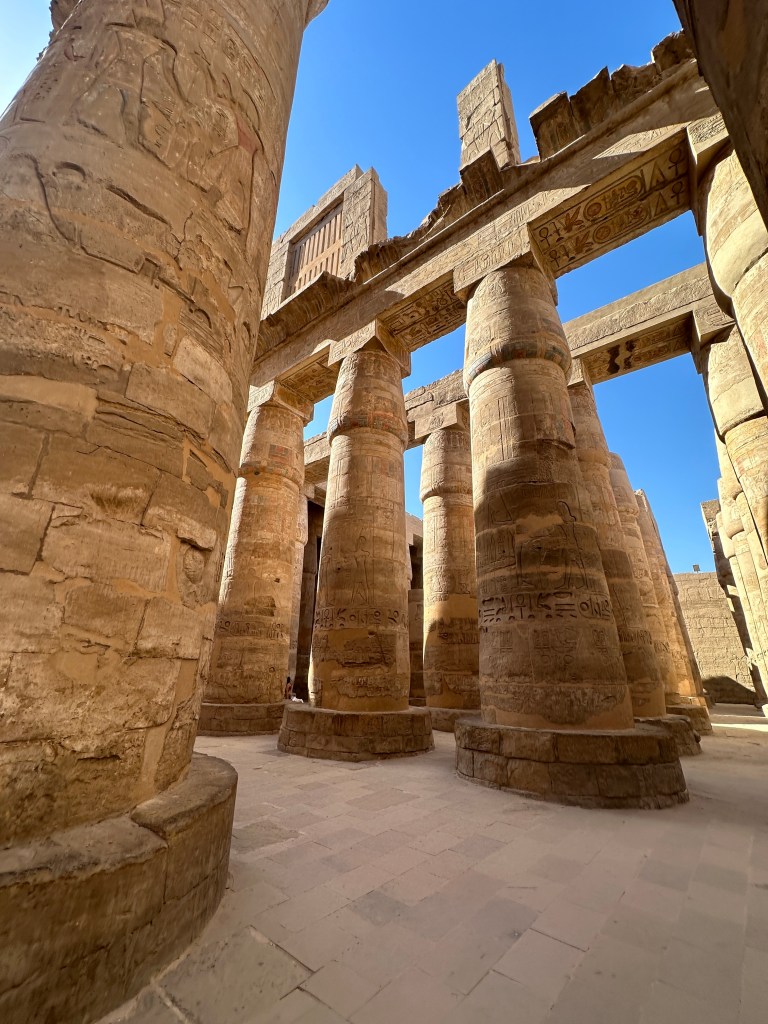
Our Egyptian saga continued with a morning pilgrimage to the monumental Karnak Temple, a place where the past towers over you, quite literally. It is one of Egypt’s top billing attractions and a UNESCO World Heritage site. Imagine a temple so grand, it took 2,000 years to complete. Dedicated to the trio of Amun rah, Mut, and Khonsu, this sprawling complex is a testament to ancient devotion and ambition.
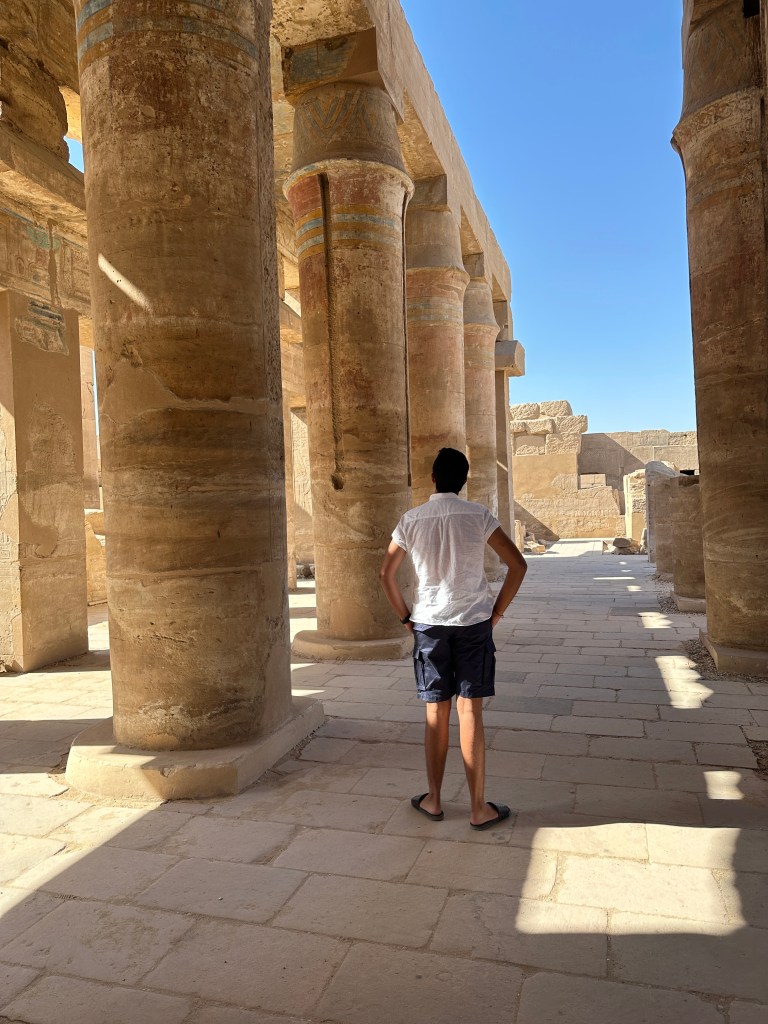
Arriving at the crack of dawn, we beat the crowds and were greeted by the Hypostyle Hall in all its columned glory, bathed in the soft, golden light of morning—perfect for those pictures. Despite some scaffolding here and there, the hieroglyphs and reliefs narrated epic tales of gods, battles, and ceremonies.


Diving back into our day, after visiting at Karnak temple, we found modern luxury awaiting at the Oberoi Sahl Hasheesh in Hurghada. Nestled on the Red Sea’s shores, this retreat offered us not just a taste of opulence but tranquillity, starting with a refreshing poolside lunch. Amidst the expansive, sun-drenched property, we indulged in a light yet satisfying meal of pastas and gazpacho, the perfect fuel for our next adventure—a session at the hotel’s gym.
The day’s culinary journey reached its zenith in the hotel’s open courtyard, under a blanket of stars, serenaded by live music. The ambiance was set, and then came a spread that transported us straight back to the streets of our home city, thanks to the magic of the Oberoi’s kitchen. The surprise encounter with a chef from our hometown Oberoi added a delightful twist to our evening, serving up not just dishes but memories. Masala papad, papad ka saag, alongside dal makhani, paneer butter masala, and lasooni palak, crafted a meal that was more than just food; it was a feast for the soul.
Our adventure in Egypt reached its grand finale with a day that started not with the sun, but with a leisurely late wakeup—because sometimes, the best way to celebrate the end is to begin… slowly. Breakfast was a global affair on a plate: shakshuka, Parsi akuri, avocado toast, mushroom toast, and omelettes.
Then, it was off to the beach, where the weather decided to show off, serving us a day so perfect. The sea was painted in infinite shades of blue and the winds blew off the enduring heat of the sun. The Red Sea revealed its treasures beneath the waves; corals that painted the underwater landscape in hues of life and mystery, with waters so blue and so many varieties of fish. Lunch was enjoyed with salads and chole bhature overlooking the beach.
Recharged from a quick nap, we took a leisurely stroll around the Oberoi’s expansive grounds, soaking in every detail, every view, before dinner called. We ordered biryani which was delicious with paneer again as it stole the show yesterday and we wanted to savour it again.
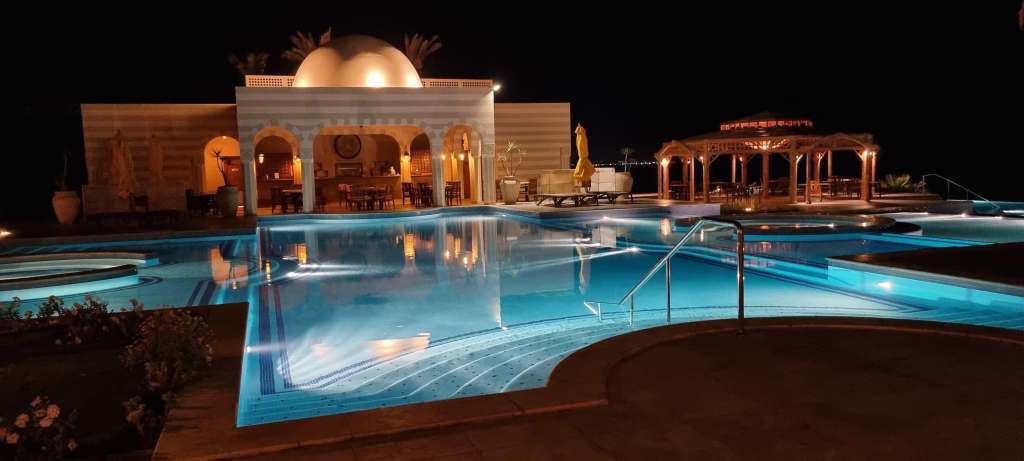
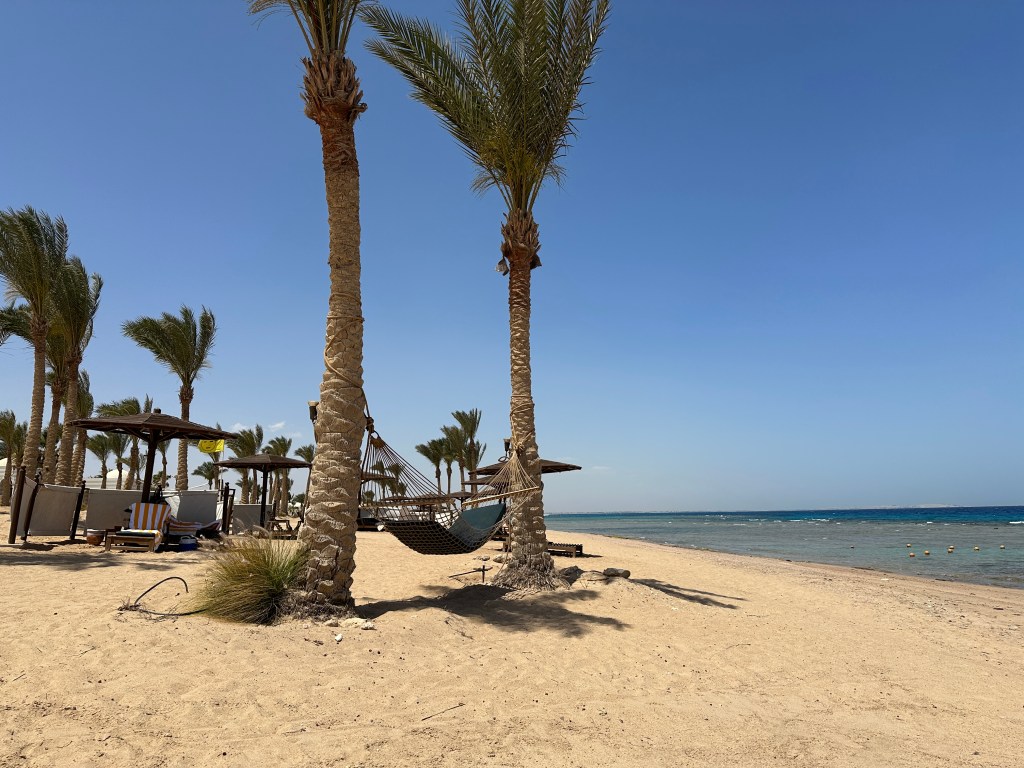
The next morning, we bid adieu to Egypt, taking a flight to Cairo post breakfast and then onwards to Mumbai. From the grandeur of ancient monuments to the tranquil Red Sea shores, our journey through Egypt was an unforgettable tapestry of history and modern luxury.
 Travel Footprints