Nestled in the heart of Kenya, the Maasai Mara is a wildlife haven renowned for its breathtaking landscapes and extraordinary wildlife. This iconic safari destination offers a unique blend of vibrant Maasai culture and unparalleled game viewing, making it a must-visit for any nature enthusiast. From witnessing the Great Migration to enjoying close encounters with the Big Five, our journey to the Maasai Mara was a captivating adventure that left us in awe of nature’s wonders.
Tips for Visiting Maasai Mara
Weather
The Maasai Mara experiences warm days and cool nights, with early mornings and late evenings being particularly chilly. The best time to visit is during the dry seasons from July to October for the Great Migration, and December to February for excellent game viewing. Be prepared for rain and potentially muddy conditions if you visit during the rainy seasons (April-May and November).
Clothing
Pack layered clothing for temperature variations, with lightweight shirts and pants for the day, and warmer jackets and sweaters for cooler times. Neutral-colored clothing like khaki, beige, and olive is best to blend in and avoid attracting insects. Sturdy, comfortable shoes are essential for walking safaris and exploring around the camp, and don’t forget sun protection such as a wide-brimmed hat, sunglasses, and sunscreen.
Safari
Bring good-quality binoculars and a camera with a zoom lens for wildlife viewing. Avoid making loud noises or sudden movements, and carry essentials like water, snacks, and a light jacket. A small first aid kit can also be handy.
General
Ensure you have necessary vaccinations and consider anti-malaria medication as recommended by your doctor. The local currency is the Kenyan Shilling (KES), and while credit cards are widely accepted, having some cash for tips and small purchases is useful. Stay within designated areas of the camp, especially at night, and use a flashlight to be aware of your surroundings. Respect the Maasai culture and traditions; ask for permission before taking photographs and be mindful of local customs.
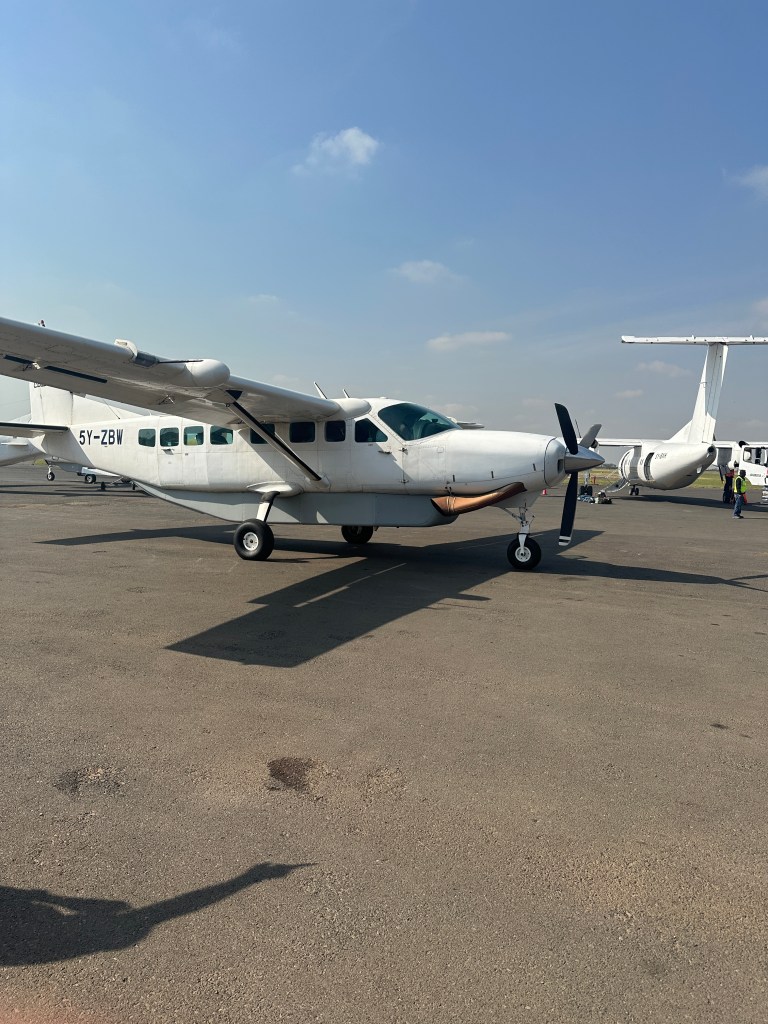
Our trip began with a flight from Mumbai to Nairobi via Kenya Airways. Upon landing in Nairobi at 6:15 am, the weather was pleasantly cool with a refreshing breeze that required us to wear light jackets. From there, we headed to Wilson Airport for our Safarilink flight to Musiara Airstrip in the Maasai Mara. Note that the regulations are strict: you’re allowed 15kg combined for hand and check-in luggage, and hard-top bags are not permitted.
We enjoyed some local coffee at Spring Valley Coffee in the airport, which was incredible, so much so that I bought some beans to brew at home. We also had avocado toast and some pastries.
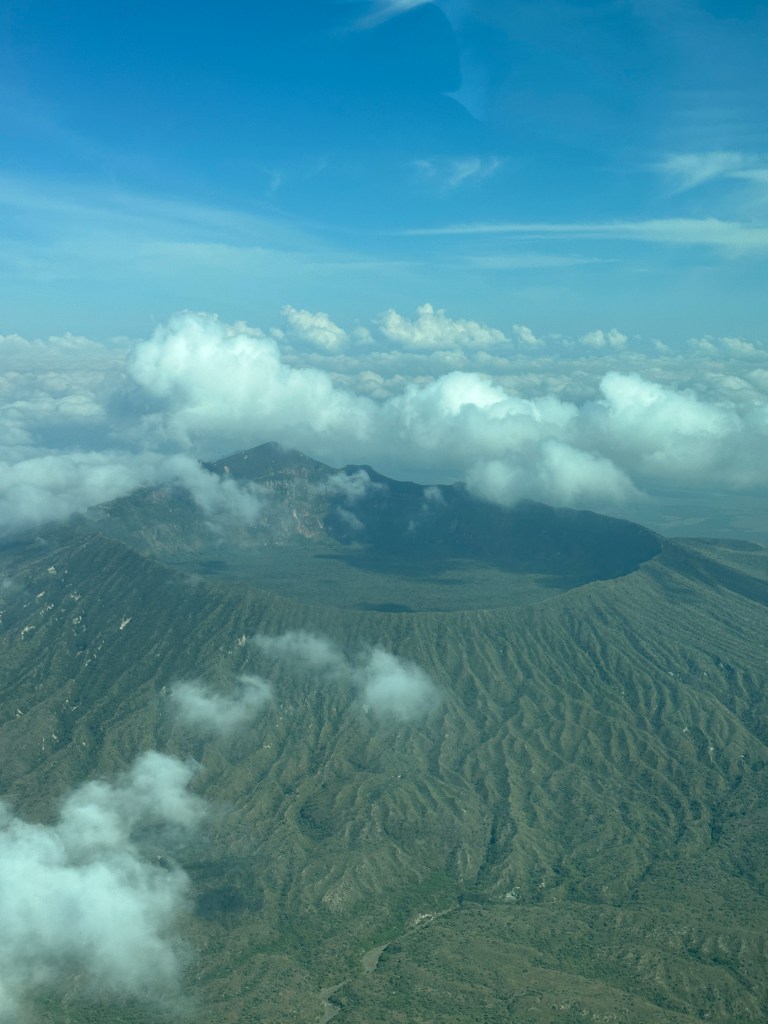
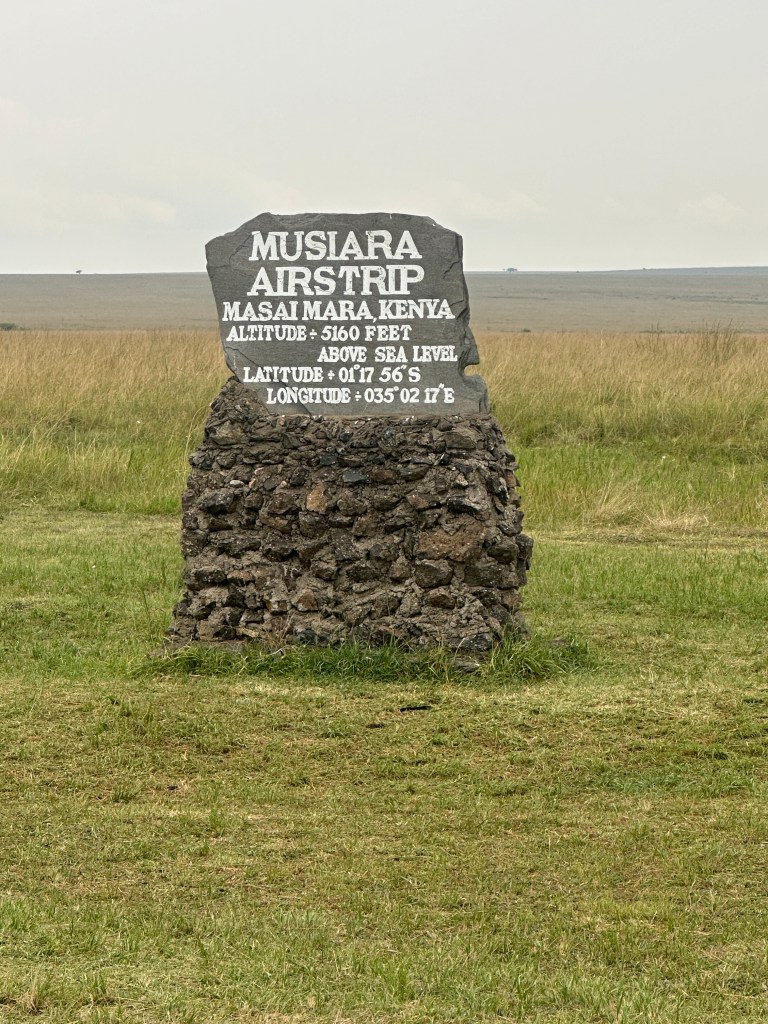
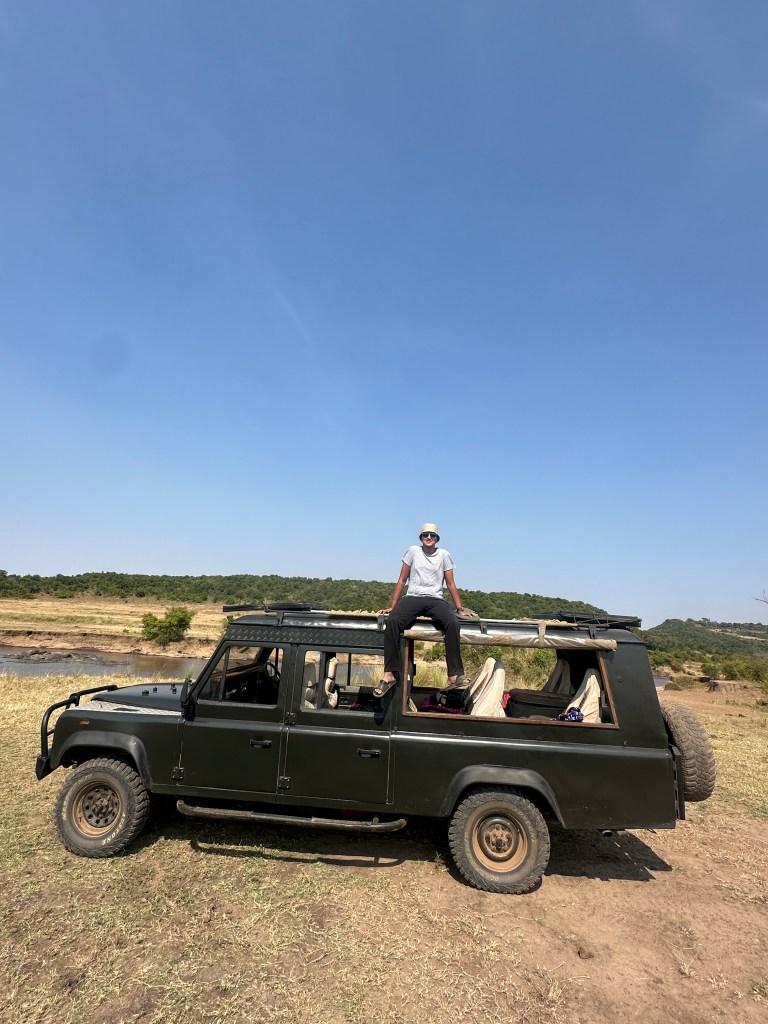
The flight took a scenic route with three stops, each providing glimpses of the diverse Kenyan landscape, from rolling savannahs to patchwork fields, before finally reaching our destination. As we landed at Musiara Airstrip, the excitement was palpable. Our jeep was ready and waiting, and we immediately set off on our first game drive.
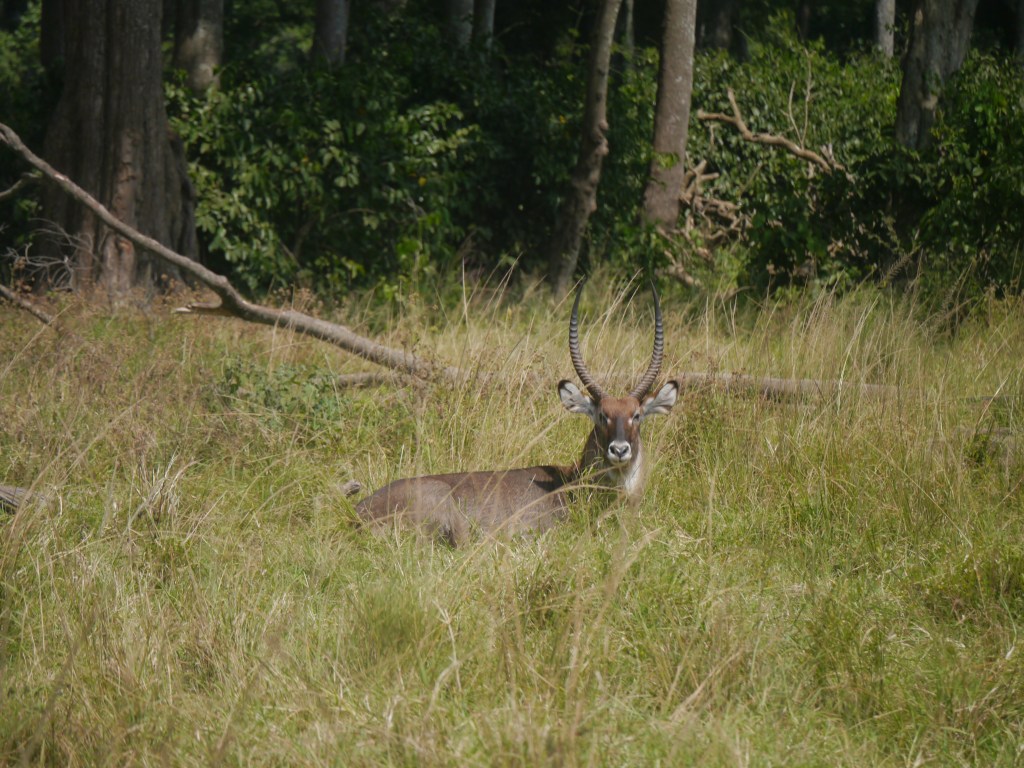
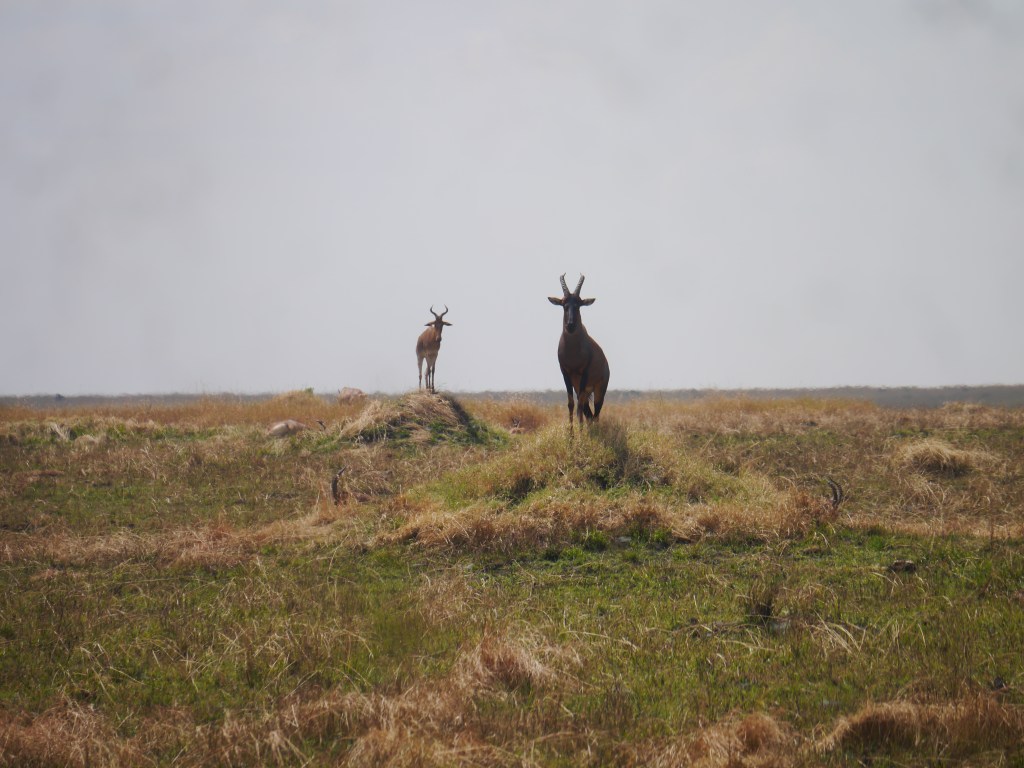
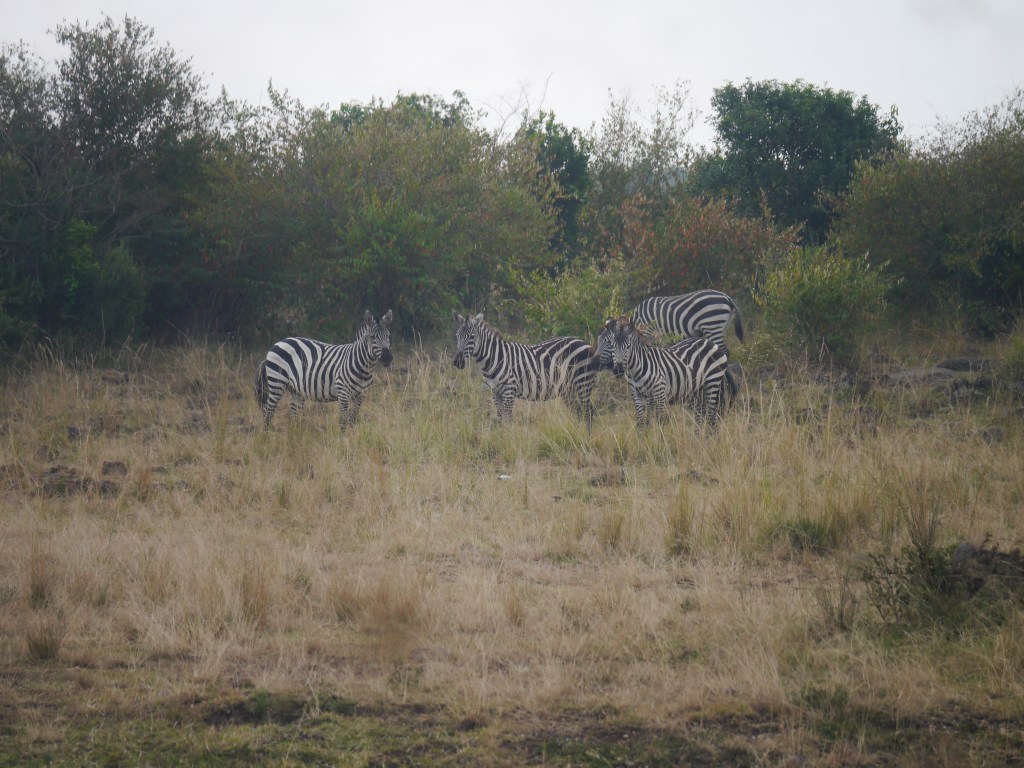
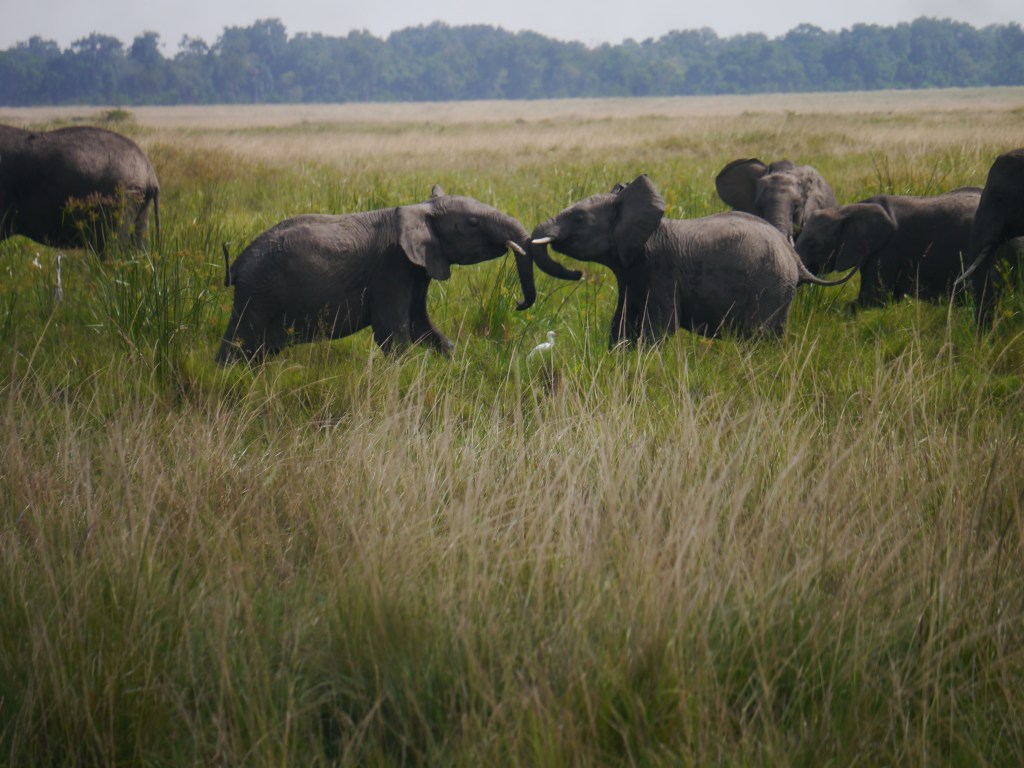
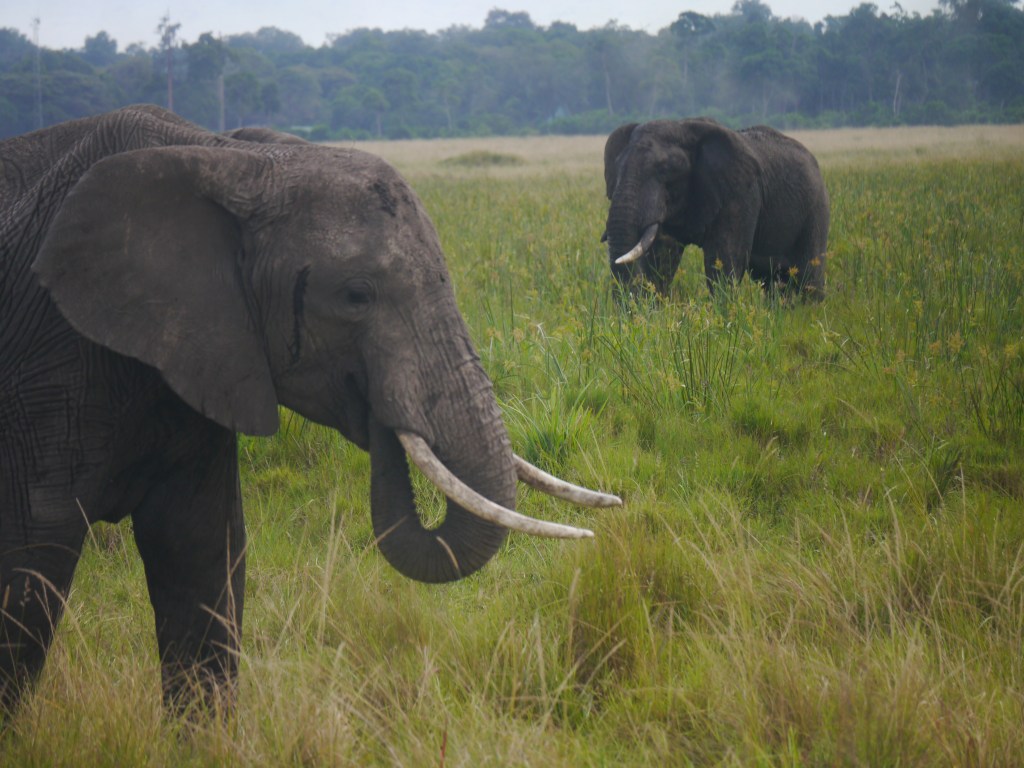
As we ventured into the heart of the Maasai Mara, the landscape came alive with wildlife. Brilliantly striped zebras grazed on the lush grasses, their black and white stripes standing out vividly against the green backdrop. A short drive further and we encountered a majestic herd of over 25 elephants. It was a spectacle of nature—some elephants were busy playing, their trunks entwined in a tussle, while others were peacefully grazing. A few younger ones were energetically running around, adding a lively atmosphere to the scene. Giraffes ambled in the distance, their long necks reaching for the highest leaves on the acacia trees. Hippos lounged in the water, their large bodies partially submerged, occasionally surfacing to take a breath as well.
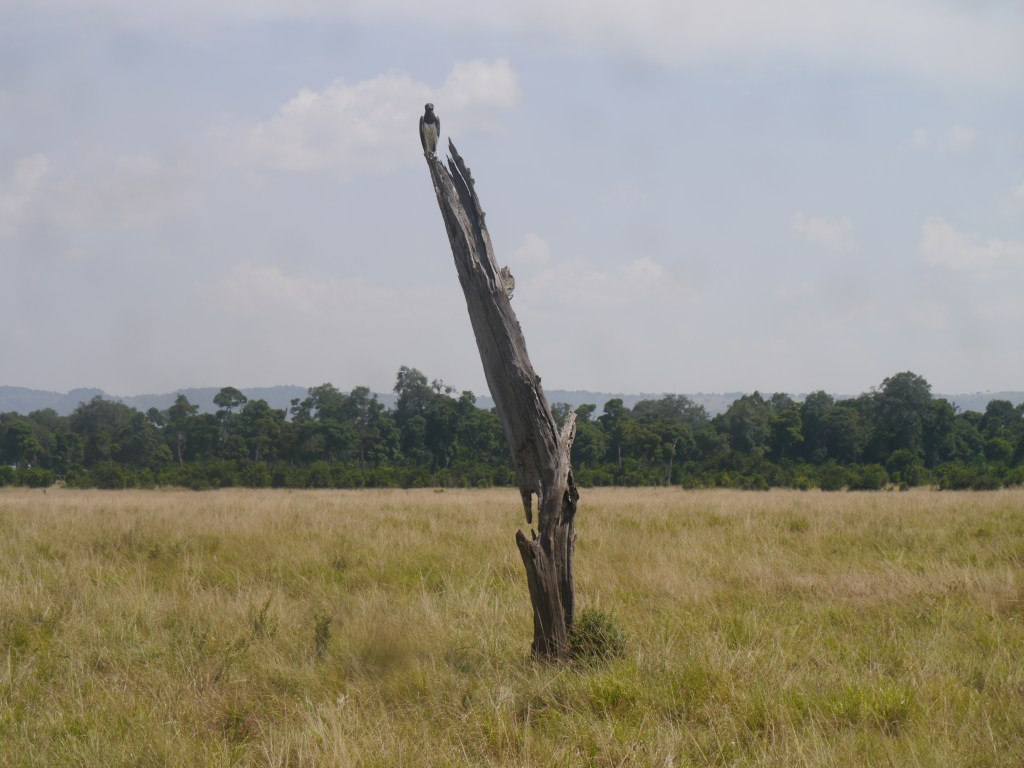

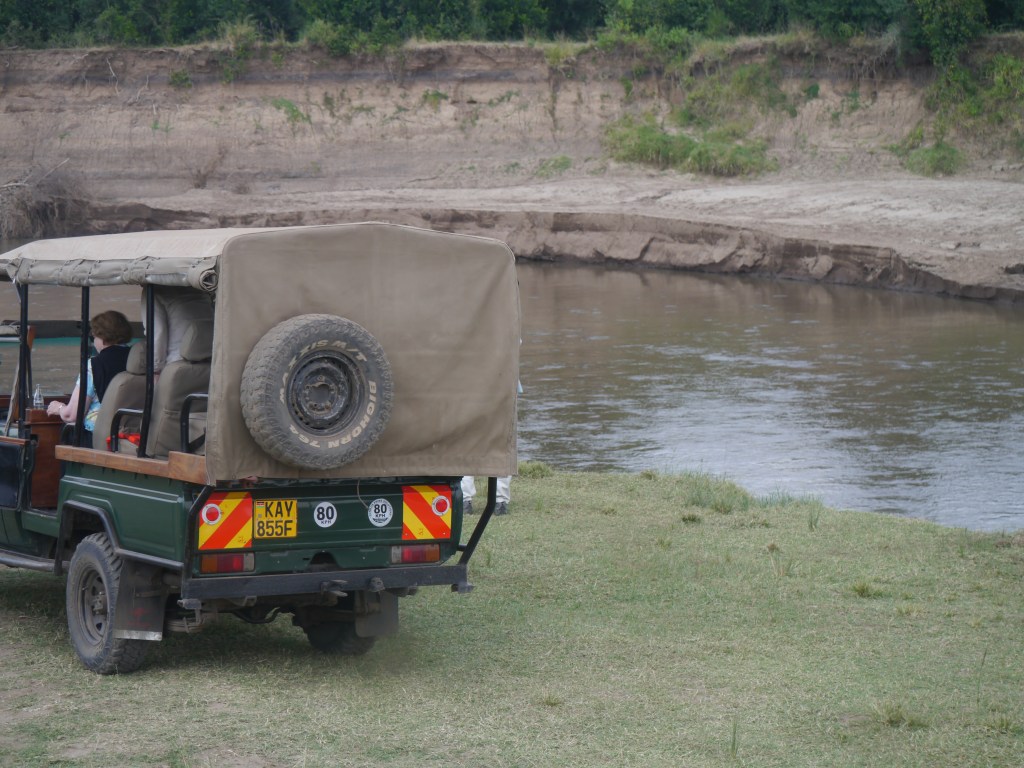


We paused for lunch in the jeep, enjoying fresh salads and refreshing drinks. The simplicity of the meal was perfect, allowing us to focus on the breathtaking surroundings. The game drive continued, and we were constantly amazed by the variety and abundance of wildlife.
After an exhilarating and tiring 4-hour game drive, we made our way to our camp. Our camp, Speke’s Camp, is a small and intimate camp located in the Musiara region of the Mara. The camp has 10 tents, each with security, a jeep, driver, spotter, and an assistant. While the jeeps were a bit run-down compared to others we saw on the road, the tents were spacious and luxurious. The service was amazing, and the food was decent, but the main issue was the bathroom. There was no running water for the sink, shower, or toilet; we had to request water to be brought, which was a bit annoying. At night, venturing out alone is not advised, which is normal in the Mara.
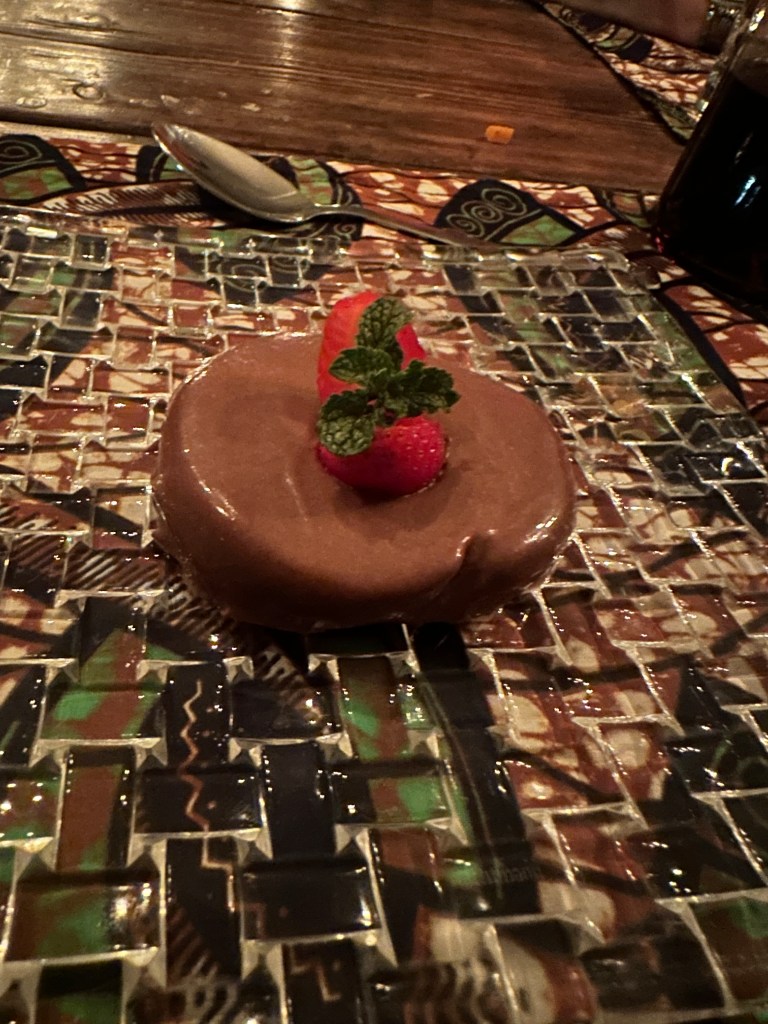
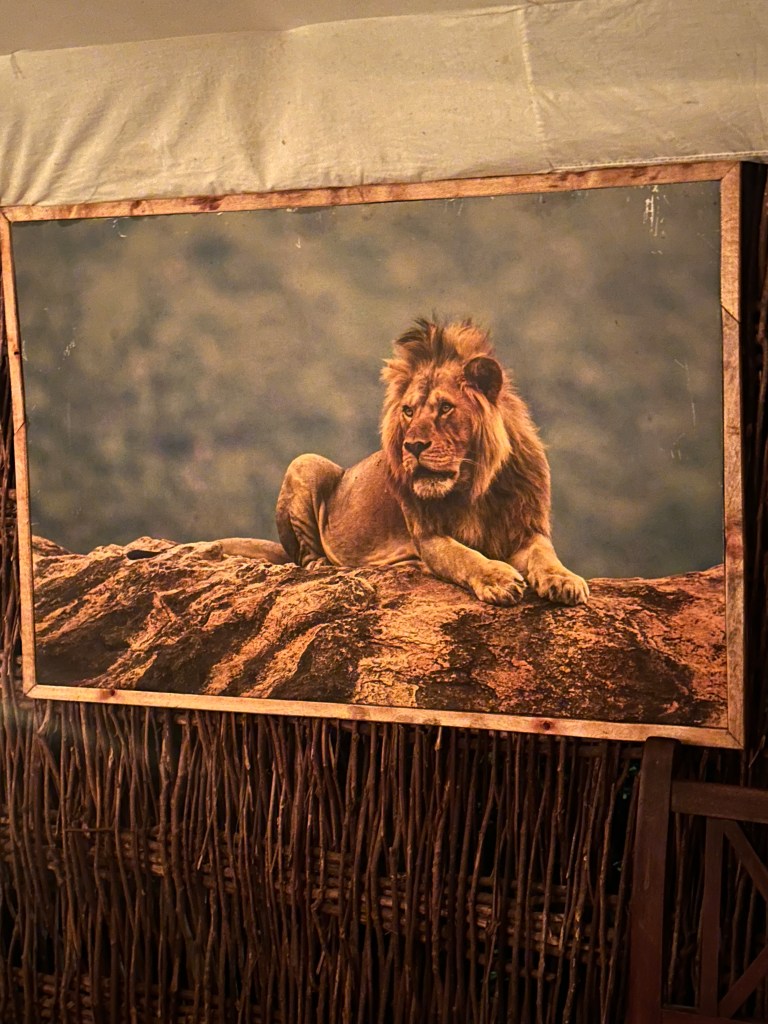
For dinner, we headed to the mess, beautifully decorated with antiques and local pieces. I loved the decor. The food was a three-course meal consisting of onion soup, curry with homemade bread, and a delicious chocolate mousse that was vegan and incredibly tasty.

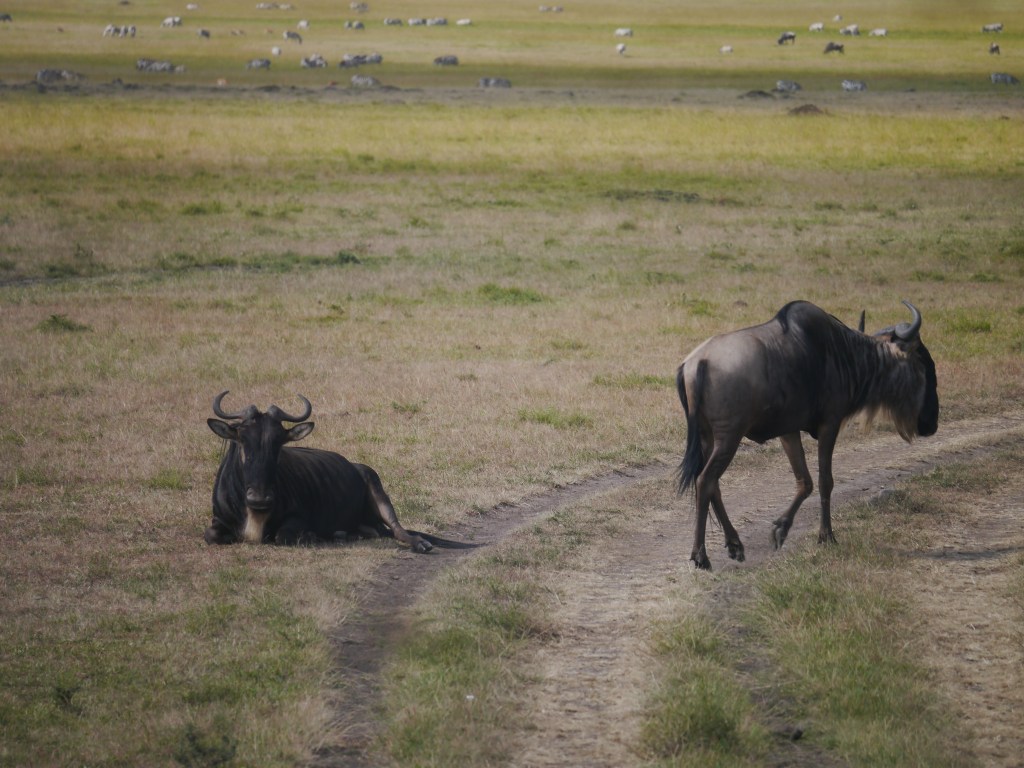
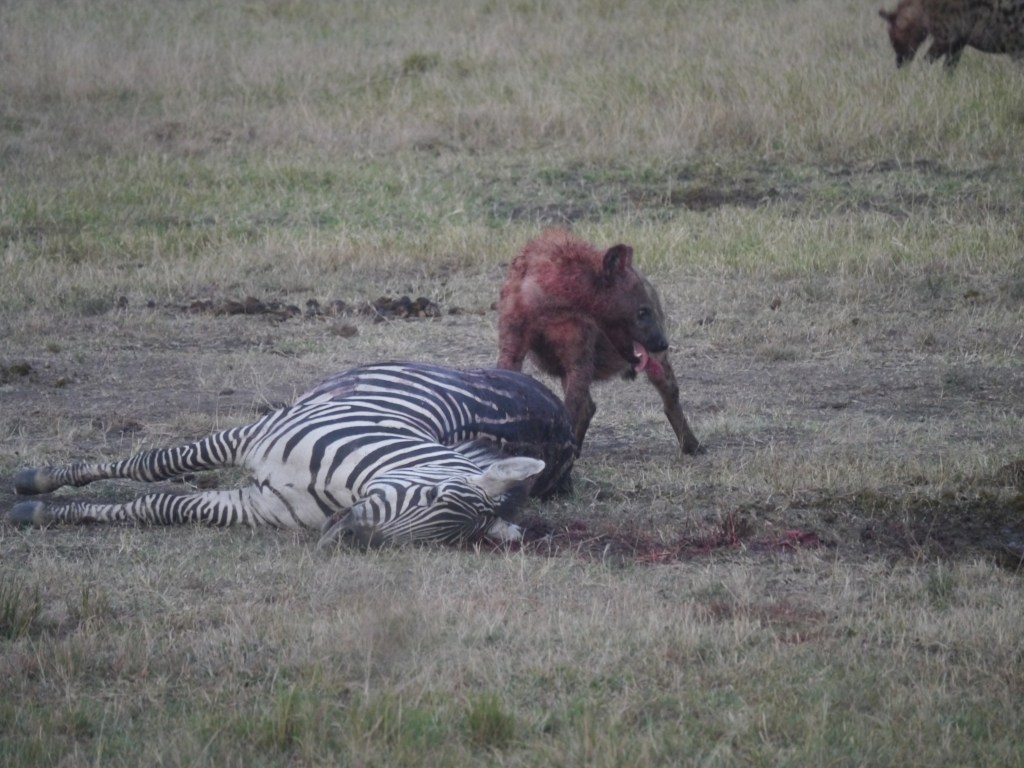
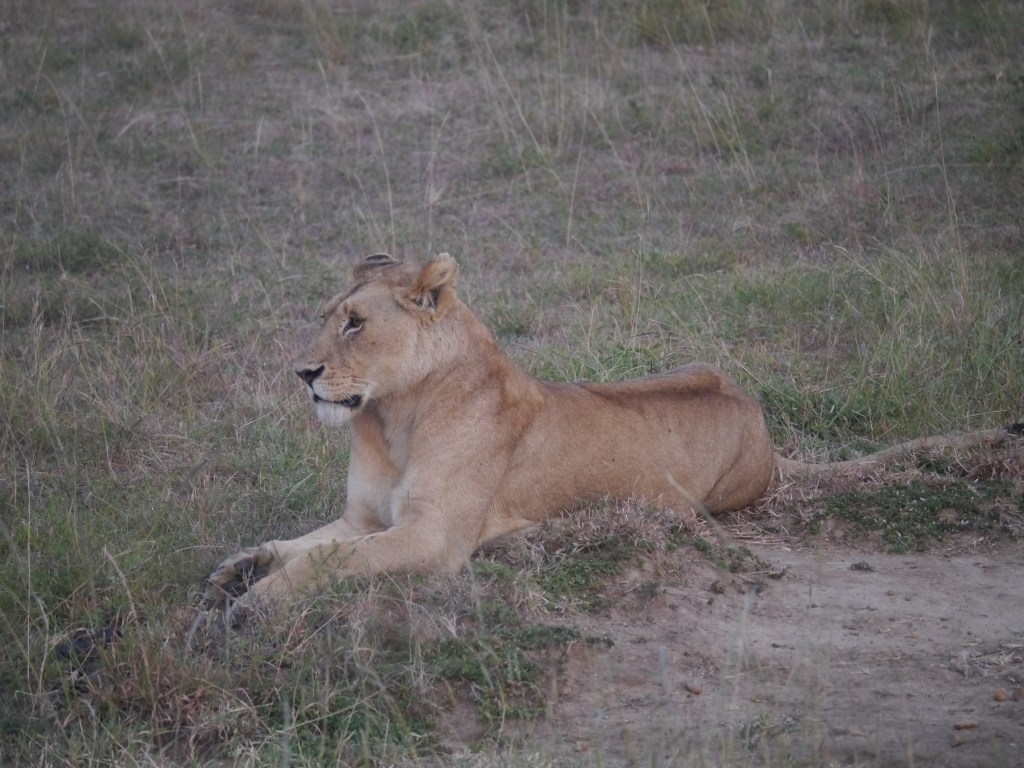
The second day began early with a 6 am game drive. The early start was rewarded with an incredible array of wildlife. We spotted hyenas feasting on a zebra, a sight both brutal and fascinating. Not far from there, a small pride of lions lounged lazily on dry grass. Further along, we encountered a family of cheetahs with their playful cubs, as the cubs tumbled and chased each other. We also saw herds of wildebeest grazing peacefully. The numbers were not much as the migration had not yet began.
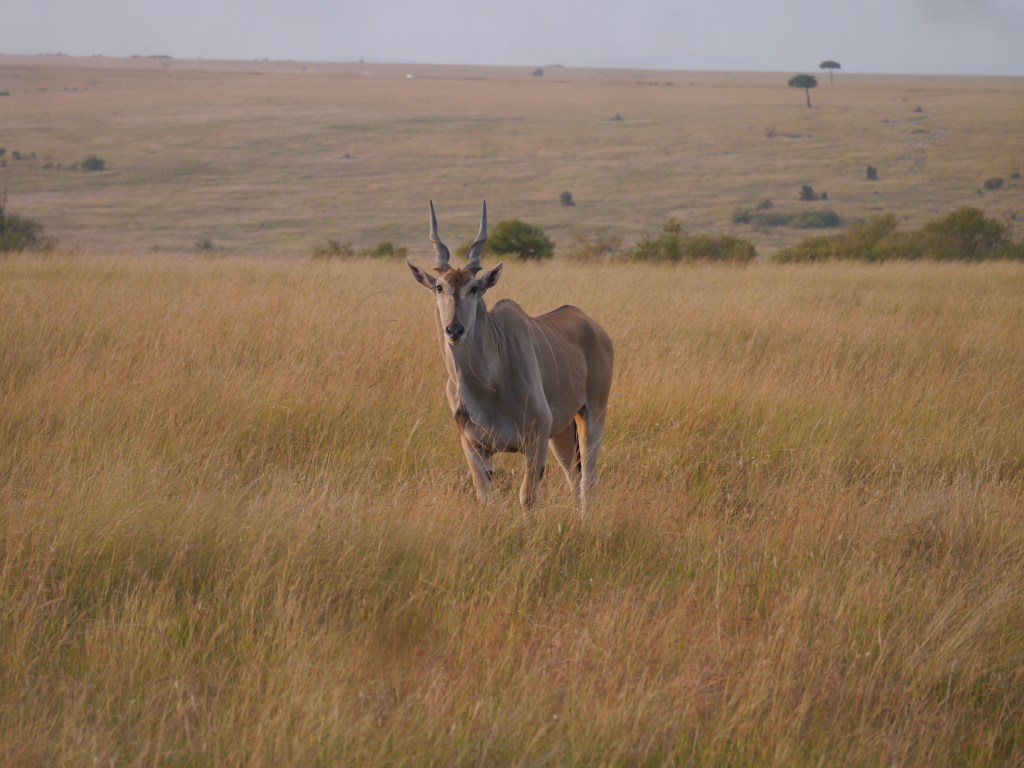
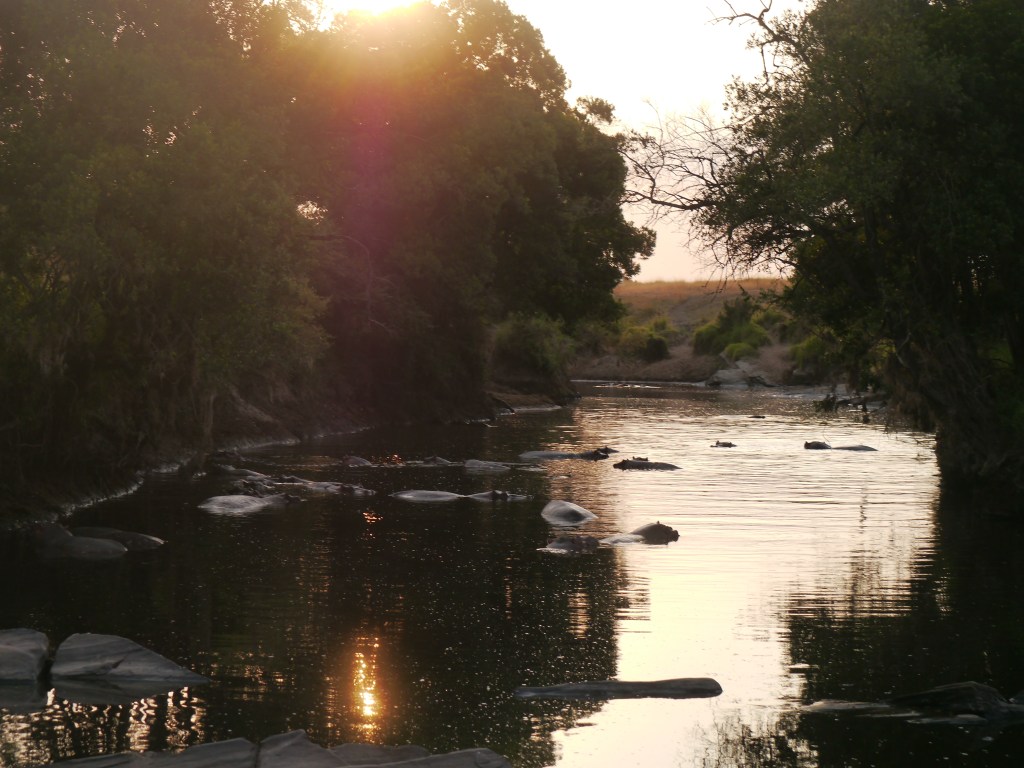
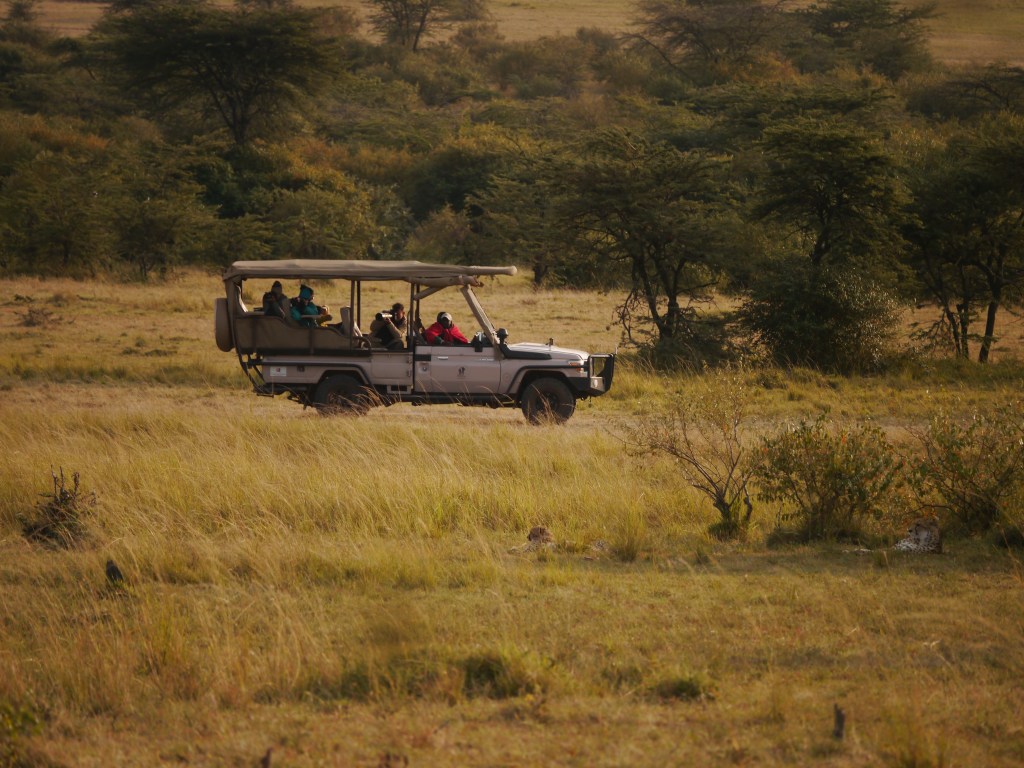

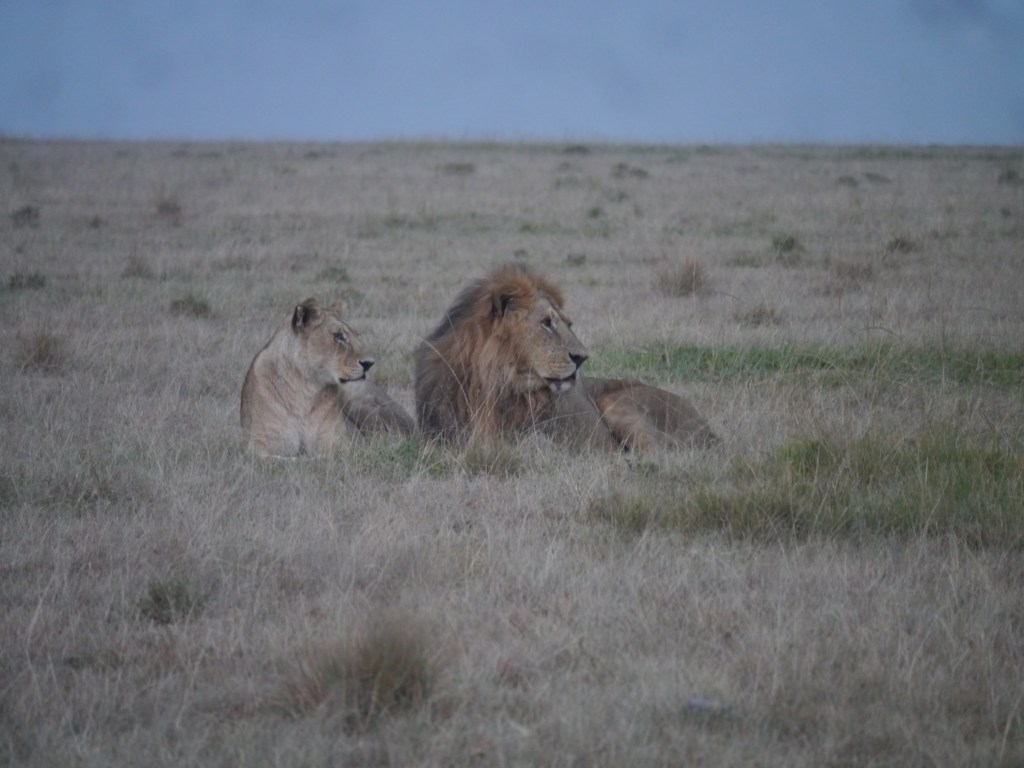
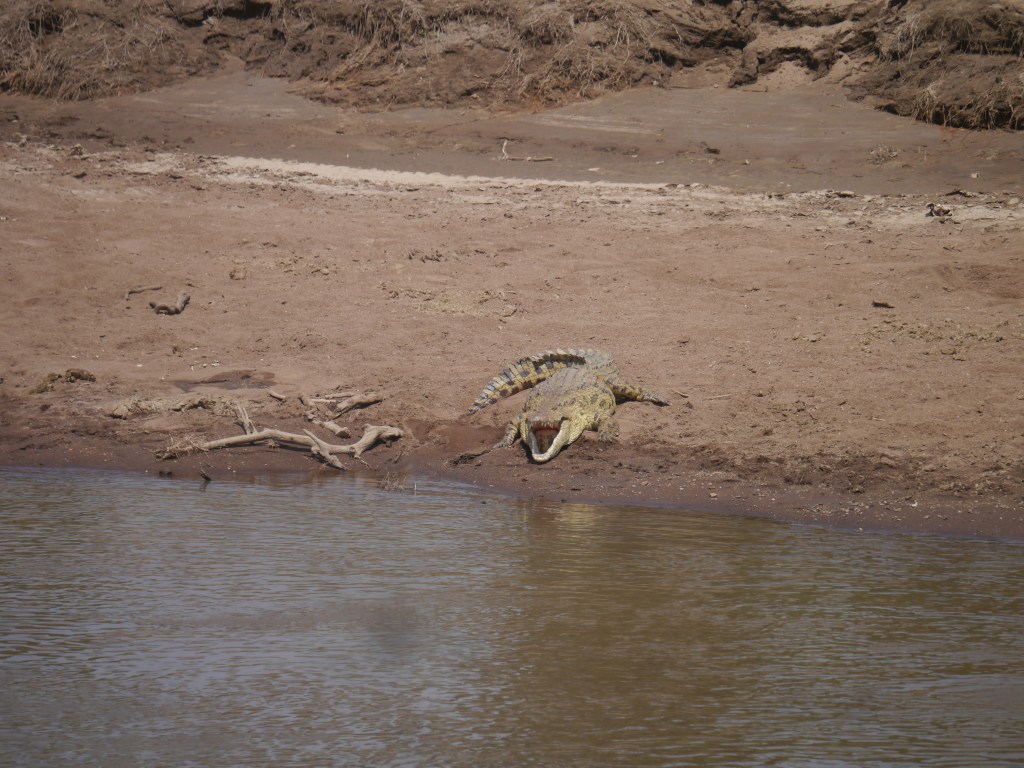
Breakfast was a mid-drive treat by the Mara River, where we watched crocodiles sunning themselves on the banks, alligators lurking just beneath the surface, and hippos wallowing in the water, occasionally surfacing with a snort or a yawn.
We returned to camp for lunch, which was a delightful “make your own taco” setup. After a heavy meal, a siesta was in order before we ventured out for the afternoon safari. This time, we encountered more lions, this time observing a pair of them mating, a rare and fascinating sight.It was a sight that underscored the primal and natural cycles of life in the Mara.Buffaloes roamed the plains, their massive horns and sturdy bodies making them one of the Mara’s most formidable creatures.
For dinner, we shared a meal and some fun conversations with a lovely Pakistani couple we met at the camp. The shared stories added a personal touch to our safari experience.
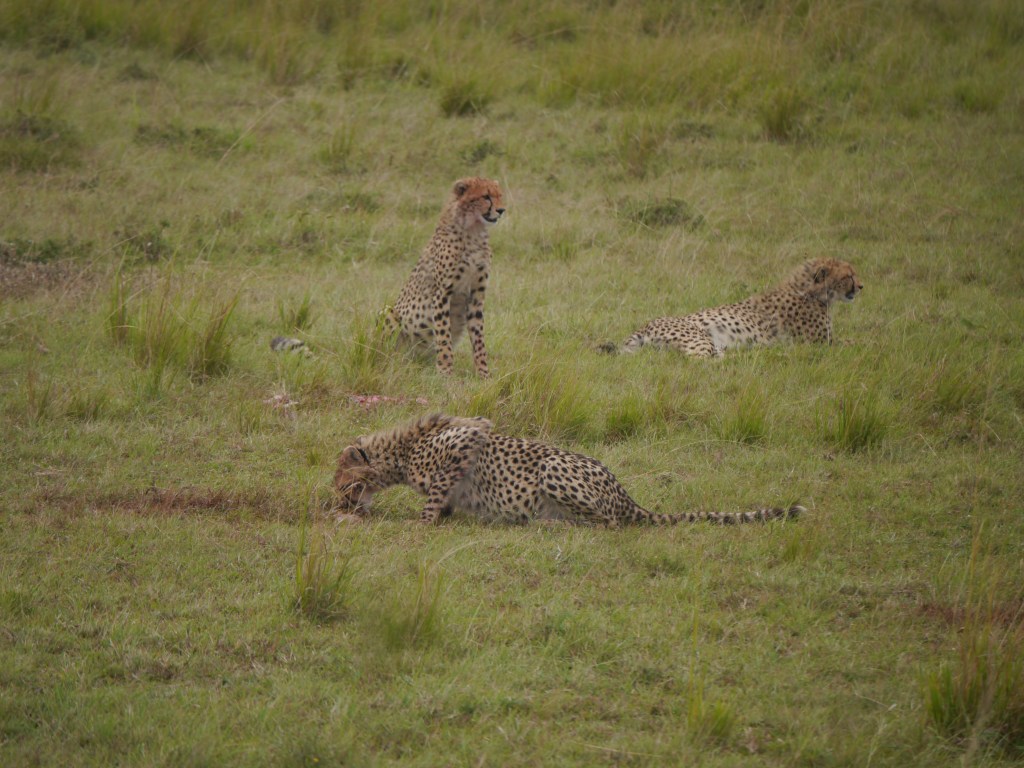
The next day followed a similar routine, which felt like living in sync with the rhythms of the wild. We left at 6 am and were once again greeted by the majestic lions. We also saw cheetahs enjoying their fresh kill, with vultures circling overhead, waiting for their turn to feast. The sight of vultures tearing apart a zebra was surreal, highlighting the harsh realities of the food chain.
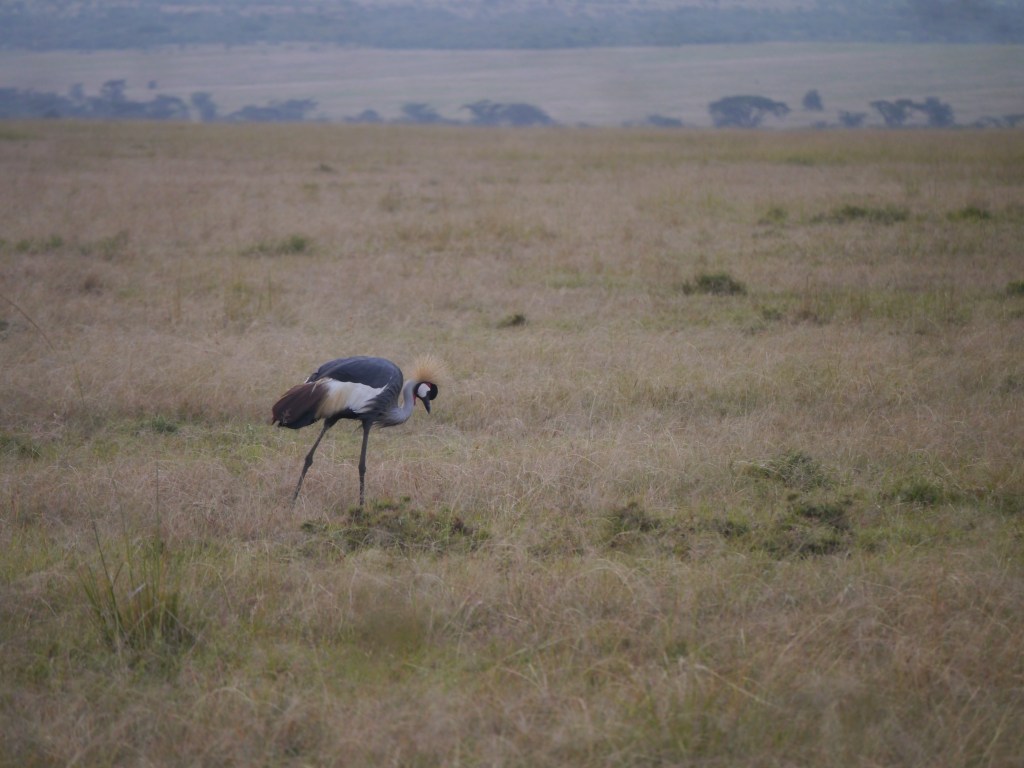
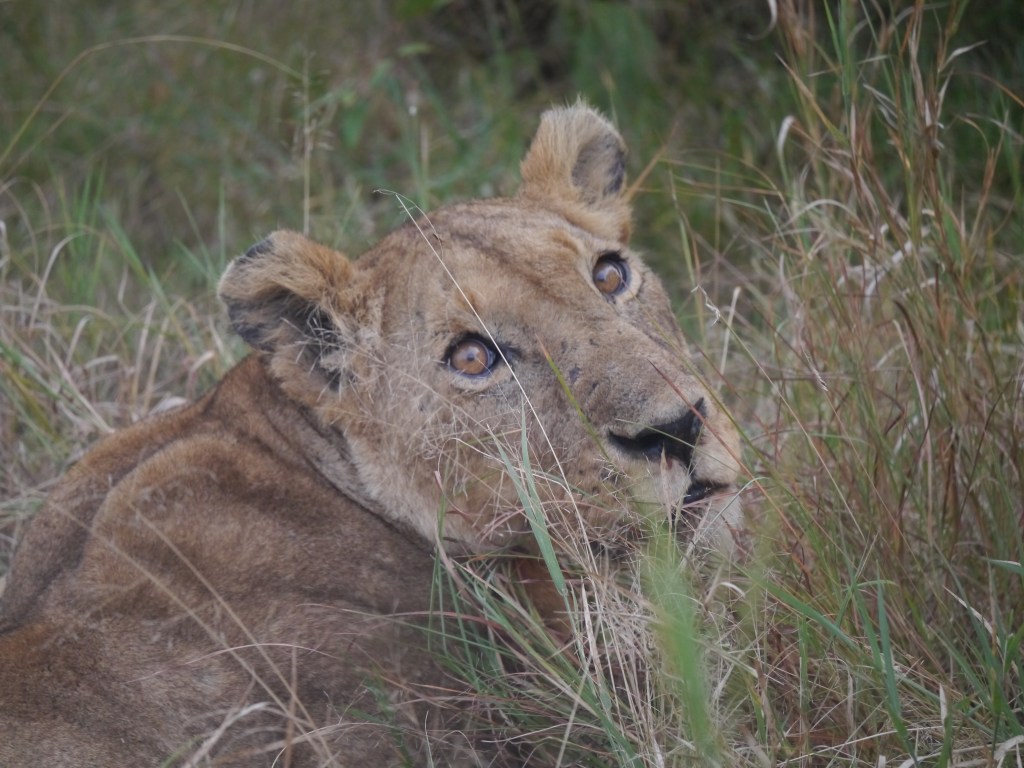
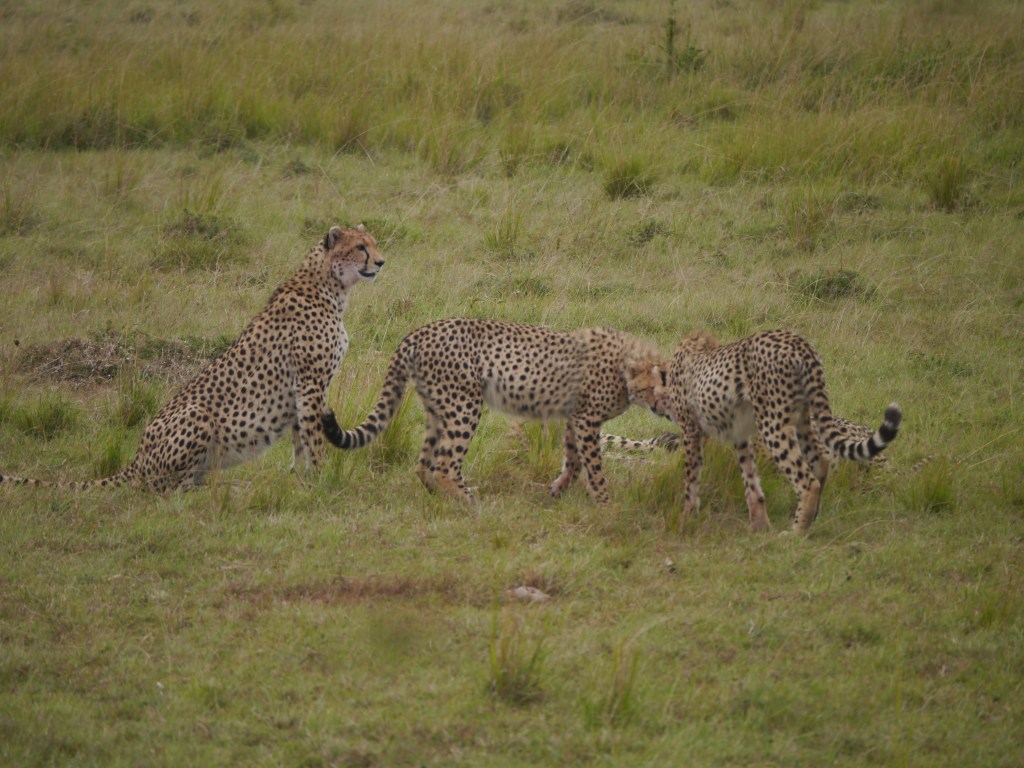

Lunch brought us back to camp for another hearty meal, followed by an afternoon game drive where we saw similar wildlife but were no less amazed. The consistency and abundance of wildlife sightings were truly impressive.
In the evening, I spent a few hours in the WiFi tent, catching up on messages and sharing some of our incredible experiences with friends and family. This was a relaxing way to end our last full day in the Mara.
Other Properties in Maasai Mara
• Mara Explorer Camp
• Mara Intrepid
• Serena Safari Lodge
• Governors’ Camp
• Sand River Camp Elewana
• Mara Enkewa Camp
The next day, we left the Maasai Mara on an 11 am flight to Nairobi. After landing at Wilson Airport, we headed to Cultiva for lunch. Cultiva was amazing, using local ingredients in an incredible atmosphere. We enjoyed carrots made in three sauces, beetroot and blue cheese salad, corn on the cob, burrata, and delicious drinks.
Following lunch, we visited Utamaduni Craft Centre, where we bought local items like coffee and handicrafts. Although we skipped it, you could also visit the Giraffe Center and the Karen Blixen Museum. We saw local buildings and parliament along the way before arriving at our hotel, JW Marriott. Other hotels to consider are Kempinski, Four Points by Sheraton, Serena, Fairmont, and Sankara.
The JW Marriott, a new property opened two months ago, is expansive and brilliant, though the service needs improvement. The facilities are top-notch, and the rooms are very nice. For dinner, we went to Mughal, the Indian restaurant in the hotel. The food was excellent, but the service was terrible and slow. Other restaurant recommendations include Jiko and Thai Chi by Sarova.
This ended our time in Nairobi as we flew out the next morning.
Kenya offers a wealth of attractions beyond the Maasai Mara. Lake Nakuru, renowned for its stunning pink flamingos, rhinos and diverse birdlife, provides a picturesque setting for bird watchers and nature lovers. Mombasa, with its pristine beaches and rich Swahili culture, offers a vibrant coastal experience, complete with historic sites like Fort Jesus and bustling markets. For more wildlife adventures, consider visiting other game reserves such as Amboseli National Park, where you can see large herds of elephants against the backdrop of Mount Kilimanjaro, or Samburu National Reserve, known for its unique wildlife species like the Grevy’s zebra and reticulated giraffe. The lush landscapes of Aberdare National Park and the scenic beauty of Mount Kenya, Africa’s second-highest peak, also provide excellent opportunities for hiking and exploring Kenya’s diverse ecosystems.

 Travel Footprints
Nice as always!!
No close-up pics?
LikeLike