I wanted to share my experience of visiting Oman, a country I first explored in 2016. I made another visit later in 2019 as well. Both trips were brief, so while my personal memories have faded somewhat, I owe massive credit to my uncle’s blog (https://raghavbihani.wordpress.com/) for providing much of the information and details. I’ve added some personal anecdotes, as I always do in my blogs. If you’re looking for a detailed itinerary and process, I highly recommend checking out his blog post, as it is both vivid and thorough. I must apologize for the lack of restaurant names and specific food details in my account—unfortunately, those memories didn’t stick with me. I have, however, included my first trip in grave detail and some basic details about my second visit as well, which, as you’ll read below, didn’t go quite as planned. Enjoy!
Oman, often overshadowed by its flashy neighbors, is a land of contrasts and hidden wonders. Picture towering dunes, rugged mountains, and crystal-clear wadis all within reach of serene, unspoiled beaches. This is a country where ancient traditions thrive alongside modern comforts, offering travelers a taste of authentic Arabia. With its growing accessibility thanks to Oman Air and a strategic location just a short flight from major Middle Eastern hubs, Oman is the perfect destination for those seeking adventure, relaxation, and a deeper connection to the rich culture of the Arabian Peninsula.
A tentative short Oman itinerary
Day 1: Day in the Mountains : Jebel Akhtar or Jebel Sham mountains.
Day 2: Day trip to Nizwa Souk and Fort and forts in Bahla/Jibreen before proceeding to Wahiba Sands for an Arabian Night
Day 3: Ras al Jinz in the night via Wadi Bani Khalid for viewing of the turtle nesting
Day 4-5: Back to Muscat for a relaxing 2 days at the beach.
This could be streched out for 7 days also for a more relaxing option with 2 days in the Mountains and 3 days in Muscat.
The mountains of Jabal Akhdhar
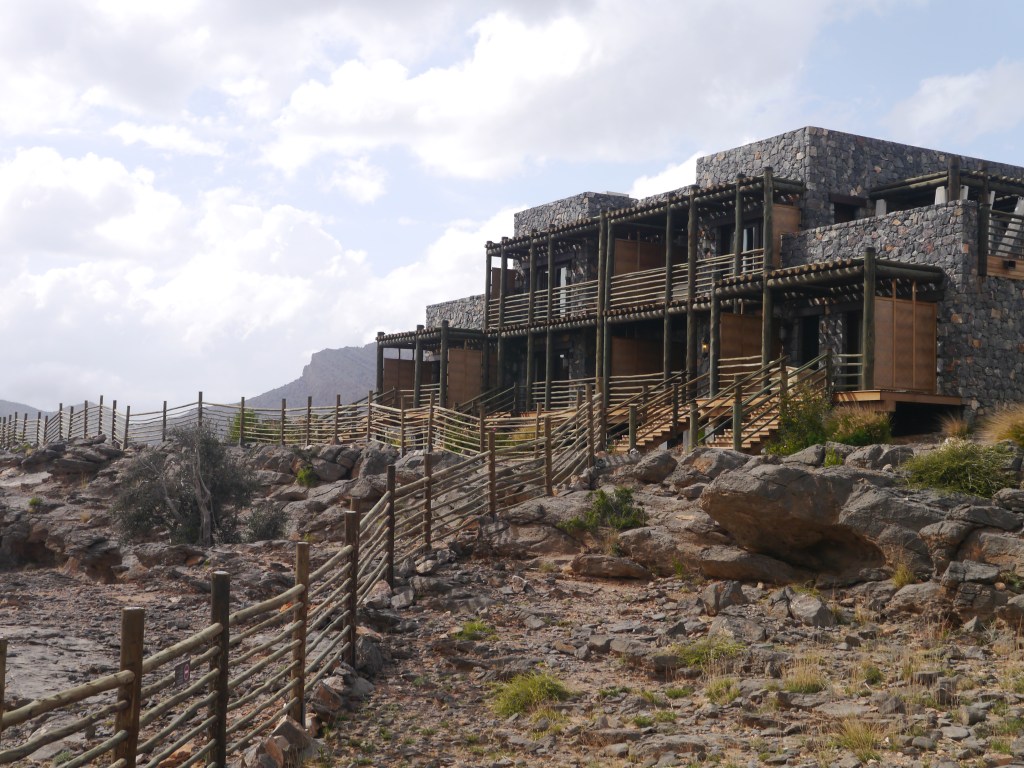
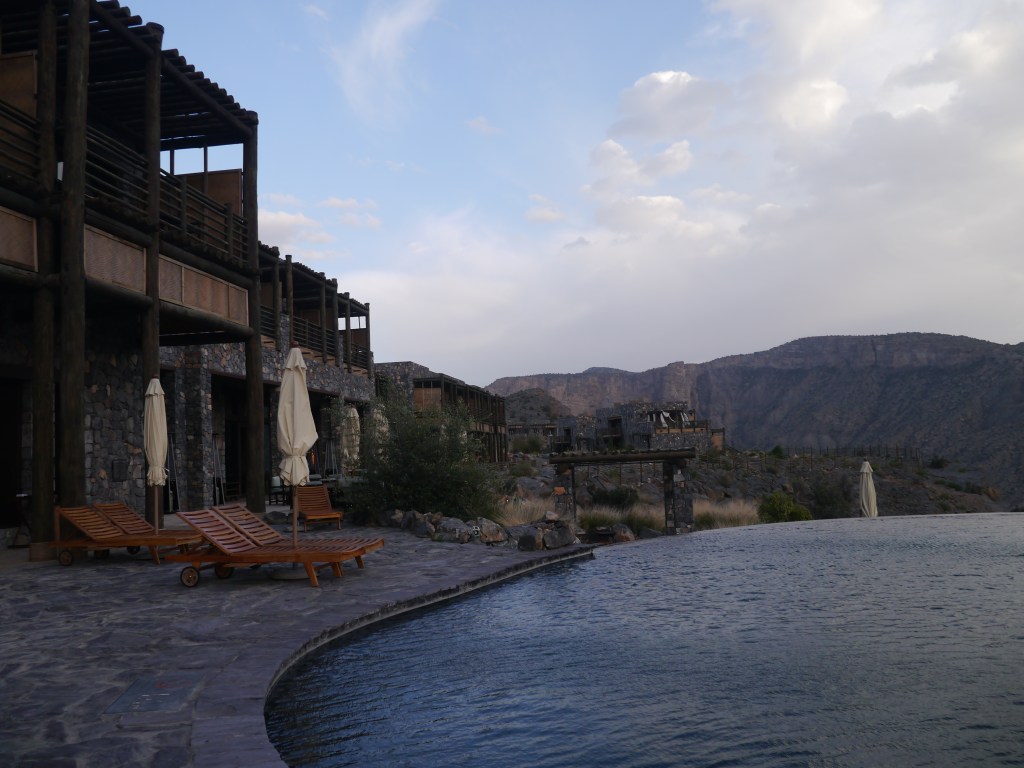
When in Oman, experiencing the mountains is an absolute must, and your choice of mountain depends largely on the hotel you decide to stay in. We chose the Alila Jabal Akhdar, and it was nothing short of spectacular. The panoramic views were breathtaking, the infinity pool was a dream, the villas were pure luxury, and the service was impeccable. If you’re looking for other options, The View Oman or Anantara are also excellent choices, with Sahab Hotel and Jebel Shams Resort offering slightly more budget-friendly accommodations.

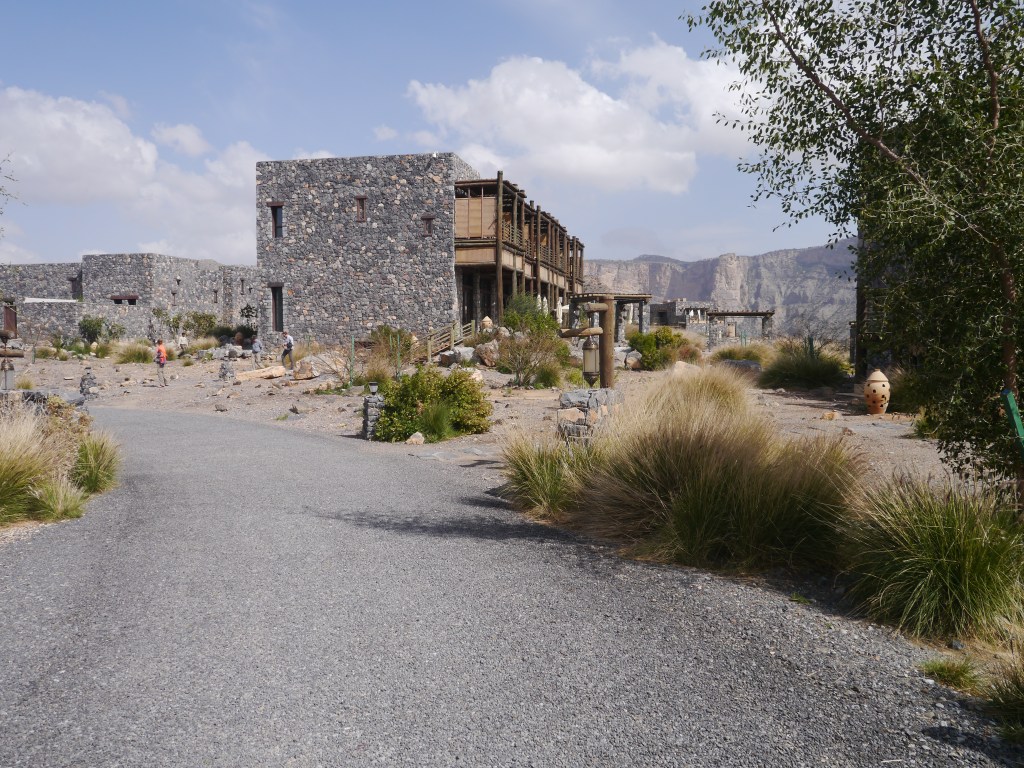
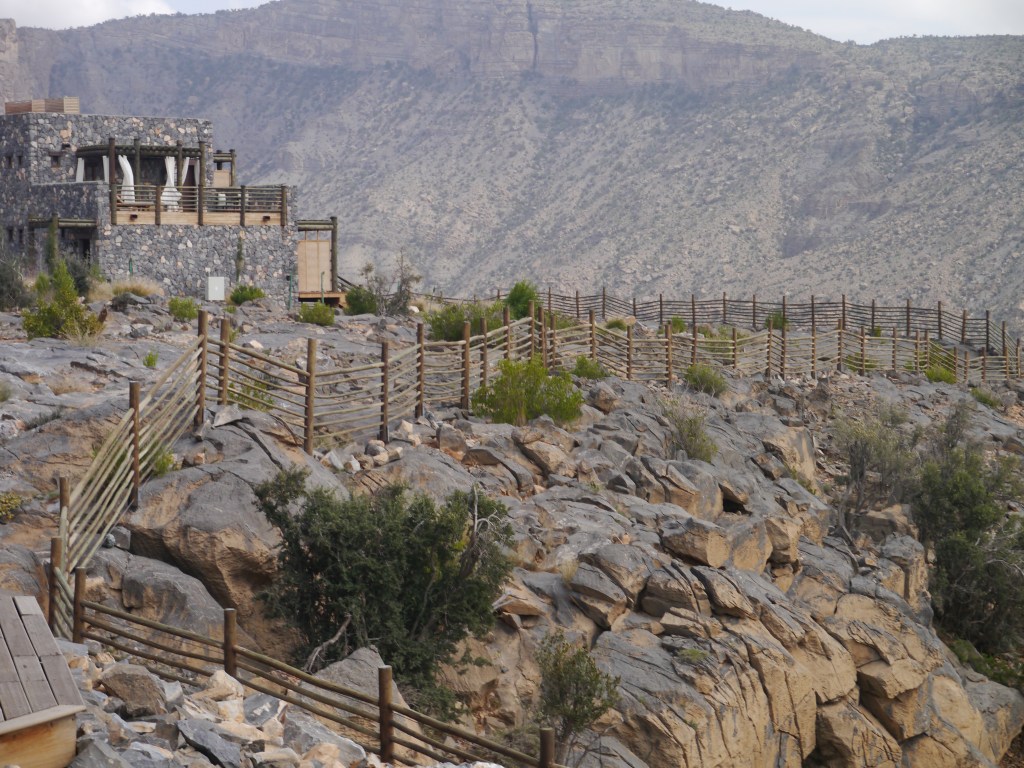
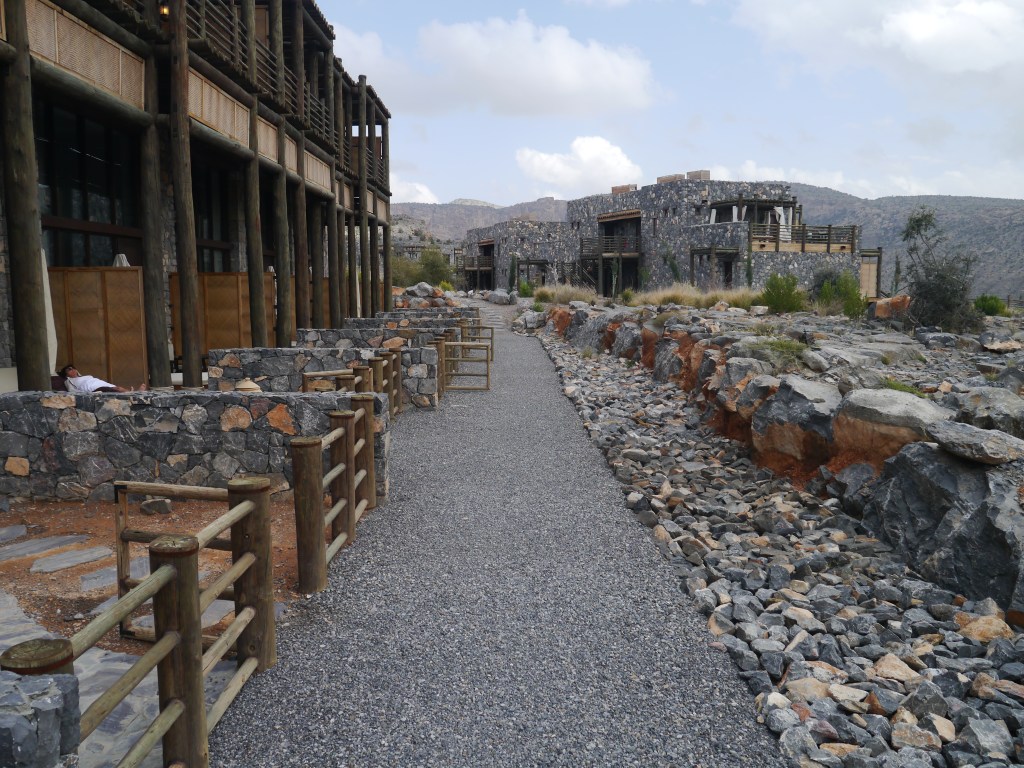
The Alila Jabal Akhdar’s property is beautifully integrated into the landscape, with the main hotel and villas perched right at the mountain’s edge. The infinity pool is to marvel at as the views are unparalleled. Constructed from local materials, it blends seamlessly with its surroundings. You can walk along the property’s mountain edge, soaking in the views, or embark on hikes of varying difficulty. For those seeking a thrill, cycling through the rugged terrain is an option, but if relaxation is your goal, the infinity pool and spa won’t disappoint. The rooms themselves are spacious, with a distinct local vibe that set this place apart from the other hotels I’ve stayed in.

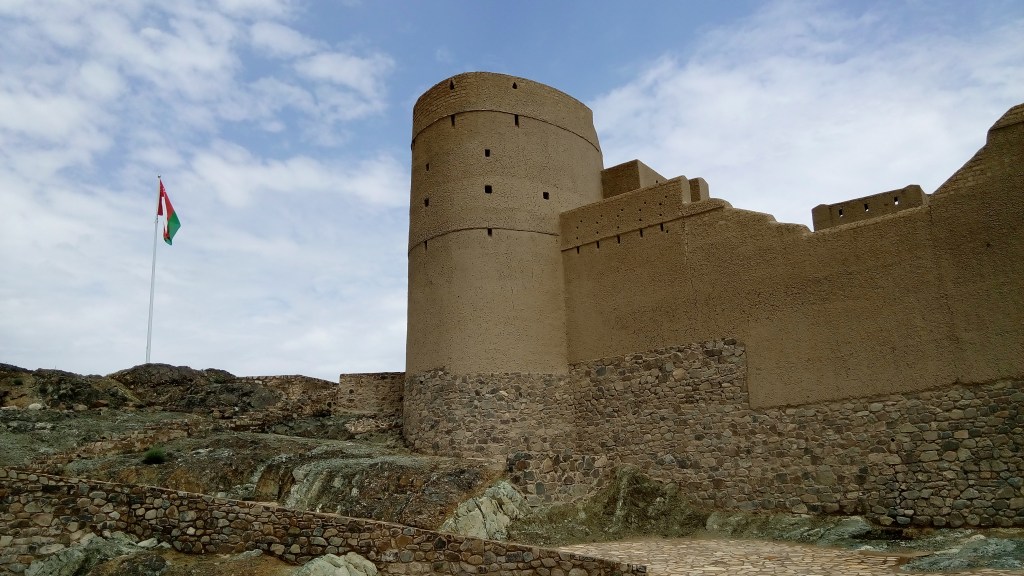
Nizwa, an ancient city in the Ad Dakhiliyah region of northern Oman, is a charming town that once served as Oman’s capital. It’s home to a quaint souk and the historic Nizwa Fort, perfect for a bit of souvenir shopping. The surrounding area is dotted with other fascinating forts like Jibreen Castle and Bahla Fort. Bahla Fort, a UNESCO World Heritage site since 1987, is particularly impressive and definitely worth a visit only if you’re passing through Nizwa on your way to the mountains.
Our journey took us up to Jabal Akhdar. The mountains, though barren, were stunning with their deep canyons and expansive views, reminiscent of the Atlas Mountains in Morocco. As we reached the summit, the air turned refreshingly cool—a welcome change from the heat of Nizwa.
I have to admit, my first night was marred by a mild fever, but that didn’t dampen my spirits. We enjoyed a light dinner in the main dining area and continued to soak in the experience. The food in Oman, by the way, is generally excellent, with plenty of vegetarian options available.
Wahiba sands
Oman is home to a portion of the Rub’ al Khali, or the Empty Quarter, the world’s largest continuous sand desert. Though the Empty Quarter itself is remote, with no hotels and only camping options, and quite far from the usual tourist routes, you can still get a taste of its vastness by visiting Wahiba Sands. The area is defined by a boundary of 180 kilometers north to south and 80 kilometers east to west, with an area of 12,500 square kilometers.
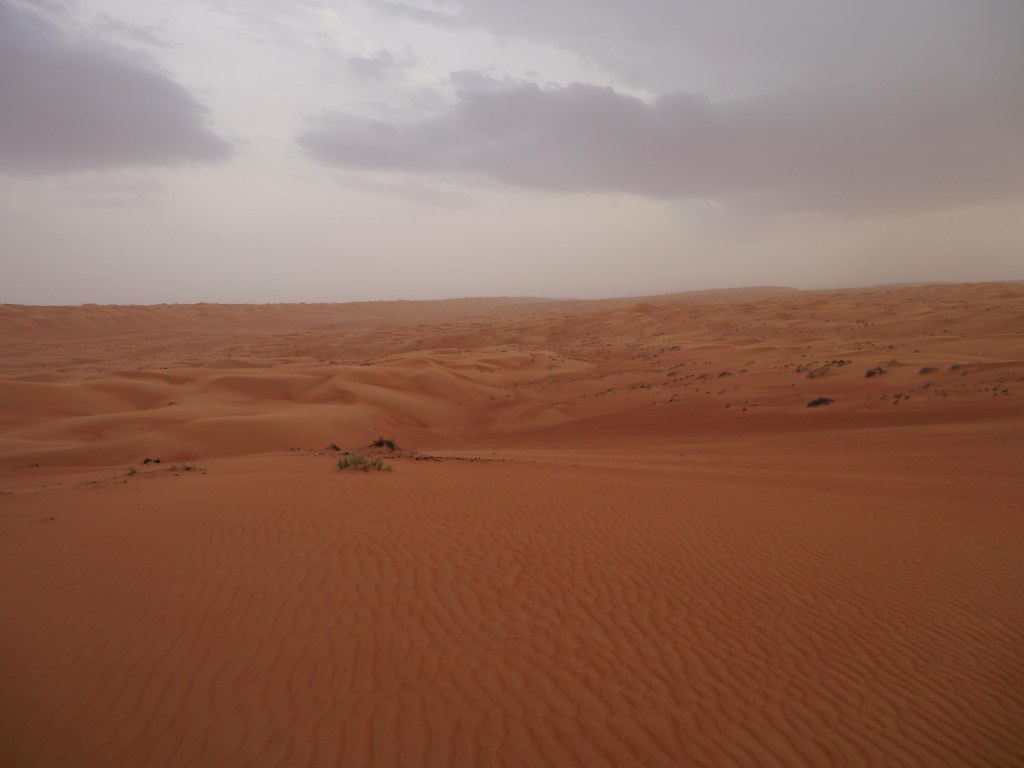
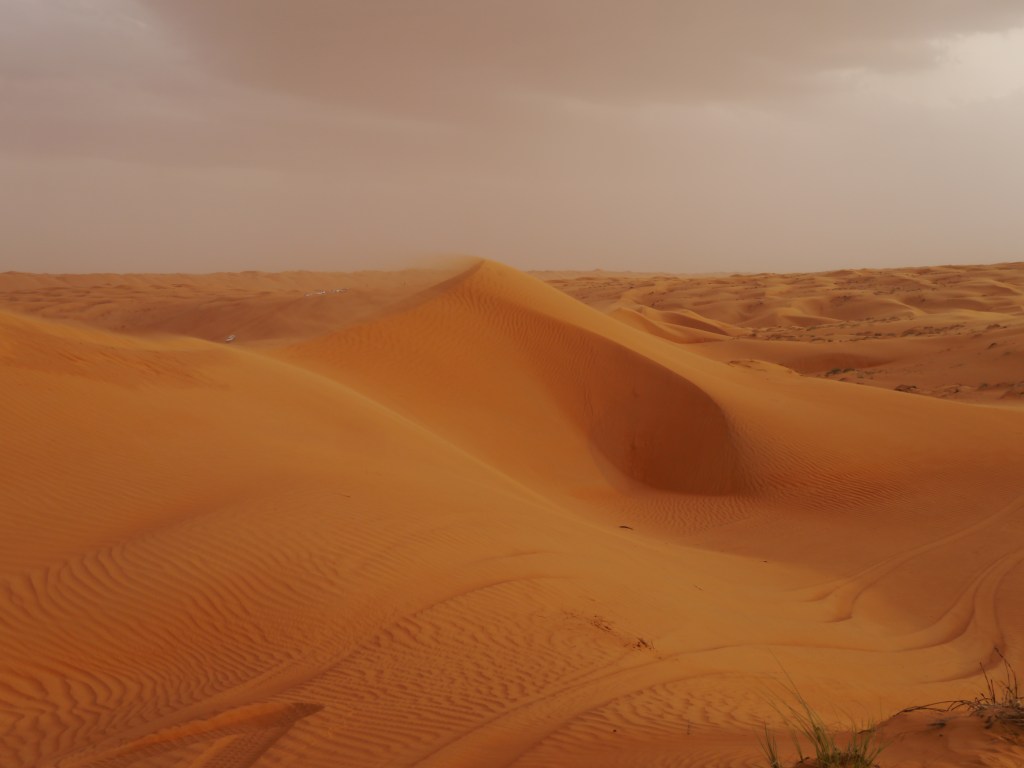
Wahiba Sands offers a more accessible desert experience, with several camps to choose from, and picking the right one can make a big difference. We opted for Desert Nights Camp, the top luxury choice in the area, but if you’re looking for something more budget-friendly, the Arabian Oryx Camp next door is a great alternative. Another interesting option is the 1000 Nights Camp, which even boasts a swimming pool, though it’s a bit further into the desert, about 35 kilometers in.
These camps are nestled amidst vast, towering sand dunes, far removed from the hustle and bustle of civilization, with only the expansive, star-lit sky above. While the activities at these camps are fairly consistent, one experience you absolutely can’t miss is Dune Bashing. It’s a thrilling adventure, as you race through the dunes in a SUV, navigating steep climbs and heart-pounding descents, sometimes even in reverse! The excitement level really depends on the expertise of your driver. If you’re up for a challenge, quad biking offers a more hands-on way to conquer the dunes, though it demands a bit of caution.
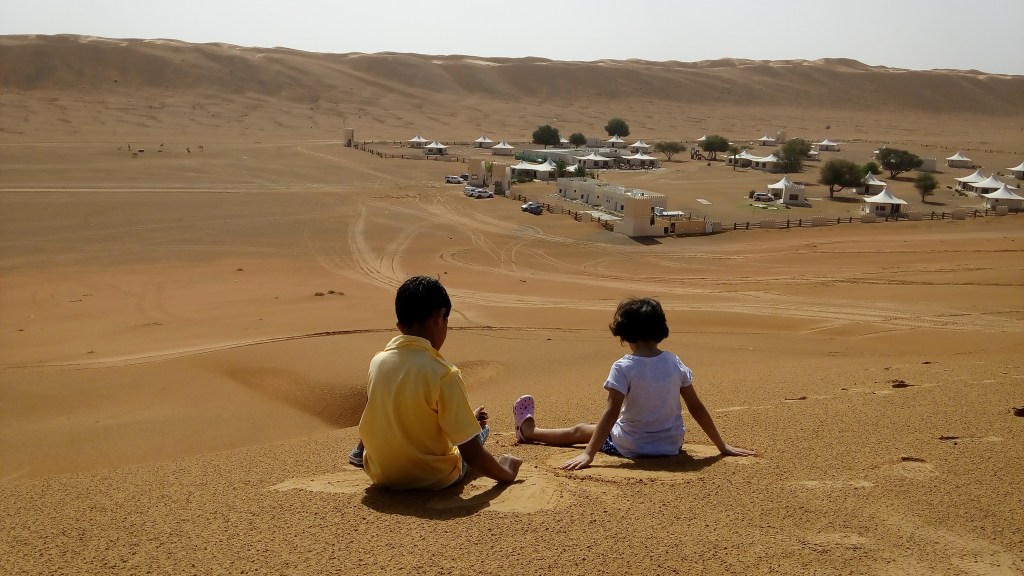
For those who prefer a more laid-back experience, the camps also organize sunset drives into the desert. There’s something magical about sitting atop a dune, as the sun sinks below the horizon, painting the sands in rich hues of brown, beige, and orange. It’s a serene moment, perfect for reflection or capturing beautiful photos. And of course, for younger guests, a camel ride is always a delightful option.
As night falls, the desert truly comes alive. Under a blanket of stars, you can enjoy traditional Arabic dance performances or indulge in a lavish Omani feast, seated on carpets spread over the sand. It’s like stepping into the pages of a storybook, experiencing an Arabian Night in all its glory.
Swimming in Wadi Shab / Wadi Tiwi / Bani Khalid
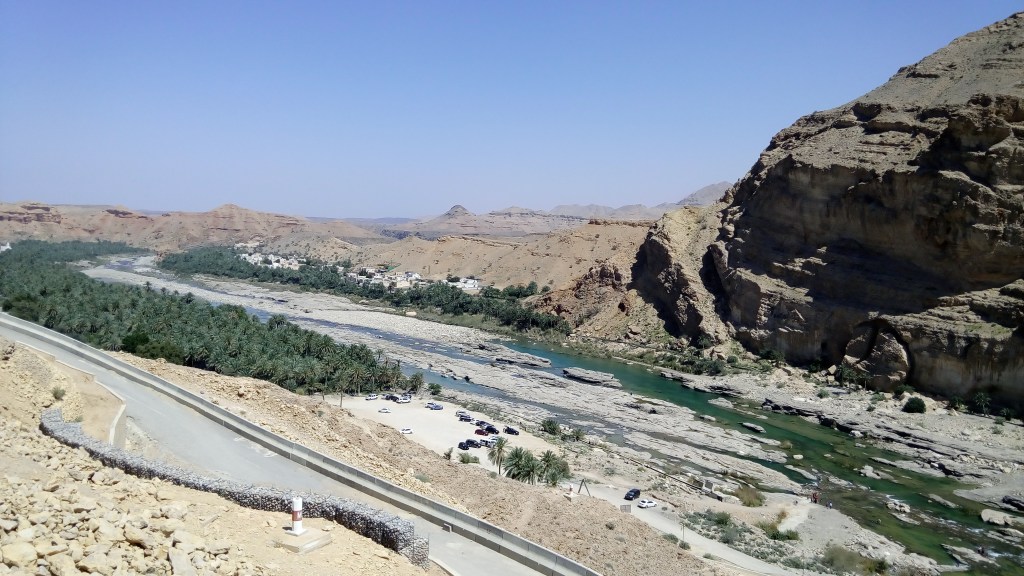
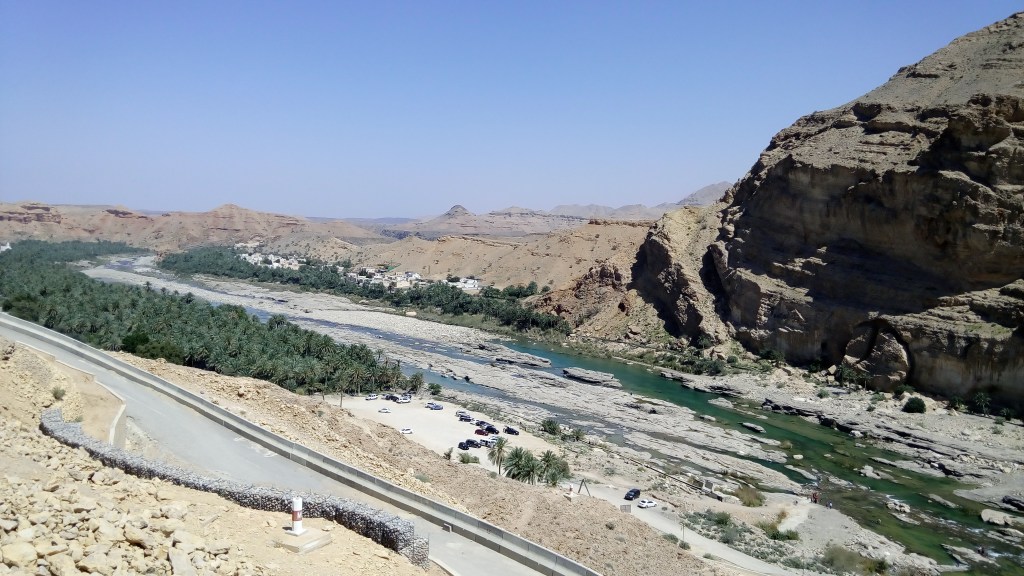
In Oman, wadis are valleys or dry riverbeds between mountains, often filled with water during rains or from intermittent streams. Some wadis, like Wadi Tiwi, Wadi Bani Khalid, and Wadi Shab, have permanent water sources and are must-visit spots. Swimming and picnicking at these scenic locations are highlights of any trip to Oman.

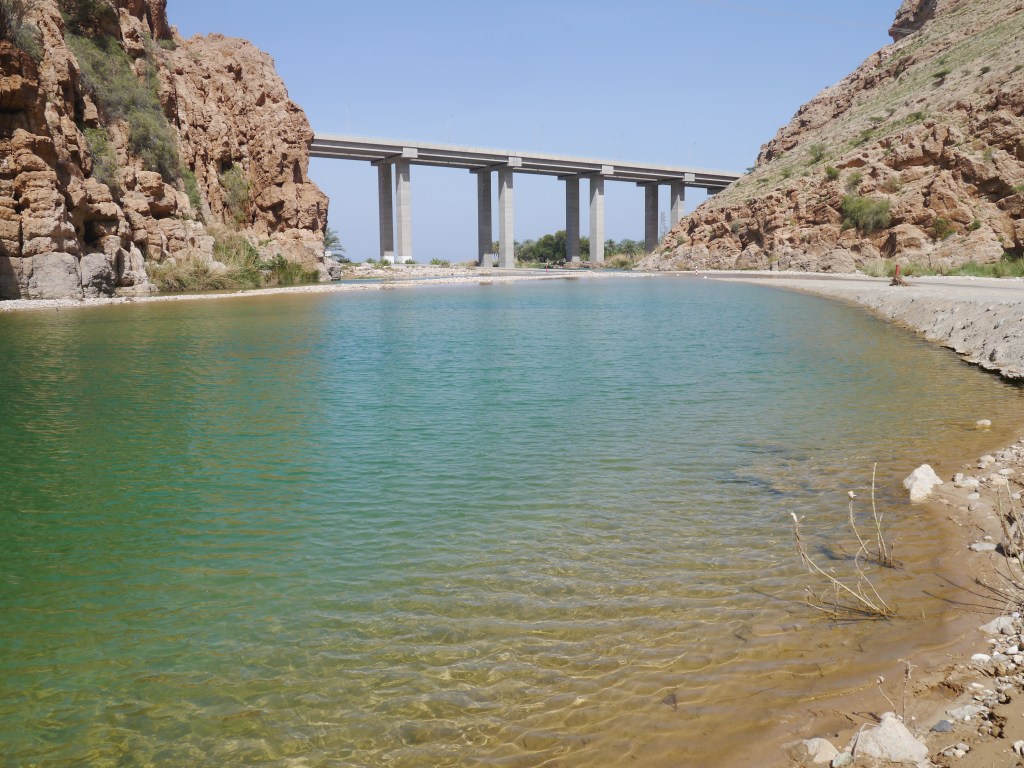
The crystal-clear waters are perfect for a refreshing dip, with swimming spots nestled between mountains, inside caves, or under small waterfalls. Visiting on a quiet day is ideal to enjoy the tranquility. We had a blast swimming, though it’s important to be cautious of rocks and stick to deeper areas. The areas are very picturesque and photo worthy, to say the least. Wadi Shab requires a bit of hiking to reach, adding a touch of adventure, while Wadi Tiwi and Wadi Bani Khalid are accessible by car.
Ras al Jinz
Ras Al Jinz is a small fishing village situated in Ras Al Hadd, along the eastern coast of the Arabian Peninsula. This village is renowned as a crucial nesting site for the endangered green turtles, with over 20,000 turtles coming to its shores annually to lay their eggs. The area is carefully monitored by the government for conservation purposes, and access is only permitted through guided tours. Each tour is limited to 20-25 people, with around eight tours scheduled each night around 9 pm, and another four in the early morning hours.
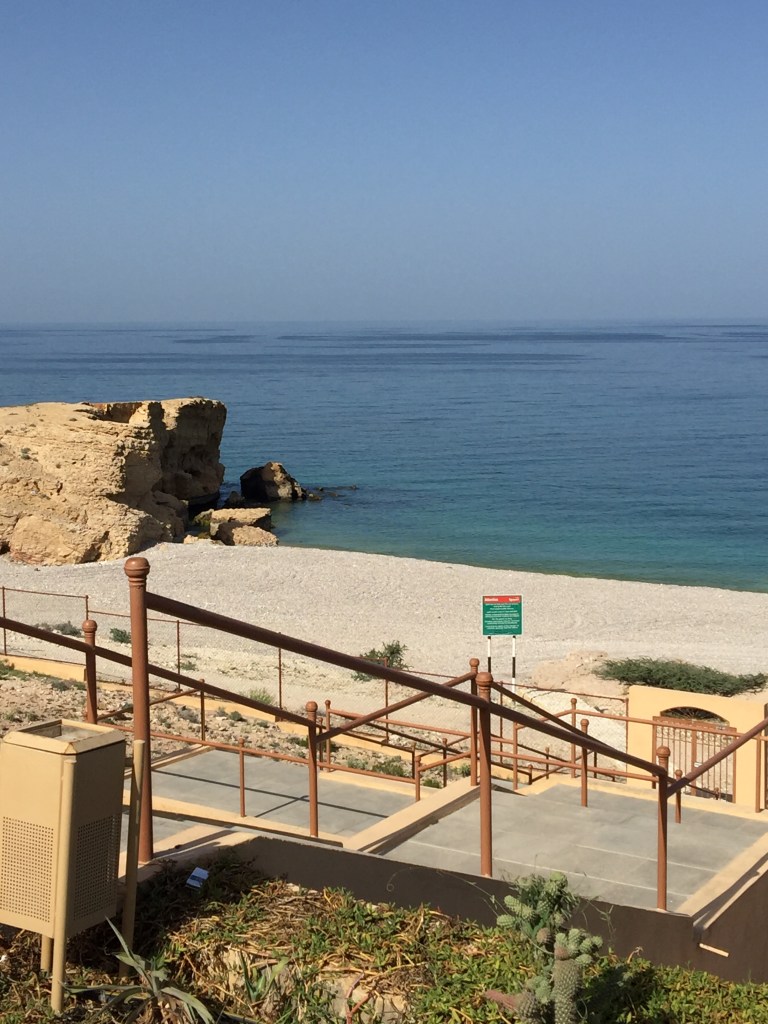
Witnessing the turtles emerge at twilight to lay their eggs is a truly magical experience. The government takes significant measures to ensure that this natural event remains undisturbed, and as visitors, it’s our responsibility to respect this delicate process. The beach is a short walk from the visitor center, and groups are required to take turns viewing the turtles from a safe, non-intrusive distance. Unfortunately, there are always a few tourists who don’t follow these guidelines, which can detract from the experience and stress the turtles. While you wait for your turn, the guides provide in-depth explanations about the turtle nesting process and are always ready to answer any questions.
Muscat
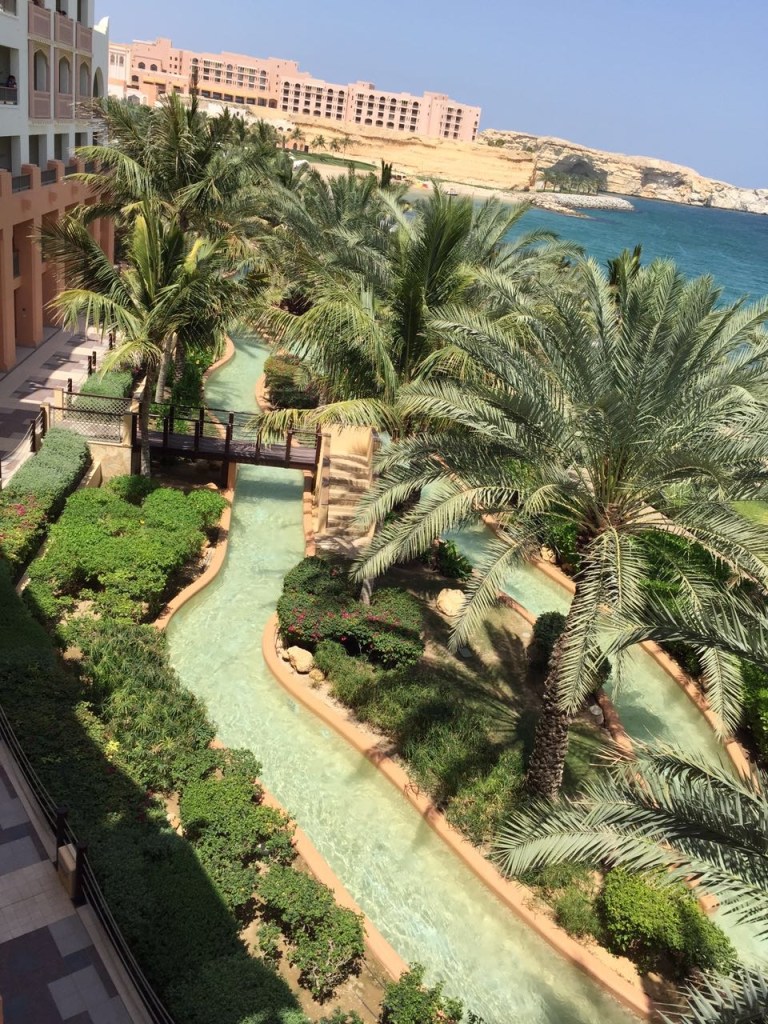
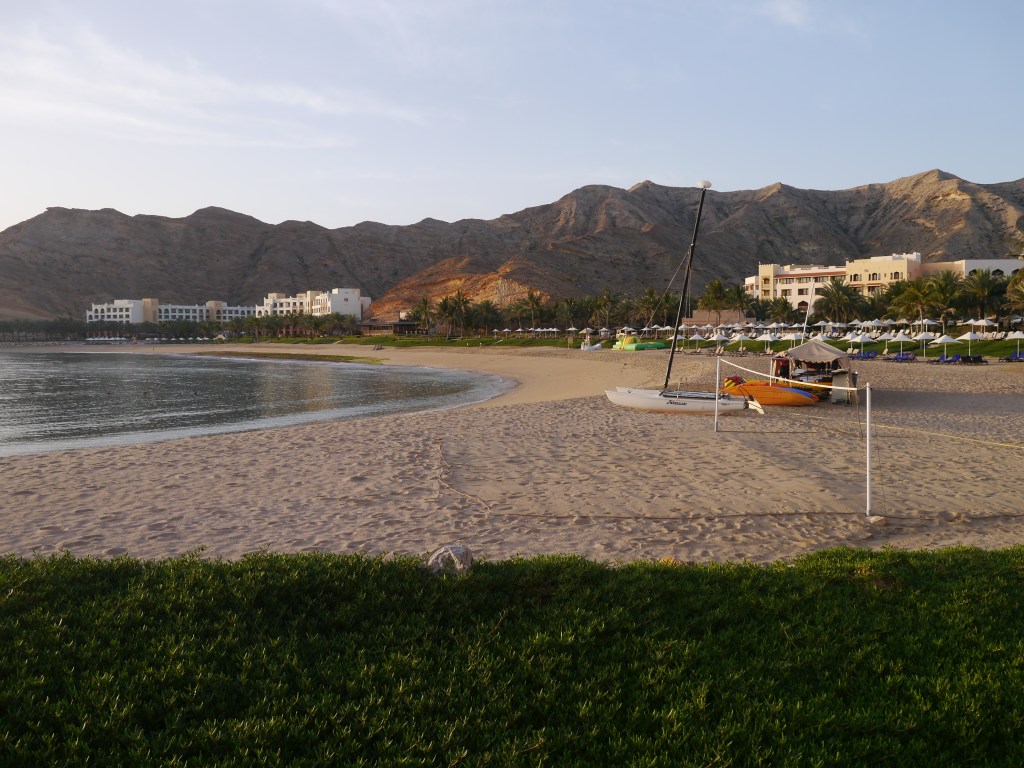
Muscat, cradled between the rugged Al Hajar mountains and the turquoise waters of the Arabian Sea. This enchanting capital seamlessly blends Oman’s rich maritime heritage with its vibrant, evolving culture, making it a true jewel of the Arabian Peninsula. No visit to Muscat is complete without staying at a beach resort. For families seeking a blend of location and activities, Shangri-La Barr Al Jissah stands out. This resort complex is nestled on a secluded bay and consists of three distinct properties, two of which are connected by a delightful 500-meter lazy river. With a soft sandy beach, multiple swimming pools, and a variety of dining options, it’s an ideal spot for a family getaway.
Children will love the play zone, adventure zone, and aqua park, while adults can enjoy a range of water sports or a relaxing dolphin-watching trip right from the resort. The private beach is a standout, perfect for swimming, sunbathing, or simply enjoying water sports. The breakfast spread is lavish and delicious, setting the tone for a perfect day. The resort also features a nearby mall, giant board games, and plenty of entertainment to keep everyone occupied. For those seeking a quieter escape, there’s also an adults-only property within the complex.
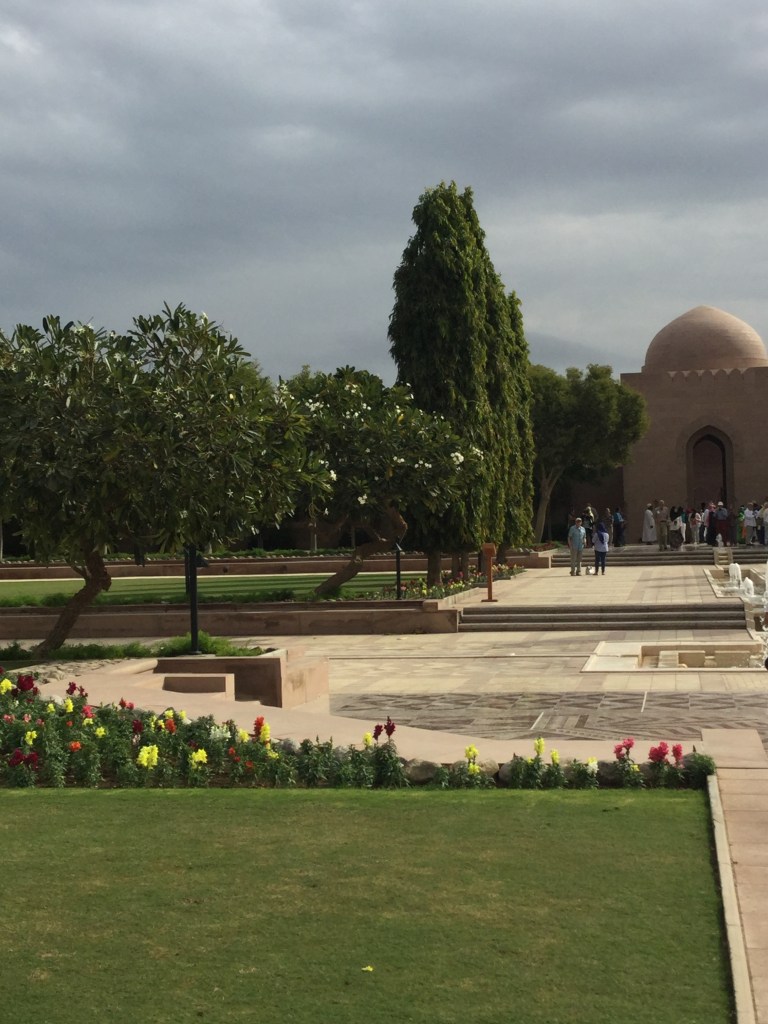
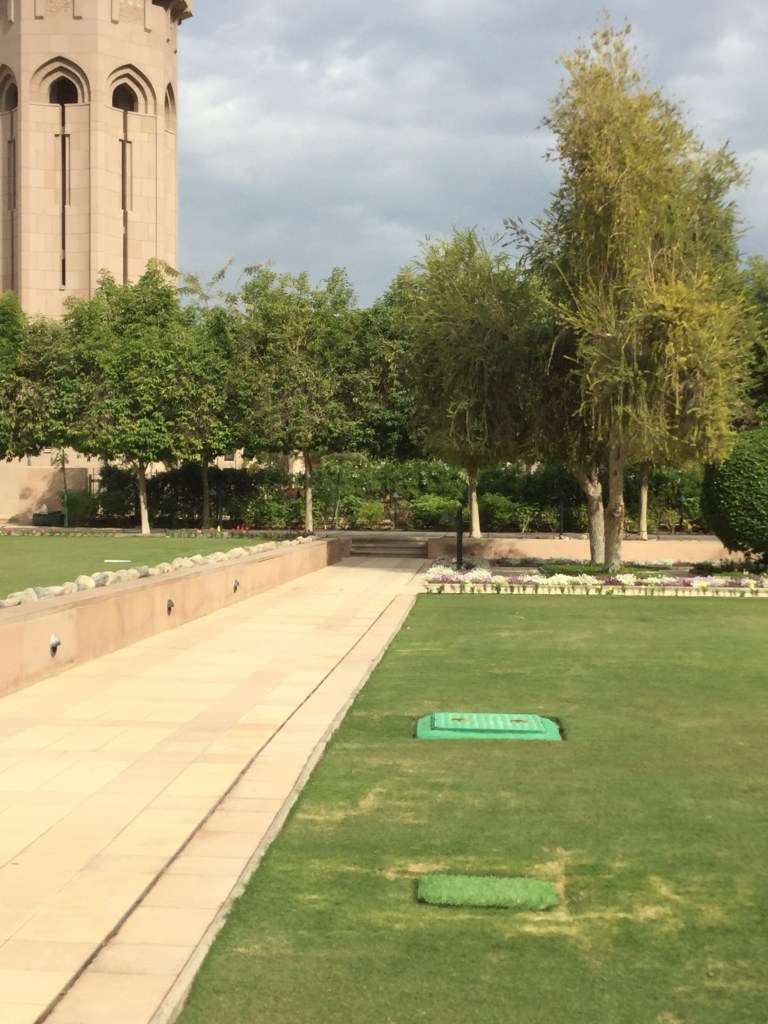
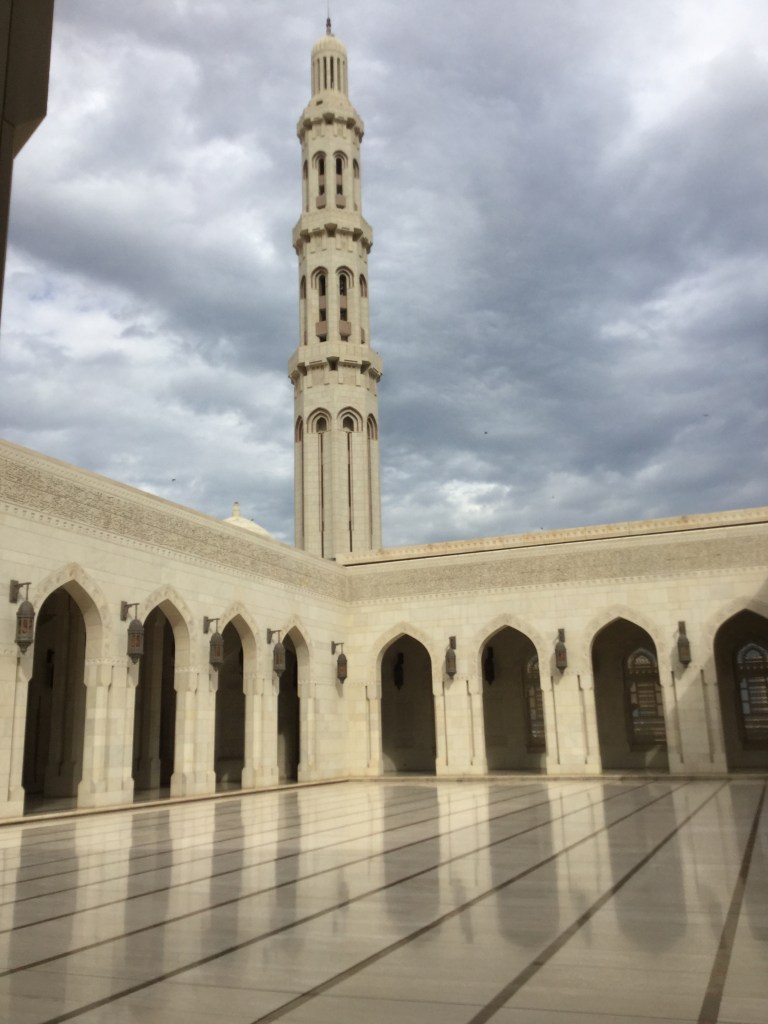
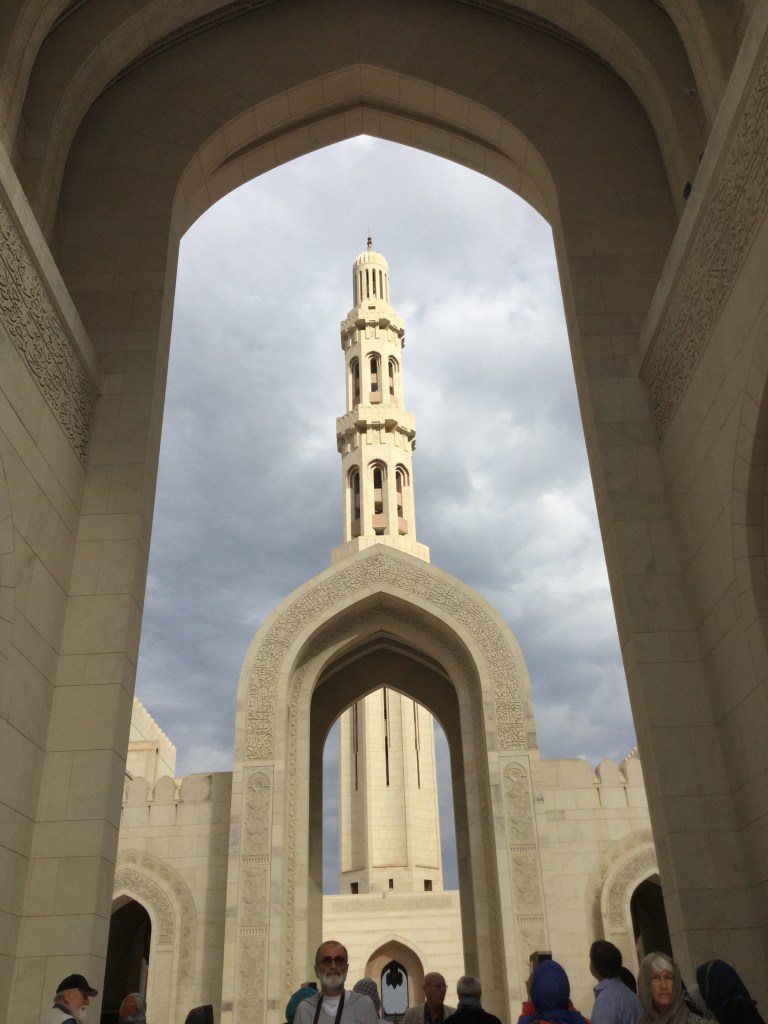
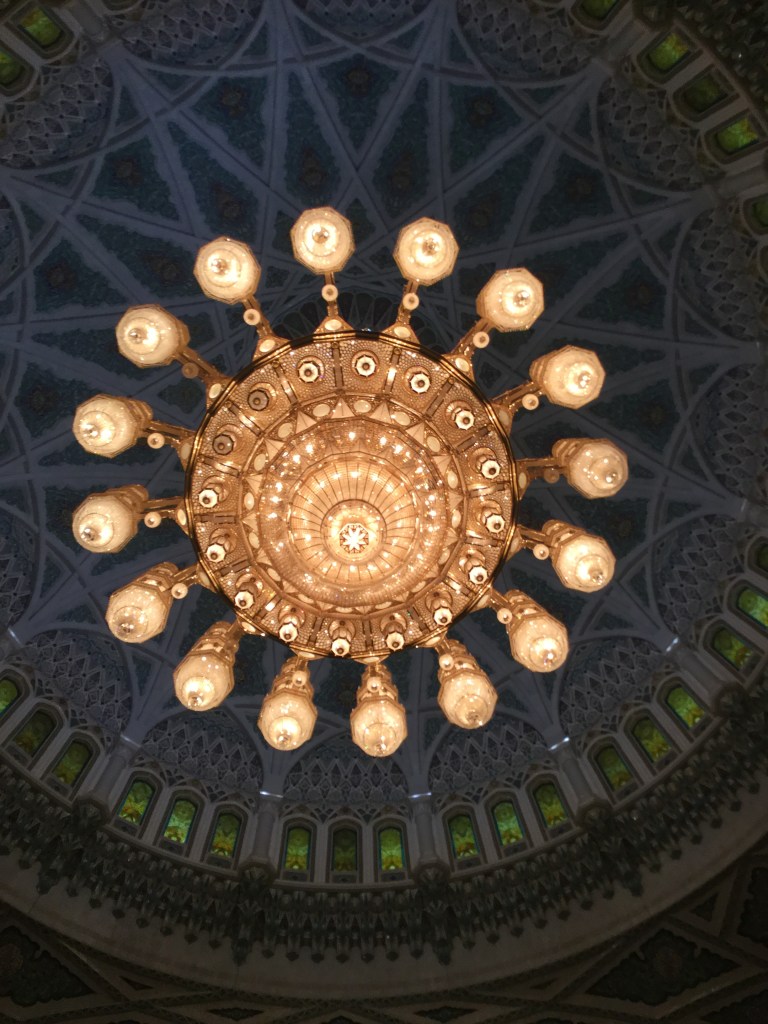
When in Muscat, a visit to the Grand Mosque is a must, which was completed in 2001. This stunning modern mosque is home to the world’s second-largest carpet and features breathtaking interiors, including massive 14 meter tall chandeliers and intricate wood and ceramic work. The serene courtyard, with its manicured gardens and reflective pools, offers a tranquil space for contemplation. The mosque is meticulously maintained, and visits are allowed only in the mornings, outside of prayer times only. A certain dress code is also required so please obey the cultural norms.
Other points of interest include the Mutrah Souk and its promenade, ideal for souvenir shopping. Additionally, consider visiting the Royal Opera House, a symbol of Omani culture and heritage. The Al Alam Palace, with its unique architecture and stunning gardens, is another iconic site.
The Second Trip
The second trip was a shorter stay, just four days in Muscat, with planned day trips to the wadi and the desert. However, as soon as we arrived, I was struck with a 103-degree fever and ended up bedridden for nearly three days. Thanks to the swift care from the hotel’s doctor, I recovered quickly—a big shout out to the Shangri-La for their excellent service. Despite the rocky start, we still managed to explore the major sites, and while nothing particularly new happened, the trip was another peaceful and serene experience, reaffirming Muscat’s unique charm.
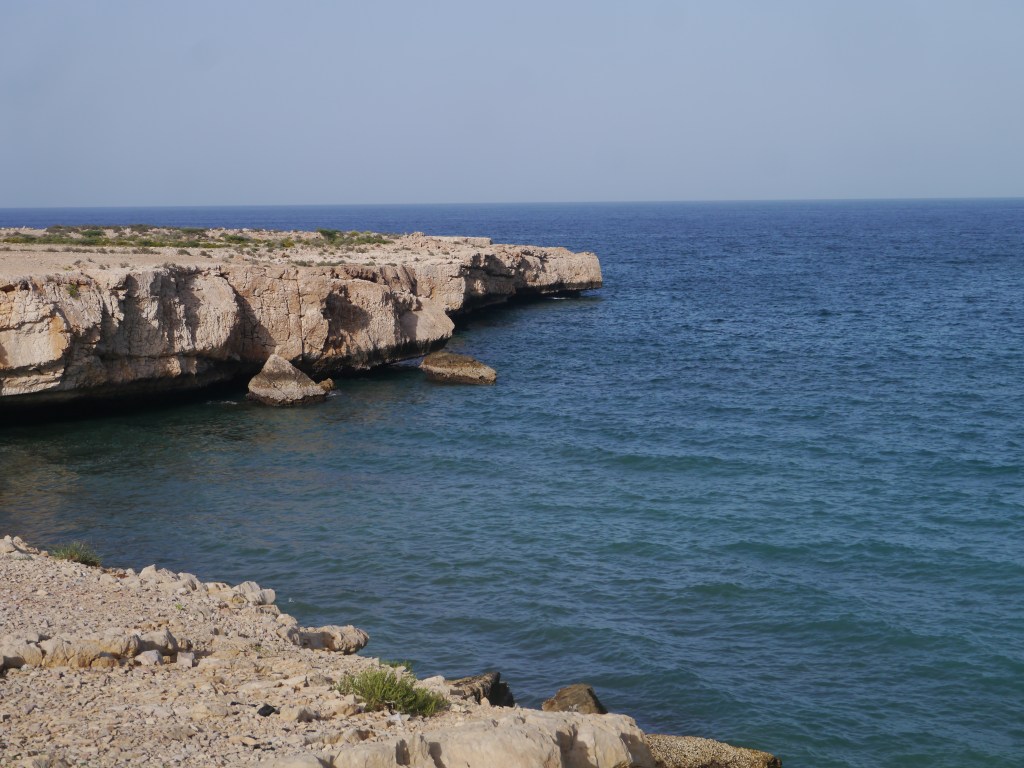
From the rugged mountains and serene wadis to the vast deserts and vibrant capital of Muscat, each experience left a lasting impression. Even with the unexpected challenges of my second trip, the warmth of Omani hospitality and the stunning landscapes made every moment worthwhile. Oman is more than just a destination; it’s a place that invites you to explore, unwind, and connect with its deep-rooted traditions and breathtaking scenery.

 Travel Footprints
lovely
LikeLike