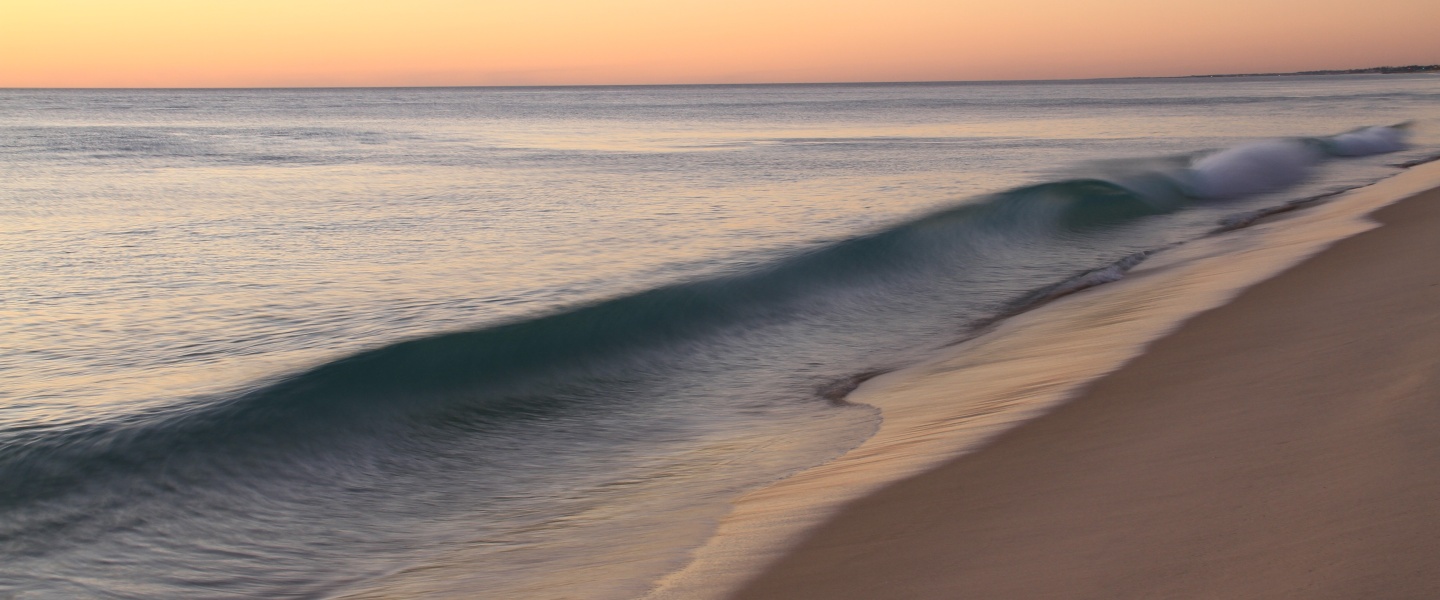
Malta had been on the list for a while, one of those small countries that keeps coming up in conversation without ever quite making it to the top of the itinerary, until this year it finally did. It’s barely the size of a city, and yet it’s been fought over and ruled by the Phoenicians, the Romans, the Arabs, the Normans, the Knights of St John, the French and the British, more or less in that order, and every single one of them left something behind. We based ourselves in Valletta for six days, which was just the right amount of days to get lost in its history until the streets felt familiar, and we truly felt immersed in its rich culture.
Day One
The flight in gives you almost no warning of what you’re about to land in, Malta from the air is just pale rock and a very blue sea and then suddenly you’re driving into Valletta and the whole city rises up in grandeur that feels completely disproportionate to how small the country actually is. We checked into Hotel Neu Cumberland, which sits right in the thick of it, close enough to the main streets that you can drop your bags and be out in the center the door in two minutes flat, which is exactly what we did.
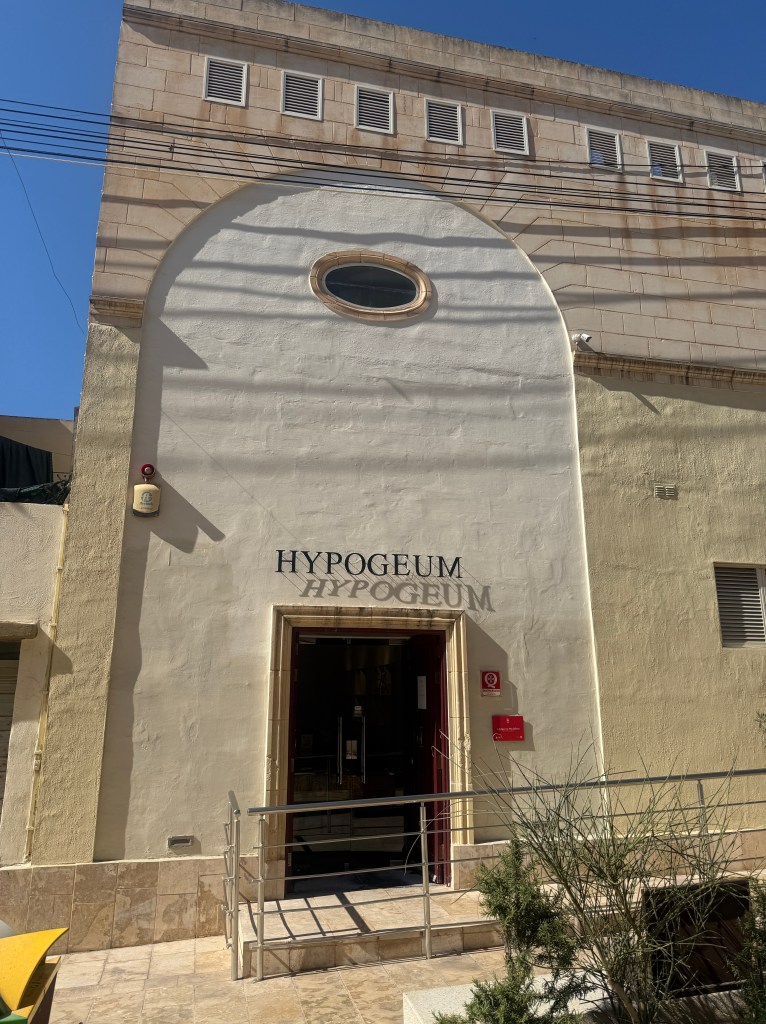
First stop was a coffee at Kir Royale, mostly to shake off the flight, and from there we took a taxi over to the Hypogeum of Ħal Saflieni, which was the one thing on this entire trip we’d booked in advance, which we could secure only two tickets of. The Hypogeum is an underground burial complex cut by hand into solid limestone more than five thousand years ago, discovered completely by accident in 1902 when a mason digging a cistern broke straight through the roof of it. It only allows 8 people in per tour, 10 tours a day, which works out to roughly 80 visitors daily and somewhere around 30,000 a year — against the 4 million-odd tourists who came through Malta in 2025, that’s something like 0.75% of all visitors who ever actually get inside, and that’s before you even factor in how many Maltese themselves are still waiting on tickets to see their own history. We’d booked ours two weeks earlier, which was closer to luck than planned. Inside, there’s no photography allowed, three levels of chambers and passageways carved without metal tools, leading down to a small central room known as the Holy of Holies, where the acoustics and the carved ceiling still is nothing short of an architectural feat.
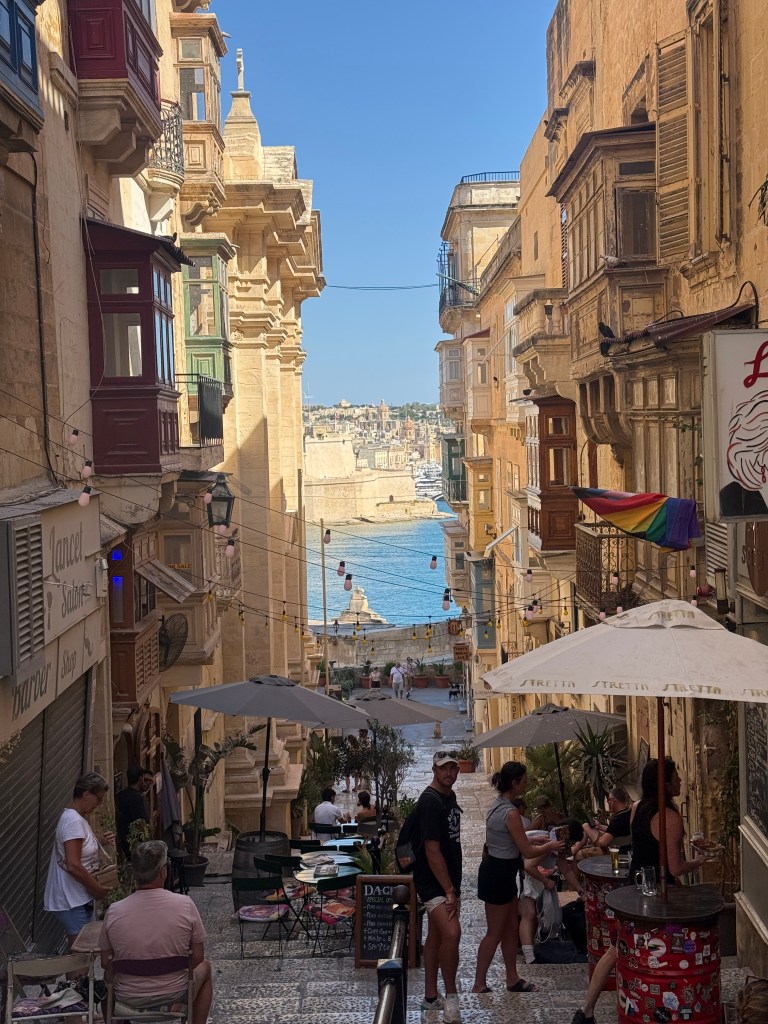
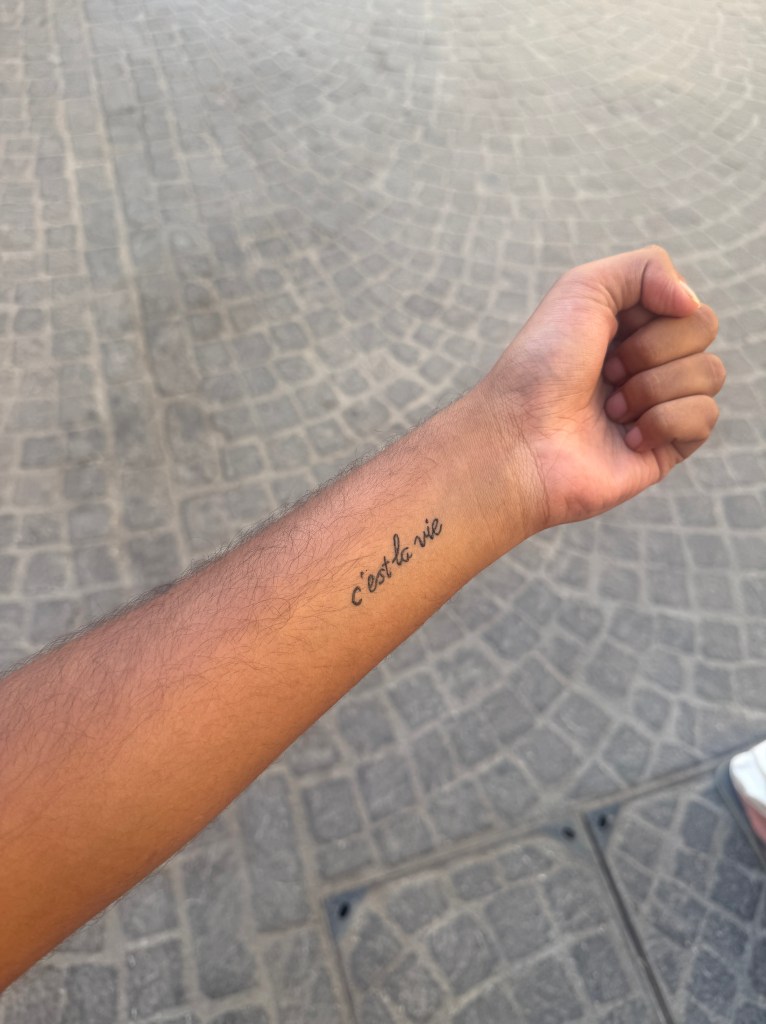
We came back up into daylight and walked down Republic Street, Valletta’s main street, lined on both sides with grand stone facades, shopfronts, and the kind of café tables that spill straight onto the pavement. Lunch was a sandwich from All’Antico Vinaio, the same chain I’d first fallen for in Rome, packed with stracciatella, pistachio pesto, rocket, and sundried tomato — a combination I will happily defend to anyone who questions it. Somewhere in the middle of the afternoon I also picked up a henna tattoo that reads “c’est la vie,” which felt like the right kind of small, impulsive decision for a first day in a new country.
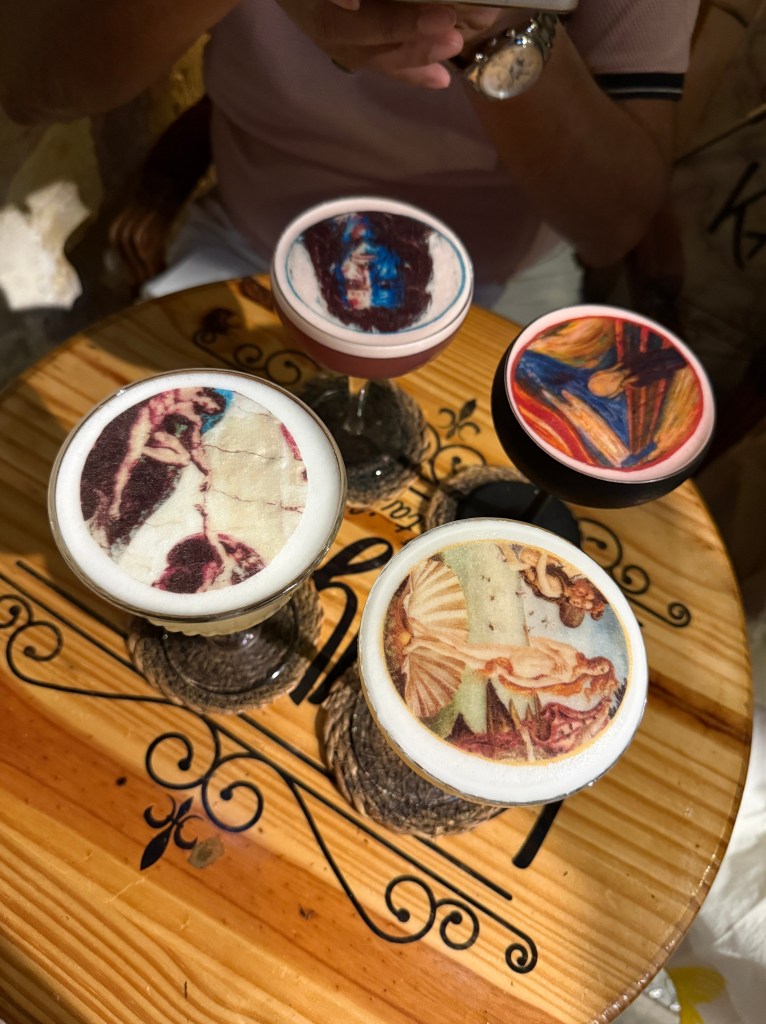
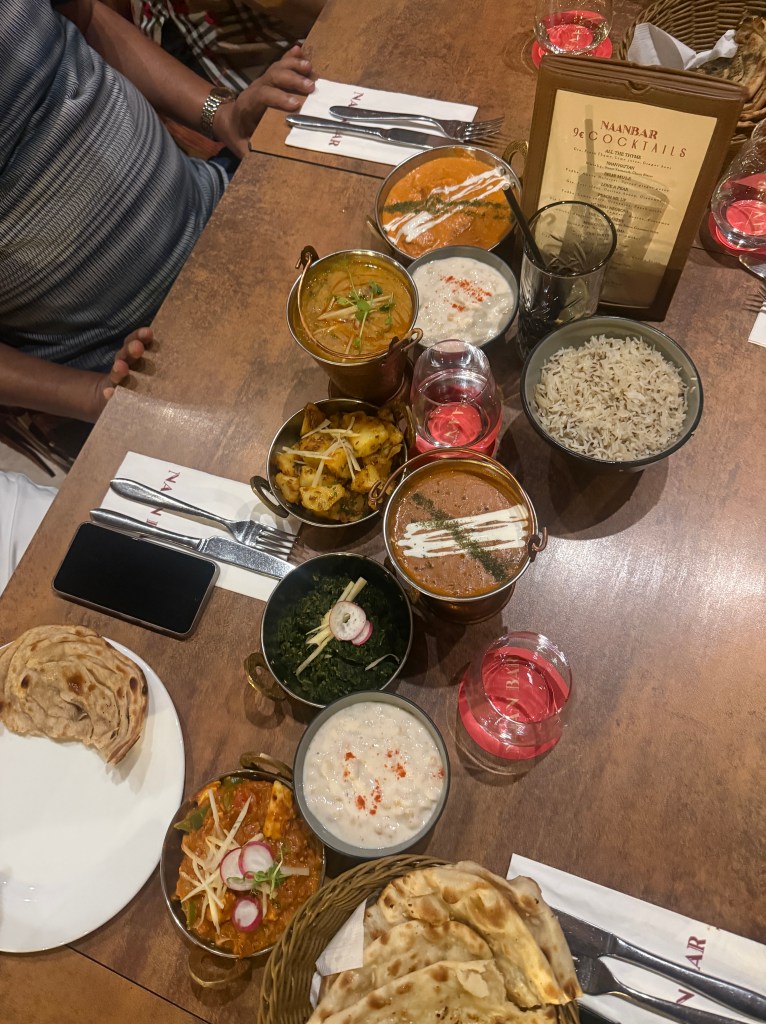
By evening we’d dressed up and headed to Kamy, a cocktail bar built entirely around famous paintings — each drink comes with a print of the artwork it’s named after actually printed onto a disc of foam floating on top, so you’re quite literally drinking underneath a tiny reproduction of the painting itself. It’s a gimmick that could easily have felt cheap and instead felt genuinely clever, glass after glass. Dinner ended up being Indian, at Naan Bar, purely because the cravings had kicked in by that point. What was ordered was Dal Makhani, Paneer Butter Masala, Aloo Jeera, Palak Saag and a selection of Breads. A very satisfying and fulfilling meal.
Day Two
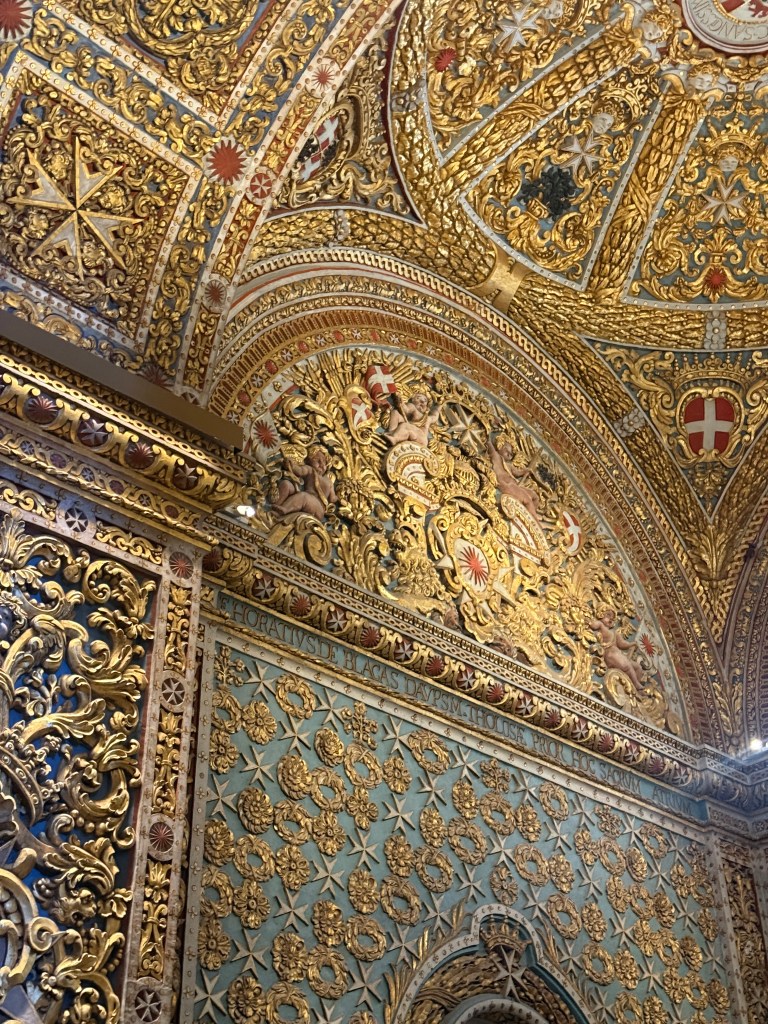
We were up at a reasonable hour and had breakfast at the hotel before heading out, to Upper Barrakka Gardens for the noon-day cannon, a daily ceremony where a single shot fires out over the Grand Harbour at exactly twelve o’clock, a tradition that dates back to when the cannon was used to mark the actual time of day for ships in port. From the gardens we headed to St John’s Co-Cathedral, ostensibly for the architecture but really for the painting — Caravaggio’s The Beheading of Saint John the Baptist, the only work the artist ever signed, painted while he was hiding out in Malta after fleeing a murder charge in Rome.The inside of the cathedral is almost overwhelming in itself, gilded from floor to ceiling, with a painted ceiling running the length of the nave and, underfoot, an entire floor made up of inlaid marble tombstones marking where individual knights are buried, each one carved with its own coat of arms and symbols. And then there is the Caravaggio museum, which traces his life story and also goes in detail about The Beheading of Saint John the Baptist.
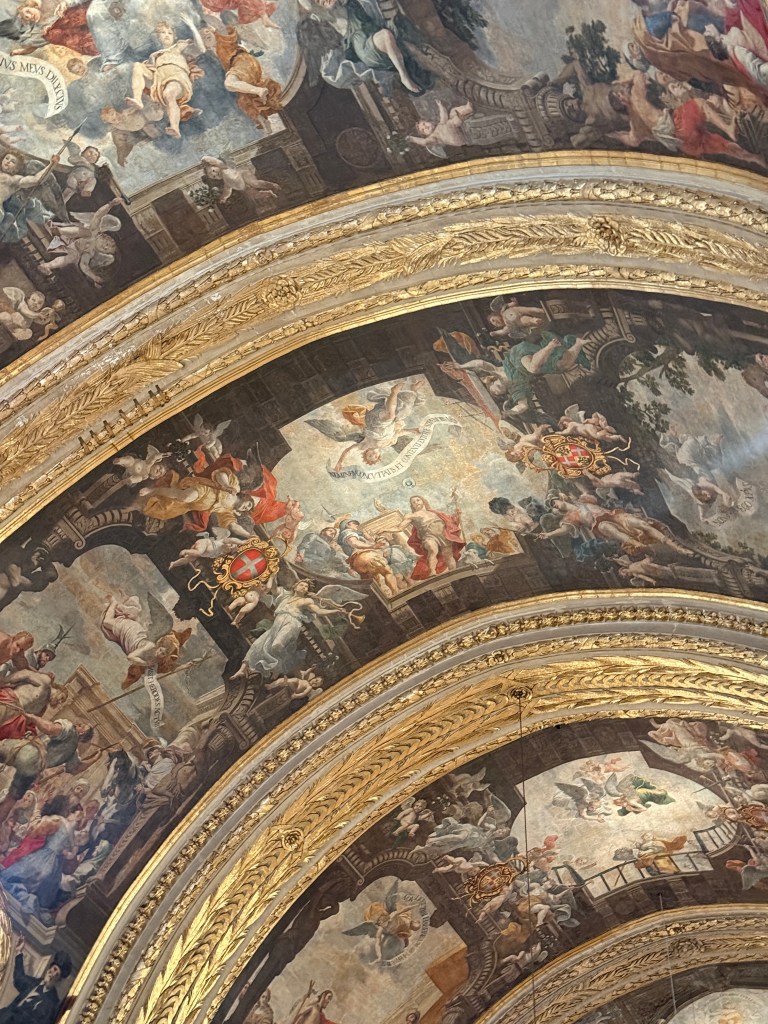
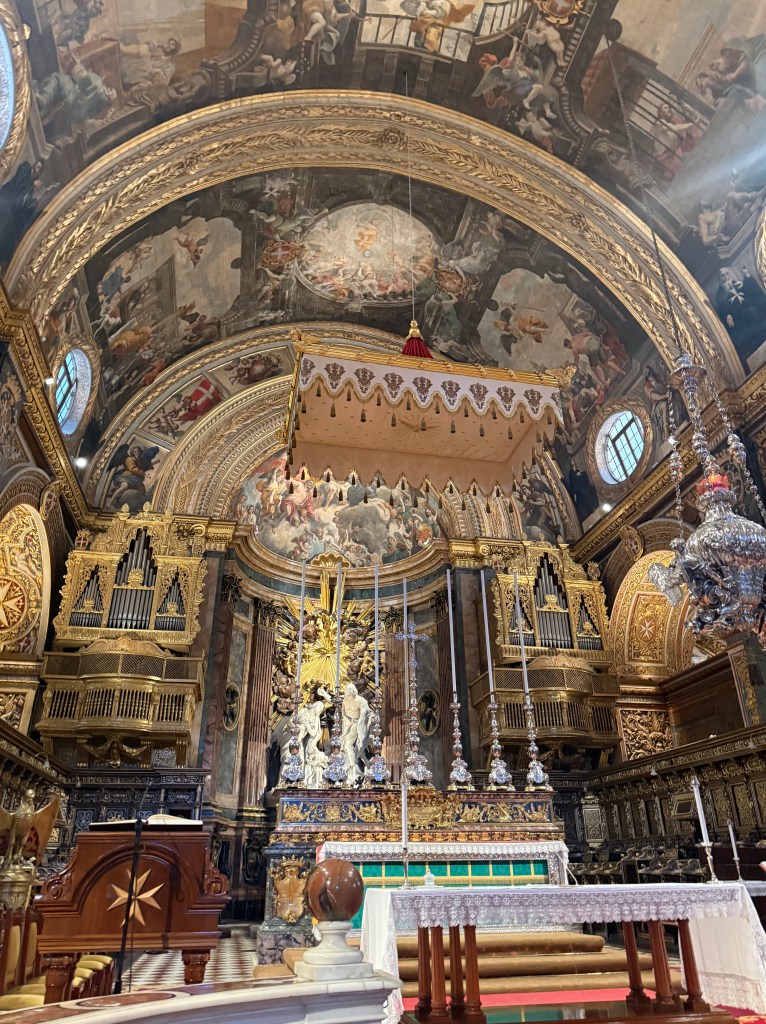
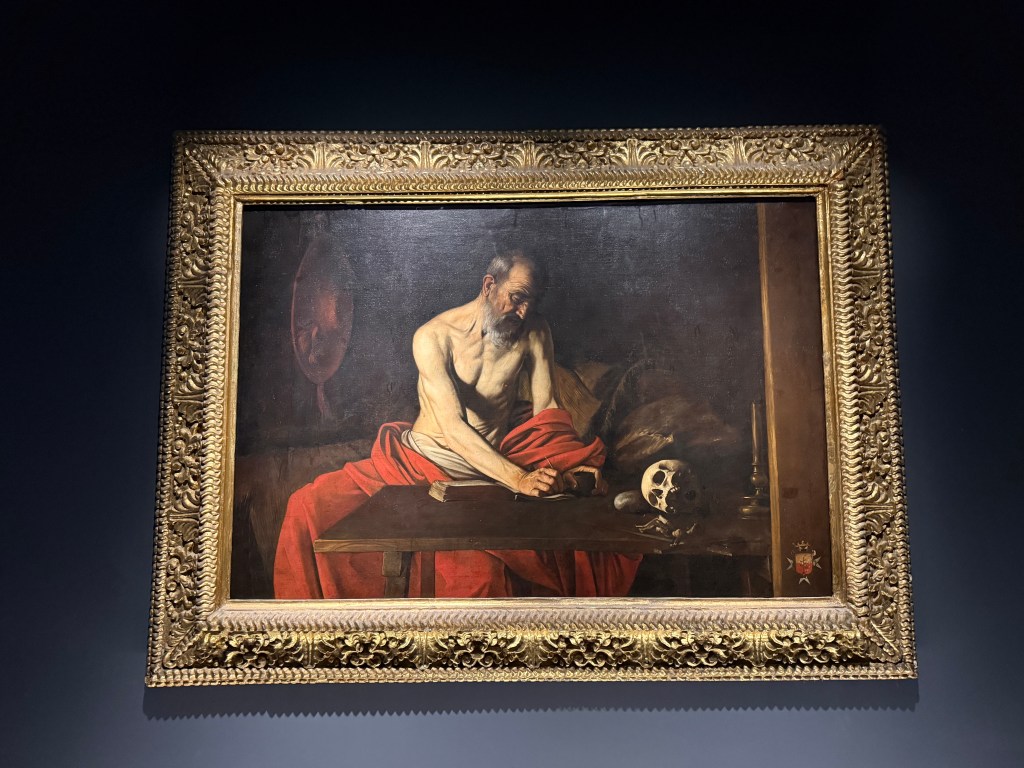
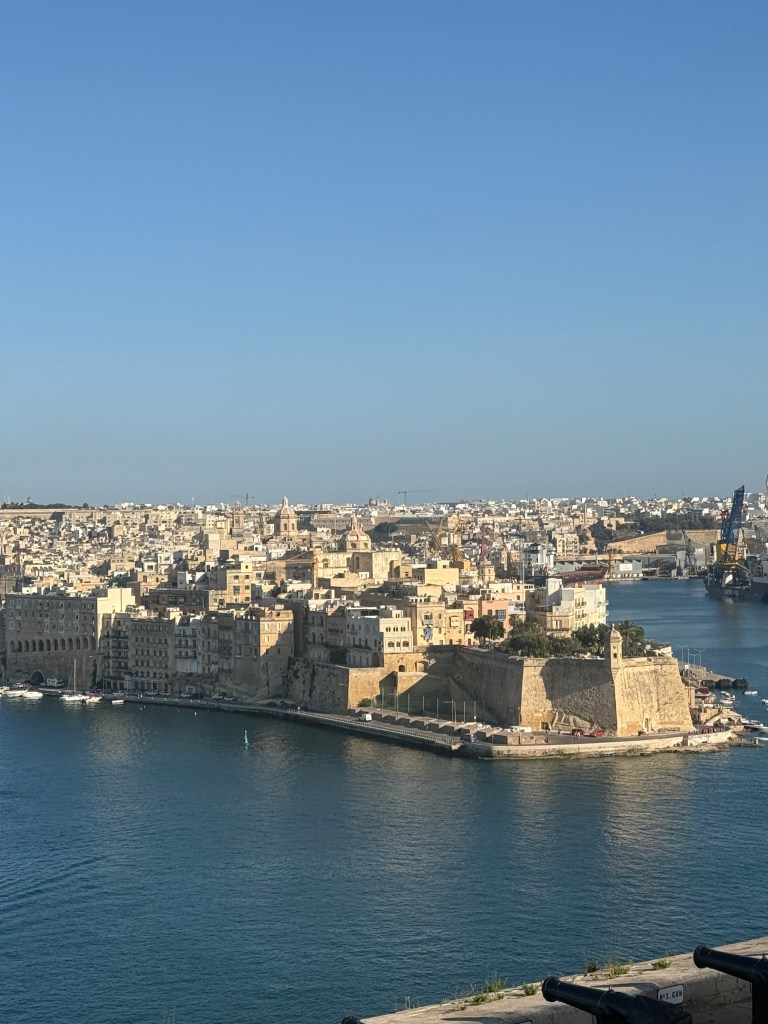
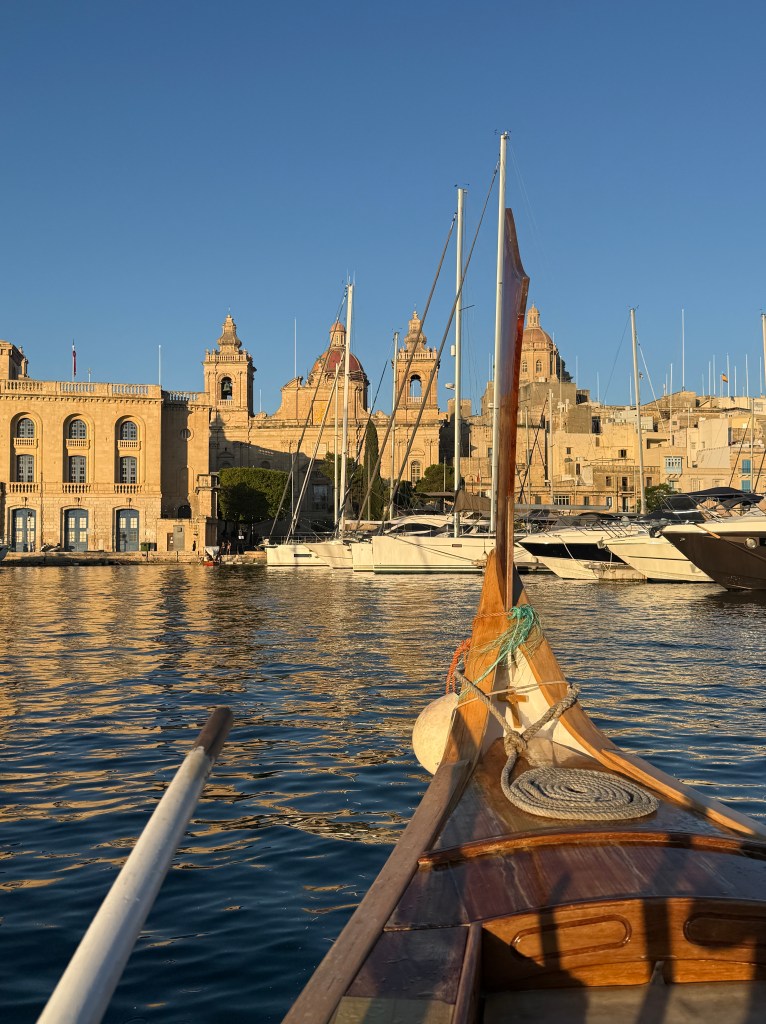
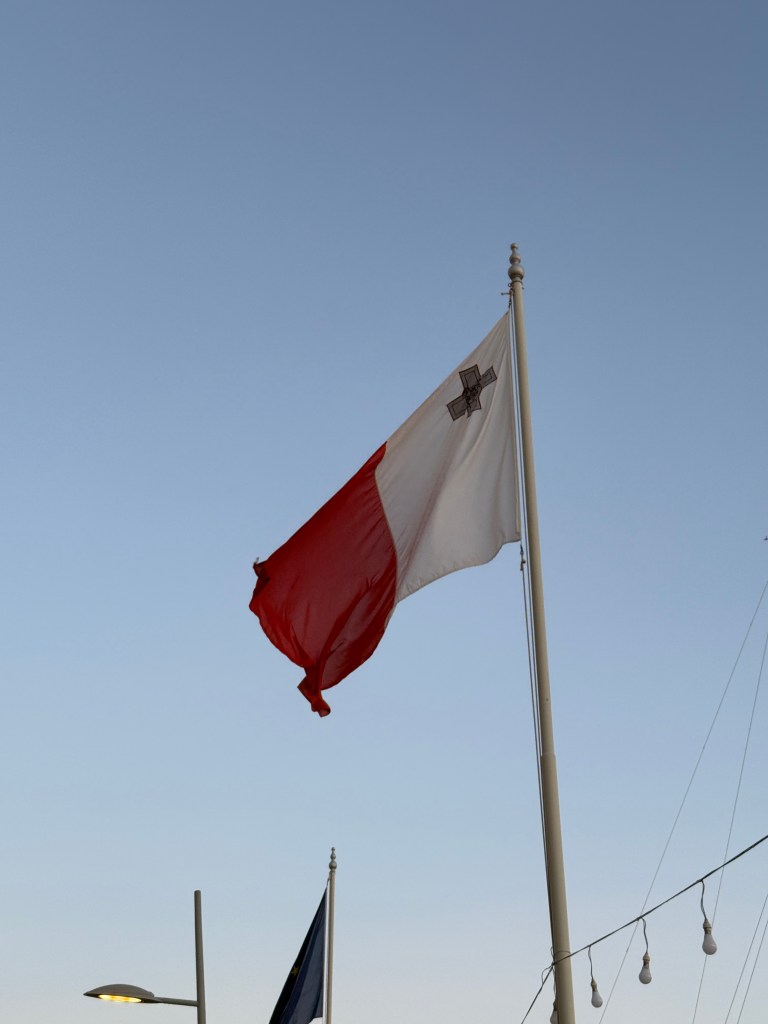
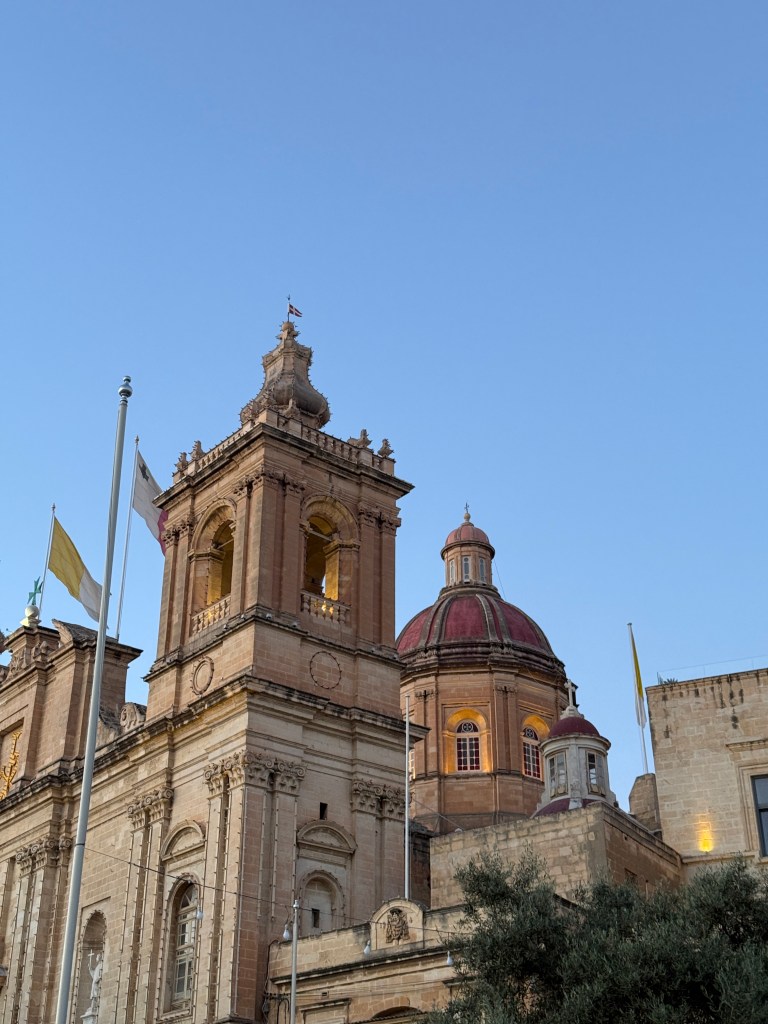
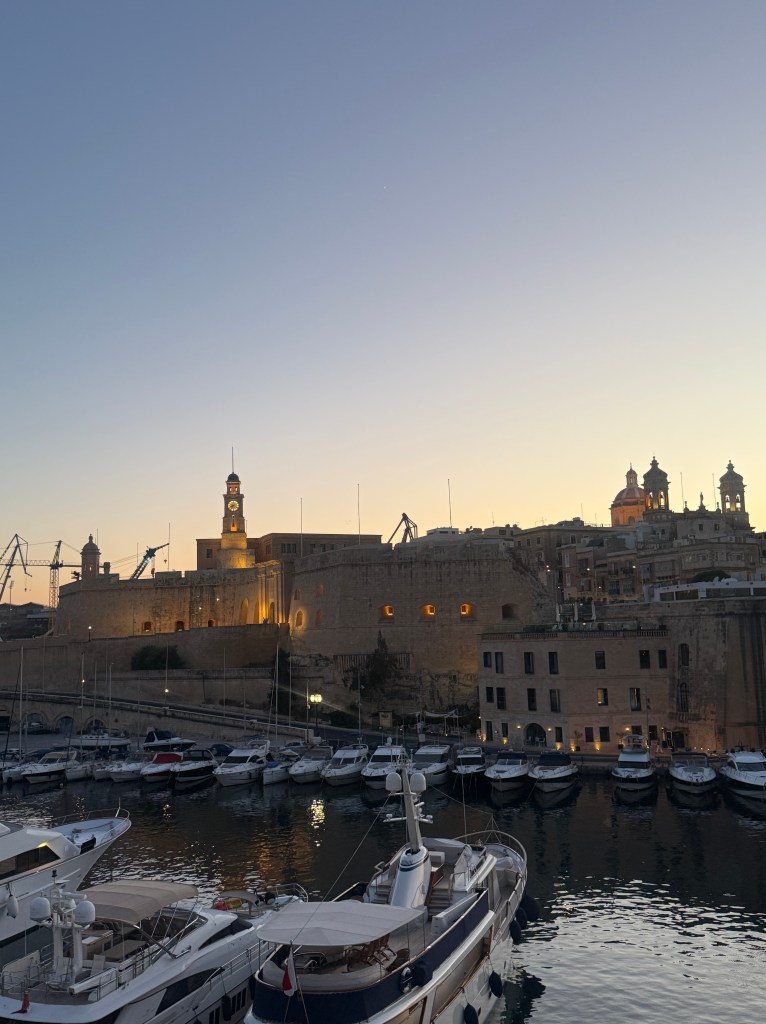
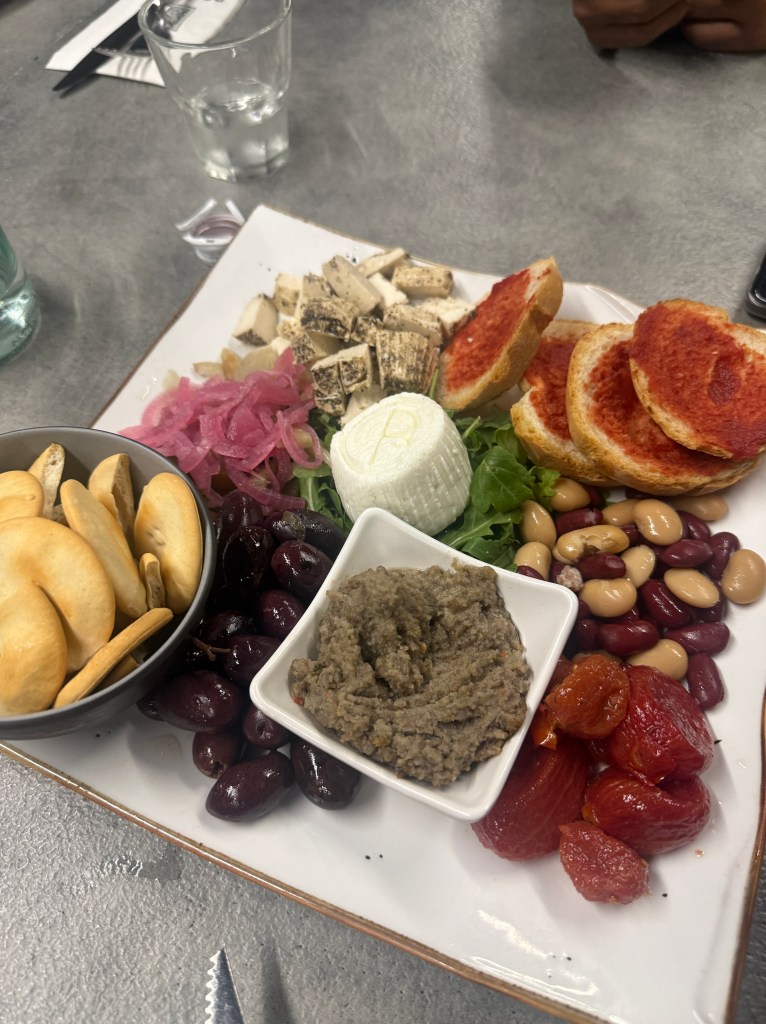
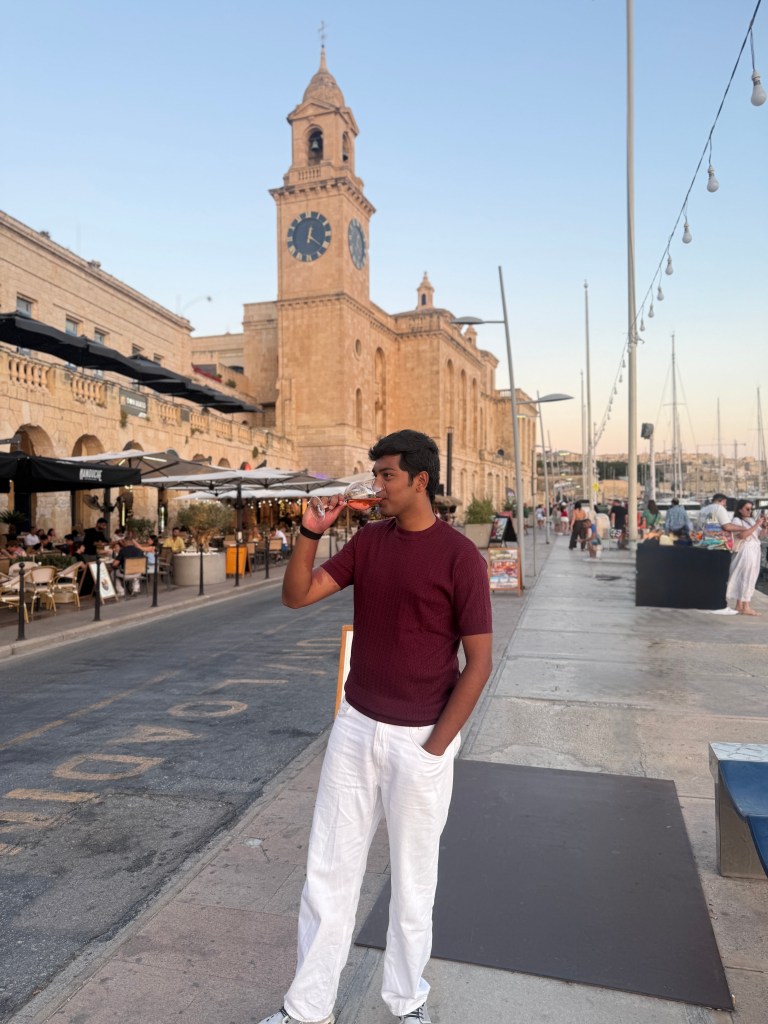
We spent the rest of the afternoon drifting rather than planning, some shopping along the main boulevard, a coffee stop at Lot61, and then, as the light started to soften, we walked down toward the waterfront, down a set of stairs to the little jetty where the boats leave from, and caught a dgħajsa across the Grand Harbour, the traditional, brightly painted Maltese boat that’s been ferrying people across this stretch of water — three euros a person, and worth every cent of it just for the view of Valletta’s bastions from water level as you pull away. We landed in Birgu, one of the Three Cities, a cluster of old fortified towns — Birgu, Senglea, and Cospicua — sitting across the harbour from Valletta and predating it by centuries, having served as the Knights of St John’s original stronghold before the capital was even built. Where Valletta feels grand and touristy to some extent, the Three Cities feel lived-in, quieter streets, laundry strung between balconies, and none of the crowds that pack Republic Street. We ducked into a local bar just in time to catch Argentina play Egypt in the World Cup, then wandered back out on foot to explore properly, and came away with some of the best photos of the whole trip, the light hitting the old stone just right as evening came in. Dinner was at Don Berto where we indulged in Maltese dips and some Pizza.
Day Three
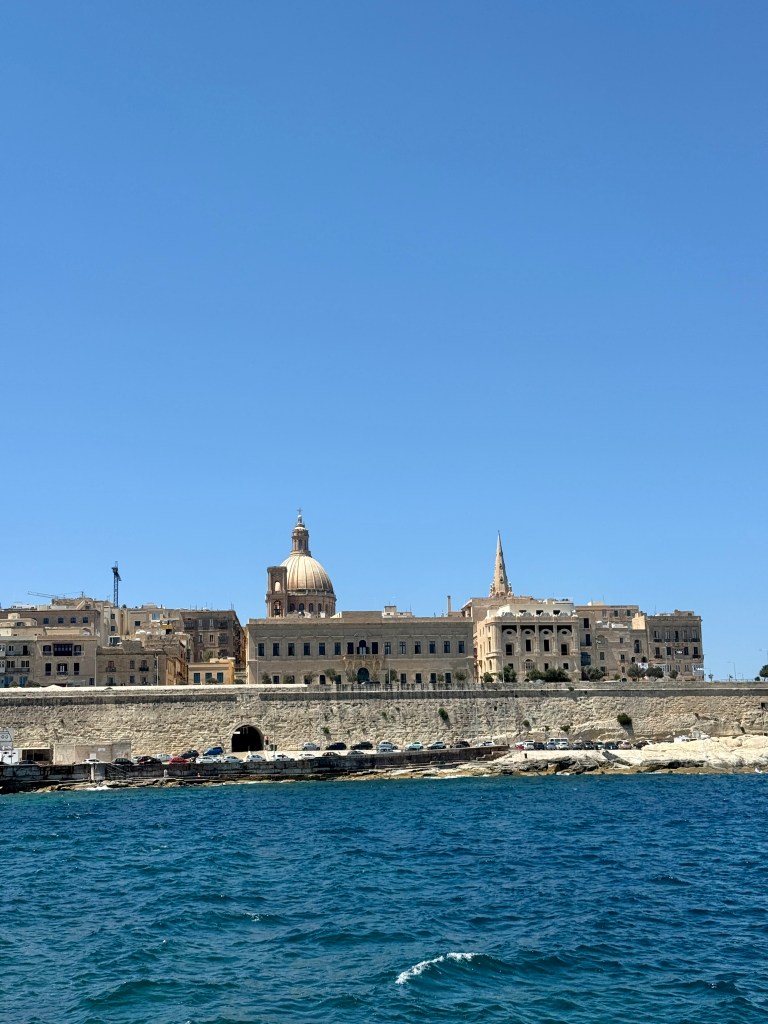
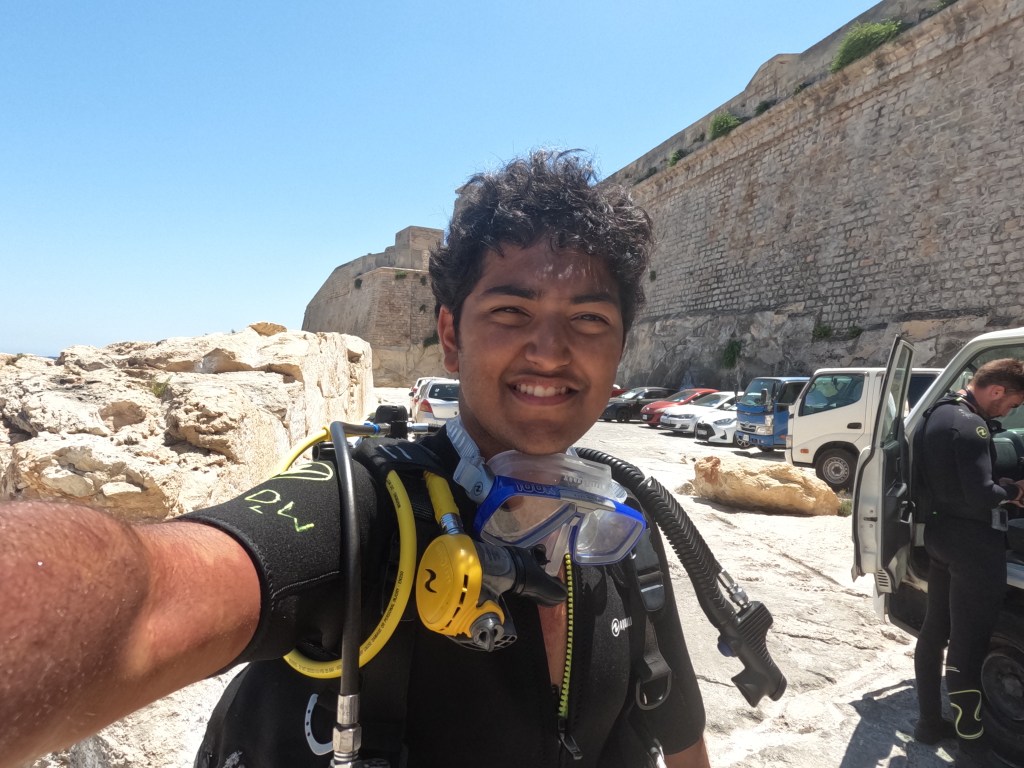
This was the day I disappeared underwater for a bit. I’d been diving with Divewise, a dive centre based out of the Westin Dragonara in St Julian’s, and genuinely one of the best I’ve dived with — good facility, well-kept gear, and staff who clearly knew what they were doing with years of experience behind them. The morning was a double dive, both shore dives straight off the coast — first an easy one on the house reef right by their base, then out to the wreck of the HMS Maori, a British destroyer that took damage in the Second World War and now lies broken apart on the seabed in Valletta’s harbour which overlooks Valletta in a grand view. Both were easy dives, nothing technical about either of them — the house reef is a shallow, straightforward shore dive that’s ideal for just easing into the day and controlling buoyancy, and the Maori sits at a maximum depth of around 15 to 16 metres, shallow enough to be one of the more beginner-friendly wreck dives in Malta despite being a genuine WWII warship and having decent wildlife too like seahorses, eels, sea bream and flying gurnards.
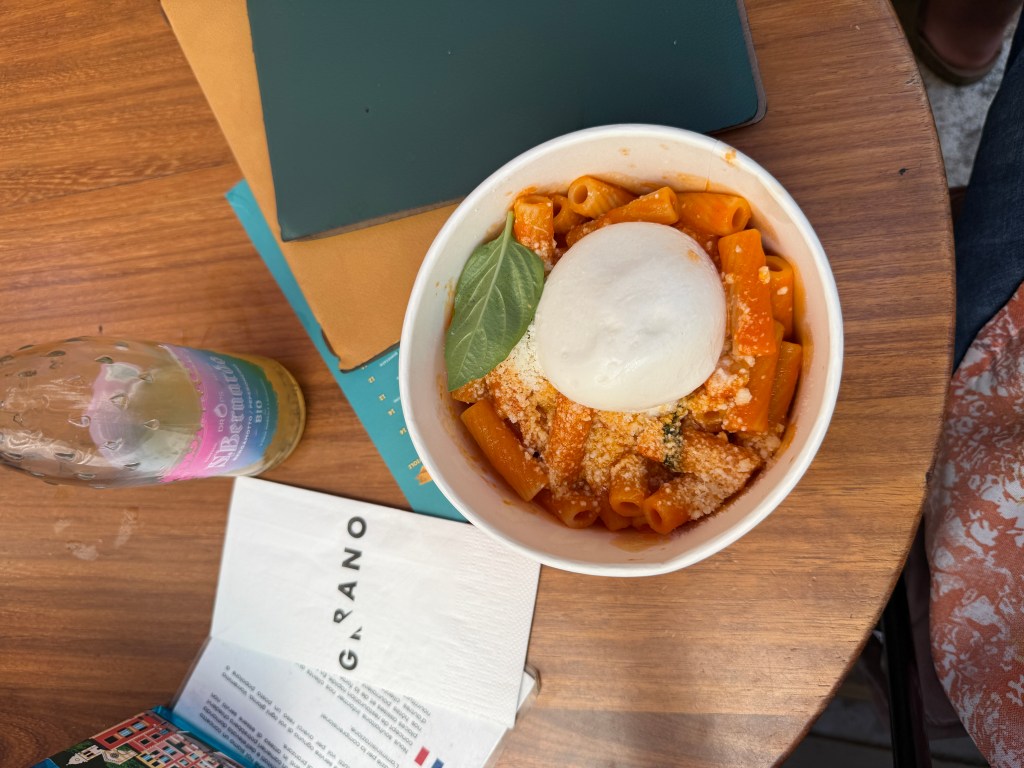
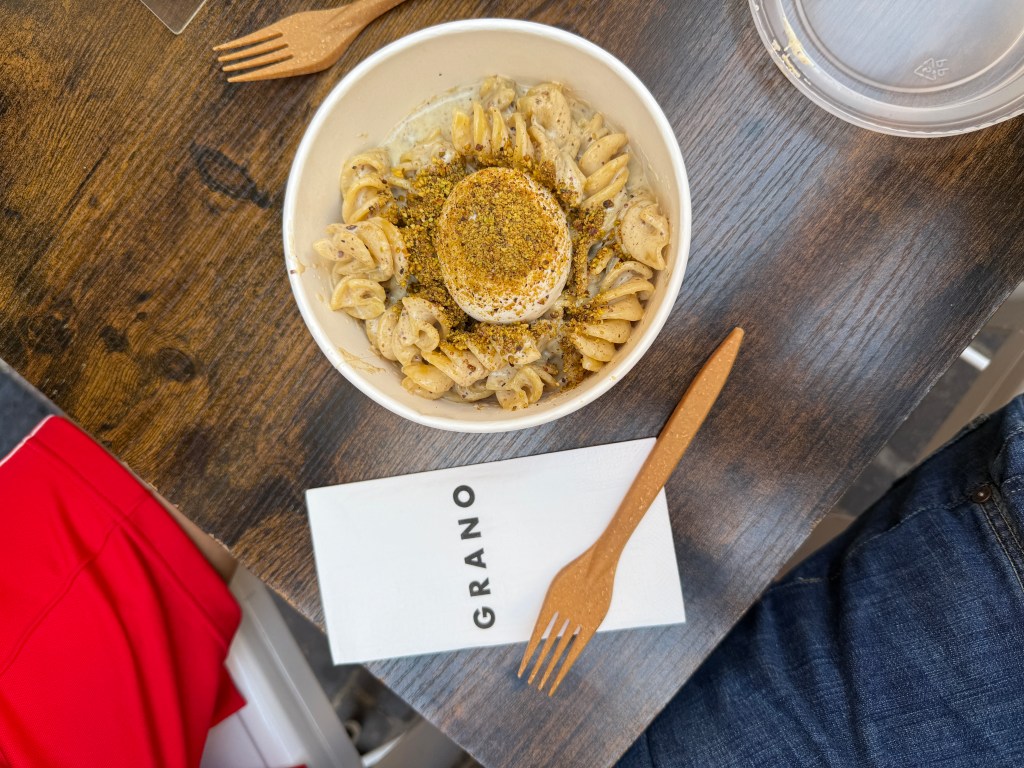
Everyone else had scattered off to do their own thing by lunchtime, so I ended up at Grano alone in Valetta which is a takeaway Pasta joint on the main street, which turned out to be no bad thing — rigatoni cooked properly al dente, tossed through a rich tomato sauce with burrata melting into it. It was so good I had to come back!
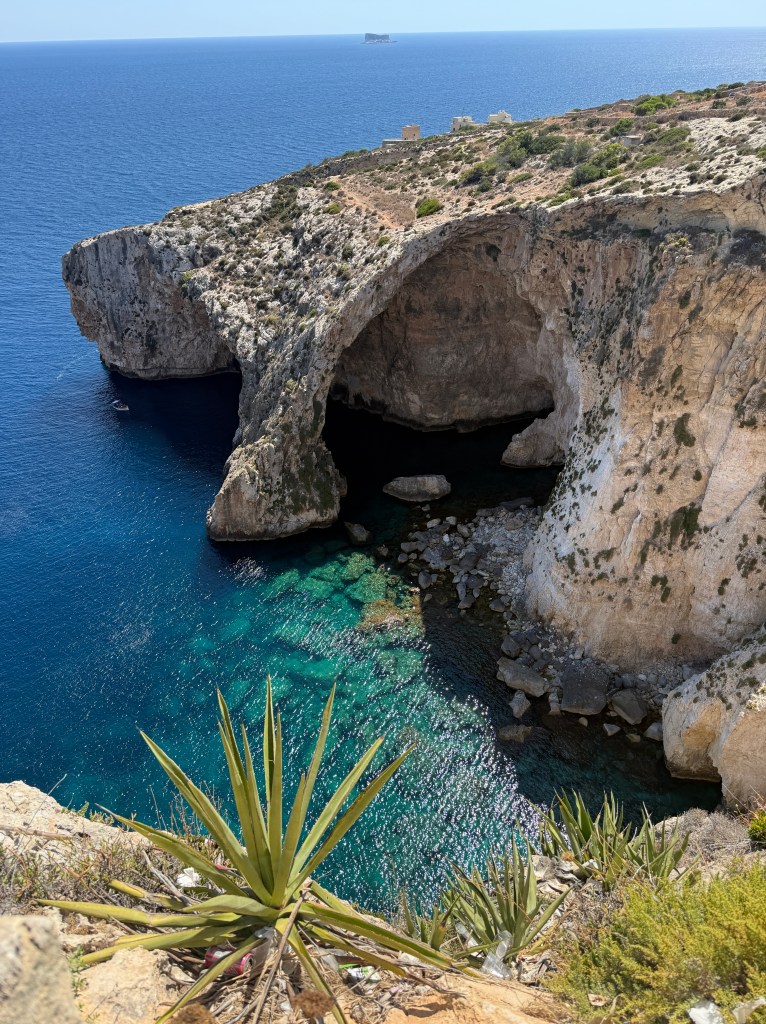
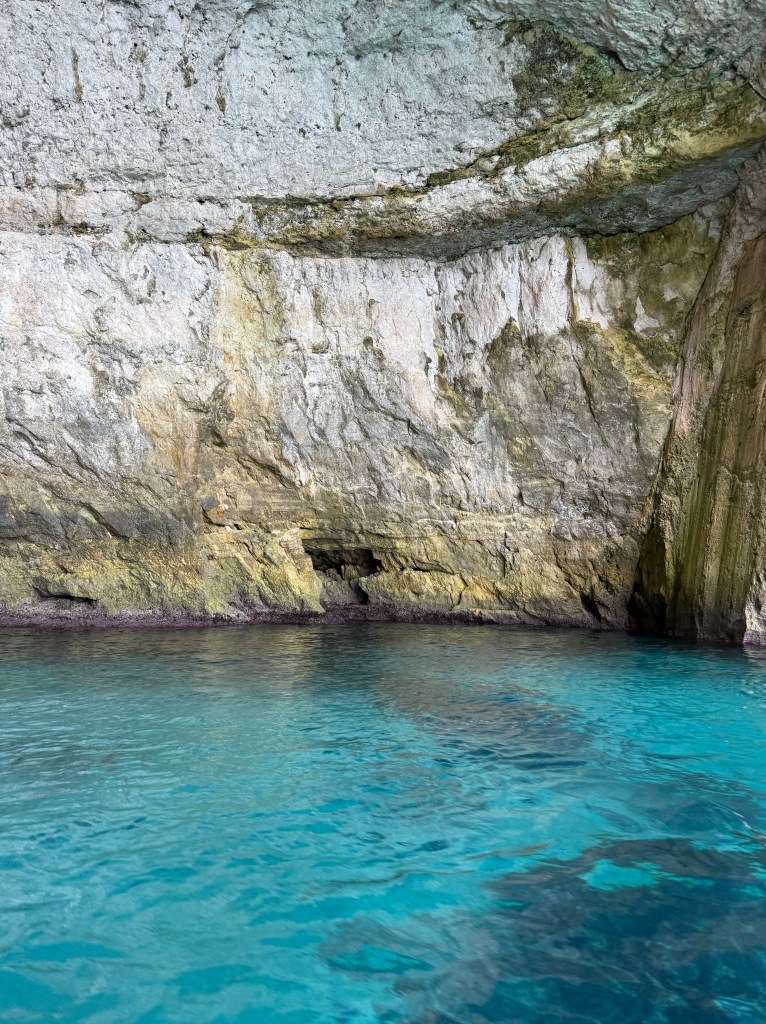
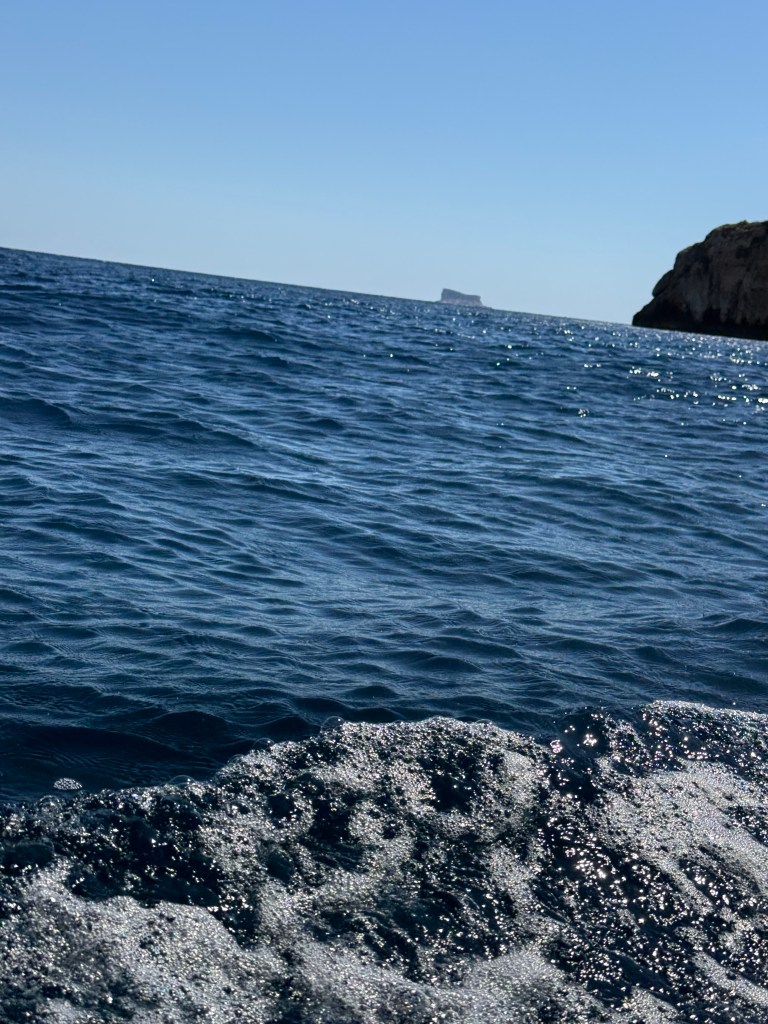
At three, the group reconvened and a private nine-seater picked us up for an afternoon along the southern coast, easy and unhurried, drifting from one view to the next. First stop was the Blue Grotto. We stopped at the clifftop viewpoint first, looking down at the caves and the water underneath, which really does shift between deep blue and a glowing turquoise depending on how the sun hits it. Then we went down to the water and took a twenty-minute boat ride through the caves themselves, weaving in and close enough. It was properly hot by then, so the first thing we did back on land was grab a cold iced tea, which might have tasted even better than the caves looked. From there we drove to Ħaġar Qim, one of Malta’s megalithic temples, and the sheer size of the slabs is what gets you first — some of them weigh several tonnes, and this whole thing was put together over five thousand years ago, before Stonehenge, before the pyramids, with no metal tools and no wheel involved anywhere in the process. We walked the site properly, read through the info boards to actually understand what we were looking at, and got a good view out over the coast from up there before heading back to the car.
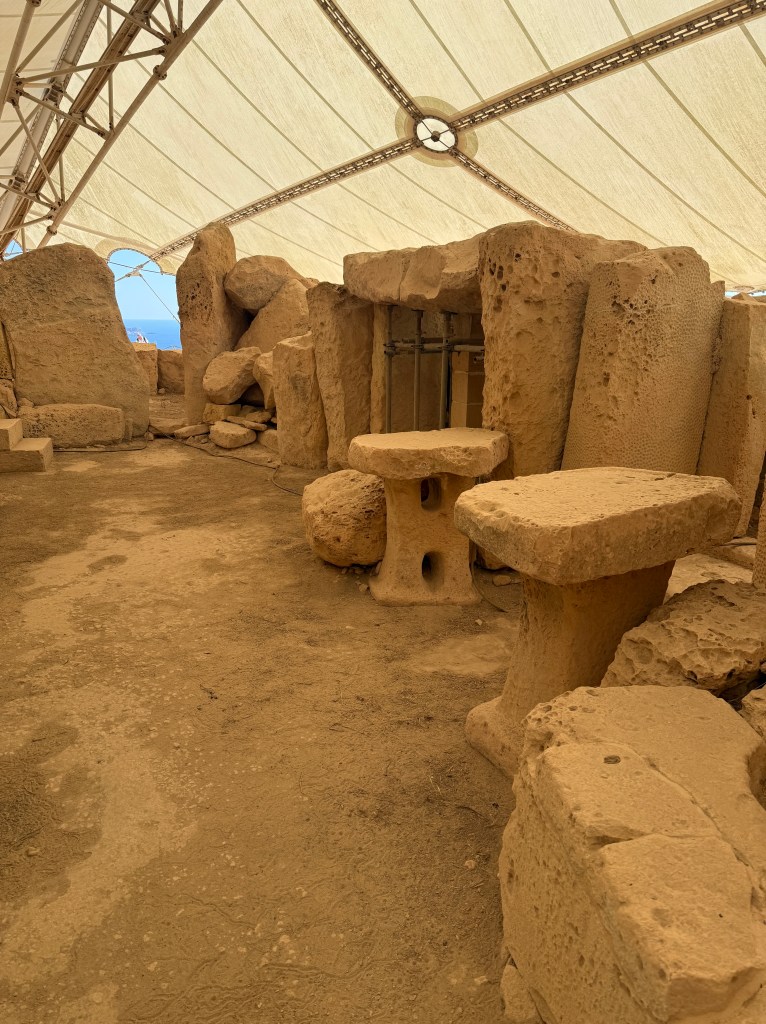
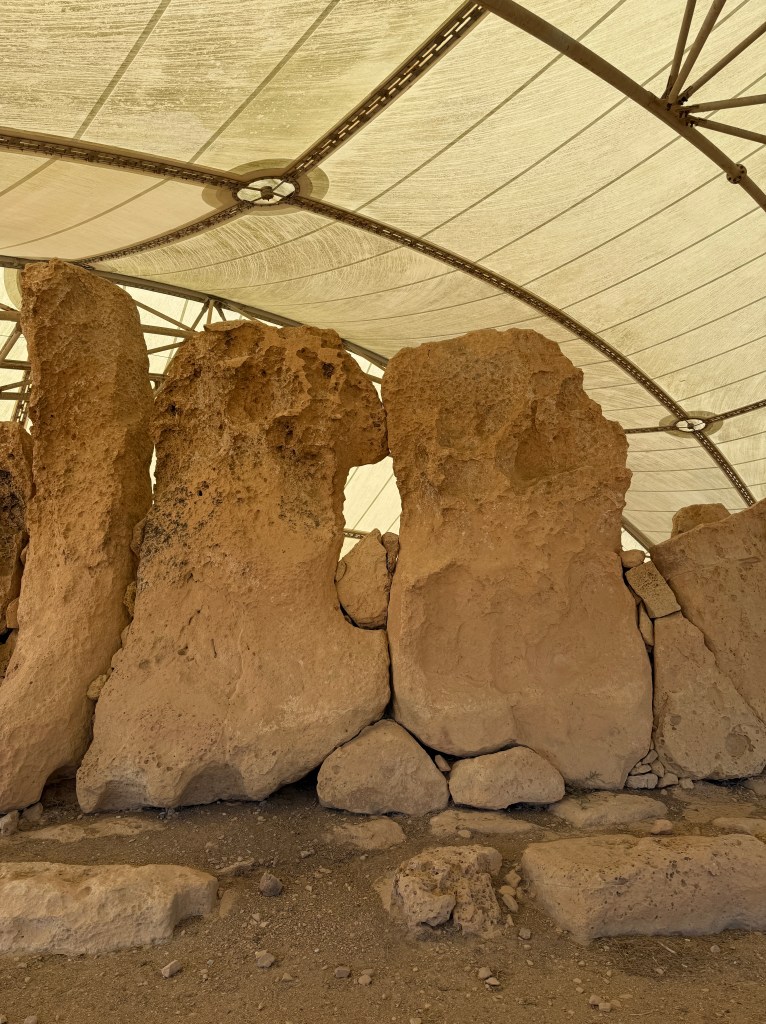
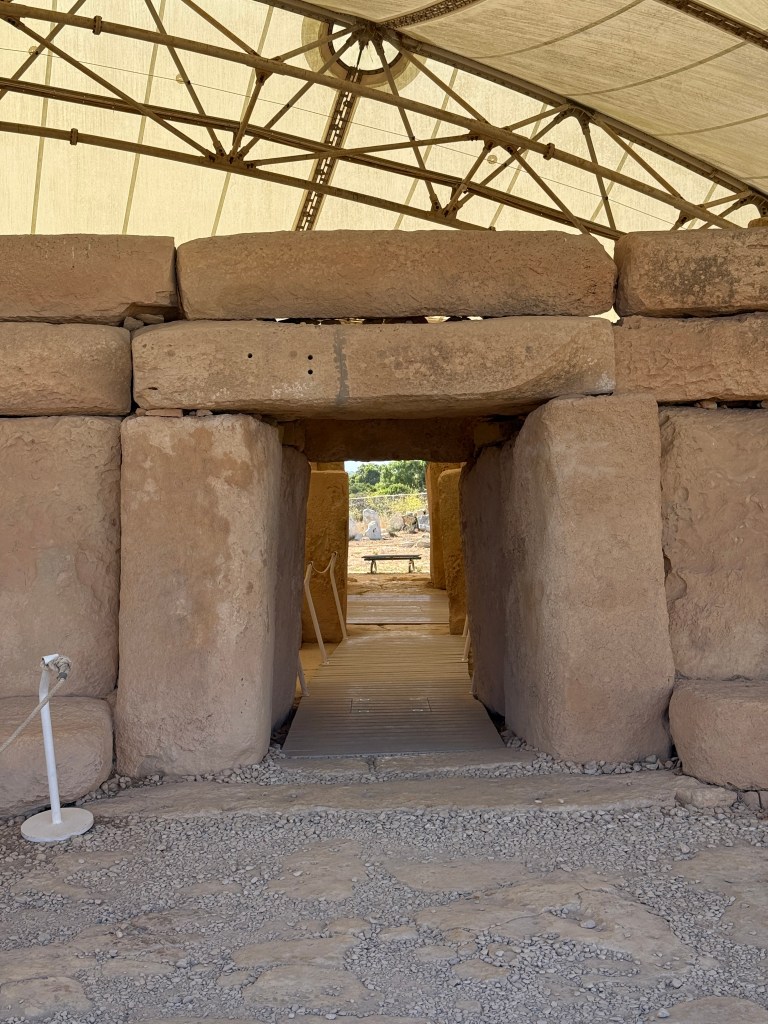
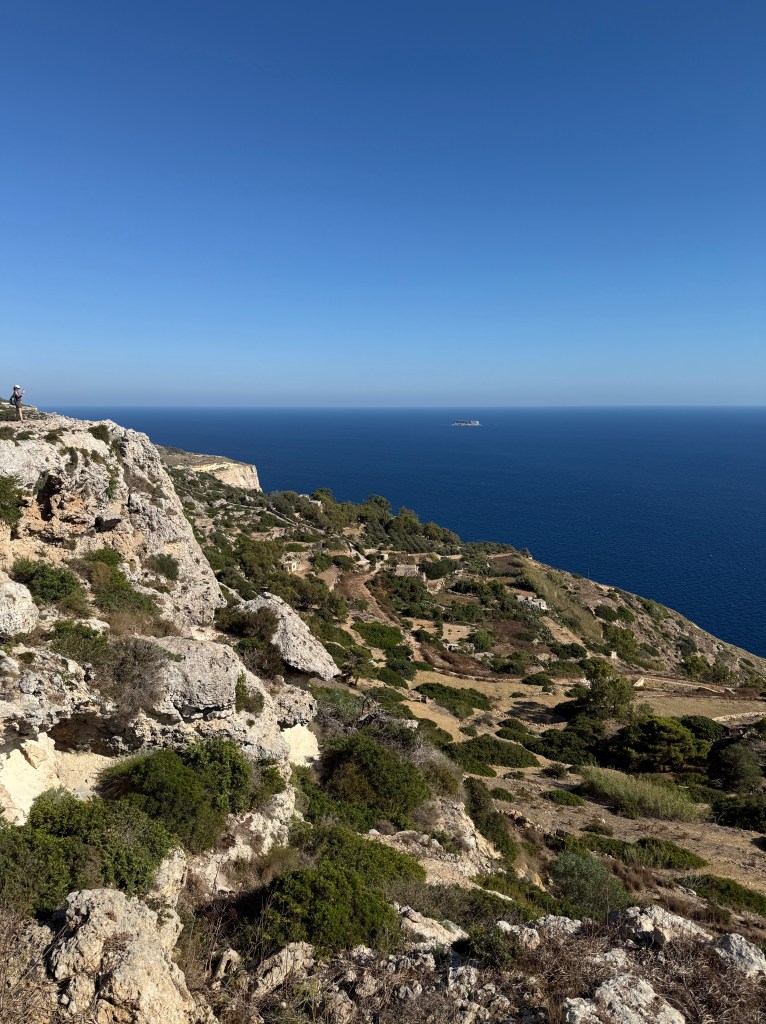
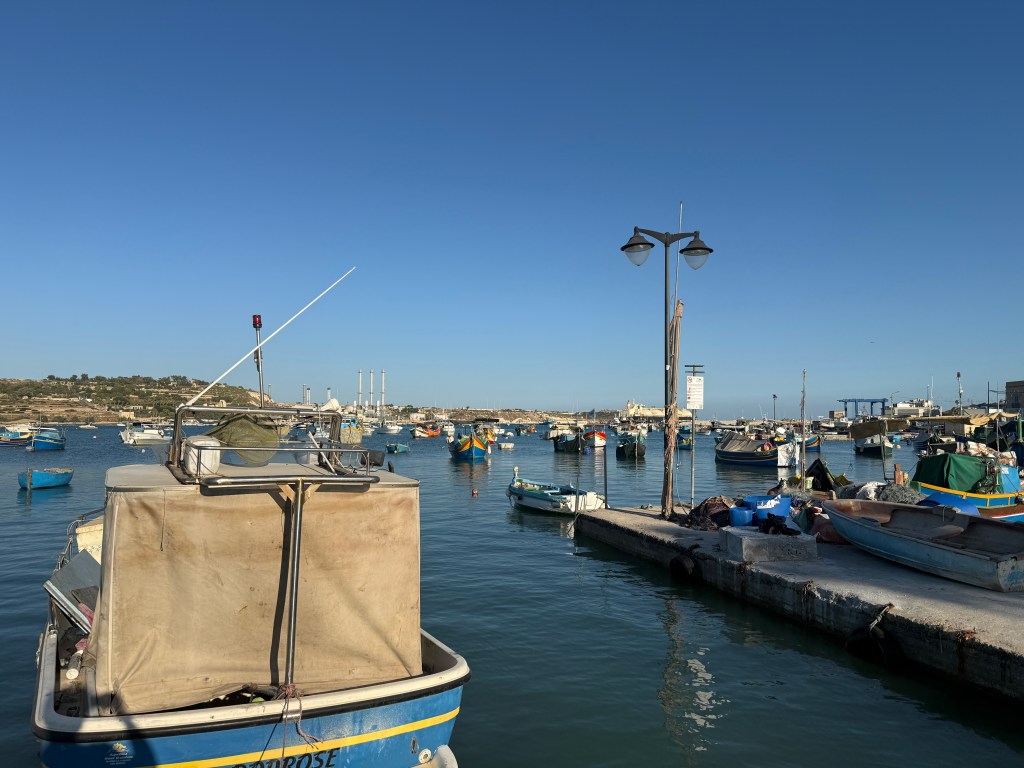
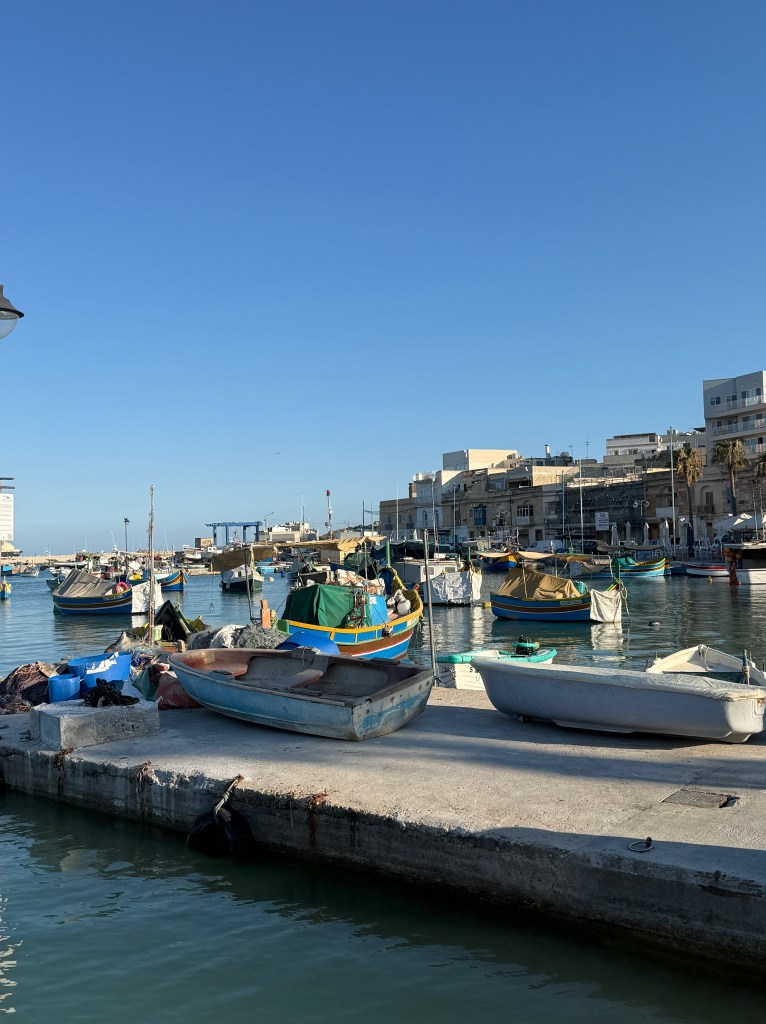
Next stop was Dingli Cliffs, which is simply the highest point in Malta, and there isn’t much to do there beyond get out and take in how far down the drop actually goes — we took a bunch of photos. By the time we reached Marsaxlokk, our final stop which is a fishing village, the afternoon light had turned golden, and we walked the length of the harbour looking at the luzzu boats lined up in a row of the same bright colours, each one with a pair of eyes painted on the bow, a local tradition that’s supposed to bring the boat luck out at sea. We grabbed ice cream at Sottozero and sat by the water eating it, watching the boats, which is basically all there is to do in Marsaxlokk before heading back to the capital.
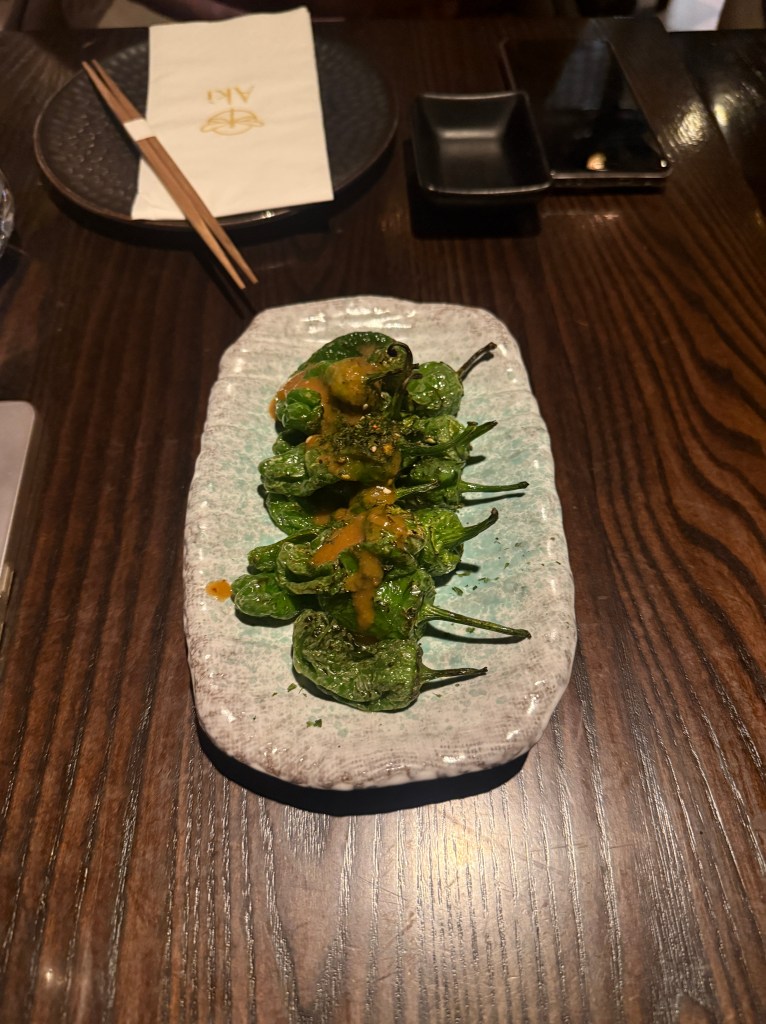
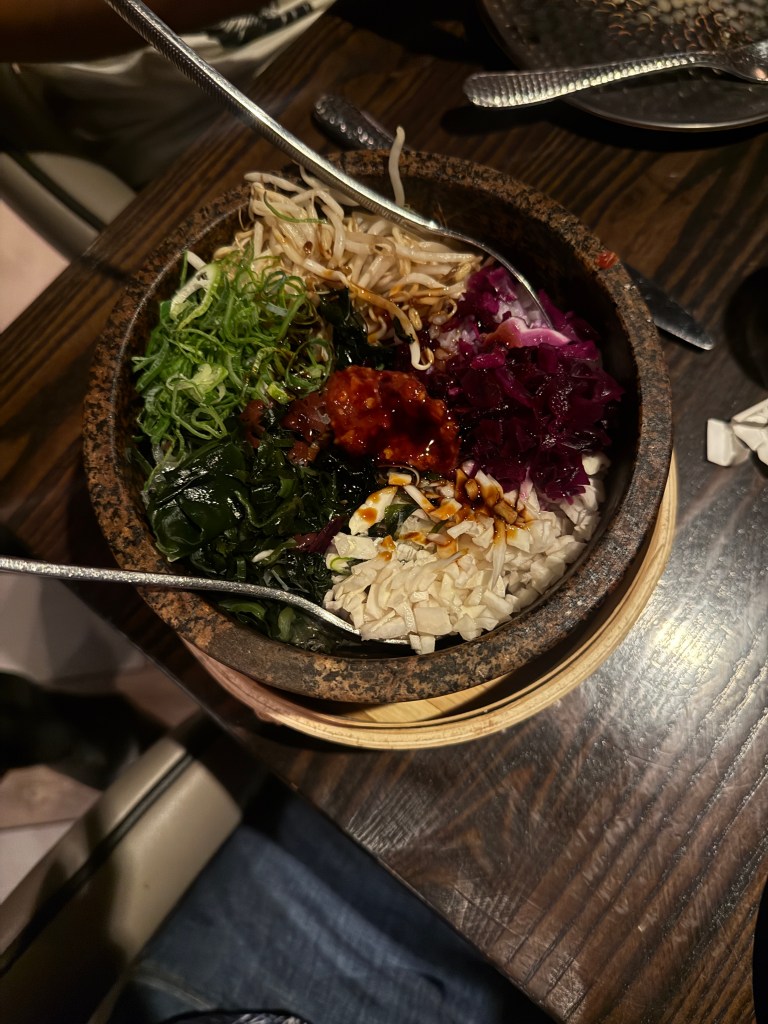
Back in Valletta, we freshened up and set out with no real plan, and somewhere in the middle of just roaming the streets we found ourselves craving something Asian, which is how we ended up at Aki. It turned out to be one of the better meals of the whole trip — padron peppers blistered and salted well, a spinach salad with a tangy and rich sesame dressing, a hotpot served in a donabe, and cocktails which were experimental with a japanese twist.
Day Four
By the time we actually got going, it was well past noon, and the day settled into a proper wander around Valletta with no fixed plan beyond eating our way through it. We picked up chocolates from Chocolate District, which does genuinely good local stuff rather than the usual tourist boxes, stopped at Coffee Circus Lisboa for a chai tea latte, and grabbed ice cream at Amorino a little later — between the three of them, that ended up counting as our lunch, bites collected here and there rather than a proper sit-down meal. Somewhere in the middle of all that we stopped for Aperol spritzes along Republic Street too, which felt like the correct way to spend an afternoon in a city this pretty. At some point we noticed a little tourist train that leaves from a stop just three minutes from our hotel, so we hopped on for the thirty-minute loop around the city, which turned out to be a good way to see Valletta from a different angle, with a running commentary on the history of the streets and buildings we’d been walking past all week without really knowing what we were looking at.
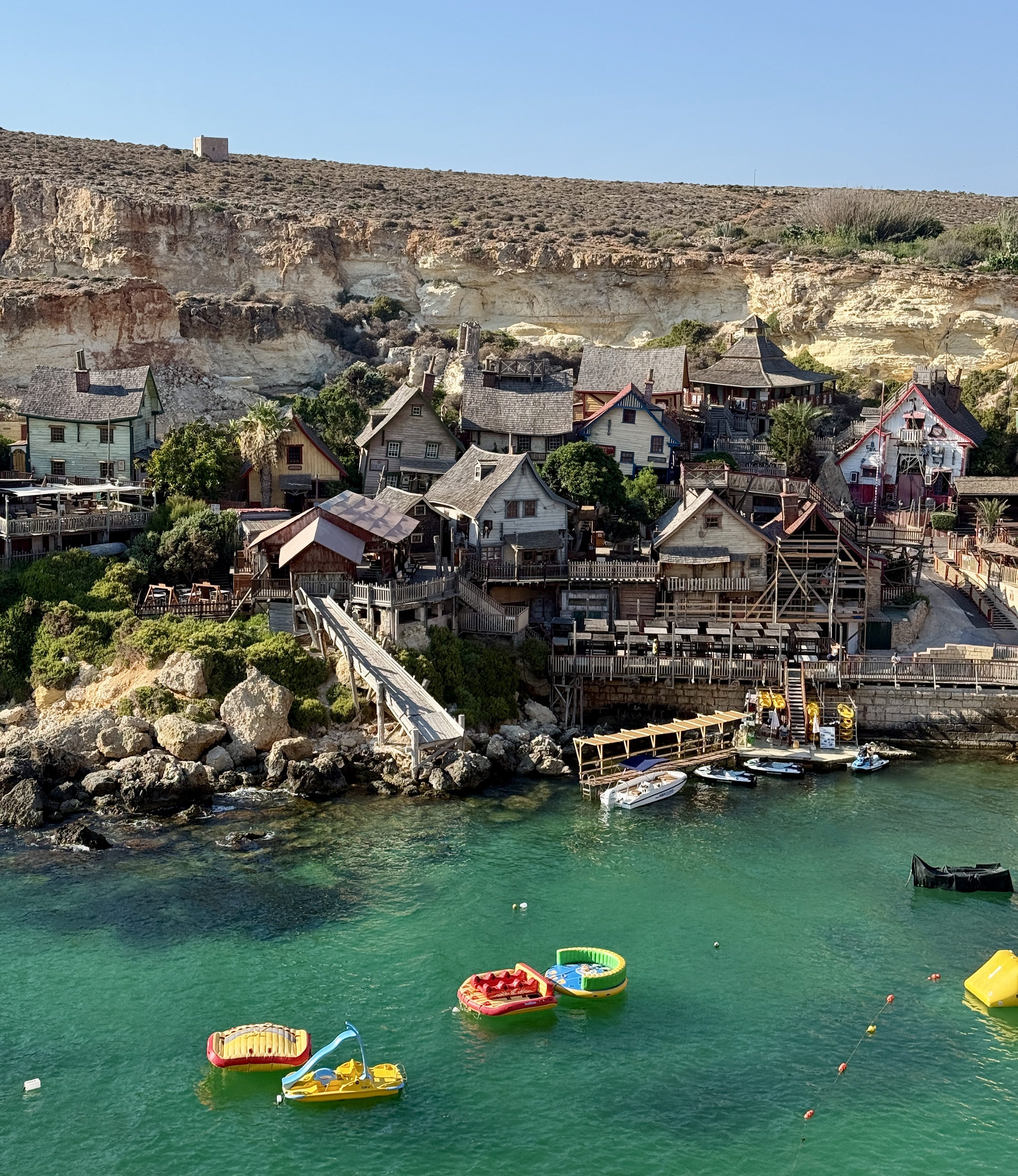
From there we drove out to Popeye Village, though we only took it in from the viewpoint above rather than walking through it — even from a distance it’s a charming little sight, the entire film set built for the 1980 Robin Williams movie, nineteen wooden houses perched on a cliff above Anchor Bay, weathered by decades of sea air but still standing. We drove on to Mellieħa Bay after that, the largest sandy beach on the island and an easy, family-friendly stretch of shallow, calm water, exactly the kind of beach you want after a few days of clifftops and boat rides rather than actual swimming. Just off the shore was WibiT, an inflatable water park anchored out in the bay — a floating obstacle course of slides, trampolines, and climbing frames that you pay to get out onto for an hour or so, and we spent a good chunk of the afternoon bouncing between them and generally falling in the sea left and right. We ended the day at Wagamama in St Julian’s for some Katsu Curry, then walked along the harbour there for a while. If Valletta is old stone, grandeur, and history, St Julian’s is the opposite of all that — glass, neon, restaurants and bars stacked along the water, built entirely for evenings out rather than sightseeing, showing that Malta isn’t just Valletta and history. We’d also asked the hotel beforehand to decorate our room to mark my sister’s birthday, and they’d done it quietly while we were out, so we walked back in right at midnight to find it all set up. The whole family crowded into the room for a bit and we celebrated the day by cutting a sacher torte from Café Cordina.
Day Five
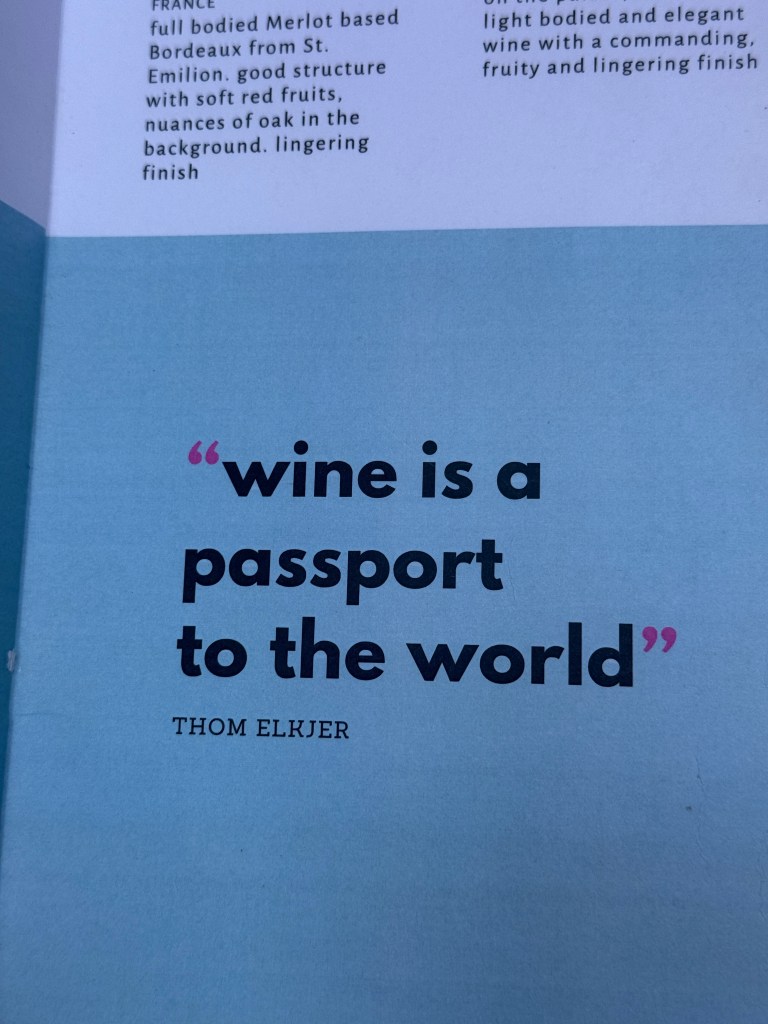
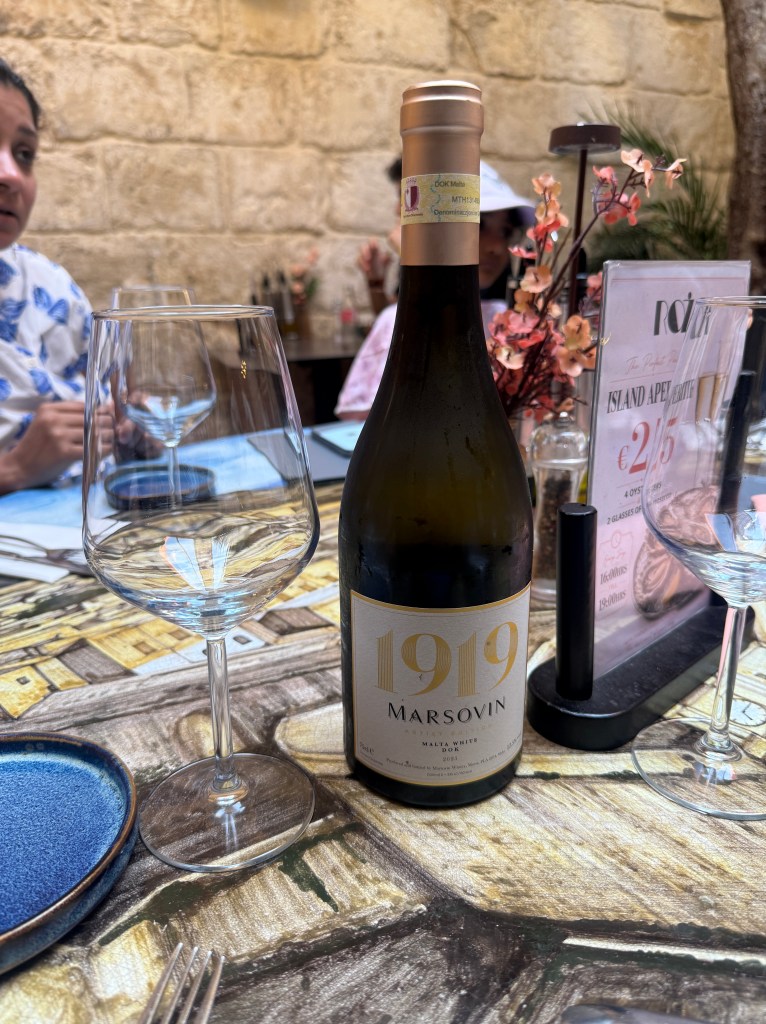
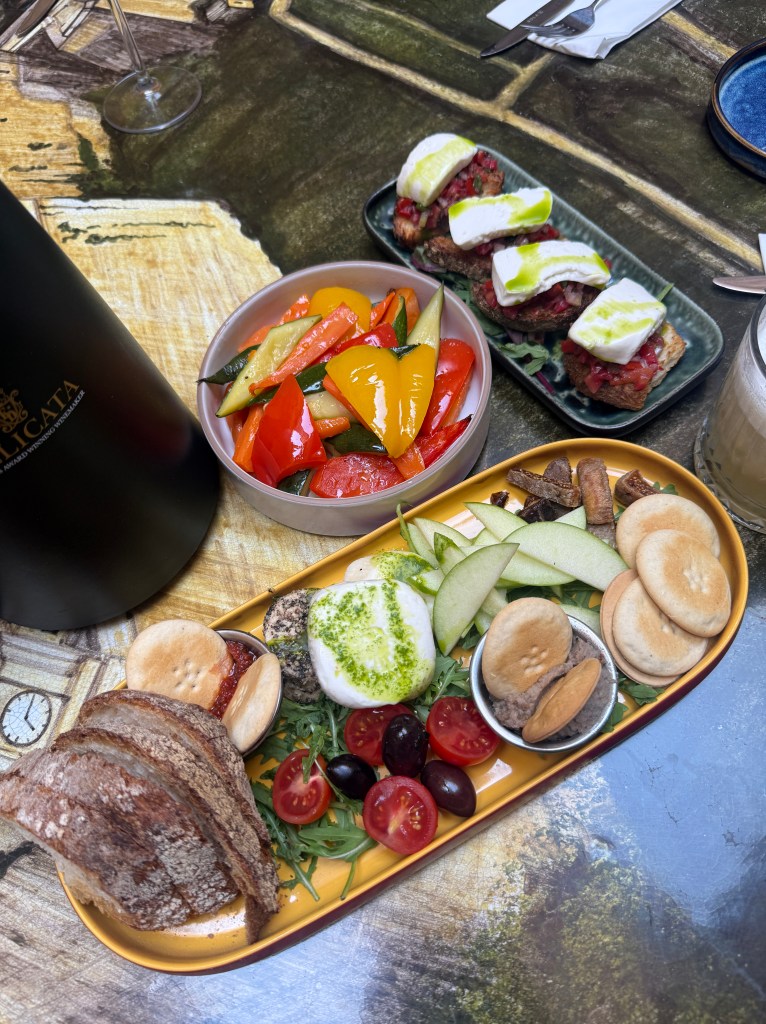
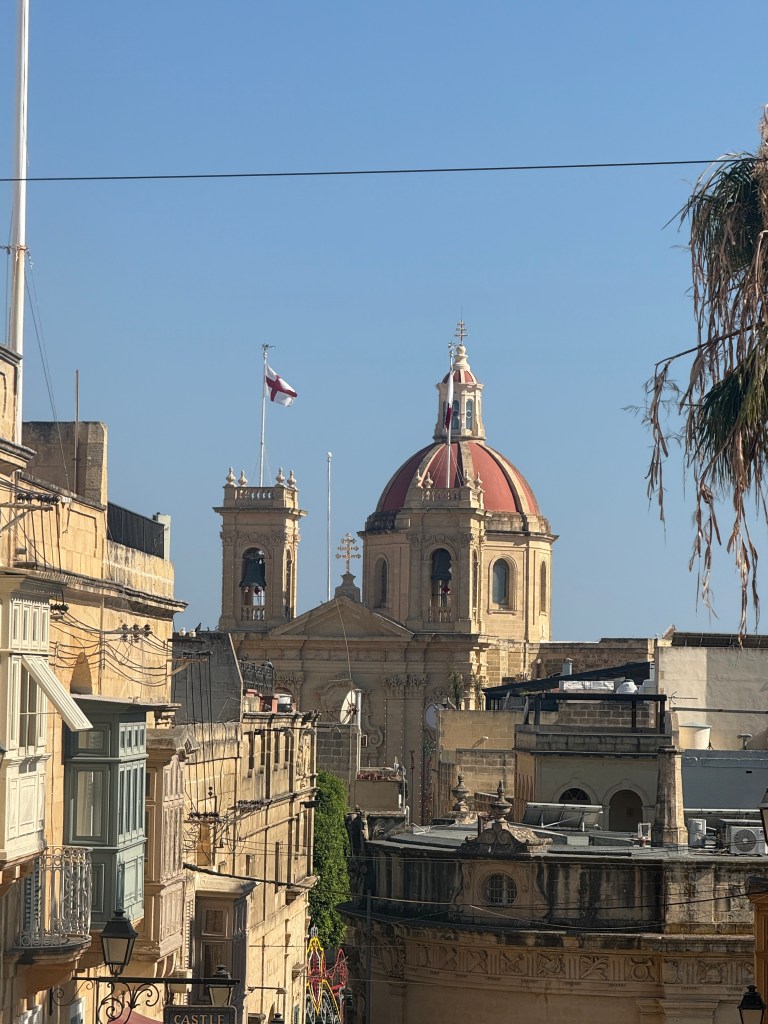
We took the ferry over to Gozo at 11am, and once we docked, grabbed a cab into the town centre. Gozo feels noticeably different from Malta the moment you’re driving through it, greener and quieter, rolling farmland and old stone farmhouses instead of Valletta’s tight baroque streets. We started at Vicky’s for a proper pour-over coffee, then made our way to Roza for lunch, an open terrace spot with a good view over the surrounding countryside. It happened to be my sister’s birthday, so we ordered a bottle of wine in her name, and once it was finished we signed the cork and kept it, which is a small, slightly ridiculous ritual but one that’s stuck with us across a few trips now. Lunch itself ran long in the best way, a Gozo cheese platter, cauliflower curry, and risotto. Afterward we walked up to the Citadel in Victoria, the old fortified town sitting above everything else on the island, wandered around the walls and got a good look at the views over Gozo from up there, then made our way back down through some shopping and, inevitably, a second round of iced pour-over at Vicky’s.
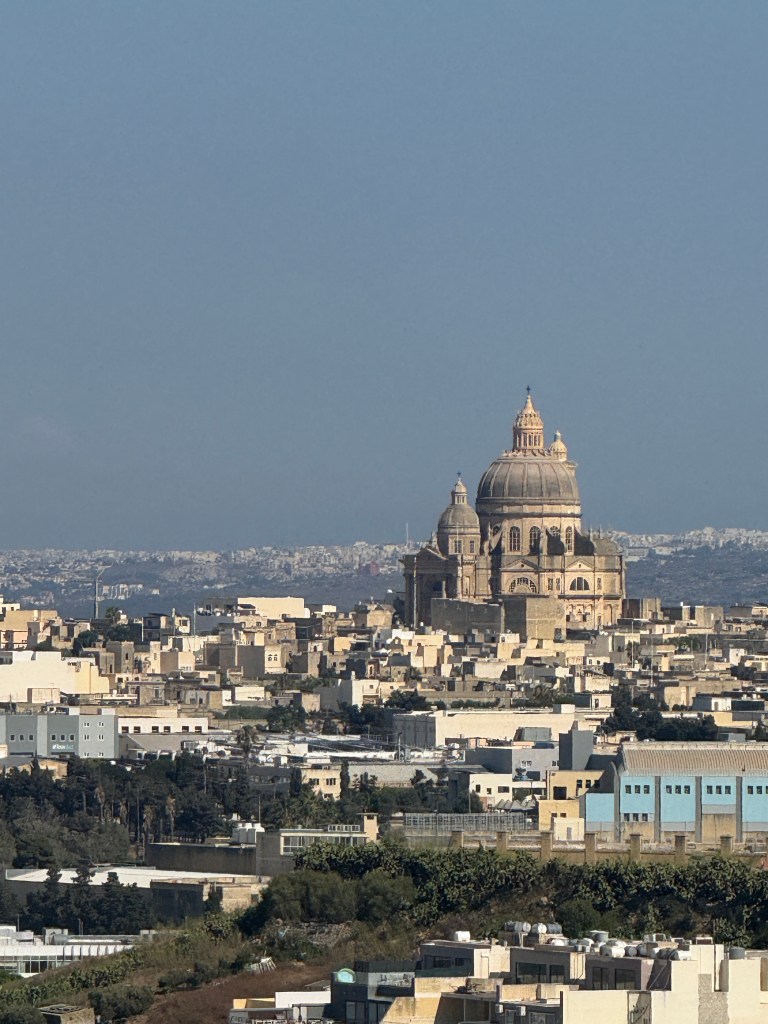
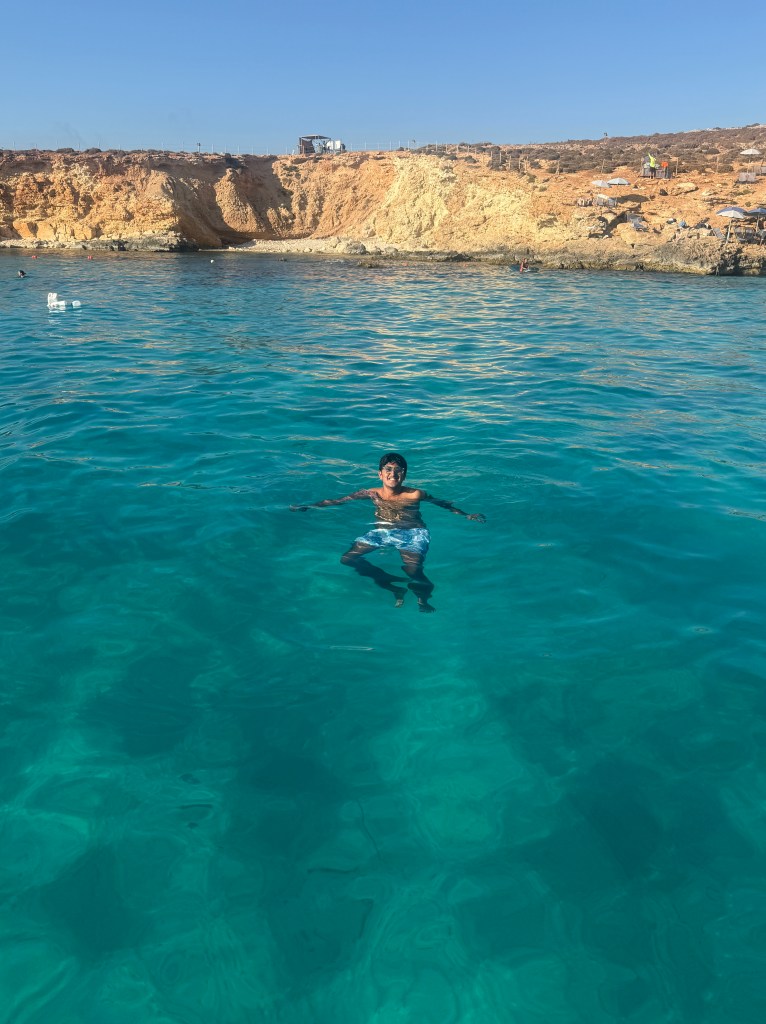
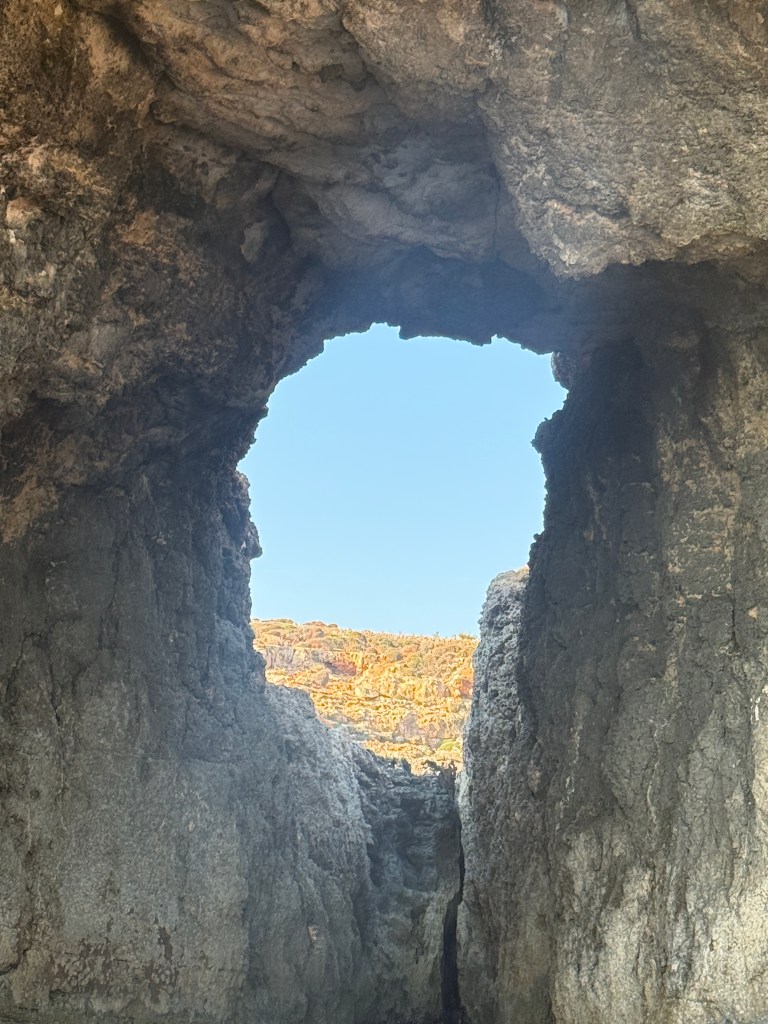
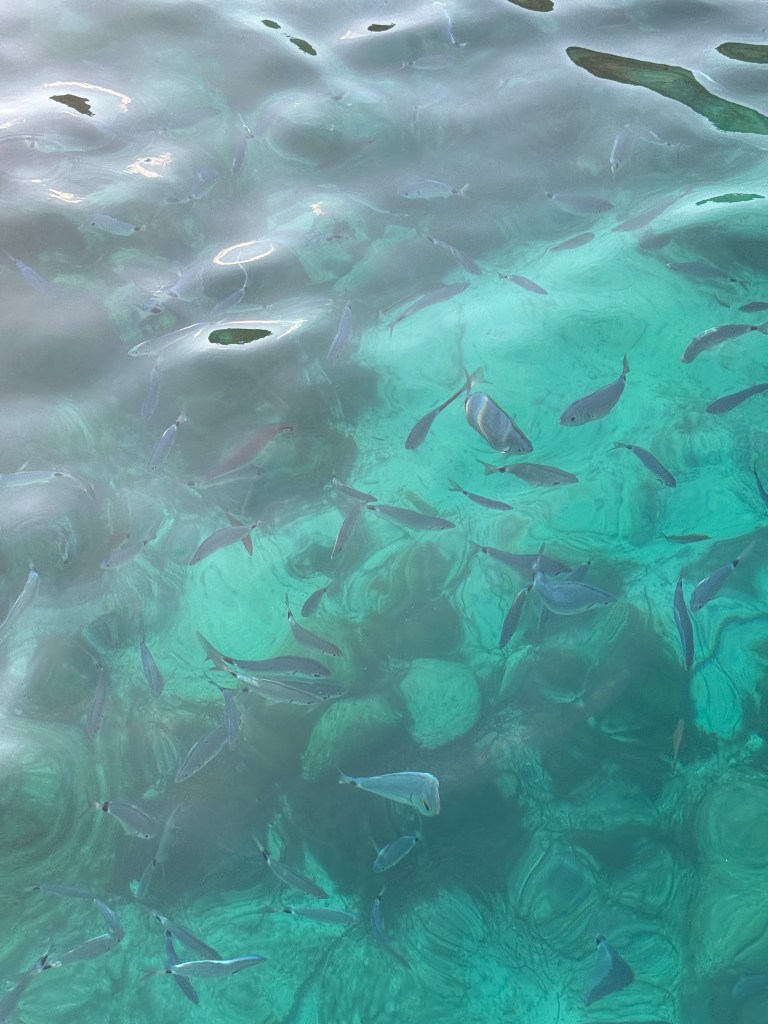
From Gozo we took a private boat out to Comino, a tiny island between Malta and Gozo that’s almost entirely uninhabited, just a handful of buildings and a lot of bare rock, and the reason everyone makes the trip out is the Blue Lagoon, a shallow inlet where the water turns an almost unreal, bright turquoise thanks to the white sand underneath. We swam there for a while, then had the boat take us to a second, quieter spot nearby where there was hardly anyone else around, just calm water and rock to ourselves for a bit.
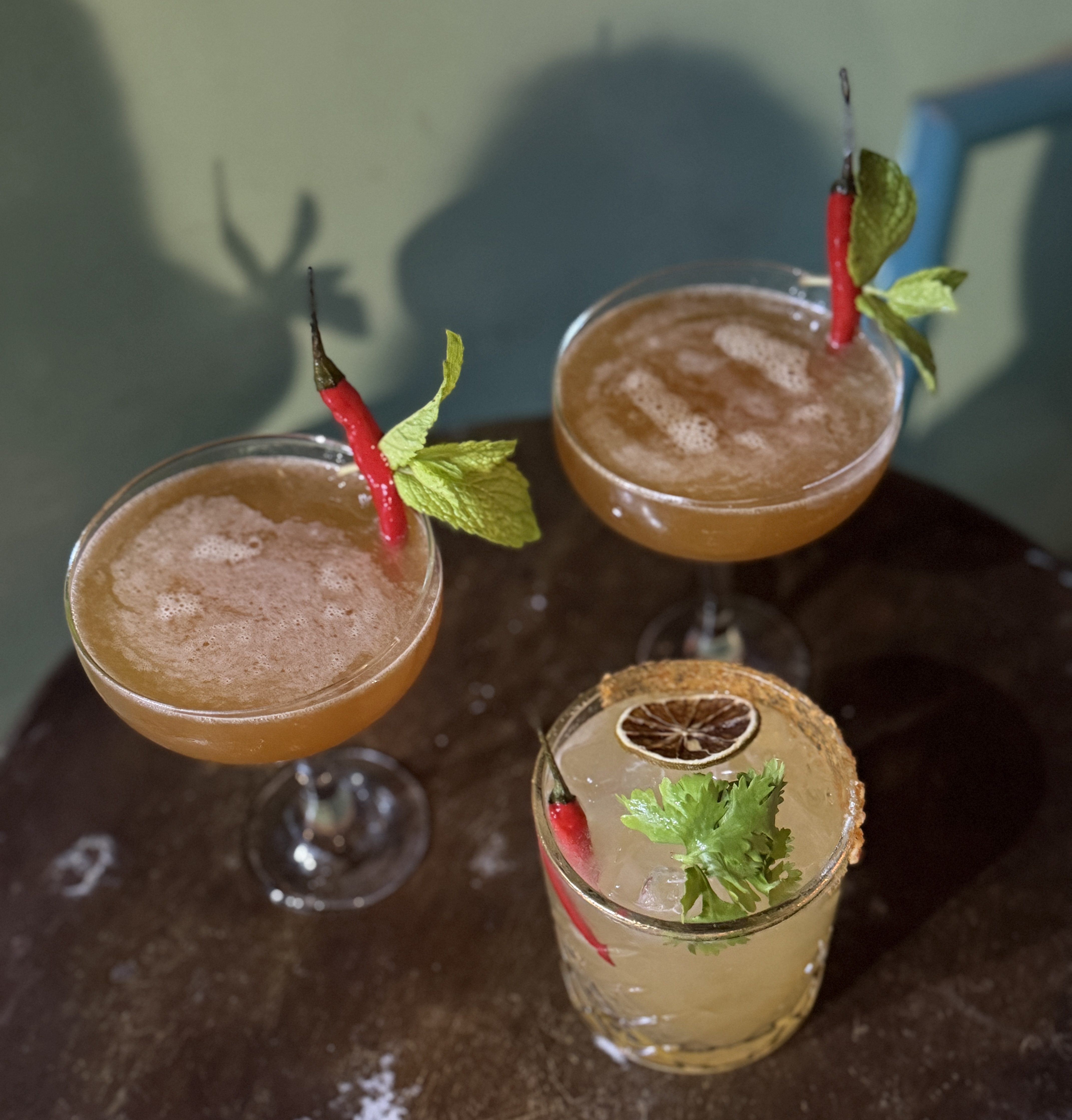
Back on the mainland, we freshened up at the hotel and headed to Ginscal, a tequila and mezcal bar, for spicy margaritas, nachos with guac, quesadillas, and bean tacos, before drifting next door to a gin bar doing its own house infusions (which were very funky and unique) and picking up one more round there because we clearly weren’t done yet. We closed the night with pizza at Da Mattia Pizzeria e Trattoria, timed just right to catch the World Cup quarter-finals on the screen above the bar.
Day Six
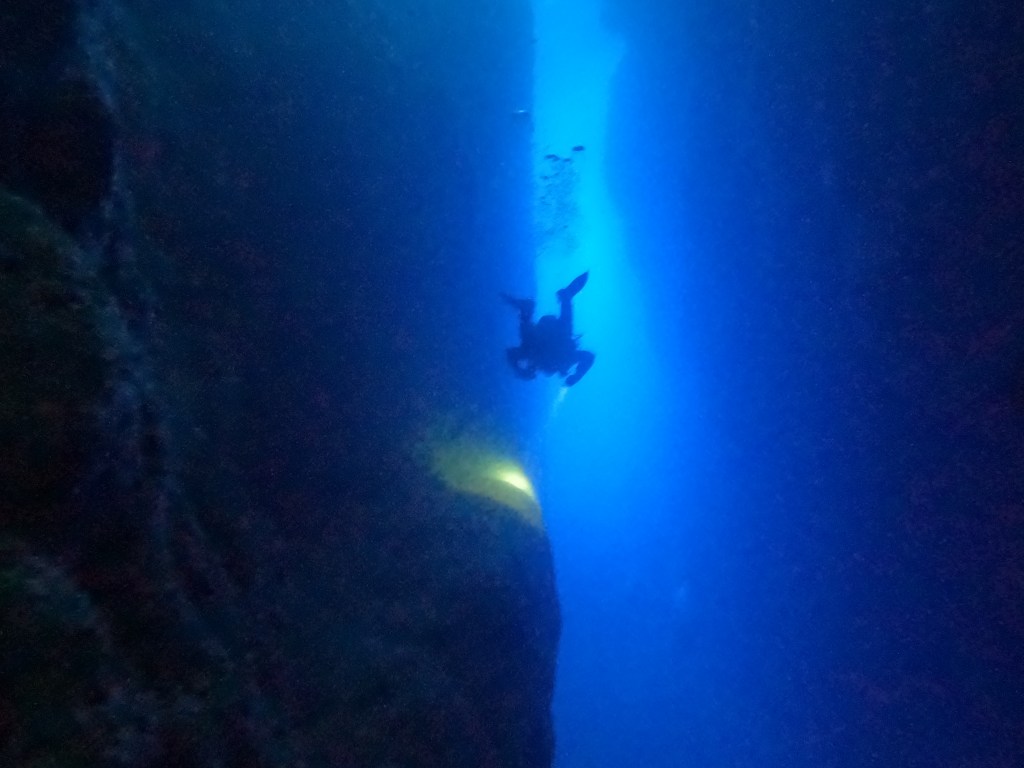
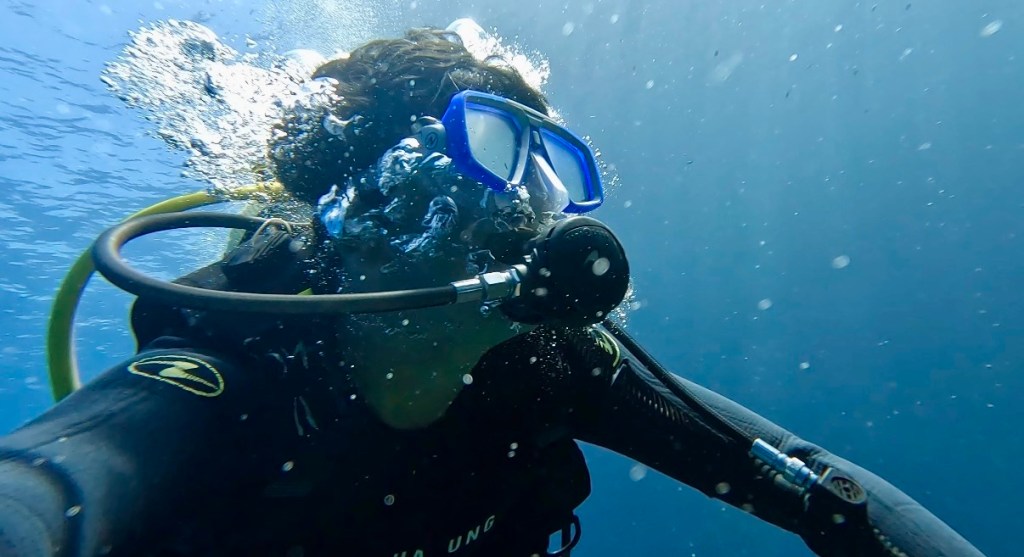
Diving day again, and the big one — the Blue Hole in Dwejra, Gozo, one of the sites that makes it onto National Geographic’s list of 100 dives of a lifetime. I taxied out early to the dive center to fix up my gear, took the ferry across, then drove to the far side of Gozo to Dwejra, where the Azure Window — once one of the most photographed natural arches in the Mediterranean — collapsed into the sea back in 2017. These are advanced dives, reaching depths of around 30 metres, and you drop in through a natural rock chimney that opens straight out into open water, then swim out through what’s left of the collapsed arch itself, a maze of huge boulders that now sit scattered across the seabed. Fifty-six minutes down there, we passed moray eels tucked into crevices, barracudas hanging motionless, and more sea slugs than I could keep count of — even if you’ve never so much as snorkelled, it’s worth knowing that this is genuinely one of the more famous stretches of water in the diving world, and for anyone who has dived, the combination of that chimney entry and the collapsed arch rubble is about as good as it gets.
From there we moved on to the Inland Sea, right next door in Dwejra, which is a dive in its own right and every bit as iconic as the Blue Hole, if quieter about it. It’s a small, enclosed lagoon shut in by cliffs on all sides, connected to the open Mediterranean by an eighty-metre tunnel carved straight through the rock — Jacques Cousteau apparently ranked this among his own top ten dives, which tells you something. You start in the shallow, calm water of the lagoon, drop into the tunnel mouth at just a few metres, and then follow it as the seabed drops away beneath you, deepening steadily until you come out the far side into open sea at close to 30 metres, the light fading behind you the deeper you go before the tunnel exit opens up into a wall of blue. Along the way the tunnel walls are covered in sponges and small corals, and if you’re paying attention there are nudibranchs tucked into the cracks the whole way through. Surfacing on the open-sea side and looking back at the cliffs from the water is one of those views that’s stayed with me since.
While I was underwater, the rest of the family had spent the day in Sliema, Malta’s main shopping and seafront town just along the coast from Valletta, all high-rise hotels, promenade walks, and a long strip of cafes and boutiques facing the sea. Sliema has a proper nightlife scene of its own too, and right next to it is Paceville, the actual epicentre of clubbing in Malta, a small stretch of streets packed with bars and nightclubs. We never made it there ourselves, this being a family trip and clubbing decidedly not on the itinerary, but it would have felt wrong not to at least mention it.
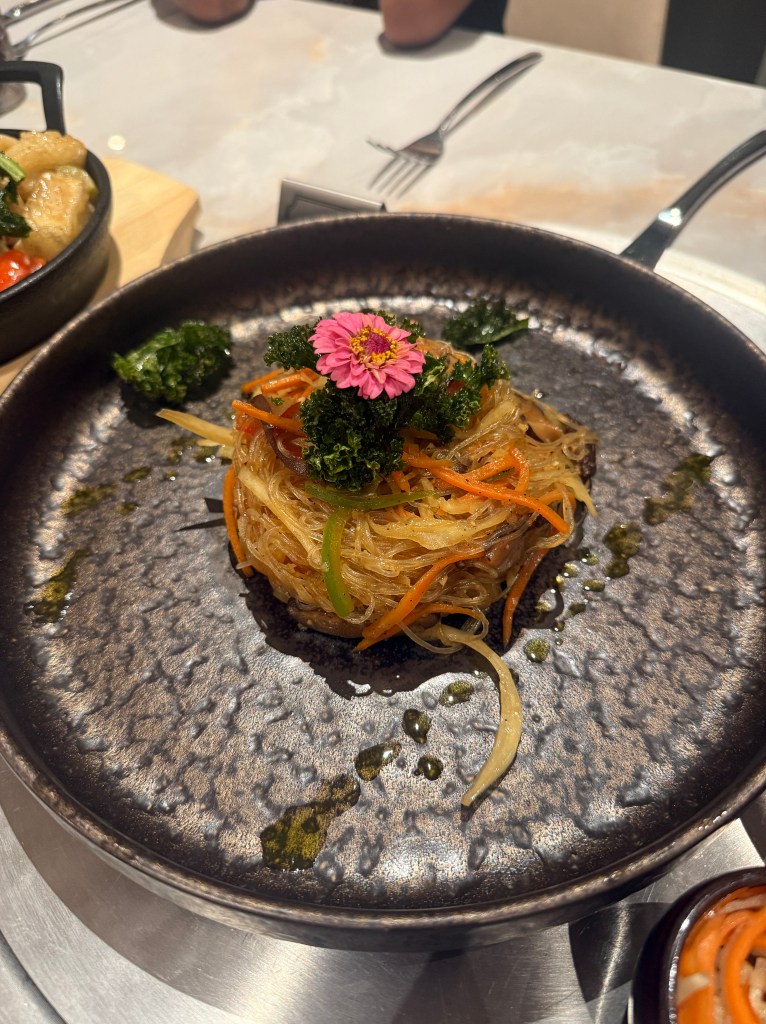
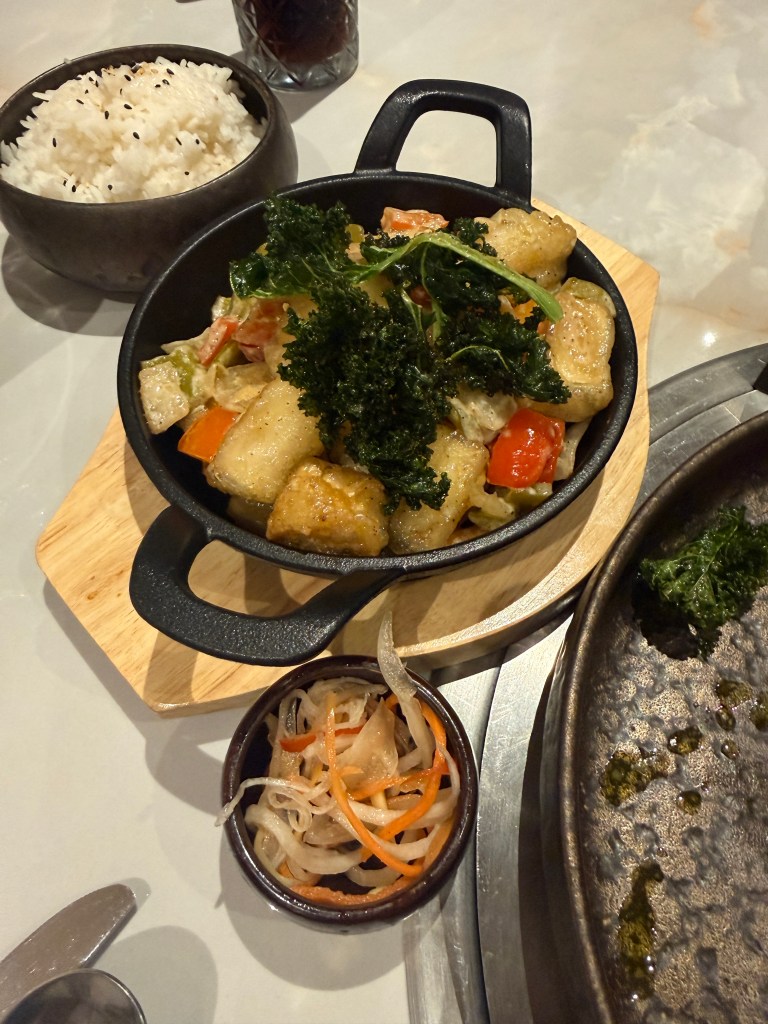
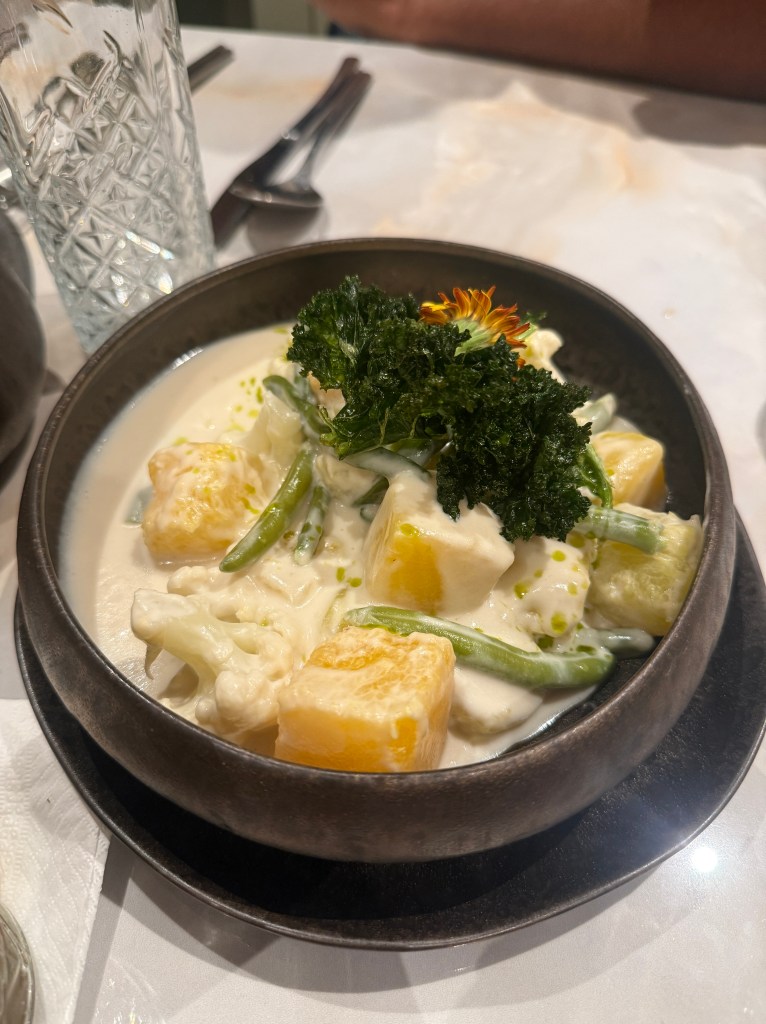
By the time I was done, between the ferry crossings and the drive out and back, the whole day had eaten up far more hours than I’d accounted for, and a day of two dives like that catches up with you all at once — I came home and slept harder than I had all trip. I surfaced then properly for coffee at 5 Beans and dinner at BAP, a Korean-Filipino spot where the food was good but the sauces and condiments on the side were somehow even better, which tends to be the case with that kind of cuisine.
Day Seven
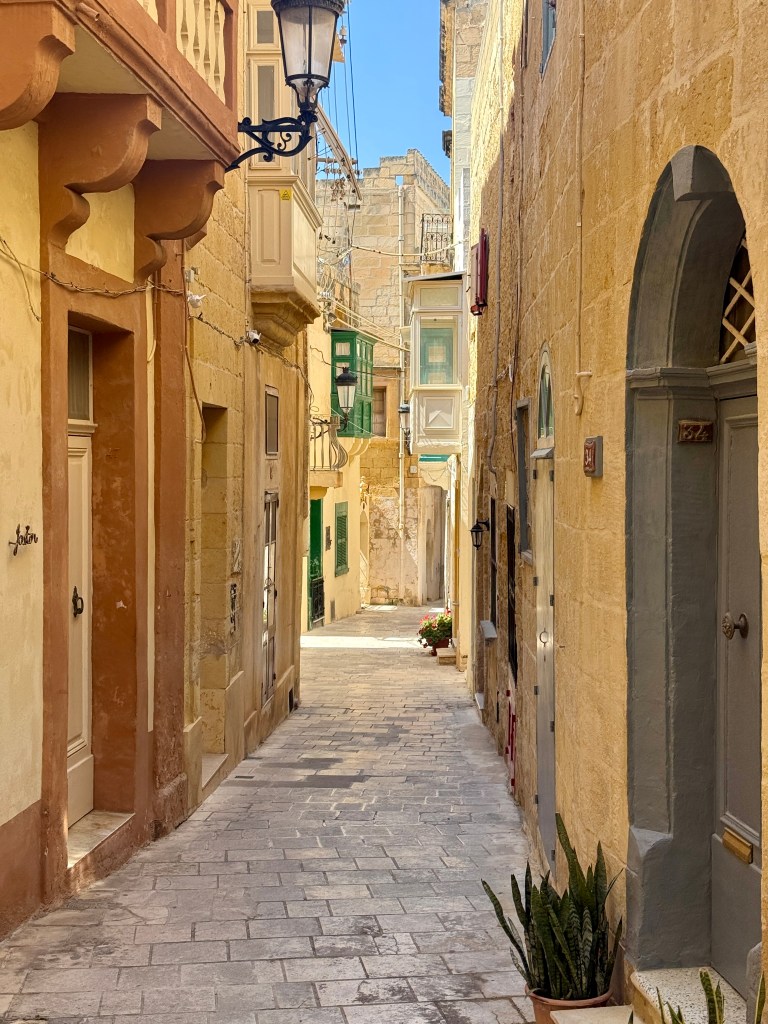
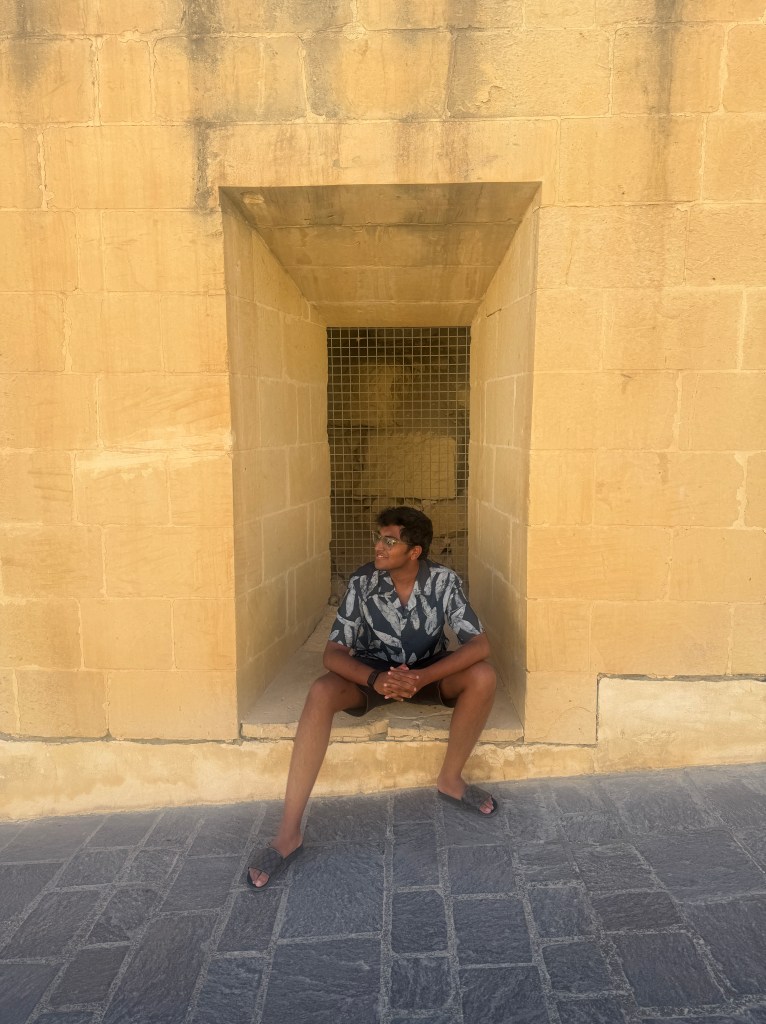
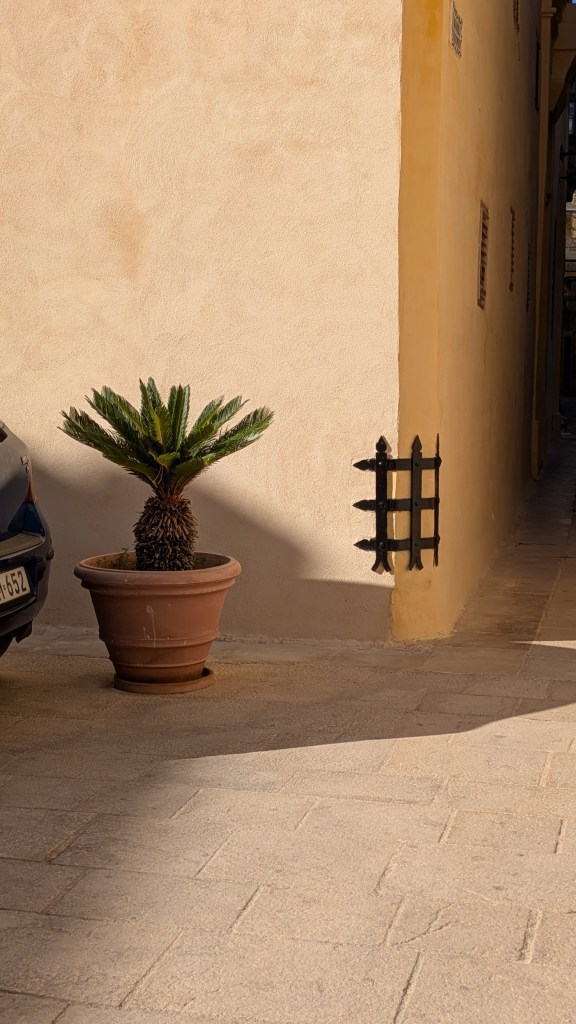
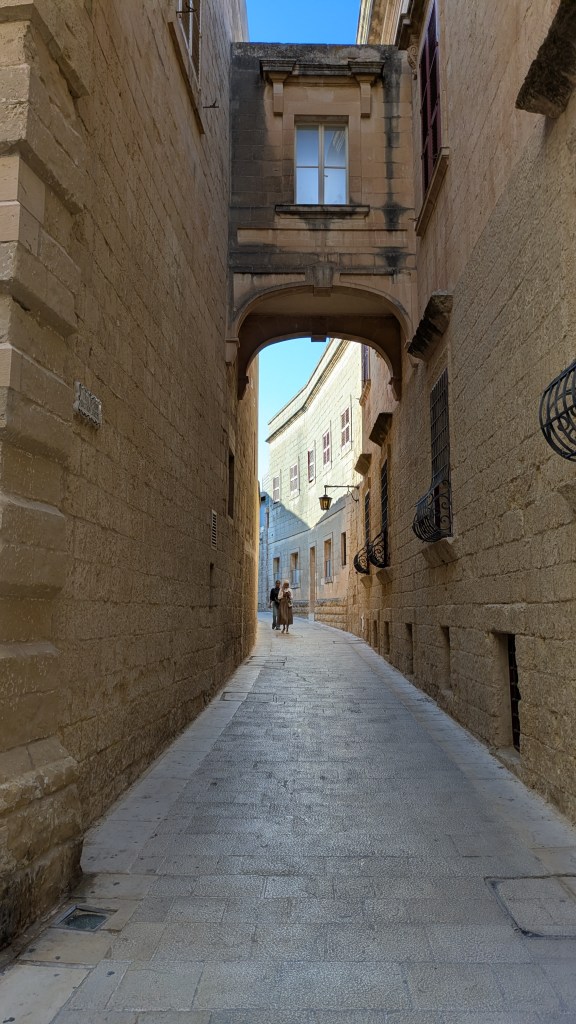
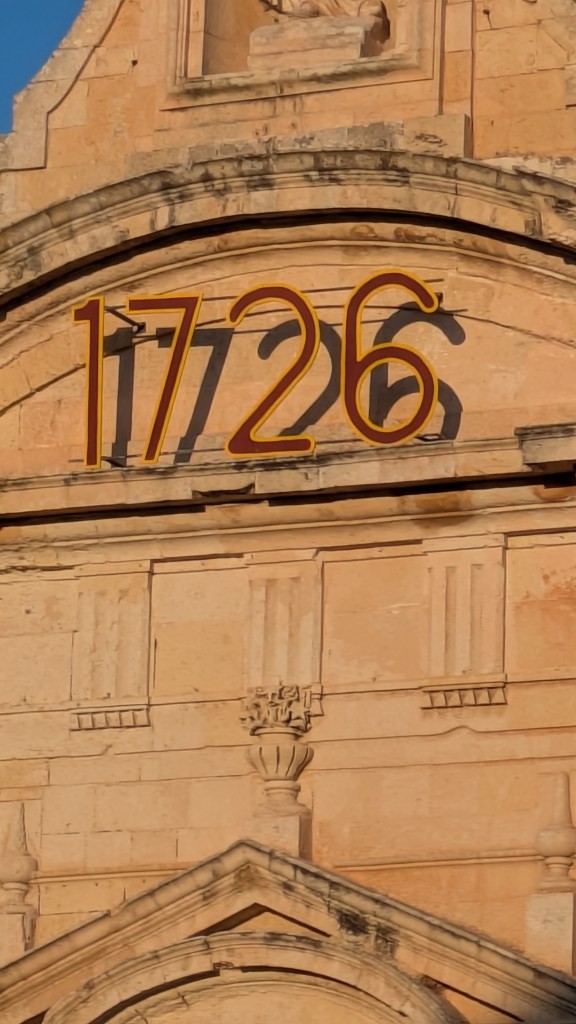
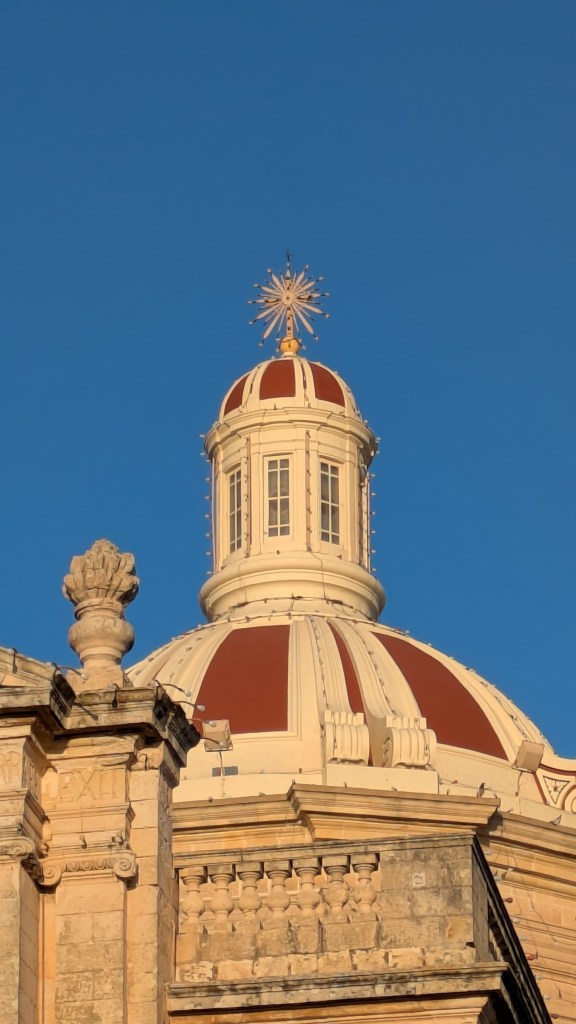
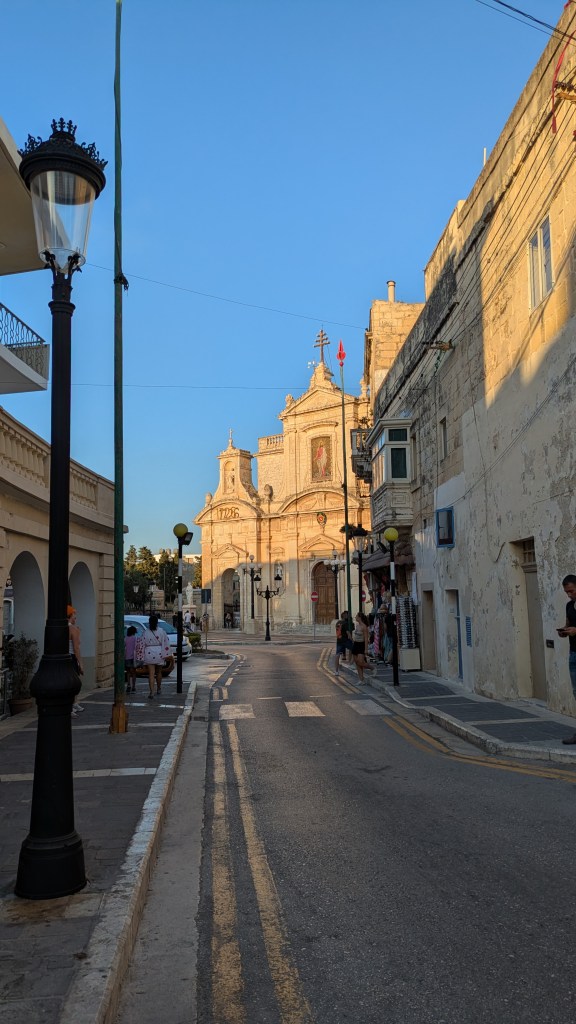
Last day, I drove out to Mdina, Malta’s old walled capital where barely anyone actually lives inside the walls anymore, and the streets go quiet which once housed Malta’s noble families. I spent a while just wandering without any real destination, and stopped at a viewpoint along the bastions looking out over the whole island, fields and villages stretching out toward the sea in every direction. From there I crossed over into Rabat, which sits right up against Mdina and used to be part of the same city before the two were separated centuries ago — it has the same narrow streets and old stone charm, with small cafes here and there and some locals.
We strolled back into Valletta for ice cream, grabbed a bagel from The Bagel Hole for lunch which was Amazing and highly recommended, and then it was straight to the airport for the flight home to India.
There’s a particular kind of trip where you stop checking things off a list and just start living somewhere for a bit, and that’s what Malta turned into. Somewhere around day four or five, we weren’t racing between sights anymore, we were just choosing our coffee spot for the morning and figuring out dinner like it was any other week of our lives, except the backdrop happened to be limestone walls and a very blue sea. That’s the version of Malta I’d actually recommend the checklist, just the slower version underneath it.

 Travel Footprints