
On faith, overcrowding, and what we’re really searching for
I am religious. I believe in something larger than myself. I find meaning in ritual, comfort in prayer, and a kind of stillness in sacred spaces that I haven’t found anywhere else in the world. Faith, for me, is real. Which is why I keep going back — to the same temples, the same queues, the same chaos — hoping that this time, I’ll find what I came for. And that is precisely why what I am about to write comes from a place of pain, not cynicism.
What Is Religion? And What Is a Temple For?
Before we get into the chaos, let’s go back to the beginning. Religion, by definition is human beings’ relation to that which they regard as holy, sacred, absolute, spiritual, divine, or worthy of especial reverence. Hinduism, one of the oldest living religions on earth, built its answer across thousands of years — through the Vedas, the Upanishads, the epics, the stories of gods.
And the temple? The temple was the meeting point. The physical space where the human reaches toward the divine and — if you believe — the divine reaches back. In Hinduism, this moment has a name: darshan. It literally means “to see and be seen.” A two-way exchange between a devotee and the deity. A moment of stillness and recognition.
That is what a temple is supposed to be. Now let me tell you what it has become.
Puri. The Promise and the Stampede.
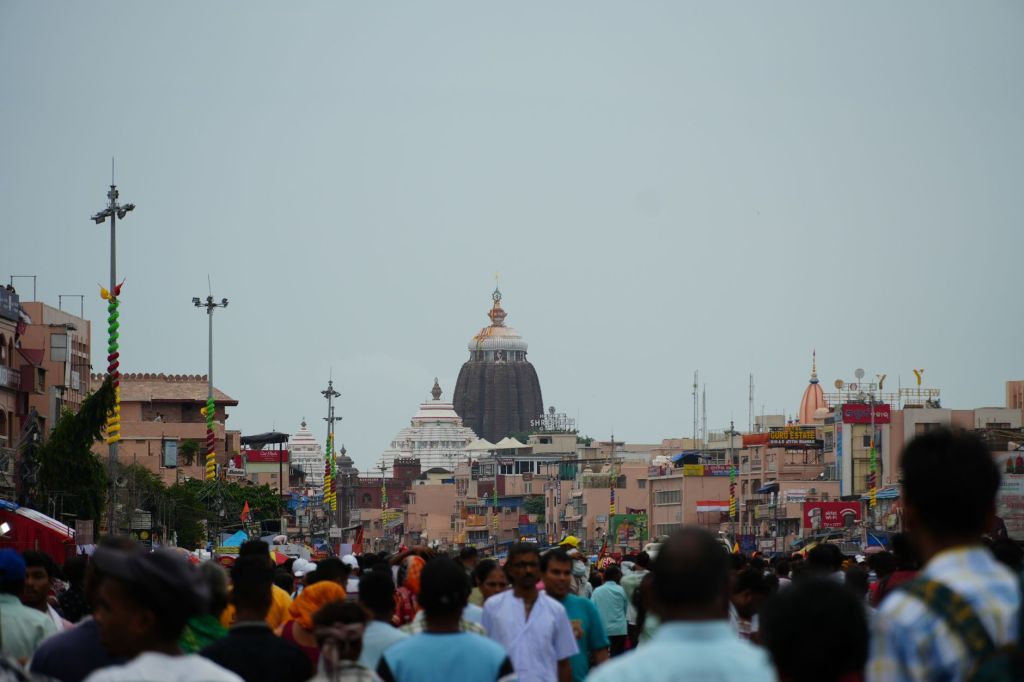
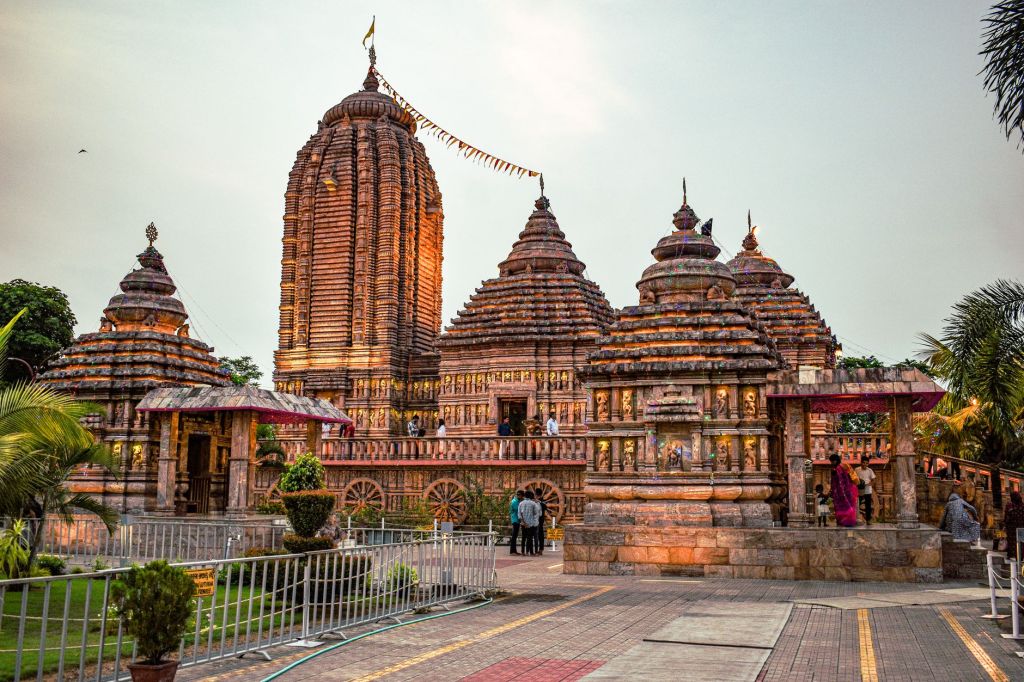
I have been to the Jagannath Temple in Puri more times than I can count. It is one of the holiest shrines in Hinduism — one of the four sacred dhams, a place that draws millions because they believe, genuinely believe, that Lord Jagannath resides there. The promise of the place is serenity. The name itself means Lord of the Universe.
The moment you step inside, it becomes a stampede. The queue stretches as far as the eye can see — men, women, children, the elderly, all pressed into a single mixed line that moves at the pace of barely controlled chaos. Women get shoved. Dupattas get caught. Feet get stepped on without apology. The volunteers — the very people who are supposed to regulate this — push and yell, adding to the confusion rather than managing it. Not on the streets during a brawl. Inside a temple. In the presence of the deity they are supposed to be serving.
One morning when I was there, there was a small girl standing near me. She couldn’t have been older than six or seven. Tears were streaming down her face — not from devotion, not from the emotion of being in the presence of the divine. From fear. From being crushed by a crowd that had no space for her smallness.
And yet, the crowds never decrease. Year after year, I return, and year after year, it is worse. When you finally fight your way to the sacred shrine, you get approximately fifteen seconds in front of Lord Jagannath. Maybe less. Because the moment you reach the deity, the priests are already sizing you up. The haggling begins. Who pays more gets the prasad — the mint, the offering, the blessing. Those who don’t pay enough? They get moved along. And amongst all of this, I don’t precisely get to do the thing I came for because of other distractions. Pray.
Did darshan even happen? Or did I just survive a crowd?
A Culture the World Will Never See
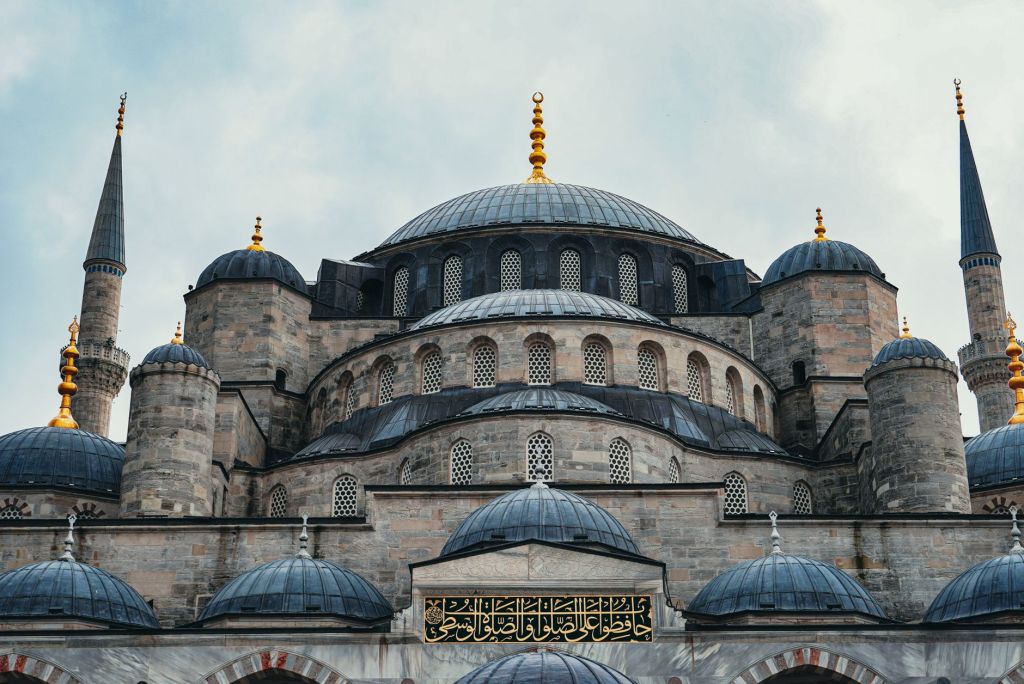
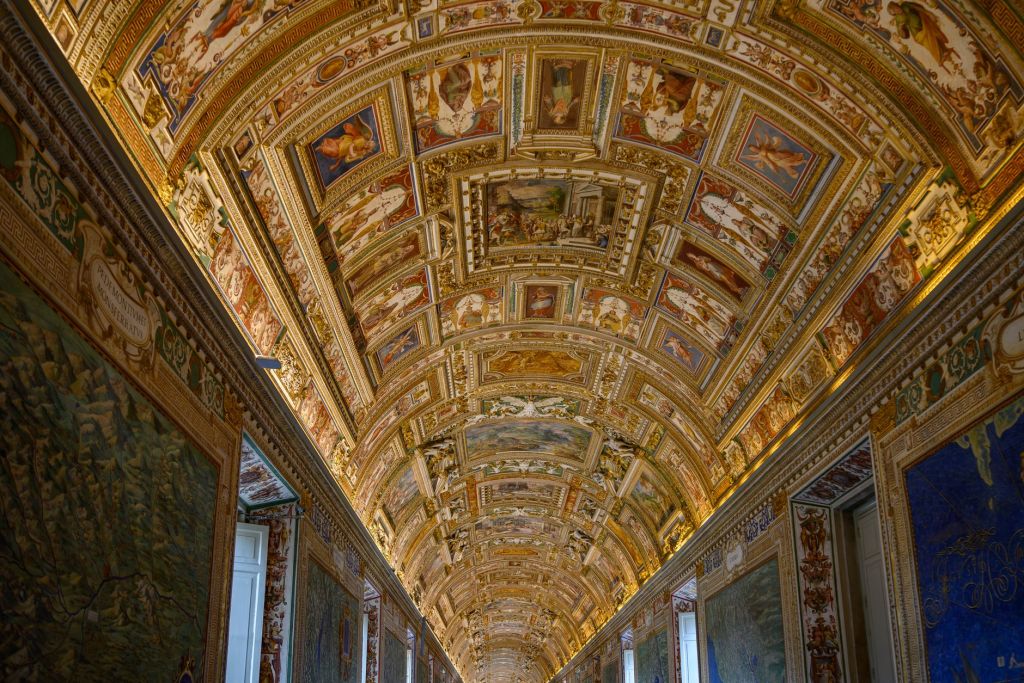
I have walked through the Blue Mosque in Istanbul as a non-Muslim. I have stood inside the Vatican City (Sistine Chapel, St Peter’s Basilica). These spaces draw the world because they offer something worth experiencing — the architecture, the history, the atmosphere, the sheer weight of centuries.
A foreign visitor can walk into many Hindu temples. But would they? Would you invite someone to witness something sacred, and hand them a stampede?
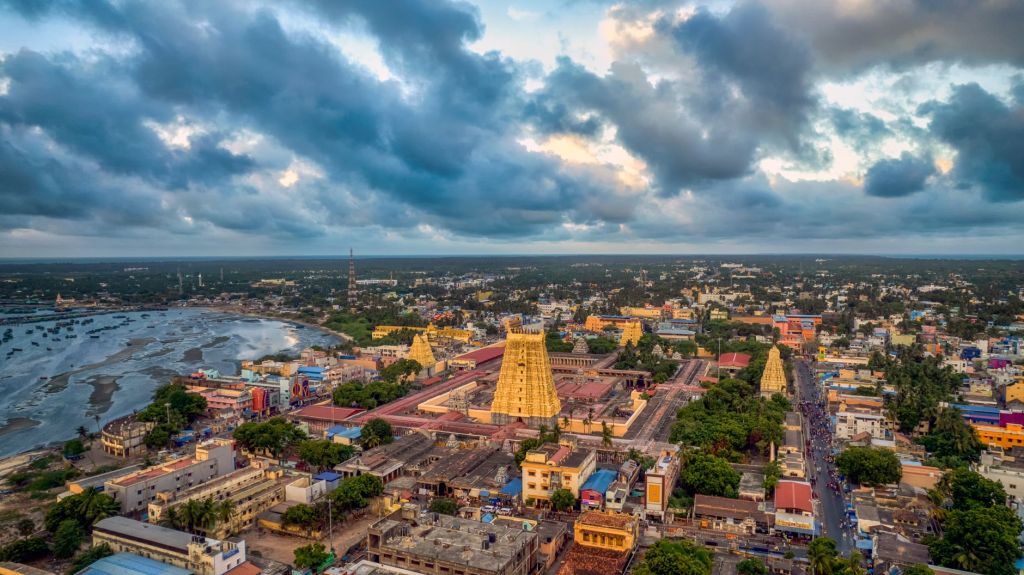
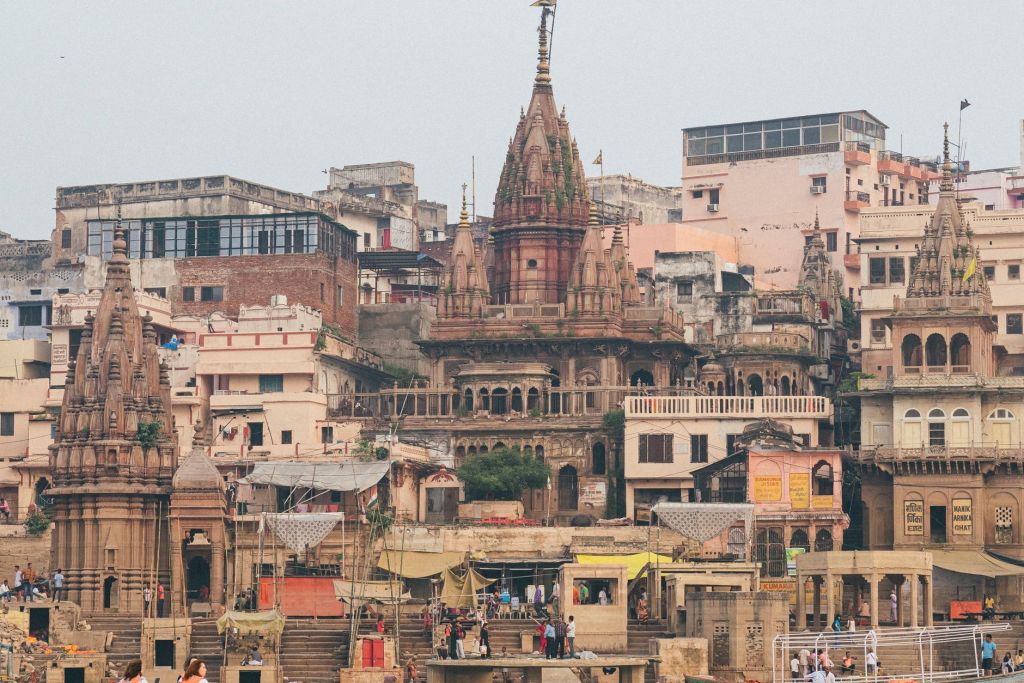
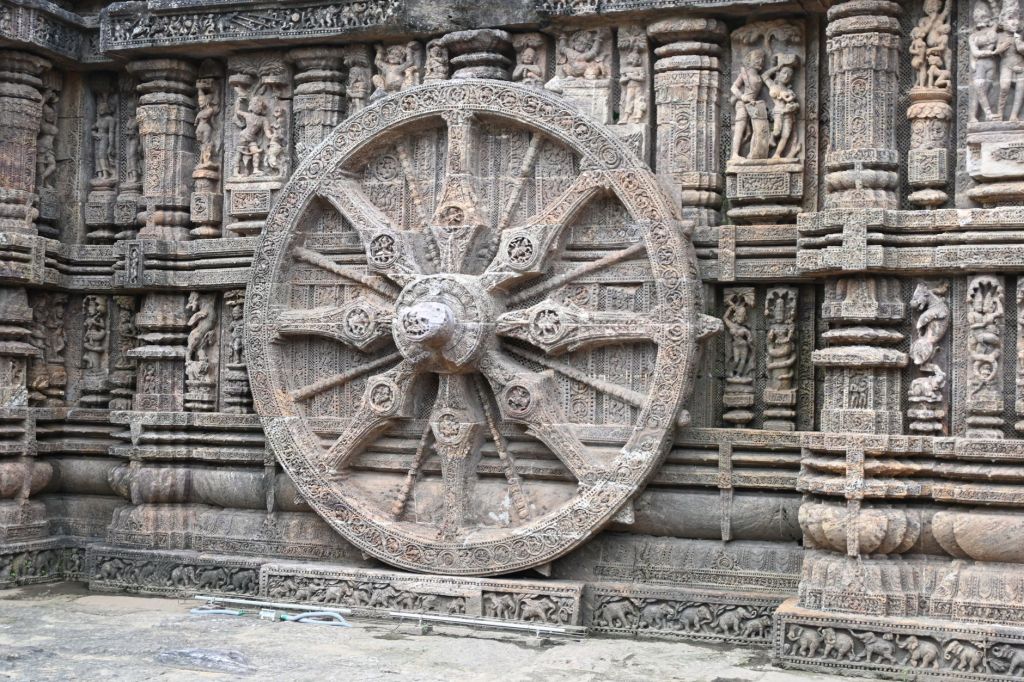
Because what they would be missing is extraordinary. The shikhara at Kashi Vishwanath is a three dimensional map of the cosmos. The inner sanctum at Rameshwaram was built with such precise acoustics that the conch and bells create frequencies that are anything but accidental. And the carvings at Konark’s Sun Temple are not decoration — they are the Vedas told in stone, an entire civilisation’s philosophy carved into a wall. I could write an entire blog on the amazing physics defying stories of Jagganath, Puri which can still be seen today. Nobody sees any of this. There is no time. There is a crowd to survive.
Hinduism is one of the oldest living religions on earth. Its temples are repositories of art, architecture, sculpture, and philosophy accumulated over thousands of years. That is world heritage by any reasonable measure. And the world is quietly choosing not to engage with it — not because of rules, but because of what we’ve allowed these spaces to become.
The tragedy is double. A rich, ancient culture remains unseen. And even we, who are allowed inside, are not really experiencing it anymore either.
VIP Darshan and The Ethics
I visited Vrindavan recently and had a genuinely beautiful darshan — calm, unhurried, meaningful. The kind that actually stays with you. No pushing, no haggling, no fifteen-second window before someone’s elbow finds your ribs. It was a VIP darshan.
And it left me with a question I haven’t been able to shake — is this the only way to experience a temple properly now? Because if the answer is yes, what does that say about where we’ve arrived? The person who saved for months, travelled overnight in a sleeper bus, fasted for three days before arriving — they stand in the stampede. The person who can pay, doesn’t. That’s not a system built on faith. That’s a system built on a queue that got so broken, someone figured out how to monetise the escape from it.
VIP darshan exists because temples are overwhelmed and nobody fixed the overwhelm. So instead they sold a workaround.
But Why Do People Still Suffer For It?
Here is the question that genuinely fascinates me. Because the crowds at Puri aren’t suffering passively — they are choosing to go. They know what awaits them. And they go anyway.
To understand this, you have to understand something more fundamental about faith and suffering. I have seen people beat themselves during Muharram — a physical, visceral expression of grief and devotion that is almost incomprehensible if you’re watching from the outside. I have seen devotees in Jatipura doing parikrama for months on bare feet — their soles cracked and blackened, their eyes somehow calm, even joyful. I have watched people make the gruelling climb to Kedarnath through cold, altitude, exhaustion, and genuine physical danger : not despite the difficulty, but because of it.
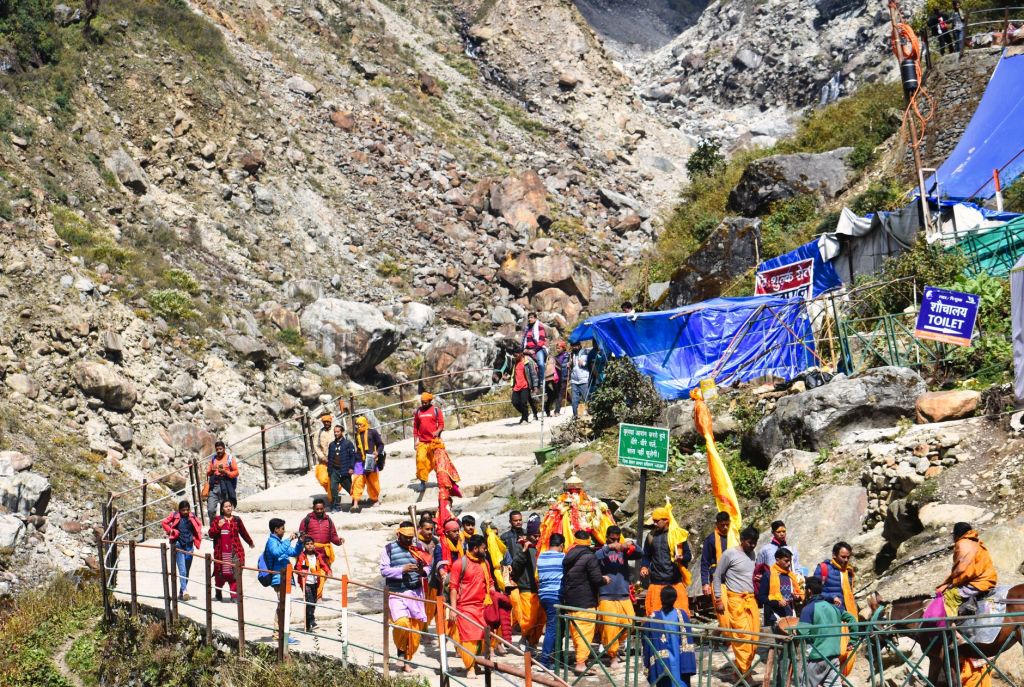
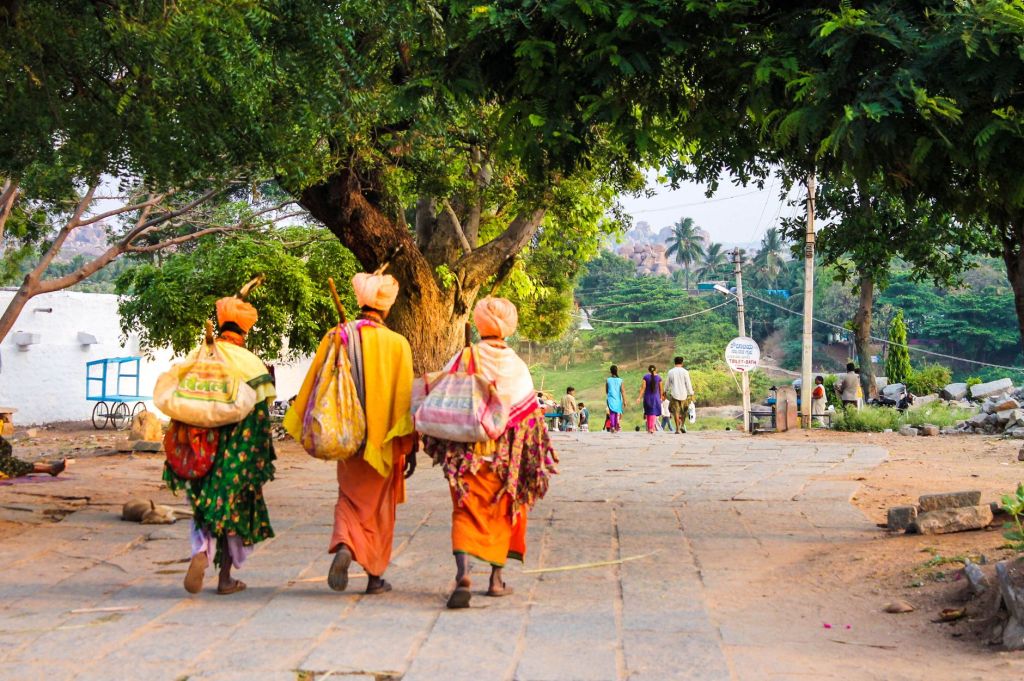
There is something deeply human in voluntary suffering for something you believe in. The hardship becomes the proof of devotion. The body endures so the soul can speak. When you suffer for something, you prove to yourself — and perhaps to the divine — that you mean it.
So then — is the Puri stampede the same thing? Are people enduring it as an act of faith?
I don’t think so. Because there is a difference between chosen suffering and suffering that is simply the result of poor management. The Kedarnath climb is hard because the mountain is hard. The Puri stampede is hard because no one has bothered to fix it. One is sacred. The other is avoidable.
The Contrast
I want to tell you about the times my religious sentiment has actually risen.
Salasar, early morning, before the crowds arrive. Rameshwaram, which has a quality to it I still can’t put into words. Dwarka, with the ocean right there and the temple behind you. Sri Kalahasti, where doing the Rahu Ketu puja felt meaningful and soul changing in some sense. And small local mandirs in towns nobody has heard of, where the priest has time to look you in the eye and actually bless you. Somnath was another that surprised me — a temple that has been destroyed and rebuilt seventeen times throughout history, and yet somehow still carries a quiet dignity that the crowds haven’t managed to take from it.
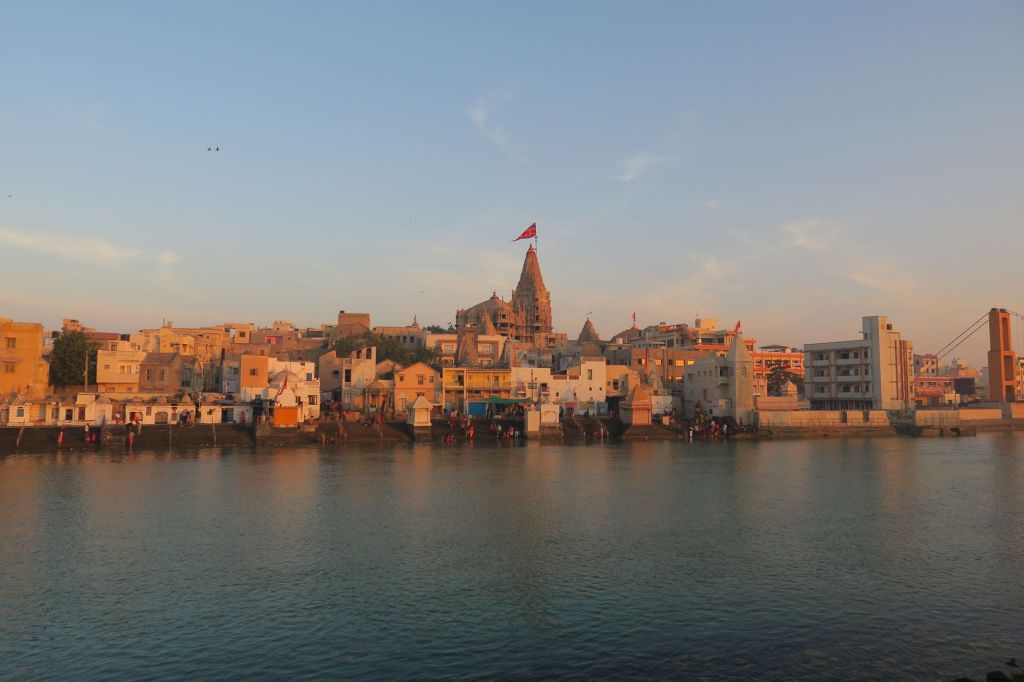
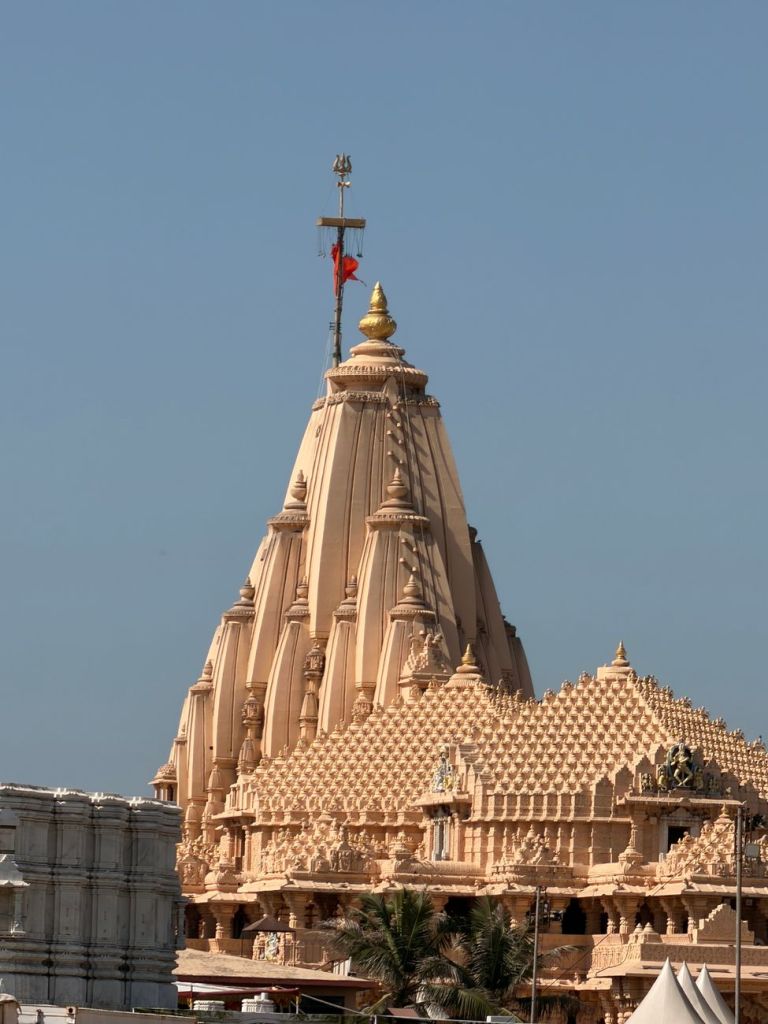
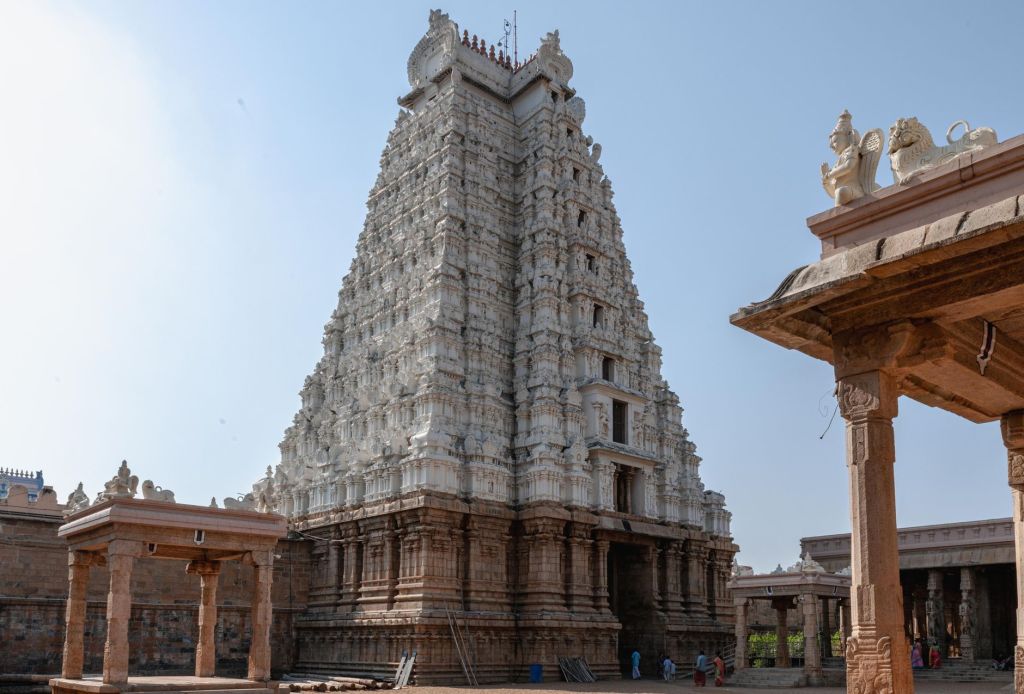
Every single time I have found genuine peace in a temple, it has been in the absence of a crowd which does not feel like a coincidence but a conclusion.
The Golden Temple: Proof That It Can Be Done
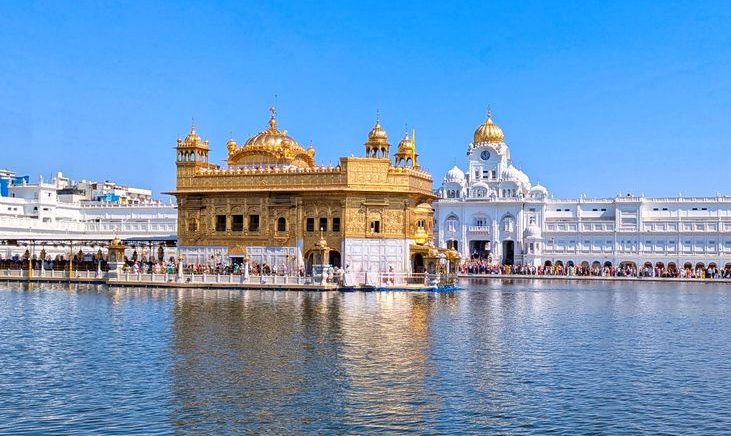
I need to talk about the Golden Temple in Amritsar. Because it is, quite simply, the finest example of sacred crowd management in India — and it asks every Hindu temple administration a question they should be deeply uncomfortable with.
No crazy queues. No security theatre. Shoes managed with efficiency. Langar, free food for thousands, served in fast, orderly lines. No one haggling. No one yelling. A genuine, overwhelming sense of peace, even when the place is full of people. I walked out of the Golden Temple feeling something I rarely feel in overcrowded Hindu temples: that I had actually been somewhere sacred.
Why does it work?
Because the SGPC has complete autonomous control. No bureaucracy managing faith. The people running it have genuine seva bhav (the spirit of selfless service). The architecture was designed with logical crowd flow in mind. And the volunteers are trained to reflect the values of the space they are serving, not just to push people through it.
Shirdi is another exception worth mentioning — despite drawing millions, something about the experience held. The energy was devotional, not chaotic. It gives you hope that scale doesn’t have to mean disorder.”
Most major Hindu temples, by contrast, are administered by state governments. The people who were once truly devoted to those deities — who understood what the space meant — are largely gone from administration. What remains is bureaucracy. And bureaucracy has no seva bhav.
India’s temple economy is estimated at Rs 3.02 lakh crore — roughly 2.32% of the country’s GDP. Tirupati alone generates thousands of crores annually. The money is there. The will to use it for the devotee’s experience, apparently, is not.
The Democratisation of Pilgrimage
I’ve thought a lot about why this is getting worse, not better. And I think I have part of the answer, even if it’s uncomfortable.
India’s rising middle class now has something previous generations didn’t — spending power and mobility. Better roads. Cheaper flights. More accommodation options at every price point. Pilgrimage, for centuries accessible only to those who could endure weeks of difficult travel, has been democratised. Anyone can go now. That is not a bad thing. It is, in many ways, a beautiful thing.
But it arrived without any of the systems required to handle it. Temples built for a few hundred devotees a day are now receiving tens of thousands. The architecture hasn’t changed. The crowd management hasn’t changed. The volunteer training hasn’t changed. The only thing that changed is the number of people walking through the door.
And somewhere along the way, the civic dimension collapsed too. No religious code of conduct is taught in families anymore. No community instruction on how to behave in a sacred space. People treat temples the way they treat traffic — every person for themselves, i.e. survival of the fittest, intent on their own destination, ignoring everyone around them. The same chaotic energy of the street, imported into a space that was designed for its opposite.
Who Actually Loses
The people with genuine shraddha — that deep, bone-level faith that cannot be performed or purchased — they are the ones being failed.
The elderly woman who has prayed for this moment her entire life. Who saved for years. Who travelled for days. Who can barely stand. She gets pushed aside at the entrance. She may not make it inside. If she does, she gets fifteen seconds and no prasad because she didn’t pay enough. The young family that drove twelve hours because the children have grown up hearing about this temple. They leave with a memory of chaos, not the divine. The person who came alone, quietly, to ask for something who needed a moment of stillness and found a stampede instead.
These are not edge cases. These are the majority. VIPs are few. The faithful are many. And the system serves the former at the expense of the latter.
What Are We Actually Searching For?
I keep coming back to the same thought.
We are a billion people looking for something. Peace. Meaning. Connection. Answers to questions we don’t even know how to ask. And we are all going to the same GPS coordinates, hoping to find it there, in the exact same window of time, pushing each other in the dark.
The divine, if it exists anywhere — and I believe it does — is probably not in the stampede. It is in the moment of stillness before the crowd arrives. It is in the small temple in the town nobody has heard of, where the priest lights the aarti slowly.
I am religious. I will keep going. But I have maybe even subconsciously have quietly started finding God in different places — the uncrowded ones, the unglamorous ones, the ones that haven’t been discovered yet.
The temple was never meant to be a rush hour.
Have you had a similar experience at a temple? Or a moment of genuine peace in an unexpected sacred space? I’d love to hear it in the comments below.






















































 Travel Footprints