Sri Lanka doesn’t try to impress you, and that’s precisely what makes it good. A small island just off the southern tip of India, it has ancient ruins, tea-covered hills, decent surf, wildlife, colonial streets and a food scene that quietly holds its own. It moves at its own pace, unbothered by the noise of flashier destinations in the region. The cafe culture is genuinely solid, the coastline is never far away, and there’s an ease to the place, a kind of unhurried confidence, that makes it hard not to like. It won’t be the most dramatic country you ever visit. It probably won’t top any list. But not every destination needs to blow you away. Some just need to feel right and Sri Lanka, for the most part, does.
I’ll be honest about the shape of this trip from the start, as I always try to be. Four nights in Sri Lanka, two of which were spent at a work conference. That left me with two real days to actually experience the country, both in Colombo. No hill trains, no leopard safaris, no ancient ruins by torchlight. Just the city, its cafes and its coastline. And yet, it was enough to make me absolutely certain I needed to come back.
This blog is split into two halves. The first half is mine — two days in Colombo, told the way I like to tell things. Honestly, hungrily, and with a strong cup of coffee in hand.The second is for you — the reader planning a proper Sri Lanka trip, the places I didn’t get to but fully intend to one day, ranked in the order I’d personally do them.
Colombo
Colombo is not what most people picture when they think of Sri Lanka. No paddy fields, no ancient temples on the horizon, no postcard beaches. It is a proper city — layered, occasionally chaotic, and considerably more interesting than its reputation gives it credit for. I had two days here before the conference took over. I didn’t plan them particularly carefully. As it turned out, I didn’t need to.
Day One
I landed in the morning and checked into the ITC Ratnadipa which is the brand’s first property outside India, sitting on Beira Lake in the heart of the city. On paper it has everything: grand facilities, a strong location, the ITC name. In practice, it felt like a property that had invested heavily in the broad strokes and overlooked the details. The kind of hotel where the pool is impressive but the service lacks the warmth and curation you’d expect at that price point. Fine, comfortable, and slightly disappointing in the way that only expensive hotels can be.
I left fairly quickly.
Lunch was at the Ceylon Curry Club, and it was one of the better decisions of the trip. Sri Lankan food is not Indian food, though the two are routinely and lazily grouped together. It is coconut-forward, boldly spiced, and built around a logic that is entirely its own. A proper Sri Lankan spread means rice surrounded by a constellation of small dishes which each with a different character, each better when eaten alongside the others. I had curries, sambals, and a jackfruit preparation that was genuinely outstanding. If you leave this country without eating properly, that is entirely on you.
From lunch I walked to Radicle which is a specialty coffee shop that doubles as an art gallery, quiet and unhurried in the way that good cafes always are. The barista and I got talking, the way you do when there’s nobody else in the room, and somewhere between the first cup and the second he told me I had to go to Grind the next day. I noted it down. Genuine Tip : walk into the best specialty cafe you can find, talk to the person behind the counter, and ask them where they’d go. The answer will always be better than anything you find online.
I followed it up with another stop at Divide, a second specialty cafe nearby, partly because the coffee was excellent and partly because I needed the caffeine to keep exploring.
I came back to the hotel mid-afternoon, used the spa, and headed to the gym and then out again for dinner at Gini. Modern Sri Lankan cuisine, cooked over fire. I was eating alone, which turned out to be exactly the right way to experience it. The chef came out and walked me through every dish personally which all used the open fire techniques, the local ingredients, the thinking behind each preparation. We talked about Sri Lankan cuisine, about what fire does to flavour, about food as a philosophy. It was the kind of conversation that a full table would have interrupted. The food matched it: charred leeks over cashew sauce, charred cabbage with mushroom sauce and local cheese, an eggplant moussaka with a Sri Lankan twist, and a molten chocolate cake with mint crumble and ice cream that closed the meal on exactly the right note. Before I left, the chef mentioned Kampong. I wrote that down too.
Day Two
I was up early for a dive with Island Scuba — and if I’m honest, this was the highlight of the trip for me, though I suspect diving always will be.
Colombo is not a city most people associate with diving, which is part of what makes it worth knowing about. The waters off the coast are home to 18 wrecks including cargo ships, fishing boats, vessels of various sizes and histories, all all resting on the seabed within easy reach of the city. I have my Advanced Open Water certification, which opened up the deeper sites. We went down to two wrecks sitting at around 30 metres which were a cargo ship and a fishing boat, both encrusted with marine life and carrying that particular atmosphere that only wrecks have underwater. The marine life around them was rich with ray, lionfish, and the general sense of abundance you get around structures that have been sitting on the seabed long enough to become ecosystems. I also met a German couple on the boat who were seasoned wreck divers, and the three of us spent the surface intervals comparing notes on dive sites around the world. That is one of the small pleasures of diving that nobody really warns you about — the people you meet between the dives are often as interesting as what you find below. If you dive, Colombo’s wrecks are genuinely worth your time.
After the dives I visited the Gangaramaya Temple being one of Colombo’s most significant Buddhist temples, sitting on the edge of Beira Lake. It is eclectically decorated and surprisingly vast inside, the kind of place that accumulates meaning slowly the longer you spend in it. From there I went to GRIND for lunch which was the place the barista at Radicle had pointed me toward the day before. The rainbow bowl was as good as advertised and as good to look at as it was to eat.
The afternoon was unhurried : Galle Face Mall, a grooming session, some time looking up at the Lotus Tower, which is the tallest self-supported structure in South Asia and hard to miss on the Colombo skyline, and a wander through the boutiques on Ward Place and Horton Place. I finished with a poke bowl at Seed Cafe. Colombo rewards this kind of aimless afternoon. Nobody is in a rush here and eventually you stop being in one too.
The evening arranged itself around the T20 World Cup semi final between India and England. We started at the hotel bar for the first innings which comfortable enough, but lacking atmosphere. So we moved, on the chef’s recommendation from the night before, to Kampong. The entrance is a corner chicken shop — genuinely unassuming, the kind of place you’d walk past without a second thought. Push past the storage racks at the back and you find yourself in a low-lit, chic speakeasy with a cocktail menu built around the districts of Colombo. The menu is deliberately short and everything on it is good. We worked through the whole thing. It was, in every sense, the right place to end the night and I wouldn’t have found it without a conversation over dinner the evening before.
The next two nights were a different Sri Lanka entirely. The conference had moved us to the Pegasus Reef Hotel which was further out, right on the coast. The days were full with long sessions, good conversations, the particular exhaustion that comes from being professionally switched on for hours at a stretch. The nights were the opposite. Beach, a drink, the sound of the water. One morning I broke away for brunch at Cafe Kampuk — Turkish eggs, excellent ambience and very good coffee.
Sri Lanka didn’t need two weeks to make an impression. Two days in Colombo and it had already done the damage. This was the kind of trip that doesn’t leave you satisfied, just hungry for more, which is a cruel thing for a country to do. The hill trains, the leopards, Galle, the east coast which was unvisited. I have no excuse except that I ran out of days, which is the most common travel problem in the world and the least sympathetic one. I’ll be back. Probably with a longer itinerary, a better hotel choice, and the same completely unrealistic idea that I’ll fit everything in.
If you’re planning your own Colombo, here’s where I’d point you.
Hotels : Paradise Road Tintagel, Shangri-La Colombo, Galle Face Hotel, Taj Samudra, Jetwing Colombo Seven
Restaurants : Ministry of Crab, Kaema Sutra, Nihonbashi, Monsoon, The Gallery Cafe, Upali’s by Nawaloka, Barefoot Garden Cafe, VOC Cafe, Nuga Gama, Kodamba Kade
Bars : Uncle’s, Shoulders By Harpos
Sights : Galle Face Green, Dutch Hospital Precinct, Jami ul-Alfar Mosque, Independence Square, Seema Malakaya, National Museum, Pettah Market
Places I Missed (Ranked)
A note before we begin: I haven’t been to any of these. This ranking is built on research, conversations with people who have, and mostly the order in which I’d personally book my return trip. I’ve noted alongside each who it’s best suited to.
Sigiriya & the Cultural Triangle The one I’d do first, without question. Sigiriya is a 5th-century rock fortress rising nearly 200 metres from the central plains — frescoes, landscaped gardens, and a lion’s paw gateway built by a king who chose a boulder as his palace. The surrounding Cultural Triangle also takes in Dambulla’s cave temples and the ancient city of Polonnaruwa. Best for: history lovers and anyone who appreciates a genuine UNESCO wonder that hasn’t been overrun.
Yala National Park Sri Lanka has the highest density of leopards of any country in the world, and Yala is where you find them. Sightings are genuinely frequent — add elephants, sloth bears, and crocodiles and it’s a safari that holds its own against anywhere. Best for: wildlife enthusiasts and anyone who’s done East Africa and wants something different.
Galle A 16th-century Dutch fort town on the southwestern tip of the island, Galle is one of those places that rewards simply wandering. Cobbled streets, colonial architecture, boutique hotels tucked inside old merchant houses, good restaurants and cafes, and a rampart walk at sunset that’s hard to beat. It’s compact, charming, and very easy to spend a day or two in without any real agenda. Best for: architecture lovers, slow walkers, and anyone who wants history without the full cultural circuit.
The South Coast — Mirissa, Unawatuna & Tangalle Three distinct beaches within easy reach of each other. Mirissa for whale watching between November and April. Unawatuna for the classic lively beach town experience. Tangalle for those who want the south coast without the crowds. Best for: beach lovers, whale watching in season, and a proper wind-down after a cultural circuit.
Trincomalee & the East Coast Sri Lanka’s best-kept secret and the one most Indians haven’t discovered yet. Stunning uncrowded beaches at Nilaveli and Uppuveli, one of the world’s great natural harbours, and Arugam Bay — a globally recognised surf point further south. Best for: solitude seekers, surfers, divers, and travellers willing to go slightly off the beaten path.
Ella & the Hill Country Train The train from Kandy to Ella is consistently rated one of the great rail journeys in the world — tea plantations, misty mountains, waterfalls through the window. Ella itself is a small hill town with good hiking, excellent cafes, and the iconic Nine Arch Bridge. The hill country region, including Nuwara Eliya, is a world apart from the coast. Best for: slow travellers, couples, and anyone who equates good scenery with good coffee.
Kandy Sri Lanka’s second city, set in the hills at a noticeably gentler pace. The Temple of the Sacred Tooth Relic is one of the most important Buddhist sites in the world, and the surrounding lake, botanical gardens, and nightly dance performances make it a complete destination in its own right. Best for: cultural travellers and a natural midpoint in any full itinerary.
“I Don’t Want To Be Known For The Things That Happen To Me”
Some travel stories are impressive. Some are entertaining. And then, once in a while, you come across one that quietly forces you to rethink what travel actually is — not as a hobby or an aesthetic, but as something that tests you in ways you never anticipated. Sam Goodwin’s story lands in that third category.
Sam is originally from St. Louis, Missouri, now based in Tampa, Florida. Over roughly a decade, he visited all 193 UN-recognised countries. But the reason this conversation stays with you isn’t the number. It’s what happened while chasing it, and more importantly, how he responded.
Sam didn’t grow up as a travel kid in the conventional sense. His childhood was built around ice hockey, crisscrossing the US and Canada for tournaments, with a couple of family trips to Europe thrown in. That kind of travel isn’t glamorous, but it teaches you something useful early: how to operate outside your normal environment, how to be flexible, how to feel comfortable in unfamiliar places. The foundation was there. It just needed the right location to activate it.
That location was Singapore. After college, Sam moved there for what was supposed to be a three-month internship. It became six years. I studied in Singapore myself from 2020 to 2024, so I understood immediately what he meant when he described the city as a launchpad. The world feels closer from there. Changi airport in your backyard, two hours from Bali, connectivity to every corner of Asia. Travel stops feeling like a rare annual event and starts feeling like part of the rhythm of your week. It’s where my own travel journey accelerated too, hopping on Scoot to some random corner of Indonesia on a Friday evening and figuring out the rest when I landed. Sam did the same thing, just for six years longer.
During those years he traveled solo and with friends, hockey connections, work colleagues, whoever was available. He spoke about both styles with balance. Solo gives you full control and forces a certain kind of growth. But there are moments that feel incomplete without someone next to you, a view, a meal, a discovery that deserves to be shared. I’ve felt both sides of that. Most people who travel seriously have.
One of the most unusual chapters in his journey is how he ended up in North Korea, not as a tourist, but as a hockey coach. In 2016, a Canadian organiser put together a sports exhibition and invited Sam to coach the North Korean men’s hockey team. He was clear-eyed about the experience: he knew he was being shown what they wanted him to see. But the bigger takeaway wasn’t about monuments or controlled itineraries. It was about what happens when people stop thinking about division and focus on something shared.
Once the puck dropped, he said, the teamwork ran like a Swiss watch. Political tension, global narratives, the idea of us and them, it all faded. Nobody cared about demarcation lines or nuclear weapons. Hockey became the common language. It’s the same thing I’ve found with diving. Drop into the water with a stranger from anywhere in the world and within minutes you’re communicating through hand signals, pointing out the same fish, sharing the same silence. A shared activity collapses distance faster than anything else.
That experience shaped one of Sam’s strongest travel convictions: never judge people by the actions of their government. He described how stereotypes dissolve the moment you meet people directly. He also repeated something I’ve heard from several travellers in this series but that never gets less true: people who have the least often give the most. Not sentimentally, but practically. The hospitality, the generosity, the small kindnesses that don’t make headlines but end up being the most memorable part of being somewhere new.
Sam didn’t start out chasing 193. Travel was just something he loved and learned from, the best education he’d ever had, in his words. What built the momentum was a single preference: he didn’t like to repeat destinations. Even when he loved a country, the next opportunity meant somewhere new. That one habit, applied consistently over years, is like compound interest for travel. By early 2018 he’d already been to around 120 countries. That’s when it clicked. 193 UN sovereign states, 73 remaining, and the competitive athlete in him took over. He set a goal and started moving toward it deliberately.
But the most intense part of Sam’s story, the part that completely reshapes how you view the number, comes in Syria. In spring 2019, Sam was at around 180 countries. Syria was one of the remaining ones. On May 25th, he arrived and within two hours everything changed. He was walking through a roundabout to meet his guide when a black pickup truck pulled up. Two armed men got out and told him to get inside. He was calm in how he described it, no dramatisation, no performance. They had guns. You don’t argue. You get in.
The men were loyal to the Syrian government and suspicious of his travel history. They couldn’t understand why an American would have visited so many countries. They accused him of espionage, a spy, they said, collaborating with terrorists. For the first time in all his years of travel, Sam had no control over what happened next. This wasn’t a difficult border crossing or a rough neighbourhood. This was a closed room, armed guards, and serious accusations with no one coming to help.
He was held for 63 days. The conditions were, in his careful words, “pretty uncomfortable.” He didn’t dramatise it. The restraint in how he spoke about it is what makes it land. The experience became the basis of his book, Saving Sam, and on July 26th, after weeks of effort from a long list of people working behind the scenes, he was released and came home.
And then he said the line that defines everything: “I don’t want to be known for the things that happen to me. I want to be known for the way I’ve responded to them.”
After Syria, most people would stop. Nobody would blame them. Sam didn’t stop. He recovered, reflected, and went back out to finish the remaining countries. Brazil was last, December 31st, 2019. The final day of the year. The final day of the decade. The close of a chapter that had started in a hockey rink in Missouri and ended, somehow, exactly where it was supposed to.
Today Sam speaks professionally, at corporate conferences and faith-based settings, on the subject of uncertainty. He built a framework from what Syria forced him to learn: lean into gratitude, control what you can control, and recognise uncertainty as an opportunity rather than a threat. It’s not a complicated framework. But simple things, applied consistently, tend to be the ones that actually work.
His advice for young travellers was equally simple: just go. You won’t have enough money. You won’t have everything planned. Go anyway. The turtle, he said, doesn’t move forward unless it sticks its neck out. You can be responsible and still take risks. In fact, in your twenties, not taking risks is the bigger mistake.
The countries are impressive, yes. But Sam’s story is really about something smaller and more portable than 193 passport stamps. It’s about what you build when you keep choosing new over familiar, keep showing up in uncomfortable places, and keep deciding, even after Syria, that the response matters more than the event. That’s the thing that lasts long after the journey is over.
I had a conversation recently that stayed with me, not because it was dramatic or overly philosophical, but because it was honest. The person I spoke to was Fabio Cao — the first Italian to visit every country in the world. What I liked most was that his story didn’t begin with a goal. It began with something far simpler: curiosity. Fabio told me he’d always been curious about geography and the world, even as a teenager, and the detail that made me instantly visualize his mindset was when he described sitting on flights back when there was no internet in your pocket. He said that on planes, “there used to be the magazine… and in the back there are the maps,” and he’d look at those maps, reading country names like they were mysteries. “I used to look at the maps and read the names of some of the countries and wonder… I wonder what Indonesia is like,” he said. There’s something almost childlike about that kind of curiosity.
And that idea of not knowing became the real theme of our conversation. Fabio explained that the older version of travel had a different energy because you didn’t arrive with certainty. You might have seen a few images on TV, but you couldn’t research everything in advance, so when you landed somewhere new, it felt genuinely new. He put it perfectly: “Before, I think there was more magic, because you don’t know what you’re gonna see… you get there, and everything is new.” Now, the opposite is true. You can “almost see the roads you’re gonna be walking,” he said, and although it makes travel easier, “it removes a little bit of magic from traveling.”
That line hit because it’s not anti-technology. It’s just accurate. We’ve traded uncertainty for efficiency. We’ve replaced discovery with previews. We’ve turned the world into a place we’ve already “seen” before we step into it. And it’s not just visuals — it’s the human part too. I brought up how earlier, travelers were forced to talk to people. You couldn’t land in a new city and silently “figure it out.” You had to ask where to eat, where to go, how to get somewhere, what was safe, what wasn’t. Fabio agreed immediately. “Right now, really, if you don’t want to talk to anyone, you can,” he said. “Everything is in your phone… you can actually avoid any, almost any human interaction.” And that sentence quietly describes modern travel in a way that no influencer reel ever will.
But Fabio didn’t romanticize the past either. He acknowledged that forced interaction wasn’t always comfortable, but that discomfort created something valuable: surprise. When you have to talk to people, you stumble into recommendations that aren’t on your screen. You find out what’s happening right now in a city rather than what was happening when a blog post was written. Fabio said only locals can really tell you, “this is what’s happening in this part of the city today.” And that’s when travel becomes real — when the experience isn’t something you downloaded but something you earned by being present and open.
At some point, I asked him when the travel changed from “going places” to “finishing the world.” And again, the answer was far more grounded than I expected. Fabio said the goal didn’t exist in the beginning. Around 2013, he randomly started counting how many countries he had visited and realized it was already around 130 or 135. It wasn’t planned. He was simply someone who kept going to new places whenever he got a chance. Then he watched a YouTube video about a traveler who tried something extreme — traveling all countries without flying — and Fabio said it made him think about legacy. Not in a dramatic way, but in a human way: “If anything happened tomorrow, as a legacy… to have set foot in every place in the world… it’s pretty cool.” That’s when it became intentional.
And even then, the idea of visiting all countries wasn’t just a bucket list. Fabio pointed out something obvious once you hear it: some countries don’t happen “by accident.” You’re not going to “end up by mistake” in places like South Sudan. Some travel requires deliberate planning and effort, and once he started aiming for the missing countries, the whole process became more complicated, more logistical, and honestly more tiring.
One part of the discussion that I’m glad we didn’t skip over is how Fabio views “fast travel.” Today, people love speed as if it’s proof of achievement — fastest to visit all countries, quickest to cover a continent, shortest time to complete a “world tour.” Fabio’s reaction was blunt: “To me, it makes zero sense whatsoever.” He wasn’t judging anyone, but he made the point clearly: why go as fast as possible through something that’s supposed to be a “massive life experience of learning”? You can technically pass through twelve European countries in a day by car, but what did you actually experience? What did you actually learn? That question is uncomfortable because it exposes what a lot of modern travel has become — movement without meaning.
In total, Fabio said you could count his travel journey as starting around 1998 and finishing in 2017 — nearly 19 years — but he clarified again that the goal wasn’t there from day one. And that timeline matters because it shows how slow, long-term travel builds depth. It isn’t just about collecting countries. It’s about repeatedly choosing unfamiliarity, repeatedly letting places challenge your assumptions, and repeatedly reshaping your perspective.
Of course, the part people don’t talk about enough is what makes travel difficult in the real world: visas. Fabio explained that he didn’t lose motivation, but there were “massive delays” and a lot of “headaches” with approvals, especially in parts of Africa in earlier years. He mentioned Equatorial Guinea as one of the toughest cases — visa refused three times — and also countries like Mali, Nigeria, Libya, and conflict-affected places like Yemen and Syria. Sometimes the requirements weren’t just difficult, they were absurd. Fabio said Equatorial Guinea demanded an invitation letter that had to be legalized by something like the “Ministry of National Defense,” and even he was like, how do you even get that done? It’s the kind of detail that makes you realize how different “travel the world” looks outside of the comfortable mainstream destinations.
Then he said something that flips a common belief: the most underdeveloped countries can be the most expensive. People assume they’ll be cheap, but the paperwork, fees, and logistics add up quickly. Fabio explained that in many West African countries there aren’t really tourists — the main presence is NGOs, UN agencies, and organizations with money — so hotels and services price themselves accordingly. He gave an example that sounded almost unbelievable: paying $150 per night in Monrovia, Liberia, while a comparable stay in Marrakesh might be $20. The logic is simple: in places where only organizations operate, the pricing is built for that market, not for backpackers. If you show up as the only tourist, you pay the same price anyway.
From there, the conversation shifted into what I think is the biggest issue with travel today: people are losing curiosity. Fabio said it’s “a shame” because the world is huge, yet people go back to the same places every year and repeat the same experiences. His metaphor was sharp and honestly hard to forget: doing that is like “reading the same page of a book over and over.” He wasn’t saying famous places are pointless — he acknowledged that many destinations like Machu Picchu, Petra, and the Taj Mahal are worth it — but he was saying the internet has made travel too copy-paste. People aren’t choosing places because they’re personally interested. They’re choosing them because they saw a picture and want to recreate it.
One of Fabio’s most interesting perspectives was that after traveling enough, your preferences flip. You stop craving famous destinations and start craving places without tourists. Not because you want to be “different,” but because crowds often drain the authenticity out of places. He said he enjoys traveling more when there are fewer tourists, because overly popular cities can start feeling like “a theme park.” Venice was his example — beautiful, but scaled for foreigners, designed to extract money. He compared it to the pyramids and places like Marrakesh too, where aggressive hustling can completely change the vibe.
When I asked him about a region that was special to him, he said parts of the Pacific and Oceania feel “authentic” to him. He described it as remote, expensive, and not built for comfort — which is exactly why mass tourism hasn’t flattened it yet. He liked that there’s no McDonald’s on every corner, that people live closer to their roots, and that you actually have to make an effort to be there. And effort matters. Because when a place demands effort, it forces you to show up more seriously — not as a consumer, but as a participant.
That idea connected to another part of travel that Fabio values: how it builds you as a person. He said travel refines your problem-solving skills because you’re constantly solving situations on the go. You get better at reading environments. You develop a “sixth sense.”
When I asked him what advice he’d give young travelers, he said “Don’t be scared.” Fabio said the world isn’t as bad as people assume, and that many fears come from misconceptions, headlines, and stereotypes. His advice wasn’t to be careless — he said be alert, don’t be naive — but to give places the benefit of doubt and stay open-minded. He also encouraged being adventurous with food and spending time around locals, because otherwise you miss the real experience of a place.
Fabio described tourists who fly to Jamaica or the Bahamas, stay inside a beach resort, interact only with staff, and then leave. “There could have really been anywhere else,” he said, because they didn’t actually see Jamaica — they saw a pool with a better view. And that’s not an attack on comfort. It’s a reminder that travel is expensive in time, energy, and money, so if you’re going to do it, it’s worth doing in a way that changes you, and I couldn’t agree more.
His best examples of meaningful travel were moments that weren’t planned at all: getting invited to a funeral party in Congo, ending up in a wedding in Mauritania, wearing local clothing, being the only foreigner in the room, and still being welcomed into something real. Those experiences aren’t in any itineraries. They don’t show up on Google ever. They happen when you’re curious enough to say yes and open enough to trust people.
Before we ended, I asked him for underrated Italy recommendations, because honestly people do get stuck doing the same Rome–Florence–Venice loop. Fabio mentioned Tropea in Calabria, calling it a beautiful beach town in summer and “extremely inexpensive,” and he recommended Sicily as a whole — from Palermo to Catania — including the Valley of the Temples near Agrigento, and the baroque town of Noto with great food and lower costs compared to the mainstream tourist route.
When I think back on the conversation, the biggest takeaway wasn’t “wow, 193 countries.” It was that travel is slowly becoming too easy to automate. We can now book, plan, navigate, and review everything so efficiently that we forget travel was never meant to be efficient in the first place. It was meant to be uncertain. It was meant to have friction. It was meant to demand human interaction. And it was meant to surprise you. Fabio said it perfectly early on: travel today is easier, but there are fewer surprises. And maybe that’s the real challenge now — not reaching the next destination, but protecting that feeling of discovery even when the world is trying to hand you the experience in advance.
Billy Offland, 27, is the youngest verified Brit to have visited all 193 UN-recognised countries, according to Nomad Mania. But the statistic collapses quickly under its own weight. Because once you’ve crossed every border travel stops being aspirational and starts becoming ethical. This piece isn’t about finishing the world. It’s about what remains when movement turns into responsibility, when seeing too much makes ignorance impossible, and when travel no longer lets you look away.
What struck me wasn’t the achievement, but the philosophy that shaped it.
Billy grew up travelling. Not the kind of travel defined by resorts or rigid itineraries, but trips driven by curiosity and discomfort. His father believed in “seeing places before they were ruined” — a phrase Billy acknowledges is loaded, but also honest. It meant places like Bosnia and Herzegovina, remote Argentina, Oman, Indonesia long before its quieter corners became mainstream, and a childhood where school holidays stretched into experiences rather than escapes. Travel wasn’t a break from education; it was education.
That early exposure planted a seed. Billy didn’t grow into a traveller chasing novelty — he grew into someone chasing understanding.
By the time he was travelling solo, that mentality had hardened into instinct. He worked in São Tomé and Príncipe, crossed Madagascar, earned his divemaster certification, and slowly stitched together a worldview shaped by repetition and contrast. Diving became a turning point. Seeing coral reefs up close — not once, but repeatedly — changed everything. Places like the Maldives, pristine one year and visibly deteriorated the next, made environmental decline impossible to ignore.
“People don’t act because they don’t see it,” he said. “When you see it physically, it hits differently.” Indonesia became central to this awakening. Raja Ampat in West Papua, Bunaken in Sulawesi — underwater worlds so alive they felt unreal. But even there, urgency lingered. Climate change and coral reefs are not patient companions.
This awareness shaped how Billy travelled next. He didn’t just move through countries — he embedded himself within stories. He sought environmentalists, conservationists, and people living at the edges of global systems. From Congo to the Central African Republic, from Cameroon to Djibouti and Somaliland, he saw both collapse and resilience. Dzanga-Sangha National Park in the Central African Republic stood out — a place so remote that just reaching it felt like a commitment. But that commitment mattered. “If people don’t go,” he said, “those places lose support. And then they disappear.”
Yet Billy is honest about the weight of it all. Global environmental collapse is overwhelming. UN conferences feel distant. Policy feels abstract. What saved him from paralysis was reframing scale. “If you get scared by the size of the problem,” he told me, “break it down to something local.” Pick a reef. A forest. A valley. A species. “Pick your passion and try to do whatever you can.”
Despite visiting every country, Billy doesn’t romanticize constant interaction. In fact, much of his travel was quiet. Walking markets with AirPods in. Observing. Blending in. “You’re interrupting someone’s normal life,” he said. “That’s a privilege.” He’s wary of loud tourism, of presence without respect. His approach balanced observation with participation — knowing when to speak and when to disappear.
That said, some interactions are unavoidable — especially when travelling solo, on a budget, over land. Billy crossed Africa largely by bus, moving continuously through countries rather than hopping between capitals. That style forced connection. You speak to drivers. To strangers beside you. You ask questions because you have no plan. “Local knowledge is everything,” he said. “If people come to Manchester, good luck finding the good places without asking someone.”
We spoke about the difference between “travel” and “holiday.” Billy doesn’t judge either, but he’s clear: deep travel is hard. It takes time, skill, patience, and a tolerance for discomfort. Crossing from Djibouti into Somaliland, pushing deep into Congo’s rainforest, or navigating Central African Republic is not aspirational content. It’s exhausting. “Most people wouldn’t enjoy it,” he said. “And I don’t blame them.”
But for a few, there’s an obligation — especially when that travel supports fragile ecosystems or forgotten communities. And even that phase doesn’t last forever. “I couldn’t replicate that travel now,” he admitted. Youth, resilience, and foolish courage played their part. Some journeys are time-bound.
I never ask my guests their favourite country, instead I ask them what are some regions or places which hold a special place in their heart. For Billy, Indonesia topped the list for depth and accessibility. Damascus in Syria stood out historically — one of the world’s oldest continuously inhabited cities, layered with memory. Africa offered unmatched adventure. Brazil surprised him with simplicity — beaches, presence, ease. Uzbekistan gave him a surreal memory: a techno festival on the banks of the Aral Sea. Context defines experience.
Diving surfaced again when we spoke about community. Whether in Malaysia’s Tioman Island, Southeast Asia, or beyond, dive shops form instant tribes. Sport does the same. Billy spoke about wearing a Manchester United badge across Africa, playing rugby in Fiji, football with Afghans in Pakistan, cricket opening doors across India and Pakistan.
One of the most grounded moments of our conversation centred on Azad Kashmir in Pakistan. Billy spent months there filming a documentary on beekeepers and honey production called “Pot of Gold” — not in the tourist-heavy northern regions, but in a quiet valley called Dir Kot. There was no reason to go there unless you had purpose. Heavy militarisation contrasted with extraordinary warmth. Tea. Community. People dropping in unannounced. “People are not their politics,” he said. “Most people are just thinking about lunch and their kids.” I have seen this documentary and it is absolutely stunning. The cinematography and the underlying message of climate change is absolutely beautifully told.
Yet he also acknowledged a blind spot. Solo, deep travel can miss broader political and historical context. Guides, often dismissed by independent travellers, offer something essential. Billy admitted he looks forward to returning to places like Pakistan, Syria, Brazil, or Tunisia with less time and more structure — forced to listen, to contextualize, to zoom out.
If dropped into a new country tomorrow, Billy wouldn’t open a map. He’d walk. Find food. Sit down. Ask questions. Photography, for him, is just another excuse to move slowly, to wait, to notice.
This conversation wasn’t about finishing the world. It was about relating to it. From Japan to Malaysia, Singapore to Indonesia, Congo to CAR, Pakistan to Indian Kashmir by reflection, Tunisia to the United States, Palau, Micronesia, Marshall Islands, Kiribati, Nauru, Fiji, Thailand — the geography mattered, but the insight mattered more.
Travel, when done honestly, doesn’t simplify the world. It complicates it. And maybe that’s the point.
The first thing you notice when speaking to someone who has travelled to every country in the world is not the number itself. It’s calm. The clarity. The sense that they have seen enough of humanity — its beauty, its contradictions, its patterns — to understand something the rest of us spend years trying to grasp.
My conversation with Boris Kester carried exactly that feeling. There was no grand introduction, no dramatic claim about having completed all 193 nations. Instead, there was a quiet confidence shaped by decades of movement, thousands of encounters, and a lot of curiosity.
Boris told me he wasn’t born with the dream of visiting every country; no one is. But his life began in motion. At just five months old, his parents placed him in a travel cart and took him on a two-day train ride to Greece, followed by a boat to Crete. Even before he could “walk or talk,” he was absorbing foreign sounds, foods, people, and rhythms. He didn’t consciously remember any of it, “but this is what basically started to make me a traveler,” he said. Before turning ten, he was keeping diaries and excitedly counting countries.
Much later, after passing the halfway mark without ever intending to, a major life event pushed him to reevaluate everything. “That’s when I decided: this will be my life goal.” He committed to the remaining 75 countries with purpose, discipline, and curiosity.
As he spoke, I felt echoes from my own childhood — being pushed through Hong Kong in a pram, scratching countries off my gifted map, widening my world one tiny patch at a time. Some people stumble into travel while are quietly shaped by it long before they realise. As we called it, we caught the travel bug. What we both shared was curiosity. “We share a very genuine curiosity,” he said. “You look at a map and imagine every place — and you want to know what it actually looks like when you go there.”
But as we discussed, many people today avoid the unknown. They chase the familiar: Paris, Italy, Santorini, the places everyone posts. Others avoid entire regions because of misconceptions, stereotypes, or fear. I told him how people ask me where Tunisia is when I mention I’m going — as if the unfamiliar is automatically unsafe or unworthy.
Boris nodded, and his perspective was sharp: “People should travel where they want — but they miss out on so much. Famous places are crowded every day of the year now. And unknown places hold the real magic.” He emphasised that most negative assumptions are just that — assumptions. “The reality on the ground is almost always very different from the image you have before going.”
That led us to the essence of travel: people. For him, travel is far less about scenery than human connection. “In the end, travel is about connecting — understanding how people live and why they do things the way they do.” And this connection goes both ways. Locals ask where he’s from, what his life is like. Stories are exchanged, worlds grow larger, and stereotypes dissolve.
His encounters illustrated this beautifully. When he was 18, two Moroccan boys befriended him, eager to practise English — until they suddenly tried to recruit him into a drug-smuggling deal. A harsh early lesson: some people have agendas. But the very next year, in Finland, when he lost his wallet, a poor elderly couple took him into their home, fed him, sheltered him, and even paid for his return journey.
But the story that reshaped him most came from a remote island in Kiribati. When asked where he was from, he explained the Netherlands — near Germany and France. The man looked confused and asked, “So how many hours by boat between Netherlands and Germany?” When Boris explained there was no boat — you could drive, take a train, even walk — the man was stunned. “Why would you have borders if there is no sea?” he asked. And suddenly it clicked for Boris: for people whose entire lives revolve around islands, land borders make no sense. “It made me question why borders exist at all. Countries are invented by humans — arbitrary lines. Yet we treat them like absolute truths.”
He also told me about a moment in Sudan that stayed with him forever: a mother and her young son, clearly poor and wearing worn-out clothes, whom he had spent a long bus journey wondering how he might help, only to discover at the end that they had quietly paid for his ticket without even telling him — an act of generosity that left him humbled and emotional.
That revelation fed into a lesson travel taught him. “When you speak to people one-on-one, you realise we are so similar. But at the same time, people fear others who look or sound different. That is the tragedy of humankind.” He added, “99.9% percent of people are good. They’ll help you, welcome you, feed you. But we still generalise and say ‘those people are bad.’ It makes no sense.”
Eventually, we reached his final country. Strangely, it was not a remote Pacific island or a war zone, but Ireland. Most travellers save the hardest nation for last — Yemen, Somalia, Nauru. But Boris planned differently. “I wanted to celebrate with family and friends. If I finished in the Pacific, no one would come.” So he held Ireland for the end. He walked over the border from Northern Ireland, knowing that the moment he took one more step, the quest of almost 20 years would be complete. It felt surreal. The real emotion came later, standing before the UN Headquarters in New York, walking past each flag from Afghanistan to Zimbabwe in alphabetical order, remembering — really remembering — every story, every struggle, every kindness.
Those memories became his book, The long road to Cullaville. It isn’t a guidebook. It isn’t about attractions. It is about reality — the unseen, unheard, unfiltered truth of places we misunderstand. He wrote it because people constantly asked if travel was dangerous. “I wanted to show the reality, not confirm the bias,” he said. He is soon publishing his second book Wonderheart, whose message is clear: “Follow your heart, don’t be afraid.”
I asked what still excites him now that he has been everywhere. His answer was simple and beautiful. “Curiosity. This naive, pure curiosity. Even a small waterfall can make me emotional. Just knowing I’m going to see something new already excites me.” I understood instantly. I had once stood before a simple wadi in Oman and felt unexpectedly emotional — not because it was the largest or most famous, but because something inside me shifted. Some places touch a part of you you didn’t know was waiting.
When I asked him to name places that truly fascinated him, he immediately mentioned the Pacific, admitting he had once assumed it would be dull because he imagined nothing more than beaches and small islands, but after spending three months travelling through the region, he realised how wrong he had been: “The Pacific surprised me more than anything,” he said, describing volcanoes, ancient ruins, wildly different cultures and how “every island has its own identity.” He added that when you travel with an open mind, almost every country surprises you — not always in big ways, but in the small, intimate moments that stay with you long after you leave. So I asked him a question I pose to every traveller: if he were dropped into a completely new place, how would he explore it? He didn’t hesitate: “I’d try to meet someone,” he said, explaining that his first instinct is always to talk to a local, find a common language if possible, and understand the place through the people who live there, because that, to him, is where the real soul of a destination lies.
When I asked what advice he would give to a 19-year-old traveler like me, he smiled. “Just go. Don’t rush. Take your time. Don’t be afraid. Travel slowly, and you’ll learn more than any school or college can teach you.” We also spoke about privilege — and how we admire travelers from Malawi, Togo, or countries with weaker passports, especially women who navigate far greater challenges yet still chase their dreams. “It proves anyone can travel if they truly want to. It may be harder, but not impossible.”
The world is vast, complicated, gentle, chaotic, heartbreaking, beautiful — and overwhelmingly human. And if there is one lesson we can carry from someone who has seen every corner of it, it is this: Follow your heart, not the map. The world will meet you halfway.
Speaking to Gunnar Garfors felt less like interviewing a record-holding traveller and more like sitting down with someone who has allowed the world to shape him with an unusual openness. Gunnar is the first person to visit every country in the world twice, he’s written books that have redefined how people think about travel, and he holds several world records that sound outrageous even when said out loud. Yet, when our conversation began, what struck me most was his simplicity. He didn’t decide to become a world traveler. There was no dramatic moment where he declared, “This is my life.” He said it almost casually: he just loved travel from an early age — out of curiosity, out of the joy of seeing new places, and out of the thrill of discovering that Norway wasn’t the center of the universe. “Everywhere else is completely different,” he told me, and realizing that was powerful enough to keep him going.
Gunnar spoke about travel not as something that changed him, but something that revealed him. And the first thing it revealed, he said, was privilege. Coming from Norway — a stable democracy with strong passports, high living standards, and the luxury of long holidays — he understood early on how fortunate he was. Recognising that shaped the way he travels. When you move through the world knowing you’re privileged, you naturally approach people with more humility, more patience, more willingness to learn. “Everyone grows up believing they’re from the center of the universe,” he said, “but then you travel and see others believe the same — and they’re also right in their own way.”
A theme that kept resurfacing was his belief that travel is not observation — it is participation. Too many travellers today, he said, move through places with the objective of taking the perfect photograph, recreating the same scene they saw on Instagram. “Copycat tourism,” he calls it. Stunning photos show people alone in breathtaking locations, but in reality, those spots are overflowing with crowds. And rather than discovering the world, travellers are simply repeating each other. Gunnar isn’t against photography — far from it. He believes you get better photographs when you talk to locals, when you are guided to the most meaningful corners of a place. Travelers rely on Google Maps and TripAdvisor reviews written by other travellers, but the true experts are always the people who live there, the locals.
He talked about language barriers, shyness, cultural differences, religion — all the things that stop people from interacting with locals. Those are just merely excuses. “Just smile. It’s free”.And he’s right. A smile opens doors. A simple hello opens conversations. Even without language, there are drawings, gestures, and body language. He told me a funny story of ordering food in Iran by drawing cows, sheep, and bread in his notebook because no one spoke English. The restaurant understood immediately. I related this deeply — in Tokyo, a local friend took me into a hidden lane to eat authentic soba noodles I would never have discovered on my own. Experiences like that don’t come from maps; they come from people.
Naturally, I had to ask him about going to every country twice. Most people dream of visiting all countries once, but doing them twice sounds impossible. When you like something, you revisit it as his response. You don’t go to your favorite restaurant once; you return. Countries evolve, cultures shift, atmospheres change. If you revisit after ten or fifteen years, you notice transformations in people, cities, energy. And sometimes, you simply go back to meet people again, because travel is made of relationships. But the challenge, he said, is always choosing between going back to a place you love or seeing something new.
We spoke about why travellers should go beyond hotspots and explore lesser-visited countries — something he knows well, having written a book about the twenty least visited nations called “Elsewhere: A Journey to the World’s Least-visited Countries”. He sees mass tourism becoming a real problem, driven by the influencer mindset where people chase the same experiences. That’s why he believes travellers should intentionally explore offbeat regions. Not only do you get richer experiences, but you help distribute tourism money to villages, towns, and families who genuinely benefit from it — instead of pouring money into global hotel chains where profits leave the country. He also highlighted how staying in local hotels and eating local food makes travel more rewarding and helpful for local and the global economy. My own stay at a lady’s riad in Meknes (Morocco) came to mind where I had the most authentic local experience — no Marriott could replicate that.
When I asked him which regions he feels especially connected to, he spoke fondly of Kerala in India which is a state in the southwest — exploring the backwaters, eating local food, and even accidentally stealing coconuts with his brother before paying the farmer. Hardly anyone outside India truly understands how magical Kerala is, he said. He described Central Asia with admiration — vast landscapes, sincere hospitality, and the warmth of being treated like a guest, not a walking bag of cash. Africa, too, holds a special place for him. His wife is from Sudan, a country with some of the kindest people he has ever met, despite its current conflict. Madagascar, with its terrible roads but unmatched natural wonders, left a deep impression. And then there’s Norway — his own home — which many tourists misunderstand by sticking to Oslo alone. “The real Norway,” he said, “is in the fjords, in northern villages, in the midnight sun and the northern lights.”
We also spoke about his world records — visiting six continents in one calendar day, nineteen countries in twenty-four hours, and 23 US states in 24 hours. But he refuses to call these achievements “travel.” They are logistical challenges, fun to do with friends, but lacking cultural experience. “You don’t speak to anyone, you don’t eat local food, you don’t learn anything,” he said. They’re accomplishments, yes, but not travel. And he finds it amusing when people count airport transits as country visits. “If you don’t meet the people or taste the food, what’s the point?” I agreed completely as it is my philosophy as well.
Later in our conversation, I asked what he would do if dropped into a completely unknown country with no plan. He would simply walk. Walking is how he maps a place — by absorbing its smells, sounds, and rhythms. It’s how he figures out which neighborhoods feel alive, which ones feel peaceful, where markets are, where local life happens.
Hardships are natural in a journey as extensive as Gunnar’s, so I asked him how he overcame difficult moments. “By being humble,” he said. “By remembering how privileged I am to travel at all.” He believes attitude influences outcomes. When I asked what came after visiting every country twice, he said there doesn’t need to be a next big goal. “There’s always something new to see, even in my own village,” he said. I found that beautiful — the idea that wonder is not tied to grand achievements but to everyday curiosity.
Before ending, I asked the one question I always ask world travelers: What advice would you give to young travelers like me? His answer was simple and one I’ll remember for sure: “Start small. Don’t travel far at first. Try it. See if you really like it. Not everyone does. Be humble. Talk to locals. Build friendships. That’s what travel is about.”
As we said goodbye, he told me to visit Norway soon. I smiled because my lock screen is literally a picture of Norway’s fjords — and because, like him, I believe the world is too big, too beautiful, and too full of stories to ever stop exploring. Talking to Gunnar didn’t just inspire me. It reshaped the way I want to travel next — with more curiosity, more patience and more humility.
Here’s something most people don’t realise: about 700 people have flown to space… but only a 400 of travellers have ever completed the monumental journey of visiting every country on Earth. And that alone tells you how rare, demanding, and fascinating these journeys are — not just logistically, but emotionally, culturally, and personally.
Travel has shaped me in ways I’m still discovering. The moments I remember most aren’t the landmarks or the “Instagram spots” — it’s the strangers who became friends, the conversations that shifted my perspective, the small surprises that rewired how I see the world. And I’ve always wondered: What does someone learn when they take travel to the absolute extreme — every country, every culture, every border? What does the world look like through the eyes of someone who has eaten in remote homes, crossed oceans on cargo ships, slept through border delays, navigated conflict zones, and collected more human stories than most people hear in a lifetime?
That curiosity is the heart of my new series.
I’ll be speaking with some of the few people who’ve completed this unbelievable journey. We’ll explore their biggest lessons, their hardest moments, the kindness they encountered, the stereotypes that shattered, the crazy stories that could only happen on the road — and how travel shaped their identity in ways no book or classroom ever could.
Each conversation will be shared as both a video interview and a written blog, where I reflect on what surprised me, what inspired me, and what I personally take forward into my own travels.
This series isn’t about counting countries. It’s about understanding the world through the travellers who’ve seen all of it — the highlights, the hardships, and the humanity.
Welcome to a journey across the entire planet — one conversation at a time.
“The world doesn’t get smaller when you travel — it gets deeper.”
There are places that dazzle on arrival, and places that grow on you. Japan does both. It’s a country built on contrast—silent shrines and neon streets, centuries-old rituals and vending machines that serve hot coffee at midnight. Everything works. Everything runs on time. And nothing feels accidental.
This was a solo trip. Just me, a backpack, a Suica card, and far too many convenience store snacks. I split it into four parts—Tokyo, Fuji, Kyoto, and Osaka—each city with its own pace, personality, and perspective. Some days were food-heavy. Some were coffee-fuelled. Some were made for walking aimlessly. And somehow, Japan was perfect for all of them.
What follows isn’t a guidebook—it’s a personal curation.
Disclaimer: This is a long one—about 5,000 words—and deeply detailed. Feel free to skim through, hop between cities, or read it in parts. I have bookmarked the 4 sections I have divided this blog into. I’ve also scattered several tips throughout the post to make your Japan trip smoother—so read between the lines.
Tokyo doesn’t unfold all at once—it reveals itself in layers. There’s speed, sure. But underneath the tempo, there’s structure, subtlety, and a kind of order that never announces itself. It’s the sort of city that’s easy to get lost in, and somehow even easier to navigate. It makes no promises and yet overdelivers.
I landed at Narita Airport at 7 AM, ignored the flat-rate ¥22,000 ($140 USD) taxi, and hopped on the Skyliner to Ueno—fast, efficient, and everything you’d expect Japan’s transport to be. I picked up a Suica card, caught a metro to Shimbashi, and walked a few minutes to my hotel in Ginza.
Tip: Google Maps is freakishly accurate in Japan. Trains, platforms, exits, walking paths—you don’t need anything else.
Tip: Get a Suica or Pasmo card at the airport. It’ll work on metros, buses, and even vending machines. You’ll spend about ¥1,500–2,000 a day on transport.
I was staying at Yotel Ginza, a sleek, minimal hotel with compact rooms, automated check-in, and everything I needed—nothing I didn’t. Ginza, by the way, is Tokyo’s upscale core. Think polished streets, flagship stores, and buildings that look like Apple designed them.
Around 10 AM, I met a local friend, and we walked to Oniyami, a no-frills udon joint tucked away in a side alley. I had cold udon topped with fried tofu, served with the kind of clean broth that doesn’t need explanation—it just works. Simple. Balanced. Excellent. The kind of place you’d never find unless someone took you.
7/11 creme caramelCold Udon at Oniyami
Tip: Use Tabelog for food. It’s what locals use, and anything above 3.0 is genuinely good. Don’t bother with Google or TripAdvisor.
From there, we took the Ginza Line to Shibuya—a quick 22-minute ride into Tokyo’s loudest, busiest self.
Shibuya is like flipping the contrast switch. It’s all oversized screens, Gen Z fashion stores, thumping music, and people moving in perfect chaos. I stood in front of the famous Shibuya Crossing, waited for the signal, and stepped into the blur, along with what felt like half the city. I had tickets for Shibuya Sky at 11:20, but I skipped it to stay in the moment. No regrets.
Shibuya CrossingShibuya
Tip: For a great view of the crossing, head to the MAGNET building and take the elevator to the 10th floor. ¥1,600 gets you access and a drink, without the madness of Shibuya Sky.
Magnet Building view Drink at magnet building
We explored the lanes around Shibuya, and that’s where I stumbled into Torahebi Coffee. I ordered an iced pour-over brewed with sake barrel-aged beans—a little wild, a little fruity, and totally worth trying once. Light, clean, with a soft fermented edge that made it feel more like an experience than a drink.
After that, we split up, and I walked my way through Omotesando and Harajuku, which are fantastic for boutique shopping. Japan’s retail scene is in a league of its own—the attention to detail, the quality of stitching, the presentation—flawless. Even the paper bags feel high-end.
OmotesandoHarijuku
Eventually, I made it to Koffee Mameya, a hidden coffee shrine tucked into a quiet alley, recommended by my houseparent in Singapore. It’s not a café—it’s a concept. No seating, no signs, just a wooden cube with a team of baristas who take their coffee very seriously. Before you order, they ask what kind of coffee you like, talk you through different beans, and then help you pick the right brew. While I was waiting in line, I struck up a conversation with a group ahead of me. Twenty minutes of chatting later, they ended up buying me both cups of coffee. No reason, no expectation. Just kindness.
The coffee? Immaculate. Precise, bright, perfectly extracted. It spoiled every cup I’d have after it.
By now it was around 3:30 PM, and I was starving. I headed to Brown Rice, a vegan café hidden behind a small garden near Omotesando. I ordered a set meal with seasonal vegetables and Japanese curry, which was elegant and quietly comforting. The space was tranquil, the food minimal but deeply satisfying.
Tip: If you’re vegetarian, always ask if the dashi is fish-free. Bonito flakes are the default, and most places won’t consider it “non-vegetarian” unless you ask.
AppetizersBrown rice interiorCurry
After a quick stop at the hotel to freshen up, I headed back out by 5 PM to explore Ginza at night. And it’s a spectacle. Stores aren’t just stores—they’re statements. Ten floors high, lit like galleries. I visited the 12-storey Uniqlo, the iconic Itoya stationery store with its seven floors of paper and pens, and browsed a local souvenir shop called Loft where everything felt like a perfect gift. I also picked up a bottle of Japanese whiskey from a premium whiskey only store for my dad.
Tip: Convenience stores in Japan are next level. 7-Eleven, Family Mart, Lawson—they have everything. Power banks, matcha custards, hot coffee, toothpaste, stationery, even SIM cards. They’re open early, late, and sometimes all night.
GinzaGinza
Dinner was at Noeud, a Michelin-starred Japanese-French fusion restaurant in a quiet corner of the city. It was a nine-course tasting menu, and the meal was refined, creative, and deeply seasonal. The standout was a dish of tomato and green onion with sorbet and tomato gel—an explosion of flavor, perfectly plated. A zucchini risotto with coconut foam followed, then a fried fennel dish with fennel hummus that didn’t quite land—too bitter for the rest of the set. But the next course, a daikon and shiitake rose in a mushroom broth, brought it back. Then came a textural play on asparagus, and finally the main: carrot prepared five ways, finished with a glossy onion jus, which was by far the showstopper both in flavour and presentation. Dessert was a Kawachi Bankan citrus dish—light, sharp, and forgettable. The non-alcoholic pairing was thoughtful, and while the service could’ve been a notch more polished for a Michelin star, the meal—at ¥14,000—felt worth it.
Restaurant Interior
Amuse Bouche
Tomato and Onion
Zucchhini
Fennel
Daikon Radish
Asparagus
Palate Clenser
Carrot
Kawachi Bankan
Mignardise
Mt. Fuji
Few sights are as iconic—or as elusive—as Mt. Fuji. Japan’s tallest peak and most sacred mountain has been immortalized in woodblock prints, poetry, and postcards for centuries. On a clear day, it rises like a perfect triangle, snow-tipped and majestic. But getting a good view? That’s the real game.
There are two ways to do a Fuji day trip from Tokyo, which came across in my research—Hakone and Kawaguchiko. Hakone offers more of a scenic loop with cable cars, pirate ships, and sulfur springs, and you can reach it via the Odakyu Romancecar or a combination of trains and ropeways. Kawaguchiko, on the other hand, brings you face-to-face with the mountain from the north side, with better photo ops, fewer transfers, and a more direct view. There’s also Fuji-Q Highland, a thrill-seeker’s paradise of roller coasters at the foot of Fuji, if that’s your thing. I chose Kawaguchiko.
An early morning highway bus from Shinjuku took me to Kawaguchiko Station (Bus Stop No. 2) in under two hours. Smooth ride and decent legroom. From there, I boarded a local train to Shimoyoshida Station, followed by a 20-minute uphill walk to the Chureito Pagoda. The climb, though short, will test your calves. But once you reach the top? Fuji, in full frame.
The classic shot: red pagoda in the foreground, cherry blossoms (if you time it right, which I missed because of the season), and Mt. Fuji in the background. The view was not very clear, but still I got some amazing shots.
View of foggy mount fujiMilk Ice CreamWay to Chuerito pagodaShrine en route chueritoStrawberry mochiForecast (my time I got 100% visibility)Chuerito Pagoda w/ Mt FujiViewpoint
Tip: Always check the Fuji visibility forecast the night before. Websites give hour-by-hour clarity. Kawaguchiko is on the north face of the mountain, so forecast visibility here can differ from Hakone or Tokyo. “You don’t choose when to see Mt. Fuji. Mt. Fuji chooses when to show itself.” That old saying? Couldn’t be more accurate.
From there, I took a quick bus to Yurari Onsen, one of the more relaxed, foreigner-friendly bathhouses in the area. Nestled near the base of Fuji, it offers 18 types of baths—cave baths, carbonated tubs, aromatherapy steam rooms—but the real magic lies in the rotenburo, the outdoor bath. Soaking in steaming 40°C mineral water, completely still, while staring out at a view of Mt. Fuji—it’s something I’ll never forget. By this time, the skies had cleared completely and I could see Mt Fuji in all its majesty as crystal clear as the water I was bathing in.
But with great relaxation comes great responsibility. Onsen etiquette is strict:
No tattoos allowed (many onsens will deny entry if they spot even a small one).
Separate baths for men and women.
Absolutely no clothing inside the bathing area—not even underwear.
You get two towels: a large one for drying off, and a small modesty towel you take with you.
The small towel should never touch the water. Keep it folded on your head or placed on the side.
You must shower thoroughly with soap and shampoo before entering. Think of it as pre-cleaning.
No cameras. At all. Respect everyone’s privacy.
I spent about an hour floating between tubs before heading back to Kawaguchiko and catching a late-afternoon bus to Tokyo.
Yurari OnsenClear Mt. Fuji ViewRoadside store in Fuji Area
Back to Tokyo
That evening, I dropped by Age 3 in Daikanyama, famous for its unhinged, totally-worth-it fried bread sandwiches. I had two: Crème Brûlée and Egg Salad. Both were messy. Both were perfect. You will need napkins. Many, many napkins.
Dinner started off with intention—I was craving grilled yakitori, something smoky and salty and best eaten with a cold Asahi, which is Jap. But after ten days on the road, a wave of homesickness hit hard. So I ditched the plan and walked into a North Indian restaurant in Ginza called Annam. and ordered dal makhani and paneer butter masala. Was it the best I’ve had? No. Did it hit the spot? Completely.
(But if you do stick to the original plan, grab a cold Asahi with your yakitori. It’s Japan’s most popular beer for a reason—clean, crisp, dry, and dangerously easy to drink.)
Age. 3 GinzaAge. 3 SandwichesAnnam
Later that night, I made my way to Tokyo Tower. At 150 meters up, it gives you a sweeping panorama of the city—glittering highways, orderly blocks, endless red lights—but it wasn’t the most breathtaking view of the trip. Still, it’s iconic. Worth ticking off.
Tip: Book activities like Shibuya Sky, Tokyo Tower, and TeamLab Planets/Borderless in advance—use Klook or the official websites. Walk-ins are risky, especially in good weather.
Tokyo TowerInside the towerView from Tokyo Tower
Final morning in the city. I head for some coffee first at glitch but when i arrived, the lines were 2 hours long. I said goodbye immediately and head to X coffee ginza, which was incredible nonetheless. From there I headed off to Asakusa, one of Tokyo’s oldest districts. Here, time slows down. Lantern-lit lanes, incense smoke, rickshaw drivers in traditional garb—it’s all very atmospheric. At the heart of it is Senso-ji Temple, Tokyo’s most visited shrine, with its towering red Kaminarimon Gate and bustling Nakamise shopping street.
I browsed for souvenirs, picked up roasted nuts, had a matcha dessert, and stopped at Kinefuku for their signature sponge cake with custard—light, fluffy, addictive. Before entering the main hall, I tried the omikuji fortune ritual. You shake a tin box, pull out a numbered stick, match it to a drawer, and receive a fortune. Mine said “small blessing,” which in Japan is like saying “meh, could be worse.” If you get a bad one, tie it to the rack outside to leave the bad luck behind. After visiting Senso-ji I went to try the viral matcha mont-blanc. The dish was more instagrammy than tasty (it tasted of sweet potato), but nonetheless, to see the making of the dish and see the matcha noodle like things coming out was very entertaining.
Tip: There are barely any public trash bins in Tokyo. Blame it on smell and hygiene. Carry your trash until you find one inside a convenience store, or just pack a spare ziplock in your bag.
After that, it was time to pack up. But before I left, I made a list of things I didn’t get to do—and now must return for:
Shinjuku – For the full sensory overload. Neon signs, tiny izakayas, and the wildest side of Tokyo nightlife.
Akihabara – The electric town. Gamers, anime nerds, tech junkies—this is their Mecca.
TeamLab Planets / Borderless – Immersive digital art experiences that mess with your sense of space and self.
Meiji-Jingu Shrine – Hidden inside Yoyogi Park, it’s peaceful, green, and deeply spiritual.
Imperial Palace Gardens – Lush, structured, and perfect for a slow morning walk.
Kappabashi Street – The chef’s paradise. Think every kitchen tool imaginable. Also home to Japan’s famous food replicas.
DisneySea / Disneyland – Japan’s take on the magic kingdom, and arguably the best Disney parks in the world.
I needed one more day. Maybe two. Tokyo is the kind of city that unfolds with time—you don’t just visit it, you chip away at it.
At 2 PM, I boarded the Shinkansen to Kyoto from Tokyo Station. There’s a beautiful tradition here: pick up an ekiben, a bento box made just for train journeys. I couldn’t find a decent vegetarian one in time, so I skipped it. But if you’re veg, places like Ekibenya Matsuri have options—just ask.
The train? Effortless. It cruises at about 285 km/h, but it’s so smooth, you won’t feel a thing. The seats are wide, the tray tables roomy, and the carriage whisper-quiet. Japan’s bullet trains are a masterclass in transport.
Tip: Grab a right-side window seat (E seat) on the Tokyo–Kyoto route for Mt. Fuji views. On your return leg, switch to the left.
Kyoto
If Tokyo is the future, Kyoto is the soul. Once the imperial capital, it’s where Japan slows down and stretches out. You’ll find torii gates curling into forests, lantern-lit lanes, hidden tea houses, and centuries-old shrines just around the corner from an espresso bar. It’s quieter, greener, and so much more intimate—and somehow, still full of surprises.
The Shinkansen eased into Kyoto Station just after 4 PM, and I hopped into a taxi headed straight to Holiday Inn Gojo. The hotel was simple and comfortable—nothing too flashy—but well located. Not far from the main sights and tucked away just enough to feel local.
Tip: Get around Kyoto with LUUP. It’s an electric bike and scooter app with a flat ¥50 unlock fee and ¥15 per minute, or a 3-day pass for around ¥3,000. Riding through Kyoto on two wheels is not just convenient—it’s the best way to feel the city.
Tip: Kyoto is a walking city. Bring comfortable shoes, pack light, and don’t be afraid to veer off the map—some of the best moments happen in side streets.
I LUUP’ed over to 2050 Coffee, a sleek little spot that’s actually an offshoot of Kurasu, which I’ll get to later. Had a cold brew on tap—bright, floral, refreshing. Just a 5-minute walk away was Le Labo Café, nestled inside the fragrance store. The space was stunning—calm lighting, clean wood accents, and the comforting scent of sandalwood in the air. Two coffees, both brilliant, and very different in mood.
2050 Coffee TapExteriorLe Labo Cafe
Tip: Many Kyoto cafés open late (10–11 AM) and close early, so plan your caffeine stops accordingly.
Around lunchtime, I met two friends from my Singapore days, and we headed to a small tempura joint called Tendon Makino Kyoto Teramachi. I got the veggie tempura on rice. Crisp, light batter with just the right amount of chew. They also gave wasabi, ginger, and yuzu to mix into the leftover rice—tiny additions, big flavor. Over the meal, the conversation flowed effortlessly—from travel stories to our mutual love for Japan, to the weirdly comforting feeling of reconnecting with old friends over hot food in a cold country. Post-meal, we ended up in a jazz bar, drinking plum wine (sweet, soft, floral—unlike anything I’d tried before) and soaking in the music. After we left the bar, we left a 5-yen coin as change, thinking it was nothing. But within minutes, the staff came running nearly 100–150 metres down the street to return it to us.
Tip: Tipping isn’t expected in Japan. In fact, it can confuse or even embarrass staff. Great service is considered part of the job—just smile, say thank you, and bow.
Tempura over riceDrinks at Jazz Bar
A little buzzed and not quite ready to call it a night, I made my way to Gion which is kyoto’s geisha district and caught sight of Hōkan-ji Temple. The place was nearly empty, and it was unbelievable. The five-storey pagoda, standing tall against the indigo sky, the silent streets, the golden pools of lantern light—it felt like I’d walked into another era.
Hokan ji temple at nightGion at Night
The next morning began at Kinkaku-ji, or the Golden Pavilion—once a shogun’s retirement villa, now a Zen temple. The top two floors are coated in gold leaf, and when the sun hits it just right, the reflection on the pond makes it look like it’s glowing. It’s one of Kyoto’s most photographed spots, and for good reason—it feels like a page from a painting. There are also two “wish bowls” in the temple grounds. Toss a coin in for good luck. I got it in one shot (not flexing).
Tip: The pace in Kyoto is slower. Don’t try to cram too much. Two temples and a great meal can easily fill a day if you let the city breathe.
Kinkaku jiPond at Kinkaku jikinkaku jiClose up of Kinkaku jiTossing the coin for good luckKinkaku ji
Craving caffeine, I grabbed a cold lemon sour from Asahi (actual lemon slice floating inside—very extra, very fun) before stumbling upon Koisus on Instagram. It’s a tiny spot doing vegan Japanese curries, and it ended up being one of the best meals I had in Kyoto. I ordered sake (not my thing, sadly), but the curry? Rich, subtly spiced, with Japanese pickles on the side and plating so gorgeous I didn’t want to ruin it.
Oro EspressoAsahi lemon sourKoisus exteriorKoisus interiorCurry
From there, I headed to Kiyomizu-dera, a UNESCO site perched on a hillside with sweeping views over Kyoto dated back to 778AD. The main hall juts out over the slope, supported by tall wooden pillars. It feels grand, ancient, and surprisingly alive. From up there, you get panoramic views of Kyoto’s tiled rooftops, tree-lined hills, and the promise of more temples hiding in the distance. The walk to the temple—through narrow lanes filled with shops and incense—is half the experience.
Tip: Carry cash. Many temples and older street shops in Kyoto still don’t accept cards or digital wallets.
Kiyomizu Dera
I then made a visit to Kurasu, one of Kyoto’s most respected coffee spots. I had two killer cups of pour-overs and started chatting with the barista about their beans. That convo led me to another couple from Chicago who were just as obsessed with coffee. They gave me a list of places, including one that was just around the corner.
So of course, I went. Weekenders Coffee—hidden behind a parking lot, no signs, just brilliant coffee. Tiny setup, big flavors. These two shops alone made Kyoto a coffee city for me.
After that, I made my way to Rokujuan, to try a local specialty: Mizu Shingen Mochi, also known as Raindrop Cake. It’s translucent, delicate, and served with brown sugar syrup and roasted soybean flour. Texturally, it’s bizarre—like edible water—but the experience is oddly satisfying and strangely elegant. Also to add, the dish is absolutely beautiful to look at and almost a shame to desroy.
KurasuRokujuanMizu Shingen Mochi
I returned to the hotel for a quick break, then headed out again around 4 PM. Before dinner, I wandered through Nishiki Market, soaking in the late-afternoon energy—stalls winding down, a few stragglers still flipping tamagoyaki which is a japanese omlette, and the smell of soy and sesame lingering in the air. My destination that evening was Vegan Ramen UZU Kyoto—a collaboration with TeamLab, complete with immersive digital art projections and a Michelin Green Star to its name. You have to pre-book and even pre-select your ramen days in advance. I went with the shoyu ramen over the spicy miso.
The meal started with a layered amuse-bouche—a sort of nine-layered reinterpretation of cheese and crackers—followed by a deconstructed sushi plate with nori on the side. Then came the main. The ramen was complex, deep, and comforting. Light enough to not weigh you down, but rich enough to linger. The art on the walls danced throughout the meal—soft light, floating shapes.
Uzu Ramen exteriorInterior of UZU ramenFirst Course Deconstructed sushiShoyu Ramen
On my walk back, just 2 km from the hotel, I passed Sot-l’y-laisse—a vibey little yakitori place I’d spotted earlier. Even though I was full, the Gen Z mood and charcoal scent pulled me in. I ordered a vegetable platter that you grill yourself on a mini grill, plus two standout small plates: aglio olio edamame and bang bang cucumber. Everything was punchy, playful, and perfect for late-night grazing.
Tip: Nishiki Market starts closing around 5:30 PM. Go mid-day for the full buzz and bites.
Grill with seasoningsCucumber and EdamameGrilling
I began the next day at Fushimi Inari Taisha, one of Kyoto’s most famous attractions—and easily the most overcrowded. The shrine is dedicated to Inari, the god of rice, prosperity, and business success. The iconic vermillion torii gates are undeniably beautiful, but the early sections felt more like a tourist highway than a spiritual path. That said, if you keep climbing, the crowds thin out. The silence creeps back in, the gates narrow, and for a few quiet stretches, it actually feels sacred again. Still, it’s not a spot I’d revisit.
Tip: Most people turn around halfway. Don’t. Keep going. The serenity is worth the sweat.
For lunch, I headed to Vegan Izakaya Masaka, famous for their plant-based gyozas. Crispy-bottomed, juicy, and packed with flavour—I didn’t miss the meat for a second.
Fushimi Inari Shrine
Tip: Many restaurants, cafés, and even small museums in Kyoto are closed on Wednesdays or randomly one day a week. Always check opening hours before heading out.
And just like that, my time in Kyoto came to an end.
Things I Missed (for next time):
Arashiyama Bamboo Forest – A scenic walking path flanked by towering bamboo stalks that stretch up to the sky—one of Kyoto’s most iconic natural sights and a must for photographers and first-time visitors.
Nijo Castle – A UNESCO World Heritage site with well-preserved interiors; worth visiting to see how shoguns actually lived and ruled.
Fushimi Sake District – Over 30 breweries in one walkable area; you can sample, sip, and learn about sake production in under two hours.
Nara – It’s a 45-minute train ride and completely doable as a half-day trip—massive Buddha, bowing deer, and ancient temples included.
Nanzen-ji Temple – Fewer tourists, gorgeous gardens, and a massive aqueduct that makes for a unique photo stop.
Ginkaku-ji & Philosopher’s Path – Ideal for a slower afternoon; scenic canal walk + two temples without the crowds of Kinkaku-ji
Osaka
Osaka, which was my next stop after Kyoto, is a city with no filter. Loud, playful, and obsessed with food. I reached here via a smooth 30-minute train ride and checked into Aloft Dojima, a hotel with a distinctly Gen Z aesthetic—clean design, neon accents, and playlists you’d actually want to Shazam. The rooms were massive (a rare treat in Japan), and while the location wasn’t smack in the middle of the action, it was a 1-minute walk from the station which made all the difference.
First order of business: coffee. Specifically, Glitch Coffee, which I’d missed in Tokyo and regretted instantly. Osaka gave me a second chance. Also, it was just a 3 minute walk from my hotel. It’s not the cheapest cup around—far from it—but you’re not just paying for coffee, you’re paying for precision, passion, and process. The baristas talk you through each bean and brew like sommeliers. I ended up having three different pour-overs, each one carefully dialed in and genuinely exciting and very unqiue. If you love coffee, Glitch is an experience, not just a café.
Glitch
Tip: Be mindful of escalator etiquette—it changes by region. In Tokyo, people stand on the left; in Osaka, they stand on the right. Follow the locals.
From there, I walked over to Osaka Castle, one of the city’s most famous landmarks. I didn’t go inside—I was tight on time—but walking the outer grounds was worth it. The towering stone walls, the wide moat, the symmetry of the structure—it’s all beautifully preserved and surprisingly calm, considering it’s in the middle of the city.
Osaka CastleOsaka Castle
My second coffee stop (yes, already) was at Mel Coffee Roasters, a compact little spot with excellent beans and a solid vibe. Caffeinated and ready, I made my way to Dotonbori.
Dotonbori is Osaka’s most iconic district—giant signs, street food on every corner, and an energy that feels somewhere between a theme park and a night market. It’s chaotic, commercial, and completely unmissable. I walked along the canal that cuts through the centre, lined with glowing billboards and restaurants, and of course stopped at the famous Glico Running Man sign—possibly Osaka’s most-photographed spot. Everyone’s posing, arms up, mimicking the sprint. It’s silly and touristy, but weirdly fun.
Tip: Most shops and restaurants in Dotonbori stay open late—plan this visit post-sunset for maximum atmosphere.
DotonboriAnimatronic CrabMe on a screenDotonboriGlica Running man
Dinner was at Chibo, a reliable spot for okonomiyaki—Osaka’s beloved savoury pancake. They cook it right in front of you on a teppan grill, and the texture was spot on: crispy edges, fluffy inside, layered with sauce, mayo, and seaweed flakes. It was messy and perfect.
Chibo
Back to the hotel after that. The next day was all about Expo 2025, which I’ll cover in a separate post going live next week.
For my third and final day in Osaka, I embraced the no-plan plan. Slept in, took it slow, and just wandered. I grabbed a light lunch at Shizen, a salad bar that felt like a reset button for my stomach. Then I made my way to Sennichimae Doguyasuji Shopping Street, where I picked up a few kitchen tools—Japanese knives, chopsticks etc.
From there, I went looking for souvenirs—KitKats, skincare, snacks, the works.
Tip: Go to Don Quijote (Don-Q) for literally everything. It’s a late-night mega store that sells souvenirs, cosmetics, tech accessories, luggage, snacks, costumes, and absolute randomness at solid prices. The layout is chaotic, but that’s part of the charm. If you see something you like—buy it. You’ll never find it again, even in the same store.
I strolled through Shinsaibashi-suji and Tenjinbashi-suji, two long shopping arcades lined with everything from fashion and streetwear to mochi and matcha lattes. Not everything is worth buying, but the people-watching and occasional finds make it worth the walk.
Shinsaibashi-sujiDon Q
Tip: Look for the tax-free counters in every store. Show your passport to get 8–10% off at checkout.
As the day wound down, I made one last stop at Glitch (again), had three more pour-overs, and picked up some beans to take home. For dinner, I went to Seven Hills, a Lebanese spot tucked into a side street. Book in advance if you want to get in. I ordered the hummus and baba ghanoush—both were smooth, balanced, and refreshing after a week of heavy Japanese flavours.
Glitchlentil soupSeven Hills meal
Things I Missed in Osaka (for next time):
Universal Studios Japan – Especially Super Nintendo World. Perfect for theme park lovers and nostalgia seekers.
Umeda Sky Building – The Floating Garden Observatory offers sweeping 360° views of Osaka’s skyline—best at sunset or night.
Japan doesn’t just leave an impression—it rewires how you notice the world. The way a train glides in exactly on time, how even silence has texture, or how convenience stores somehow manage to feel like treasure chests.
I came for the sights, but stayed for the sensations—the rhythm of daily life, the kindness of strangers, the coffee (God, the coffee). Japan exceeded my expectations in every way.
There’s still so much I didn’t get to—like witnessing the cherry blossoms in full bloom, or diving deeper into the rural heartlands, or divining in Okinawa, or visiting Hokkaido. So yes, I’ll be back. But until then, this is where I leave you—with a camera roll full of small moments, a suitcase heavier with Food and Skincare, and a craving for just one more coffee.
This gallery is a collection of 48 moments from the 48 countries I’ve travelled to so far. Instead of regular photos, I’ve turned each one into a Ghibli-style frame — not to make them better, but to capture how those places actually felt. Sometimes magical, sometimes surreal, sometimes just full of life.
There are no captions, no stories — just stills from a journey that’s far from over. Each one holds a feeling, a spark, a reminder of where I stood and how I saw the world that day.
For now, here’s where I’ve been — and maybe, where I left a bit of myself behind. I’ll keep adding to this as I explore more.
All images are mine, generated in Studio Ghibli style using ChatGPT. None of the original photos were modified in any way.
Argentina (Bariloche)Bahamas (Nassau)Bosnia Herzegovina (Kravice)Albania (Tiranë)Australia (Sydney)Cambodia (Siem Riep)Chile (Cape Horn)China (Hong Kong)Bhutan (Punakha)Bulgaria (Rila)Chamonix (France)Croatia (Plitvice)Egypt (Luxor)Estonia (Tallinn)Finland (Helsinki)Italy (Positano)Budapest (Hungary)India (Goa)Indonesia (Bintan)Kenya (Maasai Mara)Kosovo (Prizren)Mauritius (Port Louis)Morocco (Ait Ben Haddou)Malaysia (Kuala Lumpur)Maldives (Ithaafushi)Poland (Krakow)Romania (Bucharest)Serbia (Belgrade)Latvia (Riga)Lithuania (Hill of Crosses)Oman (Wahiba Sands)Seychelles (Victoria)Switzerland (Lucern)Slovenia (Lake Bled)Thailand (Bangkok)United Arab Emirates (Dubai)North Macedonia (Matka Canyon)Spain (Madrid)Tanzania (Serengeti)United Kingdom (Bicester)Holy See (Vatican City)Singapore (Sentosa)Turkey (Cappadocia)Germany (Frankfurt)Monaco (Monaco)Nepal (Kathamandu)United States of America (Orlando)
Bhutan, the Land of the Thunder Dragon, is a tiny Himalayan kingdom that feels like a secret whispered by the mountains. Tucked between India and China, it’s a place where happiness isn’t just a buzzword—it’s a way of life, thanks to their famous Gross National Happines philosophy. With prayer flags fluttering in the breeze, monasteries perched on cliffs, and a culture that’s as vibrant as it is serene, Bhutan is unlike anywhere else. I’ve been lucky enough to visit twice—once with my maternal grandparents and once with my paternal ones—and each trip left me with memories I’ll carry forever.
Getting to Bhutan is an adventure in itself. The easiest way is to fly into Paro International Airport, one of the most scenic (and slightly nerve-wracking) airports in the world, surrounded by towering peaks. Flights usually come from cities like Delhi, Kolkata, or Bangkok, operated by Drukair or Bhutan Airlines. If you’re feeling adventurous, you can also enter overland from India via Phuentsholing, Jaigaon, or Gelephu, though the road trip adds a few extra hours of winding Himalayan views. Once you’re in, you’ll need a visa (arranged through a licensed Bhutanese tour operator) and a guide—tourism here is tightly regulated to preserve the country’s magic.
Bhutan’s specialties? Think pristine landscapes, a peaceful vibe like nowhere, a deep-rooted Buddhist heritage, and a commitment to sustainability that’s downright inspiring. From the national animal, the takin, to the colorful festivals called tshechus, there’s something enchanting around every corner. Since I’m writing this blog years after my visits, I won’t dive into food recommendations—memory’s a bit fuzzy on the specifics—but I’ll absolutely share some Bhutanese dishes you have to try: ema datshi (spicy chili and cheese), kewa datshi (potato and cheese), shamu datshi (mushroom and cheese), and nutty red rice. Trust me, your taste buds will thank you.
So, let’s dive in!
Trip One
My first trip to Bhutan was when I was pretty young, and since my maternal grandparents weren’t big on long treks, we kept it mellow. We stuck to key sites and leaned hard into hotel life—which, honestly, was a treat. We stayed at the luxurious Taj Tashi in Thimphu, where the blend of Bhutanese design and modern comfort made every moment feel special. In Paro, we checked into Zhiwa Ling (now rebranded as Six Senses Bhutan), a stunning property with jaw-dropping views. I got miserably sick in Paro—fever, sniffles, the works—so I spent most of my time there curled up in bed, gazing out at the misty mountains. Thimphu, though? That’s where the magic happened for me. I loved the energy of the capital, the way it buzzed quietly with life, and the cozy evenings we spent sipping tea by the hotel fireplace. It was a soft landing into Bhutan, and I wouldn’t trade it for anything.
Trip Two
We followed this itenary
Day 1: Arrive in Paro, transfer to Thimphu, visit Buddha Dordenma. Day 2: See Memorial Chorten, Changangkha Temple, Takin Preserve, Bhutan Postal Museum, Tashichho Dzong. Day 3: Day trip to Punakha via Dochula Pass, see Punakha Dzong. Day 4: Relax in Thimphu, enjoy pool and spa at Le Méridien. Day 5: Transfer to Paro, visit Paro Rinpung Dzong, Kyichu Lhakhang. Day 6: Visit Tigers Nest, stroll Paro streets.
Day 1 :Fast forward to my second trip, this time with my paternal grandparents, and I was ready to soak it all in. We landed at Paro’s postcard-perfect airport, where the plane swoops between the peaks of the himalayas. And if you’re lucky enough, you can even catch a glimpse of Everest. Our guide, Ugyen Cruise Dorji, greeted us with a warm smile and whisked us off to Thimphu on a scenic drive. Prayer flags danced in the wind, and the roads were so well-kept. I learnt that it is illegal to go to many mountains, so a lot of Bhutan is untouched and preserved, making it one of the most beautiful countries I have ever been to.
We checked into Le Méridien Thimphu, a sleek hotel with massive rooms, right in the city center—we even scored a suite upgrade. That first day, we visited the Buddha Dordenma, a giant golden statue overlooking the valley. It’s hard to describe the peace that hits you standing there, with the breeze carrying the faint sound of monks chanting. That evening, we strolled through Thimphu’s streets, popping into a local diner for dinner. The vibe was laid-back, the people were friendly, and the atmosphere were very nice. For dinner we ended up having an Italian meal in a small cozy restaurant.
Buddha DordenmaBuddha DordenmaBuddha Dordenma
Day 2 : We kicked off with a killer breakfast at the hotel—pancakes, fresh fruit and some local bhutanese delicacies. We hit the Memorial Chorten, a whitewashed stupa buzzing with locals, dressed in traditional attire, moving silently in a clockwise path around the white stupa, spinning golden prayer wheels with every step. Each spin was like a quiet wish, and I remember standing there, completely still, just observing in awe of the peace of the place. A chorten, I learned, is a type of Buddhist stupa—essentially a monument that symbolizes peace and harmony.
Memorial ChortenPrayer WheelsMemorial Chorten
We then climbed up to Changangkha Temple. Perched on a hilltop, it offered sweeping views of Thimphu that made my heart skip. Next, the Takin Preserve introduced us to the takin—Bhutan’s national animal, which looks like a mashup of a goat and a cow. It’s weirdly adorable. On a family friend’s tip, we swung by the Bhutan Postal Museum, which sounds niche but was a total gem. Stamps tell stories here, and learning about GNH ( Gross National Happiness ) was a highlight—Bhutan’s all about balancing progress with well-being, and it shows.
Takin Bhutan Postal Museum
The grand finale of the day was Tashichho Dzong, a fortress-monastery hybrid that’s pure architectural eye candy. A dzong is a traditional Bhutanese building that doubles as a religious and administrative hub, and this one was decked out with intricate woodwork and golden roofs. I could’ve stared at it for hours. For dinner, we headed to Taj Tashi for a Bhutanese feast—ema datshi, kewa datshi, shamu datshi, and red rice. The flavors were bold, spicy, and comforting all at once, and the hotel’s ambiance made it unforgettable.
Tashichho DzongLawns of Tashichho DzongDinner at Taj Tashi
Day 3 : This was long but very memorable: a day trip to Punakha. We stopped at Dochula Pass, where 108 chortens dot the hillside and the Himalayan panorama left me speechless. I also saw the himalayan peaks through a binocular which was very special. I sipped tea, snapped photos, and tried not to freeze in the crisp mountain air. Then came Punakha Dzong. Built at the confluence of the Pho Chhu and Mo Chhu rivers, the dzong stood like a guardian of time. Its wooden bridge, the colours of its windows, and the massive central courtyard were almost too perfect. I walked around, in complete awe. The place wasn’t just beautiful—it was alive. You could hear chants, water flowing, the occasional laugh, and still feel a deep, serene silence underneath it all. This was easily one of the most beautiful and picturesque places I had ever seen.
Dochula PassMe with my guide on the Suspension BridgeInside Punakha DzongPunakha DzongInside Punakha Dzong
Day 4 : This day was all about chilling. We splashed around in Le Méridien’s pool, booked spa treatments that melted every ounce of stress, and wandered the city center. I snagged some lemongrass perfumes (still my favorite scent) and handmade crafts as souvenirs. Dinner was at a burger joint whose name escapes me, but that veggie burger? Juicy, flavorful, texturally perfect—hands down the best I’ve ever had. I’m still chasing that high.
Day 5 : Next, we transferred to Paro, stopping for a bird’s-eye view of the airport that made me gasp all over again. We stayed at Naksel Boutique Hotel & Spa, a gorgeous spot with Himalayan vistas that felt like a hug from nature. It’s a bit off the usual path, but that just added to the charm. That day, we explored Paro Rinpung Dzong—another breathtaking fortress—and Kyichu Lhakhang, one of Bhutan’s oldest temples. The serenity was unreal.
Paro Airport view pointView from HotelParo Airport view point
Day 6 : Our last day was low-key. Tiger’s Nest (Paro Taktsang) loomed above us, but with my grandparents along, we skipped the steep hike and saw the monument from below. Instead, we strolled Paro’s streets, soaked in the Himalayan views from our hotel, and let the trip sink in. It was the perfect goodbye.
ParoTigers Nest
Bhutan’s a place that sneaks into your soul. Whether it was sipping tea at Dochula Pass, marveling at dzongs, or just breathing in that crisp mountain air, every moment felt like a gift. There is this peace about Bhutan, a kind of serenity, which I haven’t felt anywhere else. It’s a country that doesn’t dazzle with spectacle—it humbles you with silence, with balance, with intention. My two trips—one gentle, one immersive—showed me different sides of this kingdom, and I’d go back in a heartbeat. If you’re craving a mix of adventure, culture, and peace, Bhutan’s calling your name. Just don’t ask me for burger joint specifics—I’m still kicking myself for forgetting that name!
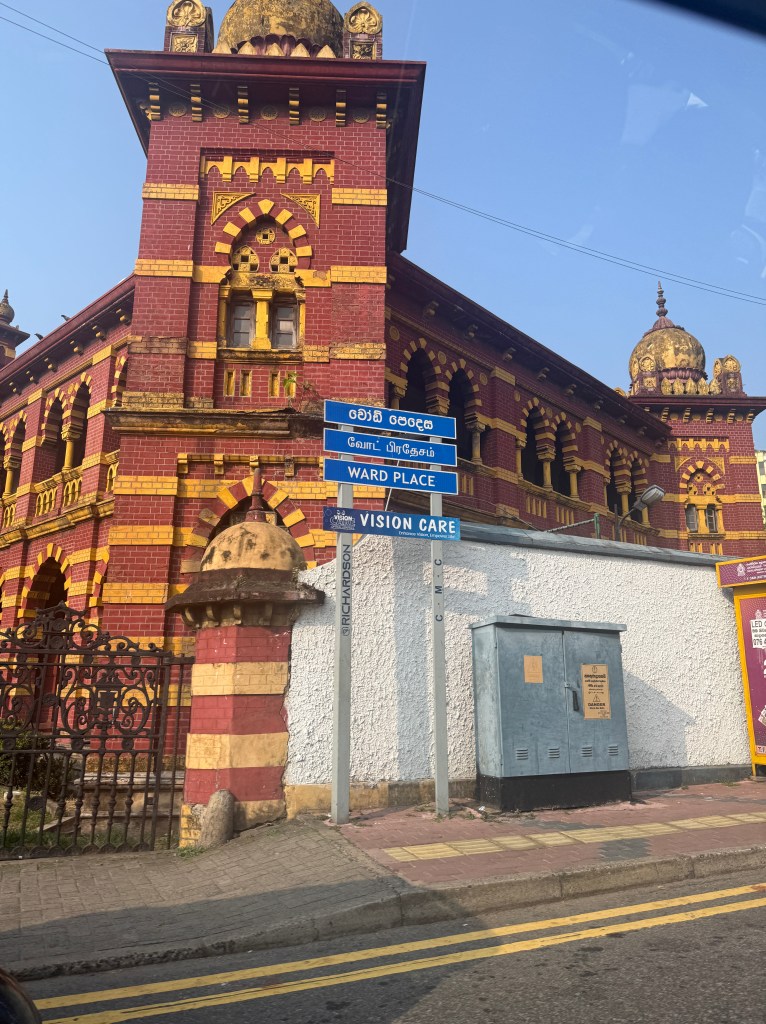
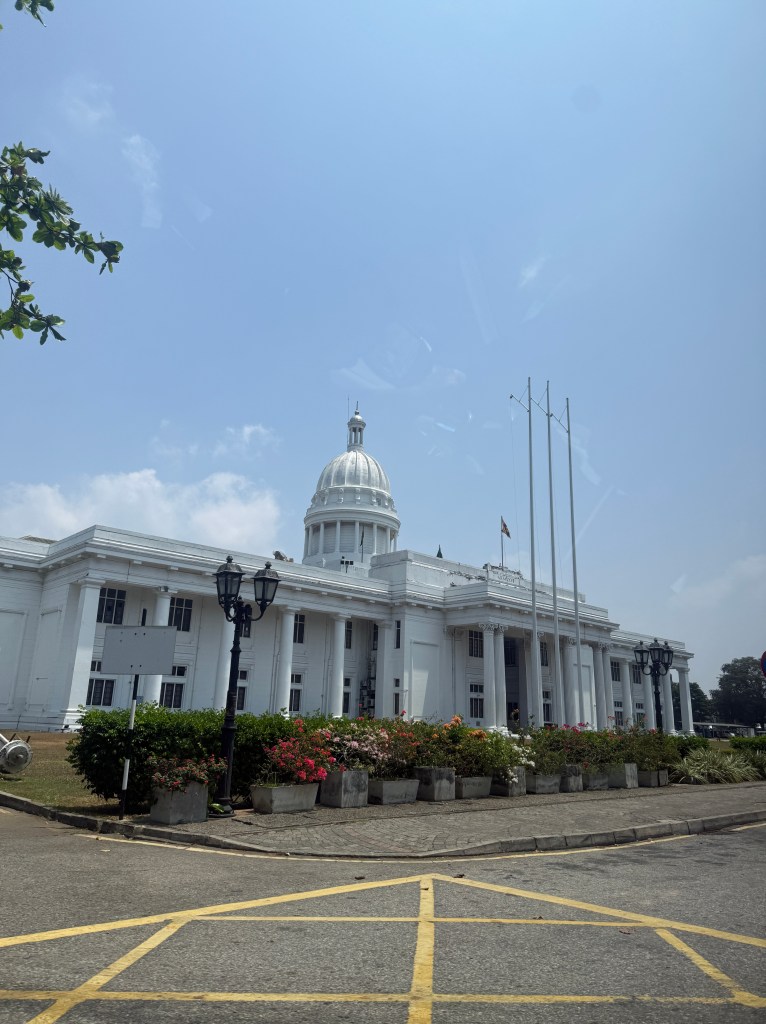
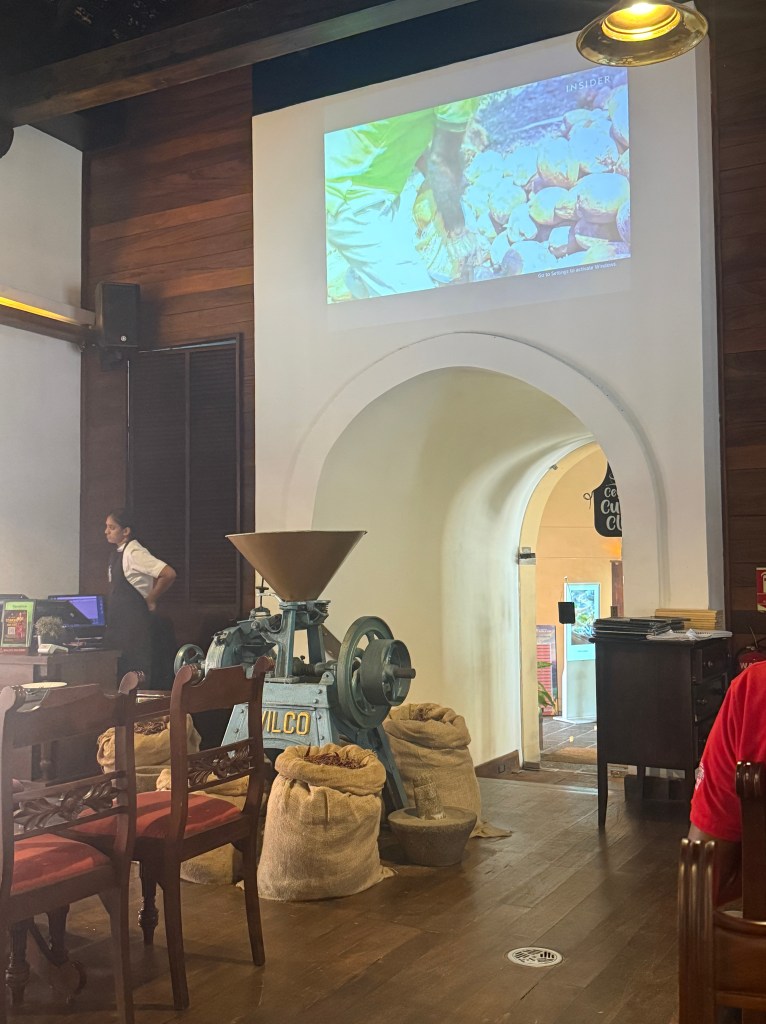
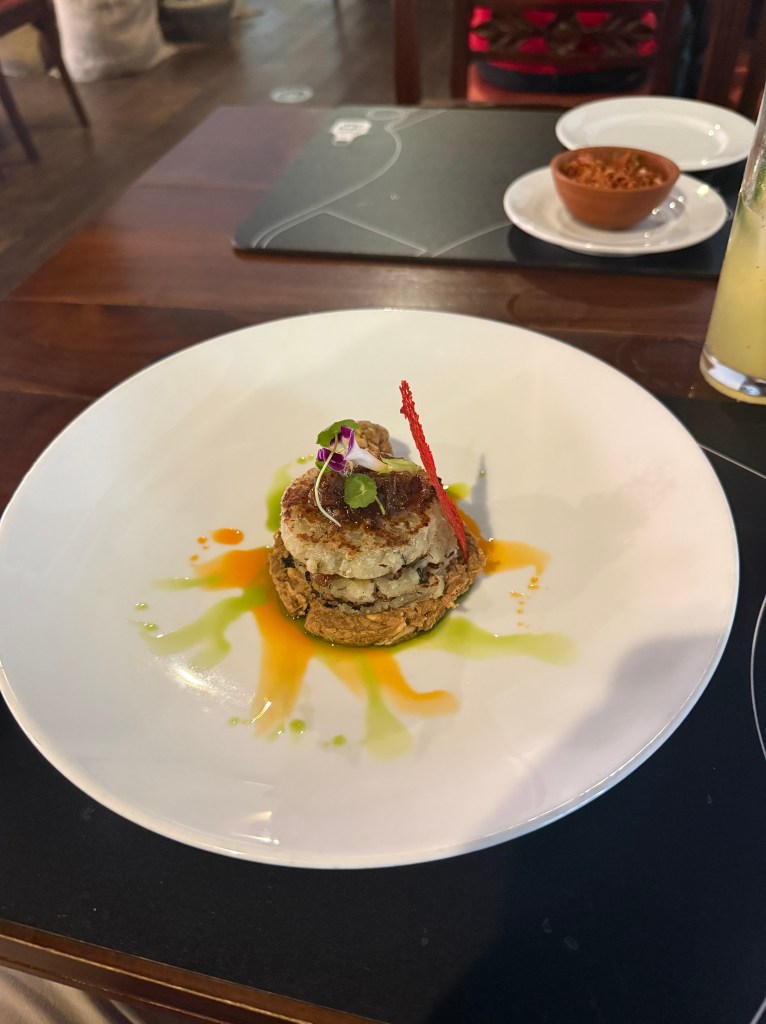
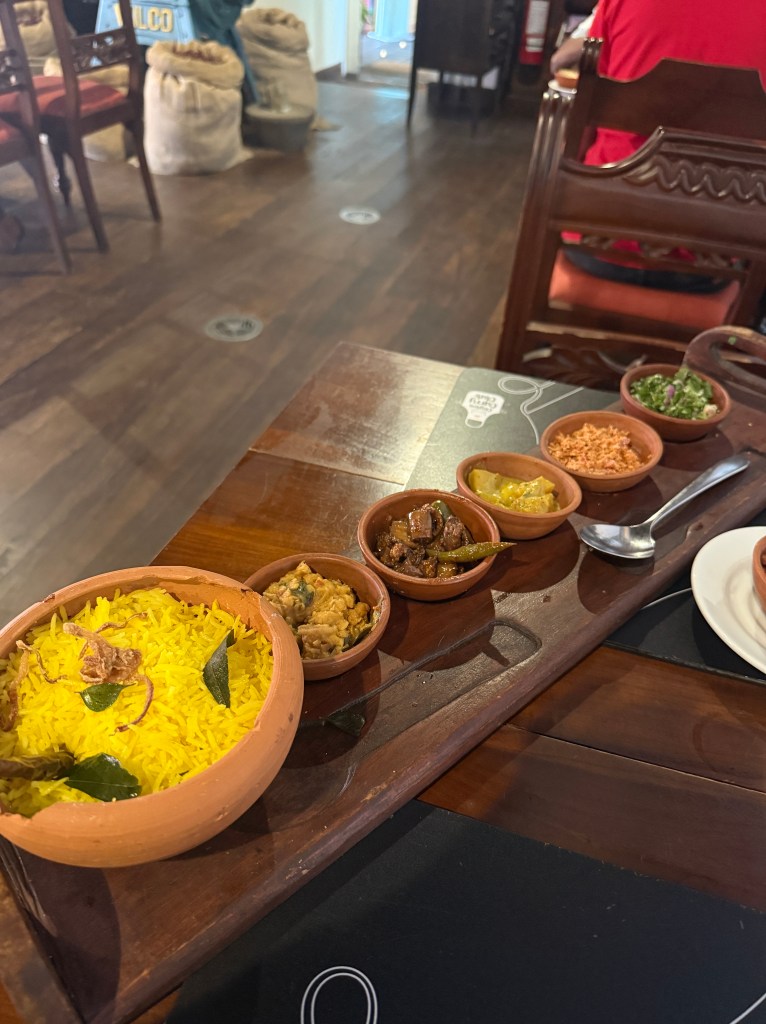
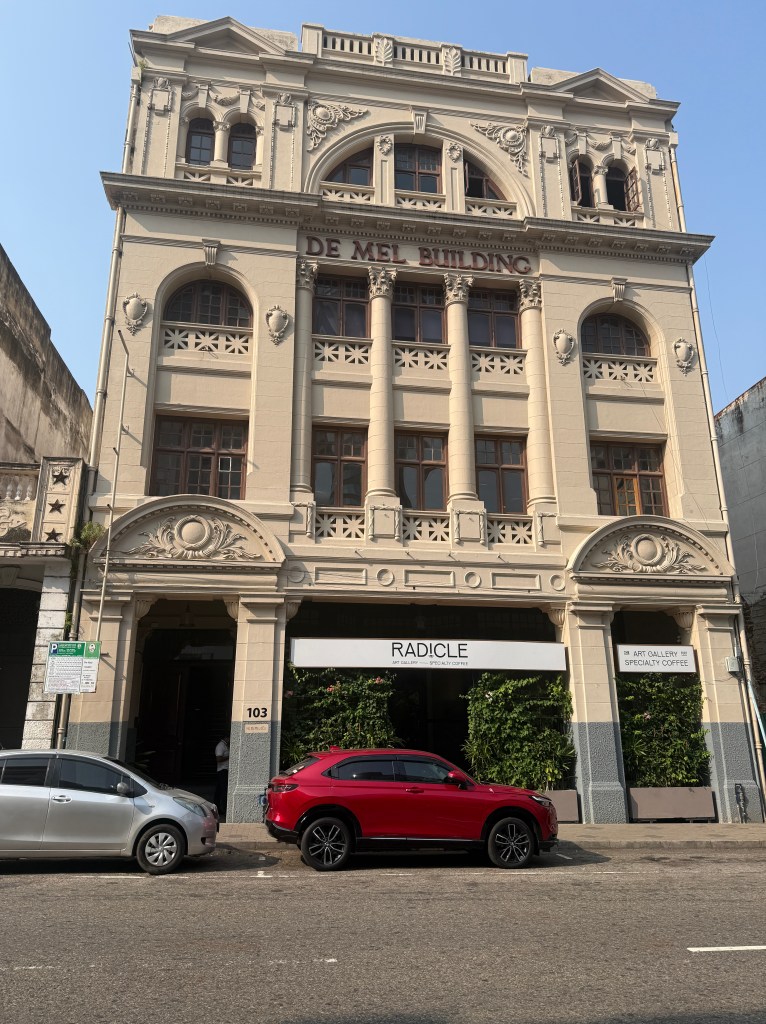
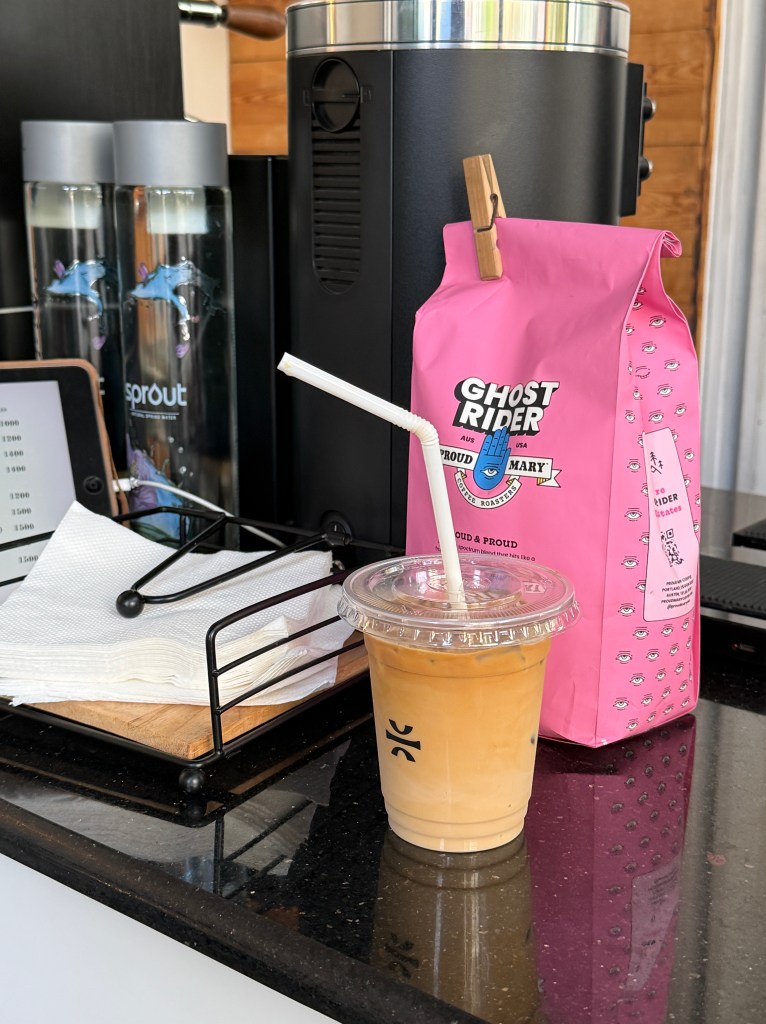
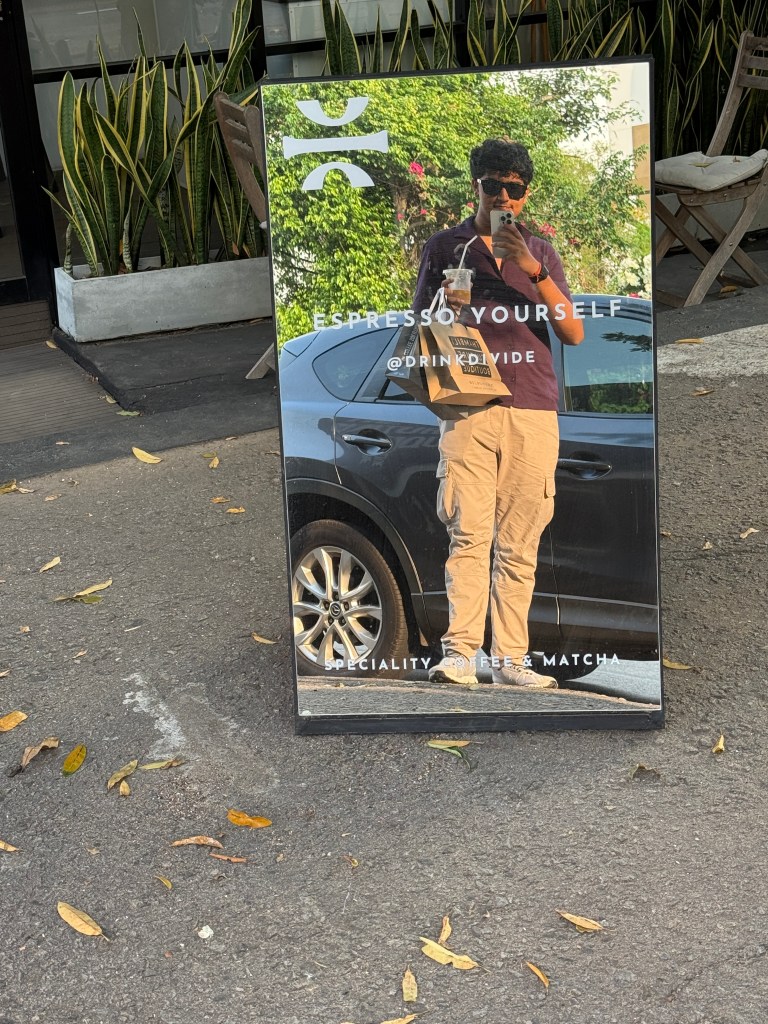
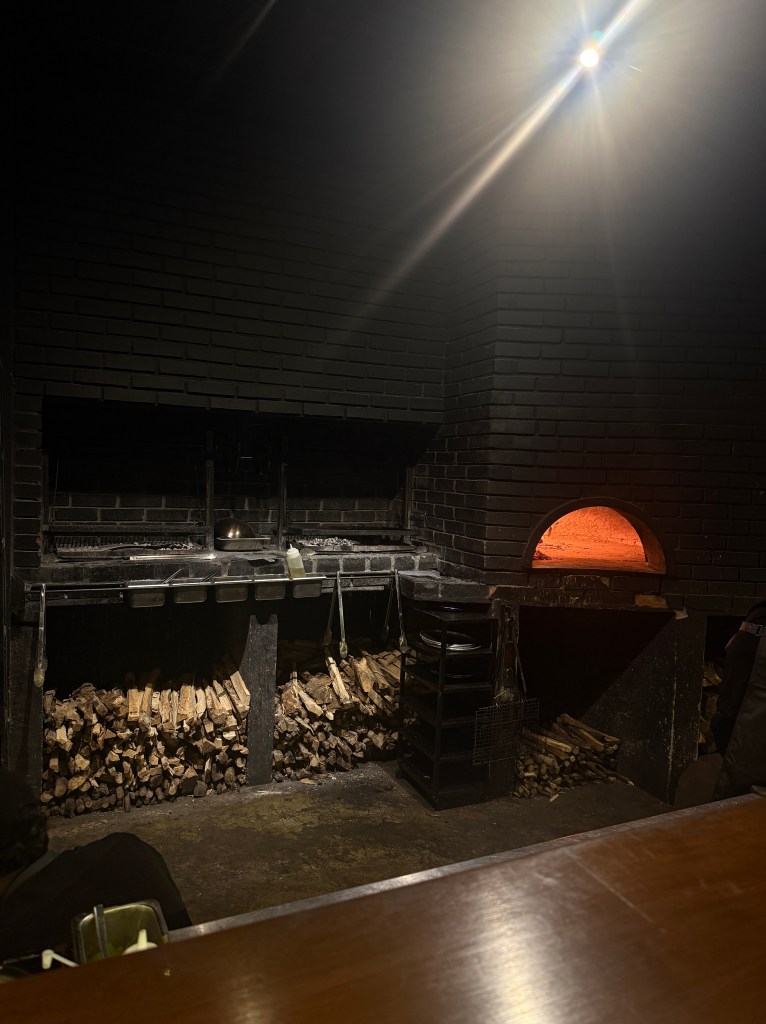
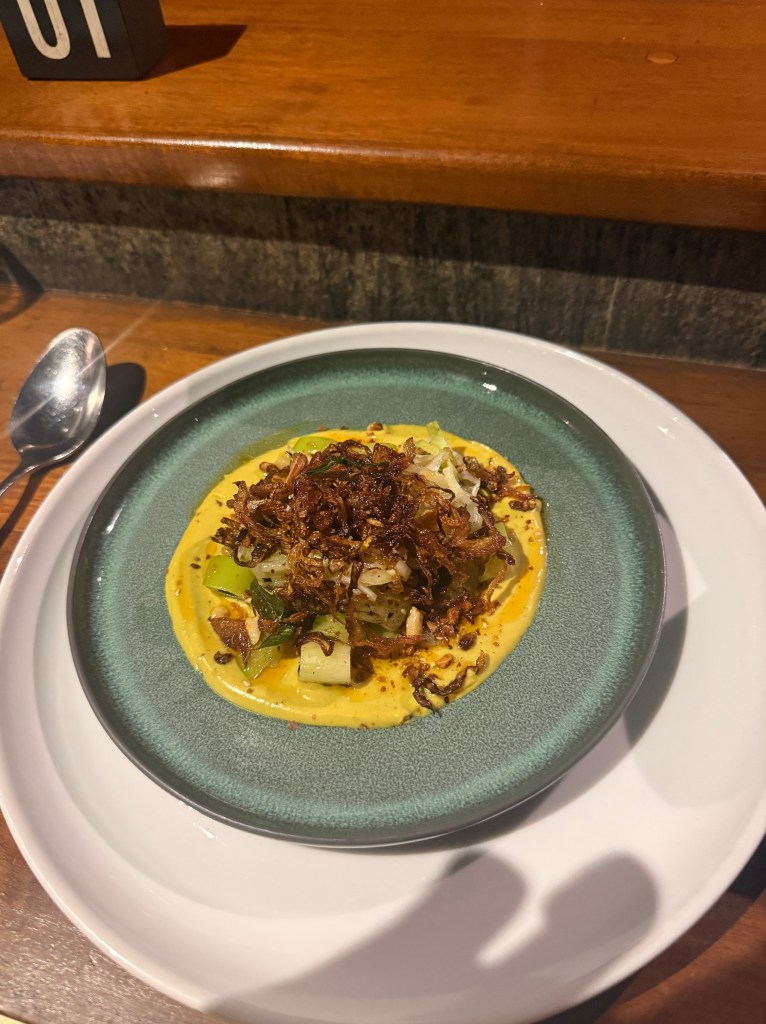
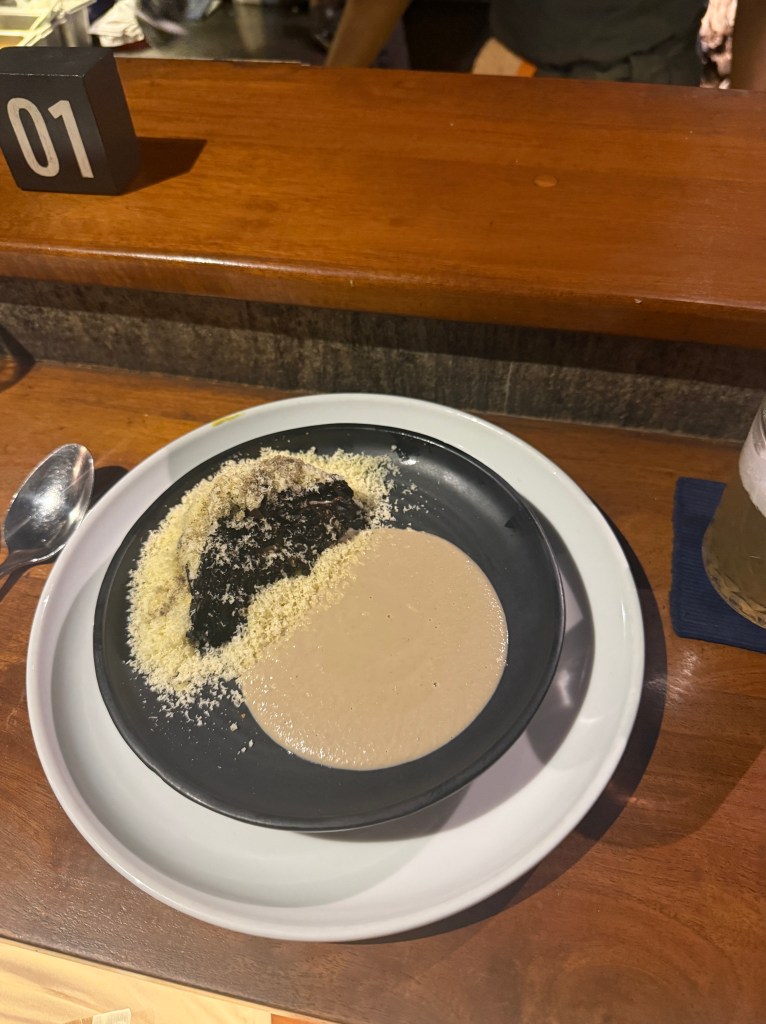
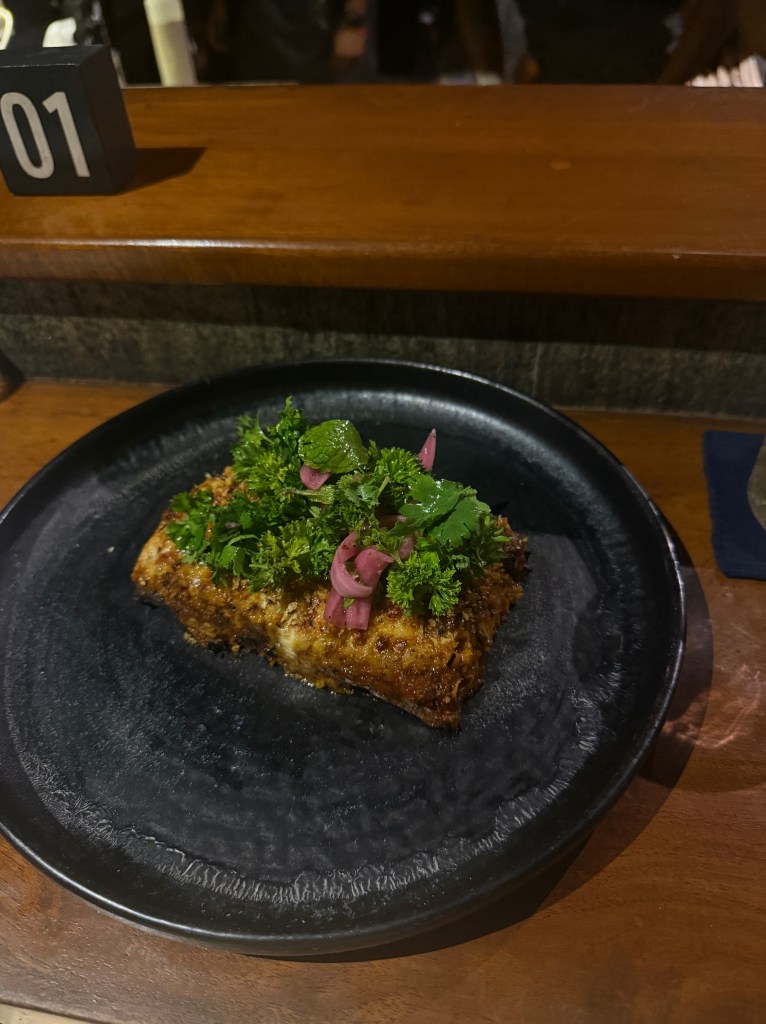
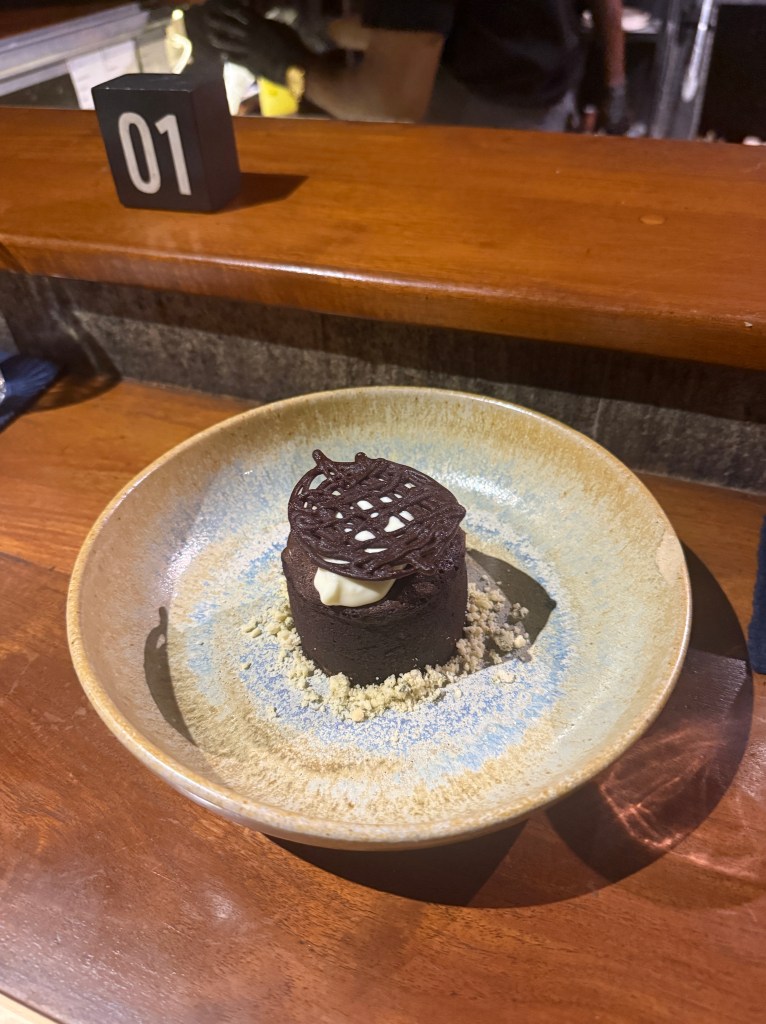
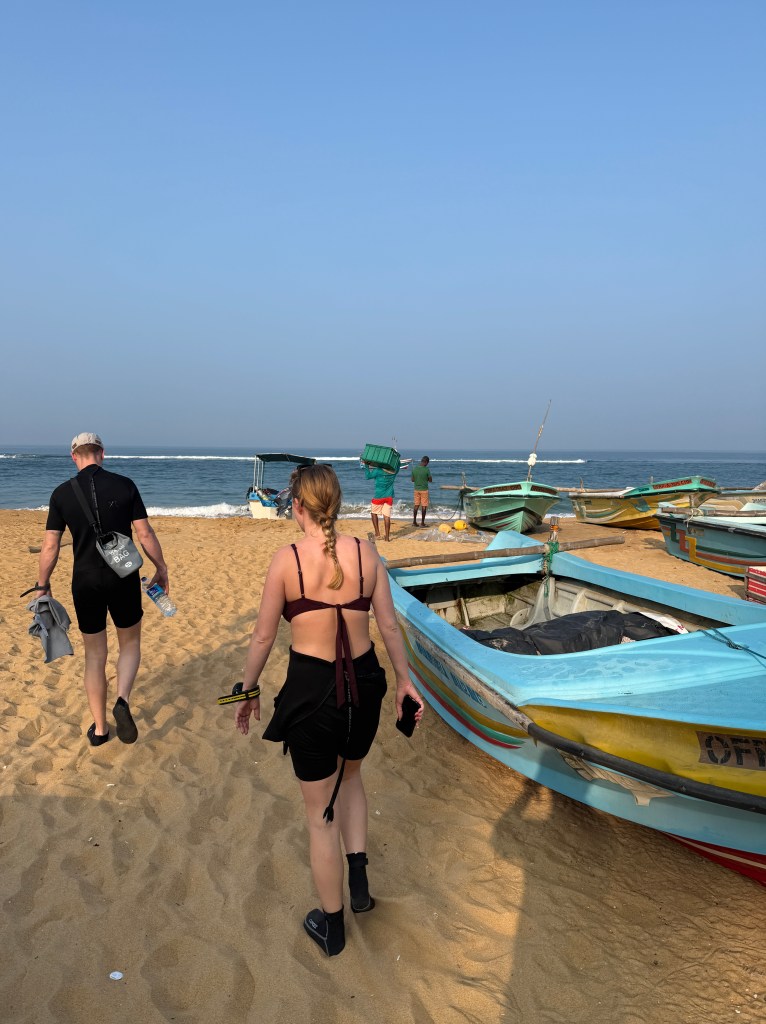

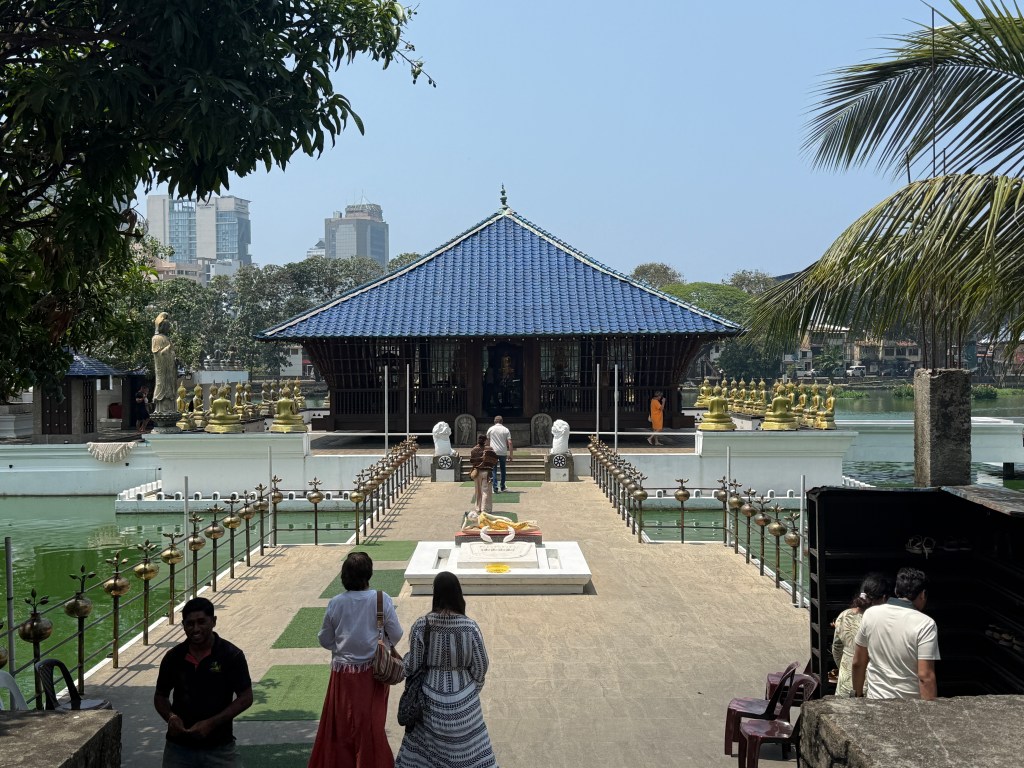
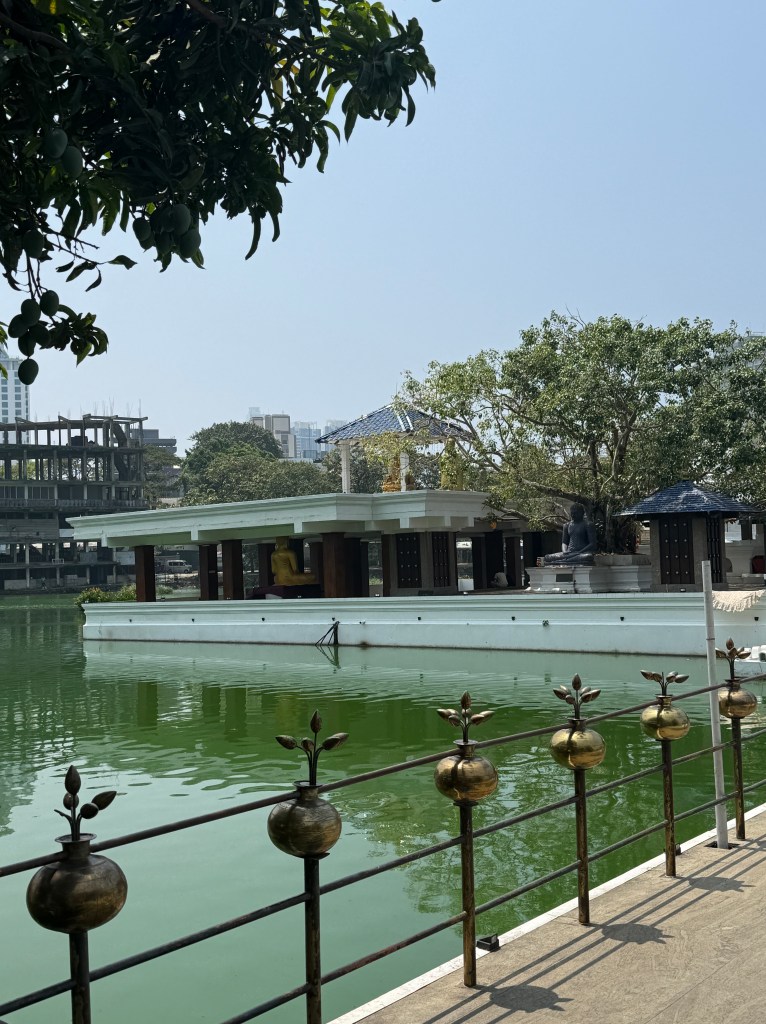
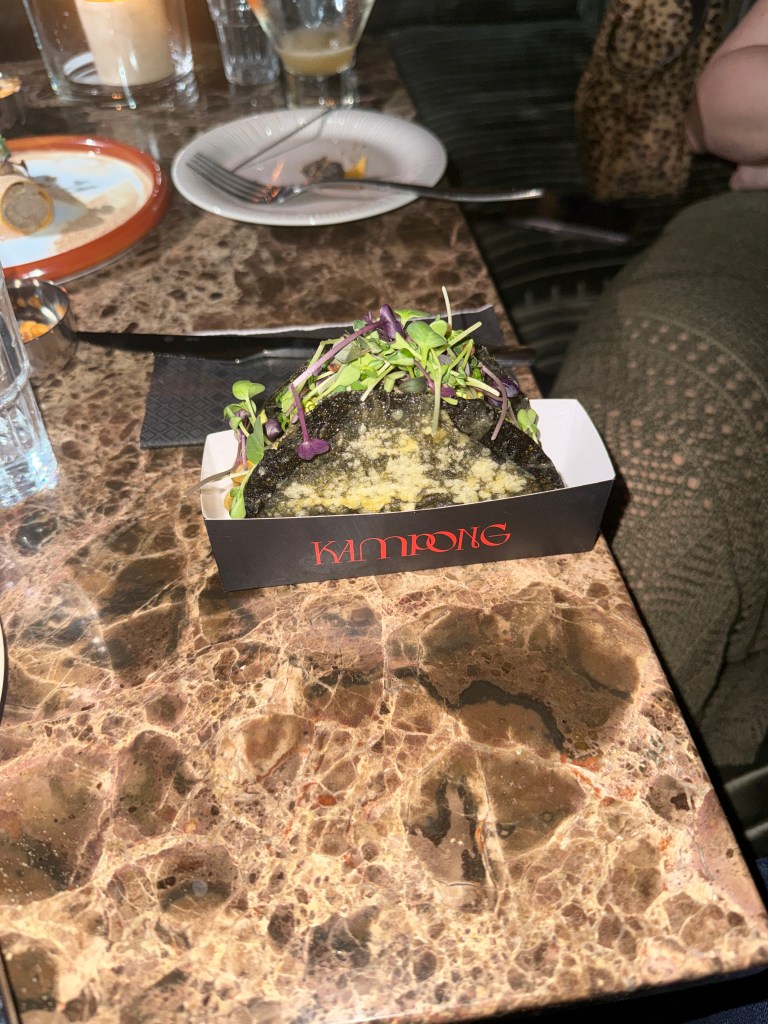
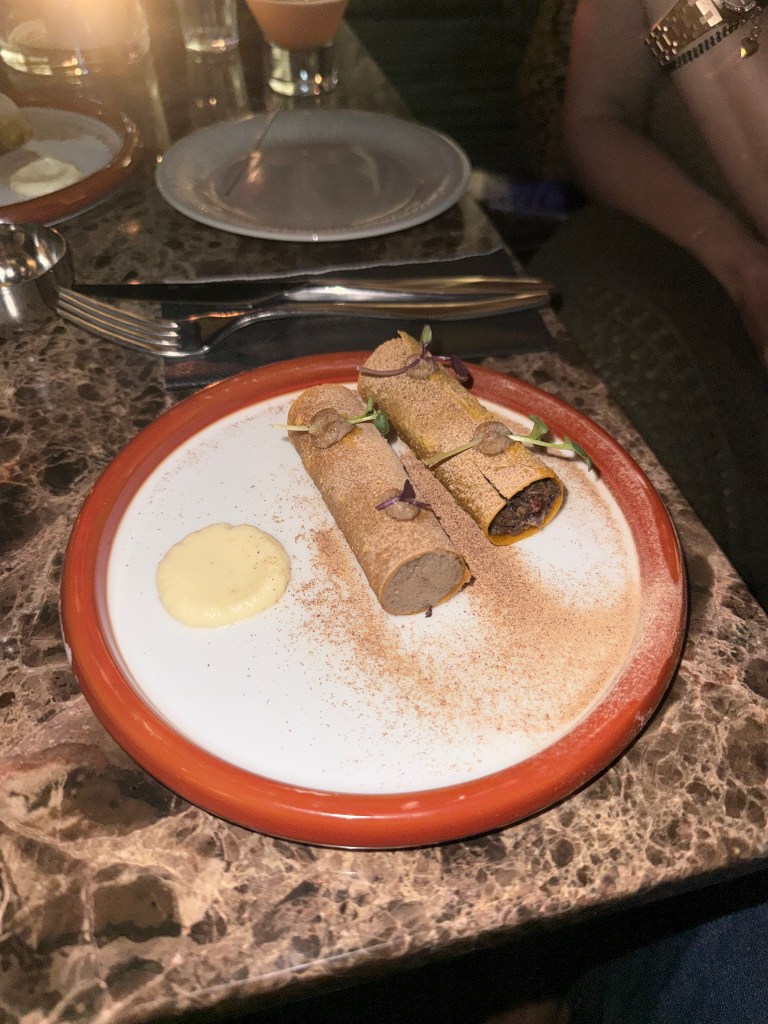
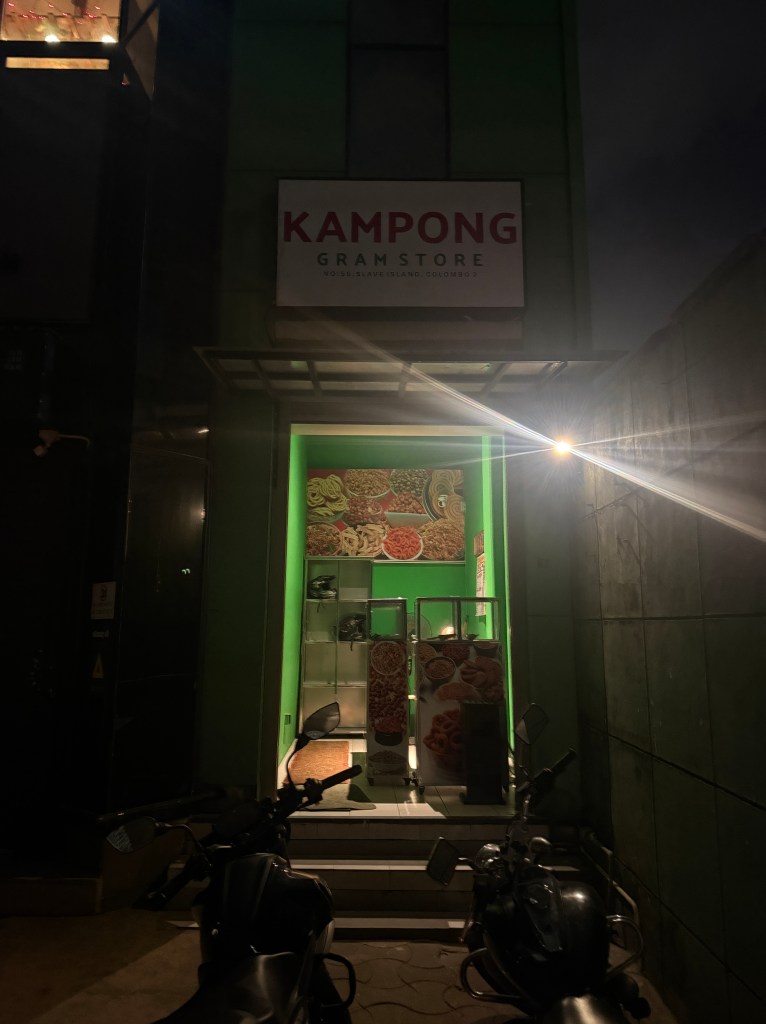
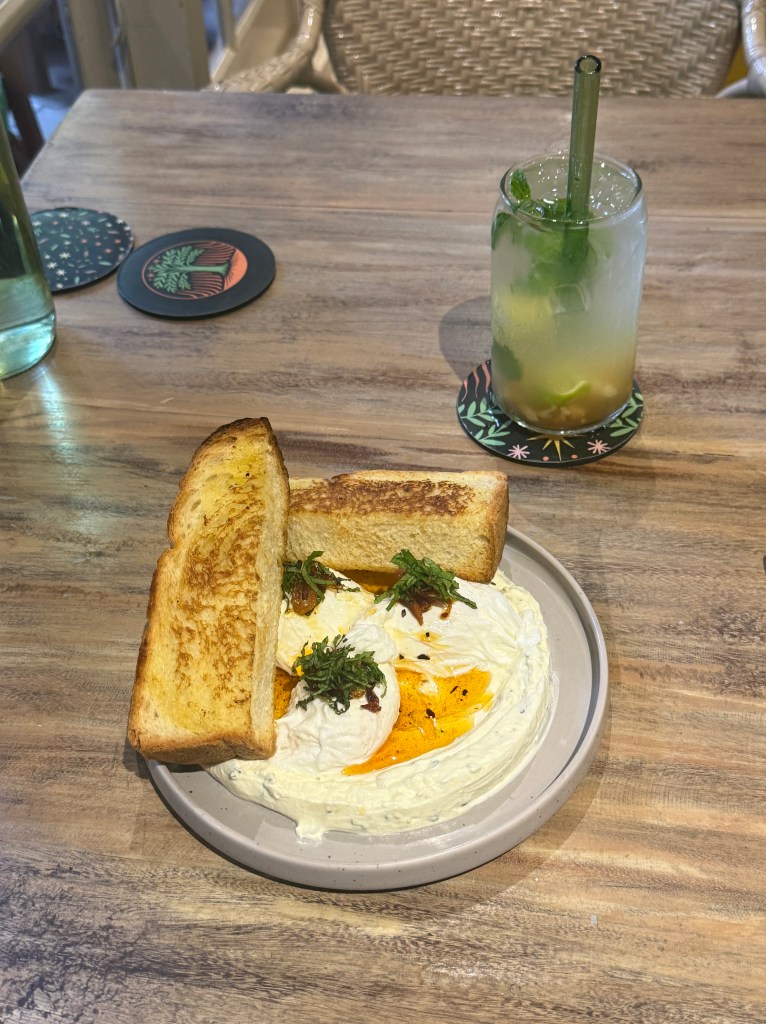
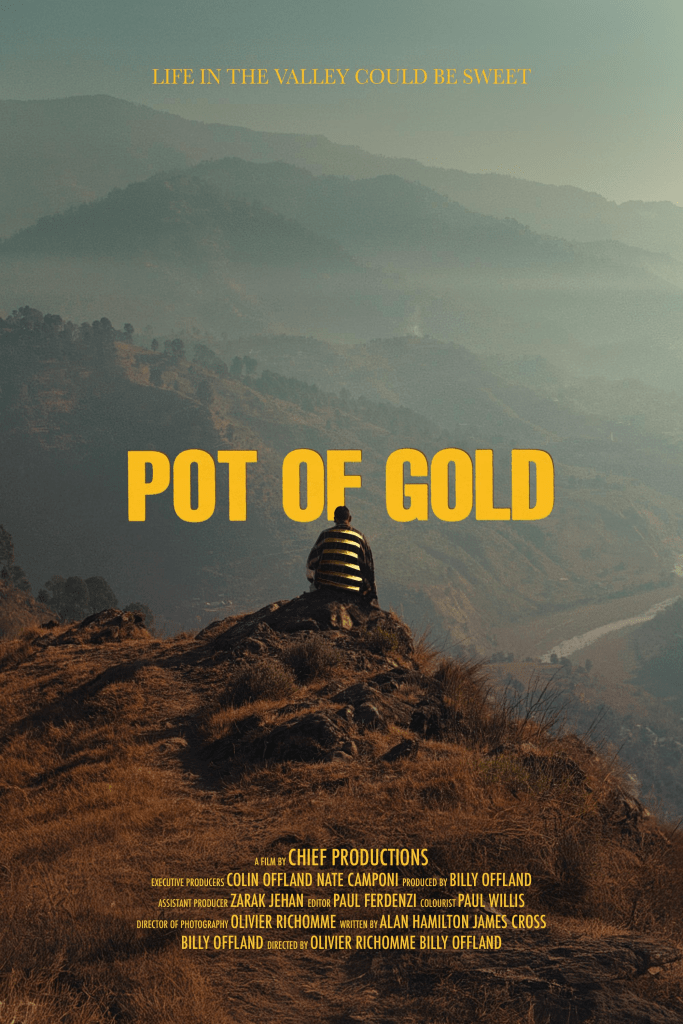
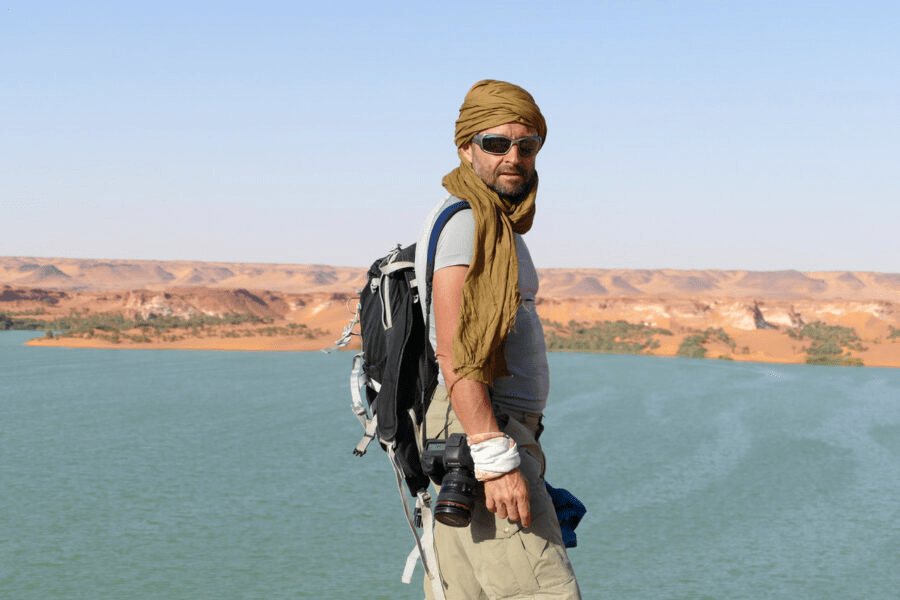
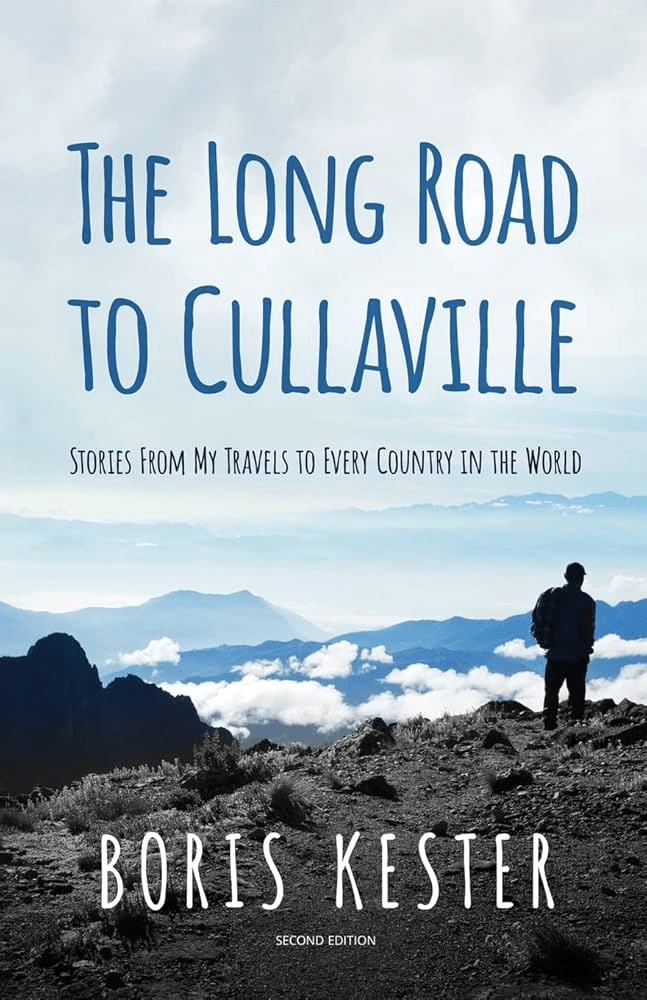
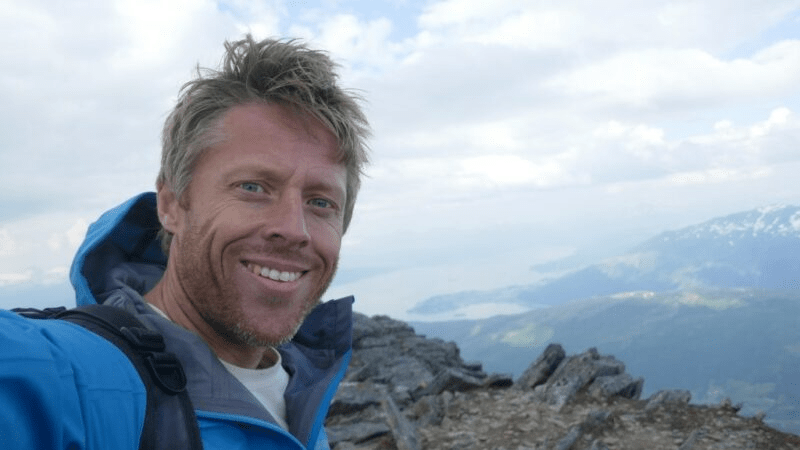
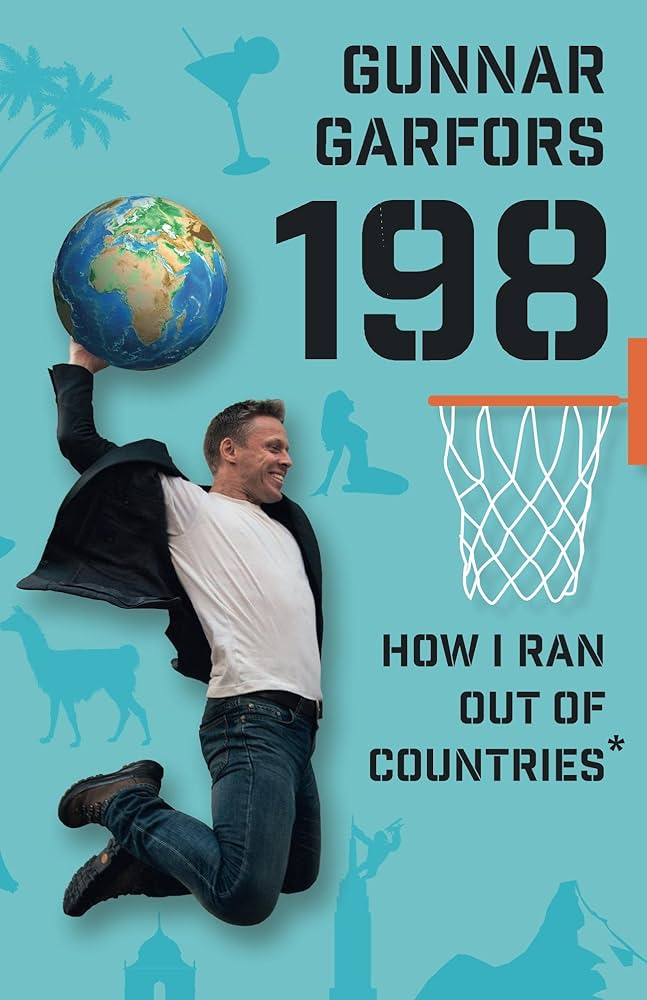


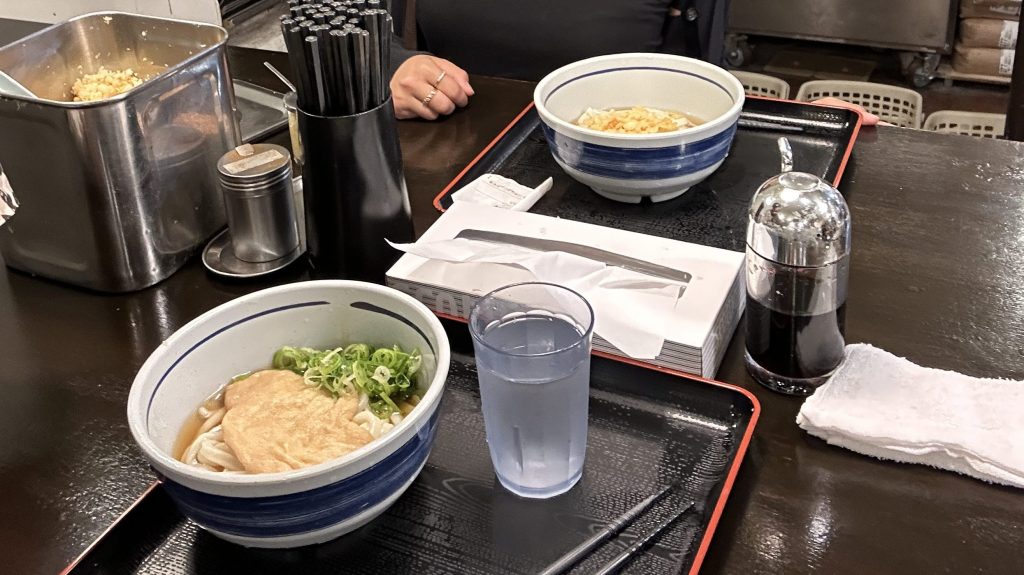
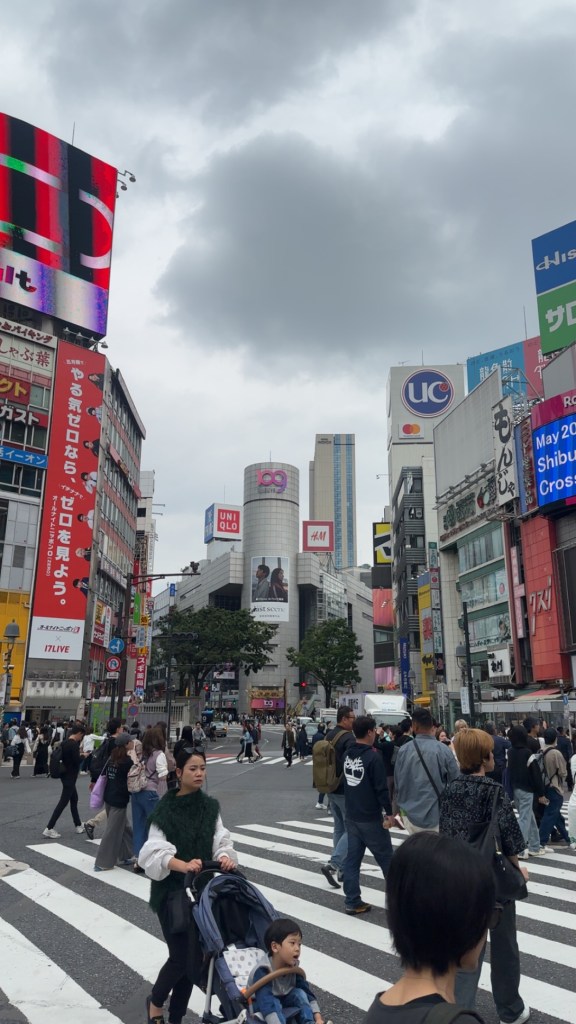
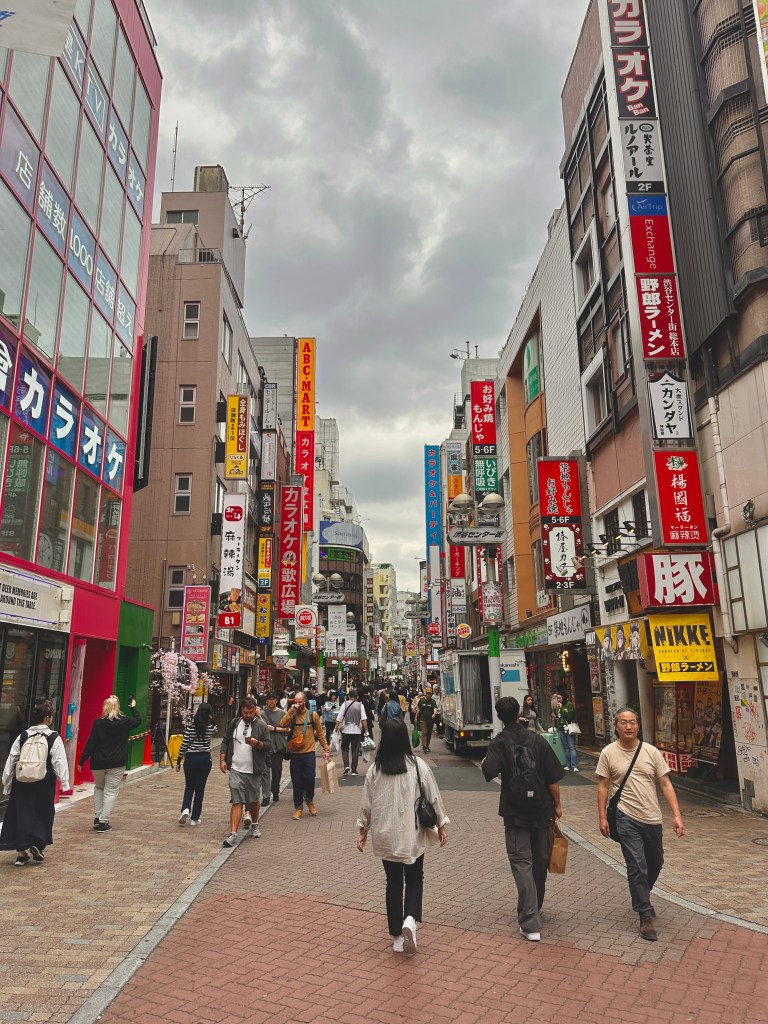
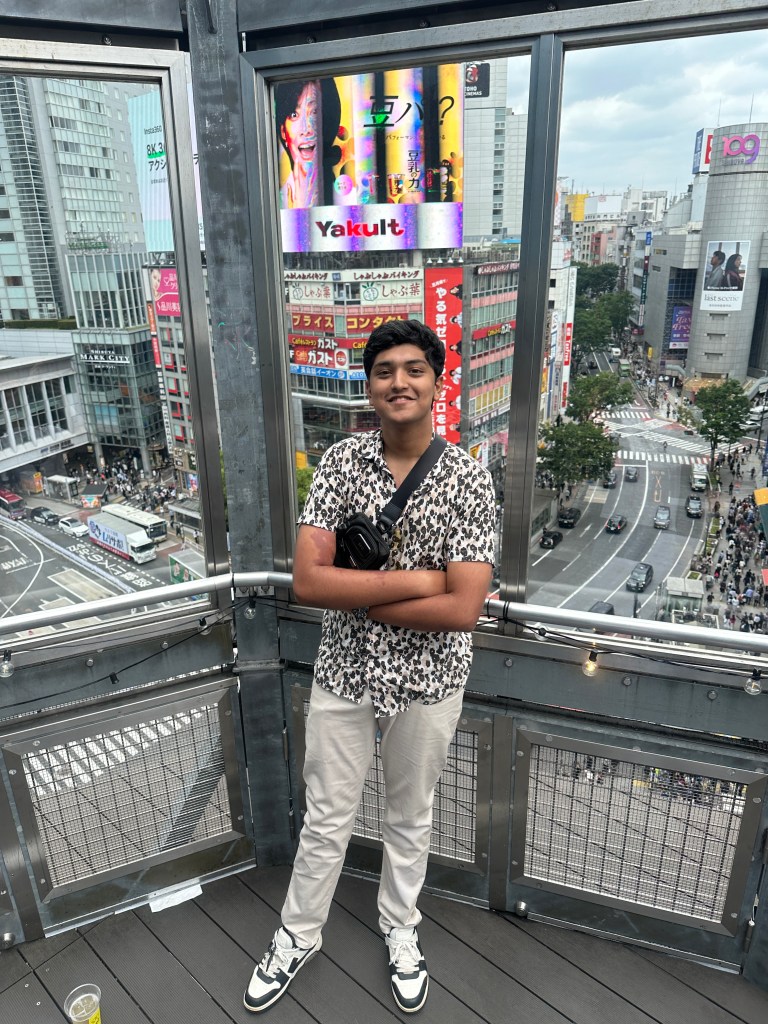
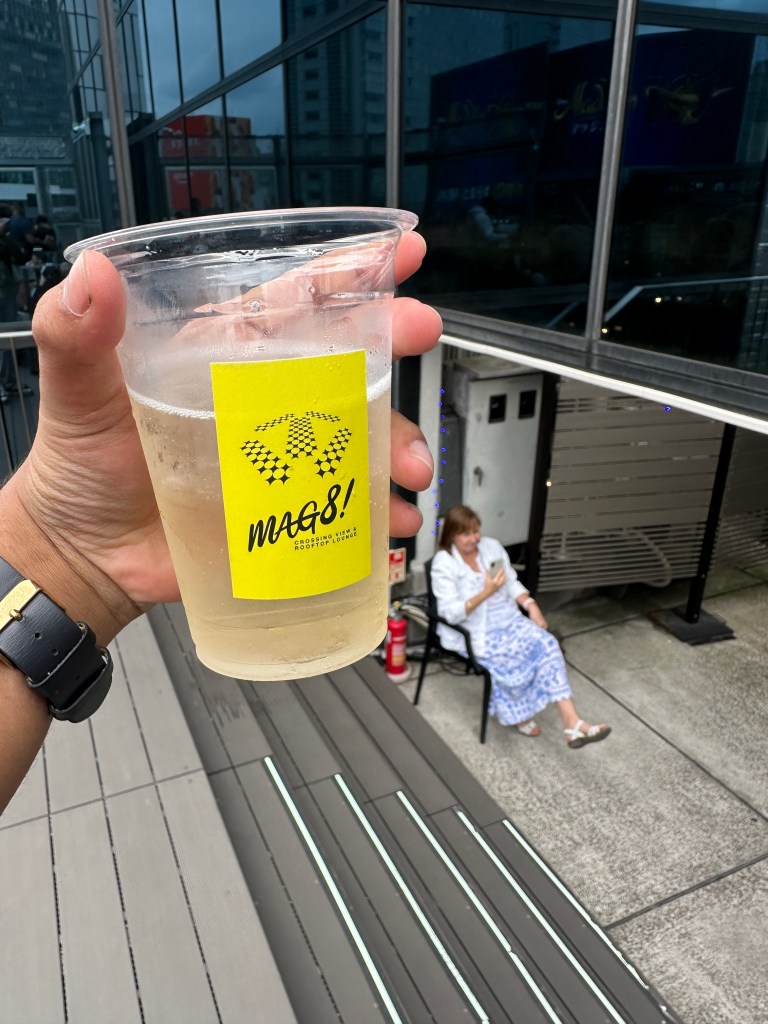
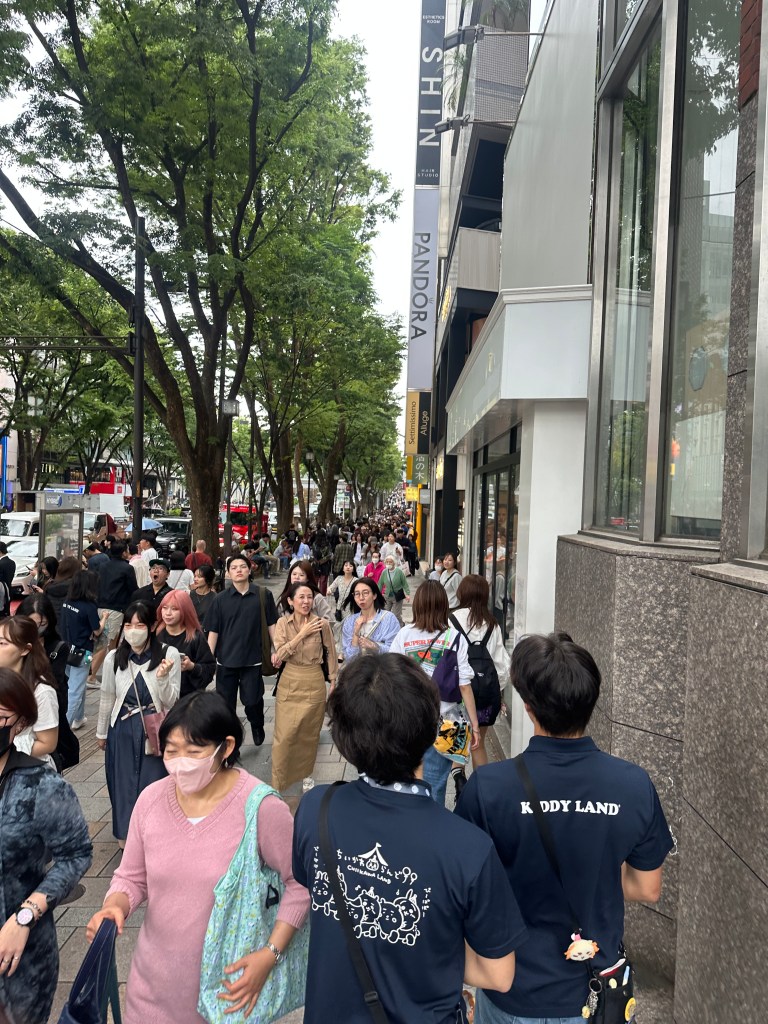
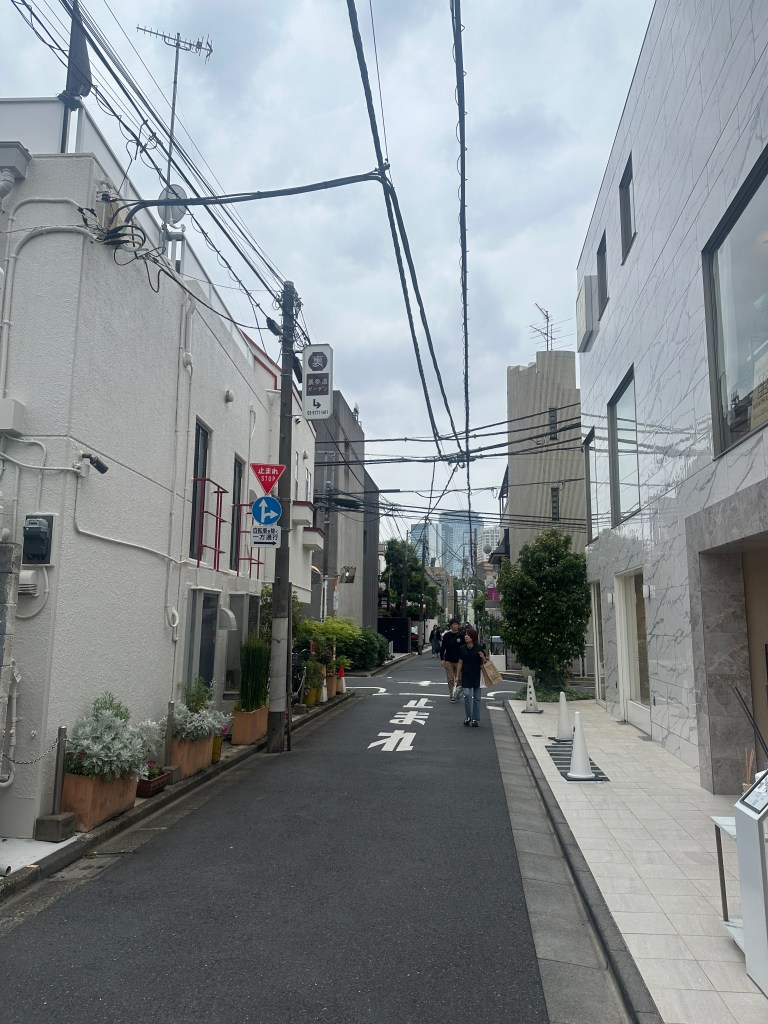
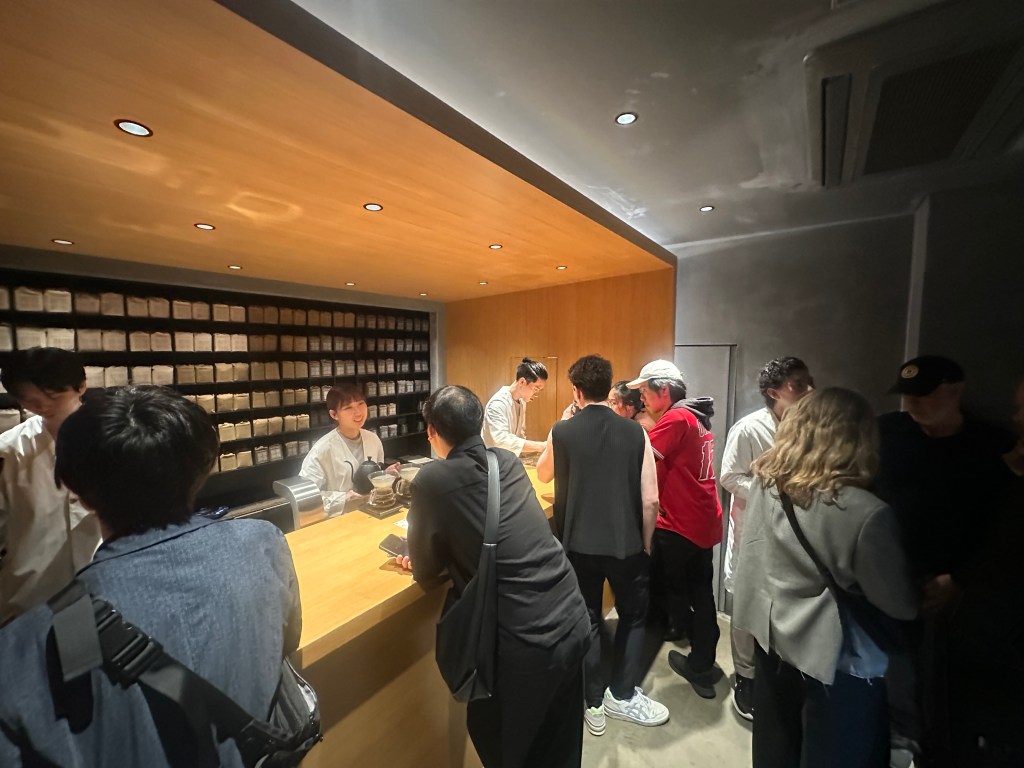
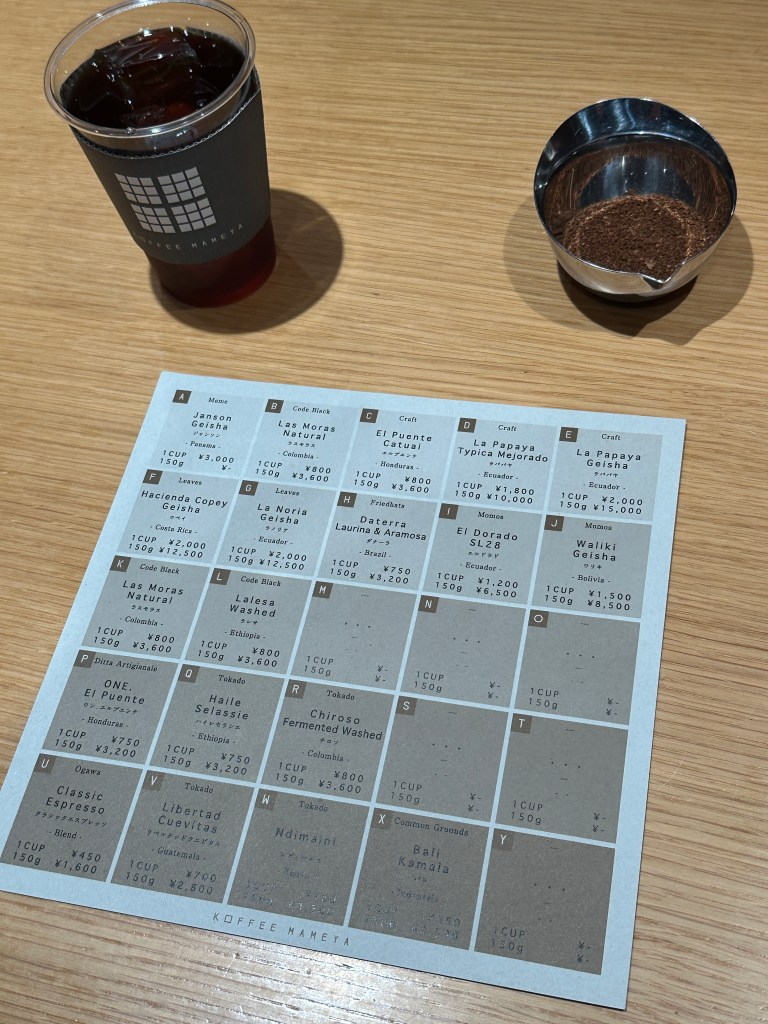
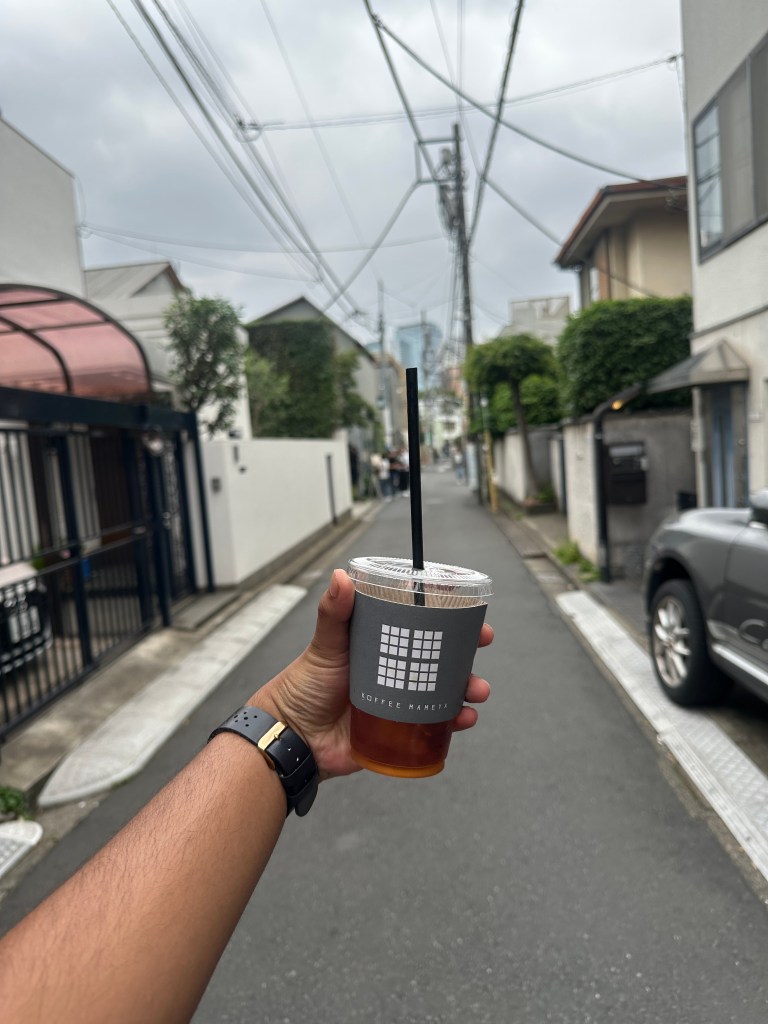
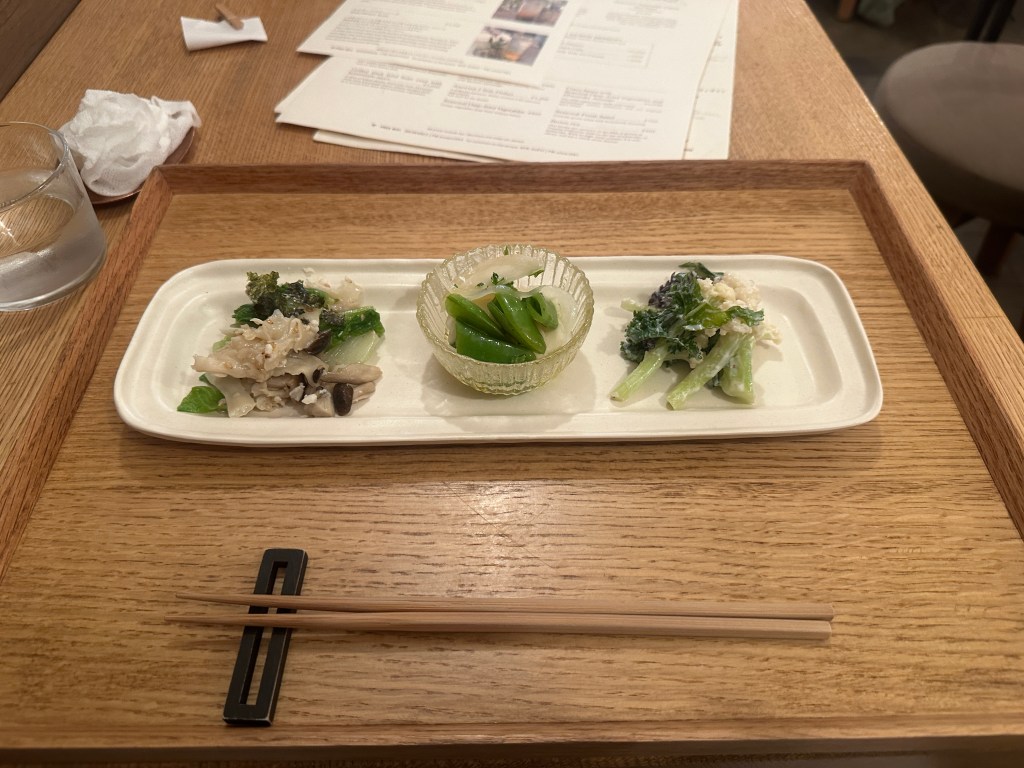

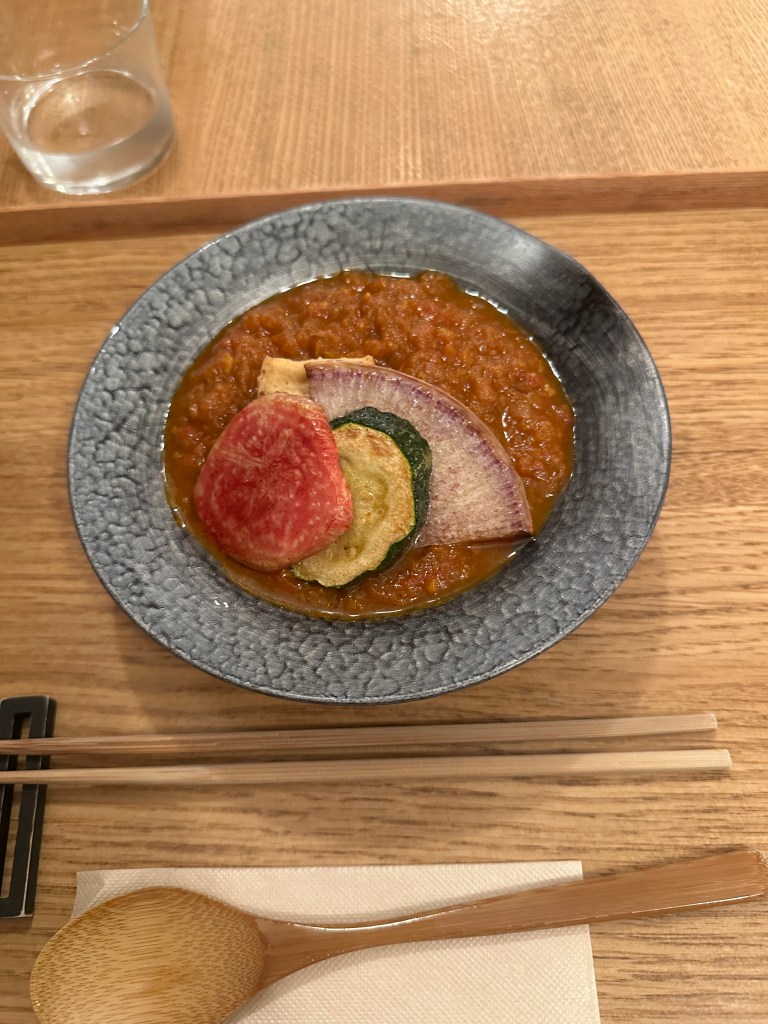
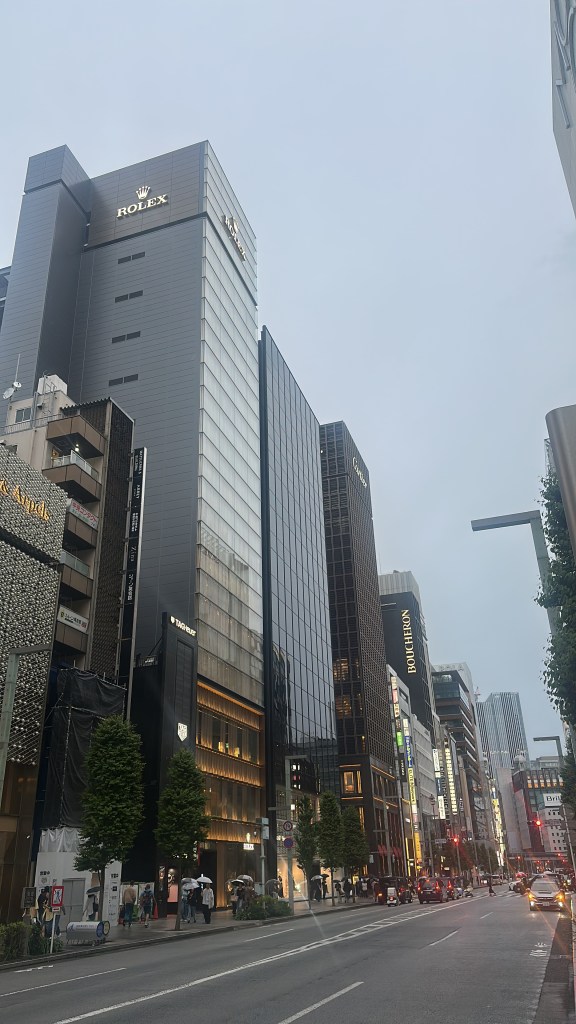
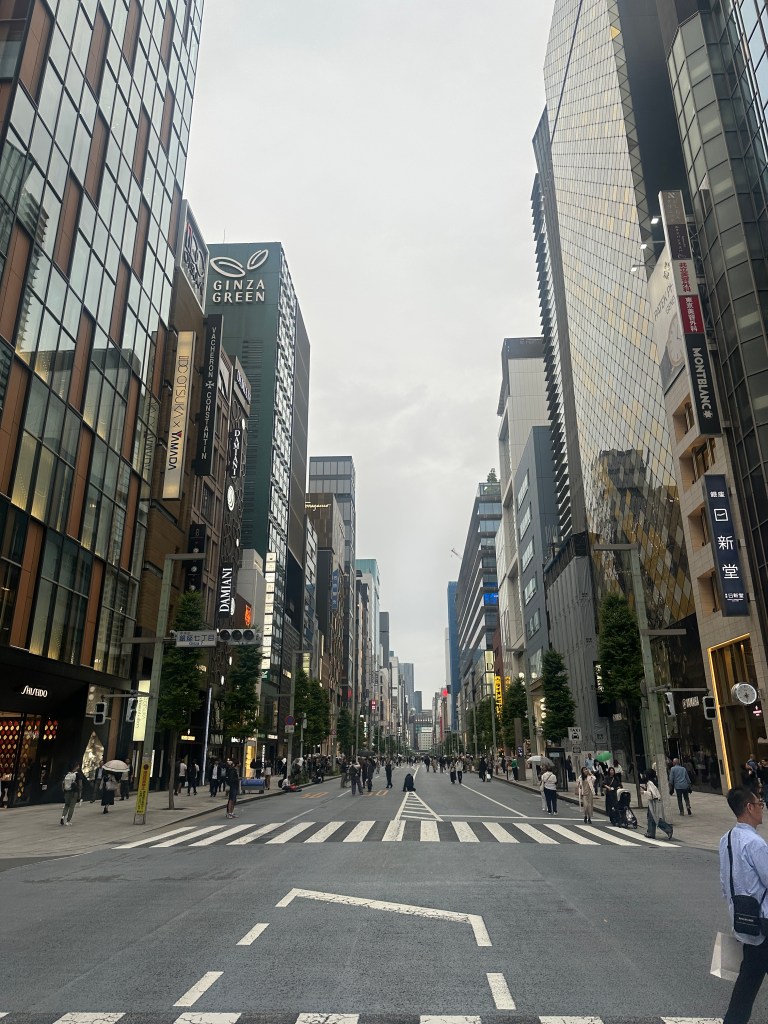
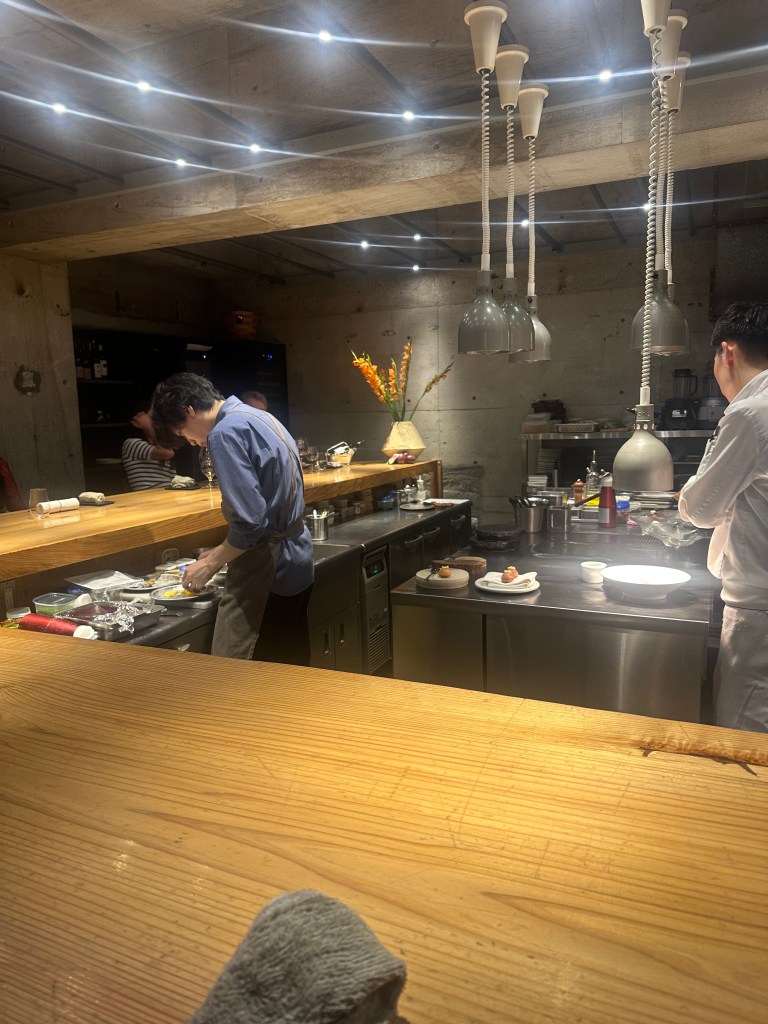
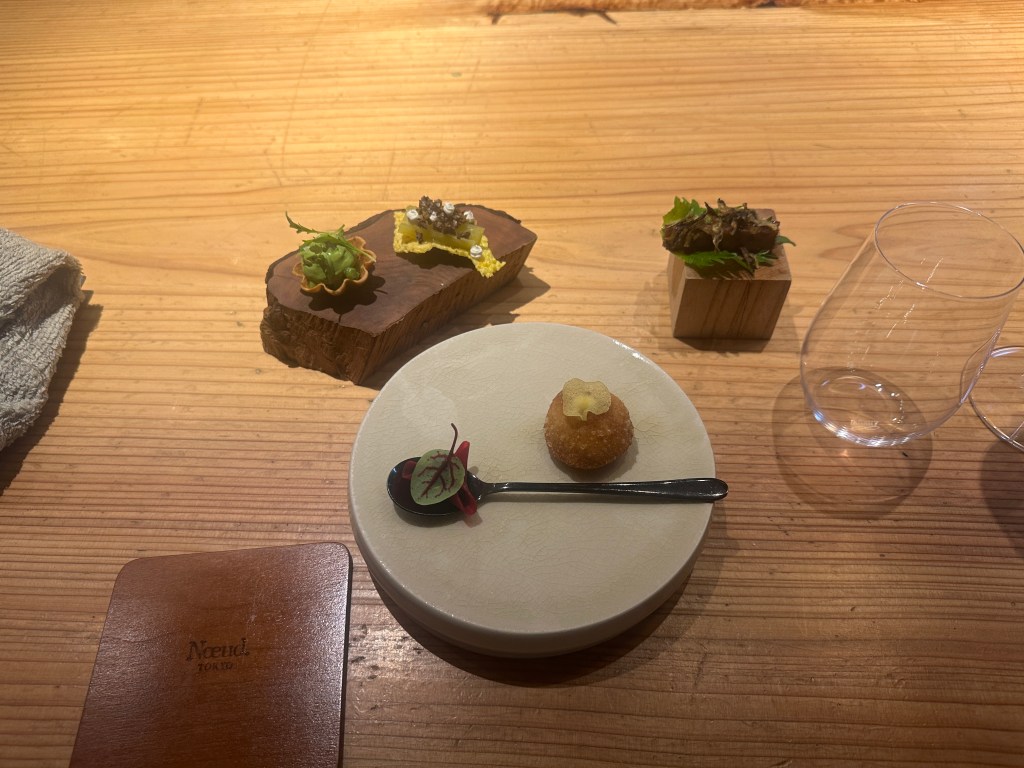
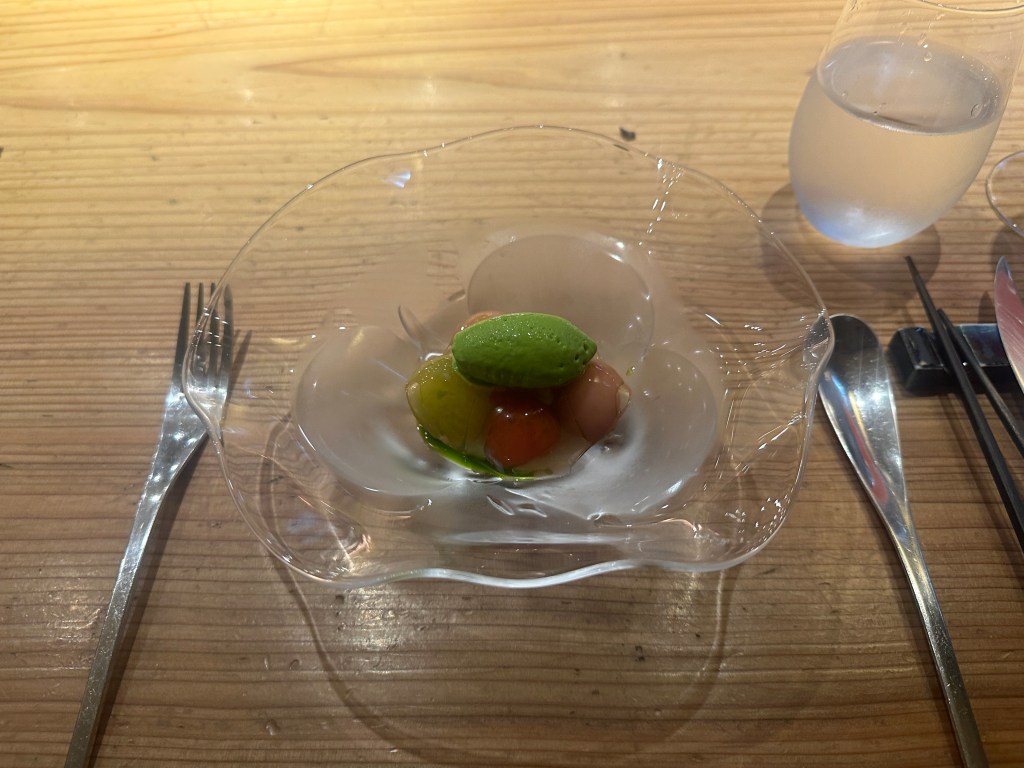
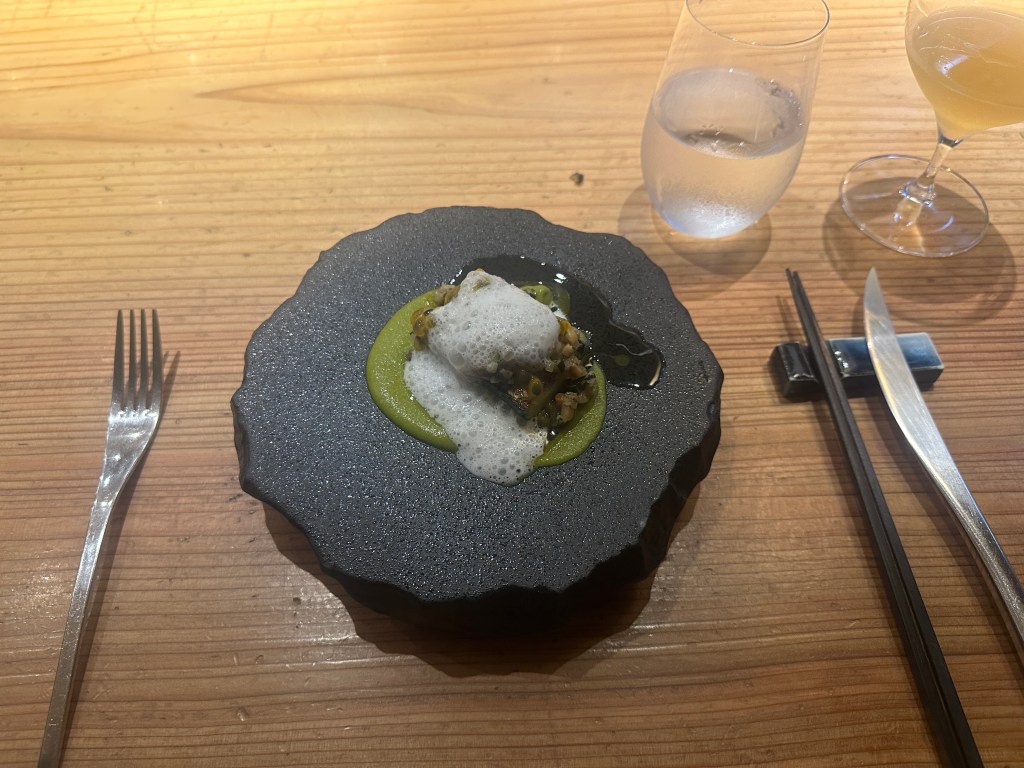
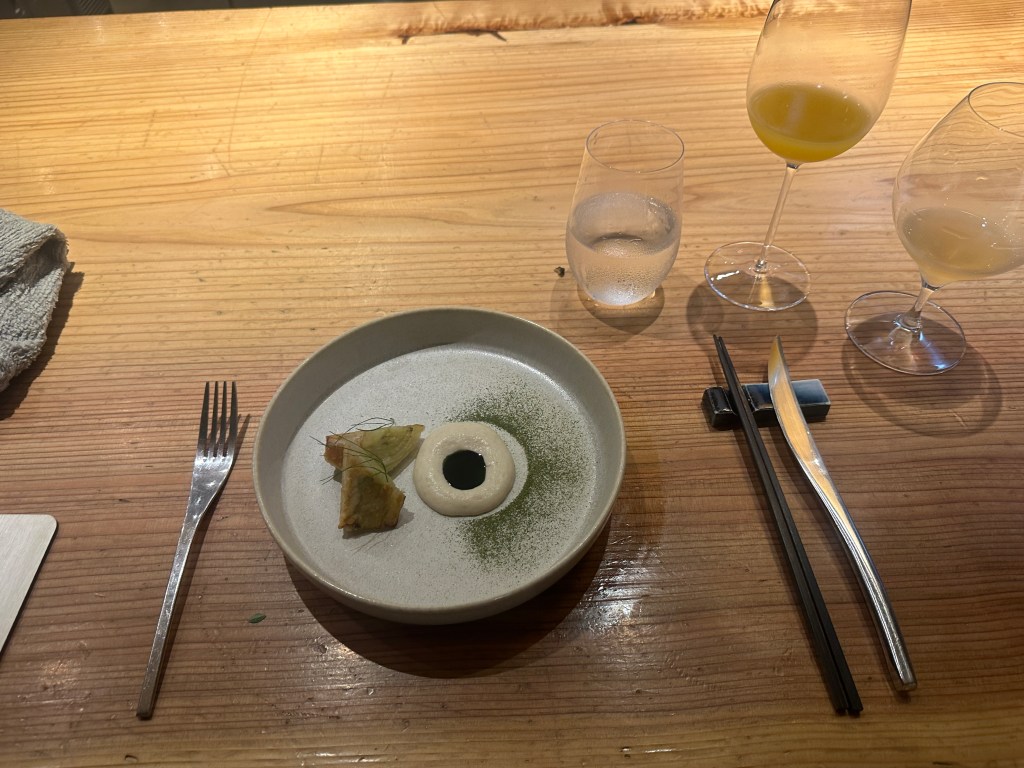
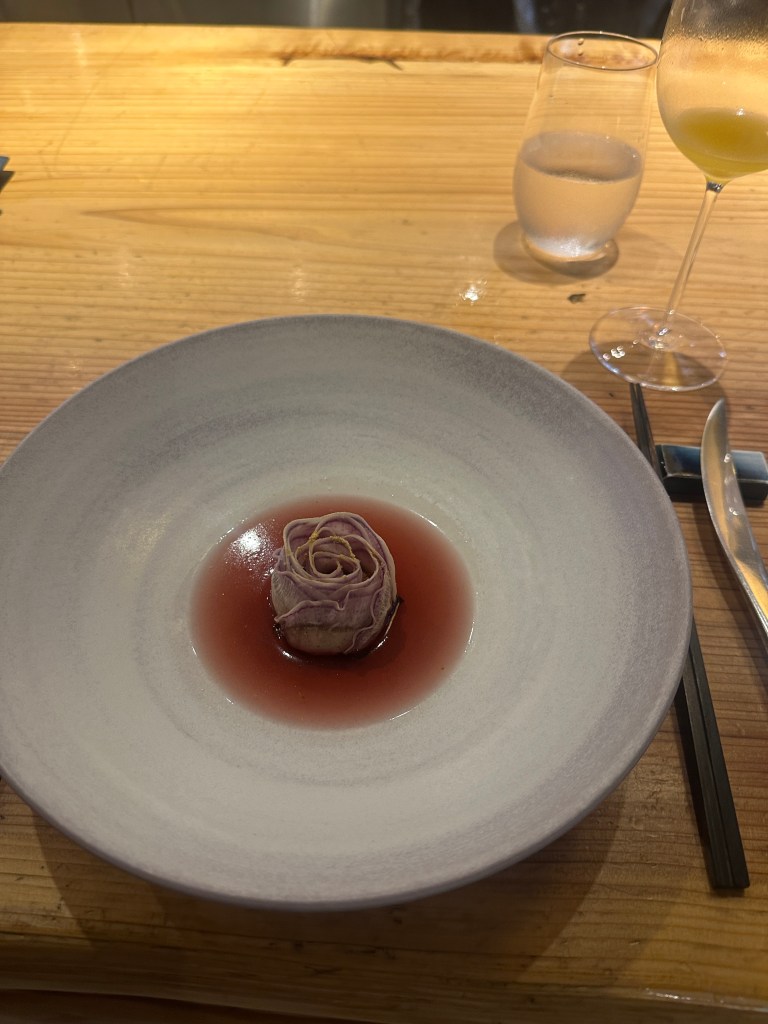
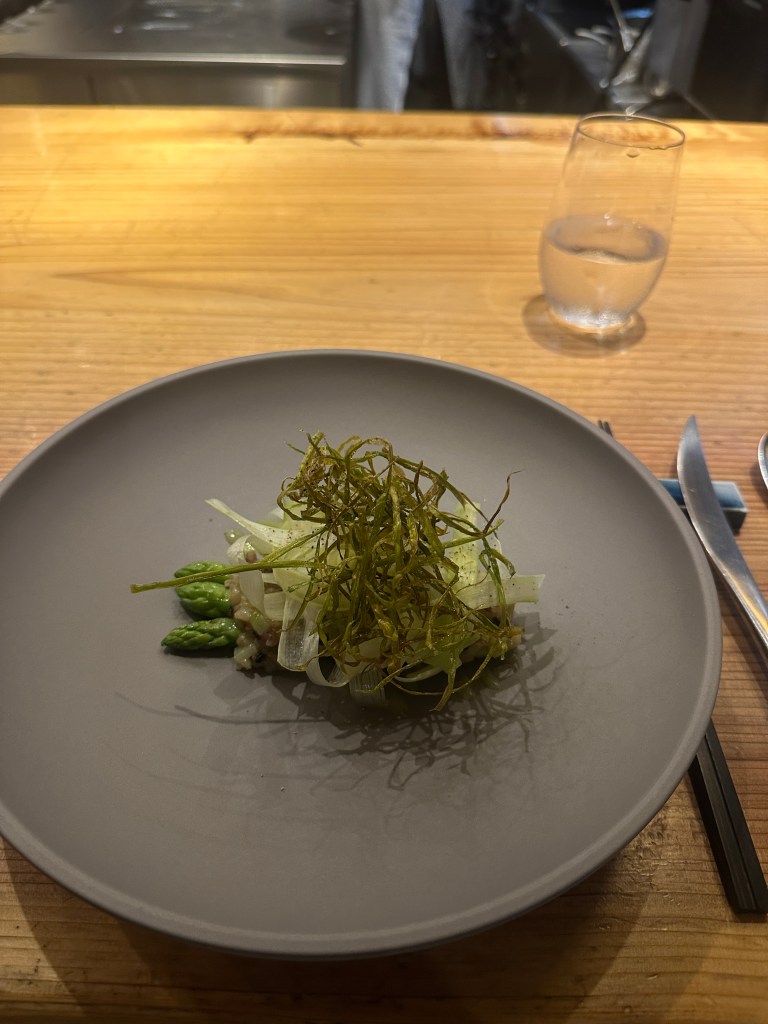
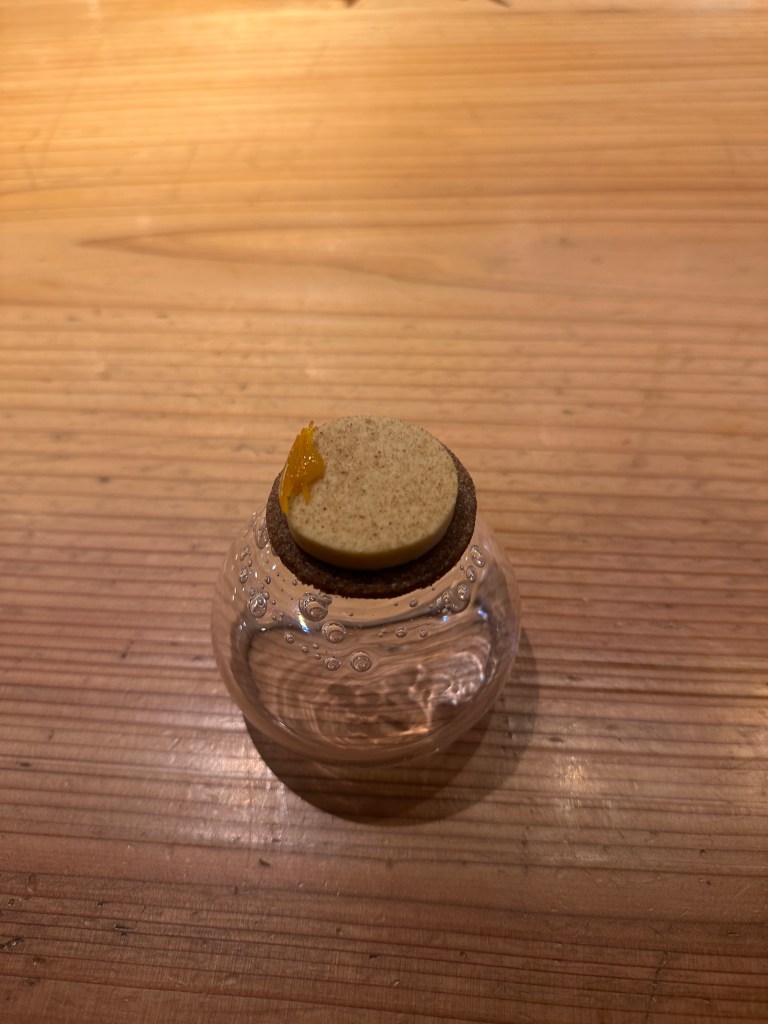
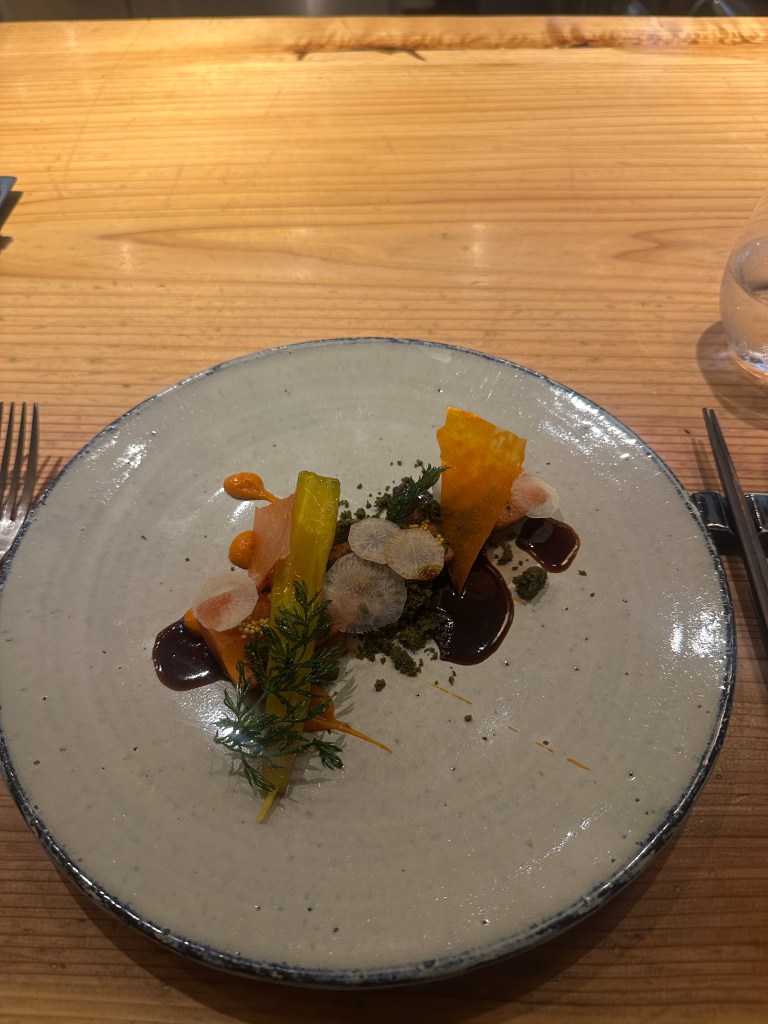
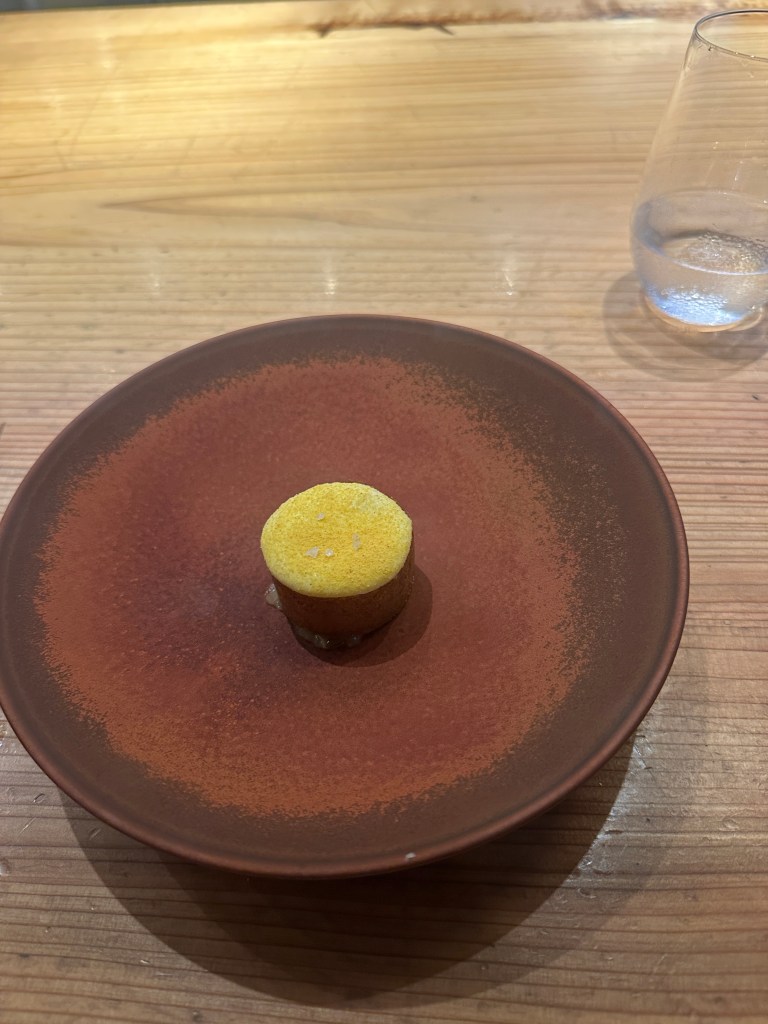
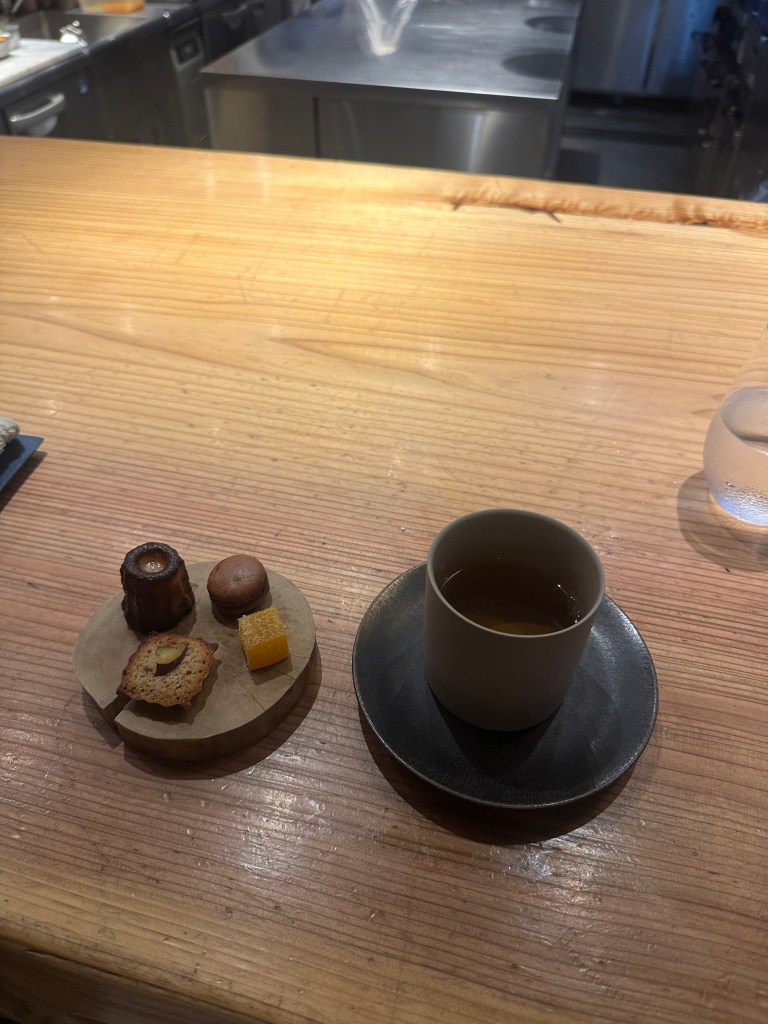
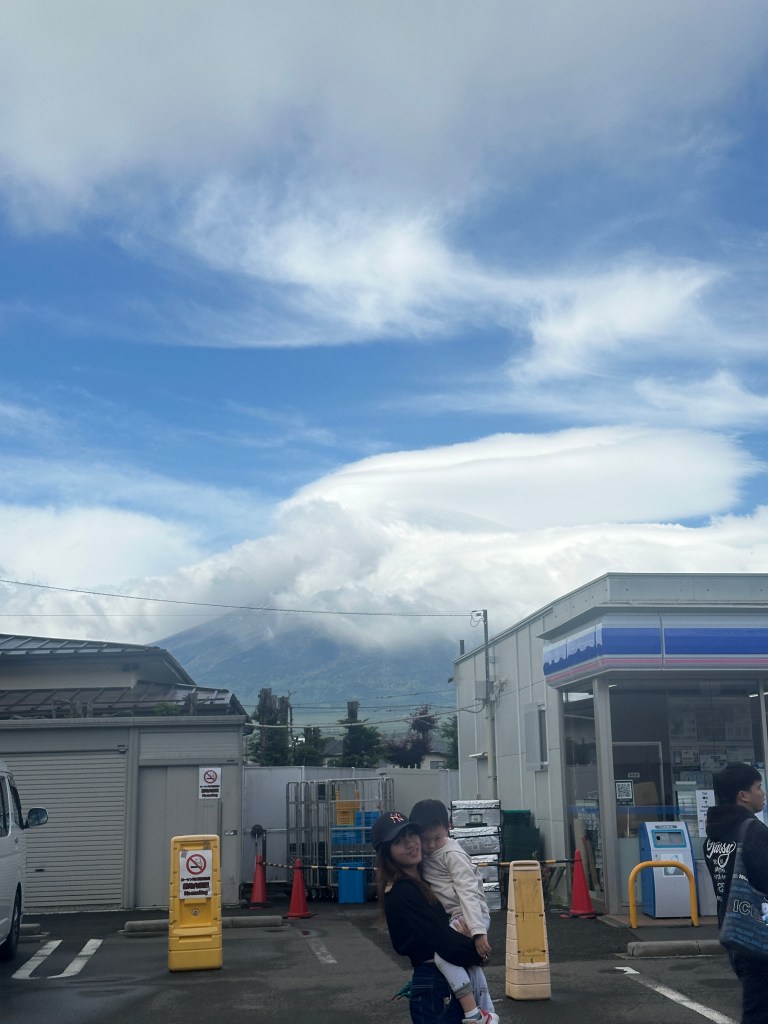
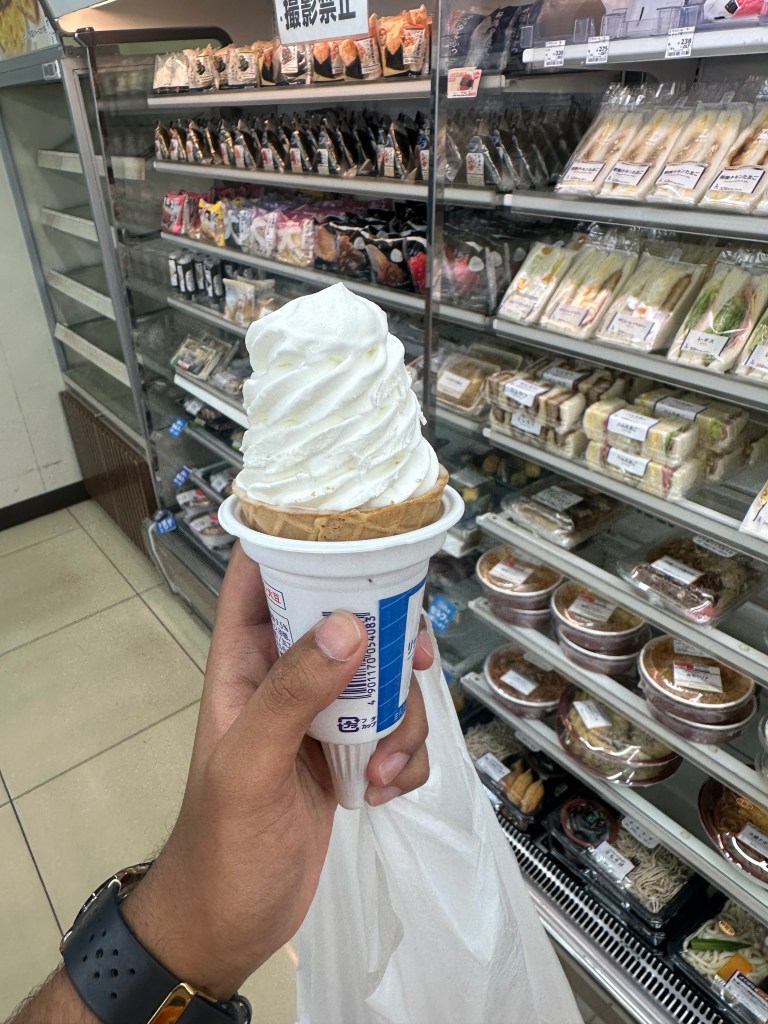
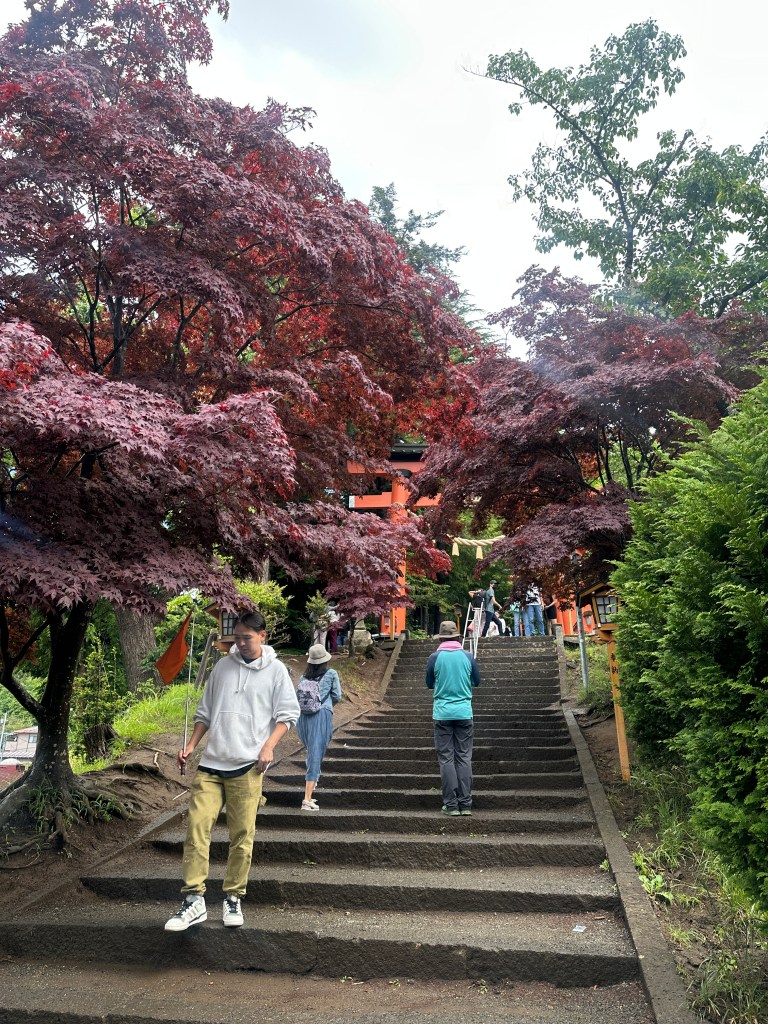
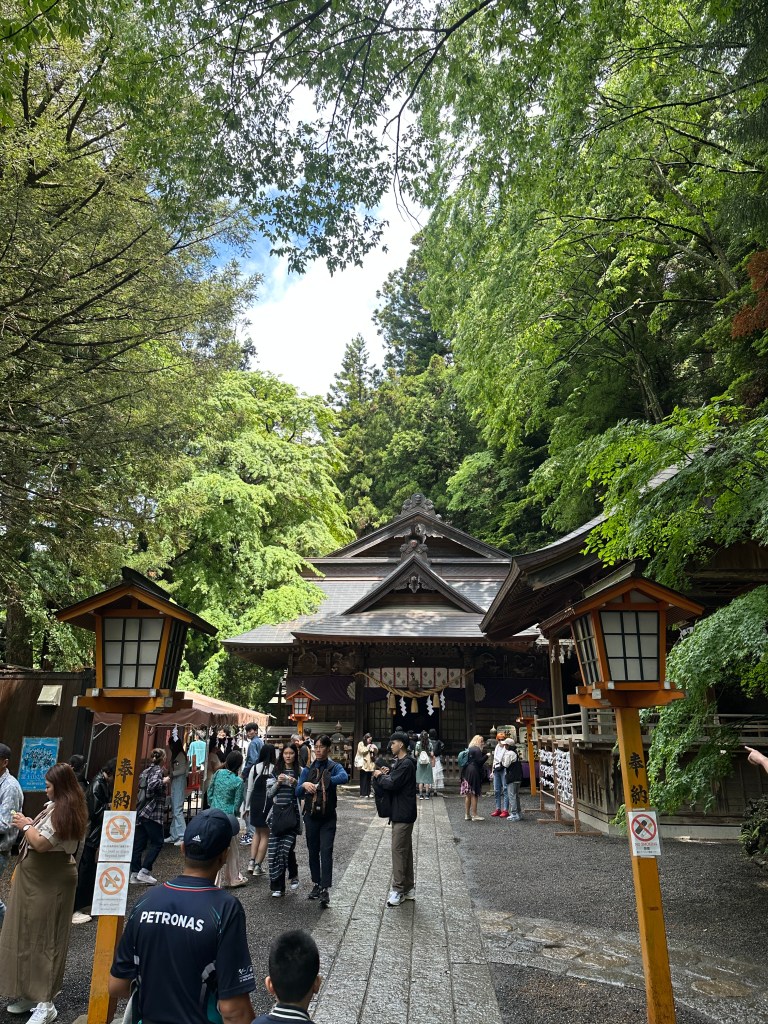
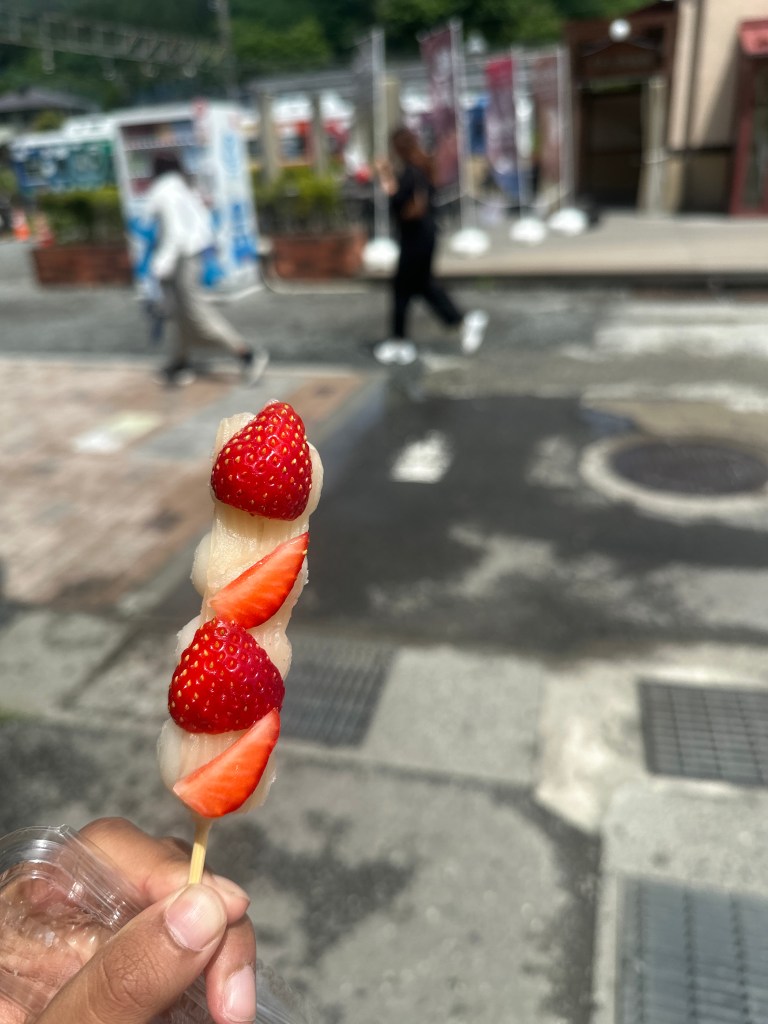
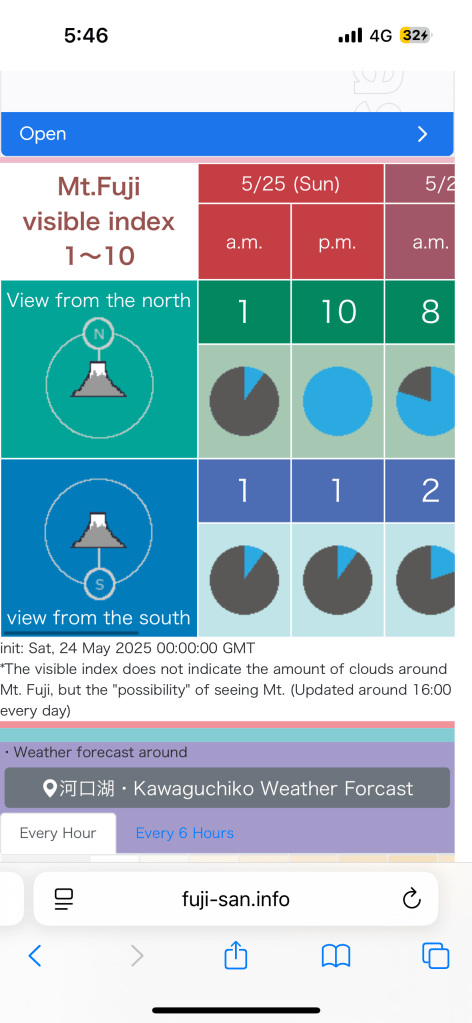
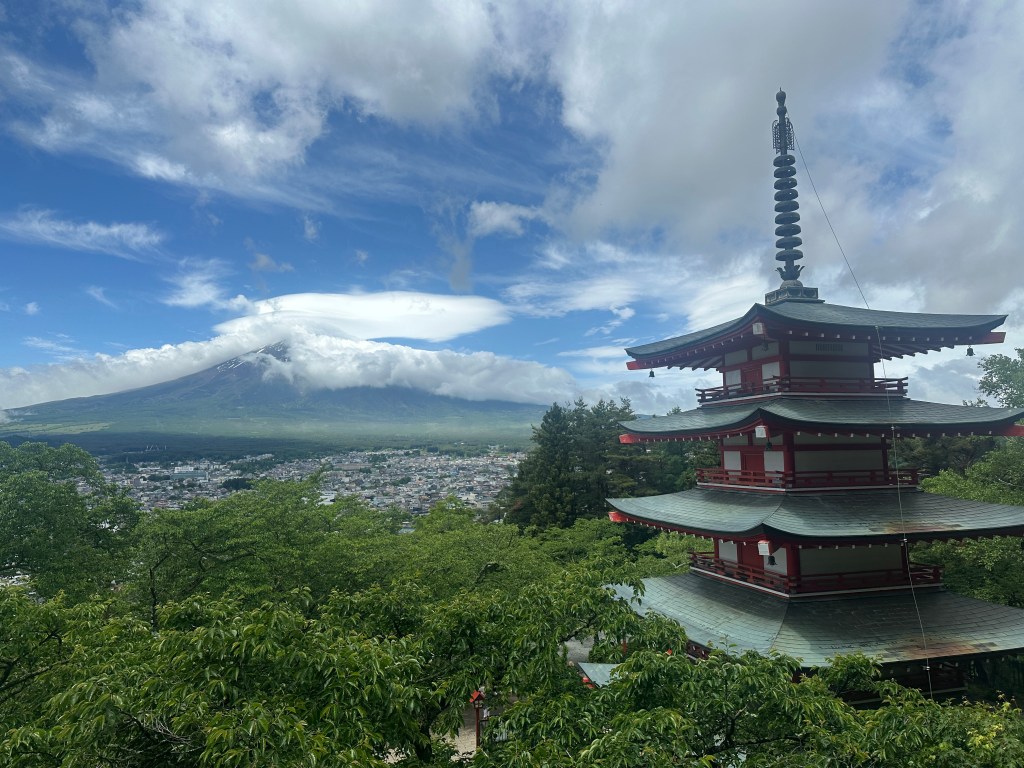
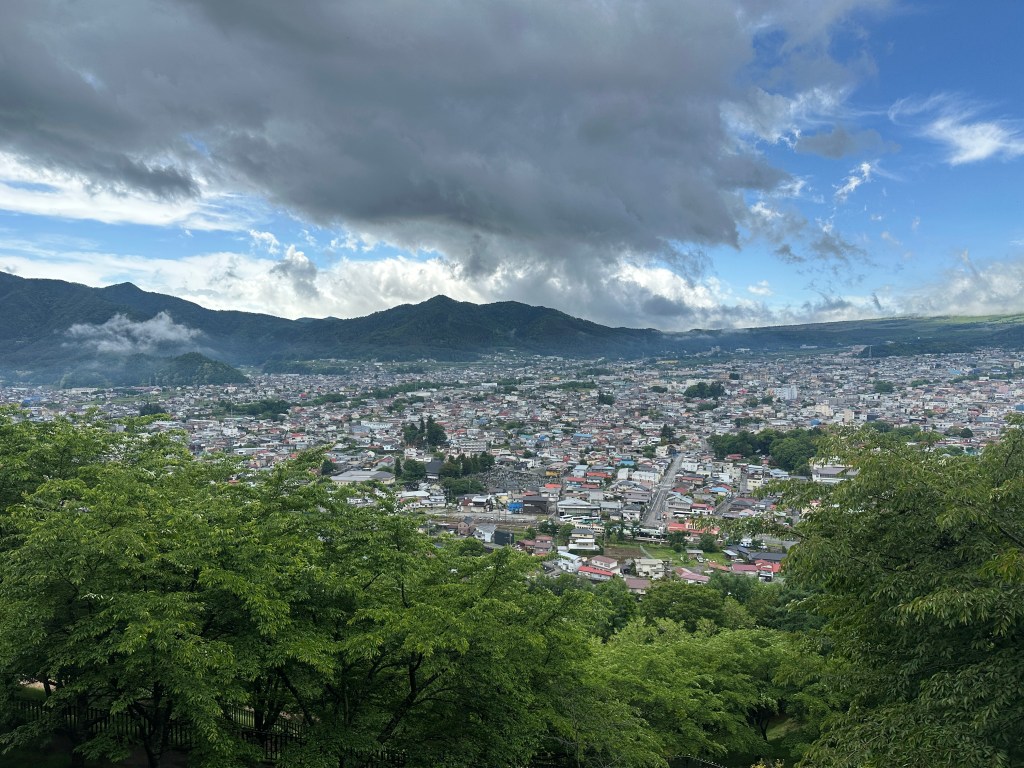

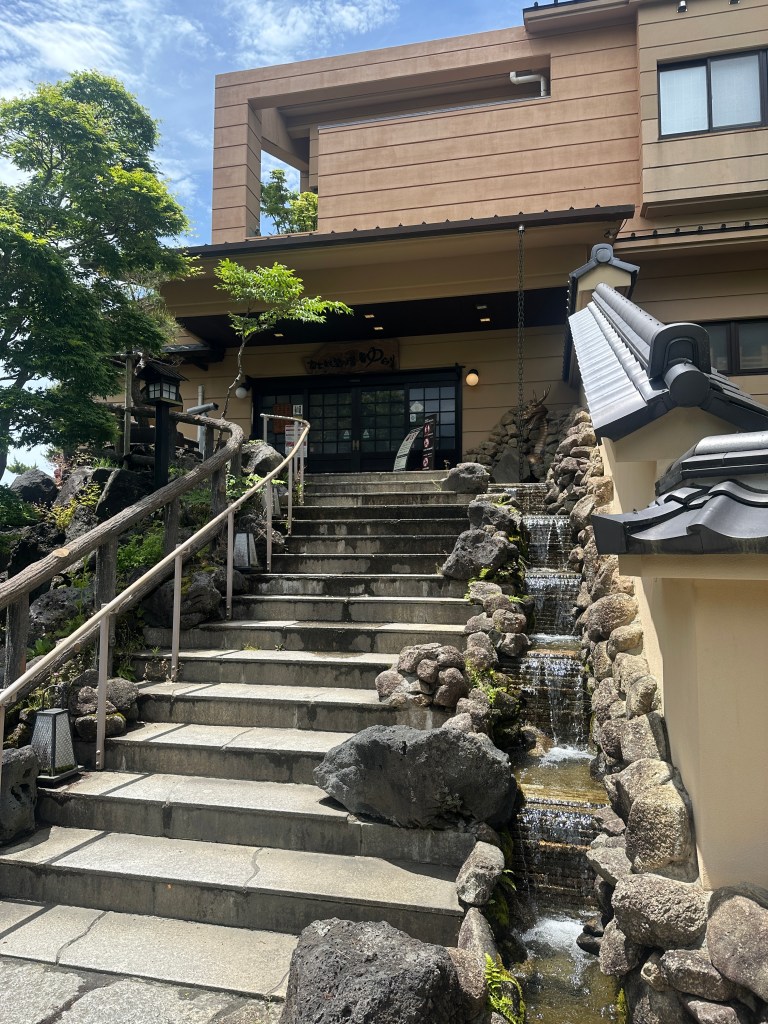
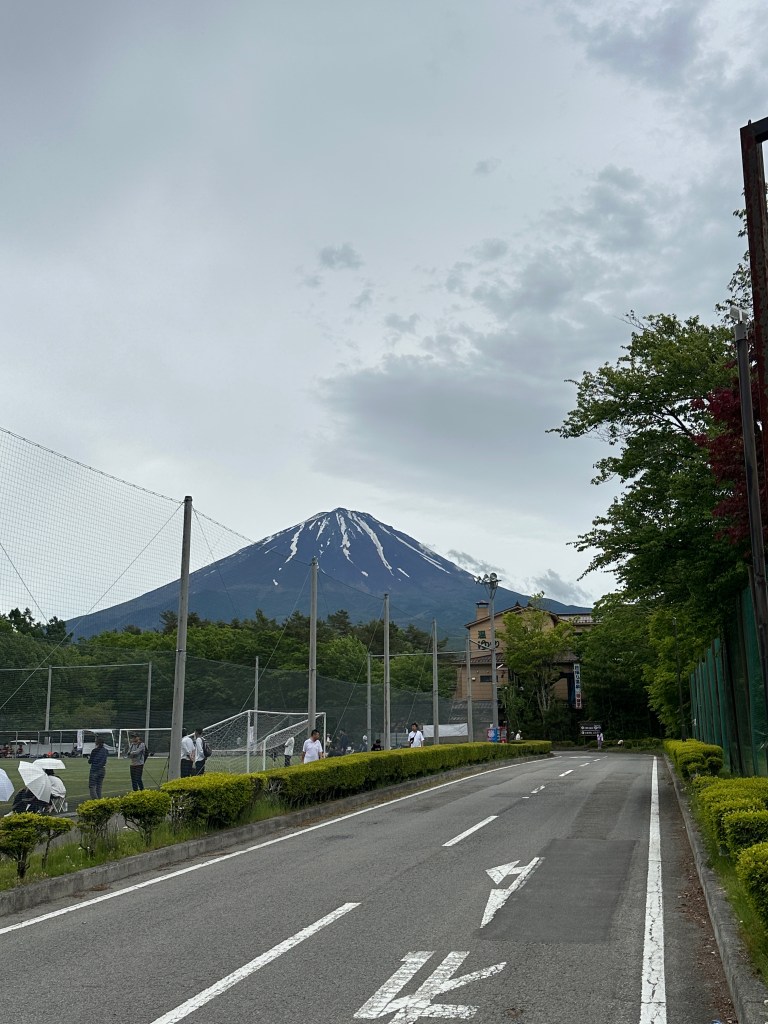
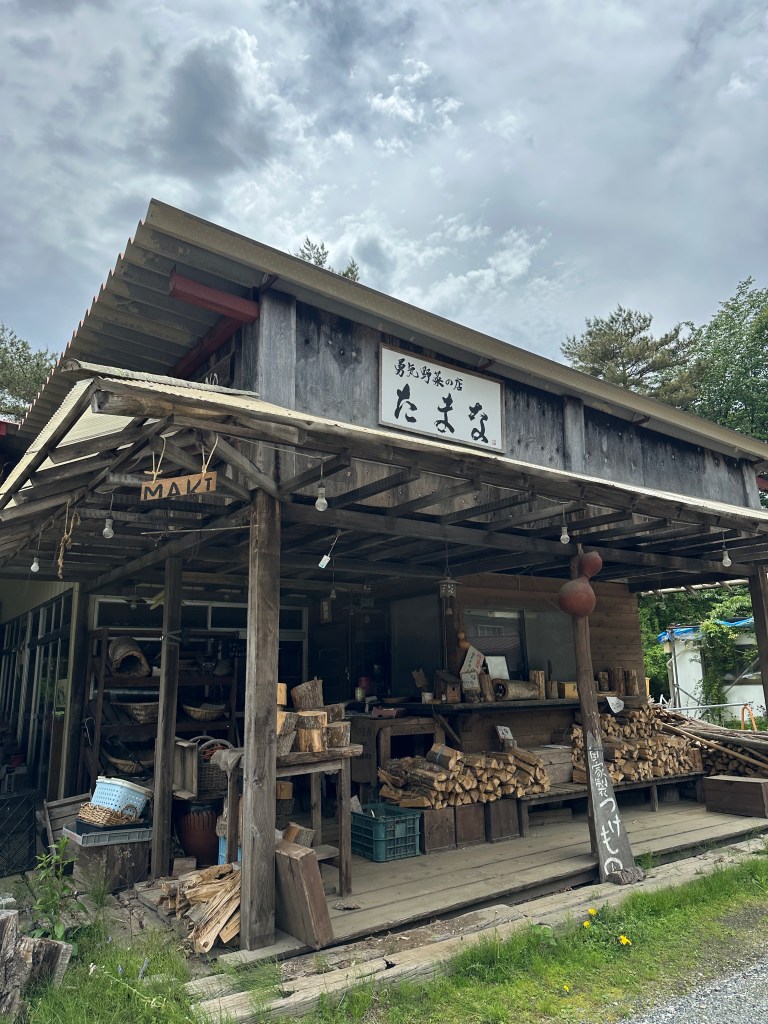

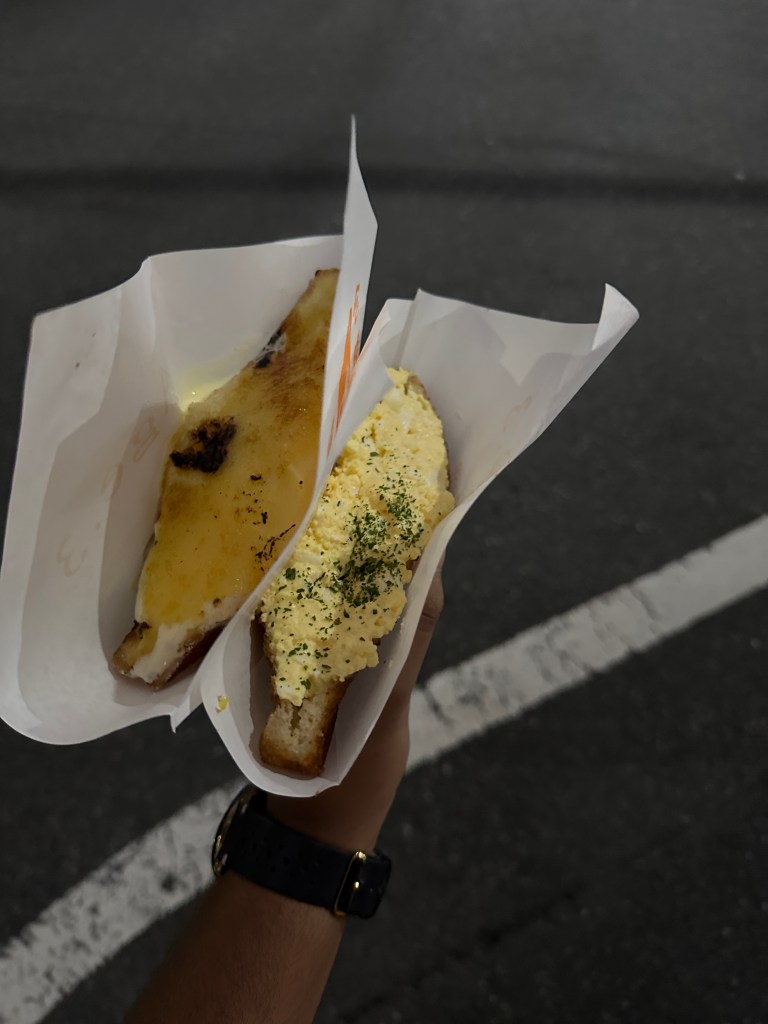
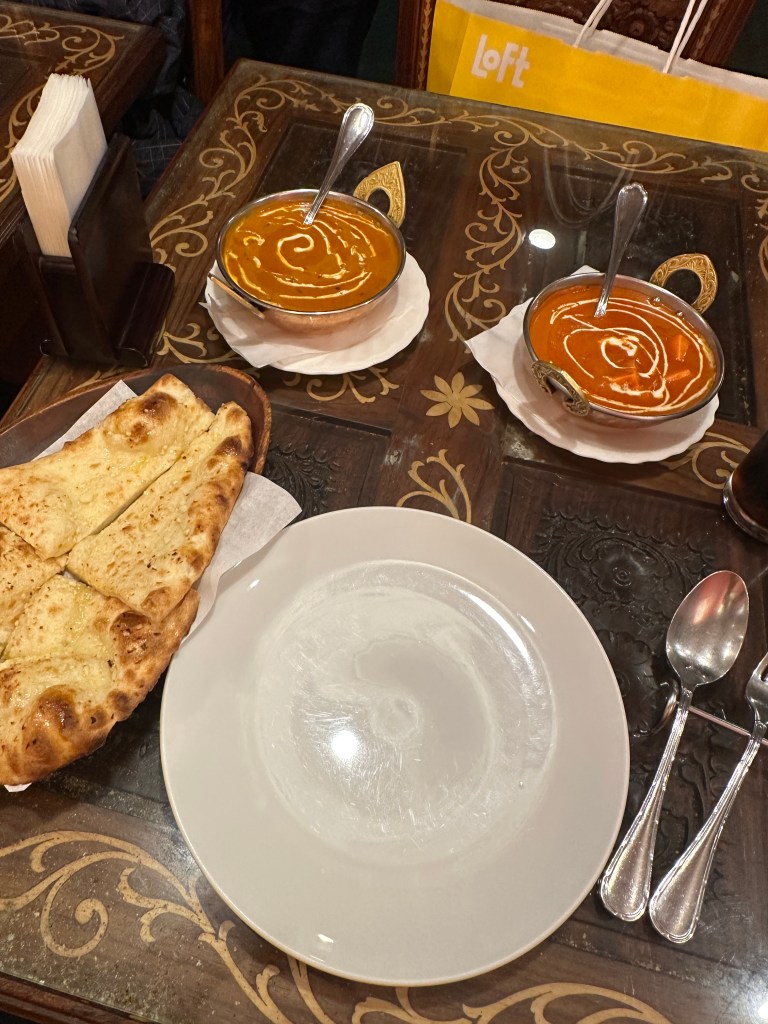
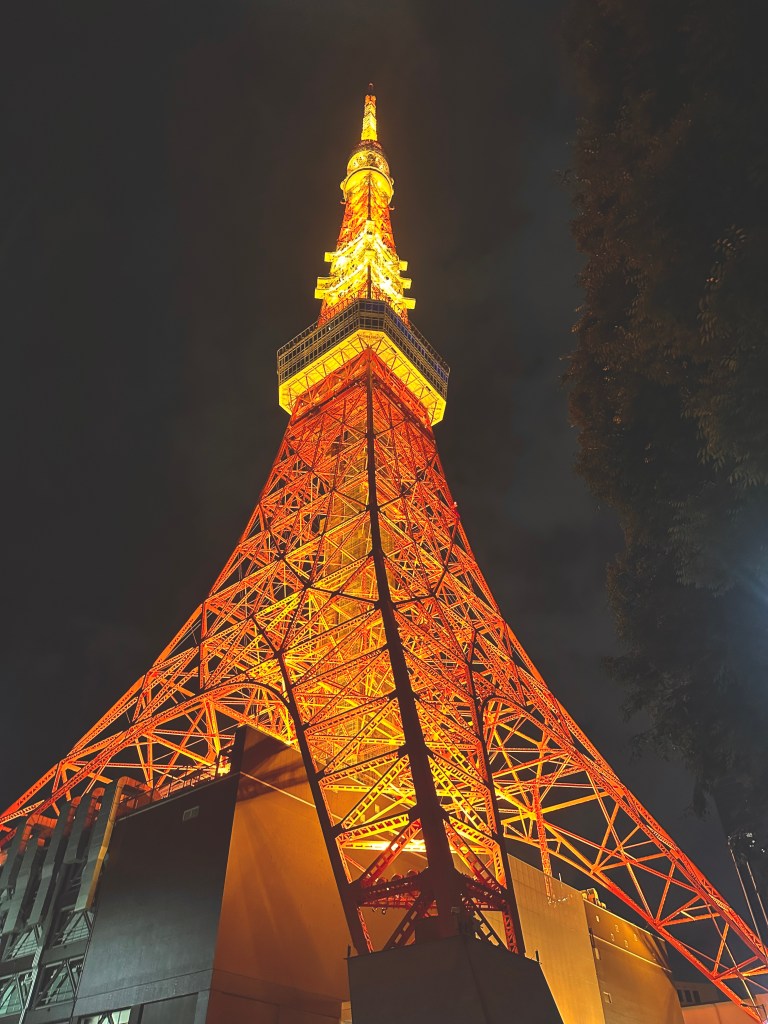
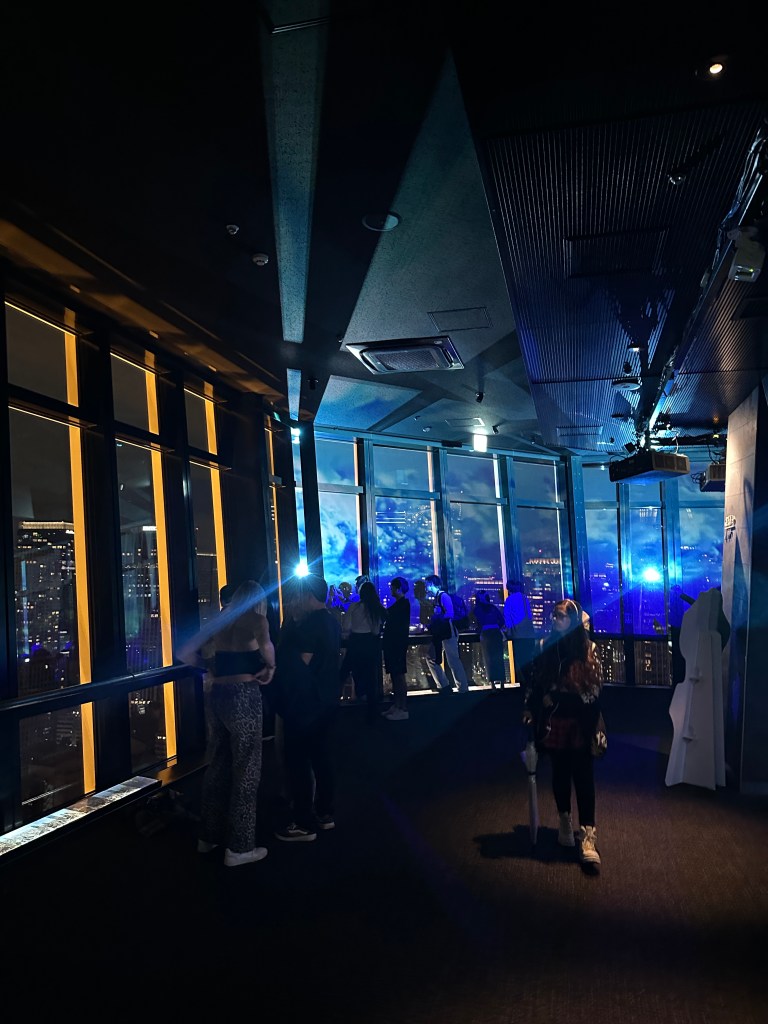
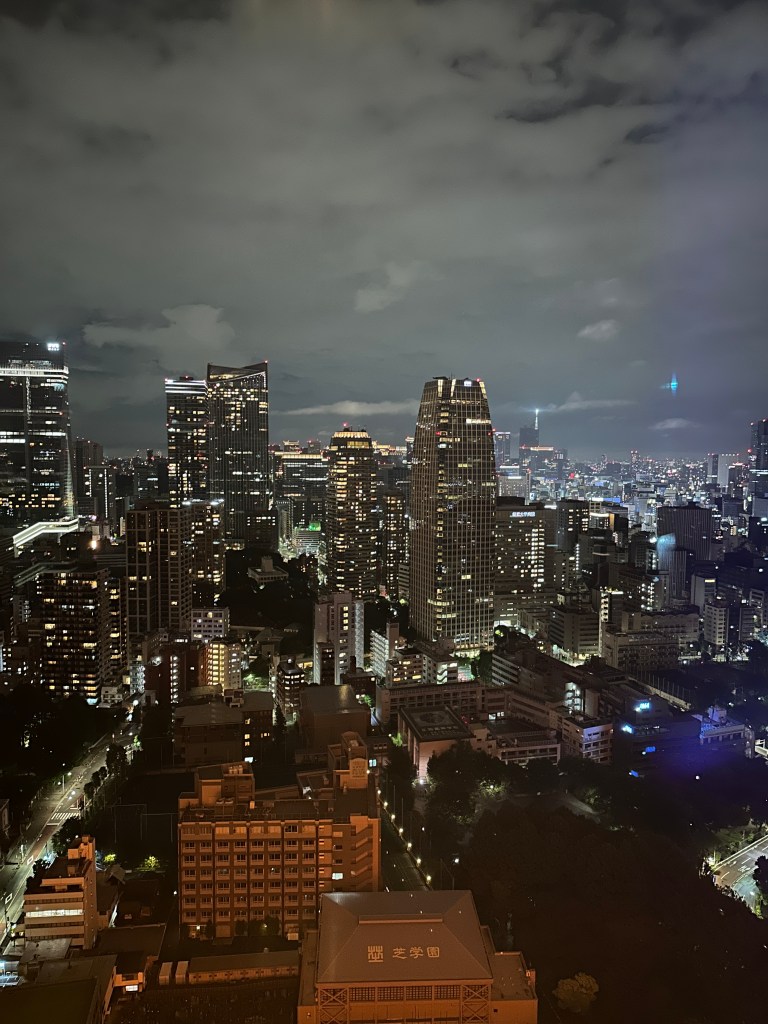
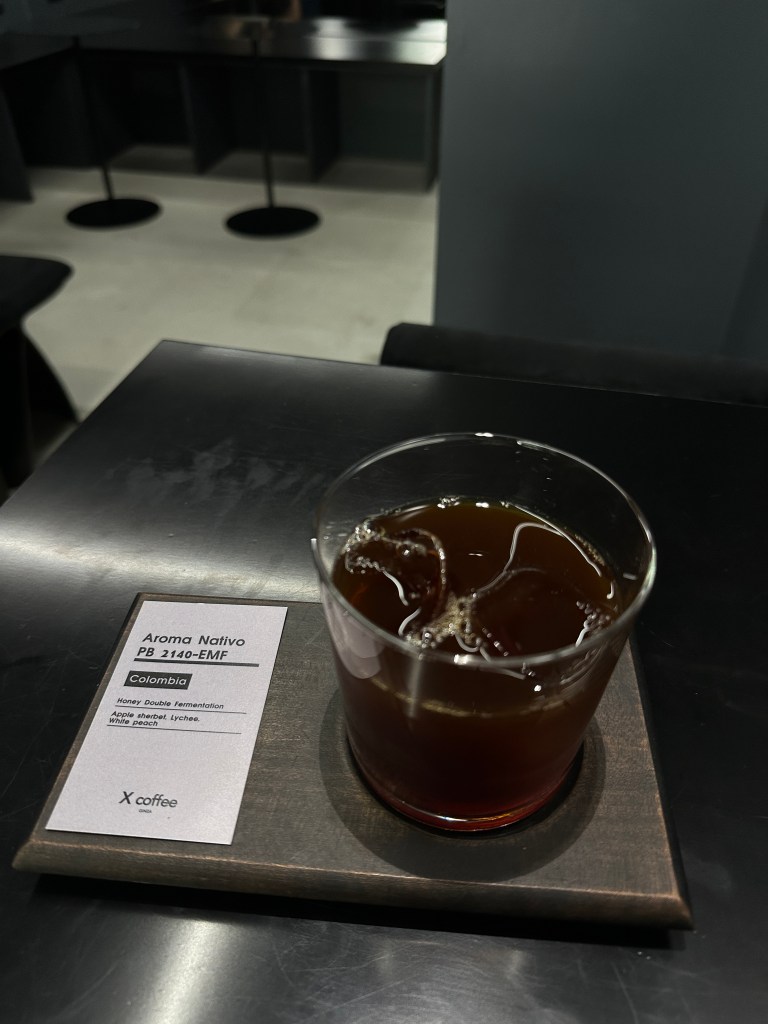
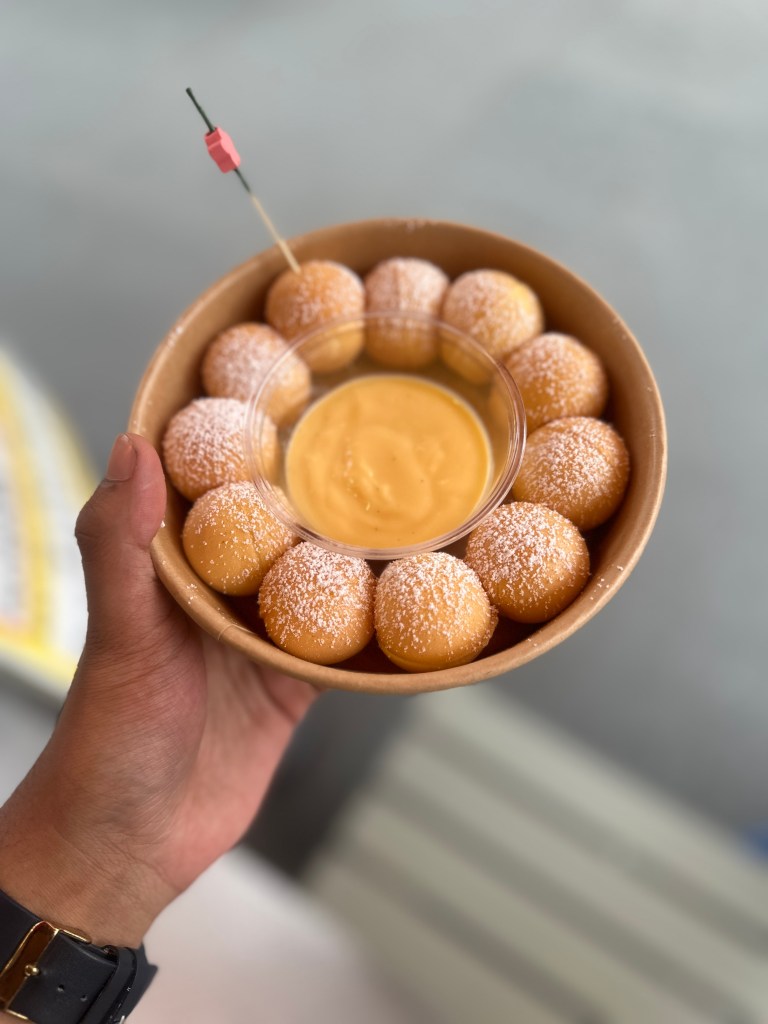
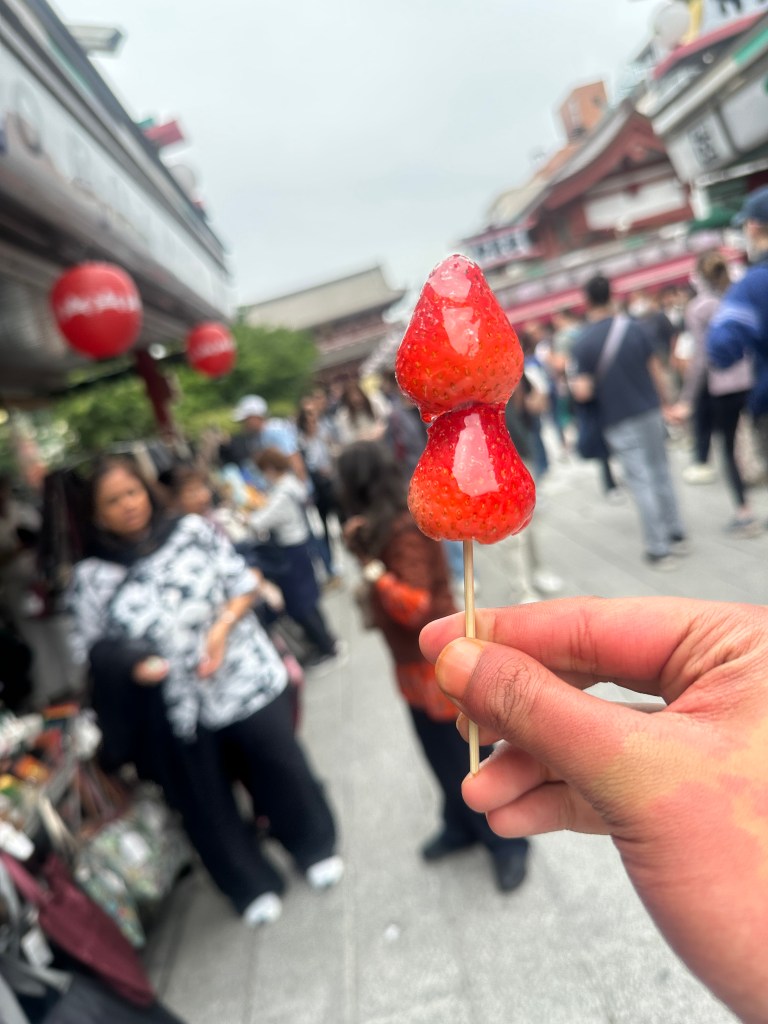
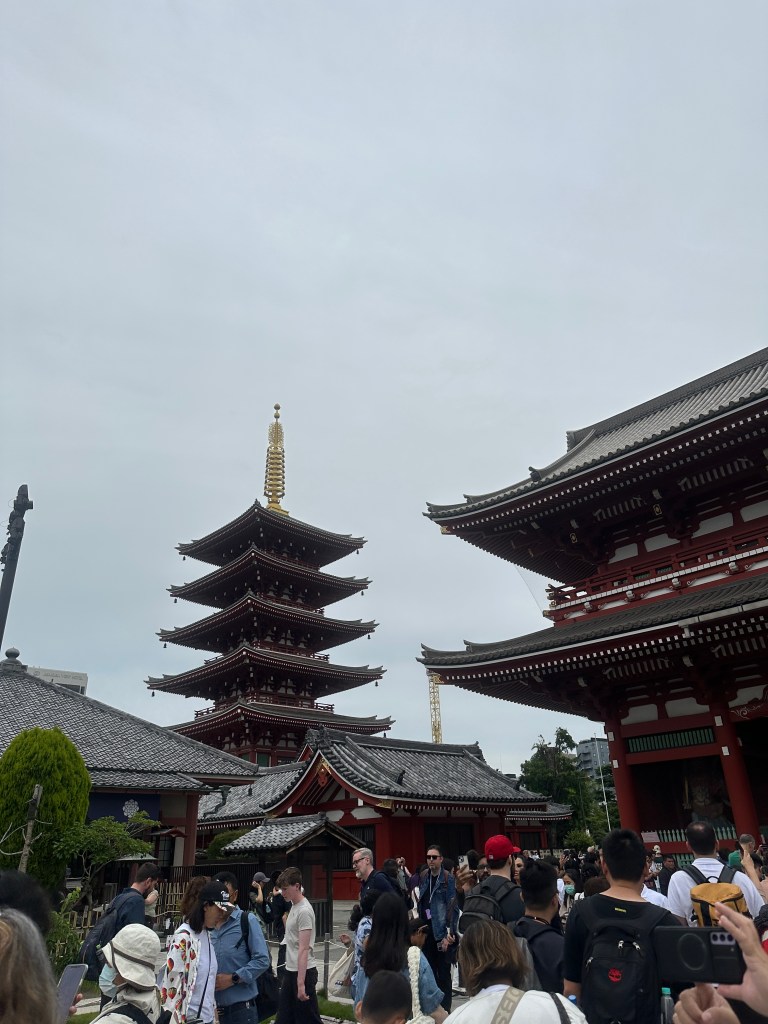
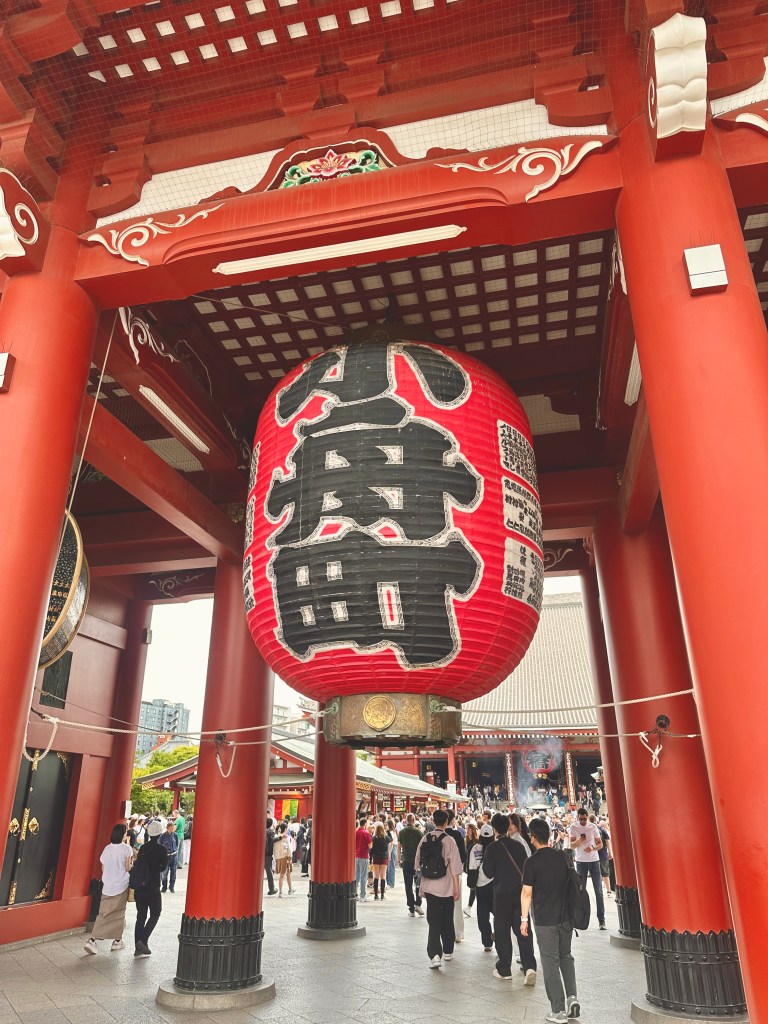
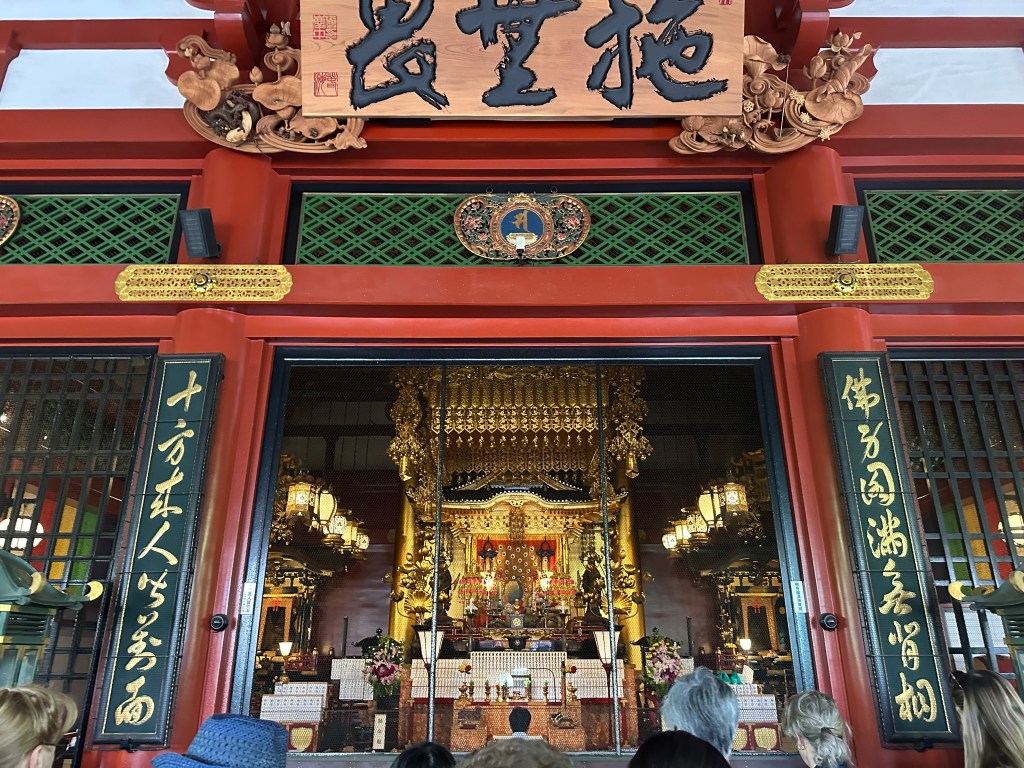

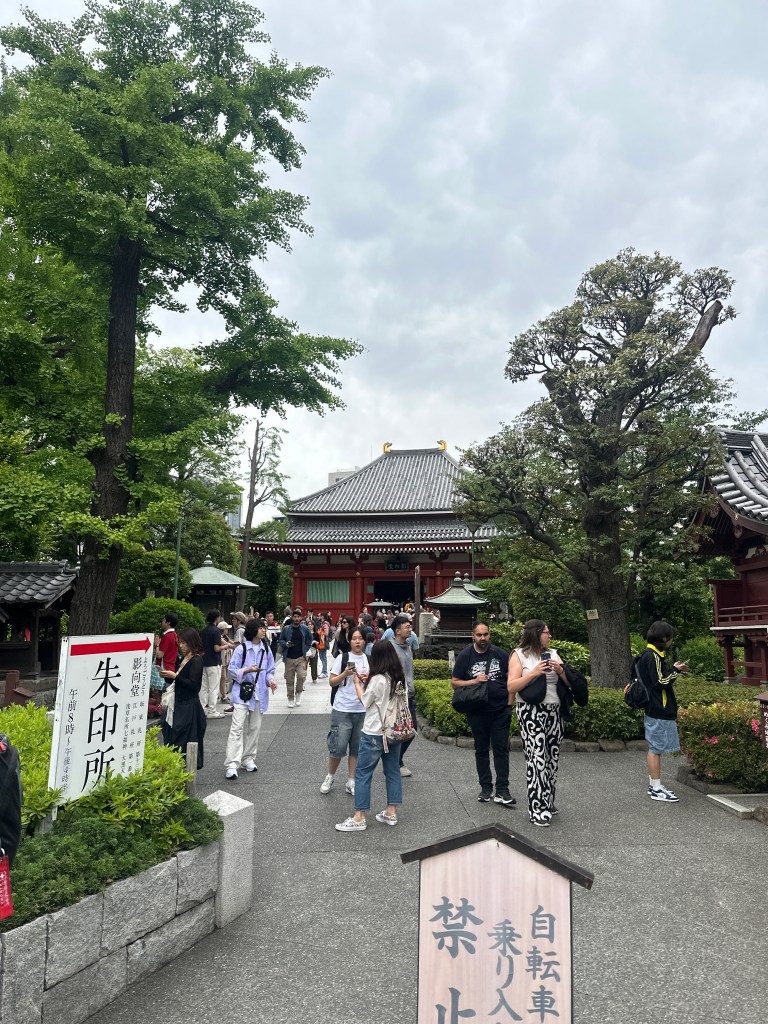
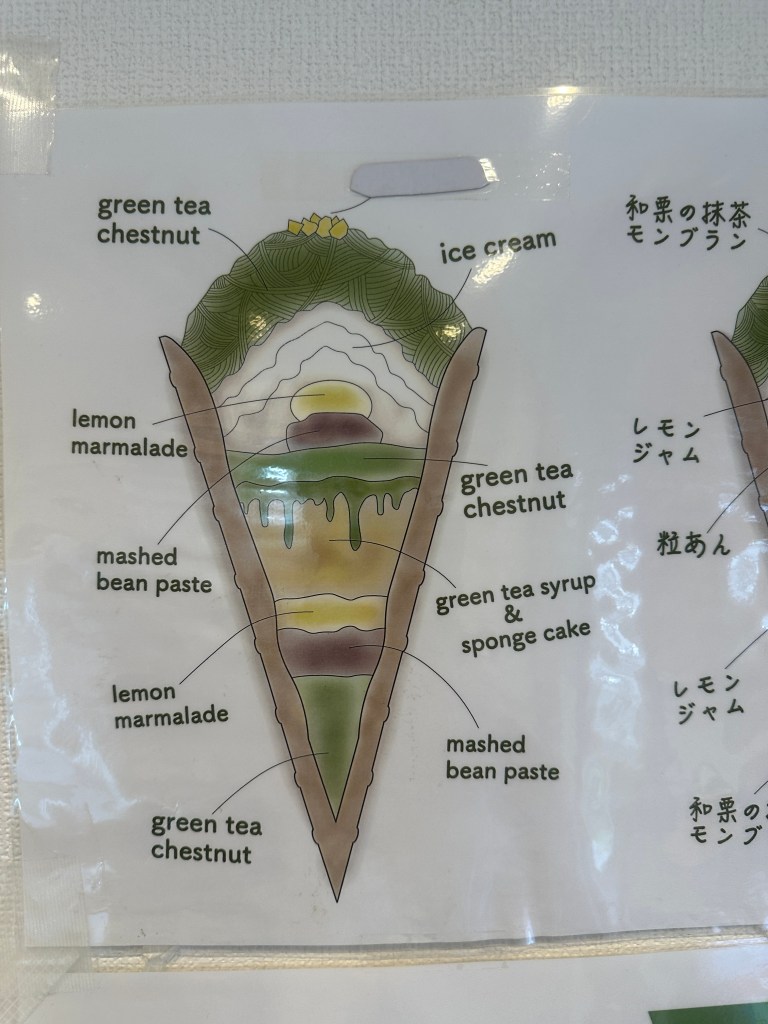
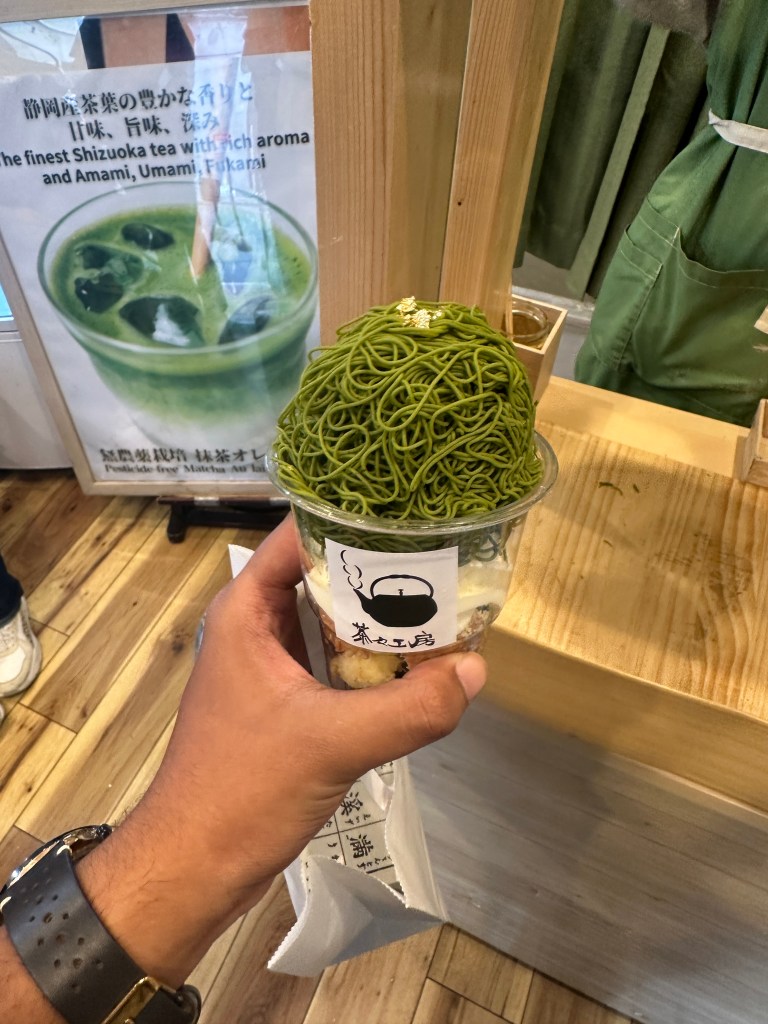
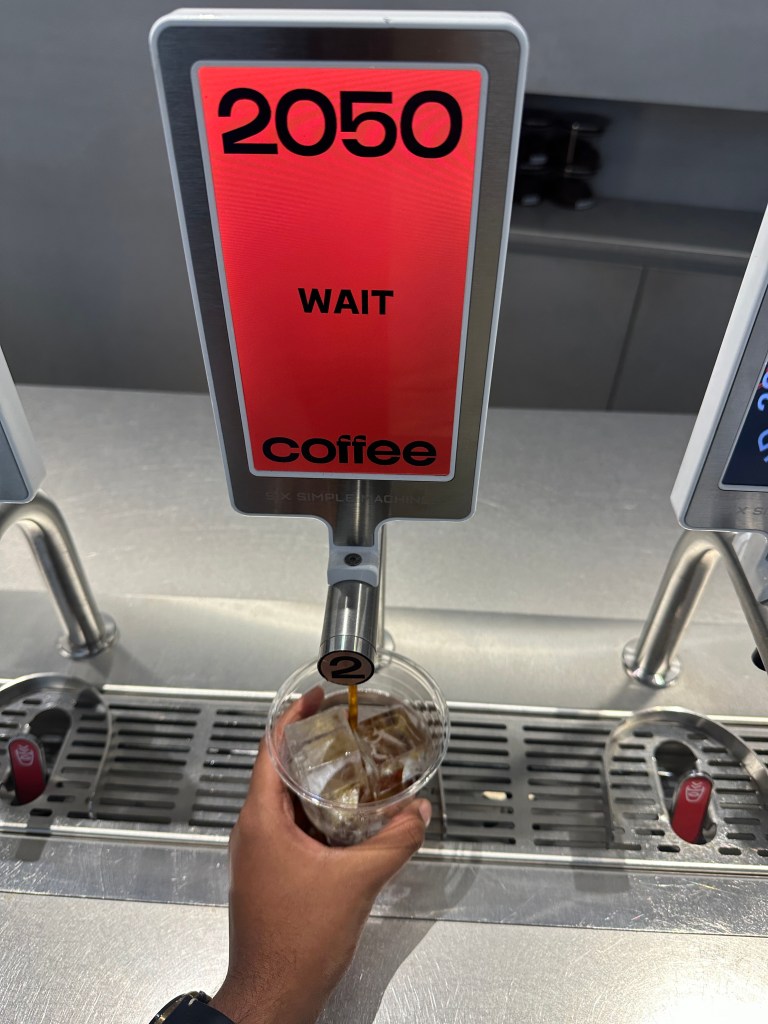

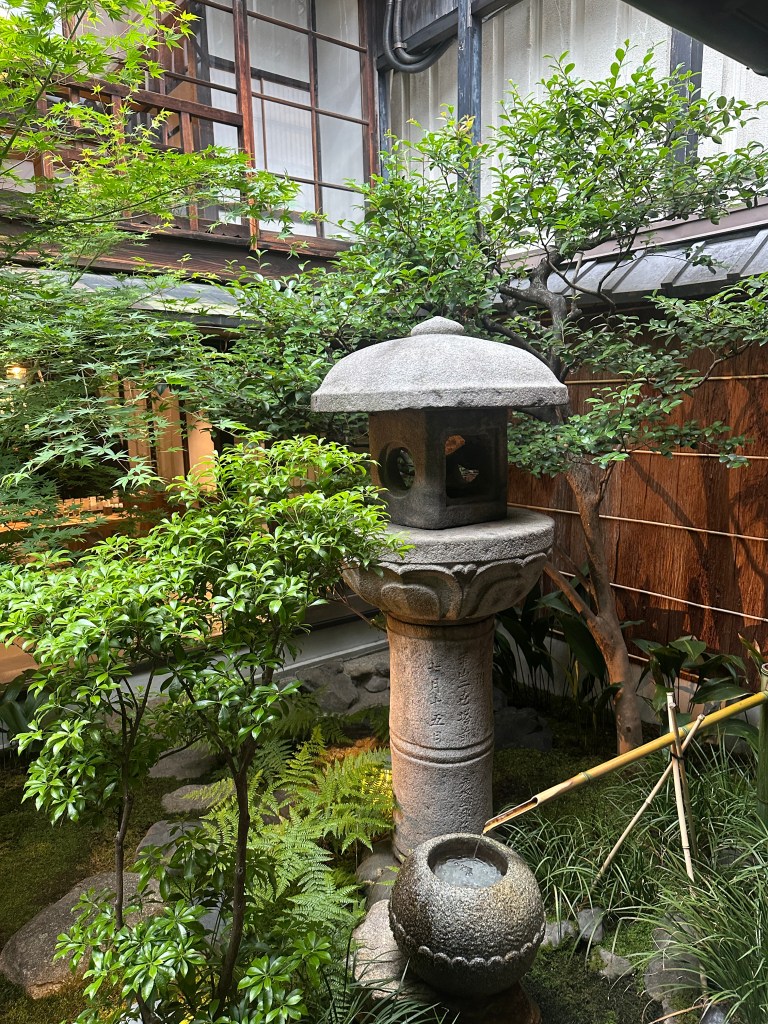
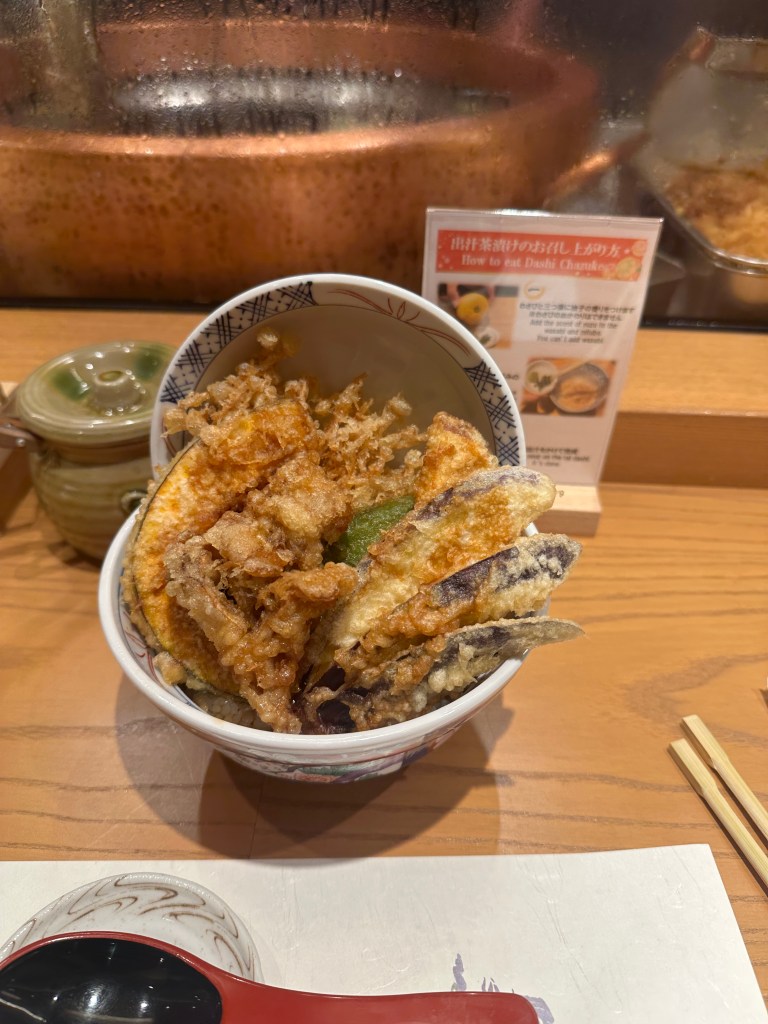
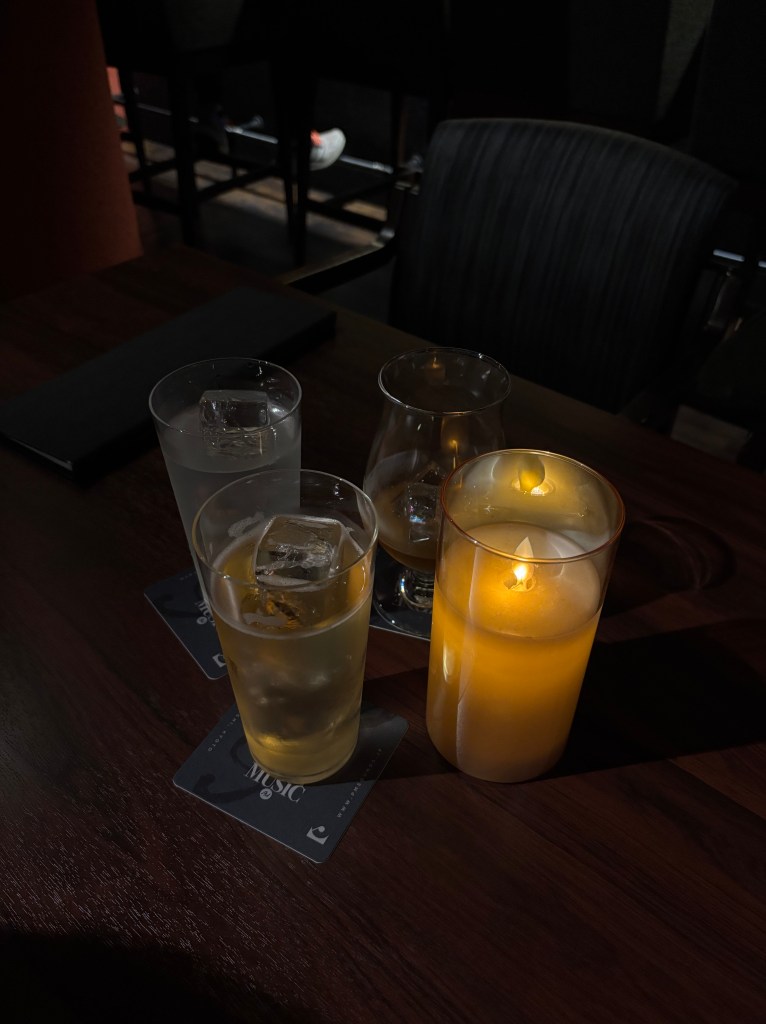

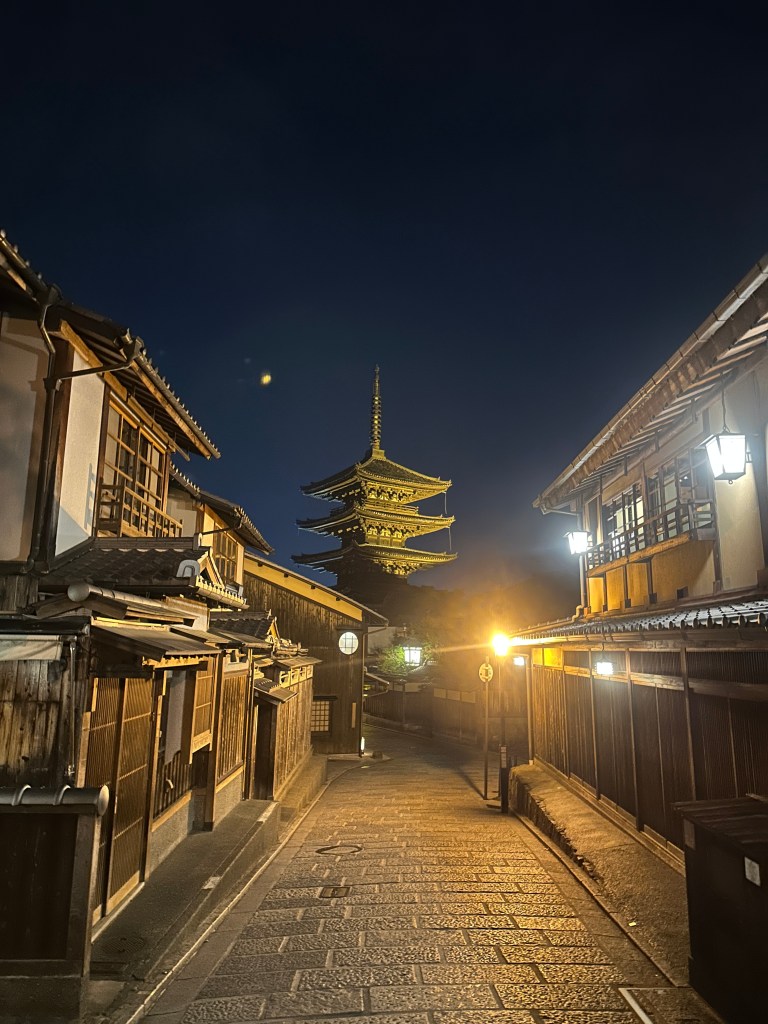
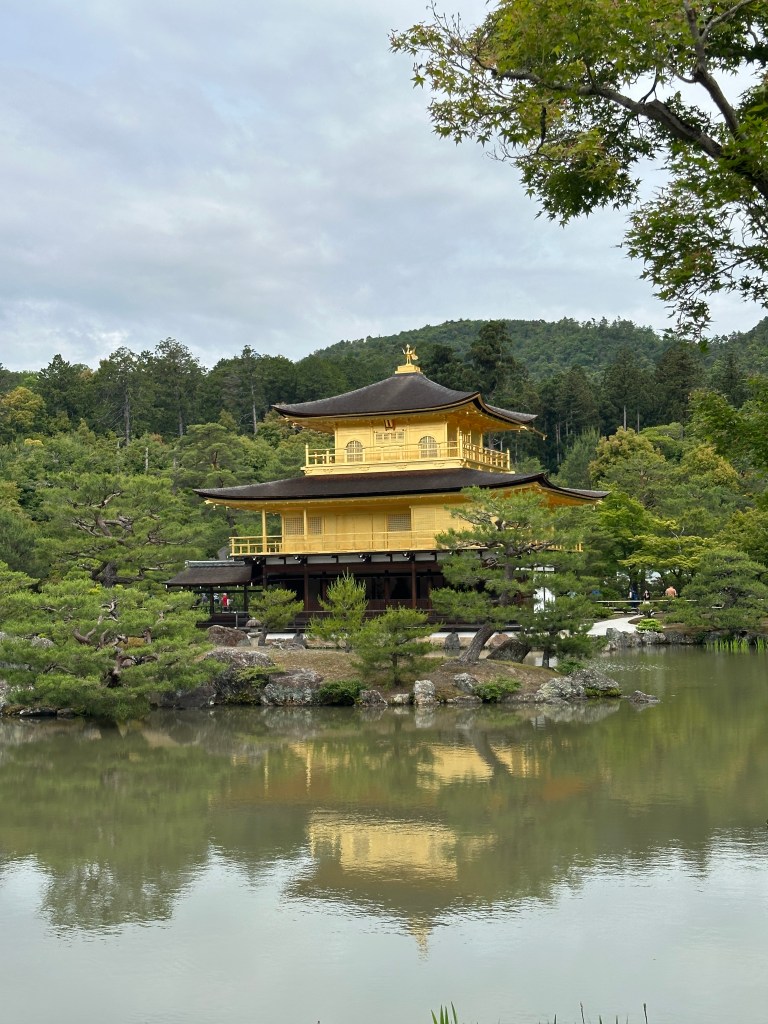
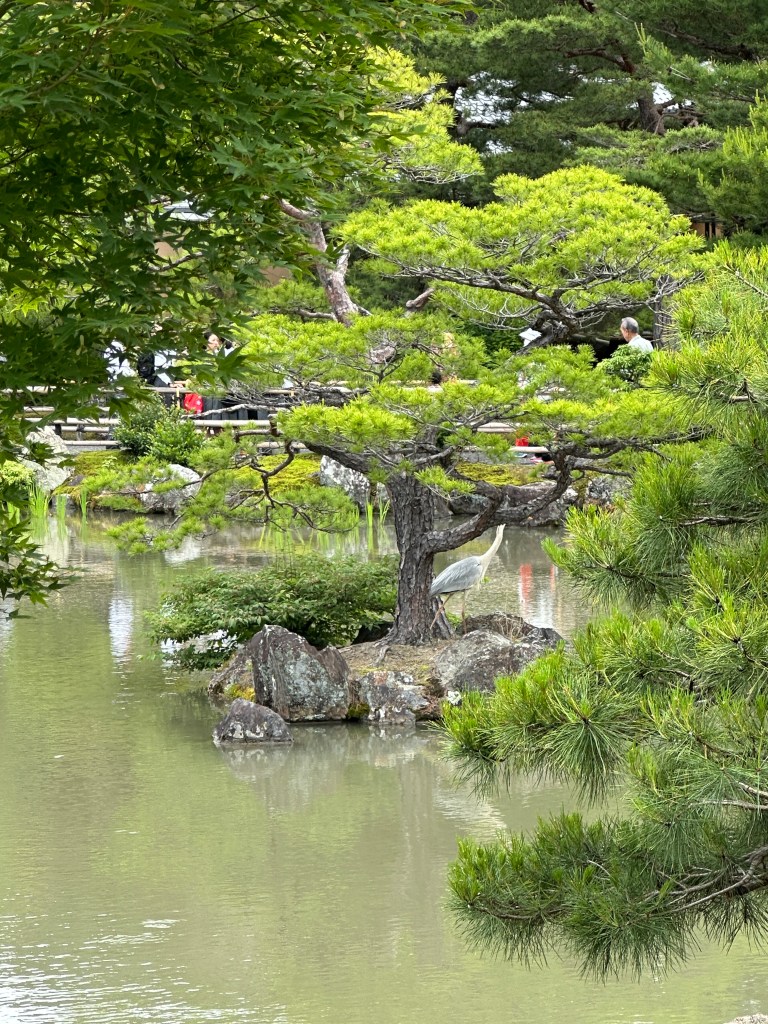


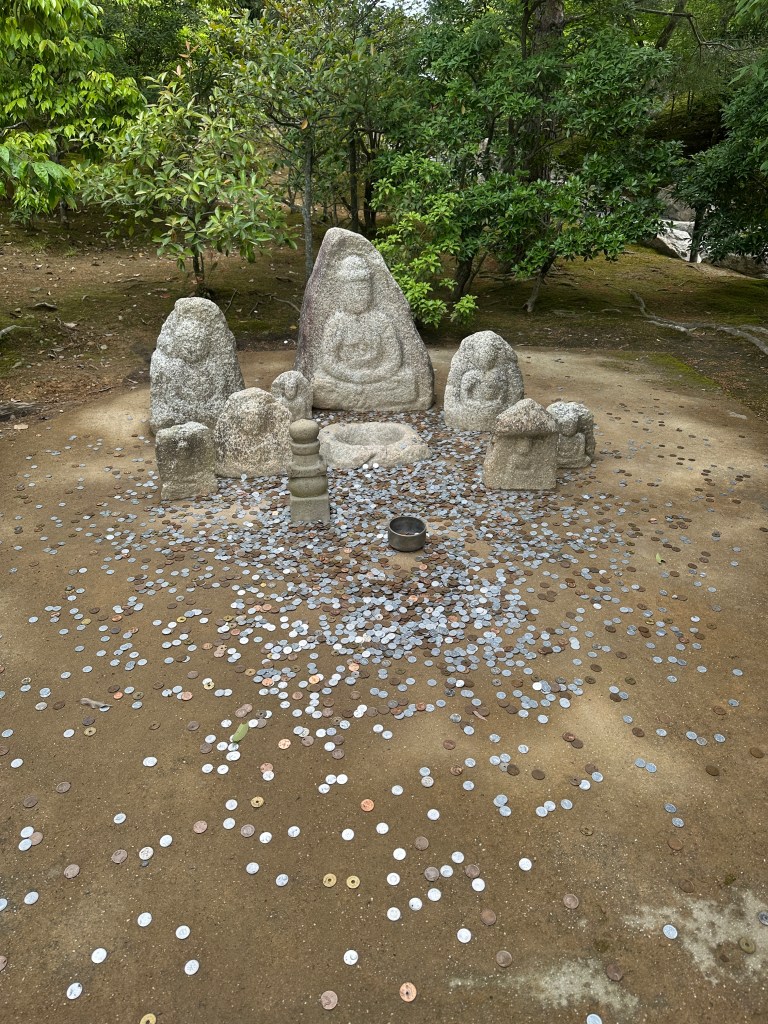
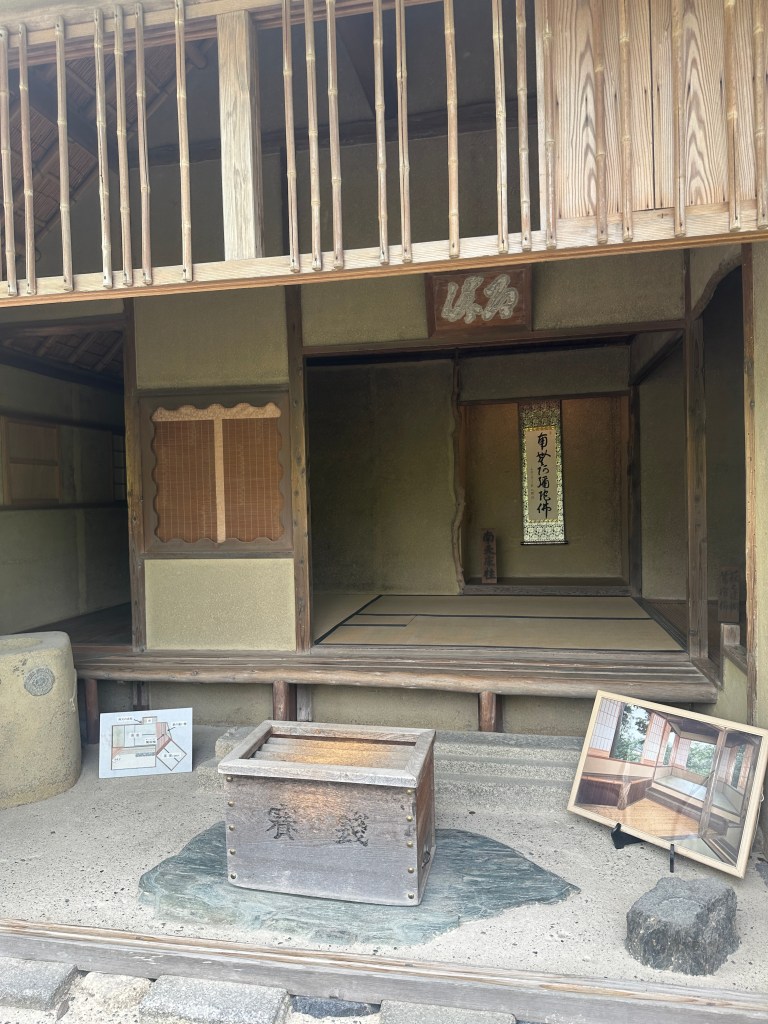
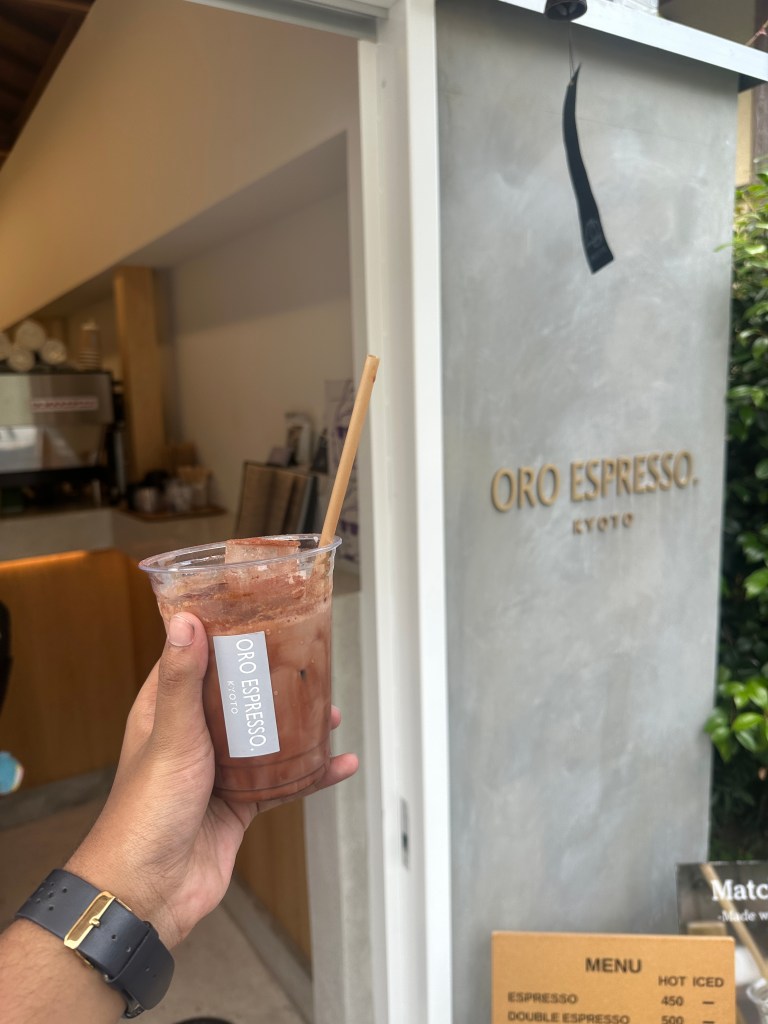

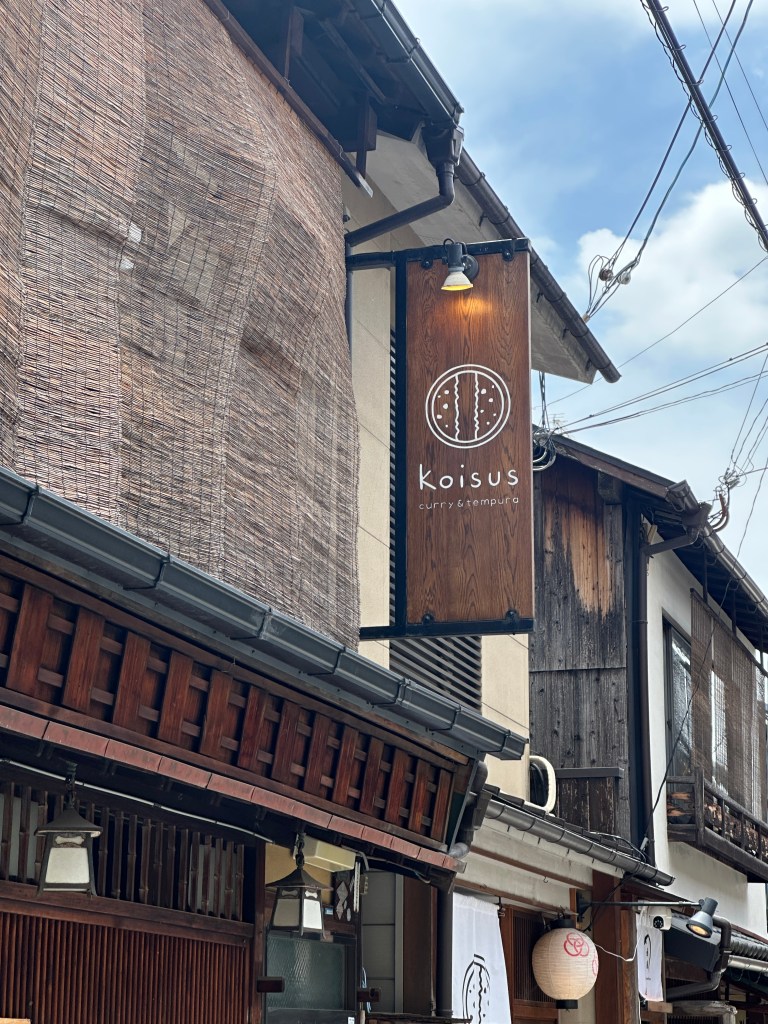

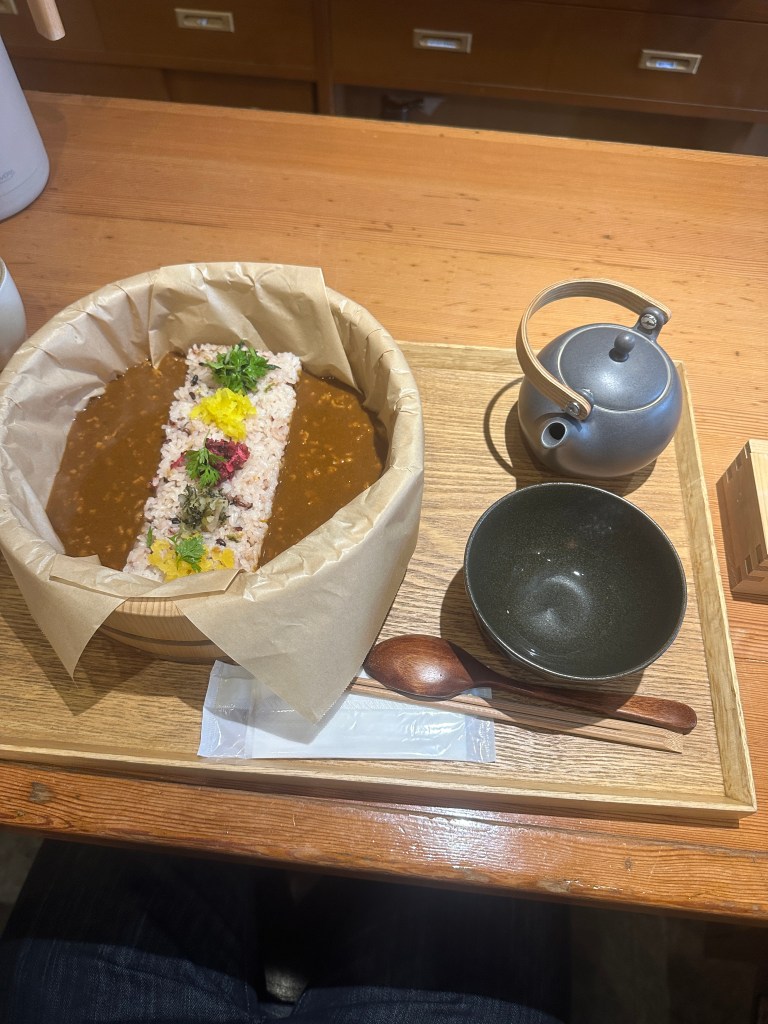
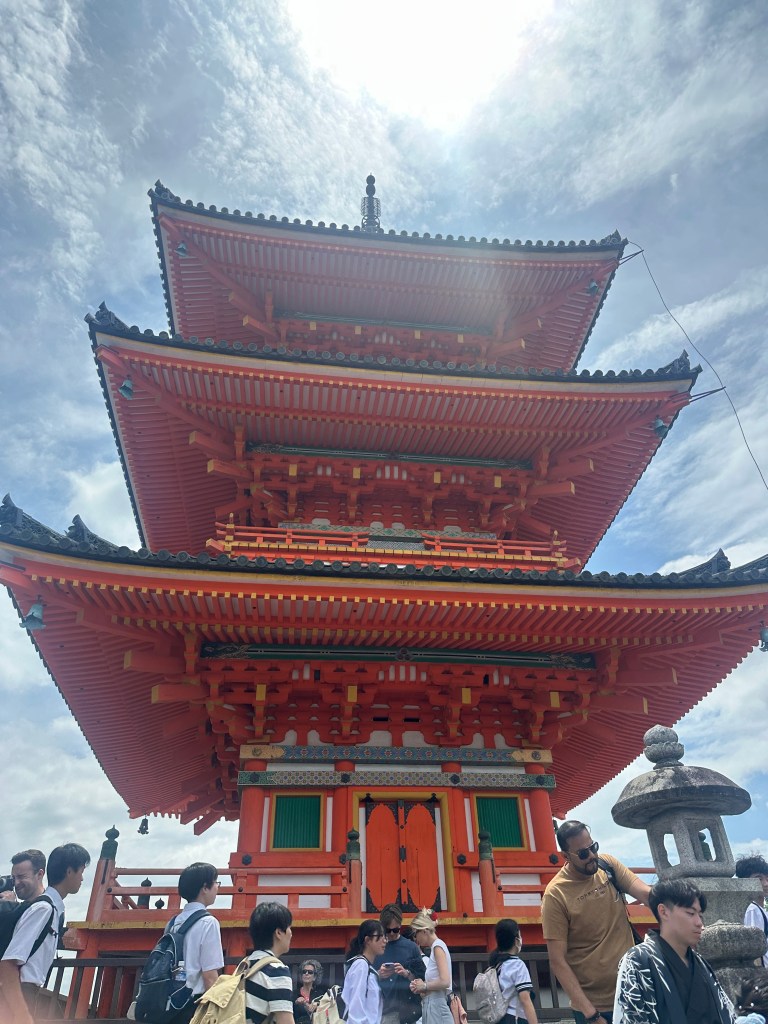
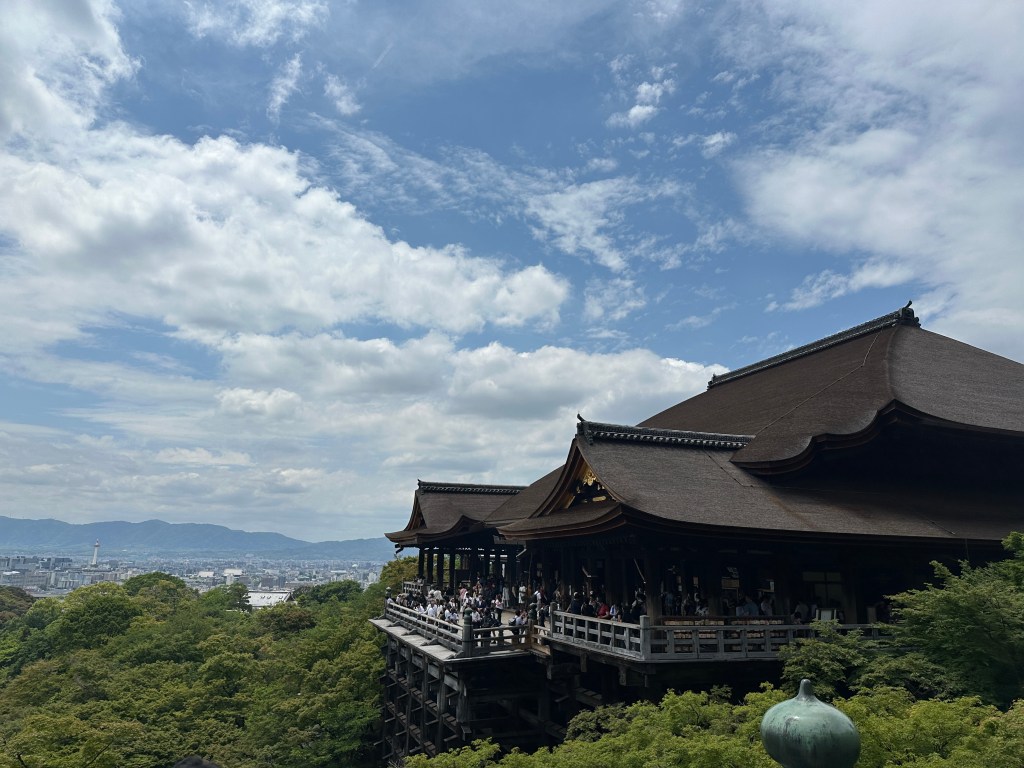
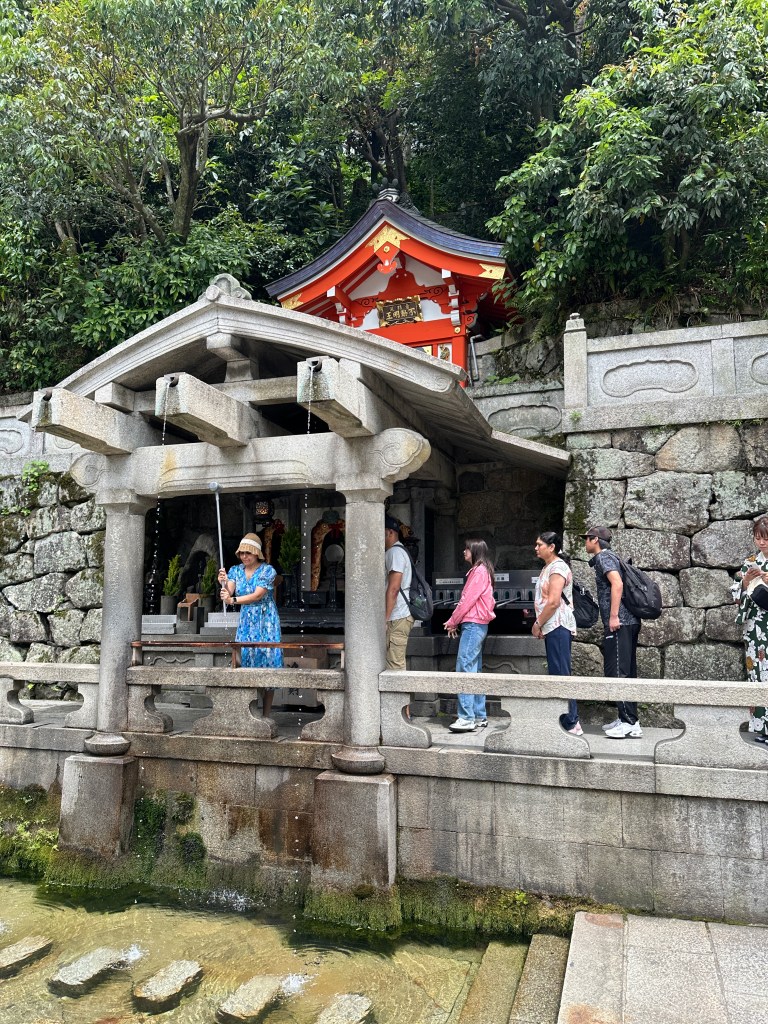

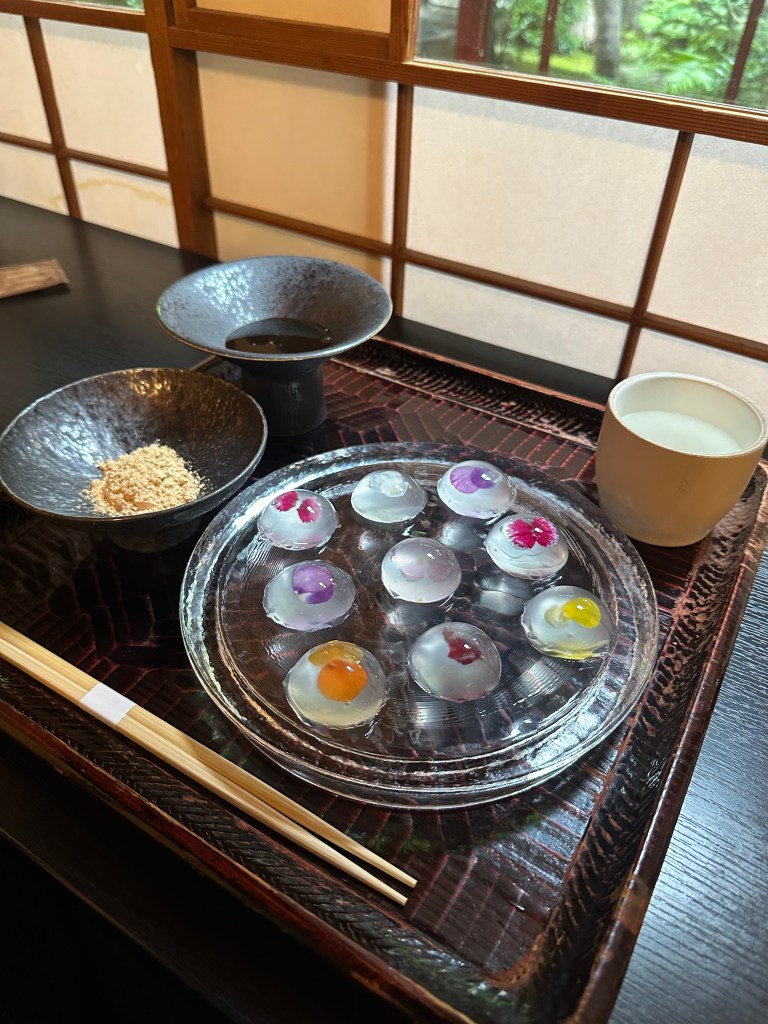
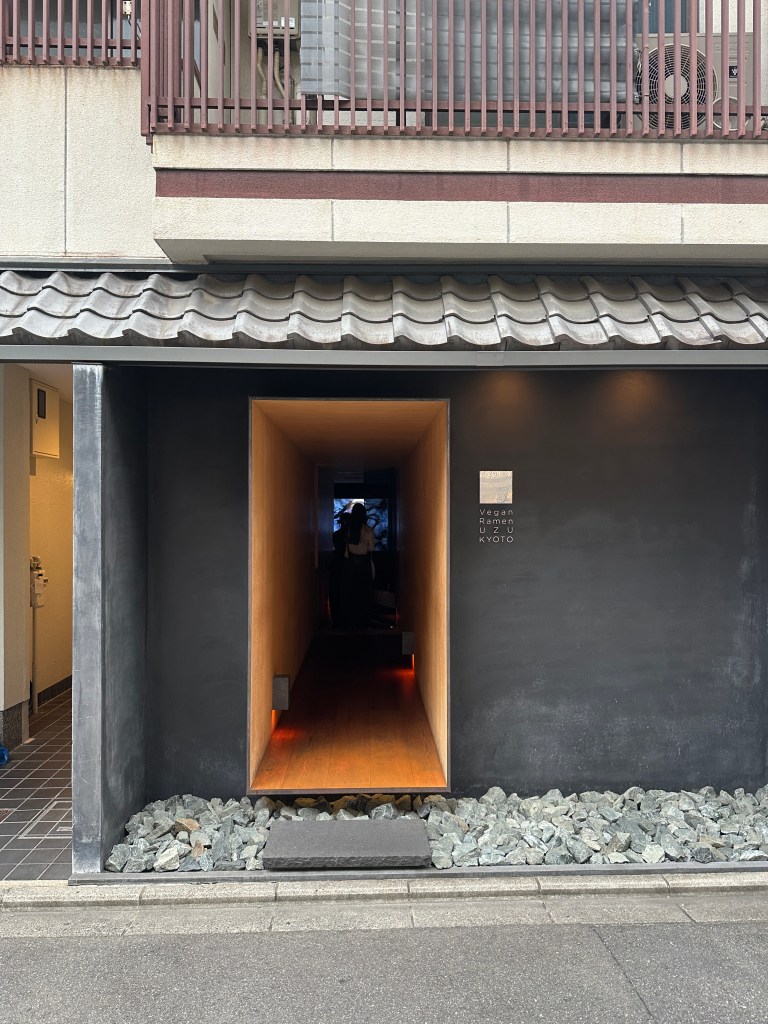
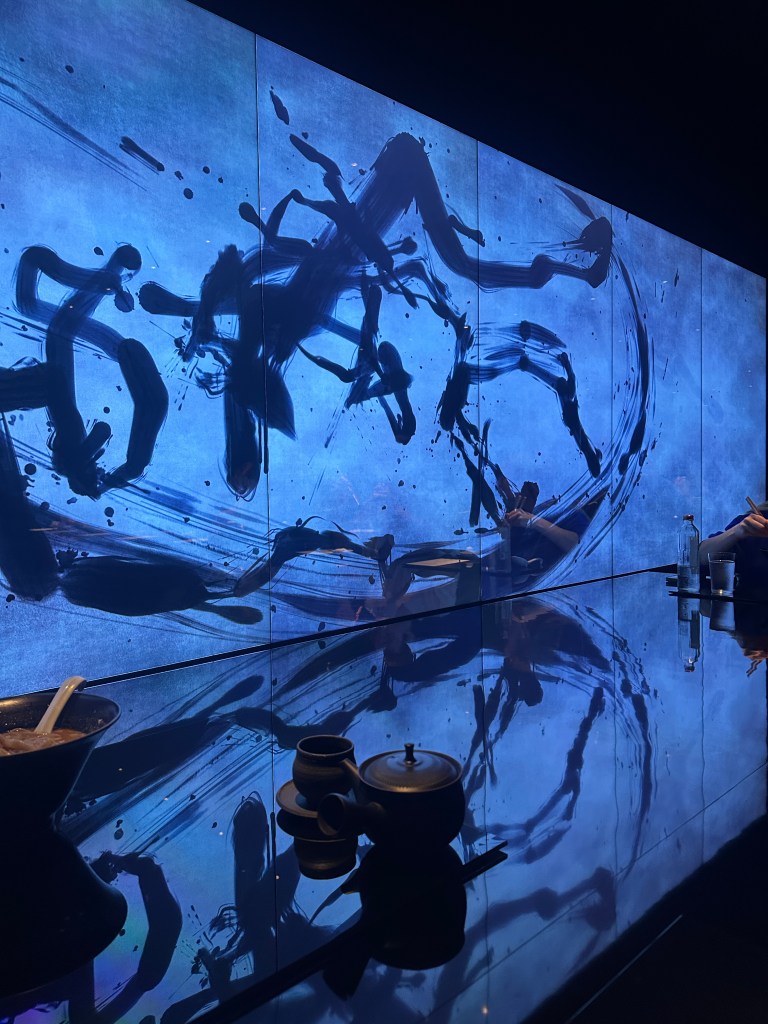

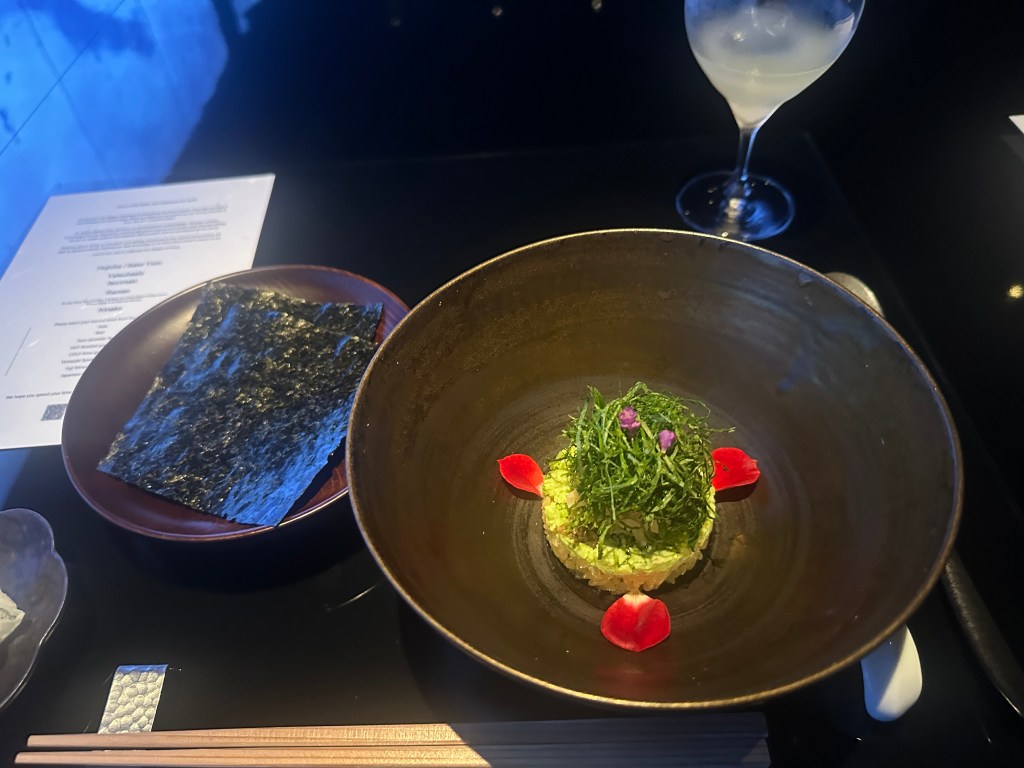
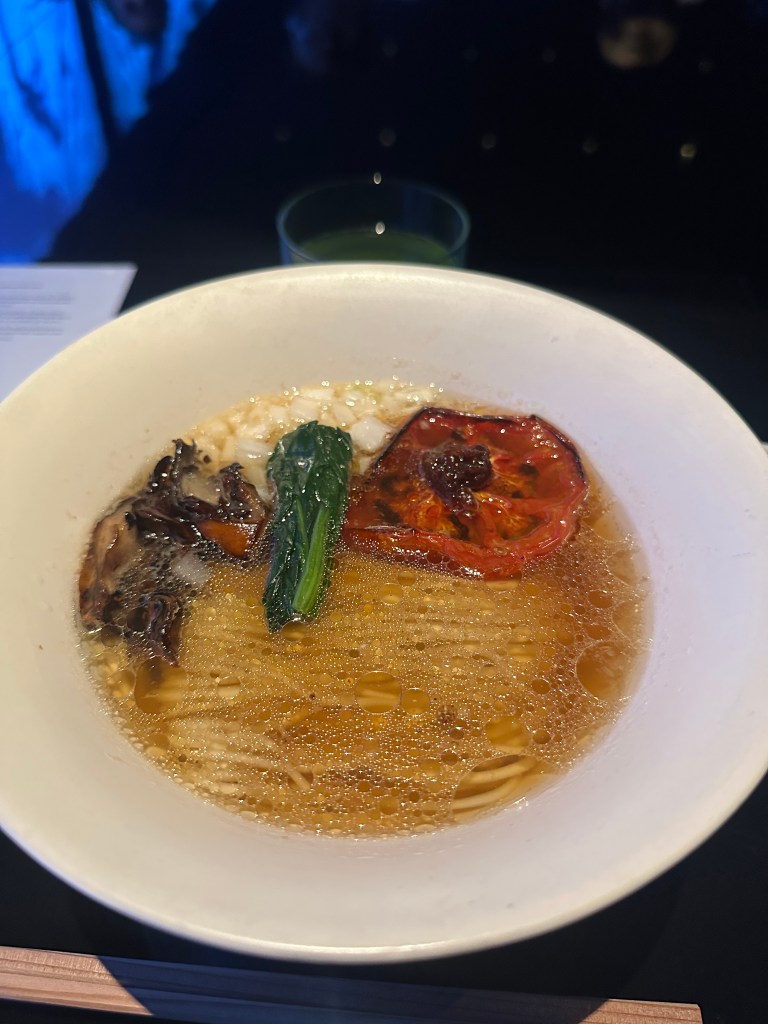
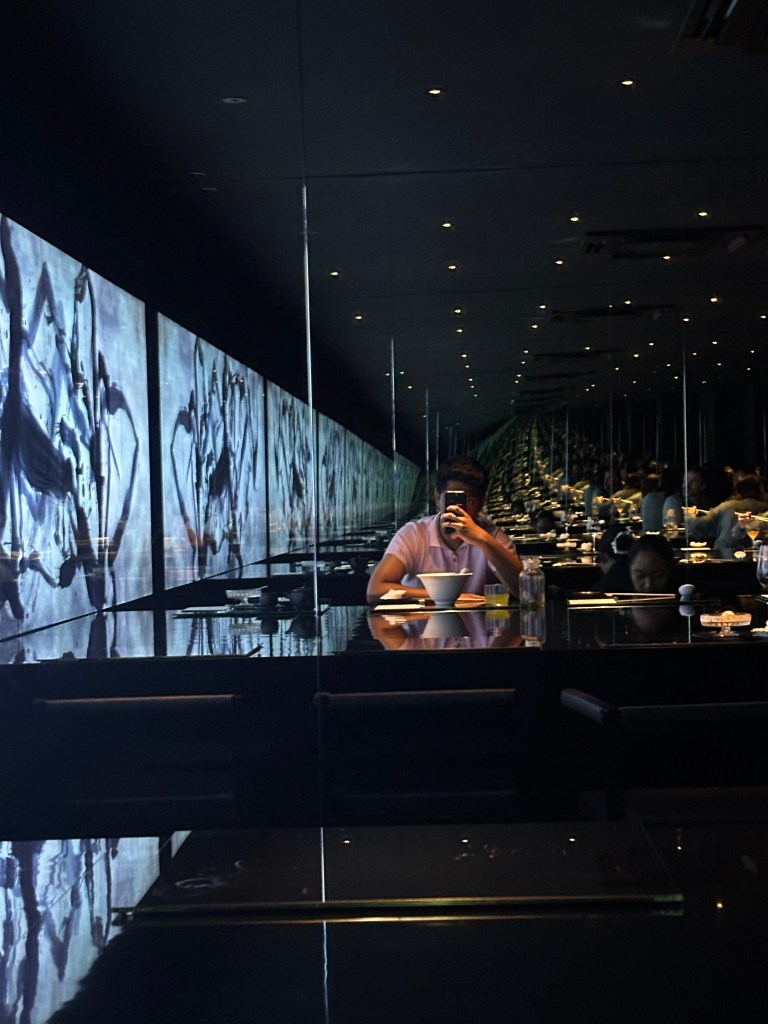


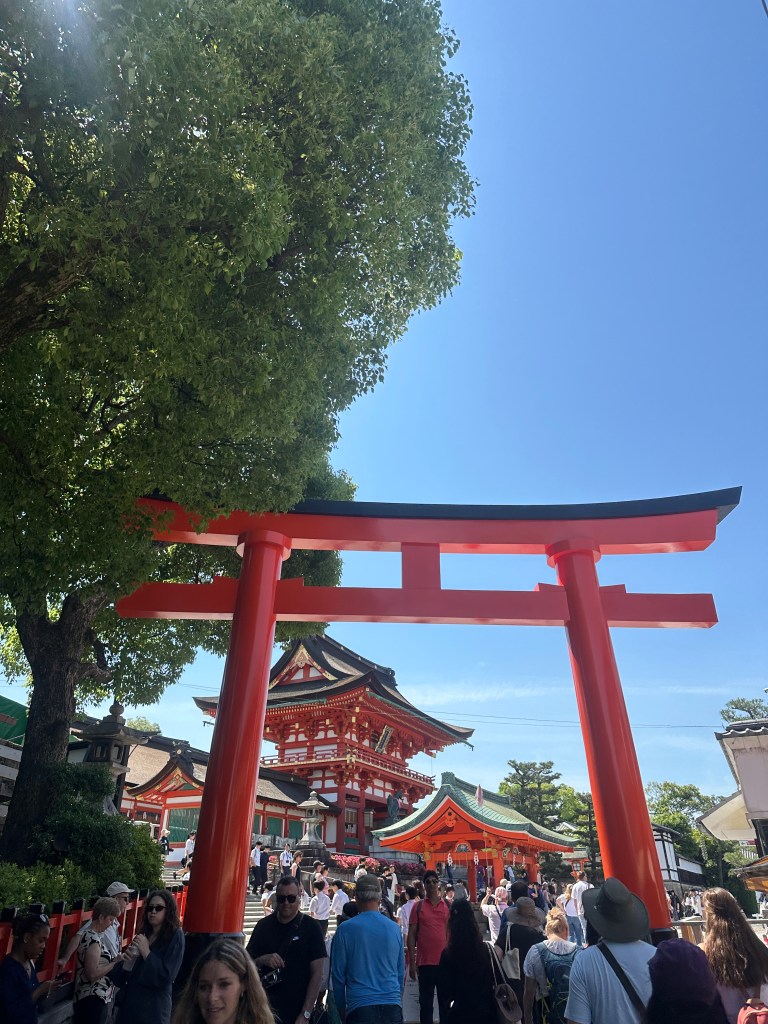
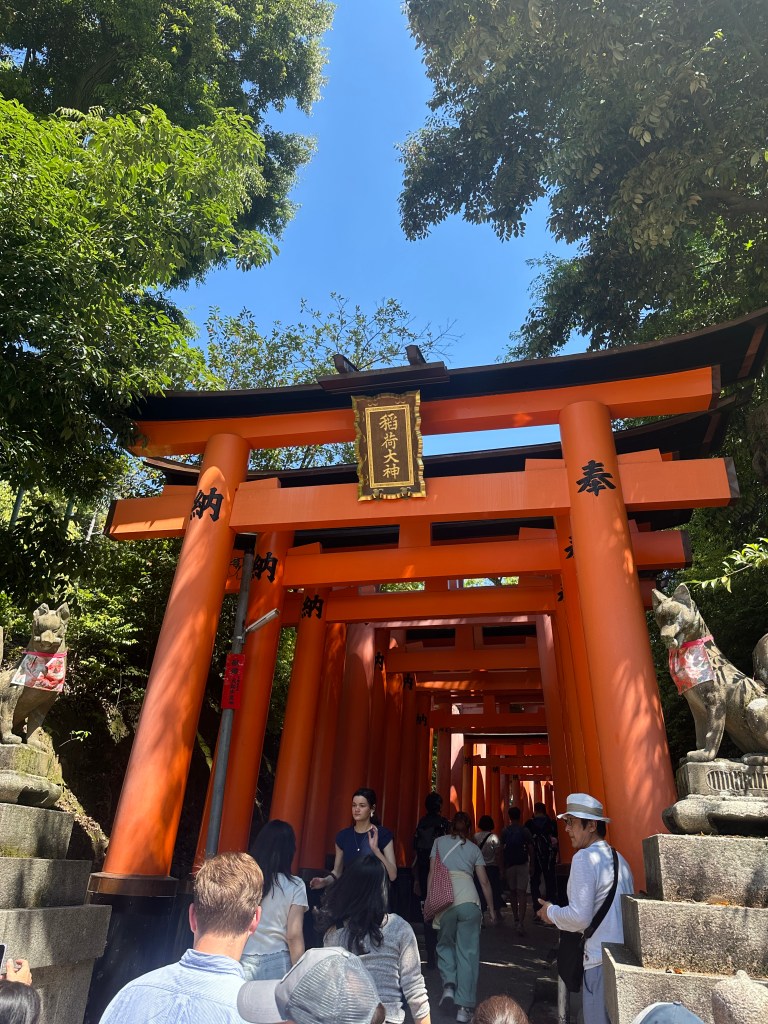
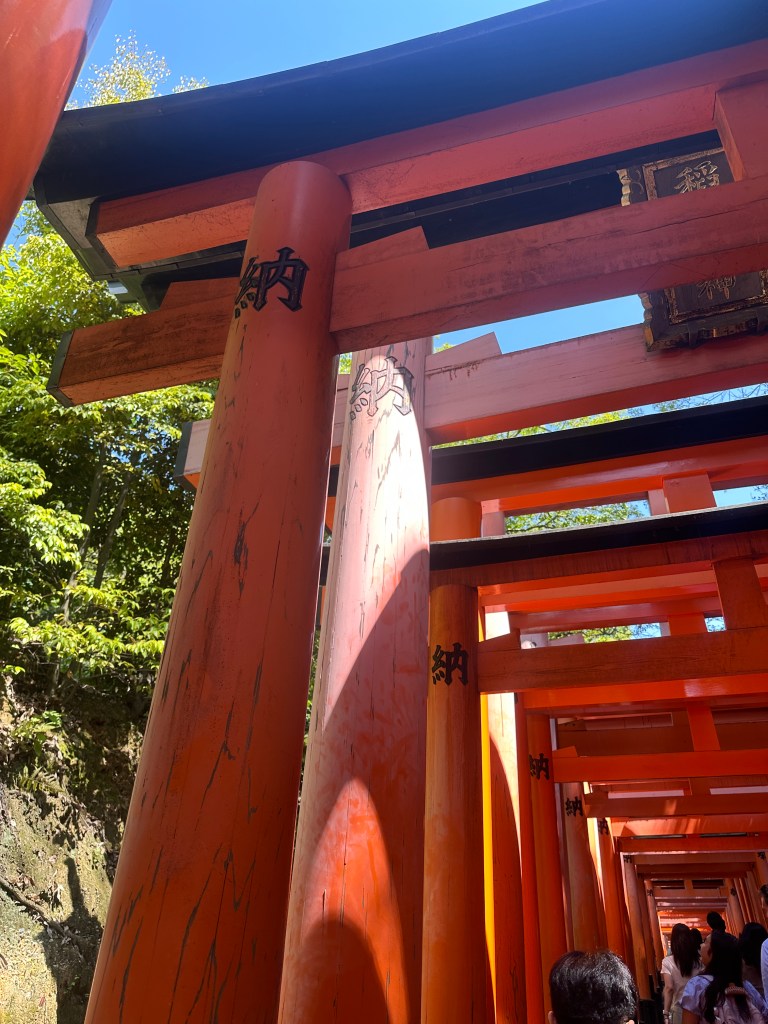
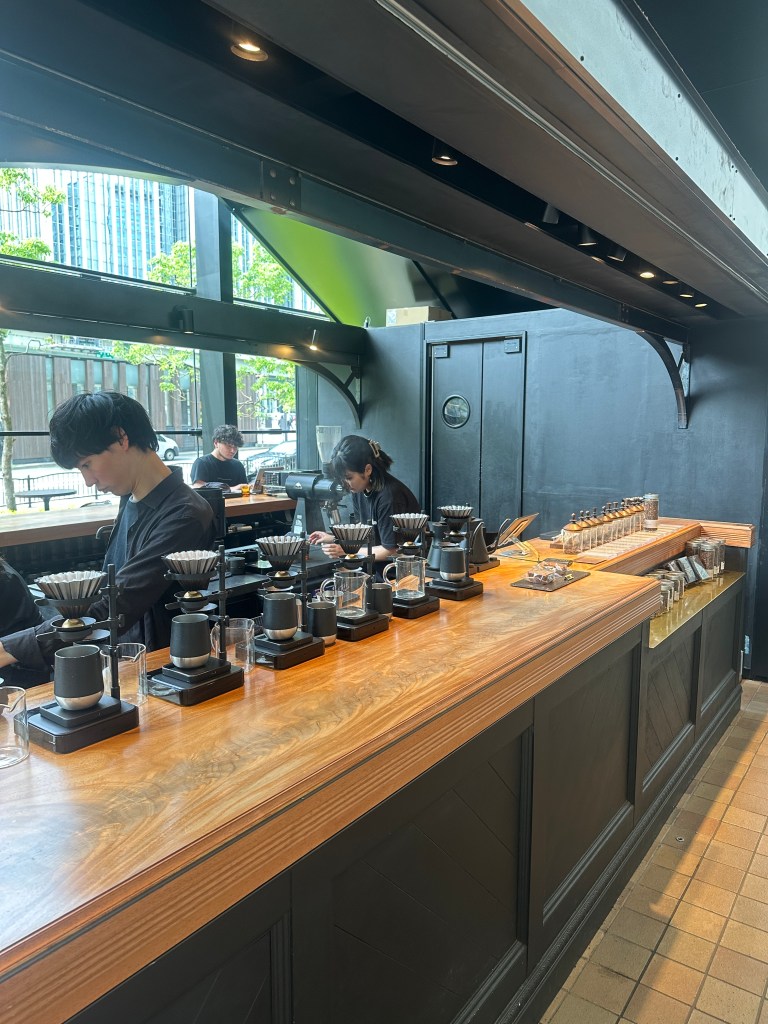
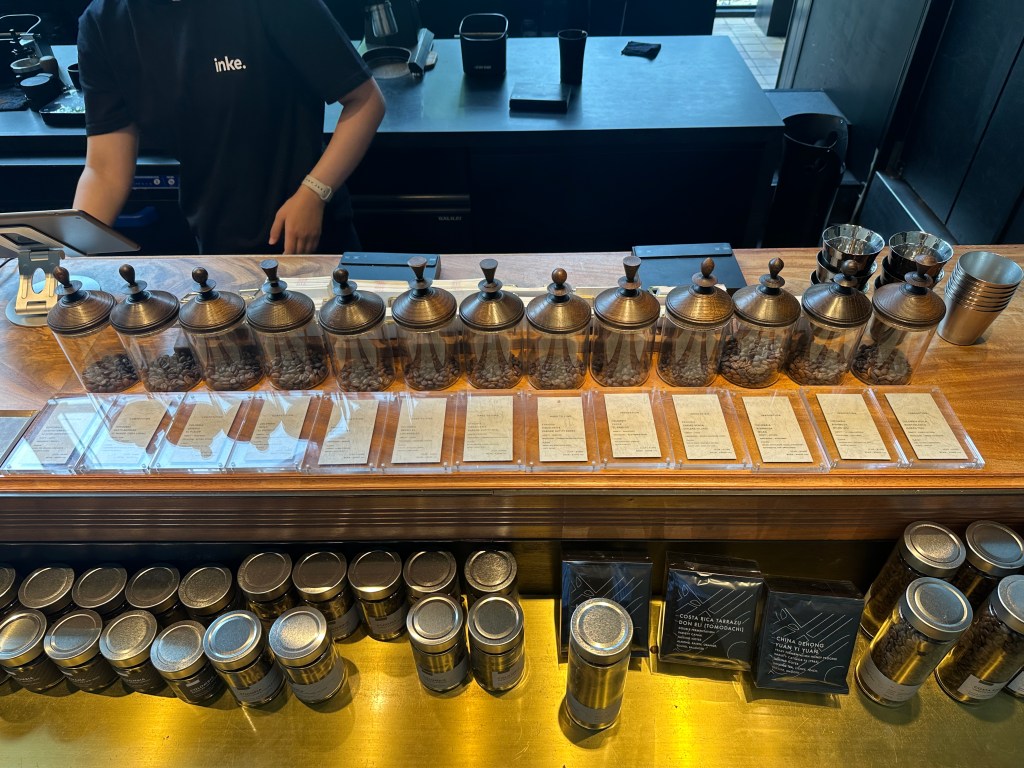
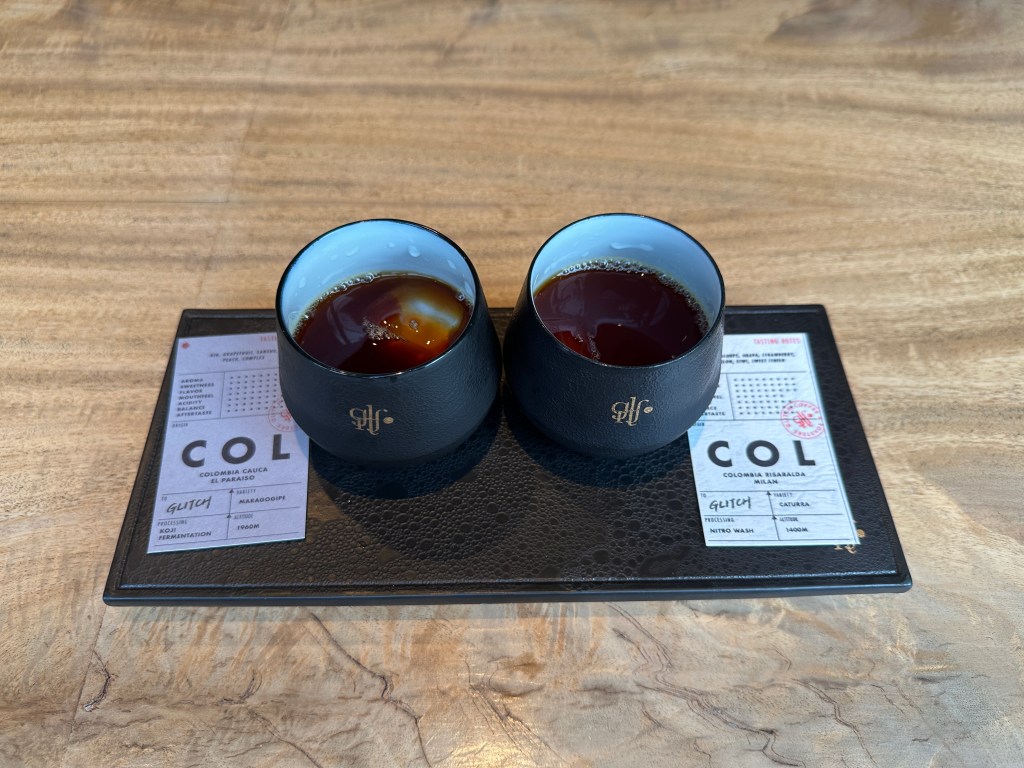
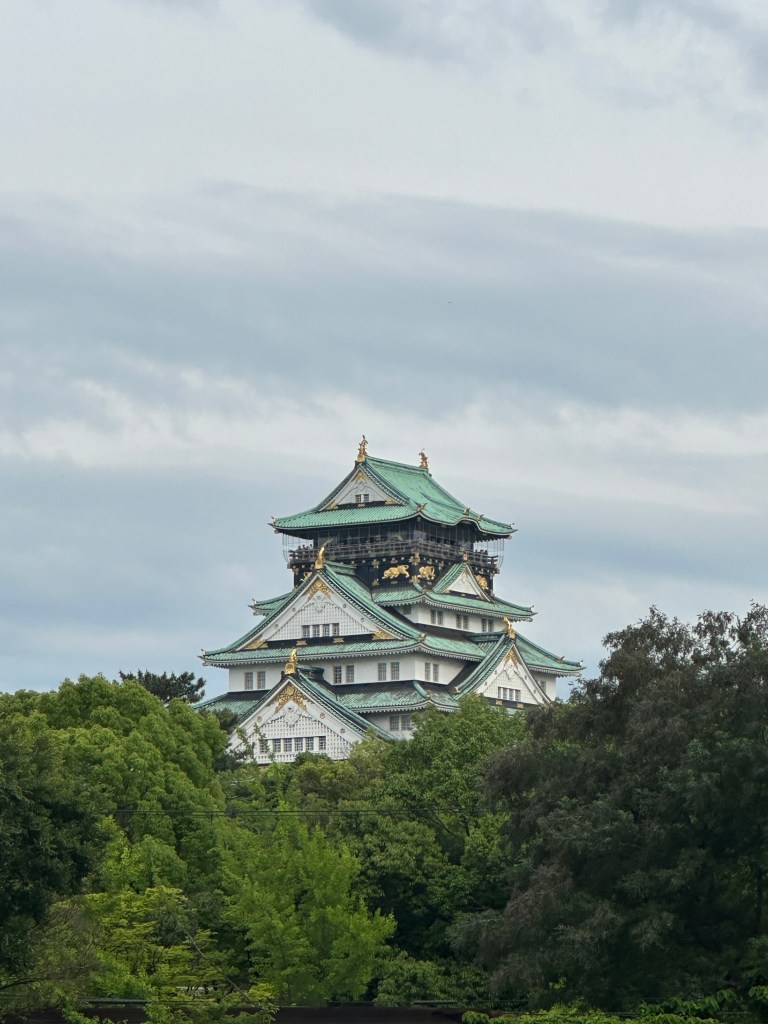
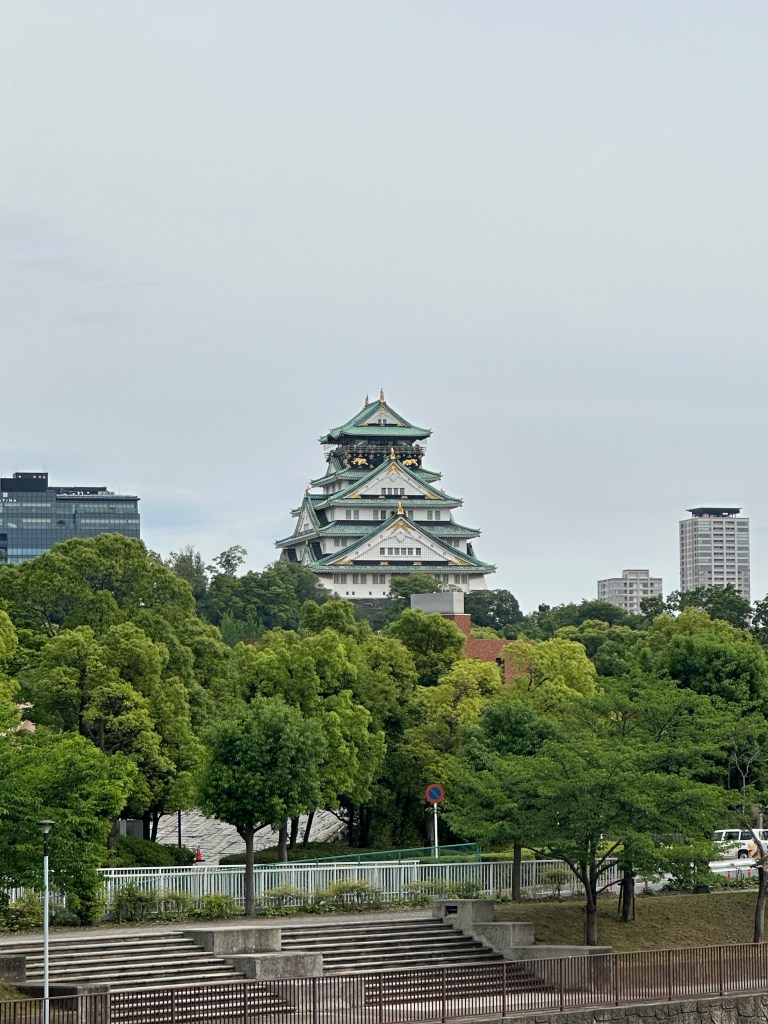

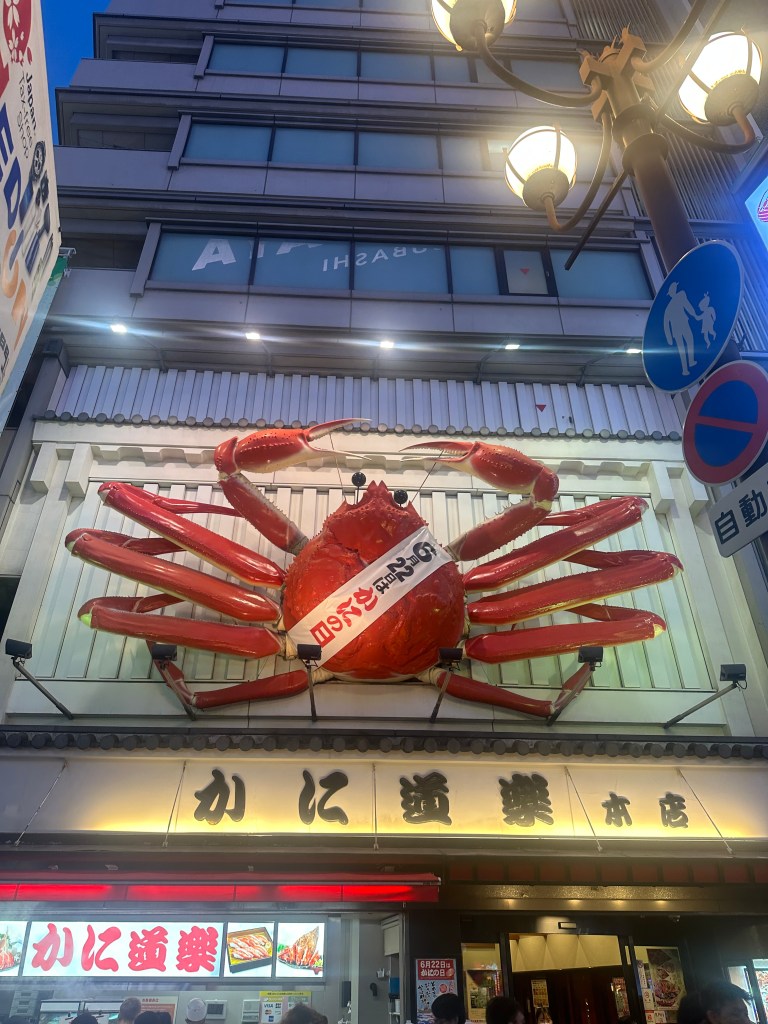
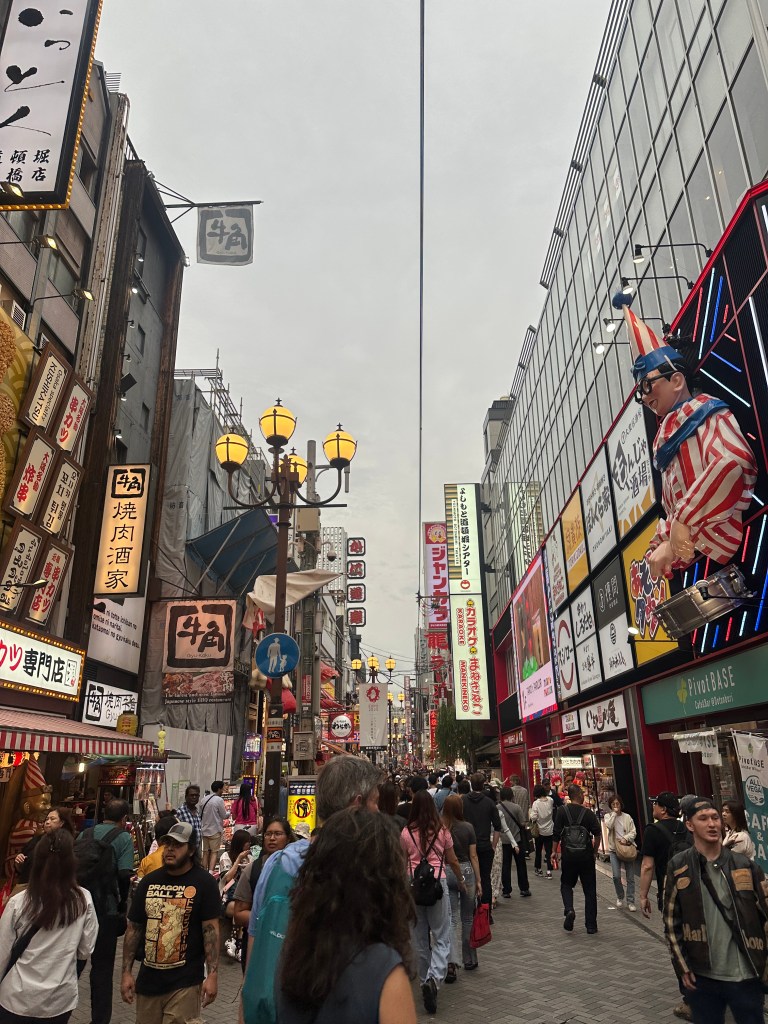


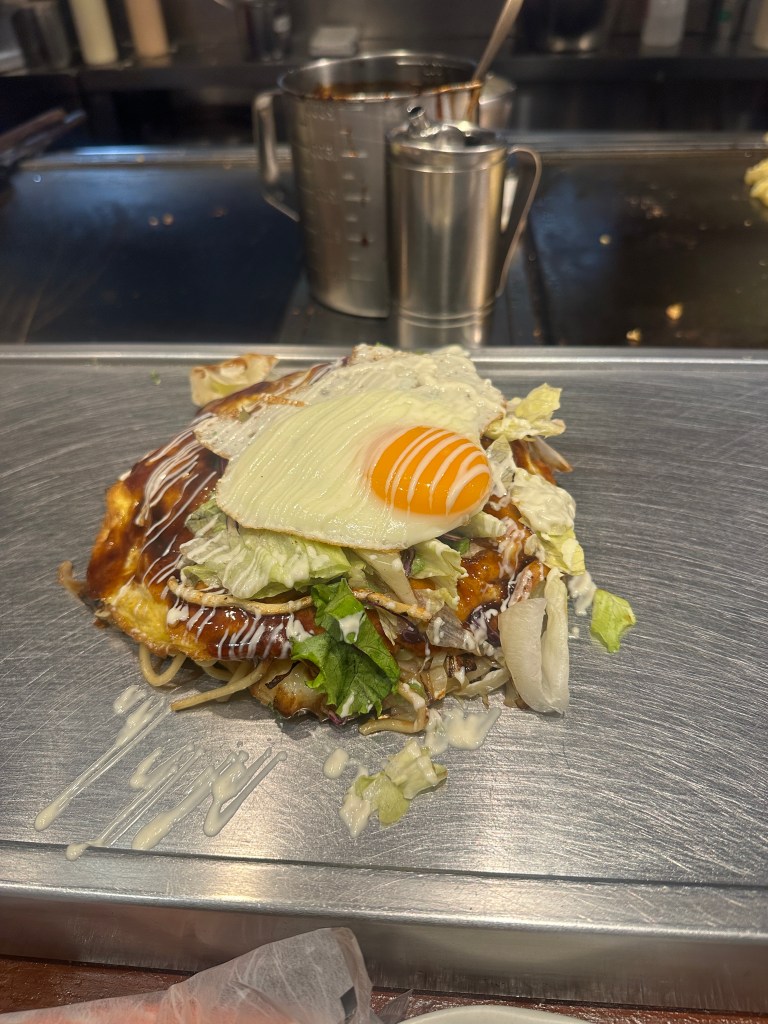























 Travel Footprints