Bhutan

Bhutan, the Land of the Thunder Dragon, is a tiny Himalayan kingdom that feels like a secret whispered by the mountains. Tucked between India and China, it’s a place where happiness isn’t just a buzzword—it’s a way of life, thanks to their famous Gross National Happines philosophy. With prayer flags fluttering in the breeze, monasteries perched on cliffs, and a culture that’s as vibrant as it is serene, Bhutan is unlike anywhere else. I’ve been lucky enough to visit twice—once with my maternal grandparents and once with my paternal ones—and each trip left me with memories I’ll carry forever.

Getting to Bhutan is an adventure in itself. The easiest way is to fly into Paro International Airport, one of the most scenic (and slightly nerve-wracking) airports in the world, surrounded by towering peaks. Flights usually come from cities like Delhi, Kolkata, or Bangkok, operated by Drukair or Bhutan Airlines. If you’re feeling adventurous, you can also enter overland from India via Phuentsholing, Jaigaon, or Gelephu, though the road trip adds a few extra hours of winding Himalayan views. Once you’re in, you’ll need a visa (arranged through a licensed Bhutanese tour operator) and a guide—tourism here is tightly regulated to preserve the country’s magic.

Bhutan’s specialties? Think pristine landscapes, a peaceful vibe like nowhere, a deep-rooted Buddhist heritage, and a commitment to sustainability that’s downright inspiring. From the national animal, the takin, to the colorful festivals called tshechus, there’s something enchanting around every corner. Since I’m writing this blog years after my visits, I won’t dive into food recommendations—memory’s a bit fuzzy on the specifics—but I’ll absolutely share some Bhutanese dishes you have to try: ema datshi (spicy chili and cheese), kewa datshi (potato and cheese), shamu datshi (mushroom and cheese), and nutty red rice. Trust me, your taste buds will thank you.

So, let’s dive in!

Trip One 

My first trip to Bhutan was when I was pretty young, and since my maternal grandparents weren’t big on long treks, we kept it mellow. We stuck to key sites and leaned hard into hotel life—which, honestly, was a treat. We stayed at the luxurious Taj Tashi in Thimphu, where the blend of Bhutanese design and modern comfort made every moment feel special. In Paro, we checked into Zhiwa Ling (now rebranded as Six Senses Bhutan), a stunning property with jaw-dropping views. I got miserably sick in Paro—fever, sniffles, the works—so I spent most of my time there curled up in bed, gazing out at the misty mountains. Thimphu, though? That’s where the magic happened for me. I loved the energy of the capital, the way it buzzed quietly with life, and the cozy evenings we spent sipping tea by the hotel fireplace. It was a soft landing into Bhutan, and I wouldn’t trade it for anything.

Trip Two

We followed this itenary

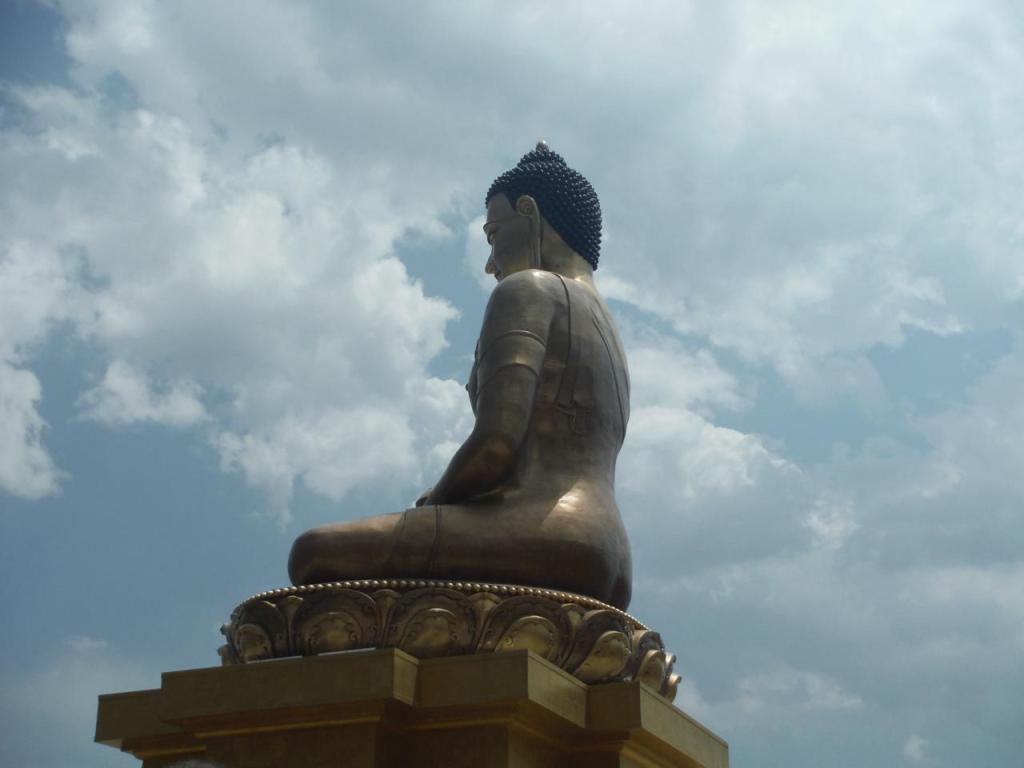
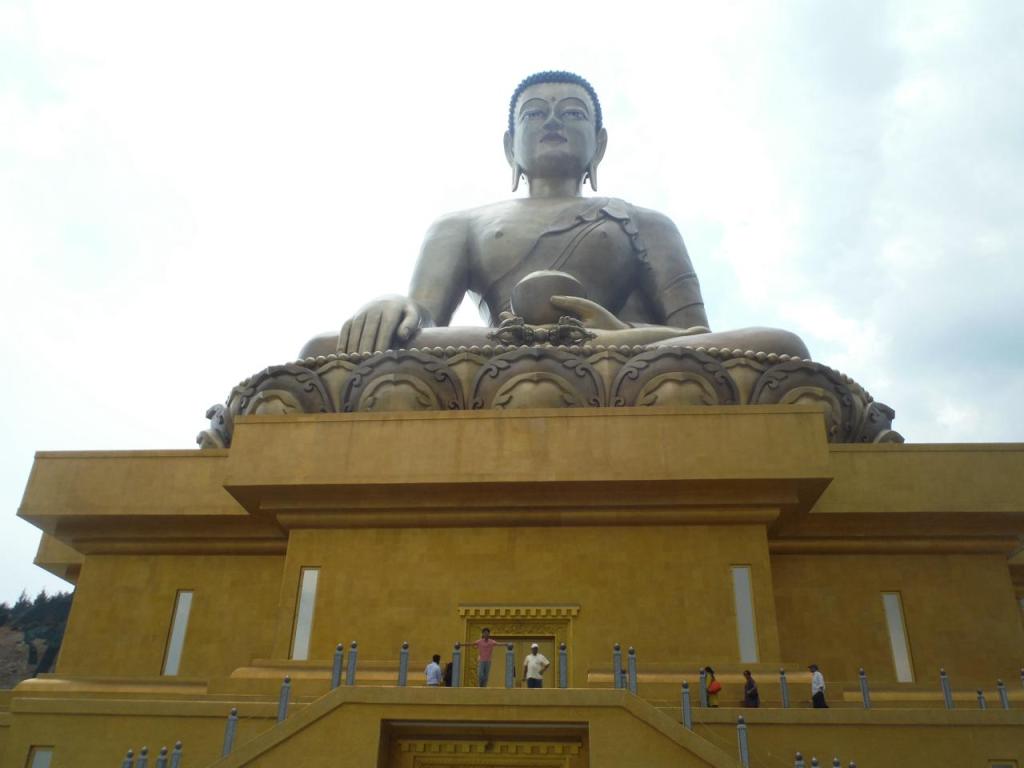
Day 1: Arrive in Paro, transfer to Thimphu, visit Buddha Dordenma.
Day 2: See Memorial Chorten, Changangkha Temple, Takin Preserve, Bhutan Postal Museum, Tashichho Dzong.
Day 3: Day trip to Punakha via Dochula Pass, see Punakha Dzong.
Day 4: Relax in Thimphu, enjoy pool and spa at Le Méridien.
Day 5: Transfer to Paro, visit Paro Rinpung Dzong, Kyichu Lhakhang.
Day 6: Visit Tigers Nest, stroll Paro streets.

Day 1 :Fast forward to my second trip, this time with my paternal grandparents, and I was ready to soak it all in. We landed at Paro’s postcard-perfect airport, where the plane swoops between the peaks of the himalayas. And if you’re lucky enough, you can even catch a glimpse of Everest. Our guide, Ugyen Cruise Dorji, greeted us with a warm smile and whisked us off to Thimphu on a scenic drive. Prayer flags danced in the wind, and the roads were so well-kept. I learnt that it is illegal to go to many mountains, so a lot of Bhutan is untouched and preserved, making it one of the most beautiful countries I have ever been to. 

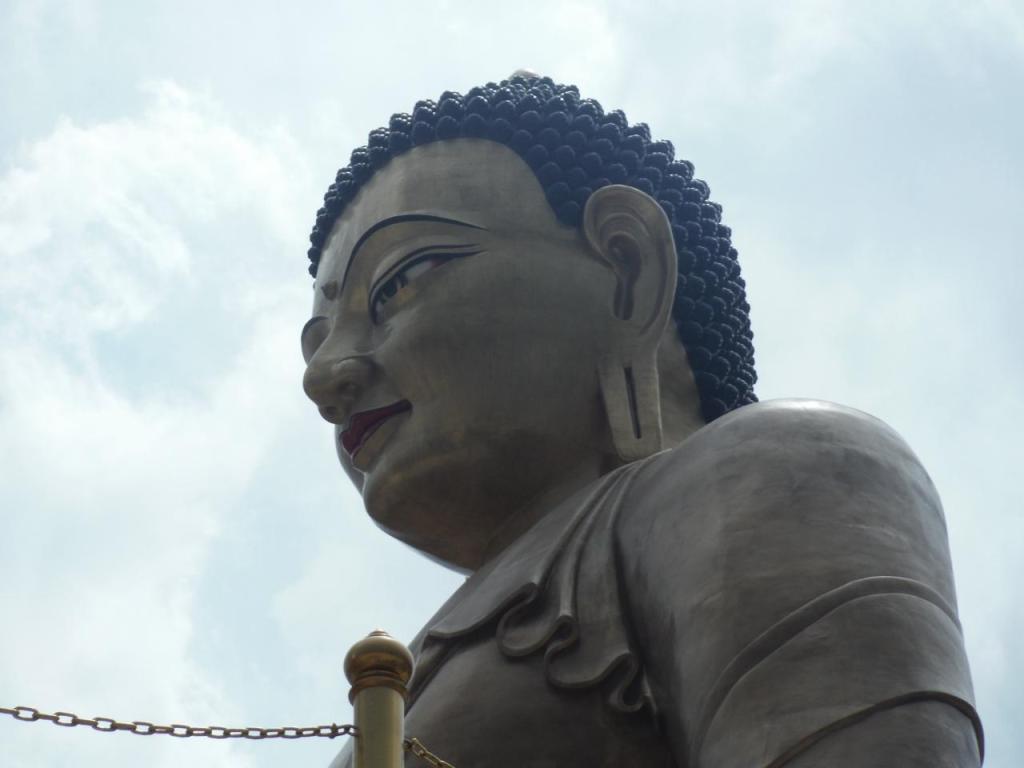
We checked into Le Méridien Thimphu, a sleek hotel with massive rooms, right in the city center—we even scored a suite upgrade. That first day, we visited the Buddha Dordenma, a giant golden statue overlooking the valley. It’s hard to describe the peace that hits you standing there, with the breeze carrying the faint sound of monks chanting. That evening, we strolled through Thimphu’s streets, popping into a local diner for dinner. The vibe was laid-back, the people were friendly, and the atmosphere were very nice. For dinner we ended up having an Italian meal in a small cozy restaurant. 
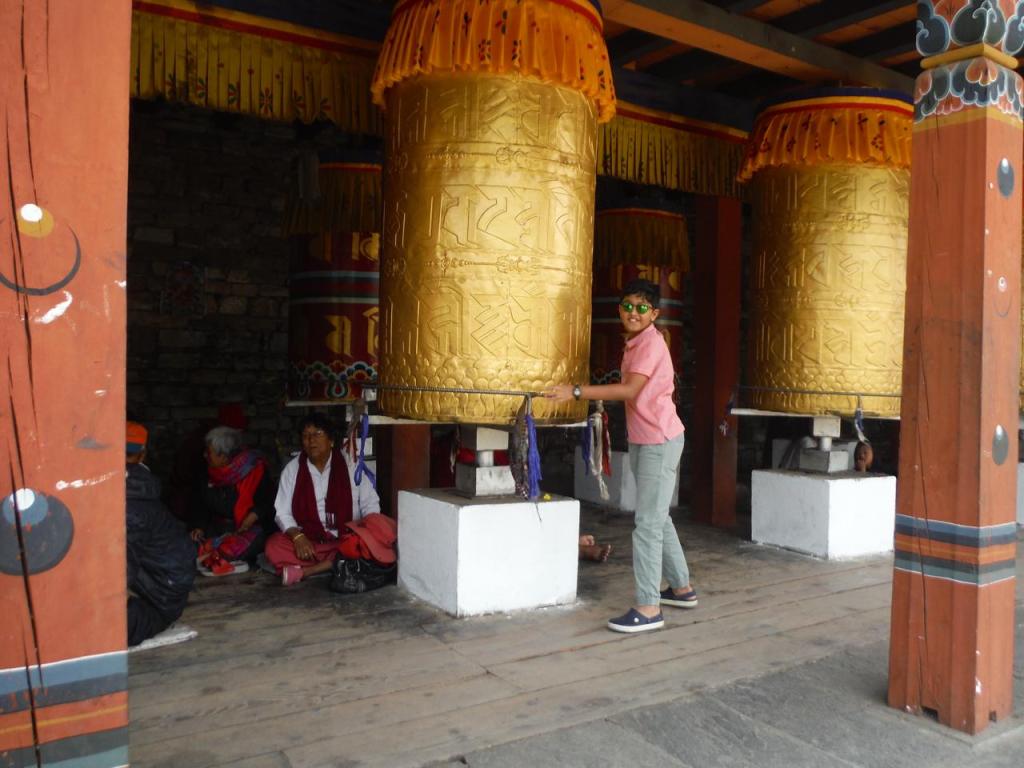
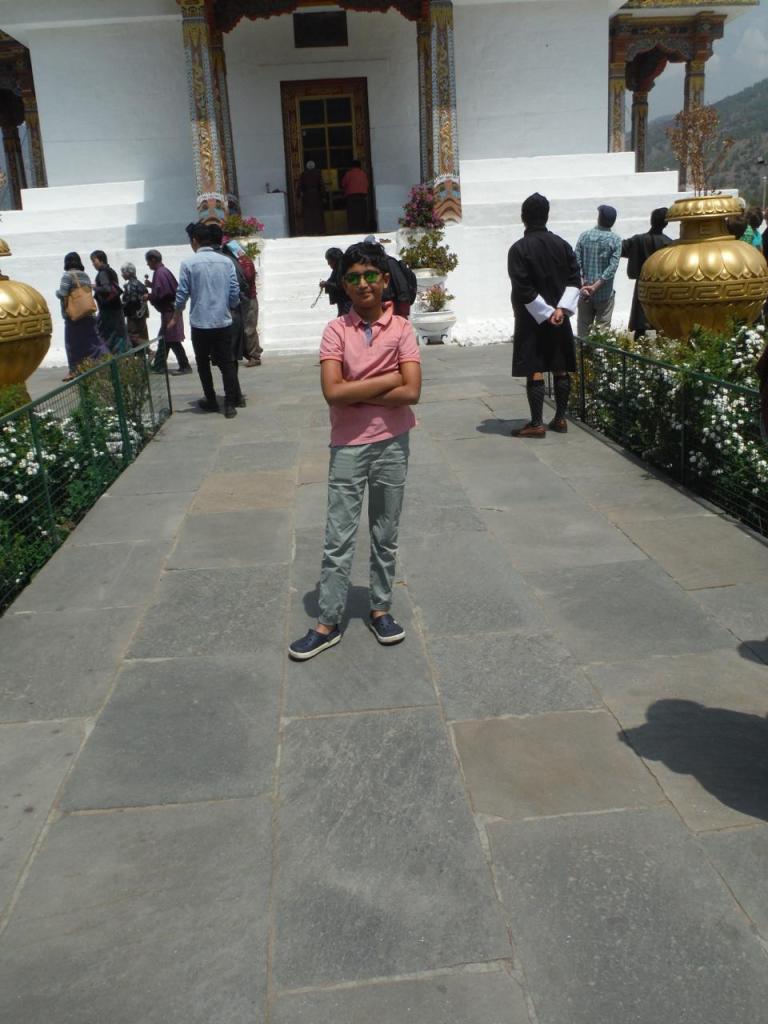
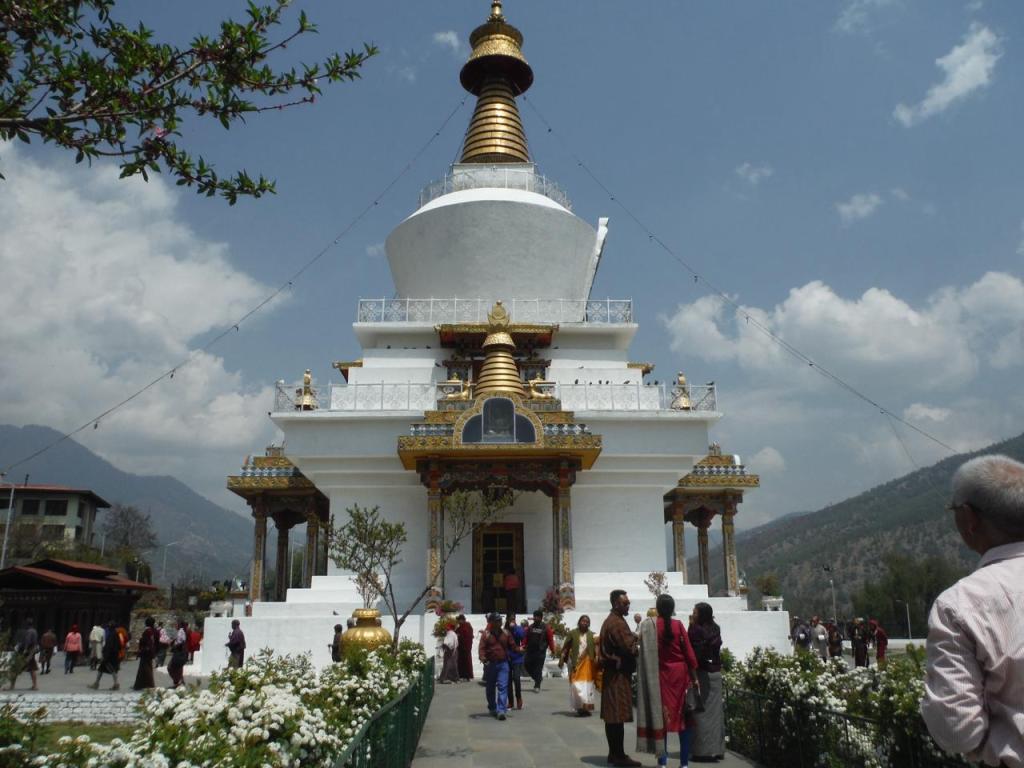
Day 2 : We kicked off with a killer breakfast at the hotel—pancakes, fresh fruit and some local bhutanese delicacies. We hit the Memorial Chorten, a whitewashed stupa buzzing with locals, dressed in traditional attire, moving silently in a clockwise path around the white stupa, spinning golden prayer wheels with every step. Each spin was like a quiet wish, and I remember standing there, completely still, just observing in awe of the peace of the place. A chorten, I learned, is a type of Buddhist stupa—essentially a monument that symbolizes peace and harmony. 
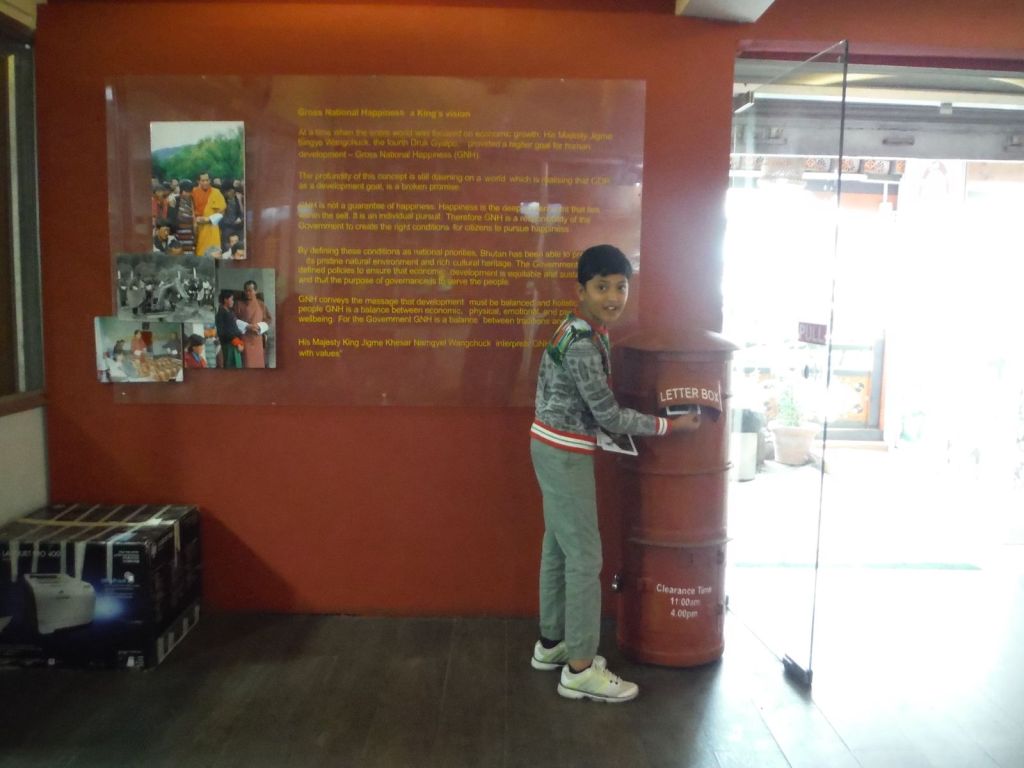
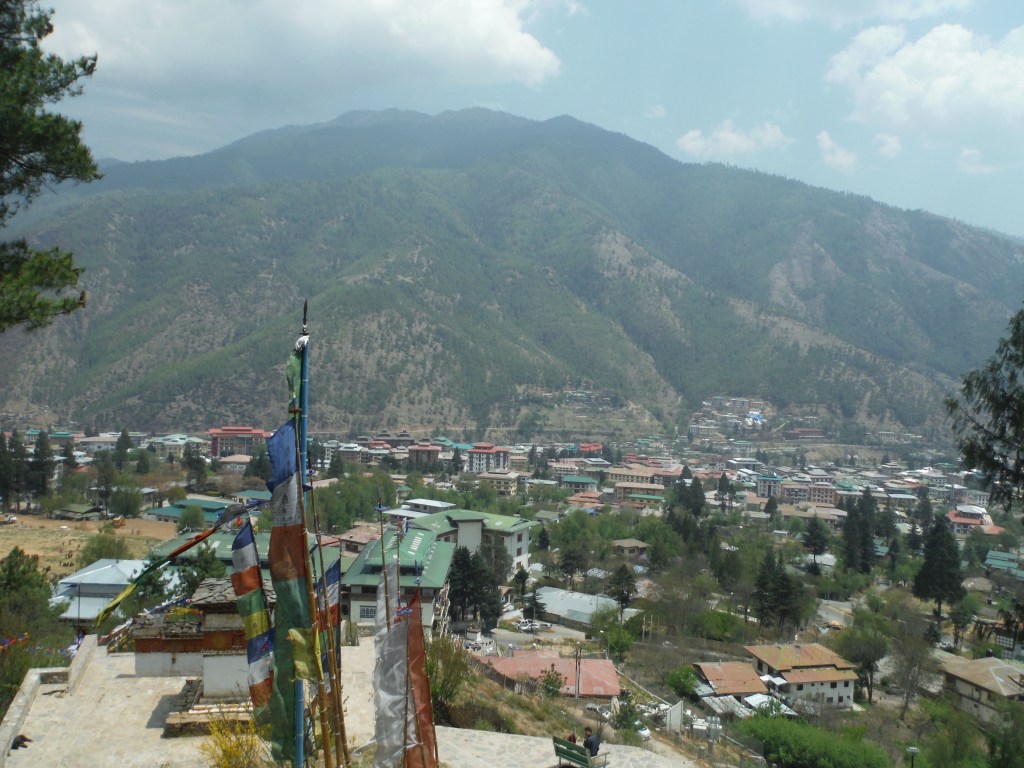
We then climbed up to Changangkha Temple. Perched on a hilltop, it offered sweeping views of Thimphu that made my heart skip. Next, the Takin Preserve introduced us to the takin—Bhutan’s national animal, which looks like a mashup of a goat and a cow. It’s weirdly adorable. On a family friend’s tip, we swung by the Bhutan Postal Museum, which sounds niche but was a total gem. Stamps tell stories here, and learning about GNH ( Gross National Happiness ) was a highlight—Bhutan’s all about balancing progress with well-being, and it shows.

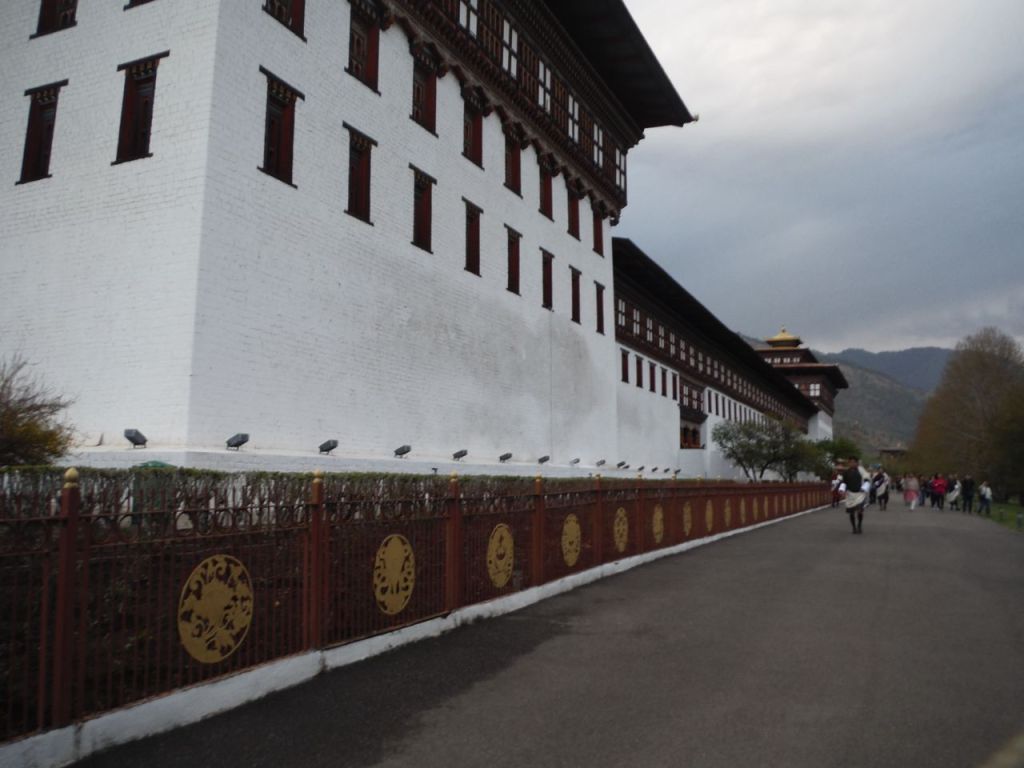
The grand finale of the day was Tashichho Dzong, a fortress-monastery hybrid that’s pure architectural eye candy. A dzong is a traditional Bhutanese building that doubles as a religious and administrative hub, and this one was decked out with intricate woodwork and golden roofs. I could’ve stared at it for hours. For dinner, we headed to Taj Tashi for a Bhutanese feast—ema datshi, kewa datshi, shamu datshi, and red rice. The flavors were bold, spicy, and comforting all at once, and the hotel’s ambiance made it unforgettable. 
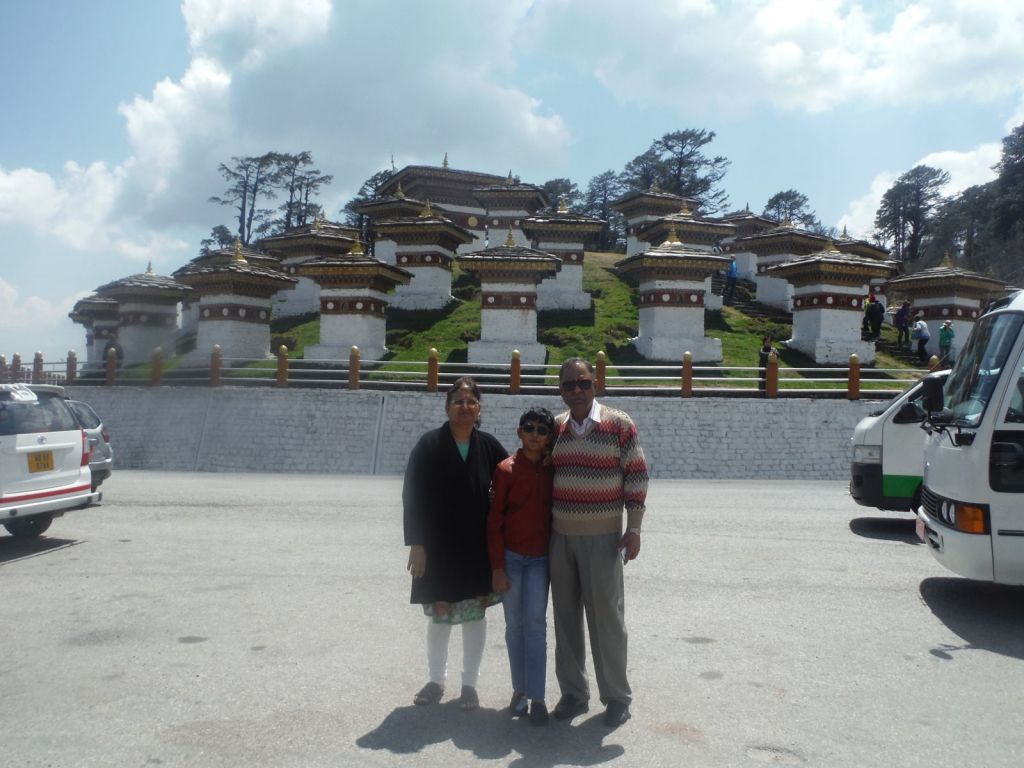
Day 3 : This was long but very memorable: a day trip to Punakha. We stopped at Dochula Pass, where 108 chortens dot the hillside and the Himalayan panorama left me speechless. I also saw the himalayan peaks through a binocular which was very special. I sipped tea, snapped photos, and tried not to freeze in the crisp mountain air. Then came Punakha Dzong. Built at the confluence of the Pho Chhu and Mo Chhu rivers, the dzong stood like a guardian of time. Its wooden bridge, the colours of its windows, and the massive central courtyard were almost too perfect. I walked around, in complete awe. The place wasn’t just beautiful—it was alive. You could hear chants, water flowing, the occasional laugh, and still feel a deep, serene silence underneath it all. This was easily one of the most beautiful and picturesque places I had ever seen.

Day 4 : This day was all about chilling. We splashed around in Le Méridien’s pool, booked spa treatments that melted every ounce of stress, and wandered the city center. I snagged some lemongrass perfumes (still my favorite scent) and handmade crafts as souvenirs. Dinner was at a burger joint whose name escapes me, but that veggie burger? Juicy, flavorful, texturally perfect—hands down the best I’ve ever had. I’m still chasing that high.

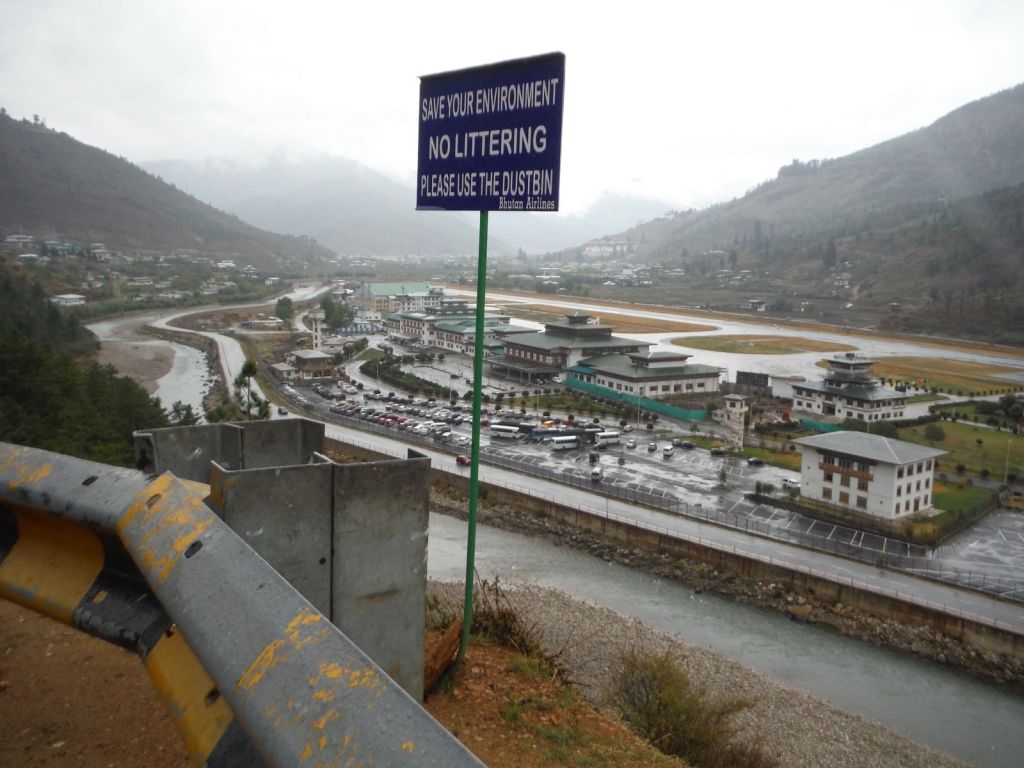
Day 5 : Next, we transferred to Paro, stopping for a bird’s-eye view of the airport that made me gasp all over again. We stayed at Naksel Boutique Hotel & Spa, a gorgeous spot with Himalayan vistas that felt like a hug from nature. It’s a bit off the usual path, but that just added to the charm. That day, we explored Paro Rinpung Dzong—another breathtaking fortress—and Kyichu Lhakhang, one of Bhutan’s oldest temples. The serenity was unreal.
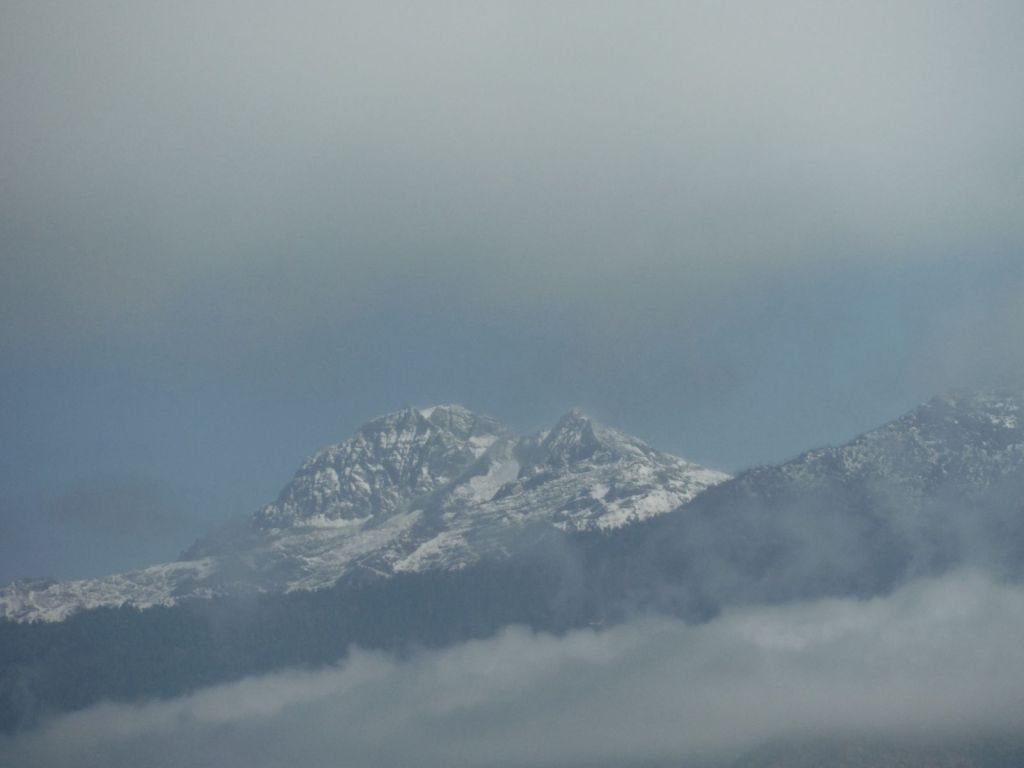
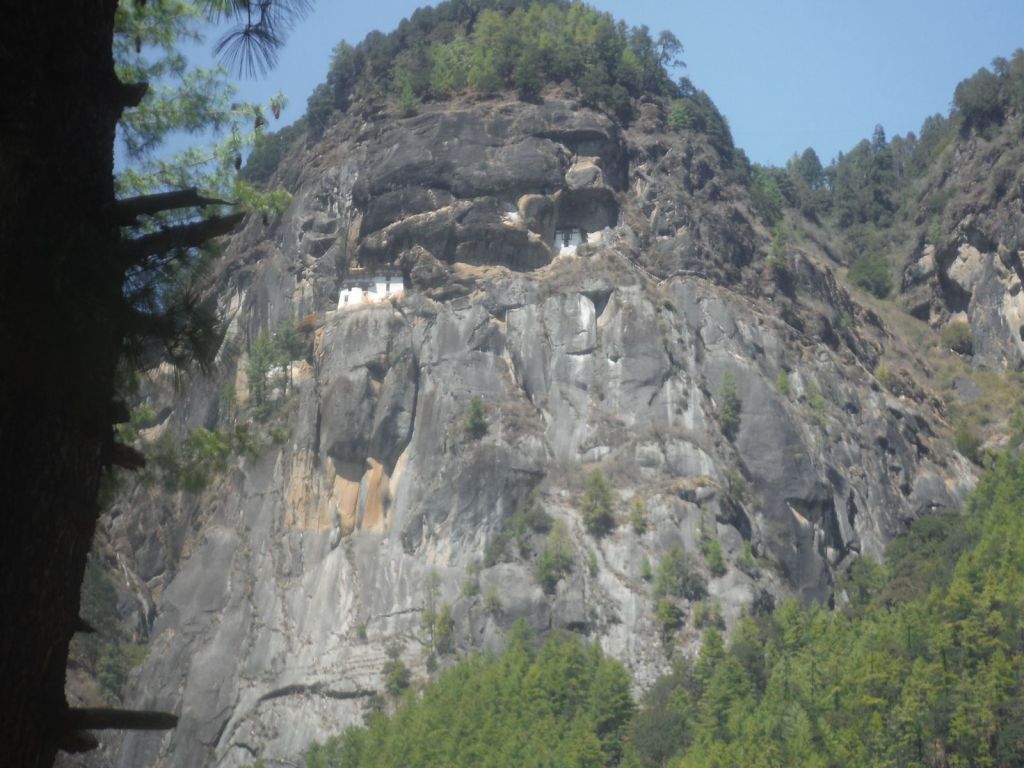
Day 6 : Our last day was low-key. Tiger’s Nest (Paro Taktsang) loomed above us, but with my grandparents along, we skipped the steep hike and saw the monument from below. Instead, we strolled Paro’s streets, soaked in the Himalayan views from our hotel, and let the trip sink in. It was the perfect goodbye.
Bhutan’s a place that sneaks into your soul. Whether it was sipping tea at Dochula Pass, marveling at dzongs, or just breathing in that crisp mountain air, every moment felt like a gift. There is this peace about Bhutan, a kind of serenity, which I haven’t felt anywhere else.  It’s a country that doesn’t dazzle with spectacle—it humbles you with silence, with balance, with intention. My two trips—one gentle, one immersive—showed me different sides of this kingdom, and I’d go back in a heartbeat. If you’re craving a mix of adventure, culture, and peace, Bhutan’s calling your name. Just don’t ask me for burger joint specifics—I’m still kicking myself for forgetting that name!

Indian Aviation

The Indian aviation sector has long been a challenging market, often described as a “graveyard” for airlines. Regulatory complexities, high operating costs, fluctuating fuel prices, and fierce competition have left many carriers struggling to stay airborne. Iconic names like Kingfisher Airlines, Jet Airways, GoAir, and now the merger of Vistara with Air India stand as testaments to the volatility of this industry. Amidst this turbulence, IndiGo’s meteoric rise—and now its potential stumbles—adds an intriguing chapter to this saga.

The Indian aviation industry is witnessing significant growth, driven by the expanding middle class and increasing demand for flight connectivity. In FY2024, domestic passengers reached 306.7 million, reflecting a robust 13.5% year-on-year (YoY) growth. The international market recorded 69.64 million passengers, with an impressive 22.3% YoY growth (IBEF). India has now surpassed Indonesia and Brazil to become the third-largest domestic aviation market globally.

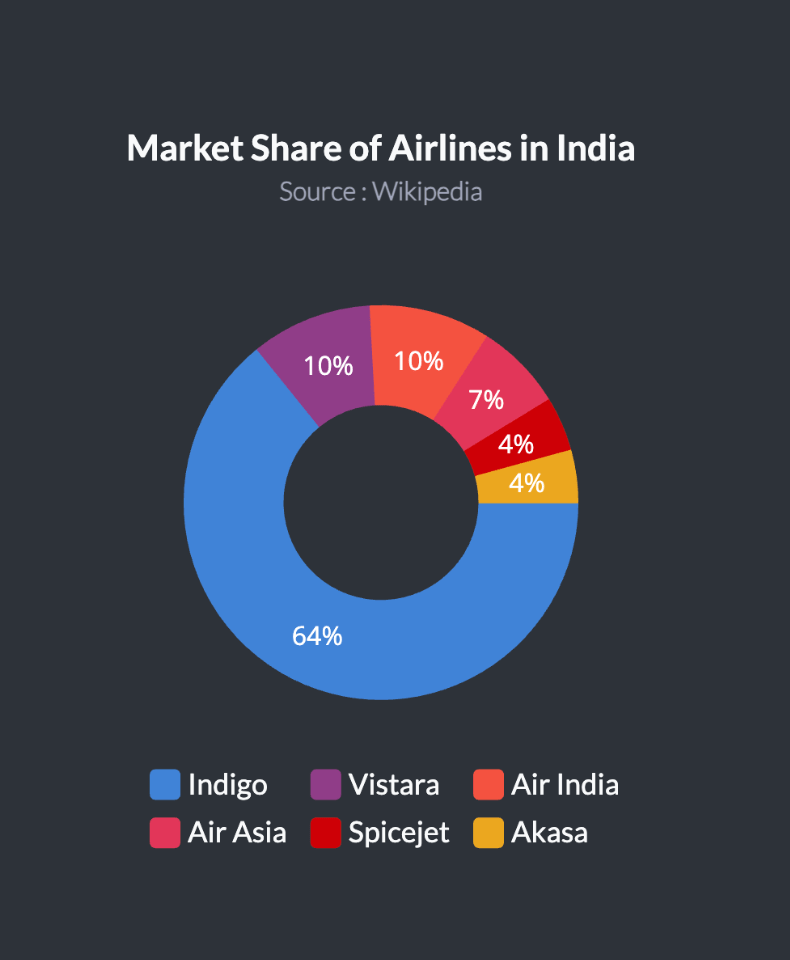
However, only a handful of major players dominate the current market. The graph below highlights the key players and their respective market shares.

To understand how the Indian aviation landscape evolved, it is essential to examine the rise and fall of past airlines. Kingfisher Airlines, launched by Vijay Mallya in 2005, and IndiGo, founded in 2006, entered the market around the same time. Kingfisher’s motto, “Fly the Good Times”, failed to resonate due to its king-size prices and operational inefficiencies. Indian consumers, being highly price-sensitive, preferred cost-effective options, even opting for inconvenient flight timings to save money. This misjudgment of market needs was a major misstep for Kingfisher and, later, Jet Airways.

Through a Kingfisher lens, its attempt to operate multiple hubs with premium offerings was unsustainable, given the high costs and operational inefficiencies. By contrast, through an IndiGo lens, the hub-and-spoke model thrived in the Indian market. IndiGo’s centralized hubs in Delhi and Mumbai optimized operations, maximizing fleet utilization and offering affordability—a winning strategy in a price-conscious market.

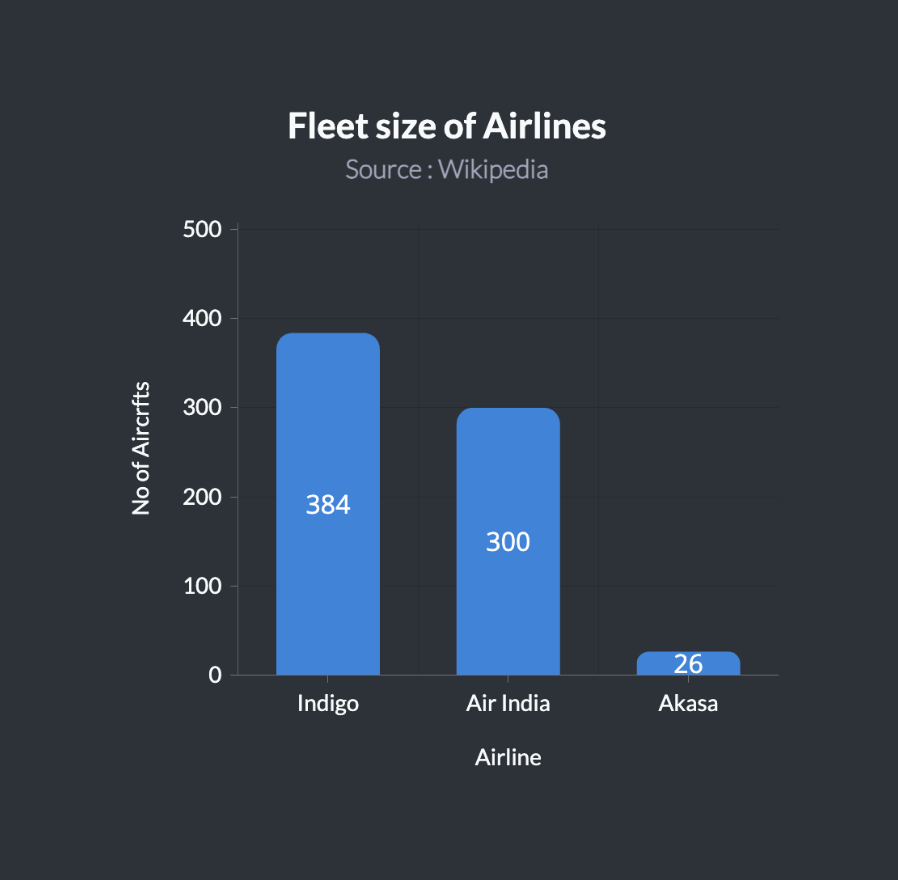
At its peak, Kingfisher Airlines held a 19.9% market share, closely matched by IndiGo’s 17.6%. However, the key difference lay in their fleet sizes. Kingfisher operated a larger fleet, resulting in higher fuel costs and greater operational expenses, which were unsustainable. IndiGo, on the other hand, achieved a similar market share with fewer planes, demonstrating the efficiency of its low-cost model and centralized operations. This contrast is highlighted in the chart below.

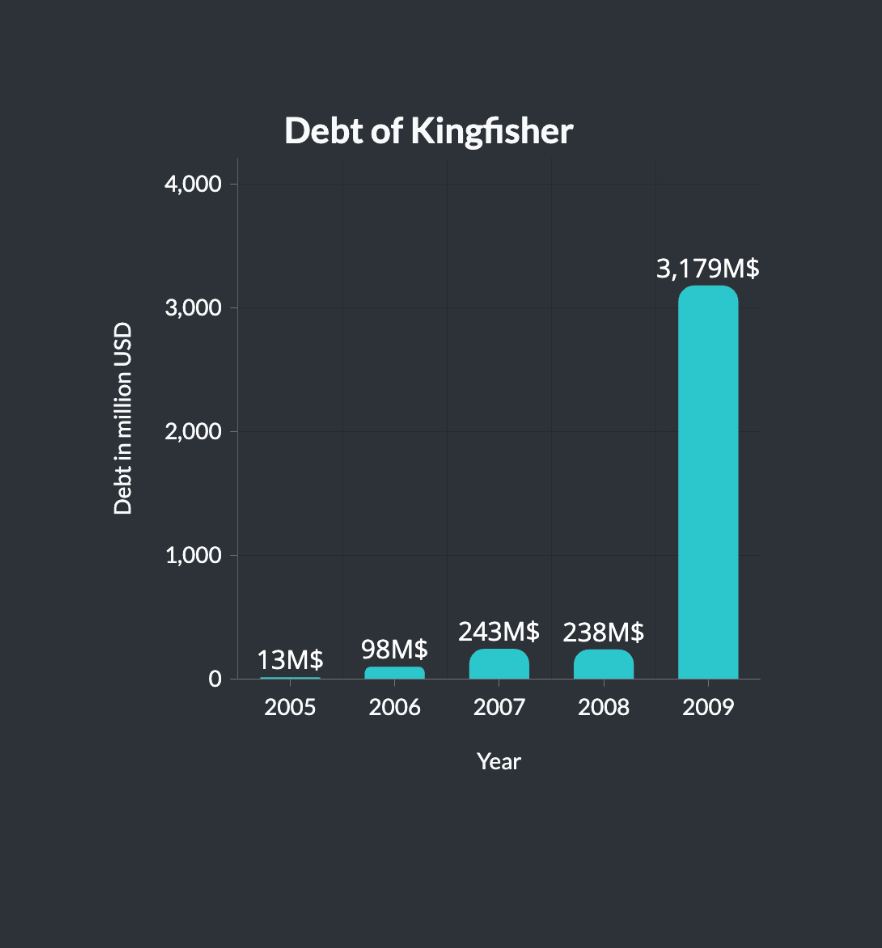
This disparity led to Kingfisher’s fuel ratio to revenue skyrocketing to 50%, an unsustainable figure. Combined with debts exceeding $3 billion USD, the airline ceased operations. Similarly, Jet Airways, which prioritized luxury over affordability, failed to cater to the Indian market’s value-driven preferences, ultimately leading to its downfall.

GoAir, on the other hand, was a low cost carrier, which was doing okay until it faced significant operational challenges due to persistent engine issues with its Pratt & Whitney-powered Airbus A320neo aircraft. By May 2023, these problems led to the grounding of 25 aircraft, accounting for 50% of its fleet. (AirInsight) This substantial reduction in operational capacity severely impacted the airline’s profitability and market presence, leading to insolvency in 2023.

So, while all the airlines fail, how did Indigo Succeed. Firstly Indigo undestood the Indian Market.
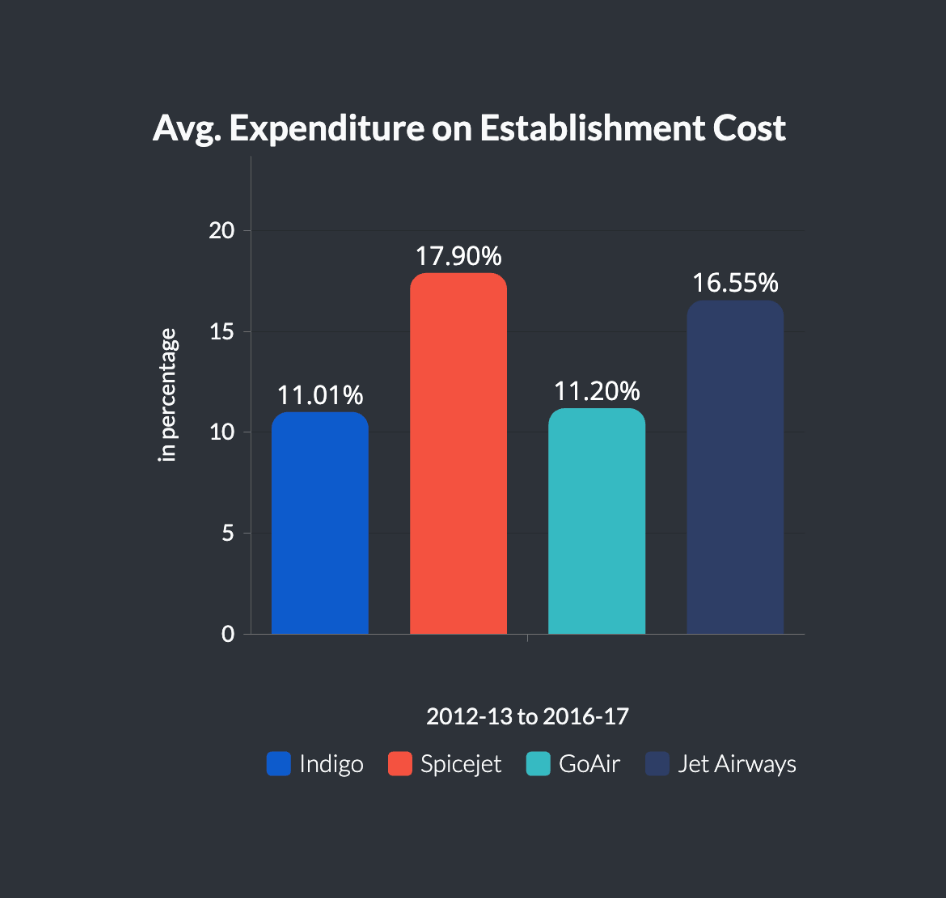
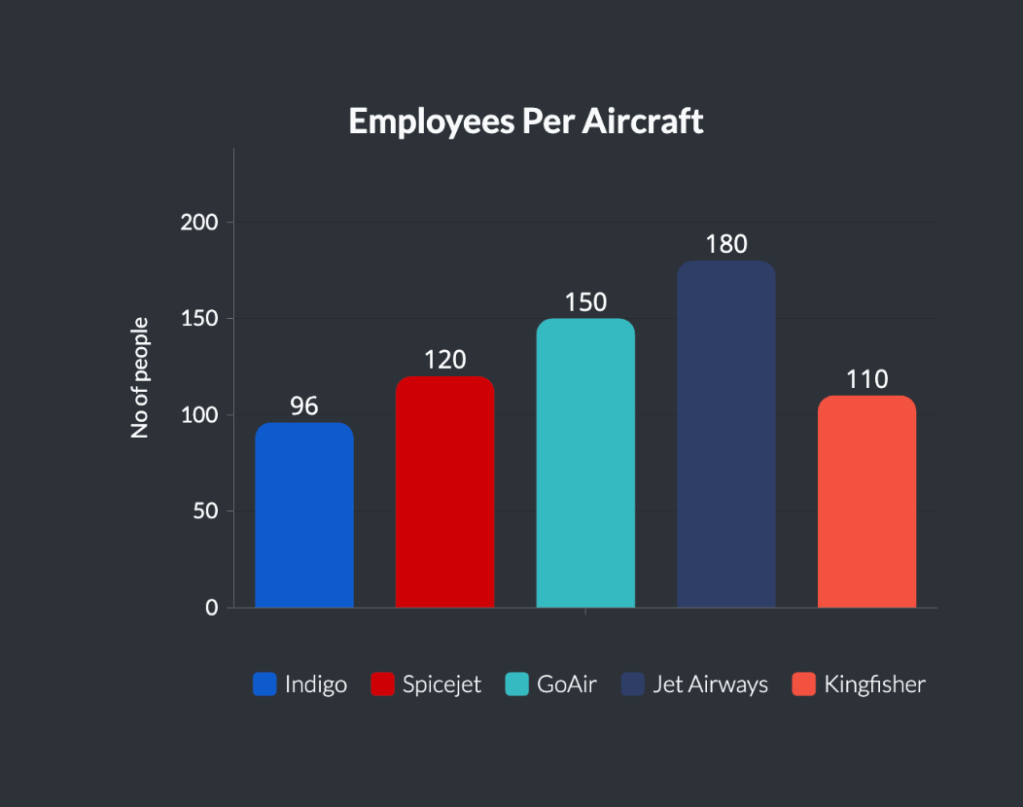
IndiGo’s success lies in its deep understanding of the Indian aviation market and its ability to learn from competitors’ mistakes. As the saying goes, “Smart people learn from their mistakes, but the real smart ones learn from others’ mistakes.” IndiGo identified the need for low-cost aviation and made strategic decisions to keep costs sustainable. They eliminated frills such as in-flight meals and IFE (In-Flight Entertainment) screens, focusing instead on affordability. With 96 employees per aircraft and an average expenditure to establishment cost of only 11.01%, IndiGo maintained exceptional cost efficiency.

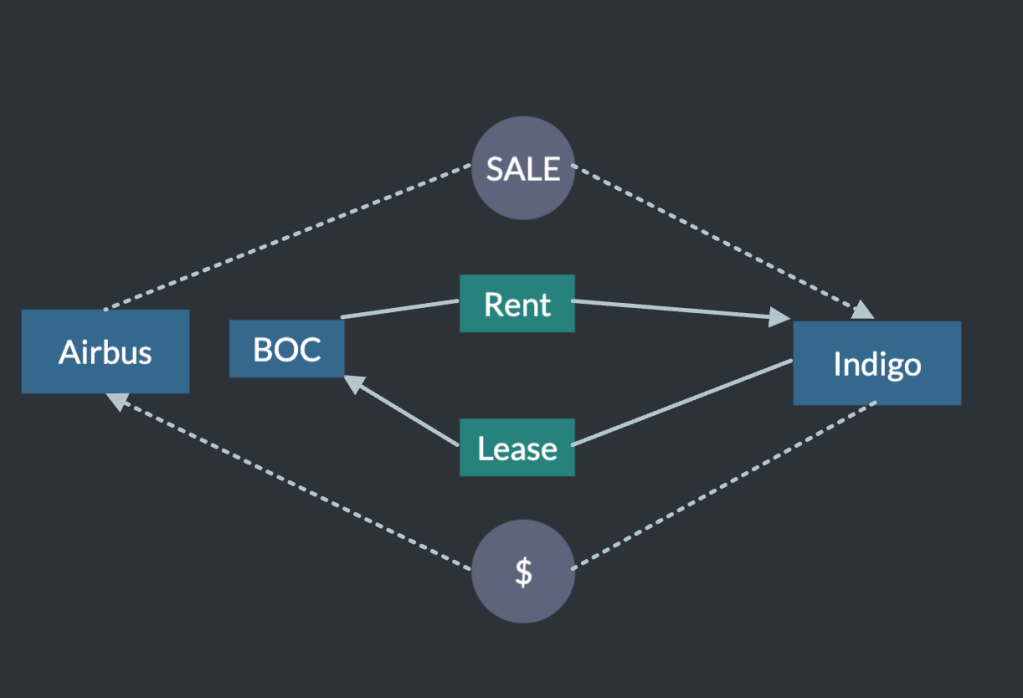
IndiGo also pioneered the Sale and Leaseback model, which became a cornerstone of its financial sustainability. By ordering 100 aircraft from Airbus in one of the largest deals in aviation history, IndiGo secured bulk discounts, reducing the cost of each aircraft by 50%. For example, an aircraft costing ₹800 crore was acquired for ₹400 crore. They then sold these planes to companies like BOC Aviation for ₹500 crore, booking a profit of ₹100 crore, and leased the planes back. This model ensured both short-term liquidity and long-term sustainability.

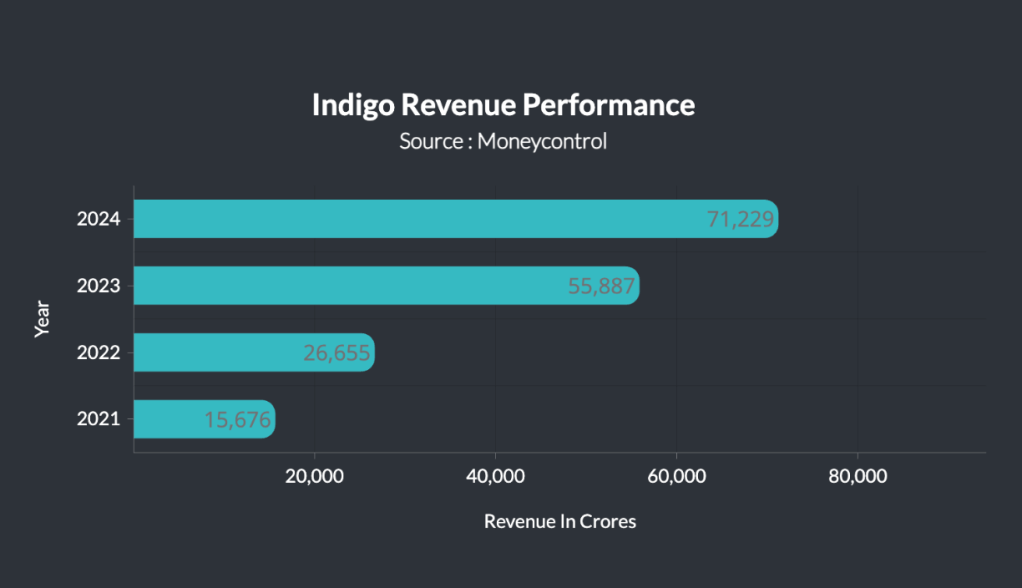
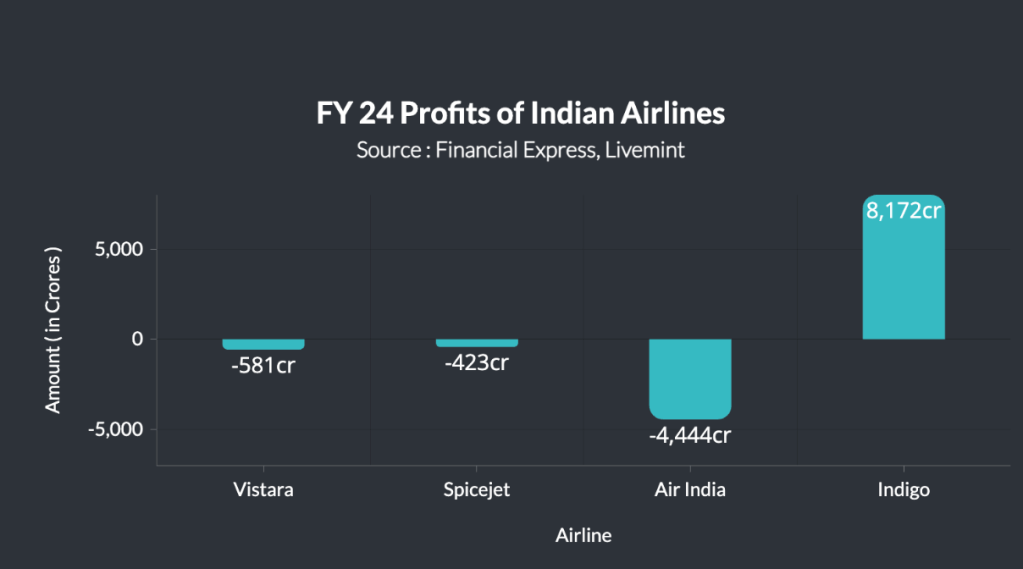
Coupled with its efficient hub-and-spoke model, IndiGo has demonstrated consistent revenue growth and, notably, was the only Indian airline to book a profit in 2024.

IndiGo also operates the largest fleet in the Indian aviation sector, giving it a significant operational edge.

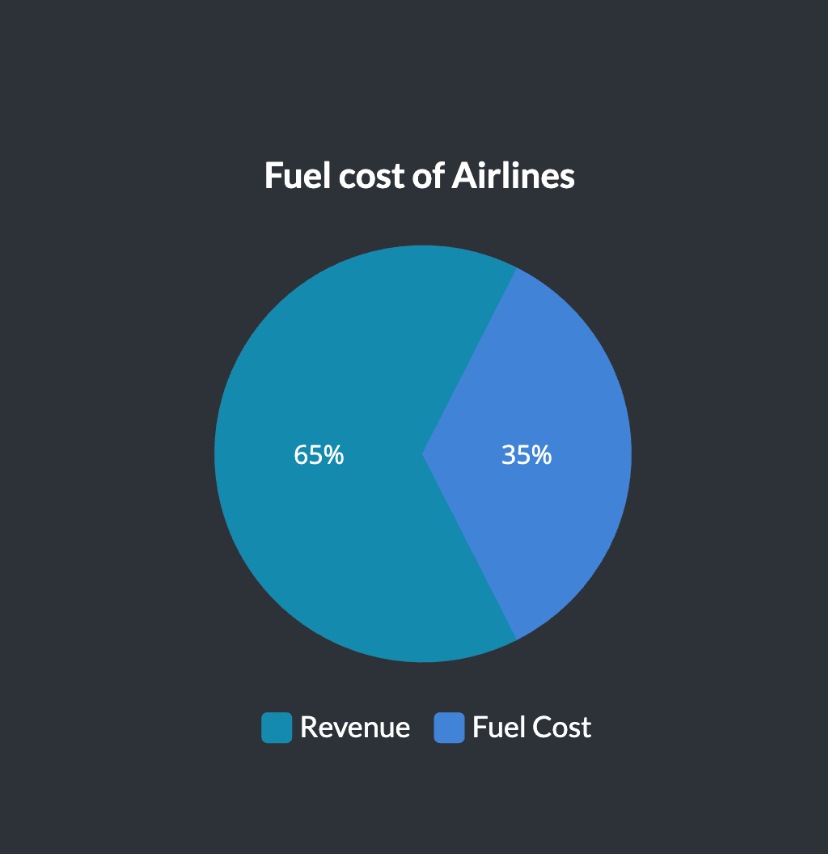
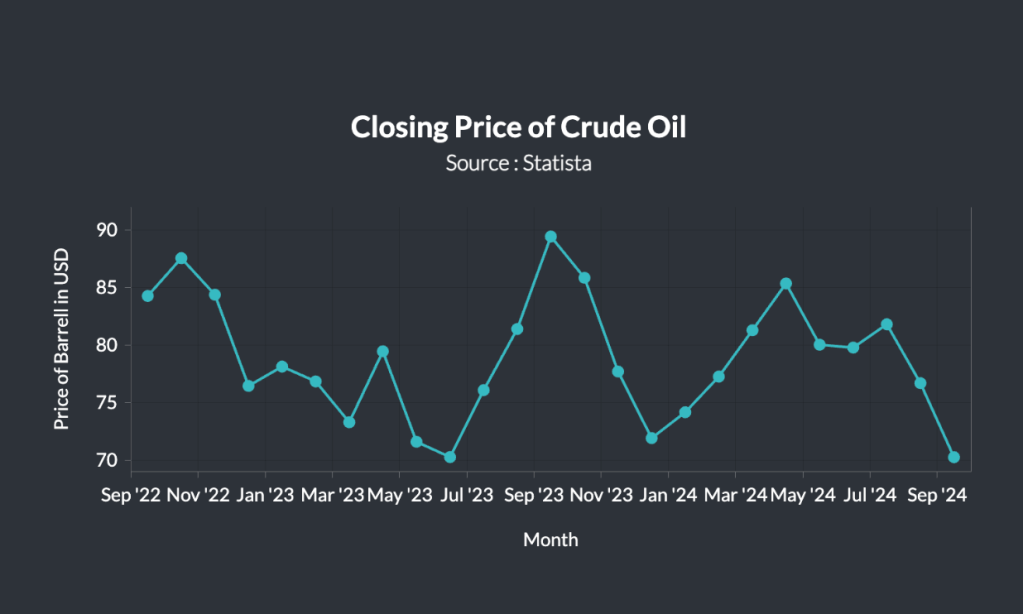
Despite IndiGo’s success, fuel prices remain a major challenge for Indian airlines. Fuel costs account for 35-40% of airline revenue, severely impacting profitability. This high dependency on fuel makes airlines vulnerable to price fluctuations.

Fuel prices are also highly volatile due to geopolitical factors. With a significant portion of crude oil imported from Russia, the ongoing conflict has introduced unprecedented uncertainty, further destabilizing airline profits.

In India, VAT on Aviation Turbine Fuel (ATF) ranges from 4% to 30%, depending on the state—examples include Andhra Pradesh and Telangana with lower rates (4%) and Maharashtra and Delhi imposing higher rates (up to 30%). In contrast, globally, ATF taxes are significantly lower, often below 20% or even tax-exempt in many regions. This disparity puts Indian airlines at a competitive disadvantage, inflating costs and squeezing profit margins compared to international carriers. This has led to the cease of Operations for many airlines.

Now coming to the almost duopoly of Indian Aviation and How air India plans to Crush Indigo. Air India placed an order for 470 planes with the option to buy 370 more. Unlike IndiGo’s focus on short-haul routes within Asia, Air India’s fleet diversity includes long-haul aircraft, allowing it to dominate lucrative international markets. Air India’s consolidation of its four brands—Air India, Vistara, AirAsia India, and Air India Express—into two streamlined entities (full-service and low-cost carriers) enhances operational efficiency. The integration aligns domestic and international strategies, with a focus on premium services and price-sensitive markets. Furthermore, Air India’s investment in on-time performance (90.8% vs IndiGo’s 87.5%), customer experience, and Tata’s financial muscle positions it as a premium alternative to IndiGo’s budget model.

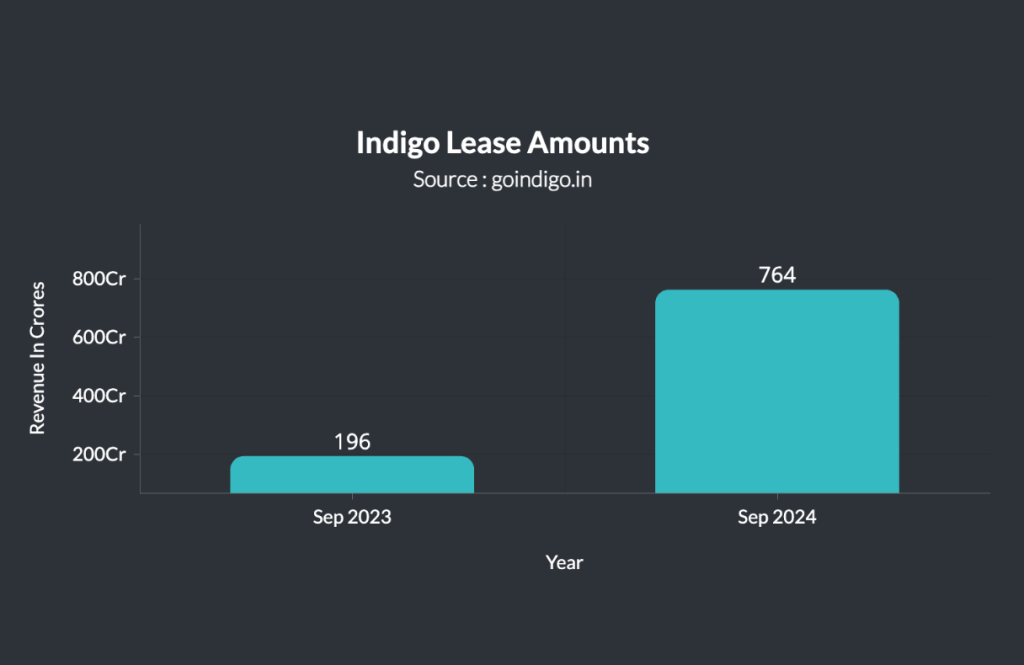
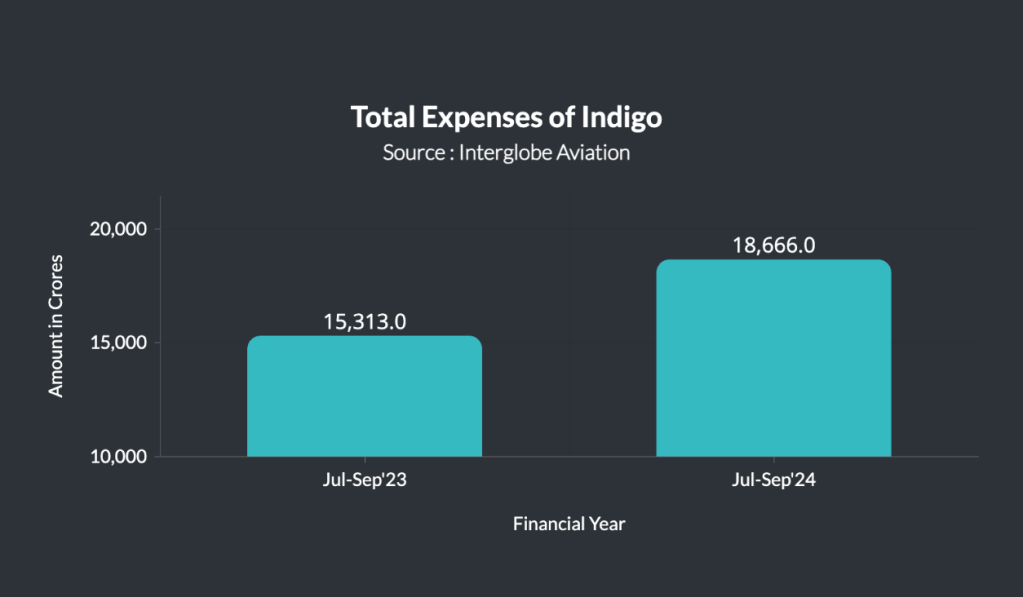
While Air India aggressively expands its fleet and operations, IndiGo finds itself navigating turbulent skies. The airline reported a staggering ₹3,000 crore increase in expenses compared to the previous financial year, driven in part by a ₹586 crore rise in lease payments.

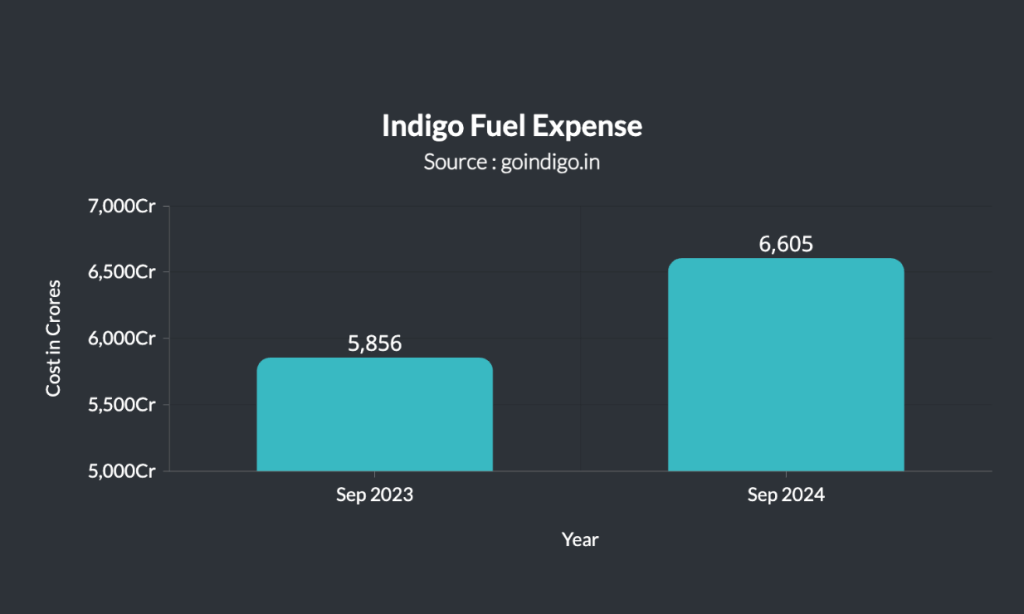
In addition, the volatile fuel market has further strained IndiGo’s finances, with fuel costs surging by an additional ₹800 crore compared to the last financial year. The ongoing geopolitical instability, particularly the reliance on Russian crude oil, has added uncertainty to fuel pricing, exacerbating the airline’s challenges.

These escalating expenses have culminated in IndiGo reporting a net loss of ₹987 crore for the July-September 2024 quarter, marking a sharp turn from its previously consistent profitability.

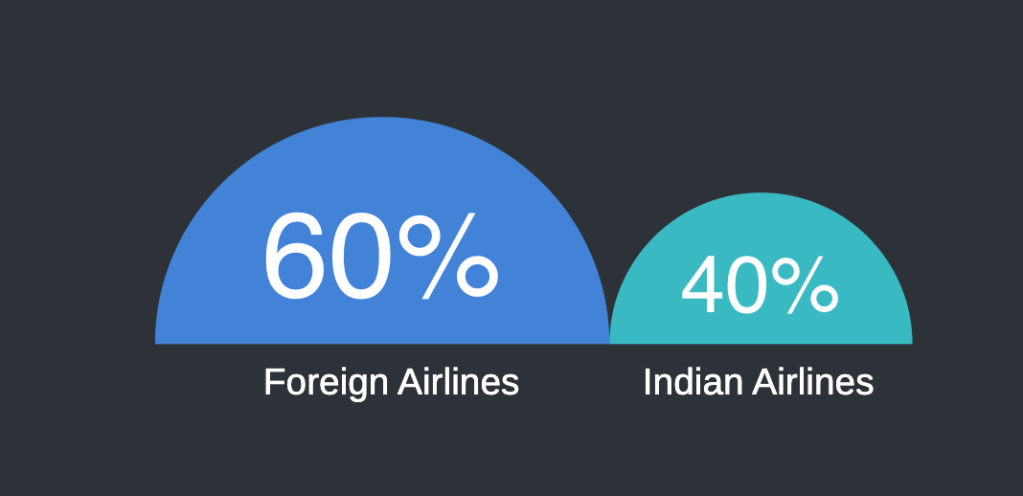
The future of aviation in India is set for unprecedented growth, driven by rising passenger demand and strategic expansions. By 2027, air travelers are projected to reach 400 million, positioning India as the third-largest aviation market globally. To meet this demand, Indian airlines must focus on international connectivity, reducing reliance on foreign carriers, which currently carry 60-65% of India’s international passengers.

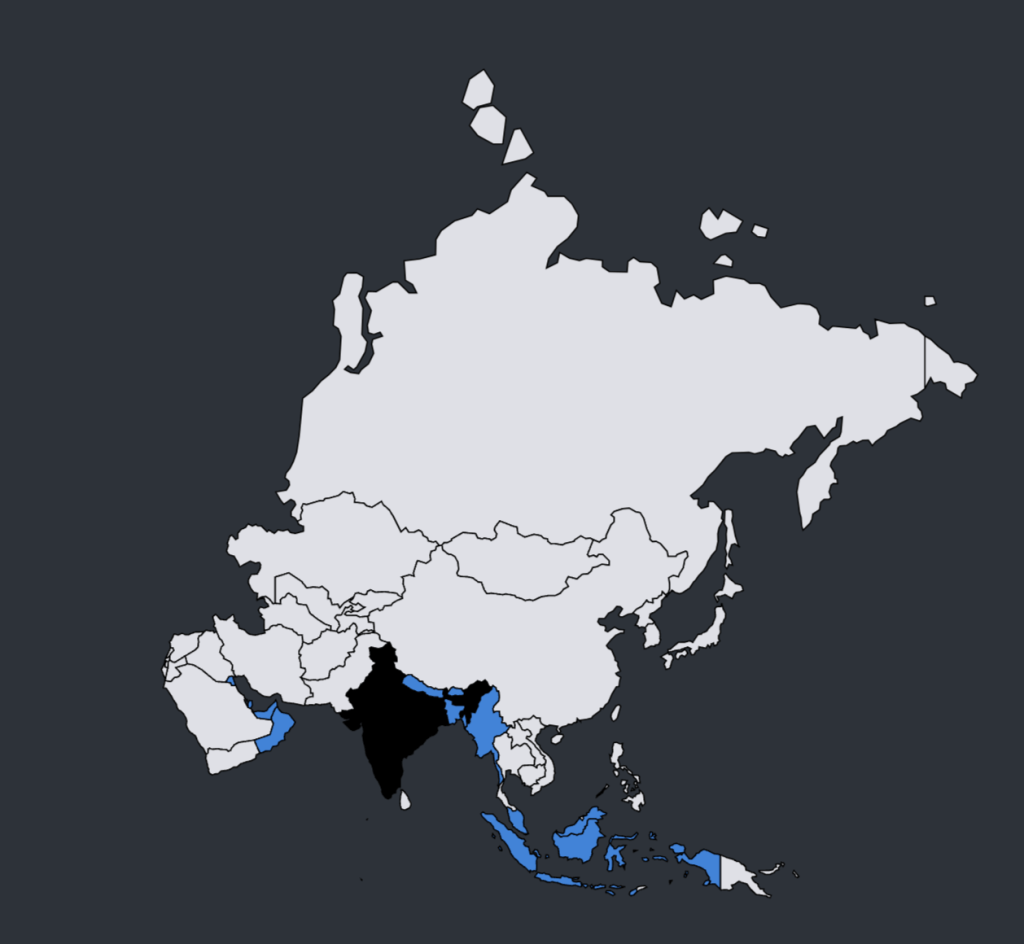
Air India, with its Star Alliance membership and long-haul fleet diversity, is well-positioned to dominate the international segment. It already serves 39 international destinations across five continents, leveraging exclusive airport slots and alliances for seamless connectivity. IndiGo, despite its dominance in the domestic market with a 58% share, has limited international reach, operating only to the edges of Asia. Expanding beyond short-haul routes is critical for IndiGo to stay competitive globally.

Indigo Operations
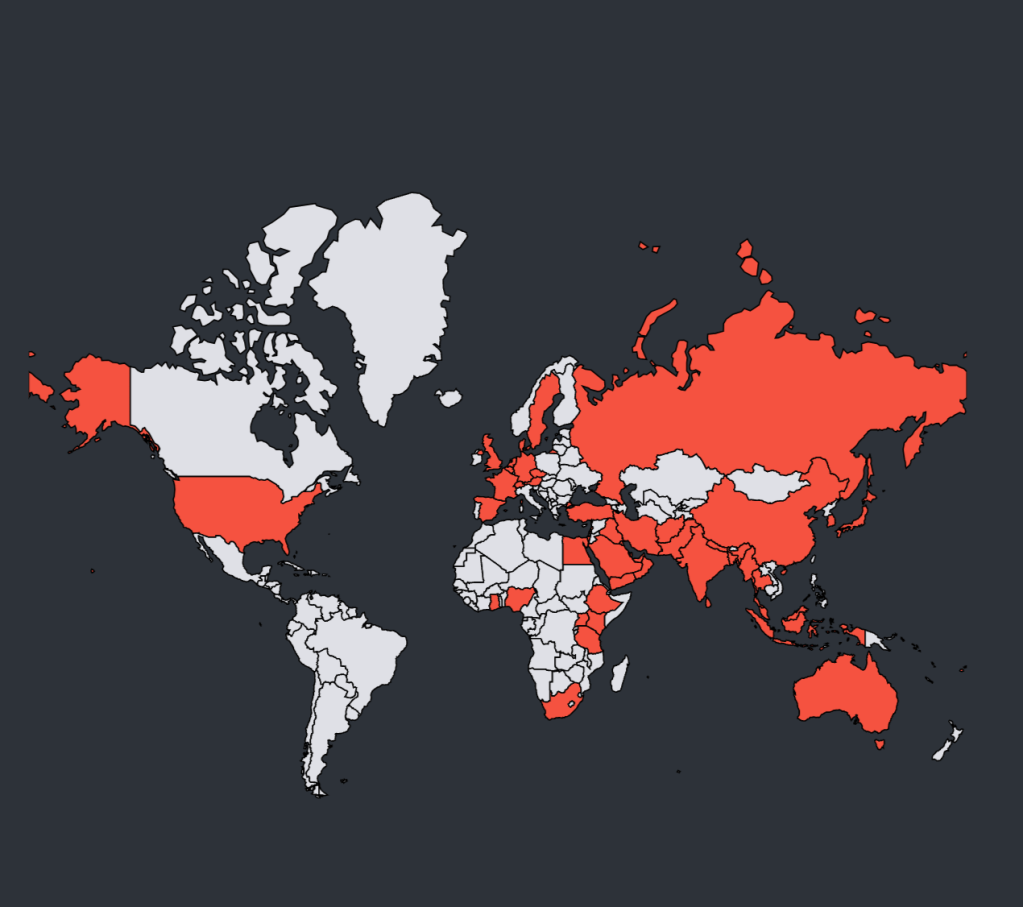
Air India Operations

Operational efficiencies like route optimization and on-time performance are essential to attract international passengers. While Air India leads in on-time performance (90.8% vs. IndiGo’s 87.5%), both carriers must invest in customer experience and fleet expansion. Lowering Aviation Turbine Fuel (ATF) taxes and improving airport infrastructure will also be crucial for enabling Indian airlines to capture a larger share of international markets, boosting their global competitiveness.